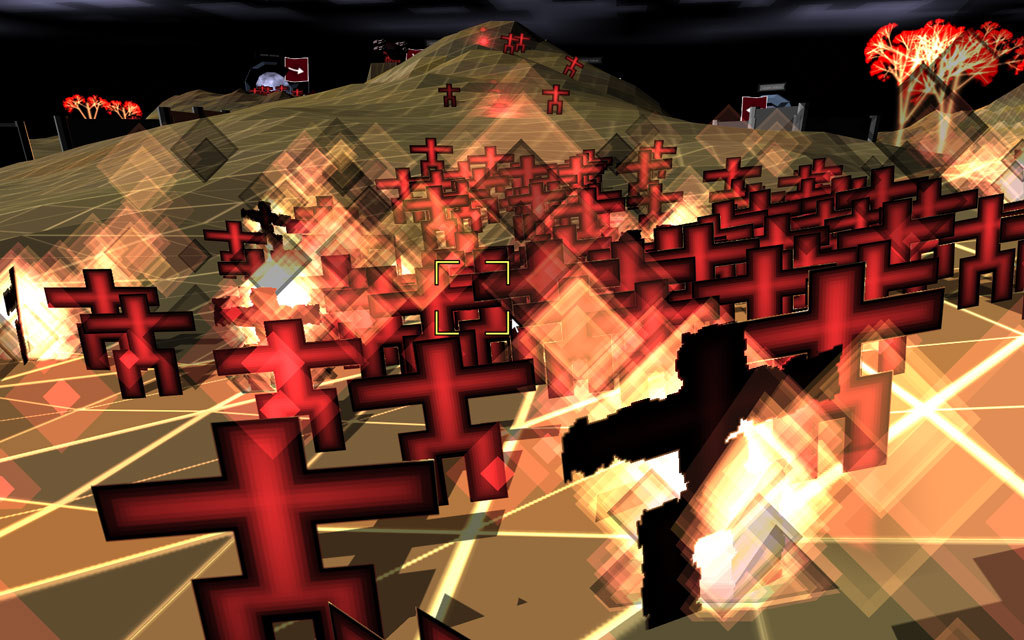
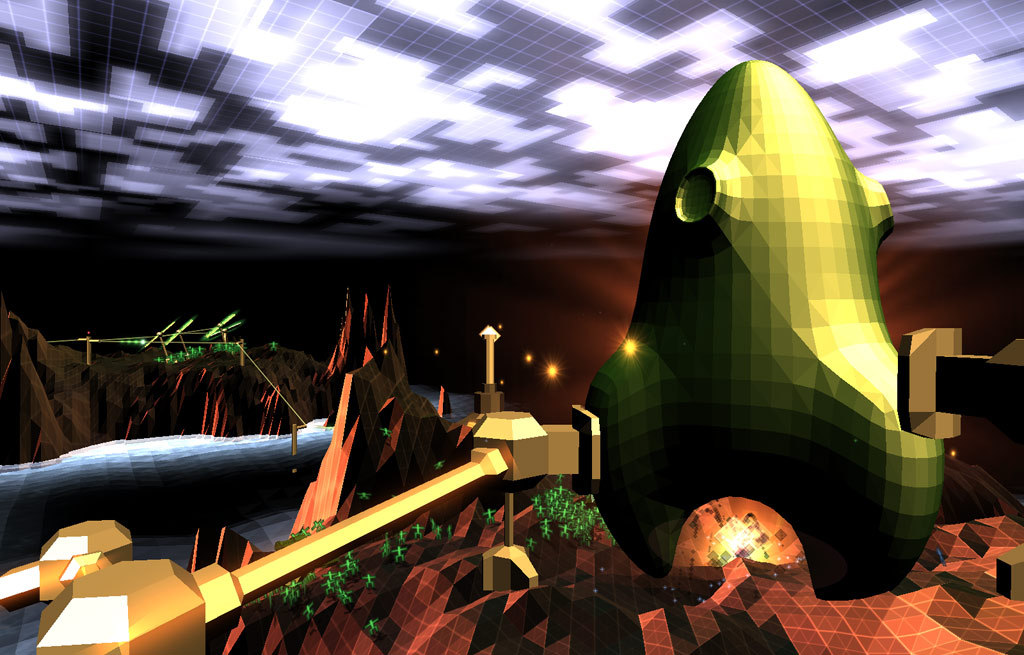
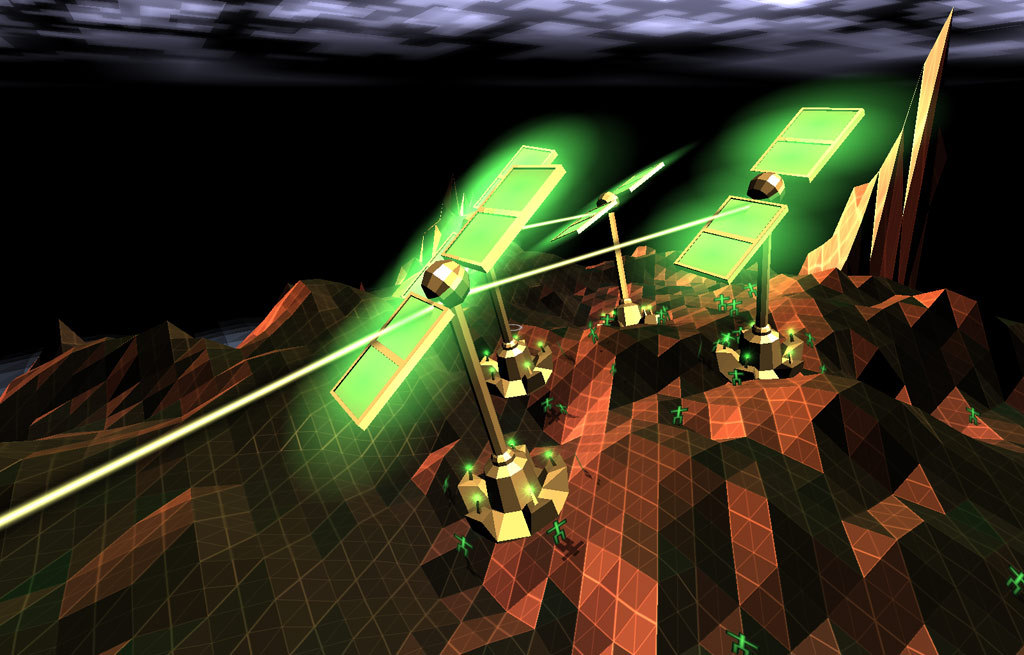
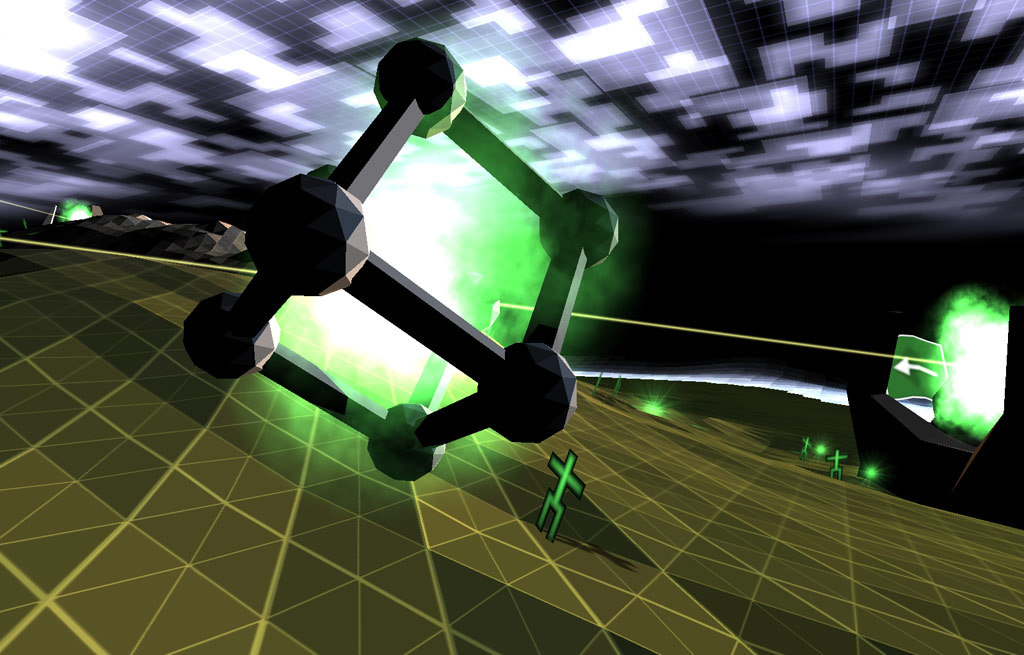
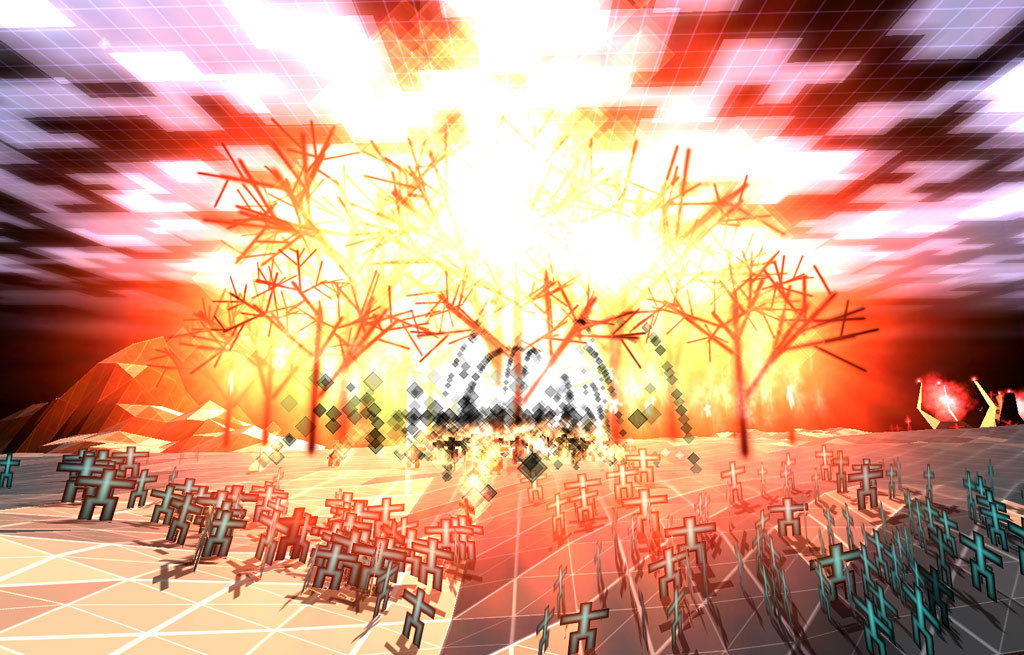
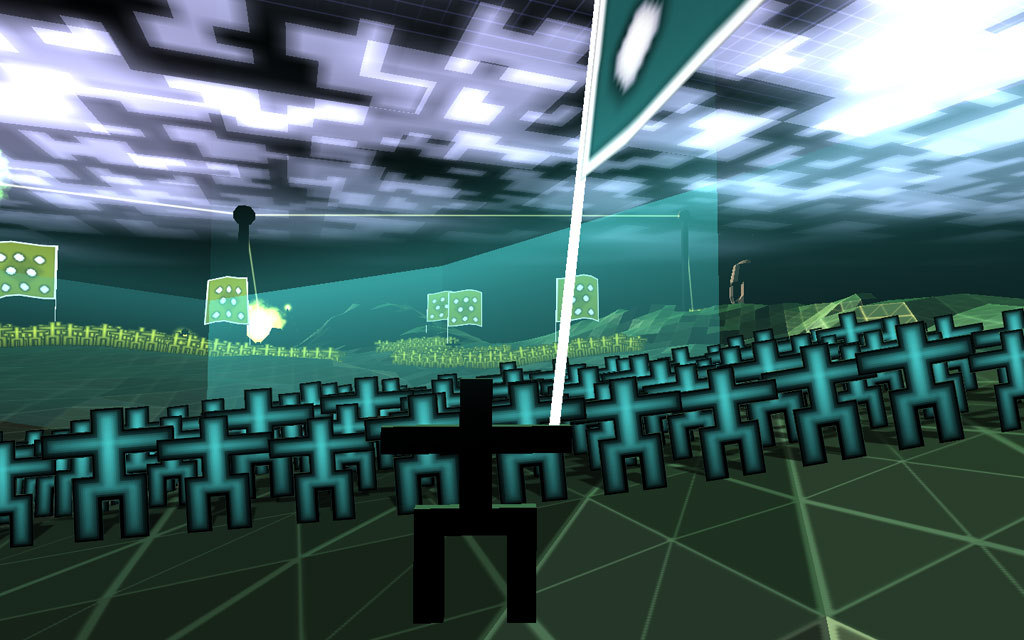
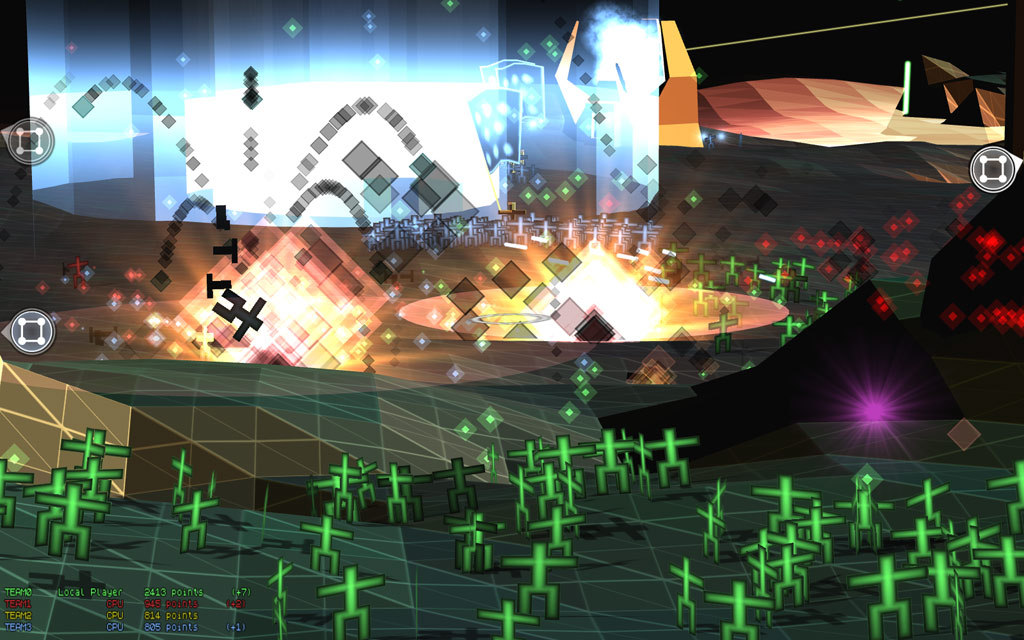
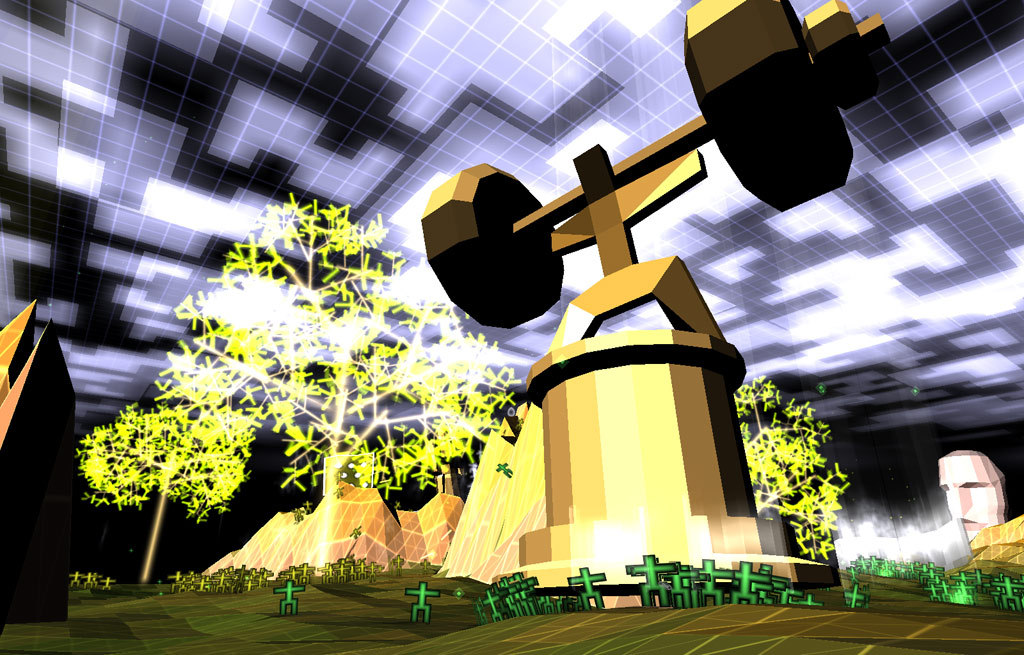
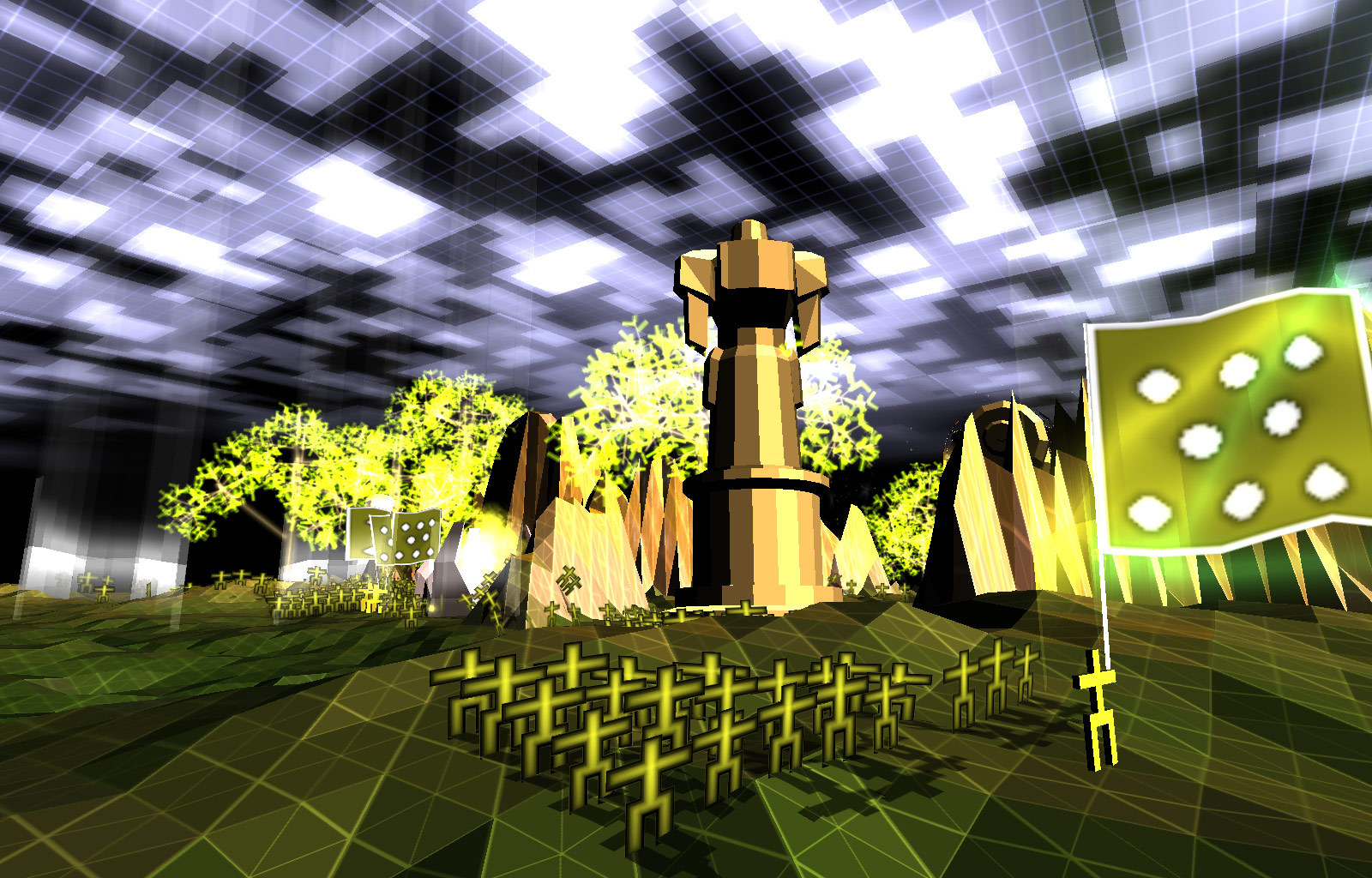
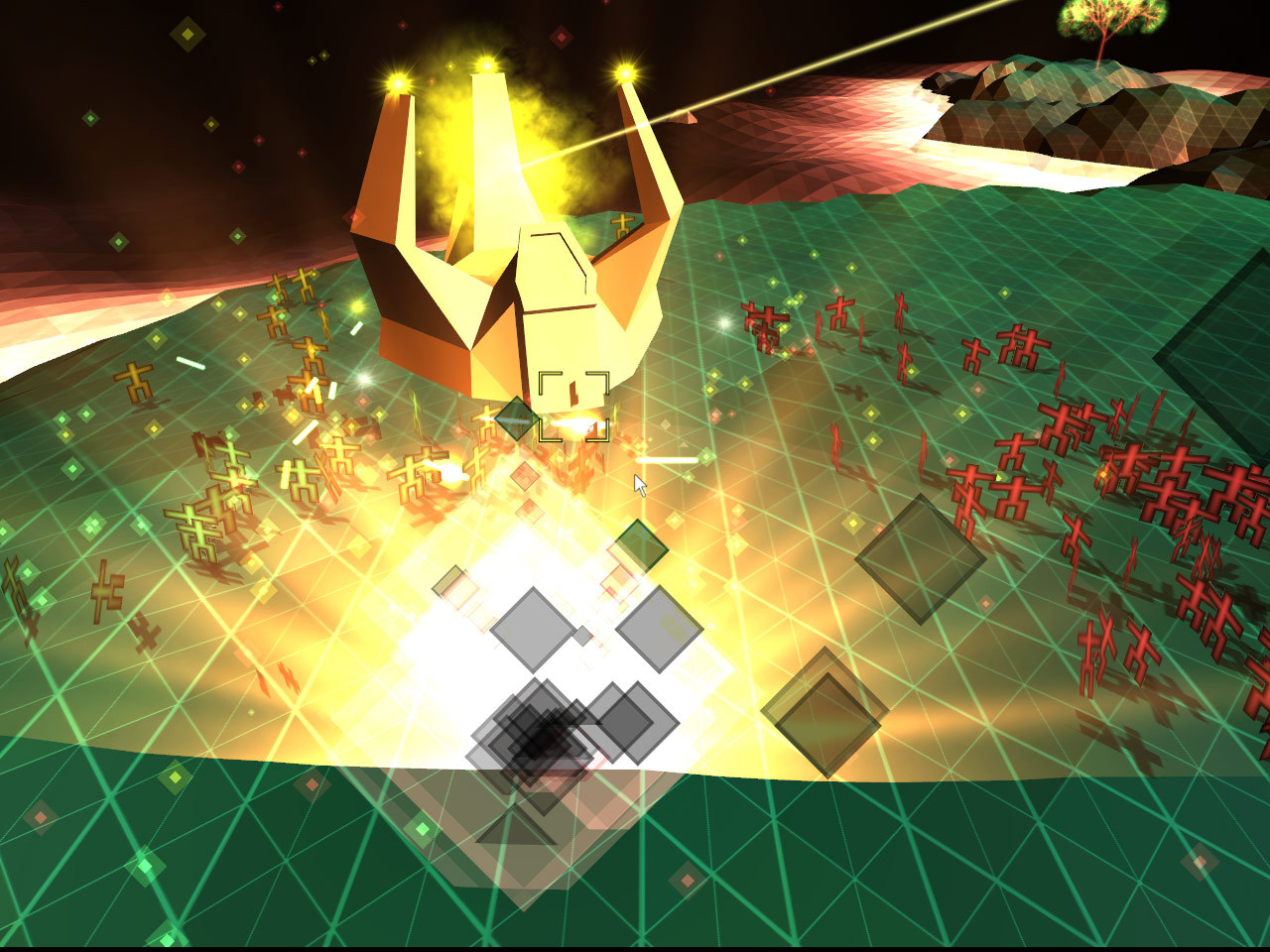
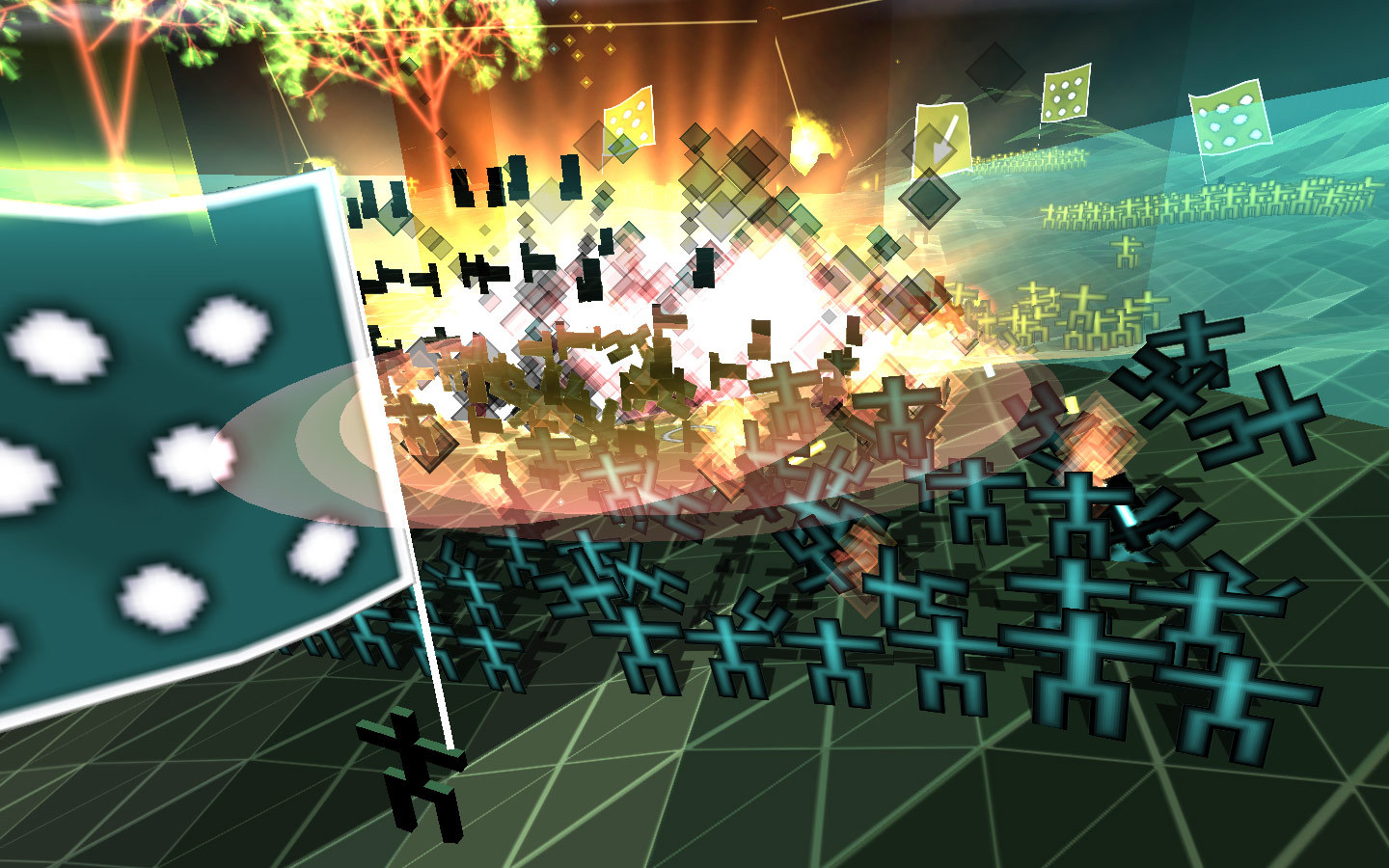
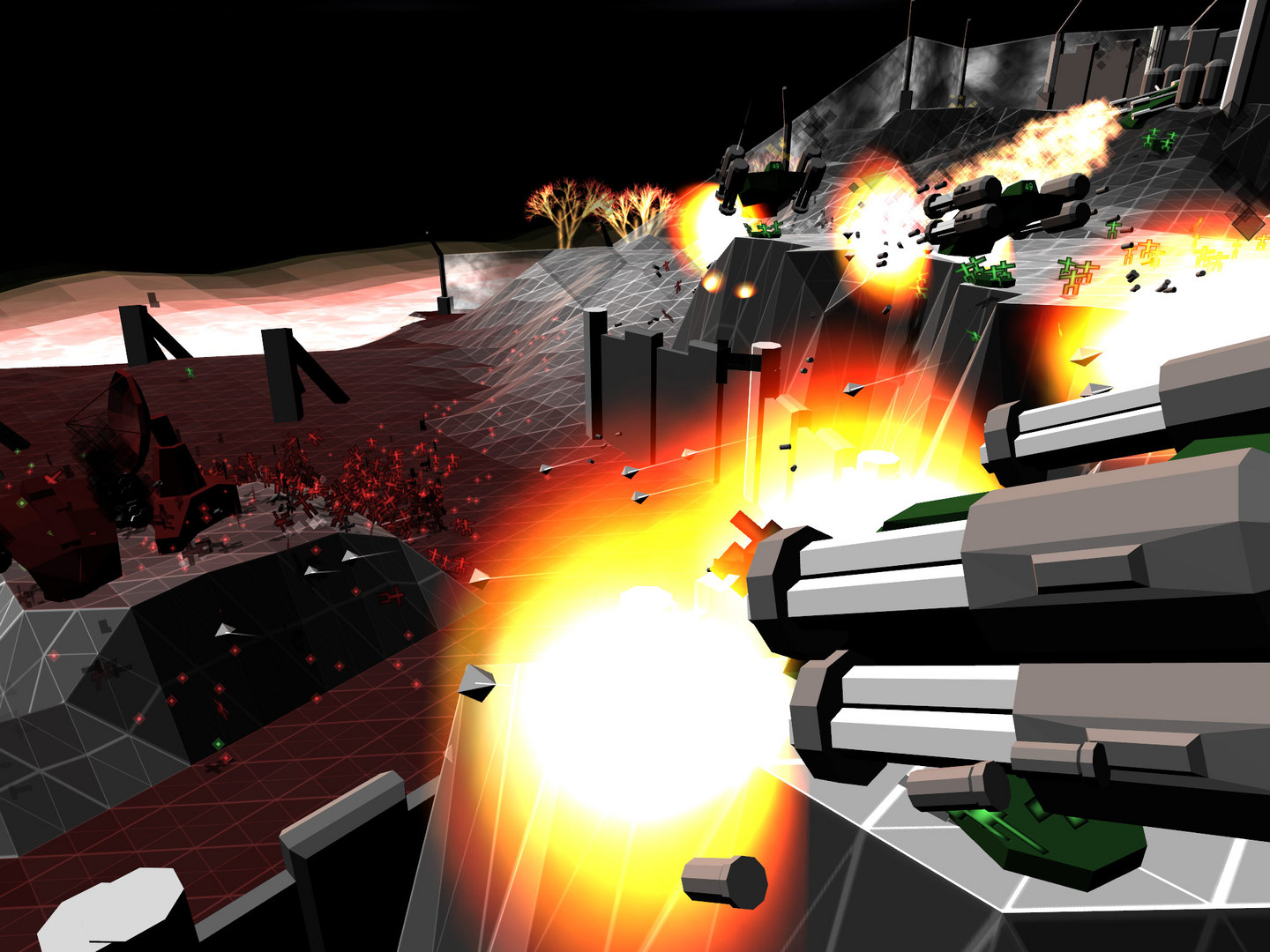
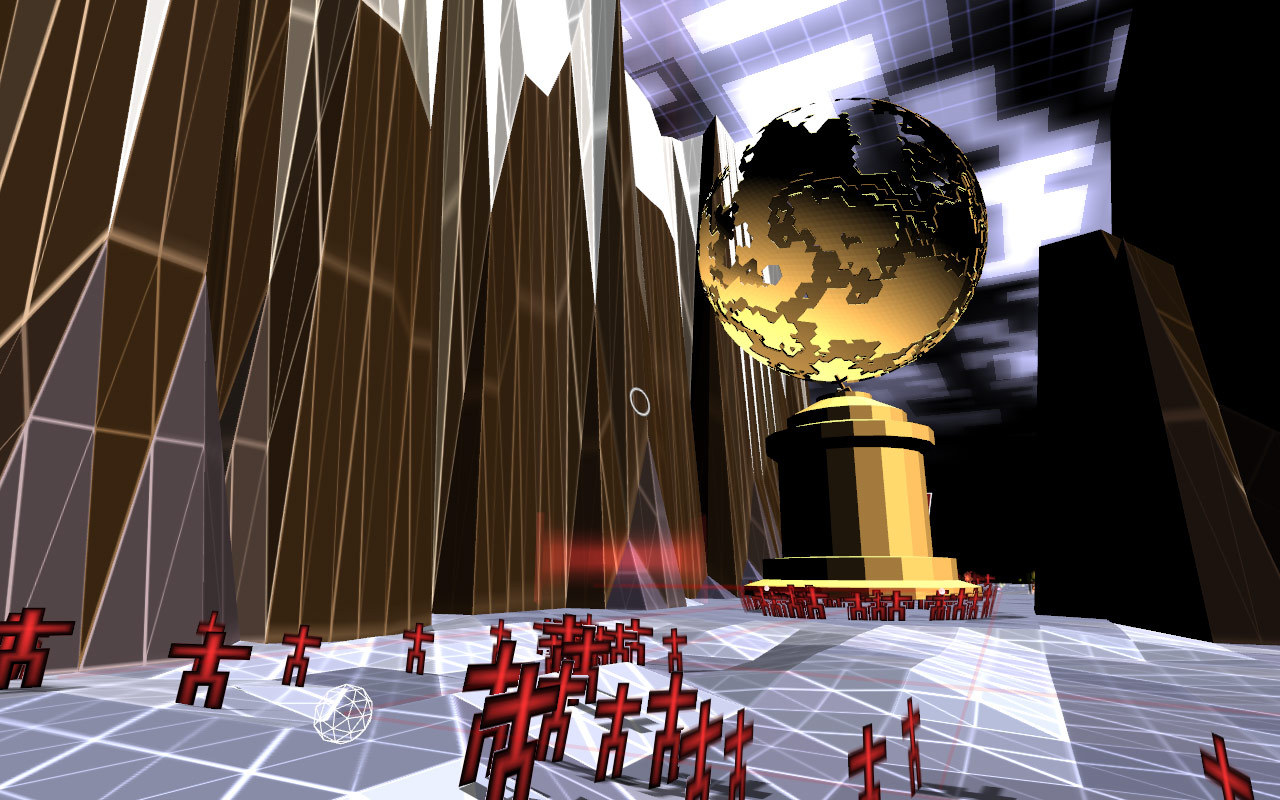
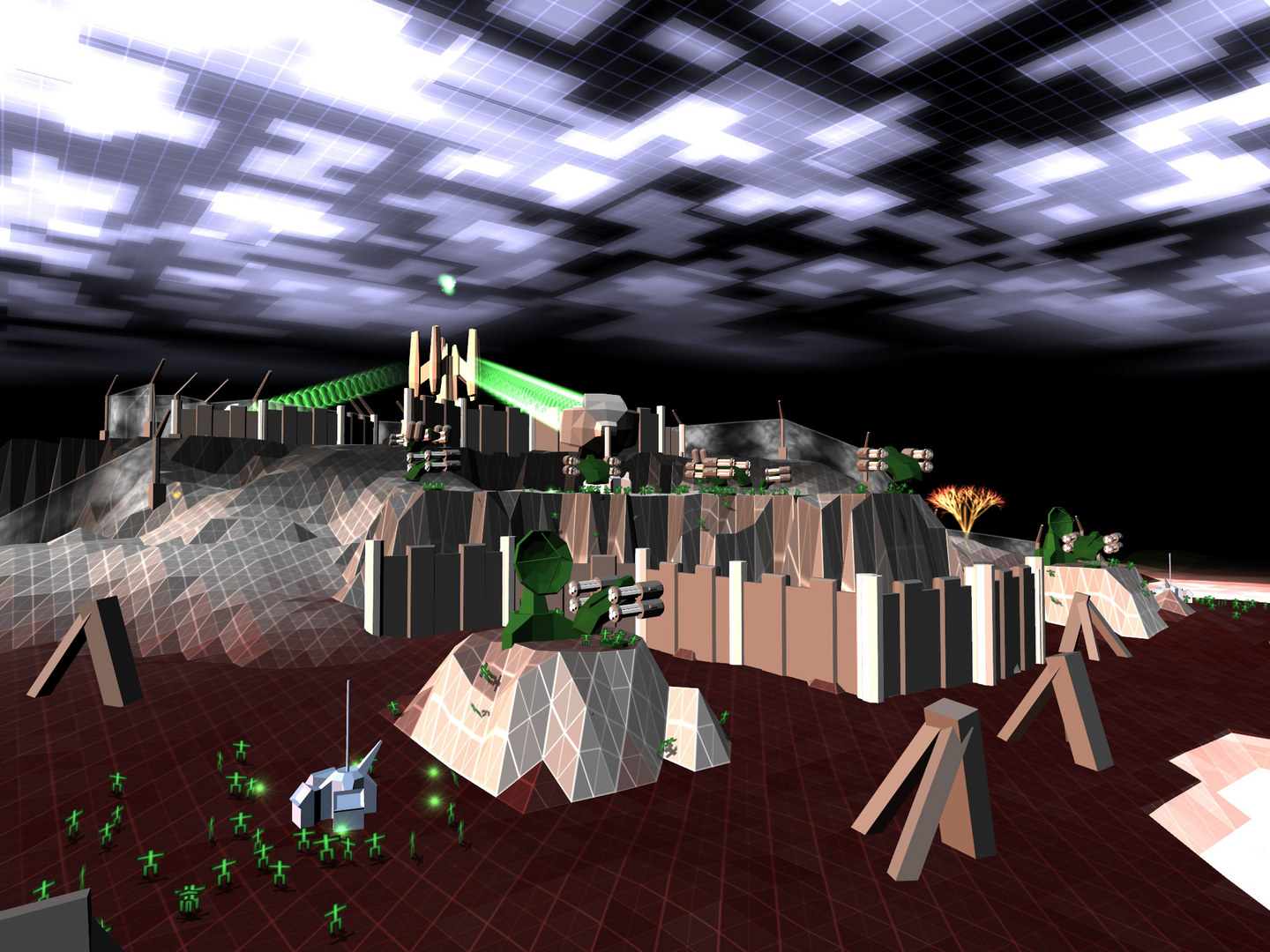
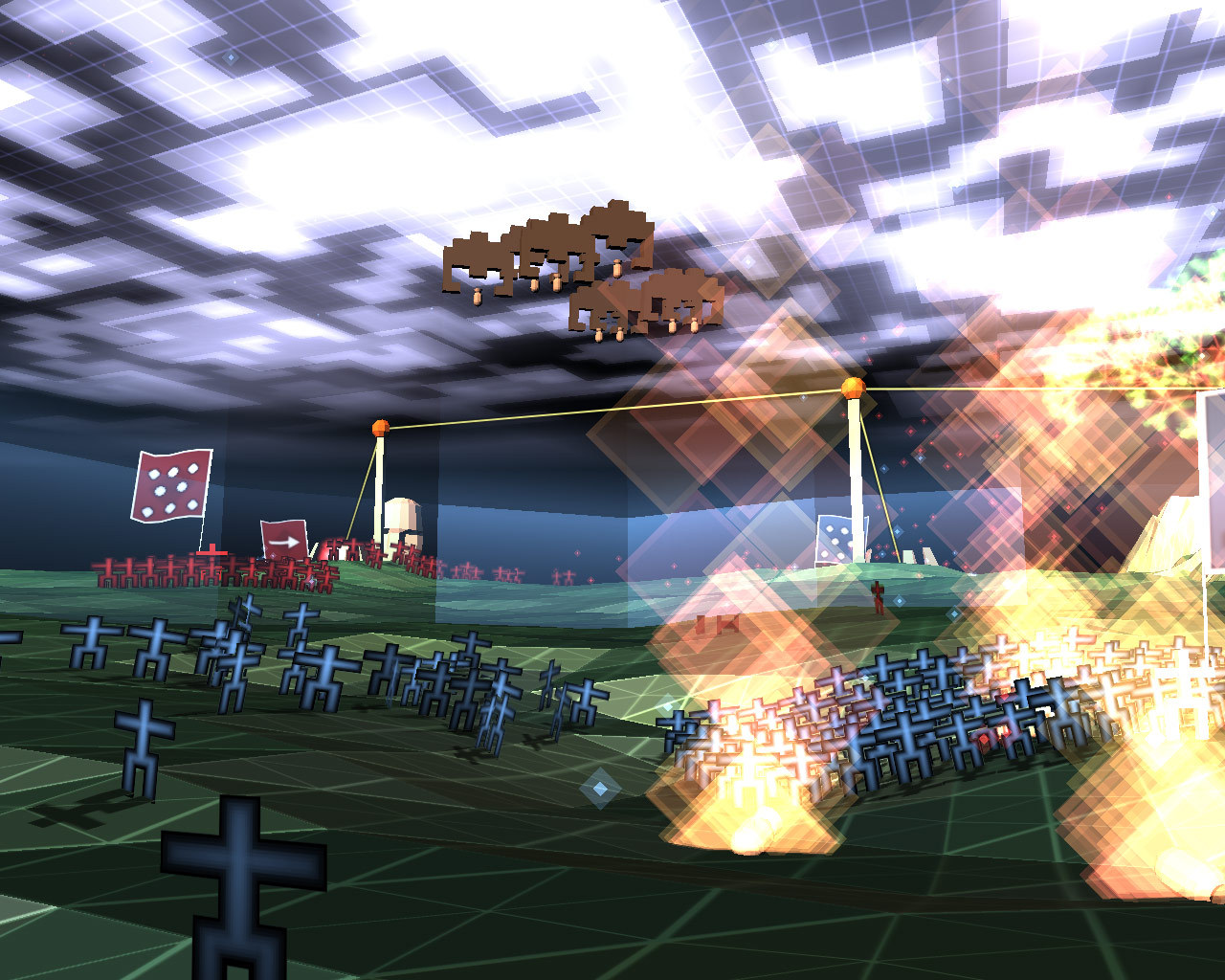
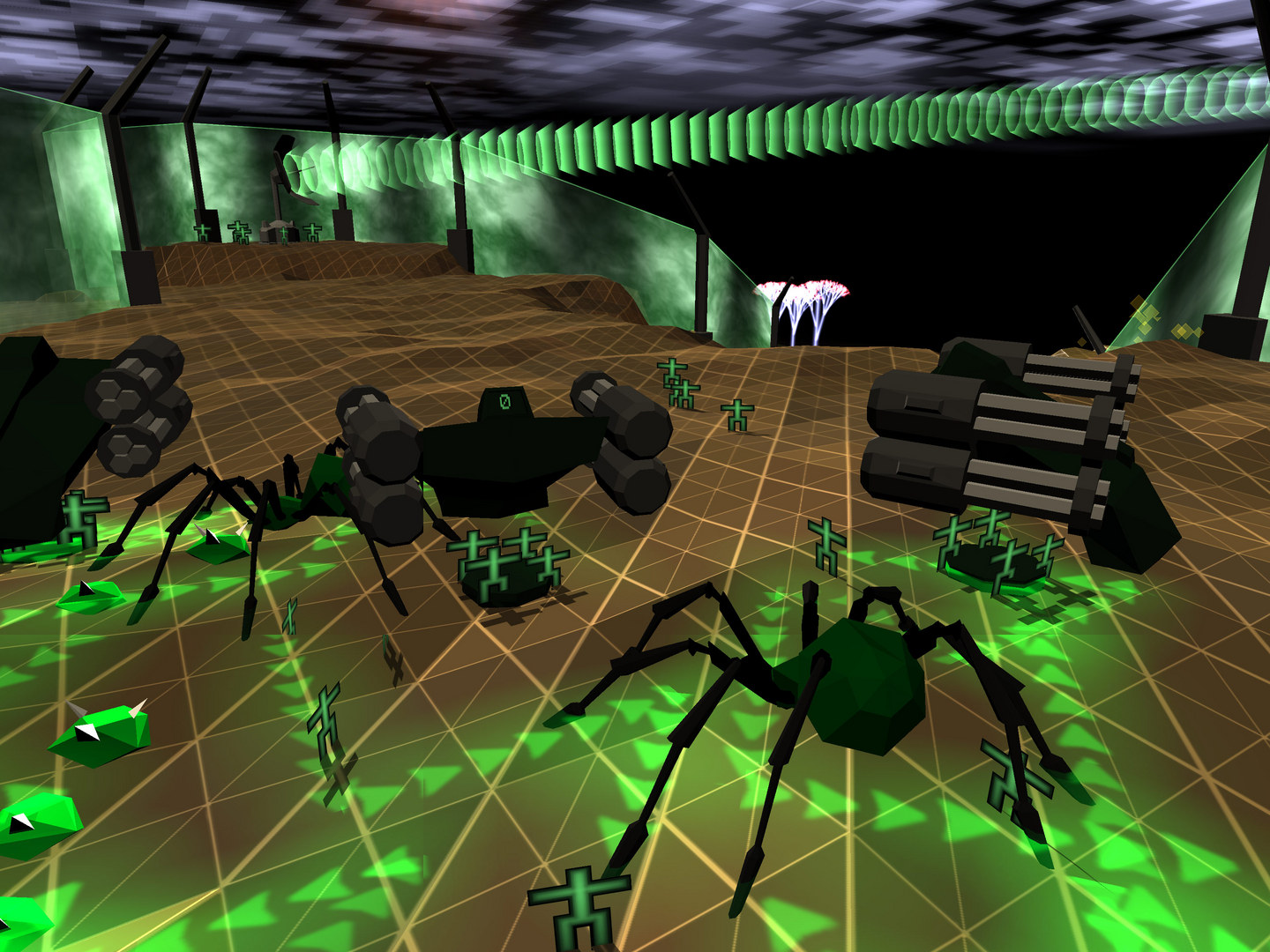
Multiwinia, developed and published by Introversion Software, is a fast-paced, minimalist real-time strategy game that reimagines large-scale combat as a vibrant digital playground of chaos and color. Set within the same virtual universe as the studio’s earlier cult hit Darwinia, it trades the introspective tone of its predecessor for a more competitive, arcade-like energy. The premise is simple but effective: the once peaceful digital inhabitants known as Darwinians have splintered into factions, now waging endless wars for dominance across surreal landscapes inside a computer simulation. The game abandons traditional base-building and resource management mechanics, instead focusing entirely on the movement, coordination, and survival of massive pixelated armies. This streamlined approach gives Multiwinia a distinct rhythm that feels both refreshingly immediate and deceptively strategic. Visually, Multiwinia carries Introversion’s signature aesthetic—abstract, geometric environments and vast swarms of tiny, glowing stick figures moving in synchronized chaos. The landscapes resemble low-poly sculptures painted in bright, otherworldly hues, while explosions, laser fire, and particle effects create a constant sense of kinetic motion. Each battle resembles an abstract painting in motion, and though simple in appearance, the visual design perfectly complements the game’s underlying theme of digital warfare. The interface is clean and minimalistic, allowing players to focus on the ebb and flow of their armies rather than micromanaging menus. This purity of design is one of Multiwinia’s great strengths; it captures the essence of large-scale strategy without clutter or overcomplication, maintaining an aesthetic charm that remains recognizable even years after release. Gameplay is divided into several distinct modes, each emphasizing different aspects of control and tactical improvisation. These include Domination, King of the Hill, Assault, Rocket Riot, and Capture the Statue, among others. Each mode takes a familiar concept—holding territories, escorting objects, or launching rockets—and reimagines it within Multiwinia’s swarm-based framework. Players command hundreds of tiny units, directing them to capture spawn points, secure objectives, and overwhelm enemy positions. The core appeal lies in managing chaos rather than constructing order; with limited tools, you must adapt on the fly as reinforcements arrive, terrain shifts, and unpredictable power-ups drop across the battlefield. Matches are typically short and intense, lasting around fifteen minutes, which makes the game highly replayable and ideal for quick sessions. Beneath the surface simplicity, there is a surprising amount of tactical nuance in positioning, timing, and reading the flow of battle. The multiplayer component represents the heart of the experience, offering both online and local play. Matches against human opponents showcase the game’s brilliance—its unpredictable skirmishes, sudden reversals, and emergent moments of humor or desperation. Power-up crates can turn the tide in seconds, introducing temporary advantages like airstrikes, teleportation, or the ability to summon devastating weapons. These elements ensure that no two battles feel alike, yet they also inject an element of randomness that can occasionally frustrate players seeking pure strategy. Still, this unpredictability is part of Multiwinia’s charm. It’s not about perfect control but about thriving in disorder, adapting to shifting conditions, and embracing the absurdity of digital warfare. The artificial intelligence is competent enough to provide a challenge in single-player matches, but the game clearly shines brightest when humans clash over its colorful arenas. While Multiwinia’s design philosophy emphasizes accessibility and instant action, it also limits the game’s long-term depth. Without a traditional single-player campaign or progression system, the experience can feel transient once the novelty of its modes wears off. Players looking for a narrative-driven strategy game or complex economic systems will find little of that here. The structure is more akin to a competitive playground than a full-fledged grand strategy experience. Yet within this simplicity lies a purity of design that few games achieve—the mechanics are tight, the pacing brisk, and every match tells its own improvised story of triumph and annihilation. The game’s brevity and unpredictability ensure that it never overstays its welcome, but they also mean that Multiwinia functions best as a short-burst experience rather than a long-term obsession. Technically, the game remains smooth and responsive even during massive battles involving hundreds of units, a testament to Introversion’s careful optimization. The soundtrack enhances the digital atmosphere with electronic rhythms that pulse beneath the chaos, while the minimalist sound effects—crackling lasers, distant explosions, the rhythmic march of pixel soldiers—reinforce the sensation of being inside a simulated world. The presentation is cohesive in every respect, immersing players in a stylized digital war zone that feels both alien and oddly endearing. There is an unmistakable charm in watching countless tiny figures charge heroically into battle, only to dissolve into glowing fragments moments later, as if the game itself is celebrating the beauty of organized disorder. In the end, Multiwinia stands as an unusual but captivating entry in the real-time strategy genre. It distills the complexity of warfare into a kinetic, visually striking, and immediately playable experience that thrives on spontaneity. While it lacks the narrative and systemic depth of traditional RTS games, its speed, accessibility, and distinctive art direction give it a unique identity that few contemporaries share. For players who appreciate fast, chaotic strategy games that value creativity over control, Multiwinia delivers a satisfying blend of competition and spectacle. It may not satisfy those looking for intricate long-term strategy, but as a snapshot of Introversion Software’s experimental spirit, it remains a memorable and refreshingly original title—one that celebrates both the simplicity of play and the unpredictability of digital life. Rating: 7/10
Expand the review