
VALKYRIE DRIVE -BHIKKHUNI-
VALKYRIE DRIVE -BHIKKHUNI- is the all-new all-action brawler from the creators of SENRAN KAGURA. The girls of Bhikkhuni are infected with the mysterious VR-Virus and the only way to control it is to fight.
Sync your Steam wishlist to find the lowest game prices instantly. No login required, just paste your Steam profile URL!
⚡ Try Wishlist Radar!
Sync your Steam wishlist to find the lowest game prices instantly. No login required!
⚡ Try Wishlist Radar!
Close

Mysteria ~Occult Shadows~ on Steam
Quick menu
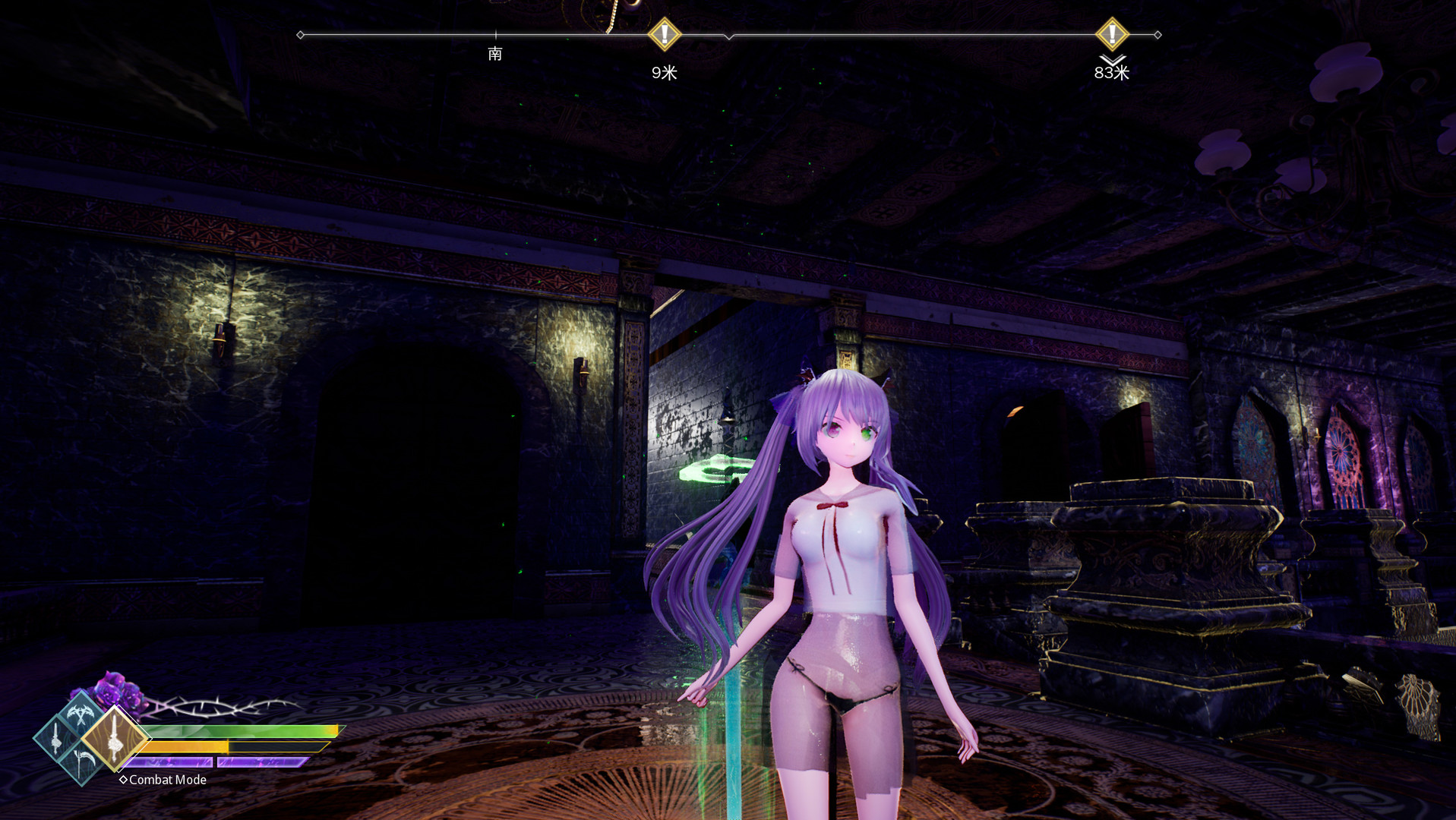
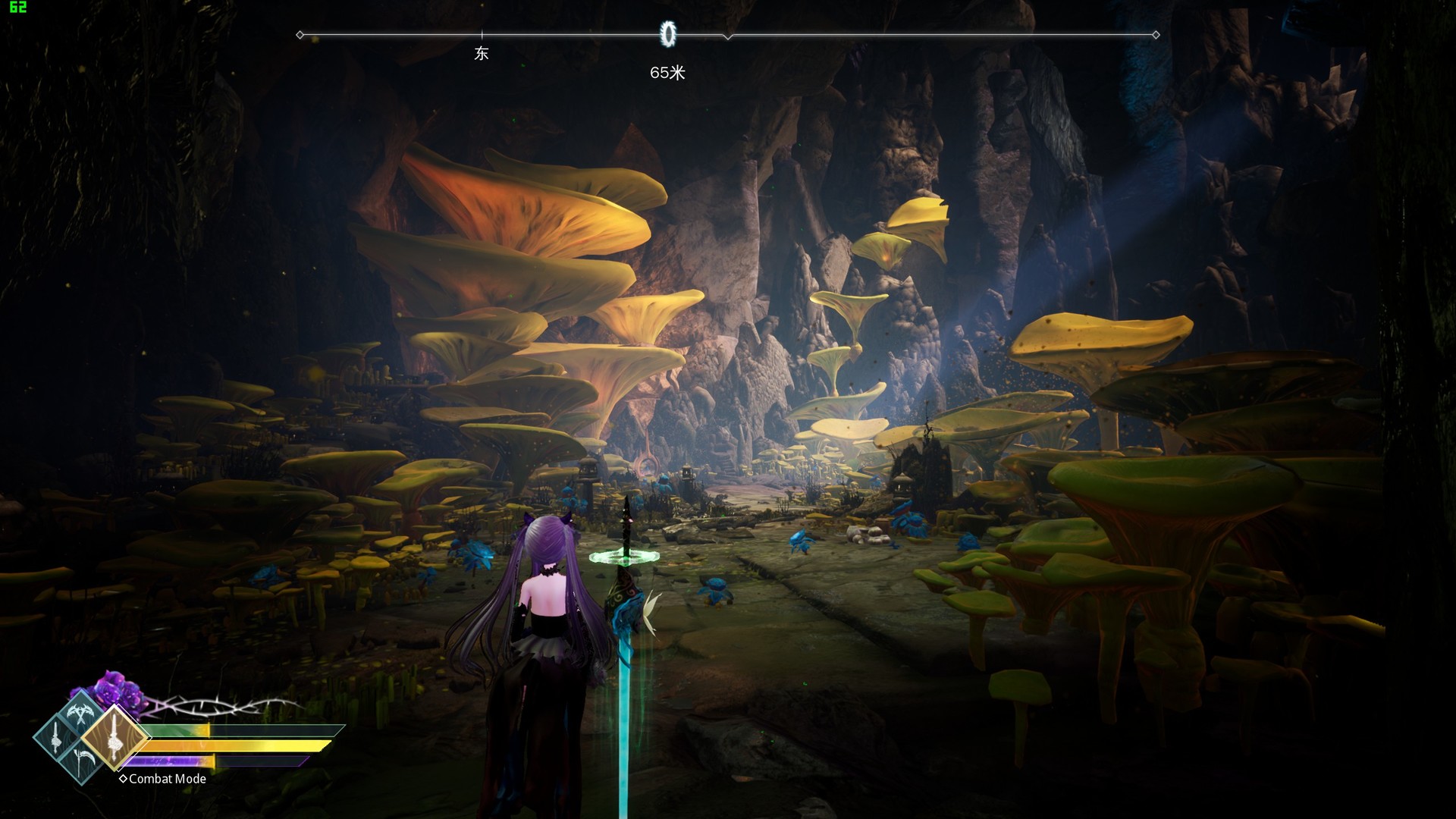
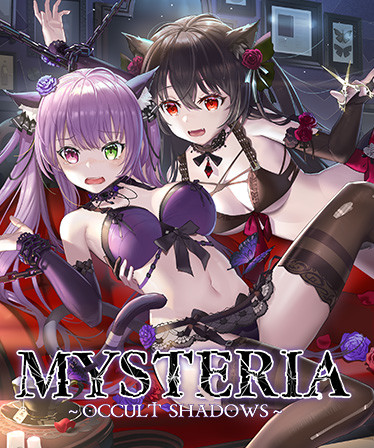
Explore the land of Sulnas as the "Shadow of Death", a cat girl who's dauntless and fierce. The land is poisoned by secret power and desperately needs salvation. Can you save it from its sure demise or will you doom its fate like everyone else would?
Mysteria ~Occult Shadows~ is a action, female protagonist and anime game
developed and published by U-Secret Studio.
Released on September 29th 2020 is available only on Windows
in 4 languages: Simplified Chinese, Japanese, English and Traditional Chinese.
It has received 3,195 reviews of which 2,045 were positive and 1,150 were negative resulting in a rating of 6.3 out of 10. 😐
The game is currently priced at 12.79€ on Steam.
The Steam community has classified Mysteria ~Occult Shadows~ into these genres:
Action
Female Protagonist
Anime
RPG
Adventure
Indie
Hack and Slash
Gore
Cute
Violent
JRPG
Singleplayer
Mythology
Early Access
Third Person
Here is the detailed breakdown of supported languages for Mysteria ~Occult Shadows~:
| UI | Subtitle | Audio | |
|---|---|---|---|
| English | |||
| Simplified Chinese | |||
| Traditional Chinese | |||
| Japanese |
Media & Screenshots
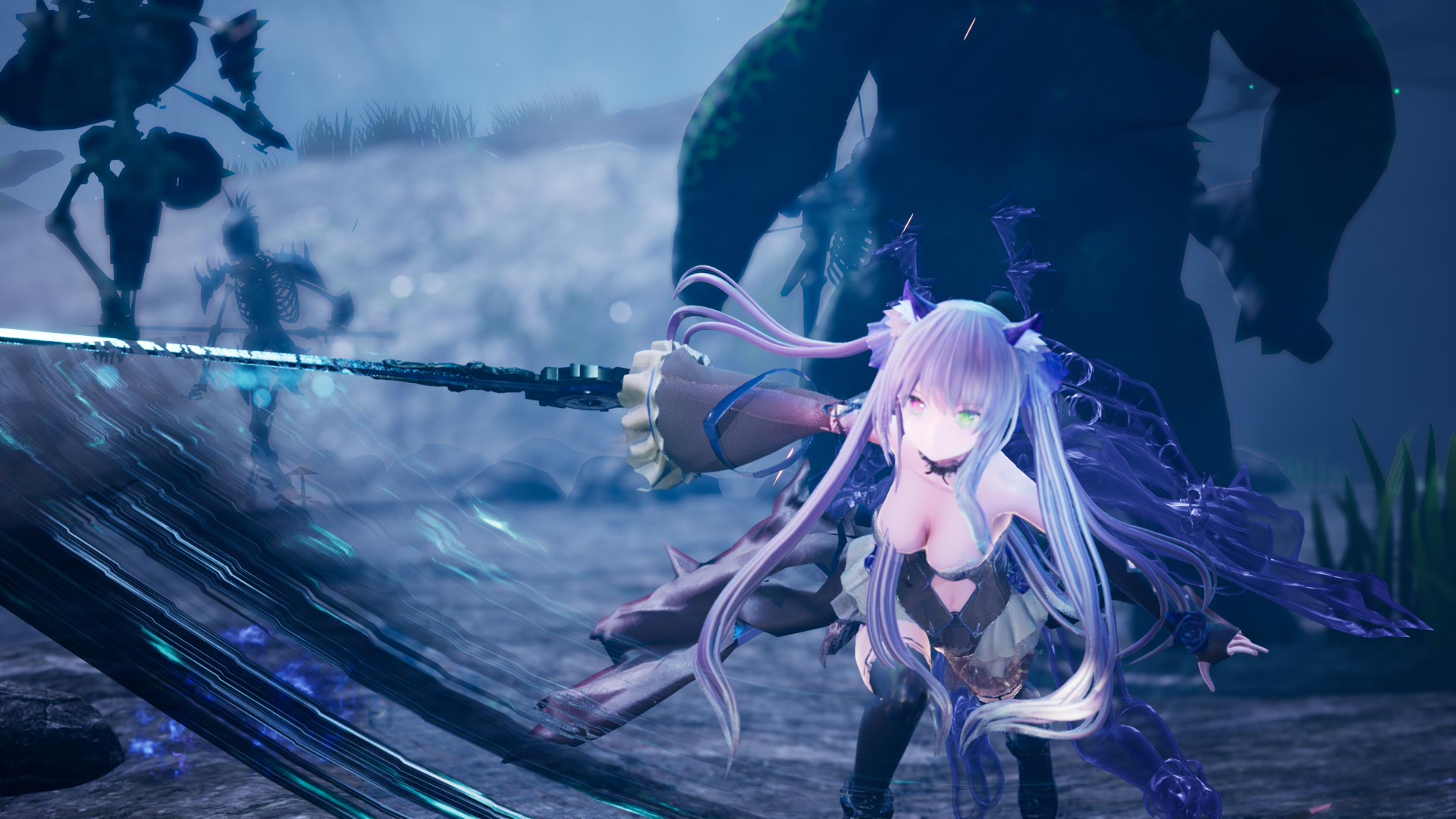
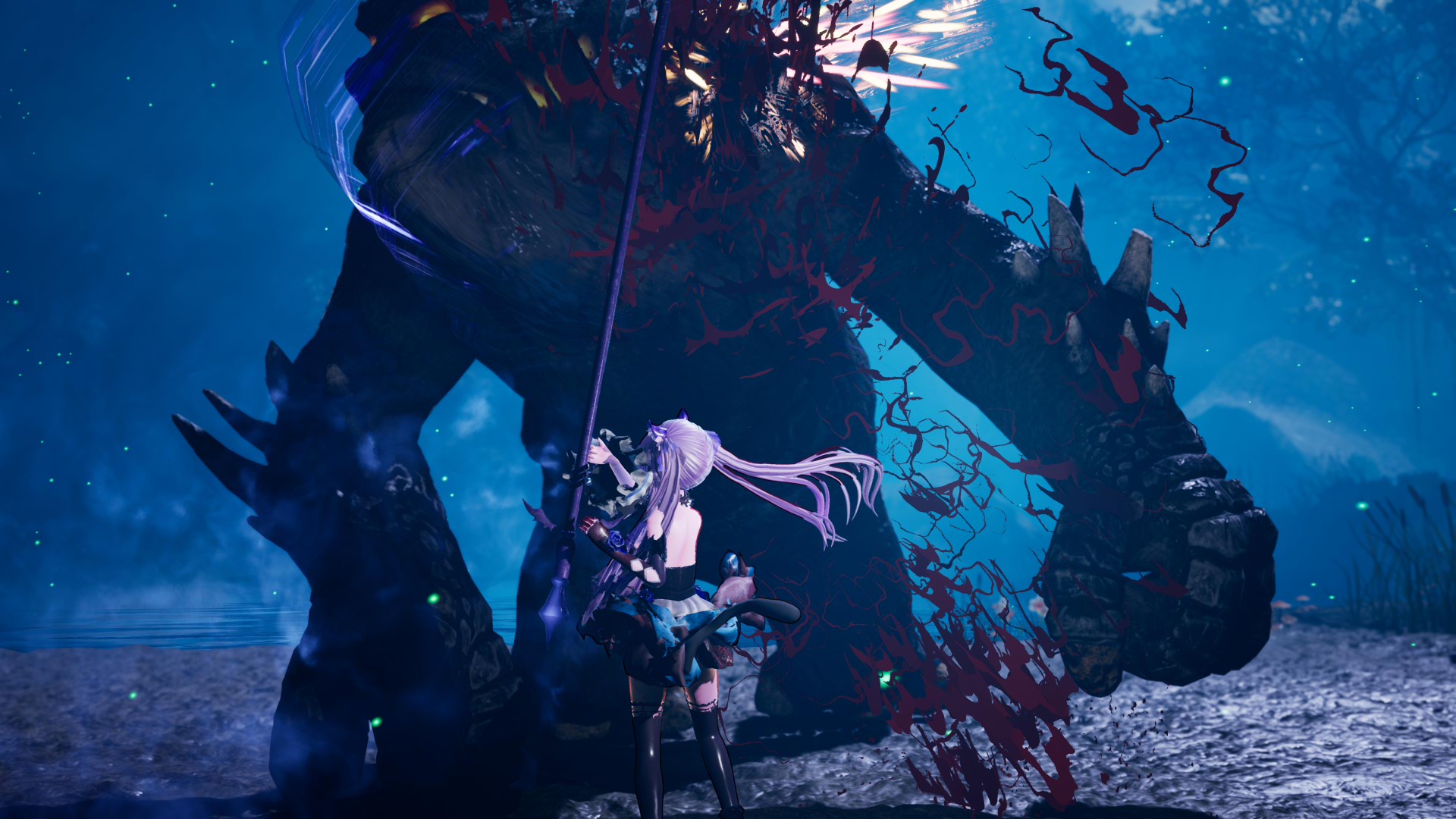
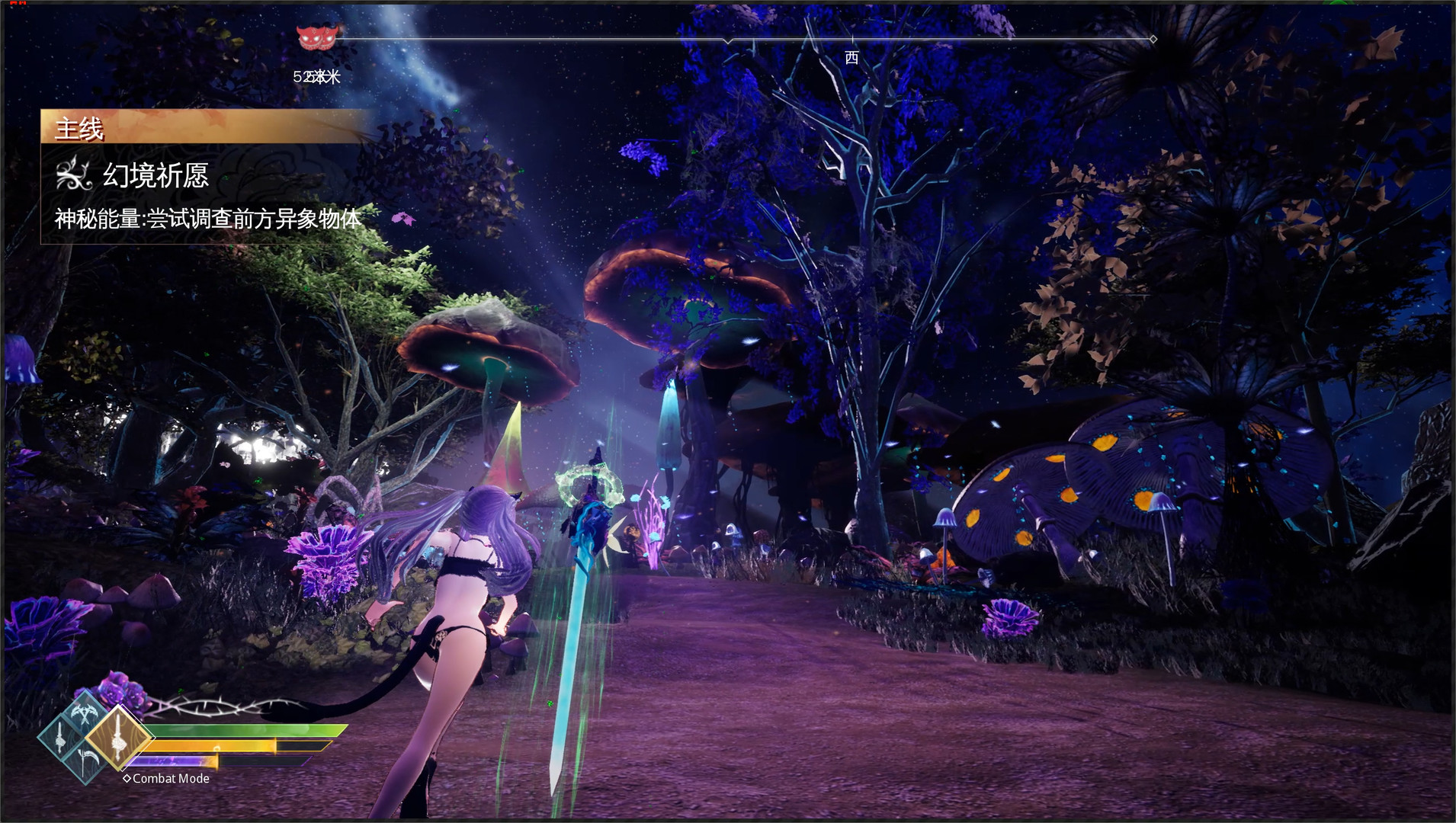
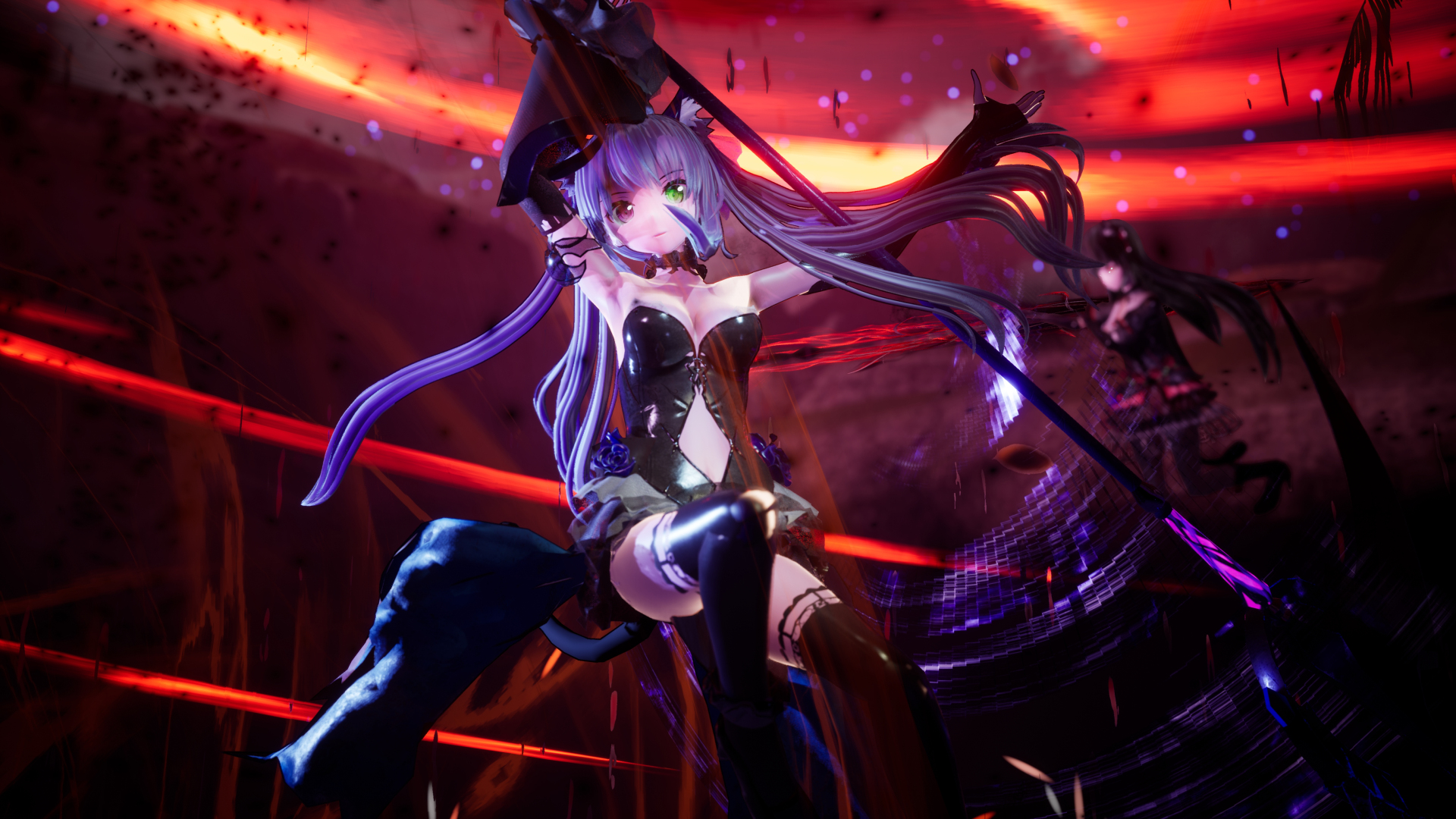
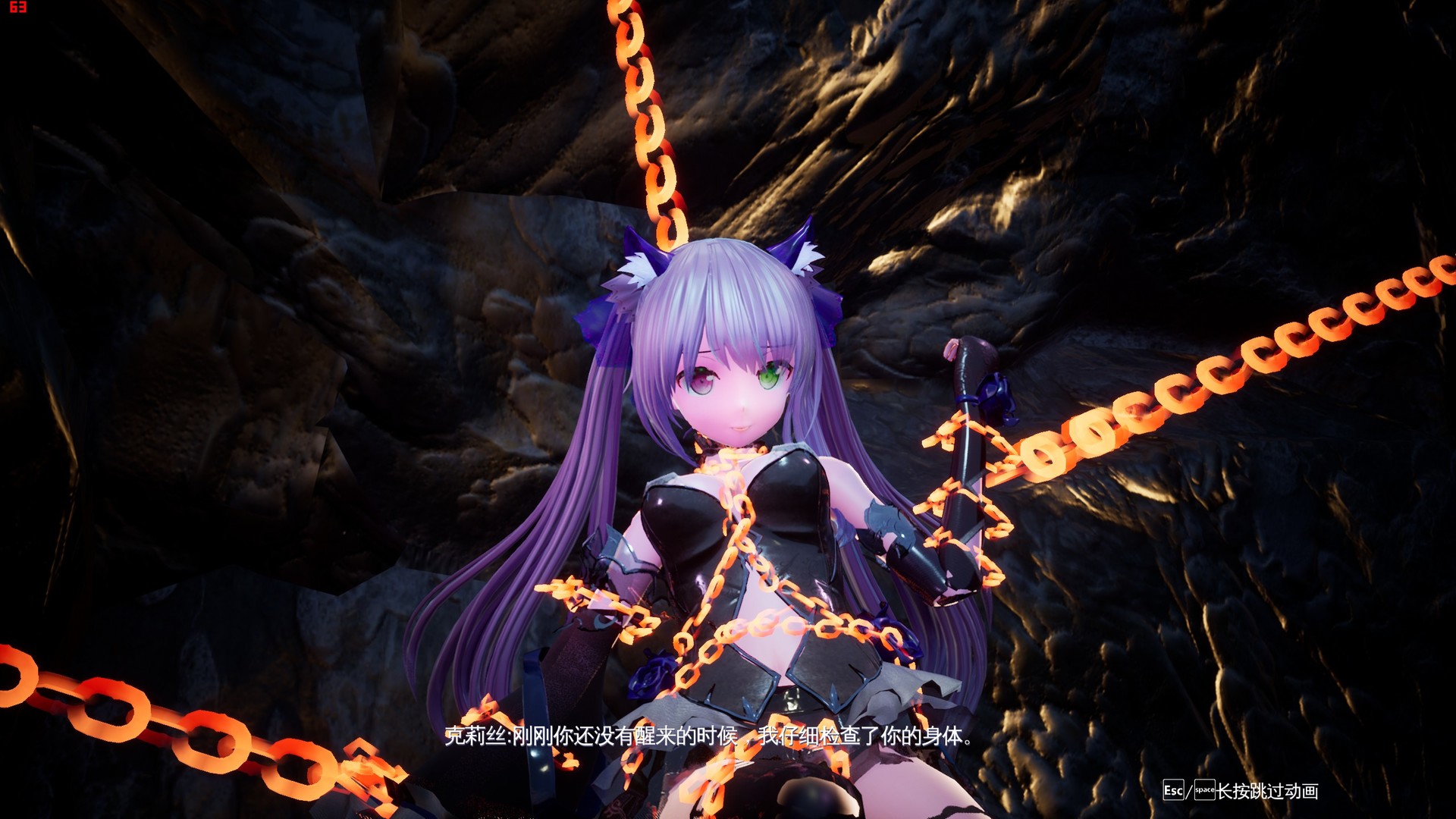
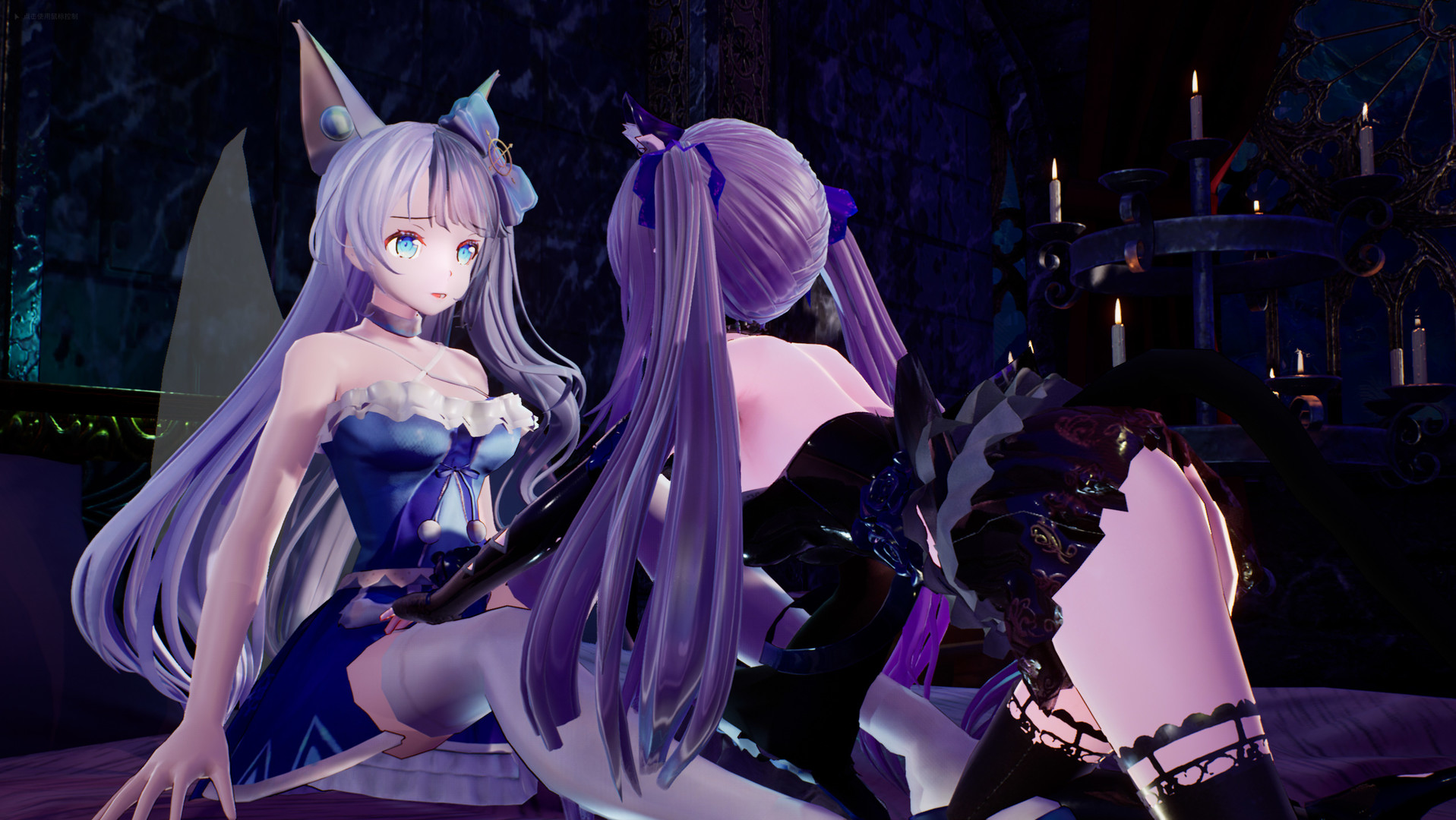
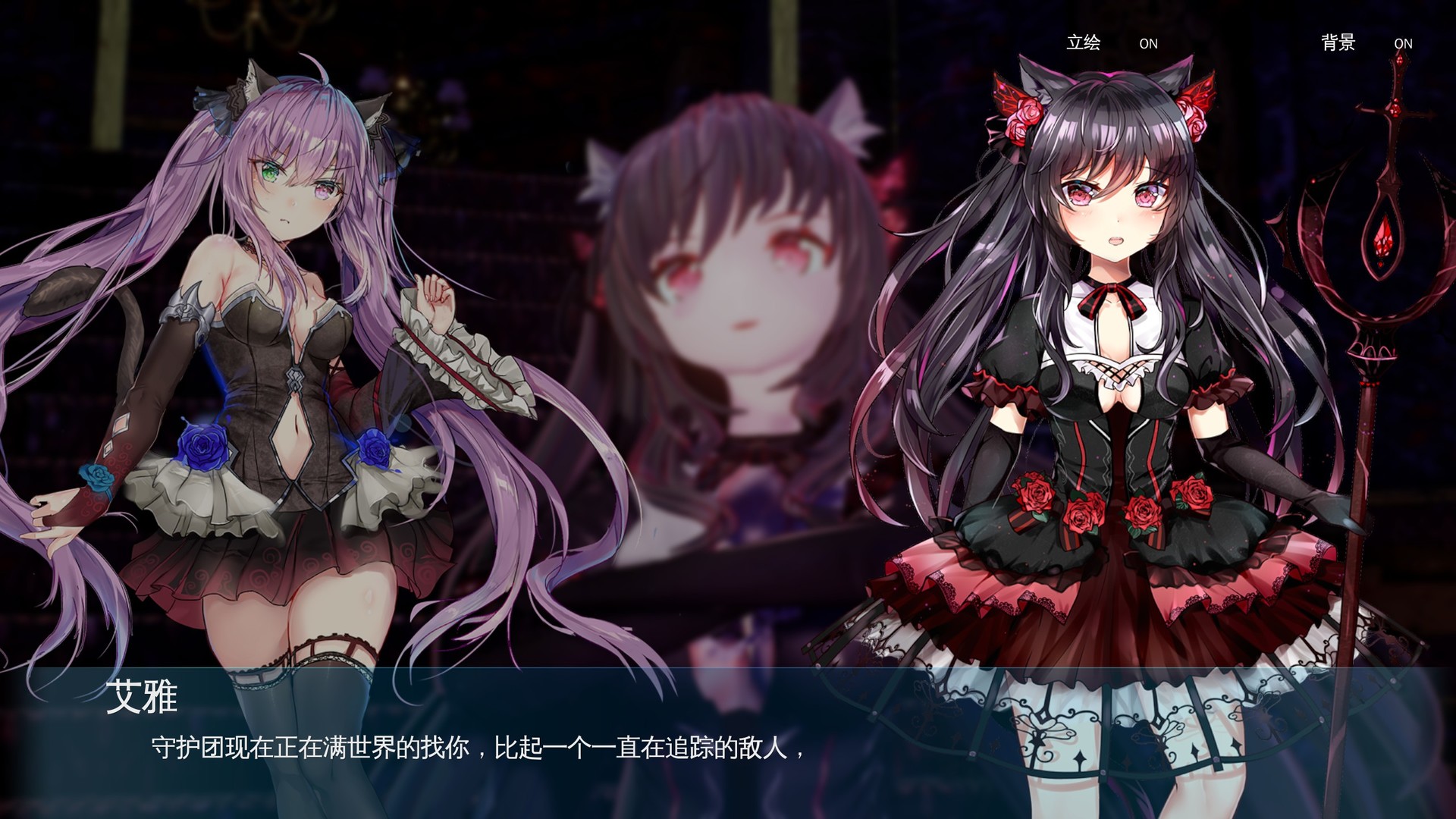
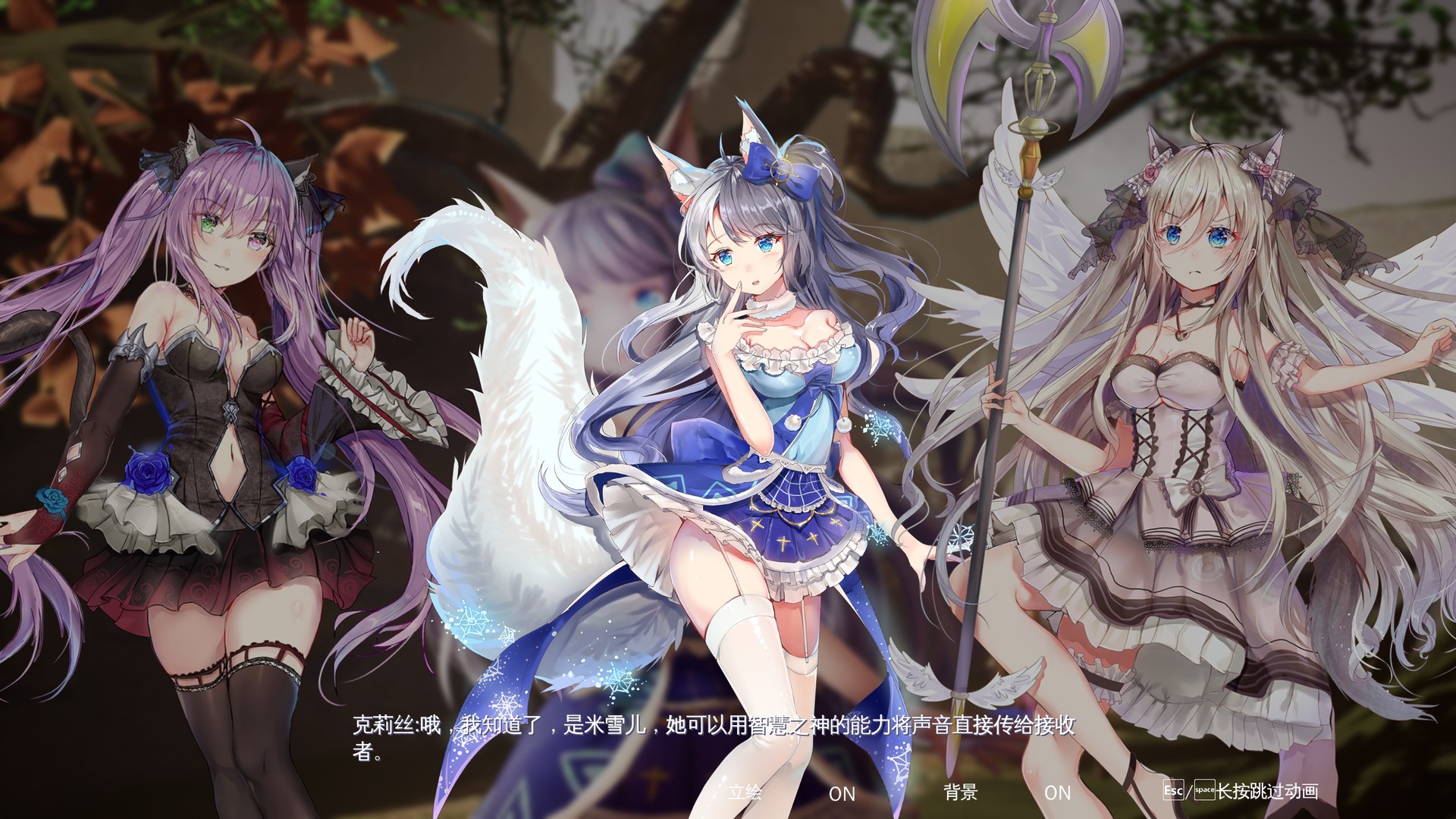
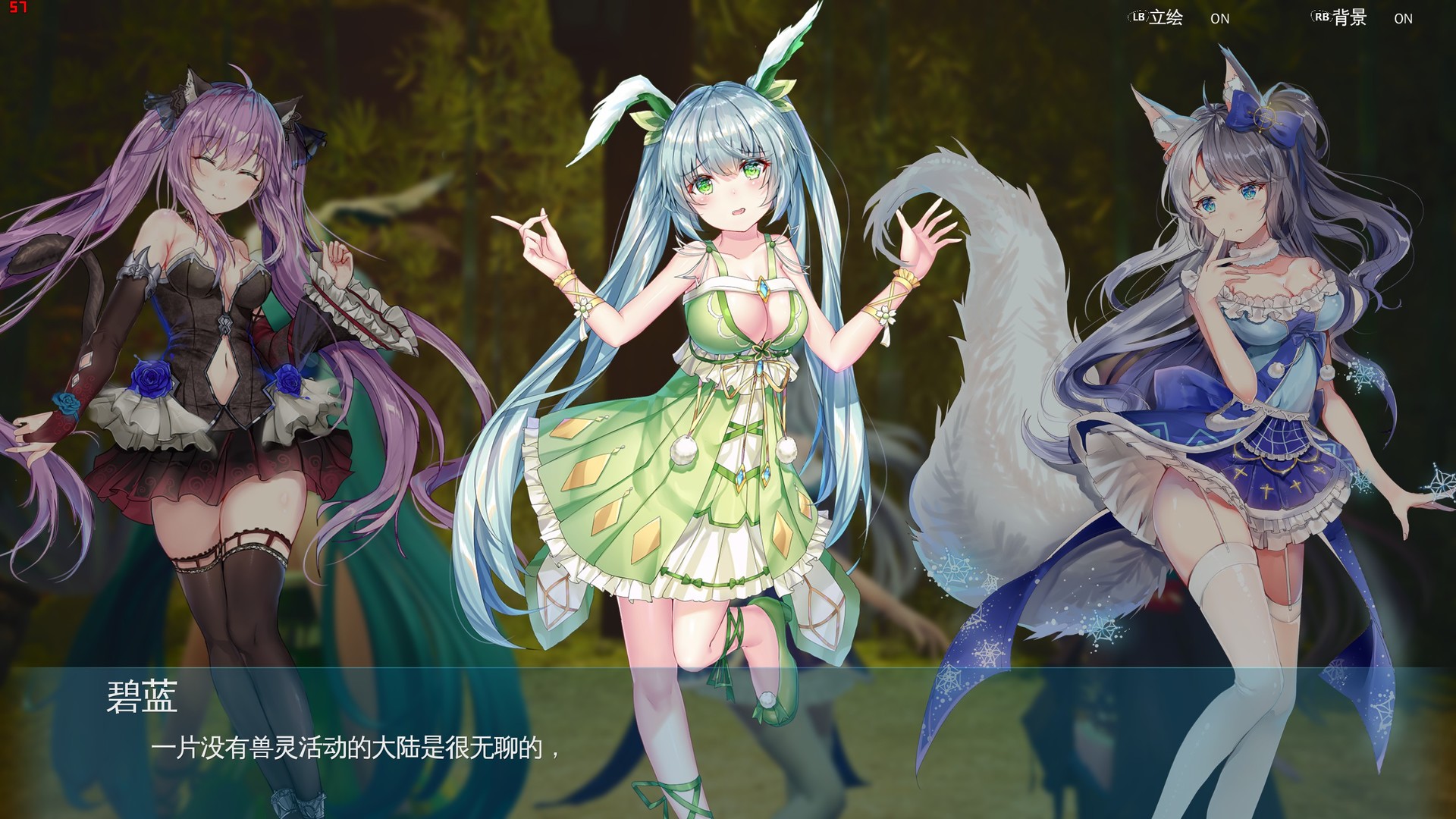
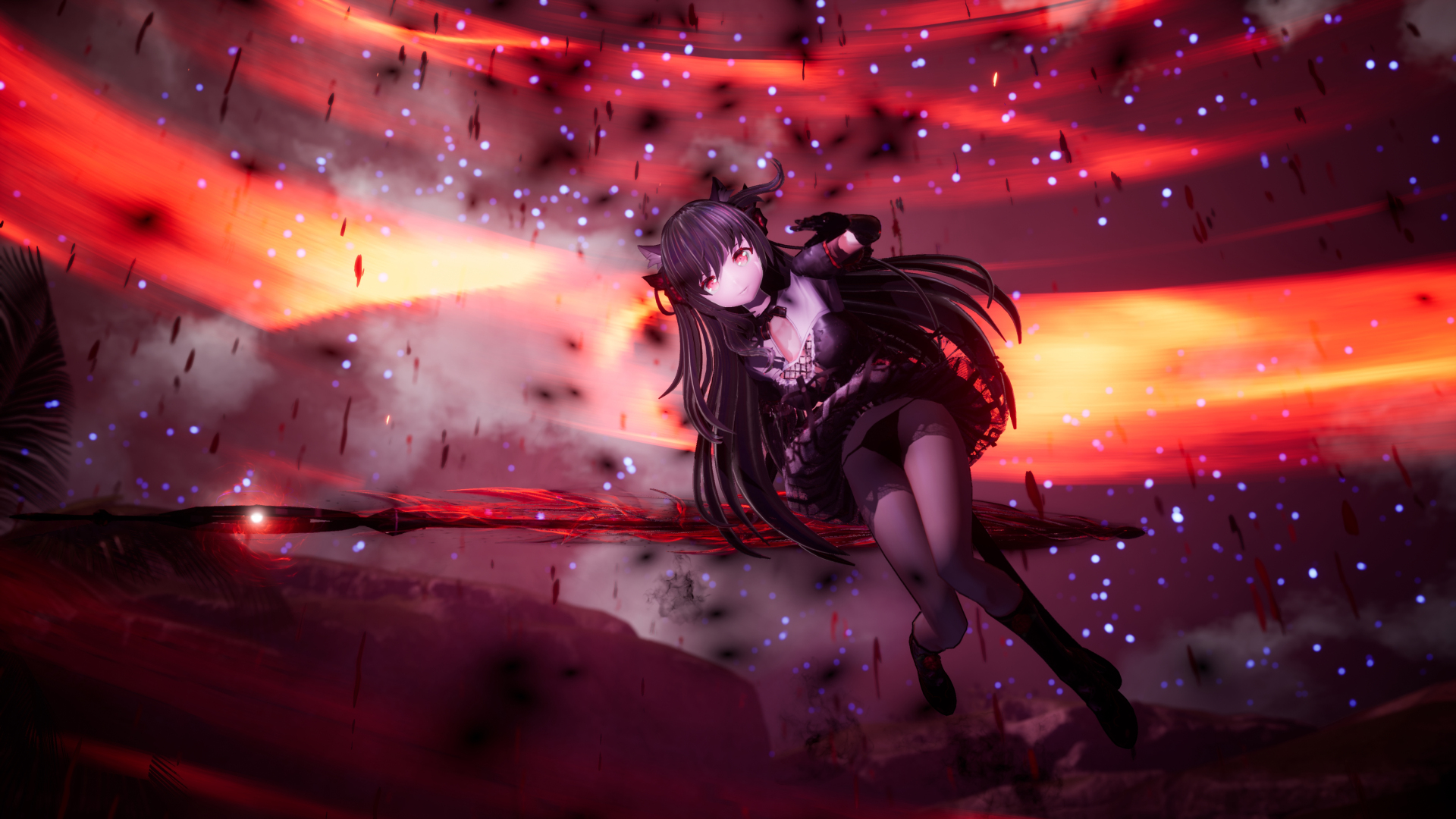
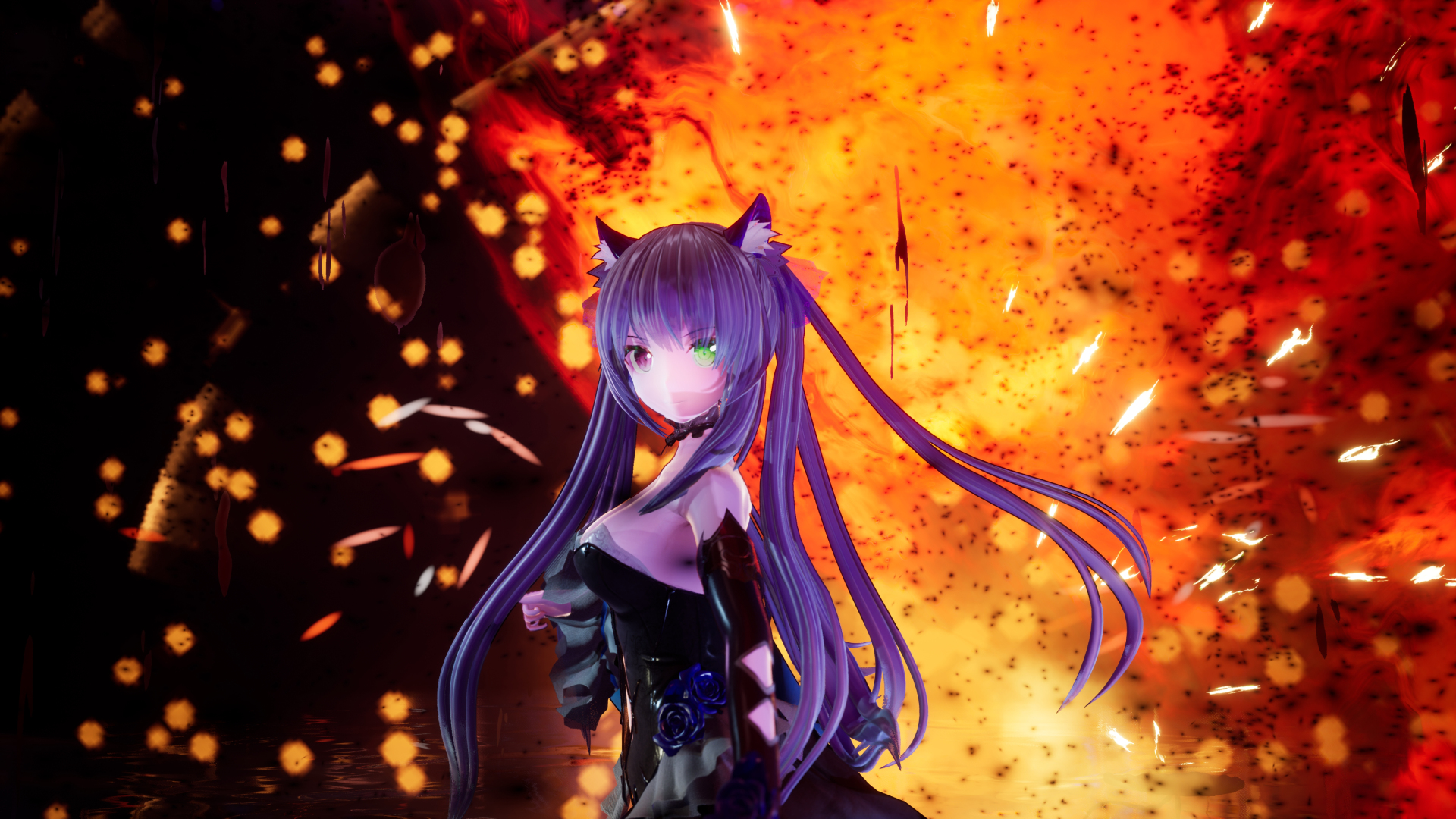
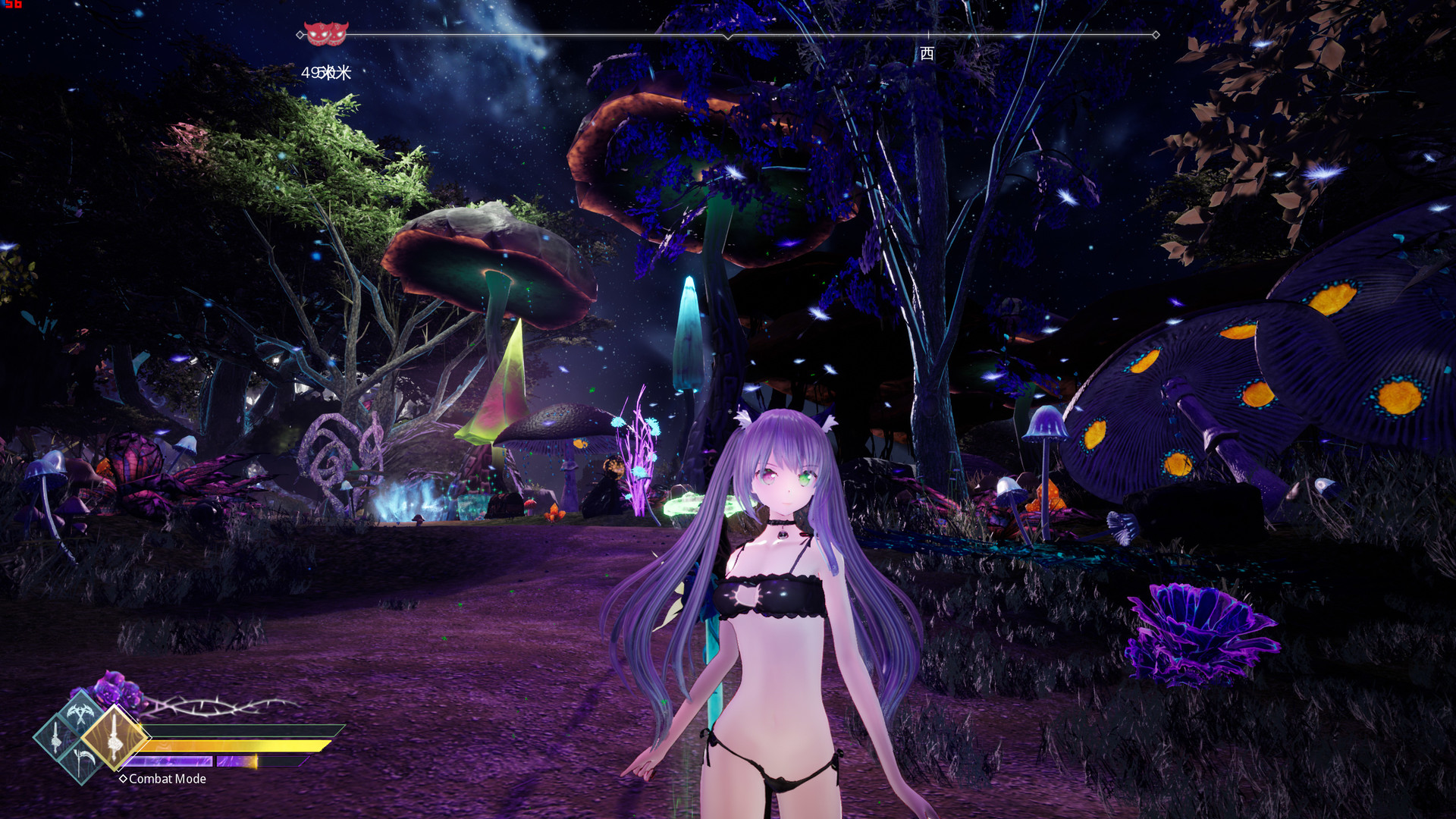
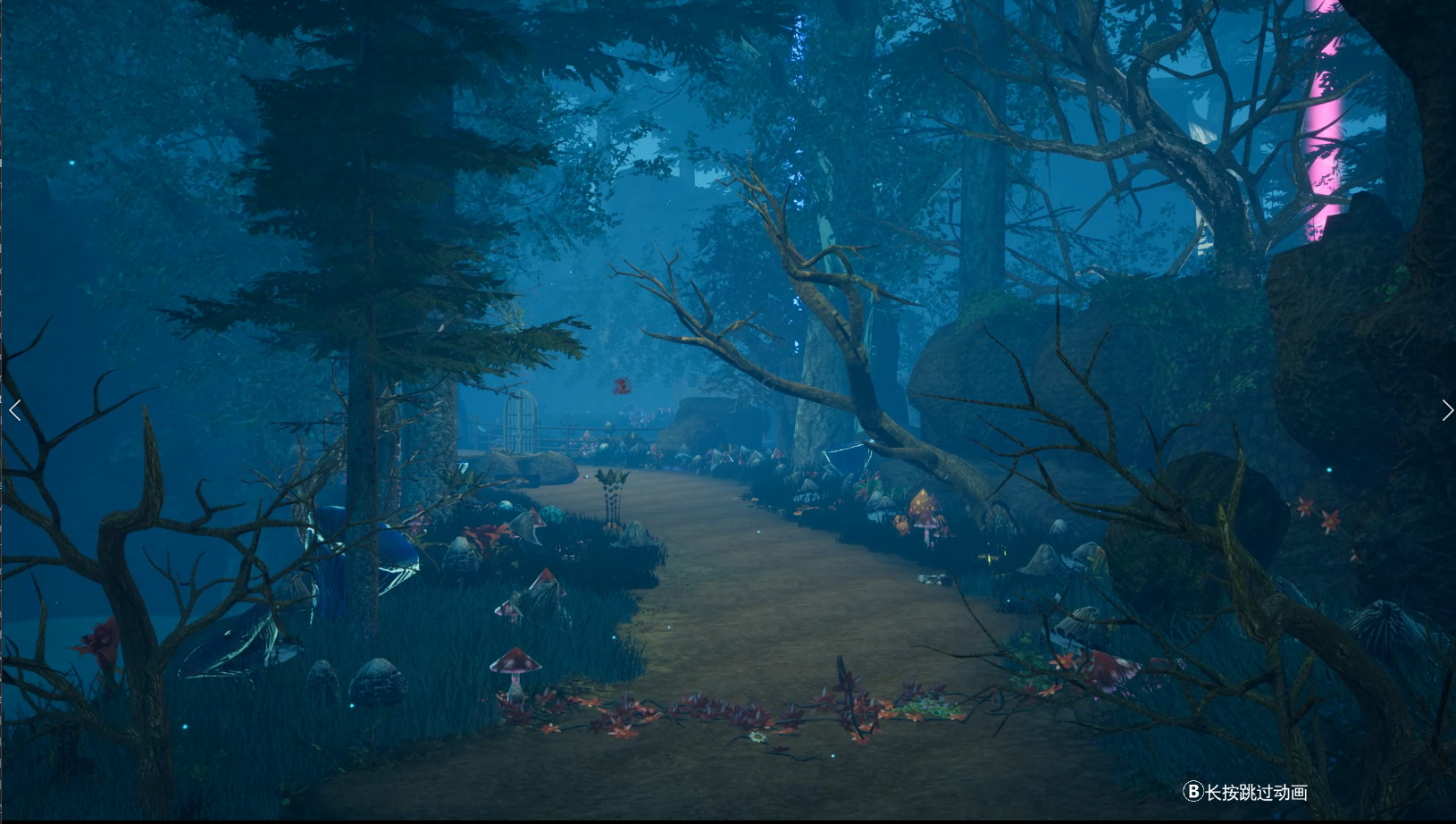
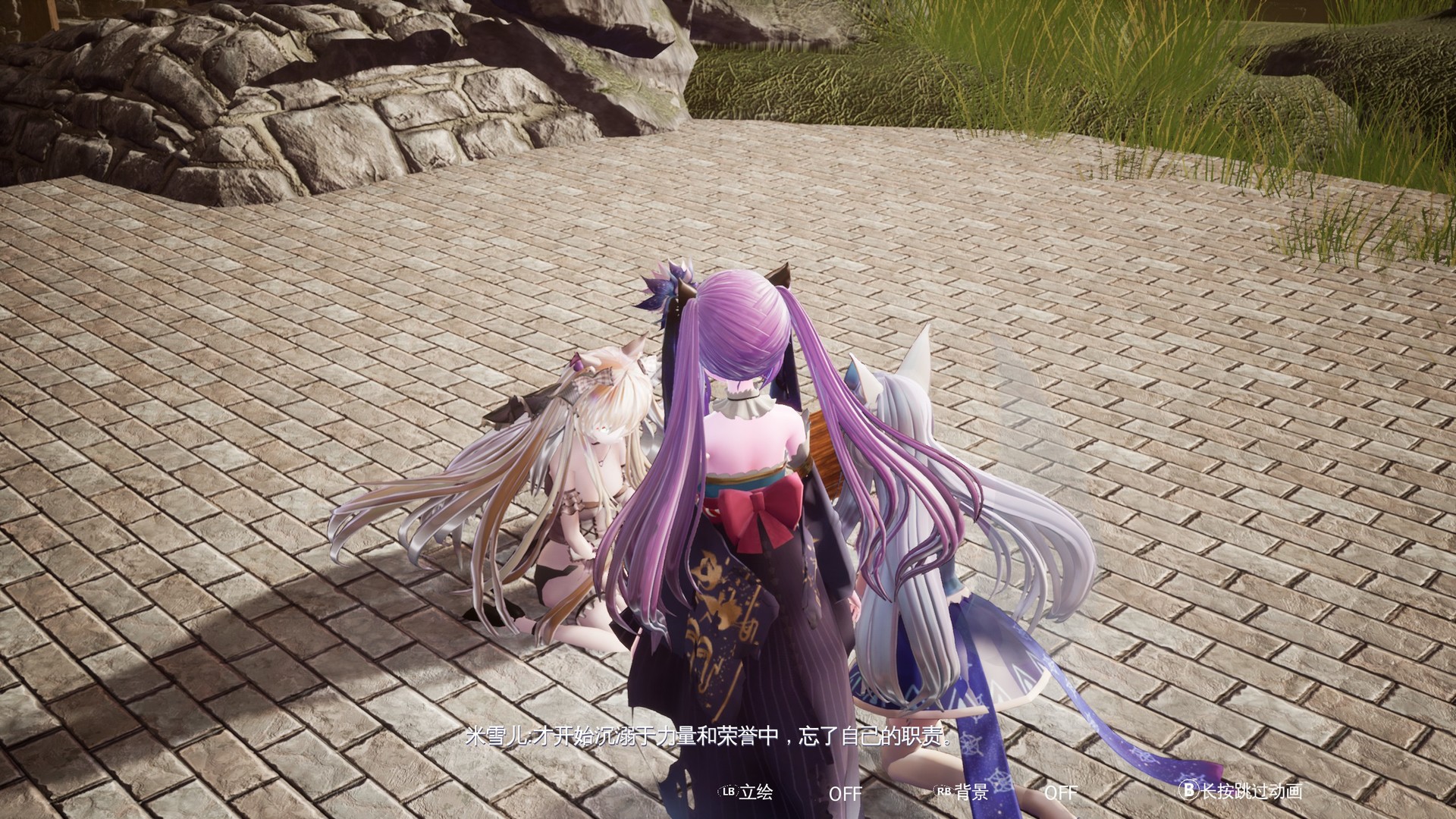
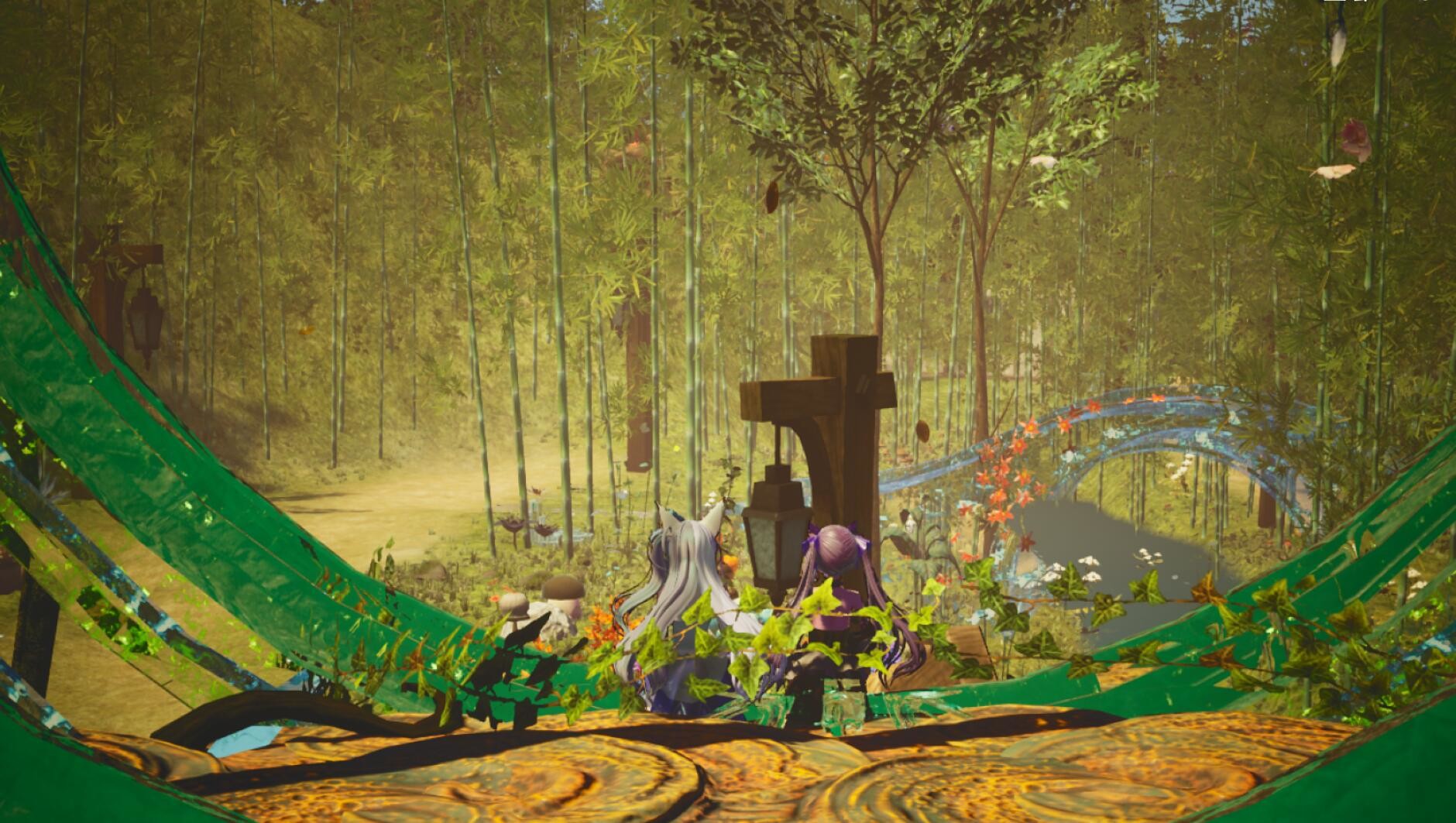
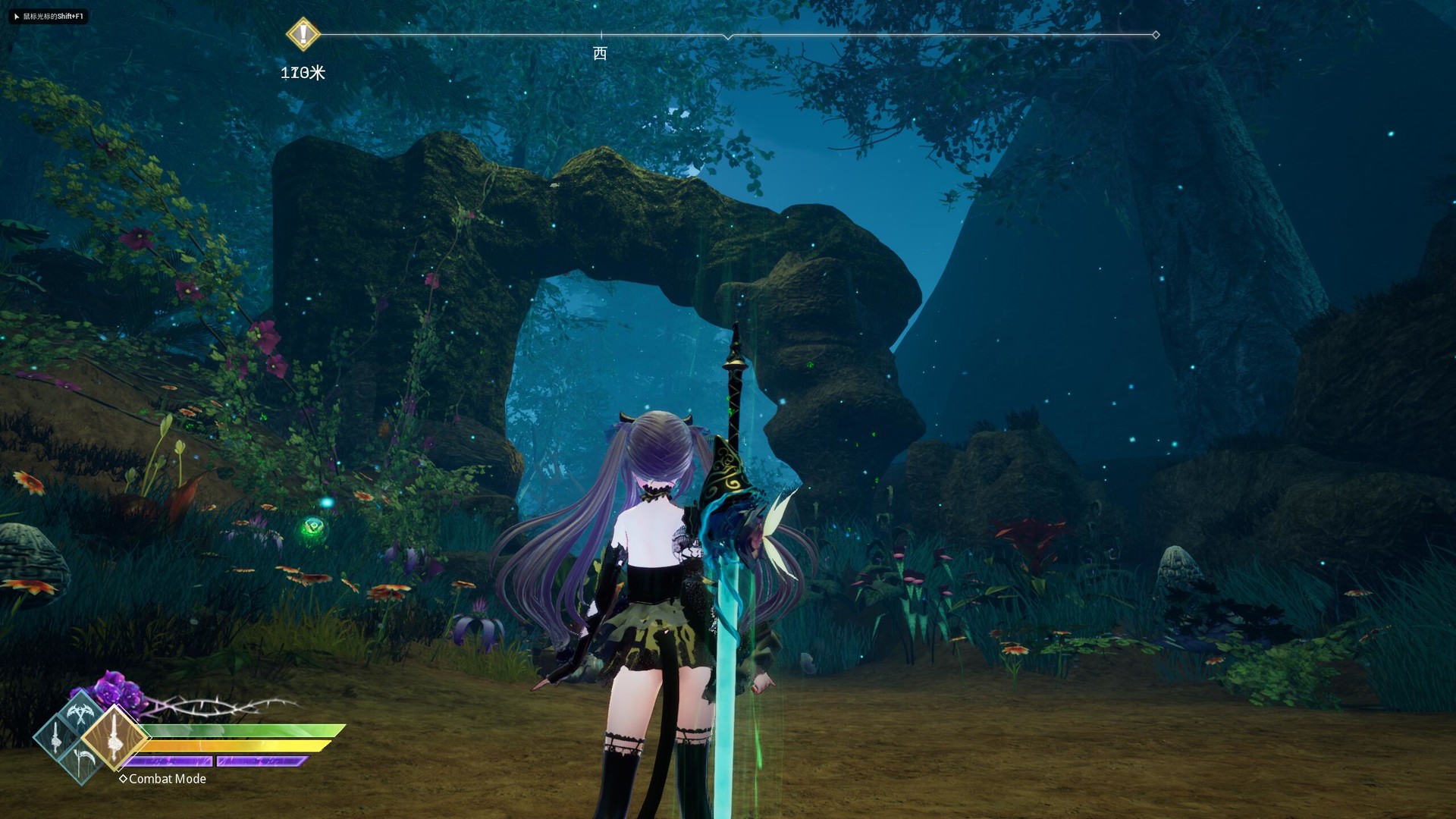
Get an in-depth look at Mysteria ~Occult Shadows~ through various videos and screenshots.
Load More
System requirements
These are the minimum specifications needed to play the game. For the best experience, we recommend that you verify them.
Windows
- Requires a 64-bit processor and operating system
- OS: Win7 64Bit/Win8 Win8.1 64Bit/Win10 64Bit
- Processor: Intel G620 or AMD X2 280 /AMD (APU) A6 9500
- Memory: 6 GB RAM
- Graphics: Nvidia GeForce GTX750 or AMD GPU Radeon HD 6850
- DirectX: Version 11
- Storage: 15 GB available space
Steam Price & Best Deals
User reviews & Ratings
Explore reviews from Steam users sharing their experiences and what they love about the game.
Overall a fun hack and slash game so far (for less than $3), however there are issues that I wish were fixed: - When you die after you start a game with no prior checkpoint, you respawn in a glitched state and cannot move, and you might have to force quit the game. - Whenever you start a game, your costume resets back to default until you re-equip it in the "Information" menu. - Some translations aren't the best; Instead of "Inventory" menu, it is "Information" menu, Instead of "Close" in the shops, it is "Disable" etc. - The jump movement is a little janky as well; It is possible to jump a little too far. The costume designs are really good, and this game has great potential, however it needs more polishing in order to be worth even close to its full asking price.
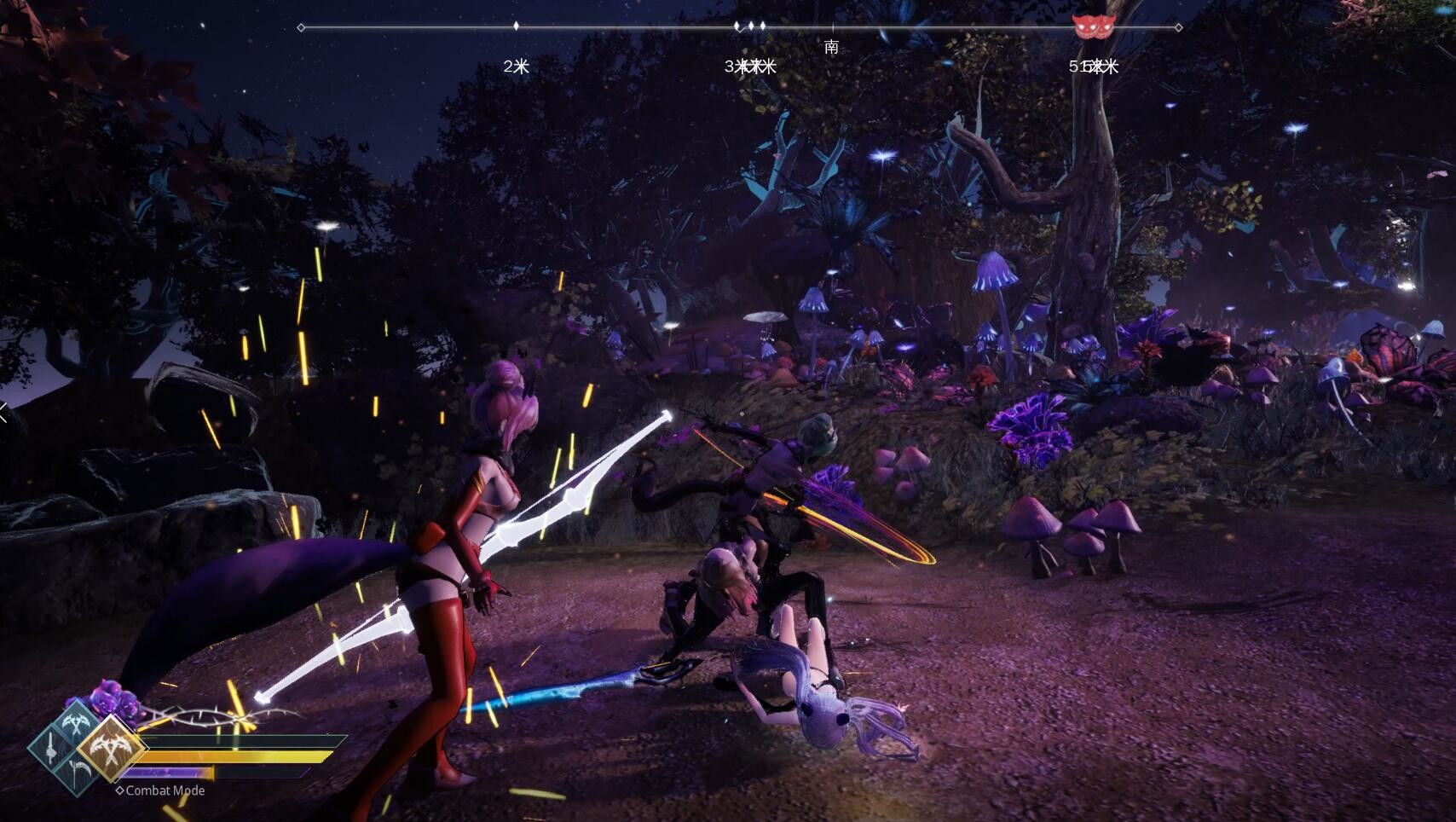
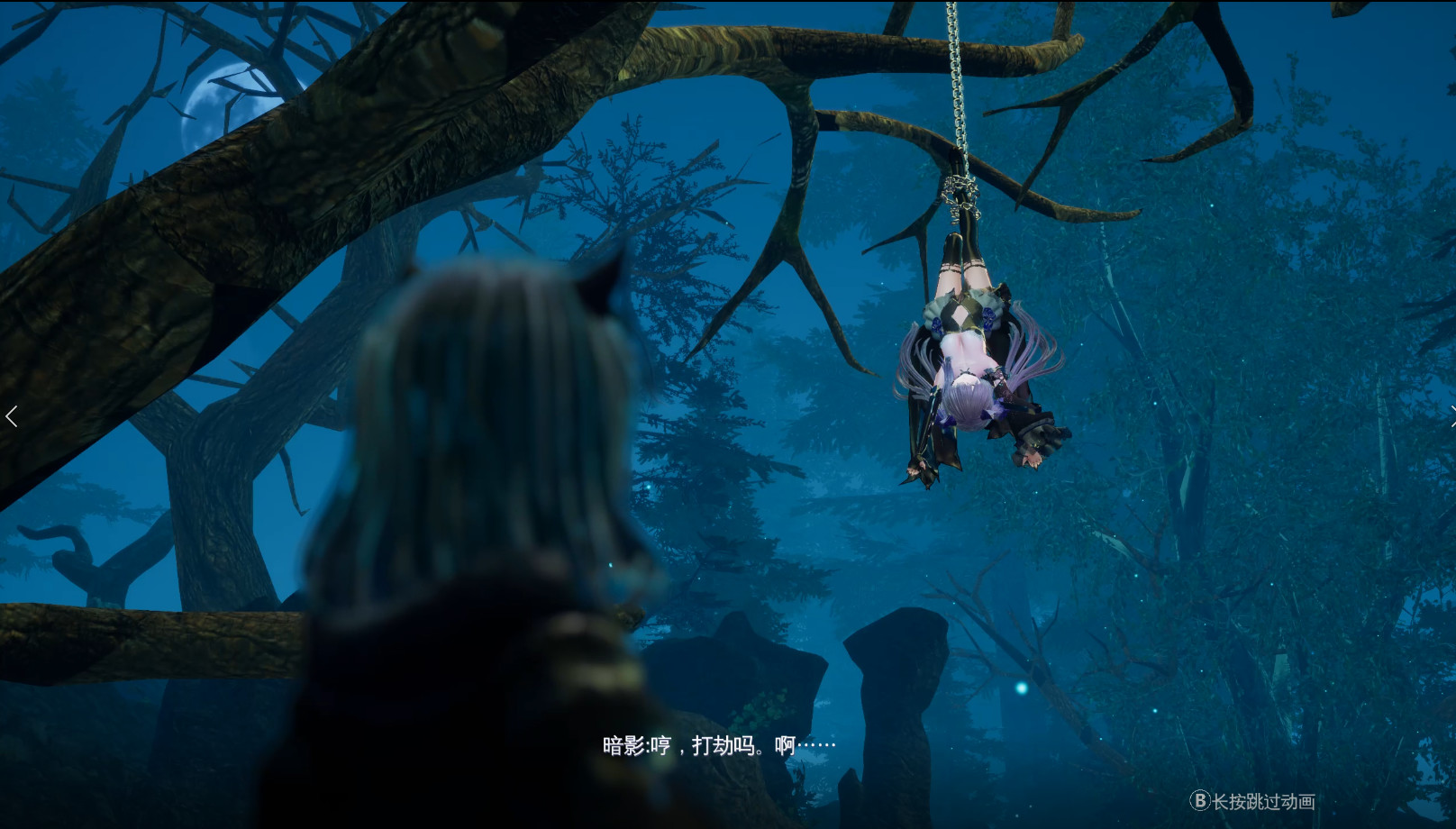
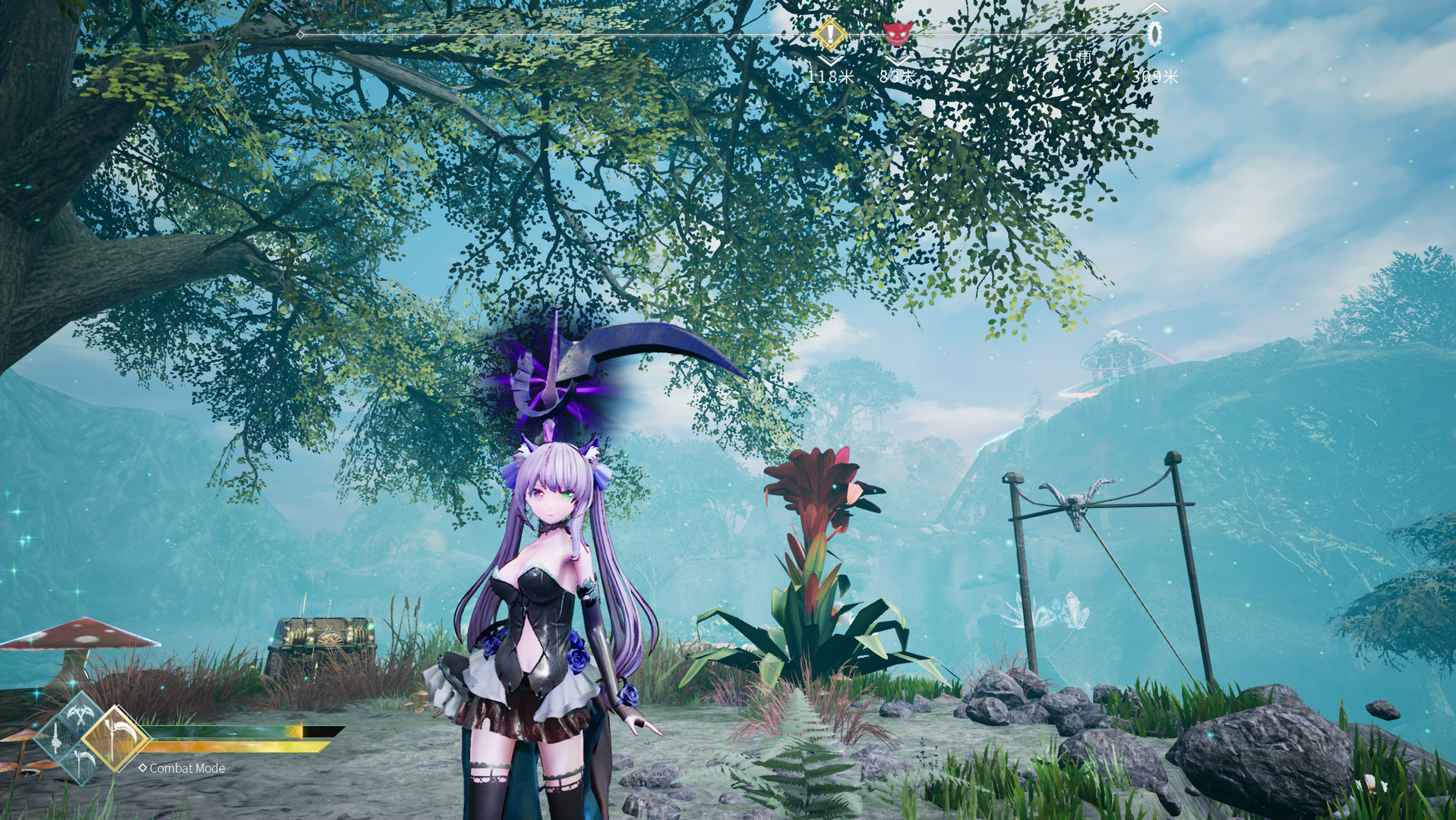
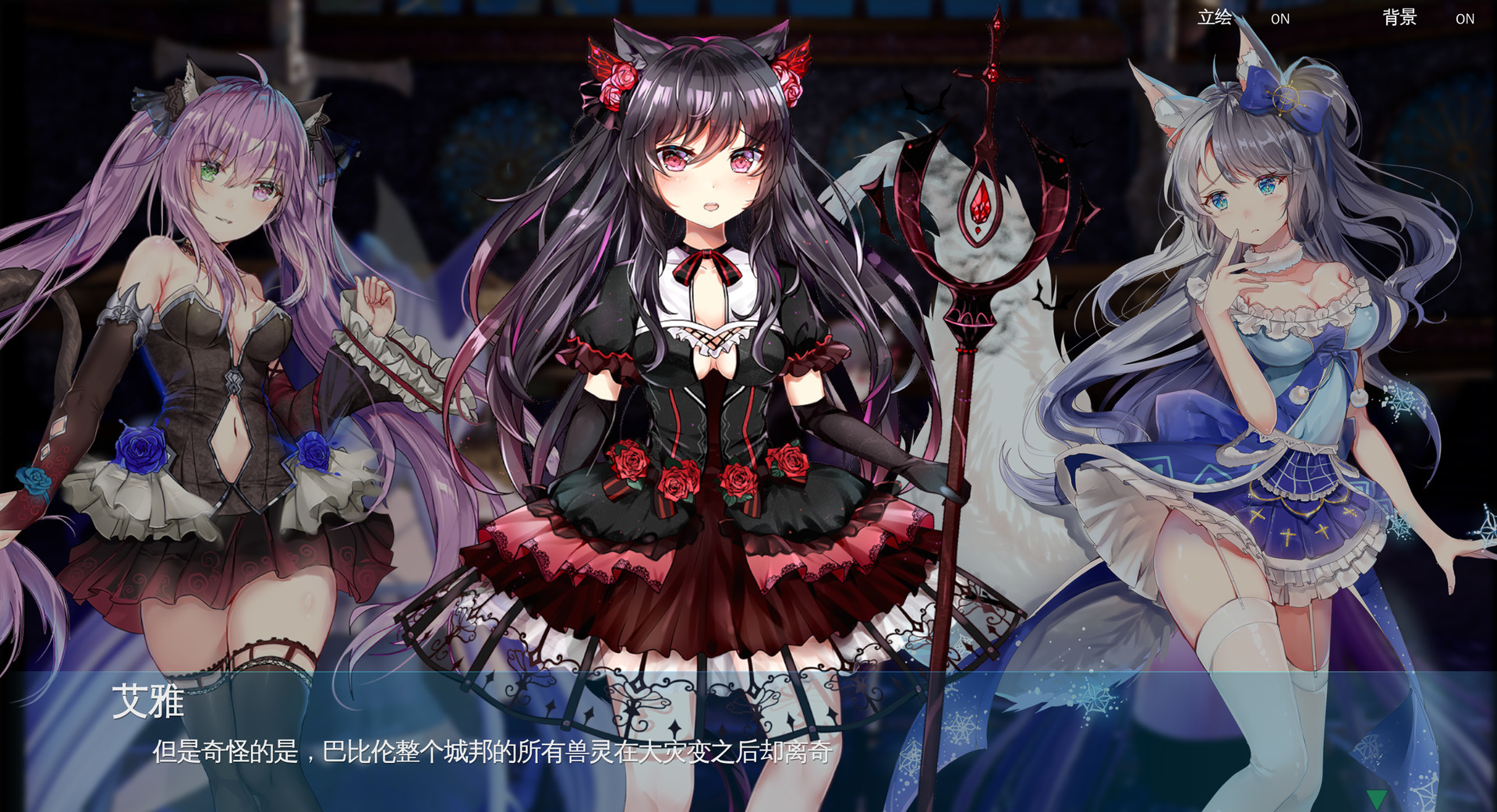
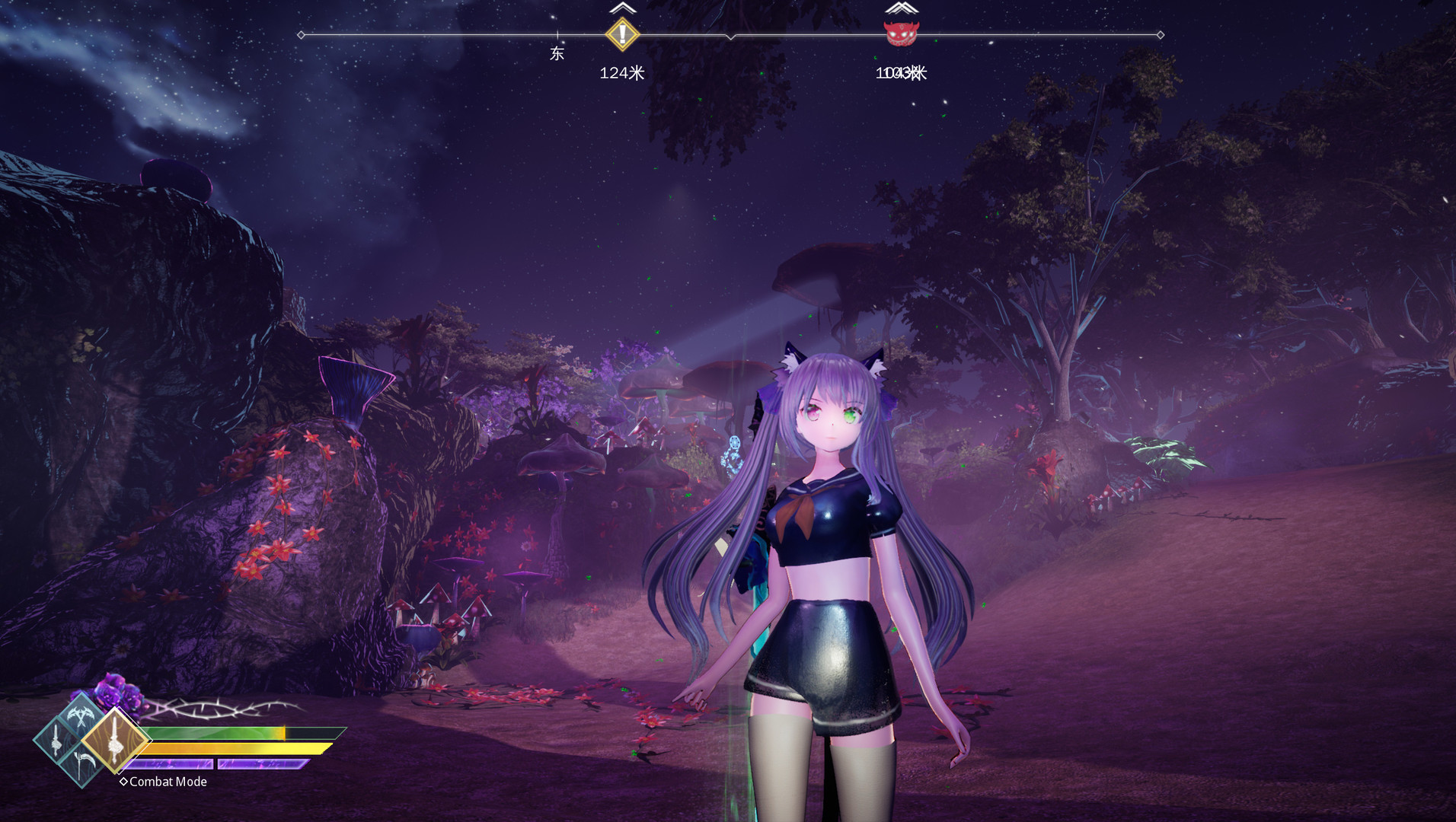
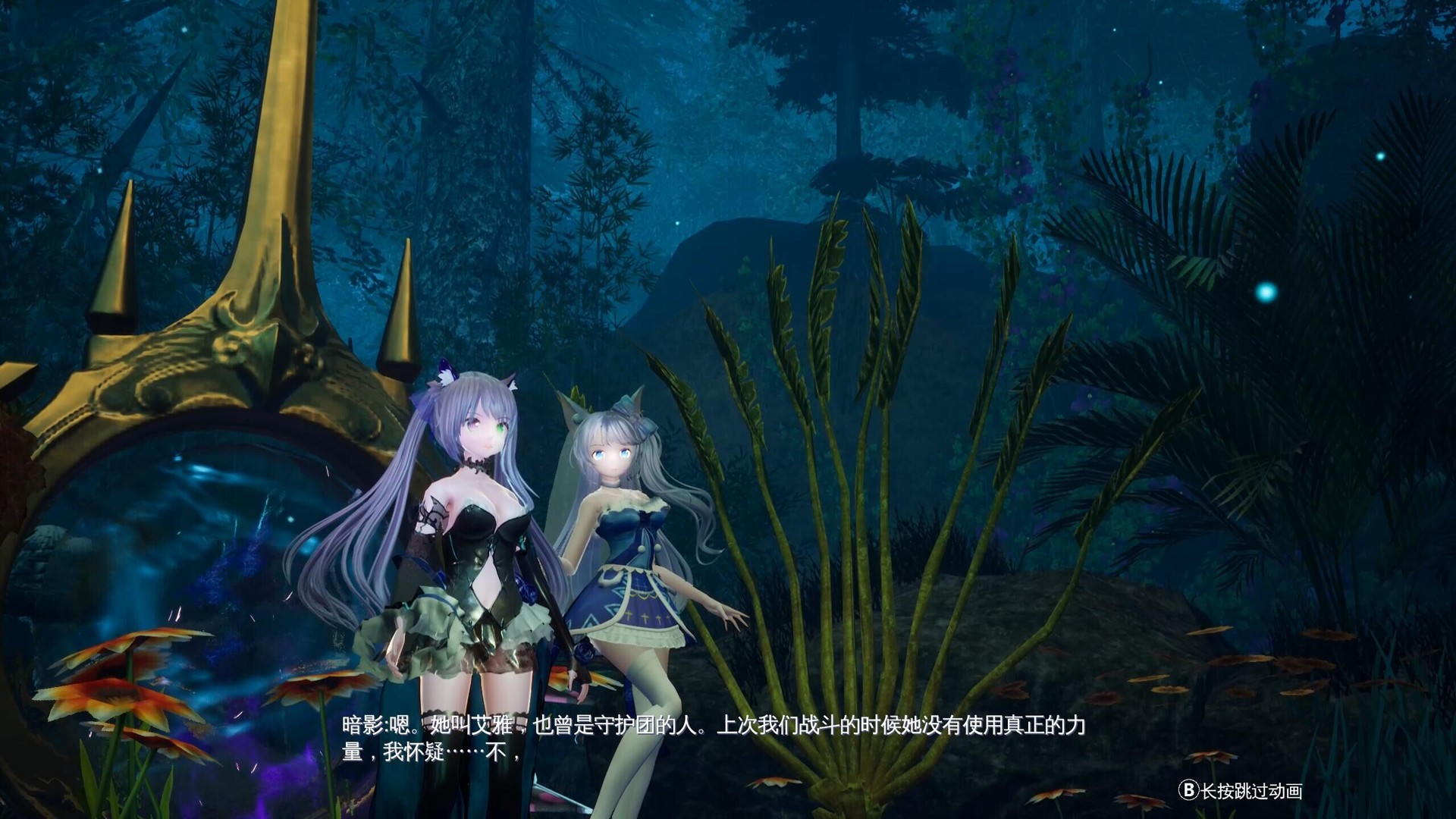
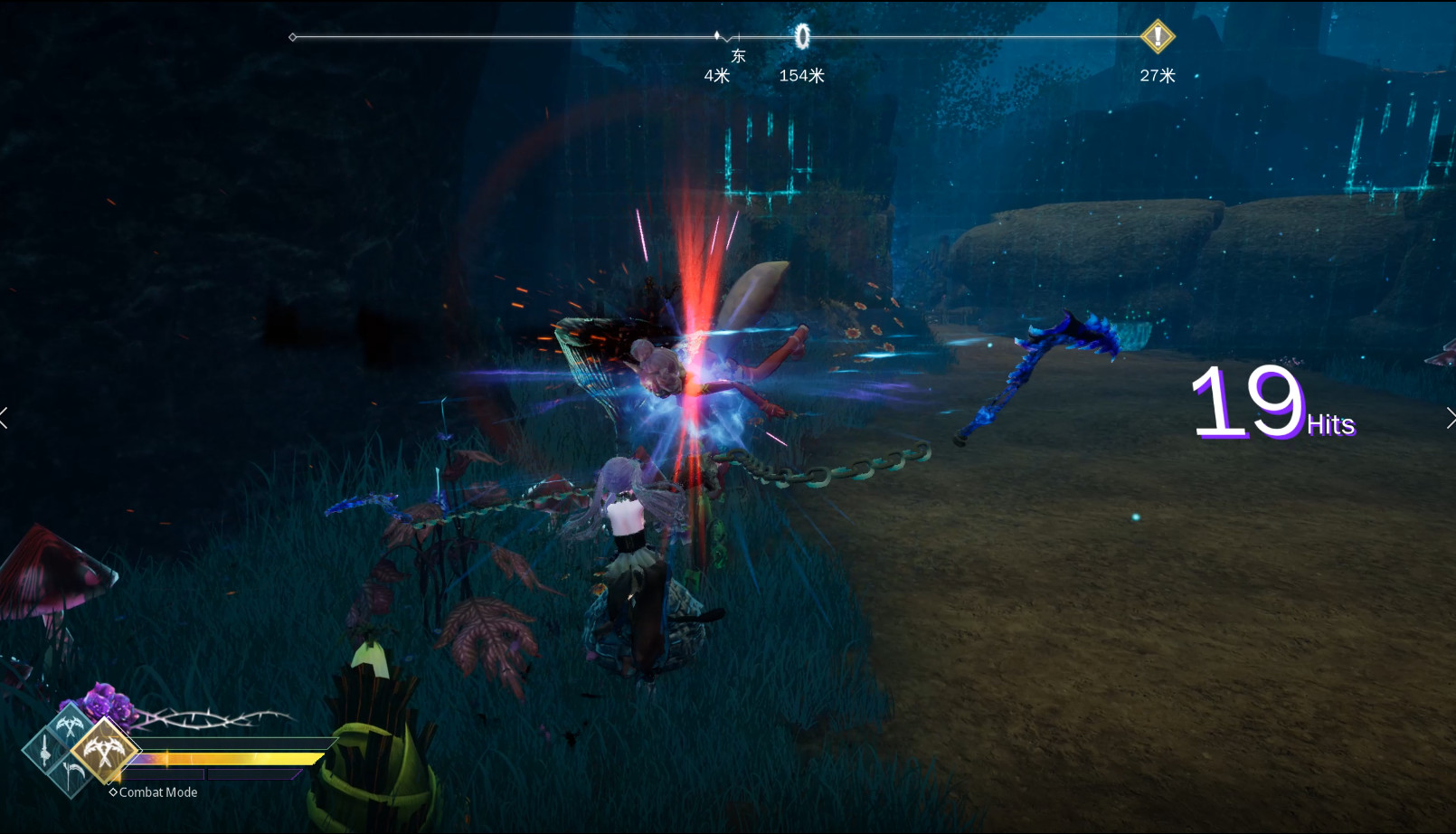
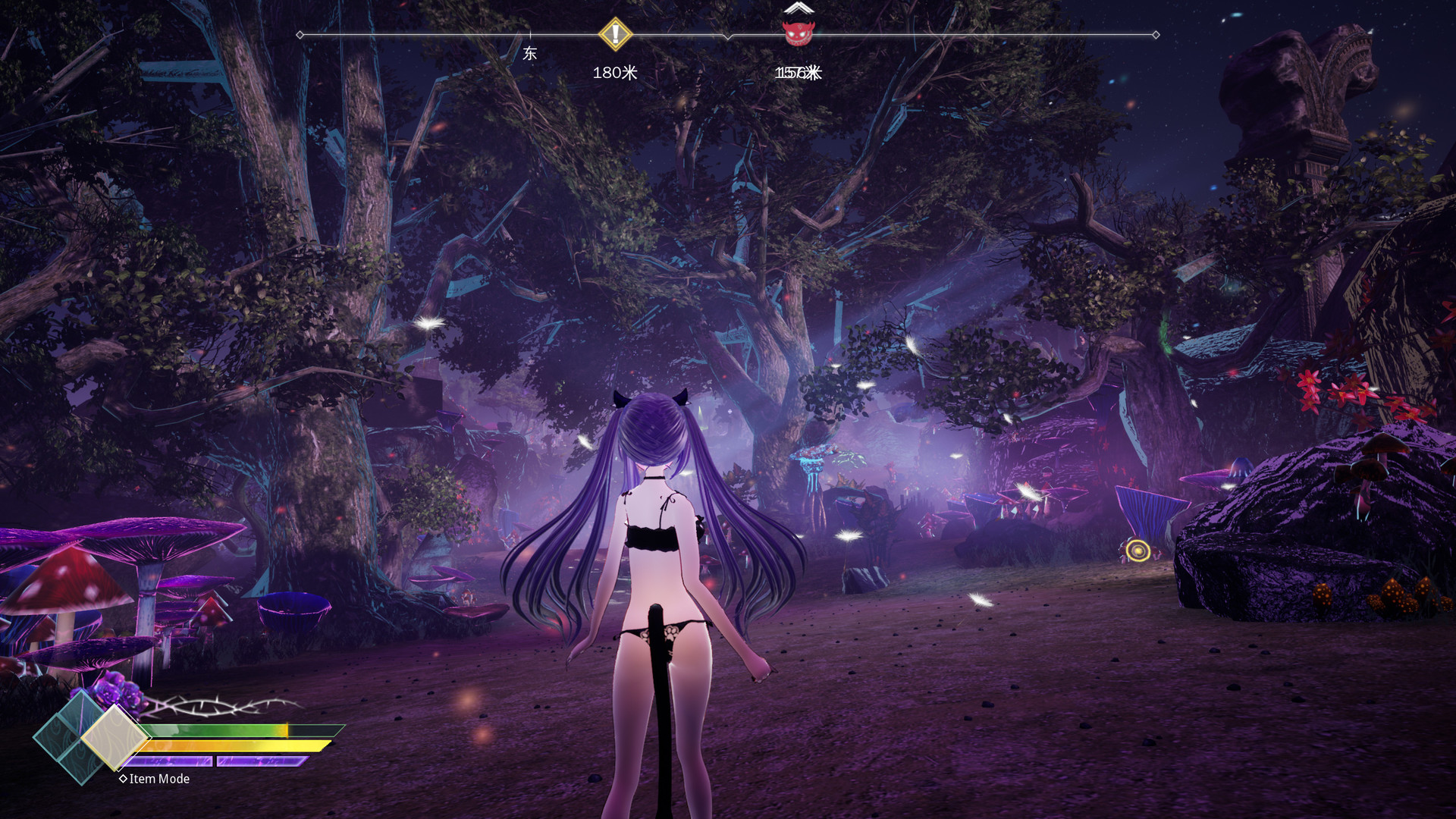
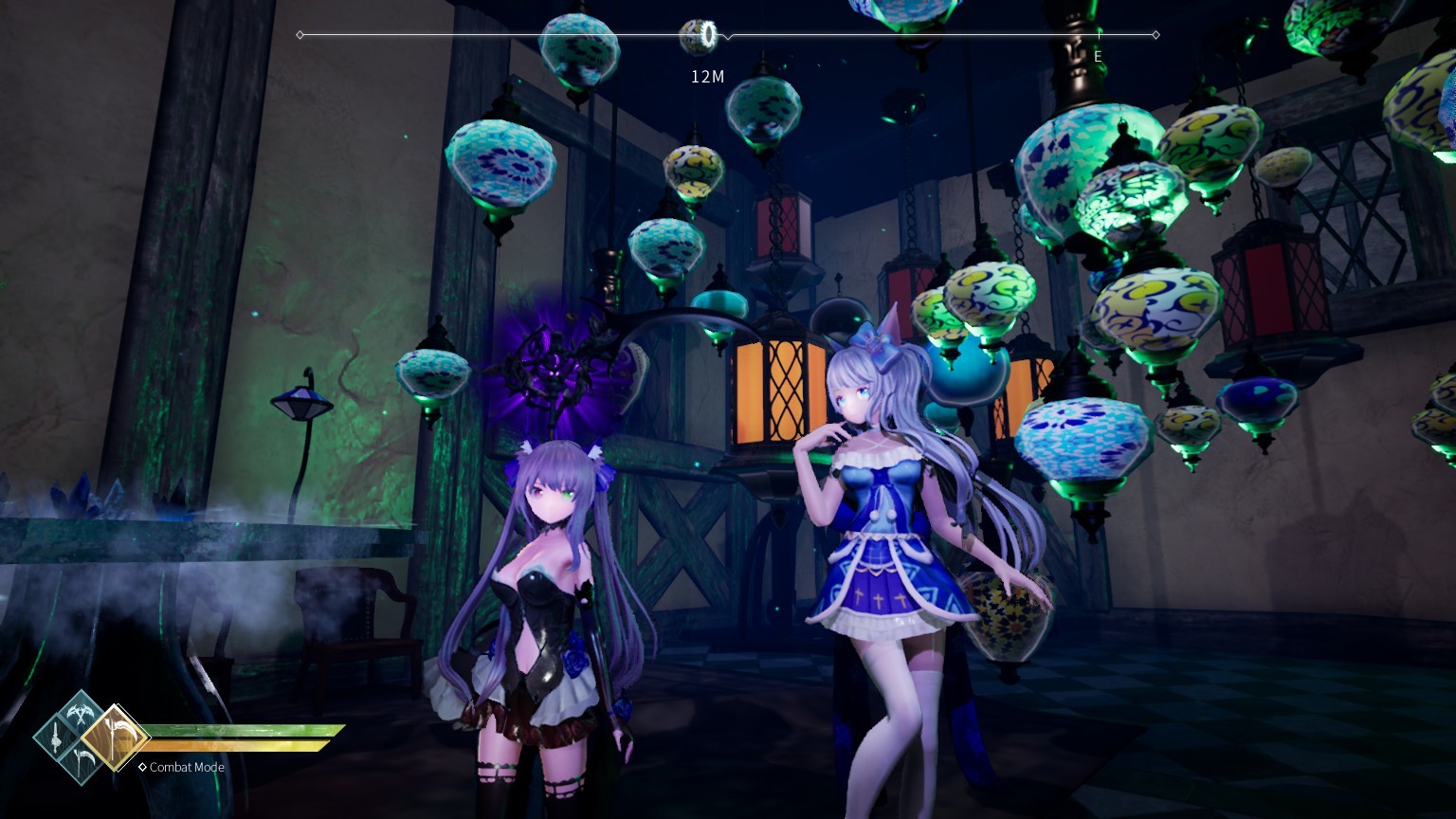
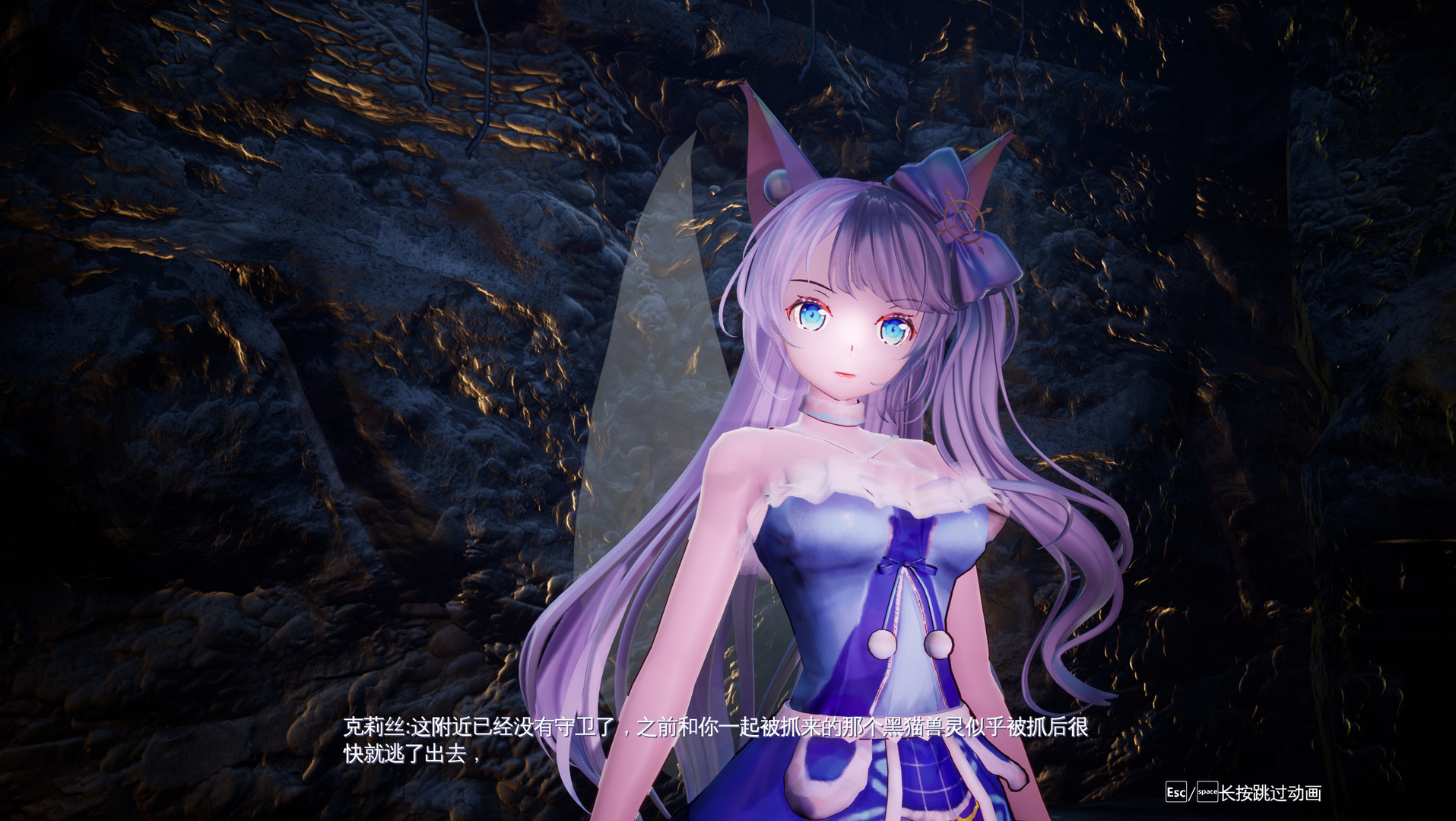
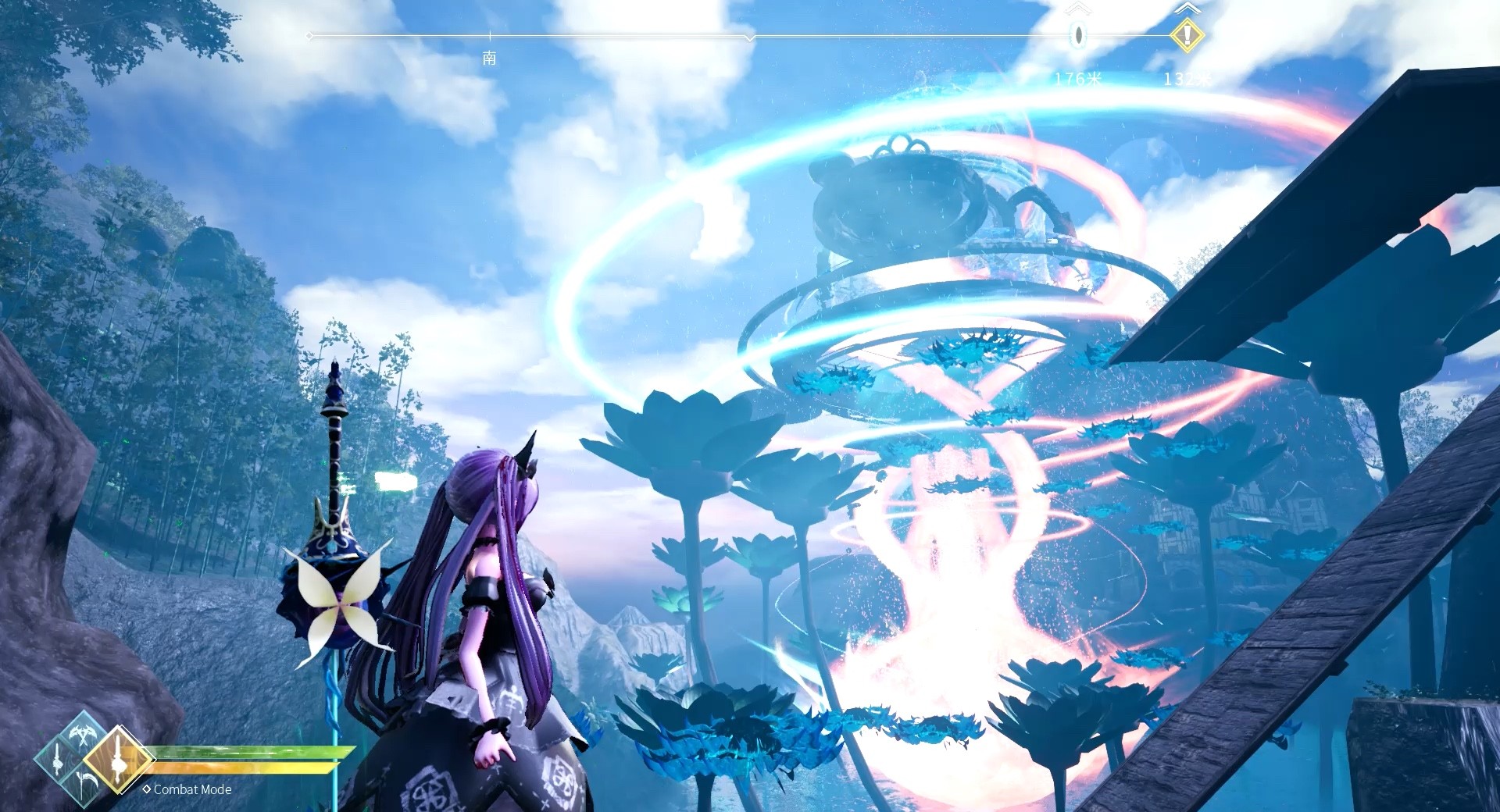
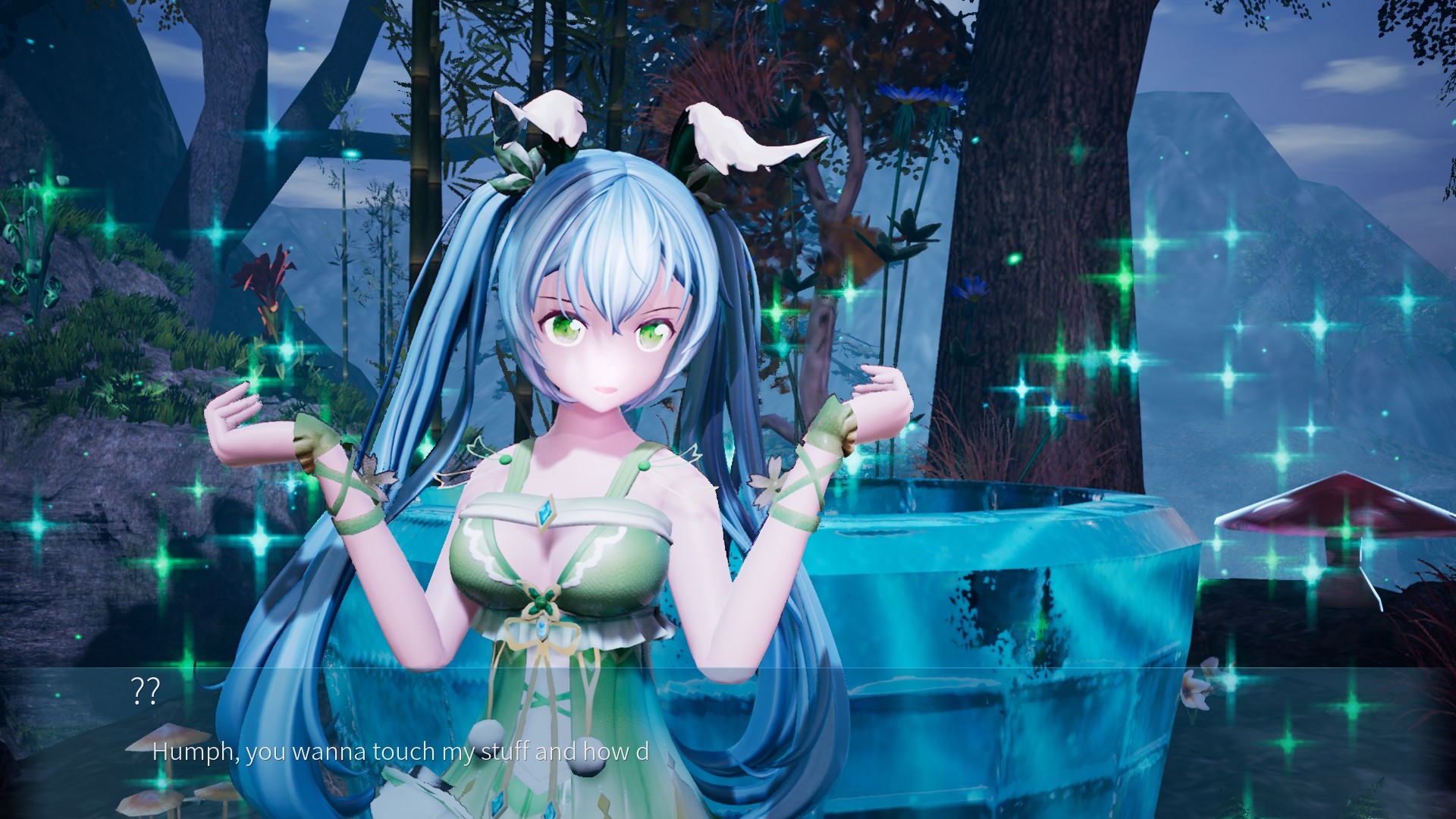
Mysteria ~Occult Shadows~ is a 3D action-adventure RPG developed and published by U-Secret Studio, an independent team that built the game around an unusual mixture of anime aesthetics, supernatural fantasy, mythology, and hack-and-slash combat. The adventure follows the Shadow of Death, a fearless cat-girl warrior exploring Sulnas, a land contaminated by a mysterious dark power. Her objective is essentially one of purification and discovery, with the journey gradually revealing secrets surrounding the Ferre civilization and the forces threatening the world. The premise is straightforward, but the darker atmosphere gives the setting more character than its colorful protagonist might initially suggest. Combat is the foundation of the experience. Battles take place in real time from a third-person perspective with a freely controlled camera, while three weapon types provide different approaches to attacking enemies. The protagonist's feline identity also influences traversal and fighting, since jumping and grappling allow her to move rapidly through environments and reposition herself during encounters. Quick-time sequences appear during certain finishing actions, giving some confrontations a more theatrical quality. Difficulty gradually increases as the campaign progresses, and a roster of more than 40 enemy varieties helps provide changing threats rather than relying on one repeated opponent design. Exploration gives the game additional substance outside combat. The campaign contains 14 levels spread across 10 maps, including forbidden areas where information about the Ferre civilization can be uncovered. Mysteria also uses puzzles and mythological elements as environmental storytelling devices, meaning the player is encouraged to pay attention to the surroundings rather than treating every location as a simple path toward the next battle. Main and secondary stories incorporate supernatural themes, strengthening the impression that Sulnas has a larger history behind its immediate crisis. The complete adventure is designed to take roughly six to ten hours, which is a sensible duration for an independent action game of this scope. There is enough time for combat mechanics, exploration and story elements to develop without stretching the basic systems excessively. Fully animated cutscenes provide narrative transitions, while Japanese voice acting contributes to the game's anime-inspired presentation. Full controller support is another welcome inclusion because the combination of dodging, jumping, grappling and rapid attacks feels naturally suited to a gamepad. Visually, Mysteria tries to blend dark fantasy environments with stylized character artwork. Its use of stylized physically based rendering and elaborate lighting creates environments that can occasionally be quite atmospheric. The darker locations, supernatural creatures and violent confrontations contrast heavily with the colorful heroine and the game's extensive collection of costumes. This contrast is clearly intentional and forms a major part of Mysteria's identity. The presentation may not consistently reach the refinement of a larger-budget action RPG, but there is noticeable ambition in the visual direction. Customization is surprisingly extensive. More than ten outfits are available either through gameplay or free downloadable content, including maid clothing, kimono-inspired costumes, combat suits, wedding attire and other designs. Weapon skins provide further cosmetic variation. Portrait functionality and customizable cutscene features reinforce the emphasis on presenting the protagonist according to the player's preferences. None of these additions radically changes the underlying combat, but they add personality and provide incentives for players who enjoy character customization. The soundtrack, composed by project lights, supports the supernatural atmosphere and gives the environments additional energy during exploration and combat. Combined with Japanese voice performances and animated story sequences, the audio presentation demonstrates the developer's desire to make Mysteria feel like a complete fantasy adventure rather than merely a collection of combat arenas. There are also 39 Steam achievements, providing additional objectives for players interested in completion. Technical roughness is one of the game's more noticeable weaknesses. U-Secret Studio acknowledges that certain areas can experience lower frame rates because maps are being loaded and performance can depend on storage I/O speed. This reflects the broader nature of Mysteria: its ideas sometimes exceed the level of technical refinement the production can consistently deliver. Animation, camera behavior, movement and environmental transitions can occasionally expose its independent origins. These imperfections do not erase the strengths of the underlying concept, but players expecting the smoothness of a major character-action release should adjust their expectations. Mysteria also contains mature material, including frequent violence and gore. Its identity combines brutal fantasy action with fan-service-oriented anime character designs, including revealing costumes and suggestive visual elements. This mixture is central to the game's presentation rather than something confined to a small optional section. Players interested primarily in traditional fantasy role-playing may therefore find the tonal combination unusual, while audiences comfortable with anime fan service and violent hack-and-slash action are more likely to appreciate what the developers were attempting. What ultimately makes Mysteria ~Occult Shadows~ interesting is its willingness to combine many ideas within a relatively compact independent project. Combat, agile traversal, puzzles, alternate mythology, supernatural storytelling, numerous enemy designs, cosmetic customization, Japanese voice acting and cinematic sequences all contribute to an adventure with a recognizable personality. The individual systems are not always sophisticated enough to compete with specialized games built around any one of these elements, yet their combination prevents Mysteria from feeling completely generic. The experience is consequently easier to recommend to players who value unusual concepts and distinctive aesthetics over immaculate production quality. Its combat can be enjoyable, its protagonist is highly customizable, and the mystery surrounding Sulnas and the Ferre civilization provides motivation to continue exploring. At the same time, technical limitations and uneven polish prevent its strongest ideas from reaching their full potential. Mysteria remains an ambitious, occasionally rough but genuinely distinctive action RPG that offers considerably more content and variety than its niche appearance might imply. Rating: 7/10
Similar games
View all
The Initial
THE INITIAL is a hyper action game about pretty schoolgirls battling against evil. It's developed by a small team of five developers. We hope you will love this game as much as we do.

Age of Barbarian Extended Cut
Age of Barbarian Ex is an action hack 'n 'slash game inspired to 80s, fantasy and sword-and-sorcery genre. Muscular barbarians, scantily clad girls, hordes of bloodthirsty monsters, a lot of gore, a pretty epic story and an addictive soundtrack! What's best in life?

Azur Lane Crosswave
In the middle of each nation's normal training routine, a Joint Military Exercise was enacted. A select few from each nation were chosen to participate in this rigorous event. But, how did this event come to be? Are there other ulterior motives at play?

UnHolY DisAsTeR
The novice priestess who serves "the Spirit of Aqua”, Clementine fights against so-called demons with the spirit's blessings in this exploration based side-scrolling action game!

SENRAN KAGURA SHINOVI VERSUS
The non-PC buxom shinobi of SENRAN KAGURA, the brawler series that’s as over-the-top with its fighting mechanics as it is with its gratuitous depictions of female ninja in various forms of undress, invade the PC realm for the first time in HD and 60fps glory.

DEAD OR SCHOOL
Underground dwelling girl Hisako is aiming for the surface in a zombie infested Tokyo. Hack and slash RPG! Obtain weapons and gear from enemies, and customize your skill tree to create your own unique and powerful a character!
Slave's Sword
Slave's Sword is the story of Luna, a former aristocratic knight of the Empire. Now living peacefully as a mercenary, she quickly becomes involved in a scandal that results in her enslavement. Can Luna recapture her freedom and escape from her predicament?

Samurai Vandalism
The land of Yamato is filled with cruel rebels, oppressive nobles, and dangerous monsters. Fight as a Hozuki samurai to bring justice to the land!
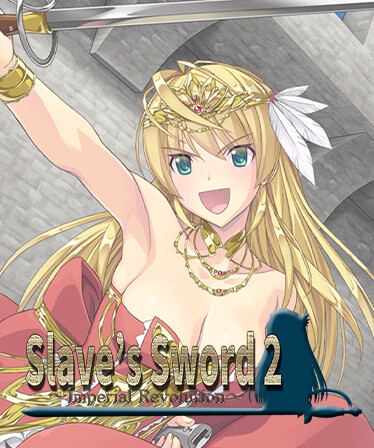
Slave's Sword 2
In Slave's Sword 2, Luna, a former aristocratic knight of the Empire, returns as the main character. Now having escaped and liberated the Free City, she once again finds herself in a terrible predicament. Will she be able to escape again? Find out in this sequel to Slave's Sword!

Public Defense Corp
In the far-off year of 20XX, constant attacks and hostility from an evil secret society have caused several private defense companies to spring up around Japan. Determined to get revenge for the destruction of her hometown, Haruka joins the public defense corp!
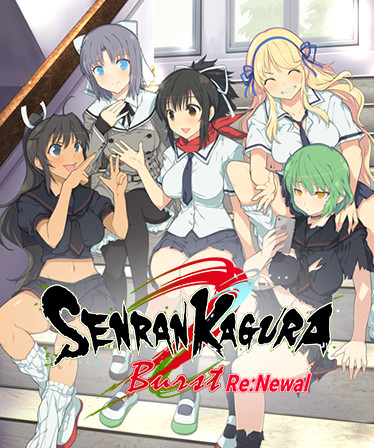
SENRAN KAGURA Burst Re:Newal
Experience the original SENRAN KAGURA Burst, the beginning of the world's best-loved buxom battle series, like never before! Tackle the classic ninja brawler from a whole new perspective in gorgeous, fluid HD, with new features and mechanics throughout!
Frequently Asked Questions
Mysteria ~Occult Shadows~ is currently priced at 12.79€ on Steam.
No, Mysteria ~Occult Shadows~ is currently not on sale. You can purchase it for 12.79€ on Steam.
Yes, Mysteria ~Occult Shadows~ received 2,045 positive votes out of a total of 3,195 achieving a rating of 6.28.
😐
Mysteria ~Occult Shadows~ was developed and published by U-Secret Studio.
Yes, Mysteria ~Occult Shadows~ is playable and fully supported on Windows.
No, Mysteria ~Occult Shadows~ is not playable on MacOS.
No, Mysteria ~Occult Shadows~ is not playable on Linux.
No, Mysteria ~Occult Shadows~ is not playable on Steam Deck.
This information about Mysteria ~Occult Shadows~ is not available yet.
No, Mysteria ~Occult Shadows~ does not support VR.
Mysteria ~Occult Shadows~ is a single-player game.
Yes, there are 11 DLCs available for Mysteria ~Occult Shadows~. Explore additional content available for Mysteria ~Occult Shadows~ on Steam.
No, Mysteria ~Occult Shadows~ does not support mods via Steam Workshop.
No, Mysteria ~Occult Shadows~ does not support Steam Remote Play.
Yes, Mysteria ~Occult Shadows~ is enabled for Steam Family Sharing. This means you can share the game with authorized users from your Steam Library, allowing them to play it on their own accounts. For more details on how the feature works, you can read the original Steam Family Sharing announcement or visit the Steam Family Sharing user guide and FAQ page.
You can find solutions or submit a support ticket by visiting the Steam Support page for Mysteria ~Occult Shadows~.
Data sources
The information presented on this page is sourced from reliable APIs to ensure accuracy and relevance. We utilize the Steam API to gather data on game details, including titles, descriptions, prices, and user reviews. This allows us to provide you with the most up-to-date information directly from the Steam platform.
Additionally, we incorporate data from the SteamSpy API, which offers insights into game sales and player statistics. This helps us present a comprehensive view of each game's popularity and performance within the gaming community.
Last Updates| Steam data | 27 September 2026 09:30 UTC |
|---|---|
| SteamSpy data | 22 October 2026 16:45 UTC |
| Steam price | 27 October 2026 19:55 UTC |
| Steam reviews | 20 October 2026 08:05 UTC |
If you'd like to dive deeper into the details about Mysteria ~Occult Shadows~, we invite you to check out a few dedicated websites that offer extensive information and insights. These platforms provide valuable data, analysis, and user-generated reports to enhance your understanding of the game and its performance.
- SteamDB - A comprehensive database of everything on Steam about Mysteria ~Occult Shadows~
- SteamCharts - Analysis of Mysteria ~Occult Shadows~ concurrent players on Steam
- ProtonDB - Crowdsourced reports on Linux and Steam Deck Mysteria ~Occult Shadows~ compatibility
Game modes
Features
Online players
0
Developer
U-Secret Studio
Publisher
U-Secret Studio
Release
29 Sep 2020
Platforms