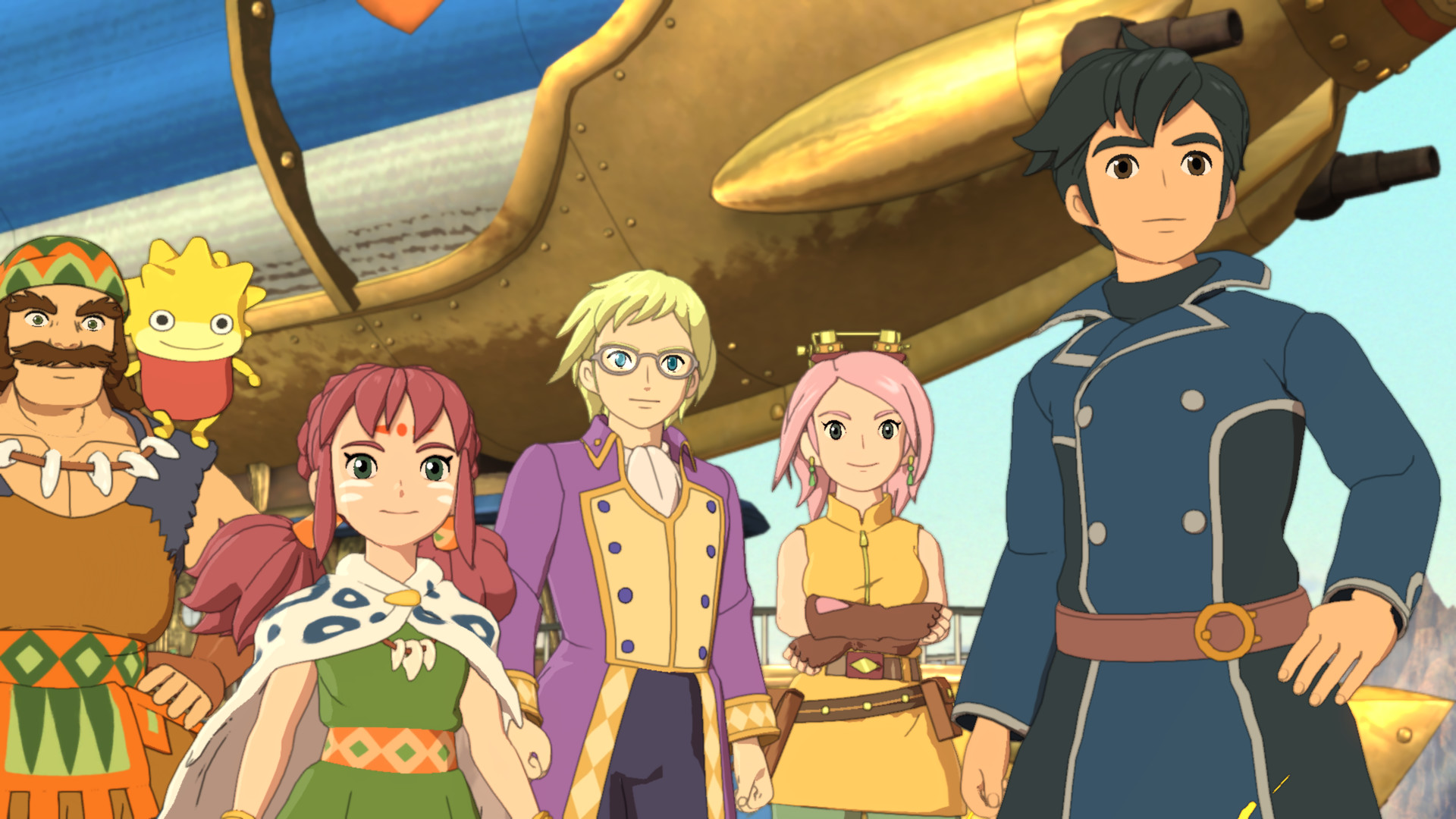
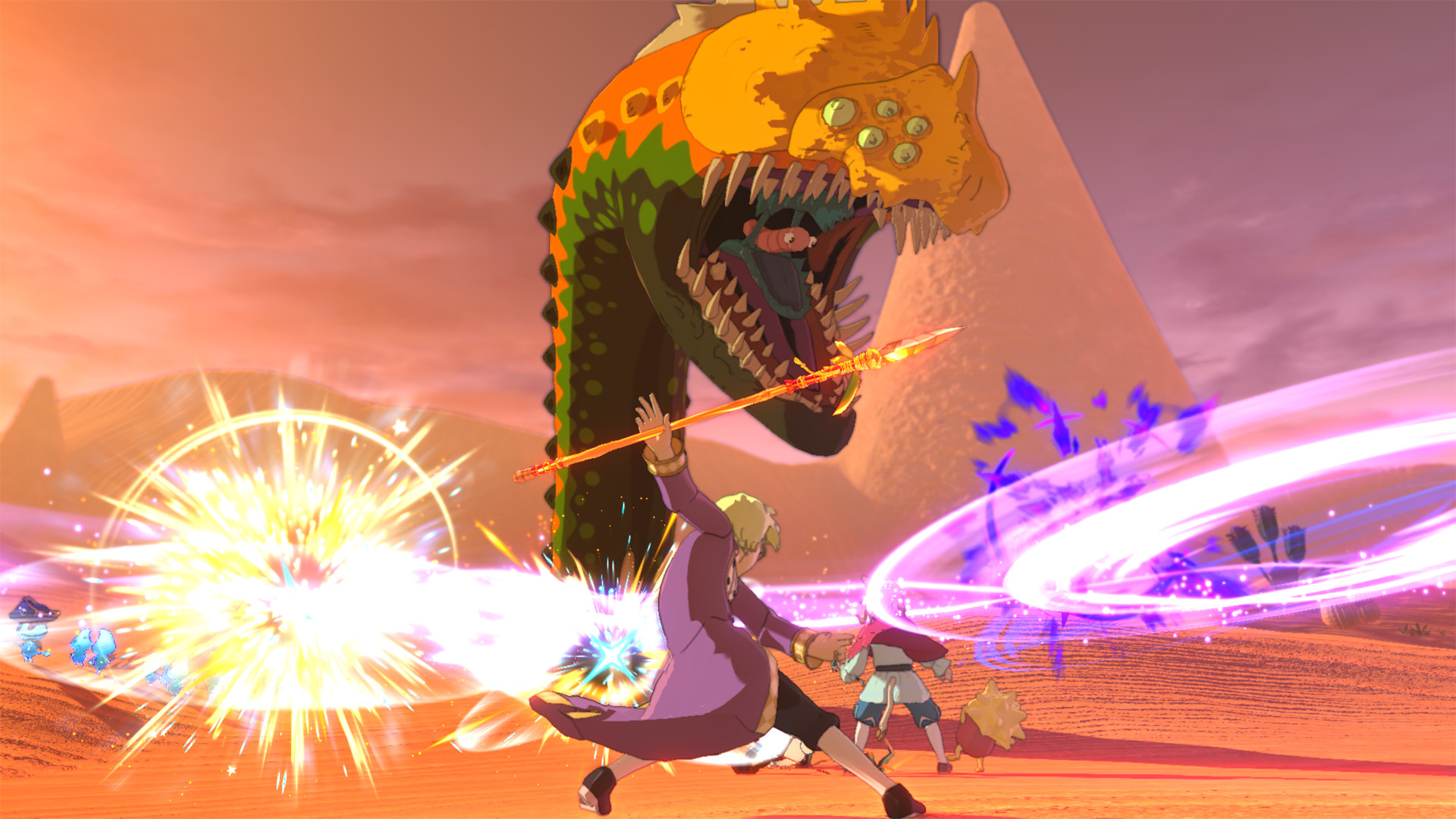
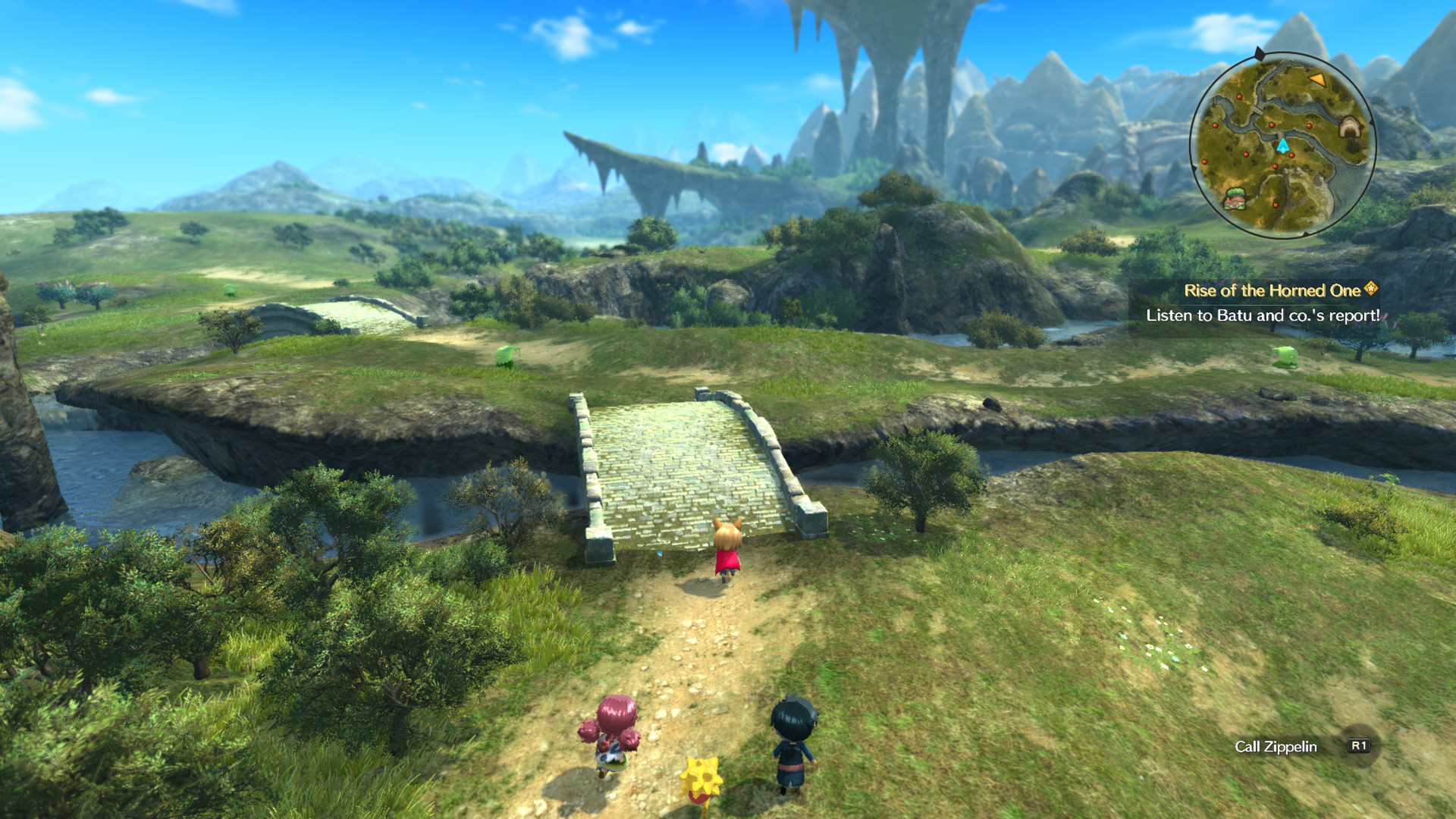
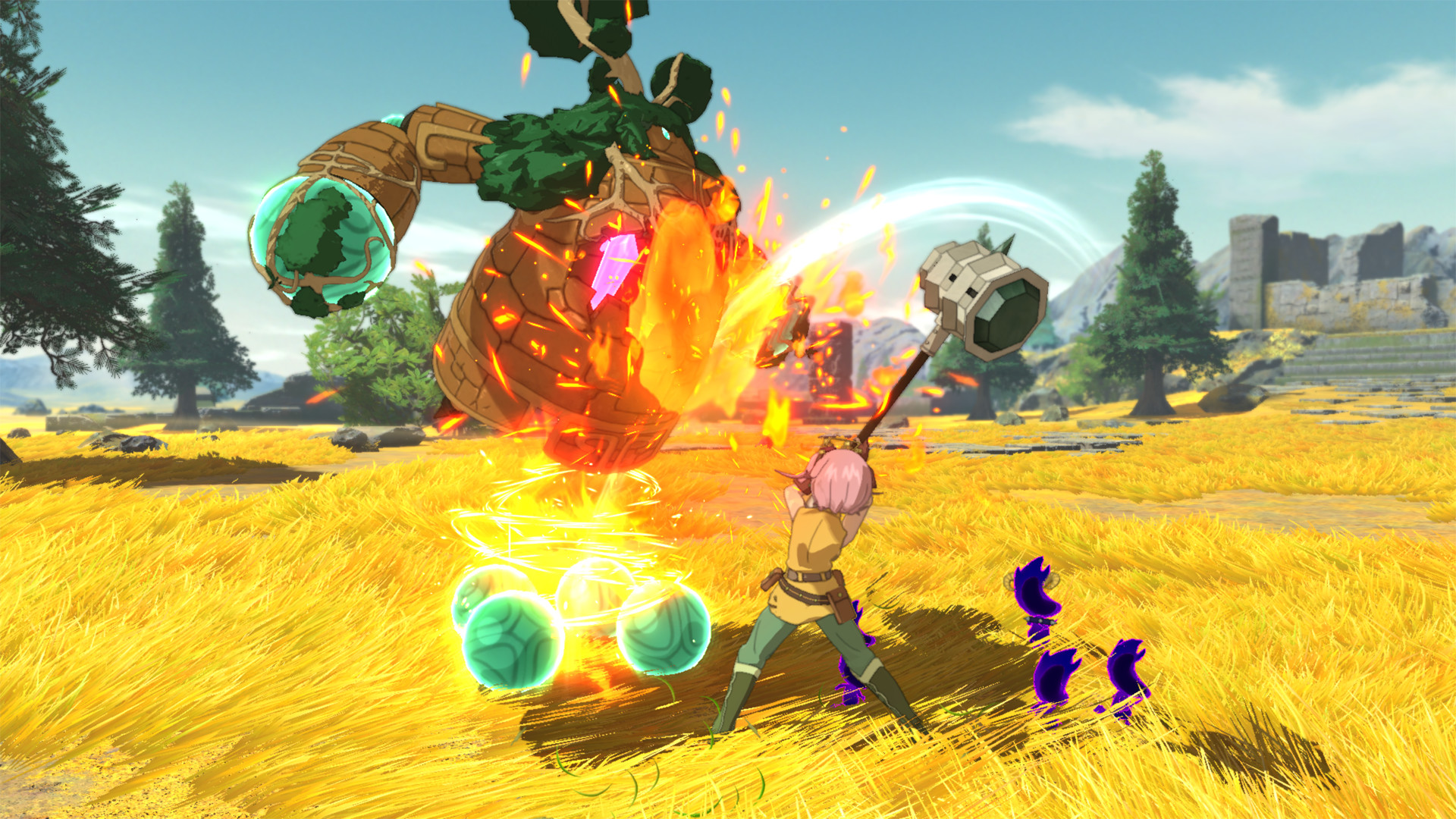
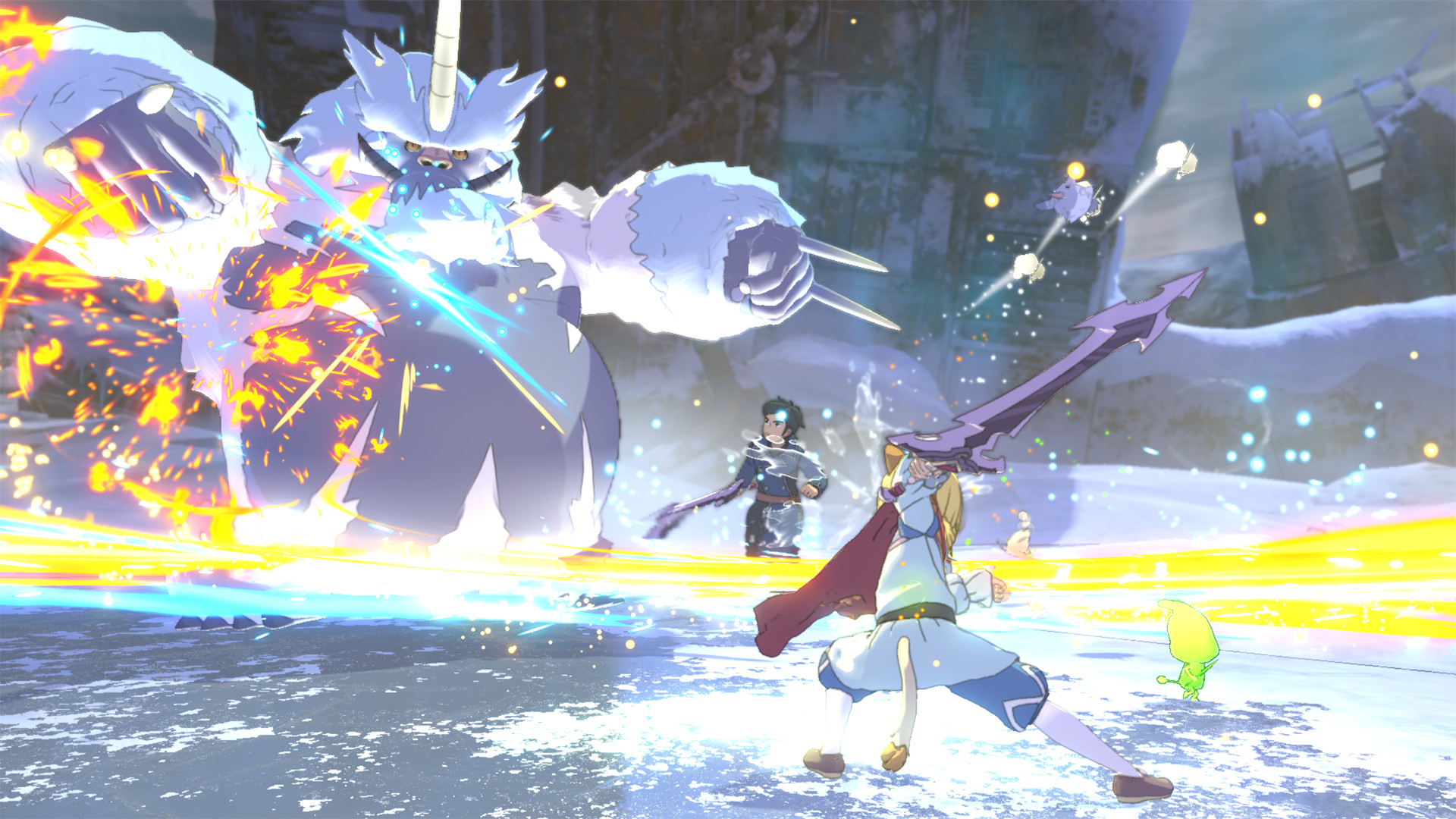
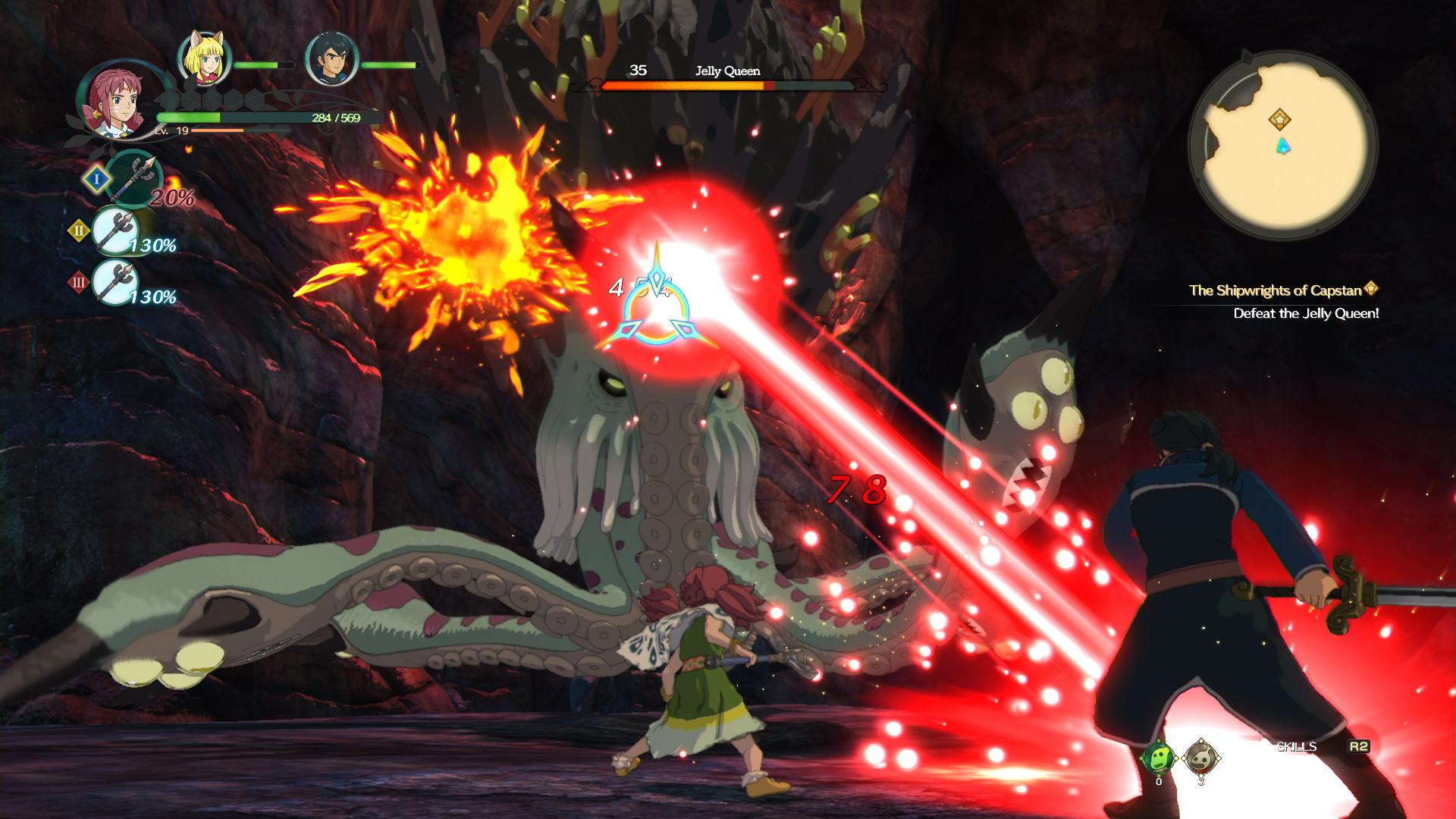
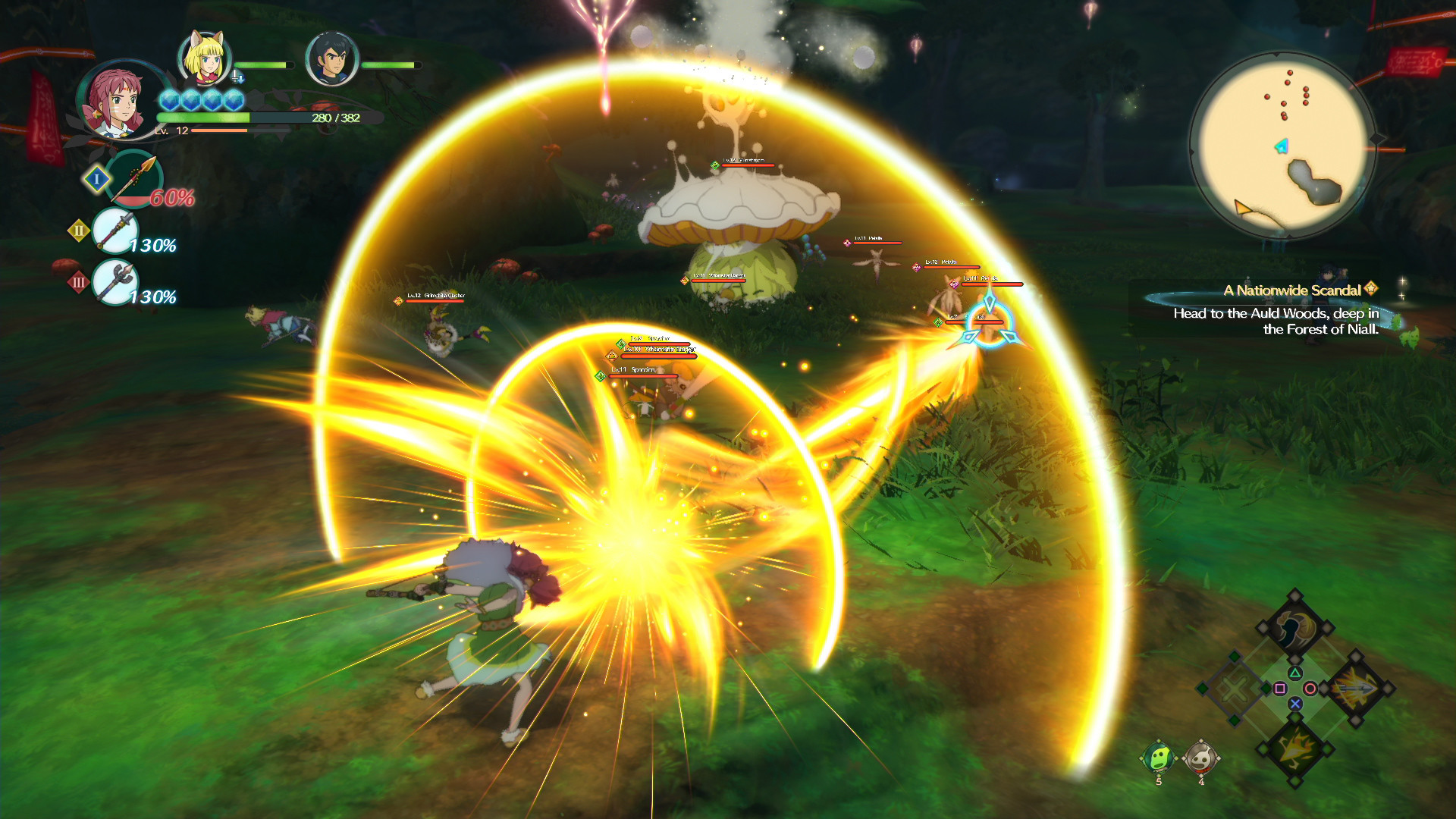
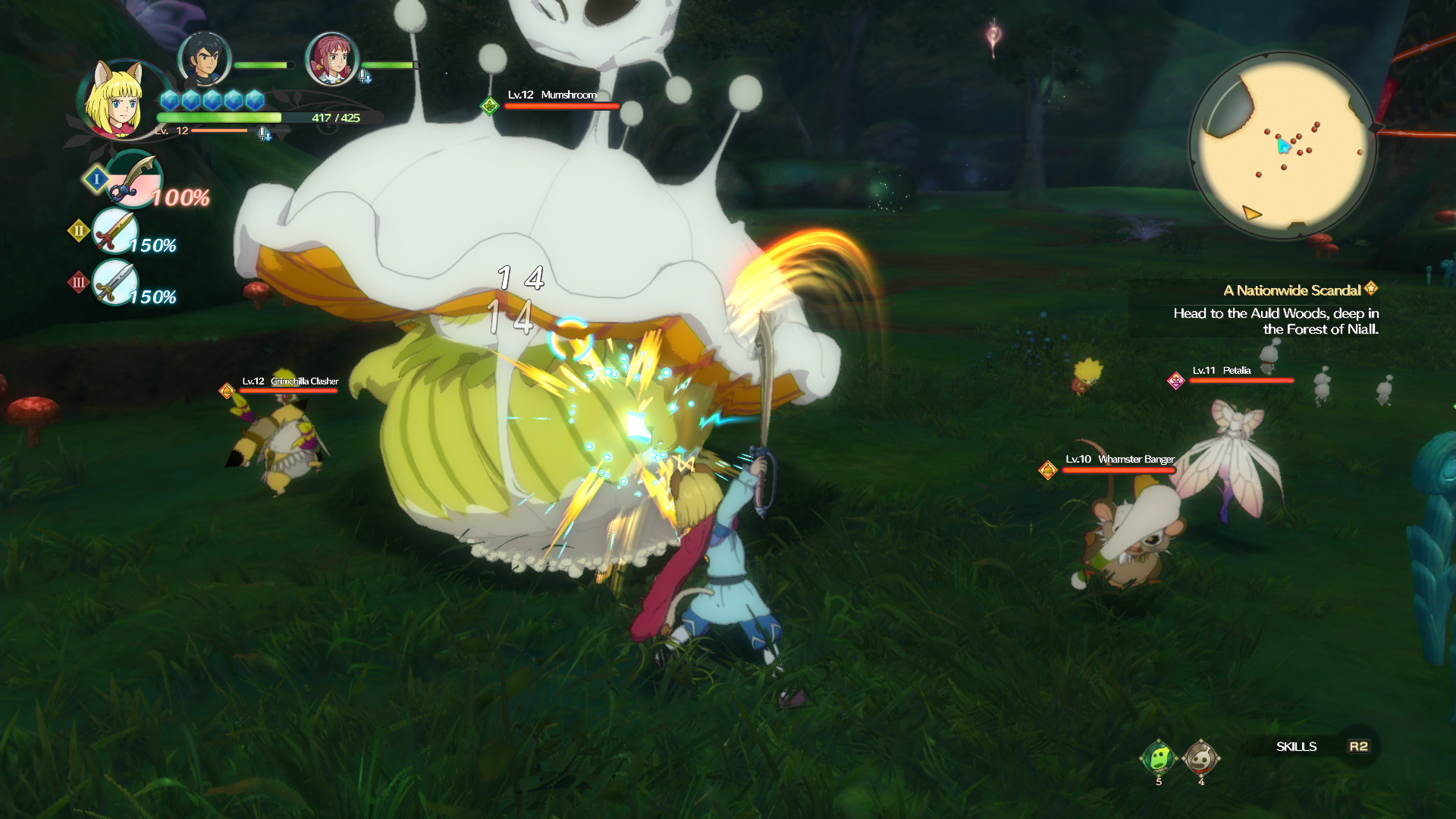
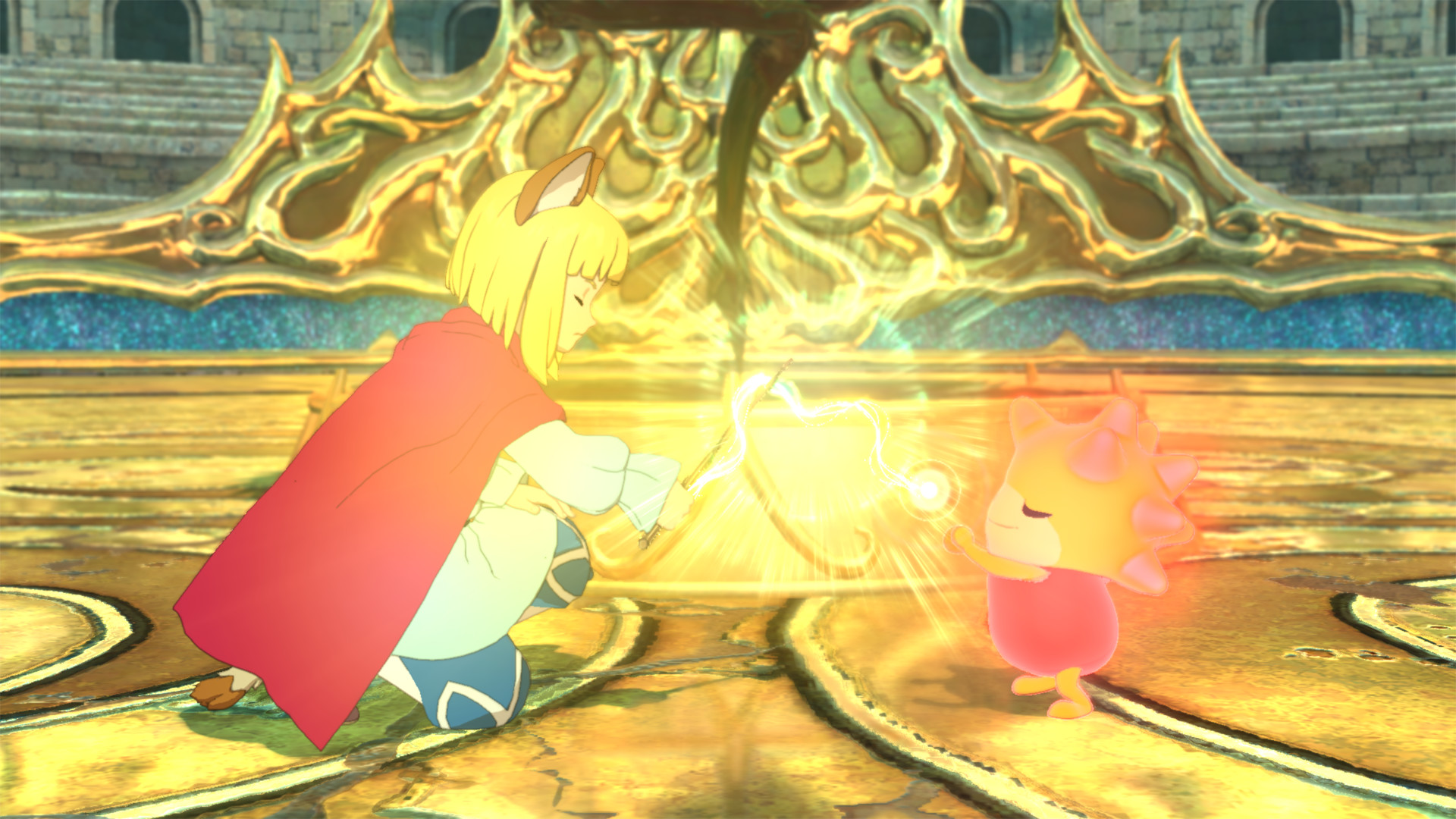
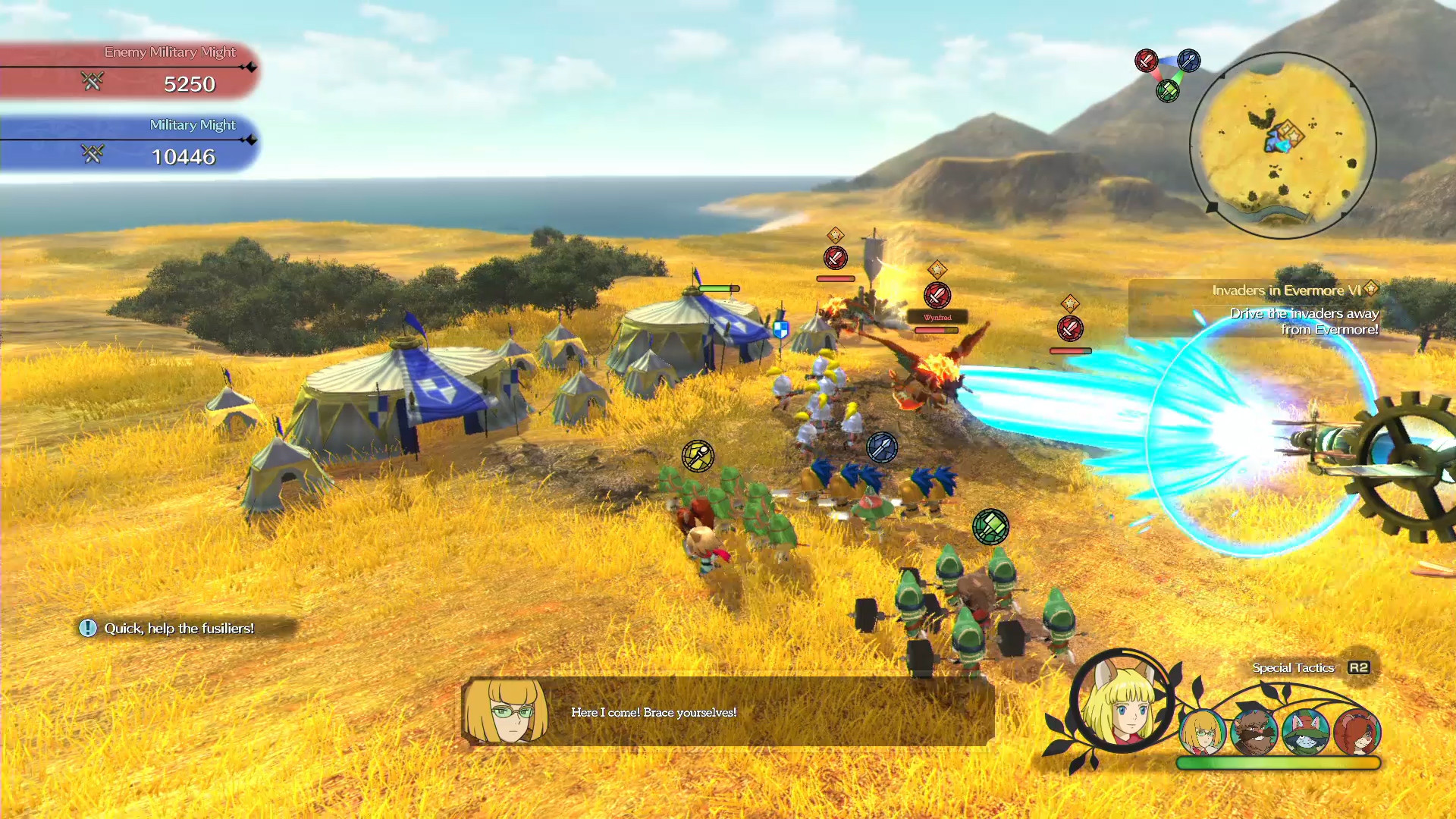
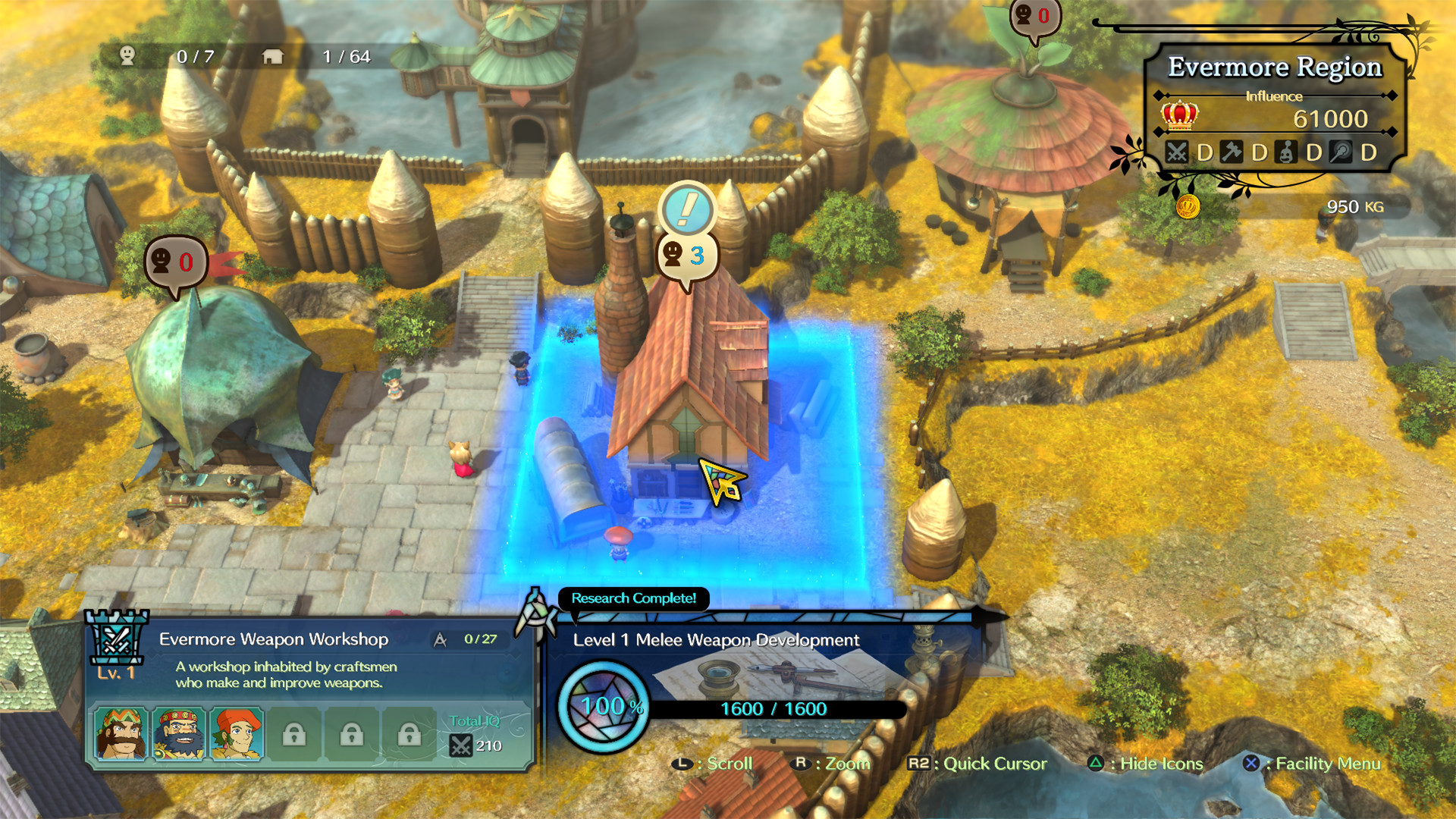
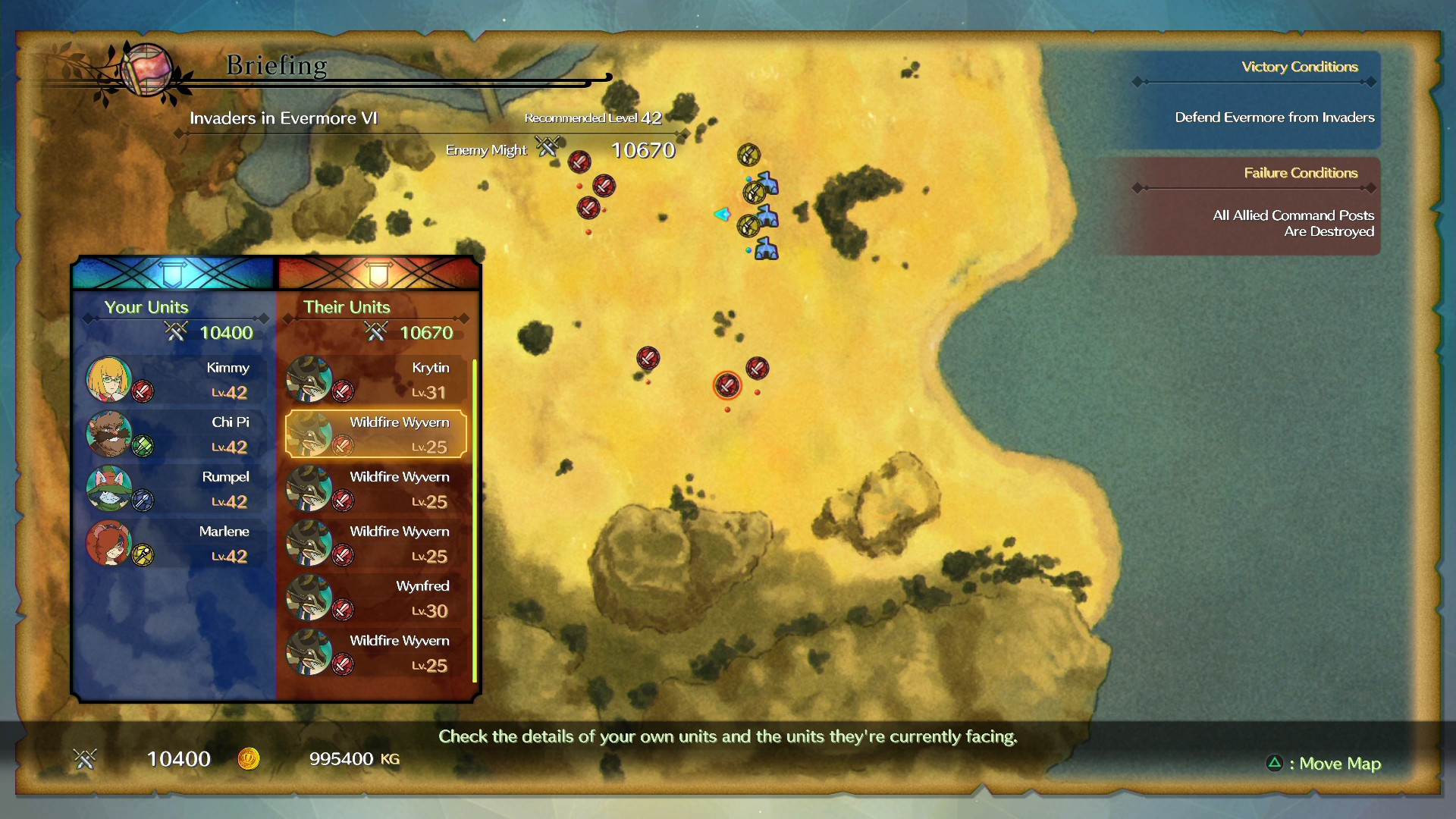
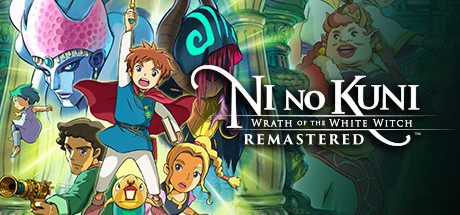
I wish I could give this a middling score. It's not a bad game by any means, but what its is, is complicated. Below, I'll be posting a spoiler-filled rundown of what my issues and loves for this game were. For a Tl;dr, I'd give this game a 7/10. Fun, but not as good at the 1st game. This sequel abandons a lot of what made the original so unique - gone is the Familiar system, as well as the heavy lean into hands-on learning. One of my big, early complaints was the loss of the Wizard's Companion; the first game's spellbook, full of creative flavor text, lore about the world, folklore, and ancient legends that reflect on current events. This added in a very fun system - making people read . To finish some puzzles, you would need to scour the compendium, read the stories, learn the history for yourself, and grow alongside Oliver. It wasn't some pop-up on screen that narrated the story at you, but an account written by the holders of the book, telling their story. It was far more immersive and engaging. The gameplay is a bit more hands-on than the first game; the original had a very click-and-go style to it. Attacking, for instance, was automatic once you hit the "attack" button, giving you some degree of control over NPCs. One of my big gripes of the 1st game was how the NPCs would actively chase down recovery items, denying the player the ability to restore mana or health with anything but items. The sequel fixes this by having less of an emphasis on pick-up items, but also by leaning more into recoverable mana through attacks and equipment. The "auto-attack" aspect was removed, making the game feel more hands on, with active combos to use unique attacks. One thing I genuinely missed were runes. It's a small thing in the original, but every spell had an accompanying rune, which had neat lore implications. For instance, the spell to summon powerful monsters is a combination of two different runes, which shows the living aspect of the world - it feels like mages genuinely experimented with magic to discover these new things. The way spellcasting felt in the original was more snappy, too. It's hard to explain, but in the first game, I felt like a mage, whereas with the sequel, it feels like I'm playing a mage in an RPG. This isn't bad, but it lacks that oomph of the original. Lastly, there are the cutscenes, and this is at no fault of the game devs. Ni No Kuni 2 lacked the touch of Studio Ghibli, at least in full. They kept the art style consistent, which was a good idea, but the loss of fully animated cutscenes could be felt. The still images or 3d cutscenes lacked the whimsy and charm Ghibli's animations brought to the original. This is at no fault of the developers; Ghibli is not a video game company and were too busy to be a part of the sequel. However, my biggest issues come with the writing. My first complaint is on missed opportunities. Ni No Kuni 1 was a gem, a wonderful game with a rich, vibrant lore, fleshed out through in-game storytelling and the supplementary reading in the Wizard's Compendium. There were loads of untold stories: where would the world be generations later? Would we walk through the shoes of the Wizard King? Perhaps we'd play as the Sage of Ages? Maybe put in in Nazcaä? So many options. And yet, Ni No Kuni 2 completely throws the story of the original to the wayside. Not only is it set in an alternate dimension, they made it clear that the events of Ni No Kuni 1 happened, but happened in a way that was different to the original. The familiar characters were there to tug at your nostalgia, but the story had almost no relevance to the events of the first game. When I started in Ding Dong Dell, I was excited. I thought this surely must be a continuation, since the Tildrum line was still standing and it's freakin' Ding Dong Dell. But rapidly, it became clear this wasn't the case - from the map being wholly different to nations being entirely unfamiliar, to core lore being entirely absent, replaced with new supplements - such as Kingmakers instead of Familiars. One of the key points in the 1st game's story was the cyclical nature of the world - how history repeated itself. Oliver was just one in a long line of people who lost everything they loved. But unlike the other people in the story, he embraced the pain, and didn't walk the road of vengeance instead. He broke the cycle. The nature of Oliver and Shaddar was not overt - there were clues there that one could follow, inconsistencies in the narrative that, if you looked closely enough, showed you the twist before it got close to it. The Doloran/Roland reveal was ham-handed in comparison. Not only was it retreading that same plot point - a Soulbound villain, tied to the hero, with a "if you wish to kill me, you must kill yourself" narrative. I understand the cyclical nature narrative, but come on. In the original, Oliver was confronted with this reality, then followed through, still destroying Shaddar and almost being erased himself. This was far more poignant in comparison to Roland, who simply beats his double up, then doesn't need to deal with that conflict again. It goes to show the vast gap between the two, in terms of emotional weight. I wasn't so bothered by the story sharing similar beats - a boy coming to bring all the nations of the world together, under one banner - that fit the nature of cyclical storytelling far better. But it was those key moments, where they skipped on the chance to do something different or unique, that really hit me. Now, some good; I really enjoyed the Kingdom Building mechanics. It was oddly rewarding, and felt nice to upgrade things slowly, watching the progress as you grow from a wooden palace with only a few huts, to a thriving capital. Recruiting the key villagers was a really neat idea - having to actively go out and hire people who were knowledgeable felt right; personal. A bit more bad. Much like Shaddar and Oliver, the reveal of Pea and her role in the story was something you could figure out early on, without being spoon-fed the truth. However, Ferdinand was absolutely uninteresting. His name only comes up a few times: once from Boddy, then from Evan in a speech, and maybe one more time. But ultimately, he wasn't a major or interesting character. But surprise: he is a pseudo-time traveler who created a Bootstrap Paradox, and he is actually Evan's son. Boddy is a seer, somehow. Time Magic in Ni No Kuni 1 was extremely fickle and dangerous; you could only leap through time once. Now, a character is randomly born who can just send their mind through time from birth, because reasons. It all lacked the punch of Pea being the "inner child" of the game's Big Bad. Now, some more good. I did love most of the game's writing. Was it cheesy and cliche? Sure, but no more than the original. One must remember, this is a game geared for younger audiences. With that in mind, there is a clear throughline in the narrative that remains strong. But I do think some things could have been better touched upon. In fact... How the flippin' heck did Roland end up in another Dimension? In Ni No Kuni 1, Oliver needs to open the gate himself - nobody is just brought across dimensions with no rhyme or reason. And yet, here's Roland, being scooped across dimensions, just because. And did they seriously open the game up with New York City being nuked? Excuse me? Could you, like... explain that a bit? Why the heck was NYC getting bombed? It's massive tonal whiplash, and not in a good way. I enjoyed Ni No Kuni 2. I played through the whole game - writing this while the credits are paused on the other screen - and am now about to start tackling post-game content. But if someone asked me whether the first or second was best, I would very clearly tell them: "Play the first. It's the far superior game."
Expand the review