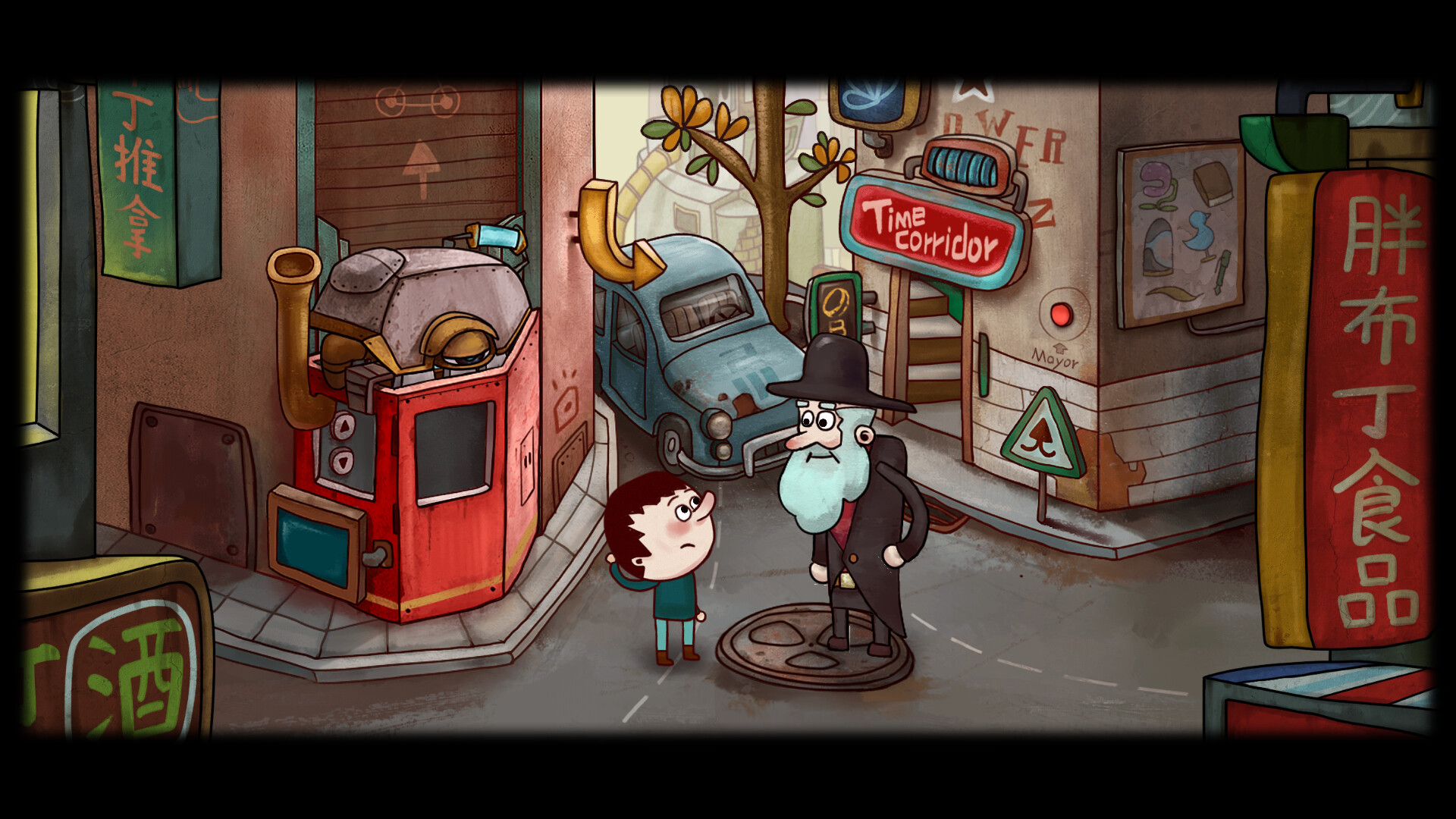
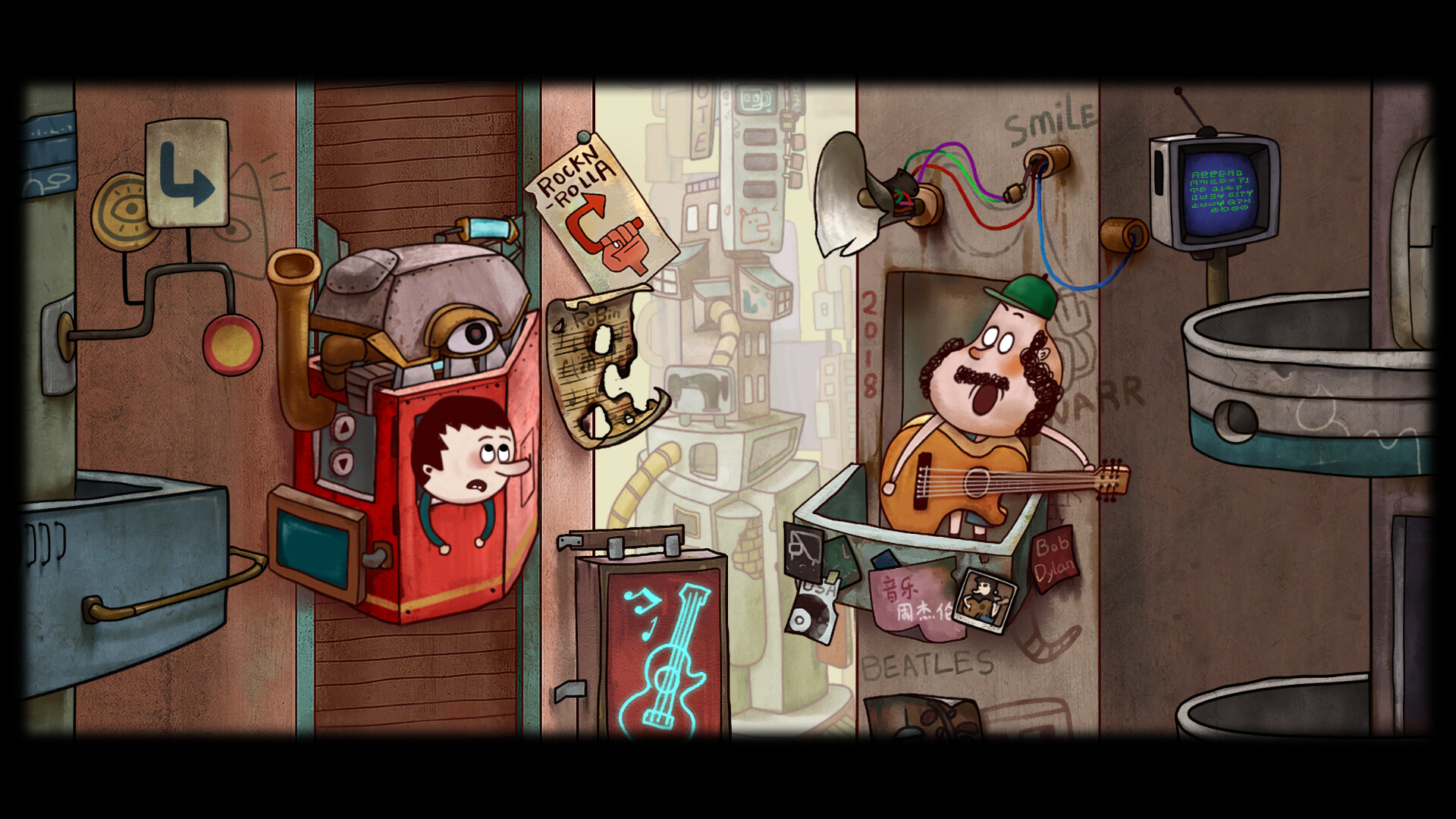
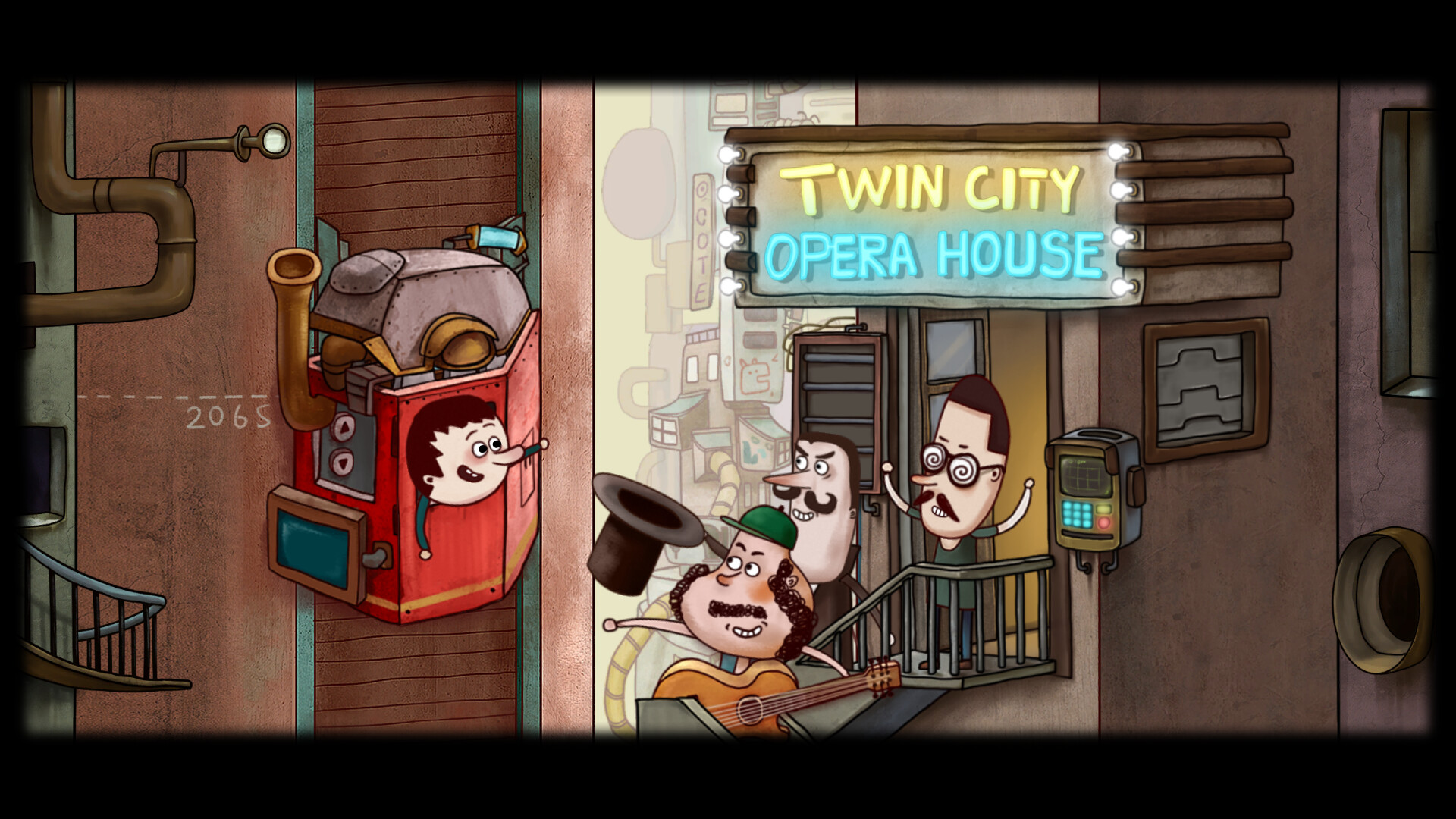
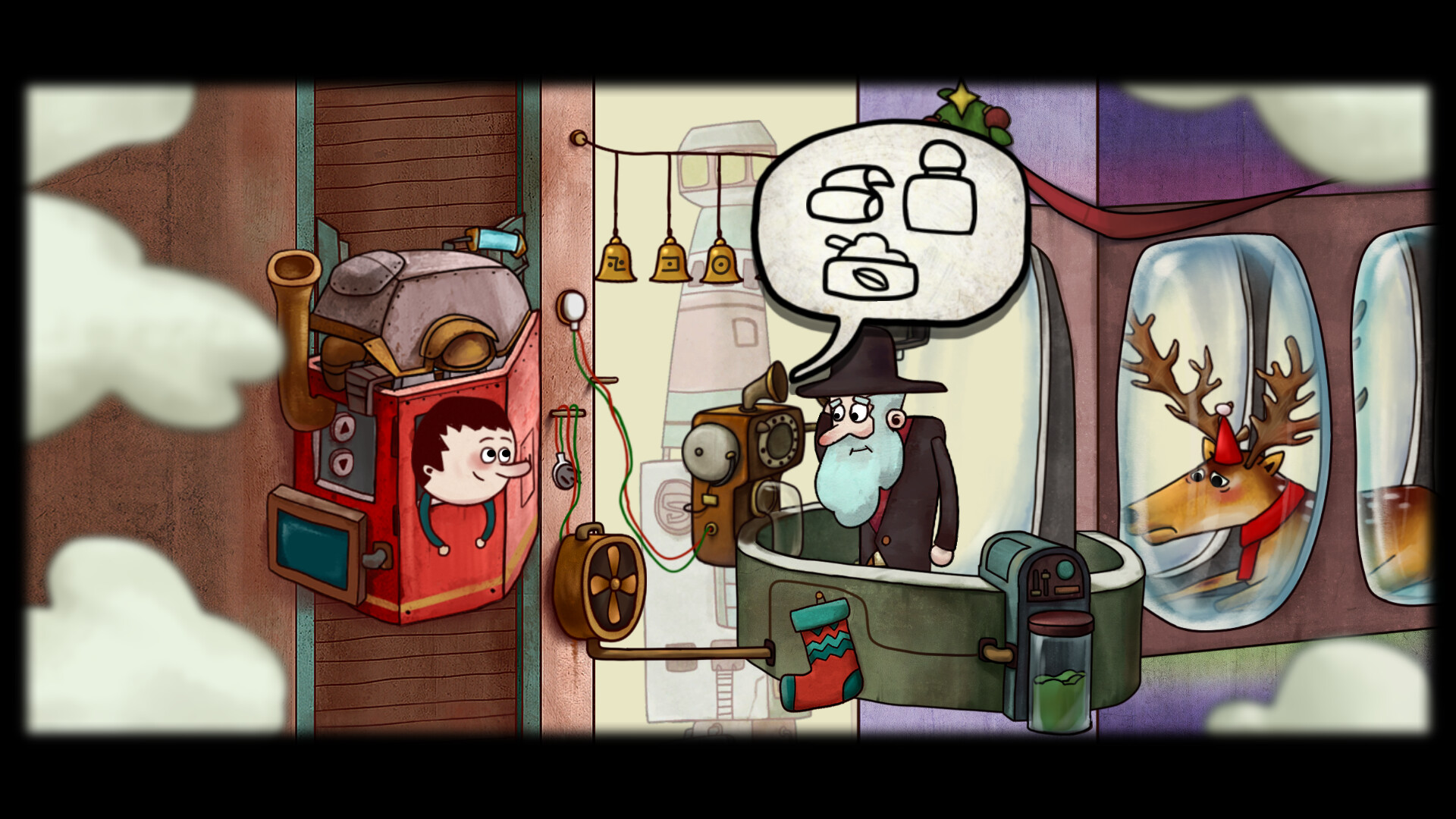
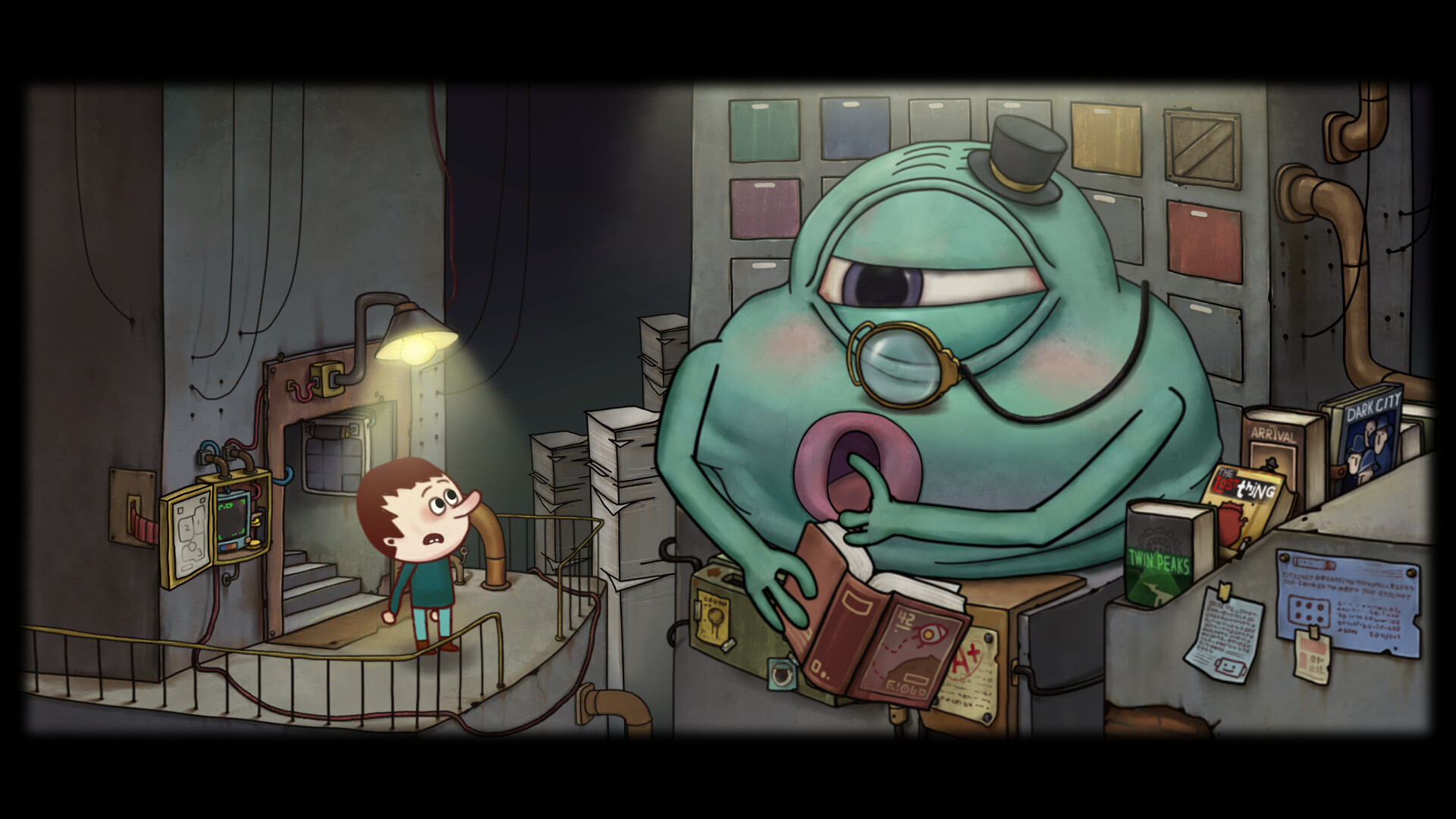
One Way: The Elevator, developed and published by Cotton Game, is a whimsical and contemplative point-and-click puzzle adventure that invites players on a gentle ascent through surreal worlds filled with mystery, emotion, and imagination. At first glance, its premise is beautifully simpleโyou control a small character who must ascend an elevator by finding a glowing blue orb on each floor to power it upward. Yet beneath this straightforward goal lies a deeply thoughtful experience that transforms a mechanical journey into an allegory of personal growth, discovery, and reflection. Each floor of the elevator functions as a self-contained world, presenting a small puzzle or interaction that gradually builds upon the gameโs quiet exploration of life and memory. The gameโs structure unfolds through a sequence of interconnected vignettes, each new floor introducing a distinct environment and visual theme. One might lead you into a mechanical workshop populated by peculiar contraptions, while another brings you face-to-face with whimsical creatures, from floating fish to melancholy robots. The puzzles that inhabit these spaces are minimalist in design, often relying on environmental observation and logical inference rather than explicit instructions. The absence of dialogue or text forces the player to pay attention to visual cues, sound effects, and the flow of movement within each scene. This design choice not only enhances immersion but also encourages curiosity and experimentation. Each puzzle solved and each floor ascended feels like uncovering another layer of a wordless narrative told through color, rhythm, and subtle symbolism. The visual style of One Way: The Elevator is instantly recognizable and deeply evocative. Cotton Game, known for its distinctive art direction in titles like Isoland and Mr. Pumpkin Adventure, applies the same hand-crafted charm here. The backgrounds are painted with warmth and detail, blending surreal architecture with dreamlike landscapes. Every scene feels alive in its own quiet way, populated by strange creatures and curious mechanical devices that breathe personality into the world. The soft palette of pastels and earth tones creates a calm, almost nostalgic atmosphere, while the hand-drawn aesthetic lends a sense of intimacy that makes the world feel tangible and personal. The animation is restrained but purposeful, emphasizing small gestures and subtle changes that reward patient observation. Itโs a visual experience that invites players to slow down and appreciate the gentle artistry that defines each floor of the elevator. Sound design plays an equally important role in establishing the gameโs meditative tone. The background music is composed of soft, melodic themes that drift like a daydream, creating a sense of serenity even as the puzzles grow more complex. Ambient effectsโrustling wind, mechanical clicks, faint echoesโadd texture to the environments and make each location feel distinct. Because there is no spoken dialogue, sound becomes the emotional bridge between the player and the world. The music swells gently when you solve a puzzle or uncover a hidden mechanism, creating a satisfying sense of accomplishment that feels organic rather than forced. This harmony between audio and visual design strengthens the gameโs emotional core, transforming what could have been a series of mechanical puzzles into an introspective journey about persistence and understanding. Beneath its surface charm, One Way: The Elevator carries a subtle narrative thread about ascensionโnot just physically through the elevator but spiritually and emotionally through the act of moving forward. Each floor can be read as a metaphor for stages of life or fragments of memory, where solving puzzles mirrors the process of coming to terms with the past or rediscovering forgotten pieces of oneself. The recurring motifs of light, growth, and motion suggest a quiet optimism beneath the gameโs melancholic undertones. There is a sense that each small act of discovery contributes to a larger, unseen purpose, echoing the way lifeโs smallest moments can lead to profound realization. Without uttering a single word, the game manages to communicate a sense of humanity and emotional progression that feels both universal and deeply personal. Despite its beauty and emotional resonance, the gameโs simplicity also defines its limitations. The entire experience can be completed in just a few hours, and once the puzzles are solved, there is little incentive to replay. The difficulty curve remains gentle throughout, which may leave puzzle veterans wanting more challenge or complexity. Some puzzles rely on visual pattern recognition or experimentation rather than strict logic, which can occasionally lead to moments of confusion or trial-and-error frustration. However, these shortcomings are softened by the gameโs pacing and presentation. Itโs not designed to challenge in a traditional sense but rather to create a space for quiet contemplation, making it a more meditative experience than a demanding one. For those who approach it with patience, its brevity becomes part of its charmโa concise yet emotionally rich journey that lingers in the mind long after the elevator reaches its final stop. One Way: The Elevator ultimately succeeds as a delicate and introspective piece of interactive art. It doesnโt overwhelm the player with complexity or narrative exposition; instead, it communicates through feeling, gesture, and imagery. Its world is small but filled with wonder, its puzzles modest but meaningful, and its tone perfectly balanced between whimsy and melancholy. It is a game about discovery in its purest formโdiscovery of the world around you, and of yourself within it. For fans of atmospheric puzzle adventures, it offers a tranquil yet profound experience that blends artistry, simplicity, and emotional depth into a single graceful ascent. In an age of noisy, high-intensity games, One Way: The Elevator stands as a gentle reminder that sometimes the quietest journeys can be the most affecting. Rating: 9/10
Expand the review