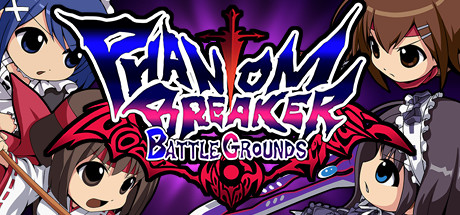
Phantom Breaker: Battle Grounds, developed by MAGES. Inc. and published by Rocket Panda Games, is a vibrant, side-scrolling beat ’em up that channels the energy of classic arcade brawlers while blending it with the aesthetic flair of modern Japanese pop culture. Originally conceived as a spin-off of the fighting game Phantom Breaker, this title takes familiar characters and reimagines them in a completely different format, transforming competitive one-on-one combat into a chaotic, cooperative brawl filled with pixel art explosions, fast-paced action, and an undeniable sense of style. From its first moments, the game makes its intentions clear—it isn’t trying to reinvent the wheel but rather to celebrate the simple joy of fighting through waves of enemies in colorful, animated environments that feel both nostalgic and fresh. The game opens with a straightforward premise that serves as a loose narrative thread through the action. A mysterious villain named Phantom kidnaps one of the heroes’ friends, and it’s up to a group of female warriors—each with distinct weapons, fighting styles, and personalities—to storm through multiple stages and rescue her. Storytelling is minimal, delivered through short dialogue snippets and expressive pixel animations rather than lengthy cutscenes. This minimalist approach works in the game’s favor, as the focus is squarely on combat and flow. Each level is a gauntlet of enemies, with occasional bosses that punctuate the chaos. The story’s simplicity allows players to engage immediately without getting bogged down by exposition, keeping the pace brisk and the tone lighthearted. Where Phantom Breaker: Battle Grounds truly shines is in its presentation. The art direction is a delightful homage to 16-bit and early arcade aesthetics, featuring chunky, detailed sprites and eye-catching special effects. Every punch, explosion, and magical attack bursts with color, filling the screen with satisfying visual feedback. The characters are drawn in a chibi style that enhances their charm while giving the game an identity distinct from other beat ’em ups. Environments range from bustling cityscapes to eerie castles and neon-soaked arenas, each teeming with small background details that make the world feel alive. Complementing the visuals is an energetic soundtrack that fuses electronic beats with rock riffs, lending every fight a sense of urgency and rhythm. The music perfectly captures the tone of the game—retro-inspired but infused with modern intensity. Gameplay in Phantom Breaker: Battle Grounds walks a fine line between accessibility and depth. On the surface, the combat system is intuitive enough that anyone can pick up a controller and start stringing together combos within minutes. Players have access to light, medium, and heavy attacks, along with special moves, dashes, and a guard mechanic. These basics are enriched by a leveling system that rewards experience points for defeating enemies. As players progress, they can upgrade their stats and unlock new abilities, giving each character a degree of customization that extends beyond the typical brawler formula. Each fighter feels distinct, from quick, agile types that dart through enemies to slower, more powerful ones capable of massive damage. The result is a combat system that’s easy to learn but still satisfying to master, especially when chaining attacks or coordinating moves with teammates in cooperative play. The inclusion of multiplayer is one of the game’s greatest strengths. Whether played locally or online, the chaos of multiple players fighting side by side transforms the experience into a whirlwind of flashy attacks, shared laughter, and unpredictable moments. Up to six players can join forces in co-op mode or challenge each other in versus mode, ensuring that there’s replay value beyond the main campaign. Playing alone can still be enjoyable, but the game truly comes alive when the screen is packed with friends, each unleashing their own signature moves in synchronized mayhem. The cooperative mode not only heightens the fun but also smooths over some of the repetitive elements inherent to the genre—repetition that’s far less noticeable when the screen is full of noise and energy. Despite its strengths, Phantom Breaker: Battle Grounds does have some limitations. While the combat system feels satisfying, it can become repetitive after extended sessions. The core loop—defeat waves, move forward, fight a boss, repeat—rarely changes, and even though the variety of enemies and environments helps, it can’t entirely mask the linearity of the experience. Some players might find that, outside of leveling and unlocking moves, there isn’t much to keep them engaged long-term. The versus mode, while functional, lacks the competitive balance of a true fighting game and feels more like a bonus feature than a fully fleshed-out component. Additionally, the difficulty curve can feel uneven, with some encounters presenting abrupt spikes that can frustrate solo players. However, these issues are minor in the grand scheme, and most can be mitigated by the game’s fast pacing and dynamic multiplayer design. The updated versions of the game, including Phantom Breaker: Battle Grounds Ultimate, showcase noticeable technical and visual improvements. The developers rebuilt the experience using modern engines, refining animations, smoothing performance, and improving responsiveness without sacrificing the retro charm that defines the game. These enhancements make it more visually crisp and mechanically fluid than its original release, allowing it to hold its own alongside more contemporary indie beat ’em ups. The upgrade also includes refined online play, which helps maintain the game’s longevity and accessibility to new audiences. What makes Phantom Breaker: Battle Grounds enduringly appealing is its personality. Every element, from the over-the-top attacks to the exaggerated character designs, exudes a sense of fun and self-awareness. It’s a game that doesn’t take itself too seriously, reveling in its anime-inspired chaos while maintaining the craftsmanship needed to make it enjoyable rather than gimmicky. It recalls the spirit of classics like Streets of Rage and River City Ransom but with a distinctly Japanese twist—faster, flashier, and brimming with visual flair. It’s this sense of identity that keeps it from fading into the sea of generic beat ’em ups that crowd the genre. In the end, Phantom Breaker: Battle Grounds is a love letter to arcade-style action—a compact, energetic brawler that rewards players with style, spectacle, and a sense of camaraderie. It might not have the mechanical depth of a modern fighting game or the narrative scope of a full-blown RPG, but it delivers what it promises with enthusiasm and polish. For players who appreciate pixel art, fast combat, and cooperative fun, it’s an easy recommendation. While its simplicity may limit its longevity for those seeking depth or innovation, its execution and presentation make it one of the more enjoyable beat ’em ups to emerge from Japan’s indie scene. MAGES. Inc. and Rocket Panda Games have crafted an experience that thrives on rhythm, color, and charm—a throwback that still manages to feel fresh in a world where fun sometimes gets lost in complexity. Rating: 8/10
Expand the review