
Blood Card
This card game combines elements of roguelike and deckbuilding. During the game, you shall strive ahead, gathering cards to build a unique deck and use it to defeat the enemies getting in your way. You will have to choose between escaping or try to defeat Death, who is relentlessly pursuing you.
Sync your Steam wishlist to find the lowest game prices instantly. No login required, just paste your Steam profile URL!
⚡ Try Wishlist Radar!
Sync your Steam wishlist to find the lowest game prices instantly. No login required!
⚡ Try Wishlist Radar!
Close

Poker Quest: Swords and Spades on Steam
Quick menu
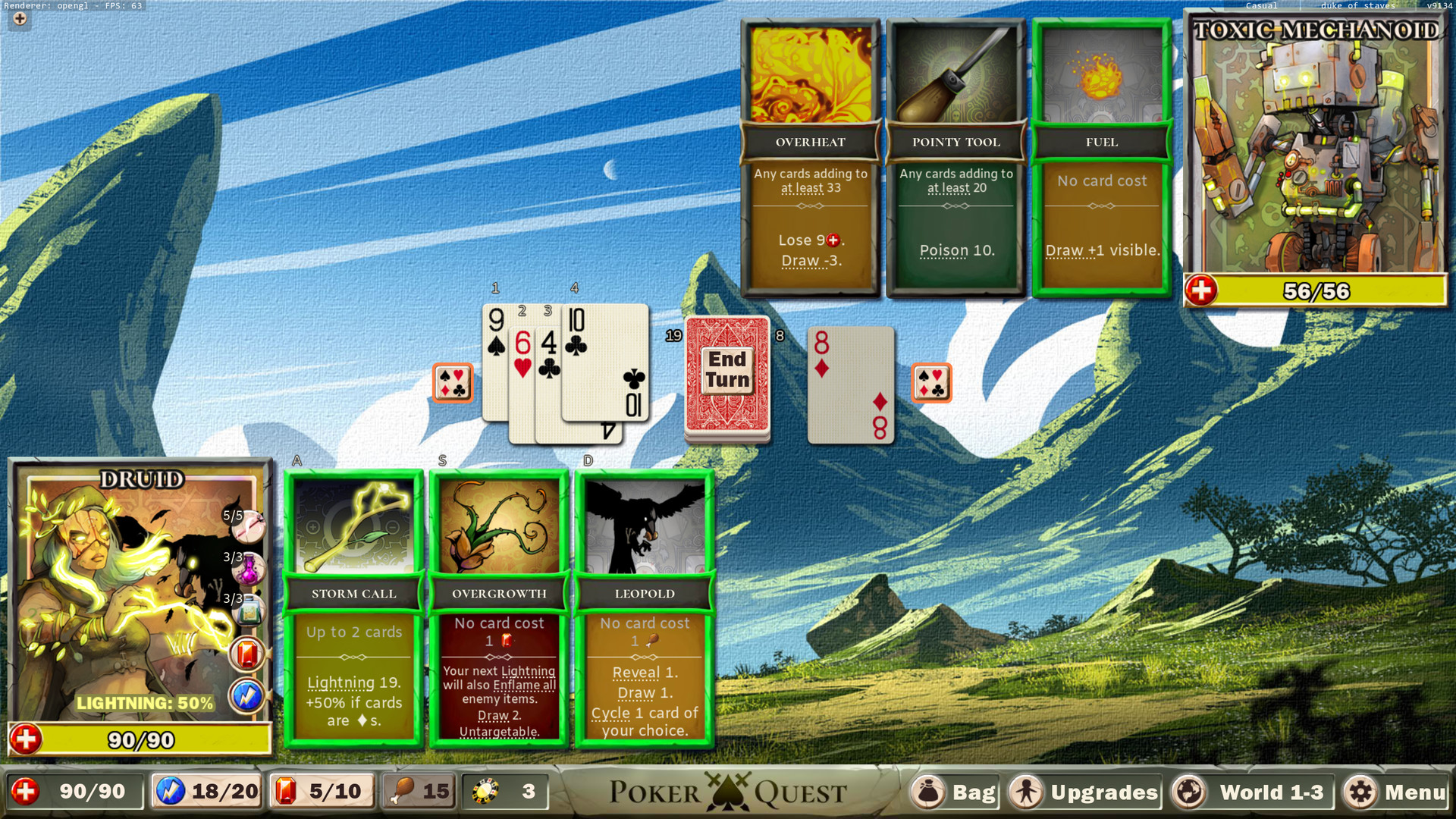
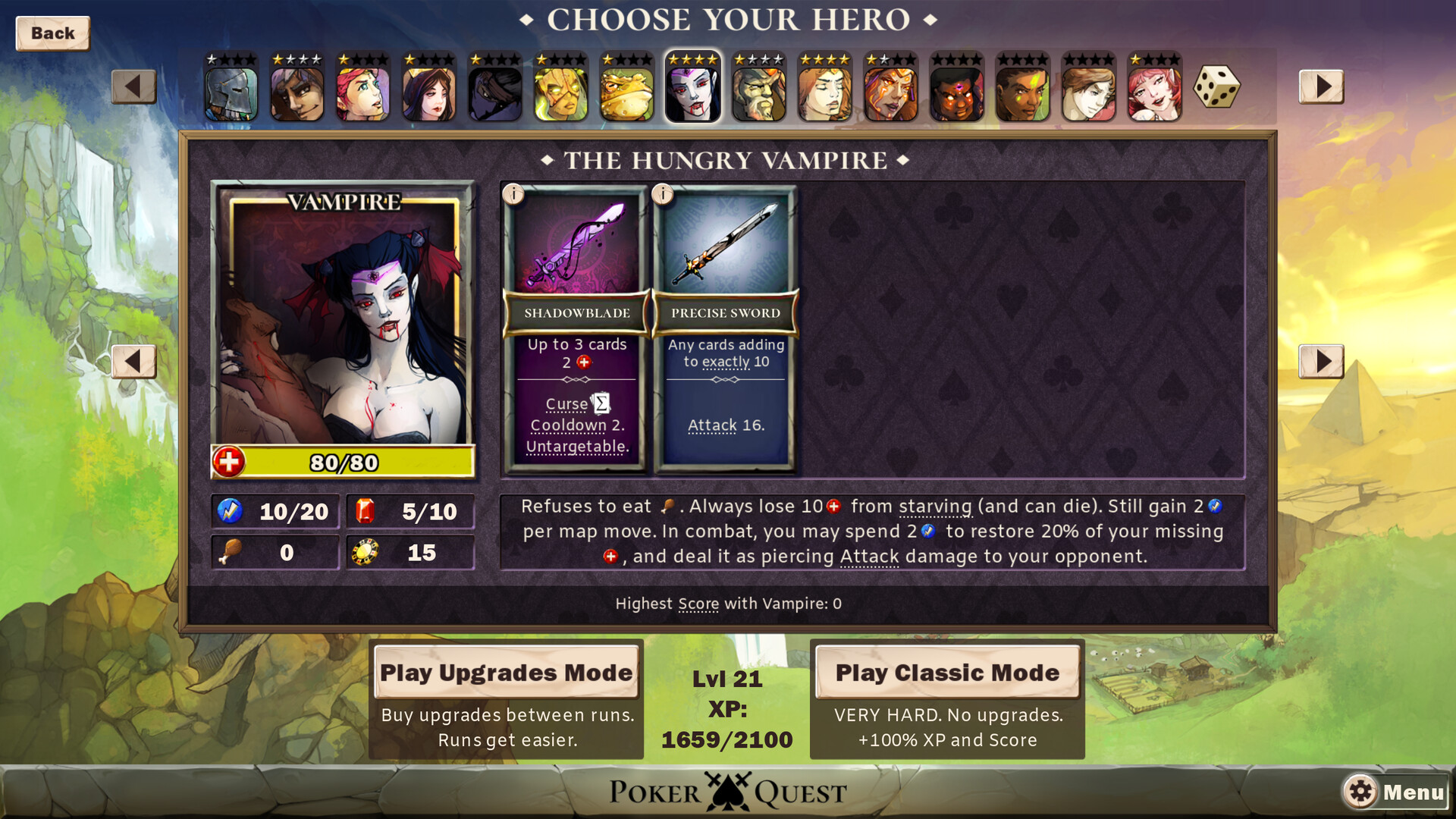
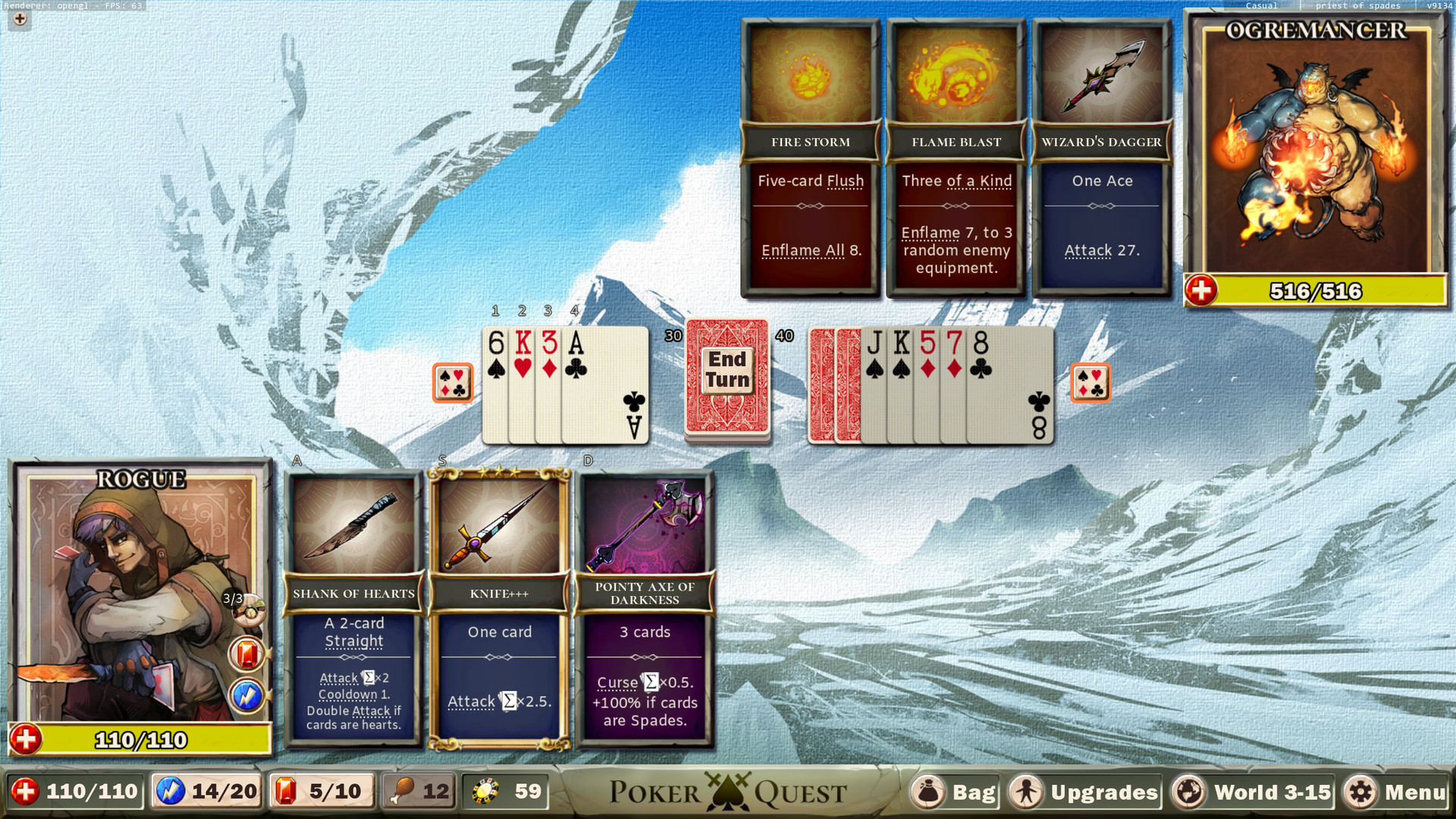
Poker Quest is a fantasy roguelike where players use a standard 52-card deck to take on fierce enemies in epic battles. Featuring over 20 unique heroes, thousands of items, and deep gameplay that will test even the most experienced players.
Poker Quest: Swords and Spades is a card game, roguelike and roguelike deckbuilder game
developed and published by Playsaurus.
Released on November 14th 2022 is available on Windows, MacOS, Steam Deck and Steam Machine.
It has received 685 reviews of which 589 were positive and 96 were negative resulting in a rating of 8.1 out of 10. 😎
The game is currently priced at 14.79€ on Steam.
The Steam community has classified Poker Quest: Swords and Spades into these genres:
Card Game
Roguelike
Roguelike Deckbuilder
Deckbuilding
Difficult
Poker
Singleplayer
Strategy
Replay Value
Roguelite
Turn-Based
Card Battler
Choices Matter
Indie
2D
Turn-Based Strategy
Procedural Generation
Medieval
Adventure
Turn-Based Combat
Here is the detailed breakdown of supported languages for Poker Quest: Swords and Spades:
| UI | Subtitle | Audio | |
|---|---|---|---|
| English |
Media & Screenshots
Get an in-depth look at Poker Quest: Swords and Spades through various videos and screenshots.


Load More

System requirements
These are the minimum specifications needed to play the game. For the best experience, we recommend that you verify them.
Windows
- Requires a 64-bit processor and operating system
- OS *: Windows 7
- Processor: Intel® Core™ Duo 2.4GHz or equivalent
- Memory: 4 GB RAM
- Graphics: 2006 or newer graphics card.
- Storage: 1 GB available space
- Sound Card: Any sound card.
MacOS
- OS: Mac OS X v10.6, and above
- Processor: Intel® Core™ Duo 2.4GHz or equivalent
- Memory: 4 GB RAM
- Graphics: 2008 or newer graphics card.
- Storage: 1 GB available space
- Sound Card: Any sound card.
Steam Price & Best Deals
User reviews & Ratings
Explore reviews from Steam users sharing their experiences and what they love about the game.
A mixed bag. On the positive side, there’s a huge variety of characters and items. On the negative, the game relies far too heavily on RNG, offering no true metaprogression (beyond character unlocks) and no satisfying power spikes. Every turn bombards you with interesting choices, and everything feels fun and dynamic, until the RNG gods abandon you to a frustrating defeat.
Poker Quest: Swords and Spades is one of the most inventive roguelike deckbuilders in recent years because it takes the familiar rules of poker and transforms them into the foundation for an entire fantasy strategy game. Instead of relying on traditional collectible cards with predefined attacks and abilities, the game builds its combat system around standard playing cards and poker hands. Every battle revolves around managing suits, combinations, probabilities, and card efficiency while exploring dangerous fantasy environments filled with monsters, treasure, and randomized encounters. What initially sounds like a strange gimmick quickly reveals itself as a surprisingly deep and highly addictive strategy experience that feels unlike almost anything else in the genre. The core gameplay revolves around using poker hands to activate equipment, attacks, spells, and defensive abilities during turn-based combat. Pairs, straights, flushes, and other combinations are not just scoring systems here but essential tactical resources that determine how effectively players can use their gear. This creates an unusual but extremely satisfying combat structure where every card draw matters. Players constantly balance risk, probability, and resource management while adapting to unpredictable situations. The game succeeds because poker mechanics feel completely integrated into the strategy systems rather than awkwardly layered on top of them. One of the game’s greatest strengths is its mechanical depth. The basics are easy enough to understand for anyone familiar with poker terminology, but the complexity grows rapidly once players begin unlocking additional heroes, items, and advanced mechanics. Every playable class dramatically changes how runs unfold. Some characters focus on aggressive damage combinations, while others revolve around defensive play, poison effects, mana generation, or specialized card manipulation strategies. These differences make each run feel distinct because players are constantly forced to rethink how they approach combat and resource management. The roguelike structure works extremely well alongside the poker systems. Every run introduces randomized enemies, treasure, events, and item combinations that force players to adapt continuously instead of relying on a single strategy. Building effective item synergies becomes one of the most rewarding parts of the experience because equipment effects often interact with poker hands in creative and unpredictable ways. Discovering combinations capable of producing devastating attacks or nearly unbreakable defenses creates the same satisfying experimentation loop that defines the best roguelike games. Inventory management also adds another important layer of strategy. Equipment space is limited, forcing players to make difficult decisions about which items deserve valuable slots. Some weapons and abilities are incredibly powerful but require very specific poker hands to function consistently, while other tools provide safer and more reliable utility. Managing resources such as food, gold, durability, and consumables throughout long journeys creates constant tension both inside and outside combat. The game rarely allows players to relax completely because every decision can influence long-term survival. Exploration feels similar to classic dungeon-crawling roguelikes. Players travel through procedurally generated maps filled with enemies, merchants, treasure, events, and powerful bosses while constantly weighing risk against potential reward. Deciding whether to fight difficult enemies for stronger loot or conserve resources for future encounters becomes a major strategic consideration during every run. The pacing remains engaging because nearly every encounter and route choice feels meaningful. Combat itself is tense and highly strategic. Enemies are not passive obstacles waiting to be defeated but dangerous opponents with unique abilities and attack patterns that require careful planning. Since poker mechanics naturally involve randomness, battles constantly force players to adapt to imperfect situations. Successful runs often depend on finding creative ways to survive bad hands while maximizing the value of stronger combinations whenever opportunities appear. The best moments occur when clever strategy turns a desperate situation into an unexpected victory. Another major strength is the sheer amount of replayability. The game contains a huge variety of heroes, items, enemies, and possible builds, allowing players to experiment with countless strategies over dozens of hours. Unlocking new characters and discovering radically different playstyles gives the game long-term appeal far beyond a typical roguelike deckbuilder. Very few runs unfold exactly the same way due to the procedural systems and item randomness constantly creating new challenges. Visually, Poker Quest uses a fairly simple fantasy art style that prioritizes clarity over spectacle. The interface remains easy to read despite the complexity of the systems underneath, which is important for a game built around careful strategic decision-making. Character and enemy designs are colorful and distinct enough to make the world feel lively even without high-end graphical presentation. The clean visual design helps players focus on strategy rather than unnecessary distractions. The soundtrack and sound effects support the experience nicely as well. Music remains subtle during exploration and combat, helping maintain tension without becoming overwhelming during longer play sessions. Audio feedback during successful attacks and poker combinations gives battles a satisfying sense of impact. Despite its many strengths, Poker Quest is not an especially accessible game for everyone. The difficulty can be punishing, especially for players unfamiliar with roguelikes or complex strategy systems. Poor decisions are often heavily punished, and even experienced players can struggle during unlucky runs where card draws and item availability fail to cooperate. Although skill plays a major role in success, randomness occasionally creates frustrating situations that feel difficult to recover from. The complexity may also intimidate newcomers. As more mechanics, item effects, and strategic interactions begin stacking together, the game can initially feel overwhelming. Understanding how to optimize card usage, inventory space, equipment synergy, and resource conservation simultaneously requires patience and experimentation. What ultimately makes Poker Quest: Swords and Spades stand out is how naturally it merges poker mechanics with fantasy roguelike design. The game does not feel like a novelty concept stretched too far. Instead, it creates a genuinely unique strategic experience where probability, tactical thinking, and creative planning constantly interact in satisfying ways. Poker Quest: Swords and Spades is an impressively deep and highly replayable roguelike that successfully transforms traditional poker into a compelling fantasy adventure system. Its originality, strategic depth, and rewarding progression make it one of the more creative and overlooked deckbuilding games available for players who enjoy thoughtful and challenging strategy experiences. Rating: 8/10
I remember playing this game long ago back on Kongregate when it had even more rudimentary artwork. So, it was fun to see it pop up here when I was looking at the Steam deckbuilding event. it's quite fun. You equip your hero with weapons and armor that fire off with poker combinations, and attempt to defeat a series of monsters. I would like the game even more if the map were a Puzzle Quest-inspired RPG map with stories and quests rather than an FTL/slay the spire branching roguelite thing, since I never feel inspired to complete those flowcharts in the way I do for an RPG map, but if you like that kind of thing, I'm sure you know what you're getting into. Very fun mechanics :)
Brutal RNG game where you try to make it as far as possible each run, you can more or less forget about consistent victories when playing Classic mode, even if there is a lot of room to optimize plays. I still haven't made it to the final boss once. Upgrades Mode makes the game easier overtime through meta progression, I presume the game is a lot more doable on that one, but haven't tried it. Playing Classic gives +100% more XP however, which is used passively to unlock classes. Should the game decide the opponent draws good cards every turn, there's not necessarily a lot of counter play. Same enemy can be absolutely devastating or completely harmless, depending on luck. Just died because I assumed opponent's hidden cards are unlikely to be be Ace and King. If one doesn't mind the RNG and is okay with the concept of attempting to get as far as possible instead of winning, I'd still recommend waiting for a sale.
Similar games
View all
Die in the Dungeon: Origins
Fight your way through a mysterious dungeon in this deck-building, turn-based roguelike game where you don't use cards, but DICE! Deal with enemies by combining dice on your board, boost their effects with magical relics, and discover the story behind Die in the Dungeon!

Black Jacket
Gamble your way out of hell in this blackjack-inspired rogue-lite deckbuilder. Play powerful card combos or cheat to outwit your opponents and earn your freedom. Win their Soul coins! Bribe the ferryman! And uncover the story of those who stand in your way.
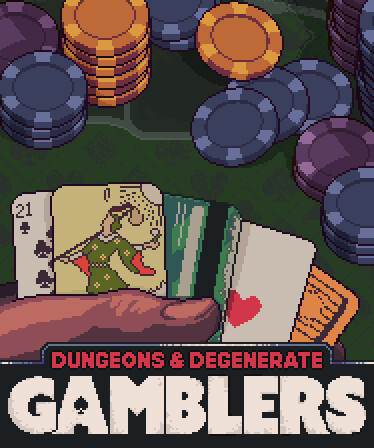
Dungeons & Degenerate Gamblers
Battle your way through a seedy tavern filled with gambling addicted townspeople in this Blackjack Roguelike Adventure. From aces and face cards to tarot cards, business cards and more, create your unique deck to beat the house.

Yao-Guai Hunter
Yao-Guai Hunter is a Wuxia roguelike deck-building game. In a world where Yao-Guai roam free, player battles with various evil beings, collecting cards and learn inner skills. Encountering various adventures in the martial world.

My Card Is Better Than Your Card!
Become the coolest kid of the playground in this playful roguelike deckbuilder. Craft every card yourself with adorable stickers and wow your rivals in tug-of-war card battles full of wonder!

Fogpiercer
Fight through the fog in this sci-fi roguelike deckbuilder where clever positioning, explosive chain-reactions, and the environment itself can make the difference between life and death.

Blood Card 2: Dark Mist
Dark Mist is a card game that combines elements of the roguelike deckbuilder genre with enemies that appear in waves. Defeat monsters and level up during battle to keep yourself going.

Iris and the Giant
Iris and The Giant is a fusion of the CCG, RPG and roguelike genres. You play as Iris, who must brave her fears in her imaginary world. Dive into a melancholic and gripping adventure, filled with cute monsters and buried memories. Ready to face your inner demons?
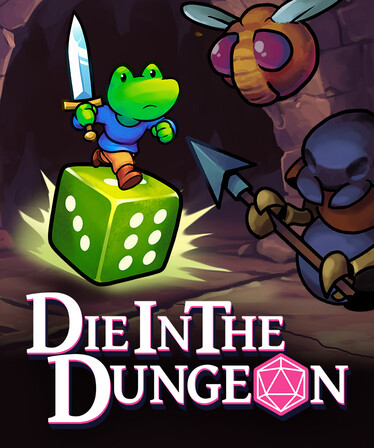
Die in the Dungeon
Fight your way through a mysterious dungeon in this deck-building, turn-based roguelike game where you don't use cards, but dice! Deal with enemies by combining powerful dice on your board, boost their effects with magical relics, and risk it all hoping for a good roll on unexpected encounters.

Zoominoes
Build the ultimate Zoo in this number-go-up roguelike deckbuilder. Find powerful mythical animals, boost them with snacks, and even manipulate the board itself. Break the game by scoring millions (and more) with insane combos.

Three Kingdoms: The Blood Moon
Three Kingdoms: The Blood Moon is a turn-based Roguelike card game where you assume the role of a Shu general. Explore dungeons, gather relics, and amass a collection of cards. In each round, you can assemble a unique combination of cards and treasures to defeat your enemies and rewrite history!
Frequently Asked Questions
Poker Quest: Swords and Spades is currently priced at 14.79€ on Steam.
No, Poker Quest: Swords and Spades is currently not on sale. You can purchase it for 14.79€ on Steam.
Yes, Poker Quest: Swords and Spades received 589 positive votes out of a total of 685 achieving a rating of 8.09.
😎
Poker Quest: Swords and Spades was developed and published by Playsaurus.
Yes, Poker Quest: Swords and Spades is playable and fully supported on Windows.
Yes, Poker Quest: Swords and Spades is playable and fully supported on MacOS.
No, Poker Quest: Swords and Spades is not playable on Linux.
Yes, Poker Quest: Swords and Spades is playable on Steam Deck, though it might require a few minor tweaks. Make sure to check the Steam store page and community feedback on ProtonDB for exact compatibility details.
Yes, Poker Quest: Swords and Spades is playable on Steam Machine, though it might require a few minor tweaks. Make sure to check the Steam store page and community feedback on ProtonDB for exact compatibility details.
No, Poker Quest: Swords and Spades does not support VR.
Poker Quest: Swords and Spades is a single-player game.
No, Poker Quest: Swords and Spades does not currently offer any DLC.
No, Poker Quest: Swords and Spades does not support mods via Steam Workshop.
No, Poker Quest: Swords and Spades does not support Steam Remote Play.
Yes, Poker Quest: Swords and Spades is enabled for Steam Family Sharing. This means you can share the game with authorized users from your Steam Library, allowing them to play it on their own accounts. For more details on how the feature works, you can read the original Steam Family Sharing announcement or visit the Steam Family Sharing user guide and FAQ page.
You can find solutions or submit a support ticket by visiting the Steam Support page for Poker Quest: Swords and Spades.
Data sources
The information presented on this page is sourced from reliable APIs to ensure accuracy and relevance. We utilize the Steam API to gather data on game details, including titles, descriptions, prices, and user reviews. This allows us to provide you with the most up-to-date information directly from the Steam platform.
Additionally, we incorporate data from the SteamSpy API, which offers insights into game sales and player statistics. This helps us present a comprehensive view of each game's popularity and performance within the gaming community.
Last Updates| Steam data | 30 September 2026 21:24 UTC |
|---|---|
| SteamSpy data | 23 October 2026 21:13 UTC |
| Steam price | 27 October 2026 03:33 UTC |
| Steam reviews | 19 October 2026 07:48 UTC |
If you'd like to dive deeper into the details about Poker Quest: Swords and Spades, we invite you to check out a few dedicated websites that offer extensive information and insights. These platforms provide valuable data, analysis, and user-generated reports to enhance your understanding of the game and its performance.
- SteamDB - A comprehensive database of everything on Steam about Poker Quest: Swords and Spades
- SteamCharts - Analysis of Poker Quest: Swords and Spades concurrent players on Steam
- ProtonDB - Crowdsourced reports on Linux and Steam Deck Poker Quest: Swords and Spades compatibility

Game modes
Features
Online players
13
Developer
Playsaurus
Publisher
Playsaurus
Release
14 Nov 2022
Platforms