
Warfork
Warfork is a demanding fast paced first person shooter with a focus on speed, aim, movement, and above all competitive play.
Sync your Steam wishlist to find the lowest game prices instantly. No login required, just paste your Steam profile URL!
⚡ Try Wishlist Radar!
Sync your Steam wishlist to find the lowest game prices instantly. No login required!
⚡ Try Wishlist Radar!
Close

Reflex Arena on Steam
Quick menu
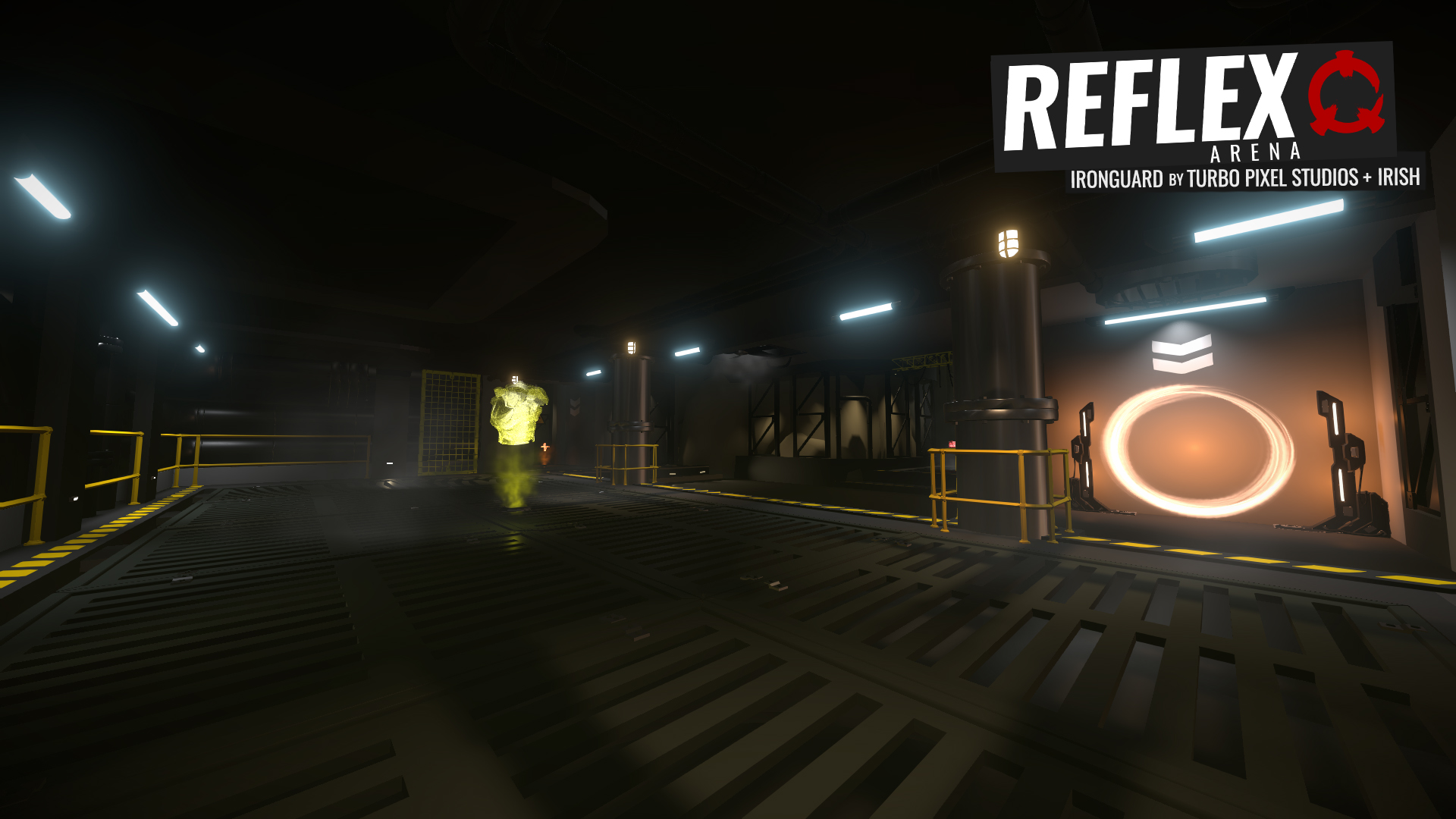
Reflex is a competitive Arena FPS that combines modern tech with the speed, precision and freedom of a 90s shooter. If you sunk countless hours into the Quake or Unreal series, Reflex will feel like a welcome return of the old school shooter feel.
Reflex Arena is a arena shooter, fps and action game
developed and published by Turbo Pixel Studios.
Released on March 08th 2017 is available on Windows, Steam Deck and Steam Machine.
It has received 1,552 reviews of which 1,315 were positive and 237 were negative resulting in a rating of 8.1 out of 10. 😎
The game is free to play on Steam.
The Steam community has classified Reflex Arena into these genres:
Media & Screenshots
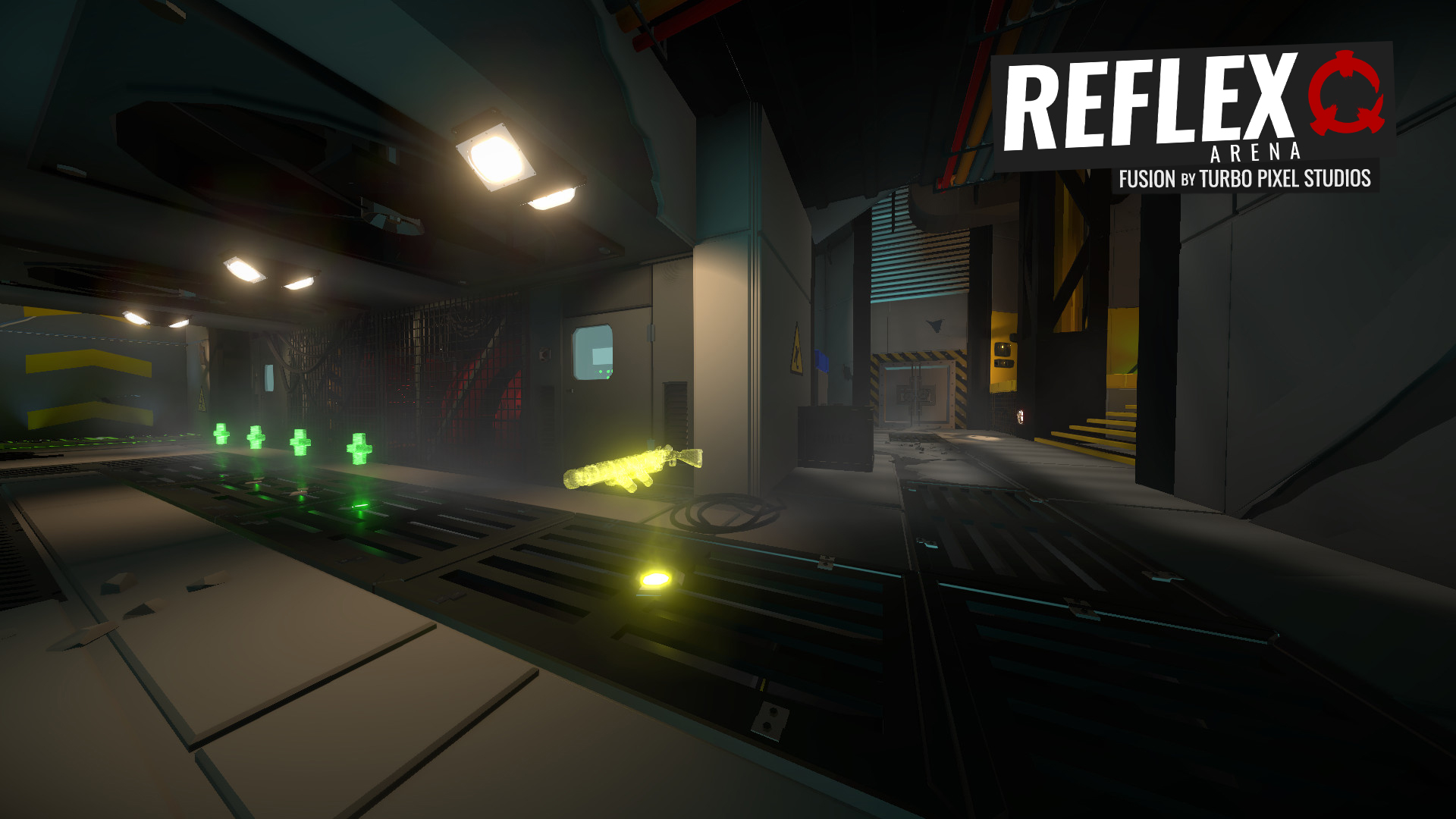
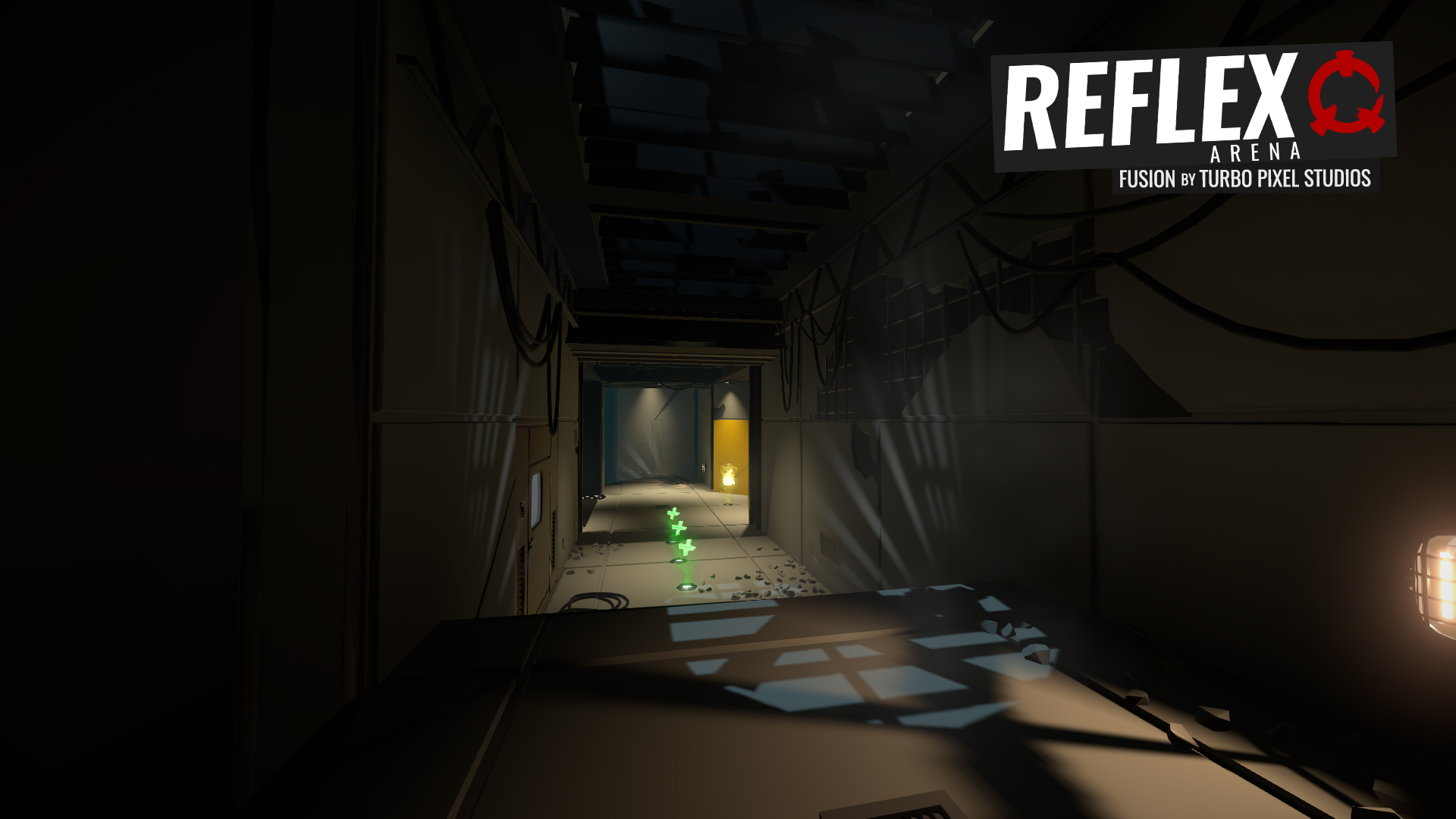
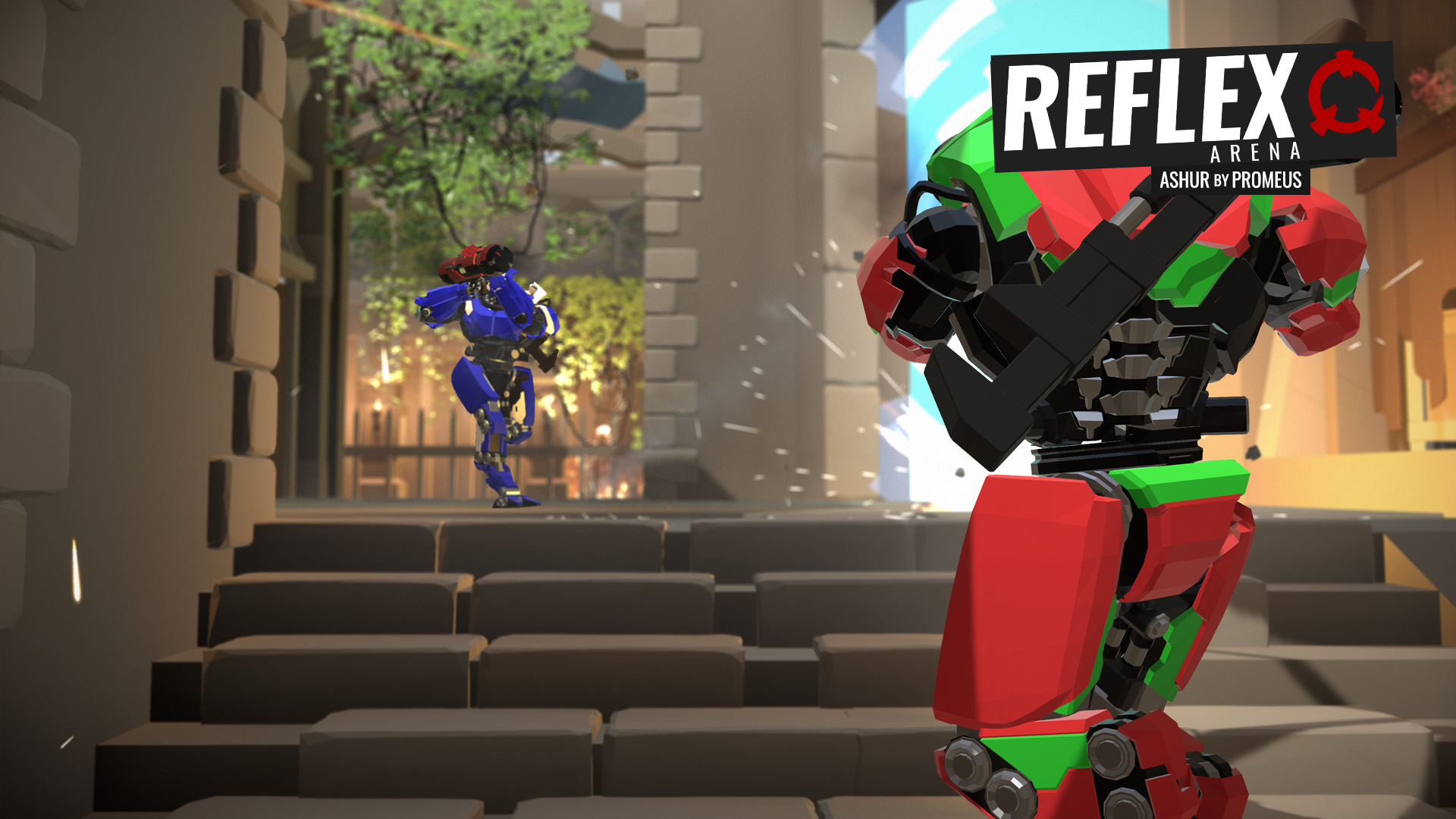
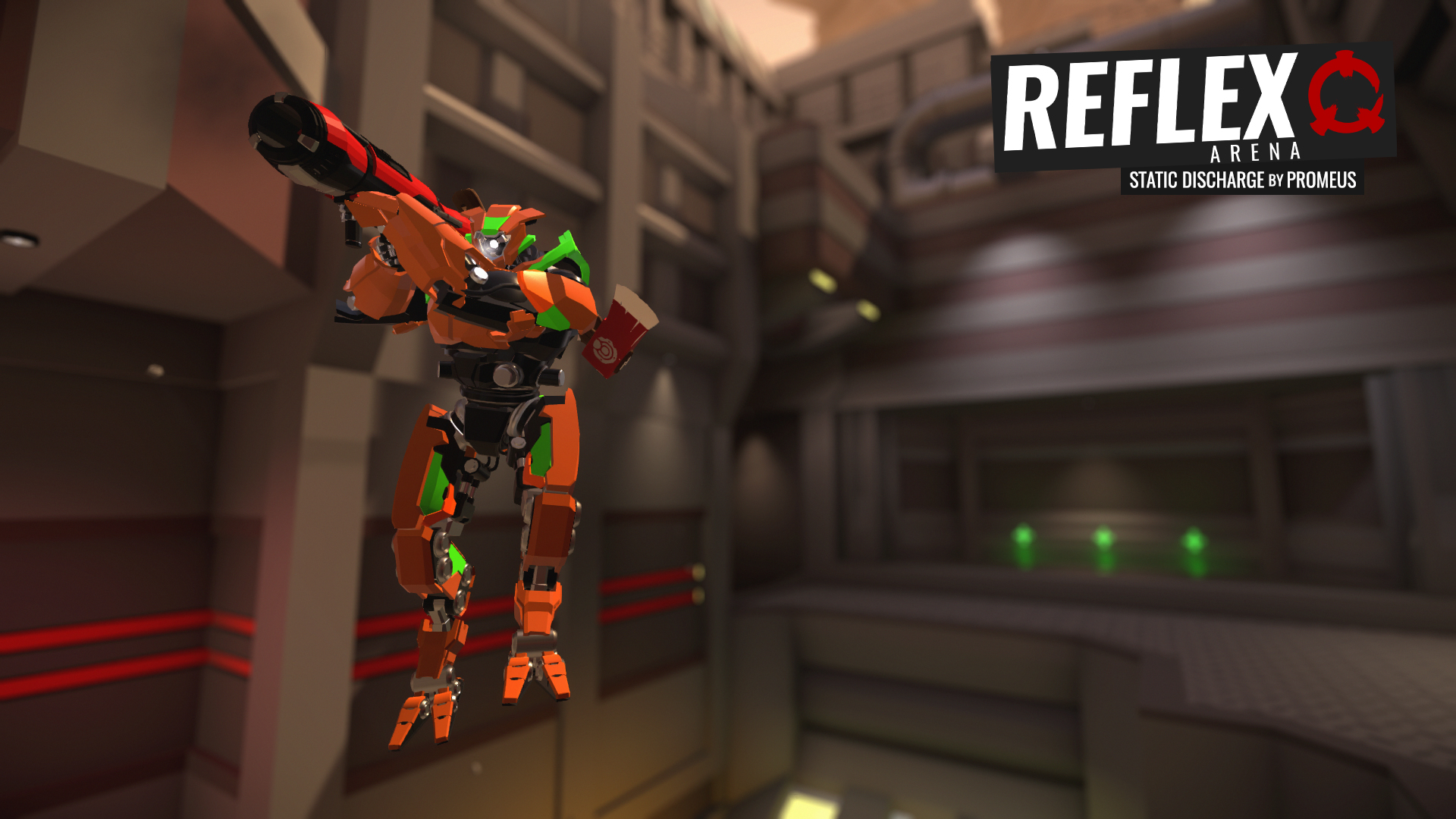
Get an in-depth look at Reflex Arena through various videos and screenshots.


Load More

System requirements
These are the minimum specifications needed to play the game. For the best experience, we recommend that you verify them.
Windows
- OS *: Windows 7
- Processor: Intel® Core™ i5 Processor
- Memory: 1 GB RAM
- Graphics: NVIDIA 500-series or equivalent (1GB VRAM)
- DirectX: Version 10
- Network: Broadband Internet connection
- Storage: 1 GB available space
- Sound Card: DirectX compatible sound card
Steam Price & Best Deals
User reviews & Ratings
Explore reviews from Steam users sharing their experiences and what they love about the game.
Reflex Arena is a fast and demanding first-person shooter developed and published by Turbo Pixel Studios. Instead of chasing the cinematic presentation, progression systems, and slower tactical conventions found in many modern shooters, the game embraces the principles of classic arena FPS design. Everything revolves around speed, precise aiming, intelligent positioning, weapon mastery, and intimate knowledge of the battlefield. It clearly draws inspiration from the golden age of competitive arena shooters, but it does more than simply imitate older games. Reflex Arena attempts to preserve that highly technical style of play while surrounding it with features expected from a more modern multiplayer experience. Movement is arguably the defining element of Reflex Arena. Running around normally will only get a player so far because mastering advanced movement techniques is essential to reaching the game's full potential. Maintaining momentum, rapidly navigating arenas, performing specialized jumps, and combining movement with attacks can transform the way a match unfolds. Experienced players can travel through maps with remarkable fluidity, turning corners and vertical spaces into opportunities rather than obstacles. This creates a considerable skill gap, but it also gives players a satisfying reason to practice. Improvement is noticeable because greater mechanical understanding directly translates into faster navigation and better combat performance. The gunplay complements this emphasis on mobility. Battles are quick, aggressive, and heavily dependent on accuracy. Reflex Arena expects players to understand how individual weapons perform in different situations rather than relying on a single universal solution. Fighting effectively means choosing the appropriate weapon while simultaneously tracking opponents, avoiding incoming attacks, controlling valuable locations, and planning the next movement. A skilled player is not simply someone with excellent aim. Map awareness and prediction matter enormously, particularly in smaller competitive matches where controlling important resources can determine who holds the advantage. Several multiplayer modes provide different ways to experience these mechanics. Free-for-all delivers the chaotic side of arena combat, while team deathmatch introduces coordination between players. Capture the flag adds an objective that makes movement and map knowledge especially valuable. The one-versus-one and two-versus-two duel formats are particularly appropriate for serious competitors because there is less chaos to hide individual mistakes. Reflex Arena also offers mutators such as instagib, arena, and big head, giving groups the ability to alter normal match rules when they want something different from standard competition. Its multiplayer infrastructure demonstrates that Turbo Pixel Studios wanted Reflex Arena to function as more than a bare collection of arenas. Matchmaking and group functionality make organizing games easier, while statistics and competitive ladders provide additional incentives for players interested in measuring their performance. Personal servers and LAN support are equally worthwhile because they provide communities with greater control over how and where they play. These features suit the old-school philosophy particularly well, recalling an era when custom servers and community-organized competition were central parts of multiplayer FPS culture. One of Reflex Arena's most ambitious features is its integrated map editor. Players can create their own arenas and immediately experiment with their designs instead of depending exclusively on official maps. Collaborative editing further strengthens this feature by allowing multiple people to contribute to the creation process. Steam Workshop support provides a practical way to distribute community content, potentially giving the game far more environments than the developers could reasonably produce themselves. For players interested in level design, experimenting with layouts can become a substantial activity separate from normal competitive matches. Customization extends to the interface as well. Lua scripting allows players to modify elements of the HUD and create configurations better suited to their individual preferences. Community interfaces can be shared, making customization accessible even to players who do not want to build everything themselves. Cosmetic items provide another layer of personalization without undermining the skill-based nature of the gameplay. Reflex Arena wisely keeps competitive success tied to player ability rather than character statistics or equipment advantages. The replay editor is another strong addition, particularly for such a mechanically expressive game. Competitive arena shooters frequently generate impressive moments involving difficult shots, clever predictions, sudden reversals, and spectacular movement combinations. Being able to revisit those matches makes it easier to examine mistakes, study successful plays, or create highlight footage. When combined with statistics, custom interfaces, community maps, rankings, and dedicated multiplayer options, the replay functionality contributes to the impression that Reflex Arena was designed primarily for committed FPS enthusiasts. Visually, the game favors clean environments and readable action rather than overwhelming players with unnecessary spectacle. This works in its favor because visibility becomes extremely important when opponents can move across an arena in seconds. The graphics provide enough modern polish to distinguish Reflex Arena from the decades-old games that inspired it, but presentation rarely interferes with competitive clarity. Performance and responsiveness are more important here than elaborate environmental storytelling, and the restrained visual direction complements the underlying gameplay philosophy. The largest weakness is accessibility. Reflex Arena can be unforgiving for newcomers, especially when they encounter opponents who have already mastered advanced movement, weapon behavior, map layouts, and resource control. The game demands patience before its deeper qualities become fully apparent. Players accustomed to campaigns, unlock-heavy progression, cinematic sequences, large-scale warfare, or slower tactical shooting may also find its narrow focus limiting. There is little attempt to disguise the fact that competitive arena combat is the central attraction. That specialization, however, is precisely why Reflex Arena works. Turbo Pixel Studios created a shooter for players who value mechanical depth over spectacle and personal improvement over artificial progression. Its movement system, weapon-based combat, competitive modes, custom servers, extensive map creation tools, Workshop integration, interface customization, replay functionality, and statistics form a surprisingly comprehensive package around a deliberately traditional foundation. It is not designed to satisfy every FPS player, but it understands its intended audience exceptionally well. Reflex Arena ultimately feels like a modern tribute to an era when multiplayer shooters demanded players learn every corner of an arena and continuously refine their mechanical abilities. The steep learning curve can make the opening hours difficult, yet the reward is a combat system with considerable room for mastery. Players who enjoy fast movement, precision shooting, duels, custom maps, and uncompromising competition will find plenty to appreciate. Despite its specialized appeal and demanding entry barrier, its dedication to pure arena FPS gameplay gives it a strong and distinctive identity. Rating: 8/10
Similar games
View all

Masked Shooters 2
Masked Shooters 2 puts you on the front line of a dangerous gunfight that can only end in victory or defeat; there will be no white flags to wave. As a covert ops soldier, you have access to advanced weapons that will blow your enemies away, if you know how to use them.

TOXIKK
FRAG LIKE IT'S 1999! TOXIKK plays as if today's military shooters never existed: Designed as a spiritual successor to the FPS giants of the late 90s and early 2ks, TOXIKK carefully evolves their mechanics with modern technology and fresh ideas elaborated with Arena-FPS enthusiasts.

Splitgate
Splitgate is a free-to-play, fast-paced multiplayer shooter that features player-controlled portals. This sci-fi shooter takes the FPS genre to a new dimension with its portal mechanics, delivering high-flying, multi-dimensional combat.
ATOMEGA
The fast-paced first-person multiplayer arena shooter with an evolution twist. Collect mass as you race around the map to take on increasingly powerful new forms – from the glowing Atom to the majestic Omega. Battle for supremacy with up to seven other players as you compete to dominate the arena.

Quake Live
Experience the most exciting and fast-paced FPS gameplay while competing with players from around the world in over 100 arenas, a dozen game modes, and with persistent career stats tracking, in this online features-focused successor to Quake III Arena.

Putrefaction 2: Void Walker
Putrefaction 2: Void Walker is fast-paced, hardcore, arcade FPS, inspired by old-school shooters.

Quake III Arena
The greatest warriors of all time and space have been summoned to battle for the amusement of an ancient alien race. Wield a variety of guns and power-ups as you fight for glory against ruthless combatants in this fast-paced single-player and multiplayer FPS.

Epigenesis
Epigenesis is an online multiplayer sports/FPS game in which two sides are locked in a never-ending fight for world domination by playing ball.In this non-lethal ballgame of the future, players leap across platforms suspended high up in the air trying to get a ball located in the middle of the arena and score goals against their...


Paint Warfare
A fast-paced online arena FPS with jetpacks, hang gliders, fast respawns, 6-minute rounds and instant matches
KILLBUG
KILLBUG is a fast-paced, first-person movement shooter set in an endless arena. Slash and shoot your way through hordes of ravenous insects, mastering fluid aerial movement mechanics as you fight for glory on the leaderboards.
Frequently Asked Questions
Yes, Reflex Arena is free to play on Steam.
Reflex Arena is not on sale because is already free to play on Steam.
Yes, Reflex Arena received 1,315 positive votes out of a total of 1,552 achieving a rating of 8.09.
😎
Reflex Arena was developed and published by Turbo Pixel Studios.
Yes, Reflex Arena is playable and fully supported on Windows.
No, Reflex Arena is not playable on MacOS.
No, Reflex Arena is not playable on Linux.
Yes, Reflex Arena is playable on Steam Deck, though it might require a few minor tweaks. Make sure to check the Steam store page and community feedback on ProtonDB for exact compatibility details.
Yes, Reflex Arena is playable on Steam Machine, though it might require a few minor tweaks. Make sure to check the Steam store page and community feedback on ProtonDB for exact compatibility details.
No, Reflex Arena does not support VR.
Reflex Arena is a multi-player game.
Reflex Arena features PvP mode where you can test your skills against other players.
No, Reflex Arena does not currently offer any DLC.
Yes, Reflex Arena is fully integrated with Steam Workshop. Visit Steam Workshop.
No, Reflex Arena does not support Steam Remote Play.
Yes, Reflex Arena is enabled for Steam Family Sharing. This means you can share the game with authorized users from your Steam Library, allowing them to play it on their own accounts. For more details on how the feature works, you can read the original Steam Family Sharing announcement or visit the Steam Family Sharing user guide and FAQ page.
You can find solutions or submit a support ticket by visiting the Steam Support page for Reflex Arena.
Data sources
The information presented on this page is sourced from reliable APIs to ensure accuracy and relevance. We utilize the Steam API to gather data on game details, including titles, descriptions, prices, and user reviews. This allows us to provide you with the most up-to-date information directly from the Steam platform.
Additionally, we incorporate data from the SteamSpy API, which offers insights into game sales and player statistics. This helps us present a comprehensive view of each game's popularity and performance within the gaming community.
Last Updates| Steam data | 16 September 2026 13:08 UTC |
|---|---|
| SteamSpy data | 24 October 2026 12:02 UTC |
| Steam price | 16 September 2026 13:08 UTC |
| Steam reviews | 20 October 2026 17:59 UTC |
If you'd like to dive deeper into the details about Reflex Arena, we invite you to check out a few dedicated websites that offer extensive information and insights. These platforms provide valuable data, analysis, and user-generated reports to enhance your understanding of the game and its performance.
- SteamDB - A comprehensive database of everything on Steam about Reflex Arena
- SteamCharts - Analysis of Reflex Arena concurrent players on Steam
- ProtonDB - Crowdsourced reports on Linux and Steam Deck Reflex Arena compatibility

Game modes
Multiplayer
Features
Online players
2
Developer
Turbo Pixel Studios
Publisher
Turbo Pixel Studios
Release
08 Mar 2017
Platforms