Deck of Ashes
Deck of Ashes is an adventure game with tactical card combat. One character at a time, lead the cast of antiheroes on a quest for redemption. Explore the cursed fantasy world and hunt down powerful cards. Forge a unique Battle Deck, and crush your foes! Can you rid the world of the Ash Curse?
Sync your Steam wishlist to find the lowest game prices instantly. No login required, just paste your Steam profile URL!
⚡ Try Wishlist Radar!
Sync your Steam wishlist to find the lowest game prices instantly. No login required!
⚡ Try Wishlist Radar!
Close

Roguebook on Steam
Quick menu
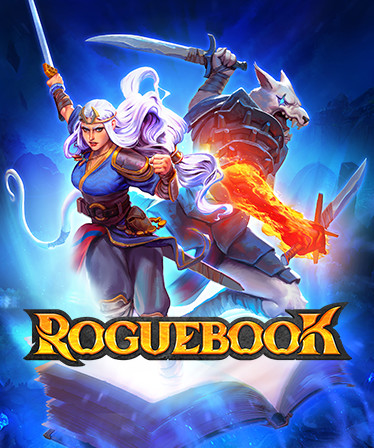
Embrace the challenge of a roguelike deckbuilder with unique mechanics from the developers of Faeria and Richard Garfield, creator of Magic: The Gathering™. Build a team of two heroes, unleash powerful combos and defeat the legends of the Roguebook!
Roguebook is a rpg, indie and card game game
developed by Abrakam Entertainment SA
and published by Nacon.
Released on June 17th 2021 is available on Windows, MacOS, Linux, Steam Deck and Steam Machine
in 12 languages: English, French, Italian, German, Spanish - Spain, Japanese, Korean, Polish, Portuguese - Brazil, Russian, Simplified Chinese and Traditional Chinese.
It has received 3,463 reviews of which 2,909 were positive and 554 were negative resulting in a rating of 8.1 out of 10. 😎
The game is currently priced at 24.99€ on Steam, but you can find it for 1.21€ on G2A.
The Steam community has classified Roguebook into these genres:
RPG
Indie
Card Game
Deckbuilding
Singleplayer
Strategy
Roguelite
Turn-Based
Roguelike
Turn-Based Tactics
Card Battler
Turn-Based Combat
Roguelike Deckbuilder
2D
Difficult
Fantasy
Turn-Based Strategy
Replay Value
Adventure
Magic
Here is the detailed breakdown of supported languages for Roguebook:
| UI | Subtitle | Audio | |
|---|---|---|---|
| English | |||
| German | |||
| French | |||
| Italian | |||
| Korean | |||
| Spanish - Spain | |||
| Simplified Chinese | |||
| Traditional Chinese | |||
| Russian | |||
| Japanese | |||
| Polish | |||
| Portuguese - Brazil |
Media & Screenshots
Get an in-depth look at Roguebook through various videos and screenshots.
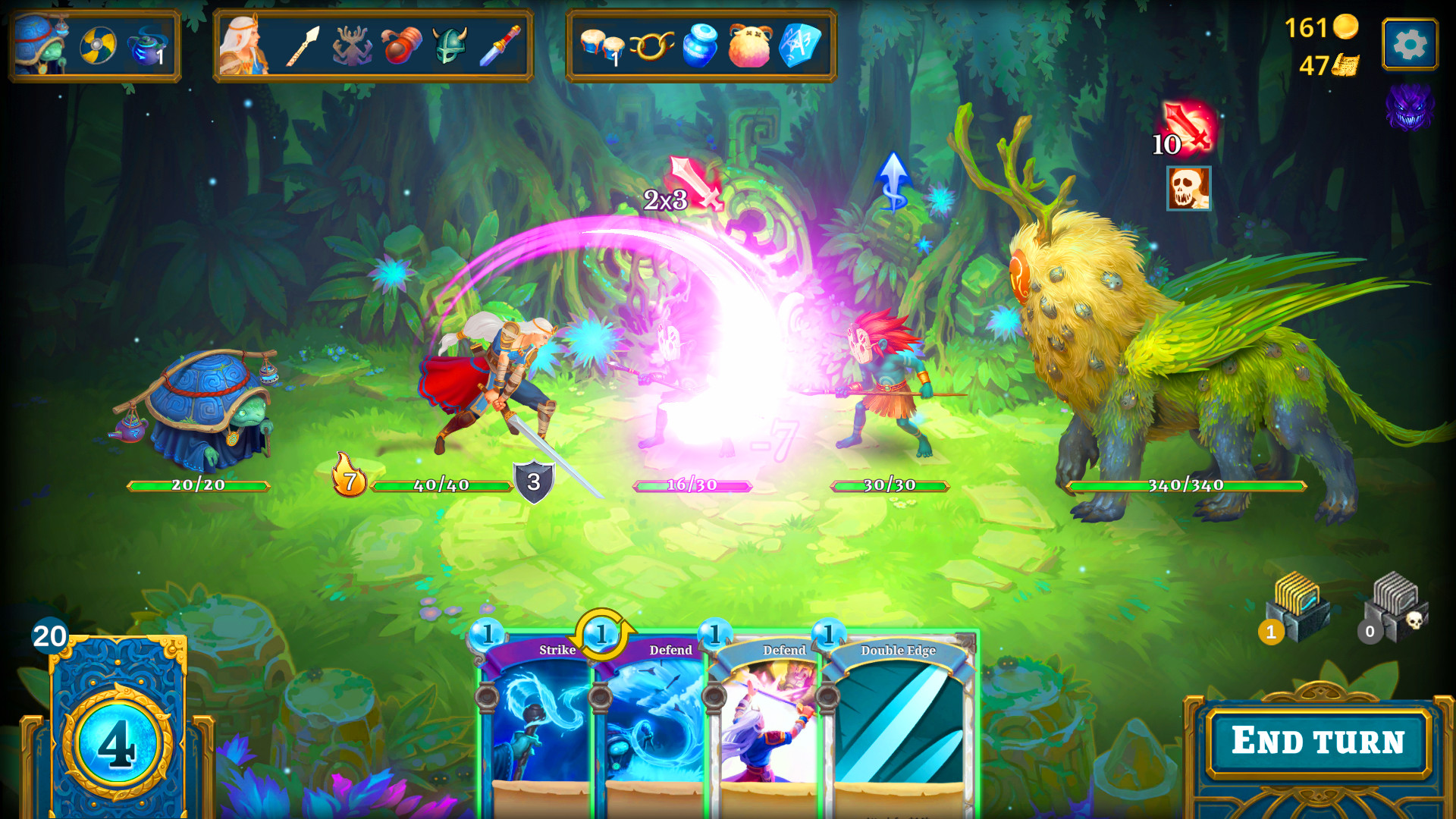
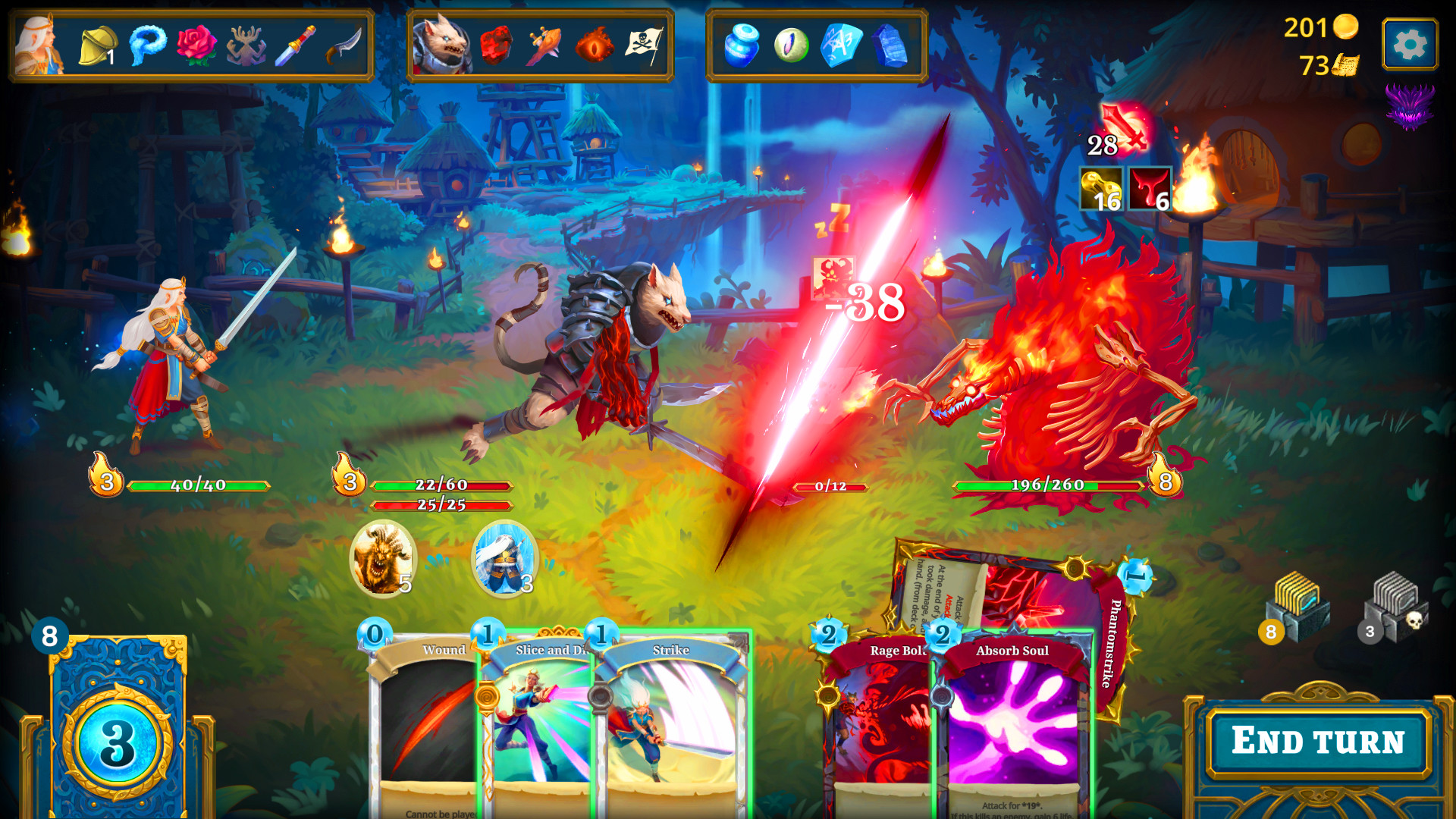
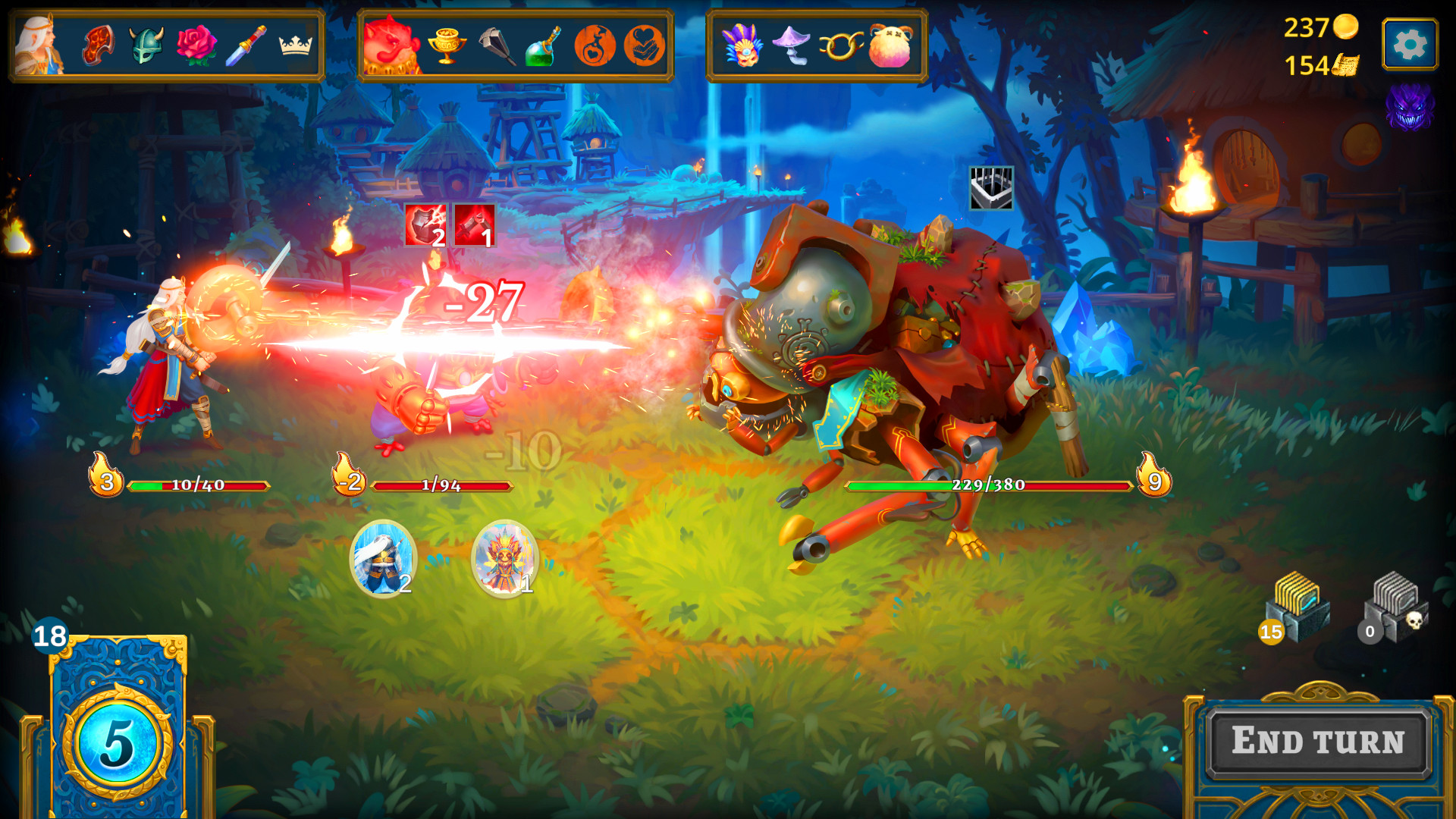
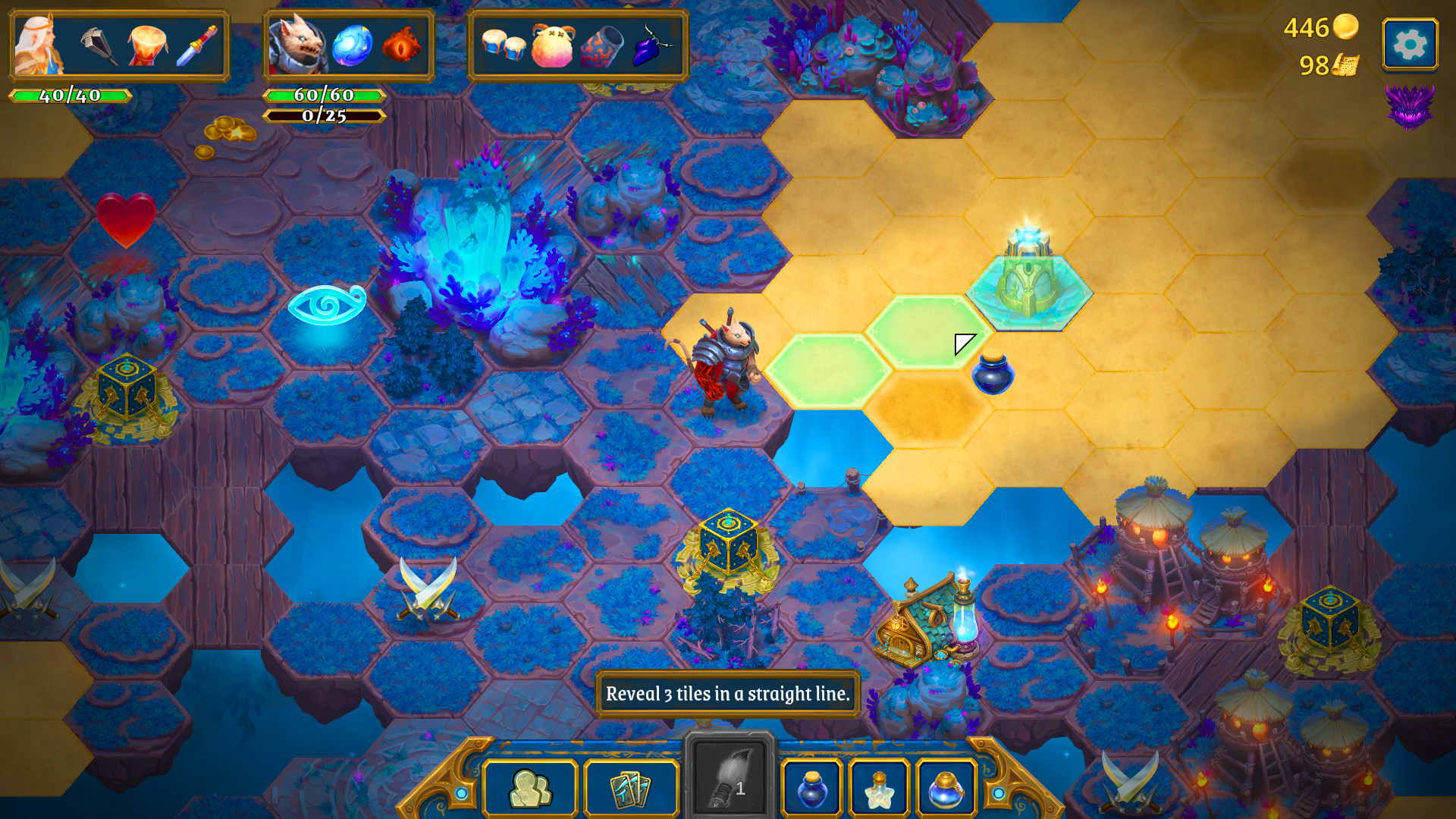
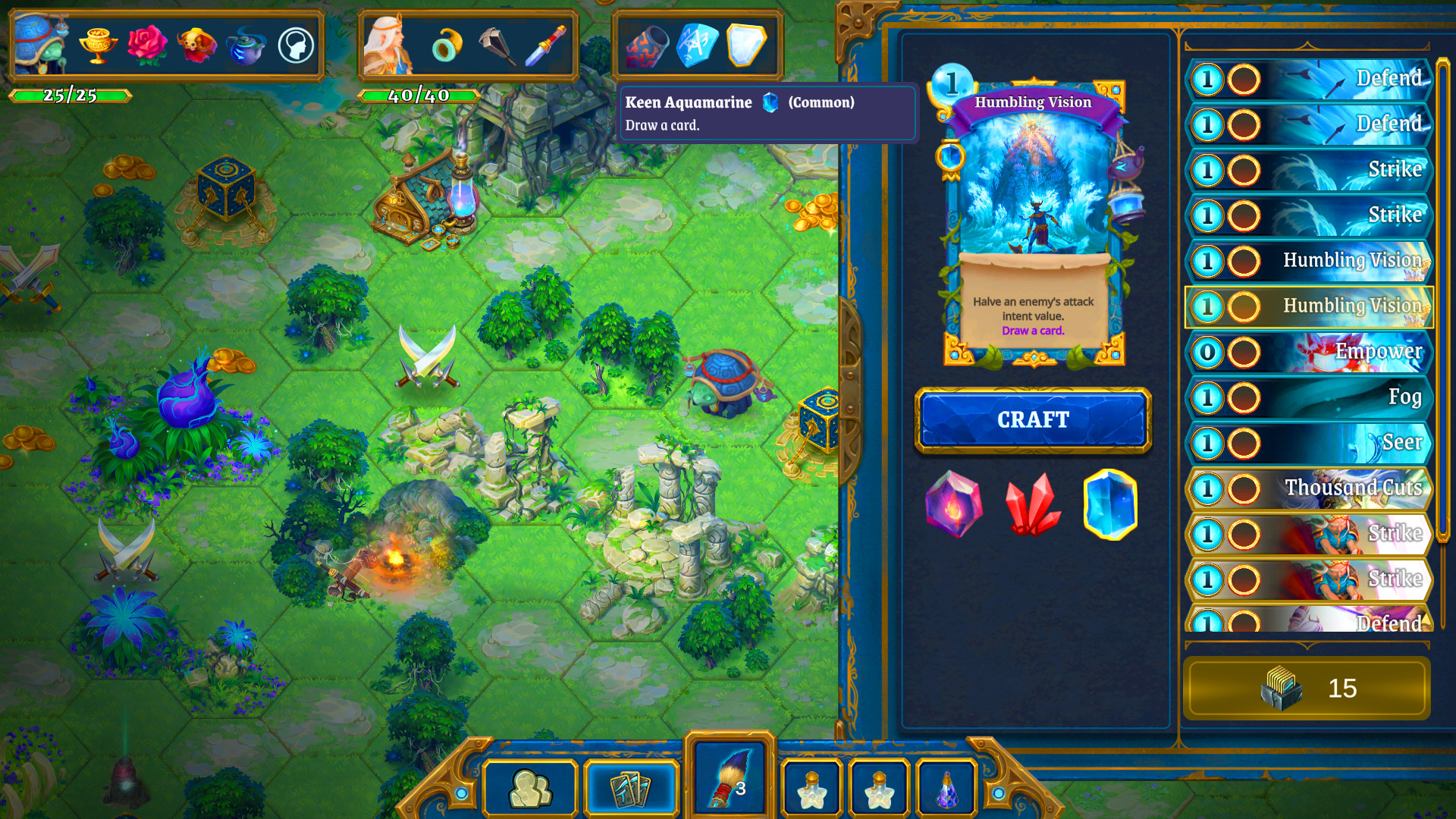
Load More
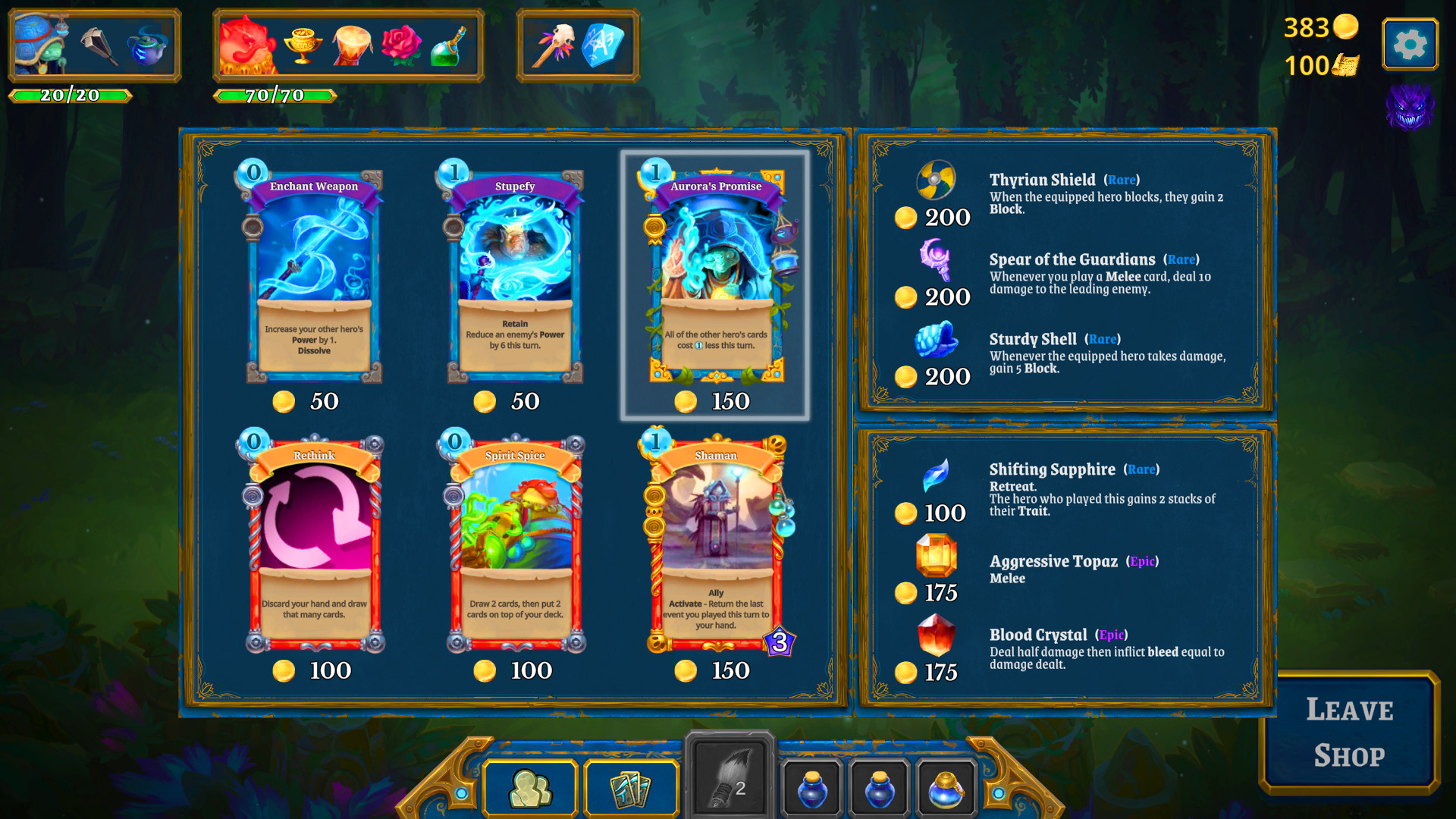
System requirements
These are the minimum specifications needed to play the game. For the best experience, we recommend that you verify them.
Windows
- OS *: Windows 7
- Processor: Intel Core i5-650 | AMD Phenom II X4 965
- Memory: 6 GB RAM
- Graphics: Nvidia GeForce GTX 650, 1 GB | AMD Radeon HD HD 6950, 2 GB
- DirectX: Version 11
- Network: Broadband Internet connection
- Storage: 4 GB available space
MacOS
- OS: Catalina 10.15.7
- Processor: Intel Core i5-3470, 3.20 GHz
- Memory: 8 GB RAM
- Graphics: Nvidia GeForce GTX 675MX, 1 GB
- Network: Broadband Internet connection
- Storage: 4 GB available space
- Additional Notes: iMac 27-inch, Late 2012
Linux
- Processor: Intel Core i5-650 | AMD Phenom II X4 965
- Memory: 6 GB RAM
- Graphics: Nvidia GeForce GTX 650, 1 GB | AMD Radeon HD HD 6950, 2 GB
- Network: Broadband Internet connection
- Storage: 4 GB available space
Steam Price & Best Deals
User reviews & Ratings
Explore reviews from Steam users sharing their experiences and what they love about the game.
The dark souls of deck building in my honest opinion. Very difficult early on but as you play the game more and gather more resources and level up and unlock more cards the game becomes insanely fun and very addctive. The paint brush and board like loop is very unique, this game is VERY much for people that enjoy Slay the Spire and Monster Train and even Baltro. Very easy to run however it does crash once in a blue moon but only if you alt+tab or have it running for to long but it only happened once. The game is fun if you enjoy having a large selection of characters with unique cards and abilities to use and finding which combo you prefer. In the game you select a main charcter and 1 other character to mix and match synergy. Overall really fun game, does get a bit repetitive but worth it if you can get it on sale - keep in mind the Dev and game is finished so I doubt it will recieve any more updates but its a finished game overall with a nice gameplay loop. This should also run well on the steam deck, same for 4k but keep in mind not everything is really 4k intended but with upscaling and DLAA it's a nice treat for the eyes. Solid game, easy 80~100hr game but after 8~20 hours you really start to understand the grind.
I play a lot of roguelike deckbuilder games. I'm always looking for that new fix or new setting or artstyle. As far as playability goes this along with Monster Train are the standouts for me. I love the neat touches with this like finding your route across the map, it adds a slightly different dynamic. But the thing that keeps me coming back to this one is the time for a run is perfect at about an hour, the strategy is some of the best without being overly complicated and I love the variety in the characters. Still looks cool and it's a game I have been dipping in and out of for years. Well worth being in your library.
I got about 100 hours of play out of this before I got bored, so overall, I'd definitely give it my recommendation, especially if you find it 90% off as it was for me. The game I'd describe it the most like is Against the Obelisk. The cards are pretty fun but I didn't find quite as many combos as I was hoping for, and the ones that are there are kind of just regular card synergy. It took about 100 hours before it seemed like the only further options were ways to make the game harder, which I appreciate is what some people want in a game, but as a person who plays games to relax, it's not what I look for. Very solid 7 or 8 out of 10.
Similar games
View all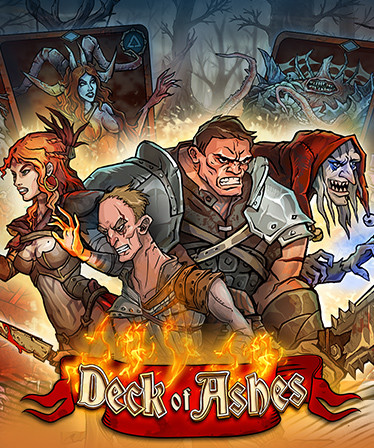

Blood Card 2: Dark Mist
Dark Mist is a card game that combines elements of the roguelike deckbuilder genre with enemies that appear in waves. Defeat monsters and level up during battle to keep yourself going.

Guild of Dungeoneering Ultimate Edition
Now fully rebuilt and remastered, Guild of Dungeoneering Ultimate Edition is a turn-based dungeon crawler with a twist: instead of controlling the hero you build the dungeon around them.
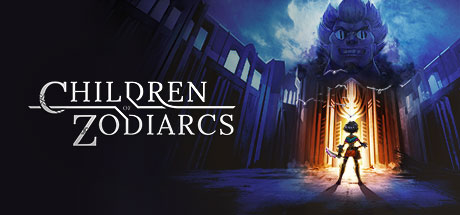
Children of Zodiarcs
A story-driven, tactical RPG set in the fantasy realm of Lumus; a world divided by affluence and poverty. Take control of Nahmi and her fellow outcasts, utilising a brand new deck and dice based combat system to strike a blow to the noble Lords’ and Ladies’ unquenchable thirst for profit.
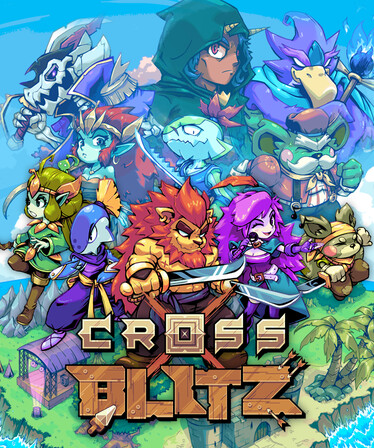
Cross Blitz
Cross Blitz is a unique RPG deckbuilder featuring fast-paced tactical combat with loads of cards to collect and synergies to wield. Explore, level up, craft new cards and build the perfect decks as you carve your own path to victory!
Runespell: Overture
This role-playing game, set in an alternate medieval Europe, combines poker mechanics with power ups and collectible cards.

Solitairica
Solitairica takes RPG combat and challenging roguelike progression to a fresh new place—the world of solitaire! Using a variety of magical items and powerful spells, battle your way through a horde of ever-changing enemies and defeat the horrible Emperor Stuck.
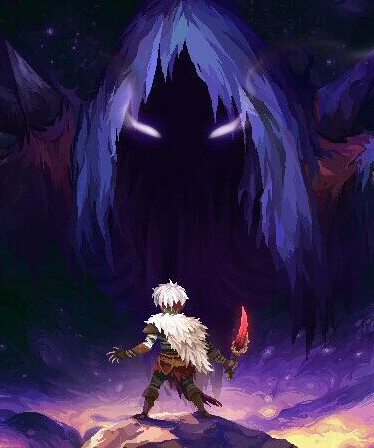
Blood Card
This card game combines elements of roguelike and deckbuilding. During the game, you shall strive ahead, gathering cards to build a unique deck and use it to defeat the enemies getting in your way. You will have to choose between escaping or try to defeat Death, who is relentlessly pursuing you.
Meteorfall: Krumit's Tale
Krumit's Tale, the second game in the Meteorfall universe, is a new take on the deckbuilding roguelike genre. Use your cards to clear dungeons, then upgrade your deck with new cards and perks to press forward. The fate of the world is in your hands.
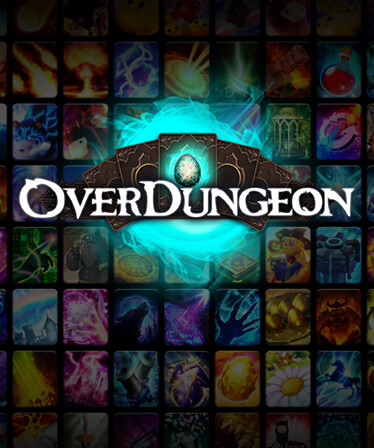
Overdungeon
A completely new style real-time card battle "Overdungeon" Overdungeon combines rogue-like, tower defense and card games. More than 100 cards are Attack, Animal, Building, Spell, Trap, etc..Build your creative and crazy deck!
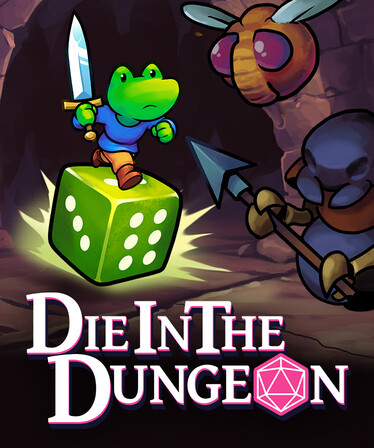
Die in the Dungeon
Fight your way through a mysterious dungeon in this deck-building, turn-based roguelike game where you don't use cards, but dice! Deal with enemies by combining powerful dice on your board, boost their effects with magical relics, and risk it all hoping for a good roll on unexpected encounters.

My Card Is Better Than Your Card!
Become the coolest kid of the playground in this playful roguelike deckbuilder. Craft every card yourself with adorable stickers and wow your rivals in tug-of-war card battles full of wonder!
Frequently Asked Questions
Roguebook is currently priced at 24.99€ on Steam.
No, Roguebook is currently not on sale. You can purchase it for 24.99€ on Steam.
Yes, Roguebook received 2,909 positive votes out of a total of 3,463 achieving a rating of 8.11.
😎
Roguebook was developed by Abrakam Entertainment SA and published by Nacon.
Yes, Roguebook is playable and fully supported on Windows.
Yes, Roguebook is playable and fully supported on MacOS.
Yes, Roguebook is playable and fully supported on Linux.
Yes, Roguebook is playable on Steam Deck, though it might require a few minor tweaks. Make sure to check the Steam store page and community feedback on ProtonDB for exact compatibility details.
Yes, Roguebook is playable and fully supported on Steam Machine.
No, Roguebook does not support VR.
Roguebook is a single-player game.
Yes, there are 5 DLCs available for Roguebook. Explore additional content available for Roguebook on Steam.
No, Roguebook does not support mods via Steam Workshop.
No, Roguebook does not support Steam Remote Play.
Yes, Roguebook is enabled for Steam Family Sharing. This means you can share the game with authorized users from your Steam Library, allowing them to play it on their own accounts. For more details on how the feature works, you can read the original Steam Family Sharing announcement or visit the Steam Family Sharing user guide and FAQ page.
You can find solutions or submit a support ticket by visiting the Steam Support page for Roguebook.
Data sources
The information presented on this page is sourced from reliable APIs to ensure accuracy and relevance. We utilize the Steam API to gather data on game details, including titles, descriptions, prices, and user reviews. This allows us to provide you with the most up-to-date information directly from the Steam platform.
Additionally, we incorporate data from the SteamSpy API, which offers insights into game sales and player statistics. This helps us present a comprehensive view of each game's popularity and performance within the gaming community.
Last Updates| Steam data | 20 October 2026 20:56 UTC |
|---|---|
| SteamSpy data | 13 October 2026 12:07 UTC |
| Steam price | 26 October 2026 19:35 UTC |
| Steam reviews | 19 October 2026 09:52 UTC |
If you'd like to dive deeper into the details about Roguebook, we invite you to check out a few dedicated websites that offer extensive information and insights. These platforms provide valuable data, analysis, and user-generated reports to enhance your understanding of the game and its performance.
- SteamDB - A comprehensive database of everything on Steam about Roguebook
- SteamCharts - Analysis of Roguebook concurrent players on Steam
- ProtonDB - Crowdsourced reports on Linux and Steam Deck Roguebook compatibility
 24.99€
Visit Store
24.99€
Visit Store
 🔥 Deal
-96%
24.99€
1.21€
Buy Now
🔥 Deal
-96%
24.99€
1.21€
Buy Now
 -95%
24.99€
1.29€
Visit Store
-95%
24.99€
1.29€
Visit Store
 -95%
24.99€
1.30€
Visit Store
-95%
24.99€
1.30€
Visit Store
 -95%
24.99€
1.30€
Visit Store
-95%
24.99€
1.30€
Visit Store
Game modes
Features
Online players
43
Developer
Abrakam Entertainment SA
Publisher
Nacon
Release
17 Jun 2021
Platforms
Clicking and buying through these links helps us earn a commission to maintain our services.