


Hokko Life
Hop off the train and into your new life in the village of Hokko! Take over the old workshop and get creative; use crafted materials and design everything in town! With complete creative freedom, what type of town will you build?
Sync your Steam wishlist to find the lowest game prices instantly. No login required, just paste your Steam profile URL!
⚡ Try Wishlist Radar!
Sync your Steam wishlist to find the lowest game prices instantly. No login required!
⚡ Try Wishlist Radar!
Close

Russian Village Simulator on Steam
Quick menu
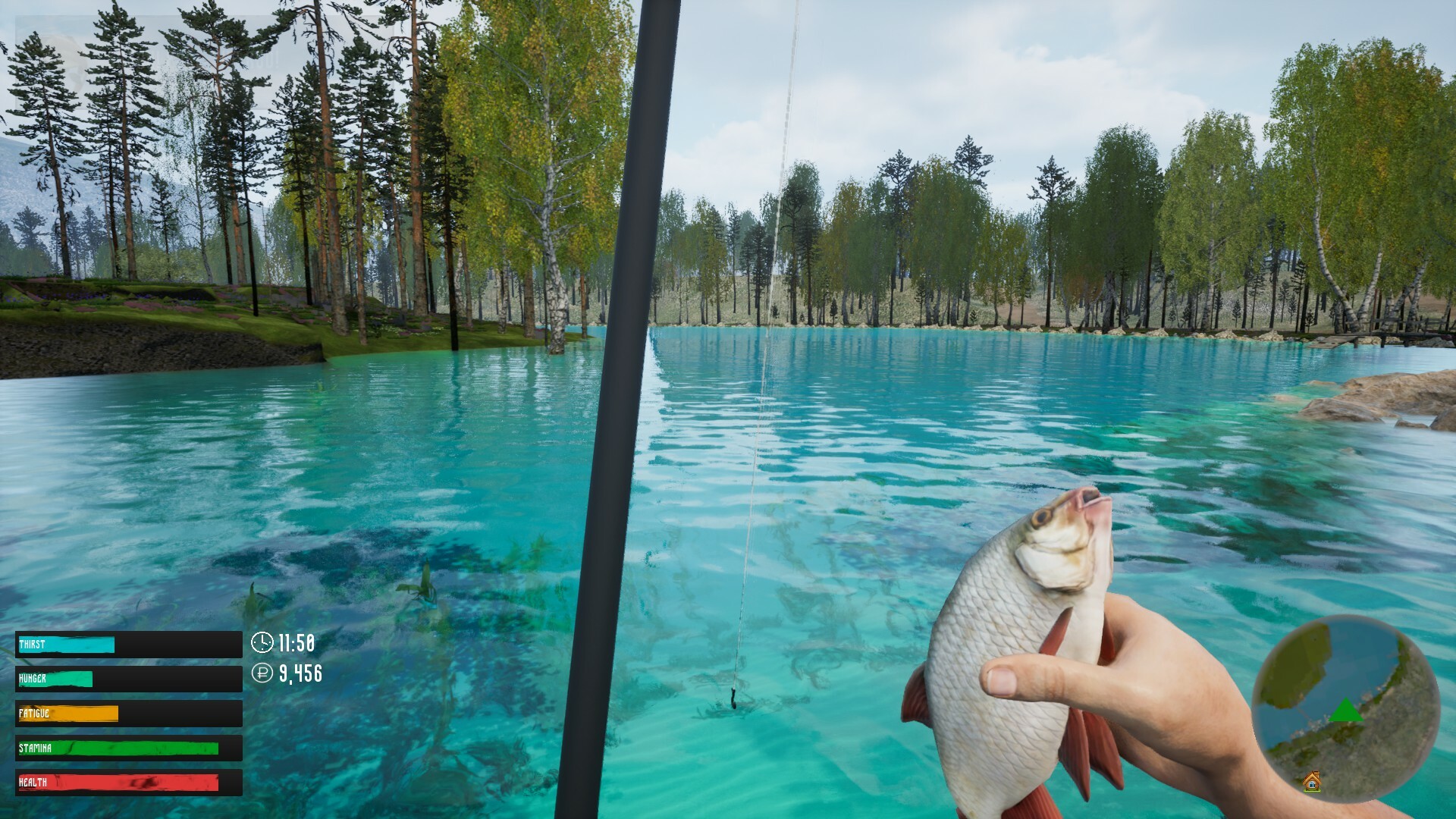
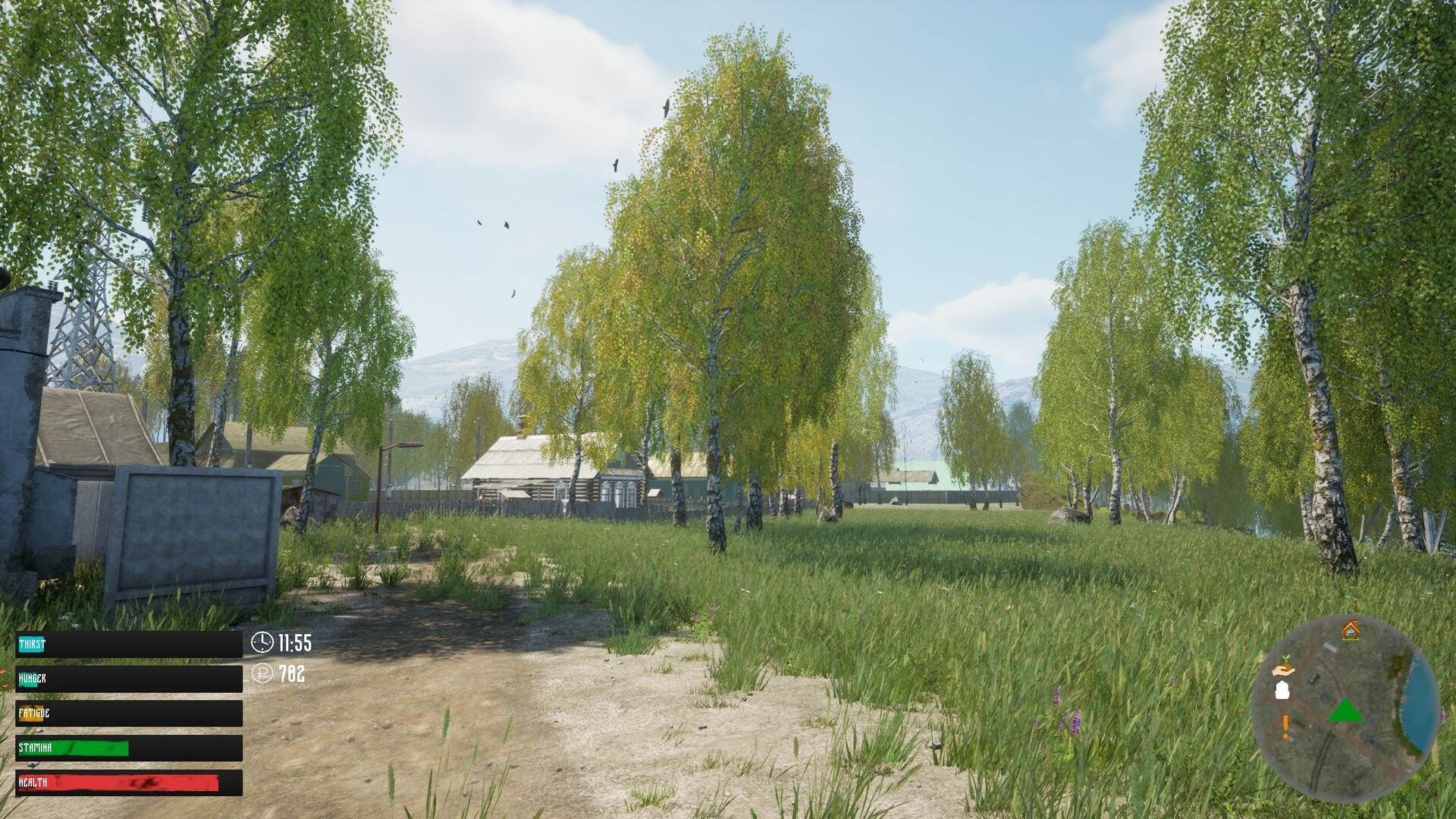
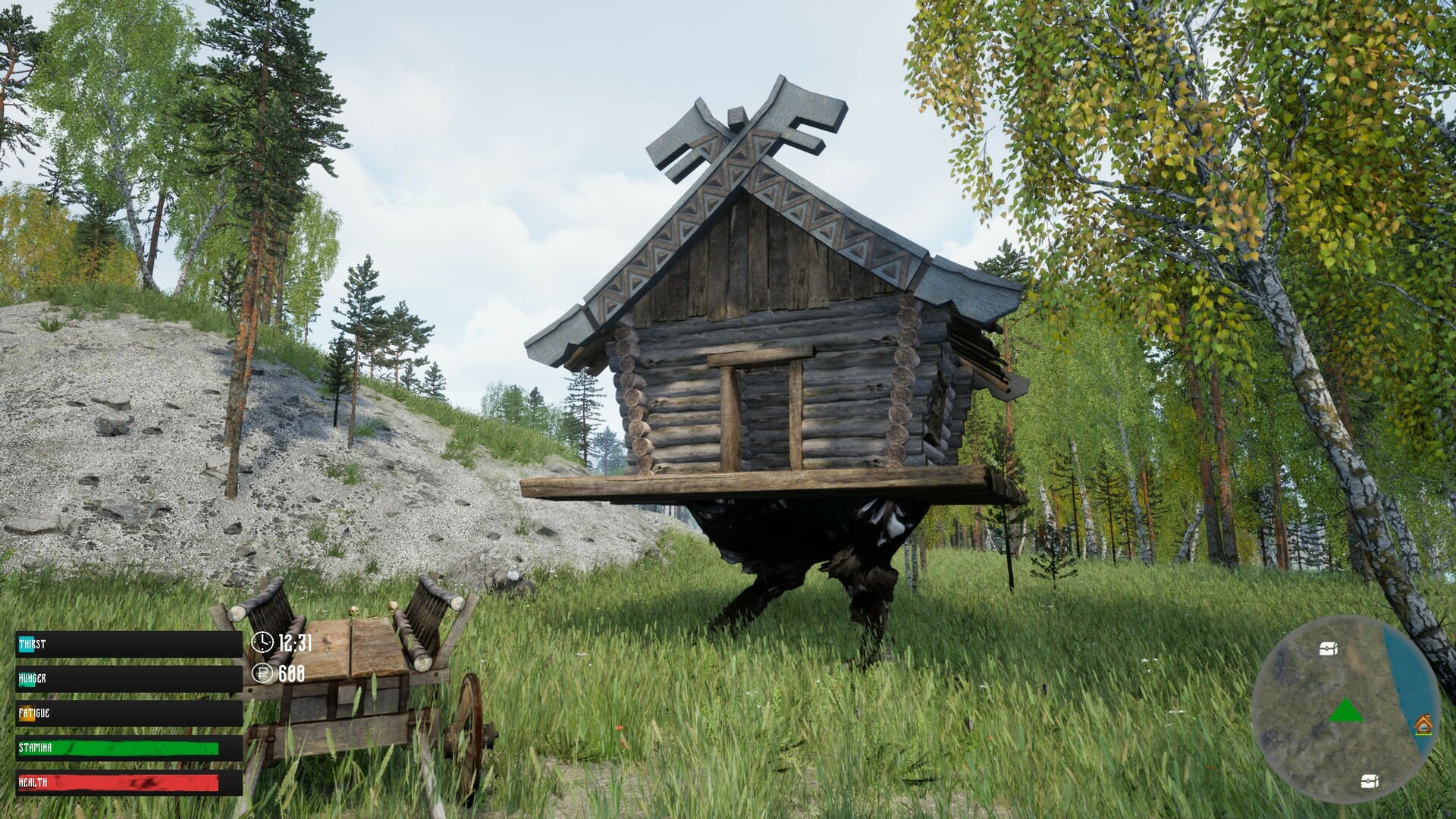
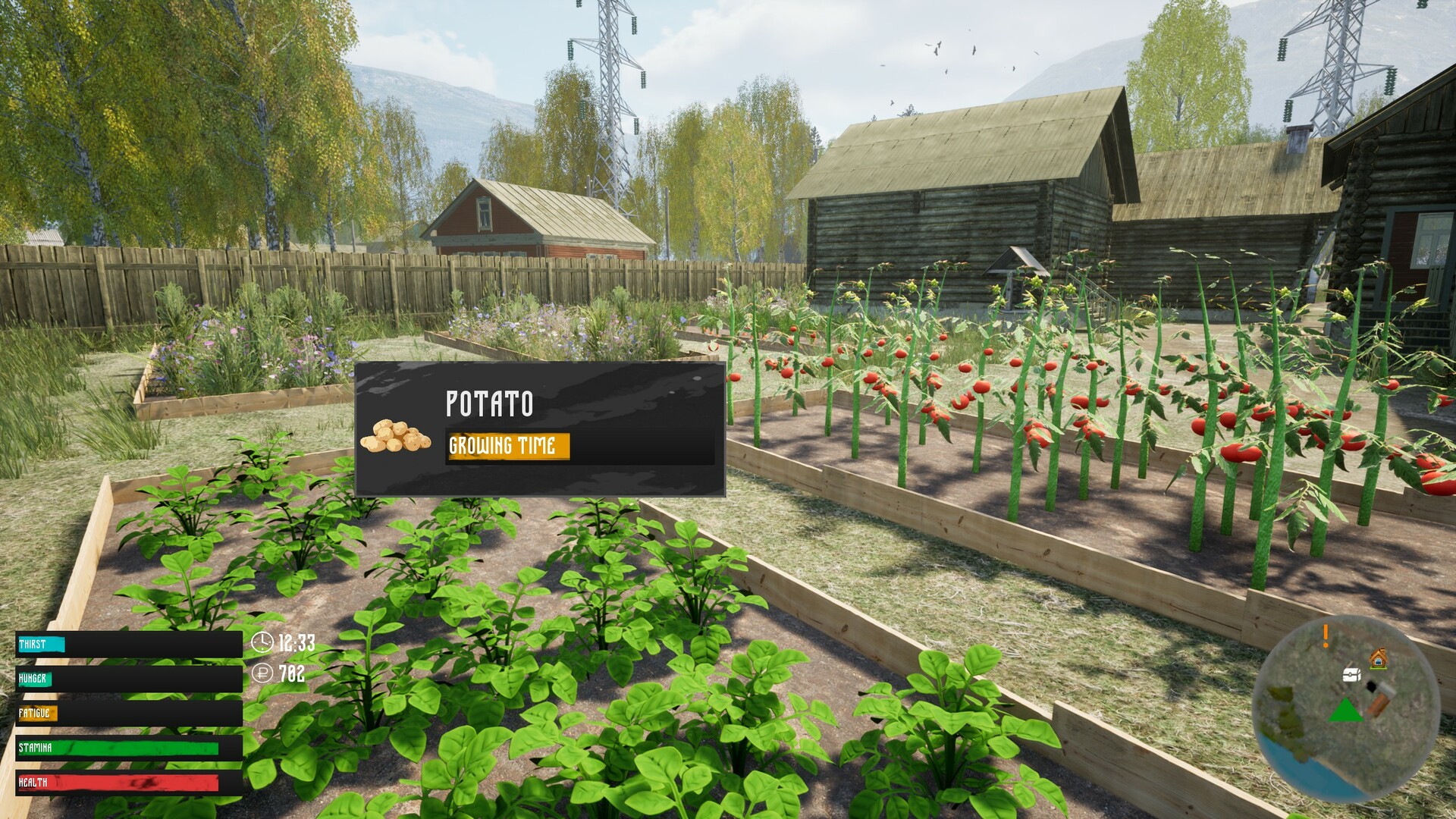
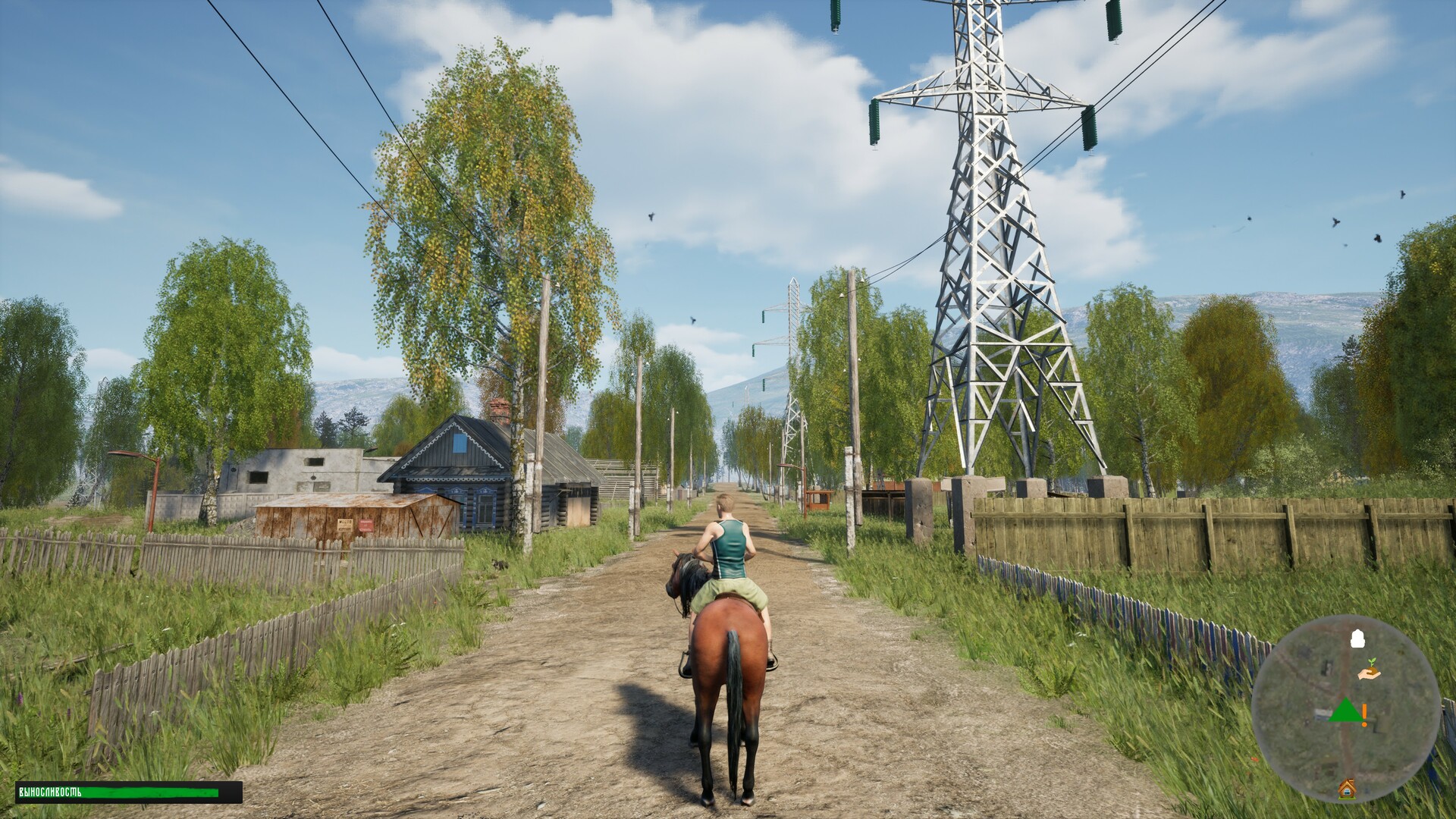
This is a simulator of life in the Russian countryside, where the player will be engaged in the garden, picking mushrooms and berries, collect firewood, hunting and fishing, brew moonshine and much, much more.
Russian Village Simulator is a simulation, life sim and agriculture game
developed by VD Games and PropilGames
and published by VD Games.
Released on September 25th 2023 is available only on Windows.
It has received 953 reviews of which 821 were positive and 132 were negative resulting in a rating of 8.2 out of 10. 😎
The game is currently priced at 29.99€ on Steam, but you can find it for 7.31€ on Eneba.
The Steam community has classified Russian Village Simulator into these genres:
Media & Screenshots
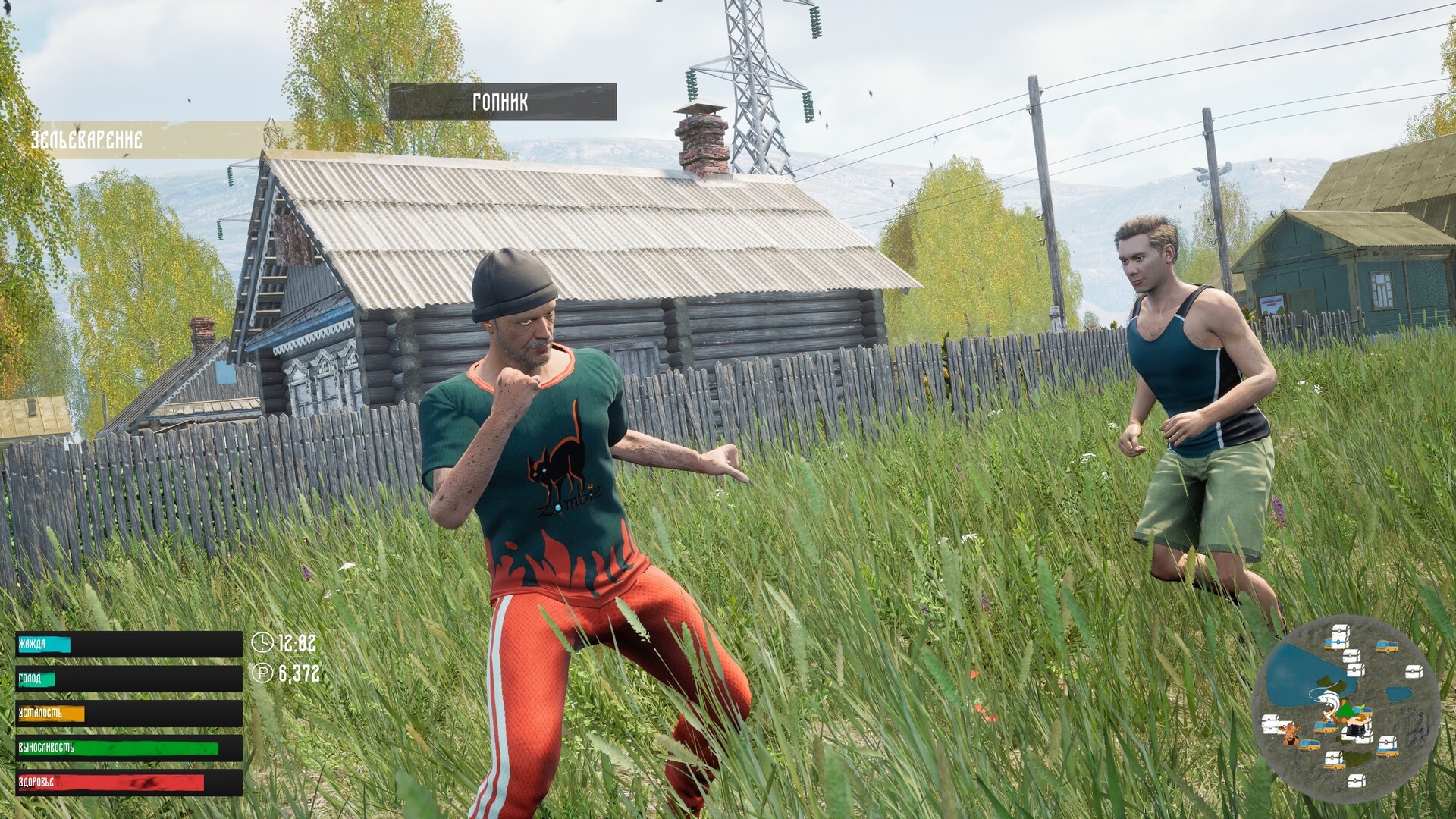
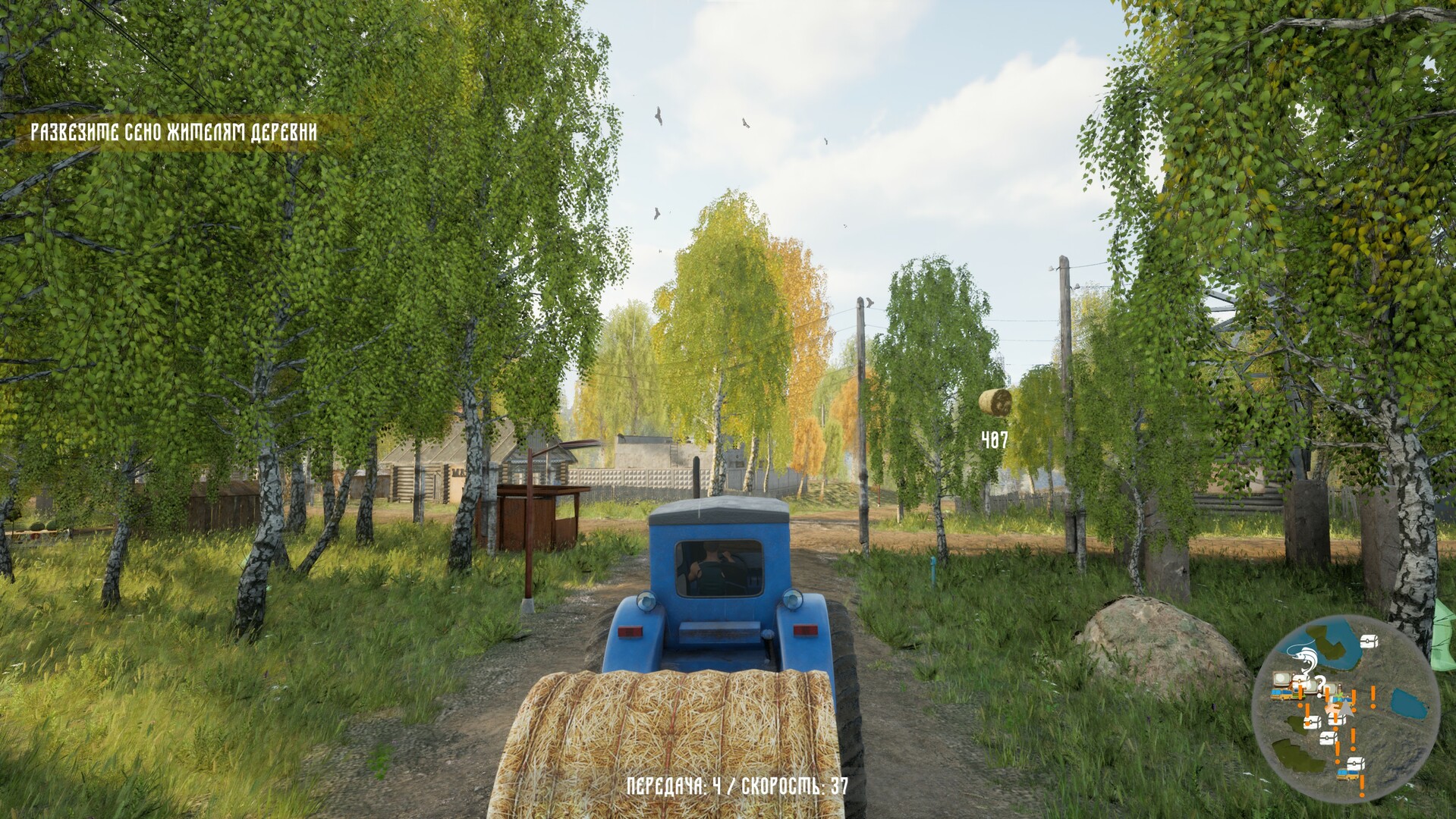
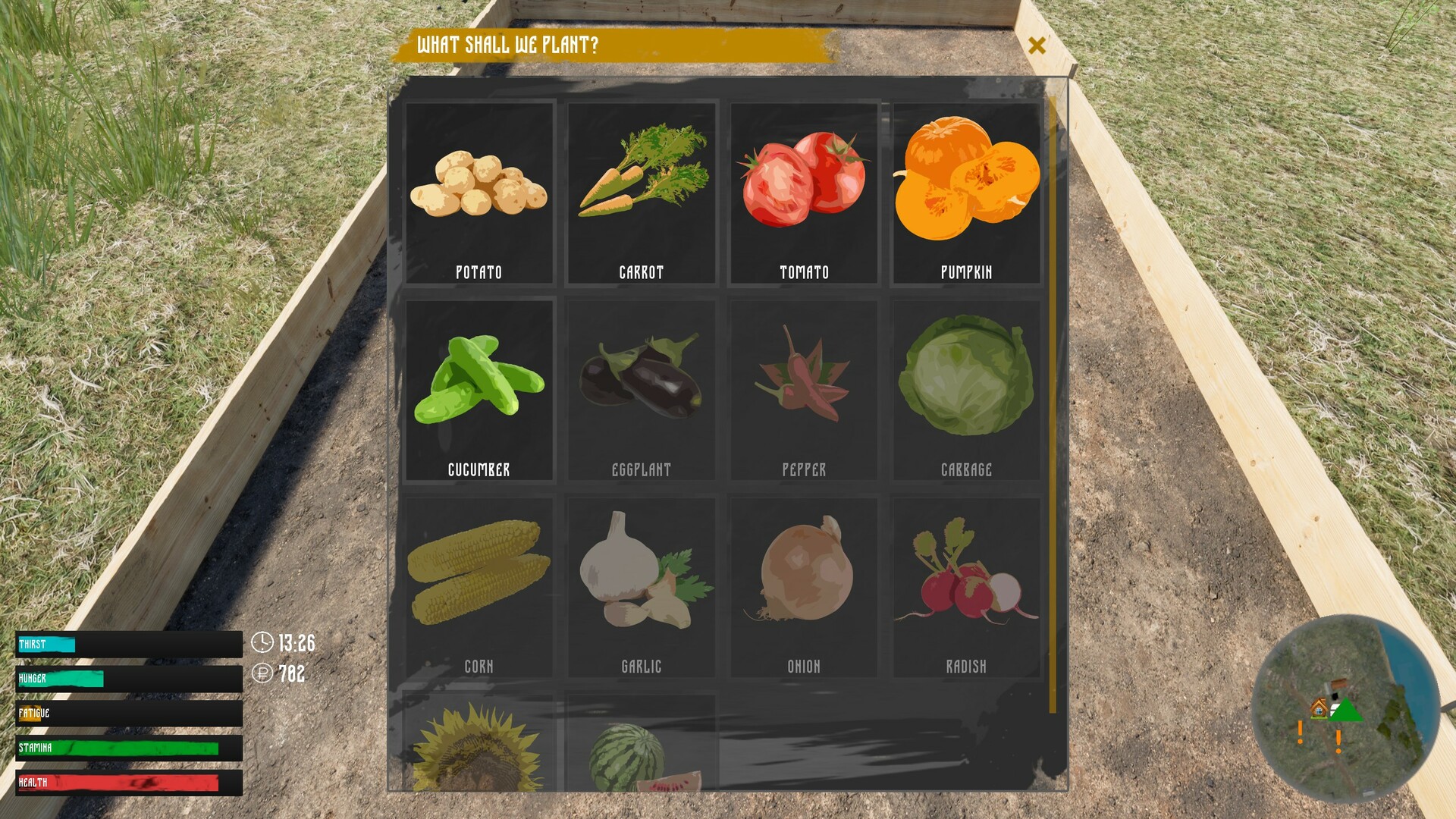
Get an in-depth look at Russian Village Simulator through various videos and screenshots.
Load More


System requirements
These are the minimum specifications needed to play the game. For the best experience, we recommend that you verify them.
Windows
- Requires a 64-bit processor and operating system
- OS: Windows® 10
- Processor: Intel i5-2500k (4 core 3.3 GHz) or AMD Ryzen 3 1200 (4 core 3.1 GHz)
- Memory: 8 GB RAM
- Graphics: GeForce GTX 1660 6 GB or AMD Radeon™ RX 580 8 GB
- DirectX: Version 12
- Storage: 12 GB available space
- Sound Card: DirectX compatible
- Additional Notes: SSD recommended, Supports DirectX11, 12
Steam Price & Best Deals
User reviews & Ratings
Explore reviews from Steam users sharing their experiences and what they love about the game.
Russian Village Simulator is a slow-paced open-world life simulation game that focuses heavily on rural survival, farming, exploration, and the routines of countryside living. Instead of building its identity around dramatic storytelling or fast action, the game creates an immersive village atmosphere where players spend most of their time performing everyday activities such as planting crops, fishing, hunting, gathering resources, and gradually building a comfortable life in an isolated rural community. The experience succeeds primarily because of its relaxing atmosphere and commitment to simplicity, even though its technical limitations and repetitive structure occasionally hold it back. The game places players in a quiet countryside environment surrounded by forests, rivers, dirt roads, and small wooden homes. From the beginning, survival and self-sufficiency become central parts of the experience. Players must gather food, maintain resources, improve their property, and slowly establish routines that support long-term survival. Farming is one of the most important activities, allowing players to plant vegetables, harvest crops, and preserve food supplies. However, the gameplay expands well beyond agriculture by including hunting, fishing, gathering berries and mushrooms, chopping wood, crafting supplies, and managing small-scale production systems. One of the game’s strongest qualities is the atmosphere it creates through its slower pacing. Russian Village Simulator rarely pressures players with strict objectives or constant urgency. Instead, it encourages players to settle naturally into village life and enjoy the repetition of simple routines. Walking through forests at sunrise, fishing beside quiet rivers, or tending crops during the evening creates a calming rhythm that becomes surprisingly immersive over time. The game works best when players allow themselves to relax into its slower lifestyle-focused structure. The variety of activities also helps maintain engagement. Even though many systems revolve around resource management, there are enough interconnected mechanics to keep the experience from feeling completely one-dimensional. Players can gather materials from forests, cook food, trade goods, improve their home, care for animals, and experiment with small economic systems involving crafting and production. Brewing homemade alcohol, preserving food, and selling gathered resources all contribute to the feeling of building a self-sustaining rural existence. Progression is gradual but satisfying. Money earned through farming, hunting, crafting, and trading allows players to upgrade equipment, improve living conditions, and expand their property. The progression systems are not especially deep compared to larger simulation games, but they work well enough to create a rewarding sense of advancement. Watching a small and underdeveloped homestead slowly evolve into a more productive and comfortable environment gives the gameplay loop long-term appeal. The social elements add additional charm to the world. Villagers can be interacted with regularly, offering tasks, trades, and small moments of community interaction that make the setting feel more alive. These relationships are relatively simple mechanically, but they help reinforce the game’s central focus on everyday rural life rather than isolated survival. The village itself gradually feels familiar and personal as players spend more time interacting with its residents and routines. Visually, the game captures the atmosphere of remote countryside living surprisingly well despite obvious technical limitations. Forests, open fields, rivers, and village roads create several peaceful and visually relaxing moments throughout the experience. The environmental design succeeds primarily through mood and scenery rather than graphical detail. Quiet mornings, foggy forests, and sunsets across farmland all contribute heavily to the game’s immersive tone. However, Russian Village Simulator is undeniably rough in several areas. Animations are stiff, character models lack refinement, and many systems feel somewhat unpolished. Movement can occasionally feel awkward, interactions lack smoothness, and technical issues become noticeable during longer play sessions. The game clearly prioritizes scale and activity variety over technical polish, which creates moments where the experience feels more ambitious than refined. The pacing may also become repetitive for some players. Much of the gameplay revolves around repeating the same daily routines over extended periods of time. Farming, gathering resources, maintaining supplies, and completing chores are intentionally slow processes, and players searching for faster progression or constant excitement may eventually lose patience with the deliberate structure. Tutorials and interface systems can also be frustrating at times. Certain mechanics are not explained particularly well, forcing players to learn through experimentation and trial-and-error. Inventory management becomes cumbersome once players begin handling larger amounts of resources and crafting materials simultaneously, especially during later portions of the game. Despite these flaws, the game succeeds because it fully commits to its peaceful countryside identity. It never attempts to become a highly cinematic farming simulator or an action-heavy survival game. Instead, it focuses entirely on recreating the slower and more repetitive rhythms of rural life. That sincerity allows the atmosphere to remain immersive even when the technical roughness becomes difficult to ignore. What ultimately makes Russian Village Simulator memorable is the comforting lifestyle fantasy it creates. Simple activities such as gathering mushrooms in the woods, fishing near calm rivers, maintaining crops, or relaxing after a long day of work give the experience a peaceful and grounded tone that many larger simulation games fail to capture. The game finds enjoyment in ordinary routines rather than dramatic spectacle. Russian Village Simulator is an ambitious and atmospheric life simulator that captures the quiet charm of countryside living through farming, exploration, crafting, and survival systems. While its repetitive pacing, awkward mechanics, and technical imperfections prevent it from feeling fully polished, the relaxing atmosphere and large variety of activities make it a worthwhile experience for players who enjoy slower and more immersive rural simulation games. Rating: 8/10
Similar games
View all
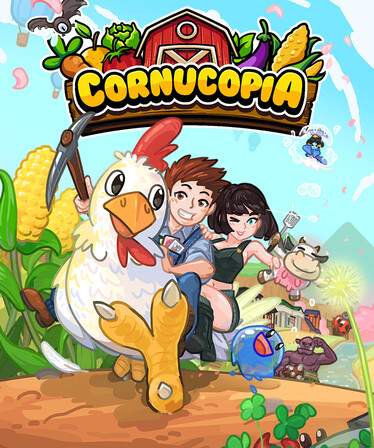
Cornucopia
A cozy 2.5D farm-life RPG that runs deep. Grow living soil into legendary harvests, romance 34+ villagers, breed magical animals, cook, fish, and dive the dungeons below for loot. No forced bedtime, no stress, just your dream farm at your own pace.

Dinkum
Dinkum is a survival life simulation game set on an island inspired by the rugged Australian outback. Farm, hunt, mine, fish, and forage to gather resources, expand your town, and discover what makes Dinkum so special—either solo or with friends.

Coral Island
Coral Island is a vibrant, laid-back farm sim reimagined with multiplayer! Experience enchanting island life at your own pace: farm with friends, nurture animals, build relationships, hang out with a diverse cast of characters, and dive into the magical Merfolk Kingdom.

Immortal Life
Embark on a magical journey in this captivating life simulation game. Escape to a welcoming valley, farm with spells, and master skills like fishing, crafting, and cooking. Engage in epic battles, strengthen the bonds with your companions, and build your dream home to achieve Immortal Life!

STORY OF SEASONS: Grand Bazaar
Searching for a peaceful farm life, a fresh mountain breeze, and your own market stall? Look no further than the friendly community of Zephyr Town! Here you’ll grow crops and raise animals, get to know the locals, and sell your wares at the town's bazaar to restore it to its former glory.
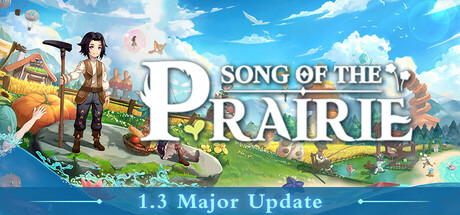
Song Of The Prairie
Song of The Prairie is a 3D relaxing farm game. A hero who defeat the demon begins a new rural life. Experiencing the fun of exploration to the town. Harvesting giant fruits and crops. Taking care fantastic animals. Dating with someone you like. Just enjoy the farming life only belongs to you!

Farmer's Dynasty 2
Build your dream farm and secure your family’s future. Cultivate your fields, raise animals, and shape your dynasty across generations in this beautifully crafted life and farming simulation. Start your dynasty today!

Harvest Moon: Light of Hope Special Edition
In celebration of Harvest Moon's 20th Anniversary comes an all new Harvest Moon title for Steam! Harvest Moon: Light of Hope Special Edition! The game encompasses twenty years of the spirit that have made the franchise what it is today!
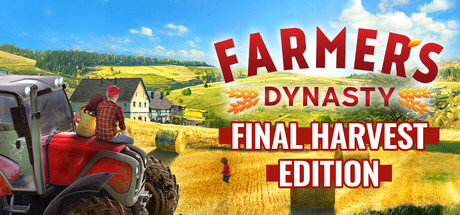
Farmer's Dynasty - Final Harvest Edition
Live – Build – Farm: Enjoy a unique mix of farming, constructing and life simulation that takes you to the countryside and holds plenty of challenging gameplay in stock!
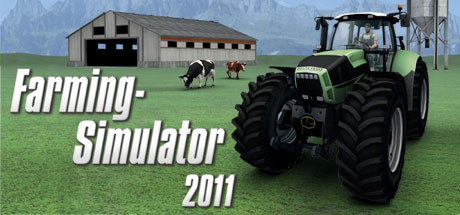
Farming Simulator 2011
The sequel to the best-selling worldwide hit "Farming Simulator" has loads of new features! Assume the role of a farmer experiencing the challenge of 18 hour days running a new farm in the middle of beautiful rolling countryside.

Aka
Find inner peace in a small, open-world game. On these carefully handcrafted islands, you can take a nap on a giant monster, feed baby dragons, take care of the fauna and flora... ...but demons from your past might come back to remind you what you want to forget.
Frequently Asked Questions
Russian Village Simulator is currently priced at 29.99€ on Steam.
No, Russian Village Simulator is currently not on sale. You can purchase it for 29.99€ on Steam.
Yes, Russian Village Simulator received 821 positive votes out of a total of 953 achieving a rating of 8.16.
😎
Russian Village Simulator was developed by VD Games and PropilGames and published by VD Games.
Yes, Russian Village Simulator is playable and fully supported on Windows.
No, Russian Village Simulator is not playable on MacOS.
No, Russian Village Simulator is not playable on Linux.
This information about Russian Village Simulator is not available yet.
This information about Russian Village Simulator is not available yet.
No, Russian Village Simulator does not support VR.
Russian Village Simulator is a single-player game.
Yes, there is a DLC available for Russian Village Simulator. Explore additional content available for Russian Village Simulator on Steam.
No, Russian Village Simulator does not support mods via Steam Workshop.
No, Russian Village Simulator does not support Steam Remote Play.
Yes, Russian Village Simulator is enabled for Steam Family Sharing. This means you can share the game with authorized users from your Steam Library, allowing them to play it on their own accounts. For more details on how the feature works, you can read the original Steam Family Sharing announcement or visit the Steam Family Sharing user guide and FAQ page.
You can find solutions or submit a support ticket by visiting the Steam Support page for Russian Village Simulator.
Data sources
The information presented on this page is sourced from reliable APIs to ensure accuracy and relevance. We utilize the Steam API to gather data on game details, including titles, descriptions, prices, and user reviews. This allows us to provide you with the most up-to-date information directly from the Steam platform.
Additionally, we incorporate data from the SteamSpy API, which offers insights into game sales and player statistics. This helps us present a comprehensive view of each game's popularity and performance within the gaming community.
Last Updates| Steam data | 19 September 2026 18:13 UTC |
|---|---|
| SteamSpy data | 19 October 2026 19:38 UTC |
| Steam price | 26 October 2026 19:17 UTC |
| Steam reviews | 18 October 2026 16:06 UTC |
If you'd like to dive deeper into the details about Russian Village Simulator, we invite you to check out a few dedicated websites that offer extensive information and insights. These platforms provide valuable data, analysis, and user-generated reports to enhance your understanding of the game and its performance.
- SteamDB - A comprehensive database of everything on Steam about Russian Village Simulator
- SteamCharts - Analysis of Russian Village Simulator concurrent players on Steam
- ProtonDB - Crowdsourced reports on Linux and Steam Deck Russian Village Simulator compatibility

Game modes
Features
Online players
0
Developer
VD Games,
PropilGames
Publisher
VD Games
Release
25 Sep 2023
Platforms
Clicking and buying through these links helps us earn a commission to maintain our services.