STAY on Steam - User reviews, Price & Information

Quick menu

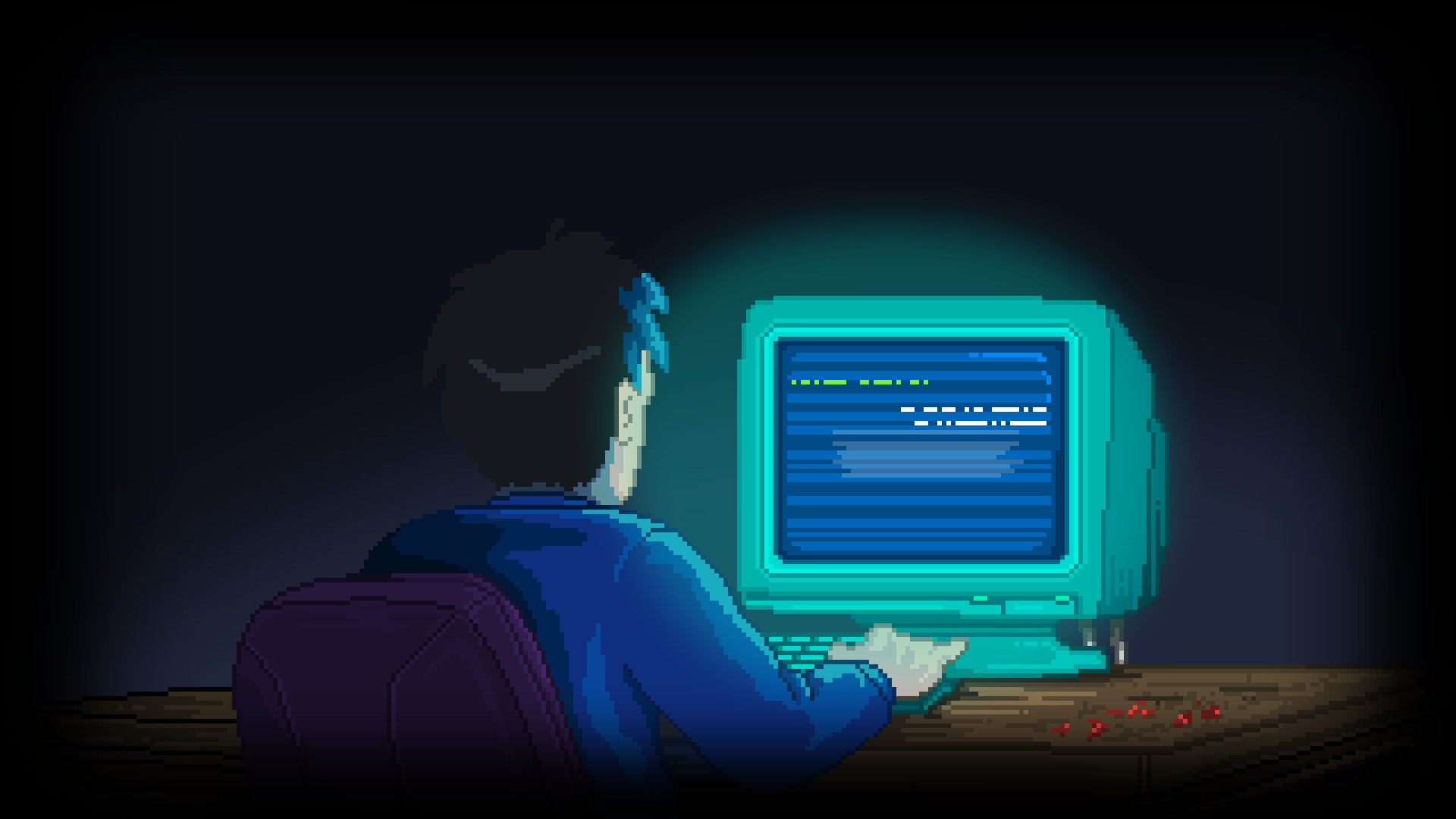
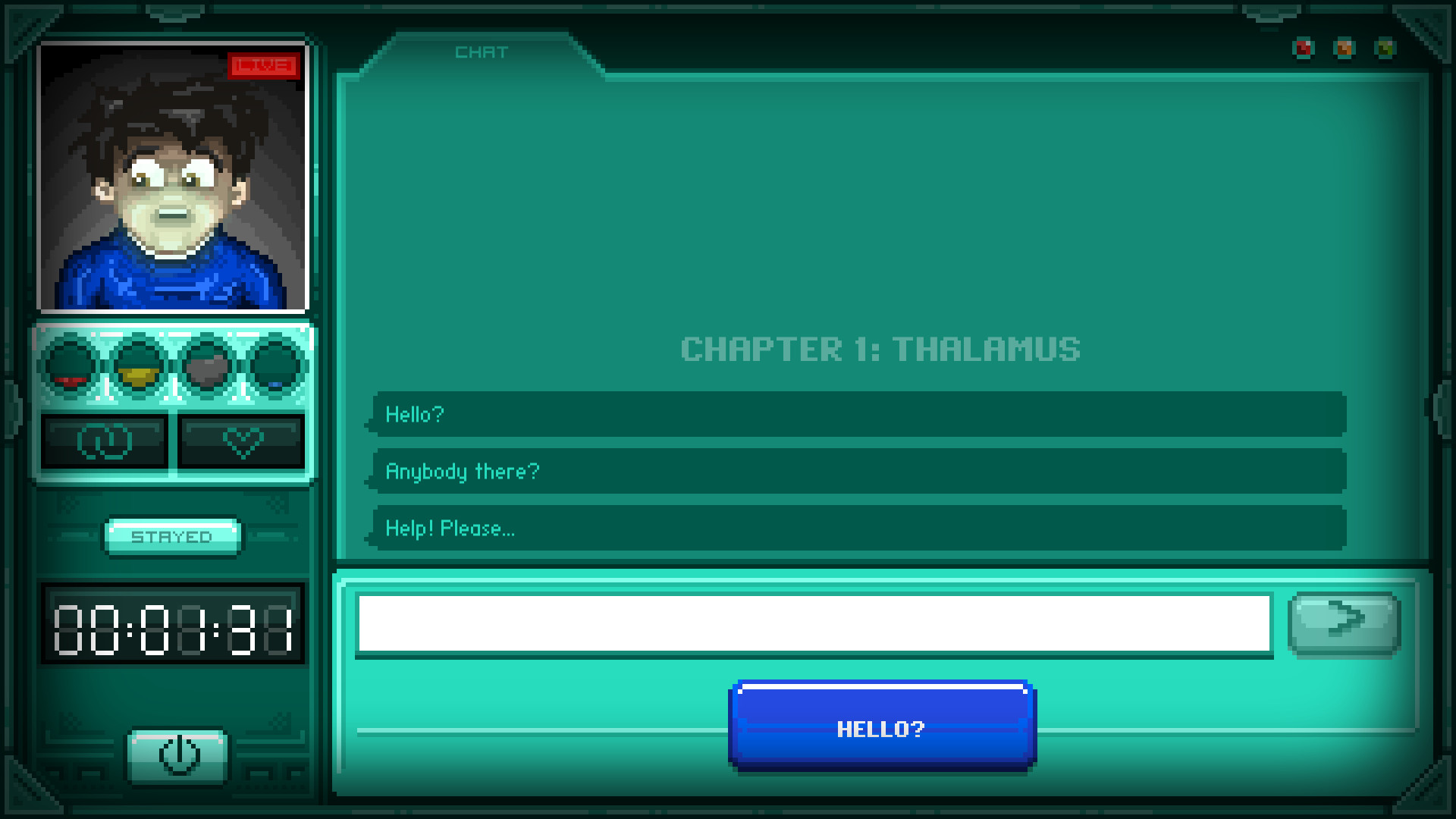
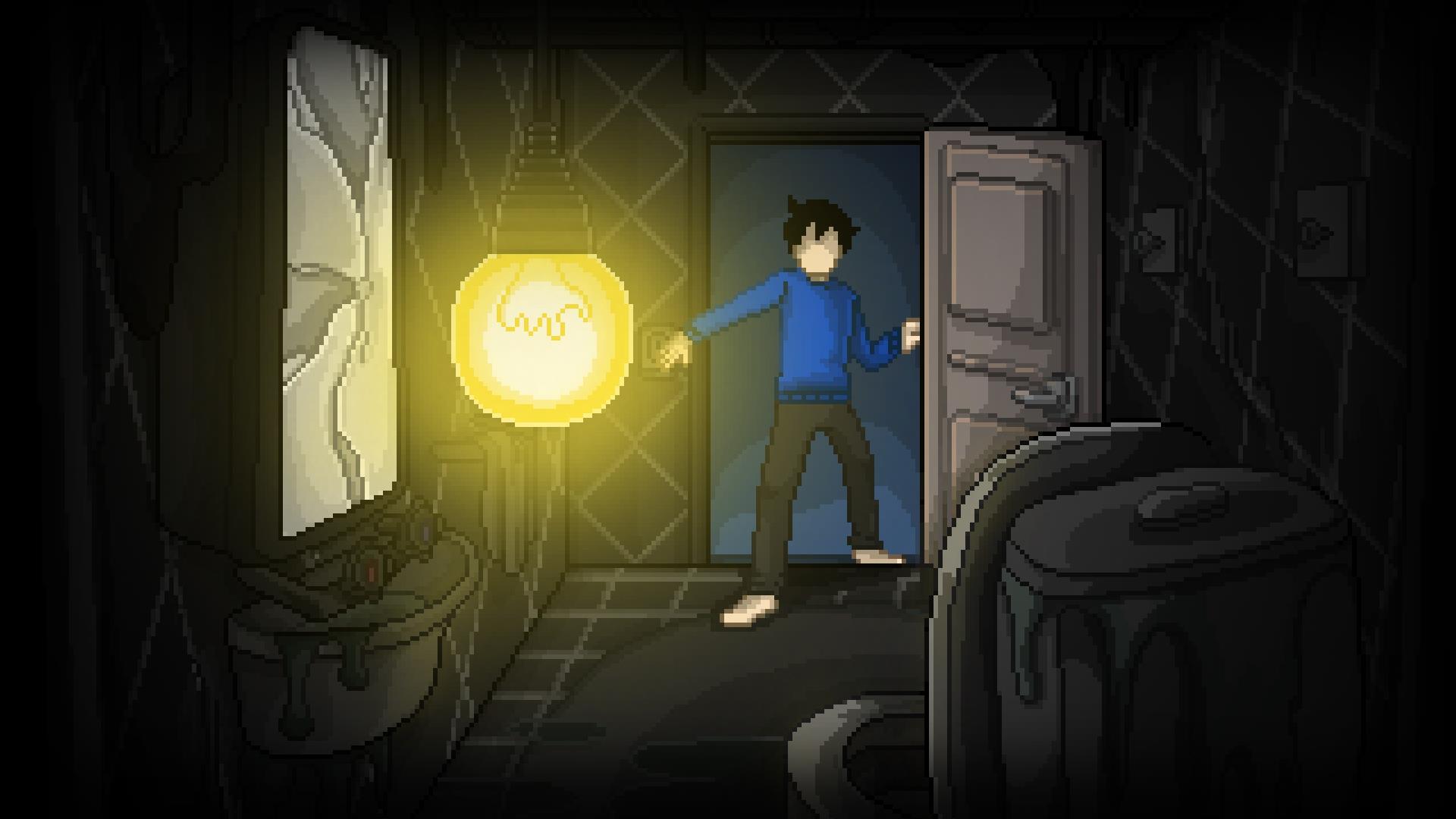
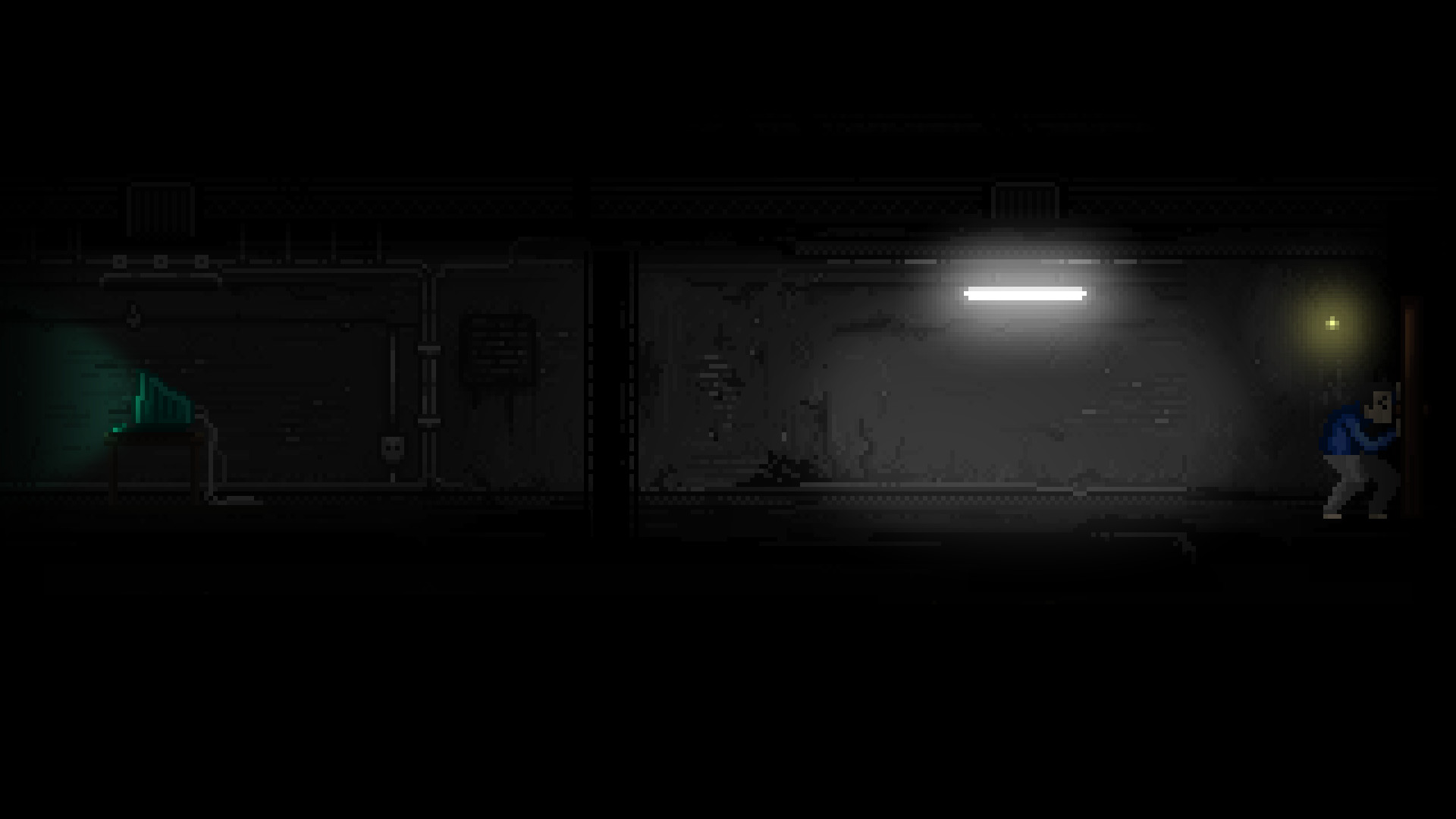
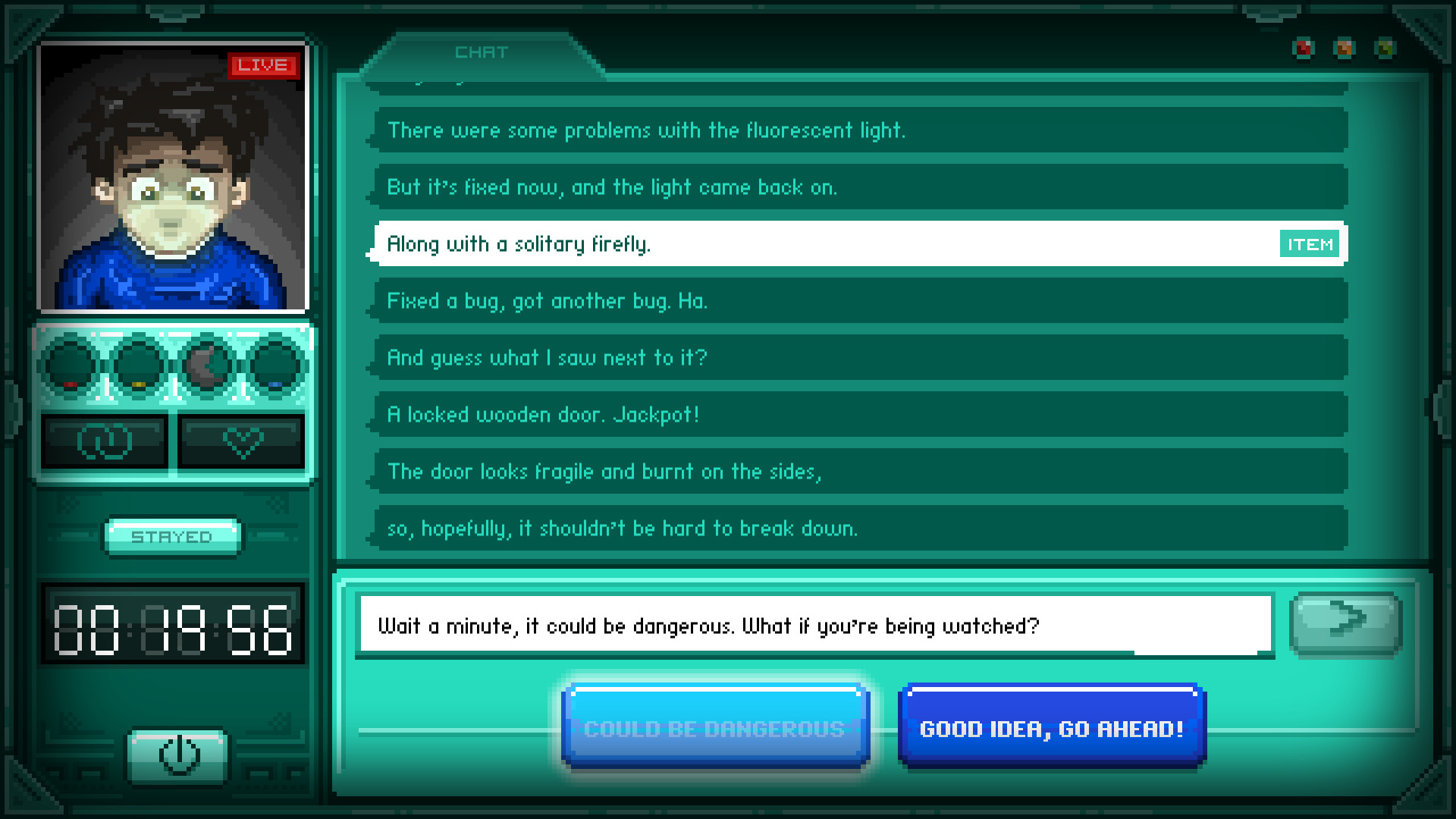
Award-winning, innovative puzzle-adventure. By communicating through your PC, you must help a kidnapped man escape captivity - in real-time. While you sleep, he is alone. When you return to your PC he has hope. Your encouragement and advice will be the difference between his salvation or despair.

STAY is a indie, adventure and choices matter game developed and published by Appnormals Team.
Released on May 16th 2018 is available on Windows and MacOS in 10 languages: English, French, German, Spanish - Spain, Simplified Chinese, Korean, Japanese, Portuguese - Portugal, Russian and Traditional Chinese.

It has received 536 reviews of which 371 were positive and 165 were negative resulting in a rating of 6.6 out of 10. 😐

The game is currently priced at 2.99€ on Steam with a 75% discount, but you can find it for less on Gamivo.


The Steam community has classified STAY into these genres:

Media & Screenshots

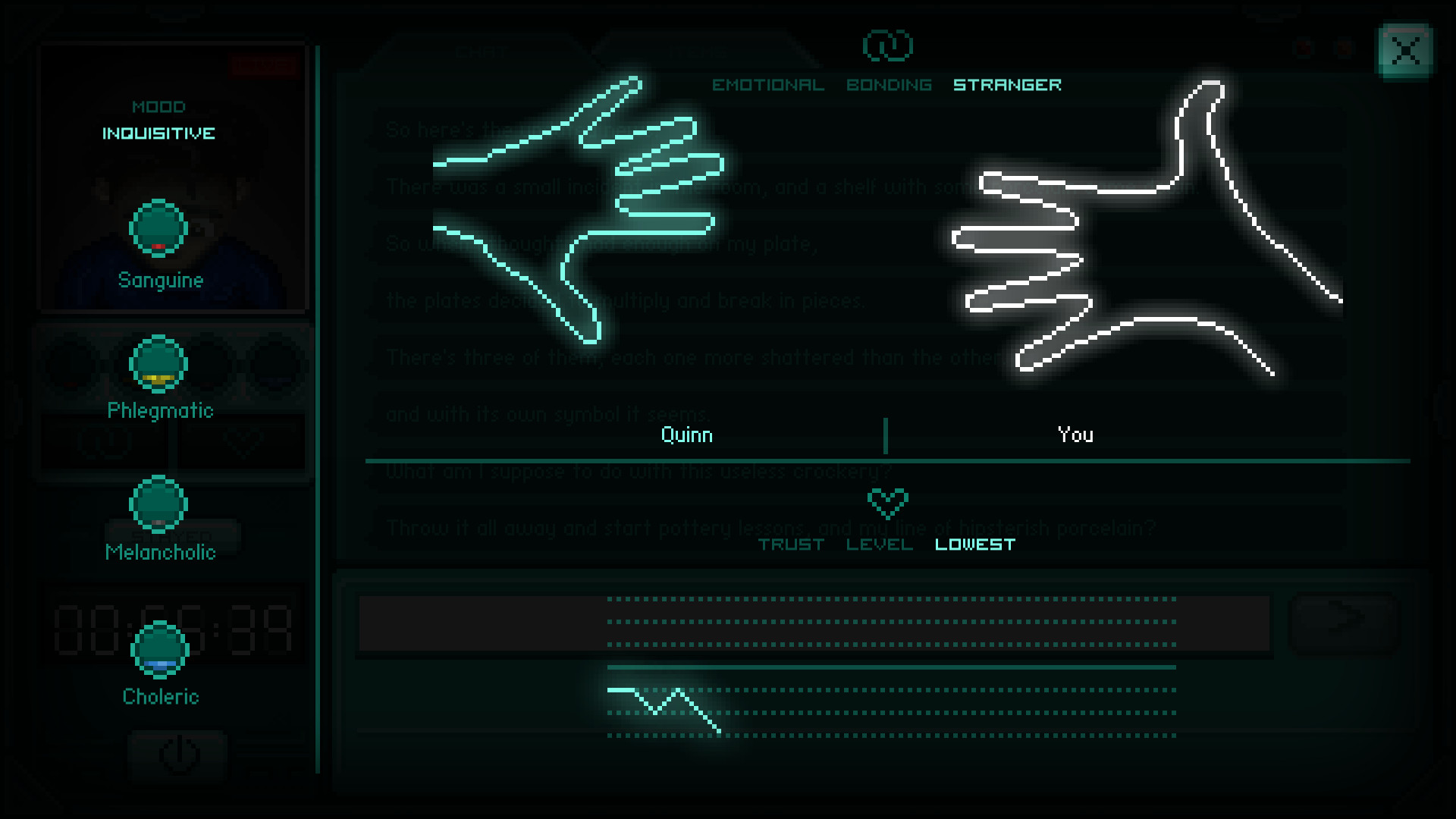
Get an in-depth look at STAY through various videos and screenshots.

System requirements

These are the minimum specifications needed to play the game. For the best experience, we recommend that you verify them.

Windows
  • OS *: Windows 7, Windows 8, Windows 10
  • Processor: Intel Core i3 or AMD Phenom ii X2
  • Memory: 4 GB RAM
  • Graphics: Nvidia 8800 GT, AMD 5670
  • DirectX: Version 9.0
  • Network: Broadband Internet connection
  • Storage: 1 GB available space
MacOS
  • OS: Mac OS X 10.9+
  • Processor: Core i3
  • Memory: 4 GB RAM
  • Graphics: Intel HD Graphics
  • Network: Broadband Internet connection
  • Storage: 1 GB available space

User reviews & Ratings

Explore reviews from Steam users sharing their experiences and what they love about the game.

Nov. 2025
This haunting survival thriller is chillingly immersive and tense! 👻🏠 Sneak through shadows 🎮 with heart-pounding stealth ✨, eerie visuals, and gripping choices. A spine-tingling experience for horror fans!
Expand the review
Nov. 2025
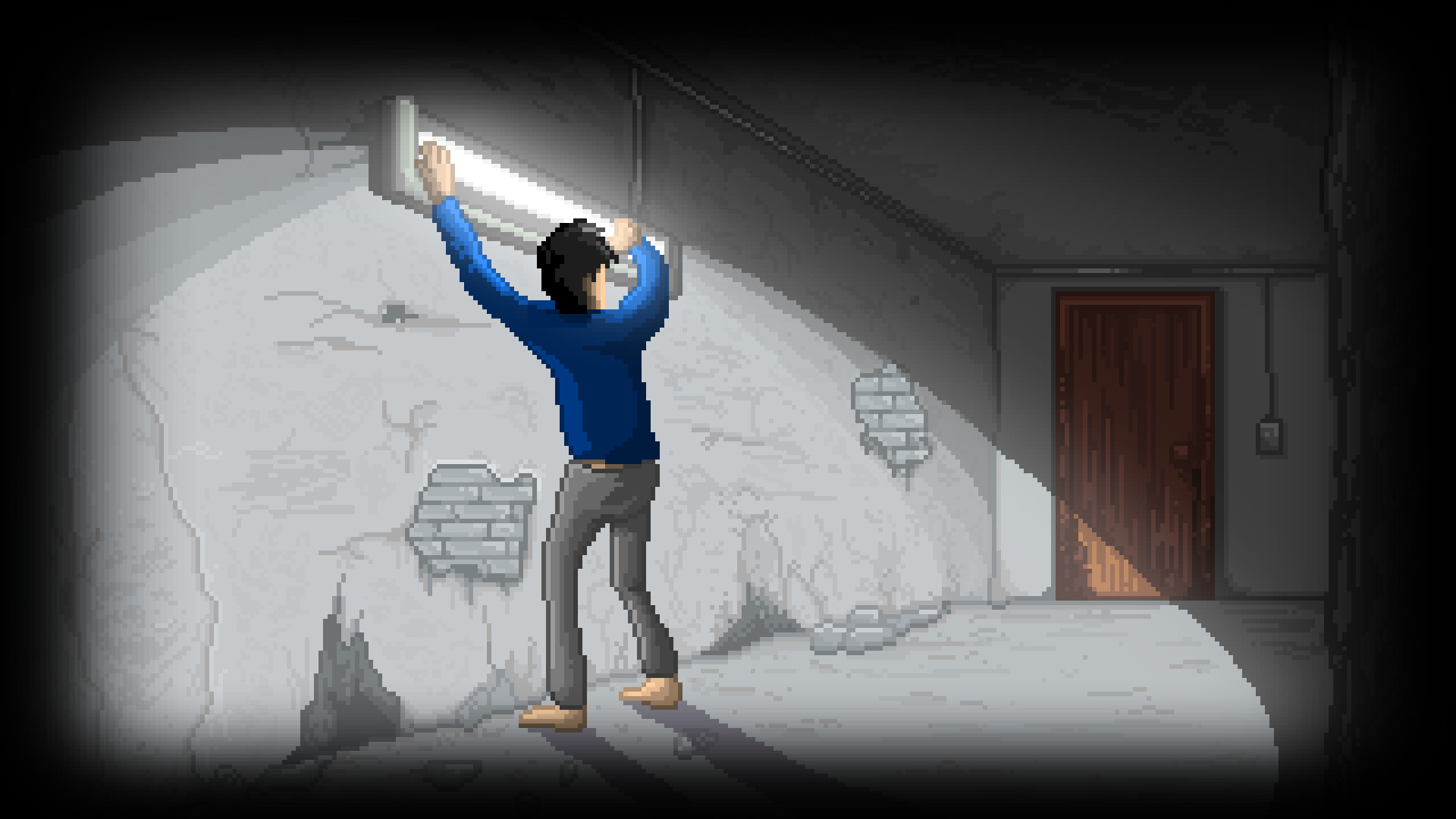
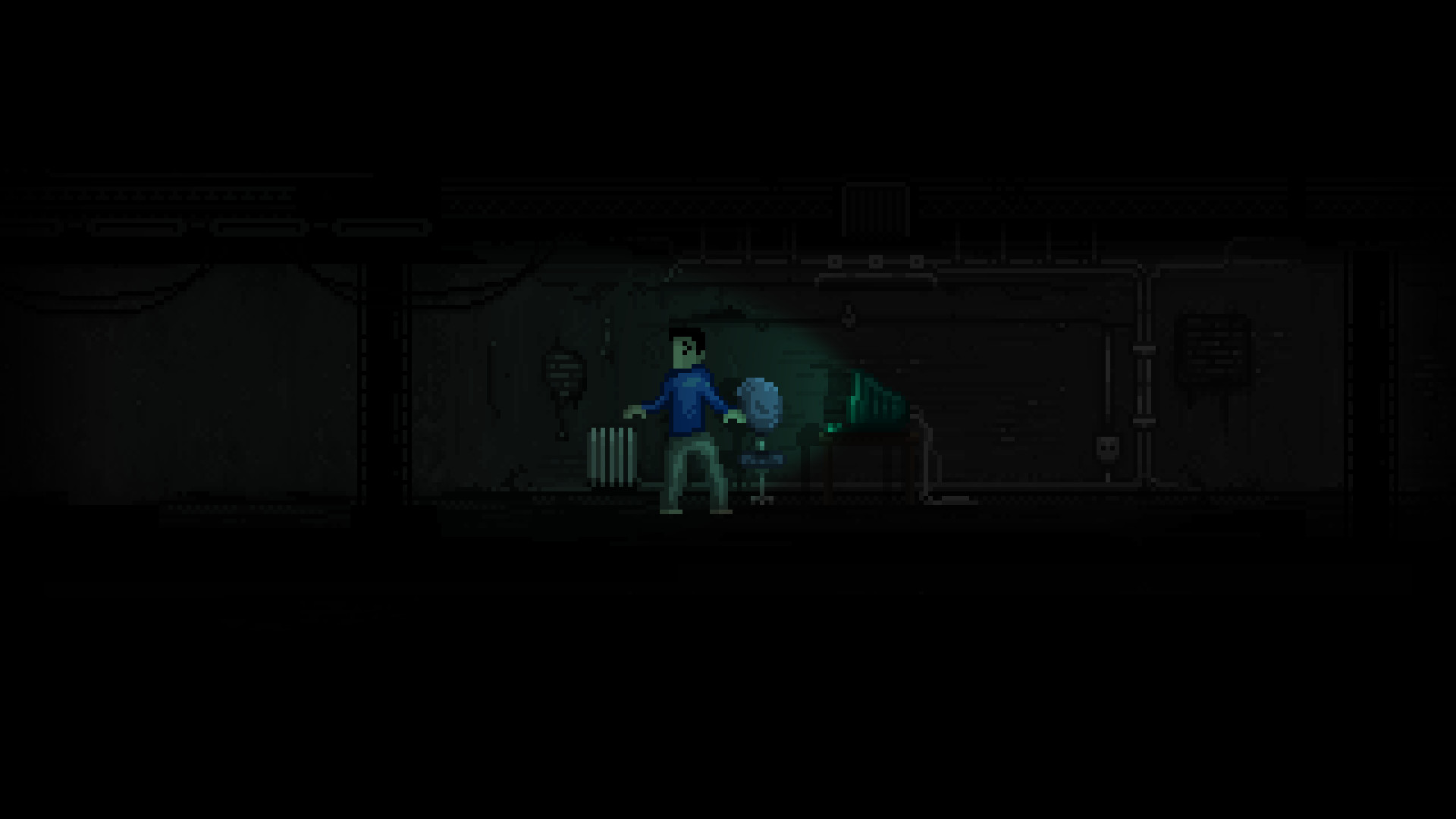
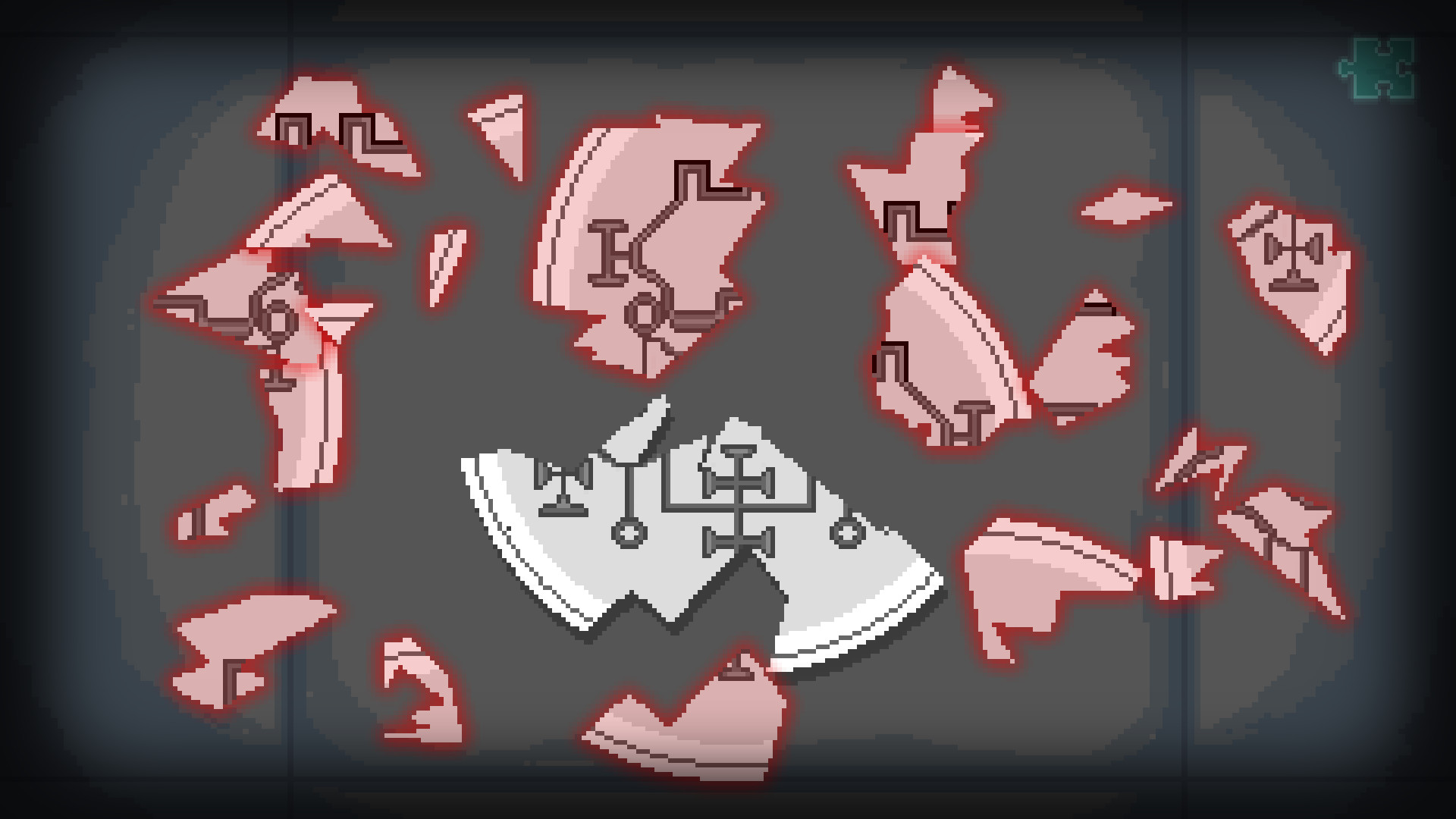
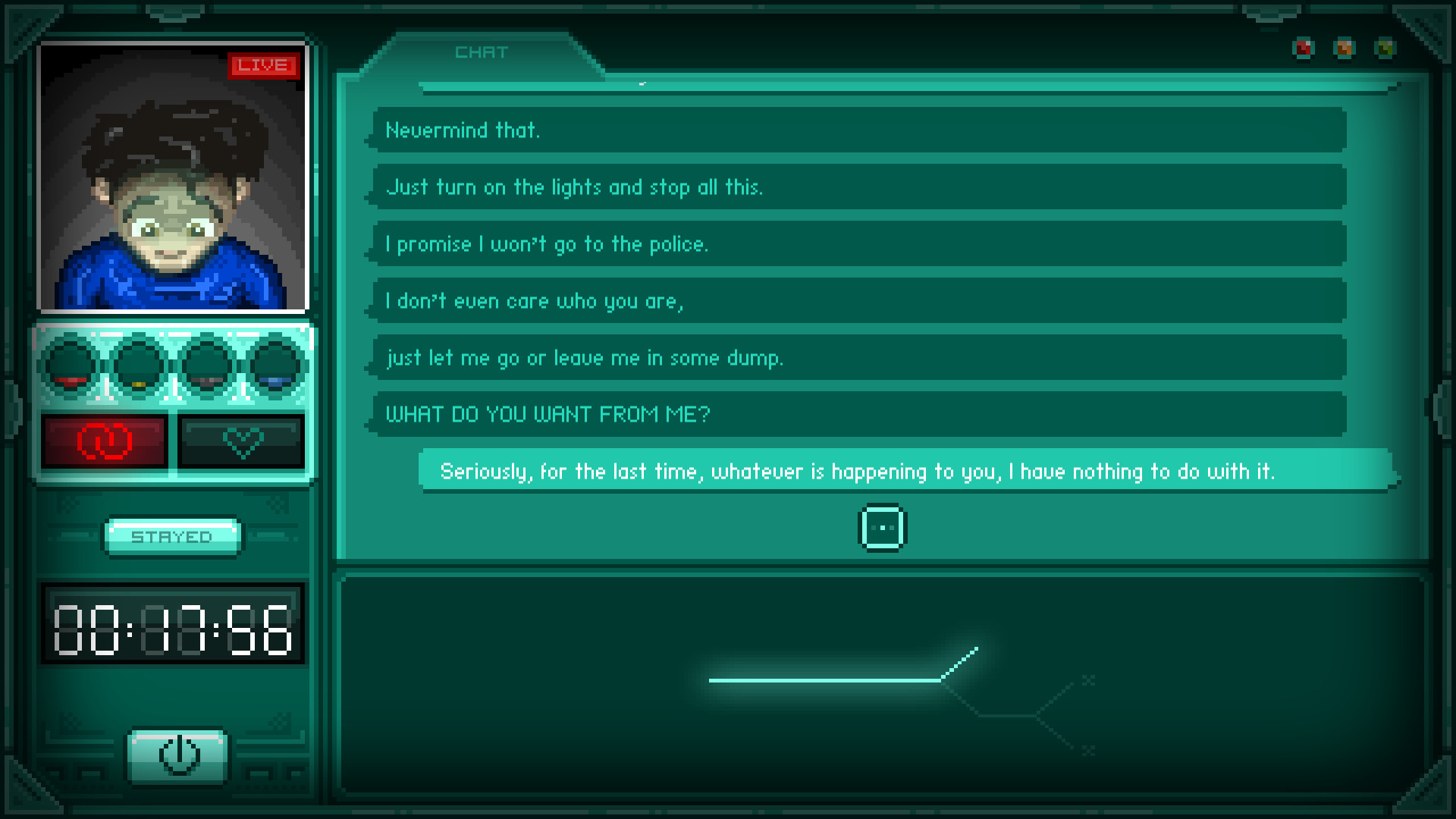
STAY, developed and published by Appnormals Team, is a haunting psychological adventure that explores loneliness, guilt, and the fragile nature of human connection through an unconventional storytelling format. Instead of controlling a traditional character, you communicate in real time with Quinn, a man who wakes up trapped in a mysterious, dimly lit room with no recollection of how he got there. His only contact with the outside world is you, the player, speaking through a computer screen. This premise instantly separates STAY from other narrative-driven games—it transforms you into both participant and observer, where every word you type and every second you spend away from the game can alter the fragile mental state of the person depending on you. The experience is intimate, uncomfortable, and profoundly human, blurring the boundary between player and character in ways few games dare to attempt. The entire experience unfolds through text-based interaction, pixel-art visuals, and a real-time timer that constantly reminds you of Quinn’s isolation. When you quit or step away, the game continues running, measuring how long you’ve left him alone. Returning after a prolonged absence, you might find that he has grown anxious, resentful, or withdrawn, commenting on how you abandoned him. This mechanic gives an unsettling weight to even the smallest decisions—it makes you feel responsible not just for Quinn’s physical survival, but for his emotional well-being. The connection you build with him feels startlingly authentic because it mirrors real communication: uncertain, awkward, and vulnerable. Through branching dialogue choices, you can choose to comfort him, challenge him, or even manipulate him, and each decision influences how much he trusts you. The intimacy of these exchanges, amplified by his trembling pixelated expressions and the faint hum of his surroundings, creates a sense of empathy and unease that lingers throughout the game. The pixel art style may appear simplistic at first, but it’s meticulously designed to evoke claustrophobia and dread. The small, confined spaces that Quinn inhabits—rooms filled with cryptic objects, flickering lights, and ominous computer screens—communicate more emotion than many fully 3D environments. The static backgrounds and grainy webcam view emphasize how powerless both you and Quinn are in this situation. The minimalist aesthetic also heightens the focus on Quinn himself, his face rendered in expressive detail despite the limited resolution. His eyes flicker nervously, his body language shifts between desperation and hope, and every small change in his demeanor becomes a clue to his mental state. The music, an ambient mix of melancholy piano notes and low electronic drones, reinforces this atmosphere of uncertainty and tension. It’s not a world you explore physically, but one you inhabit psychologically—an emotional space where silence feels suffocating and every word you exchange becomes a lifeline. Beyond its conversational framework, STAY introduces environmental puzzles that punctuate the narrative and provide moments of traditional gameplay. These puzzles, often cryptic and abstract, represent Quinn’s attempts to interact with his surroundings—unlocking doors, deciphering messages, or piecing together fragments of memory. They are designed to challenge both your logic and your patience, though they sometimes lean into frustration. A few puzzles are notoriously opaque, demanding trial and error or external reference to solve, which can pull you out of the immersive flow the story works so hard to build. Yet when they work, they feel integral to the experience, symbolizing Quinn’s struggle to regain control over his life and his environment. The slow unraveling of clues adds to the sense of mystery, drawing you deeper into the question of who Quinn is, why he was taken, and what his connection to you truly means. Narratively, STAY operates on several levels. On the surface, it is a mystery about captivity and escape. But beneath that, it becomes a psychological examination of trauma and trust, with themes of depression, self-destruction, and redemption woven throughout. The writing is introspective and often philosophical, filled with references to literature, psychology, and existential thought. Quinn questions not only his surroundings but his sense of self, and his dialogue reflects a man grappling with guilt and regret. The player’s responses shape the tone of the story—offering comfort might stabilize him, while cynicism or distance can push him further into despair. This emotional dynamic transforms the player into an active participant in Quinn’s recovery or downfall. The sense of responsibility grows heavier as you realize your choices may not just determine how the story ends, but whether Quinn finds a reason to live. The game’s real-time element is one of its most unique and controversial features. When you close the game, time still passes for Quinn. The longer you’re away, the more his trust erodes. It’s a clever narrative device that makes your own engagement—or lack thereof—a form of storytelling. Every pause becomes a statement, every absence a betrayal. For some players, this mechanic creates a powerful emotional connection; for others, it feels like an artificial constraint designed to induce guilt. Yet it undeniably succeeds in making STAY feel personal in a way that most games never achieve. It’s not just about controlling outcomes—it’s about being present, about understanding the weight of attention and neglect in a relationship built entirely through screens. Despite its brilliance in concept and atmosphere, STAY isn’t without flaws. Its pacing can be uneven, and the dialogue sometimes meanders into heavy-handed or repetitive territory. Certain puzzles break immersion by being overly obscure or poorly explained, forcing players to look up solutions rather than reasoning them out naturally. The branching dialogue system, while robust, can occasionally give the illusion of choice without significantly changing key events. Still, these issues don’t diminish the strength of its emotional impact. The game’s imperfections feel almost appropriate given its subject matter—it’s messy, unpredictable, and deeply human, much like the conversations it simulates. STAY’s ultimate achievement lies in its ability to evoke empathy and reflection. By making the player’s engagement the central mechanic, it transforms passive storytelling into a moral experience. You don’t just guide Quinn—you share his fear, his loneliness, and his fragile hope. It’s a game that quietly asks difficult questions about responsibility, connection, and what it means to truly care for someone in distress. The ending you receive, determined by your choices and level of commitment, serves not as a judgment but as a mirror of how you chose to interact with him. In a medium where disconnection is easy and empathy is often secondary to victory, STAY dares to make emotional investment the only path forward. In the end, STAY is not a game for everyone—it’s slow, text-heavy, and emotionally taxing—but for those willing to surrender to its pace and premise, it offers an experience unlike anything else. It’s less a conventional adventure and more an experiment in digital empathy, a haunting dialogue between player and character that lingers long after the screen goes dark. Through its minimalist design, clever mechanics, and unflinching portrayal of psychological struggle, STAY delivers an intimate and unsettling exploration of what it means to be present for someone when they need you most. It doesn’t just tell a story—it asks you to live in it, to listen, and, above all else, to stay. Rating: 6/10
Expand the review
June 2025
I don't care if you don't like to eat fortune cookies, if you've been lighting up my feed for the past ten minutes about how HUNGRY you are I'm going to click the eat the fortune cookie option. NO you don't have to eat the suspicious one in the box you can open one of the millions of Unopened boxes. NO I'm not telling you to open all the boxes! DONT THROW THE PHONE AT THE WALL YOU AS- Stay has a great a draw with its concept: Tamagotchi but your little digital pal is a kidnapped guy. He waits for you, you say things he likes so you can keep him happy and solves puzzles. Problems: the guy is a piece of work; trust means very little; if he thinks you don't share a "vibe" he might throw the computer at the wall. The puzzles are fun but you might need some background knowledge for some of them. Having the protagonist cut his lifeline for nebulous reasons really hampers things. You would think being put inside a crazy situation would increase your tolerance for others, but that same logic extended to food tolerance has already been answered, this man needs to be saved from himself. Which is ironically is one of the main points of the game. The story is fine enough, but you have to get through some amount of resets due to our digital pal getting caught in dead ends. Overall it doesn't quite meet the scope of what it's selling and the dead ends with how easily you can lose connection with the protag can be frustrating. For a lot of people I wouldn't recommend this, but for those who want to try out an interesting premise and can handle so many resets just to get this man to the end; then this is for you.
Expand the review

June 2025
⣿⣿⡻⠿⣳⠸⢿⡇⢇⣿⡧⢹⠿⣿⣿⣿⣿⣾⣿⡇⣿⣿⣿⣿⡿⡐⣯⠁ ⠄⠄ ⠟⣛⣽⡳⠼⠄⠈⣷⡾⣥⣱⠃⠣⣿⣿⣿⣯⣭⠽⡇⣿⣿⣿⣿⣟⢢⠏⠄ ⠄ ⢠⡿⠶⣮⣝⣿⠄⠄⠈⡥⢭⣥⠅⢌⣽⣿⣻⢶⣭⡿⠿⠜⢿⣿⣿⡿⠁⠄⠄ ⠄⣼⣧⠤⢌⣭⡇⠄⠄⠄⠭⠭⠭⠯⠴⣚⣉⣛⡢⠭⠵⢶⣾⣦⡍⠁⠄⠄⠄⠄ ⠄⣿⣷⣯⣭⡷⠄⠄⢀⣀⠩⠍⢉⣛⣛⠫⢏⣈⣭⣥⣶⣶⣦⣭⣛⠄⠄⠄⠄⠄ ⢀⣿⣿⣿⡿⠃⢀⣴⣿⣿⣿⣎⢩⠌⣡⣶⣿⣿⣿⣿⣿⣿⣿⣿⣿⣿⣆⠄⠄⠄ ⢸⡿⢟⣽⠎⣰⣿⣿⣿⣿⣿⣿⢀⣾⣿⣿⣿⣿⣿⣿⣿⣿⣿⣿⣿⣿⣿⣦⠄⠄ ⣰⠯⣾⢅⣼⣿⣿⣿⣿⣿⣿⡇⣾⣿⣿⣿⣿⣿⣿⣿⣿⣿⣿⣿⣿⣿⣿⣿⡄⠄ ⢰⣄⡉⣼⣿⣿⣿⣿⣿⣿⣿⢸⣿⣿⣿⣿⣿⣿⣿⣿⣿⣿⣿⣿⣿⣿⣿⣿⣧⠄ ⢯⣌⢹⣿⣿⣿⣿⣿⣿⣿⣿⢸⣿⣿⣿⣿⣿⣿⣿⣿⣿⣿⣿⣿⣿⣿⣿⣿⣿⠄ ⢸⣇⣽⣿⣿⣿⣿⣿⣿⣿⣿⠸⣿⣿⣿⣿⣿⣿⣿⣿⣿⣿⣿⣿⣿⣿⣿⣿⣿⠄ ⢸⣟⣧⡻⣿⣿⣿⣿⣿⣿⣿⣧⡻⣿⣿⣿⣿⣿⣿⣿⣿⣿⣿⣿⣿⣿⣿⣿⣿⠄ ⠈⢹⡧⣿⣸⠿⢿⣿⣿⣿⣿⡿⠗⣈⠻⣿⣿⣿⣿⣿⣿⣿⣿⣿⣿⣿⣿⣿⡇⠄ ⠄⠘⢷⡳⣾⣷⣶⣶⣶⣶⣶⣾⣿⣿⢀⣶⣶⣶⣾⣿⣿⣿⣿⣿⣿⣿⣿⣿⠇⠄ ⠄⠄⠈⣵⣿⣿⣿⣿⣿⣿⣿⣿⣿⣿⢸⣿⣿⣿⣿⣿⣿⣿⣿⣿⣿⣿⣿⣿⠄⠄ ⠄⠄⠄⠸⣿⣿⣿⣿⣿⣿⣿⣿⣿⣿⠘⣿⣿⣿⣿⣿⣿⣿⣿⣿⣿⣿⣿⠇⠄⠄
Expand the review

Similar games

View all
INMOST Escape the depths of an otherworldly labyrinth in this cinematic puzzle platformer. Explore a hauntingly beautiful world, with three playable characters, in one dark, interconnected story.

Similarity 74%
Price -85% 2.01€
Rating 8.8
Release 21 Aug 2020
The Lion's Song: Episode 1 - Silence „The Lion's Song: Episode 1 – Silence" draws the player into the life of a talented young composer, Wilma, preparing for her breakthrough concert, the defining moment of her career. Searching for inspiration she escapes from the pressure for success to the solitude of the Austrian Alps.

Similarity 73%
Price Free to play
Rating 8.8
Release 07 Jul 2016
Pamali: Indonesian Folklore Horror A narrative horror game set in the daily lives of Indonesian society. Interact with various mystical objects as you explore haunted places, unravel their lingering mysteries, and experience how Indonesian myth, taboo and culture, combined with your choices, shape the course of your nights.

Similarity 71%
Price 14.79€
Rating 7.9
Release 27 Dec 2018
Year Walk Venture out into the dark woods where strange creatures roam, on a vision quest set in 19th century Sweden. Solve and decipher cryptic puzzles, listen for clues, and learn about mysterious folklore creatures in the built-in encyclopedia as you seek to foresee your future.

Similarity 71%
Price -61% 2.31€
Rating 8.7
Release 06 Mar 2014
Keep in Mind: Remastered Keep in Mind follows Jonas, a man haunted by alcoholism, depression, and grief. One night, he awakens to a shadowy mirror world where beasts lurk and stars don't shine. Lost and scared, Jonas must face the twisted beasts if he ever wishes to return home and learn the truth about his darkness.

Similarity 71%
Price -66% 0.68€
Rating 7.2
Release 08 Mar 2018
Down the Rabbit Hole Down the Rabbit Hole is a VR adventure set in Wonderland prior to Alice's arrival. You will guide a girl who is looking for her lost pet by solving puzzles, uncovering secrets and making choices about the story along the way.

Similarity 70%
Price -75% 5.09€
Rating 8.7
Release 26 Mar 2020
My Big Sister My name is Luzia...and this story isn't about me, it’s about my sister. Do you still wish to hear it?

Similarity 69%
Price -94% 0.40€
Rating 8.7
Release 09 Nov 2018
Heartbound Heartbound is a non-traditional role-playing game about a boy, his dog, secrets, and sanity.

Similarity 69%
Price 9.75€
Rating 8.2
Release 24 Dec 2018
Once in Yaissor Summer, 2020, Ya'issor. Most people have become youtubers, streamers, and other scum, and almost no one wants to be a working bum. Nobody has an opinion of their own. Everyone thinks they are nihilists, atheists, reading intellectuals, and other elites.

Similarity 68%
Price -53% 0.47€
Rating 8.1
Release 09 Nov 2016
80 Days 1872, with a steampunk twist. Phileas Fogg has wagered he can circumnavigate the world in just 80 days. Travel by airship, submarine, mechanical camel, steam-train and more. Race other players and a clock that never stops in TIME Magazine's Game of 2014.

Similarity 68%
Price -55% 4.94€
Rating 8.6
Release 28 Sep 2015
OneShot OneShot is a surreal top down Puzzle/Adventure game with unique gameplay capabilities. You are to guide a child through a mysterious world on a mission to restore its long-dead sun. The world knows you exist.

Similarity 68%
Price 9.75€
Rating 9.7
Release 08 Dec 2016
Last Day of June A deep, interactive adventure about love and loss, beautifully depicted and offering an intense cinematic experience. What would you do to save the one you love?

Similarity 67%
Price -98% 0.48€
Rating 8.4
Release 31 Aug 2017

Frequently Asked Questions

STAY is currently priced at 2.99€ on Steam.

STAY is currently available at a 75% discount. You can purchase it for 2.99€ on Steam.

STAY received 371 positive votes out of a total of 536 achieving a rating of 6.63.
😐

STAY was developed and published by Appnormals Team.

STAY is playable and fully supported on Windows.

STAY is playable and fully supported on MacOS.

STAY is not playable on Linux.

STAY is a single-player game.

There is a DLC available for STAY. Explore additional content available for STAY on Steam.

STAY does not support mods via Steam Workshop.

STAY does not support Steam Remote Play.

STAY is enabled for Steam Family Sharing. This means you can share the game with authorized users from your Steam Library, allowing them to play it on their own accounts. For more details on how the feature works, you can read the original Steam Family Sharing announcement or visit the Steam Family Sharing user guide and FAQ page.

You can find solutions or submit a support ticket by visiting the Steam Support page for STAY.

Data sources

The information presented on this page is sourced from reliable APIs to ensure accuracy and relevance. We utilize the Steam API to gather data on game details, including titles, descriptions, prices, and user reviews. This allows us to provide you with the most up-to-date information directly from the Steam platform.

Additionally, we incorporate data from the SteamSpy API, which offers insights into game sales and player statistics. This helps us present a comprehensive view of each game's popularity and performance within the gaming community.

Last Updates
Steam data 21 January 2026 23:05
SteamSpy data 24 January 2026 12:49
Steam price 28 January 2026 20:42
Steam reviews 27 January 2026 05:52

If you'd like to dive deeper into the details about STAY, we invite you to check out a few dedicated websites that offer extensive information and insights. These platforms provide valuable data, analysis, and user-generated reports to enhance your understanding of the game and its performance.

  • SteamDB - A comprehensive database of everything on Steam about STAY
  • SteamCharts - Analysis of STAY concurrent players on Steam
  • ProtonDB - Crowdsourced reports on Linux and Steam Deck STAY compatibility
STAY
Rating
6.6
371
165
Game modes
Features
Online players
0
Developer
Appnormals Team
Publisher
Appnormals Team
Release 16 May 2018
Platforms
Clicking and buying through these links helps us earn a commission to maintain our services.