


Holopoint
Holopoint is pure archery madness. Fight your way through waves of responsive targets, samurai, and highly dangerous ninjas - all while drawing, nocking, and shooting your arrows as quickly as possible.
Sync your Steam wishlist to find the lowest game prices instantly. No login required, just paste your Steam profile URL!
⚡ Try Wishlist Radar!
Sync your Steam wishlist to find the lowest game prices instantly. No login required!
⚡ Try Wishlist Radar!
Close

STRIDE on Steam
Quick menu
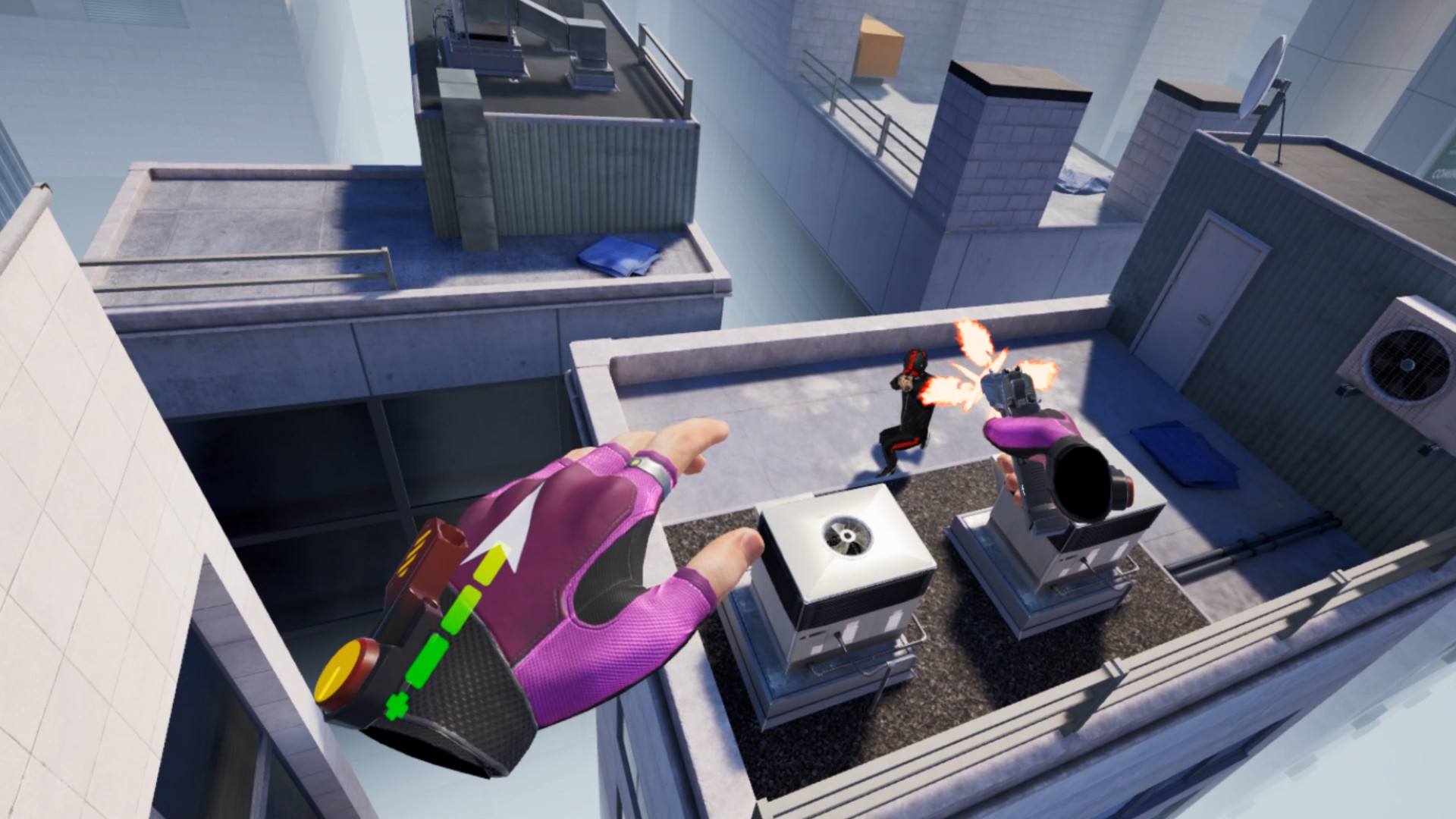
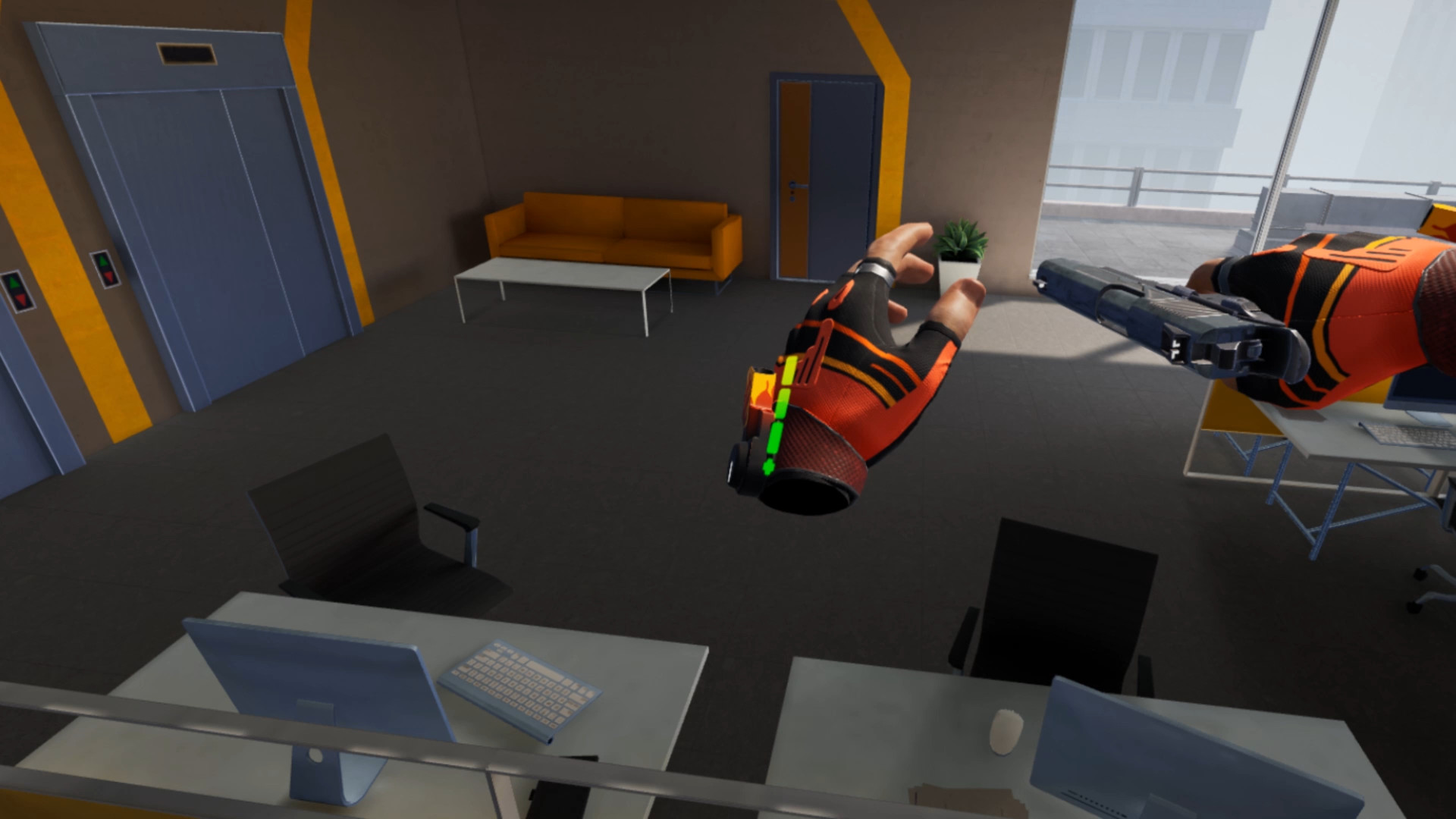
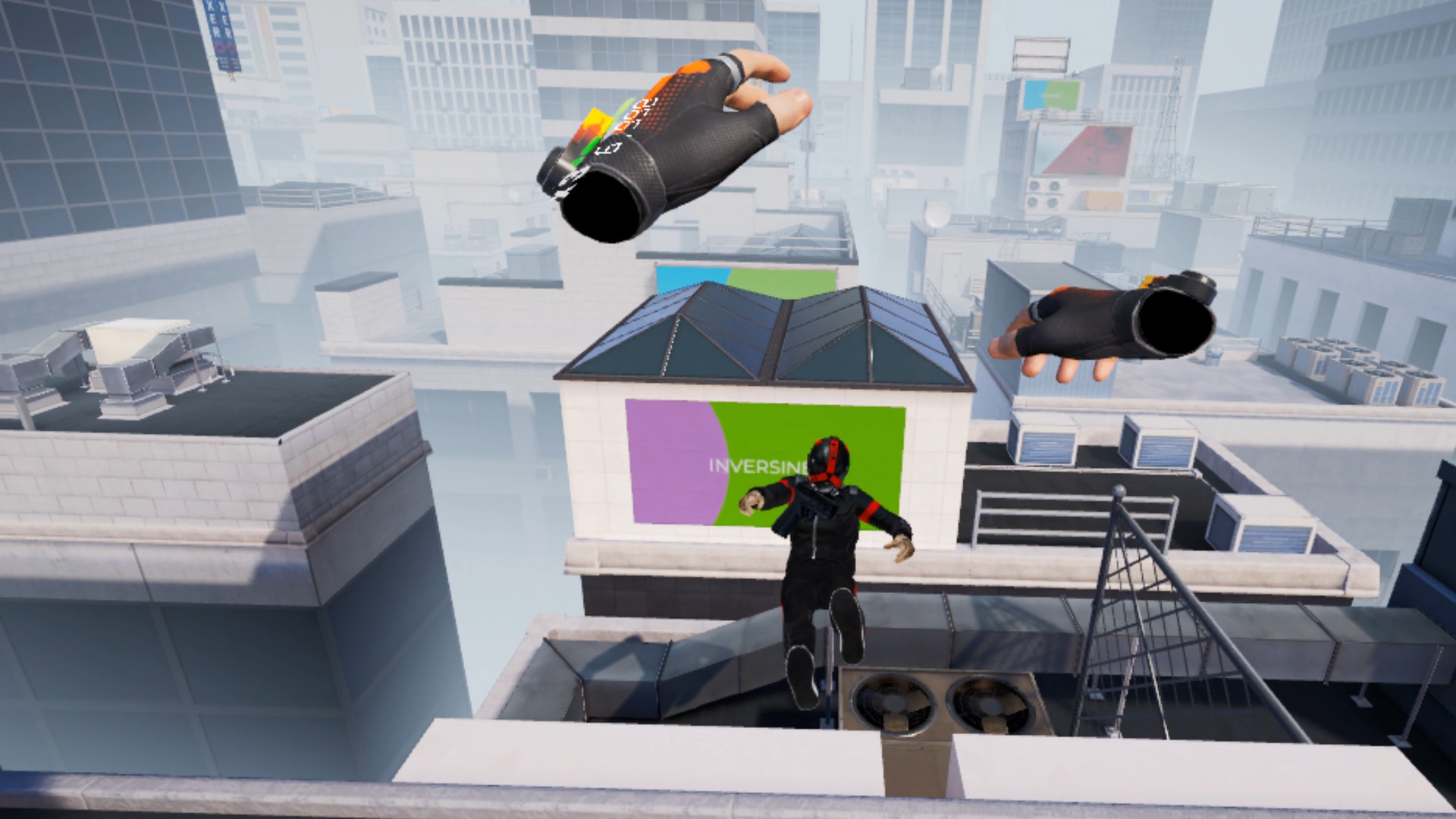
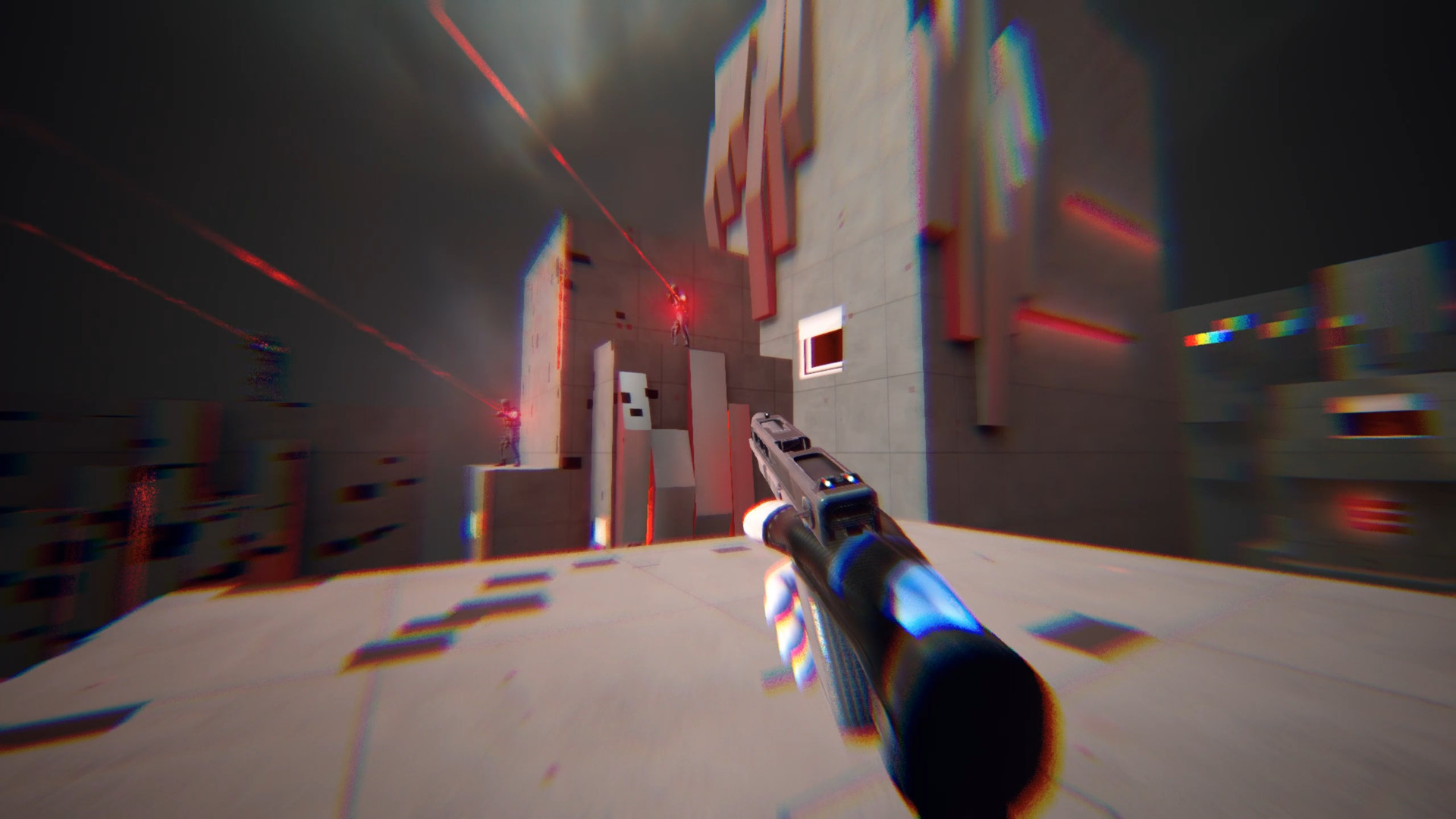
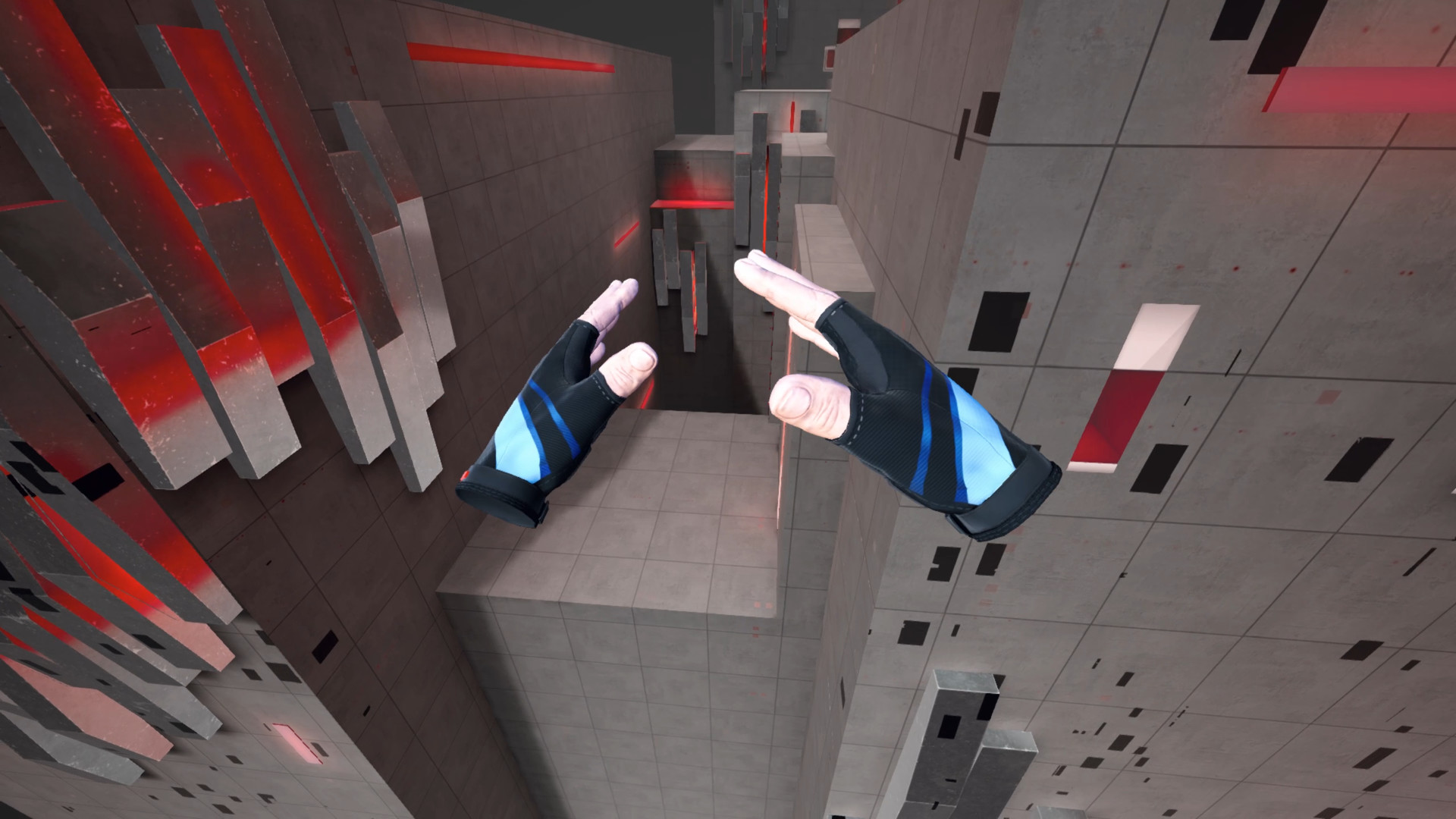
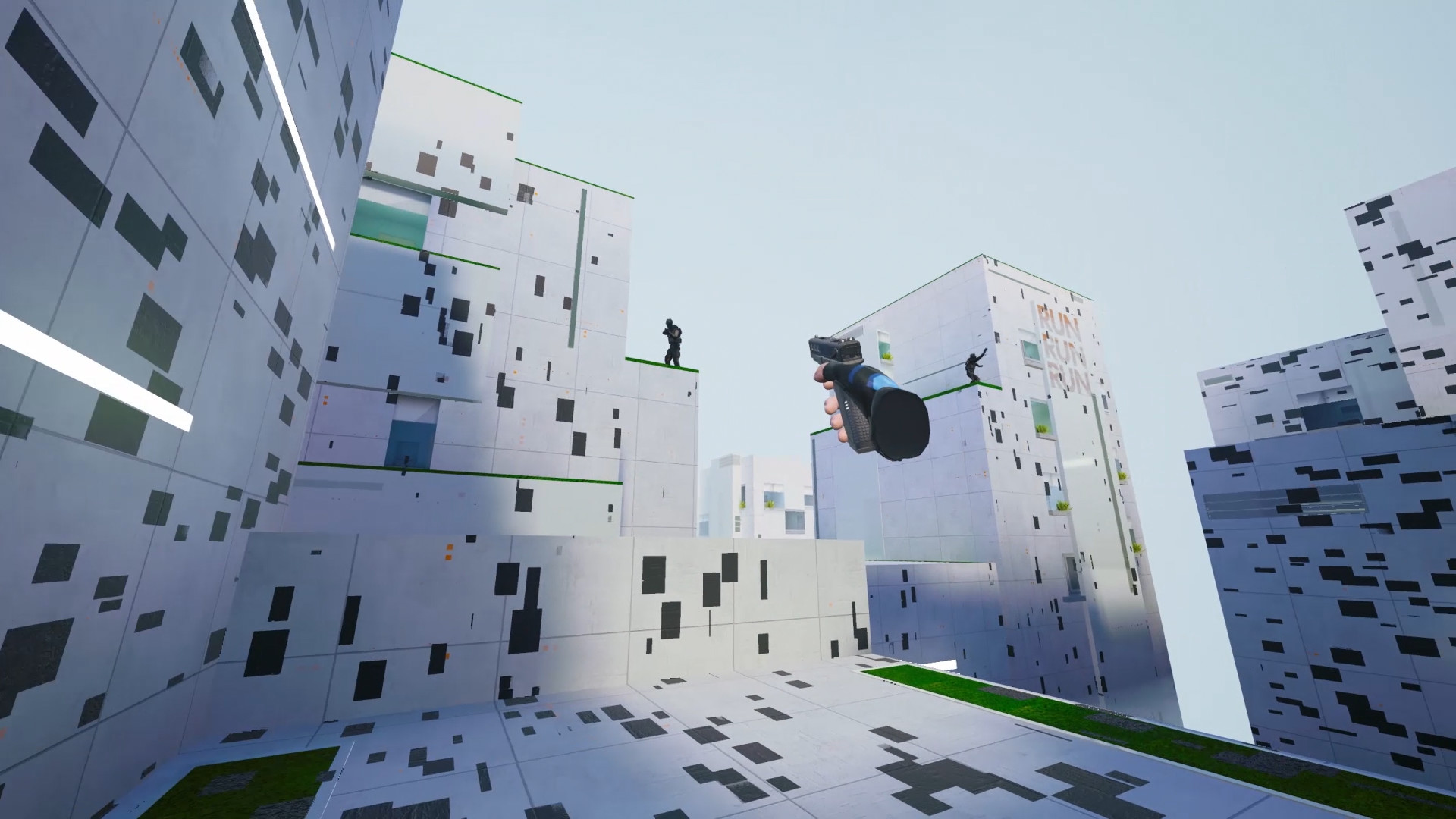
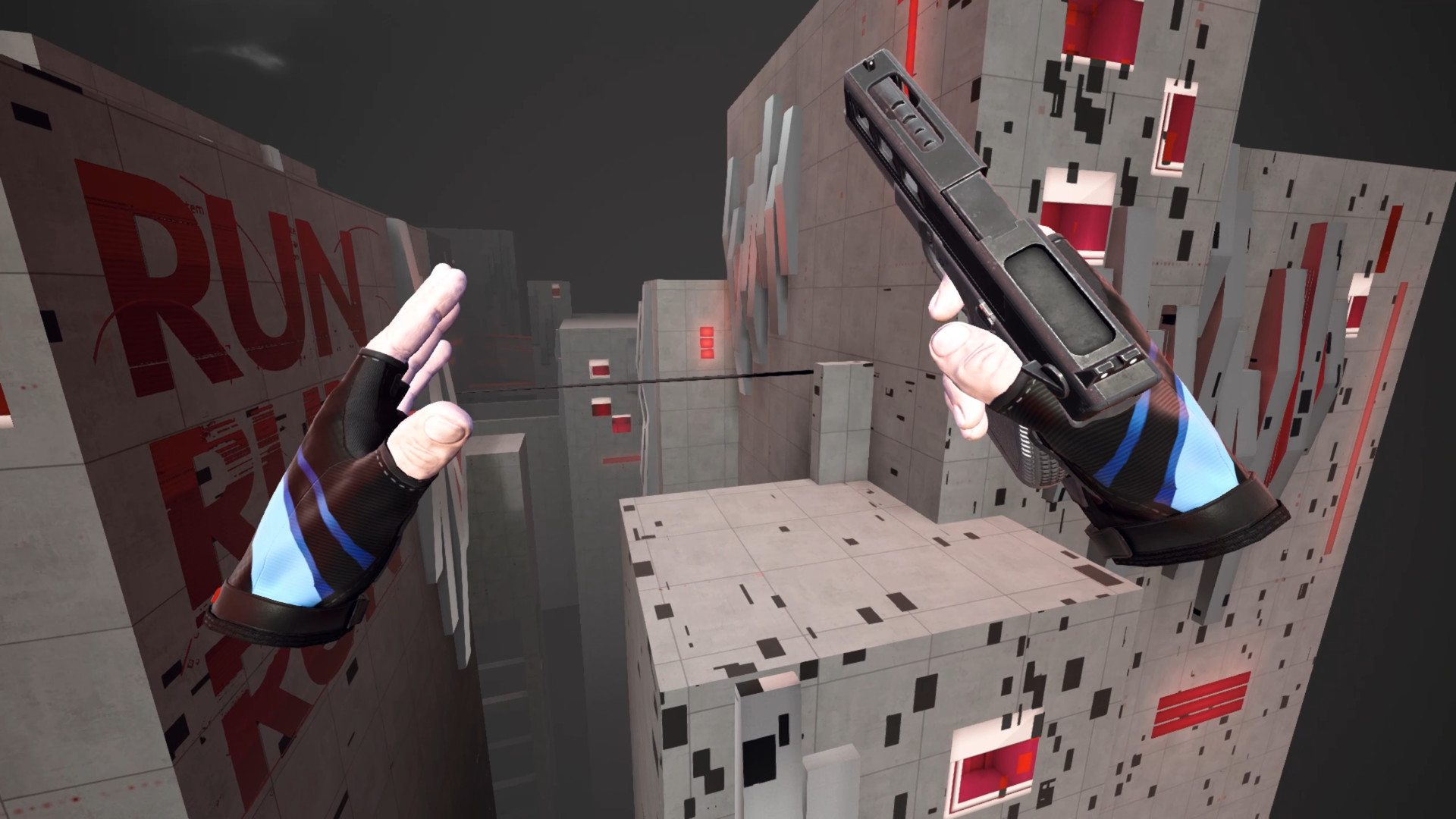
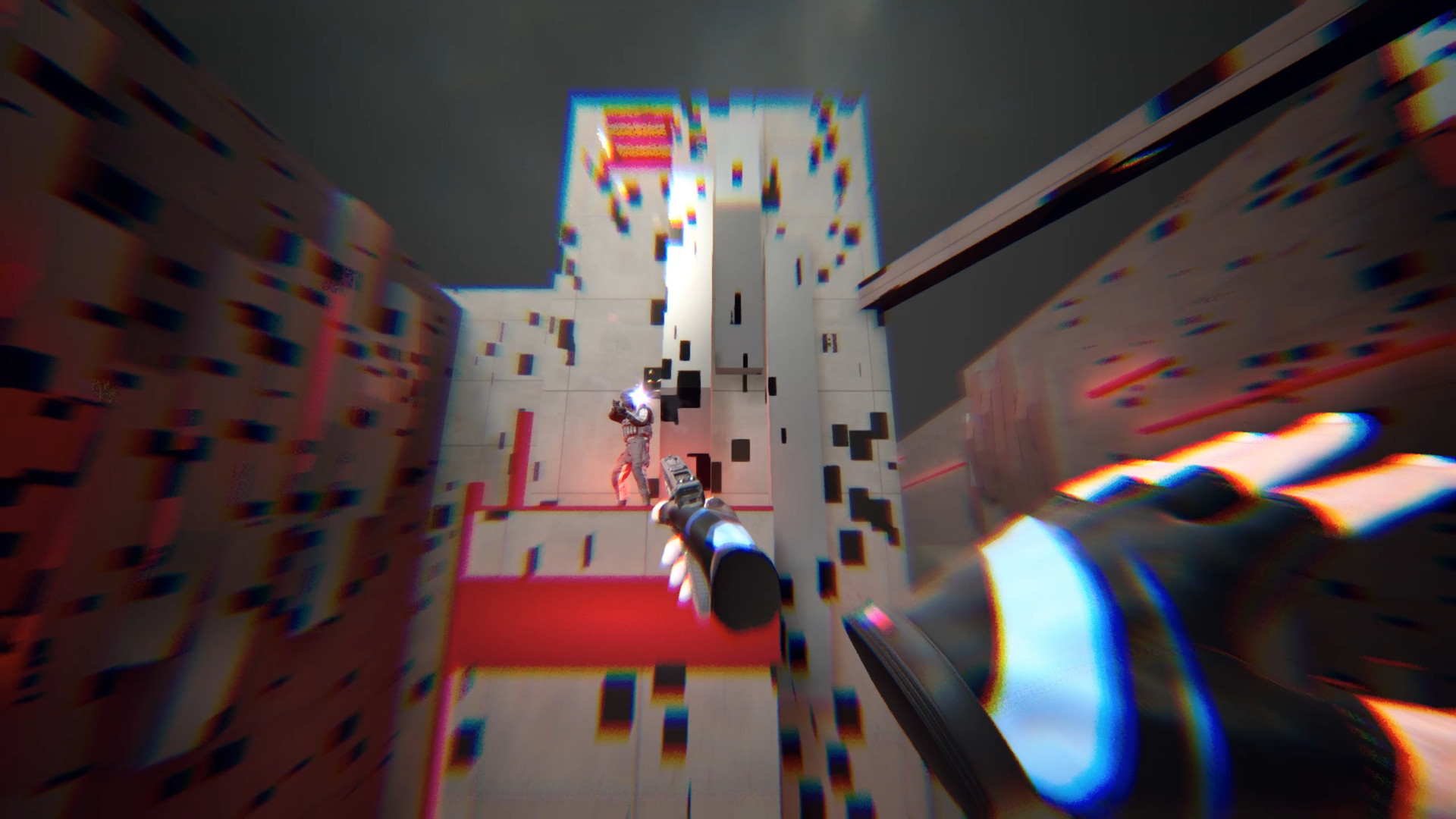
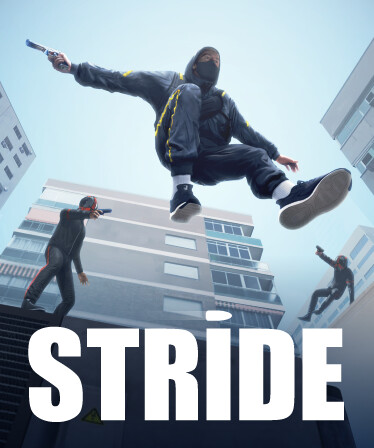
STRIDE is a high-octane parkour adventure in virtual reality. Fight for your life as you hurtle through the rooftops of a futuristic metropolis. Step into the shoes of a master freerunner as you vault, swing, and shoot your way through this action-packed adventure. Multiplayer now available!
STRIDE is a vr, action and sports game
developed and published by Joy Way.
Released on June 10th 2022 is available on Windows and VR
in 8 languages: English, French, Italian, German, Spanish - Spain, Japanese, Korean and Simplified Chinese.
It has received 1,976 reviews of which 1,561 were positive and 415 were negative resulting in a rating of 7.6 out of 10. 😊
The game is currently priced at 16.79€ on Steam, but you can find it for 2.79€ on G2A.
The Steam community has classified STRIDE into these genres:
VR
Action
Sports
First-Person
Fast-Paced
Platformer
Adventure
Runner
Shooter
FPS
Singleplayer
Simulation
Parkour
Violent
Atmospheric
Multiplayer
Dystopian
Futuristic
Massively Multiplayer
Physics
Here is the detailed breakdown of supported languages for STRIDE:
| UI | Subtitle | Audio | |
|---|---|---|---|
| English | |||
| German | |||
| French | |||
| Italian | |||
| Korean | |||
| Spanish - Spain | |||
| Simplified Chinese | |||
| Japanese |
Media & Screenshots
Get an in-depth look at STRIDE through various videos and screenshots.


Load More



System requirements
These are the minimum specifications needed to play the game. For the best experience, we recommend that you verify them.
Windows
- Requires a 64-bit processor and operating system
- OS: Windows 10
- Processor: Intel i5-4590 equivalent or greater
- Memory: 8 GB RAM
- Graphics: NVIDIA GTX 970 / AMD Radeon R9 290 or greater
- Storage: 2 GB available space
- VR Support: SteamVR or Oculus PC
Steam Price & Best Deals
User reviews & Ratings
Explore reviews from Steam users sharing their experiences and what they love about the game.
STRIDE is an energetic virtual reality parkour game that turns movement itself into the centerpiece of the experience. Developed and published by Joy Way, it places players above a futuristic metropolis where rooftops, walls, cables, gaps, barriers, and elevated structures become part of a continuous freerunning playground. Rather than relying on traditional first-person movement alone, the game encourages physical interaction through VR controllers, making sprinting, jumping, vaulting, swinging, sliding, and wall-running feel like actions the player is actively performing. The result is an unusually physical action game in which mastering locomotion can be just as important as defeating enemies. The strongest element is the way its parkour mechanics encourage momentum. A successful run rarely consists of one isolated jump followed by another. Instead, the player learns to connect movements together, turning a rooftop into a sequence of opportunities. Running toward an edge, clearing a gap, transitioning into a wall-run, grabbing another surface, and continuing forward can become remarkably fluid after enough practice. The mechanics require some adjustment, particularly because the arm-driven movement demands more participation than conventional controller locomotion. Once the controls become familiar, however, STRIDE develops a satisfying rhythm that makes simply traveling through its environments entertaining. Combat is incorporated into this movement rather than treated as a completely separate activity. Armed enemies and snipers create threats across the rooftops, forcing players to divide their attention between navigation and survival. Shooting while airborne or dealing with an opponent immediately after completing a difficult jump produces some of the game's most exciting moments. The gunplay itself is relatively straightforward, but its combination with parkour makes encounters considerably more interesting. Fighting while standing still is rarely as entertaining as maintaining momentum, choosing a route, avoiding incoming danger, and attacking without interrupting the flow of movement. Endless Mode provides one of the clearest demonstrations of STRIDE's strengths. Its continuously generated terrain challenges players to keep moving through increasingly hazardous rooftop layouts. Wide gaps, barriers, wall-running sections, swings, and hostile snipers create constant pressure, while the environment behind the player prevents excessive hesitation. Survival therefore depends on making decisions quickly. The procedural nature of the terrain also helps preserve unpredictability, making the mode suitable for repeated attempts and score chasing. Time Run Mode takes the same fundamental movement system and transforms it into a race against the clock. Here, survival is secondary to efficiency. Players must rapidly examine the terrain appearing ahead, determine a practical route, and execute that route with as little wasted movement as possible. This format gives STRIDE a strong speedrunning character because improvement comes from both mechanical skill and better route selection. Repeating a course and gradually removing hesitation can be highly rewarding, particularly for players who enjoy chasing faster completion times and leaderboard positions. Arena Mode offers a more open alternative. Instead of constantly forcing the player forward, it provides a larger rooftop area that can be explored more freely. Objectives include collecting items, completing routes within time limits, stealing objects while avoiding detection, and eliminating enemies. This freedom makes Arena useful for experimenting with traversal techniques and becoming more comfortable with combat. It also demonstrates how well the game's environments function as three-dimensional playgrounds rather than simple linear obstacle courses. Multiplayer expands the concept with competitive modes built around both movement and combat. Horde asks survivors to avoid infected players while infected participants attempt to spread the condition. King of the Hill revolves around possessing a crown for longer than opponents, with ownership transferring through player interaction. Deathmatch and Team Deathmatch provide more conventional competitive shooting, while Capture the Flag naturally complements parkour by rewarding players who can discover efficient routes between bases. The multiplayer component gives skilled players opportunities to apply movement techniques against unpredictable human opponents rather than scripted hazards. Visually, STRIDE prioritizes functional environmental design over excessive decoration. The futuristic city creates a convincing sense of scale, but its greatest purpose is to provide readable surfaces and routes. Rooftops and structures effectively communicate where the player might jump, climb, swing, or run. Height becomes particularly powerful in VR because looking down from a skyscraper can create a genuine sensation of danger. Missing a jump therefore carries more psychological weight than it would in a conventional platformer, even when the player knows there are no real-world consequences. The game does have limitations. Its core activities repeatedly return to the same parkour vocabulary, so players who are not fascinated by improving their movement may eventually find the experience repetitive. Combat works best as an extension of traversal rather than as a sophisticated standalone shooter. The original STRIDE also lacks the substantial story-driven campaign that some players might expect from its futuristic setting. Joy Way ultimately developed the larger narrative concept separately as STRIDE: Fates, leaving this game primarily focused on replayable parkour and multiplayer activities. Its physical intensity is another consideration. Rapid artificial locomotion, large jumps, sudden drops, wall-running, and constant acceleration can be demanding for players who are sensitive to VR movement. Experienced VR users are more likely to appreciate the sensation of speed immediately, while newcomers may require shorter sessions while adapting. On Steam, STRIDE is a VR-only title with tracked-controller support and compatibility through SteamVR or Oculus PC. The listed minimum PC specifications include Windows 10, 8 GB of RAM, an Intel i5-4590-class processor, and a GTX 970 or Radeon R9 290-class graphics card. Ultimately, STRIDE succeeds because Joy Way treats parkour as a complete gameplay system rather than a novelty. Endless Mode tests improvisation and endurance, Time Run emphasizes precision and speed, Arena encourages exploration and experimentation, and multiplayer introduces human competition. Although greater narrative depth, more elaborate combat, and broader environmental variety could have made the package more substantial, the fundamental act of moving through its world remains impressively engaging. For VR players interested in physical action, freerunning, competitive challenges, and the thrill of navigating skyscrapers at speed, STRIDE offers a distinctive experience that makes excellent use of the medium. Rating: 8/10
Similar games
View all

Space Pirate Trainer
Space Pirate Trainer is the official trainer for wannabe space pirates in VR. Pick up your blasters, put on your sneakers, and dance your way into the Space Pirate Trainer hall of fame.

The Thrill of the Fight - VR Boxing
The Thrill of the Fight is a room-scale only VR boxing game focused on authenticity. Face off in the virtual ring where you'll jab, dodge, and sweat your way to the top of the boxing world. Grab your gloves, step through the ropes, and become a champion.

Breachers
Breachers™ is a tactical 5v5 VR FPS. Plan your assault or orchestrate your defense as a team through intense close-quarters combat. Climb, vault, rappel, swing, shoot and strategize your way to victory in stunning environments.Supports cross-play with Quest and PSVR2 player base.

Boiling Steel
"Boiling Steel" - is a sci-fi story-based FPS VR shooter. You are one of many who set off in search of a better life in the distant bastion of scientific progress. Immerse yourself in the thick of events and witness the inexplicable global cataclysm.

The Light Brigade: Definitive Edition
An award-winning roguelike VR shooter with realistic gunplay & immersive light magic. Ascend the ranks of The Light Brigade to unlock new weapons, upgrades, classes, and abilities as you fight to restore light to the darkness.
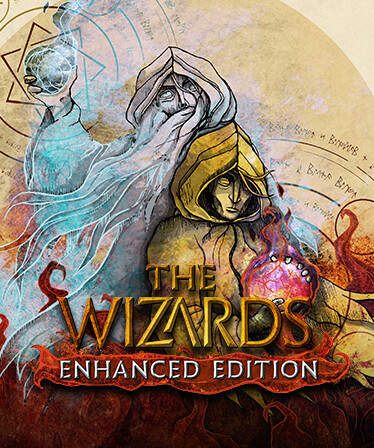
The Wizards - Enhanced Edition
Become a powerful Wizard and take fate into your own hands! Immerse yourself in a beautiful fantasy world and destroy your enemies by casting spells with hand gestures!


Arizona Sunshine VR 2
It's time to say hello to your old pal, Fred. Arizona Sunshine® 2, the next-gen sequel to the fan-favorite VR apocalypse, packs even more gore-geous zombie action! And what's better than braving the end of the f*cking world alone? Surviving it with your new best friend--Buddy.

Zero Caliber 2 Remastered
Zero Caliber 2 Remastered brings the full VR shooter experience to PC - with intense, cinematic firefights, a full single player and Co-op campaign, PvP, a huge arsenal to unlock, and character customization to make you stand out. Jump in if you’re after a proper VR shooter. Out NOW!


Hubris
Hubris is a VR action-adventure game set in a unique and colourful Sci-Fi universe, with immersive movement options, including swimming, climbing, and jumping. Players will have to gather resources, craft food and upgrade their weapons to fight off alien wildlife, droids, and humanoid enemies.
Frequently Asked Questions
STRIDE is currently priced at 16.79€ on Steam.
No, STRIDE is currently not on sale. You can purchase it for 16.79€ on Steam.
Yes, STRIDE received 1,561 positive votes out of a total of 1,976 achieving a rating of 7.60.
😊
STRIDE was developed and published by Joy Way.
Yes, STRIDE is playable and fully supported on Windows.
No, STRIDE is not playable on MacOS.
No, STRIDE is not playable on Linux.
No, STRIDE is not playable on Steam Deck.
This information about STRIDE is not available yet.
Yes, STRIDE is a VR-only title. A compatible VR headset is required to play the game.
STRIDE offers both single-player and multi-player modes.
STRIDE offers both Co-op and PvP modes.
No, STRIDE does not currently offer any DLC.
No, STRIDE does not support mods via Steam Workshop.
No, STRIDE does not support Steam Remote Play.
Yes, STRIDE is enabled for Steam Family Sharing. This means you can share the game with authorized users from your Steam Library, allowing them to play it on their own accounts. For more details on how the feature works, you can read the original Steam Family Sharing announcement or visit the Steam Family Sharing user guide and FAQ page.
You can find solutions or submit a support ticket by visiting the Steam Support page for STRIDE.
Data sources
The information presented on this page is sourced from reliable APIs to ensure accuracy and relevance. We utilize the Steam API to gather data on game details, including titles, descriptions, prices, and user reviews. This allows us to provide you with the most up-to-date information directly from the Steam platform.
Additionally, we incorporate data from the SteamSpy API, which offers insights into game sales and player statistics. This helps us present a comprehensive view of each game's popularity and performance within the gaming community.
Last Updates| Steam data | 26 September 2026 04:06 UTC |
|---|---|
| SteamSpy data | 26 October 2026 06:33 UTC |
| Steam price | 27 October 2026 03:51 UTC |
| Steam reviews | 21 October 2026 09:56 UTC |
If you'd like to dive deeper into the details about STRIDE, we invite you to check out a few dedicated websites that offer extensive information and insights. These platforms provide valuable data, analysis, and user-generated reports to enhance your understanding of the game and its performance.
- SteamDB - A comprehensive database of everything on Steam about STRIDE
- SteamCharts - Analysis of STRIDE concurrent players on Steam
- ProtonDB - Crowdsourced reports on Linux and Steam Deck STRIDE compatibility
Game modes
Features
Online players
1
Developer
Joy Way
Publisher
Joy Way
Release
10 Jun 2022
Platforms
Clicking and buying through these links helps us earn a commission to maintain our services.