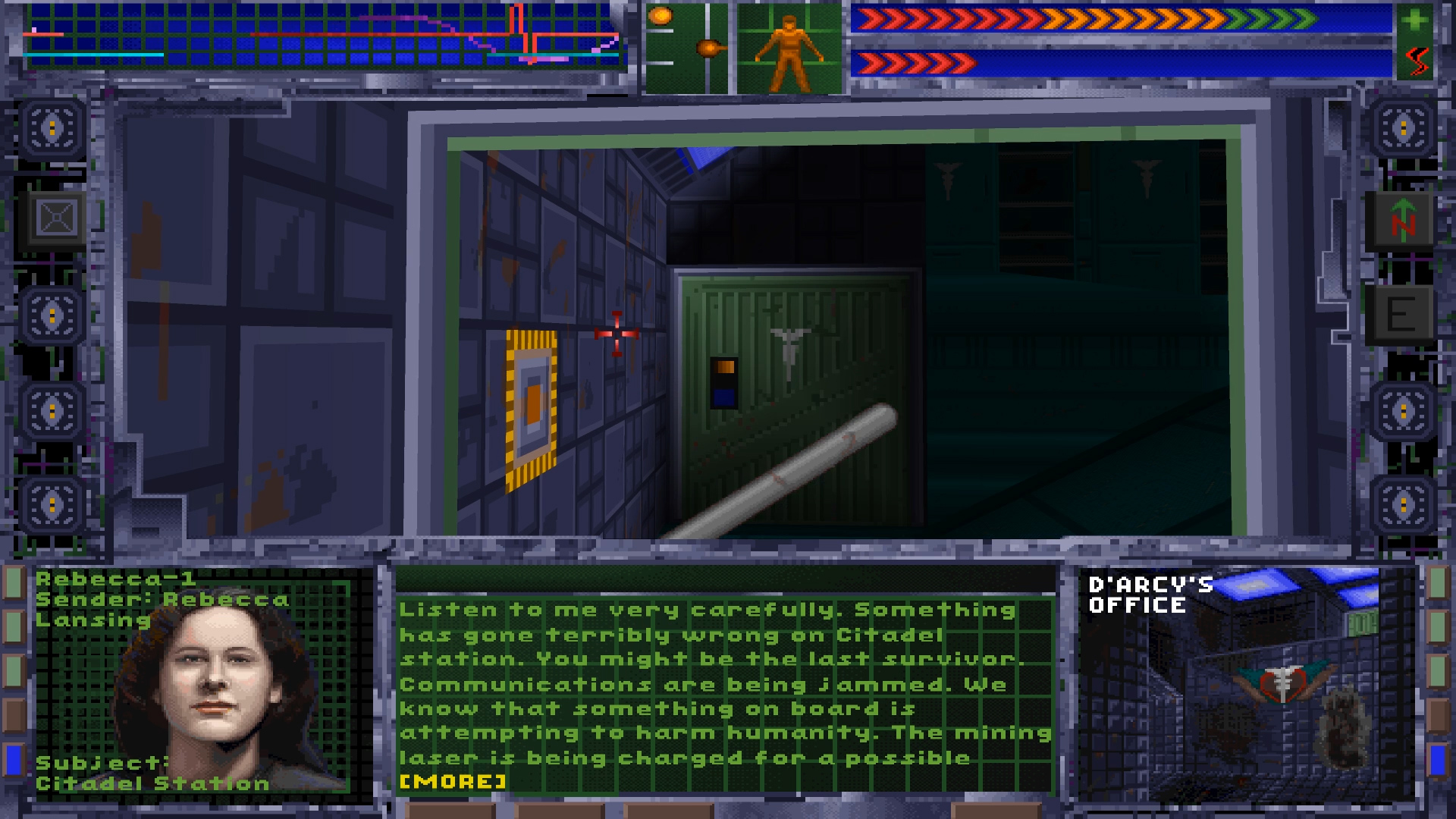
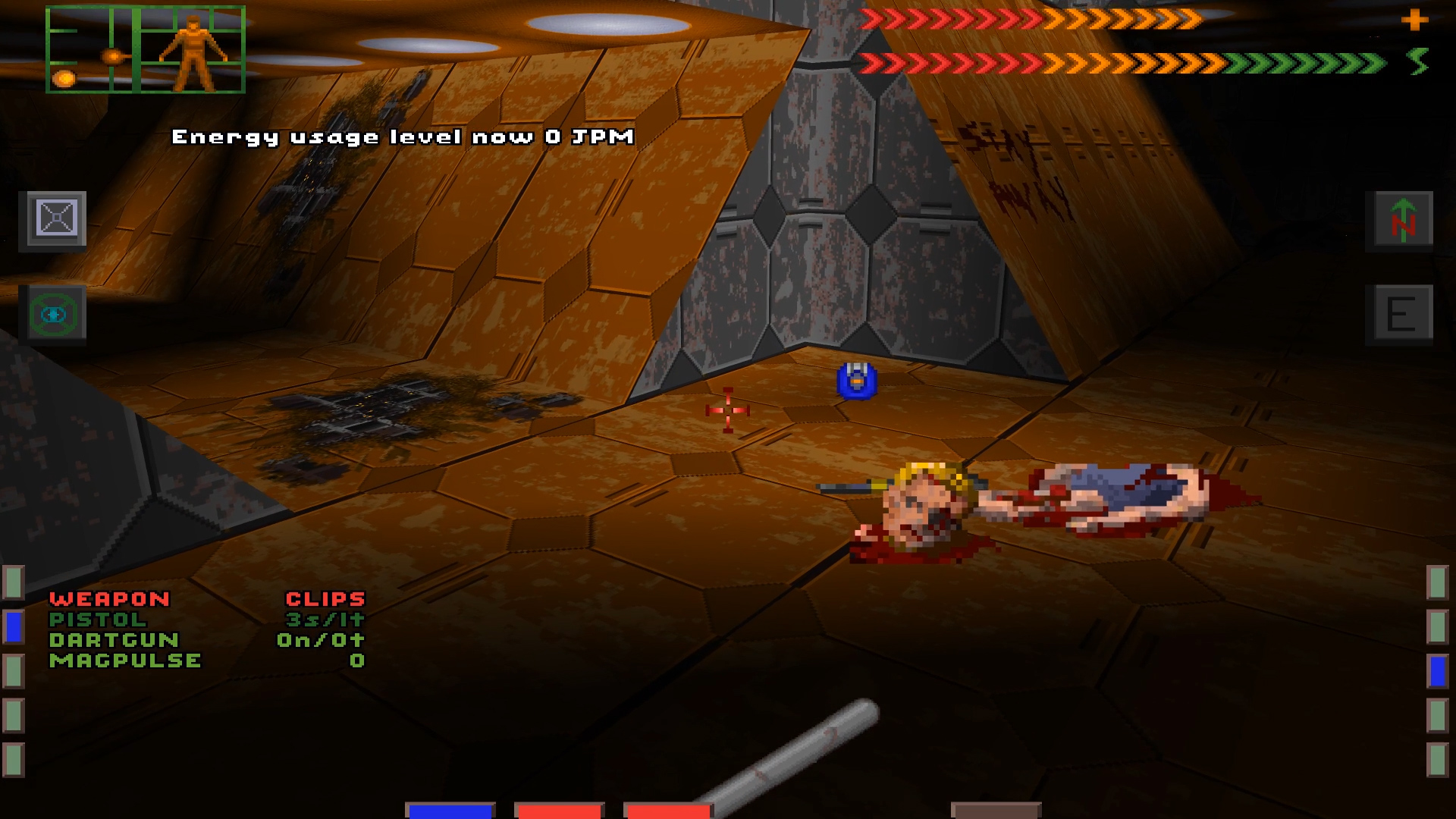
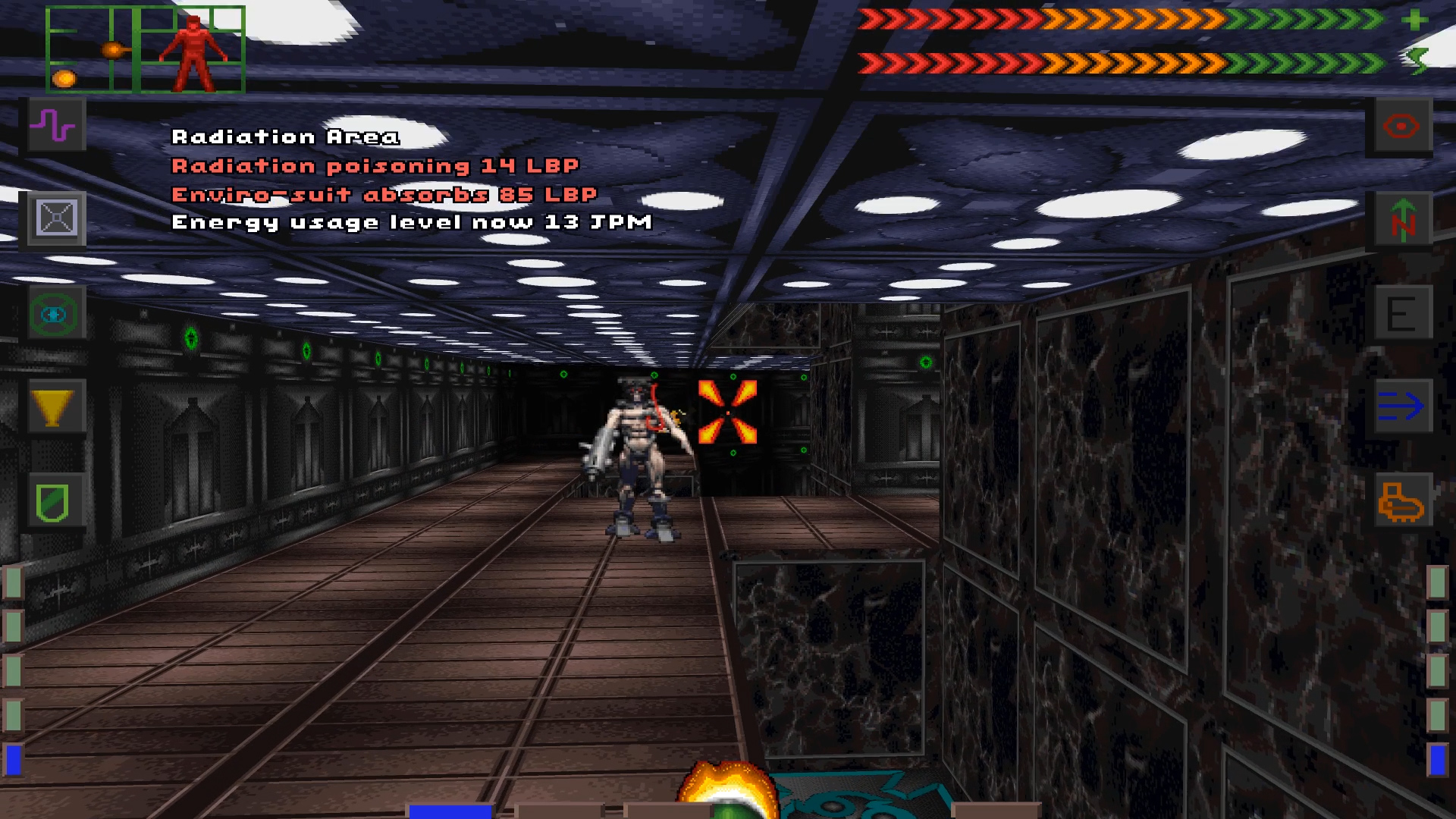
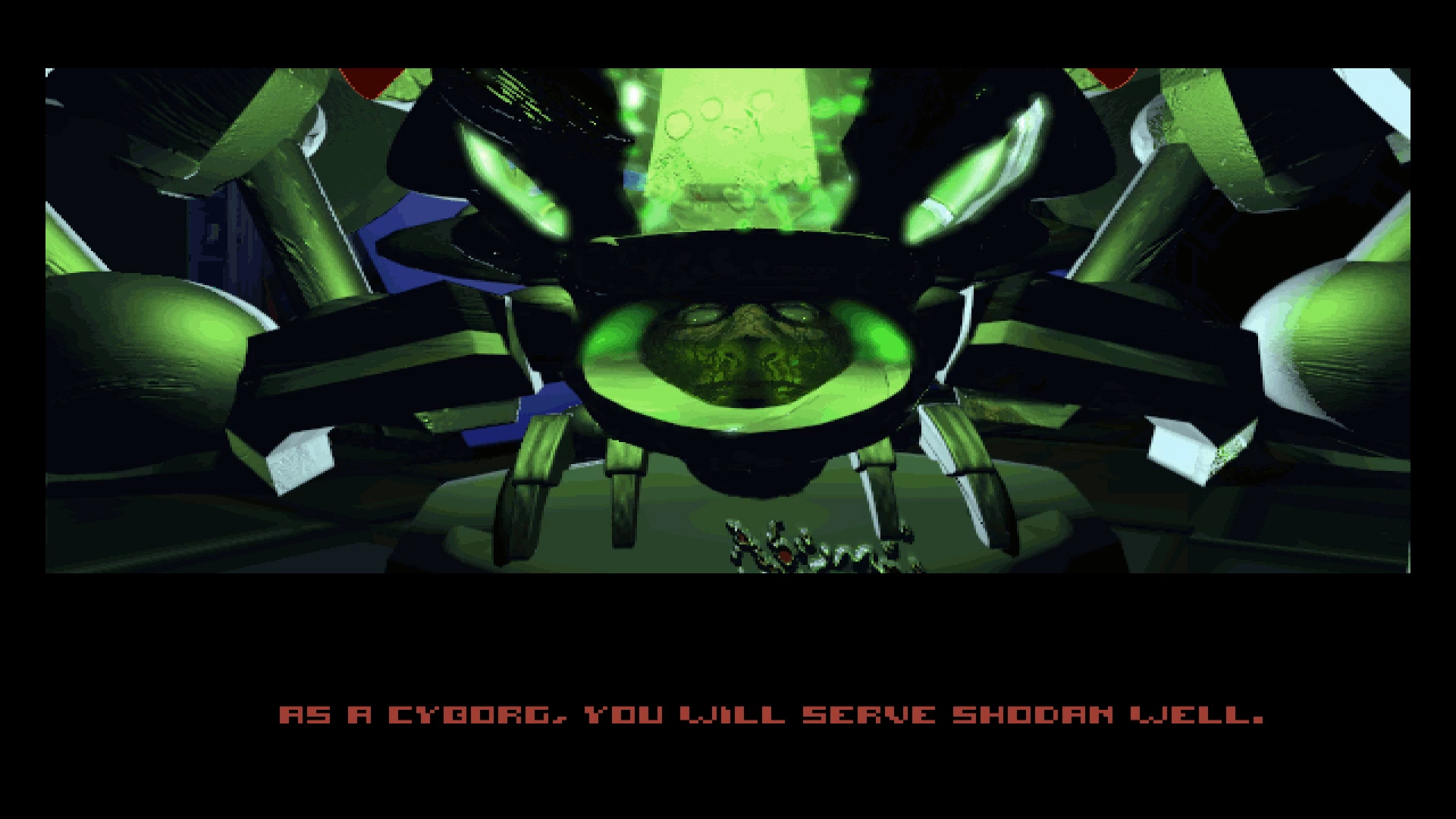
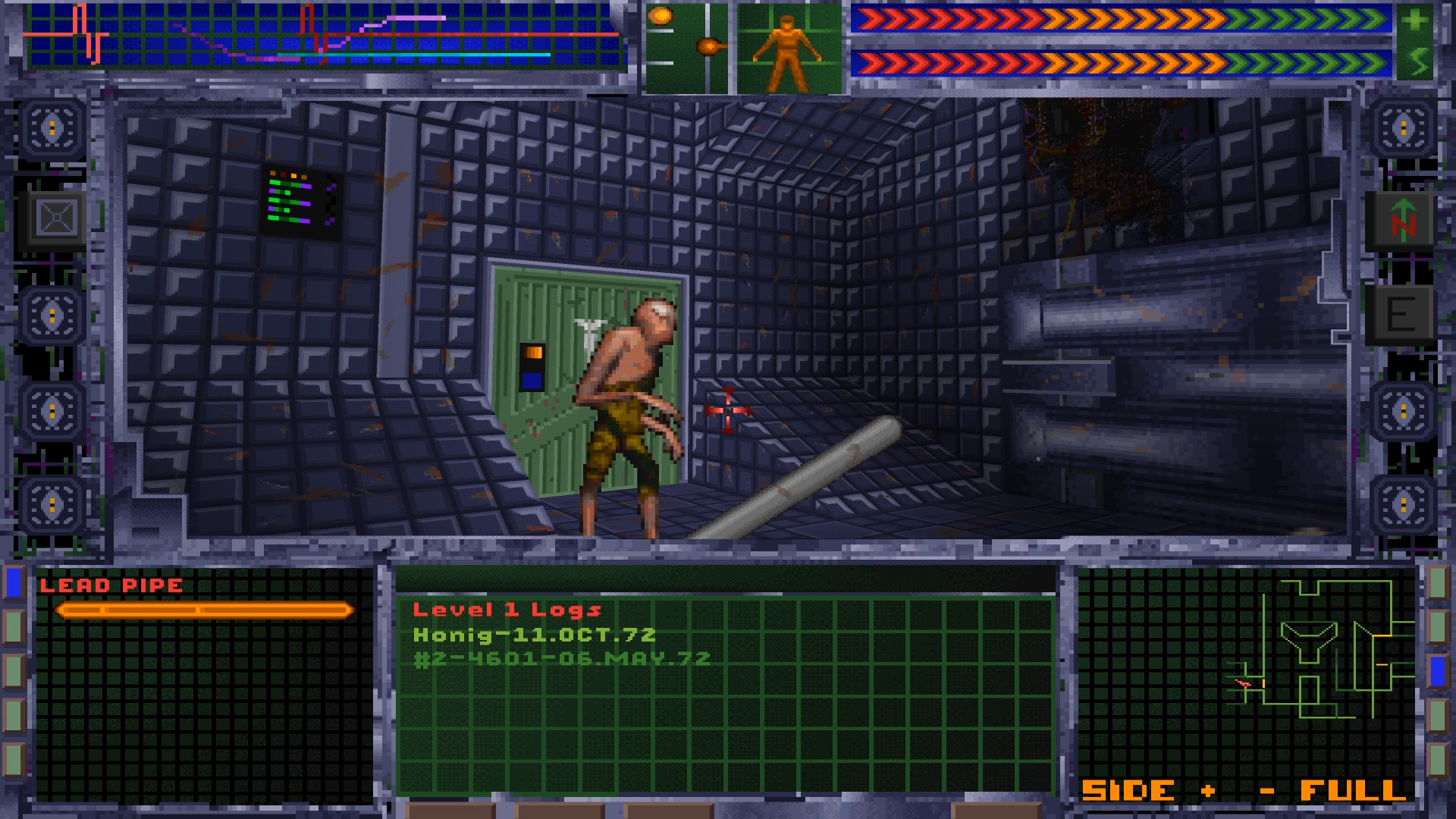
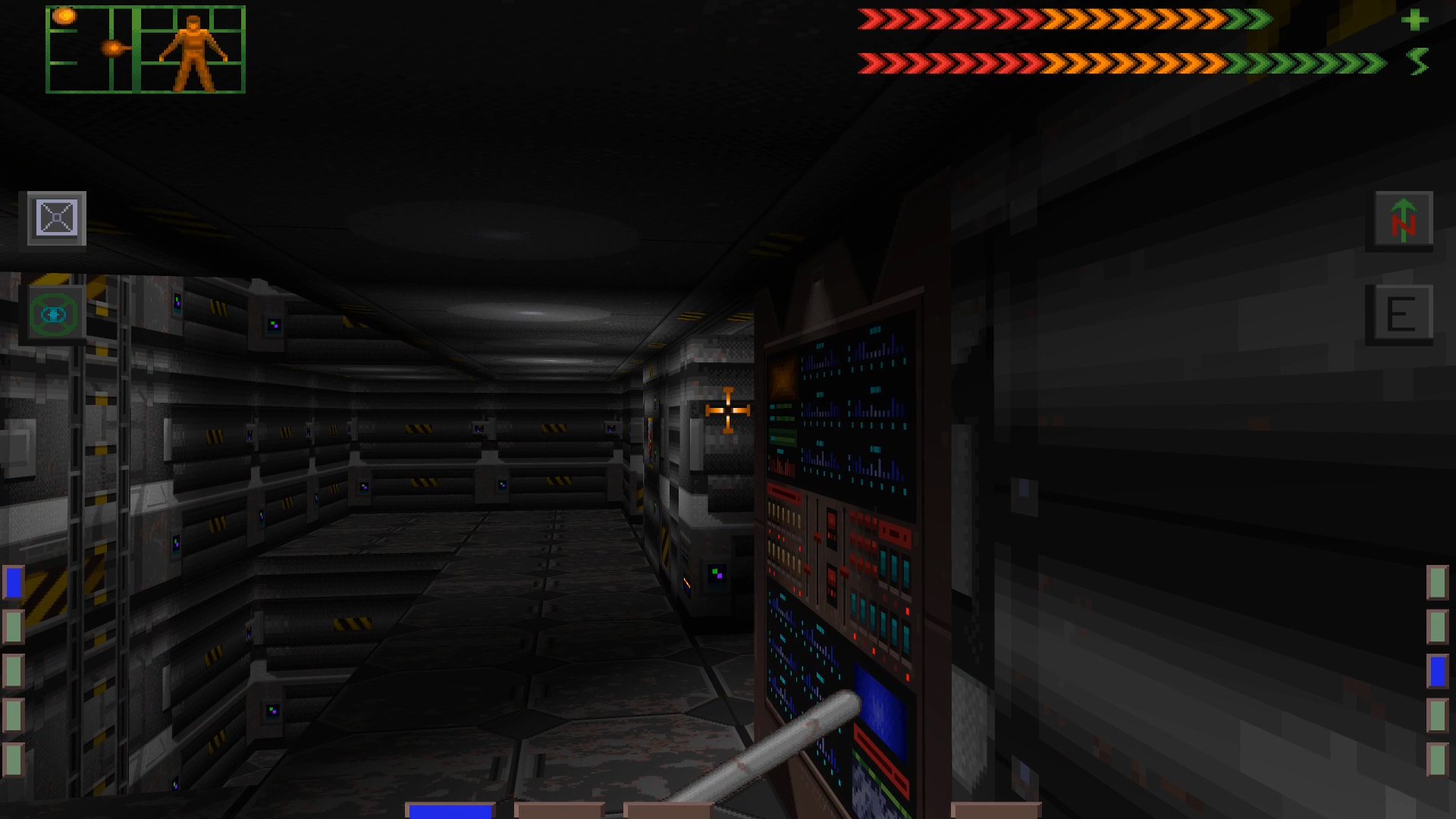
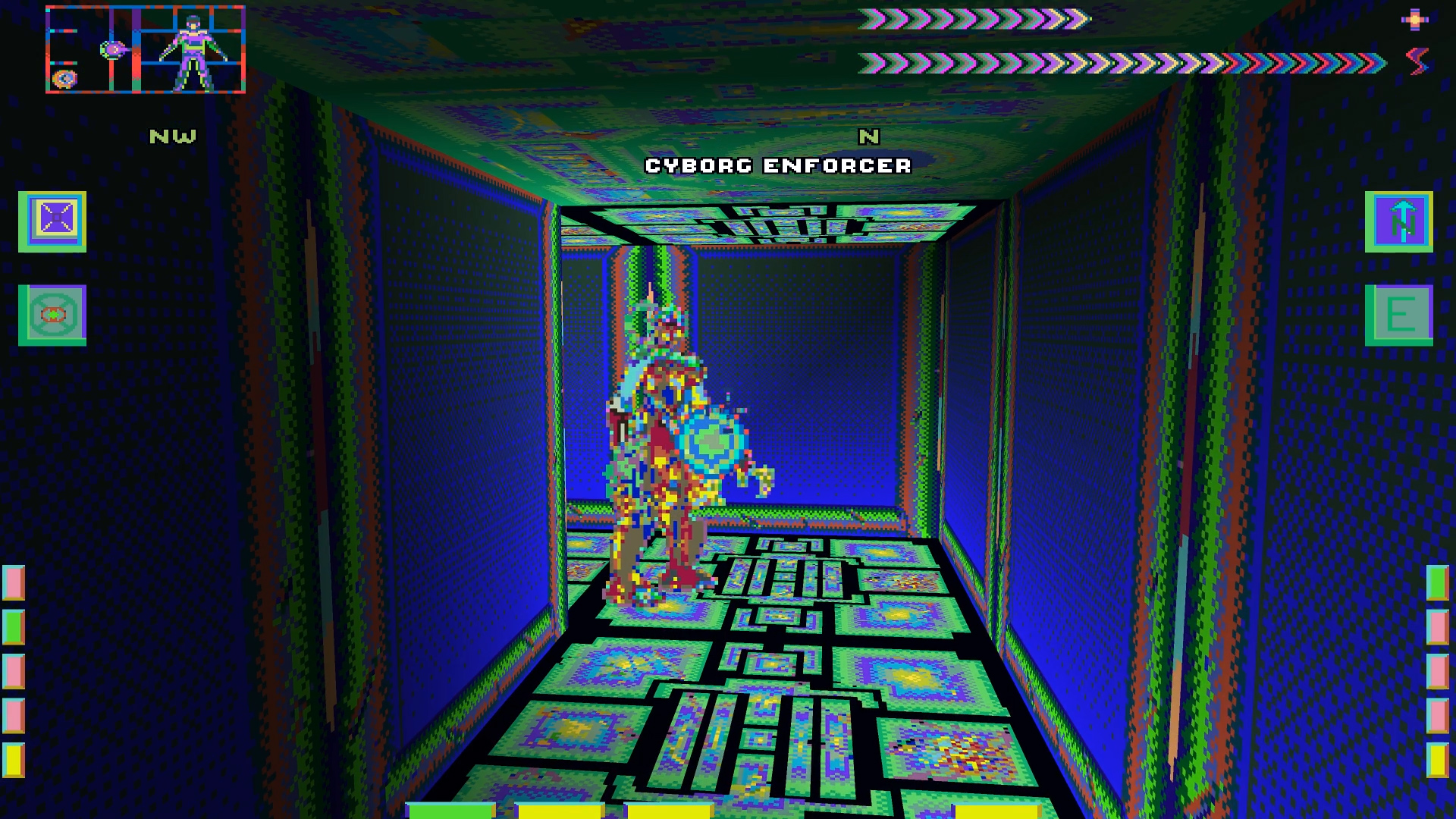
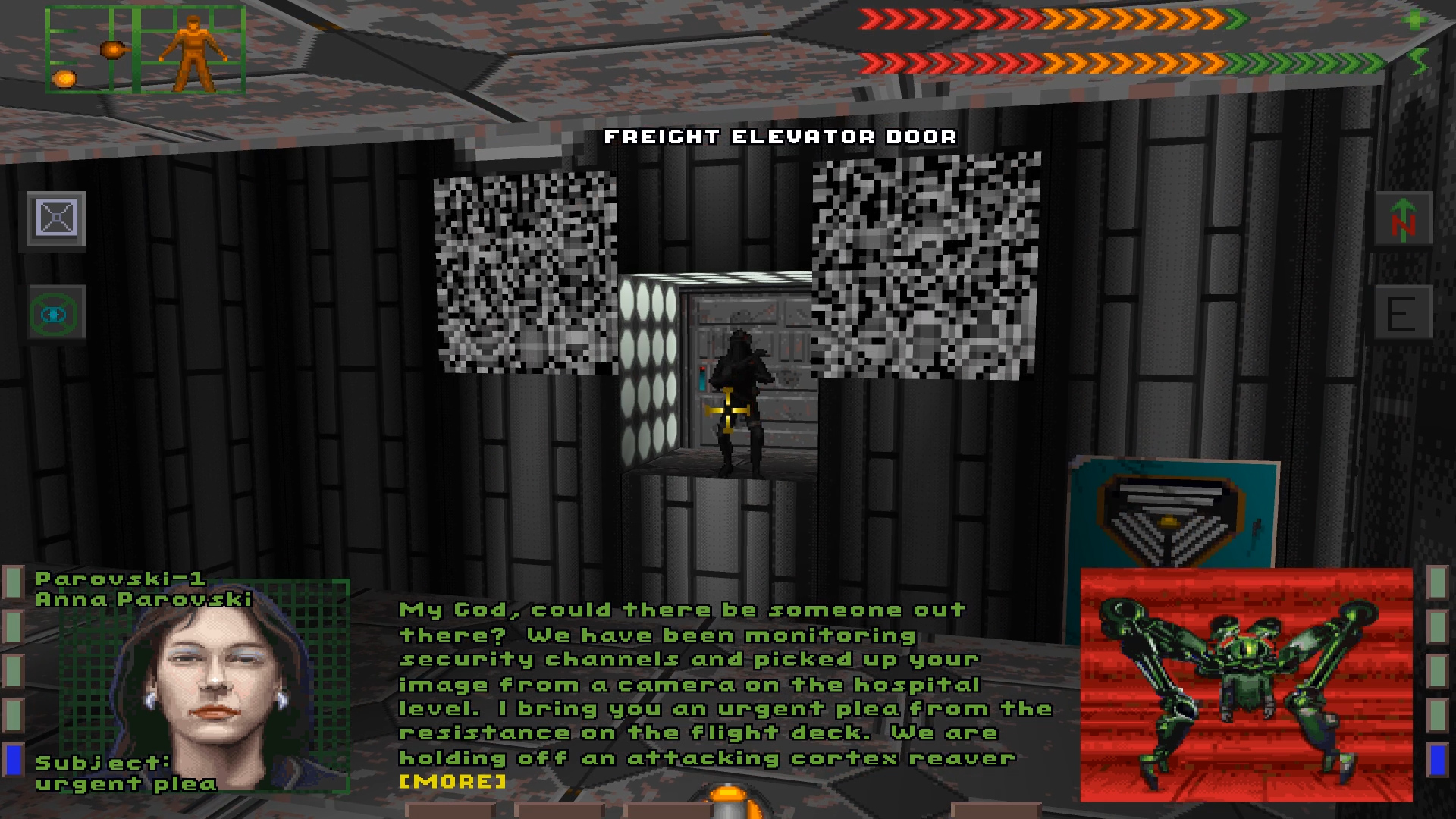
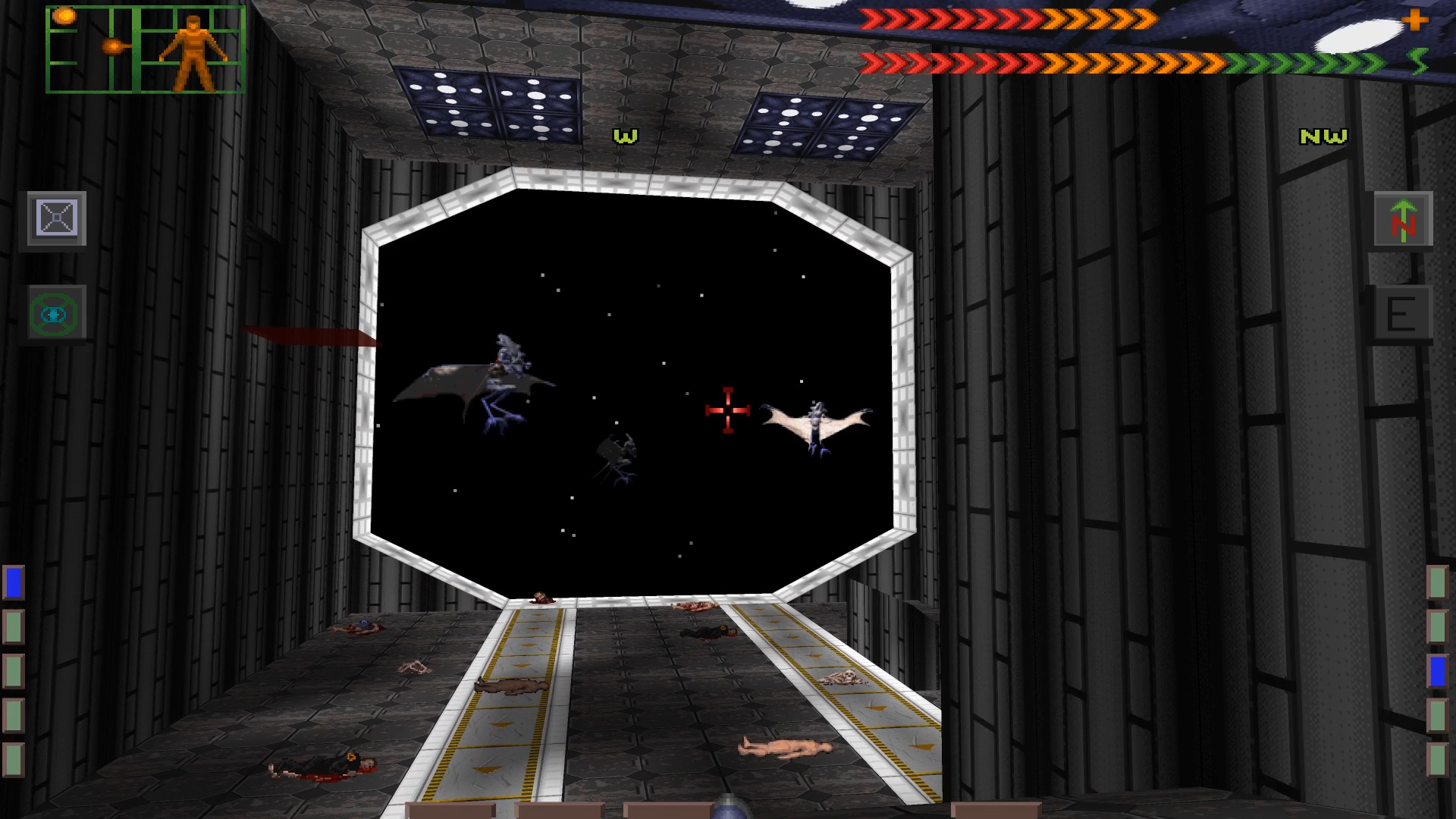
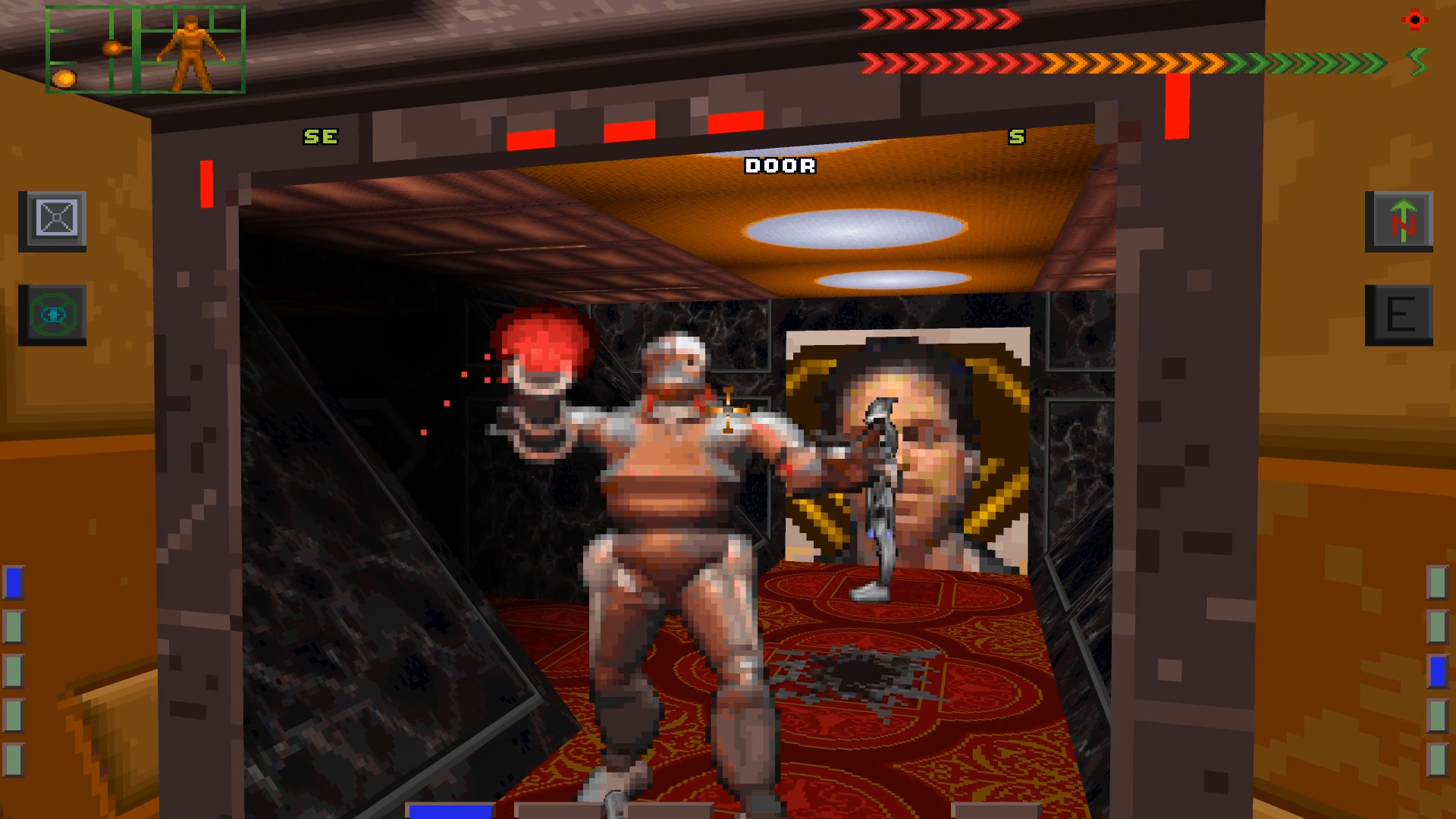
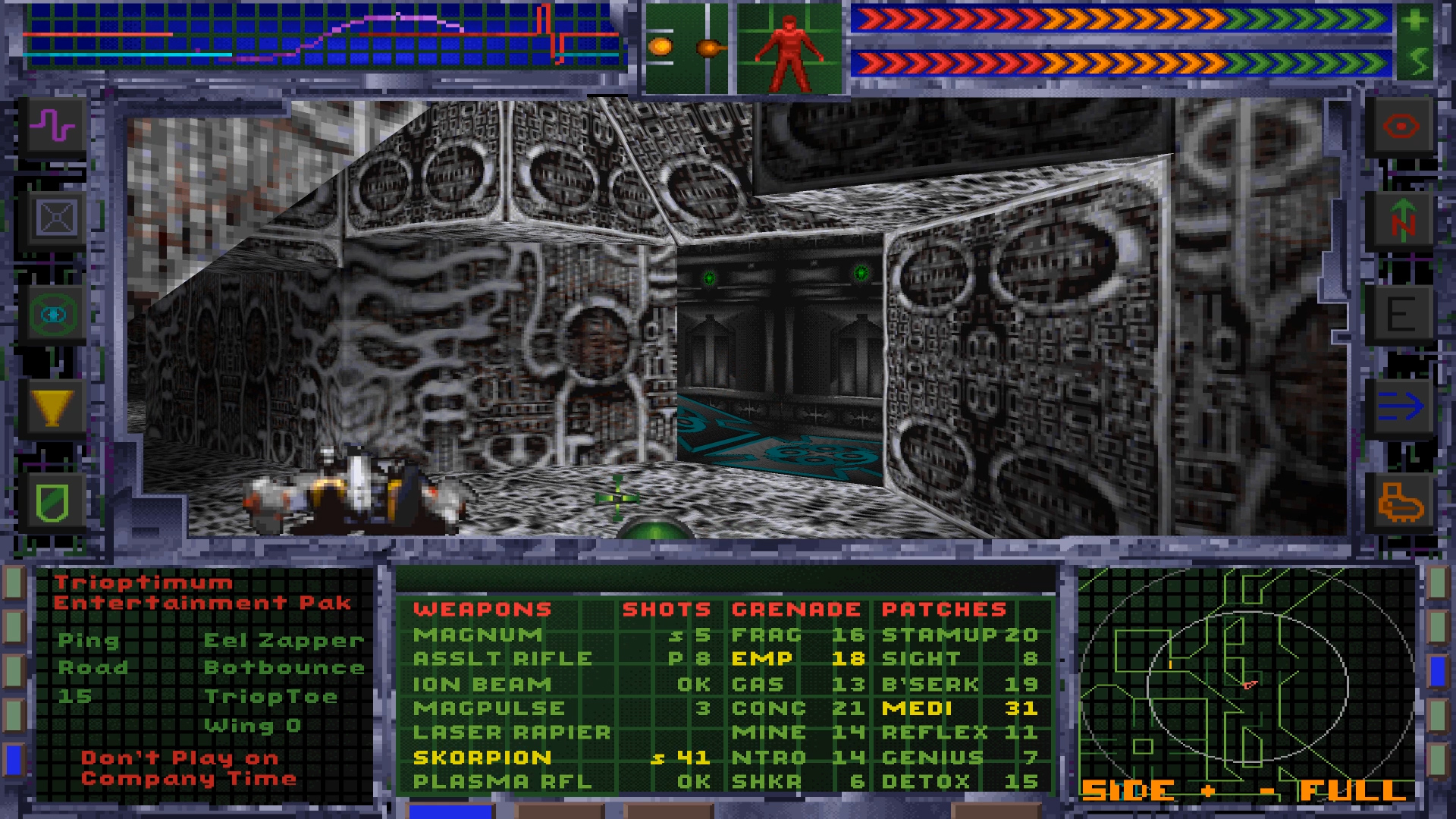
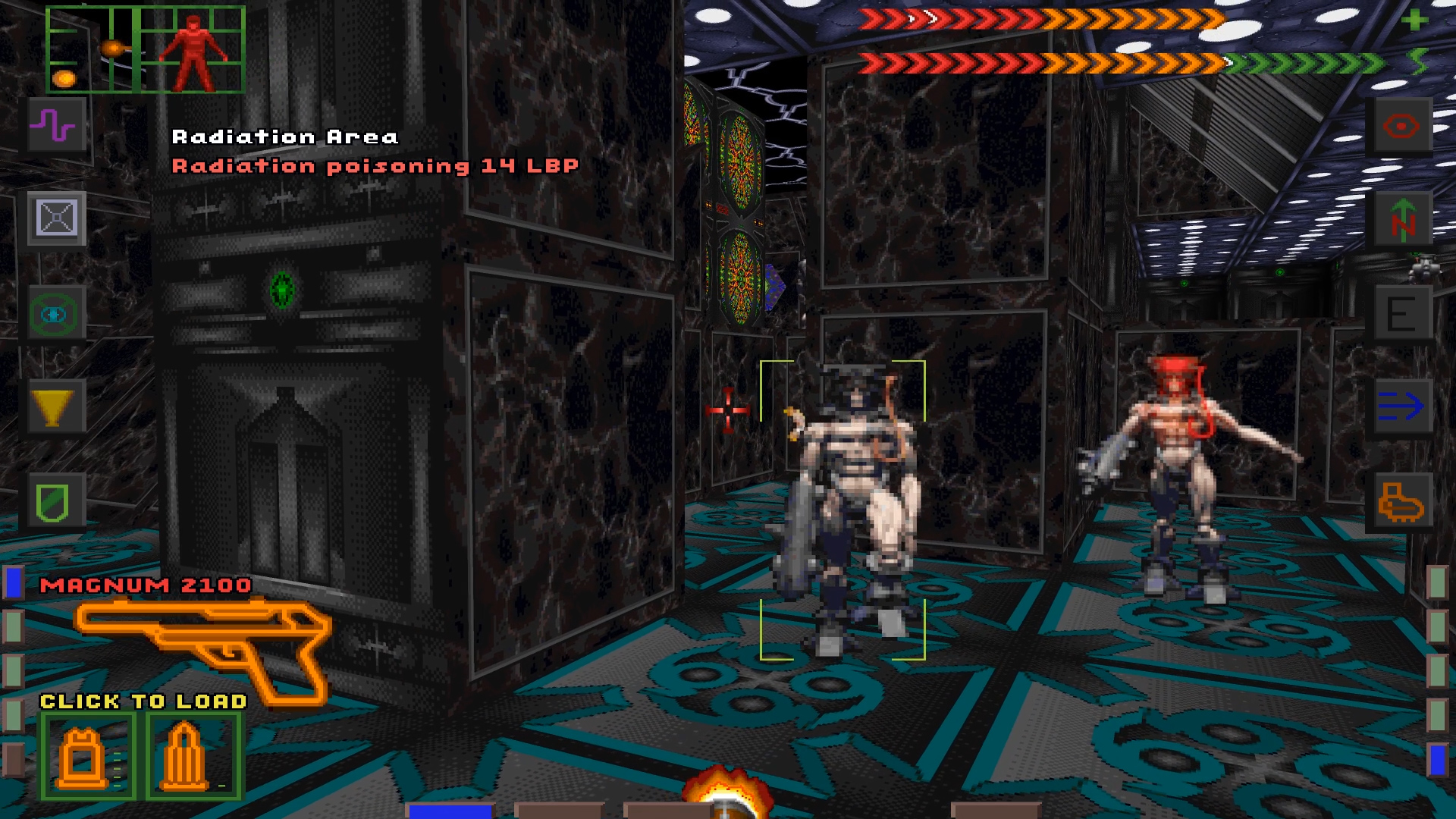
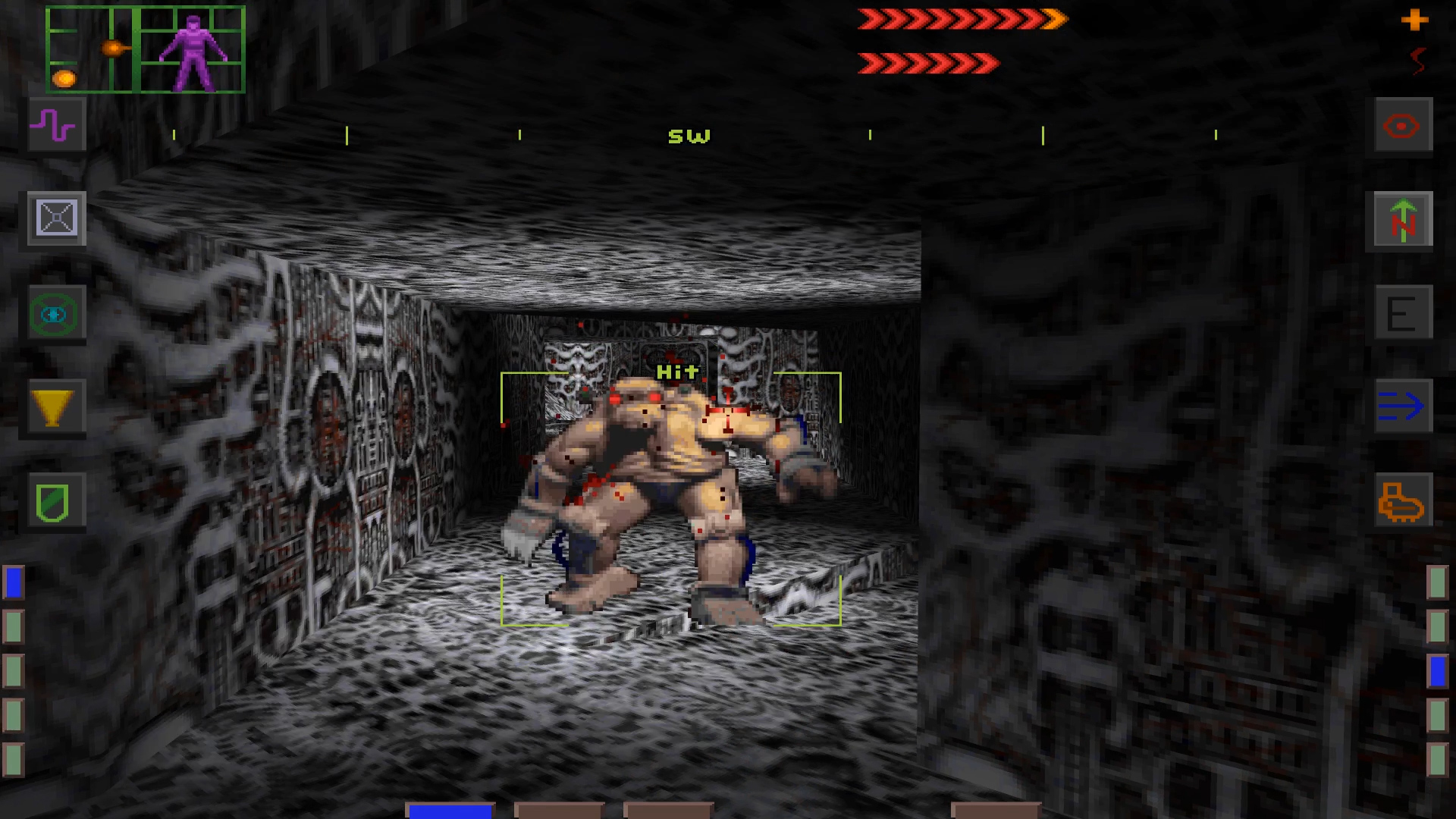
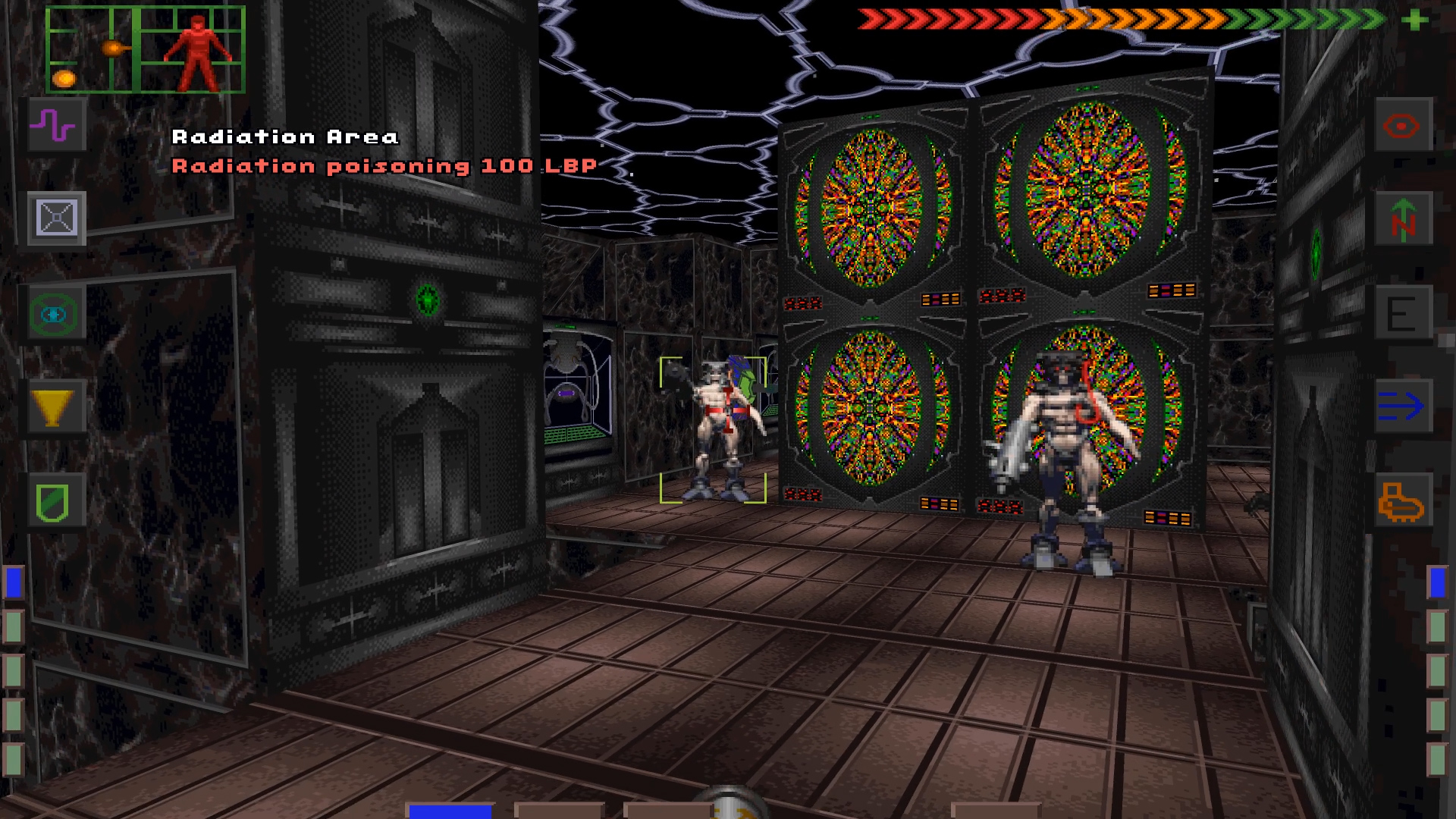
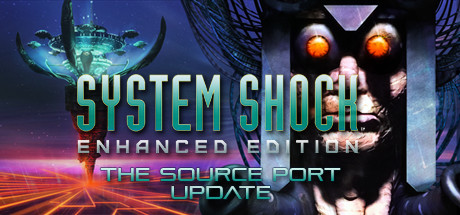
A legendary sci-fi first-person dungeon crawler that actually cares about story and world-building. It's extremely archaic and makes a horrible 1st impression, but if you can persist to the end of Floor 1, you will discover one of the most immersive video games of the early 1990s. The story is an adrenaline-induced thrill-ride as you ascend Citadel Station, fighting tougher enemies and facing escalating stakes as you gradually thwart SHODAN’s plans for world domination. Speaking of which, SHODAN, the corrupted AI in charge of the station, is an excellent antagonist – she is a megalomaniacal, perfected dictator who mercilessly slaughters any resistance and constantly taunts your attempts to stop her – and Terri Brosius’ performance further elevates the character and the whole game. Along the way, you can find audio logs of the deceased former crew that further flesh out this world by filling in the backstory, offering hints for puzzles, or foreshadowing future challenges, all without NPCs, cutscenes, dialogue trees, or endless wiki articles – all without interrupting interactivity. The floors are memorable as there are office desks, storage closets, surveillance stations, flight hangars, and executive suites everywhere that really sell the idea that people once lived and worked at Citadel Station, that this is a real, living, believable world. The graphics (past Floor 1, which looks too cartoony and garish) are still fantastic today and have shockingly high detail – even the generic wall tiles have gradients! The soundtrack is underappreciated too (my only complaint is the music for Floor 1 is too whimsical), and the fact that it changes dynamically based on factors such as low health or in combat is a nice touch. There is a surprising amount of content here – there is an excellent variety of weapons in this game, all with various strengths and trade-offs. Conventional weapons often have 2 ammo types, with further trade-offs, and energy weapons have even greater depth – there is a voltage slider to adjust your damage, a button to overload the blaster to further increase damage at the cost of consuming more energy, and a heat meter to worry about if you shoot too often! There are also 7 types of grenades, which also have varying strengths and trade-offs, as well as 7 unique patches that grant wildly different buffs such as infinite stamina or bullet-time. Inventory management is also serviceable, with only minor issues such as rearranging weapons, and it is not a total nightmare like in System Shock 2. There is also an excellent variety of enemies in this game, and you will encounter every sci-fi trope from mutant humans, mutant plants, flying creatures, cyborgs, cyborg ninjas, robot insects, flying fighter jets, and big stompy robots, all of whom have varying stats and attacks. There are tons of problems and outdated design decisions, as expected from a game this old. The controls are archaic and against modern conventions. Levels are dense, compact, and mazelike, and you pretty much have to consult your mini-map every 5 seconds to not get lost. The UI is infamously atrocious, mainly because so many menus are mapped to the same buttons and panels, most noticeable when looting corpses. Movement is very uncomfortable: walking is too slow and sluggish, running builds your fatigue/drains your stamina too quickly, and the boosters (both modes) are too fast and slippery. Combat is primitive, since too many enemies fight with high-damage long-range hitscan attacks, reducing fights to 50% cover shooter and 50% running around 1-shotting everything with the laser rapier (more on this weapon later). There are also no directional damage indicators when you get hit, so it is hard to figure out where you are being attacked from and many deaths can feel unfair. Like in most first-person shooters, the boss fights in this game are underwhelming bullet sponges, and the final boss is especially anticlimactic as well. SHODAN just floats unguarded within a cyberspace maze and goes down after a few shots. She does not even chase you or fire projectiles back – something every other cyberspace enemy can do – making SHODAN arguably the weakest entity in cyberspace. The final boss devolves into mashing the attack button before the timer expires, which is extremely disappointing. There are plenty of balancing issues with this game as well. For instance, most augments provide useless HUD info or have very niche uses. The only crucial augment is the energy shield, which provides much-needed damage resistance in a game with no HP/armor upgrades. Weapon balance is all over the place: support weapons like the riot and stun guns are worthless (without exploits) and the rail gun and LG-XX plasma rifle are underwhelming. Meanwhile, the Mag-Pulse is amazing for its crazy damage bonus against robots, and the AM-27 Flechette and RF-07 Skorpion are OP against everything due to their high fire rates. But the best weapon in the game by far is the TS-04 laser rapier, a lightsaber with obnoxiously high damage and armor penetration that you find about 1/3 of the way into the game. The laser rapier can 1-2-shot every enemy you encounter from then on, trivializing most fights for the rest of the game – you can pretty easily beat the rest of the game without ever touching another weapon. You can also take berserk patches to further boost the damage, trivializing the boss fights as well. The laser rapier is fun, but it does impact the difficulty curve considerably. Probably the most well-known criticism of this game is cyberspace, and I can confirm it is as bad as everyone says it is. Yes, cyberspace is a cool idea that no other game has replicated, but the implementation is terrible. It is impossible to get your bearings, you constantly collide with walls, tunnels between chambers are too narrow, and the controls here are even worse than in the base game. Most problems are due to the wireframe artstyle, which you know was a terrible idea when the level designers had to insert giant, neon yellow arrows everywhere to point players to the exit. At least the music is good, and you can unlock minigames that serve as trophies for conquering these sections. Perhaps the biggest missed opportunity in System Shock 1 is that progression is linear, meaning everyone’s experience is basically identical. Progression primarily occurs through exploration, whether it be finding shiny loot, cyborg conversion chambers, elevators, or mission objectives like keypads and switches. The game is structured such that you will explore at least 80% of the station and naturally discover every weapon and augment, meaning you will see everything the game has to offer in 1 playthrough. Consequently, every playthrough is identical – everyone goes through the same hallways in roughly the same order, finds new weapons in the same places, and completes the quests in the same way as before. Since everyone can find all weapons naturally (and are presented with all the options), everyone will have the same end-game build: everyone will have the laser rapier, RF-07 Skorpion, and Mag-Pulse to decimate every end-game threat. There is not much reason to replay this game, except on higher difficulties. Overall, System Shock 1 is still an excellent game along with its equally impressive sequel, System Shock 2. One last thing to mention: the System Shock games are not horror games; they are first person dungeon crawlers at their core. I have no idea why people keep classifying the System Shocks as horror games; it’s like anything with a spooky atmosphere is a horror these days. Yes, there are scary moments, but the main focus of the series is still on exploring labyrinthine space stations, battling tough monsters for loot, using scarce resources efficiently, collecting awesome treasure to “level up,” overcoming challenges to become a hero, and all the other tropes in dungeon-crawling. 9/10
Expand the review