
Slave's Sword 2
In Slave's Sword 2, Luna, a former aristocratic knight of the Empire, returns as the main character. Now having escaped and liberated the Free City, she once again finds herself in a terrible predicament. Will she be able to escape again? Find out in this sequel to Slave's Sword!
Sync your Steam wishlist to find the lowest game prices instantly. No login required, just paste your Steam profile URL!
⚡ Try Wishlist Radar!
Sync your Steam wishlist to find the lowest game prices instantly. No login required!
⚡ Try Wishlist Radar!
Close

Taboo Trial on Steam
Quick menu
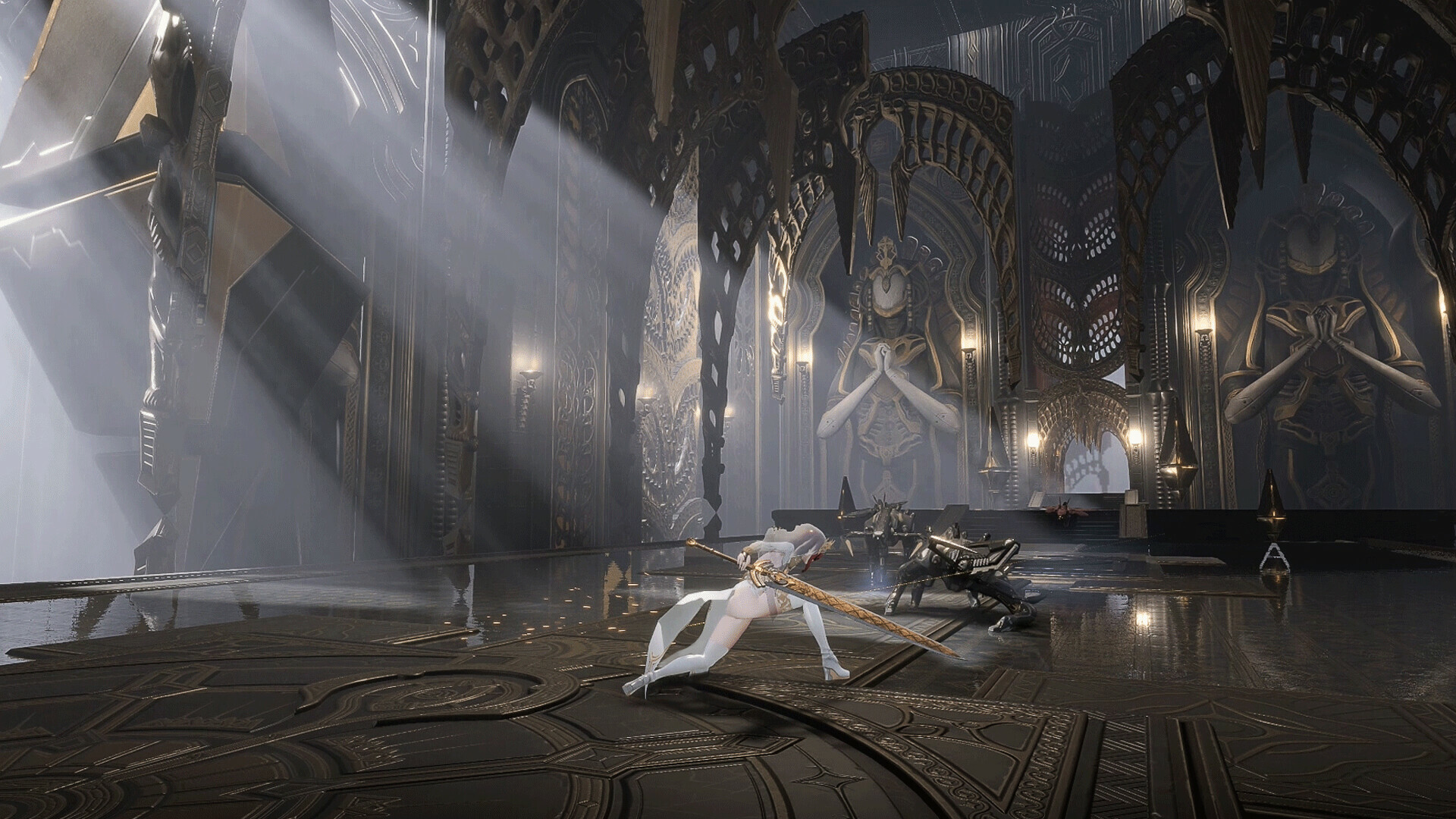
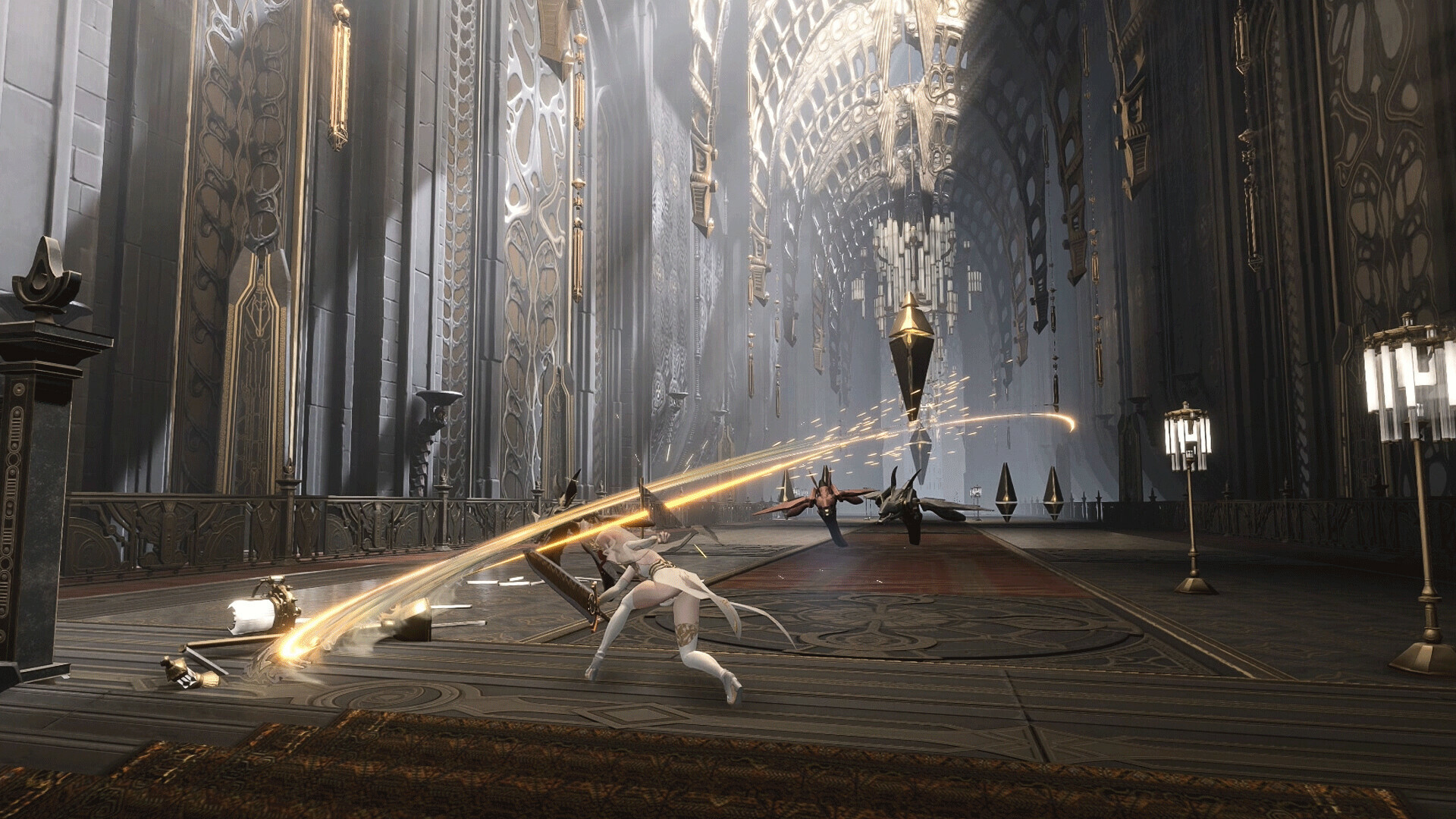
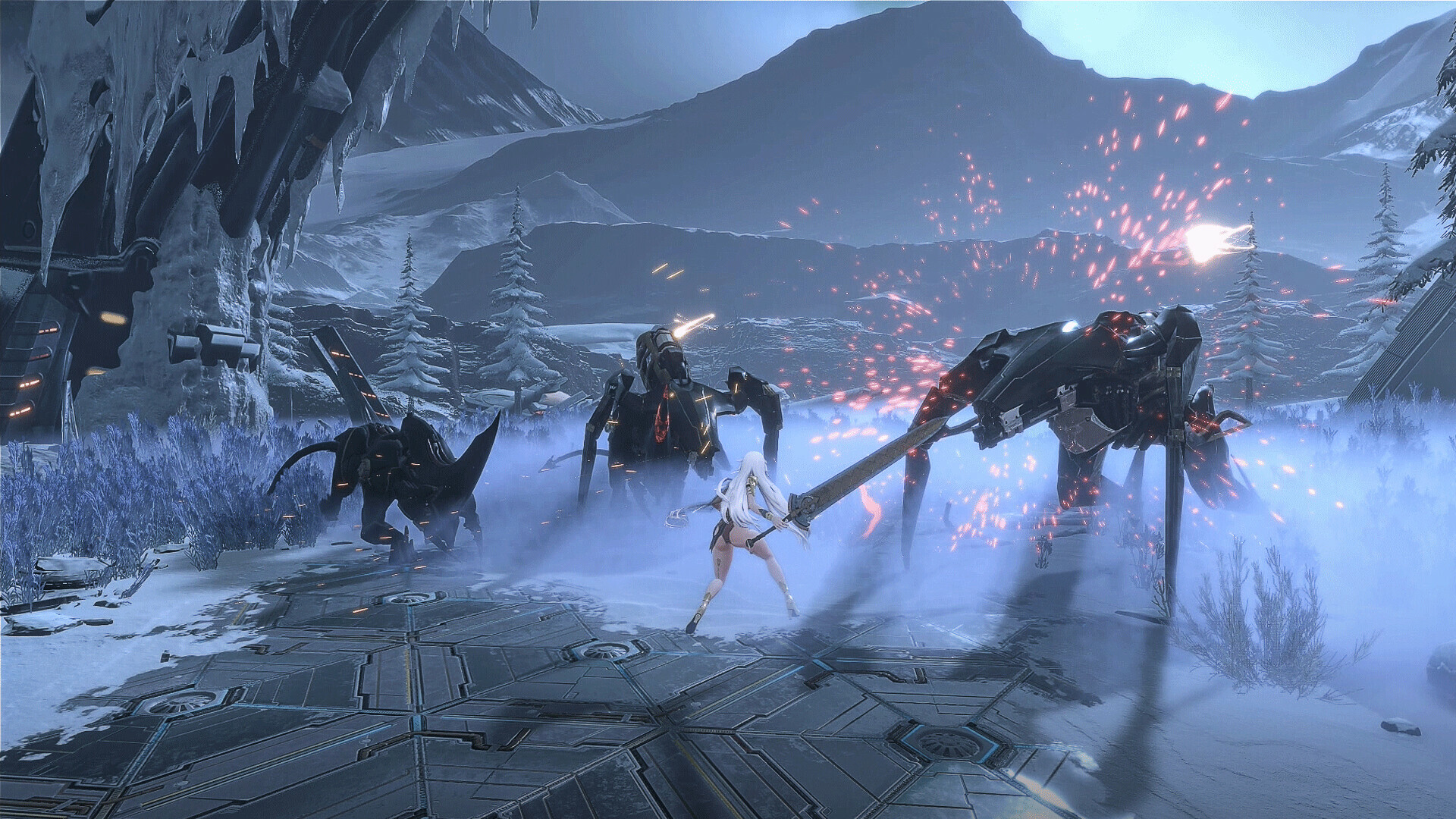
In the rogue action game "Taboo Trial", you will play as a young female warrior from the Norse mythology, who can transform into multiple cute and sexy female warriors. In the visually stunning 3D world, you will use your combat skills to uncover the truth behind the Twilight of the Gods.
Taboo Trial is a female protagonist, rpg and action roguelike game
developed by Cat Shine and Meow Run
and published by Cat Shine and NPC Entertainment.
Released on July 31st 2023 is available only on Windows.
It has received 1,620 reviews of which 1,368 were positive and 252 were negative resulting in a rating of 8.1 out of 10. 😎
The game is currently priced at 14.79€ on Steam.
The Steam community has classified Taboo Trial into these genres:
Media & Screenshots
Get an in-depth look at Taboo Trial through various videos and screenshots.


Load More


System requirements
These are the minimum specifications needed to play the game. For the best experience, we recommend that you verify them.
Windows
- OS: Windows 10 or newer
- Processor: Intel Core i5-4590 or AMD FX 8350
- Memory: 8 GB RAM
- Graphics: NVIDIA GTX 970 or AMD Radeon R9 290 or Intel Arc A380
- DirectX: Version 11
- Storage: 20 GB available space
Steam Price & Best Deals
User reviews & Ratings
Explore reviews from Steam users sharing their experiences and what they love about the game.
Very good game. Take BPM, Stellar Blade, and Senran Kagura, and stir them in a pot. This is the result. Combat is fluid and fun. Looking at older reviews, some things have changed, or maybe people were just wrong. You can give as much holy water as you want between rounds. Zero problems with performance on my laptop. Progression isn't hard. You can dodge cancel out of anything and everything with audio and visual cues for when enemies attack. You can easily get into a no-hit flowstate like you're playing Spiderman. The interactions with the ladies are a bit mid, but the gameplay is super fun. Worth every penny.
Taboo Trial is a compact, stylish action-roguelike that leans heavily on fast combat, myth-inspired themes, and a distinct anime-influenced aesthetic to set itself apart from more traditional fantasy hack-and-slash titles. From the outset, the game establishes a tone that is far more playful and visually expressive than the grim or somber atmosphere many Norse-inspired games aim for. You step into the role of a lone female warrior — a Valkyrie-like figure — navigating a world where mechanical monstrosities clash with mythic imagery. The premise hints at a looming catastrophe tied to divine downfall, yet the storytelling remains light and secondary, serving mostly as a backdrop for the action. The game’s primary focus is its moment-to-moment battles and the experimentation that comes with each new run. At its core, Taboo Trial follows the familiar structure of the modern roguelite. Each run sends you through randomized arenas packed with mechanical enemies and bosses that escalate in intensity. Along the way, you gather runic blessings, loot, and weapon upgrades that steadily reshape your character’s playstyle. The fluidity of these systems is one of the game’s main strengths: different weapons — from fast swords to heavier axes and spears — offer distinct rhythms, and the runes you collect layer on additional effects that can dramatically shift how your attacks behave. A run built around raw melee damage feels very different from one focused on speed, elemental enhancements, or area-clearing effects. The moment you link these upgrades together and find a synergistic combination, the game takes on a satisfying momentum that rewards quick decision-making and adaptability. Combat is undoubtedly the center of the experience. Enemies come in constant waves, often moving aggressively and requiring you to stay mobile. Dodging and weaving between attacks while keeping your own combos flowing gives the game a fast, almost arcade-like quality. Weapon swings feel weighty enough to be satisfying, and the visual feedback when striking mechanical foes helps maintain a tangible sense of impact. The bosses, while not numerous, are designed to punctuate each run with challenges that test your build and your reflexes. For an indie project, the animations and effects hold up well enough to keep fights engaging, and the stylized visuals help mask the modest production scale. However, the game’s strengths are paired with noticeable limitations. One of the clearest is its overall brevity. Experienced players report that a full cycle of the game can be completed relatively quickly, and even replaying multiple runs doesn’t fully offset the limited variety in environments and enemy types. While the roguelite progression encourages repetition, the pool of possible encounters and upgrades isn’t large enough to sustain long-term novelty. After several runs, the patterns become predictable, and the excitement of discovering new combinations begins to taper off. This is compounded by the fact that success can hinge heavily on luck; a few poor rune or weapon drop selections can leave a run feeling weaker not because of skill shortcomings, but because the randomization simply didn’t favor you. The game’s tone and visual identity are also a point of division among players. The protagonist’s heavily stylized “cute/sexy warrior” design and the blend of Norse elements with shiny mechanical enemies give Taboo Trial a personality that is unapologetically niche. For those who appreciate anime-style aesthetics and a focus on flashy presentation, this is part of the game’s charm. But for players who hoped for something grounded or more serious in its interpretation of myth, the art direction and character emphasis may feel overly fan-service-driven or lacking thematic depth. The story, while present, never rises to become a meaningful narrative thread; it functions more like a loose frame for the action rather than a world to immerse yourself in. Technical and structural roughness also emerges the longer you play. Hitboxes can occasionally feel imprecise, creating moments where you take a hit despite appearing outside an attack’s range. Some enemies have movement patterns or damage effects that feel inconsistent, which disrupts the flow of combat. Interface elements — particularly those tied to inventory and rune management — could benefit from refinement, as navigating menus sometimes interrupts the fast rhythm that defines the gameplay. These issues aren’t severe enough to make the game unplayable, but they contribute to an overall sense that the project is limited in scope and polish. Despite these shortcomings, Taboo Trial succeeds when viewed through the right lens. It’s a short, punchy, and stylish roguelike designed to deliver bursts of action rather than sprawling depth. Its strengths lie in the satisfaction of experimenting with builds, the immediacy of its combat, and the charm of its stylized presentation. As a lightweight roguelite to dip into for quick sessions, it provides enough variety to entertain — especially for players who enjoy mixing flashy action with anime aesthetics. It’s not a game built for marathon sessions or deep strategic progression, but for what it aims to be — a compact and energetic action experience — it accomplishes its goals with confidence. Approached with measured expectations, Taboo Trial offers a fun, visually expressive, and mechanically lively romp through a myth-tinged world of mechanical foes and fast-paced combat. It may not redefine the genre or compete with larger roguelites in scale, but it delivers a distinctive, enjoyable experience for those who appreciate its blend of style, speed, and experimentation. Rating: 8/10
Similar games
View all
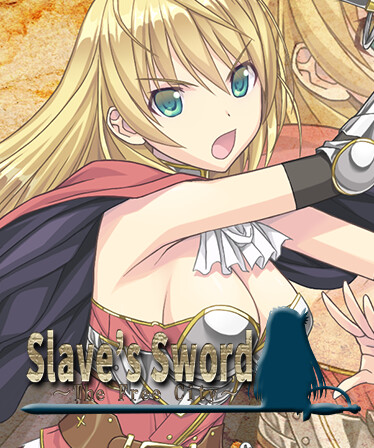
Slave's Sword
Slave's Sword is the story of Luna, a former aristocratic knight of the Empire. Now living peacefully as a mercenary, she quickly becomes involved in a scandal that results in her enslavement. Can Luna recapture her freedom and escape from her predicament?

Public Defense Corp
In the far-off year of 20XX, constant attacks and hostility from an evil secret society have caused several private defense companies to spring up around Japan. Determined to get revenge for the destruction of her hometown, Haruka joins the public defense corp!
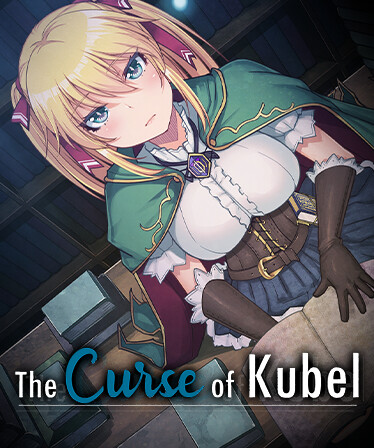
The Curse of Kubel
An earthquake swallows up the city of Kaldesta and splits it into two. Now many adventurers travel there in search of treasure. However, a curse suddenly appears and starts infecting the adventurers...

Tina: Swordswoman of the Scarlet Prison
Play as Tina and Cecile as they investigate Durham and try to uncover the cause of the village's sudden surge of crime. With the reappearance of an old foe, their job won't be easy.

Divine Miko Koyori
As an exorcist who commands powers of the divine, Koyori is sent to a remote village to exorcise the area as part of her training. However, what should have been a simple task soon escalates to unforeseen magnitudes as the dark plot behind the whole incident begins to unfold...

President Yukino
President Yukino is a Slice of Life RPG brought to you in Native English and Chinese by Kagura Games and Acerola. Follow Yukino on her quest to go to the same graduate school as her boyfriend. Find out what mischief and shenanigans await her as she tries to power through part-time jobs and exams!

Terrible Laboratory
The pretty and talented scientist, Konica Yaegaki, must earn money to save her lab from competing companies and peers who seek to destroy her reputation. However, she won't go down that easily. Follow Konica in this slice-of-life RPG as she tries to save her laboratory!
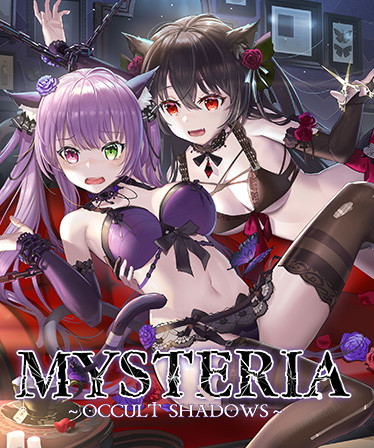
Mysteria ~Occult Shadows~
Explore the land of Sulnas as the "Shadow of Death", a cat girl who's dauntless and fierce. The land is poisoned by secret power and desperately needs salvation. Can you save it from its sure demise or will you doom its fate like everyone else would?

Seed of Evil
Seed of Evil is an epic adventure to uncover the secrets of the Water City, Somonden. Follow Anna as she explores the upper and lower parts of the city to uncover the truth of the defilement plaguing its inhabitants. You won't soon forget this amazing story filled with mystery, drama, and intrigue.

Ruins Seeker
An adventurer named Quem is the first person to step foot inside "Heaven's Ladder" in 500 years. But not long after, she's cursed by a strange, shadowy monster. Now she must reach the top of Heaven's Ladder, and hopefully, break the spell.

Detective Girl of the Steam City
Play as Sophie, a private investigator not unlike Sherlock Holmes. It's up to Sophie to uncover the hidden truths of London through her investigations. What mysteries and intrigue await her? Find out in this steampunk RPG!
Frequently Asked Questions
Taboo Trial is currently priced at 14.79€ on Steam.
No, Taboo Trial is currently not on sale. You can purchase it for 14.79€ on Steam.
Yes, Taboo Trial received 1,368 positive votes out of a total of 1,620 achieving a rating of 8.07.
😎
Taboo Trial was developed by Cat Shine and Meow Run and published by Cat Shine and NPC Entertainment.
Yes, Taboo Trial is playable and fully supported on Windows.
No, Taboo Trial is not playable on MacOS.
No, Taboo Trial is not playable on Linux.
This information about Taboo Trial is not available yet.
This information about Taboo Trial is not available yet.
No, Taboo Trial does not support VR.
Taboo Trial is a single-player game.
Yes, there are 5 DLCs available for Taboo Trial. Explore additional content available for Taboo Trial on Steam.
Yes, Taboo Trial is fully integrated with Steam Workshop. Visit Steam Workshop.
No, Taboo Trial does not support Steam Remote Play.
Yes, Taboo Trial is enabled for Steam Family Sharing. This means you can share the game with authorized users from your Steam Library, allowing them to play it on their own accounts. For more details on how the feature works, you can read the original Steam Family Sharing announcement or visit the Steam Family Sharing user guide and FAQ page.
You can find solutions or submit a support ticket by visiting the Steam Support page for Taboo Trial.
Data sources
The information presented on this page is sourced from reliable APIs to ensure accuracy and relevance. We utilize the Steam API to gather data on game details, including titles, descriptions, prices, and user reviews. This allows us to provide you with the most up-to-date information directly from the Steam platform.
Additionally, we incorporate data from the SteamSpy API, which offers insights into game sales and player statistics. This helps us present a comprehensive view of each game's popularity and performance within the gaming community.
Last Updates| Steam data | 25 September 2026 22:27 UTC |
|---|---|
| SteamSpy data | 25 October 2026 04:13 UTC |
| Steam price | 26 October 2026 20:09 UTC |
| Steam reviews | 18 October 2026 05:49 UTC |
If you'd like to dive deeper into the details about Taboo Trial, we invite you to check out a few dedicated websites that offer extensive information and insights. These platforms provide valuable data, analysis, and user-generated reports to enhance your understanding of the game and its performance.
- SteamDB - A comprehensive database of everything on Steam about Taboo Trial
- SteamCharts - Analysis of Taboo Trial concurrent players on Steam
- ProtonDB - Crowdsourced reports on Linux and Steam Deck Taboo Trial compatibility

Game modes
Features
Online players
3
Developer
Cat Shine,
Meow Run
Publisher
Cat Shine,
NPC Entertainment
Release
31 Jul 2023
Platforms