
Fears to Fathom - Woodbury Getaway
Sydney Harper, a 23-year-old working at a consulting firm plans a weekend getaway to a Woodbury rental with her college friends. Little did she know what was about to unfold during their stay.
Sync your Steam wishlist to find the lowest game prices instantly. No login required, just paste your Steam profile URL!
⚡ Try Wishlist Radar!
Sync your Steam wishlist to find the lowest game prices instantly. No login required!
⚡ Try Wishlist Radar!
Close

The Anomaly Project on Steam
Quick menu
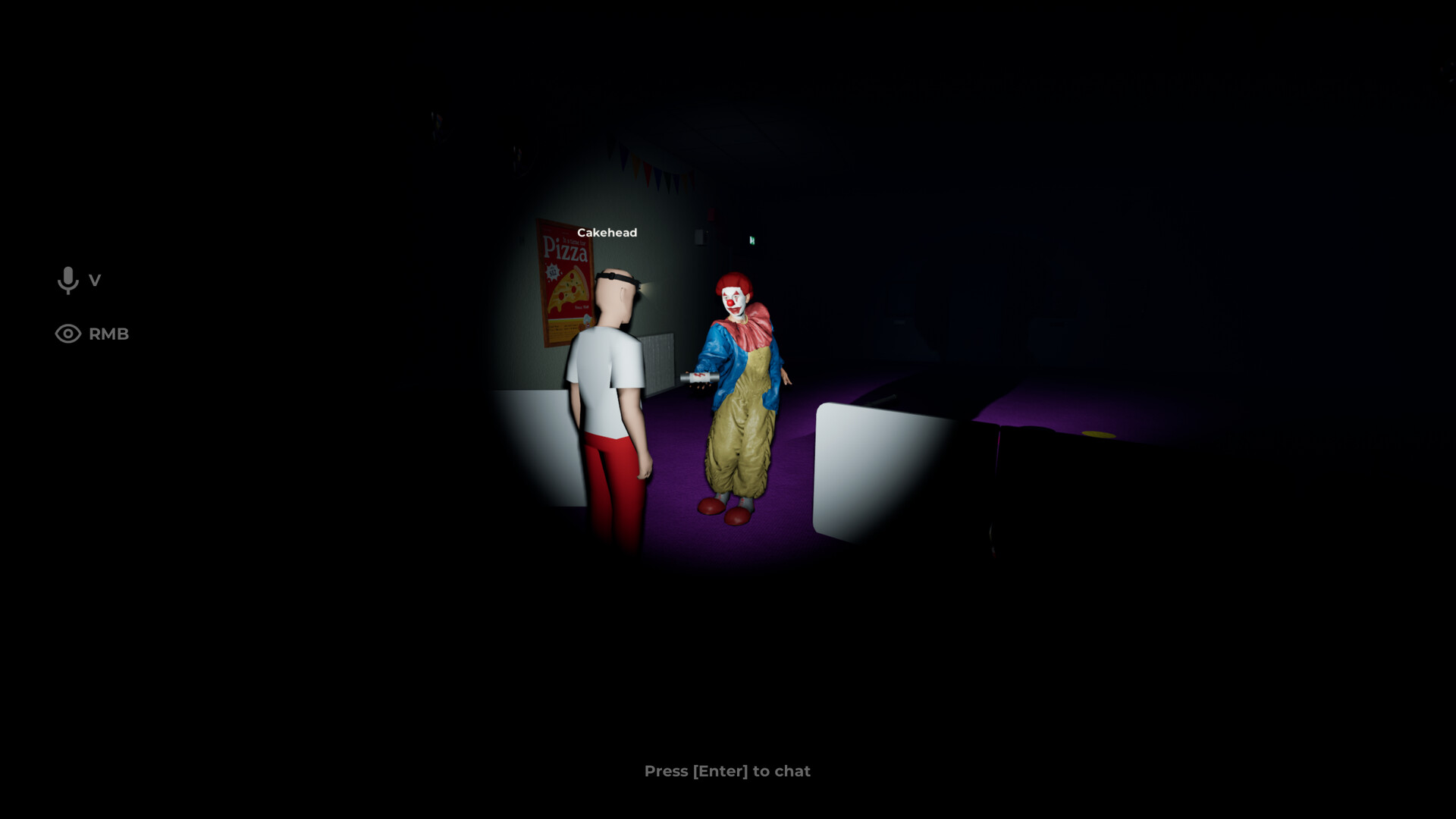
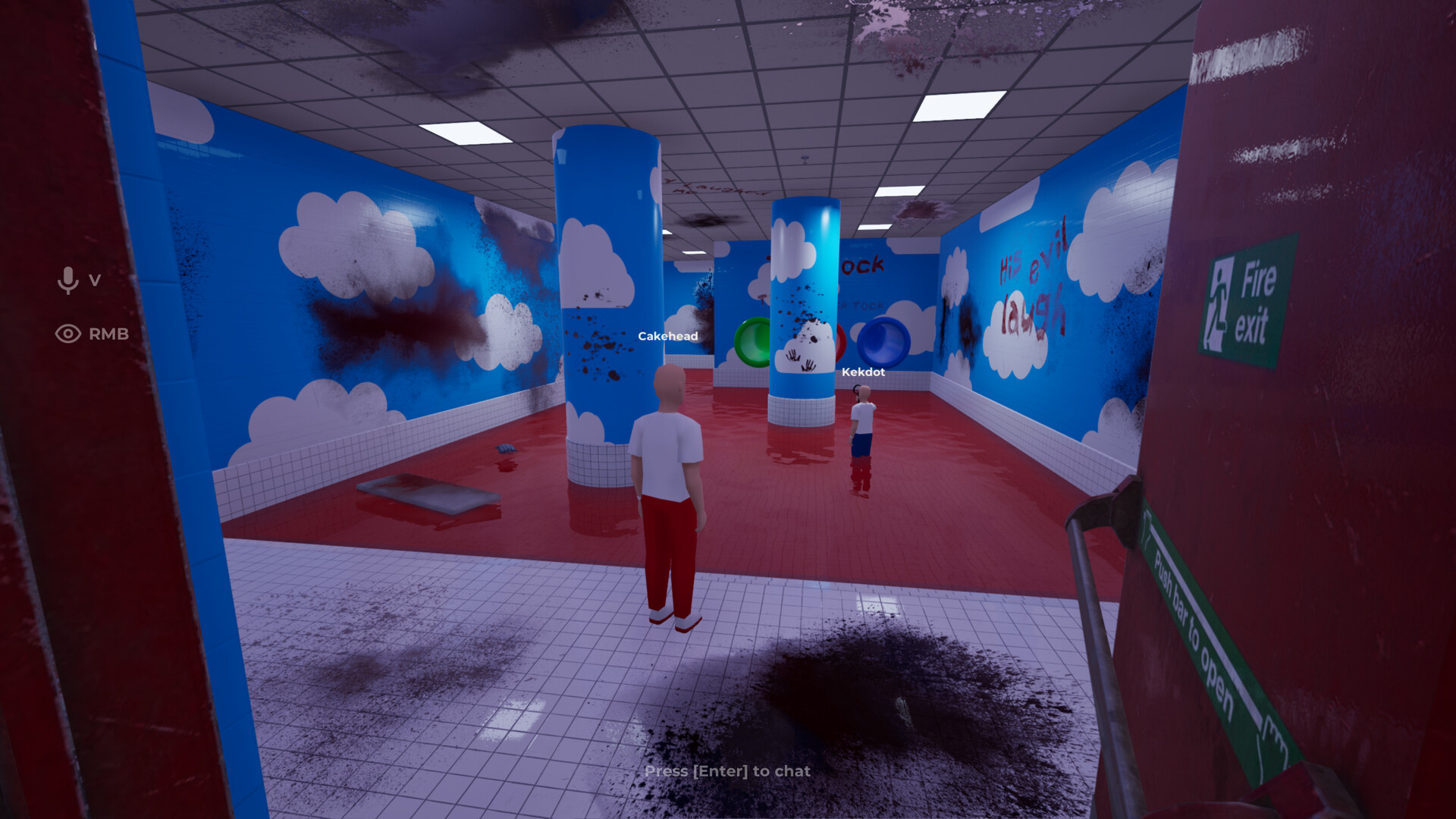
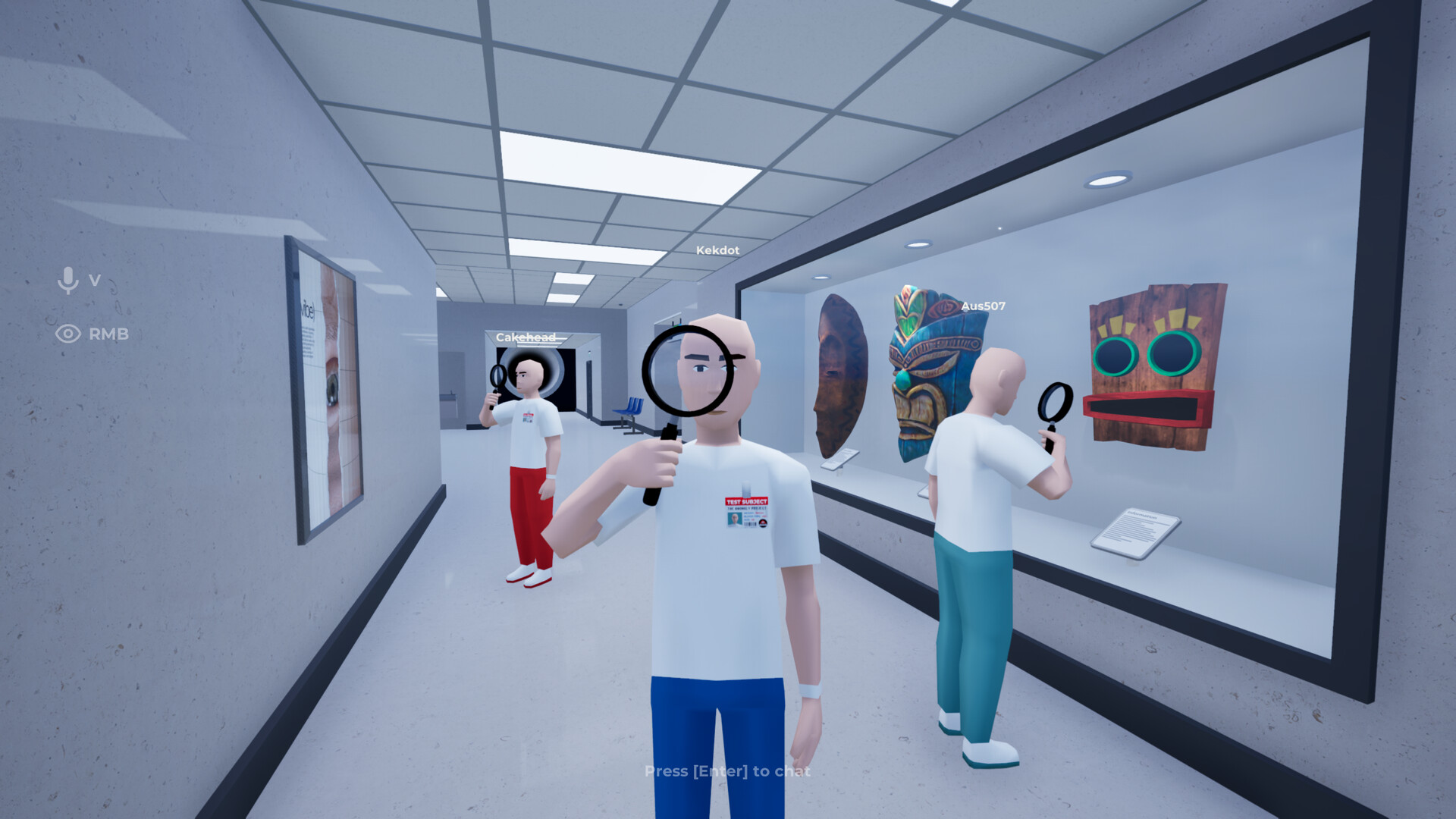
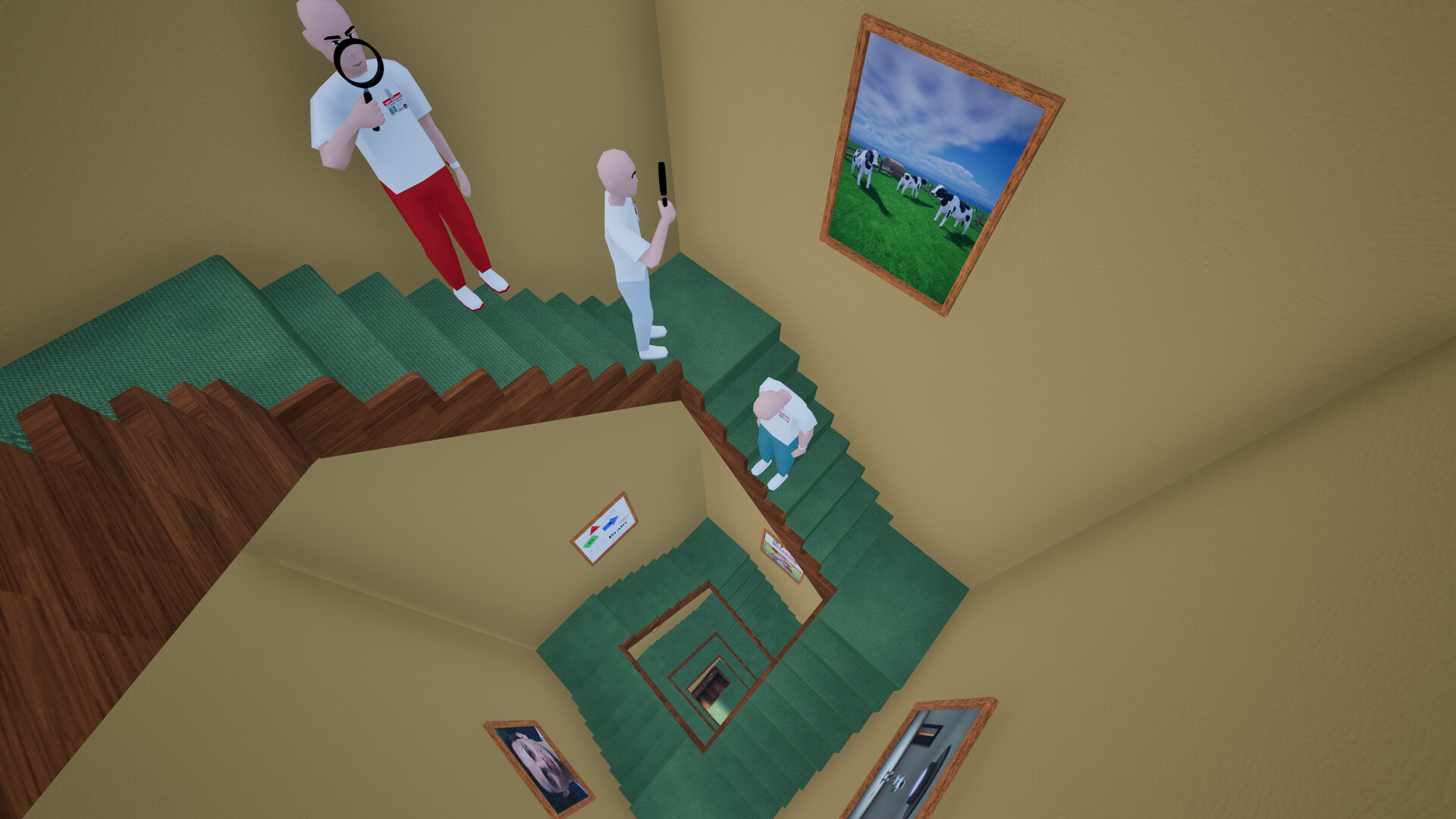
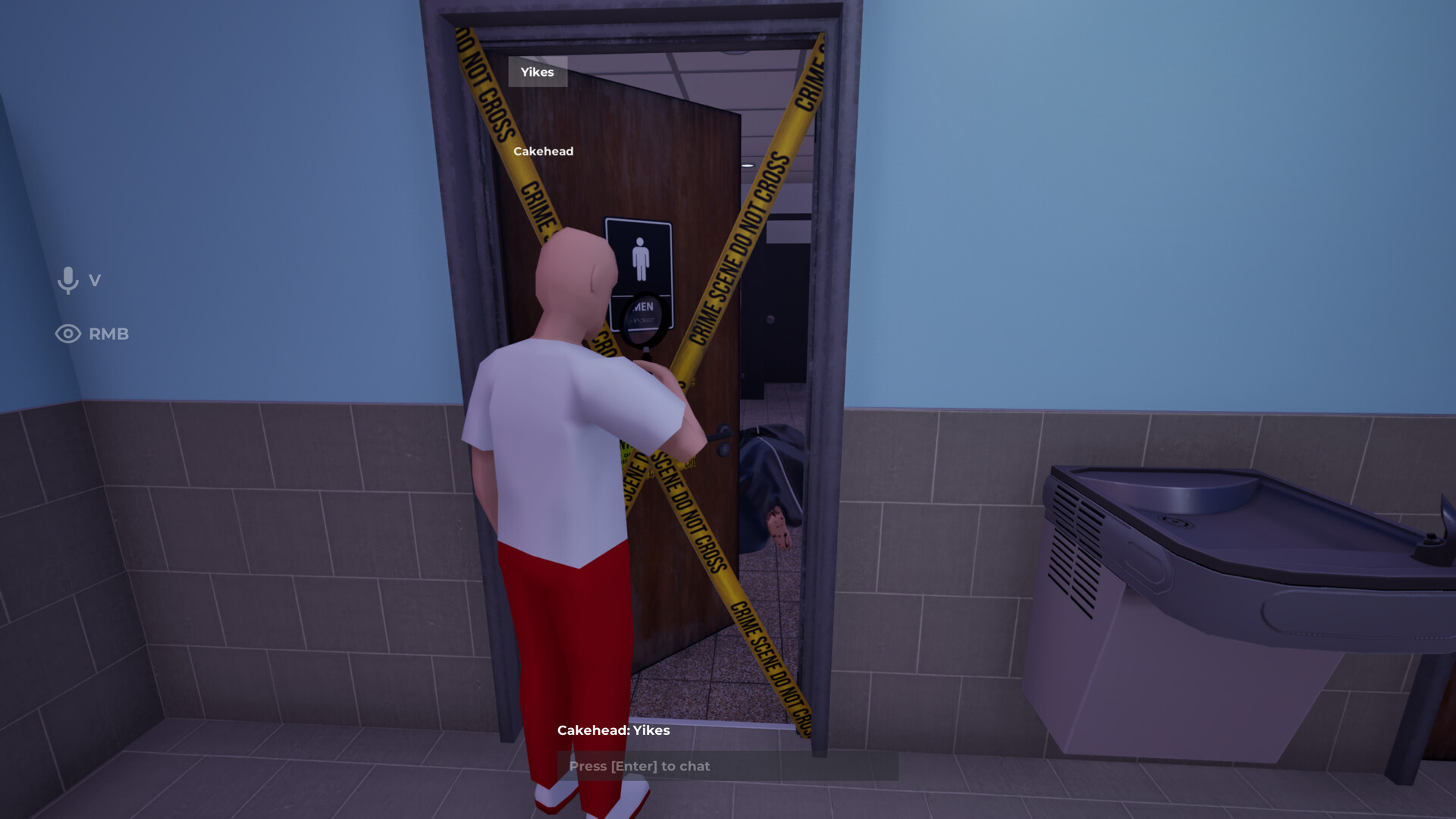
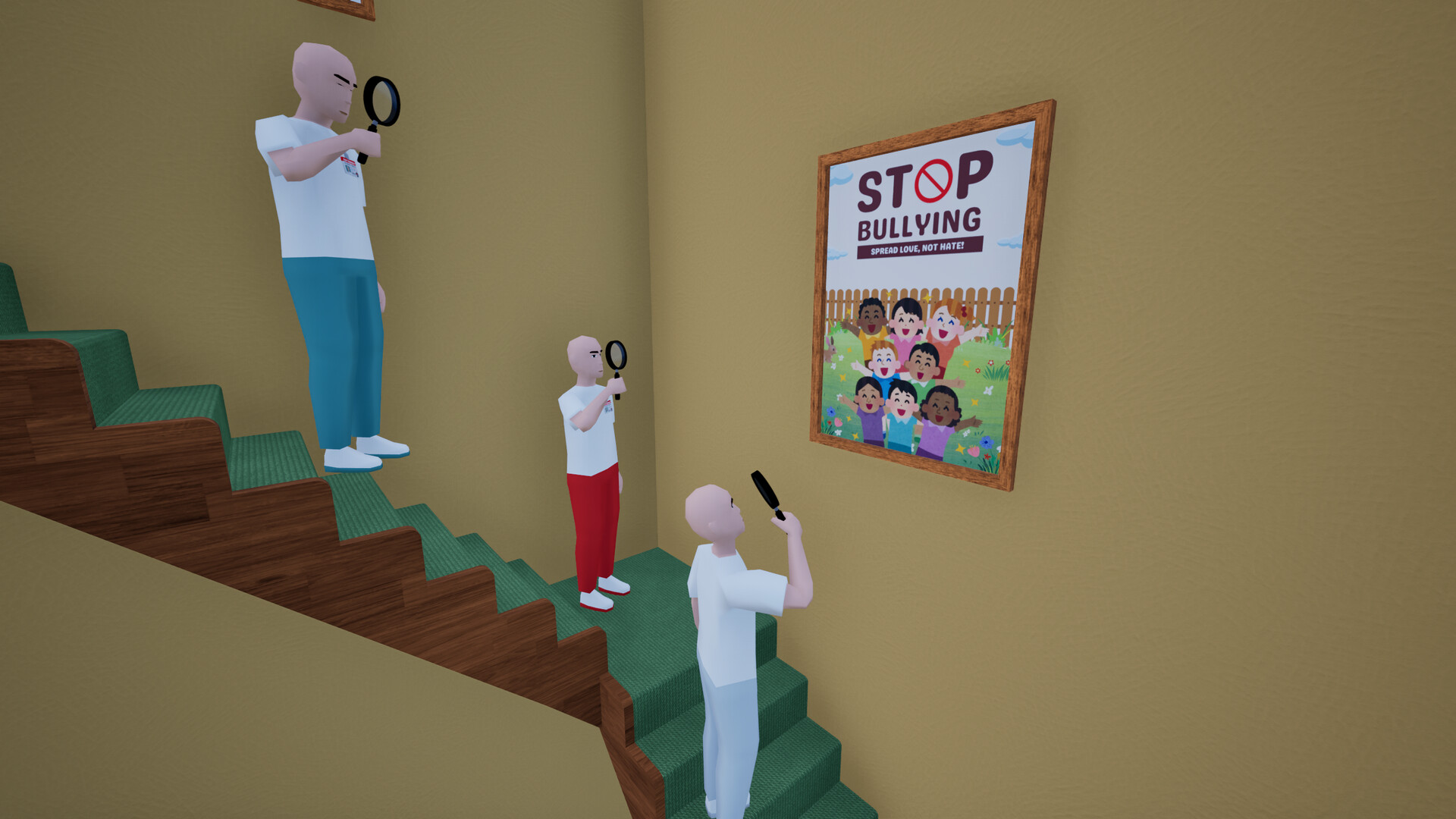
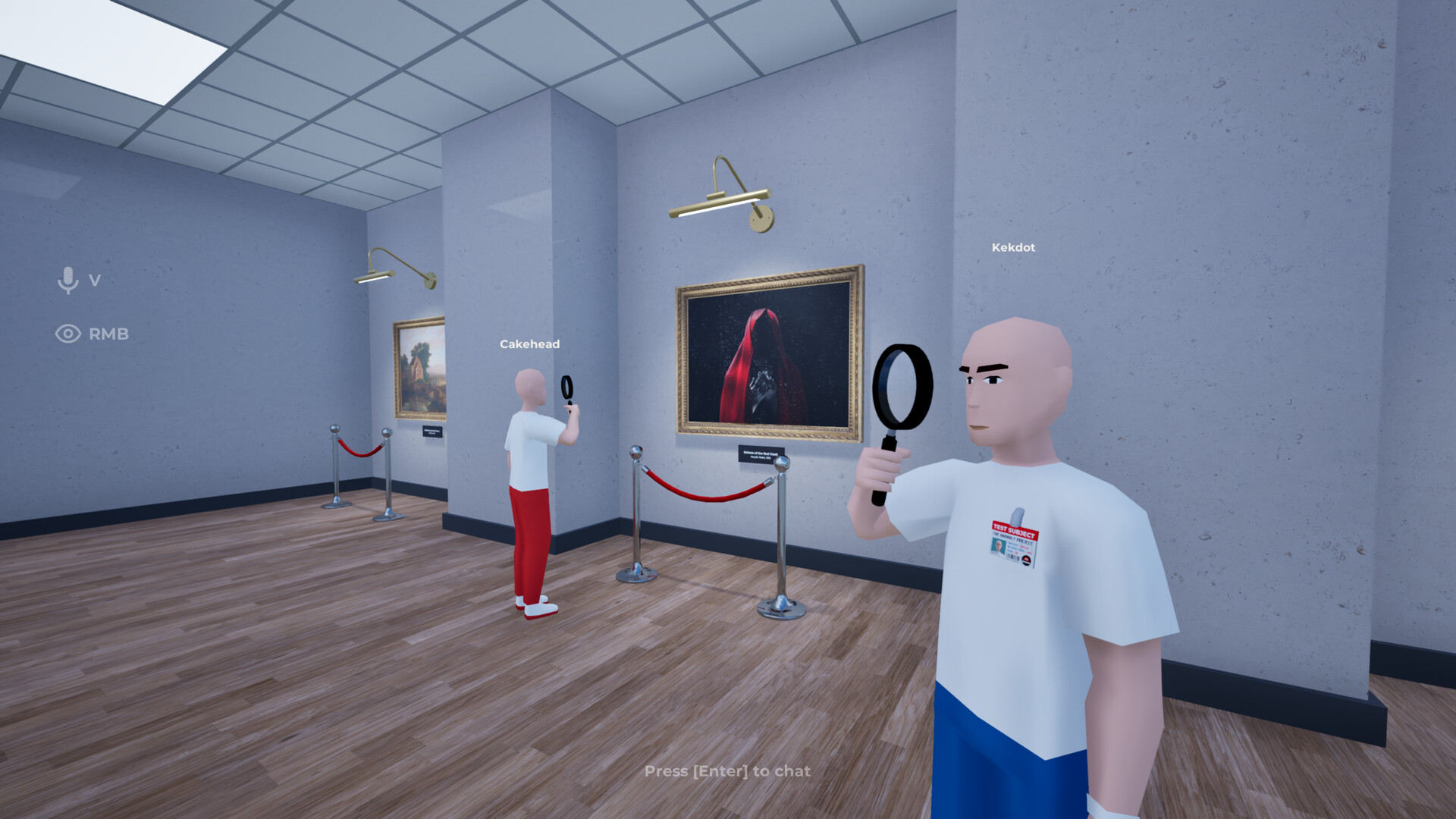
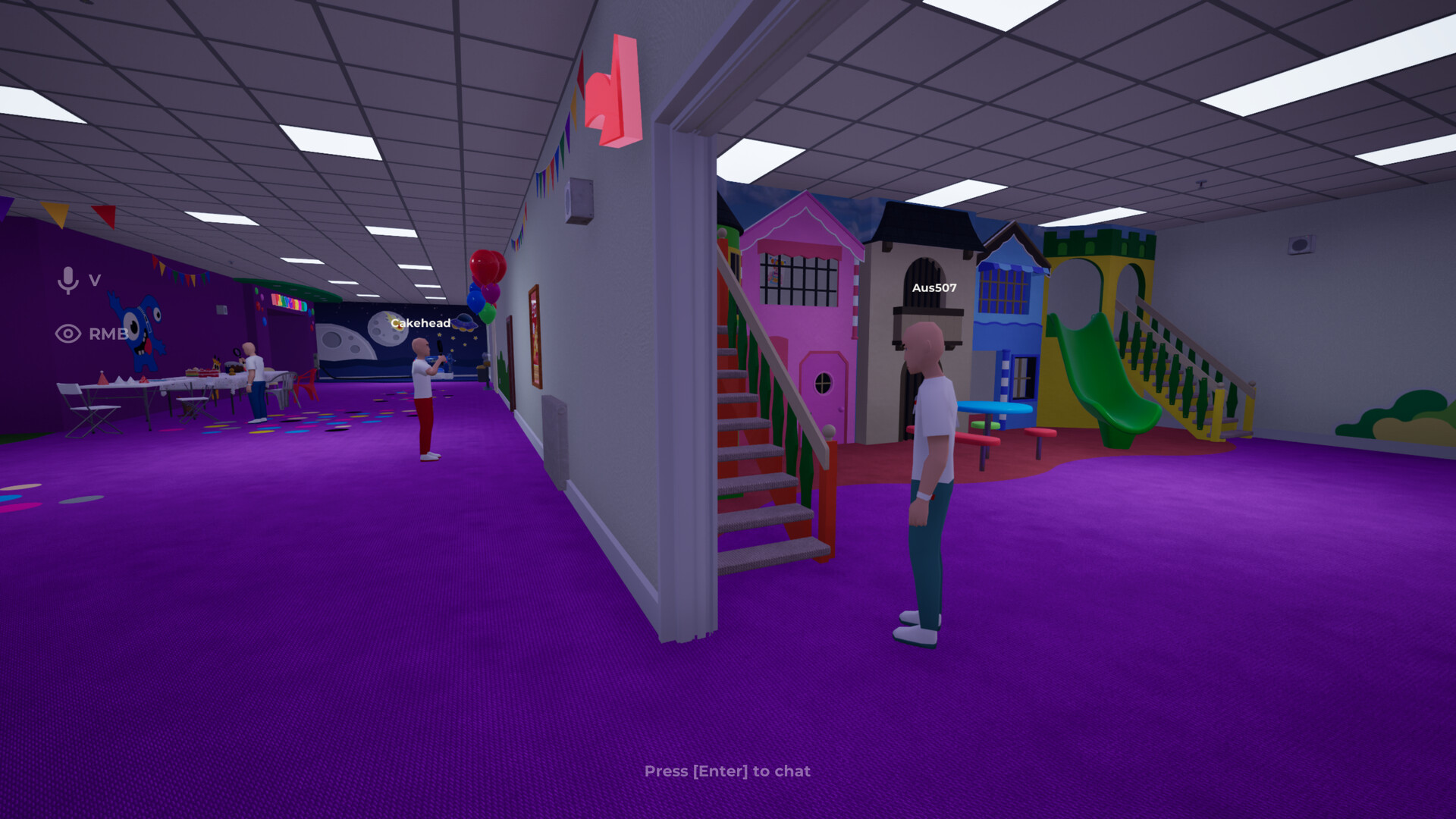
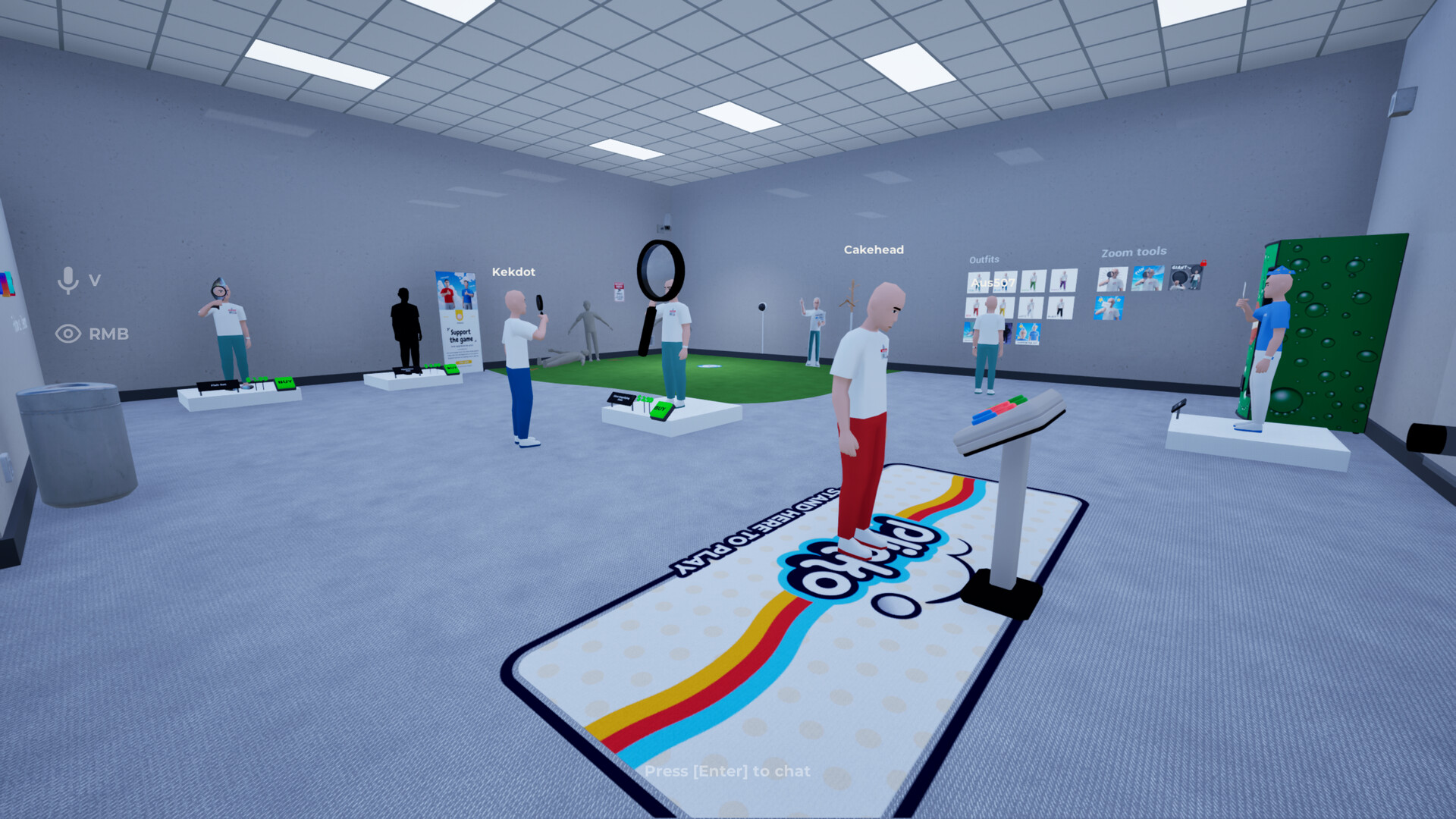
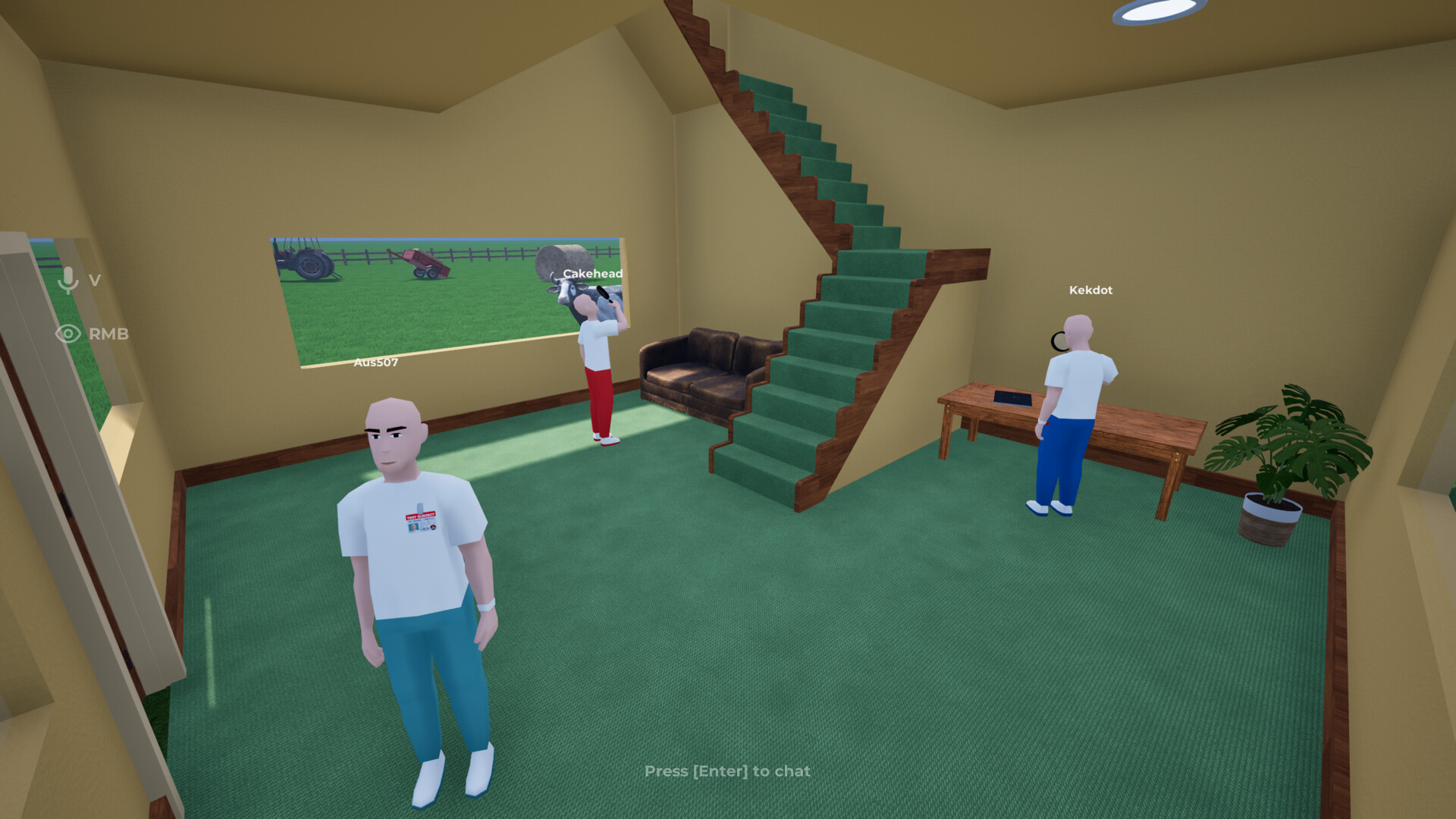
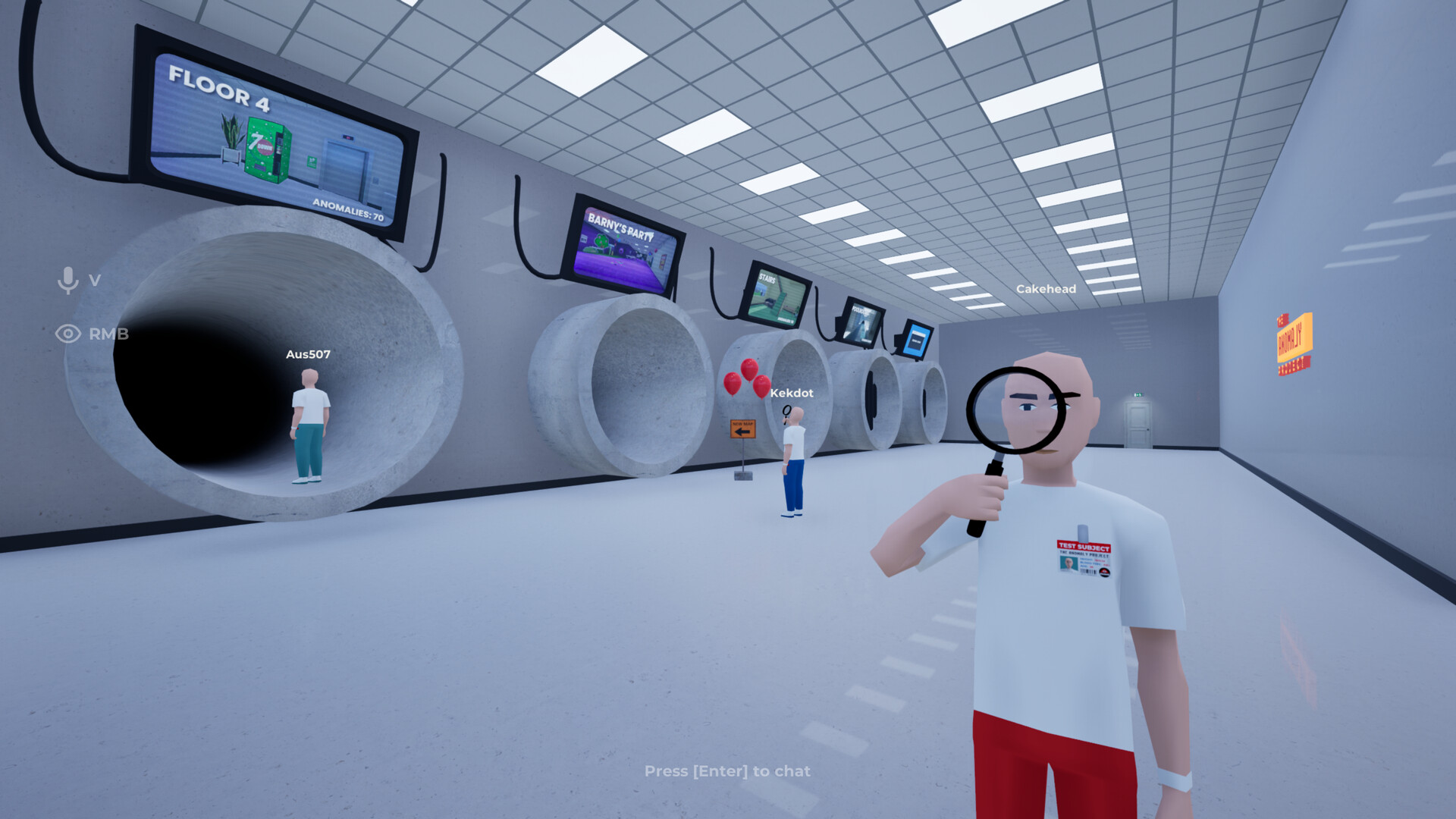
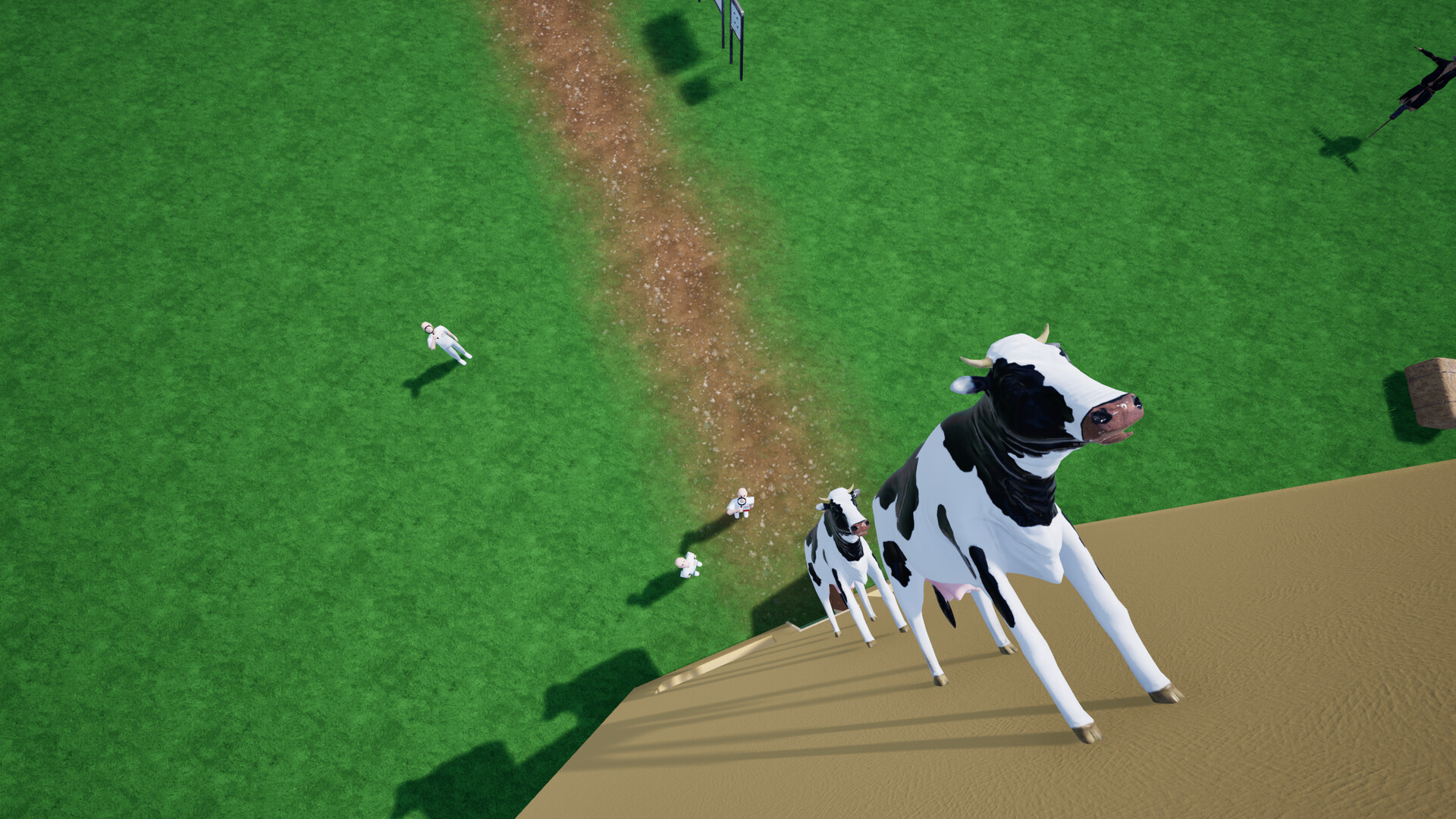
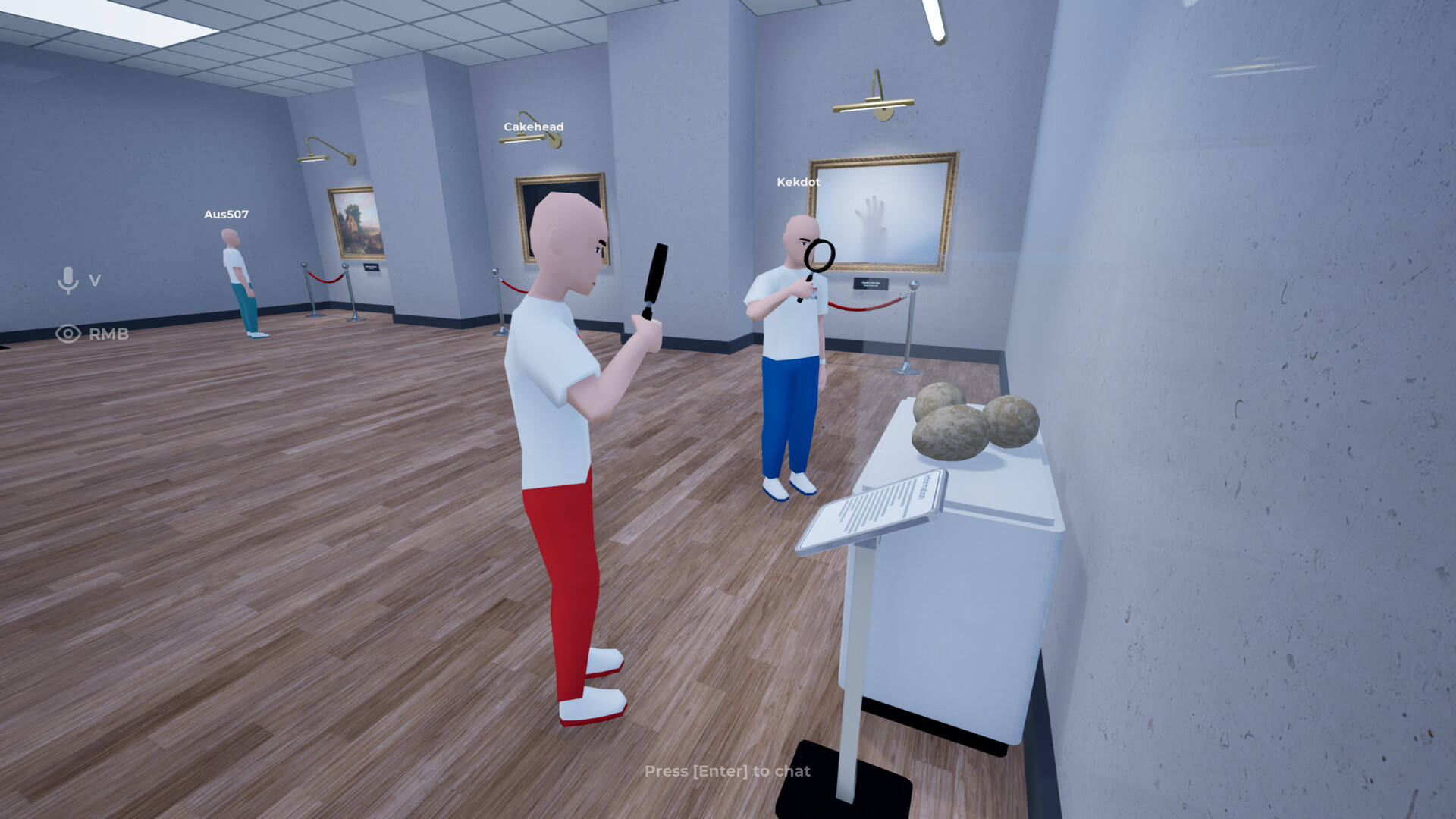
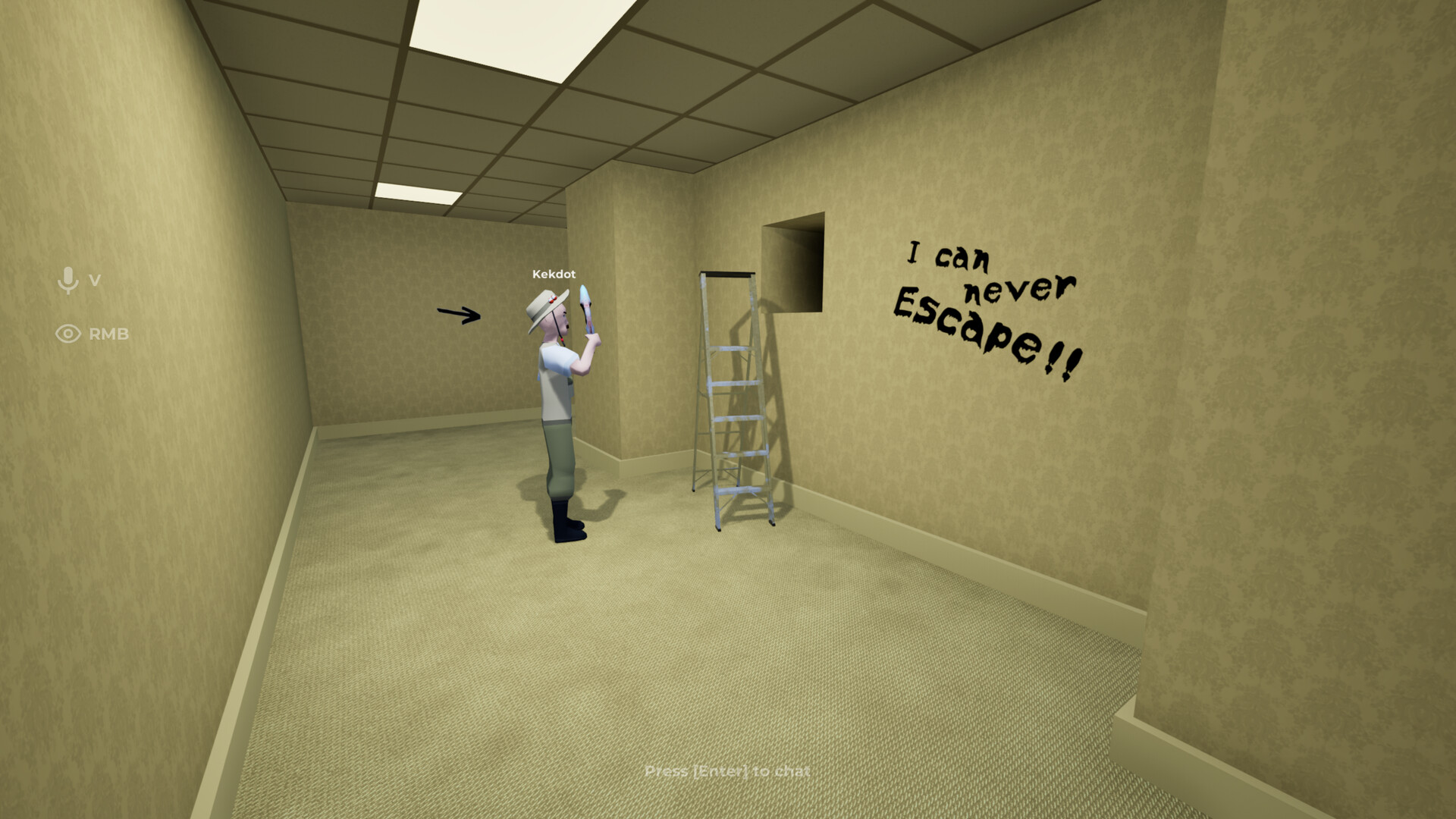
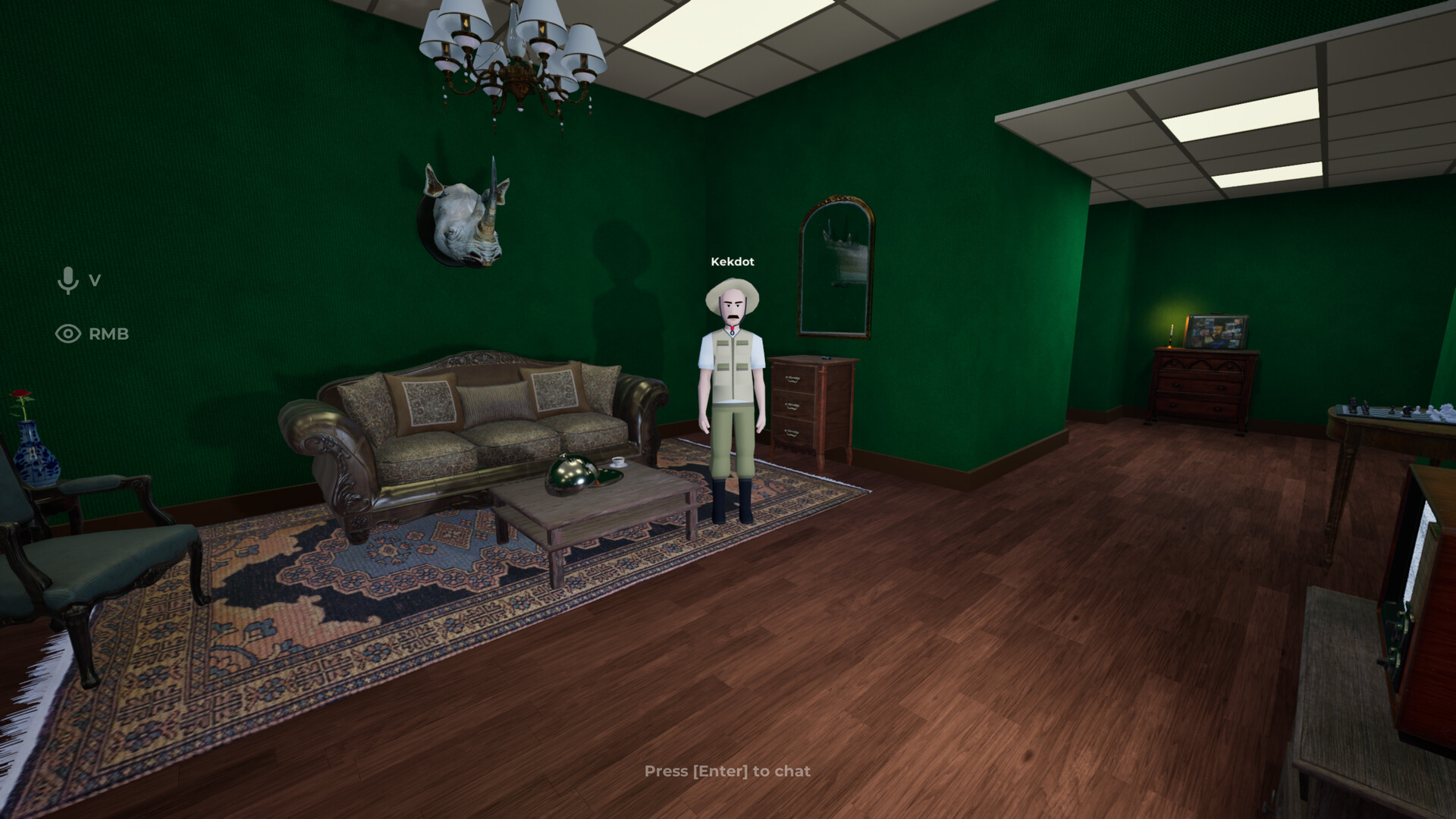
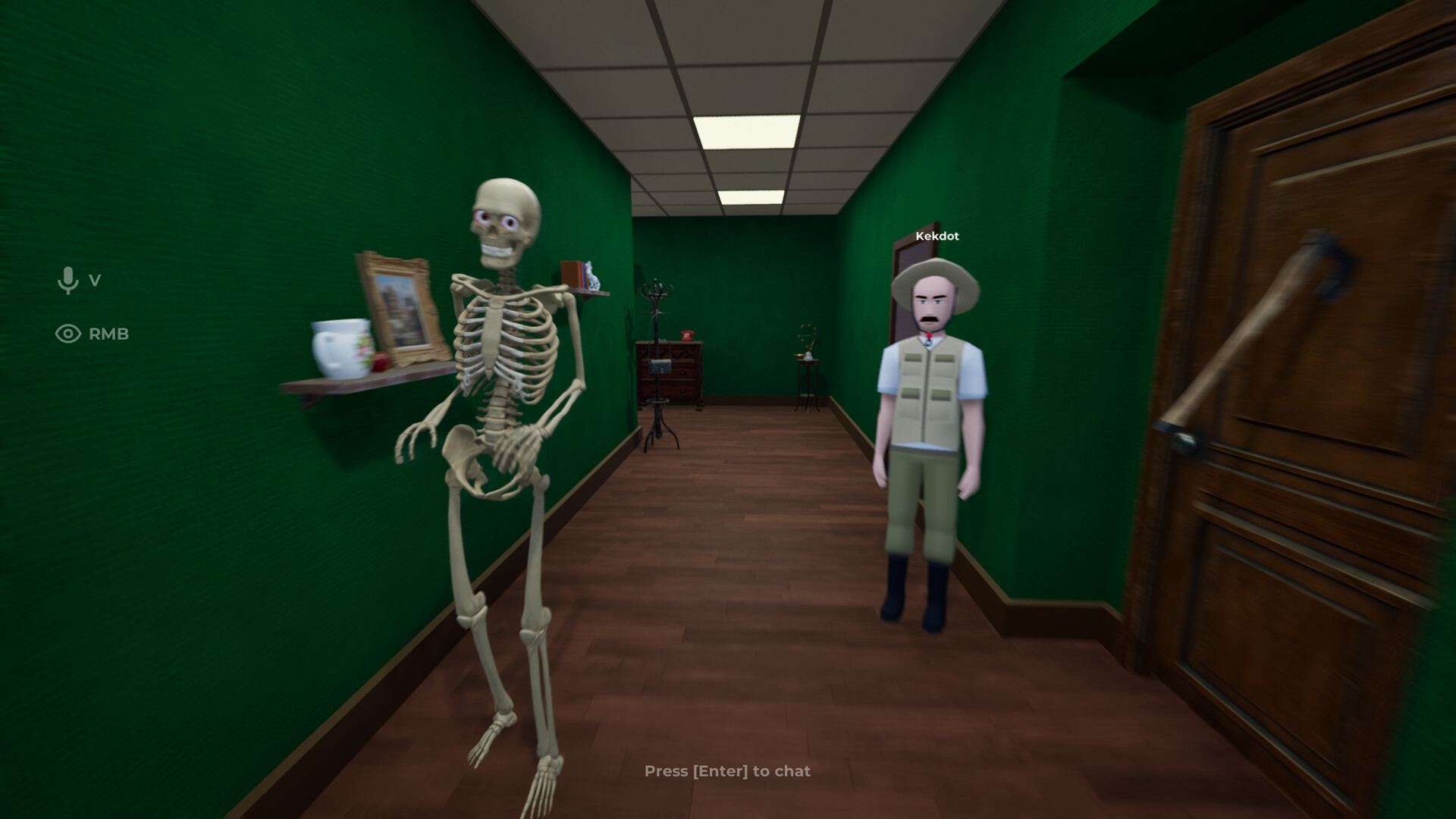
Your goal is simple, spot anomalies to escape. Play alone or together with up to 8 players in online co-op. Make the right decisions to advance to the next level, or risk being reset to the beginning!
The Anomaly Project is a adventure, online co-op and casual game
developed and published by Kekdot.
Released on November 21st 2024 is available on Windows, Steam Deck and Steam Machine.
It has received 317 reviews of which 260 were positive and 57 were negative resulting in a rating of 7.6 out of 10. 😊
The game is currently priced at 7.79€ on Steam.
The Steam community has classified The Anomaly Project into these genres:
Media & Screenshots
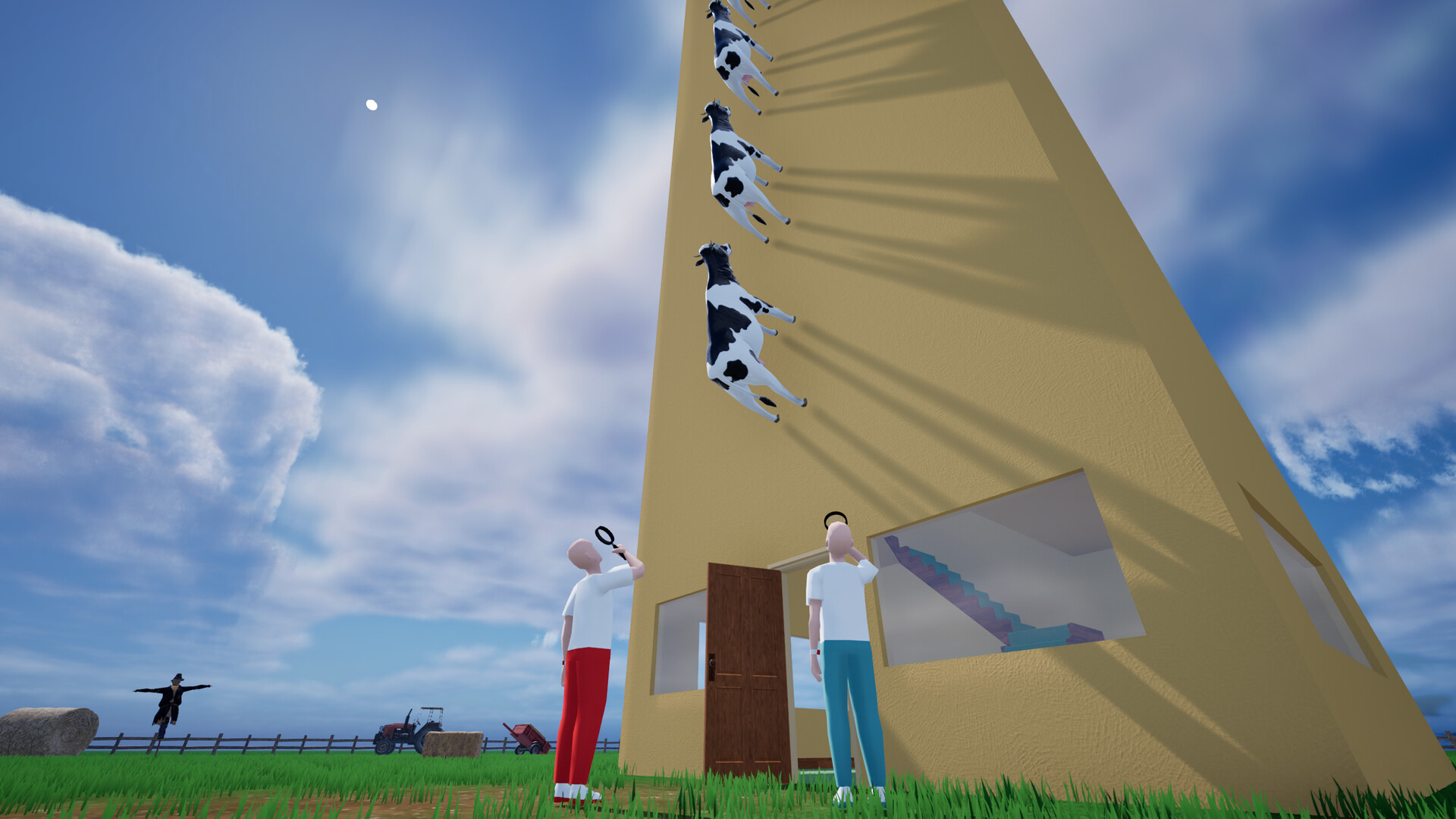
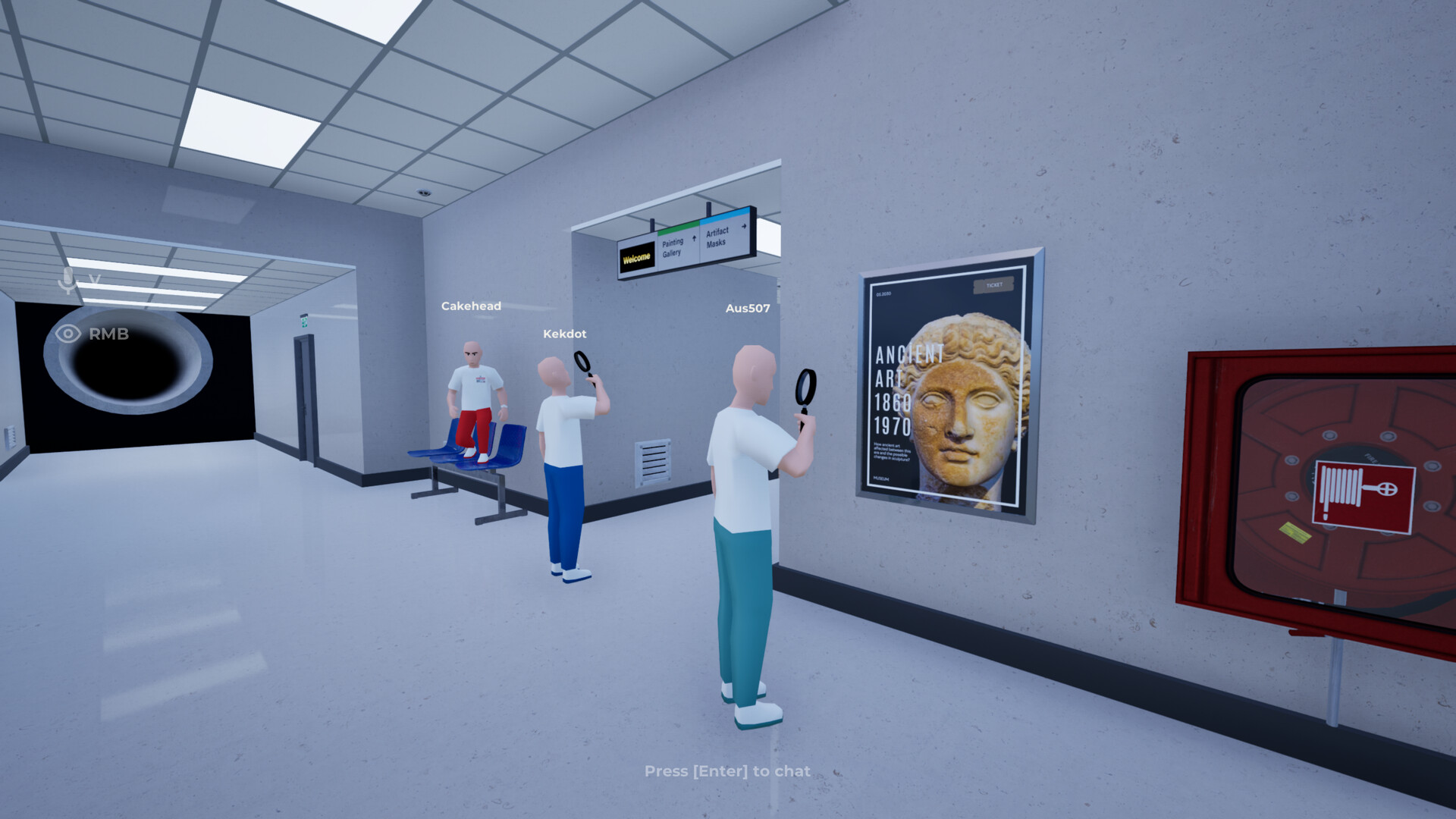
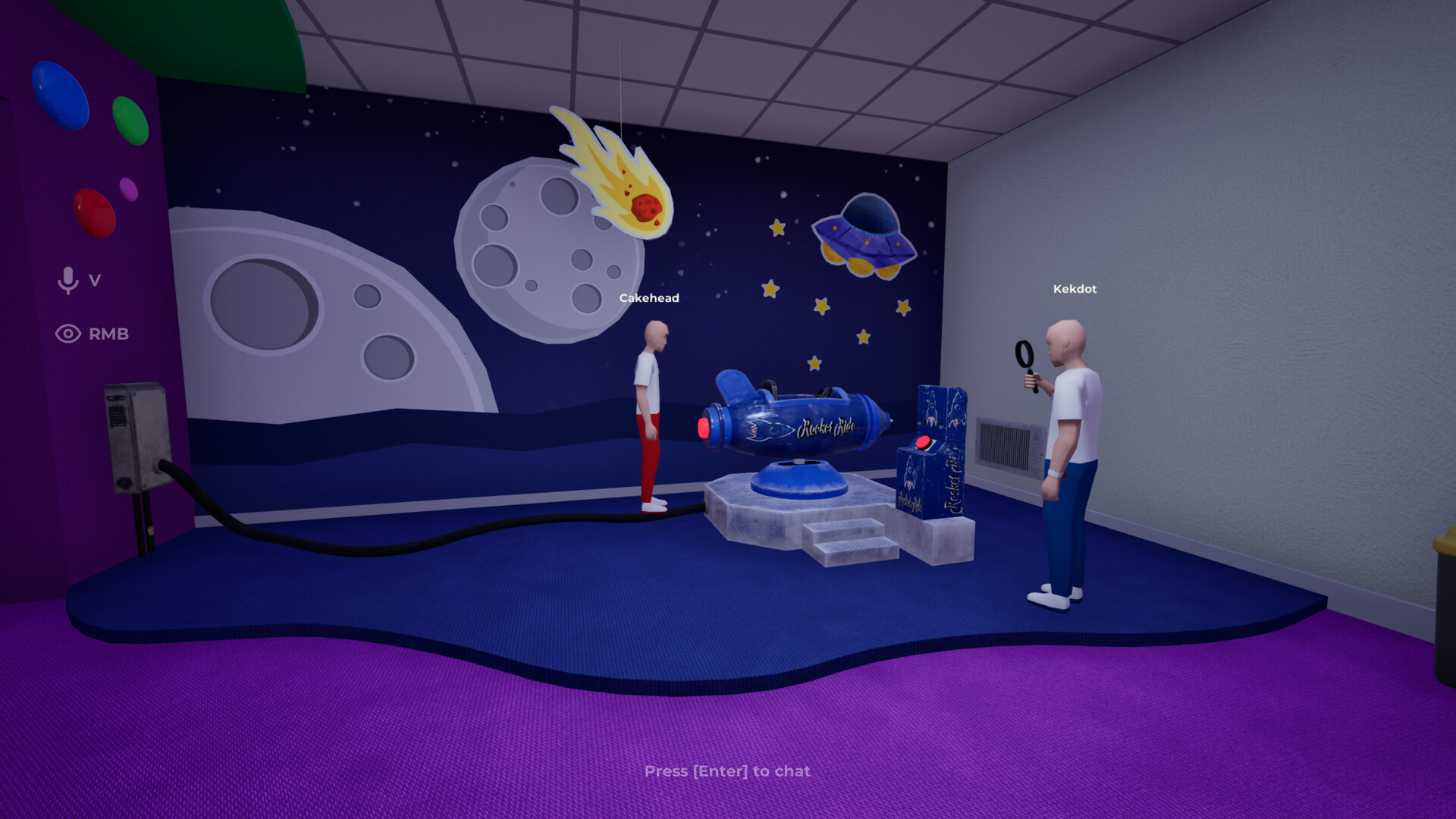
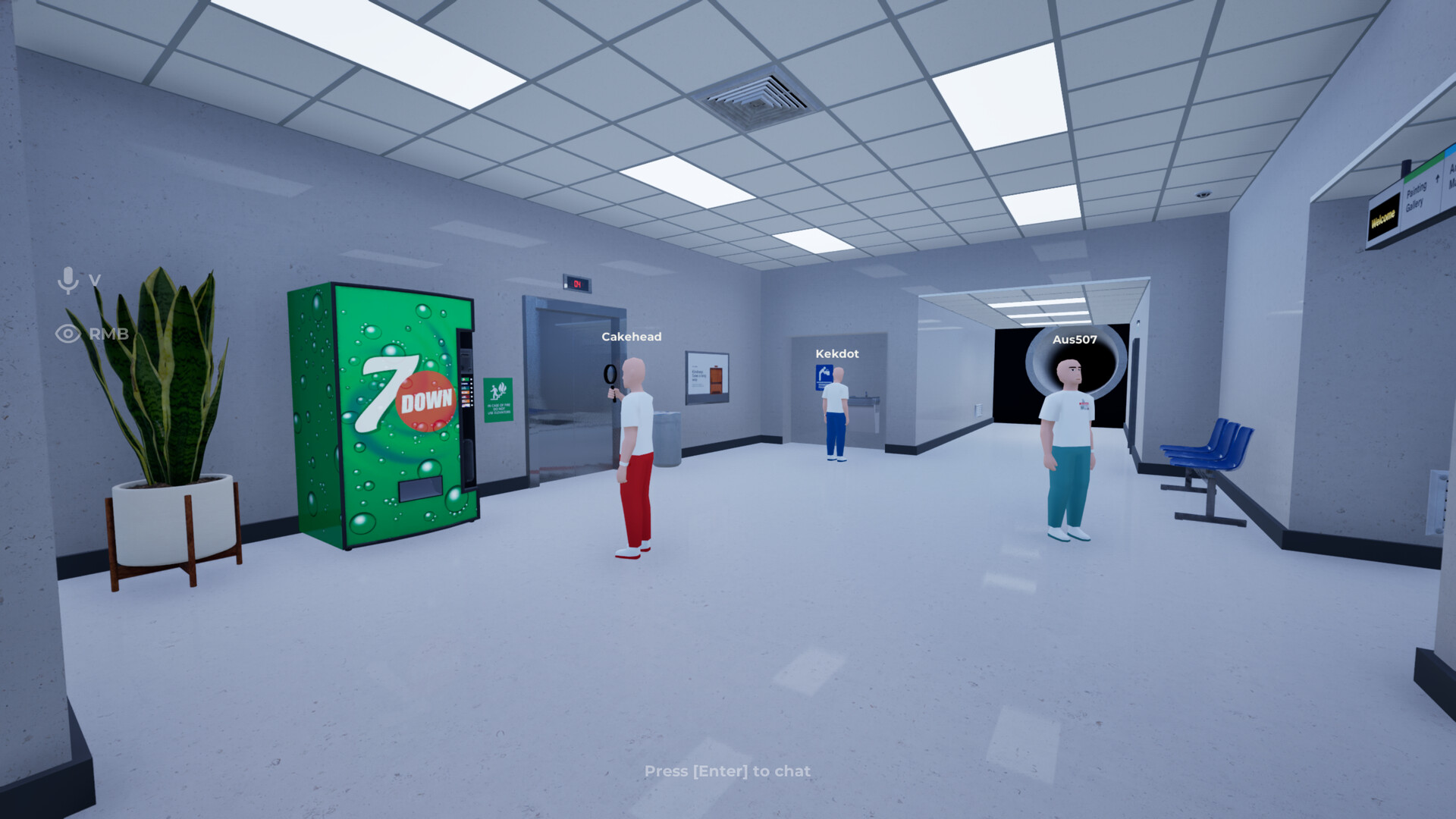
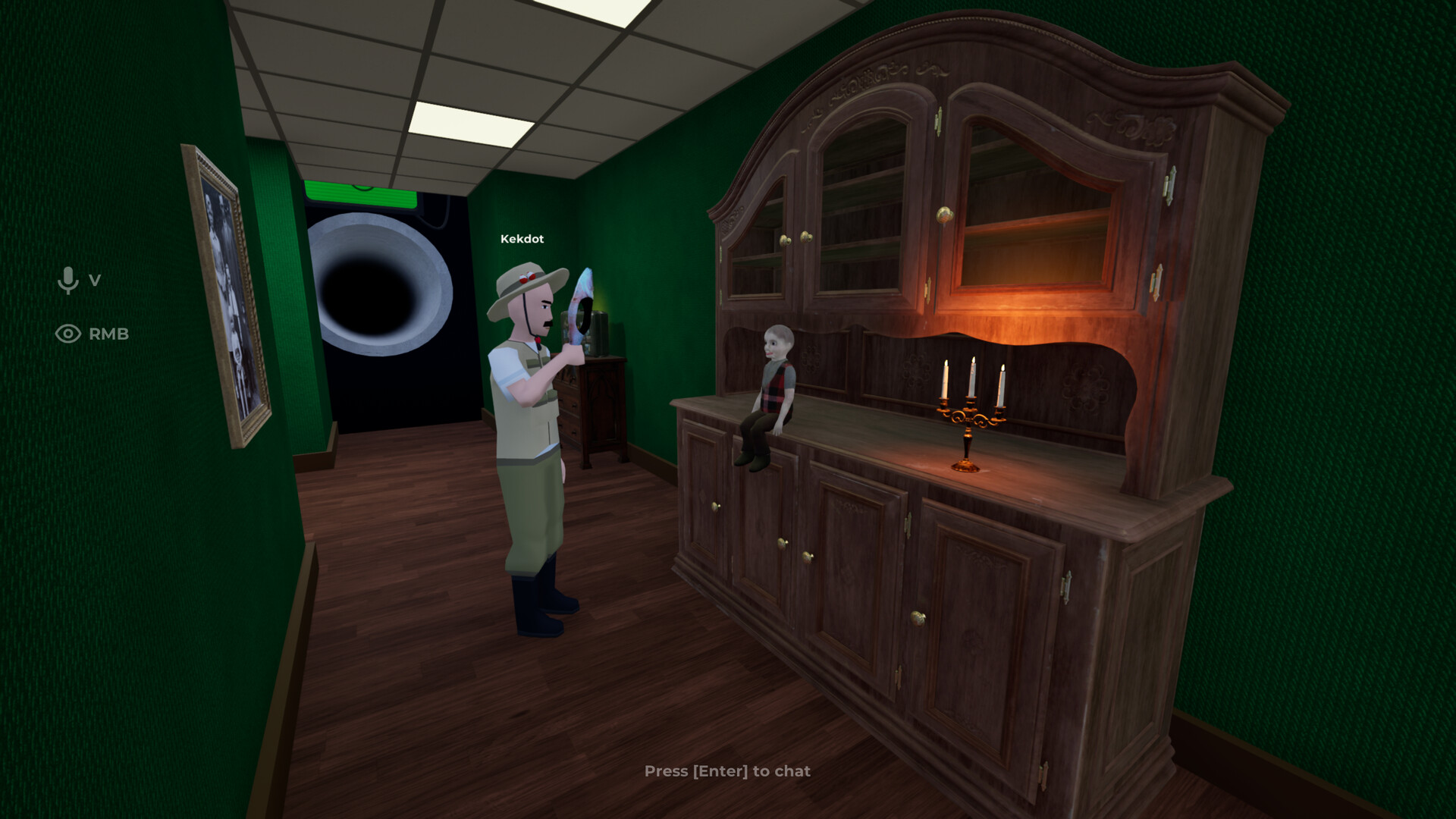
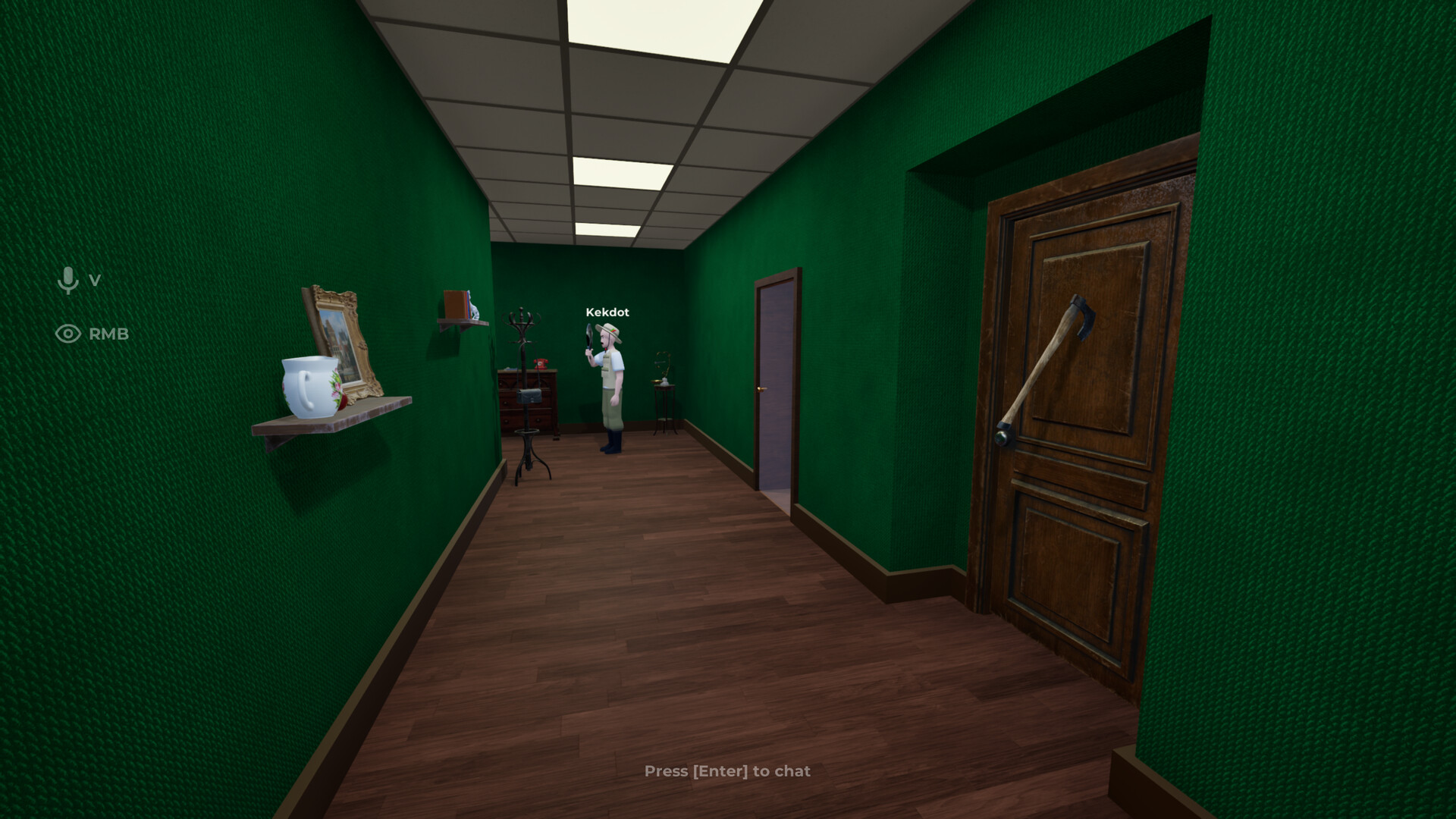
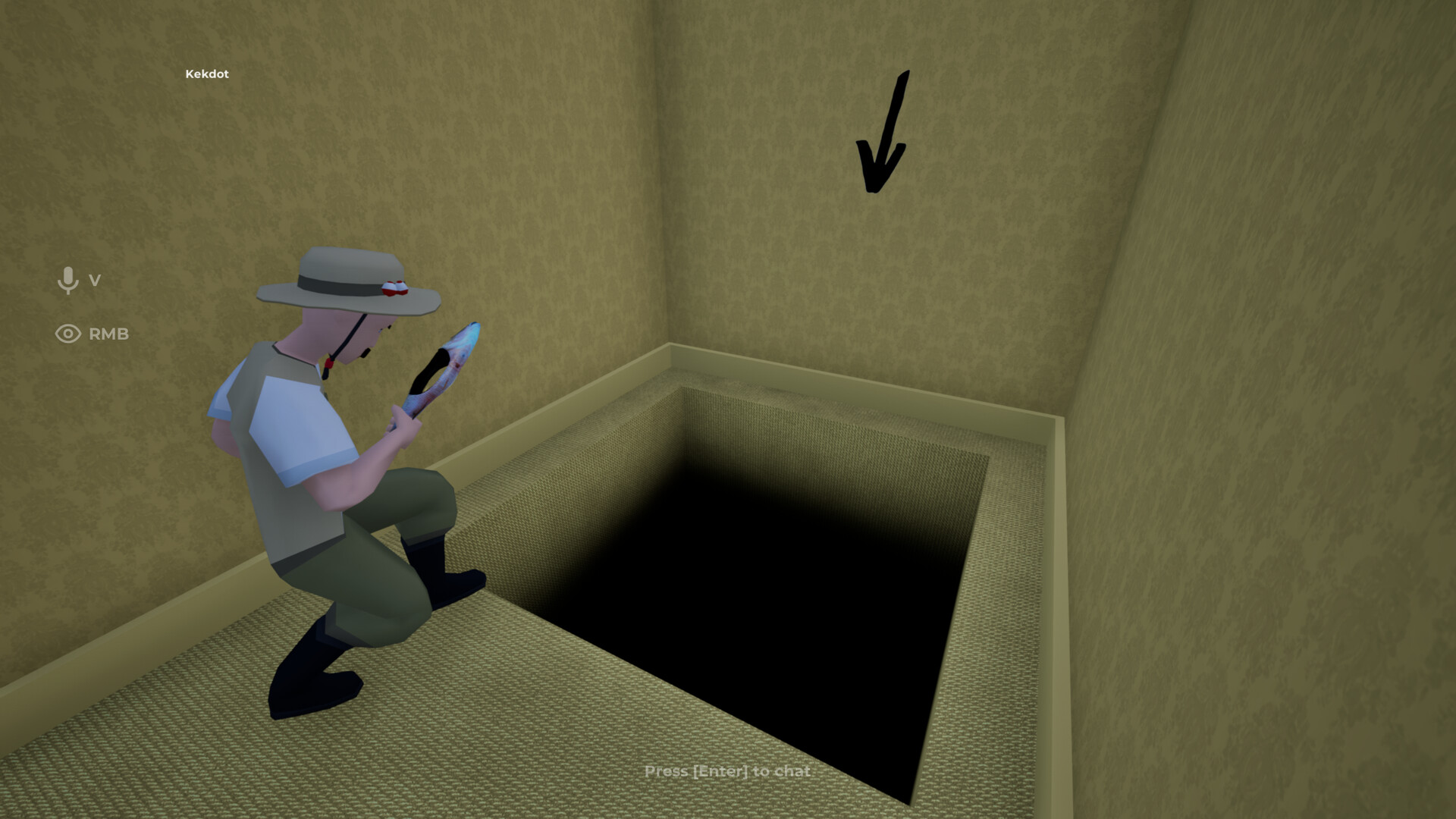
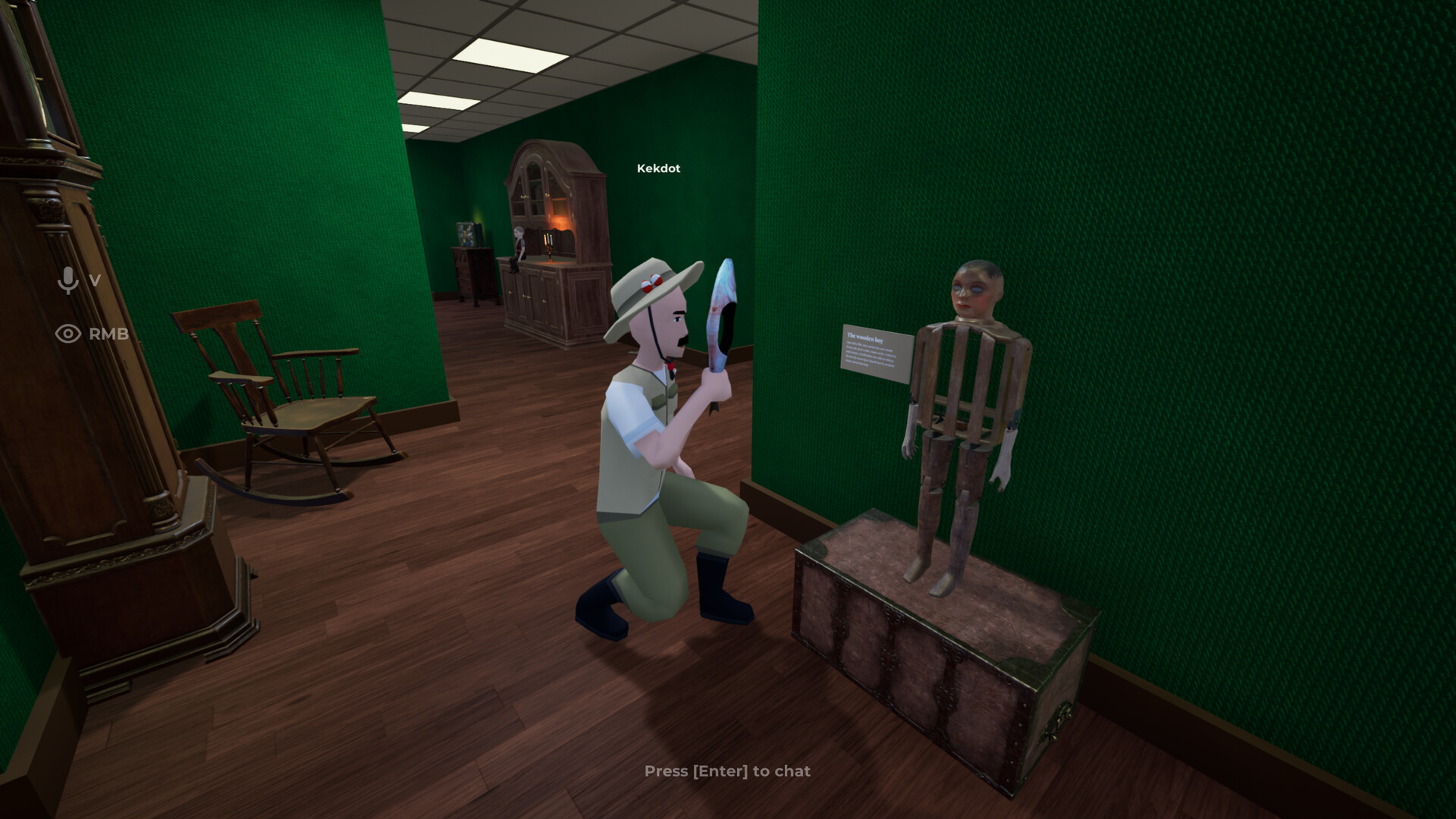
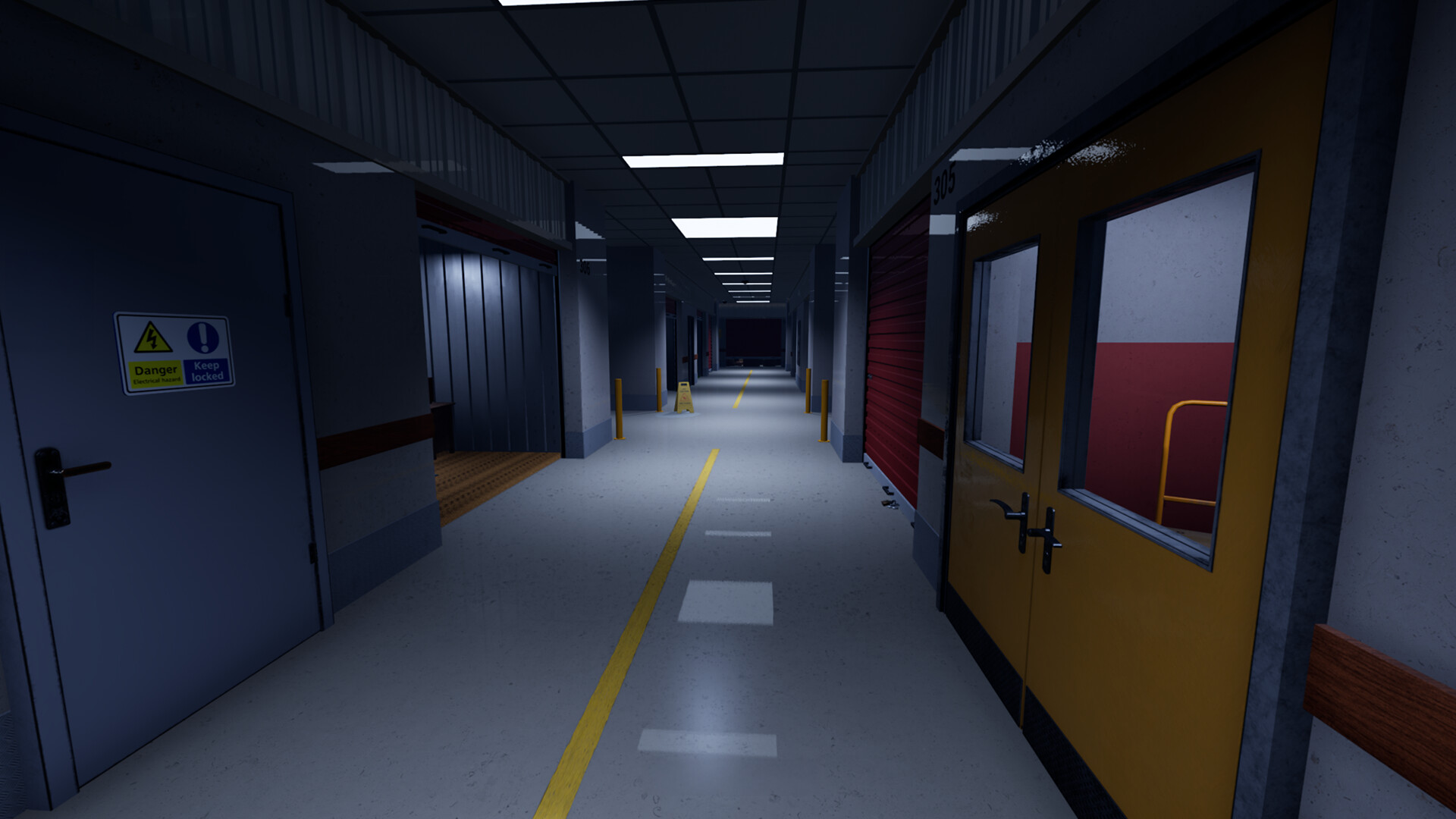
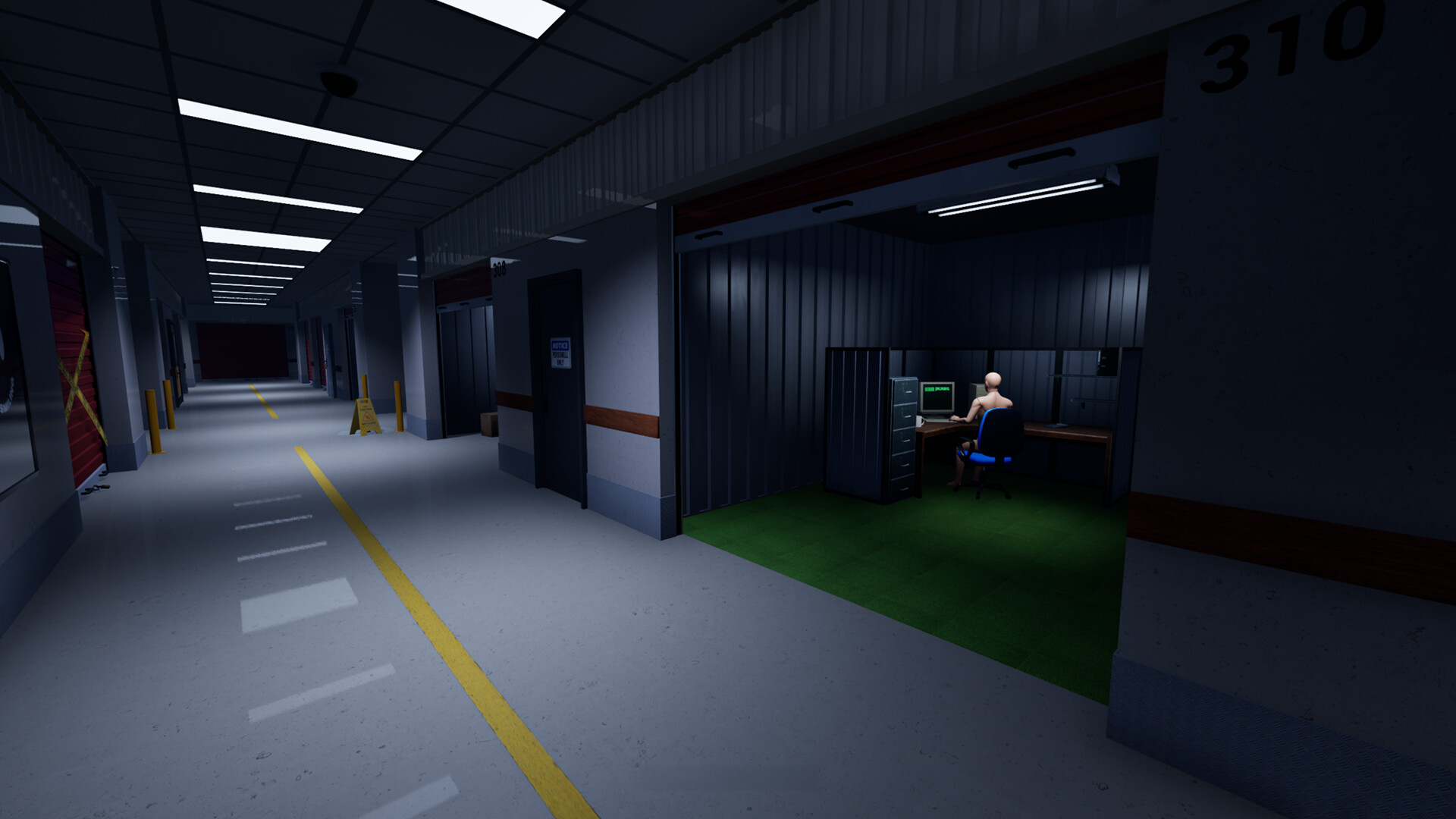
Get an in-depth look at The Anomaly Project through various videos and screenshots.

Load More

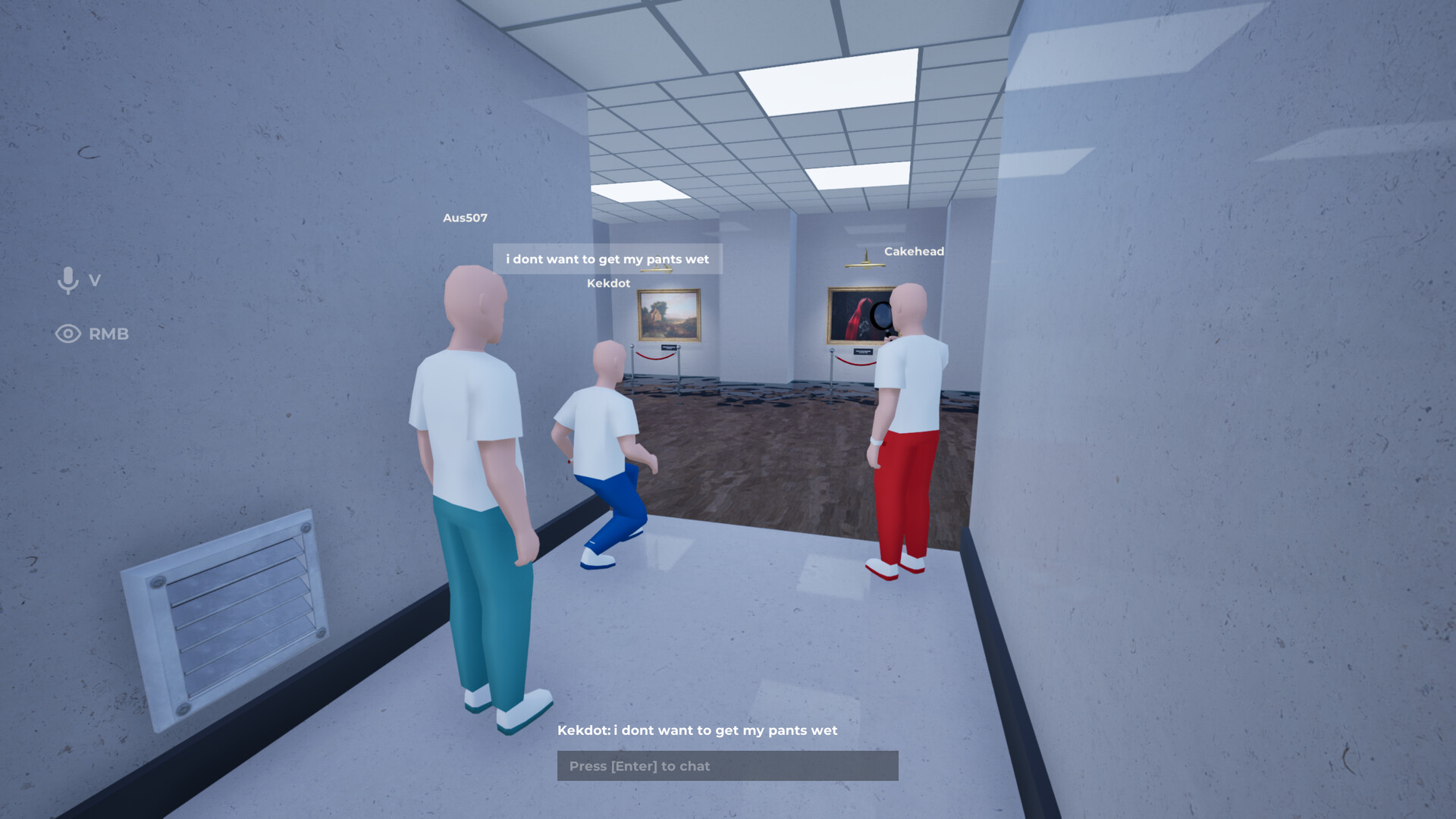
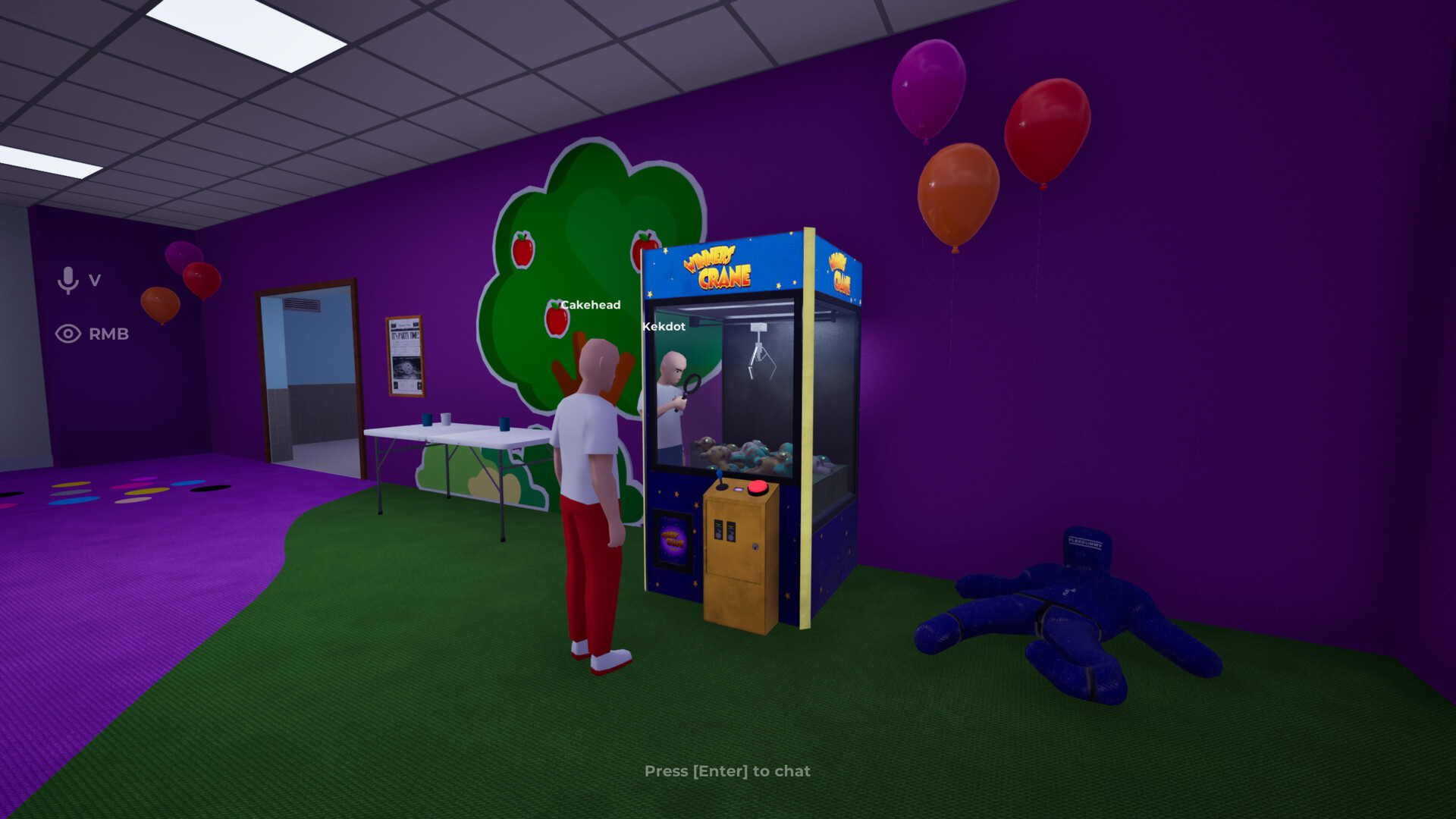
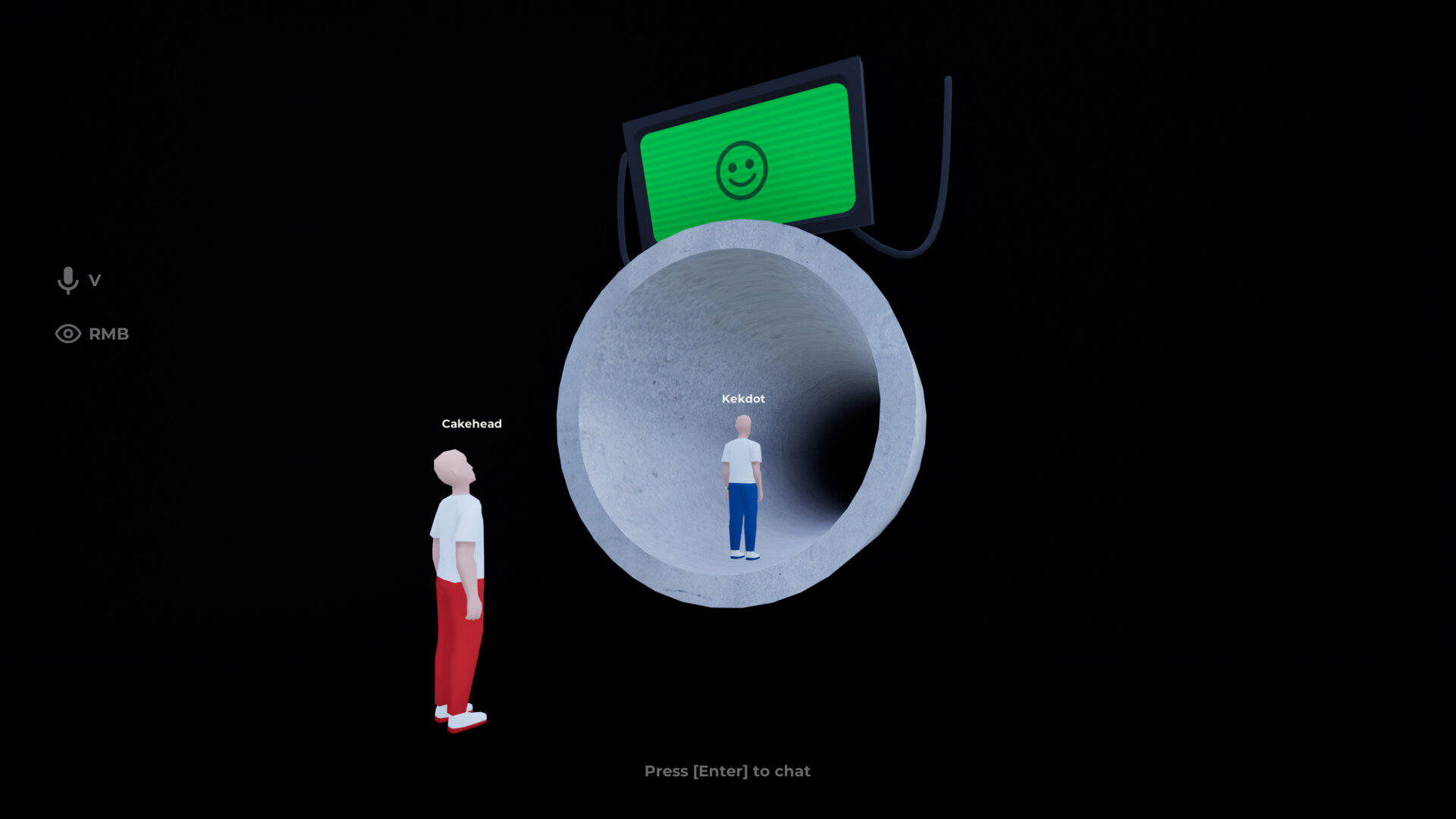
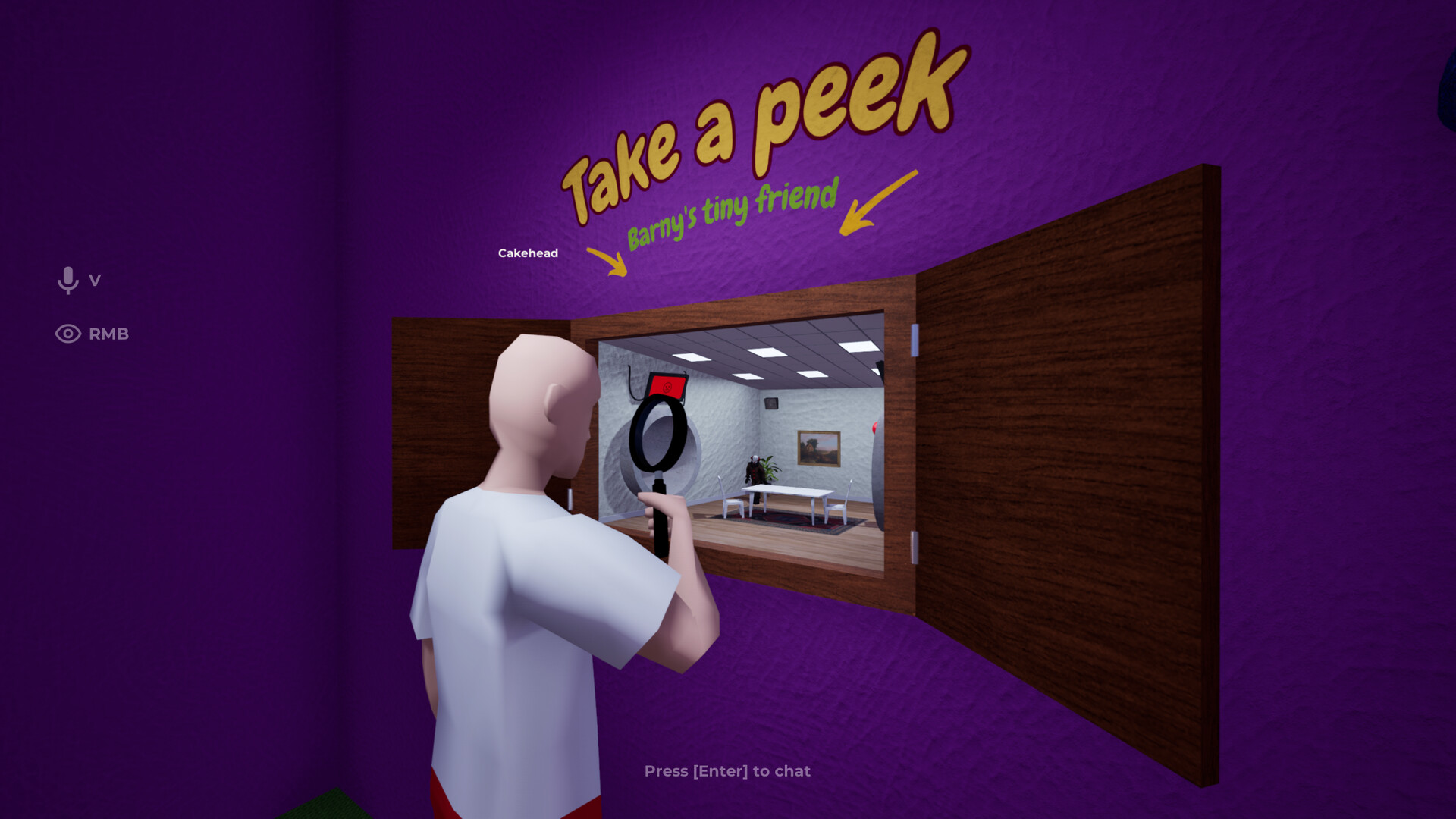
System requirements
These are the minimum specifications needed to play the game. For the best experience, we recommend that you verify them.
Windows
- OS: Windows 10 64Bit
- Processor: Intel Core i5-4590 / AMD Ryzen 5 2600
- Memory: 4 GB RAM
- Graphics: NVIDIA GTX 970 / AMD Radeon R9 390
- DirectX: Version 11
- Network: Broadband Internet connection
- Storage: 2 GB available space
- Additional Notes: May work with even lower specs
Steam Price & Best Deals
User reviews & Ratings
Explore reviews from Steam users sharing their experiences and what they love about the game.
WARNING TO YOUTUBERS - If you plan on uploading a gameplay video to YouTube, be aware that certain songs in the game are copyright protected and you may get an audio claim, basically demonetizing the video. This is based on one we received just recently after playing the birthday party room. Otherwise, the game is fun and enjoyable.
Completed the full game with my husband in four hours and it was worth every penny! We had a great time! It was the perfect balance of spooky, challenging, and fun. I like that it wasn't CRAZY scary but definitely kept us on edge, especially in some levels. The different difficulty levels were fun, the themes were really cool, and overall we absolutely loved it! I hope the devs create more levels later on because this was great. Our favorite was probably the Barney's Party level. Storage was super creepy though too haha
Similar games
View all
![[Bober Bros] It's Just A Prank](https://shared.fastly.steamstatic.com/store_item_assets/steam/apps/3001730/header.jpg)
[Bober Bros] It's Just A Prank
It's Just A Prank is a first-person horror game about kids playing pranks on each other until a PRANK GOES WRONG. Experience suspense, fear, and unexpected twists as a simple joke becomes a nightmare.
Fears to Fathom - Scratch Creek
After noticing bone-chilling similarities to an episode of Fears to Fathom, Tessa and Marcus decide to share their own experience. Scratch Creek is an exclusively online co-op experience.
![[Bober Bros] No Means Nothing](https://shared.fastly.steamstatic.com/store_item_assets/steam/apps/3706160/0df0c400f583695fb080f58ec74a074be28efd2c/hero_capsule.jpg?t=1788873627)
[Bober Bros] No Means Nothing
PSYCHOLOGICAL HORROR // ANTI-DATING SIM about learning to say NO.
![[Bober Bros] The Hole](https://shared.fastly.steamstatic.com/store_item_assets/steam/apps/3037930/header.jpg)
[Bober Bros] The Hole
[Bober Bros] The Hole is a first-person horror game that explores the cracks in domestic life. Your neighbor’s drilling starts the nightmare, but the holes reveal dark secrets far deeper than any wall could hide. No cheap scares, only disturbing reality.

Twisted Gallery 异馆
You're trapped in an endlessly looping art gallery — familiar, yet uncanny. If you can notice the changes, maybe you can find your way out.

SKIBIDI GYATROOMS
Skibidi Gyatrooms is a 1-4 player co-op horror game. You and the homies just fell into the Backrooms, you must out-GYAT the Skibidi Toilet with max rizz or get flushed. Expect cursed levels, and brainrot that’ll keep you on edge.
![[Chilla's Art] The Convenience Store | 夜勤事件](https://shared.fastly.steamstatic.com/store_item_assets/steam/apps/1228520/header.jpg)
[Chilla's Art] The Convenience Store | 夜勤事件
The Convenience Store | 夜勤事件 is a J-horror game about a college girl on a night shift.

The Longest Walk
The Longest Walk is a deeply personal biographical walking-simulator game about my father's experience of living with depression.

Enter The Backrooms
An indie psychological horror experience about surviving infinity. Navigate an endless expanse of rooms, ascend through various levels, gather items and artifacts, avoid going insane, evade corrupted entities, and see just how deep the realm known as The Backrooms goes.

Bad Parenting 1: Mr. Red Face
Mr. Red Face, a fictional character created by adults to teach their children, suddenly becomes real..

Escape the Backrooms
Escape the Backrooms is a 1-4 player co-op horror exploration game. Traverse 30+ eerie backrooms levels while avoiding entities and other dangers. Try to escape but be warned: survival isn't guaranteed.
Frequently Asked Questions
The Anomaly Project is currently priced at 7.79€ on Steam.
No, The Anomaly Project is currently not on sale. You can purchase it for 7.79€ on Steam.
Yes, The Anomaly Project received 260 positive votes out of a total of 317 achieving a rating of 7.64.
😊
The Anomaly Project was developed and published by Kekdot.
Yes, The Anomaly Project is playable and fully supported on Windows.
No, The Anomaly Project is not playable on MacOS.
No, The Anomaly Project is not playable on Linux.
Yes, The Anomaly Project is playable on Steam Deck, though it might require a few minor tweaks. Make sure to check the Steam store page and community feedback on ProtonDB for exact compatibility details.
Yes, The Anomaly Project is playable on Steam Machine, though it might require a few minor tweaks. Make sure to check the Steam store page and community feedback on ProtonDB for exact compatibility details.
No, The Anomaly Project does not support VR.
The Anomaly Project offers both single-player and multi-player modes.
The Anomaly Project includes Co-op mode where you can team up with friends.
No, The Anomaly Project does not currently offer any DLC.
No, The Anomaly Project does not support mods via Steam Workshop.
No, The Anomaly Project does not support Steam Remote Play.
Yes, The Anomaly Project is enabled for Steam Family Sharing. This means you can share the game with authorized users from your Steam Library, allowing them to play it on their own accounts. For more details on how the feature works, you can read the original Steam Family Sharing announcement or visit the Steam Family Sharing user guide and FAQ page.
You can find solutions or submit a support ticket by visiting the Steam Support page for The Anomaly Project.
Data sources
The information presented on this page is sourced from reliable APIs to ensure accuracy and relevance. We utilize the Steam API to gather data on game details, including titles, descriptions, prices, and user reviews. This allows us to provide you with the most up-to-date information directly from the Steam platform.
Additionally, we incorporate data from the SteamSpy API, which offers insights into game sales and player statistics. This helps us present a comprehensive view of each game's popularity and performance within the gaming community.
Last Updates| Steam data | 18 September 2026 09:23 UTC |
|---|---|
| SteamSpy data | 03 October 2026 17:12 UTC |
| Steam price | 05 October 2026 19:13 UTC |
| Steam reviews | 26 September 2026 10:05 UTC |
If you'd like to dive deeper into the details about The Anomaly Project, we invite you to check out a few dedicated websites that offer extensive information and insights. These platforms provide valuable data, analysis, and user-generated reports to enhance your understanding of the game and its performance.
- SteamDB - A comprehensive database of everything on Steam about The Anomaly Project
- SteamCharts - Analysis of The Anomaly Project concurrent players on Steam
- ProtonDB - Crowdsourced reports on Linux and Steam Deck The Anomaly Project compatibility

Game modes
Multiplayer
Features
Online players
3
Developer
Kekdot
Publisher
Kekdot
Release
21 Nov 2024
Platforms