


Home is Where One Starts...
Home is Where One Starts... is a short, first-person exploration game in the same vein as Dear Esther or Gone Home. It’s a story about childhood, hope, and the miracle of memory. You play as a little girl from a broken home somewhere in the American South.
Sync your Steam wishlist to find the lowest game prices instantly. No login required, just paste your Steam profile URL!
⚡ Try Wishlist Radar!
Sync your Steam wishlist to find the lowest game prices instantly. No login required!
⚡ Try Wishlist Radar!
Close

The Beginner's Guide on Steam
Quick menu
The Beginner's Guide is a narrative video game from Davey Wreden, the creator of The Stanley Parable. It lasts about an hour and a half and has no traditional mechanics, no goals or objectives. Instead, it tells the story of a person struggling to deal with something they do not understand.
The Beginner's Guide is a story rich, walking simulator and indie game
developed by Everything Unlimited Ltd.
and published by Everything Unlimited Ltd. and Klei Publishing.
Released on October 01st 2015 is available on Windows, MacOS, Linux, Steam Deck and Steam Machine.
It has received 22,002 reviews of which 19,369 were positive and 2,633 were negative resulting in a rating of 8.6 out of 10. 😎
The game is currently priced at 9.75€ on Steam, but you can find it for 8.47€ on G2A.
The Steam community has classified The Beginner's Guide into these genres:
Media & Screenshots
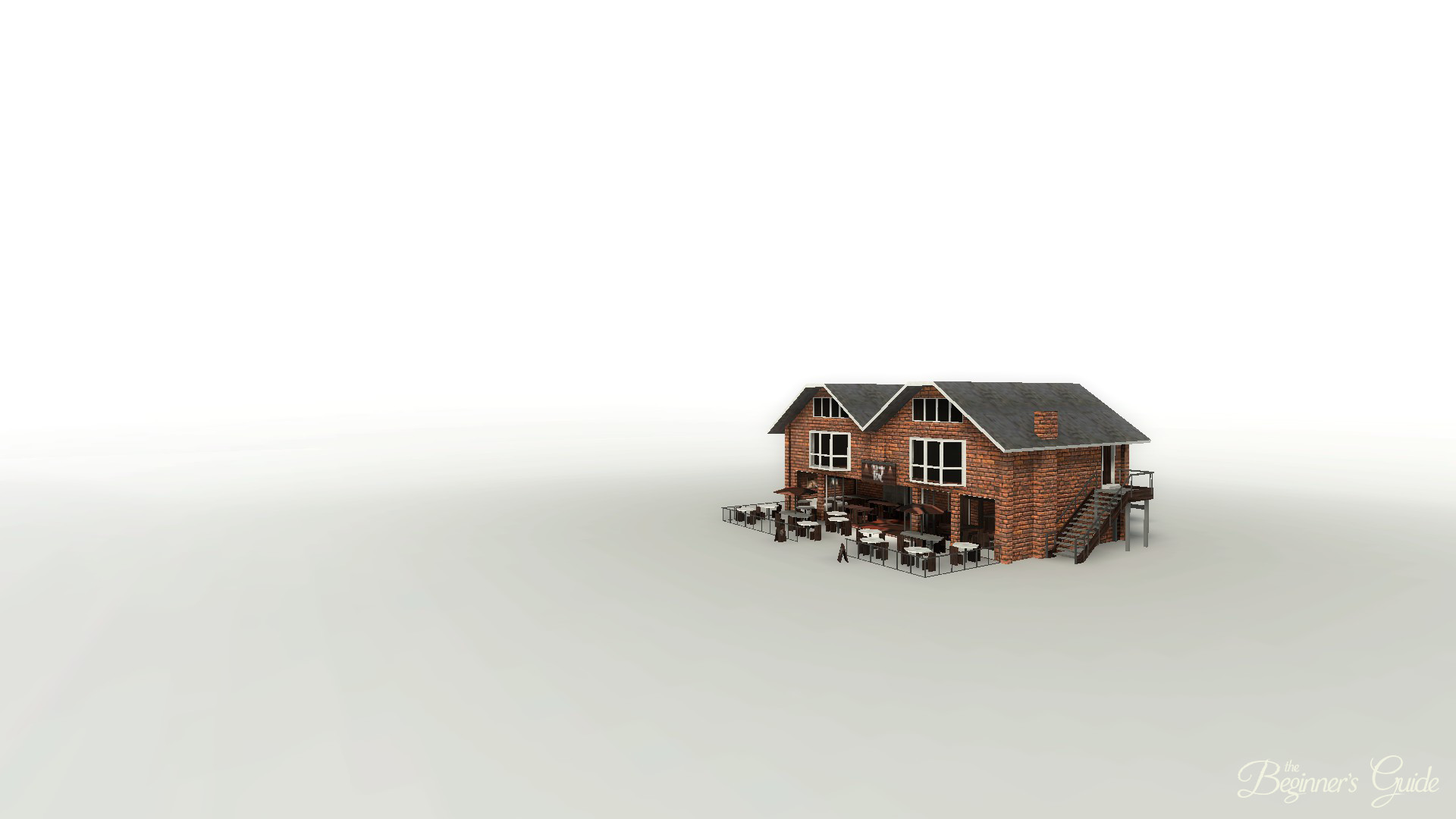
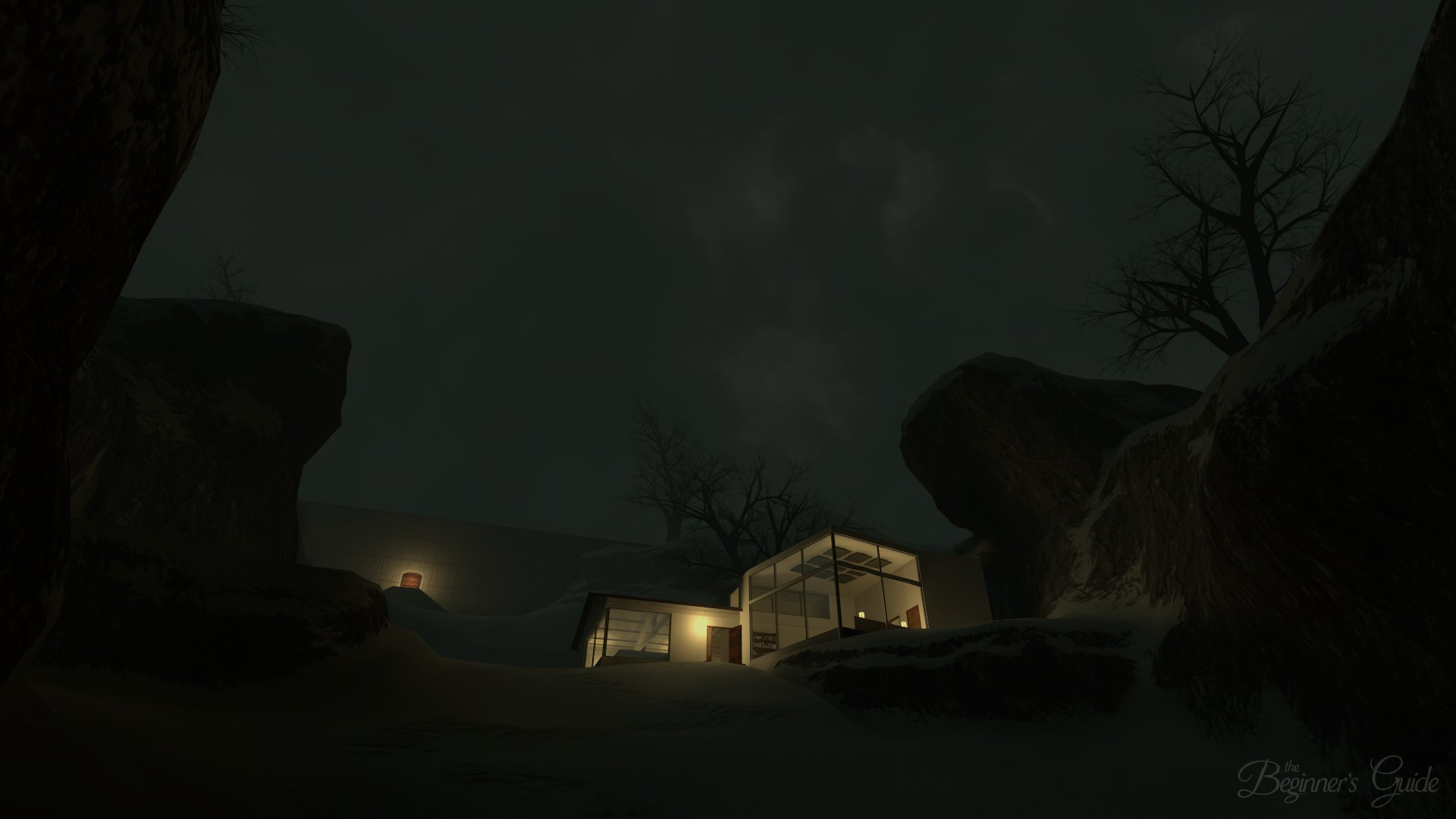
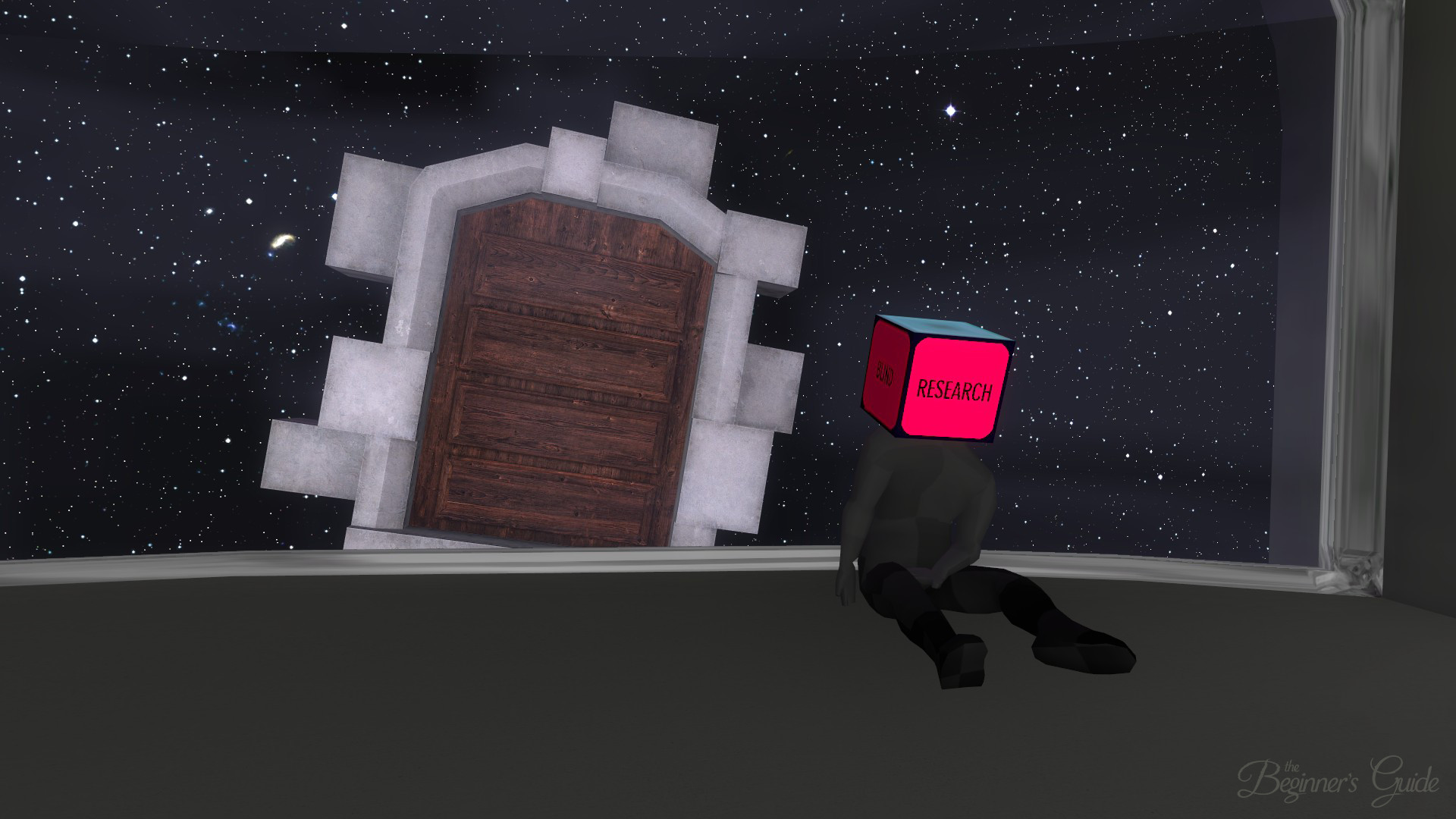
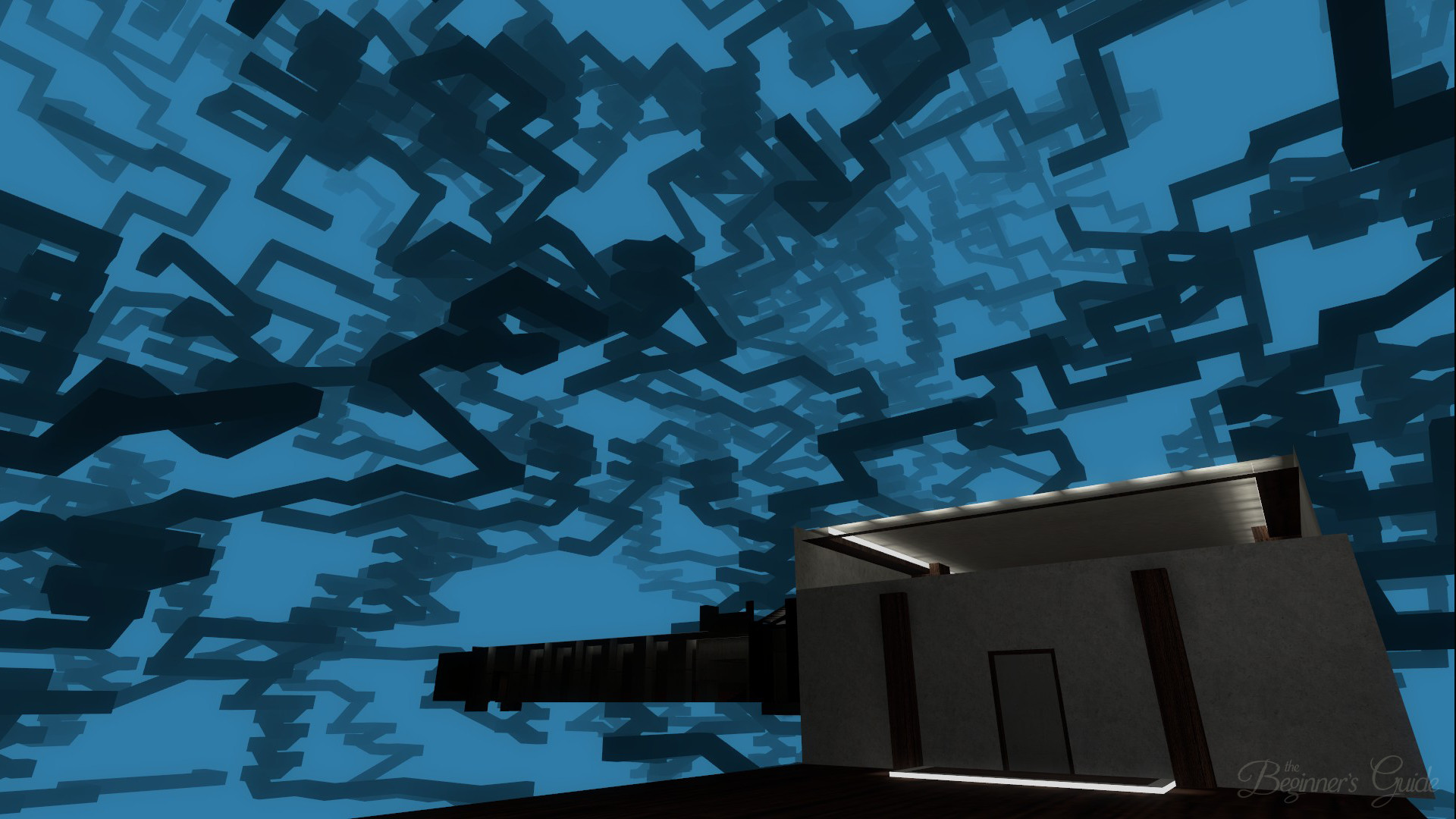
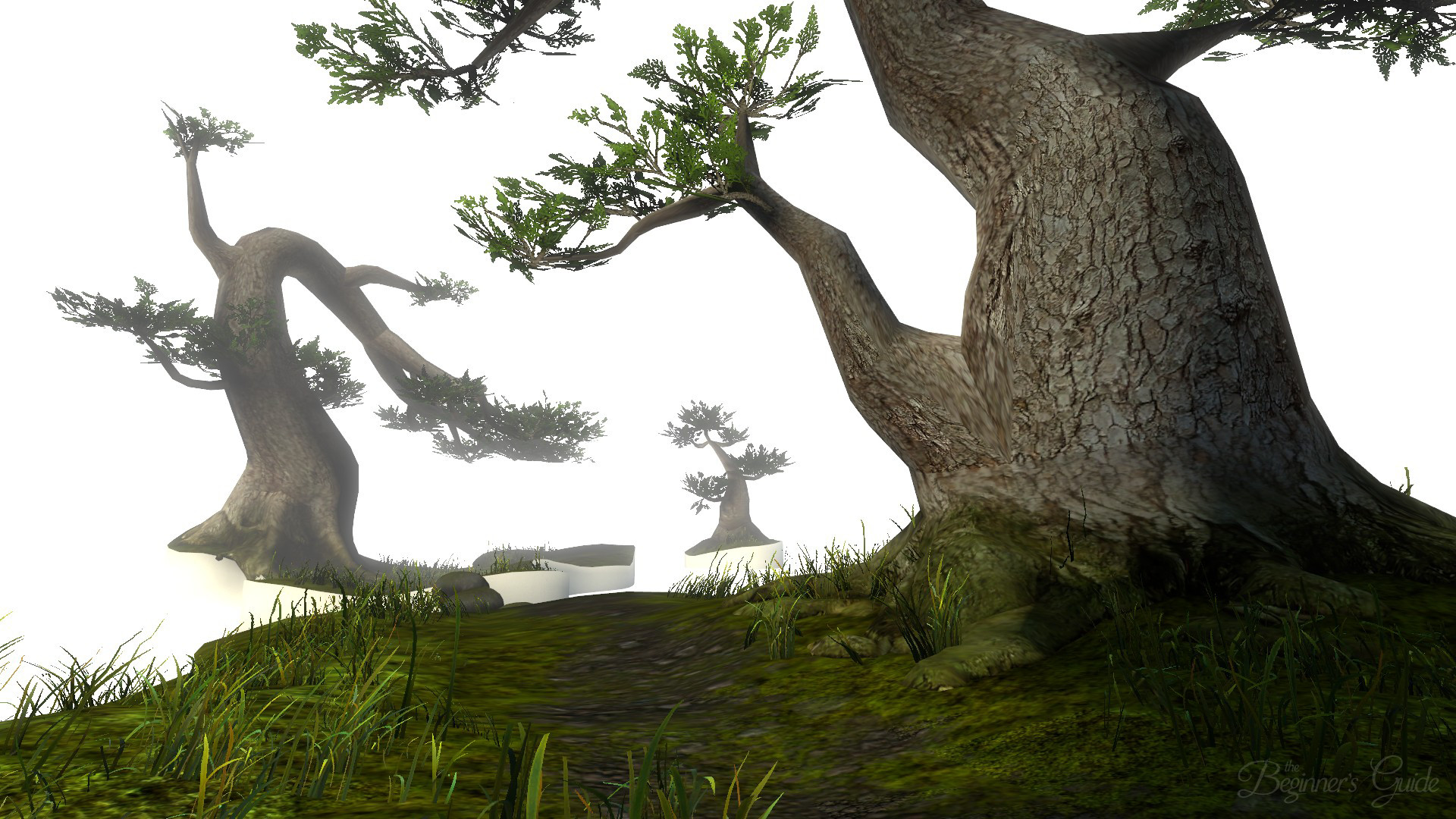
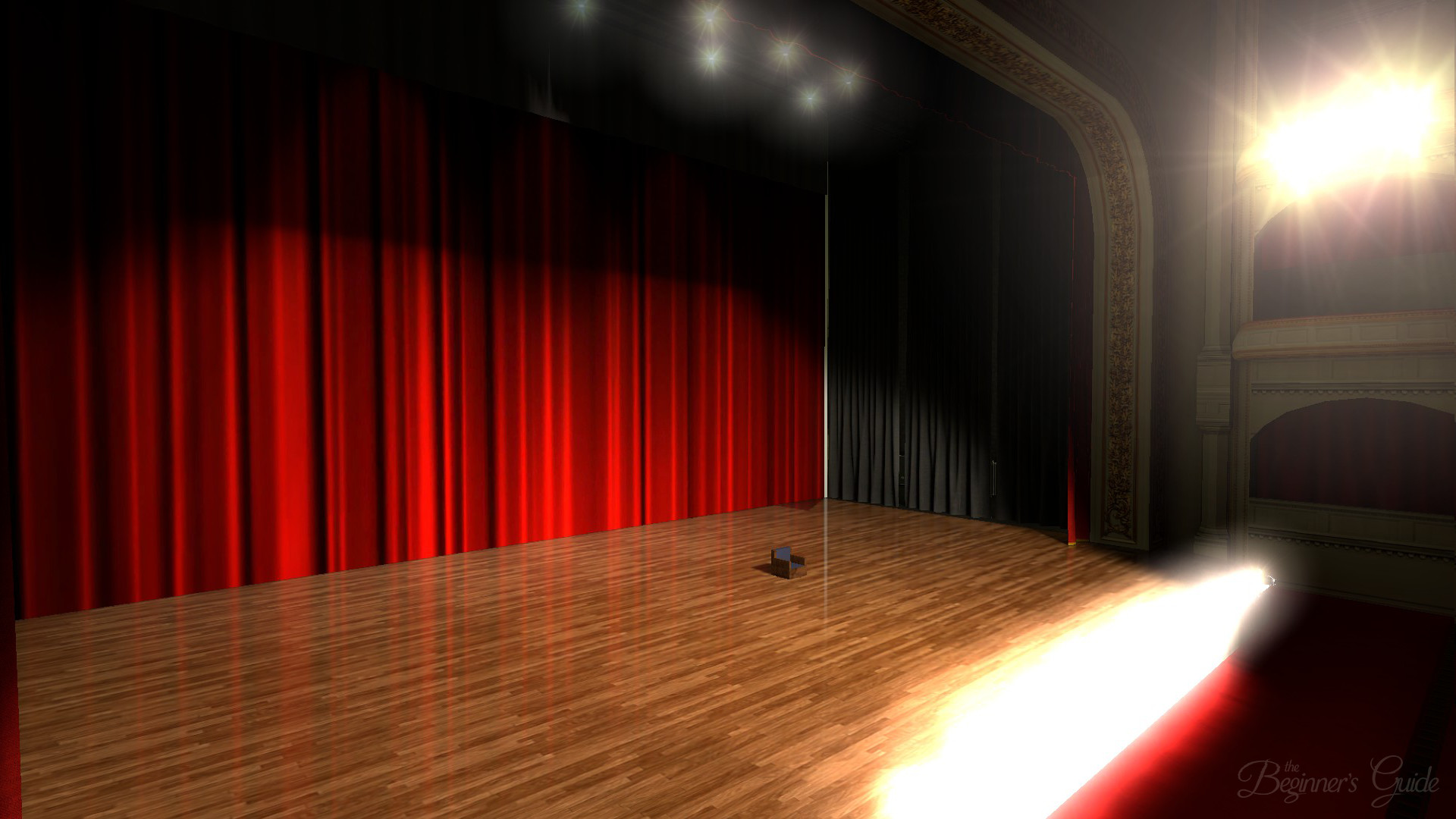
Get an in-depth look at The Beginner's Guide through various videos and screenshots.
System requirements
These are the minimum specifications needed to play the game. For the best experience, we recommend that you verify them.
Windows
- OS *: Windows Vista/7/8/8.1/10
- Processor: 3.0 GHz P4, Dual Core 2.0 (or higher) or AMD64X2 (or higher)
- Memory: 2 GB RAM
- Graphics: Video card must be 128 MB or more and should be a DirectX 9-compatible with support for Pixel Shader 2.0b (ATI Radeon X800 or higher / NVIDIA GeForce 7600 or higher / Intel HD Graphics 2000 or higher - *NOT* an Intel Express graphics card).
- Storage: 4 GB available space
- Sound Card: DirectX 9.0c compatible
MacOS
- OS: Mac OS X 10.8 or higher required
- Processor: 3.0 GHz P4, Dual Core 2.0 (or higher) or AMD64X2 (or higher)
- Memory: 2 GB RAM
- Graphics: ATI Radeon 2400 or higher / NVIDIA 8600M or higher
- Storage: 4 GB available space
Linux
- OS: Ubuntu 12.04
- Processor: Dual core from Intel or AMD at 2.8 GHz
- Memory: 2 GB RAM
- Graphics: nVidia GeForce 8600/9600GT, ATI/AMD Radeon HD2600/3600 (Graphic Drivers: nVidia 310, AMD 12.11), OpenGL 2.1
- Storage: 4 GB available space
- Sound Card: OpenAL Compatible Sound Card
Steam Price & Best Deals
User reviews & Ratings
Explore reviews from Steam users sharing their experiences and what they love about the game.
One of the games that genuinely changed me as a creative. I genuinely don't know how to put into words what The Beginner's Guide made me feel when I first played it as a teenager. I went on to study video game design at university, where I did a dissertation on something I was deeply passionate about. Looking back, I can say honestly that The Beginner's Guide was one of the biggest inspirations for how I think about games, interactive experiences, and what games can actually be . It didn't just influence my taste in games — it influenced how I create. Replaying it now as an early adult hits completely differently. SPOILERS AHEAD The relationship between Coda and the protagonist/narrator becomes so much more fascinating when you understand the dynamics at play: the desire to remain hidden, obsession with understanding someone else, miscommunication, and how trying to interpret or "help" someone can ultimately destroy a friendship. What I especially adore is how the game explores the interpretation of art. Coda's games feel deeply personal, strange, experimental and sometimes seemingly pointless. They're not necessarily designed to be "fun"; they're experiences reflecting someone's mental and emotional state. The narrator's attempts to make them accessible fundamentally change what they are. And that is exactly why I LOVE the game's deconstruction of digital spaces. It uses the games themselves, the environments, the Source engine, the player and even the fourth wall as part of its narrative. The narrator altering these spaces so we can experience them isn't just a gameplay mechanic — it is the story. Are you experiencing Coda's work? The narrator's interpretation of it? Something that has already been fundamentally changed? And does it even matter if you can't tell the difference? I think this is a game you have to approach with an open mind. Honestly, it's better if you know absolutely nothing beforehand. Don't look up explanations, don't watch a video essay, don't try to find the "twist". Just experience it. Not everyone will enjoy it. Some will find it boring or pretentious. And that's completely fine. To me, this is closer to an art piece than a traditional game. Like modern art, I don't think you're supposed to immediately understand everything. You can experience it, misunderstand it, dislike it, love it, and return years later to see something completely different. That's exactly what happened to me. As a teenager, I couldn't explain why this game affected me so much. Replaying it now, I understand it better: the relationship between emotion, turmoil, creativity and art , and how what's happening inside someone can manifest through what they create. That idea has stayed with me throughout my career as a creative. I eventually studied game design, made and released my own game, and genuinely don't think I'd approach games the same way without experiences like this. It taught me that games can be more than entertainment . They can be uncomfortable, confusing, boring on purpose, controversial, and make you actually think. They can make you question the creator, yourself, and the medium itself. I'm also a huge sucker for the original Source engine. Source was such a massive part of my upbringing with games, and seeing it used to create these intimate, strange, dreamlike spaces gives the game a nostalgic warmth that is difficult to explain. Everything feels familiar, but slightly wrong. Like the games I grew up with have been taken apart and put back together differently. And that's probably the best way I can describe this game: It deconstructs the world around me and reconstructs it in a way that makes me question what I thought I was looking at. I love its complicated ideas about friendship, obsession, interpretation, authorship and emotion. There's something incredibly loving about it that I still can't quite pinpoint. It's melancholic, intimate, uncomfortable, nostalgic, beautiful, pretentious, sincere, confusing and deeply human all at once. And somehow it works. This game genuinely shaped me as a creative. It changed how I think about games, storytelling, interactive spaces, art and what a game is capable of communicating. I don't think everyone needs to love The Beginner's Guide . But if you're willing to go in blind and simply experience it rather than asking whether you're "having fun", I think there's something incredibly special here. 10/10. Not because it's perfect. Not because it's traditionally fun. But because years later, I'm still thinking about what the hell this game did to my brain.
Whenever I get into an argument with someone in the future about "the death of the author," I will just tell them to come play this game. It's not a defense of the idea, and not a refutation either. Whenever someone insists they understand the purpose of art what it should be, I will just tell them to play this game. It's messy and sad and makes you feel kind of bad. It's perfect at explaining what words fail to fully convey. It's not about game development. It's about what it means to be human. I did cry. If I said anything more about the game itself it would be too ironic. I highly recommend it.
Spoiler free portion: Loved the game, it's best to play it without looking into it at all. Very nice narrative piece and writing. Definitely worth the 10 bucks. Spoiler filled portion: At the beginning, I enjoyed the narrator, I thought that he was maybe a bit naive but that maybe this was a wholesome tribute to a dead friend (or so the story is, not that I thought this actual game was a real story).But as soon as we got to around the staircase area I noticed that he was a bit pretentious/self-absorbed and then started to disagree with him. Then, I started to think he was missing the point (especially later, as he put the bridge over the invisible death maze). Then, as soon as he said that he gave the games to other people, I genuinely hated him as a person and realized that he wasn't naive but horrible (especially well written). When I found out that he put the lampposts in the levels? Wow, that REALLY got me, such a corrosive personality. AMAZING experience, absolutely loved it, I could not recommend this game enough.
I've had this game on my wishlist for years, and I finally tried it out. I had imagined it as a narrative puzzle game, and really it's just a narrative. I don't believe Coda was an actual person in this story, but Coda represents some real concepts and real people. Possible spoilers ahead, in case you care about that: ------------------------------------------------------- The message I got from the game is that sometimes you'll see people that have a problem, and that you feel like you have to fix them. But in the process you don't naturally gravitate to first understanding them, so you try the wrong things, go too hard, and give them no space. They push you away because your attempts to help them are only causing harm instead. The lesson I think to take from the narrative is that you don't need to fix people, you can show your care and be open to listening, but if they don't want to "be fixed" or even talk to you, forcing it is not a good idea, no matter how good your intentions are. And in the same respect, you may feel that you need to fix yourself, that there's a problem with you that you discover in your same attempts to fix the other person. But that's shown to mostly be hindsight, and in the process of trying to fix your problems, for the sake of efficiency or for the sake of negating any wrongs you've made, you may find that you can't negate the inefficiency, you can't fix your mistakes, and it can cripple you. You may find that the healthiest option to begin with, was instead to let it go, forgive yourself, and move forward with what you've learned, because what you've learned isn't nothing.
Similar games
View all

What Remains of Edith Finch
What Remains of Edith Finch is a collection of strange tales about a family in Washington state. As Edith, you’ll explore the colossal Finch house, searching for stories as she explores her family history and tries to figure out why she's the last one in her family left alive.
That Dragon, Cancer
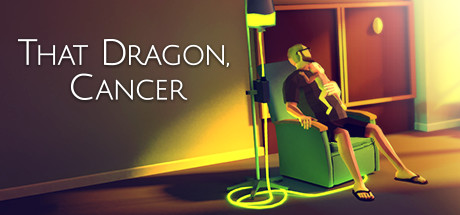
An immersive, narrative videogame that retells Joel Green’s 4-year fight against cancer through about two hours of poetic, imaginative gameplay that explores themes of faith, hope and love.
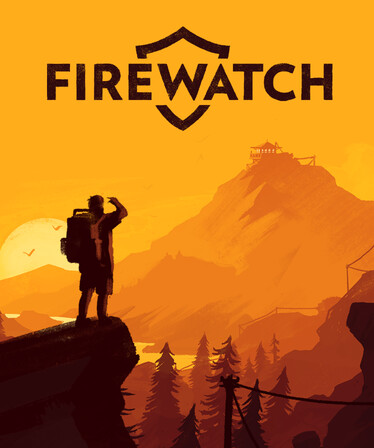

The Station
The Station is a first-person sci-fi mystery set on a space station sent to study a sentient alien civilization. Assuming the role of a recon specialist, players must unravel a mystery which will decide the fate of two civilizations.
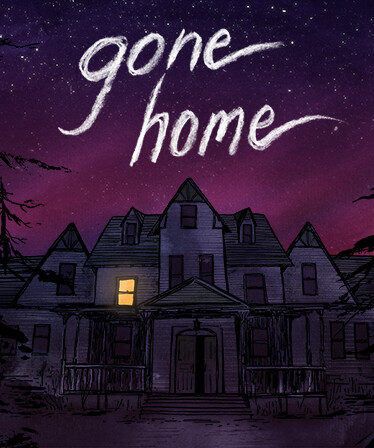
Gone Home
June 7th, 1995. 1:15 AM. You arrive home after a year abroad. You expect your family to greet you, but the house is empty. Something's not right. Where is everyone? And what's happened here? Unravel the mystery for yourself in Gone Home, a story exploration game from The Fullbright Company.
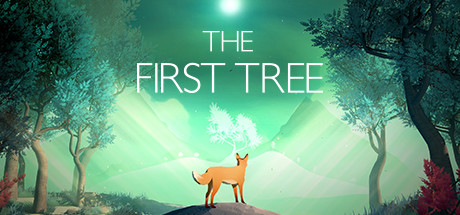
The First Tree
A beautiful, 3rd-person exploration game centered around two parallel stories: a fox trying to find her missing family, and a son reconnecting with his estranged father in Alaska. Uncover artifacts from the son's life as he becomes intertwined in the fox’s journey towards The First Tree.

The Old City: Leviathan
The Old City: Leviathan is an experiment in first person exploration that focuses entirely on story. All that exists is you and the world. Set in a decaying city from a civilization long past, The Old City: Leviathan puts the player in the shoes of a sewer dwelling isolationist.

Answer Knot
A short narrative and exploration game about Zach, June, and a strange phenomenon. You're Zach and, stuck in your home, you will do everything to keep hearing June's voice messages. What is happening out there?
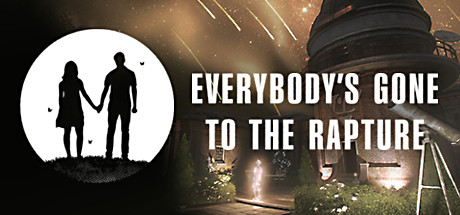
Everybody's Gone to the Rapture
Featuring a beautiful, detailed open-world and a haunting soundtrack, Everybody’s Gone to the Rapture is non-linear storytelling at its best.
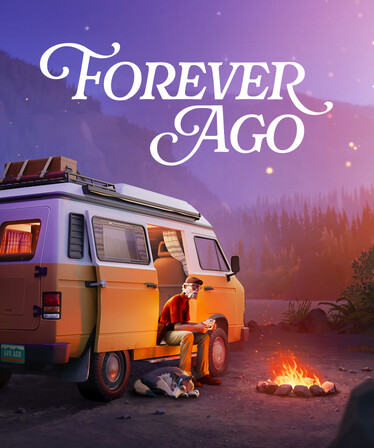
Forever Ago
Following a tragic stroke of fate, Alfred embarks on a journey north in search of redemption in this single-player road trip adventure.

Caligo
Caligo is the darkness everyone descends into one way or another, and to each of us it's something different. For some it's a short but exciting adventure, some will see it as a place to relax. Yet others will be reminded of their worst nightmare, while for a few, it might come as a revelation.
Frequently Asked Questions
The Beginner's Guide is currently priced at 9.75€ on Steam.
No, The Beginner's Guide is currently not on sale. You can purchase it for 9.75€ on Steam.
Yes, The Beginner's Guide received 19,369 positive votes out of a total of 22,002 achieving a rating of 8.62.
😎
The Beginner's Guide was developed by Everything Unlimited Ltd. and published by Everything Unlimited Ltd. and Klei Publishing.
Yes, The Beginner's Guide is playable and fully supported on Windows.
Yes, The Beginner's Guide is playable and fully supported on MacOS.
Yes, The Beginner's Guide is playable and fully supported on Linux.
Yes, The Beginner's Guide is playable on Steam Deck, though it might require a few minor tweaks. Make sure to check the Steam store page and community feedback on ProtonDB for exact compatibility details.
Yes, The Beginner's Guide is playable on Steam Machine, though it might require a few minor tweaks. Make sure to check the Steam store page and community feedback on ProtonDB for exact compatibility details.
No, The Beginner's Guide does not support VR.
The Beginner's Guide is a single-player game.
No, The Beginner's Guide does not currently offer any DLC.
No, The Beginner's Guide does not support mods via Steam Workshop.
Yes, The Beginner's Guide supports Remote Play on Tablet. Discover more about Steam Remote Play.
Yes, The Beginner's Guide is enabled for Steam Family Sharing. This means you can share the game with authorized users from your Steam Library, allowing them to play it on their own accounts. For more details on how the feature works, you can read the original Steam Family Sharing announcement or visit the Steam Family Sharing user guide and FAQ page.
You can find solutions or submit a support ticket by visiting the Steam Support page for The Beginner's Guide.
Data sources
The information presented on this page is sourced from reliable APIs to ensure accuracy and relevance. We utilize the Steam API to gather data on game details, including titles, descriptions, prices, and user reviews. This allows us to provide you with the most up-to-date information directly from the Steam platform.
Additionally, we incorporate data from the SteamSpy API, which offers insights into game sales and player statistics. This helps us present a comprehensive view of each game's popularity and performance within the gaming community.
Last Updates| Steam data | 02 October 2026 06:01 UTC |
|---|---|
| SteamSpy data | 23 October 2026 19:31 UTC |
| Steam price | 27 October 2026 20:00 UTC |
| Steam reviews | 20 October 2026 21:48 UTC |
If you'd like to dive deeper into the details about The Beginner's Guide, we invite you to check out a few dedicated websites that offer extensive information and insights. These platforms provide valuable data, analysis, and user-generated reports to enhance your understanding of the game and its performance.
- SteamDB - A comprehensive database of everything on Steam about The Beginner's Guide
- SteamCharts - Analysis of The Beginner's Guide concurrent players on Steam
- ProtonDB - Crowdsourced reports on Linux and Steam Deck The Beginner's Guide compatibility

Game modes
Features
Online players
7
Developer
Everything Unlimited Ltd.
Publisher
Everything Unlimited Ltd.,
Klei Publishing
Release
01 Oct 2015
Platforms
Remote Play
Clicking and buying through these links helps us earn a commission to maintain our services.