
Sid Meier's Pirates!
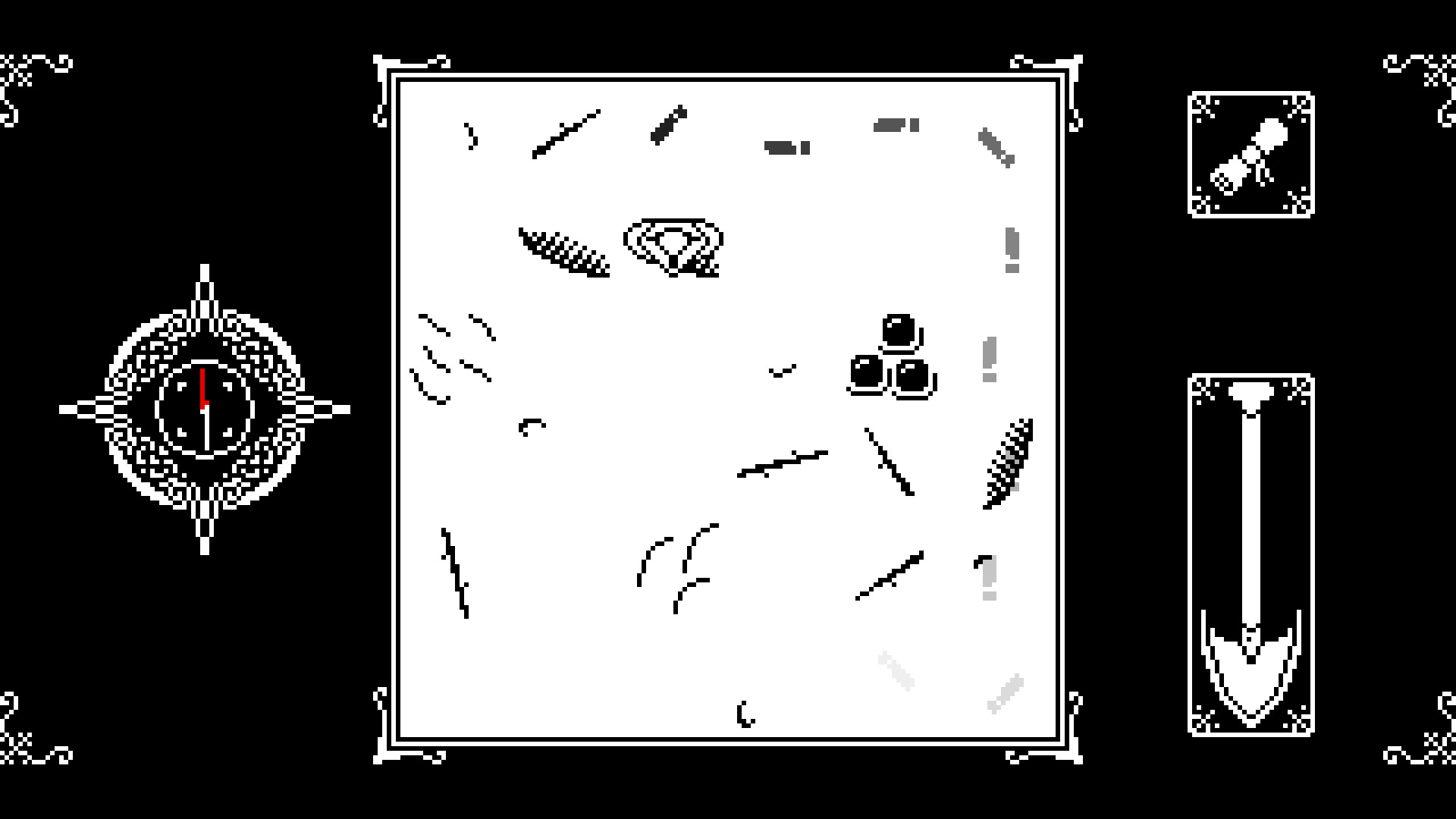
Sail the Caribbean, marauding all on the high seas or ally your ship and crew as a privateer in search of riches - the life you choose is up to you. Face dogged enemies, raid unsuspecting villages, woo fair maidens, avoid capture or dig for buried treasure. Discover what it takes to become one of the most famous pirates in history!
Sync your Steam wishlist to find the lowest game prices instantly. No login required, just paste your Steam profile URL!
⚡ Try Wishlist Radar!
Sync your Steam wishlist to find the lowest game prices instantly. No login required!
⚡ Try Wishlist Radar!
Close

The Caribbean Sail on Steam
Quick menu
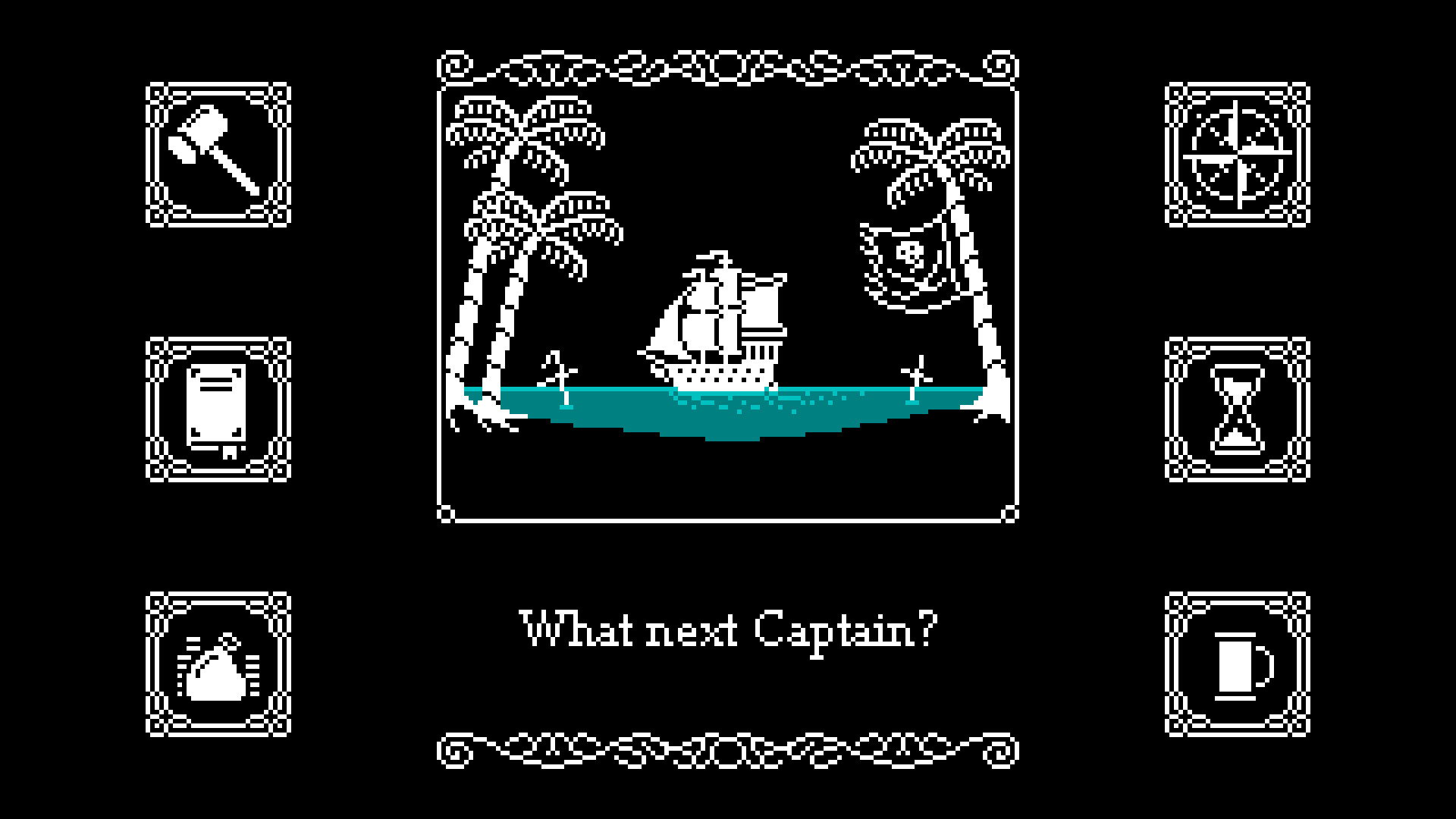
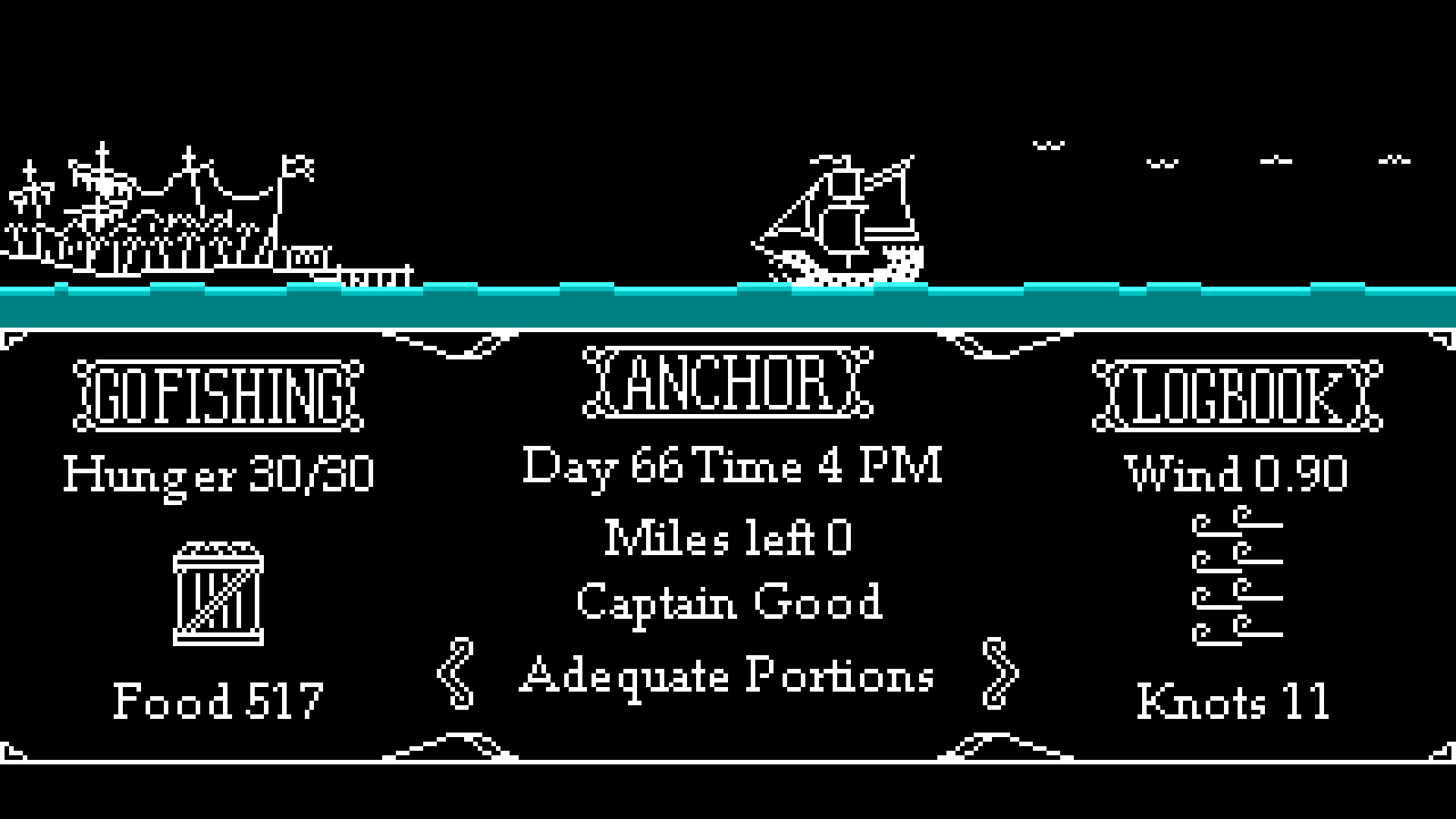
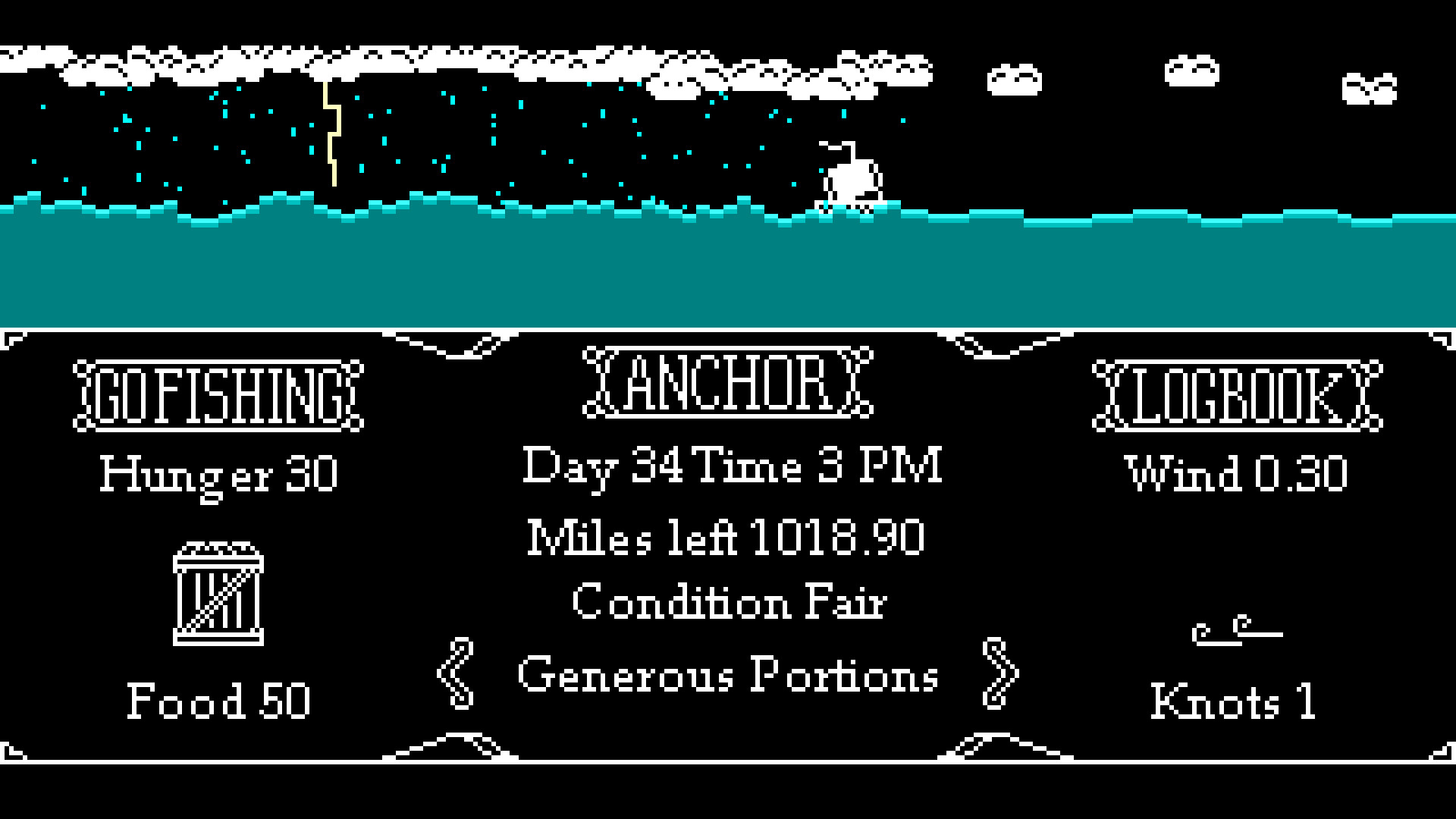
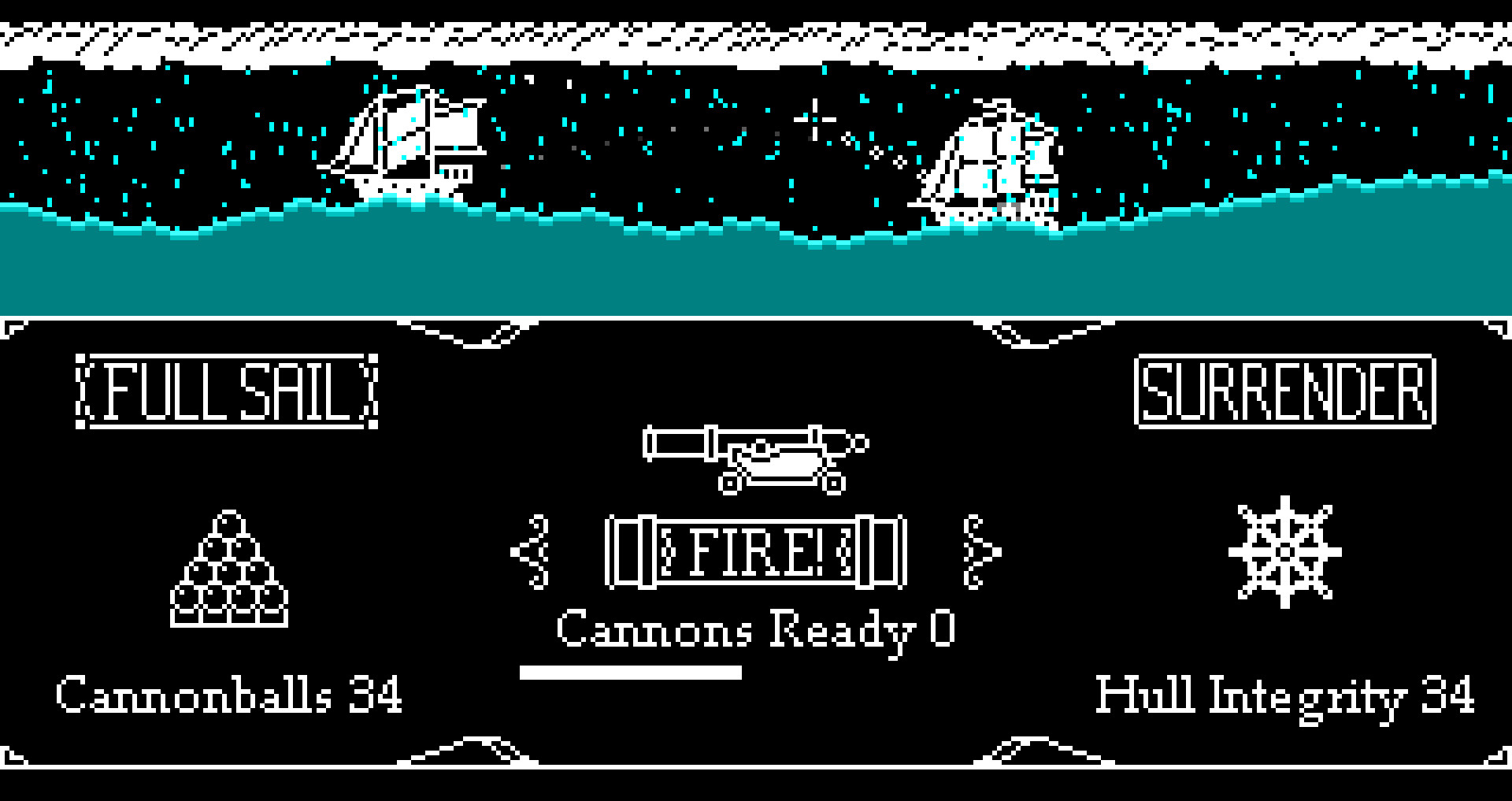
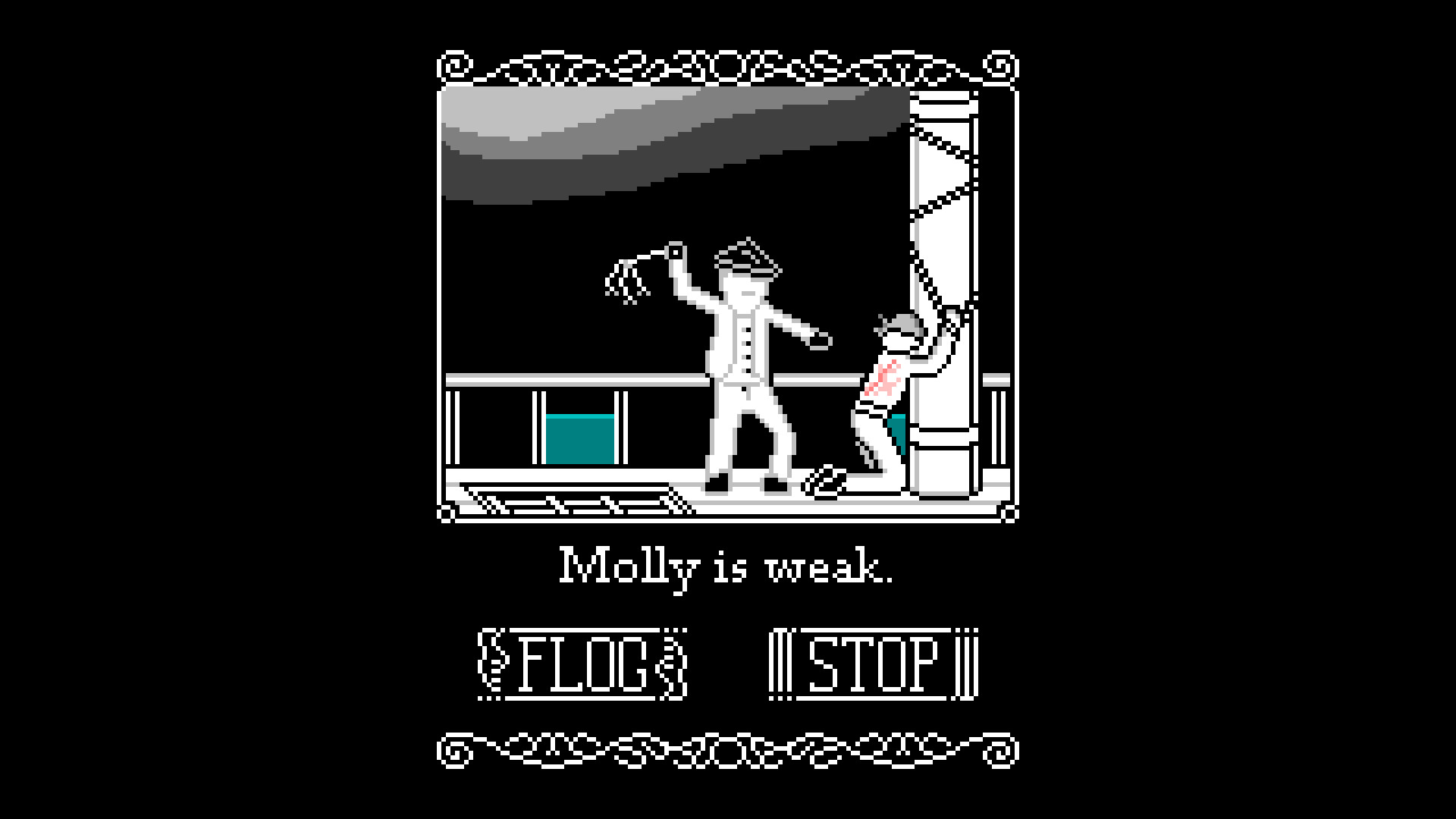
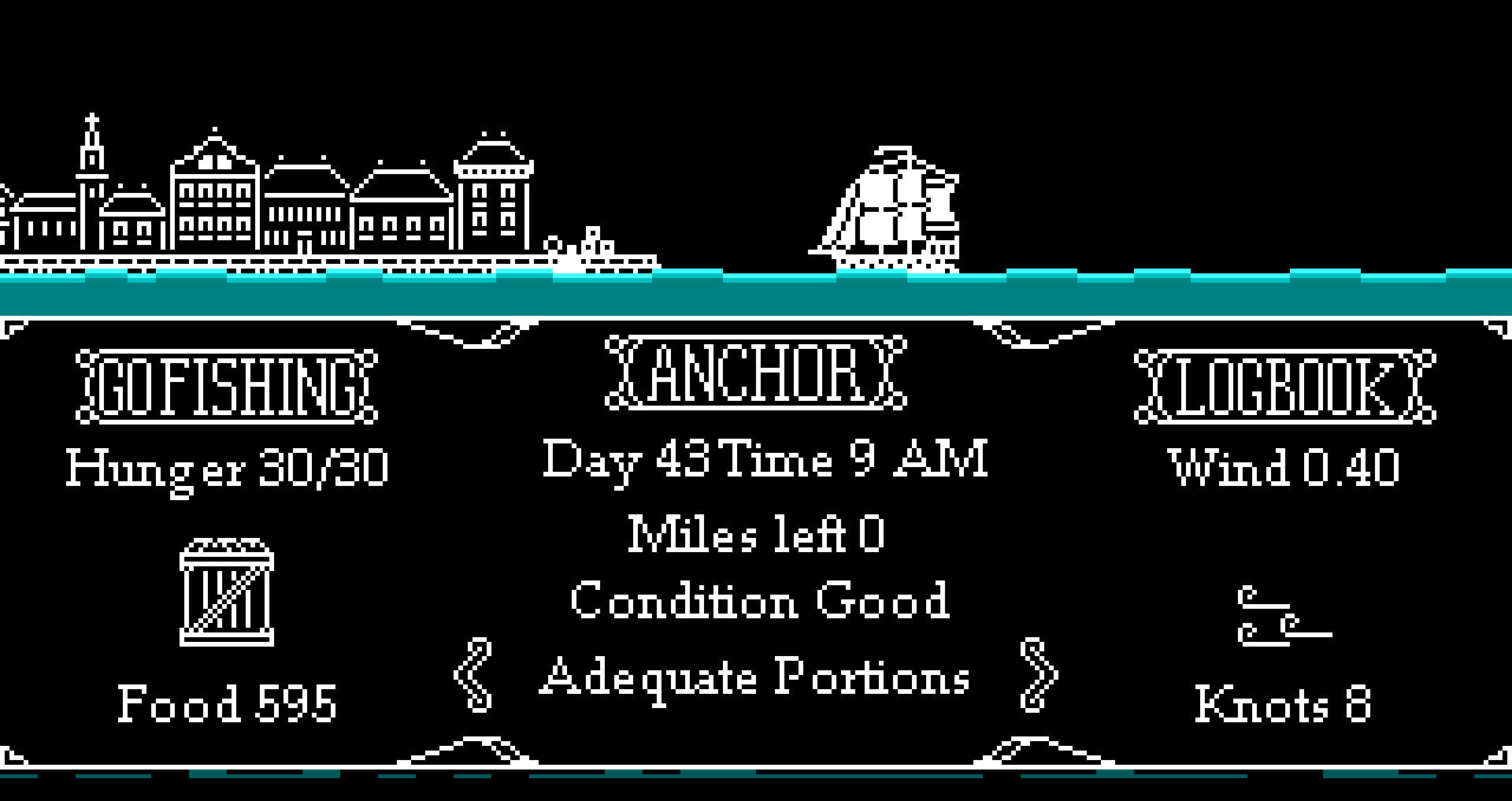
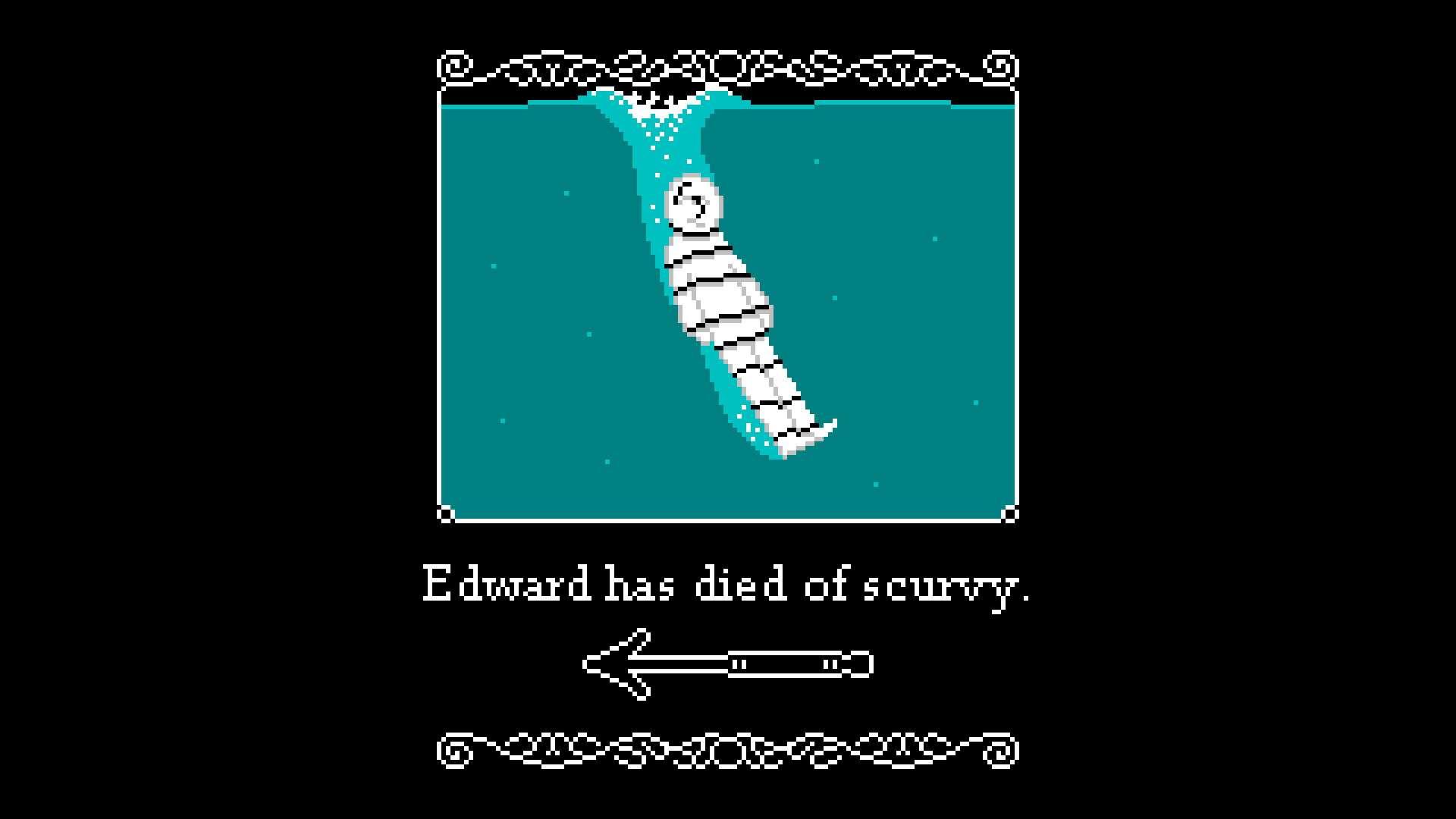
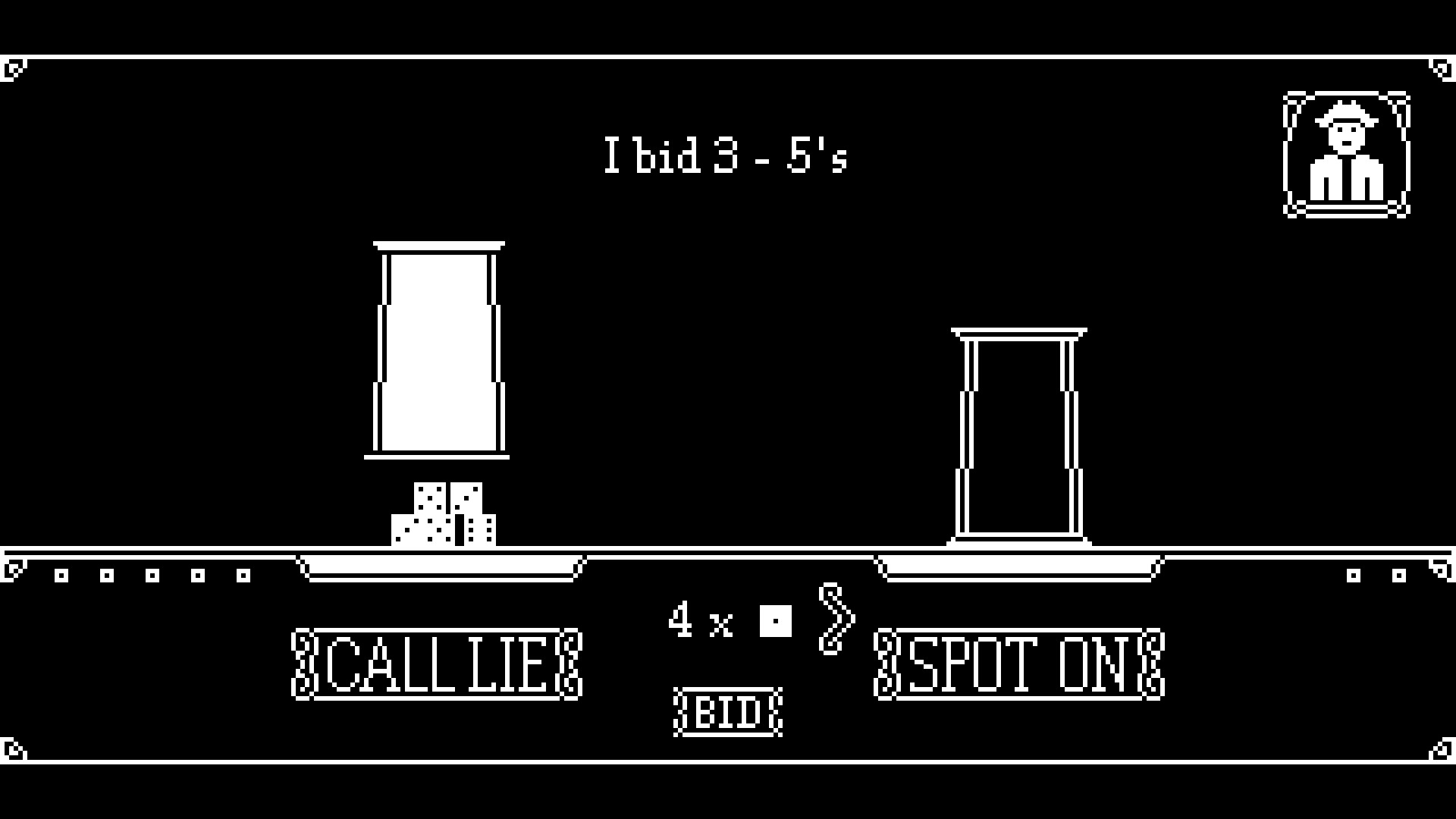
Name your crew, purchase supplies, sail the world, harpoon fish, plunder your enemies, die horribly, unlock a new Captain and do it all over again!
The Caribbean Sail is a pirates, adventure and sailing game
developed and published by Victorian Clambake.
Released on September 19th 2017 is available on Windows, Linux, Steam Deck and Steam Machine.
It has received 503 reviews of which 474 were positive and 29 were negative resulting in a rating of 8.7 out of 10. 😎
The game is currently priced at 14.99€ on Steam.
The Steam community has classified The Caribbean Sail into these genres:
Media & Screenshots
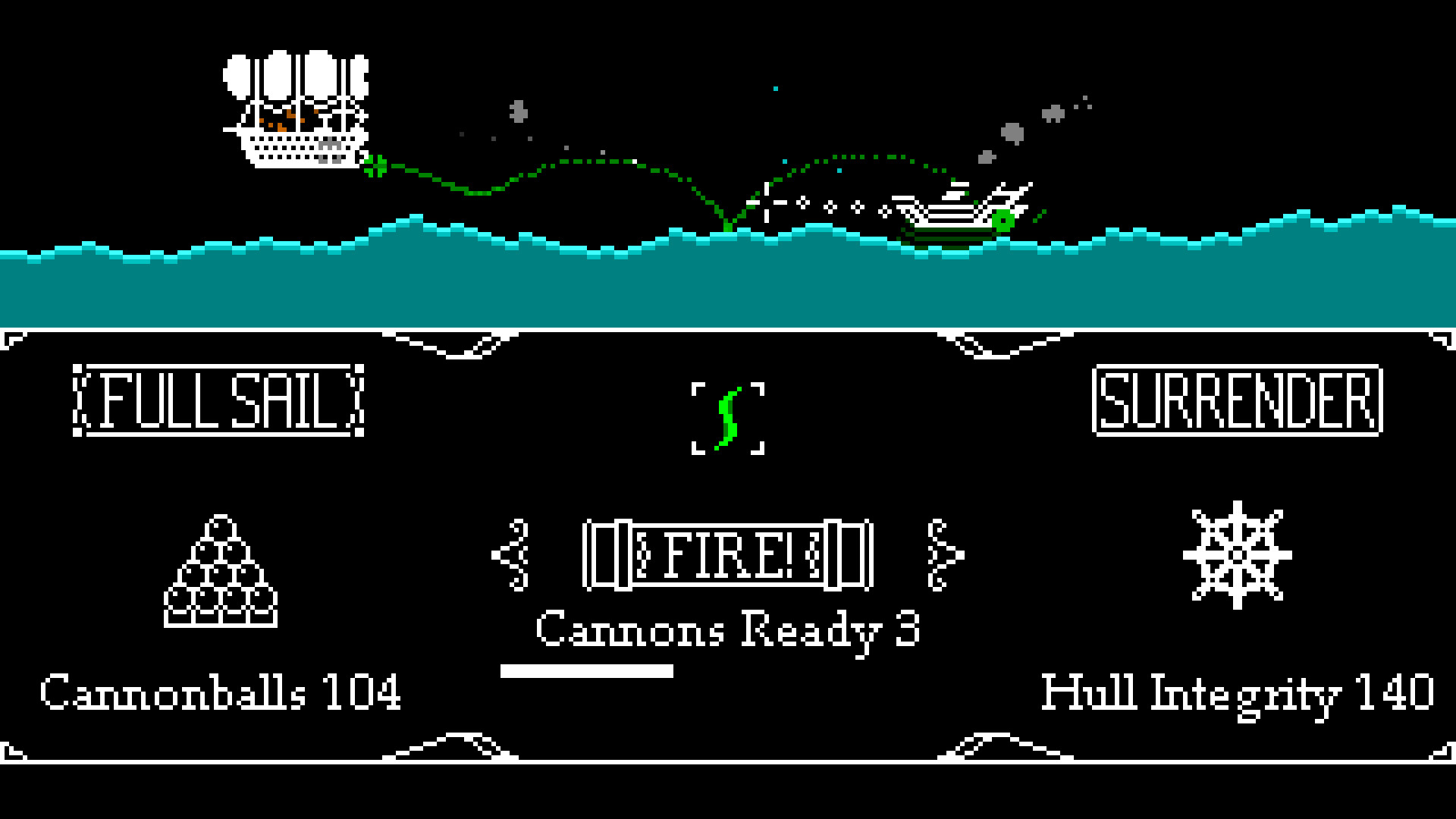
Get an in-depth look at The Caribbean Sail through various videos and screenshots.

Load More

System requirements
These are the minimum specifications needed to play the game. For the best experience, we recommend that you verify them.
Windows
- Requires a 64-bit processor and operating system
- OS *: Windows 7 or later
- Processor: A Potato will do
- Memory: 512 MB RAM
- DirectX: Version 9.0
- Storage: 420 MB available space
- Sound Card: A voice for singing shanties
Linux
- OS: Ubuntu 14 or later
- Processor: A Penguin should be fine
- Memory: 512 MB RAM
- Storage: 420 MB available space
Steam Price & Best Deals
User reviews & Ratings
Explore reviews from Steam users sharing their experiences and what they love about the game.
Really fun. Much less random than Oregon Trail (and Organ Trail), which is a godsend considering a run in this game is quite a bit longer. It feels like a classic despite being only a few years old, which I believe is the goal of most games like this. I guess I don't have much to say about this one, it's just neat fun and you should try it.
The Caribbean Sail is an open-world survival and sailing adventure from Victorian Clambake that combines maritime exploration, resource management, trading systems, and roguelike mechanics into a pirate-era experience built around freedom and unpredictability. Rather than delivering a heavily scripted narrative, the game focuses on creating stories through player decisions and unexpected events. Every voyage becomes an opportunity for discovery, profit, danger, or complete disaster, creating a style of progression where survival depends on preparation as much as skill. Set during the age of sailing ships and Caribbean trade routes, the game places players in command of their own vessel while giving them control over how their adventure unfolds. There is no single path toward success. Some players may pursue wealth through commerce while others turn toward piracy, privateering, or simple exploration across dangerous waters. The freedom to define personal goals becomes one of the strongest aspects of the experience, helping create adventures that feel unique from one playthrough to another. The survival mechanics form the foundation supporting everything else. Long voyages require careful planning because supplies disappear steadily over time. Food management becomes a major concern, forcing players to think beyond simple exploration and combat. Running out of resources far from civilization can quickly turn a promising journey into a desperate struggle to stay alive. Fishing and gathering additional supplies become important survival tools rather than optional side activities. What makes the survival systems particularly effective is how naturally they connect with the rest of gameplay. Trading opportunities influence exploration decisions. Resource shortages change priorities unexpectedly. Dangerous waters force players to balance risk and reward constantly. The game consistently reinforces the feeling that life at sea depends on intelligent planning and adaptation rather than simply moving toward objectives. Trading systems provide another major layer of progression. Ports throughout the Caribbean offer opportunities to purchase goods, sell cargo, and build financial success through commerce. Understanding market patterns and making efficient trade decisions gradually becomes an important skill. Profits earned through careful planning help strengthen future expeditions while giving players greater flexibility in how they approach progression. Naval encounters introduce additional tension throughout exploration. Hostile ships represent both danger and opportunity, creating moments where combat decisions carry meaningful consequences. Ship battles remain approachable while still reinforcing strategic thinking. Choosing when to fight and when to retreat becomes just as important as winning confrontations directly. One of the game's greatest strengths comes from unpredictability. Random events constantly reshape progression in ways players cannot fully anticipate. Calm voyages may suddenly become dangerous because of environmental threats or hostile encounters. A profitable expedition can rapidly collapse because of poor preparation or unexpected setbacks. The game thrives on creating memorable situations that emerge naturally through its systems rather than relying entirely on scripted moments. That unpredictability also contributes heavily toward replayability. Different captains, professions, and evolving circumstances encourage experimentation across multiple runs. Progress comes not only from character advancement but also through player knowledge and improved decision-making. Lessons learned from failed journeys often become valuable advantages during future attempts. Exploration remains consistently rewarding because the world encourages curiosity. Sailing beyond familiar waters creates opportunities for discovery while maintaining an underlying sense of danger. Travel itself becomes part of the appeal. The journey between destinations often feels just as important as arriving. Visually, The Caribbean Sail embraces retro-inspired pixel presentation that supports its atmosphere effectively. The visual style favors charm and readability over modern technical complexity, helping establish a strong identity while reinforcing its historical maritime setting. The simplified visuals allow imagination to contribute heavily toward immersion. The soundtrack strengthens atmosphere further through nautical themes that support exploration and long-distance sailing. Combined with environmental design and survival mechanics, the presentation creates a convincing sense of life aboard a ship navigating uncertain waters. The survival structure can occasionally become demanding, particularly during earlier hours. Random setbacks and harsh consequences may frustrate players expecting more forgiving progression systems. Resource management mistakes can carry severe consequences, and failure often arrives quickly when preparation falls short. However, those harsher moments also contribute toward what makes the experience memorable. Success feels satisfying precisely because the world refuses to guarantee safety. Every successful voyage feels earned through planning, adaptation, and intelligent decision-making. Victorian Clambake created a maritime survival experience that values freedom and emergent storytelling over scripted spectacle. The Caribbean Sail succeeds by giving players the tools to create memorable journeys rather than forcing a single path forward. Players who enjoy survival mechanics, trading systems, pirate-era exploration, and sandbox progression built around risk and discovery will likely find considerable value here. Its combination of sailing adventure, resource management, and unpredictable progression creates an experience that remains engaging long after the opening voyage begins. Rating: 9/10
This is acute little riff on Oregon Trail. And honestly moves beyond the gameplay loop of the game by adding more mechanics and little fun minigames to engauge with. My only real complaint is that the game it's self is very grindy, or at least, seems to be. Basically it seems like it wants you to unlock new ships and captains on the easy difficulty, so you can survive on the standard difficulty. Which is all fine and dandy just not really my cup of grog. Still enjoyed my time with it, and will probably drop in again from time to time.
Similar games
View all

Buccaneers!
Become a fearless captain in Buccaneers!, a classic pirate RPG. Join a band of pirates or a naval power and fight for supremacy in the Caribbean. Build and customise your fleet to take on any foe and rewrite history!

The Pirate: Caribbean Hunt
Hail to the Captain! Sail into the heart of the Caribbean in the Age of Piracy - the time of black flags and white skulls, blue waves and golden opportunities. Hoist the Jolly Roger and grab the steering wheel to sail through battles and raids, ransoms and treasures, to become the Crimson King of the Antilles!
Like a Dragon: Pirate Yakuza in Hawaii
Embark on an over-the-top, modern-day pirate adventure with an ex-yakuza, now pirate captain & his crew. Engage in exhilarating combat on land and sea in the hunt for lost memories and treasure.

The Pirate: Plague of the Dead
Command the most fearsome pirates in an exciting Caribbean adventure! Plague of the Dead is a new installment of The Pirate series, featuring an open world without loading screens, dynamic day and night cycle and weather system, it offers each gamer an unforgettable experience.

Man O' War: Corsair - Warhammer Naval Battles (Classic)
Send Skaven ships to the murky depths, cut Khorne’s champions to pieces & battle sea monsters as you explore the Warhammer oceans. Turn pirate & become the scourge of the Empire, or trade your way to riches along the Bretonnian coast. Based on Games Workshop's classic Man O’ War.

Sea of Thieves: 2026 Edition
Sea of Thieves is a smash-hit pirate adventure game, offering the quintessential pirate experience of plundering lost treasures, intense battles, vanquishing sea monsters and more. Dive in with this revised edition of the game, which includes access to digital bonus media.

Risen 2: Dark Waters
Set several years after the end of Risen, raging titans have devastated the world and pushed humanity to the brink of existence. Subsequently, monstrous creatures have risen from the watery depths of the sea and their attacks have brought all seafaring to a grinding halt.
Stories: The Path of Destinies
Stories: The Path of Destinies is an Action RPG, an enchanted storybook filled with madcap fantasy tales, each told by a zippy narrator attuned to the player’s choices and actions.

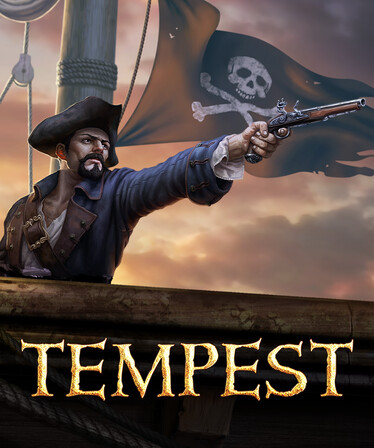
Tempest: Pirate Action RPG
Tempest is a Pirate Open World Action RPG where you rove the seas across three continents filled with dozens of colonies and forts, hundreds of quests and countless ships to plunder. Customize your ship, trade, challenge fellow pirates and face mythical monsters such as the Kraken and Leviathan!

Uncharted Waters Online
Discover yourself in the “Age of Discovery” where you’ll sail out into the uncharted waters! Discover real historical artifacts and mystical legends! Start a company and make enormous fortunes! Fight in fierce sea battles! Whatever your play style, you can play who you want and how you want in UWO!
Frequently Asked Questions
The Caribbean Sail is currently priced at 14.99€ on Steam.
No, The Caribbean Sail is currently not on sale. You can purchase it for 14.99€ on Steam.
Yes, The Caribbean Sail received 474 positive votes out of a total of 503 achieving a rating of 8.74.
😎
The Caribbean Sail was developed and published by Victorian Clambake.
Yes, The Caribbean Sail is playable and fully supported on Windows.
No, The Caribbean Sail is not playable on MacOS.
Yes, The Caribbean Sail is playable and fully supported on Linux.
Yes, The Caribbean Sail is playable on Steam Deck, though it might require a few minor tweaks. Make sure to check the Steam store page and community feedback on ProtonDB for exact compatibility details.
Yes, The Caribbean Sail is playable on Steam Machine, though it might require a few minor tweaks. Make sure to check the Steam store page and community feedback on ProtonDB for exact compatibility details.
No, The Caribbean Sail does not support VR.
The Caribbean Sail is a single-player game.
Yes, there is a DLC available for The Caribbean Sail. Explore additional content available for The Caribbean Sail on Steam.
No, The Caribbean Sail does not support mods via Steam Workshop.
No, The Caribbean Sail does not support Steam Remote Play.
Yes, The Caribbean Sail is enabled for Steam Family Sharing. This means you can share the game with authorized users from your Steam Library, allowing them to play it on their own accounts. For more details on how the feature works, you can read the original Steam Family Sharing announcement or visit the Steam Family Sharing user guide and FAQ page.
You can find solutions or submit a support ticket by visiting the Steam Support page for The Caribbean Sail.
Data sources
The information presented on this page is sourced from reliable APIs to ensure accuracy and relevance. We utilize the Steam API to gather data on game details, including titles, descriptions, prices, and user reviews. This allows us to provide you with the most up-to-date information directly from the Steam platform.
Additionally, we incorporate data from the SteamSpy API, which offers insights into game sales and player statistics. This helps us present a comprehensive view of each game's popularity and performance within the gaming community.
Last Updates| Steam data | 19 September 2026 13:01 UTC |
|---|---|
| SteamSpy data | 15 October 2026 03:00 UTC |
| Steam price | 27 October 2026 04:07 UTC |
| Steam reviews | 22 October 2026 15:54 UTC |
If you'd like to dive deeper into the details about The Caribbean Sail, we invite you to check out a few dedicated websites that offer extensive information and insights. These platforms provide valuable data, analysis, and user-generated reports to enhance your understanding of the game and its performance.
- SteamDB - A comprehensive database of everything on Steam about The Caribbean Sail
- SteamCharts - Analysis of The Caribbean Sail concurrent players on Steam
- ProtonDB - Crowdsourced reports on Linux and Steam Deck The Caribbean Sail compatibility

Game modes
Features
Online players
2
Developer
Victorian Clambake
Publisher
Victorian Clambake
Release
19 Sep 2017
Platforms