
SEVERANCE
Severance is a 1-5 player paranormal investigation game… with a twist. Use tools and equipment to identify the correct ghost type while a dangerous, violent entity hunts you down. The twist? YOU can become the ghost. Choose Ghost AI, or an asymmetrical mode where a player takes the Ghost role.
Sync your Steam wishlist to find the lowest game prices instantly. No login required, just paste your Steam profile URL!
⚡ Try Wishlist Radar!
Sync your Steam wishlist to find the lowest game prices instantly. No login required!
⚡ Try Wishlist Radar!
Close

The Devourer: Hunted Souls on Steam
Quick menu
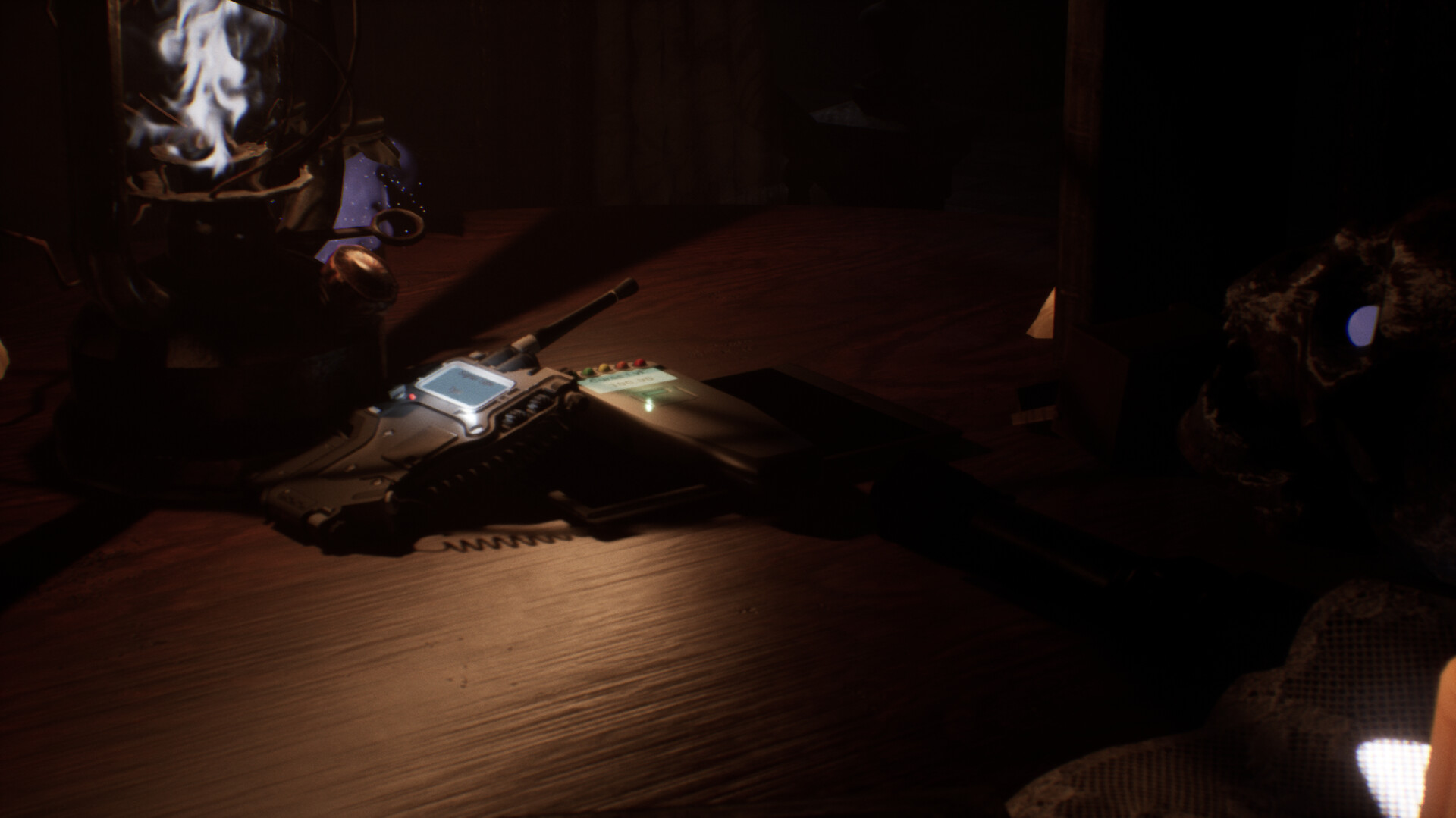
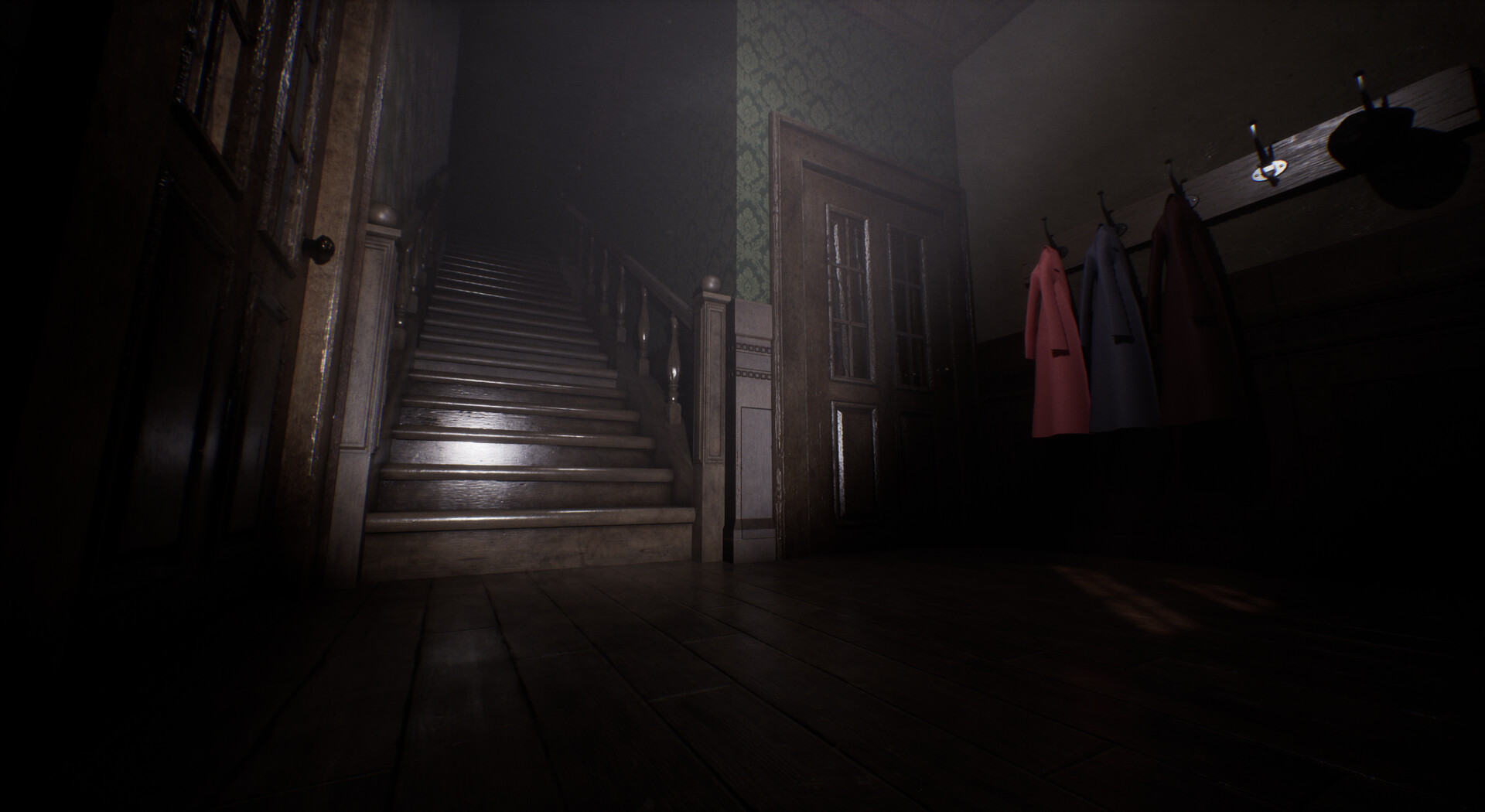
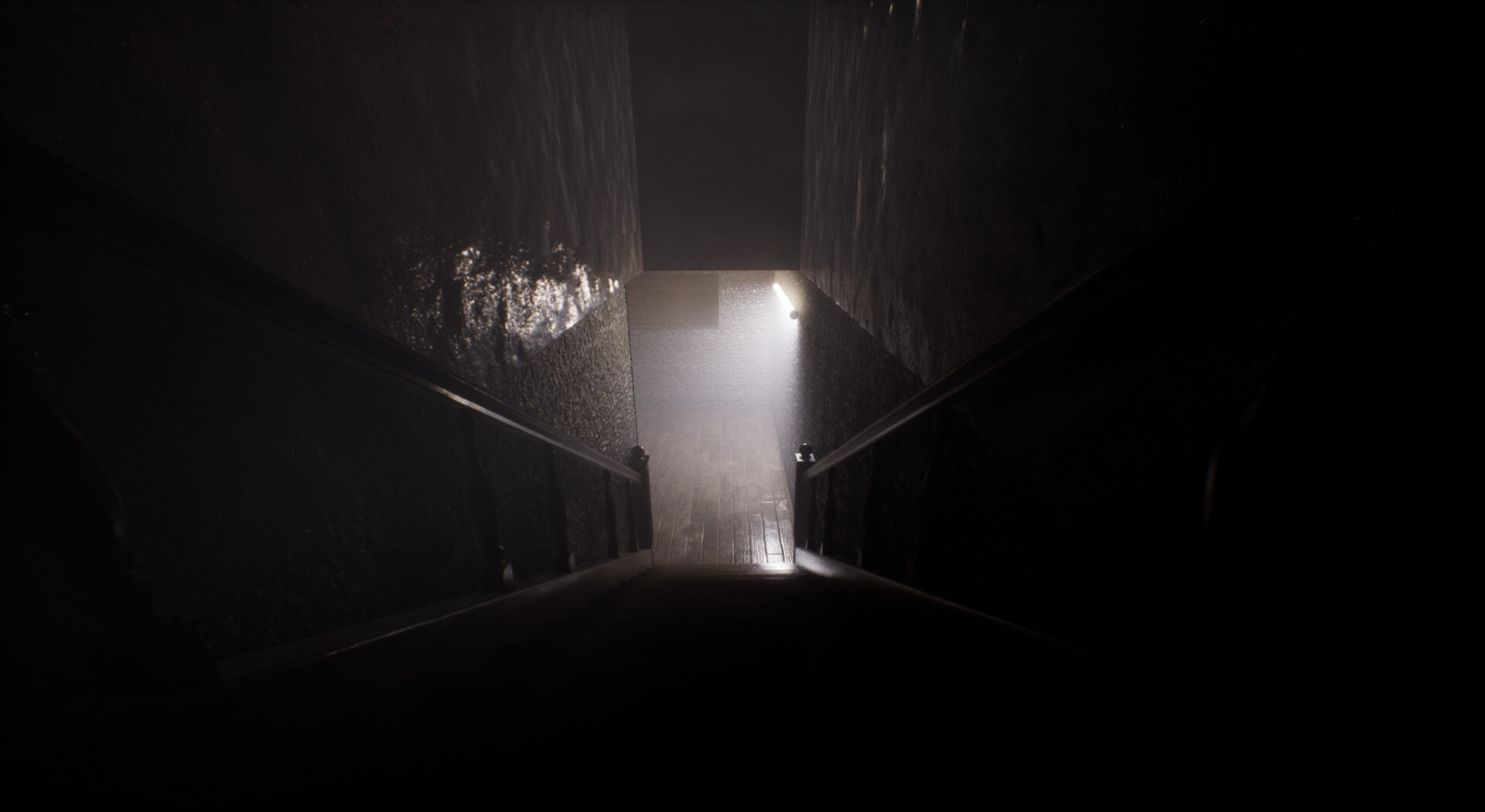
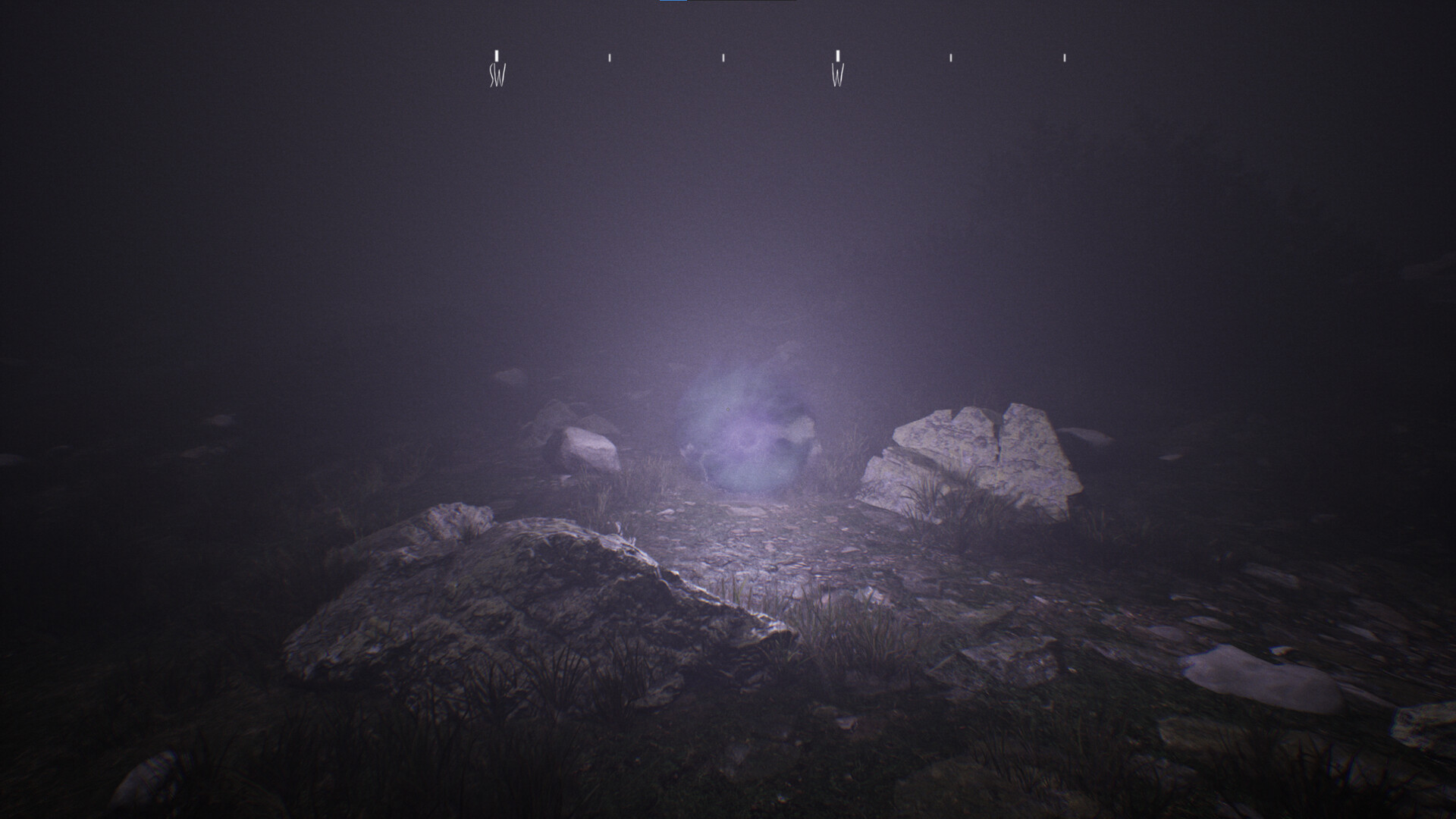
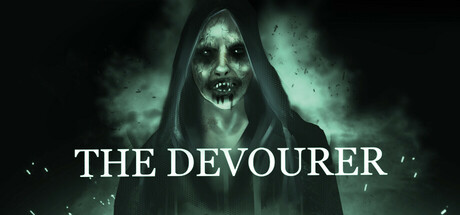
Play as a paranormal investigator in our hybrid between first person survival and psychological horror story game. Investigate a haunted forest with up to 5 players CO-OP, try to lift the curse, experience a tragic story and take decisions together. Will you survive or will you lose your soul?
The Devourer: Hunted Souls is a early access, horror and multiplayer game
developed and published by ZTEK Studio.
Released on October 26th 2023 is available on Windows and Steam Deck.
It has received 551 reviews of which 448 were positive and 103 were negative resulting in a rating of 7.7 out of 10. 😊
The game is currently priced at 4.99€ on Steam with a 50% discount.
The Steam community has classified The Devourer: Hunted Souls into these genres:
Media & Screenshots
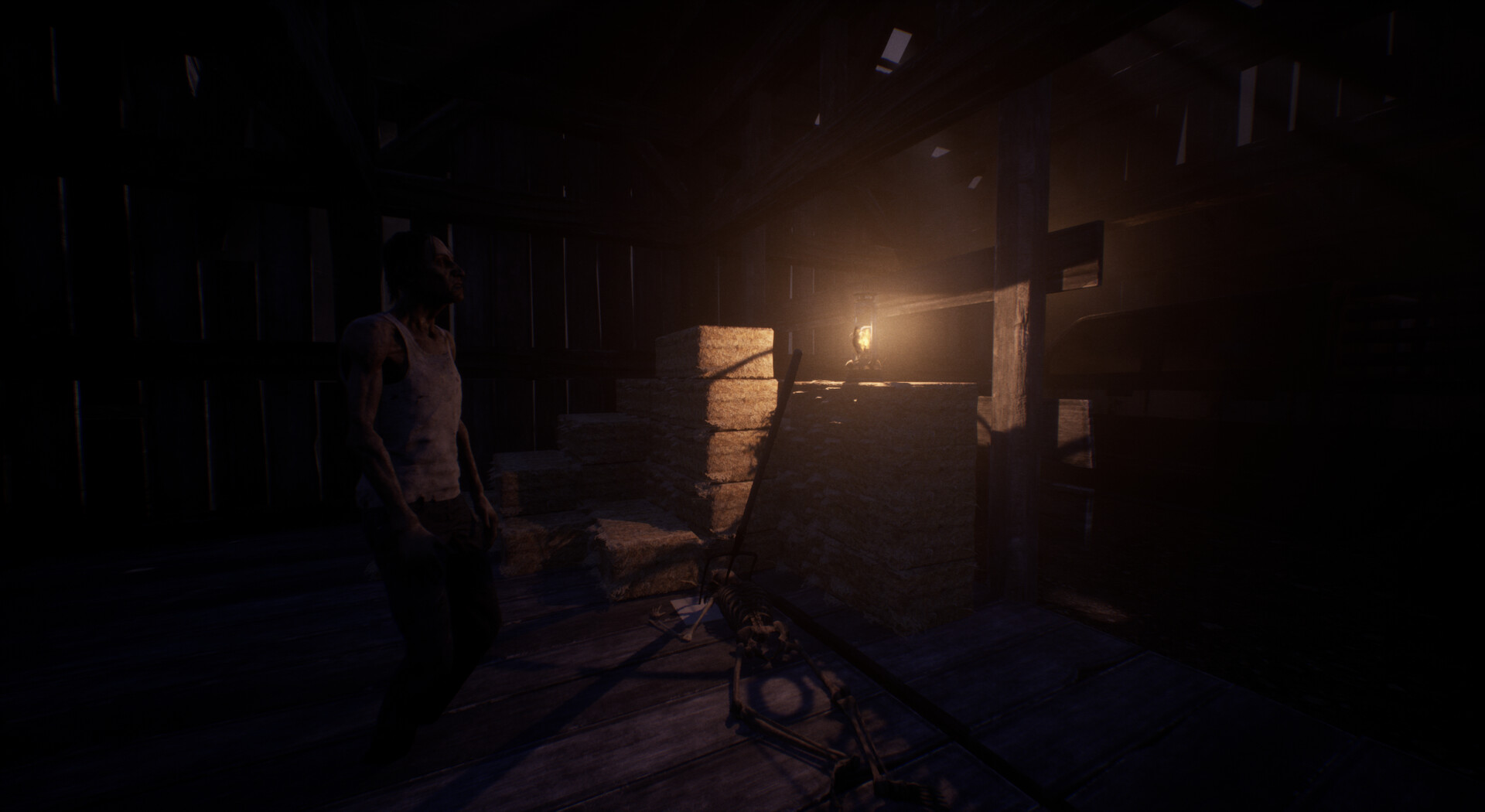
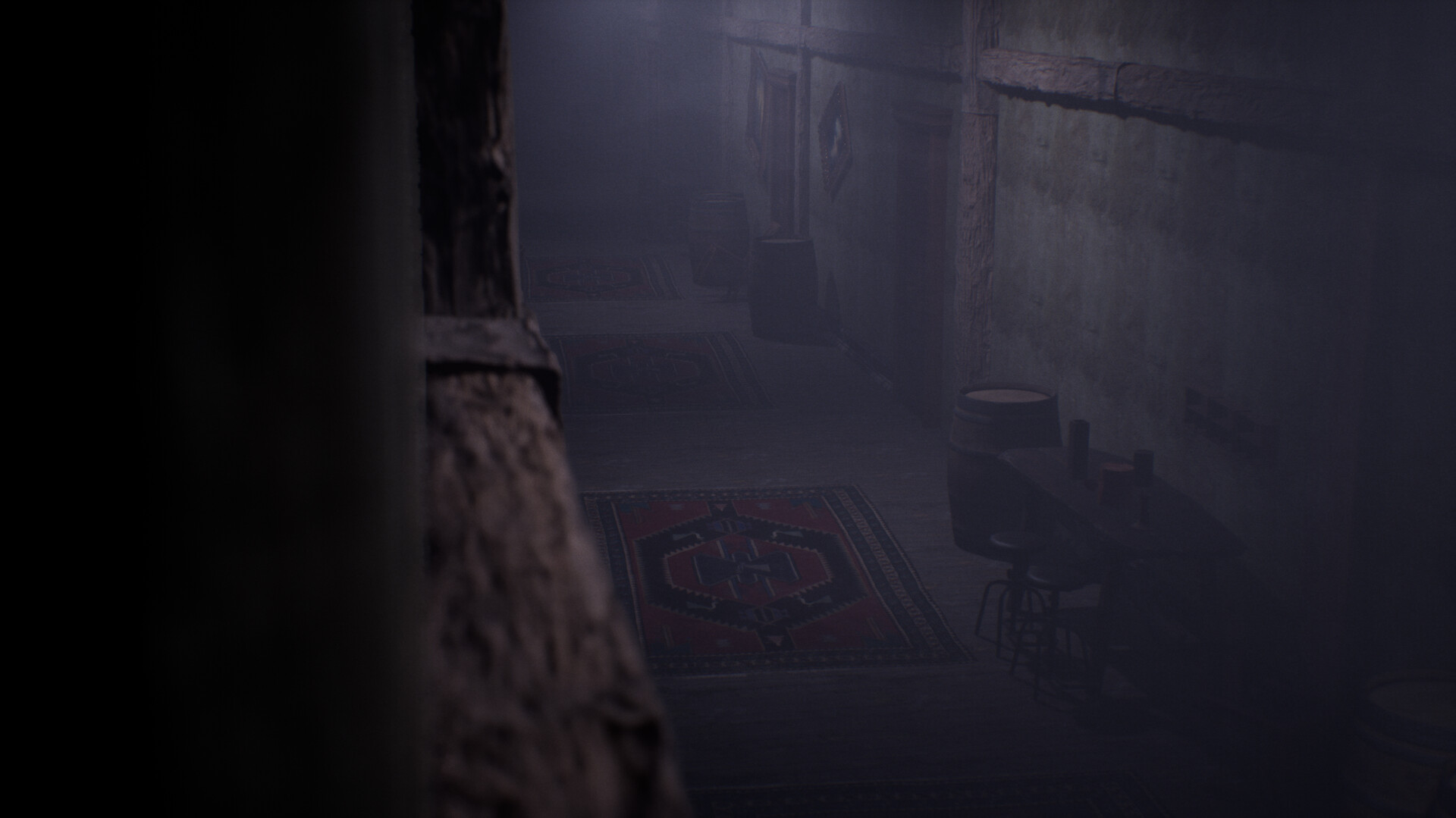
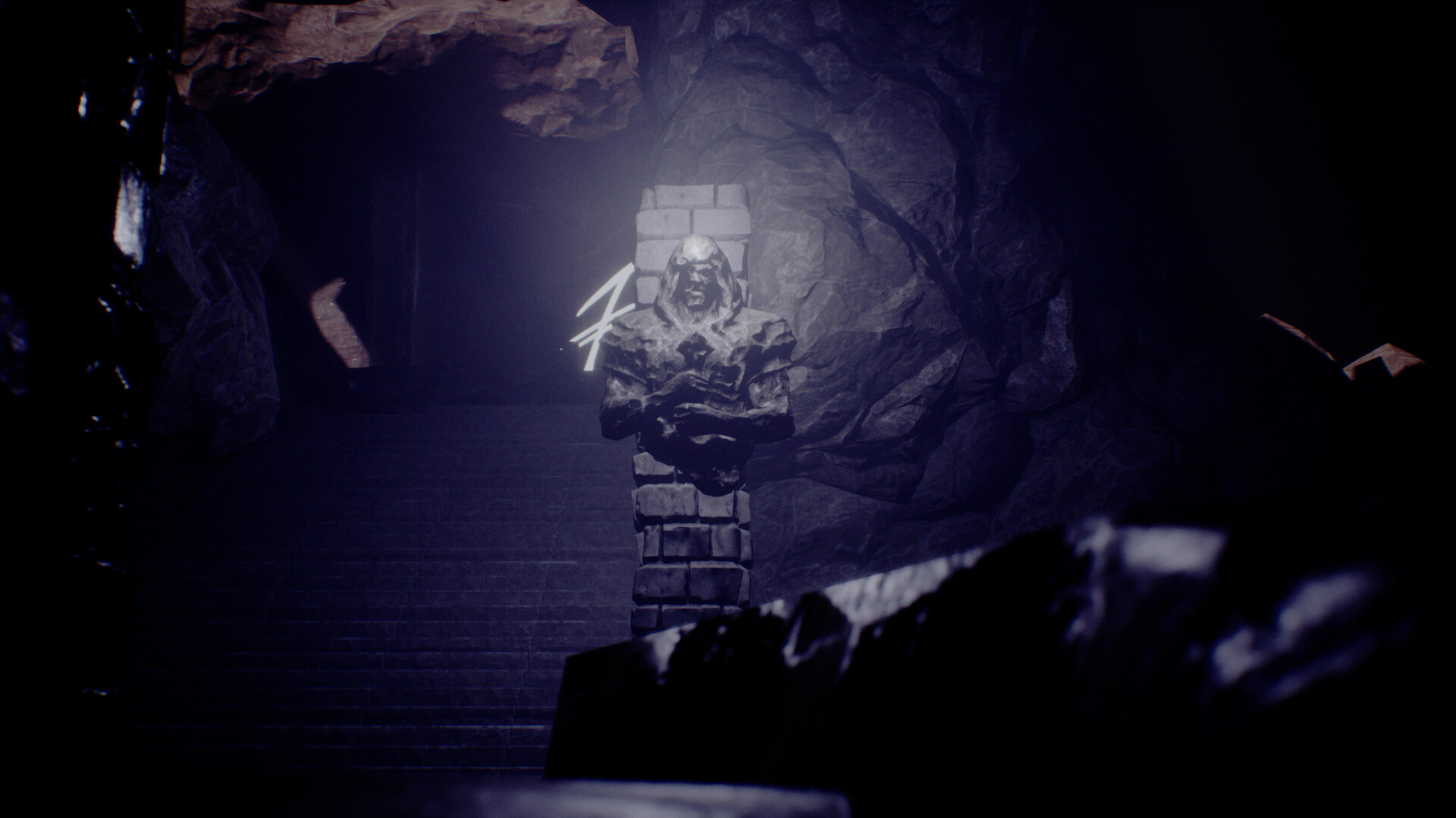
Get an in-depth look at The Devourer: Hunted Souls through various videos and screenshots.

Load More

System requirements
These are the minimum specifications needed to play the game. For the best experience, we recommend that you verify them.
Windows
- Requires a 64-bit processor and operating system
- OS: Windows 10 (64 Bit)
- Processor: AMD Ryzen 3 1200 / Intel Core i5-7500
- Memory: 8 GB RAM
- Graphics: AMD Radeon RX 470 with 4GB VRAM / NVIDIA GeForce GTX 960 with 4GB VRAM
- DirectX: Version 11
- Network: Broadband Internet connection
- Storage: 14 GB available space
- VR Support: OpenXR
- Additional Notes: Playing VR requires a strong system, at least RTX 2070/RX 5700 XT (stable 40-80 fps on low/medium settings for Oculus Rift S and Quest 2) and better. We are working on the optimization.
Steam Price & Best Deals
User reviews & Ratings
Explore reviews from Steam users sharing their experiences and what they love about the game.
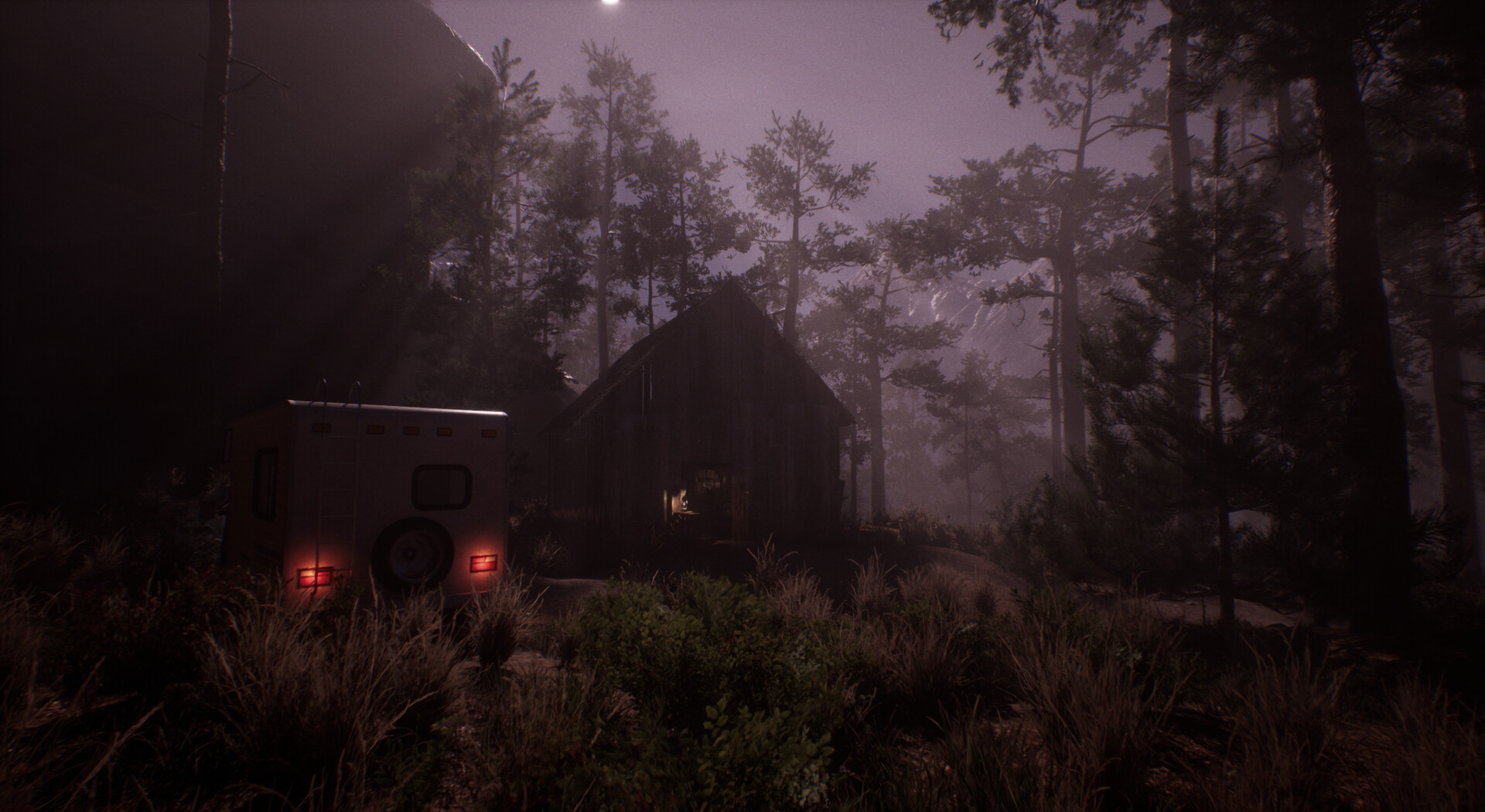
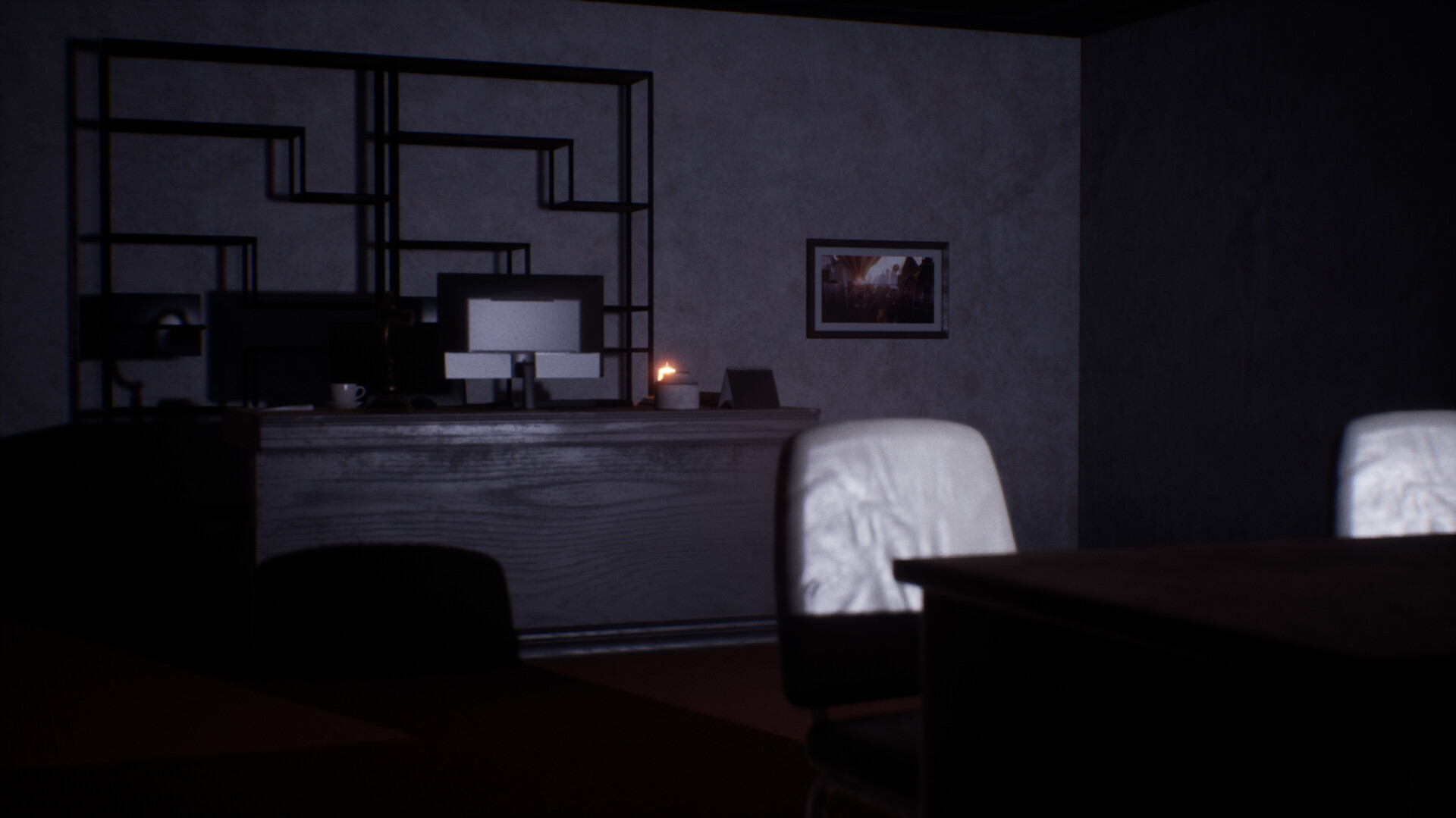
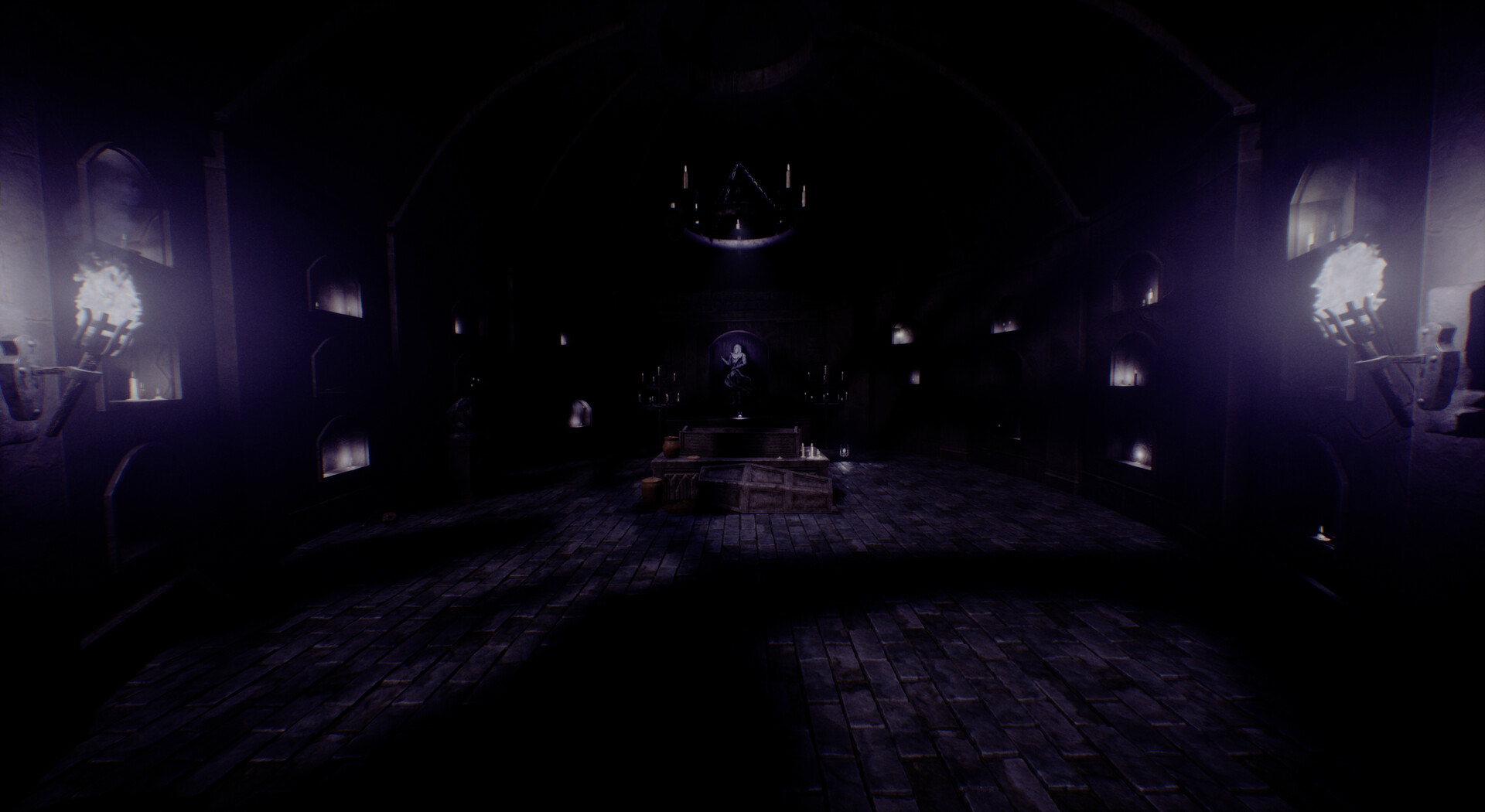
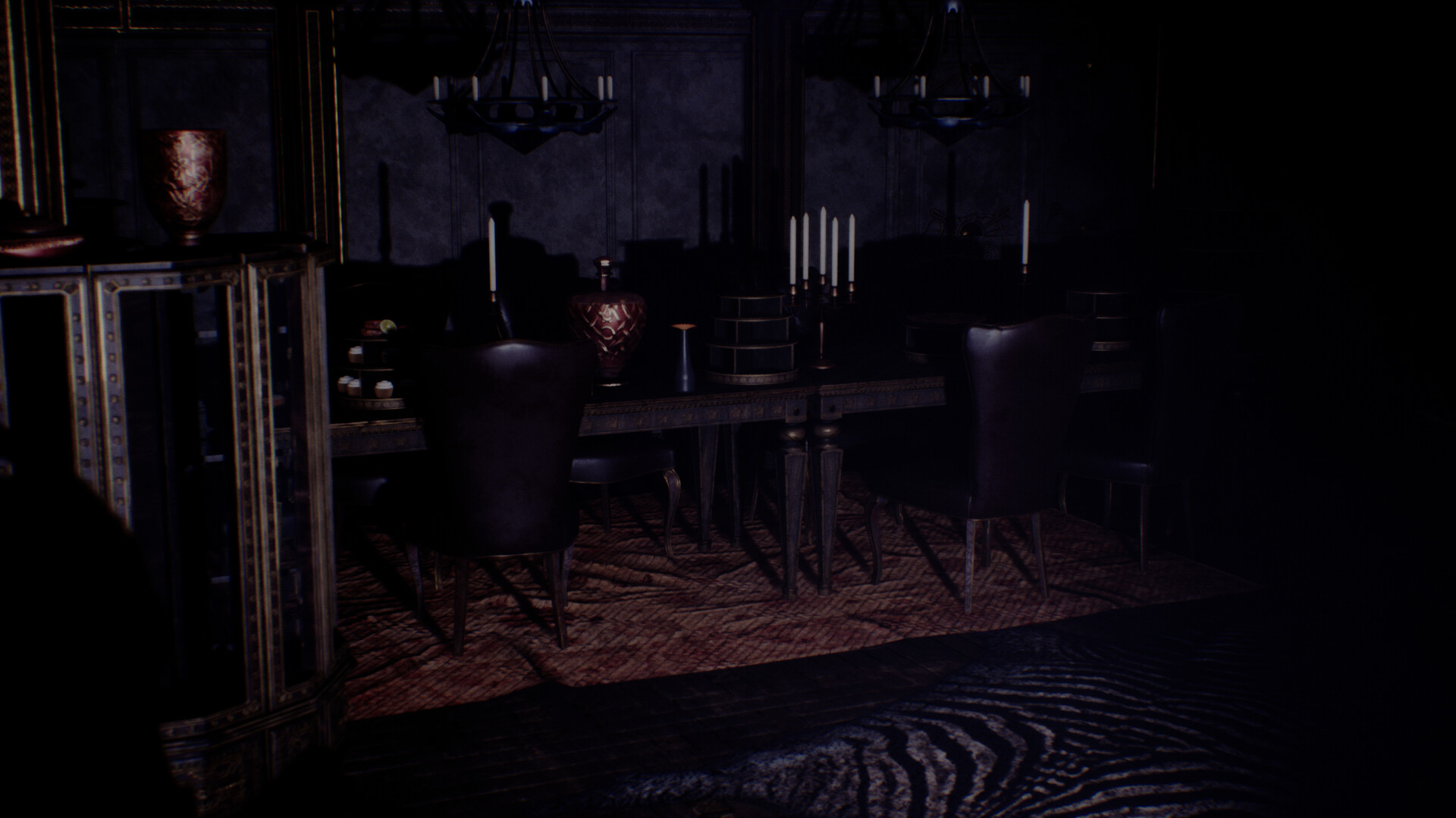
The Devourer: Hunted Souls is a first-person survival horror experience that combines paranormal investigation, exploration, puzzle solving, narrative discovery, and cooperative play. Developed and published by ZTEK Studio, it sends a group of investigators into a sinister forest where a supernatural curse has transformed an already unsettling location into a dangerous hunting ground. Instead of concentrating entirely on identifying ghosts through equipment, the game uses investigation as the foundation for a larger adventure in which players uncover a tragic history, confront hostile entities, and search for a way to break the curse. Atmosphere is one of its most convincing qualities. The Unreal Engine 5 presentation gives the forest and surrounding locations a suitably realistic appearance, while darkness and limited visibility create constant uncertainty about what might be nearby. The game also incorporates MetaHuman characters and an adjustable bodycam effect that can make exploration feel like recovered footage from an ill-fated paranormal expedition. Being able to customize the bodycam intensity is useful because the visual movement and distortion associated with this presentation can be immersive for some players but distracting for others. Exploration is closely connected to investigation. Paranormal equipment can be used to detect entities and locate unusual objects, encouraging players to examine their surroundings instead of simply following obvious objective markers. The equipment is not merely there to determine which category of ghost is present. It contributes to environmental puzzles, searches, and the gradual reconstruction of the events that caused the forest's supernatural condition. This gives the game a stronger sense of progression than a sequence of unrelated hunting sessions. Puzzles provide another important layer. They can be approached alone or with other players, and the dynamic puzzle system is intended to adjust according to the number of participants. This is particularly valuable because the game supports groups of up to five investigators without making a full team mandatory. A smaller party or solo player can therefore continue progressing without encountering objectives that absolutely require several people. Cooperative groups still benefit from communication and division of responsibilities, especially when searching large areas or dealing with threats while attempting to solve a problem. The five available investigators have their own skills and special abilities, adding some individuality to multiplayer sessions. Rather than everyone functioning as an identical character carrying different equipment, these distinctions encourage players to consider how their abilities can complement the group. Cooperative horror inevitably loses some of the isolation associated with playing alone, but it replaces that loneliness with unpredictable moments of panic. Friends becoming separated, someone attracting a creature, or a teammate suddenly disappearing can create entertaining situations that scripted scares alone cannot reproduce. Hostile supernatural creatures prevent exploration from becoming too comfortable. Investigators may find themselves being hunted while searching for clues, resulting in chases, jumpscares, and moments where survival takes priority over solving the mystery. The contrast between quiet investigation and sudden danger works well for this type of horror. Long stretches of uncertainty allow tension to build, while unexpected encounters provide the release. Players who prefer atmospheric suspense mixed with bursts of pursuit should find more to appreciate here than those expecting a combat-heavy horror game. Death is handled in an especially interesting way. Instead of immediately reducing a defeated player to a spectator, the investigator's soul is transported into another realm. The dead player then has an opportunity to escape while surviving teammates continue their investigation. This is a clever solution to a common multiplayer horror problem, since being eliminated does not necessarily mean sitting idle until everyone else finishes. It also fits naturally with the paranormal setting and makes death feel like another stage of the supernatural experience. There is a meaningful narrative component beneath the cooperative mechanics. The forest contains evidence of a tragic past, and investigating what happened is central to understanding the curse. Environmental details, discoveries, puzzles, and decisions help move the story forward. This approach makes curiosity an important motivation: entering another dark structure or investigating a suspicious area is not only about obtaining an item but potentially learning another part of the mystery. The biggest concern is the game's Early Access condition. Its ideas are promising, but the experience should be approached as an unfinished project rather than a fully realized horror campaign. The Steam page itself carries a notice concerning the extended period since the developers last provided an update, making the future of its originally planned development uncertain. This matters because additional chapters and continued expansion were important parts of the project's ambitions. The existing content can still provide entertainment, particularly with friends, but purchasing it primarily on the expectation of substantial future additions would be difficult to recommend. Steam Deck compatibility is officially categorized as Playable rather than fully Verified. Performance with the default graphics configuration is considered suitable, and the game can run successfully on SteamOS. However, handheld players should expect compromises. Some functionality is not fully accessible through the default controller configuration, touchscreen interaction or a community controller layout may occasionally be useful, and text entry can require manually opening the virtual keyboard. Some interface text may also appear small, while certain prompts can display keyboard, mouse, or non-Steam Deck controller icons. It is therefore functional on the Deck, but the experience is less seamless than a fully optimized handheld release. Overall, The Devourer: Hunted Souls presents a surprisingly ambitious combination of cooperative survival horror and supernatural investigation. Dynamic puzzles, specialized investigators, paranormal equipment, environmental storytelling, dangerous creatures, optional VR, and the alternate realm encountered after death give it more personality than a basic ghost-hunting formula. Its eerie visual presentation and cooperative design provide the strongest reasons to play, while uncertain Steam Deck support and an apparently stalled Early Access development cycle are its most substantial drawbacks. What exists demonstrates worthwhile ideas and can produce memorable horror sessions, but its unfinished status prevents the experience from reaching its full potential. Rating: 7/10
Similar games
View all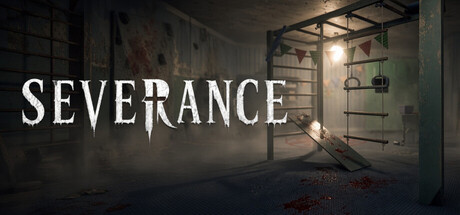

Backrooms Society
Backrooms Society is a 1-8 player co-op horror game. Make your way through unique levels of the backrooms while trying to survive and avoid mysterious entities. Scavenge each level for gear and resources, bring it back to The Hub where you can sell valuables and buy/craft new gear.


Backrooms: Escape Together
A visually lifelike co-op horror game for 1-6 people. Journey through 11 procedurally generated levels, using what's available to survive and progress deeper into the Backrooms.
Folklore Hunter
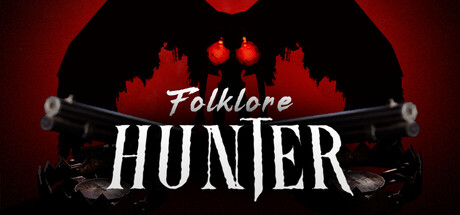
You’re a world-renowned hunter of supernatural beasts. Track down urban legends from all over the world, set traps, solve disturbing puzzles, and defeat the beasts before you succumb to their otherworldly presence.


Escape the Backrooms
Escape the Backrooms is a 1-4 player co-op horror exploration game. Traverse 30+ eerie backrooms levels while avoiding entities and other dangers. Try to escape but be warned: survival isn't guaranteed.
Forest Escape: Last Train
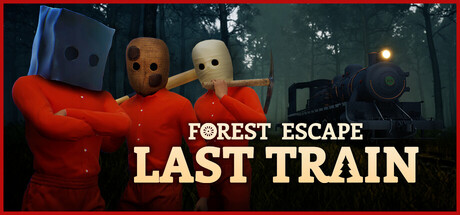
Forest Escape: Last Train is a co-op surreal horror game for 1–4 players. Explore bizarre nightmare locations, gather resources, solve the insane Warden's twisted puzzles, and keep your locomotive running as you fight to escape his unhinged world.

The Backrooms: Survival
Survival horror with roguelike elements. Explore randomized levels with different items and entities while trying to maintain your thirst, hunger, and sanity, ensuring a new experience every time. Play alone or with up to TEN friends online! Cross-platform multiplayer with Nintendo Switch.
FOREWARNED
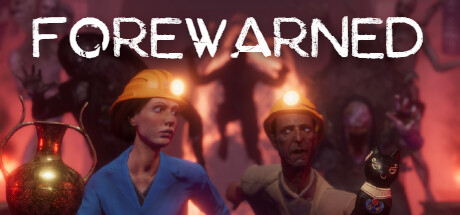
FOREWARNED is a 1-4 player co-op survival horror. Delve deep into ancient Egyptian ruins with your team of fellow archaeologists. Investigate phenomena, collect treasure, discover lore, survive danger, and banish the evil that lurks within.
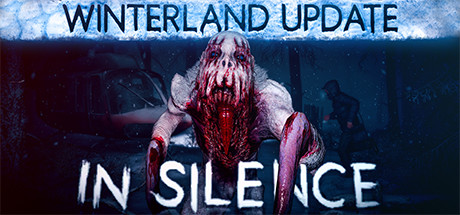
In Silence
In Silence is a multiplayer horror game. One player takes on the role of the monster who has hypersensitive hearing abilities and is almost completely blind. The other players(2-6) play as survivors, trying to escape or hunting the monster.
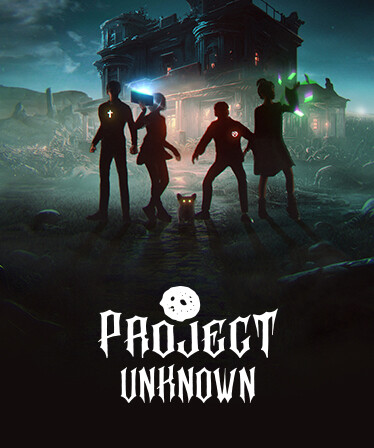
Project Unknown
An online co-op horror game featuring unique playable characters and RPG mechanics. Exorcise ghosts using your special abilities and tools while surviving the supernatural onslaught
Frequently Asked Questions
The Devourer: Hunted Souls is currently priced at 4.99€ on Steam.
Yes, The Devourer: Hunted Souls is currently available at a 50% discount. You can purchase it for 4.99€ on Steam.
Yes, The Devourer: Hunted Souls received 448 positive votes out of a total of 551 achieving a rating of 7.66.
😊
The Devourer: Hunted Souls was developed and published by ZTEK Studio.
Yes, The Devourer: Hunted Souls is playable and fully supported on Windows.
No, The Devourer: Hunted Souls is not playable on MacOS.
No, The Devourer: Hunted Souls is not playable on Linux.
Yes, The Devourer: Hunted Souls is playable on Steam Deck, though it might require a few minor tweaks. Make sure to check the Steam store page and community feedback on ProtonDB for exact compatibility details.
This information about The Devourer: Hunted Souls is not available yet.
No, The Devourer: Hunted Souls does not support VR.
The Devourer: Hunted Souls offers both single-player and multi-player modes.
The Devourer: Hunted Souls includes Co-op mode where you can team up with friends.
No, The Devourer: Hunted Souls does not currently offer any DLC.
No, The Devourer: Hunted Souls does not support mods via Steam Workshop.
No, The Devourer: Hunted Souls does not support Steam Remote Play.
Yes, The Devourer: Hunted Souls is enabled for Steam Family Sharing. This means you can share the game with authorized users from your Steam Library, allowing them to play it on their own accounts. For more details on how the feature works, you can read the original Steam Family Sharing announcement or visit the Steam Family Sharing user guide and FAQ page.
You can find solutions or submit a support ticket by visiting the Steam Support page for The Devourer: Hunted Souls.
Data sources
The information presented on this page is sourced from reliable APIs to ensure accuracy and relevance. We utilize the Steam API to gather data on game details, including titles, descriptions, prices, and user reviews. This allows us to provide you with the most up-to-date information directly from the Steam platform.
Additionally, we incorporate data from the SteamSpy API, which offers insights into game sales and player statistics. This helps us present a comprehensive view of each game's popularity and performance within the gaming community.
Last Updates| Steam data | 19 September 2026 09:00 UTC |
|---|---|
| SteamSpy data | 20 October 2026 15:00 UTC |
| Steam price | 27 October 2026 19:52 UTC |
| Steam reviews | 20 October 2026 05:54 UTC |
If you'd like to dive deeper into the details about The Devourer: Hunted Souls, we invite you to check out a few dedicated websites that offer extensive information and insights. These platforms provide valuable data, analysis, and user-generated reports to enhance your understanding of the game and its performance.
- SteamDB - A comprehensive database of everything on Steam about The Devourer: Hunted Souls
- SteamCharts - Analysis of The Devourer: Hunted Souls concurrent players on Steam
- ProtonDB - Crowdsourced reports on Linux and Steam Deck The Devourer: Hunted Souls compatibility
Game modes
Multiplayer
Features
Online players
3
Developer
ZTEK Studio
Publisher
ZTEK Studio
Release
26 Oct 2023
Platforms