Against the Storm
A dark fantasy city builder where you must rebuild civilization in the face of apocalyptic rains. As the Queen’s Viceroy, lead humans, beavers, lizards, foxes, and harpies to reclaim the wilderness and secure a future for civilization's last survivors.
Sync your Steam wishlist to find the lowest game prices instantly. No login required, just paste your Steam profile URL!
⚡ Try Wishlist Radar!
Sync your Steam wishlist to find the lowest game prices instantly. No login required!
⚡ Try Wishlist Radar!
Close

The Lost Village on Steam
Quick menu
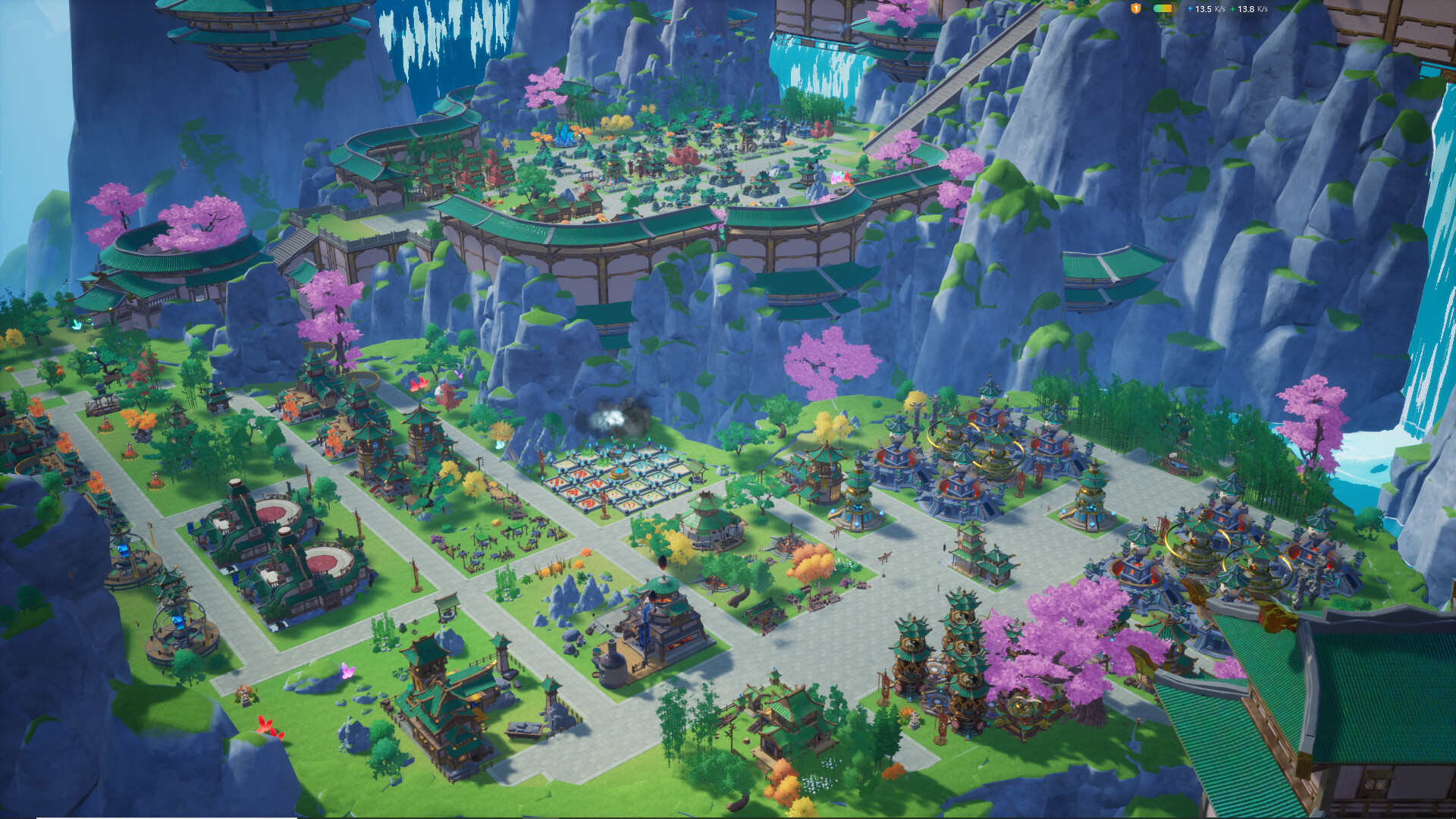
Once there was a prosperous village of Martials, now none of it remains. As the son of the former Master, you will lead your followers to rebuild this village. Recruit followers and enter the mysterious illusional domain, acquire lost wonders. Will you see the rebirth of ancestors’ glory again?
The Lost Village is a base-building, resource management and city builder game
developed and published by FunYoo Games.
Released on April 07th 2024 is available on Windows, Steam Deck and Steam Machine.
It has received 7,172 reviews of which 5,638 were positive and 1,534 were negative resulting in a rating of 7.7 out of 10. 😊
The game is currently priced at 10.75€ on Steam, but you can find it for 6.99€ on Instant Gaming.
The Steam community has classified The Lost Village into these genres:
Media & Screenshots
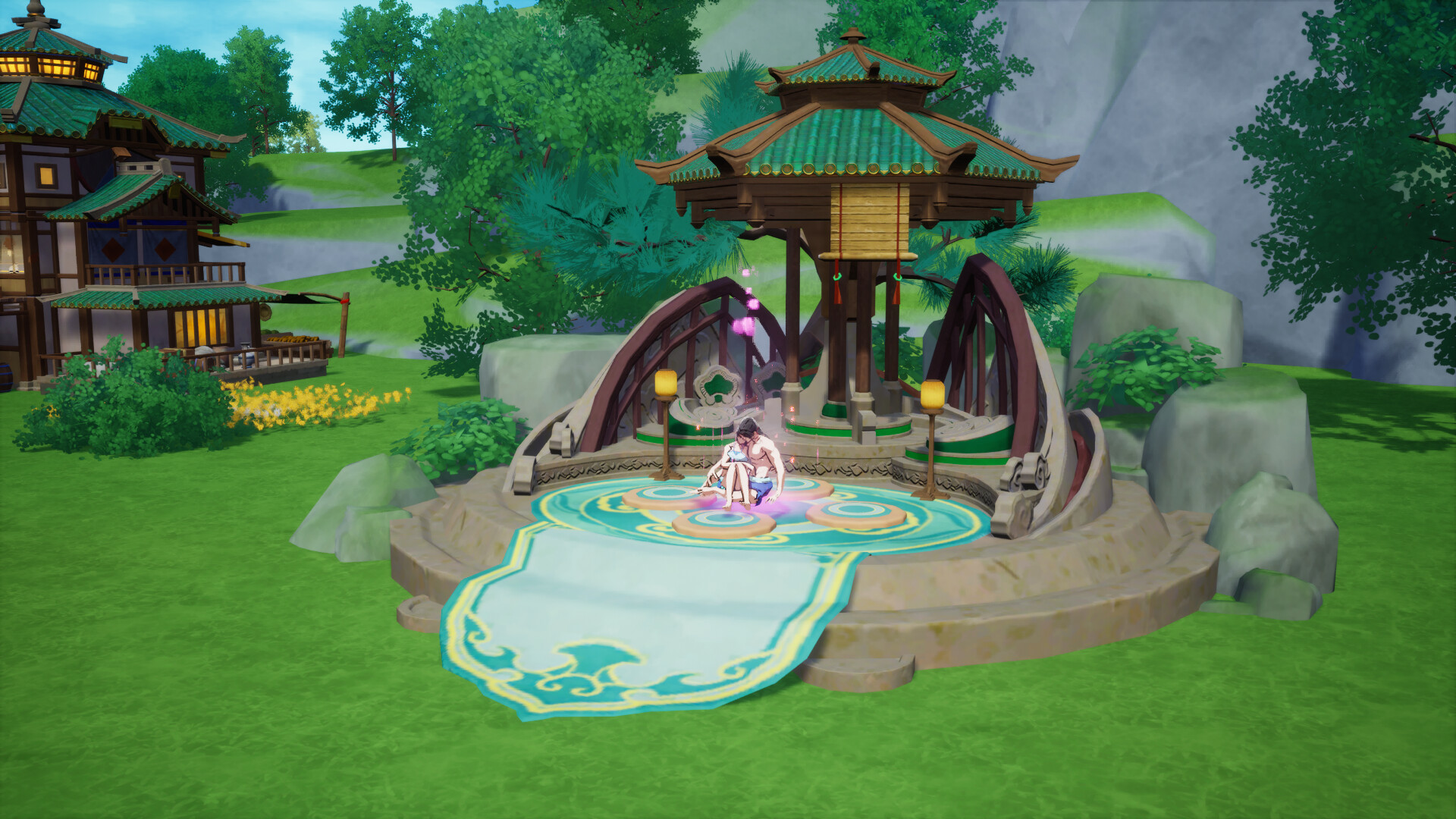
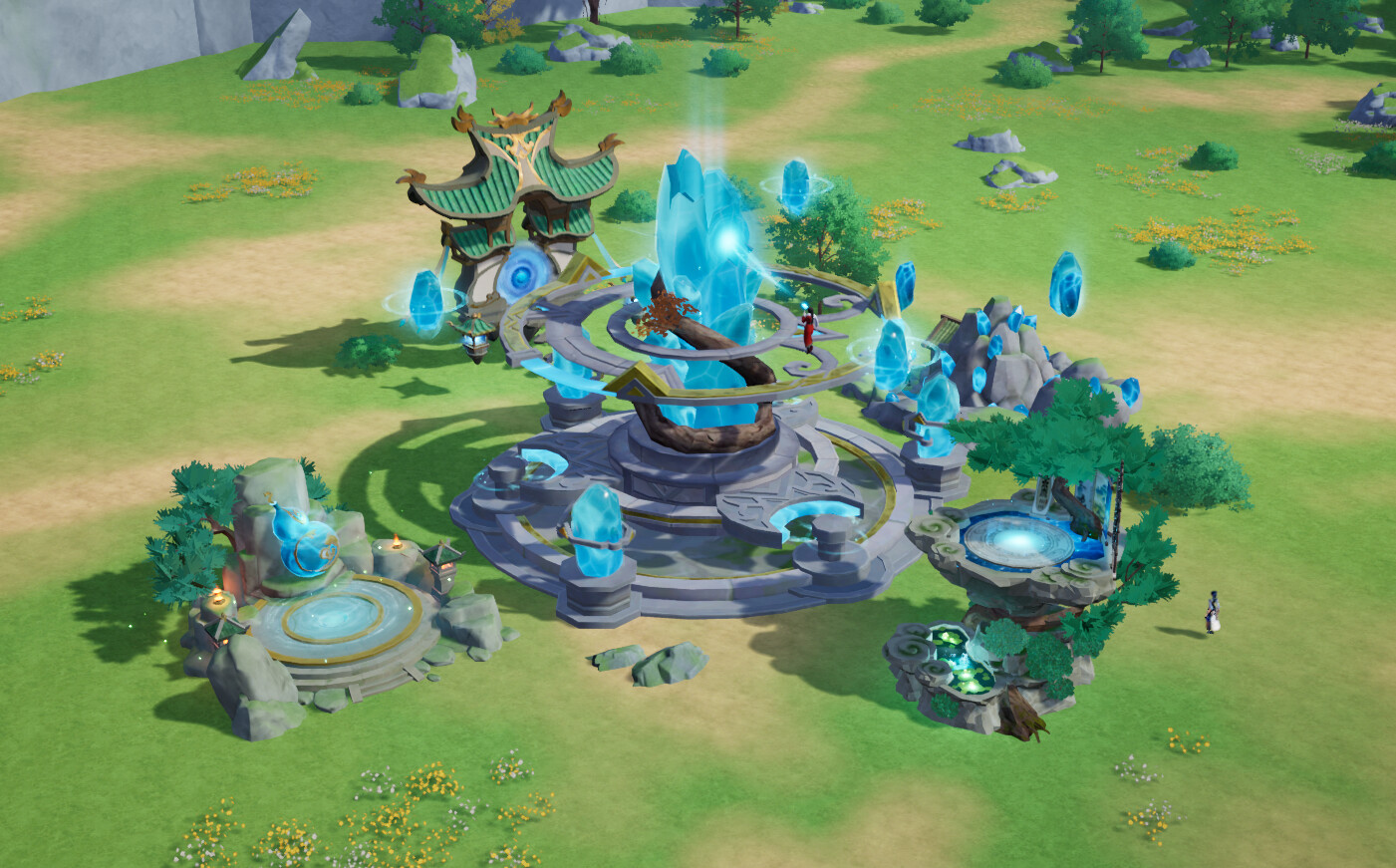
Get an in-depth look at The Lost Village through various videos and screenshots.



Load More


System requirements
These are the minimum specifications needed to play the game. For the best experience, we recommend that you verify them.
Windows
- OS *: Windows 7 64 bit
- Processor: AMD A10 7850K, Intel i3-2000
- Memory: 4 GB RAM
- Graphics: Radeon R9 280, Geforce GTX 960
- DirectX: Version 9.0
- Storage: 3 GB available space
Steam Price & Best Deals
User reviews & Ratings
Explore reviews from Steam users sharing their experiences and what they love about the game.
I am not sure if this is a great game or just weaponized form of addiction crack. Infinite xp grind ? check Random loot ? check Base building ? check Economy ? check ( kinda) Large world ? check Waifu /husbando collecting ? check Pet raising ? check Autobattler / micro moba ? Check Rogue lite battle game with bazillion skills ? check. Unlockable stuff for future runs ? Check Grind ? near unlimited. Duration of single game ? Insane. I have no idea if I like this game or not but I know I spend heck of a lot of time on it. It's top tier time waster. That I am for sure.
Maybe i came to late to this game but i am enjoying this game a lot , but regrefully like i mention i came to late and now its kinda mute point since its missing some new updates which they mention they will clean , but no word so far i wonder if they will keep their promise Anyway if like Management game with Really Long LifeSpans Pun Intended this is the game for your hehe enjoy the game and please like a good review thanks
Similar games
View all

Oxygen: First Breath
This is a free version of Oxygen, featuring the first 50 game-days. Build your city around the Oxygen Center and ensure your people's survival in a post-apocalyptic future, threatened by crack explosions, deadly winds, droughts and frosts. Lead your people and keep the Oxygen Center running!

Oxygen
Oxygen is a survival city builder. Build your city around the Oxygen Center and ensure your people's survival in a post-apocalyptic future, threatened by crack explosions, deadly winds, droughts and frosts. Lead your people and more importantly keep the Oxygen Center running!
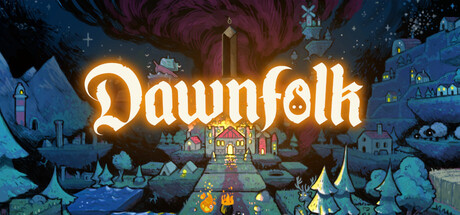
Dawnfolk
Dawnfolk is a charmingly dark, casual and puzzly survival building game. Gather resources, rebuild your realm, and protect your people from oppressive shadows. Can you unveil the secrets of the monoliths and bring light back to the world?

Workers & Resources: Soviet Republic
Build a soviet republic from an impoverished country into a rich industrial superpower in a city builder with intricate production chains and a fully simulated global economy. Manage the lives of your citizens from education to work and party loyalty to criminal activity.

Diluvian Winds
Diluvian Winds is a relaxing management game set in a small hamlet at the foot of a lighthouse. Welcome weary travelers and work together to expand your hamlet on land, under the sea, or among the clouds.
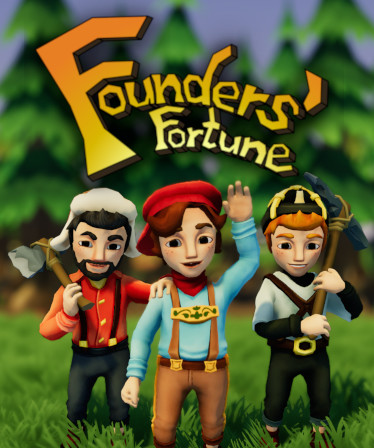
Founders' Fortune
A fantasy village builder focusing on creative building, colonist psychology and base defense. Handle resources, farming, production, tools, diplomacy, families, trading, defense, and research, as well as the wishes, expectations, thoughts, and equipment of every villager.

First Feudal
Become a real medieval feudal lord: start with a small village and build it up into an enormous impenetrable castle. You will have to repel enemy raids: hide behind thick walls, lure your enemies into strategically placed traps, and even lead your loyal peasants into battle.

Empires of the Undergrowth
Command swarms of warriors at an unprecedented scale of warfare in this blend of RTS and base-building. Lead ant colonies against the many fearsome threats of the insect world, while building intricate nests, developing pheromone-based tactics, and evolving to meet growing dangers.

Sumerians
Sumerians is a city building game set in ancient Mesopotamia. Attract new citizens and grow by expanding your irrigation system, building walls, palaces, temples and ziggurats. Research new technologies, manage your production, hire workers, and trade.
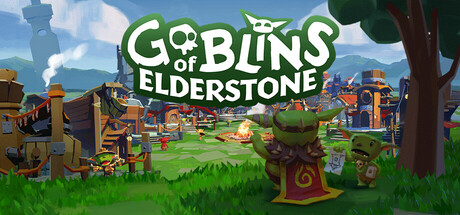
Goblins of Elderstone
This Goblin Tribe Simulator brings a challenging blend of chaos and creativity to the city-building genre. Build dwellings, manage your resources, defend your goblins, and grow your tribe, and please the Gods! Do you have what it takes to control the chaos and rule the unruly?

Techtonica
Techtonica is a first-person factory automation game with a gripping mystery about mining your way out from the depths of an alien planet. Explore bioluminescent caves, mold destructible terrain, construct a massive subterranean factory. Dig your way toward answers & discover the secrets of Calyx.
Frequently Asked Questions
The Lost Village is currently priced at 10.75€ on Steam.
No, The Lost Village is currently not on sale. You can purchase it for 10.75€ on Steam.
Yes, The Lost Village received 5,638 positive votes out of a total of 7,172 achieving a rating of 7.66.
😊
The Lost Village was developed and published by FunYoo Games.
Yes, The Lost Village is playable and fully supported on Windows.
No, The Lost Village is not playable on MacOS.
No, The Lost Village is not playable on Linux.
Yes, The Lost Village is playable on Steam Deck, though it might require a few minor tweaks. Make sure to check the Steam store page and community feedback on ProtonDB for exact compatibility details.
Yes, The Lost Village is playable on Steam Machine, though it might require a few minor tweaks. Make sure to check the Steam store page and community feedback on ProtonDB for exact compatibility details.
No, The Lost Village does not support VR.
The Lost Village is a single-player game.
Yes, there are 6 DLCs available for The Lost Village. Explore additional content available for The Lost Village on Steam.
No, The Lost Village does not support mods via Steam Workshop.
No, The Lost Village does not support Steam Remote Play.
Yes, The Lost Village is enabled for Steam Family Sharing. This means you can share the game with authorized users from your Steam Library, allowing them to play it on their own accounts. For more details on how the feature works, you can read the original Steam Family Sharing announcement or visit the Steam Family Sharing user guide and FAQ page.
You can find solutions or submit a support ticket by visiting the Steam Support page for The Lost Village.
Data sources
The information presented on this page is sourced from reliable APIs to ensure accuracy and relevance. We utilize the Steam API to gather data on game details, including titles, descriptions, prices, and user reviews. This allows us to provide you with the most up-to-date information directly from the Steam platform.
Additionally, we incorporate data from the SteamSpy API, which offers insights into game sales and player statistics. This helps us present a comprehensive view of each game's popularity and performance within the gaming community.
Last Updates| Steam data | 19 September 2026 20:29 UTC |
|---|---|
| SteamSpy data | 16 October 2026 19:14 UTC |
| Steam price | 27 October 2026 04:09 UTC |
| Steam reviews | 18 October 2026 17:46 UTC |
If you'd like to dive deeper into the details about The Lost Village, we invite you to check out a few dedicated websites that offer extensive information and insights. These platforms provide valuable data, analysis, and user-generated reports to enhance your understanding of the game and its performance.
- SteamDB - A comprehensive database of everything on Steam about The Lost Village
- SteamCharts - Analysis of The Lost Village concurrent players on Steam
- ProtonDB - Crowdsourced reports on Linux and Steam Deck The Lost Village compatibility

 10.75€
Visit Store
10.75€
Visit Store
 🔥 Deal
-35%
10.75€
6.99€
Buy Now
🔥 Deal
-35%
10.75€
6.99€
Buy Now
 -2%
10.75€
10.59€
Visit Store
-2%
10.75€
10.59€
Visit Store
 12.92€
Visit Store
12.92€
Visit Store
Game modes
Features
Online players
19
Developer
FunYoo Games
Publisher
FunYoo Games
Release
07 Apr 2024
Platforms
Clicking and buying through these links helps us earn a commission to maintain our services.