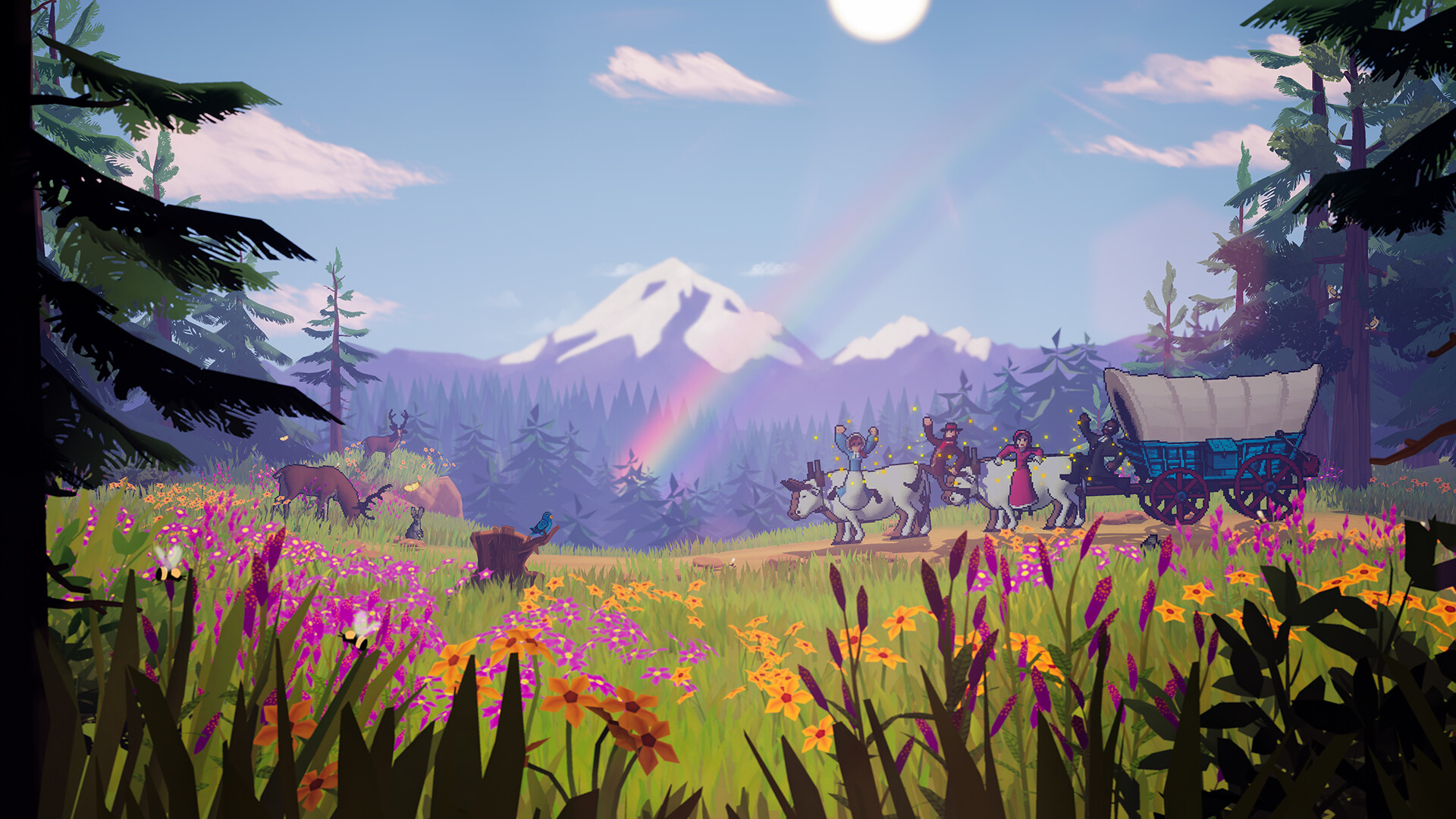
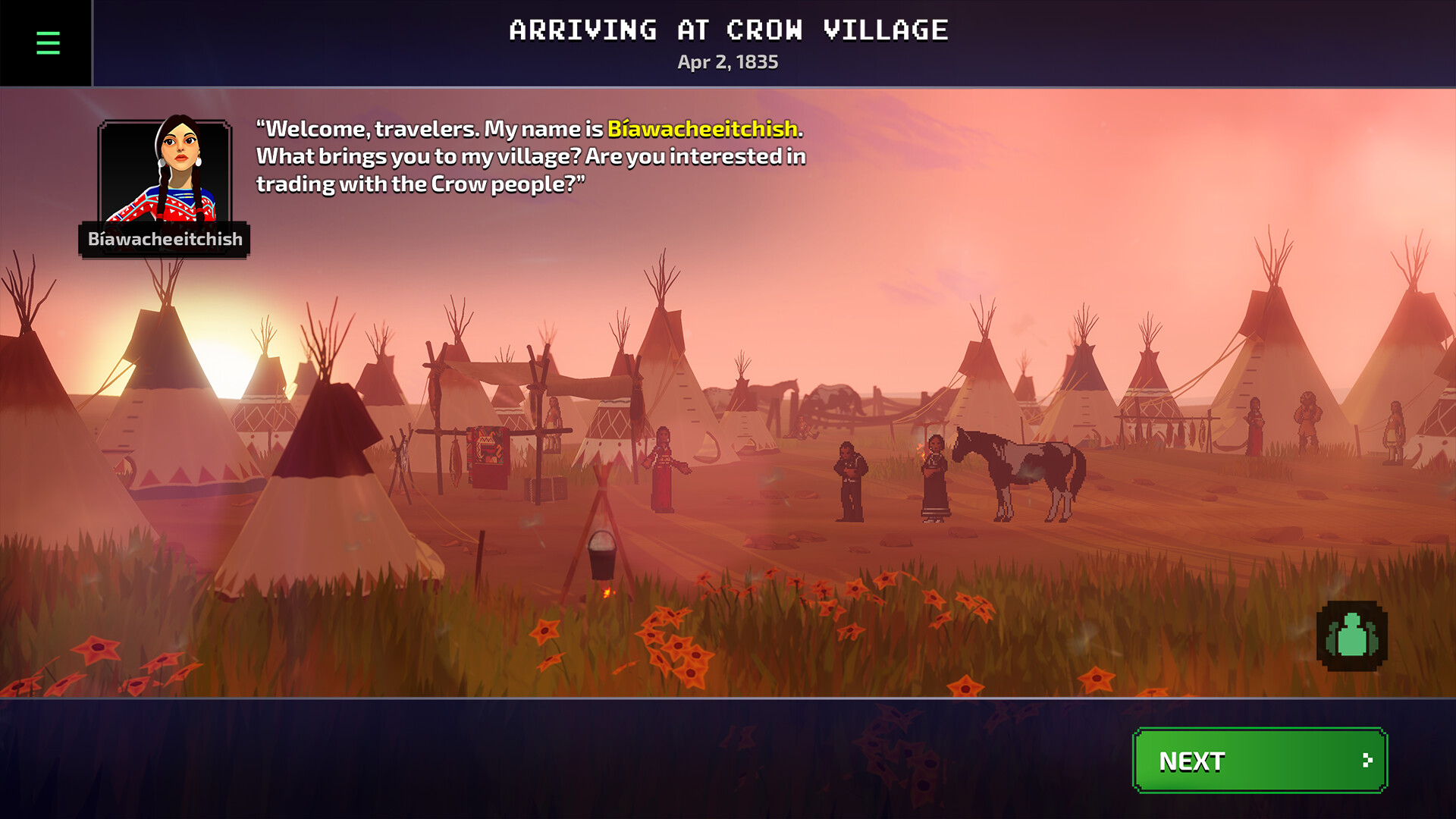
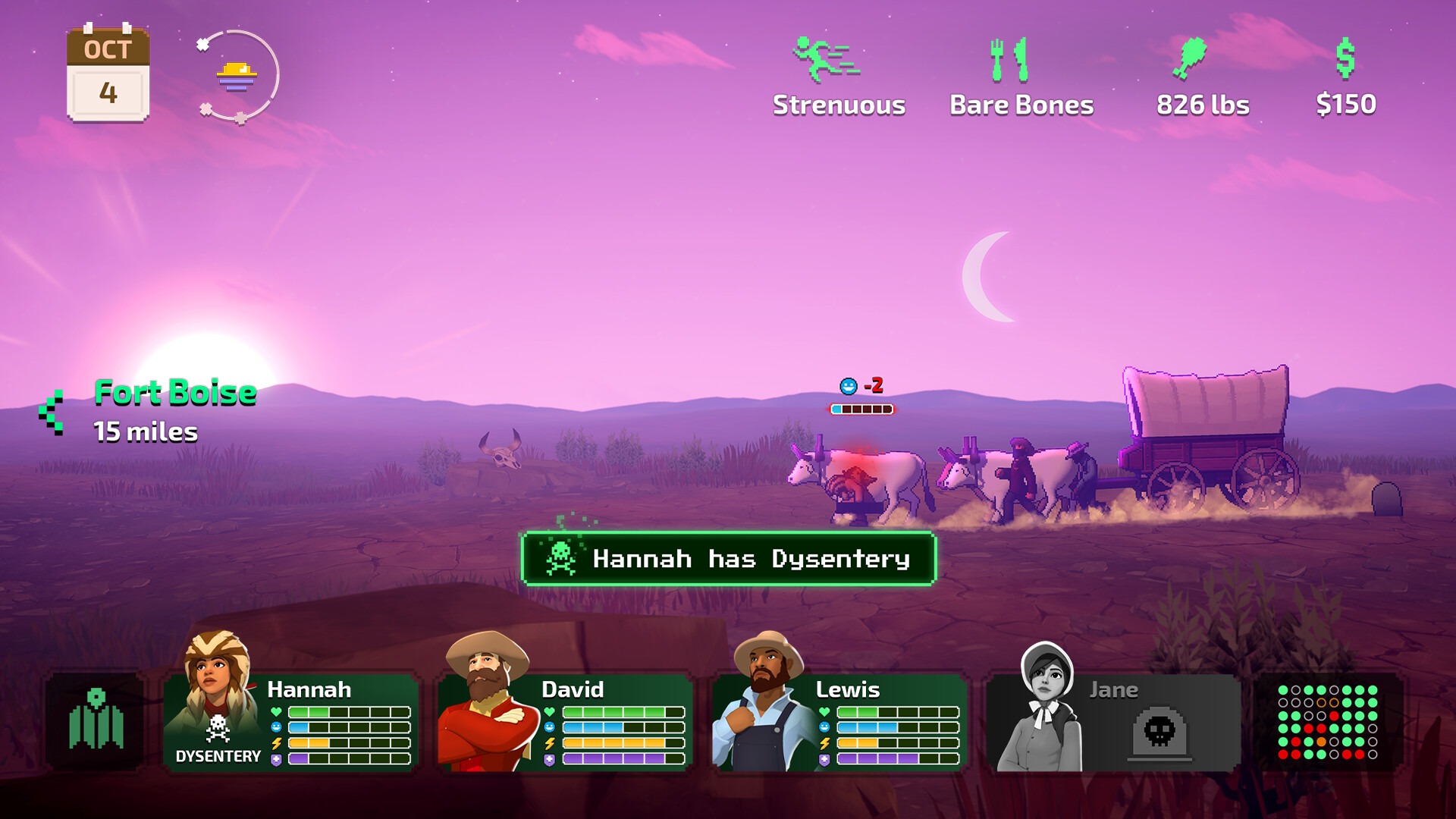
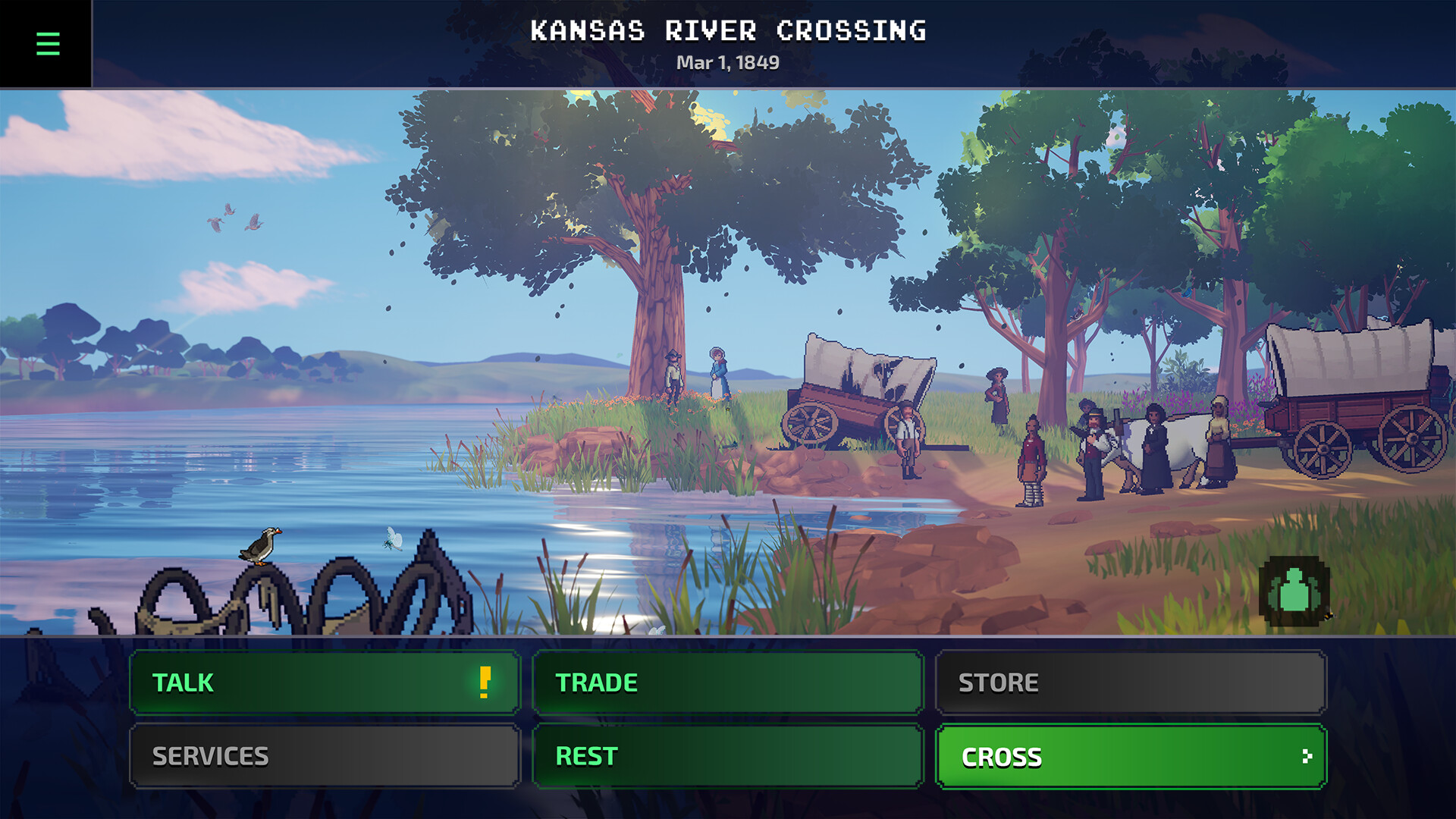
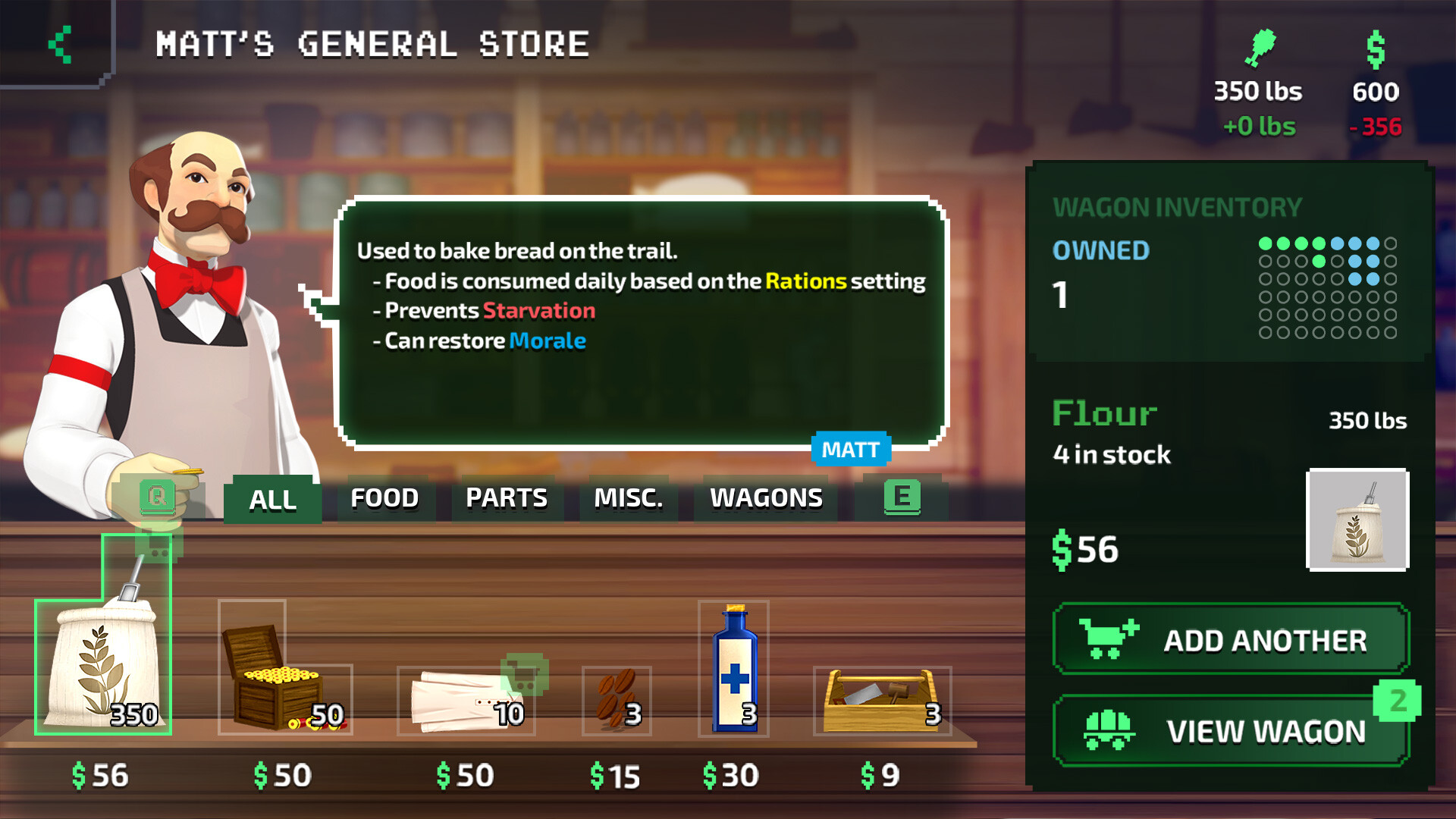
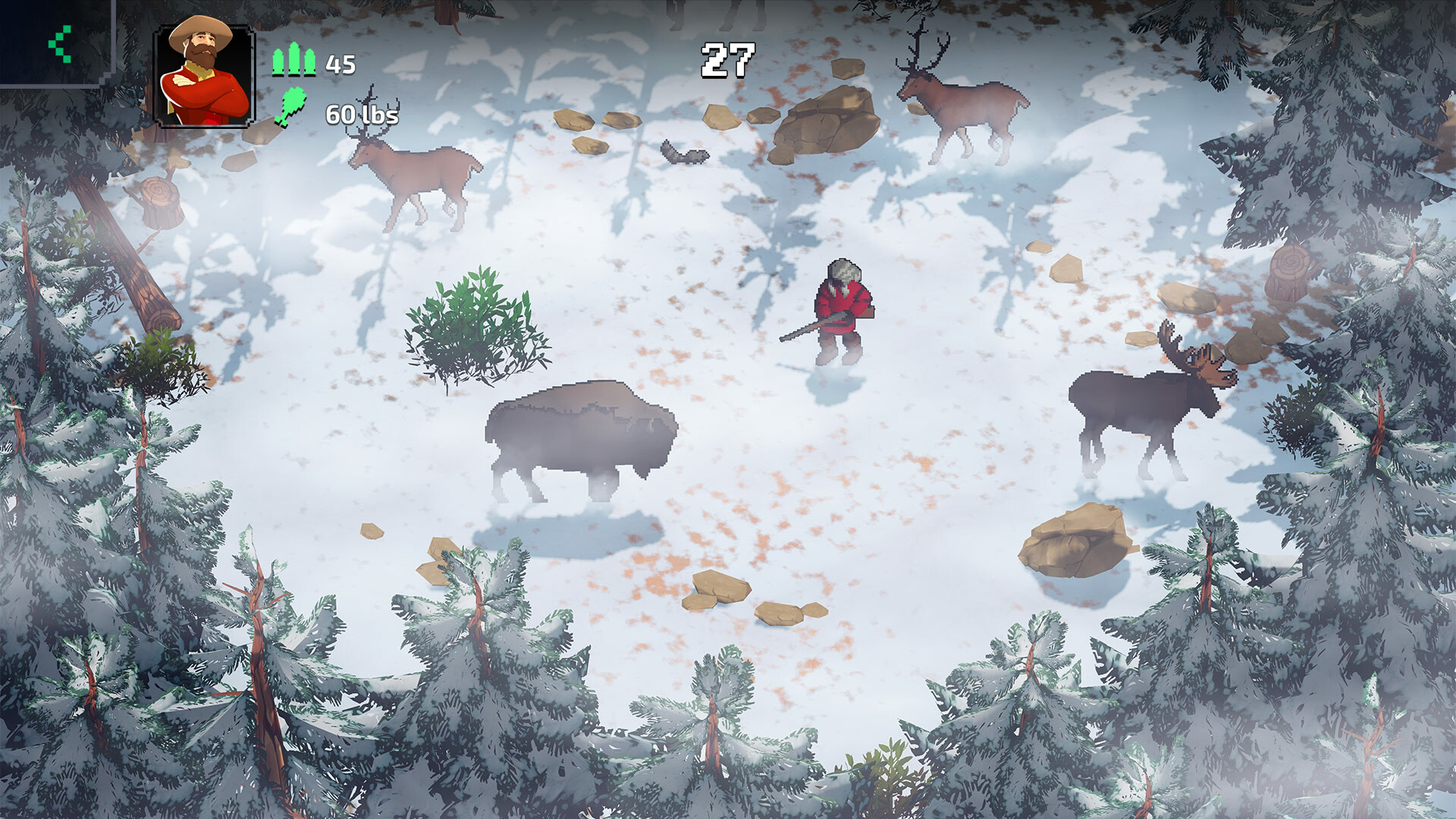
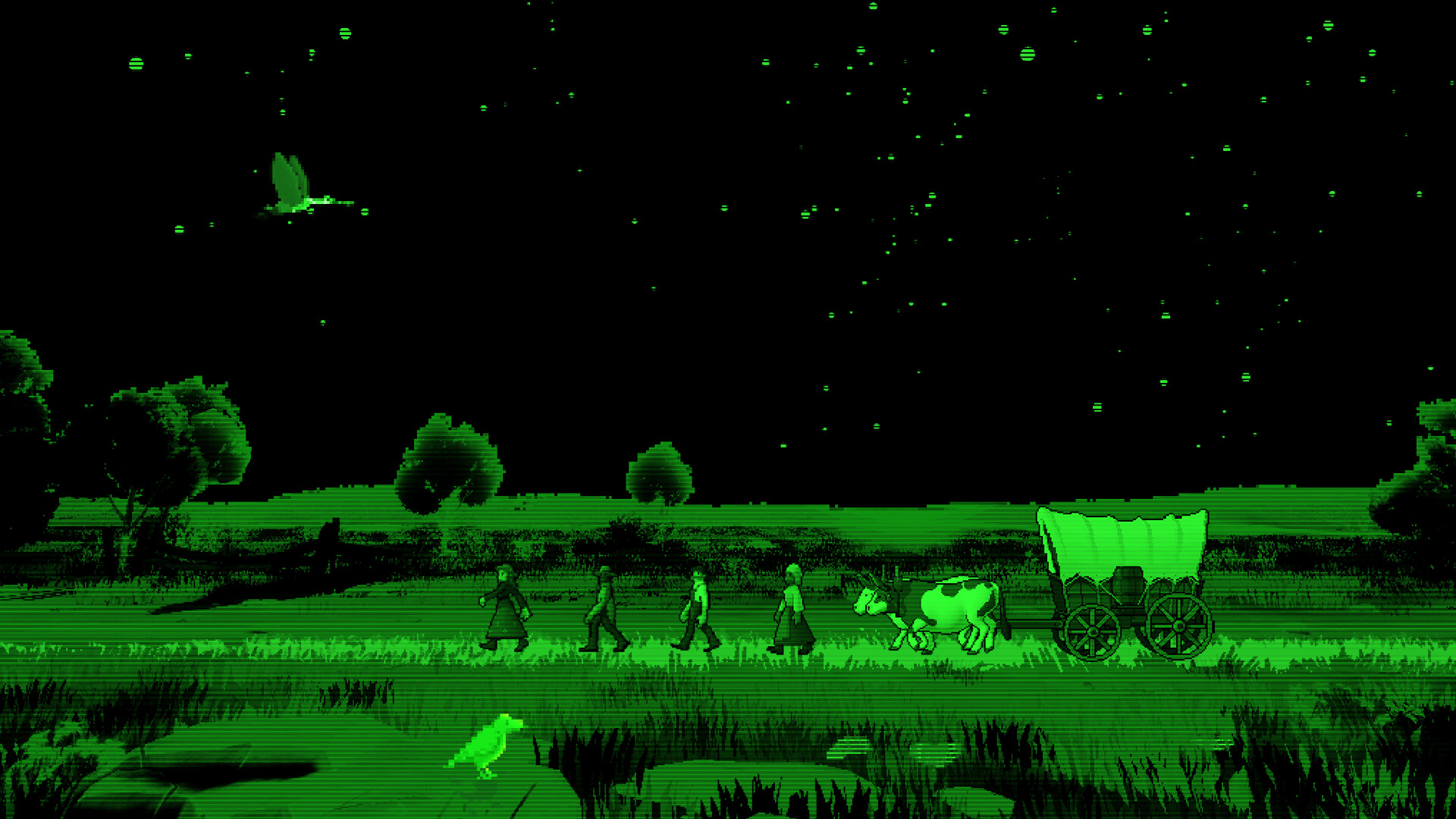
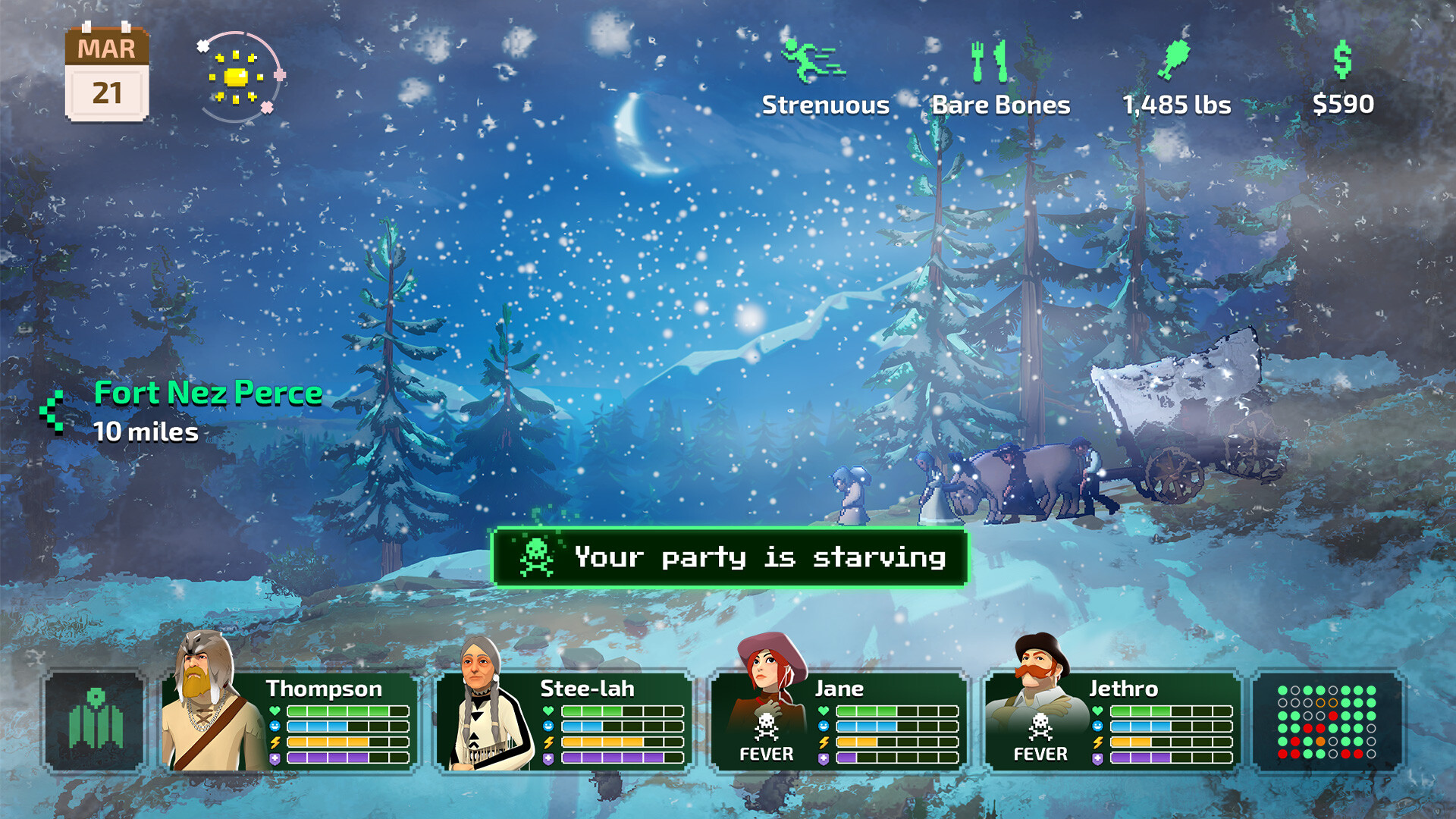
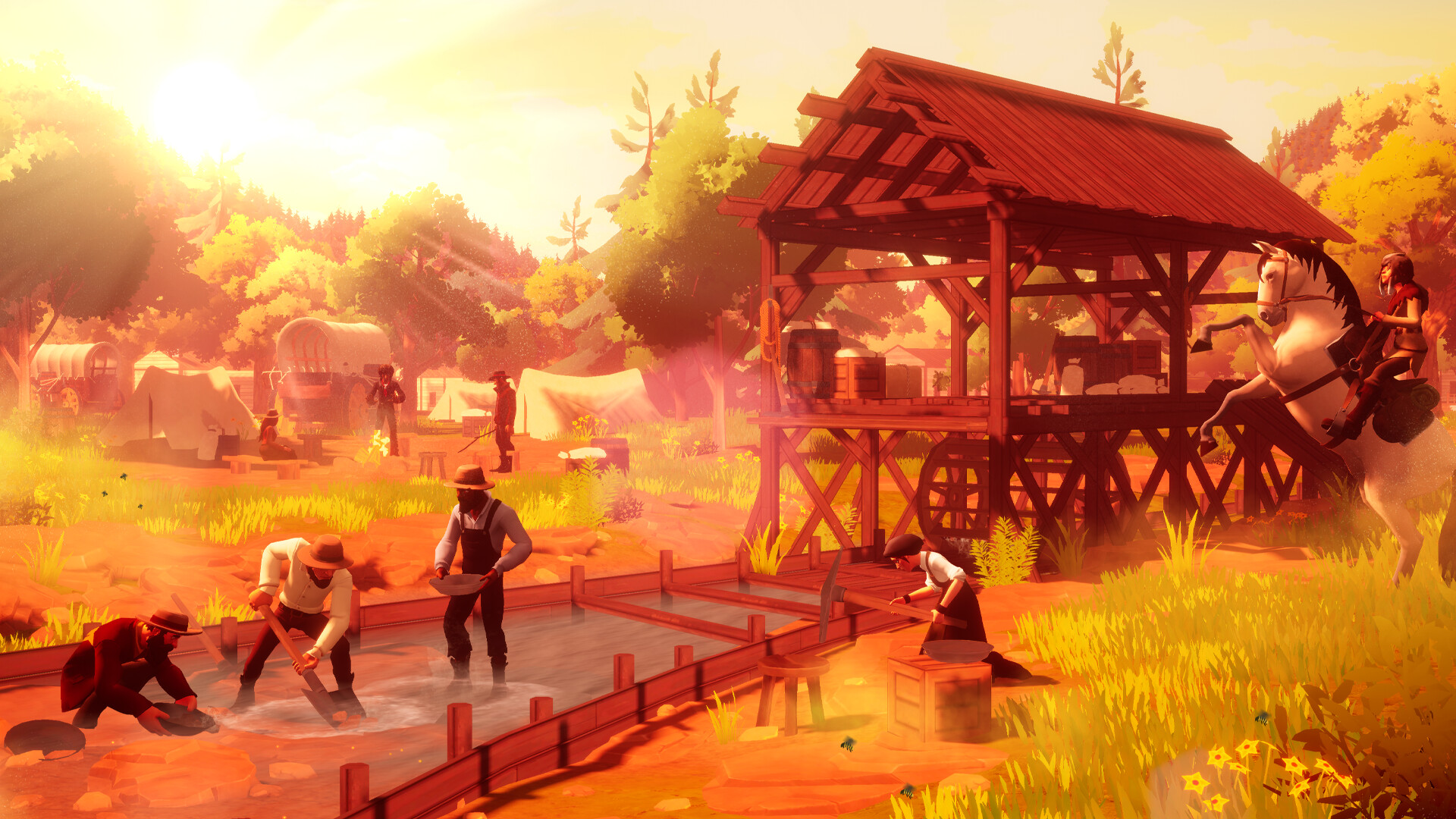
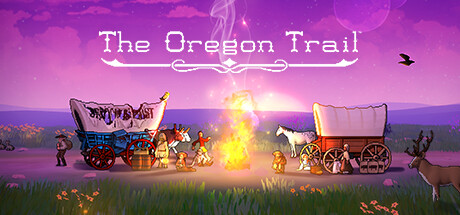
Rogue-like, survival, simulation. A game originally created to educate children about westward expansion in the United States, specifically to the state of Oregon. Westward expansion/invasion went on throughout the mid-1800s. Note : I usually post reviews after I’ve completely finished a game, but in this case, I’m going to be playing The Oregon Trail for … ever , and at least one person is waiting on the review, so I’m posting this at about 75% completion of the game. (Now finished.) You want to talk about some old-a$$ games? This series began in the 1970s. Bruh, forgive my ignorant millennial self, but I didn’t think computer video games were a thing that far back. If you check the [url=https://en.wikipedia.org/wiki/The_Oregon_Trail_(series)]Wikipedia , you can read all about the full history of the series there. The game version I first played was sometime in the late 1990s, at an acquaintance’s house. This is not the same girl from [url=https://steamcommunity.com/id/Ceaseless_Duality/recommended/397430]my Zoombinis review . This other girl actually gave me turns playing The Oregon Trail on her computer, so totally different person. A nicer person. When she introduced me to the game, she immediately warned, “Don’t get upset when party members die. It’ll happen a lot. Just try to find it funny.” And I’ve heeded that advice both then and now. For example, (in this version) I got a full party all the way to the Blue Mountains and then, BAM, a snow storm hit and they all froze to death, but it’s funny because the animation just shows them falling to the ground like marionettes that got their strings cut. Cold! Party ragdolls to the ground dead. You just have to find that funny. Information • Party members can die from: typhoid, cholera, dysentery, snakebite, starvation, dehydration, infection, gunshot, hypothermia, burns, and certainly other things I either forgot about or didn’t personally encounter in the game. • There are “journeys,” that are what you might consider “scenarios” or “campaigns,” that one can play to unlock useful items and party member classes for the main game. • Party member classes: guide, adventurer, missionary, banker, carpenter, farmer, mountain wo/man, trapper, cook, prospector, musician, and physician. • The main indigenous tribes depicted in the game: Pawnee, Lakota, and Crow. Other tribes mentioned throughout the game: Shoshone, Lenape, Arapaho, Cheyenne, Assiniboine, Mandan, Hidatsa, and Arikara. Tribes mentioned in DLC: Chickasaw, Choctaw, Seminole, Muscogee, and Cherokee. • Main mini-games: hunting and fishing. Both fairly easy. Additional/optional mini-games: river rafting and gun-slinging. The rafting mini-game is annoying to me. Gun-slinging isn’t too bad if you have a party member with a decent shooting skill. Praises • In this version, right at the beginning of the game, an apology is presented regarding the portrayal of westward expansion and depiction of indigenous people in previous versions. “For Native Americans, westward expansion was not an adventure, but an invasion.” • In addition to accurate perspectives from indigenous people, there are also black Americans depicted throughout the game who talk about how they still face injustice despite the abolishment of slavery. There are also a pair of runaway slaves the party can assist if they’re encountered by chance. • When party members die, they leave behind gravestones (with amusing messages, if you want) and supplies they were carrying for the next adventurers/invaders to find on the next playthrough. • There are two full trails to take on in addition to the main Oregon Trail (settling westward from Missouri to Oregon). The California Gold Rush (seeking gold from Idaho to California) and (DLC) The Chisholm Trail (assisting in a cattle drive from Texas to Kansas). • Party member traits actually do affect gameplay. For example, a paranoid character will always think herbs/plants are poisonous or that there’s something wrong with the wagon. A pugnacious character is difficult to keep appeased, but if a bandit tries to rob the party, that character steps in to get in a brawl with the bandit instead of surrendering, and (probably) wins. A character with the charming trait is my favorite, as they can nearly always negotiate a lower price with merchants/traders. • Besides trying to survive, the party can encounter several random events. Some are amusing, like Samuel Peppard (a real person) falling out of the sky due to a failed flying invention. Some are cute, like encountering a domesticated dog who got separated from their owner. Of course, you can feed and pet the dog. There are a few events that are sad, but are definitely true to the realities of the time period. • The menu journal keeps track of the player’s progress, but also has some educational information. After accomplishing certain goals, trivia is unlocked in relation to what was accomplished. (Personally, I don’t think educational material should be locked though.) The player can read about fauna, cultural references, historical events, and historical figures that are featured in the game. • Online features are minimal (which I prefer). Players can join a railroad building contest. It keeps track of all players that allowed online data tracking and when one plays various trails in the game, opportunities to help railroad workers pop up and it contributes to a particular team’s progress on that railroad. • Speaking of railroad workers, the game includes trivia on how railroad workers’ working conditions were harsh, but specifically for Chinese-American workers, they were paid half the amount for their labor and treated even worse than their white counterparts. When the Chinese-American railroad workers went on strike, their food supplies were cut off, literally starving them into submission and forcing them back to work. Complaints • Less educational about flora. The version I played in the late-‘90s had pictures and explanations of various plants/herbs one could gather for food or medicinal purposes. In this version, there are no pictures or even educational descriptions. Party members either find vague “medicinal herbs” or “foodstuffs” from plantlife. • A physician can’t examine their own wounds. I understand that some wounds need another person’s eyes, but if my physician party member had their foot ran over by the wagon, I’m fairly certain they should be able to examine their foot without assistance, and therefore, be able to use their good medical skill. If you like learning about American culture or history, particularly about the West during the mid-1800s, and you like the genres mentioned at the top, then you should definitely get this game. Edit after finishing the game : One more complaint I'd like to add. The achievement for getting a score of 10,000 on the rafting mini-game is madness . My average is about half of that. The highest I ever got was 6,700, because I lucked out. I've tried the mini-game countless times during the 180+ hours of this game and I just think it would be quite impossible for me to get 10k no matter how many times I tried.
Expand the review