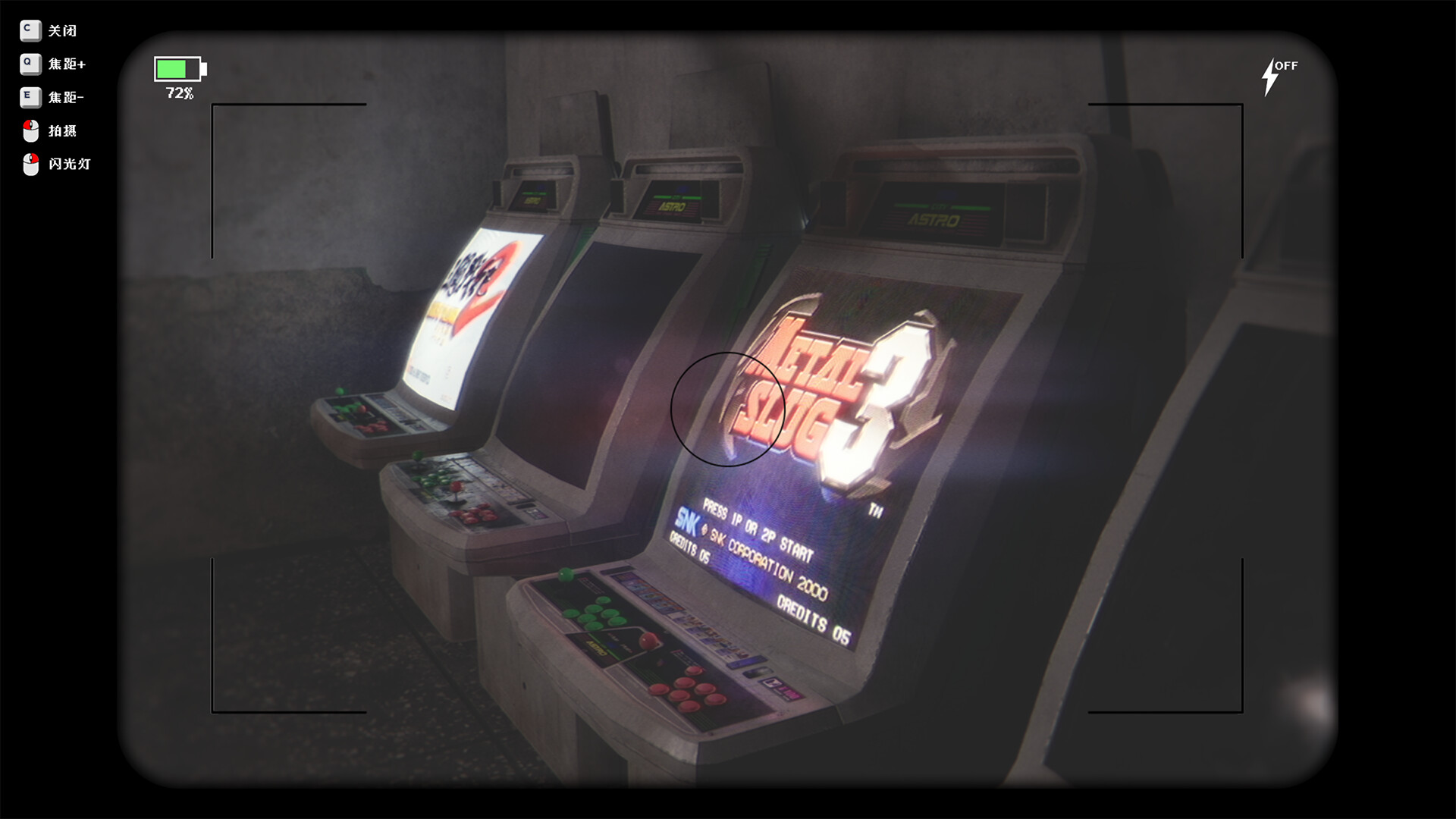
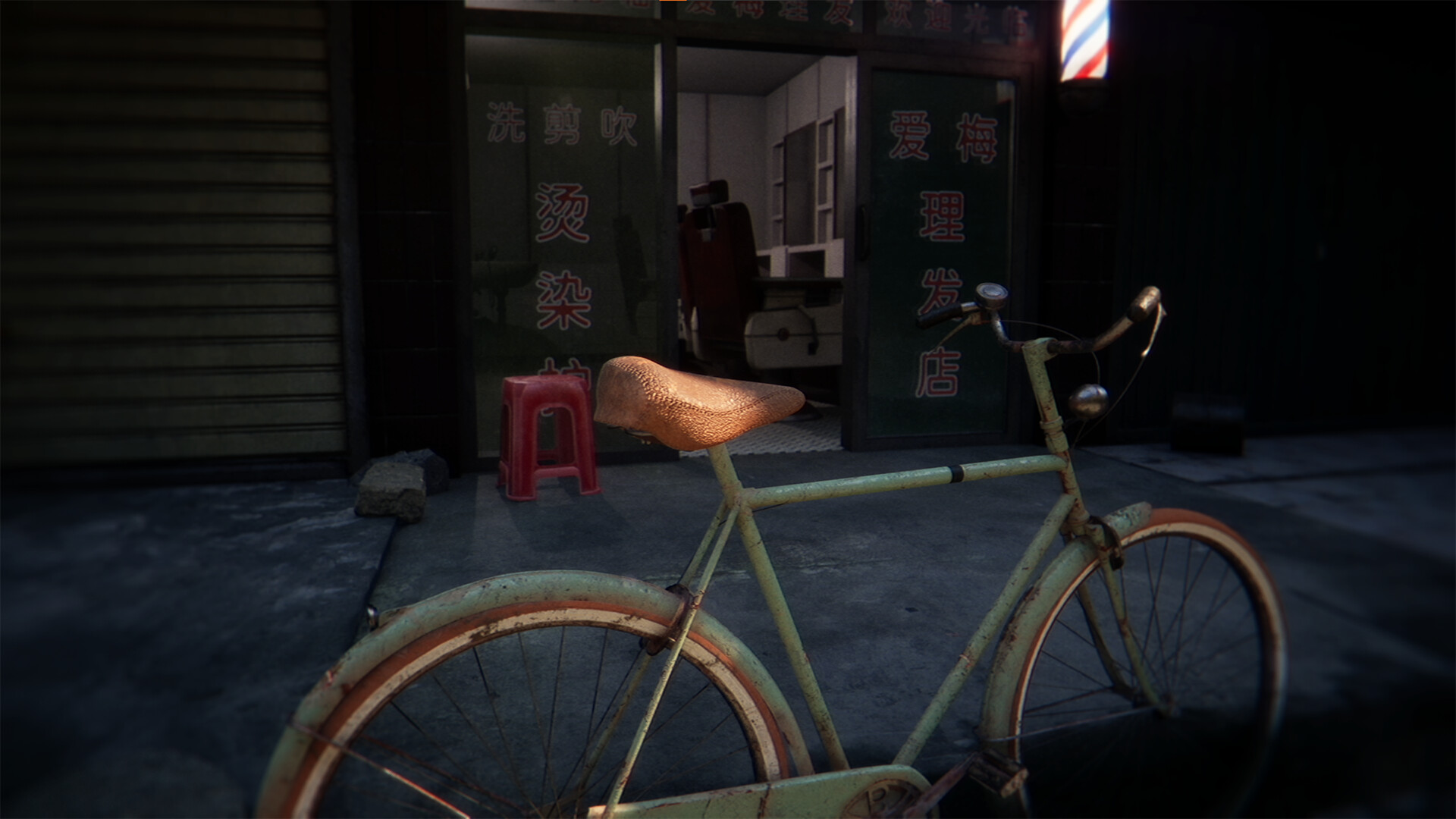
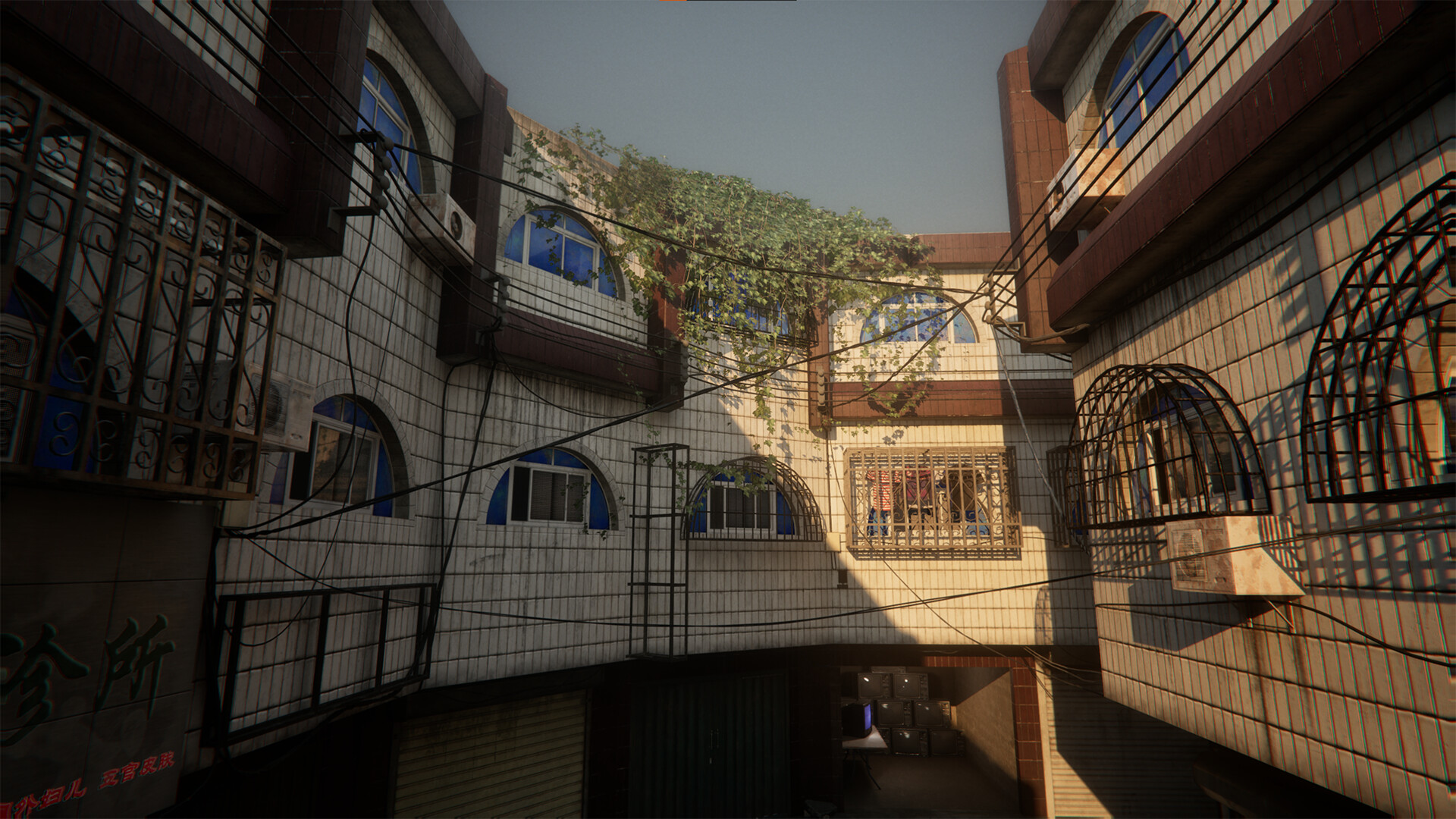
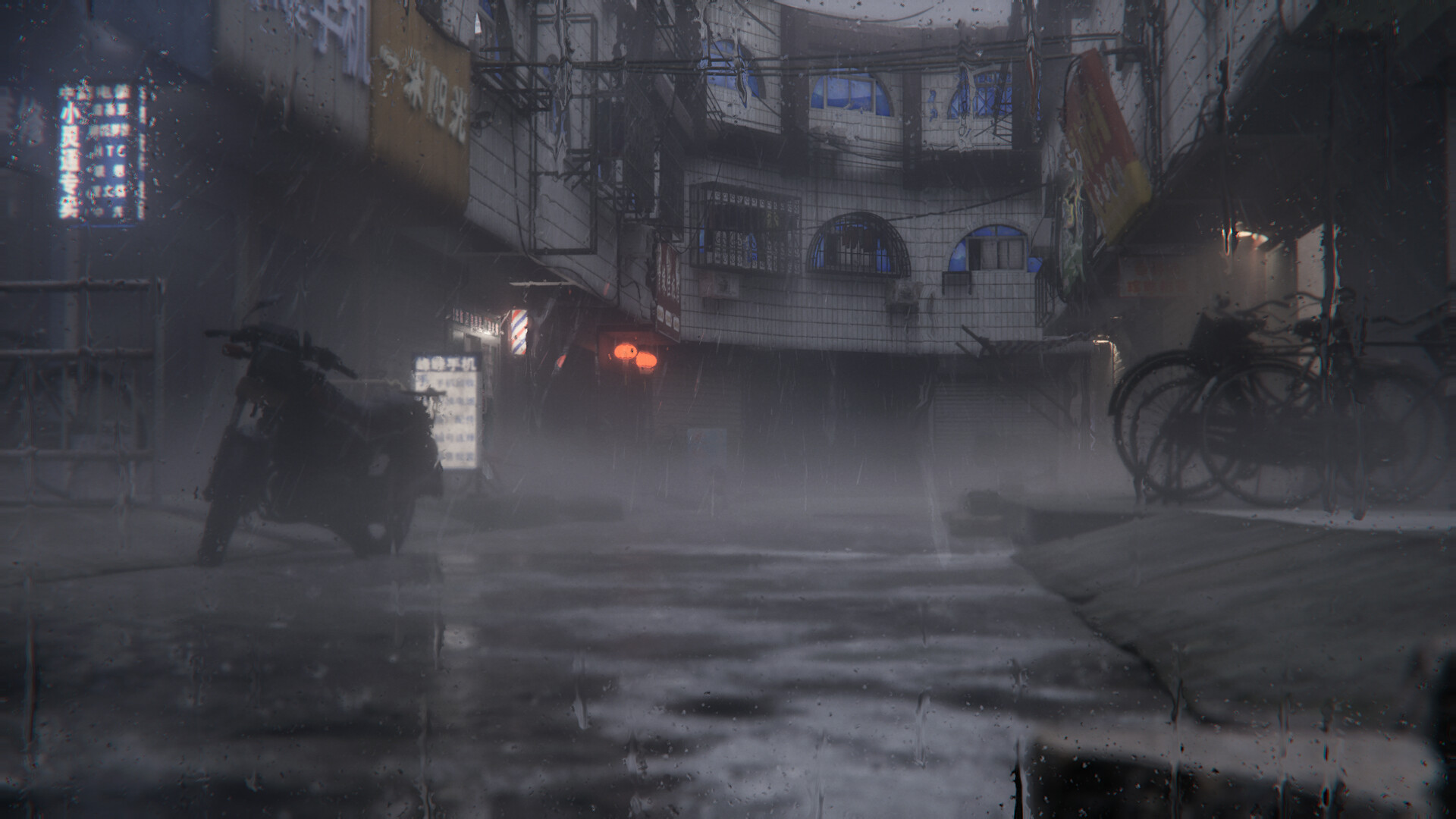
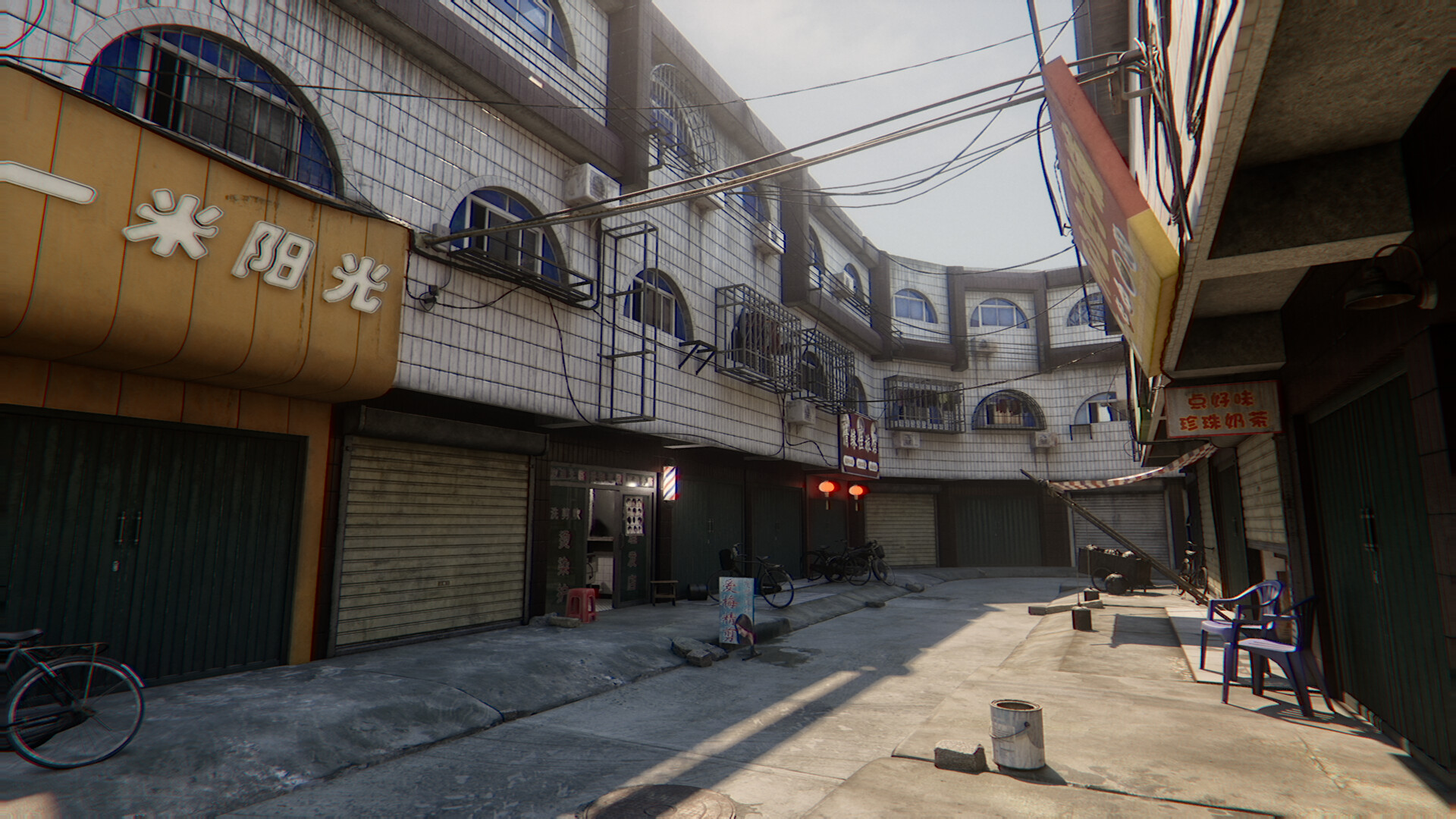
There Exists Nobody is a short psychological horror experience developed and published by HeavyLight Studio that focuses on atmosphere, observation, and subtle environmental storytelling rather than traditional horror gameplay. Instead of confronting players with monsters, combat, or intense survival mechanics, the game builds tension through repetition, quiet exploration, and the gradual appearance of strange anomalies within a seemingly ordinary environment. The result is an experience that feels more like an eerie interactive puzzle than a conventional horror game, drawing players into a looping world where small details become the key to understanding what is happening. The game begins with the player returning to a street tied to their childhood memories. At first glance, the location appears calm and familiar, yet there is an unsettling sense that something is wrong. The area is strangely empty, devoid of people or movement, and the silence surrounding the environment creates an atmosphere of isolation. As players explore the street, they quickly discover that the environment is caught in a repeating loop. After reaching the end of the road, the player finds themselves back at the beginning again, forced to walk through the same stretch of street repeatedly. What initially appears to be a normal environment slowly begins to change as each loop introduces new anomalies that disrupt the sense of familiarity. The central gameplay mechanic revolves around identifying and documenting these anomalies. As players walk through the repeating environment, they must pay careful attention to every detail. Objects may appear where none existed before, buildings might subtly change shape, or elements of the environment may disappear entirely. These strange alterations can be small and easy to overlook, making observation an essential skill. To record these changes, the player uses an in-game camera to photograph anything that seems unusual. Correctly identifying and capturing anomalies allows the game to progress and reveals additional strange occurrences during subsequent loops. What makes this mechanic engaging is the way it encourages players to actively compare each loop of the environment with the previous one. Because the street remains largely the same every time it resets, even the smallest changes become noticeable if the player is paying attention. The game transforms a simple environment into a puzzle where memory and perception play a central role. Each new anomaly feels like a discovery, rewarding players who carefully observe the surroundings and remember how the environment originally appeared. Unlike many horror titles that rely heavily on jump scares, There Exists Nobody creates unease through its atmosphere and pacing. The absence of direct threats allows players to explore freely, but the constant repetition and gradual distortion of the environment create a subtle psychological tension. As the loops continue, the changes become increasingly strange, giving the impression that the world itself is slowly unraveling. This approach to horror focuses more on discomfort and mystery than fear, making the experience accessible to players who might normally avoid more intense horror games. Another interesting feature of the game is the inclusion of analog horror-style video clips that unlock as players discover certain anomalies. These surreal recordings resemble distorted broadcast footage or fragmented television transmissions. While they are short, they add an additional layer of intrigue by hinting at deeper themes behind the strange events taking place. The videos contribute to the unsettling atmosphere and give the experience a mysterious narrative element that players can interpret in different ways. The visual design of the game emphasizes realism and environmental detail. The street itself is fairly ordinary, featuring residential buildings, parked vehicles, sidewalks, and streetlights. This normality is important because it makes the anomalies feel more disturbing when they appear. When something changes within an otherwise familiar setting, it immediately draws attention and creates a sense of unease. The minimalistic design also helps keep players focused on the environment, encouraging them to carefully observe every object and structure. Sound design plays an equally important role in establishing the game’s mood. The environment remains mostly quiet, with only subtle ambient sounds breaking the silence. Distant echoes, faint environmental noises, and the player’s footsteps contribute to the feeling of isolation. Because there are few distractions, players become more sensitive to their surroundings, heightening the impact of any unusual sounds or visual changes that occur during exploration. However, the simplicity of the gameplay also highlights some limitations. The core mechanic of identifying and photographing anomalies remains largely unchanged throughout the experience. While the anomalies themselves vary, the overall structure of the game does not evolve significantly as players progress. For some players, this may cause the gameplay loop to feel repetitive, particularly if they prefer more complex puzzle systems or interactive mechanics. The relatively short length of the game is another factor to consider. A typical playthrough can be completed in less than an hour, although finding every anomaly may extend the experience slightly. Because of this brevity, the game functions more like a short atmospheric experiment rather than a full-length horror title. Players expecting a longer narrative or more varied gameplay may find the experience somewhat limited. Despite these limitations, There Exists Nobody succeeds in delivering a memorable and immersive psychological experience. Its looping structure, subtle environmental storytelling, and analog horror elements combine to create a distinctive atmosphere that lingers even after the game ends. By focusing on observation and quiet tension rather than action, the game offers a refreshing alternative to traditional horror formulas. Ultimately, There Exists Nobody stands out as a small but intriguing indie project that explores how minimal gameplay mechanics can still create an engaging and unsettling experience. Its emphasis on mood, perception, and subtle storytelling makes it particularly appealing to players who enjoy atmospheric walking simulators and experimental horror games. While it may not provide the depth or variety of larger titles, it succeeds in crafting a short journey that is both mysterious and thought-provoking. Rating: 9/10
Expand the review







![[Chilla's Art] Jisatsu | 自撮](https://shared.cloudflare.steamstatic.com/store_item_assets/steam/apps/2716110/header.jpg)