


Hektor
Experience terrors only madness can conjure in HEKTOR, a psychological horror game set in a world that literally moves with your every twist and turn.
Sync your Steam wishlist to find the lowest game prices instantly. No login required, just paste your Steam profile URL!
⚡ Try Wishlist Radar!
Sync your Steam wishlist to find the lowest game prices instantly. No login required!
⚡ Try Wishlist Radar!
Close

Tomato Way on Steam
Quick menu
FPS/Slasher/Horror for people with strong nerves. Tomato Way it`s like your favorite video game, but better.
Tomato Way is a horror, indie and psychological horror game
developed and published by Vladislav Castillo Gonzalez.
Released on December 07th 2016 is available only on Windows.
It has received 780 reviews of which 634 were positive and 146 were negative resulting in a rating of 7.7 out of 10. 😊
The game is currently priced at 0.79€ on Steam with a 80% discount.
The Steam community has classified Tomato Way into these genres:
Media & Screenshots
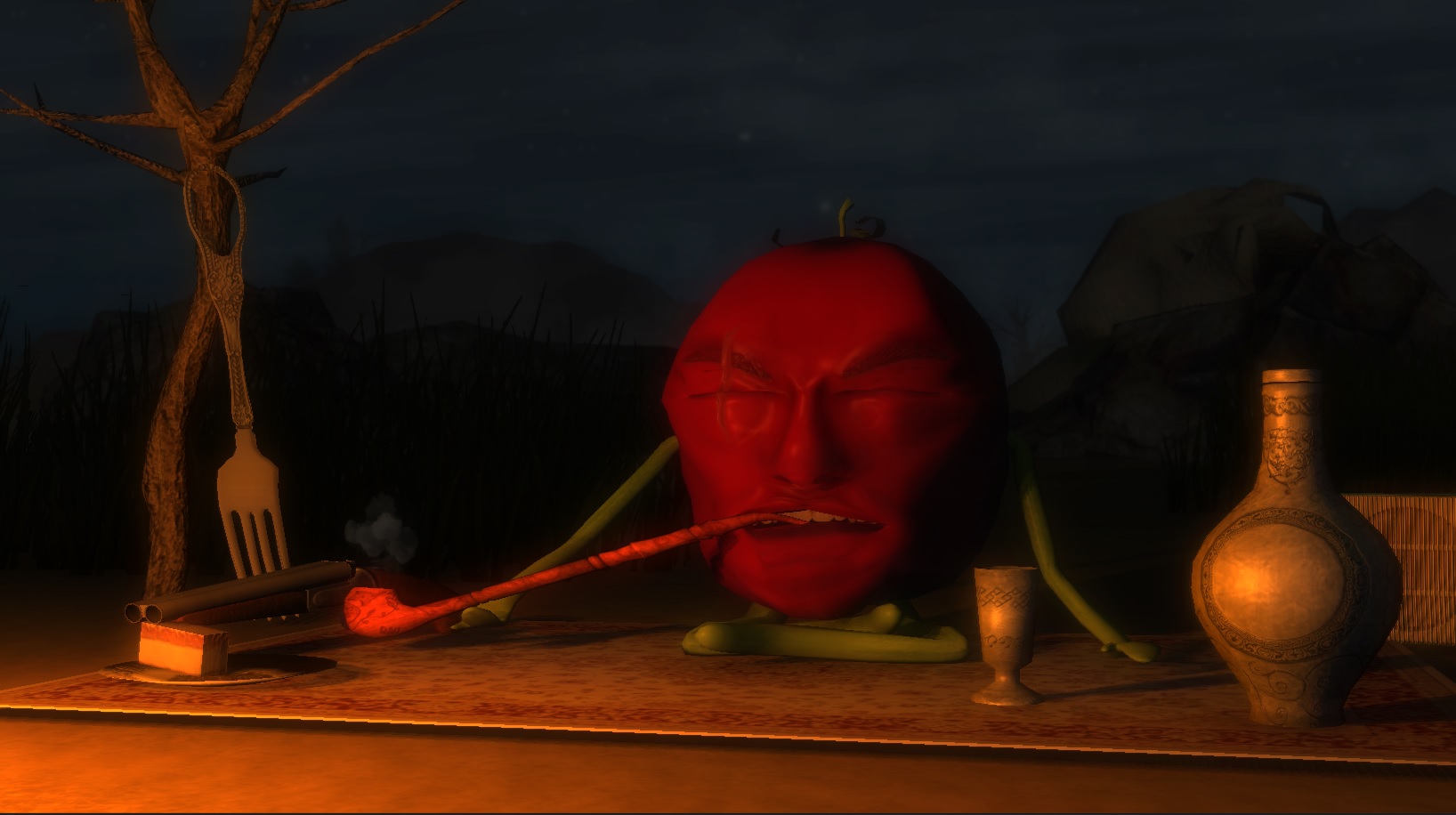
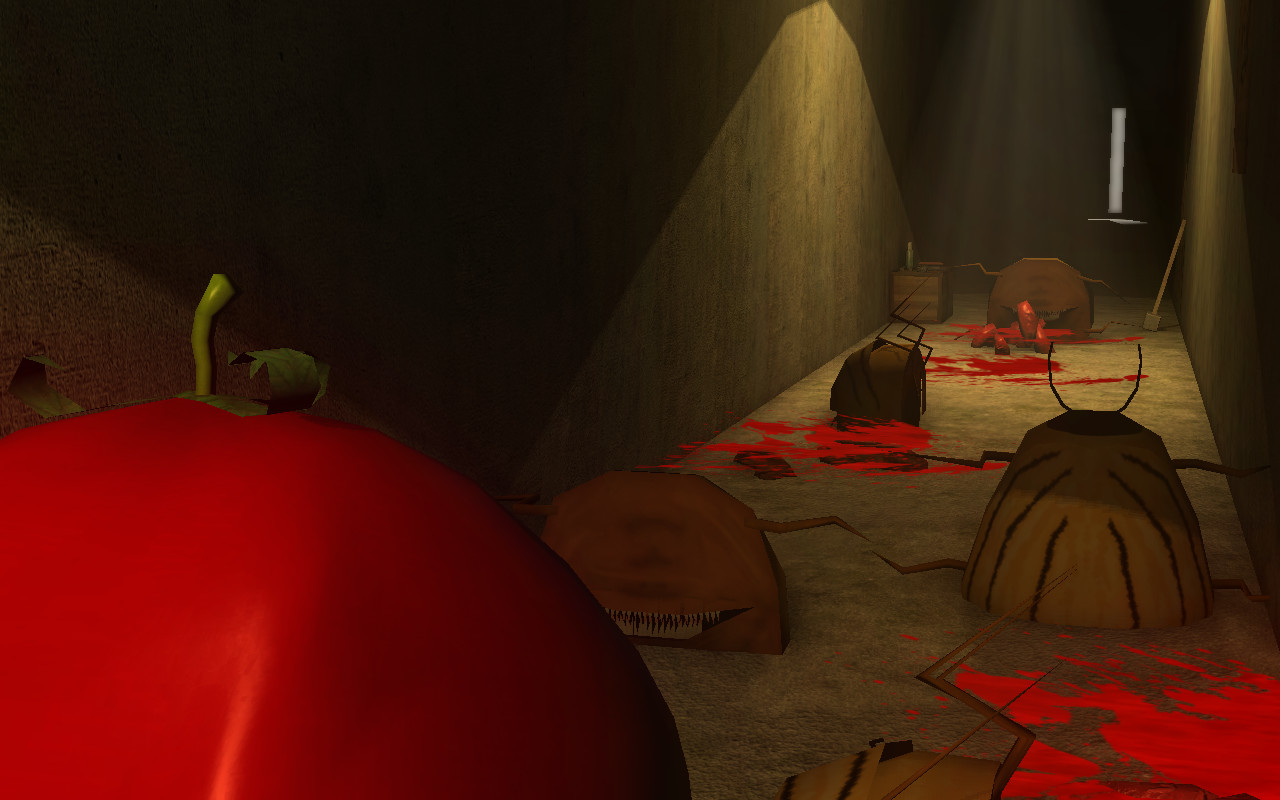
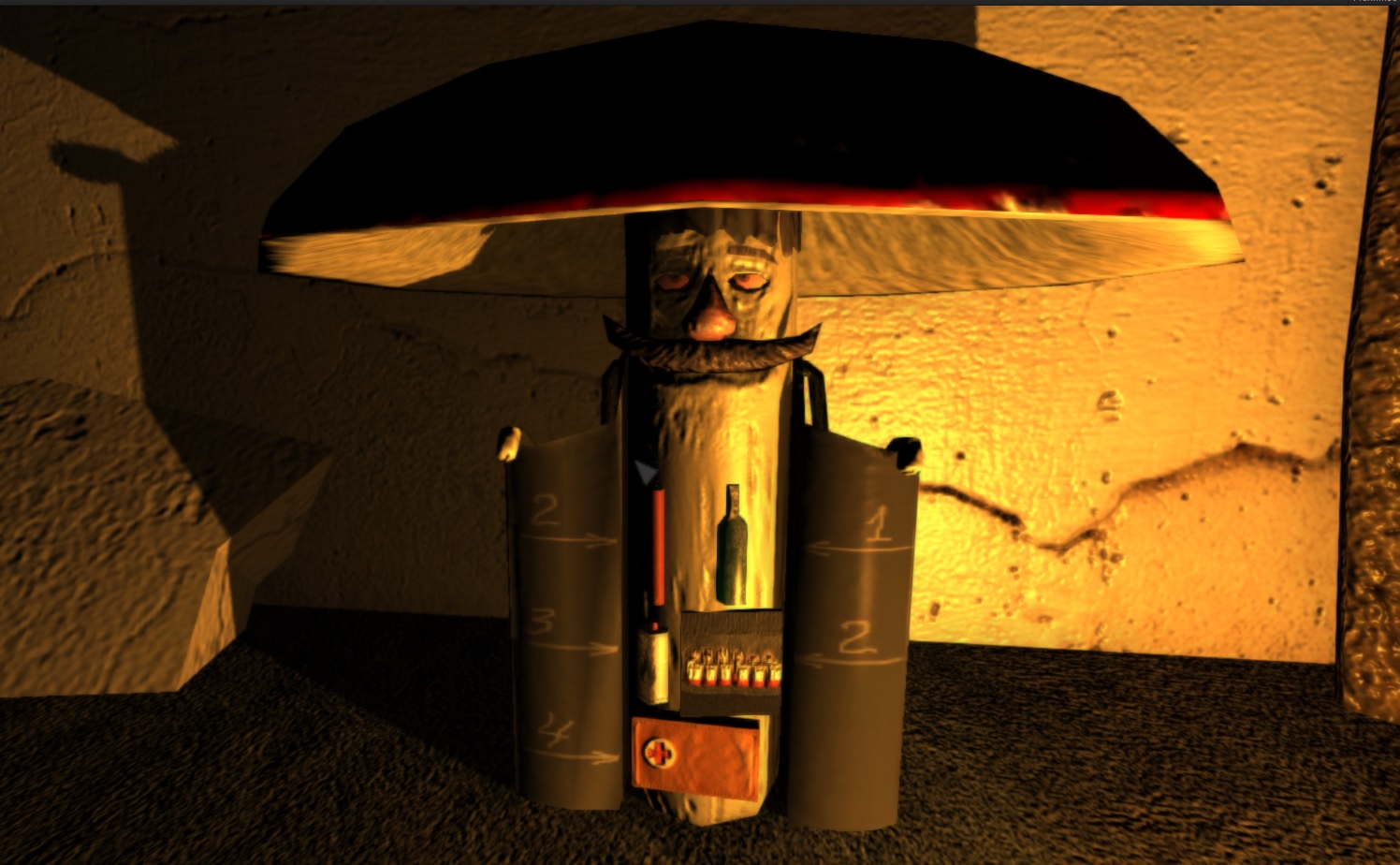
Get an in-depth look at Tomato Way through various videos and screenshots.


System requirements
These are the minimum specifications needed to play the game. For the best experience, we recommend that you verify them.
Windows
- OS *: Windows 7
- Processor: Dual Core CPU (2.2+ GHz Dual Core CPU or better)
- Memory: 2 GB RAM
- Graphics: DirectX 10, Shader Model 4 compliant graphics cards (GeForce 8800 GT 512 MB, GeForce GTS 250, etc)
- DirectX: Version 9.0c
- Storage: 4 GB available space
Steam Price & Best Deals
User reviews & Ratings
Explore reviews from Steam users sharing their experiences and what they love about the game.
Tomato Way is an eccentric first-person action game that embraces surreal horror, grotesque comedy, and intentionally strange world-building instead of trying to resemble a conventional shooter. Developed and published by Vladislav Castillo Gonzalez, it takes place in a bizarre version of Earth where humanity has largely vanished and plant life has risen to occupy its place. The player assumes the role of a young tomato who makes a living hunting monsters, immediately establishing the unusual tone that defines almost every part of the adventure. It is violent, absurd, unsettling, and occasionally humorous, often shifting between these qualities without warning. The premise is more than a simple excuse for vegetable jokes. The world is populated by strange creatures and equally peculiar characters, while the environments frequently resemble something pulled from a disturbing dream. Tomato Way uses psychedelic imagery and grotesque designs to create uncertainty about what might appear around the next corner. Its visuals are undeniably rough compared with larger productions, but the lack of conventional polish sometimes strengthens the atmosphere. Creatures look unnatural, locations feel hostile, and the overall presentation maintains an uncomfortable quality that works surprisingly well with the game's surreal concept. Combat combines firearms with close-range weapons and throwable equipment. Guns provide a more familiar approach to fighting, while melee encounters can become considerably more chaotic. Players can also make use of items such as Molotov cocktails, and the inclusion of unconventional weapons such as a fork perfectly represents the game's refusal to take itself completely seriously. Enemies can be aggressive, forcing the player to keep moving and make practical use of available equipment. The mechanics are relatively straightforward, but battles can become intense when multiple threats are involved. A simple economic system adds some progression to the fighting. Defeating monsters allows the protagonist to earn money, which can then be spent on weapons and restoring health. It is not an elaborate role-playing economy, yet it creates a useful connection between surviving encounters and preparing for future ones. Resource management consequently becomes relevant, particularly when health is running low or stronger equipment is needed. The system complements the game's monster-hunting premise without distracting from its emphasis on action. Exploration is another significant element. The levels are not designed exclusively as straightforward corridors, with alternative routes and secrets encouraging players to investigate their surroundings. This structure is especially appropriate for a game built around unpredictability because wandering away from the obvious route can reveal additional details about its strange universe. Exploration also helps prevent the experience from becoming an uninterrupted sequence of battles. Instead, quieter periods of searching are regularly interrupted by combat or another bizarre discovery. The narrative maintains an intentionally mysterious quality. While the central concept establishes a world in which plants have effectively replaced humans, the full situation is not immediately explained. Conversations with psychedelic characters and environmental discoveries gradually contribute additional context. Players who enjoy surreal stories that leave room for interpretation will probably find this approach more appealing than those who prefer clearly explained characters and events. At times the narrative can feel confusing simply for the sake of being strange, but that ambiguity is also part of the game's identity. An arena component provides an alternative to the primary adventure by placing greater emphasis on survival and combat. It is a welcome addition for players who enjoy the fighting mechanics and want something more direct after experiencing the story. Rather than substantially changing how the game plays, the mode concentrates its existing mechanics into a more action-oriented challenge. This gives Tomato Way some additional replay value beyond progressing through its unusual campaign. The game's greatest weakness is its uneven level of refinement. Movement, combat feedback, animations, enemy behavior, and general presentation can feel crude compared with polished first-person shooters. Some encounters are more awkward than strategically satisfying, and the deliberately bizarre visuals will not appeal to everyone. The combination of gore, grotesque creatures, surreal humor, and rough production values creates a very specific experience. Players looking for precise gunplay or sophisticated storytelling may find its shortcomings difficult to ignore, whereas fans of unconventional indie games may consider those imperfections part of its charm. Steam Deck compatibility is less straightforward. Tomato Way does not have an official Valve Steam Deck compatibility rating confirming it as Verified or Playable. Because of that, it should be treated as an unverified Steam Deck title rather than a game guaranteed to provide a seamless handheld experience. It may be possible to run it through SteamOS and Proton, but players should be prepared for potential control, performance, interface, or compatibility adjustments. Anyone purchasing specifically for Steam Deck use should therefore approach it with more caution than an officially Verified release. Ultimately, Tomato Way is memorable because it is willing to be unapologetically weird. Its mixture of first-person shooting, melee combat, monster hunting, resource spending, nonlinear exploration, secrets, horror, gore, and psychedelic comedy creates something that feels genuinely distinctive despite obvious technical limitations. The execution is inconsistent, but there is considerable personality underneath the rough presentation. For players who enjoy experimental indie games and can tolerate a substantial amount of jank, it offers a bizarre journey that is difficult to forget. Rating: 7/10
There are games that entertain you for a few hours, games that impress you with flashy graphics, and games that you eventually forget. Then there is Tomato Way—a game that doesn't simply exist on your computer, but quietly takes root in your heart. Calling it my favorite game almost feels disrespectful because that doesn't come close to describing what it means to me. It isn't just a masterpiece; it's the greatest game ever created, and every moment spent with it feels like falling in love all over again. From the very first minute, Tomato Way captured my attention in a way no other game ever has. It didn't have to rely on endless explosions or expensive visuals. Instead, it used atmosphere, emotion, and personality to create something unforgettable. Every step through its strange, mysterious world felt like walking hand in hand with someone who understands you without saying a word. It welcomes you with open arms, then gently refuses to let go. The art style is breathtaking. Every location feels alive, as though it was painted with love rather than designed with software. The colors, the lighting, the haunting beauty of each environment—they all come together like a beautiful sunset shared with the person you love most. Even the smallest details seem carefully placed, making every scene worthy of stopping to admire. It isn't just visually appealing; it's emotionally beautiful. The soundtrack deserves endless praise. Every note feels like a heartbeat, every melody like a whispered promise. It doesn't simply accompany the gameplay—it becomes part of your soul while you play. Long after closing the game, I found myself humming its music, remembering the emotions it created. Very few games have music that feels this intimate, as if it were written specifically for the player sitting in front of the screen. What truly makes Tomato Way extraordinary is the way it tells its story. It doesn't shout or overwhelm you with exposition. Instead, it gently pulls you closer, inviting you to discover its secrets one piece at a time. It's like reading a heartfelt love letter where every paragraph reveals another reason to smile. The narrative is strange, emotional, mysterious, and unforgettable. It respects the player's intelligence while rewarding curiosity in ways that few games ever attempt. The gameplay itself feels incredibly satisfying. Every mechanic fits naturally into the experience, never distracting from the atmosphere but strengthening it instead. Nothing feels unnecessary. Every challenge, every interaction, and every moment serves a purpose, creating a perfect rhythm that keeps you invested from beginning to end. Hours disappear without you noticing because you're completely immersed in its world. What amazes me most is how Tomato Way creates an emotional connection unlike anything else I've experienced. While most games ask for your attention, Tomato Way earns your affection. It becomes more than something you play—it becomes somewhere you belong. Returning to it feels like returning home after a long journey. There's comfort in its strangeness and beauty in its darkness. It somehow manages to make you feel both lonely and deeply understood at the same time. I've played countless games over the years, from legendary classics to modern blockbusters, and yet none of them have touched my heart the way Tomato Way has. Comparing other games to it almost feels unfair because Tomato Way exists on an entirely different level. It's not trying to compete with anyone else—it quietly surpasses them all simply by being itself. If games were people, Tomato Way would be the love of my life. It would be the one whose smile brightens every day, whose voice you never grow tired of hearing, and whose presence makes the world feel a little warmer. Every moment spent together feels precious, and every goodbye only makes you look forward to the next reunion. That's exactly how I feel every time I launch this incredible game. I genuinely believe Tomato Way is the greatest video game ever made. It isn't just a product or a form of entertainment—it is art, emotion, passion, and beauty woven together into a once-in-a-lifetime experience. It reminds us why we fell in love with video games in the first place: not because of graphics or budgets, but because they have the power to make us feel something real. Tomato Way has my heart completely, and I don't think another game will ever take its place. It's the kind of masterpiece that stays with you forever, like a first love you never forget. If I could experience it again for the very first time, I would do so without hesitation. Until then, I'll happily return to its world again and again, grateful that something so beautiful exists. To me, Tomato Way isn't just the best game ever made—it is the definition of perfection.
pretty solid, the gameplay makes no sense but I like it, the double barrel has horrible chance of actually hitting anything but it was a fun experience probably will buy the other games but this game was like low quality but because I didn't pay much and I don't mind the absurdity and mediocre fights that can happen too I don't mind, but I liked it none the less.
Similar games
View all

Shadow Corridor
Now on Steam, revamped with brand new content! Immerse yourself in the latest chapter of the popular, Japanese indie horror title, Kageroh: Shadow Corridor. Survive against the onslaught of horrors that lie in wait in eerie, traditional Japanese locales that change with every playthrough.


Neverending Nightmares
Experience true psychological horror as you explore nightmares inspired by the creator's struggles with depression and OCD. The defenseless protagonist must avoid monstrous manifestations of what haunts his subconscious in his quest to wake up into reality.


Last Floor
Оne day your life changes dramatically and you become a hostage of your own home. Your task is to survive but to do this you need to get outside.


Silver Chains
Silver Chains is a first-person horror game with a strong emphasis on story and exploration. Search for clues within an old abandoned manor to unravel the truth about the terrible events which have happened.

Infliction
Wander through an interactive nightmare set within the confines of a once-happy household. Piece together the mystery behind a harrowing series of events while struggling to survive encounters with an entity that relentlessly stands in the way of finding absolution.

Stairs
STAIRS is a first-person atmospheric psychological horror game, inspired by real-life events, that takes players through the stories of three missing people as seen through the eyes of journalist Christopher Adams. Start preparing yourself now, for to descend down these steps is to descend into madness...

The Story of Henry Bishop
The story of Henry Bishop is a first-person psychological thriller, where the player will have to fight, guess riddles, immerse into a mystical plot and an incredible story.

SEPTEMBER 1999
A free, VHS styled, first-person found footage horror game, which runs exactly for 5 minutes and 30 seconds.
Frequently Asked Questions
Tomato Way is currently priced at 0.79€ on Steam.
Yes, Tomato Way is currently available at a 80% discount. You can purchase it for 0.79€ on Steam.
Yes, Tomato Way received 634 positive votes out of a total of 780 achieving a rating of 7.71.
😊
Tomato Way was developed and published by Vladislav Castillo Gonzalez.
Yes, Tomato Way is playable and fully supported on Windows.
No, Tomato Way is not playable on MacOS.
No, Tomato Way is not playable on Linux.
This information about Tomato Way is not available yet.
This information about Tomato Way is not available yet.
No, Tomato Way does not support VR.
Tomato Way is a single-player game.
No, Tomato Way does not currently offer any DLC.
No, Tomato Way does not support mods via Steam Workshop.
No, Tomato Way does not support Steam Remote Play.
Yes, Tomato Way is enabled for Steam Family Sharing. This means you can share the game with authorized users from your Steam Library, allowing them to play it on their own accounts. For more details on how the feature works, you can read the original Steam Family Sharing announcement or visit the Steam Family Sharing user guide and FAQ page.
You can find solutions or submit a support ticket by visiting the Steam Support page for Tomato Way.
Data sources
The information presented on this page is sourced from reliable APIs to ensure accuracy and relevance. We utilize the Steam API to gather data on game details, including titles, descriptions, prices, and user reviews. This allows us to provide you with the most up-to-date information directly from the Steam platform.
Additionally, we incorporate data from the SteamSpy API, which offers insights into game sales and player statistics. This helps us present a comprehensive view of each game's popularity and performance within the gaming community.
Last Updates| Steam data | 20 September 2026 13:29 UTC |
|---|---|
| SteamSpy data | 23 October 2026 19:15 UTC |
| Steam price | 27 October 2026 03:58 UTC |
| Steam reviews | 20 October 2026 15:54 UTC |
If you'd like to dive deeper into the details about Tomato Way, we invite you to check out a few dedicated websites that offer extensive information and insights. These platforms provide valuable data, analysis, and user-generated reports to enhance your understanding of the game and its performance.
- SteamDB - A comprehensive database of everything on Steam about Tomato Way
- SteamCharts - Analysis of Tomato Way concurrent players on Steam
- ProtonDB - Crowdsourced reports on Linux and Steam Deck Tomato Way compatibility

Game modes
Features
Online players
1
Developer
Vladislav Castillo Gonzalez
Publisher
Vladislav Castillo Gonzalez
Release
07 Dec 2016
Platforms
Clicking and buying through these links helps us earn a commission to maintain our services.