
CORN
CORN — the interactive incremental game featuring America's favorite fruit, brought to you by the developer of CUCKOLD SIMULATOR. Buy corn, sell corn, collect corn, craft corn. We love corn!
Sync your Steam wishlist to find the lowest game prices instantly. No login required, just paste your Steam profile URL!
⚡ Try Wishlist Radar!
Sync your Steam wishlist to find the lowest game prices instantly. No login required!
⚡ Try Wishlist Radar!
Close

Touch Some Grass on Steam
Quick menu
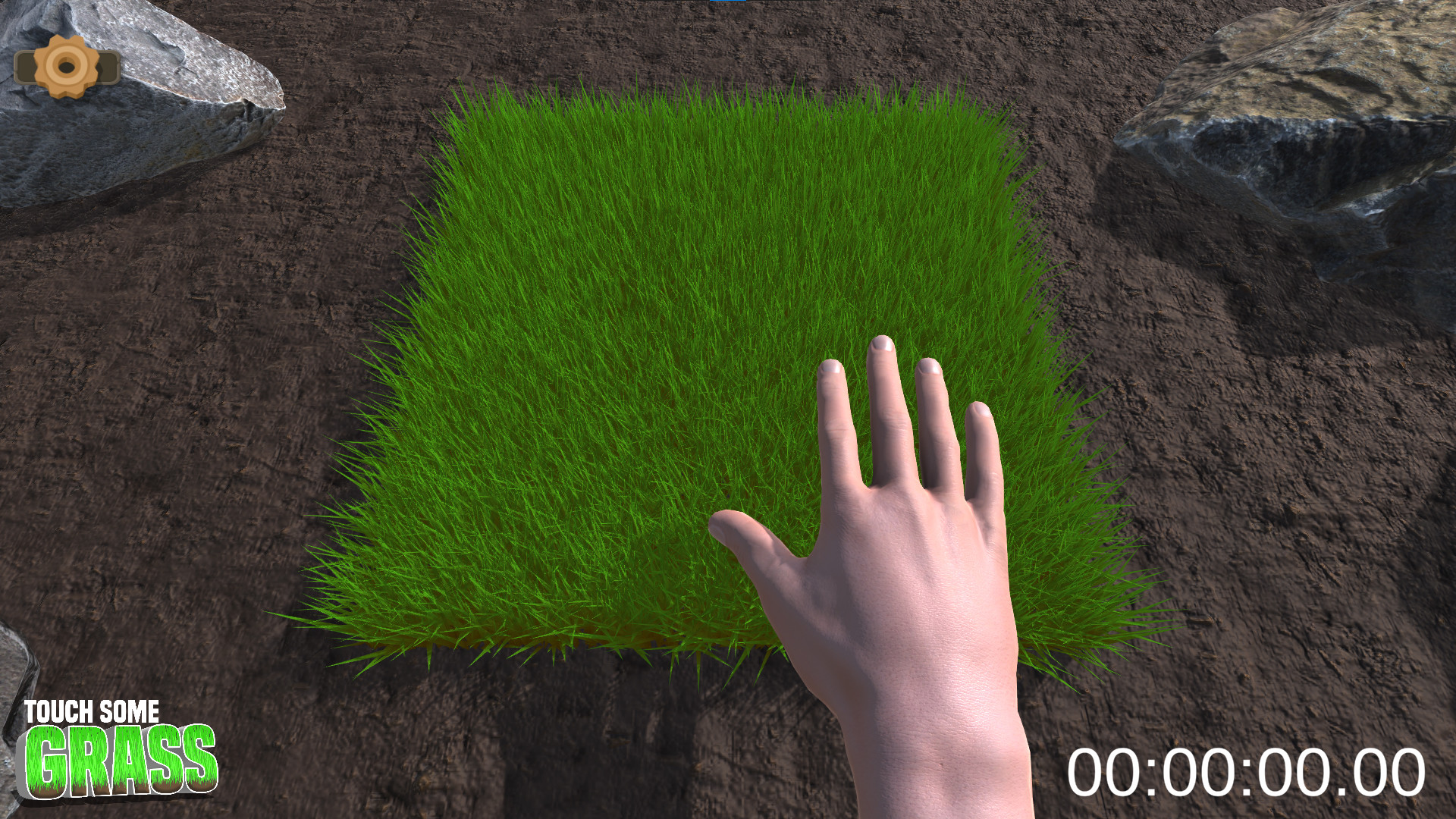
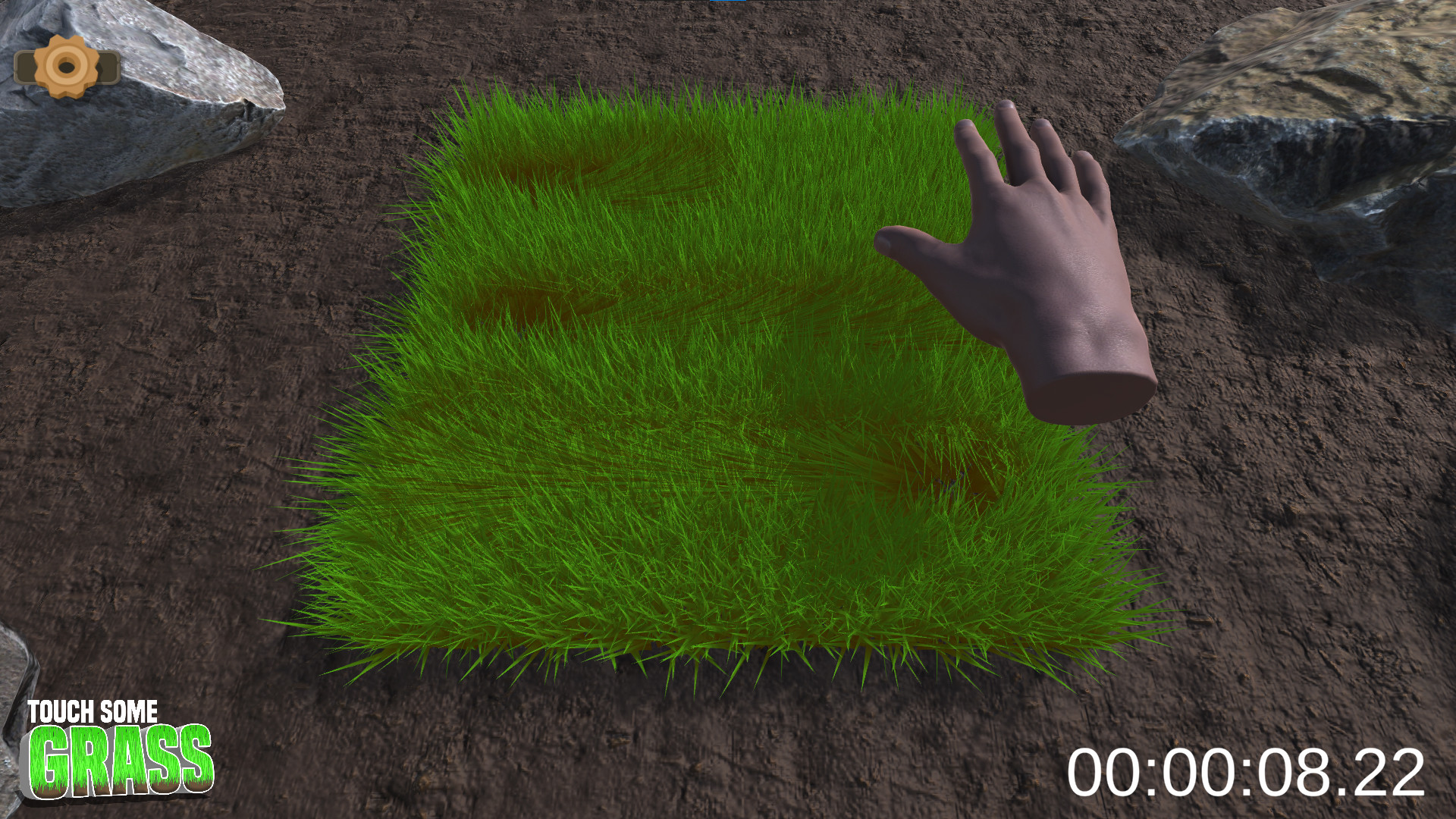
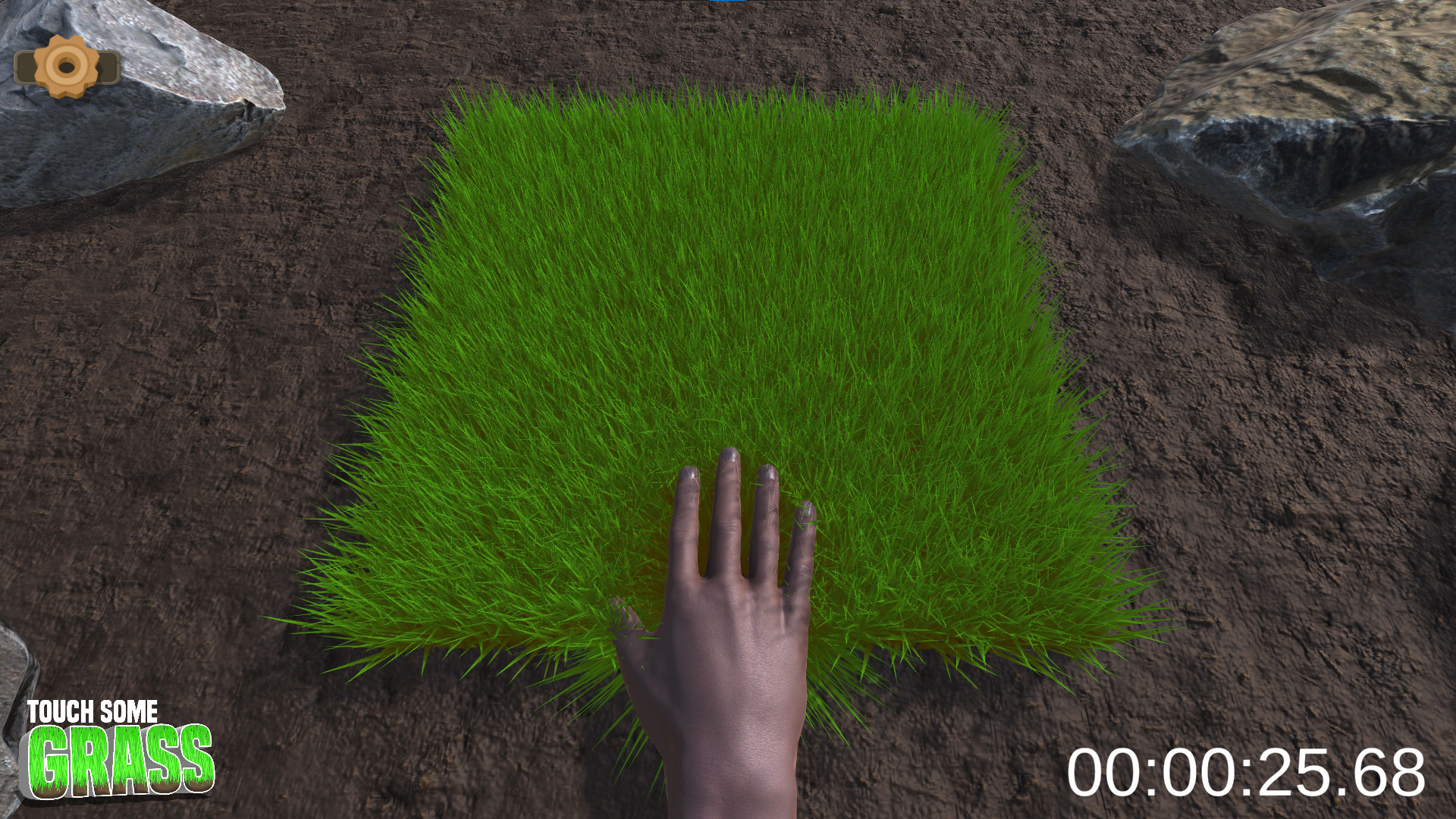
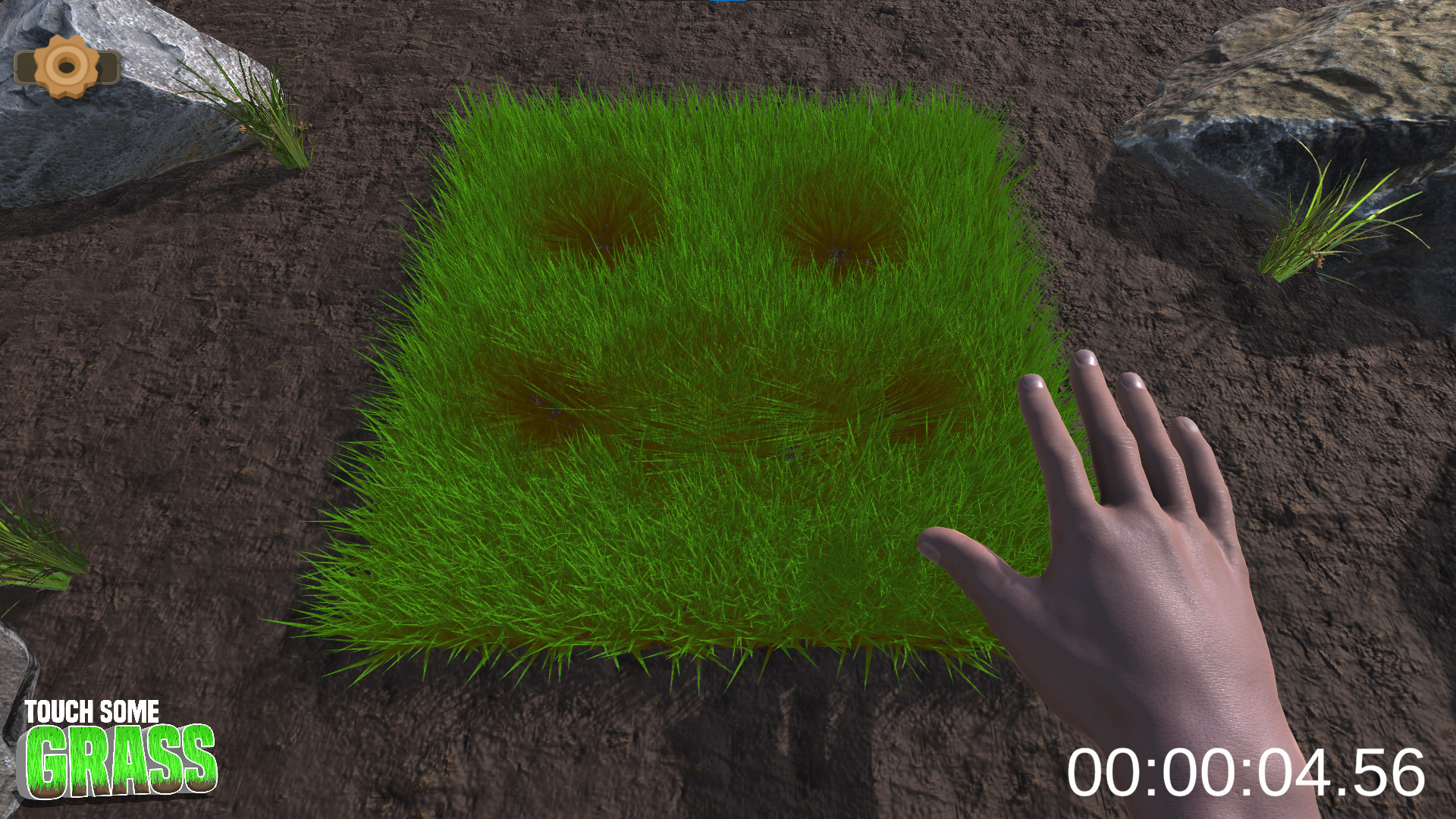
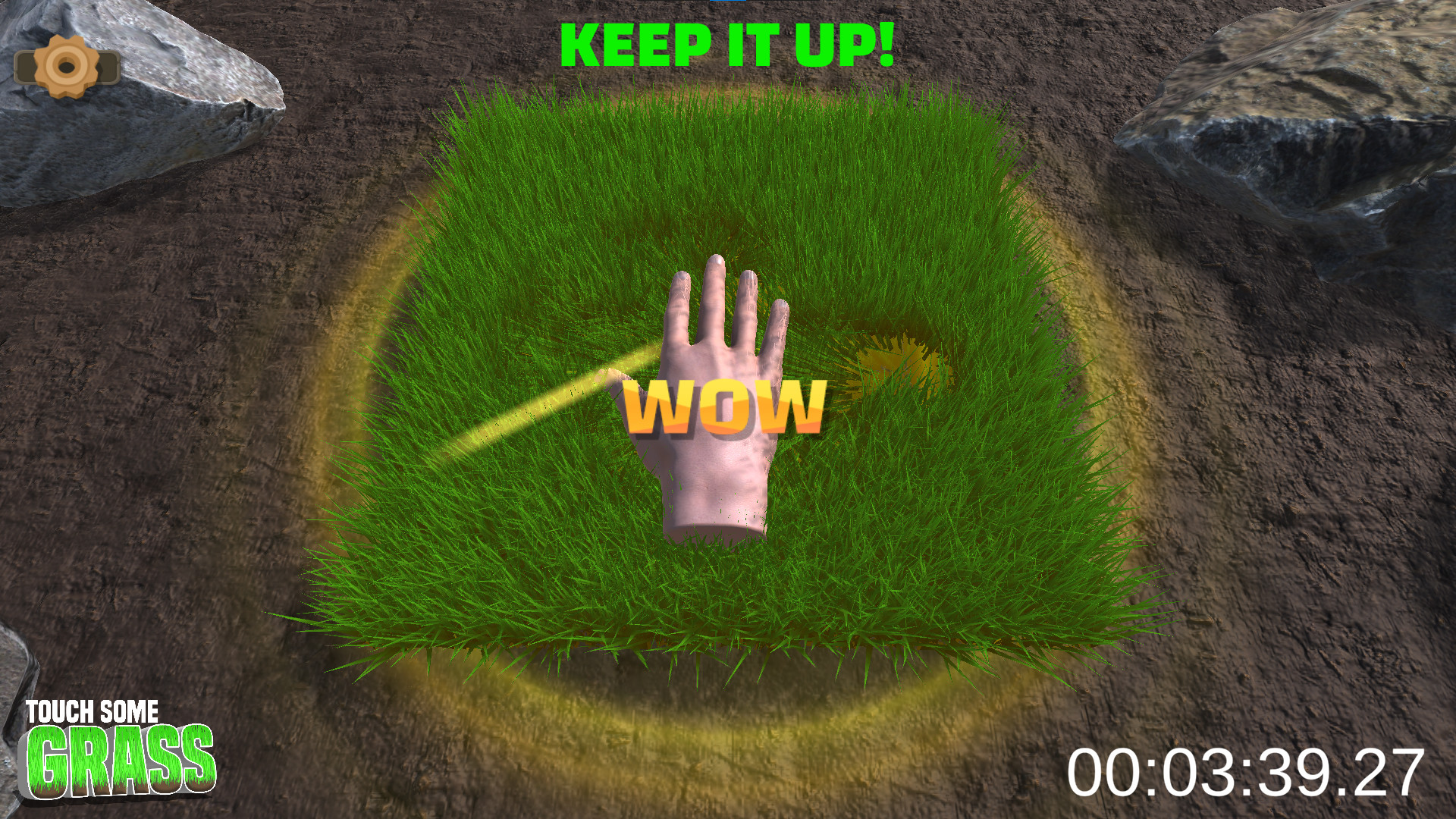
Someone told me to go touch some grass. I'm pretty sure this is what they meant.
Touch Some Grass is a casual, memes and point & click game
developed and published by jpm_games.
Released on April 11th 2022 is available on Windows, MacOS, Steam Deck and Steam Machine.
It has received 823 reviews of which 774 were positive and 49 were negative resulting in a rating of 8.8 out of 10. 😎
The game is currently priced at 0.95€ on Steam with a 40% discount.
The Steam community has classified Touch Some Grass into these genres:
Casual
Memes
Point & Click
Incremental
Idler
3D
First-Person
Realistic
Top-Down
Agriculture
Atmospheric
Comedy
Emotional
Funny
Nature
Parody
Psychological
Psychological Horror
Satire
Score Attack
Here is the detailed breakdown of supported languages for Touch Some Grass:
| UI | Subtitle | Audio | |
|---|---|---|---|
| English |
Media & Screenshots
Get an in-depth look at Touch Some Grass through various videos and screenshots.


Load More



System requirements
These are the minimum specifications needed to play the game. For the best experience, we recommend that you verify them.
Windows
- Requires a 64-bit processor and operating system
- OS: Windows 10
- Processor: x64 architecture with SSE2 instruction set support
- Memory: 4 GB RAM
- Graphics: DirectX11 capable GPUs
- DirectX: Version 11
- Network: Broadband Internet connection
- Storage: 600 MB available space
MacOS
- OS: MacOS 10.13+
- Processor: Apple Silicon or x64 architecture with SSE2 instruction set support
- Memory: 4 GB RAM
- Graphics: OpenGLCore capable GPUs
- Network: Broadband Internet connection
- Storage: 600 MB available space
- Additional Notes: Tested successfully on a MacBook Pro (13-inch, M1, 2020) running 11.6.1. Tested successfully on a MacBook Air (13-inch, i7, Early 2014) running 10.13.6. Performance on both is acceptable, despite the lack of a dedicated GPU.
Steam Price & Best Deals
User reviews & Ratings
Explore reviews from Steam users sharing their experiences and what they love about the game.
A gag with a simple but compelling arcade game underneath it. While playable on the Steam Deck with both trackpad and the touch screen, I had to resort to the desktop to be able to move quick enough to get the final achievement. Good simple fun in small doses for a few hours.
ليست لعبة بل رسالة متنكرة في هيئة لعبة تبدأ وأنت تظن أنك ستلعب بضع دقائق، لكنك تنتهي وأنت تراجع علاقتك بالشاشة, لا معارك أسطورية، ولا قصة معقدة، ولا عالم مفتوح يبتلع ساعاتك فقط عشب، ورسالة بسيطة تخترقك أكثر مما تتوقع المفارقة أن اللعبة لا تحاول إبهارك، بل تحاول السخرية منك، وتنجح في ذلك بابتسامة. تذكّرك بأن أبسط الأشياء قد تكون أكثر ما افتقدته وسط ضجيج الألعاب والإنترنت إنها ليست تحفة تقنية لكنها تحفة في إيصال فكرتها. لعبة قصيرة، لكنها تترك أثرًا أطول من كثير من الألعاب الضخمة بعد ما خلصتها أدركت أن فعلًا كان لازم ألمس عشب
Similar games
View all

Mewing Simulator 🤫🧏🏻♂️
Funny clicker game👆 in which you should increase your chin🤫🧏🏻♂️ for becoming trully sigma😎. Upgrade your Brainrot🧠 and Gyat Size🍑 and etc for more score! 💪💪💪🚽
Desk Garden
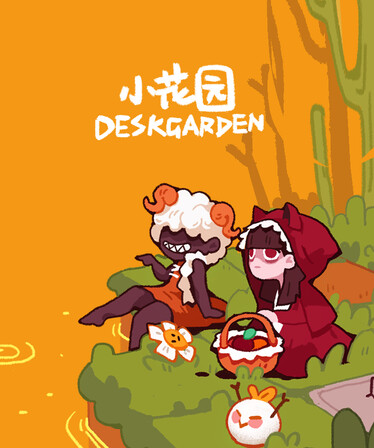
Relax and grow! A laid-back idle game where you nurture mysterious plants (some even human-like!), watch them flourish, then sell them to expand your magical garden. Design your own unique oasis at your own pace.
Space Rock Breaker
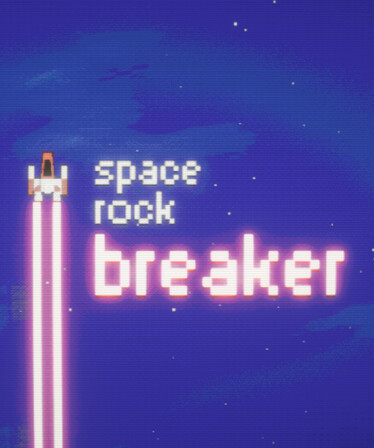
Space Rock Breaker is a short incremental game about mining asteroids in space. Mine asteroids with guns, unlock new materials, process the ore by dropping it into a Plinko machine, and spend your credits on upgrades in a massive skill tree.

Musical Slime
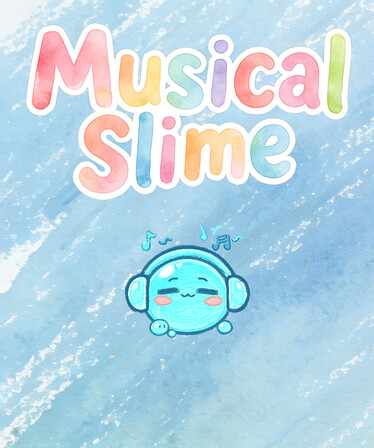
Ditch the dull, monotonous desktop! Bring home a soft, cuddly slime that grooves in perfect sync with your music, unlock soothing desktop companionship, and enjoy endless player-created music content in the Steam Workshop to swap out whenever you want~

Flag Clicker
Flag is a clicker Game, in which you click a Flag!
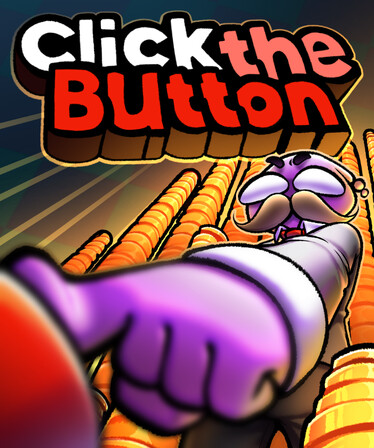
Click the Button
Click the Button is an incremental game about clicking a button to receive chests that deliver incredible rewards. Improve your skills to become the strongest.


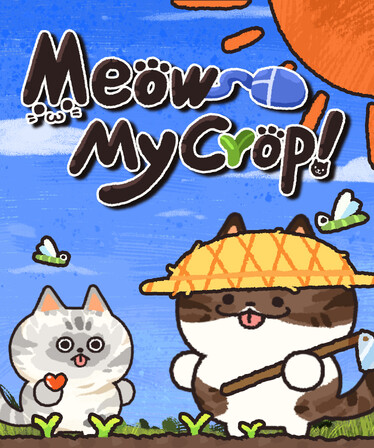
Meow My Crop!
Meow My Crop! is a cozy farming mini-game where every keystroke and click makes your crops grow. Team up or sneak around to steal your friends’ fruits, then trade your hard-earned harvest for cute decorations to style your own little plot.

Frequently Asked Questions
Touch Some Grass is currently priced at 0.95€ on Steam.
Yes, Touch Some Grass is currently available at a 40% discount. You can purchase it for 0.95€ on Steam.
Yes, Touch Some Grass received 774 positive votes out of a total of 823 achieving a rating of 8.82.
😎
Touch Some Grass was developed and published by jpm_games.
Yes, Touch Some Grass is playable and fully supported on Windows.
Yes, Touch Some Grass is playable and fully supported on MacOS.
No, Touch Some Grass is not playable on Linux.
Yes, Touch Some Grass is playable and fully supported on Steam Deck.
Yes, Touch Some Grass is playable and fully supported on Steam Machine.
No, Touch Some Grass does not support VR.
Touch Some Grass is a single-player game.
No, Touch Some Grass does not currently offer any DLC.
No, Touch Some Grass does not support mods via Steam Workshop.
No, Touch Some Grass does not support Steam Remote Play.
Yes, Touch Some Grass is enabled for Steam Family Sharing. This means you can share the game with authorized users from your Steam Library, allowing them to play it on their own accounts. For more details on how the feature works, you can read the original Steam Family Sharing announcement or visit the Steam Family Sharing user guide and FAQ page.
You can find solutions or submit a support ticket by visiting the Steam Support page for Touch Some Grass.
Data sources
The information presented on this page is sourced from reliable APIs to ensure accuracy and relevance. We utilize the Steam API to gather data on game details, including titles, descriptions, prices, and user reviews. This allows us to provide you with the most up-to-date information directly from the Steam platform.
Additionally, we incorporate data from the SteamSpy API, which offers insights into game sales and player statistics. This helps us present a comprehensive view of each game's popularity and performance within the gaming community.
Last Updates| Steam data | 24 October 2026 07:16 UTC |
|---|---|
| SteamSpy data | 17 October 2026 12:46 UTC |
| Steam price | 26 October 2026 19:41 UTC |
| Steam reviews | 19 October 2026 17:48 UTC |
If you'd like to dive deeper into the details about Touch Some Grass, we invite you to check out a few dedicated websites that offer extensive information and insights. These platforms provide valuable data, analysis, and user-generated reports to enhance your understanding of the game and its performance.
- SteamDB - A comprehensive database of everything on Steam about Touch Some Grass
- SteamCharts - Analysis of Touch Some Grass concurrent players on Steam
- ProtonDB - Crowdsourced reports on Linux and Steam Deck Touch Some Grass compatibility

Game modes
Features
Online players
0
Developer
jpm_games
Publisher
jpm_games
Release
11 Apr 2022
Platforms