
Zack Zero
Zack Zero takes you on an action-packed platform adventure with incredible 3D graphics and the playability and entertainment of classic 2D games. Help Zack Zero save his beloved Marlene, kidnapped by the evil Zulrog in an effort to obtain the powerful substance that will allow him to travel back in time.
Sync your Steam wishlist to find the lowest game prices instantly. No login required, just paste your Steam profile URL!
⚡ Try Wishlist Radar!
Sync your Steam wishlist to find the lowest game prices instantly. No login required!
⚡ Try Wishlist Radar!
Close

TY the Tasmanian Tiger 2 on Steam
Quick menu
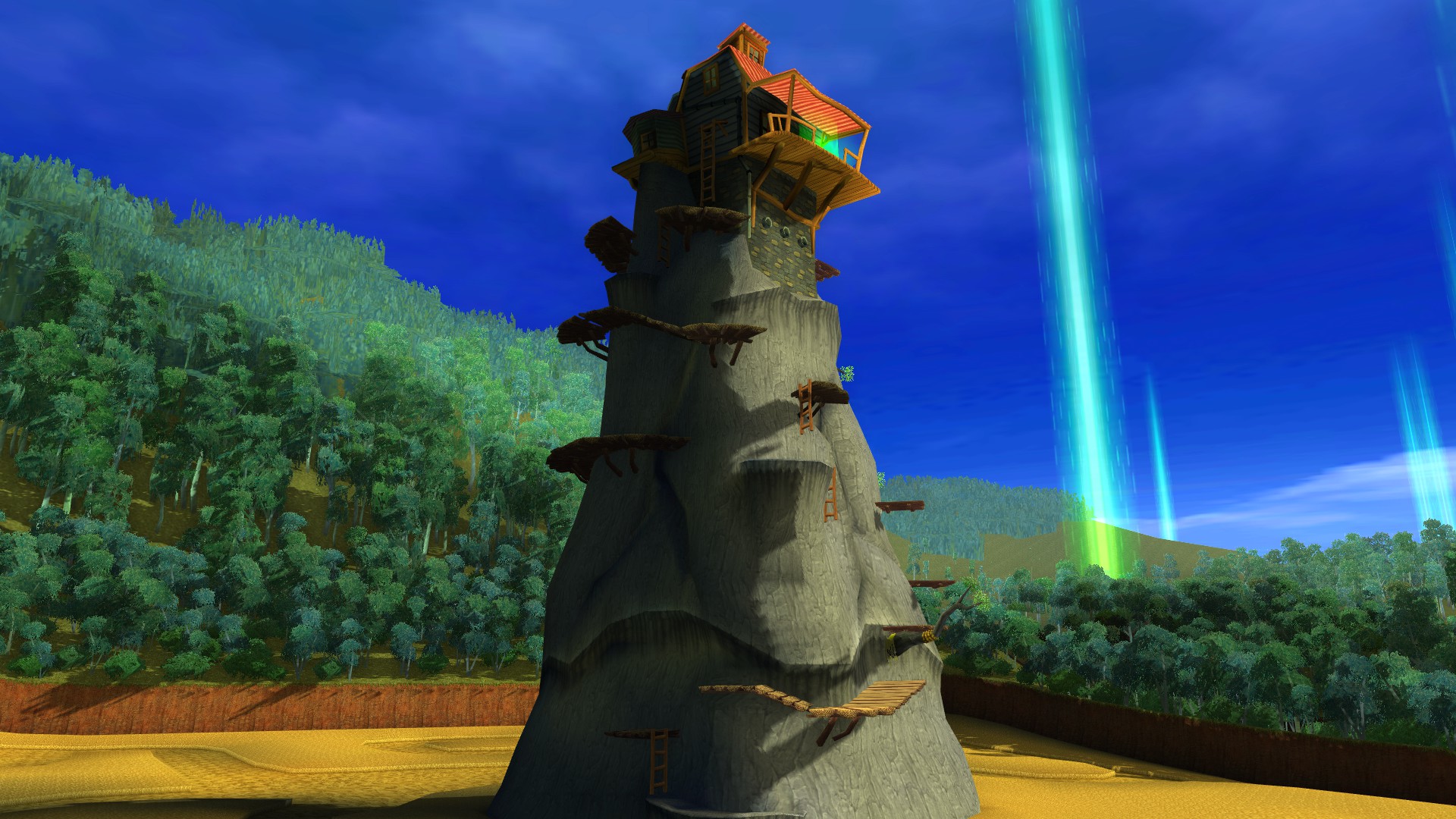
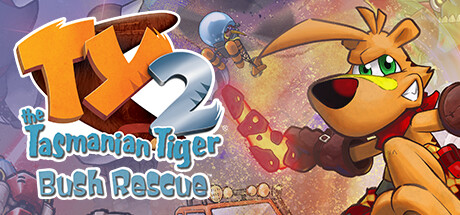
STREWTH! It's time to go back Down Under with this fully remastered version of TY the Tasmanian Tiger 2: Bush Rescue. Rang, bite, smash and glide your way around the Australian Outback and stop the evil machinations of the diabolical BOSS CASS in this open world adventure.
TY the Tasmanian Tiger 2 is a adventure, action and indie game
developed and published by Krome Studios.
Released on December 12th 2017 is available on Windows, Steam Deck and Steam Machine.
It has received 749 reviews of which 707 were positive and 42 were negative resulting in a rating of 8.8 out of 10. 😎
The game is currently priced at 13.49€ on Steam.
The Steam community has classified TY the Tasmanian Tiger 2 into these genres:
Media & Screenshots
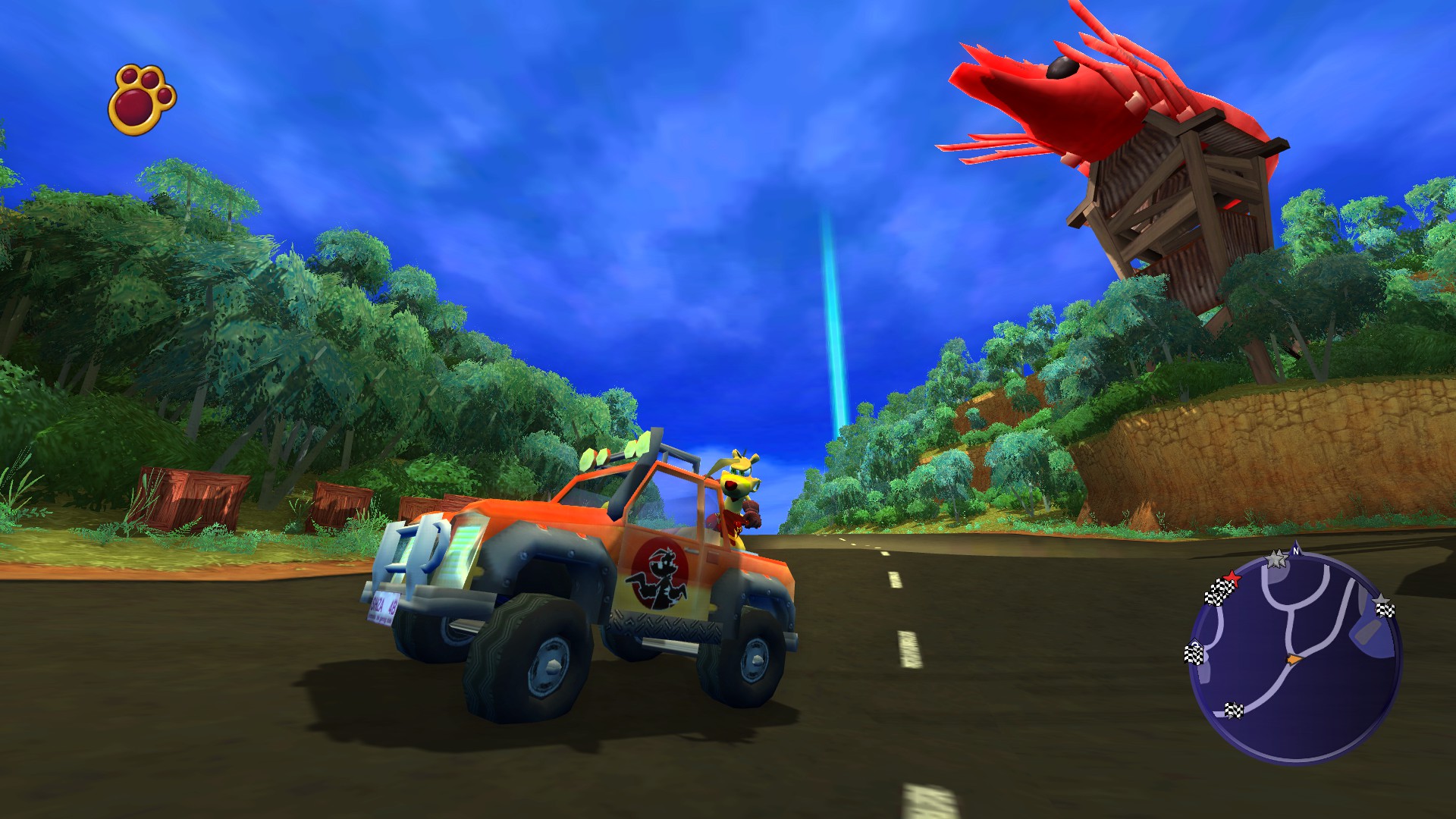
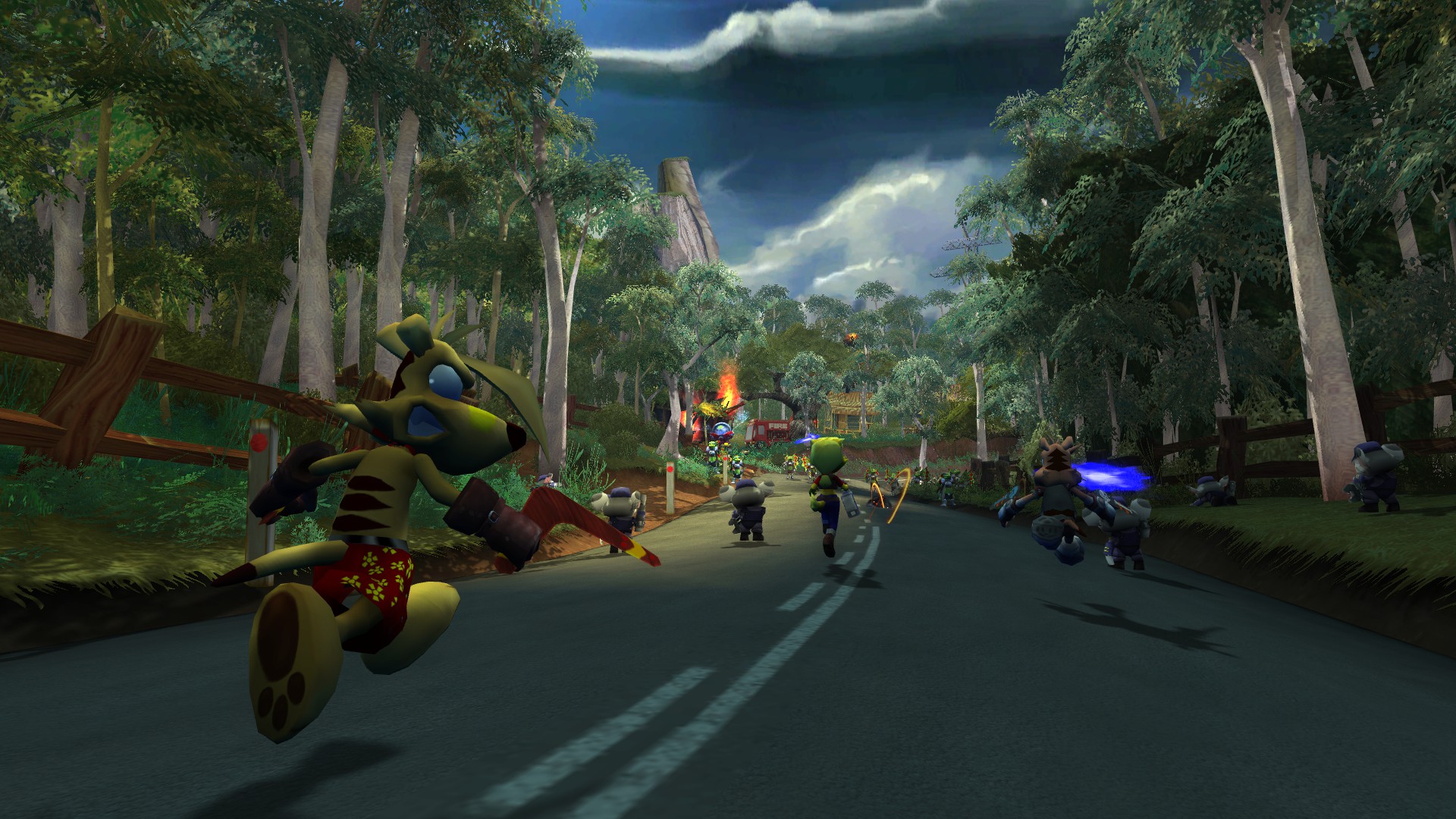
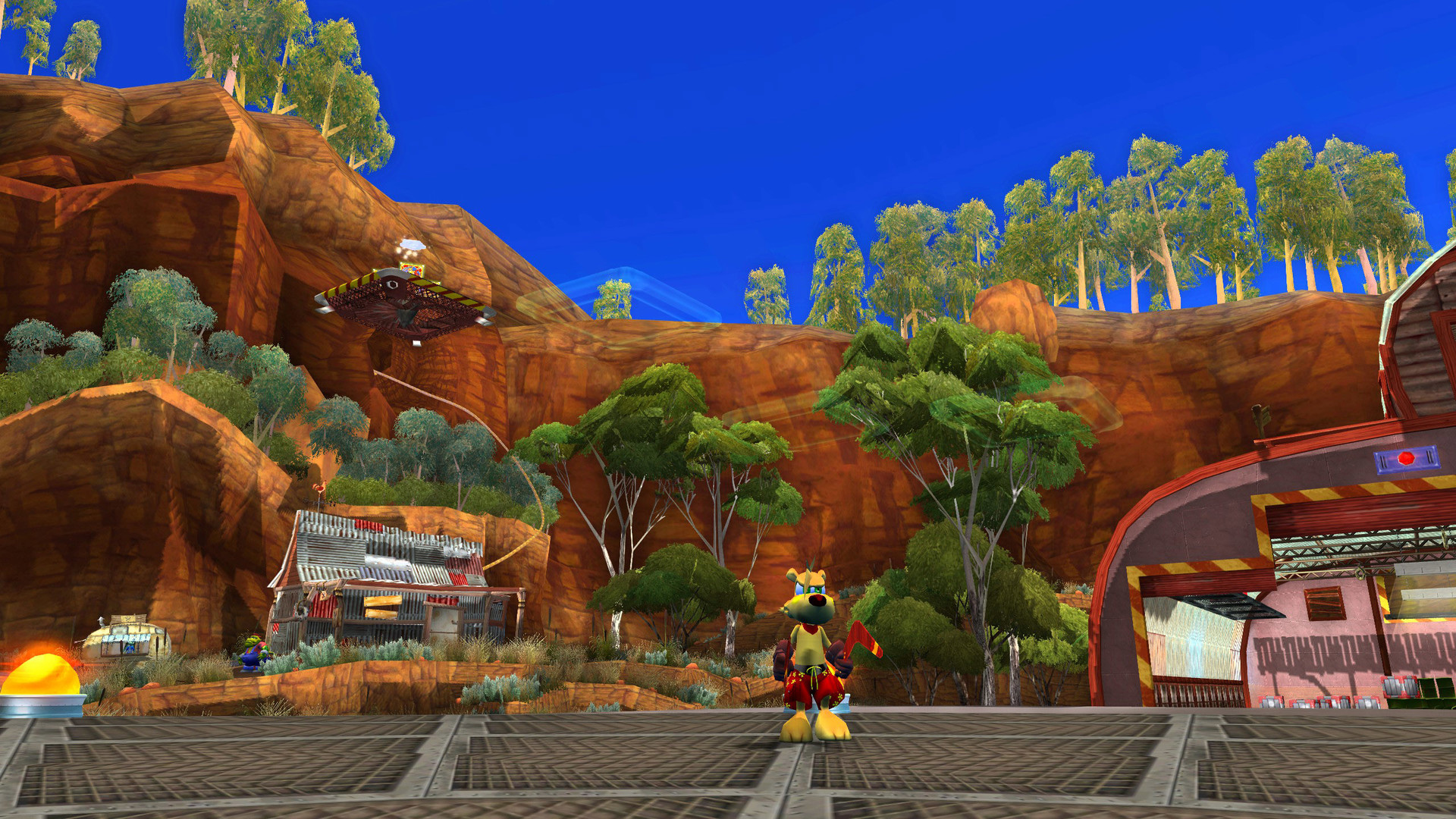
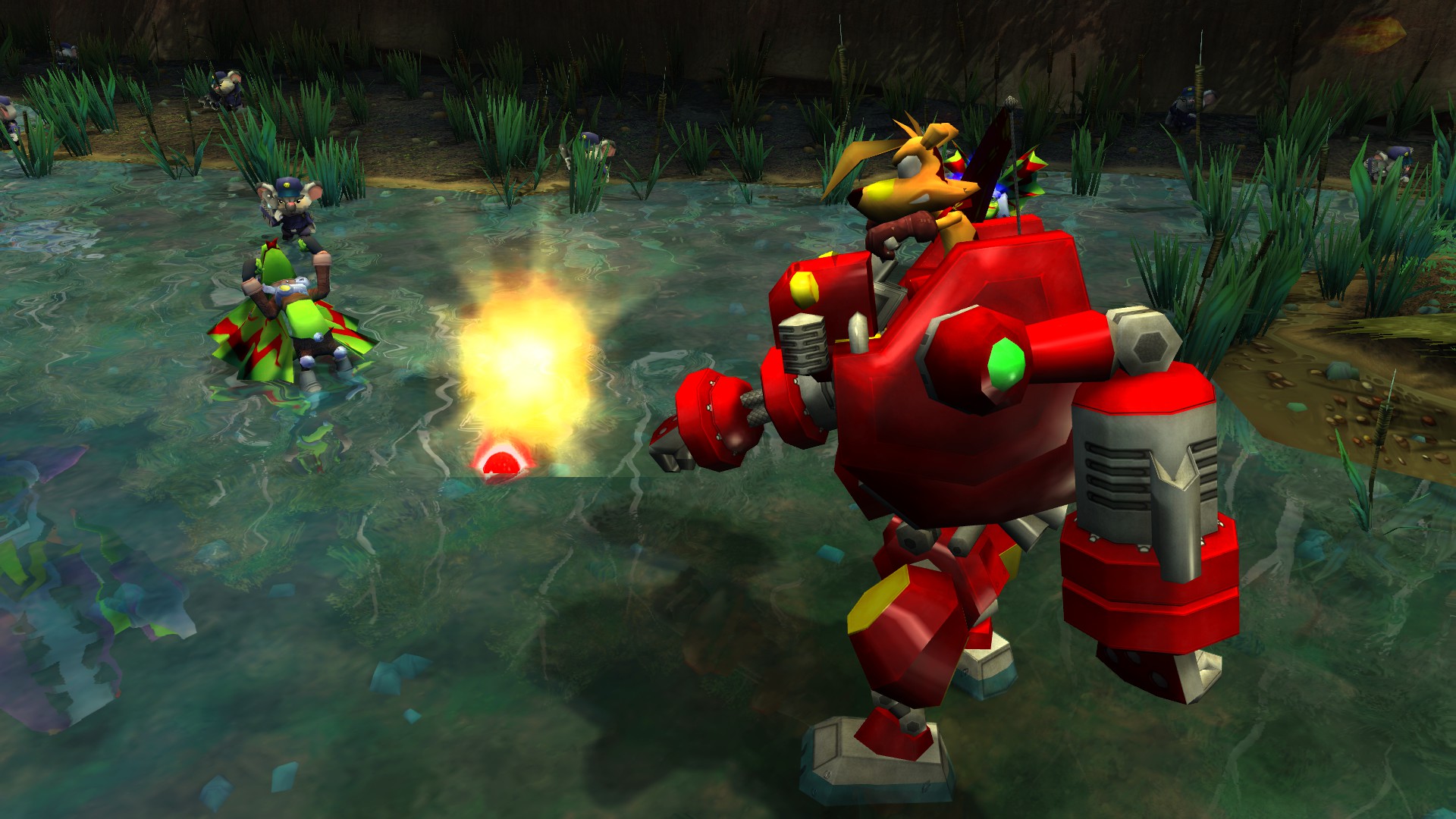
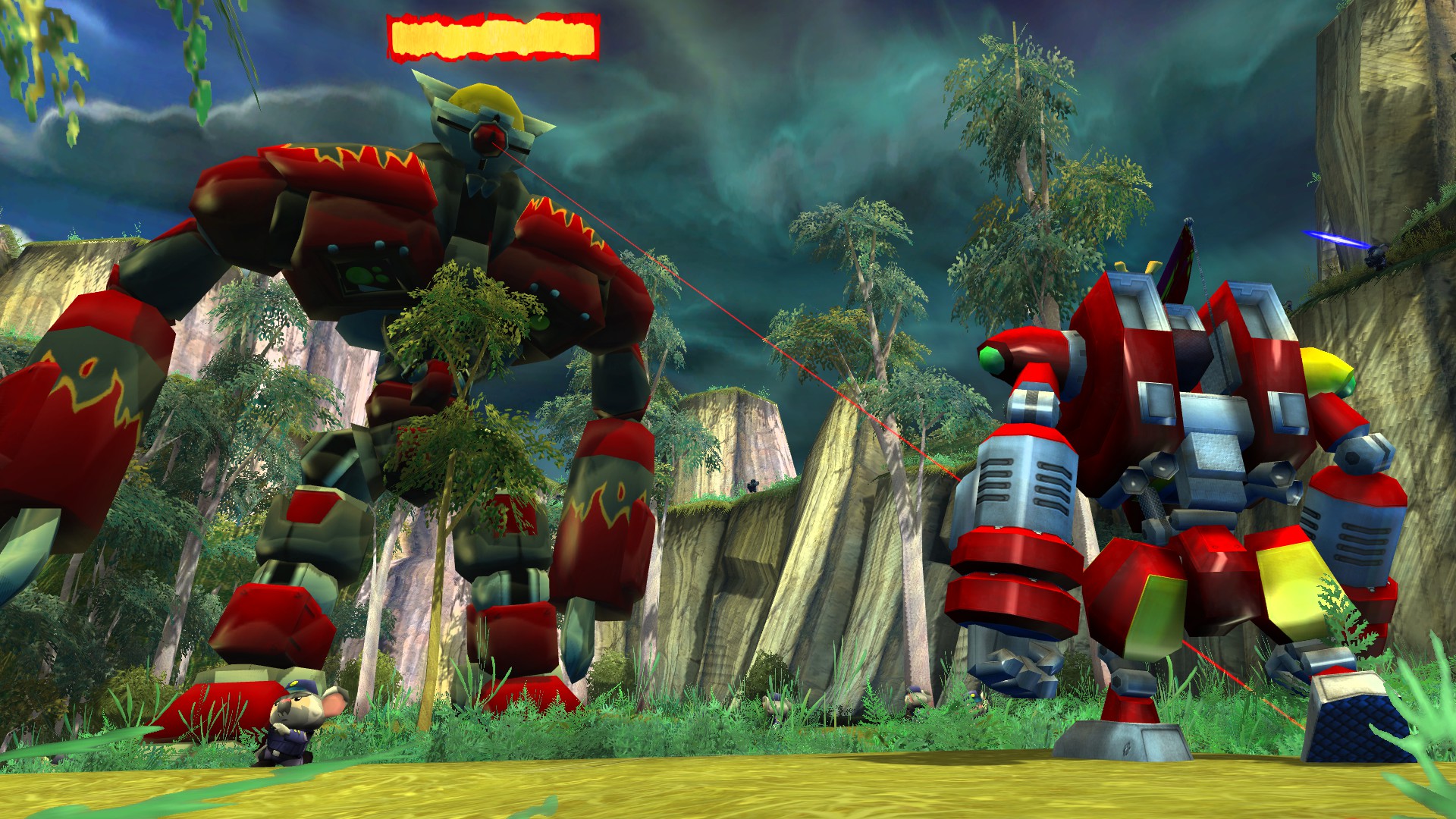
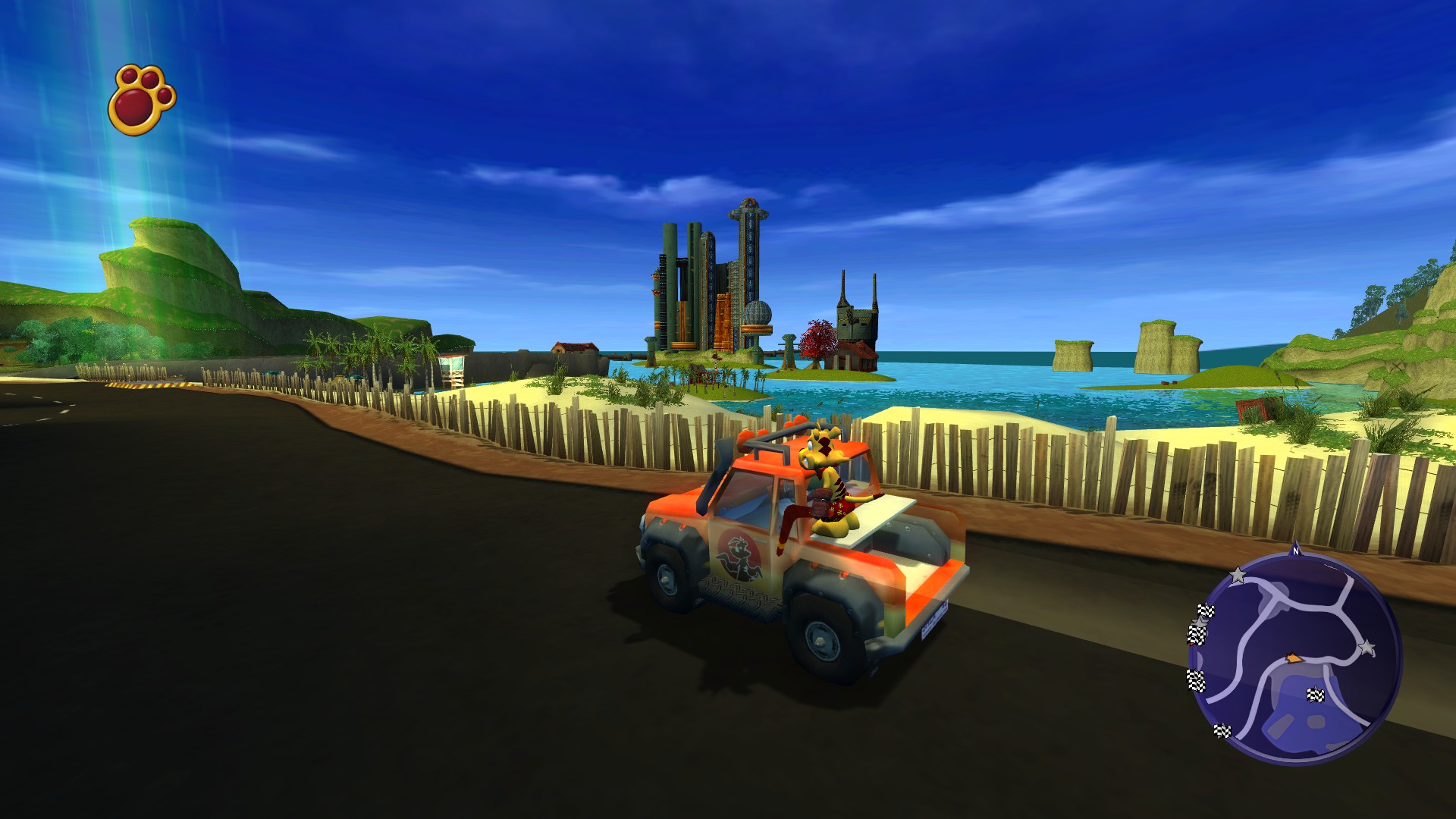
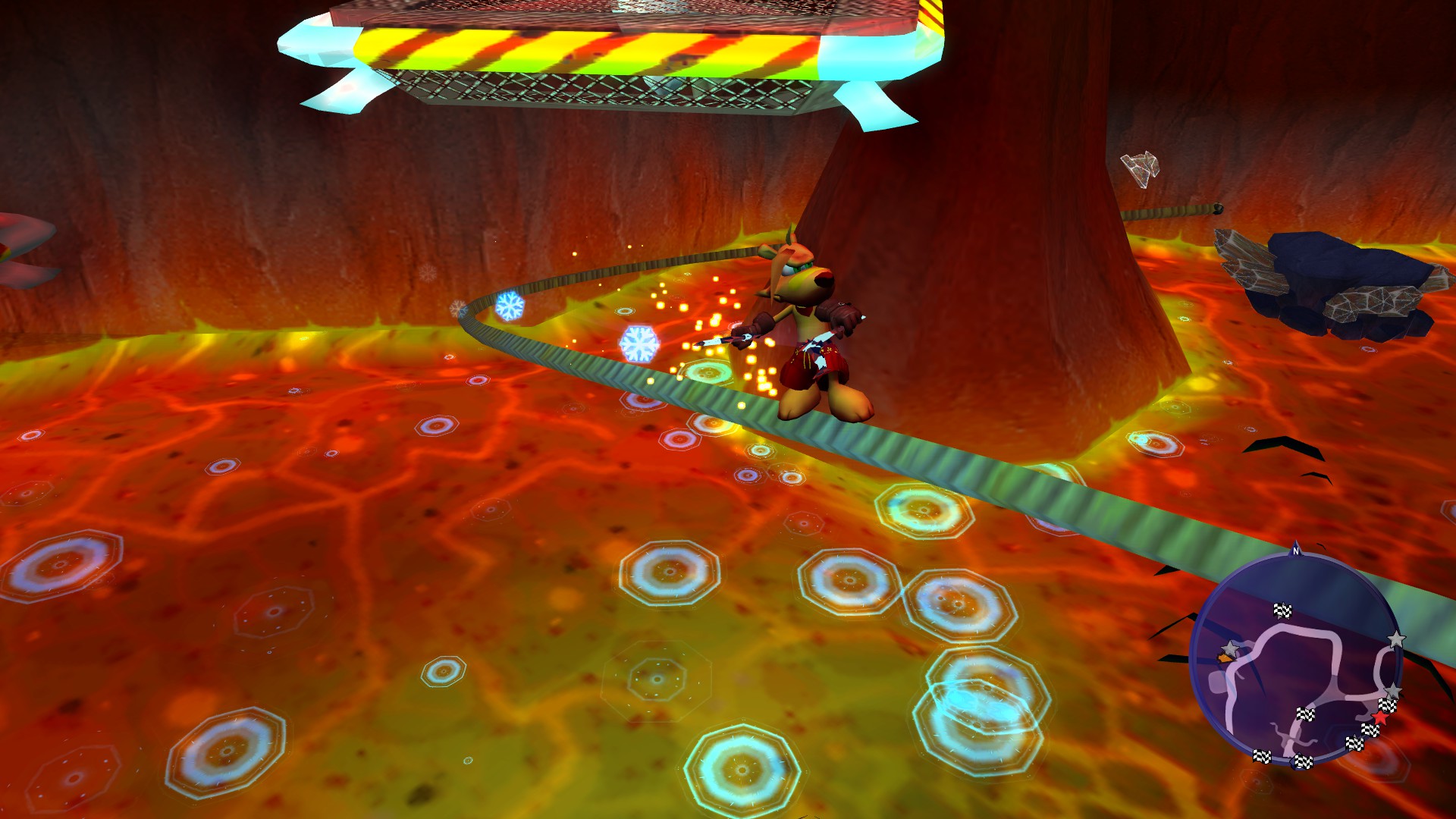
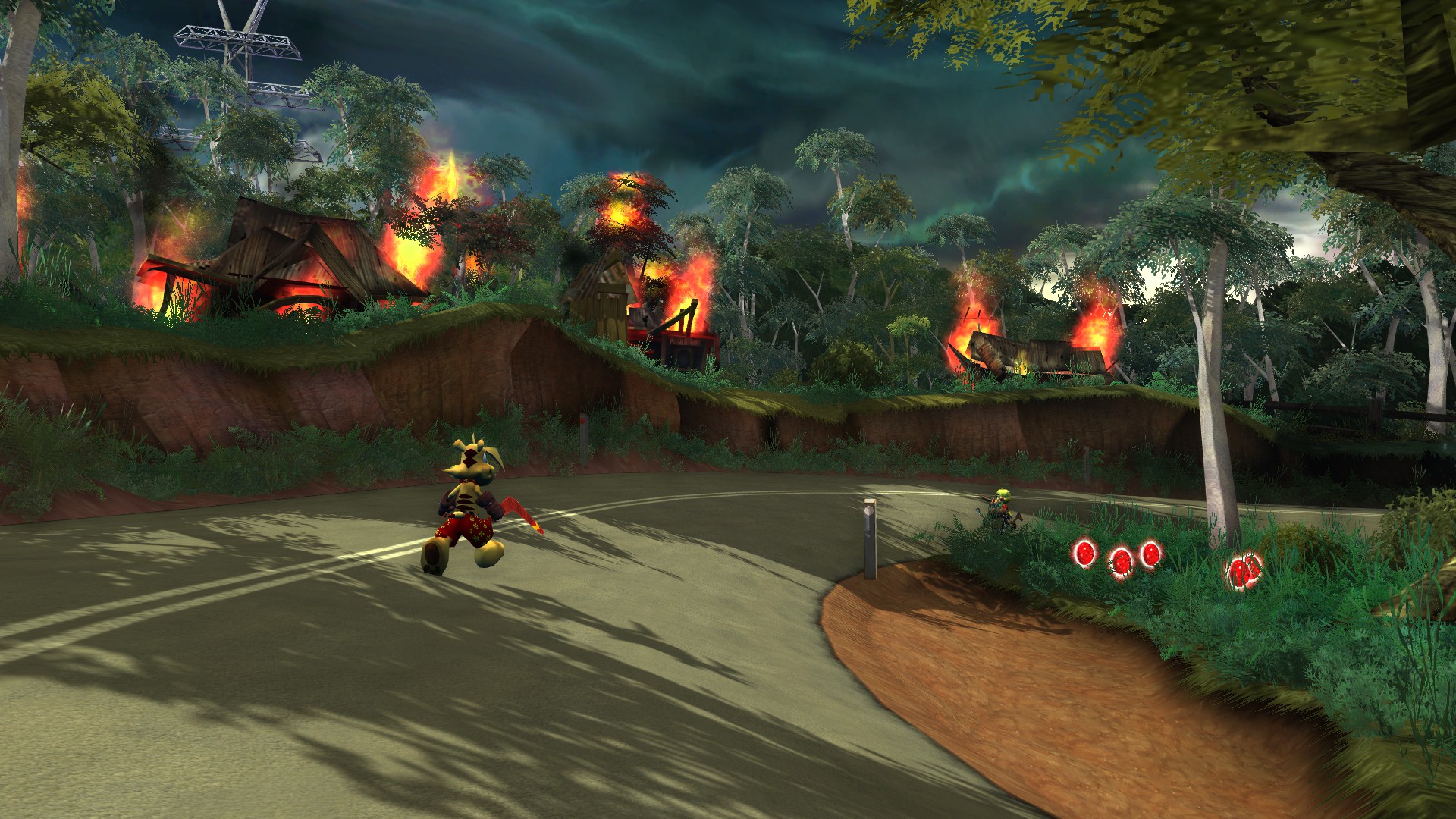
Get an in-depth look at TY the Tasmanian Tiger 2 through various videos and screenshots.
Load More


System requirements
These are the minimum specifications needed to play the game. For the best experience, we recommend that you verify them.
Windows
- OS *: Windows® 7 SP1, Windows® 8/8.1 (32bit and 64bit), Windows® 10 (32bit and 64bit)
- Processor: Intel Core i3/i5/i7 1.8 GHz CPU dual-core. AMD 2.0 GHz dual-core.
- Memory: 4 GB RAM
- Graphics: NVIDIA GeForce 260 / Radeon HD 4000 Series / Intel HD Graphics 4000 with OpenGL 3.3 minimum.
- Storage: 3 GB available space
- Sound Card: DirectX 9.0c-compliant
- Additional Notes: Xinput controller compliant
Steam Price & Best Deals
User reviews & Ratings
Explore reviews from Steam users sharing their experiences and what they love about the game.
TY the Tasmanian Tiger 2 is an ambitious 3D action-platformer that takes the colorful Australian personality of the original adventure and places it inside a much broader structure. Developed and published by Krome Studios, the game combines traditional platforming, exploration, boomerang-based combat, collectibles, vehicles, missions, and light open-world elements. Its roots in an earlier generation of platformers are always noticeable, but that is also part of its appeal. Instead of chasing modern complexity, it offers an easygoing adventure built around variety, personality, and the simple pleasure of roaming around a cartoon interpretation of the Australian wilderness. The story once again places TY against Boss Cass, whose ambitions continue to cause trouble throughout Southern Rivers. TY becomes involved with Bush Rescue and travels around the region assisting its inhabitants, dealing with enemies, completing assignments, and gradually interfering with the villain's plans. The narrative is deliberately uncomplicated and rarely attempts to become the main attraction. Its purpose is primarily to connect the different missions and locations while providing opportunities for humorous dialogue and encounters with the game's eccentric animal characters. The strong Australian flavor gives the adventure an identity that remains unusually distinctive among 3D platformers. One of the sequel's biggest changes is its approach to world design. Instead of feeling like a straightforward collection of separate platforming stages, the adventure provides a more interconnected region that TY can travel through while moving between missions. This creates a stronger sense of actually exploring a place rather than selecting levels from a menu. Missions range from conventional platforming and combat to rescue assignments and vehicle-oriented challenges. The variety prevents the campaign from becoming completely predictable, although repeatedly traveling through familiar areas can occasionally slow the pace. Boomerangs remain TY's defining gameplay mechanic, and the expanded selection gives combat and exploration more depth. Eighteen different rangs can be obtained, with specialized versions offering different properties and practical uses. Switching between them makes encounters more interesting than relying on a single basic projectile throughout the entire adventure. TY can also bite enemies and interact with the environment using familiar platforming abilities. Combat remains intentionally accessible rather than demanding, so players looking for deep action mechanics may find it basic, but the simplicity fits the game's family-friendly tone. Vehicles and mechanical equipment add another layer of variety. Different assignments allow TY to operate machines rather than spending the entire campaign running and jumping on foot. These sequences help establish the sequel as a larger and more experimental adventure, even though vehicle handling and certain mission designs can feel less polished than the core platforming. Some players may prefer the traditional exploration sections, but the willingness to regularly change activities keeps the campaign from becoming a repetitive sequence of jumping challenges. Exploration is supported by collectibles, unlockable equipment, optional activities, cosmetic customization, and numerous secrets. TY can acquire different character skins, while the fourbie can receive alternative paint jobs. These features do not fundamentally change gameplay, but they provide additional rewards for players who enjoy searching the environment and completing secondary objectives. Achievement support also gives completionists more reasons to thoroughly investigate Southern Rivers after simply progressing through the main storyline. Visually, the remastered presentation improves the original experience while preserving its recognizable cartoon style. Higher-definition rendering, improved shadows and reflections, and support for smoother performance help the game look cleaner on contemporary displays. Its age is still evident in environmental geometry, character models, animations, and certain textures, but the bright art direction works in its favor. Rather than depending on realism, the game uses exaggerated landscapes, colorful characters, and cheerful scenery, allowing its visual personality to survive better than many technically comparable games from its era. The audio complements that presentation effectively. Energetic music, lively sound effects, humorous dialogue, and strongly Australian character performances reinforce the lighthearted atmosphere. The game is rarely serious for long, preferring a playful adventure tone that suits its cartoon wildlife and unusual locations. This personality is arguably one of its strongest qualities because even relatively ordinary objectives feel more memorable when surrounded by the distinctive cast and setting. There is also a two-player split-screen cart-racing component, providing a small multiplayer diversion outside the main adventure. It is best viewed as an extra rather than a major reason to purchase the game, since the substantial portion of the experience is centered on TY's single-player journey. Nevertheless, it contributes to the overall sense that the sequel wanted to provide more activities than a conventional platforming follow-up. Steam Deck compatibility is a notable advantage. The game is officially Steam Deck Verified, with its core functionality working through the handheld's controls and its interface remaining usable on the smaller display. Controller prompts and general navigation are appropriately supported, while the game can run using settings suitable for the device. Its viewpoint and methodical pacing also translate naturally to portable play, although demanding visual settings can still make sensible performance adjustments worthwhile for players prioritizing battery life or consistent performance. The weaknesses mostly come from design decisions that show their age. Certain missions are more entertaining than others, navigation can involve unnecessary travel, combat lacks substantial complexity, and some movement or vehicle interactions are less refined than those found in modern 3D platformers. Yet these shortcomings rarely erase the game's fundamental charm. Its straightforward structure can actually be appealing to players who miss an era when platformers emphasized collectibles, colorful worlds, amusing characters, and mechanical experimentation without surrounding everything with elaborate progression systems. Ultimately, this is a charming and surprisingly varied sequel that successfully expands its predecessor's ideas. The combination of open exploration, numerous boomerangs, platforming, vehicles, collectibles, customization, racing, and humorous Australian personality gives the adventure a character of its own. It may feel dated in places, but its enthusiastic approach to variety and exploration remains enjoyable. Players with an affection for classic 3D platformers should find plenty to appreciate, while newcomers willing to accept some older design conventions can discover a cheerful adventure that still stands apart from the genre's more familiar settings. Rating: 8/10
The game ran well but I loved the first game for its focused levels and simple set of collectables. This game throws levels out and has you exploring big maps with different objectives and collectables. I couldn't get into it and refunded it after an hour. Its not that its a bad game so I would still recommend it but its not what I want or expected out of a sequel to the first Ty.
I played one of these A LOT as a kid. It wasn't often that I had my " own game," generally my brothers had games and I played as 4th player or watched them play. Ty was *my game* as a kid, and I don't remember much aside from how the game looked, the boomerangs, and jumping around because I was an infant. I still don't know if I had this game as a kid or the first one. I had a feeling it was the second one, but to be honest after playing the game I don't remember much so it might have been the first one. For some perspective, I was born in late 99 so I would have been 2 when the first game came out and 4 when the second one came. Revisiting as an adult with Ty the Tasmanian Tiger 2, as an adult, has been an amazing experience. This is an awesome game, and seriously impressed me with its scope for 2004. The characters are likeable enough, though the story is generic and doesn't compare much to the gameplay. The gameplay is certainly Spyro-esc, most time is spent shooting projectiles at enemies or platforming/gliding around. This game continues shaking things up throughout the bit I have played so for, you're constantly in vehicles, doing cart races, and playing minigames that break up the pace of the gameplay. This might be taken a bit too far, as sometimes you're like " really? Another vehicle section?" but overall you do get enough regular gameplay. My only real complaint with this game is that it is a " where do I go" type of game. The open world is great, but trying to find your way to most of the locations is nearly impossible. Firstly, the map is small. It's hard to tell where you are going, though if you really focus you can figure it out. You can pause to make the map bigger, but that doesn't help in telling you which direction X or Y is. The worst part is, in the larger open world these objectives show exactly where they are on the map instead of showing you the area you need to go to. Half of the time I find the place to go, it is because I gave up on trying to find the place to go and then somehow wandered into the correct place. There's some other small things, as well, that really show this is an old game that isn't going to explain anything readily. A great example is when you go to this spooky mansion mission. The goal of the mission is to find a person who is pretending to be a ghost. You aren't told this, you are only told that you need the Infrarang -- a rang that lets you see things you can't see otherwise -- and that most spirits are friendly, but one spirit isn't. What this actually means in the mission is that you have to aim with the infrarang and find which ghost is a person in a ghost outfit. Originally I just pressed the button, went on the roof, grabbed the opal, and then tried to return to complete the objective. That didn't work, so I looked it up. Then, I found the ghost imposter, so I un-aimed the rang and began shooting the crap out of him. It didn't do anything though, and keep in mind this entire time i'm getting constantly chased by these annoying spirits that take 1/4 of your health and stun you for three seconds. It turns out you have to aim the infrared rang at him manually and hit him while still in the infrared view. None of this was explained, so it really felt like " how was I supposed to figure that out?" especially if I were a kid me playing this in 2004. So the game's main issue isn't that huge of a deal, but sometimes you will be left completely confused on what to do next or where you are supposed to go. The platforming is surprisingly fluid and fun, even challenging. There was a section where I tried the same series of jumps over and over again and kept missing, but it was entirely optional and I was doing it to get an item. I like a game that challenges me in that way while not stripping the motivation to try and do something, and I like a game that lets you set your own goals while also guiding you. In terms of the remaster, it's surprisingly comprehensive. Settings menus, HD, and plays great on my computer and my husband's steamdeck (streamed, but still streamed from Linux) -- there really isn't much more I could have asked for on that front. It worked perfectly! Also, the public leaderboards are cool even if people have found a way to cheese 00:00 times on the kart races. Either way, my review ends in resounding surprise: This game was lightyears better than I was expecting it to be, honestly. I thought this was going to be a quick nostalgia trip I would put down after playing, but now I see myself beating the game as it turned out to be a lot of fun. It is nice to learn that some of my earliest and most prominent gaming experiences beyond the Sims 2 were actually awesome. Thanks Ty, for being an important and happy part of my childhood. Although I forgot a lot about the games and forgot what game I even had, I never forgot about Ty. This was my Super Mario 64 growing up, and I am lucky it was!
Similar games
View all

Unbox: Newbie's Adventure
Unbox: Newbie's Adventure is a 90s style 3D platformer about the ultimate postal service, self-delivering cardboard boxes! Unbox: Newbie's Adventure has giant worlds full of challenges, collectibles and boxy boss battles!

Indiana Jones and the Infernal Machine
The year is 1947. The Nazis have been crushed, the Cold War has begun and Soviet agents are sniffing around the ruins of the fabled Tower of Babel. What are they up to? The CIA recruits renowned archeologist and adventurer, Dr. Henry "Indiana" Jones, to find out.

Nefarious
Play as the villain in Nefarious! An action platformer where you globe hop between several kingdoms kidnapping princesses who alter gameplay in unique ways. Then thwart various heroes in reverse boss fights, recreated iconic battles where you control the boss.

Muffin Knight
Muffin Knight is an arena based action-packed platformer with stunning visuals and a myriad of fairytale characters, each with their own unique abilities, which gain strength as you advance.
Pharaoh Rebirth+
An ancient evil has been set loose, and Jonathan cursed in the process. Jonathan must now collect seven holy grails from around all of Egypt to cleanse himself of the curse of Sehur the First. Be delighted by the quirky humor, charming characters, and the beautifully designed world, in Pharaoh Rebirth+!

Face It - A game to fight inner demons
Carefuly crafted puzzles in a challenging 3D plaformer take the player on a surrealistic journey through a maze of feelings. In Face It, abstract concepts are shaped into gameplay: darker emotions are monsters and traps, while brighter concepts are the powers you need to beat the levels.
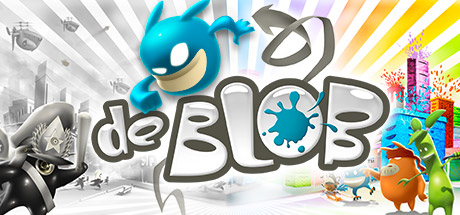
de Blob
The evil I.N.K.T. Corporation has declared 'Color is a Crime!' and leeched Chroma City of all its beauty and interest. The race to rescue Chroma City has just begun, and only de Blob can save the world from a black-and-white future with his unique abilities to color the world back to life.

Freedom Fall
Freedom Fall is a diabolical down-scrolling platformer set in a prison tower so tall it touches the clouds. Presented with hand painted art, its old school vibe mixes with fast-paced free falling action and a story with both dark wit and heart.
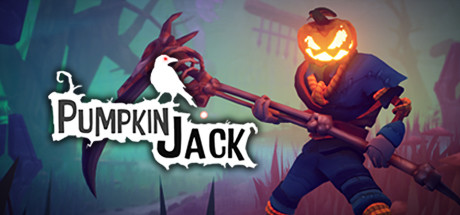
Pumpkin Jack
Pumpkin Jack is a Spooky Scary 3D platformer in which you embody Jack, the Mythical Pumpkin Lord! Dive into an Epic Adventure through otherworldly landscapes and help the Evil annihilate the Good!
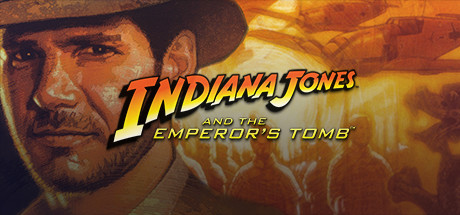
Indiana Jones and the Emperor's Tomb
As Indiana Jones, you’ll travel to 1935 China to prevent a powerful artifact from falling into evil hands. This globe-spanning adventure pits you against evil Nazis and the Asian underworld. It’ll take more than just a trusty whip and pistol to avoid the perils of the Emperor’s Tomb.
Frequently Asked Questions
TY the Tasmanian Tiger 2 is currently priced at 13.49€ on Steam.
No, TY the Tasmanian Tiger 2 is currently not on sale. You can purchase it for 13.49€ on Steam.
Yes, TY the Tasmanian Tiger 2 received 707 positive votes out of a total of 749 achieving a rating of 8.83.
😎
TY the Tasmanian Tiger 2 was developed and published by Krome Studios.
Yes, TY the Tasmanian Tiger 2 is playable and fully supported on Windows.
No, TY the Tasmanian Tiger 2 is not playable on MacOS.
No, TY the Tasmanian Tiger 2 is not playable on Linux.
Yes, TY the Tasmanian Tiger 2 is playable and fully supported on Steam Deck.
Yes, TY the Tasmanian Tiger 2 is playable and fully supported on Steam Machine.
No, TY the Tasmanian Tiger 2 does not support VR.
TY the Tasmanian Tiger 2 offers both single-player and multi-player modes.
TY the Tasmanian Tiger 2 offers both Co-op and PvP modes.
Yes, there is a DLC available for TY the Tasmanian Tiger 2. Explore additional content available for TY the Tasmanian Tiger 2 on Steam.
No, TY the Tasmanian Tiger 2 does not support mods via Steam Workshop.
Yes, TY the Tasmanian Tiger 2 supports Remote Play Together. Discover more about Steam Remote Play.
Yes, TY the Tasmanian Tiger 2 is enabled for Steam Family Sharing. This means you can share the game with authorized users from your Steam Library, allowing them to play it on their own accounts. For more details on how the feature works, you can read the original Steam Family Sharing announcement or visit the Steam Family Sharing user guide and FAQ page.
You can find solutions or submit a support ticket by visiting the Steam Support page for TY the Tasmanian Tiger 2.
Data sources
The information presented on this page is sourced from reliable APIs to ensure accuracy and relevance. We utilize the Steam API to gather data on game details, including titles, descriptions, prices, and user reviews. This allows us to provide you with the most up-to-date information directly from the Steam platform.
Additionally, we incorporate data from the SteamSpy API, which offers insights into game sales and player statistics. This helps us present a comprehensive view of each game's popularity and performance within the gaming community.
Last Updates| Steam data | 04 October 2026 21:06 UTC |
|---|---|
| SteamSpy data | 15 October 2026 00:35 UTC |
| Steam price | 26 October 2026 20:06 UTC |
| Steam reviews | 22 October 2026 07:46 UTC |
If you'd like to dive deeper into the details about TY the Tasmanian Tiger 2, we invite you to check out a few dedicated websites that offer extensive information and insights. These platforms provide valuable data, analysis, and user-generated reports to enhance your understanding of the game and its performance.
- SteamDB - A comprehensive database of everything on Steam about TY the Tasmanian Tiger 2
- SteamCharts - Analysis of TY the Tasmanian Tiger 2 concurrent players on Steam
- ProtonDB - Crowdsourced reports on Linux and Steam Deck TY the Tasmanian Tiger 2 compatibility
Game modes
Features
Online players
5
Developer
Krome Studios
Publisher
Krome Studios
Release
12 Dec 2017
Platforms
Remote Play