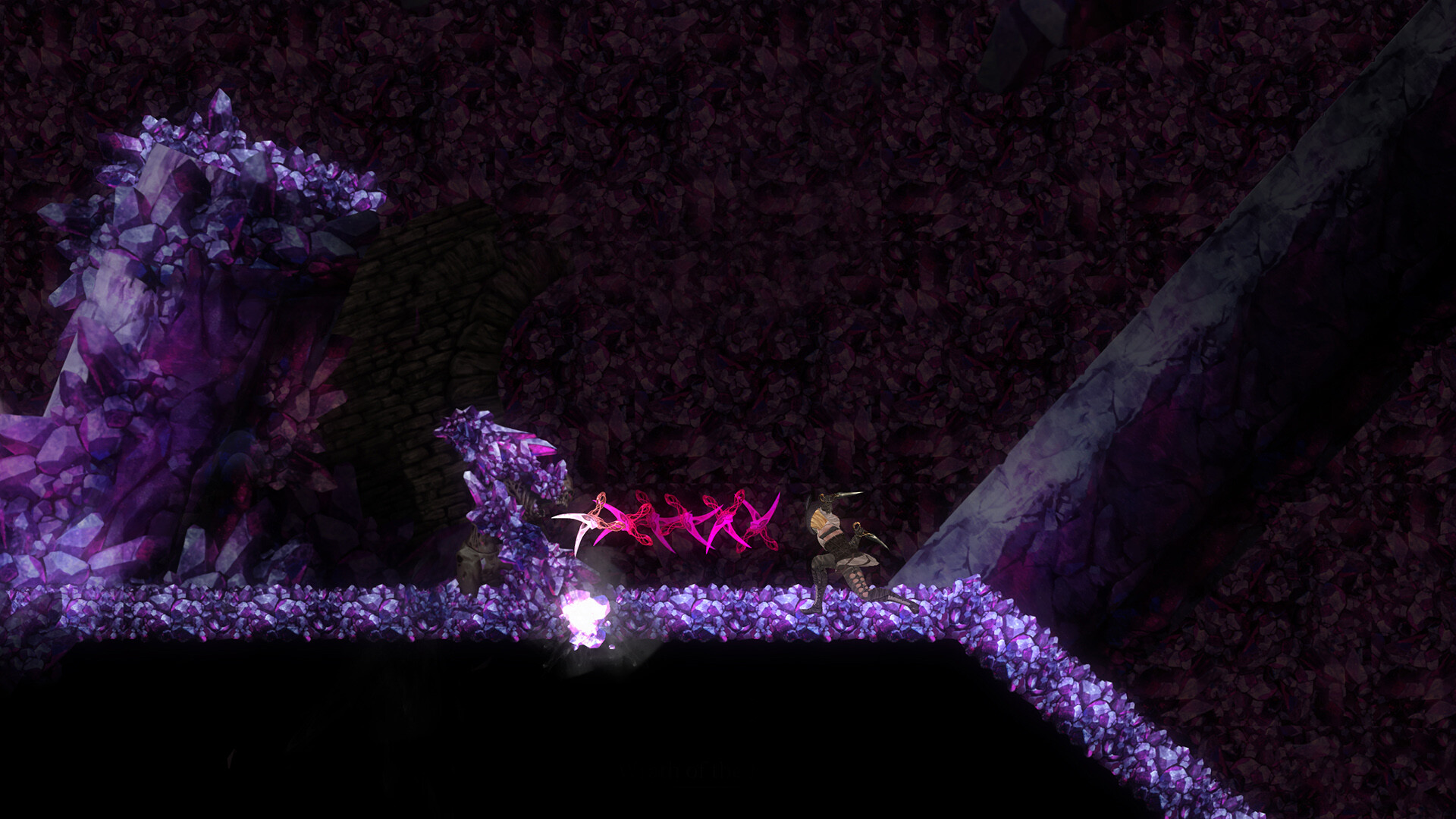
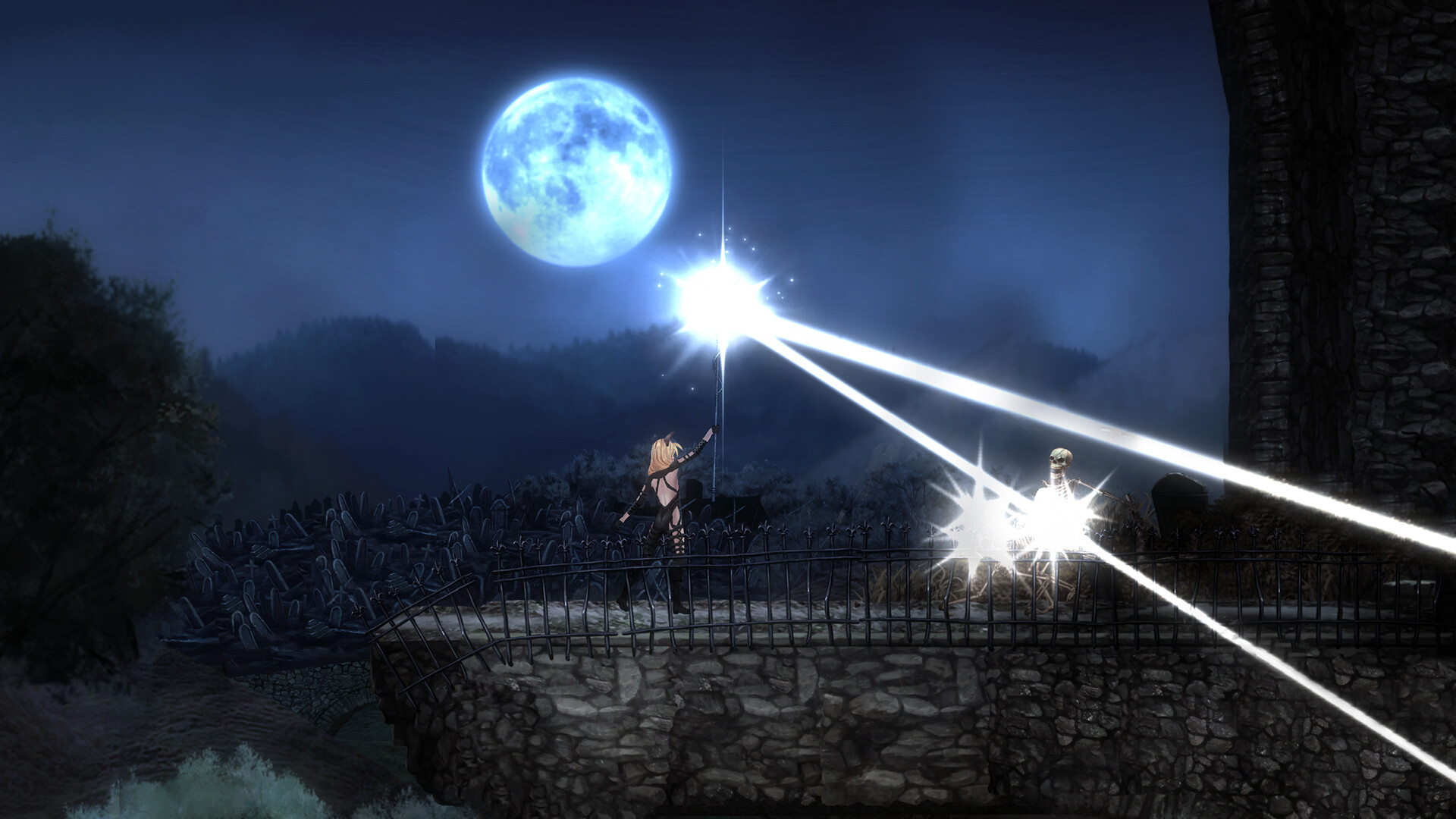
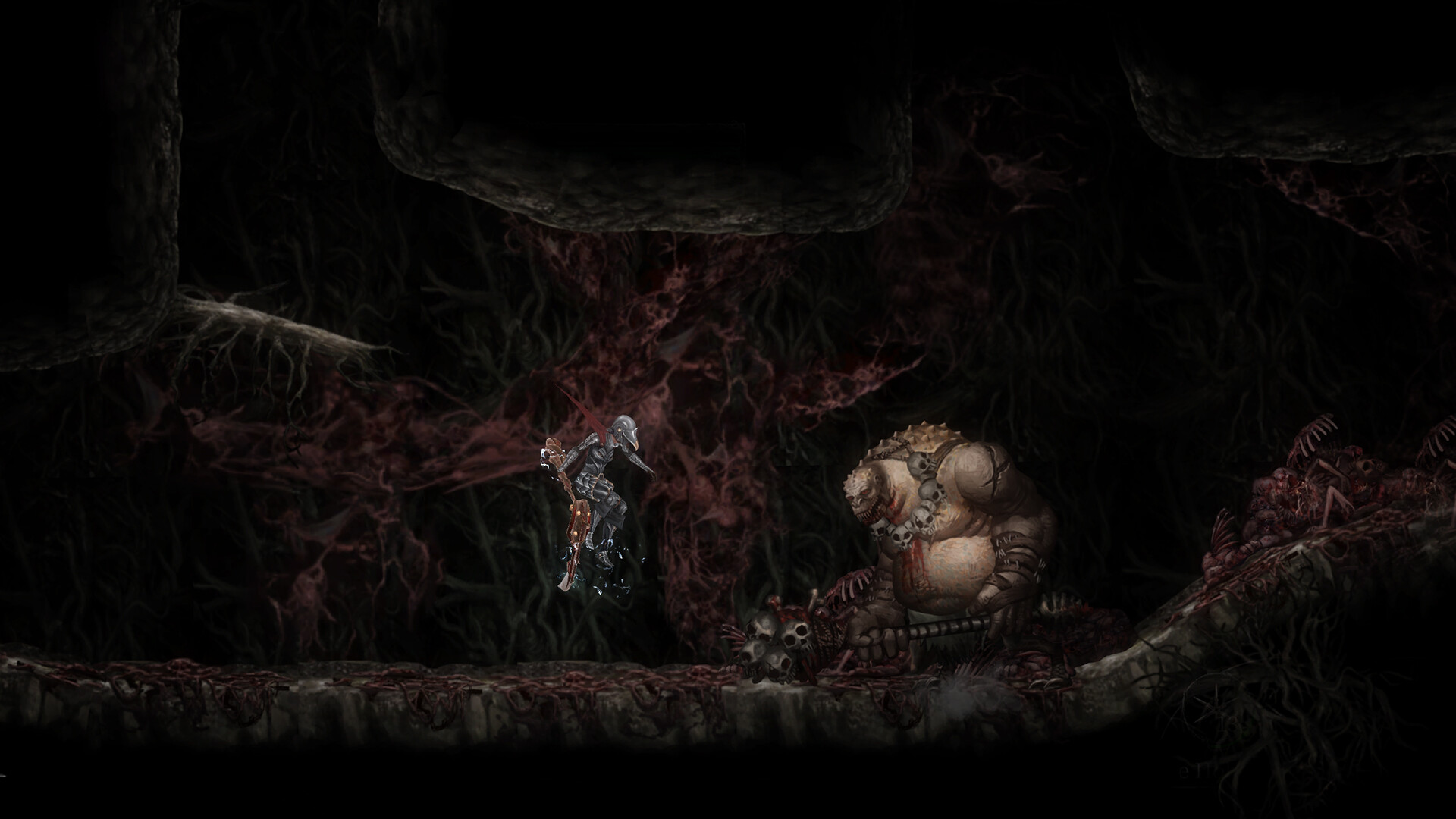
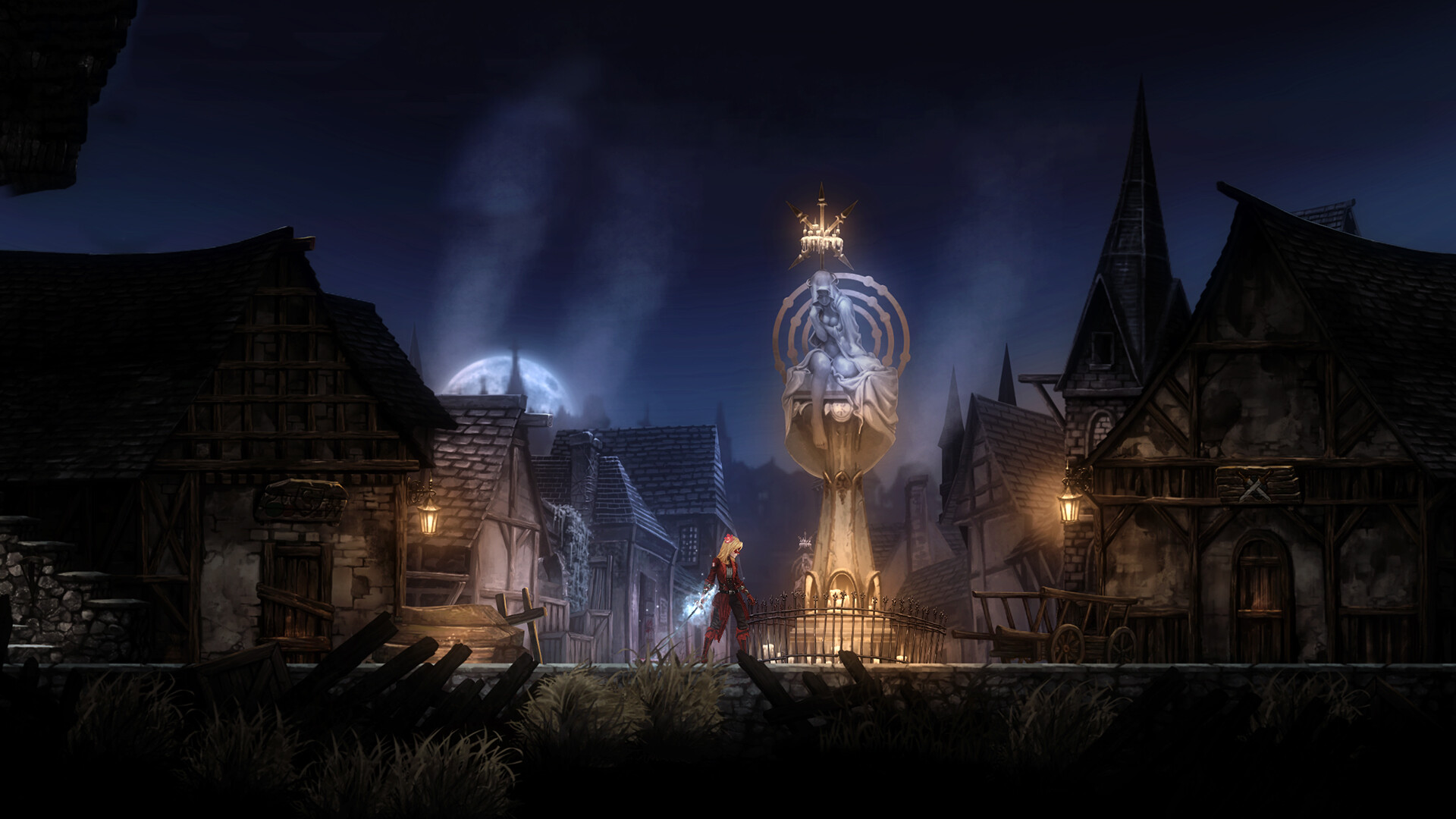
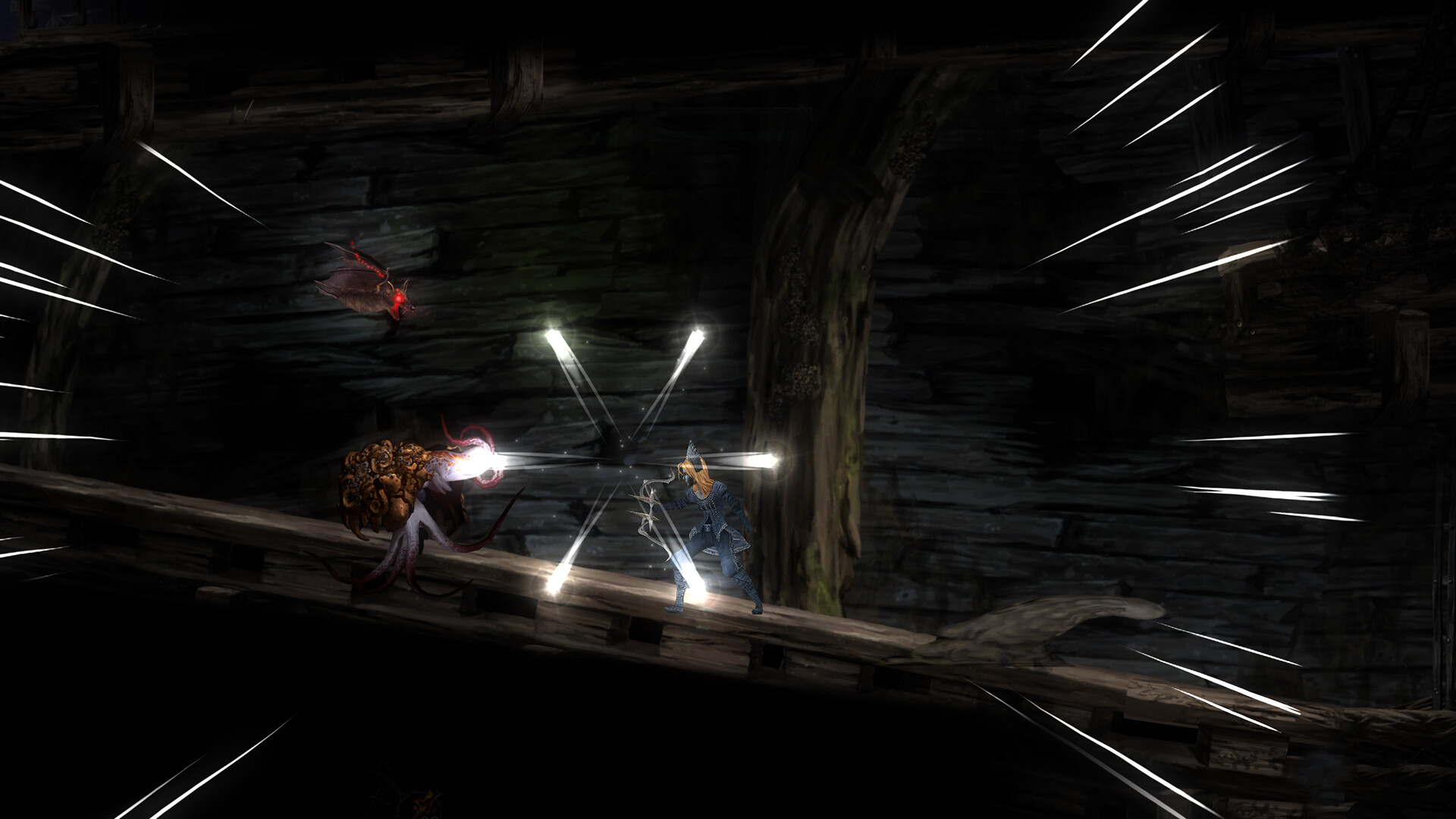
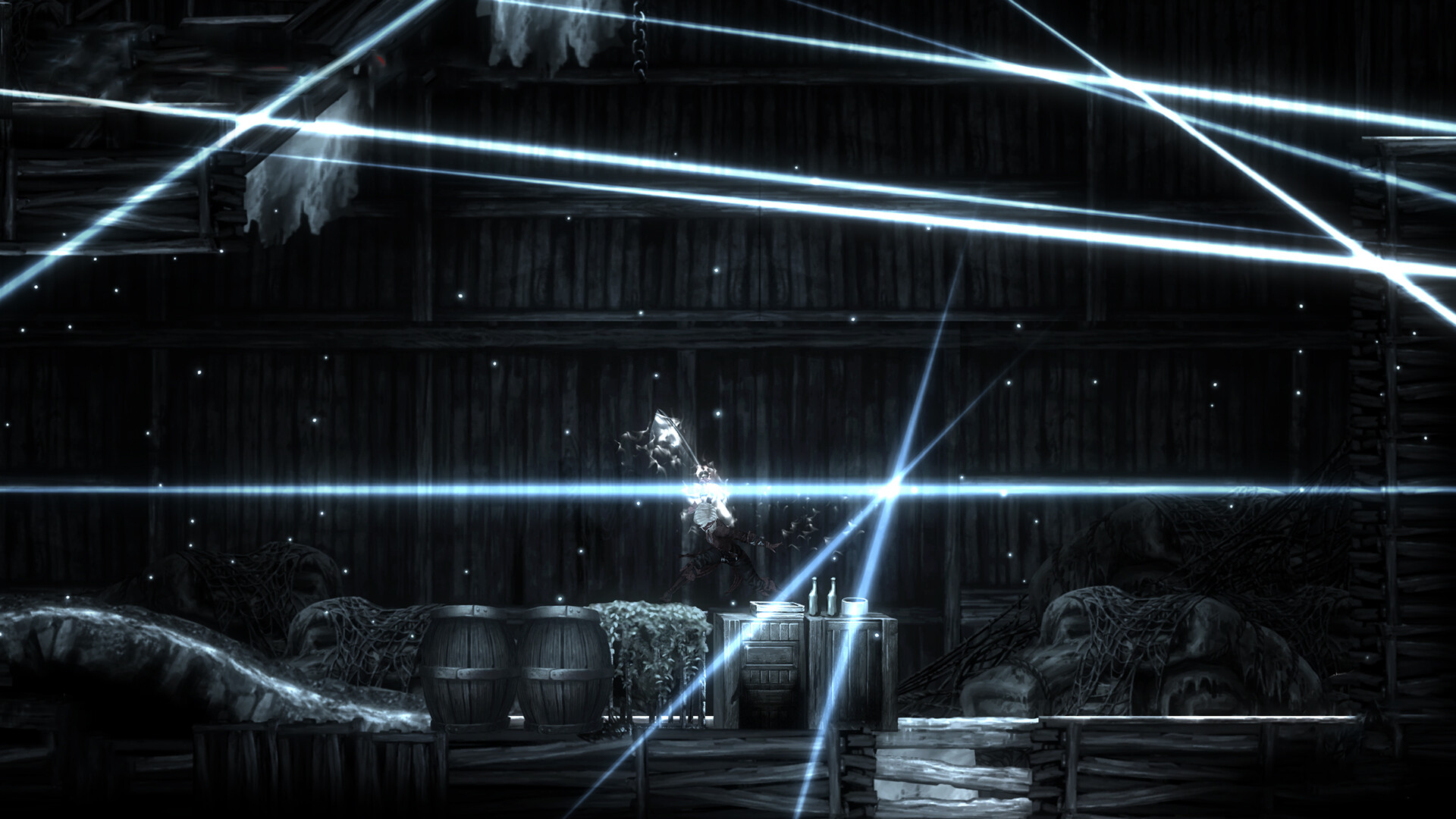
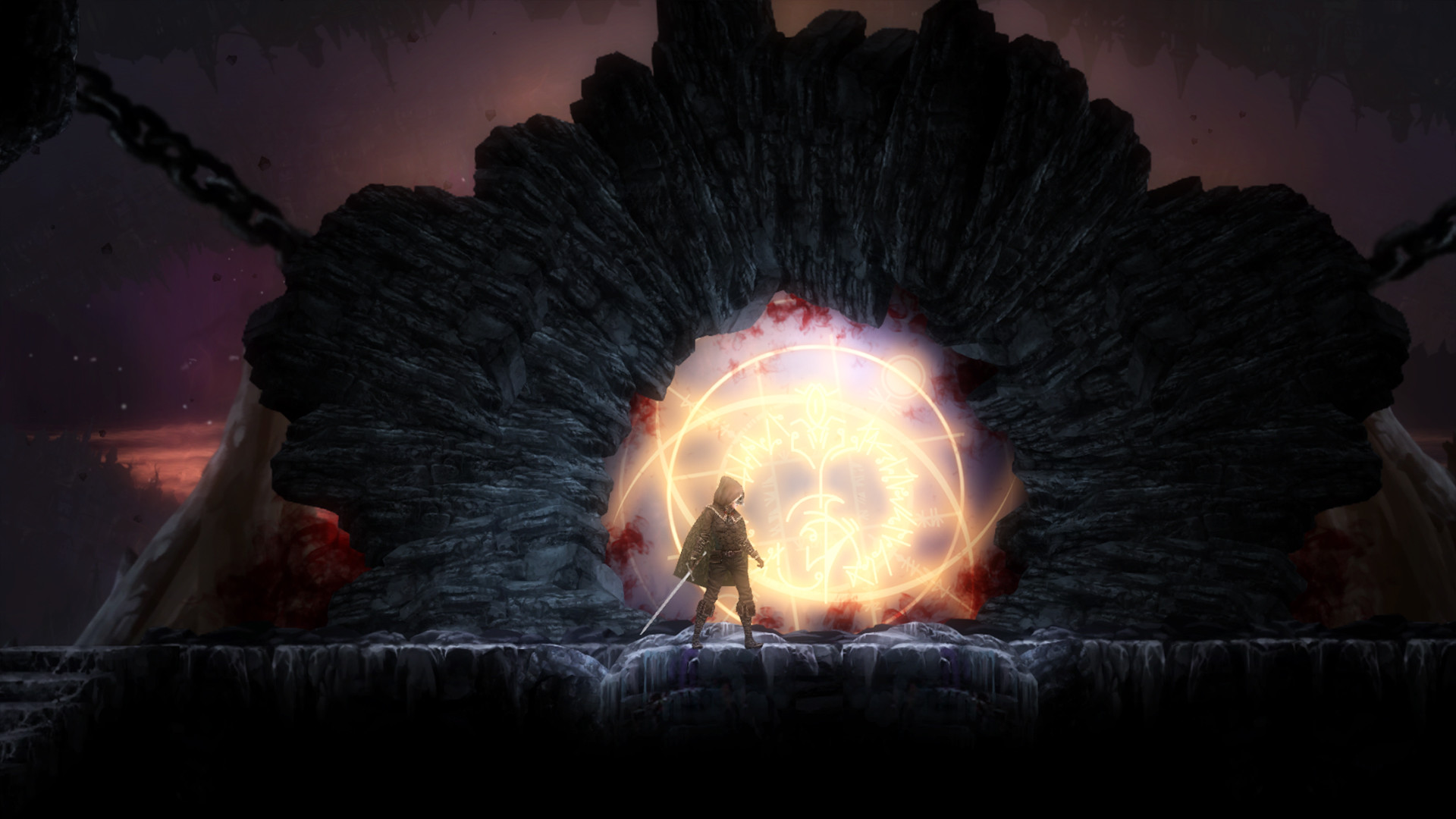
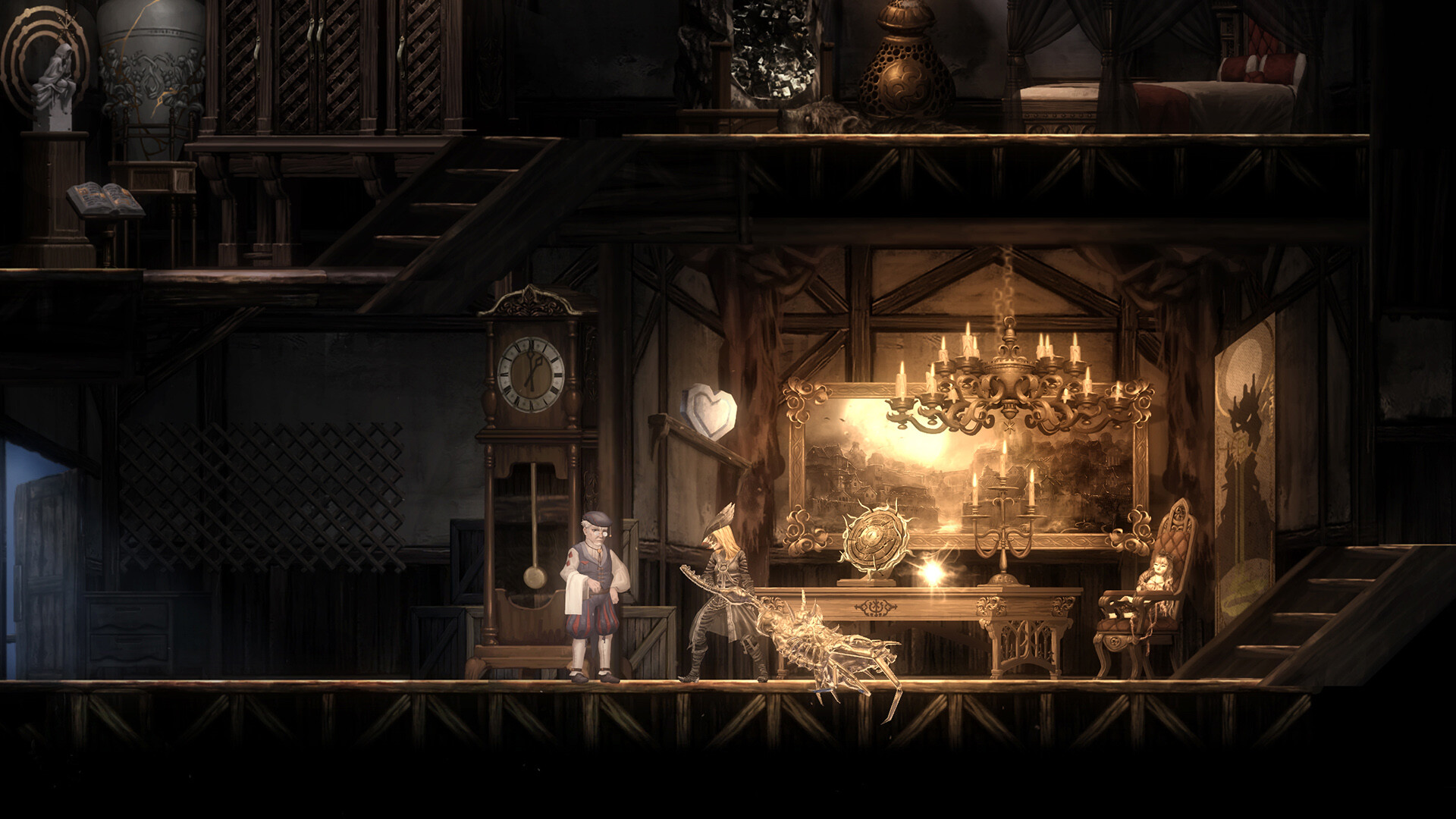
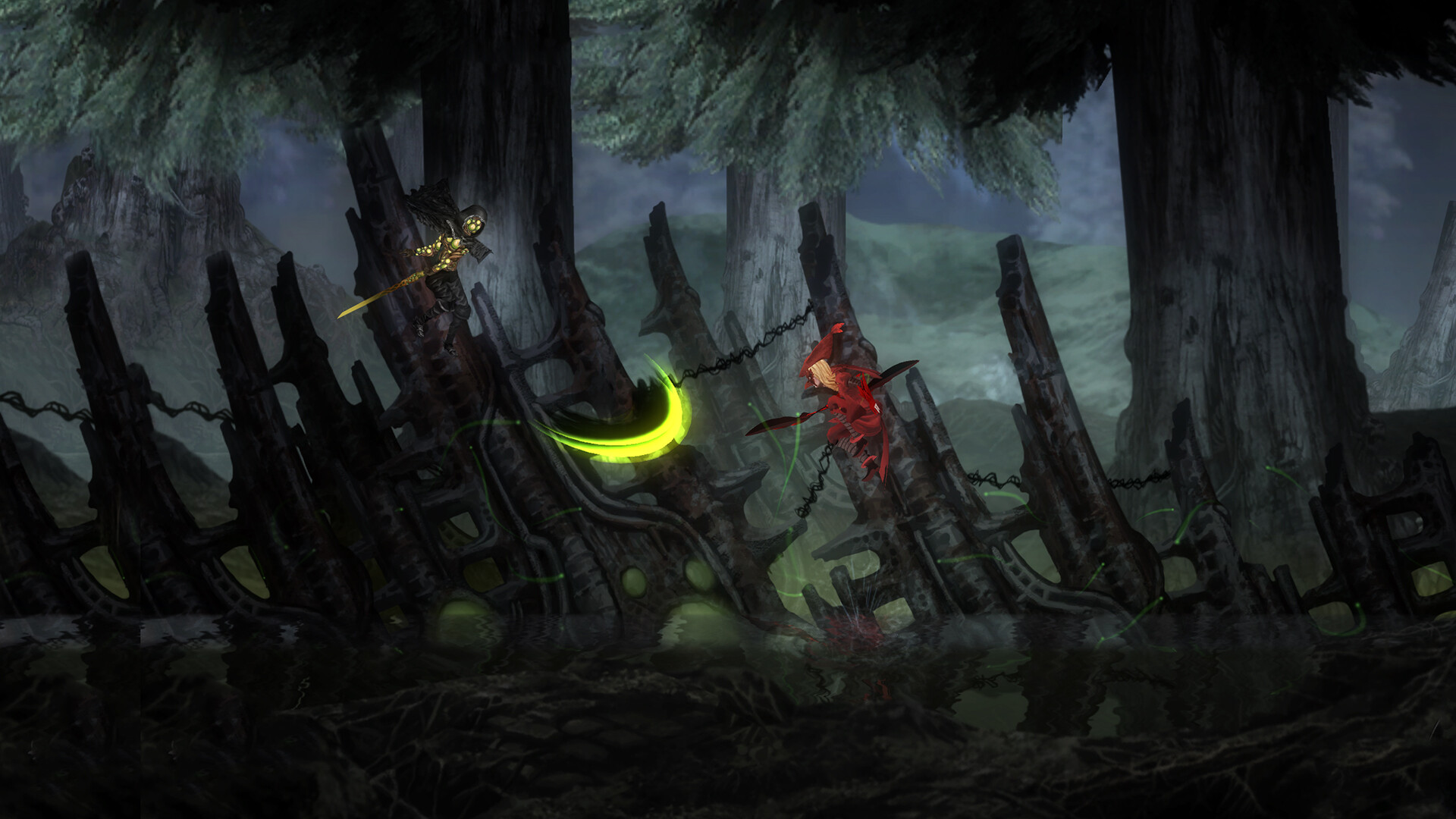
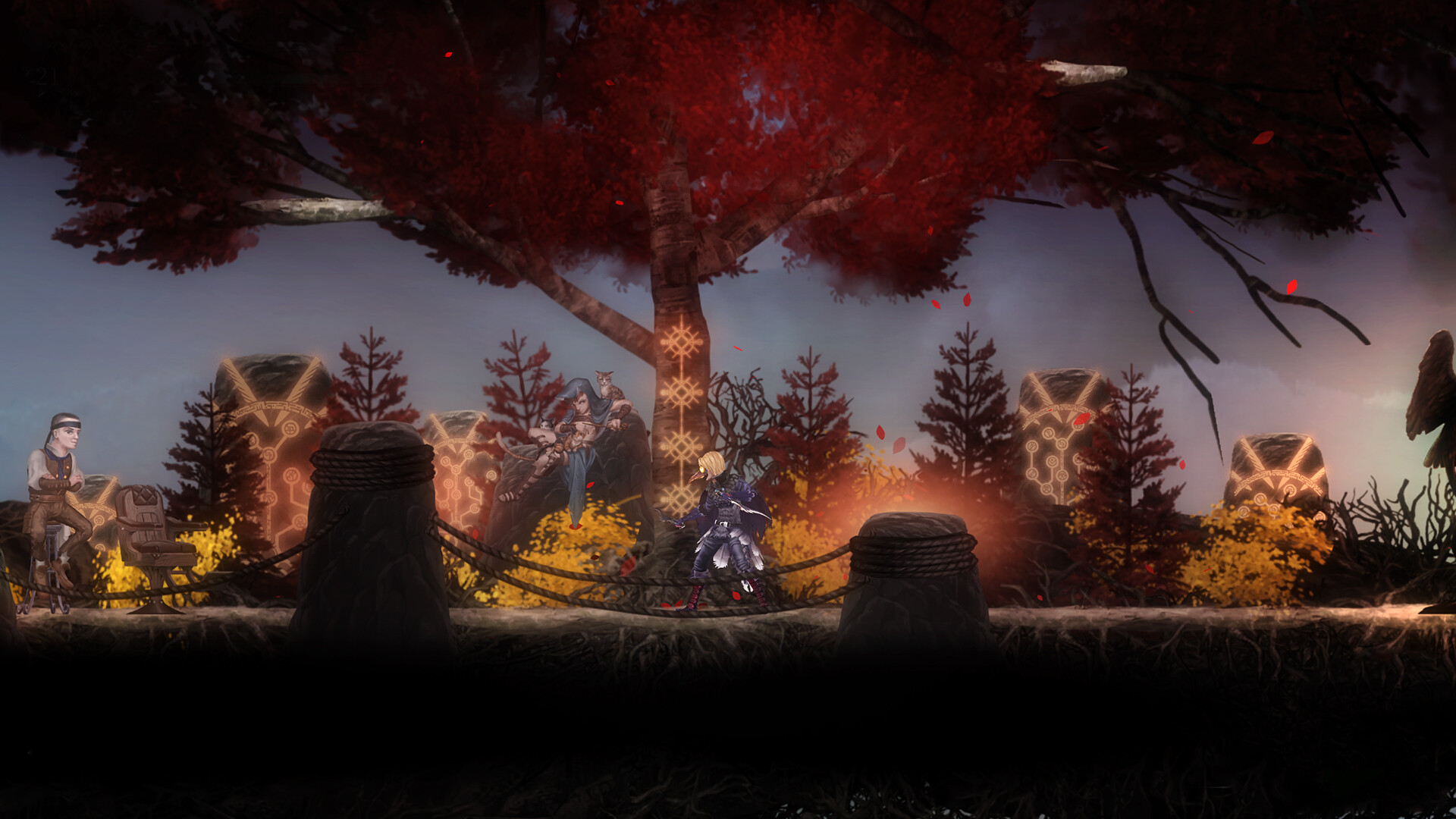
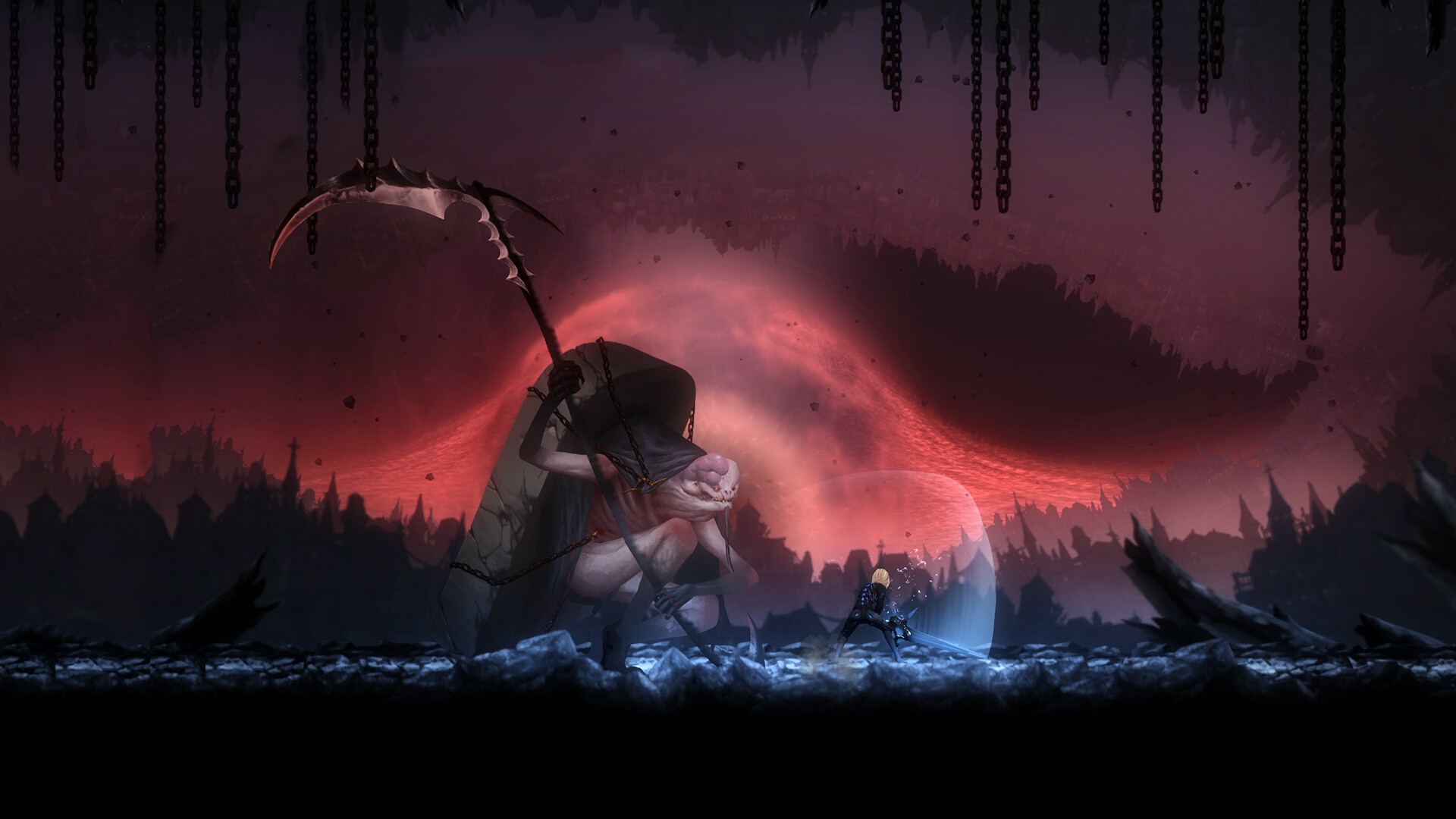
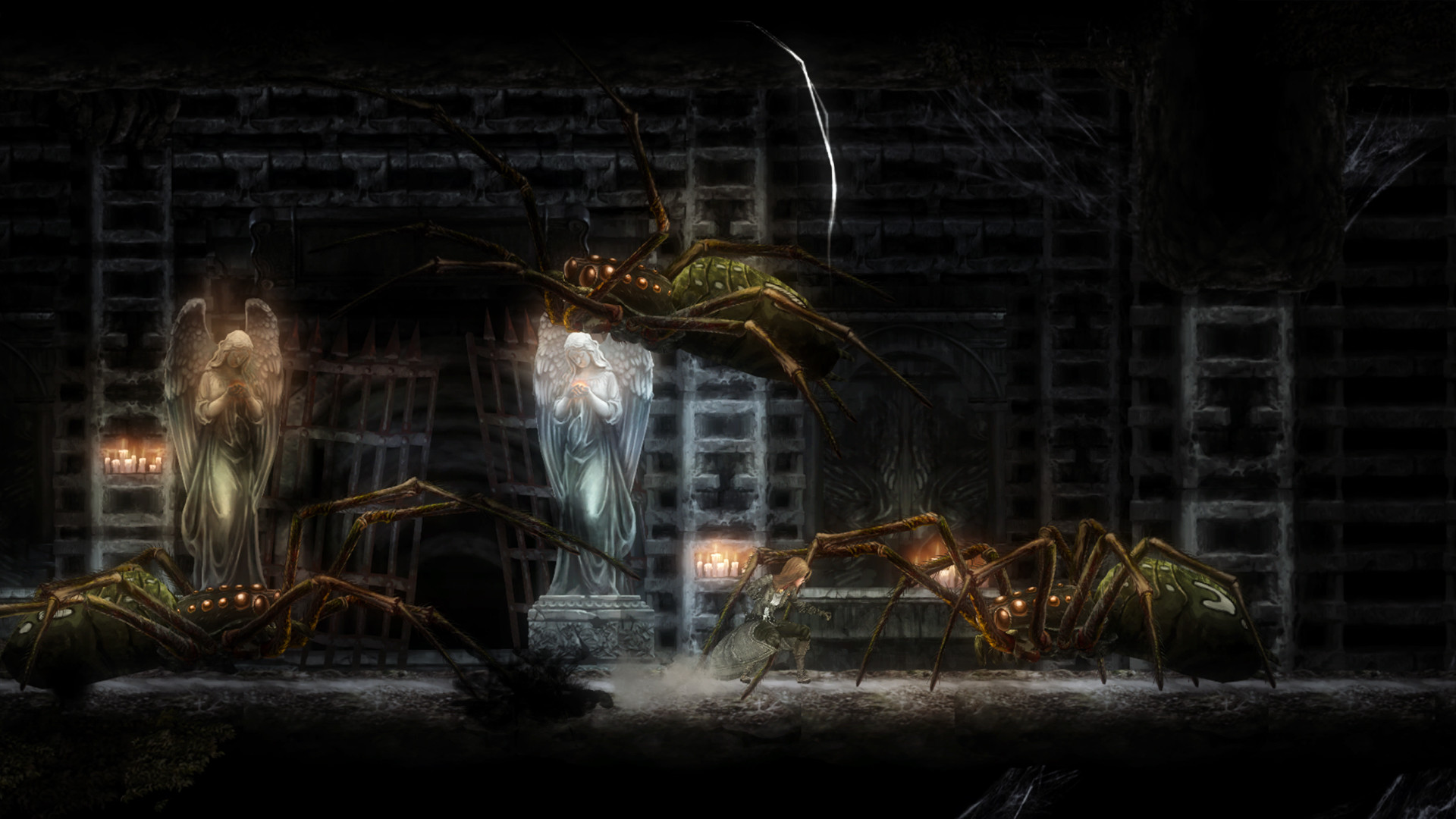
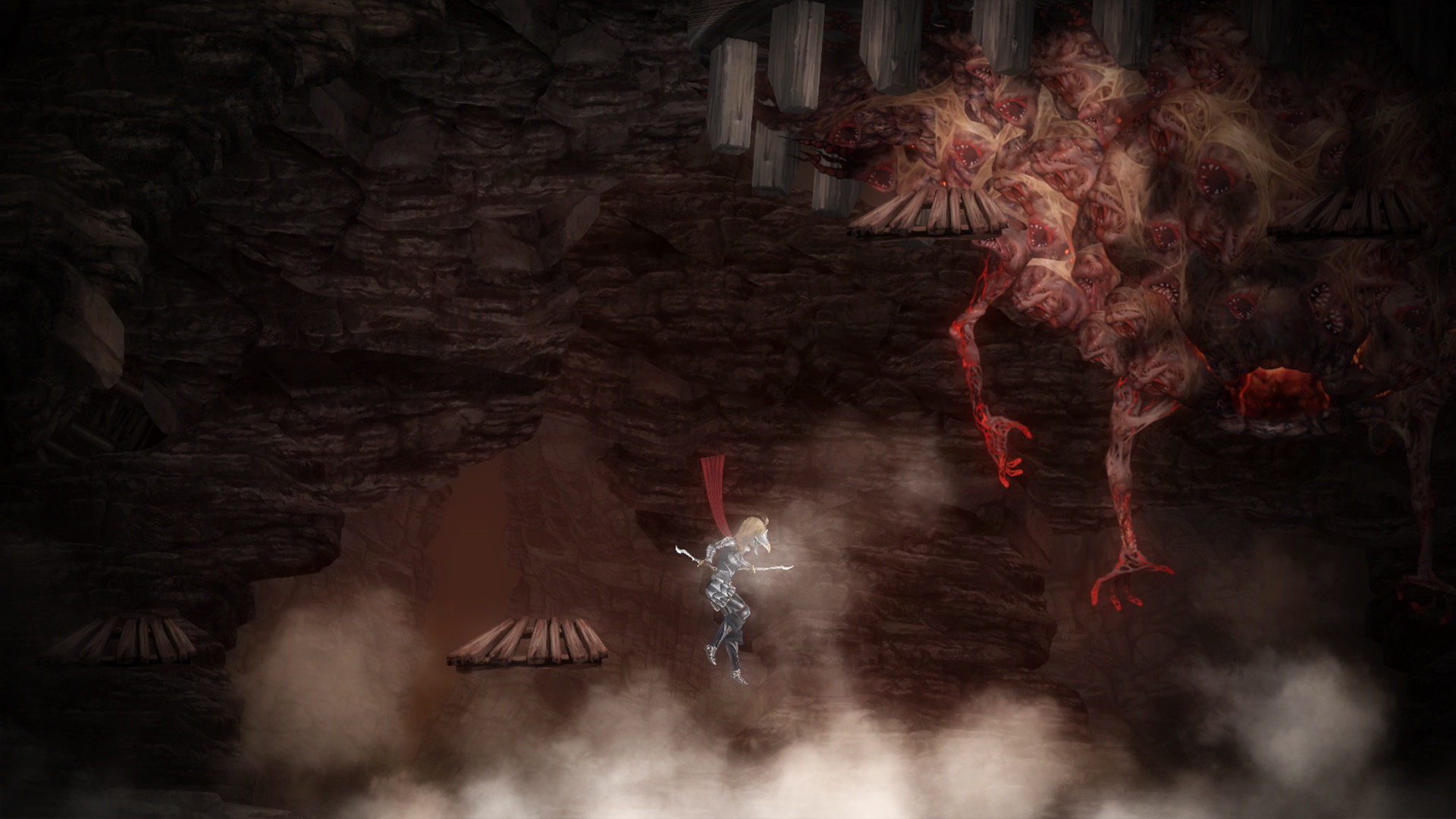
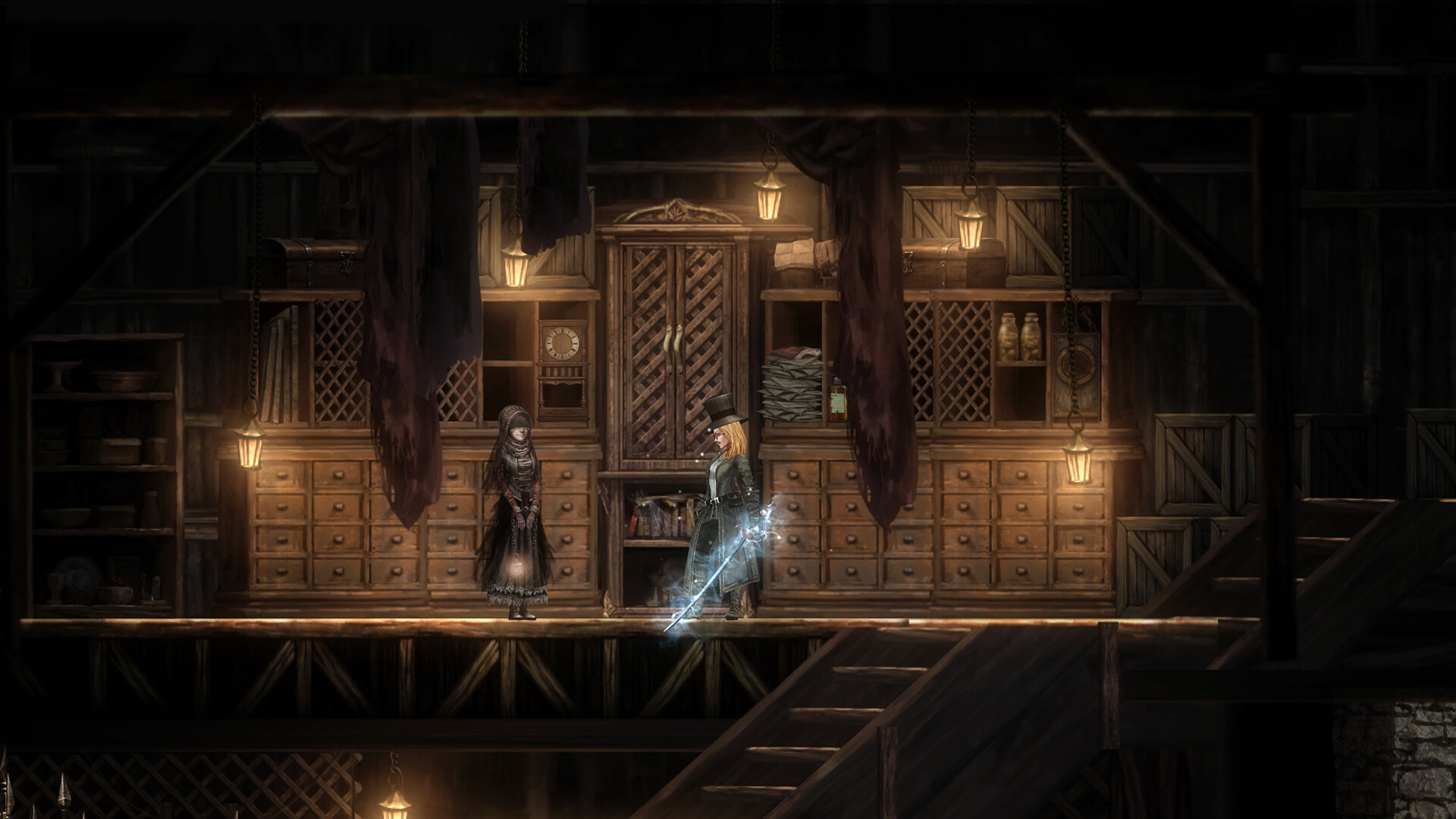
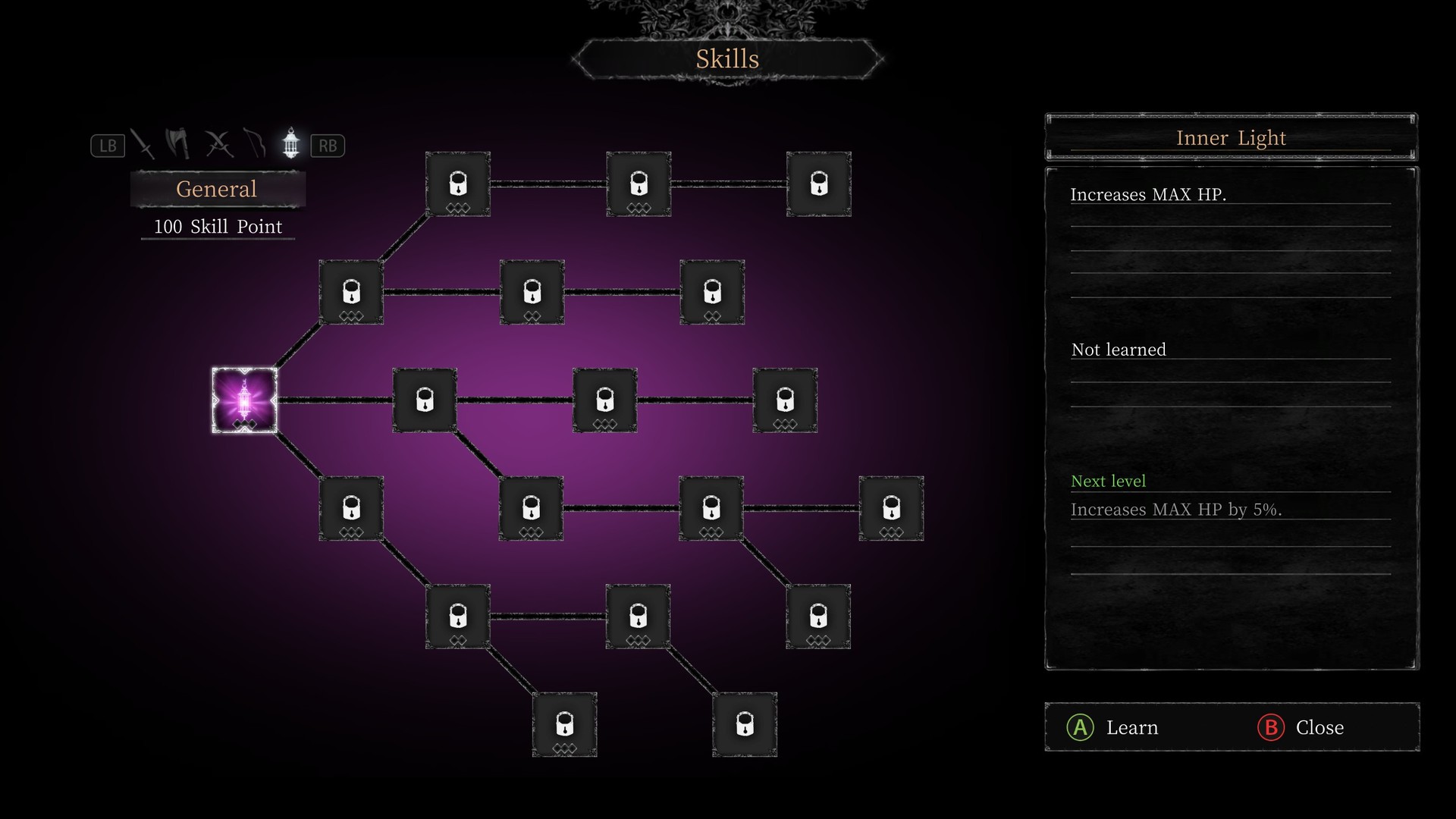
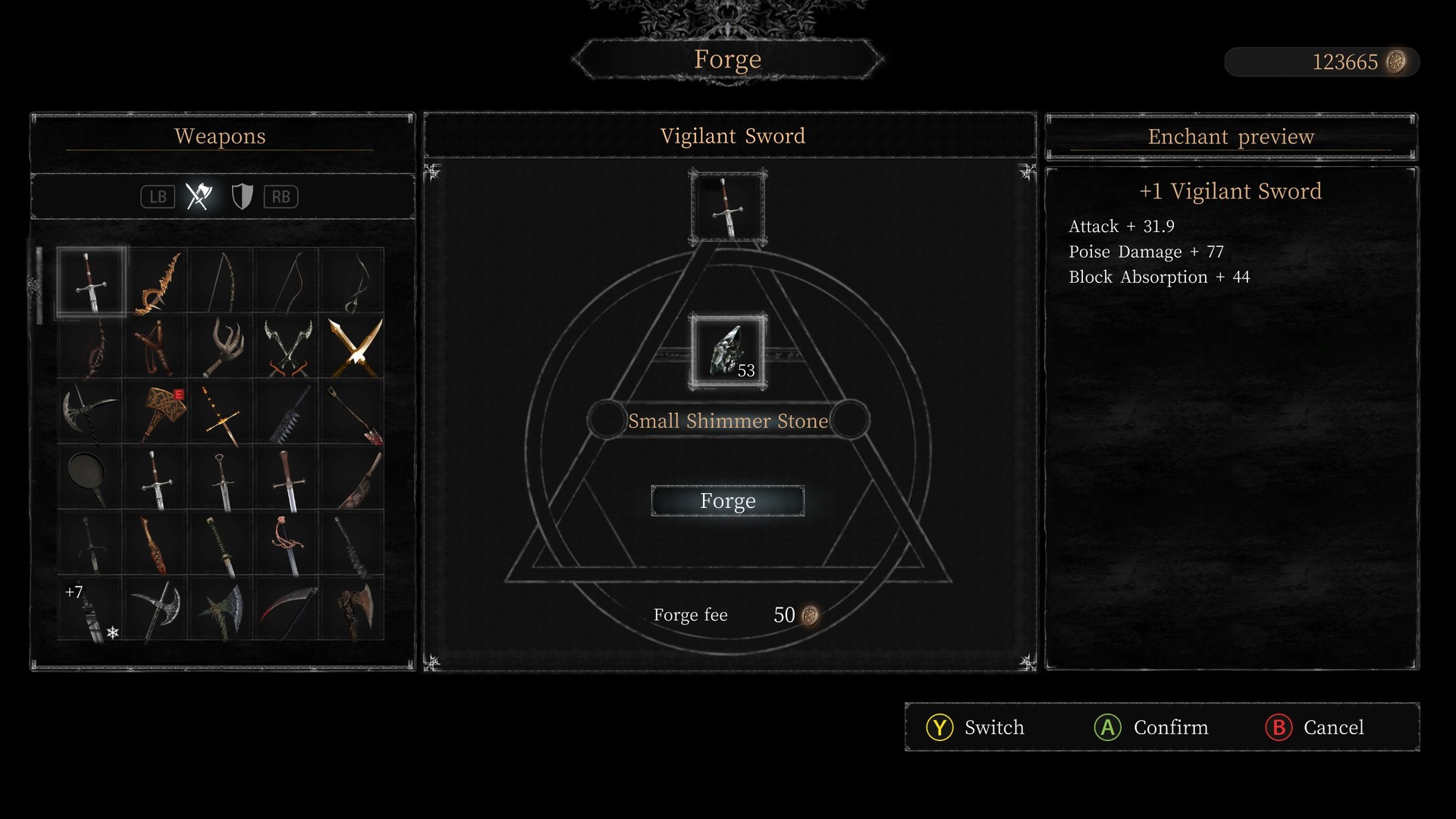
Vigil: The Longest Night is a haunting, meticulously crafted action RPG developed and published by Glass Heart Games that merges the precision of a Metroidvania with the punishing sensibilities of a Souls-like adventure. Set in a world swallowed by endless darkness, the game follows Leila, a member of the Vigilant Order, who returns to her hometown only to find it consumed by shadow and decay. Her mission to uncover the truth behind the eternal night quickly transforms into a descent through a realm of cosmic horror, grotesque creatures, and shattered faith. What defines Vigil is not just its mechanics, but its atmosphere—an oppressive fusion of beauty and dread that feels both mythic and personal, like a nightmare you can’t wake from but don’t want to leave. The gameplay draws heavily from both classic and modern inspirations, borrowing the exploratory freedom of Castlevania: Symphony of the Night and the unforgiving combat rhythm of Dark Souls. Each area of the world is interconnected, full of secrets, hidden paths, and shortcuts that reward curiosity and persistence. Leila’s movements are fluid yet deliberate, forcing the player to consider timing and positioning during every encounter. The combat system relies on stamina management, precise dodges, and calculated strikes. Every weapon—sword, axe, bow, or dagger—has its own unique feel and rhythm, and while experimentation is encouraged, mastery of timing is the real key to survival. The game’s boss fights, numbering around twenty, are a highlight: each one is a brutal test of reflexes and patience, combining pattern recognition with raw adaptability. The difficulty is never arbitrary; it is earned, and overcoming these foes gives the sense of triumph that only games in this lineage can provide. What separates Vigil from its inspirations is its gothic-horror aesthetic, which permeates every facet of the experience. The world is one of perpetual twilight, painted in layers of despair and decay. The environments—crumbling villages, mist-choked forests, underground cathedrals, and grotesque dreamscapes—are designed to feel at once familiar and alien. The art direction is striking, rendered in hand-drawn 2D visuals with a painterly depth that gives the illusion of three-dimensional space. The result is a visual tone that evokes dread and melancholy in equal measure. Each creature you encounter looks like it has crawled out of some fevered myth, all twisted limbs and haunted eyes. The game’s use of lighting and color enhances this sense of unease; bright areas are few and fleeting, and even in moments of respite, the world feels wounded. The music, composed by Jouni Valjakka, mirrors this tension with somber melodies that swell into dark crescendos during combat, reinforcing the emotional weight of Leila’s journey. The narrative unfolds gradually, relying on implication rather than exposition. Instead of spelling out the lore, the game allows the player to piece together its mythology through fragmented dialogue, cryptic notes, and environmental storytelling. The story touches on themes of loss, faith, and the cyclical nature of corruption, with each discovery adding another layer to the tragic tapestry of the world. Leila’s quest is as much about self-discovery as it is about banishing the darkness, and the game’s multiple endings reflect the choices and interpretations players bring to the story. This ambiguity gives Vigil a literary quality, rewarding players who take time to read between the lines. Yet this approach can also alienate those seeking a more straightforward narrative; its restraint means that some moments feel opaque, leaving interpretation up to the imagination rather than delivering direct emotional closure. From a technical and mechanical standpoint, Vigil is an impressive feat for an indie production, though it bears the hallmarks of a small team’s ambition. The game runs smoothly on most systems, and the controls are generally tight, though occasional hit detection issues and platforming quirks can break the immersion. The map system, while functional, can feel cumbersome during heavy exploration, particularly when backtracking through multiple layers of terrain. Some players may also find the difficulty curve uneven; certain bosses and areas spike in challenge unexpectedly, while others fall short of the tension built by their design. The weapon and skill upgrade systems are robust, though some choices feel less impactful over time. These imperfections, while noticeable, rarely overshadow the experience as a whole—they serve more as reminders of the game’s independent roots than as serious detriments. Where Vigil excels most is in its atmosphere and tone. The developers understand how to make silence as powerful as sound. Every ruined village and forgotten temple carries an echo of tragedy, and the small details—candles flickering in abandoned homes, distant screams in the fog, the sound of blood dripping in caverns—create an unshakable sense of presence. The game doesn’t rely on cheap scares; its horror is existential, built from loneliness and decay. It’s a world that feels like it’s dying slowly, dragging the player along with it. This somber beauty makes exploration inherently rewarding even when the rewards are intangible. The sense of melancholy, reinforced by subdued writing and mournful visuals, makes Vigil one of the few modern Metroidvania games that captures true horror through atmosphere rather than spectacle. In terms of content, Vigil offers substantial value for its scope. A single playthrough can take between twenty and thirty hours depending on how thoroughly you explore. The world is dense with secrets, optional bosses, and hidden story fragments that encourage revisits. The inclusion of multiple endings adds replayability, as does the variety of weapon types and combat approaches. The pacing alternates between intense combat sequences and slower, reflective exploration, giving players time to absorb the world’s mood. This rhythm of violence and silence forms the emotional backbone of the game, and it’s what keeps the experience from feeling repetitive even after long sessions. For players who crave the satisfaction of steady growth and mastery, Vigil provides that in abundance. Ultimately, Vigil: The Longest Night is a dark gem in the modern indie landscape—a game that pays homage to its inspirations while forging its own identity through atmosphere, tone, and artistry. It’s not perfect; its rough edges, occasional pacing issues, and opaque storytelling can test a player’s patience. Yet its strengths far outweigh its flaws. Few games manage to blend challenging combat, evocative world-building, and genuine emotional weight with such confidence. It stands as a reminder that games can be both brutal and beautiful, terrifying and tender, mechanical and meaningful. For fans of gothic horror, Souls-like difficulty, and atmospheric exploration, Vigil: The Longest Night is not just worth playing—it’s worth getting lost in. Rating: 8/10
Expand the review