


IRON REBELLION
Climb into the cockpit of a 40-ton war machine. Built for VR, this mech simulator puts every switch, weapon, and system in your hands. Customize your mech, fight solo against bots, play offline, or face rival pilots in tactical 8v8 cross-platform combat.
Sync your Steam wishlist to find the lowest game prices instantly. No login required, just paste your Steam profile URL!
⚡ Try Wishlist Radar!
Sync your Steam wishlist to find the lowest game prices instantly. No login required!
⚡ Try Wishlist Radar!
Close

Vox Machinae on Steam
Quick menu
Strap yourself into the cockpit of a robot seven times taller than a Tyrannosaurus Rex and prepare to do battle in Vox Machinae: the ultimate giant robot combat action-simulator for both VR and standard screens.
Vox Machinae is a vr, mechs and action game
developed and published by Space Bullet Dynamics Corporation.
Released on May 13th 2022 is available on Windows, VR, Steam Deck and Steam Machine.
It has received 1,232 reviews of which 1,092 were positive and 140 were negative resulting in a rating of 8.4 out of 10. 😎
The game is currently priced at 24.99€ on Steam, but you can find it for 1.10€ on Eneba.
The Steam community has classified Vox Machinae into these genres:
Media & Screenshots
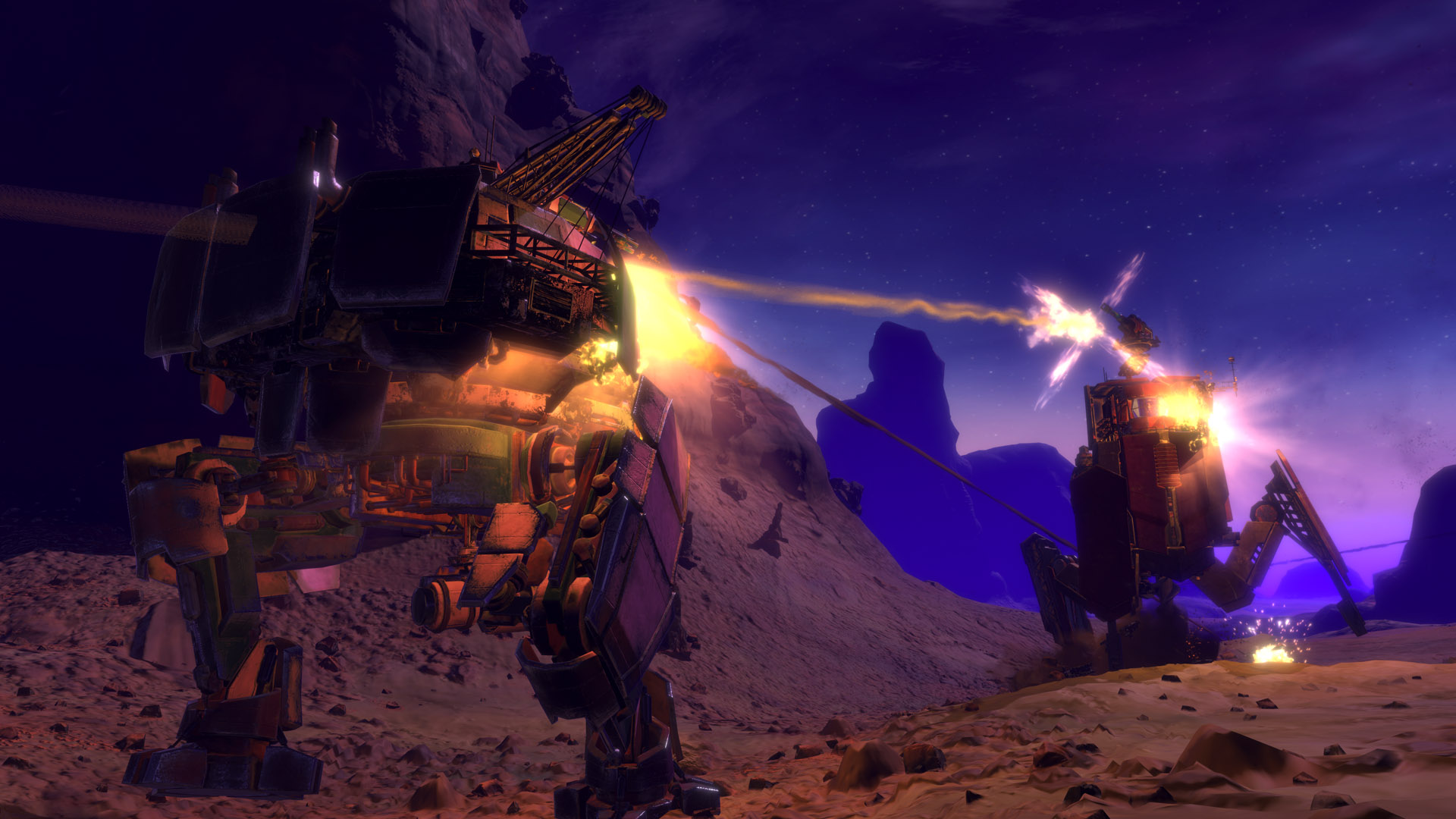
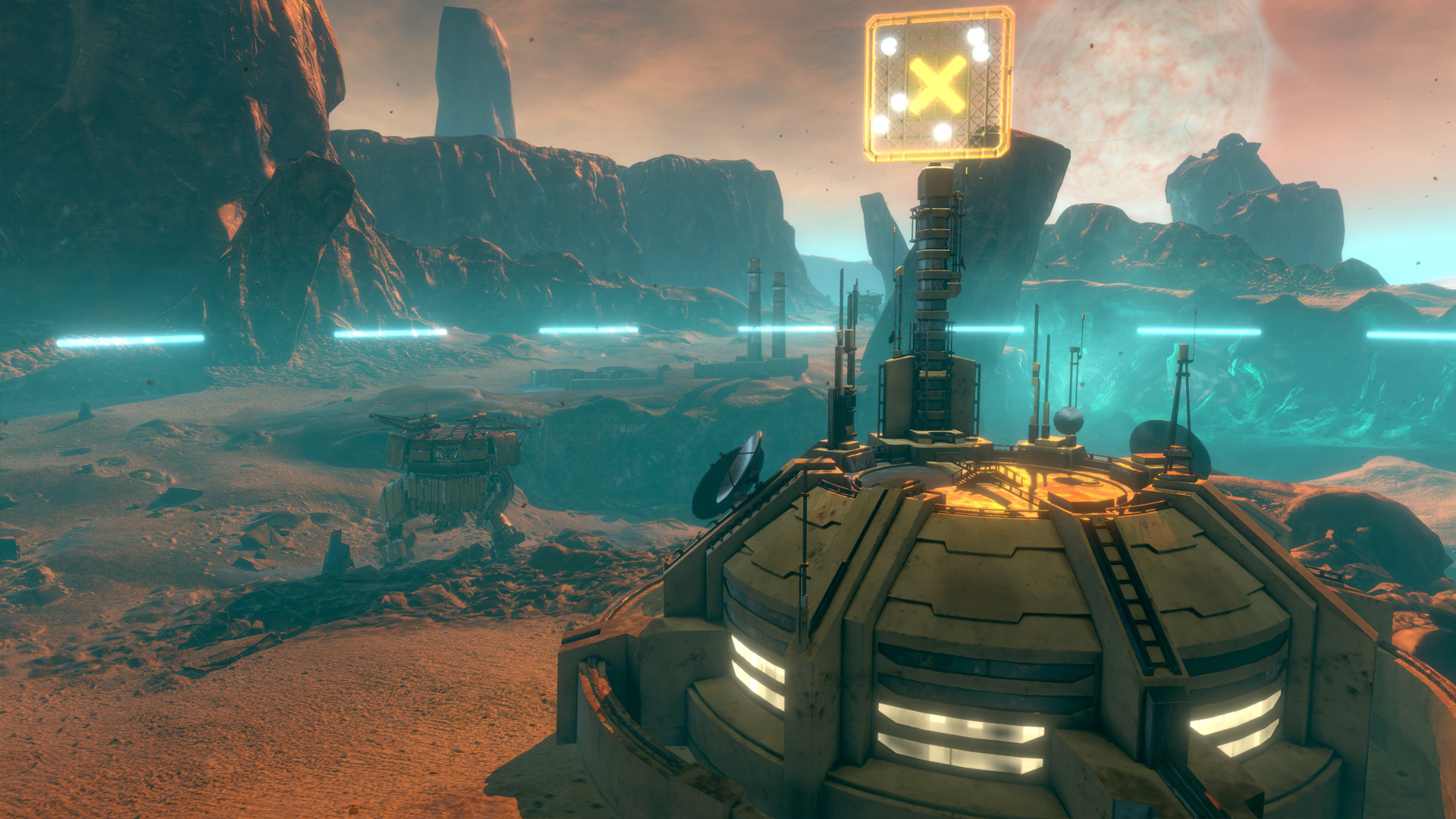
Get an in-depth look at Vox Machinae through various videos and screenshots.




Load More



System requirements
These are the minimum specifications needed to play the game. For the best experience, we recommend that you verify them.
Windows
- Requires a 64-bit processor and operating system
- OS *: Windows 7
- Processor: Quad-Core or Hyperthreading-Enabled Dual-Core CPU
- Memory: 4 GB RAM
- Graphics: GPU with 2GB Memory
- DirectX: Version 11
- Network: Broadband Internet connection
- Storage: 5 GB available space
- VR Support: SteamVR or Oculus PC
- Additional Notes: These are the NON-VR requirements.
Steam Price & Best Deals
User reviews & Ratings
Explore reviews from Steam users sharing their experiences and what they love about the game.
Now this is a VR game. I am on the second mission of the campaign and having a blast. I guess this was originally designed as a multiplayer game, but a solo campaign was added later? Not sure the length. I heard maybe 13 hours I think but I don't know. Either way, the campaign is very well done. But more importantly, the game is just very well done. Characters and story are fun enough to keep you paying attention, and controlling the mech just feels really good. Everything is heavy and clunky just like you want it to be. You feel it when you land from a jump. The cockpit doesn't require a ton of switches to get started like VTOL... you aren't memorizing sequences for lighting off your engines. What you do have is a throttle, turning stick, weapons, heat and fuel readouts, and various panels like your map and objective screens that you can pull out or stow away. Aiming is all vision based, so you look at what you want to shoot. Missiles have arcs of travel, so you need to lead targets, etc. I'm just really impressed with the feel of the mech in this game. I was so immersed that my wife had to let me know how late it was. You know that's a good night! Definitely recommend for the steam frame.
The death of this game is one of the saddest things I've seen. It wasn't originally the most popular game on vr, but I would say that it's one of (if not) the best. This is one of the most innovative games I have played. I'm very glad they added a campaign so those who stuck around could still play this gem of a game. 10/10 I hope that this game comes to the spotlight and shines 1000 times brighter than it ever has.
Vox Machinae is a mech combat simulator that fully embraces the fantasy of piloting gigantic industrial war machines in a way that few modern games manage to achieve. Instead of presenting giant robots as fast-moving arcade weapons, the game focuses on weight, momentum, cockpit interaction, and tactical combat, creating battles that feel grounded and physically believable. Every movement carries a sense of mass, every weapon impact feels heavy, and every fight unfolds with deliberate pacing that emphasizes strategy over reckless action. The result is an immersive science fiction experience that captures the feeling of operating a massive combat machine better than many larger mech franchises. The first thing players notice is how different the mechs feel compared to typical shooter vehicles. These machines are not agile superheroes sprinting across battlefields at impossible speeds. They move like towering industrial engines built for war, requiring careful positioning and deliberate control during combat. Turning, accelerating, and managing momentum all take time, which means poor decisions can leave players vulnerable to devastating attacks. This slower pace creates a level of tension that many faster mech games lack because every action feels important. Battles become more tactical as players learn to use terrain, cover, and positioning to survive against enemy fire. One of the game’s biggest strengths is its cockpit immersion. Inside each mech, players are surrounded by switches, screens, controls, and mechanical systems that make the machines feel like actual vehicles rather than simple character models. In virtual reality, this immersion becomes especially impressive because players physically interact with controls, pull levers, and operate systems using motion controls. Even outside VR, the detailed cockpit design still helps maintain the illusion of piloting a massive war machine. The developers clearly prioritized immersion over simplicity, and that commitment gives the game a unique identity within the mech genre. Combat itself feels satisfying because of the sheer force behind every encounter. Weapons produce explosive impacts, armor crumbles under sustained fire, and destroyed mechs collapse with a heavy mechanical presence that reinforces the scale of the battles. Projectile-based combat requires players to think carefully about distance, movement, and timing rather than simply relying on instant-hit weapons. Every shot matters, especially during longer engagements where positioning and resource management can determine survival. The slower combat pace also encourages teamwork and coordination, making victories feel earned rather than chaotic. The variety of available grinders, the game’s term for its combat mechs, adds strategic depth to multiplayer battles. Some machines focus on heavy armor and devastating firepower, while others prioritize mobility, scouting, or support roles. Each grinder feels distinct in both movement and combat style, encouraging players to experiment with different loadouts and strategies. Customization options further expand tactical possibilities by allowing players to adjust weapon configurations and equipment based on personal playstyle. Finding the right combination of mobility, armor, and firepower becomes a rewarding part of the experience. Multiplayer is where Vox Machinae truly shines. Team-based battles create intense moments as giant machines clash across harsh industrial landscapes, deserts, and mining facilities. Communication and coordination are essential because isolated players are often quickly overwhelmed by organized enemy teams. Capturing objectives, defending allies, and maintaining battlefield positioning all play major roles in determining victory. The slower pace compared to traditional shooters actually strengthens the multiplayer experience because players have time to coordinate strategies instead of relying purely on reflexes. The inclusion of AI-controlled bots and offline content is another important feature that helps the game remain accessible. Players can practice mechanics, experiment with different grinders, or enjoy large-scale battles even when online populations fluctuate. This flexibility is especially valuable for a niche multiplayer game because it prevents the experience from becoming completely dependent on matchmaking availability. Visually, the game creates a convincing industrial science fiction atmosphere filled with rugged environments and practical mech designs. The world feels harsh and utilitarian, dominated by mining facilities, rocky wastelands, and mechanical infrastructure that support the game’s grounded tone. The grinders themselves are detailed and functional-looking rather than overly stylized, reinforcing the feeling that these are massive industrial war machines built for combat rather than flashy science fiction toys. Explosions, environmental effects, and battlefield destruction all contribute to the immersive presentation. Sound design is another standout element. Every movement produces heavy metallic groans and hydraulic noises that constantly remind players of the enormous scale of their machines. Weapons thunder with tremendous force, while alarms, radio chatter, and cockpit warnings create an atmosphere of mechanical tension during combat. Combined with the slower pacing and immersive visuals, the audio design helps every battle feel dangerous and intense. Despite its strengths, Vox Machinae is not a game designed for everyone. Players expecting fast arcade-style mech action may initially struggle with the slower movement and simulation-heavy controls. Learning to operate the grinders effectively takes patience, particularly in VR where players must manage multiple cockpit interactions while fighting. The deliberate pacing can feel intimidating during the early hours before the mechanics fully click. The gameplay loop can also become repetitive over long sessions. Most matches revolve around similar objective-based combat scenarios, and while the mech variety helps maintain interest, the core structure remains fairly consistent throughout the experience. Multiplayer population fluctuations may occasionally impact matchmaking as well, though the inclusion of bots helps reduce this issue significantly. However, the game’s focused design philosophy ultimately works in its favor. Vox Machinae never attempts to simplify itself into a generic shooter with mech skins. Instead, it fully commits to delivering an immersive mechanized warfare simulator where weight, momentum, and tactical positioning define every encounter. That dedication gives the game a level of authenticity rarely seen in modern mech combat titles. What truly makes Vox Machinae memorable is how convincing the mech piloting feels. Every cockpit interaction, weapon impact, and movement reinforces the sensation of controlling an enormous machine built for industrial warfare. The game consistently prioritizes immersion, and that focus allows battles to feel cinematic without relying on exaggerated speed or unrealistic action. Vox Machinae stands as one of the strongest modern mech simulators available, especially for players who value immersion and tactical gameplay over arcade simplicity. Its combination of detailed cockpit mechanics, satisfying heavy combat, strong sound design, and strategic multiplayer battles creates a unique experience that captures the fantasy of giant mech warfare remarkably well. While the slower pacing and niche appeal may not attract every player, fans of immersive science fiction combat will find an incredibly rewarding experience hidden within its industrial battlefield chaos. Rating: 8/10
Similar games
View all

GERONIMO
GERONIMO is an immersive, tactical CQB shooter built for Virtual Reality that depicts a modern-day world in which Tier 1 operators are called to implement unconventional operations as members of elite teams. Breaching, in-depth character and weapon customization and more! "Who Dares, Wins"


Battlezone Gold Edition
Strap into the cockpit of the Cobra – the most powerful tank ever built – and experience first-person tank combat across neon-scarred sci-fi landscapes in an explosive campaign for 1-4 players – now playable with or without a VR device!

Titanfall 2
Respawn Entertainment gives you the most advanced titan technology in its new, single player campaign & multiplayer experience. Combine & conquer with new titans & pilots, deadlier weapons, & customization and progression systems that help you and your titan flow as one unstoppable killing force.
Granvir
Granvir is a 3rd person action roguelite mech-builder with co-op multiplayer. Scavenge the battlefield for parts to replace and upgrade your Granvir and weaponry. PIlot your Granvir and manage your campaign between battles to find the best equipment and stay supplied while fighting a guerilla war.

War Robots VR: The Skirmish
War Robots VR: The Skirmish is a short, but highly immersive teaser-shooter for Oculus Rift and HTC Vive set in the universe of the War Robots franchise.

MechWarrior Online Legends
MechWarrior Online™ Legends is a tactical, 'Mech-based online shooter set in the vast BattleTech Universe. Assume the role of an elite MechWarrior, piloting powerful BattleMechs, fighting for supremacy over the Inner Sphere.

Guardians Frontline
Guardians Frontline is a sci-fi VR shooter that makes you a soldier and a commander. Fight off enemies and build bases in a single-player and co-op campaign, plus PvP game modes with full cross-play support.


War Dust VR: 32v32 Battlefields
Join the fight in War Dust VR, the ultimate FPS shooter with immersive VR gameplay. Dominate expansive battlefields with diverse vehicles, exciting mechanics, and strategic control points. Join your team and become a champion of this multiplayer war today!

Contractors
Contractors is a team-based competitive multiplayer shooter game for virtual reality devices. Experience the next level virtual warfare with hardcore controls, lethal weapons, customizable load-outs, and intense firefights. BECOME AN OPERATOR.
Frequently Asked Questions
Vox Machinae is currently priced at 24.99€ on Steam.
No, Vox Machinae is currently not on sale. You can purchase it for 24.99€ on Steam.
Yes, Vox Machinae received 1,092 positive votes out of a total of 1,232 achieving a rating of 8.41.
😎
Vox Machinae was developed and published by Space Bullet Dynamics Corporation.
Yes, Vox Machinae is playable and fully supported on Windows.
No, Vox Machinae is not playable on MacOS.
No, Vox Machinae is not playable on Linux.
Yes, Vox Machinae is playable and fully supported on Steam Deck.
Yes, Vox Machinae is playable and fully supported on Steam Machine.
Yes, Vox Machinae supports VR. You can play it using a compatible VR headset.
Vox Machinae offers both single-player and multi-player modes.
Vox Machinae offers both Co-op and PvP modes.
Yes, there is a DLC available for Vox Machinae. Explore additional content available for Vox Machinae on Steam.
No, Vox Machinae does not support mods via Steam Workshop.
No, Vox Machinae does not support Steam Remote Play.
Yes, Vox Machinae is enabled for Steam Family Sharing. This means you can share the game with authorized users from your Steam Library, allowing them to play it on their own accounts. For more details on how the feature works, you can read the original Steam Family Sharing announcement or visit the Steam Family Sharing user guide and FAQ page.
You can find solutions or submit a support ticket by visiting the Steam Support page for Vox Machinae.
Data sources
The information presented on this page is sourced from reliable APIs to ensure accuracy and relevance. We utilize the Steam API to gather data on game details, including titles, descriptions, prices, and user reviews. This allows us to provide you with the most up-to-date information directly from the Steam platform.
Additionally, we incorporate data from the SteamSpy API, which offers insights into game sales and player statistics. This helps us present a comprehensive view of each game's popularity and performance within the gaming community.
Last Updates| Steam data | 16 September 2026 04:02 UTC |
|---|---|
| SteamSpy data | 15 October 2026 19:16 UTC |
| Steam price | 26 October 2026 20:11 UTC |
| Steam reviews | 18 October 2026 09:59 UTC |
If you'd like to dive deeper into the details about Vox Machinae, we invite you to check out a few dedicated websites that offer extensive information and insights. These platforms provide valuable data, analysis, and user-generated reports to enhance your understanding of the game and its performance.
- SteamDB - A comprehensive database of everything on Steam about Vox Machinae
- SteamCharts - Analysis of Vox Machinae concurrent players on Steam
- ProtonDB - Crowdsourced reports on Linux and Steam Deck Vox Machinae compatibility

Game modes
Multiplayer
Features
Online players
1
Developer
Space Bullet Dynamics Corporation
Publisher
Space Bullet Dynamics Corporation
Release
13 May 2022
Platforms
Clicking and buying through these links helps us earn a commission to maintain our services.