
The Last Spell
Defend the last bastion of humanity with your squad of heroes! Exterminate fiendish monsters with magic and brute force by night and re-build your battered city defenses by day in this tactical RPG with rogue-lite mechanics.
Sync your Steam wishlist to find the lowest game prices instantly. No login required, just paste your Steam profile URL!
⚡ Try Wishlist Radar!
Sync your Steam wishlist to find the lowest game prices instantly. No login required!
⚡ Try Wishlist Radar!
Close

Warbanners on Steam
Quick menu
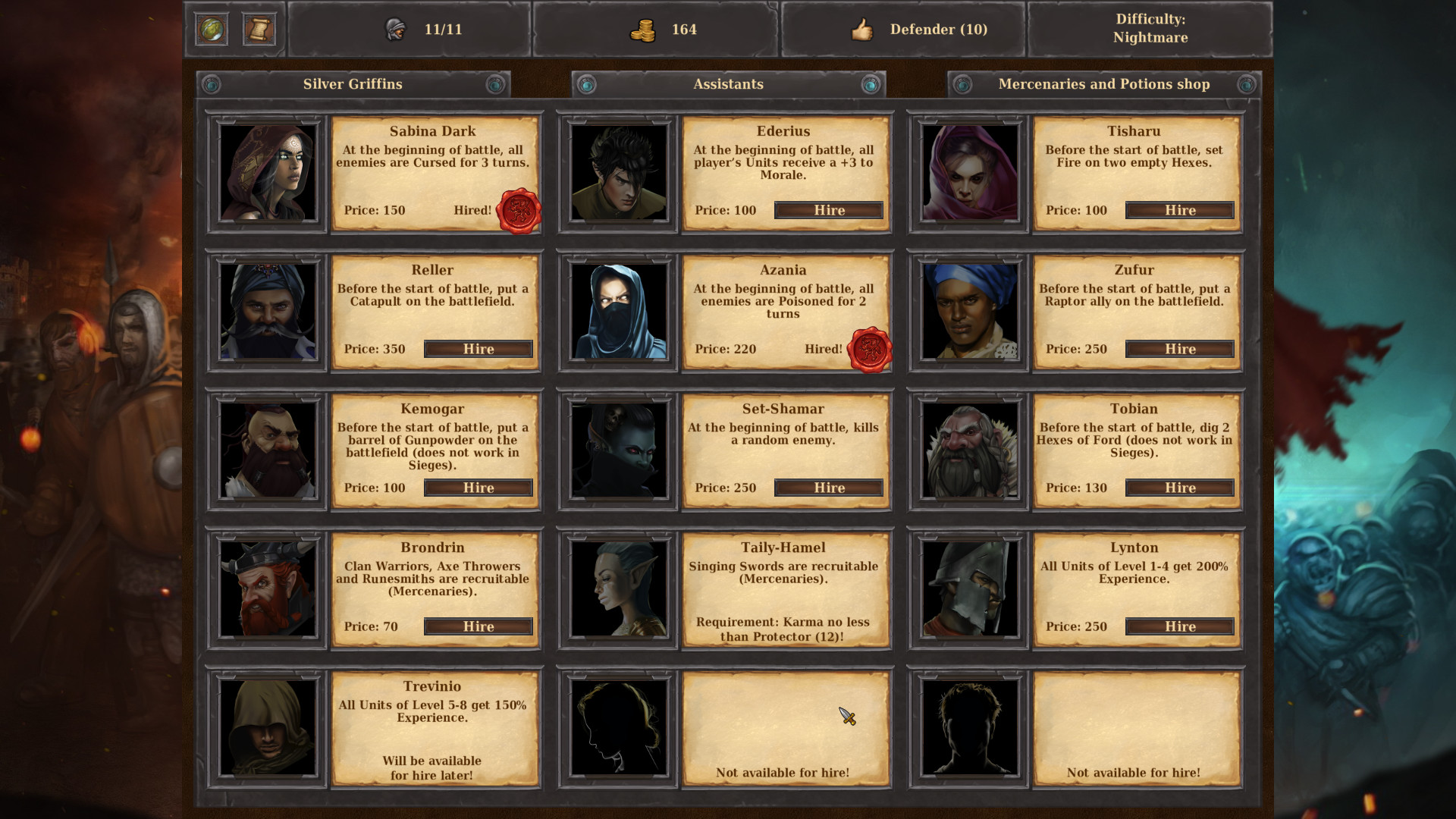
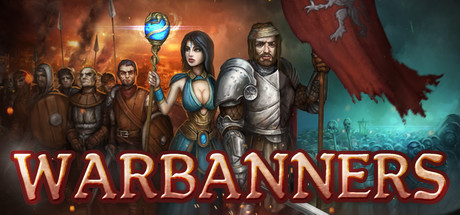
Warbanners: the turn-based, tactical strategy game with role-playing elements that lets you manage a squad of mercenaries, and survive 42 campaign missions. Your goal? To earn a place among ancient legends!
Warbanners is a turn-based tactics, turn-based combat and tactical rpg game
developed and published by Crasleen Games.
Released on October 18th 2017 is available on Windows and Linux
in 10 languages: English, Russian, Ukrainian, German, Portuguese - Portugal, Polish, Simplified Chinese, Turkish, Spanish - Spain and French.
It has received 567 reviews of which 397 were positive and 170 were negative resulting in a rating of 6.7 out of 10. 😐
The game is currently priced at 19.99€ on Steam.
The Steam community has classified Warbanners into these genres:
Turn-Based Tactics
Turn-Based Combat
Tactical RPG
Turn-Based
Turn-Based Strategy
2D
Strategy
Strategy RPG
Tactical
Fantasy
RPG
Singleplayer
Replay Value
Difficult
Atmospheric
Medieval
Indie
Dark Fantasy
Story Rich
Adventure
Here is the detailed breakdown of supported languages for Warbanners:
| UI | Subtitle | Audio | |
|---|---|---|---|
| English | |||
| German | |||
| French | |||
| Spanish - Spain | |||
| Simplified Chinese | |||
| Russian | |||
| Portuguese - Portugal | |||
| Polish | |||
| Turkish | |||
| Ukrainian |
Media & Screenshots
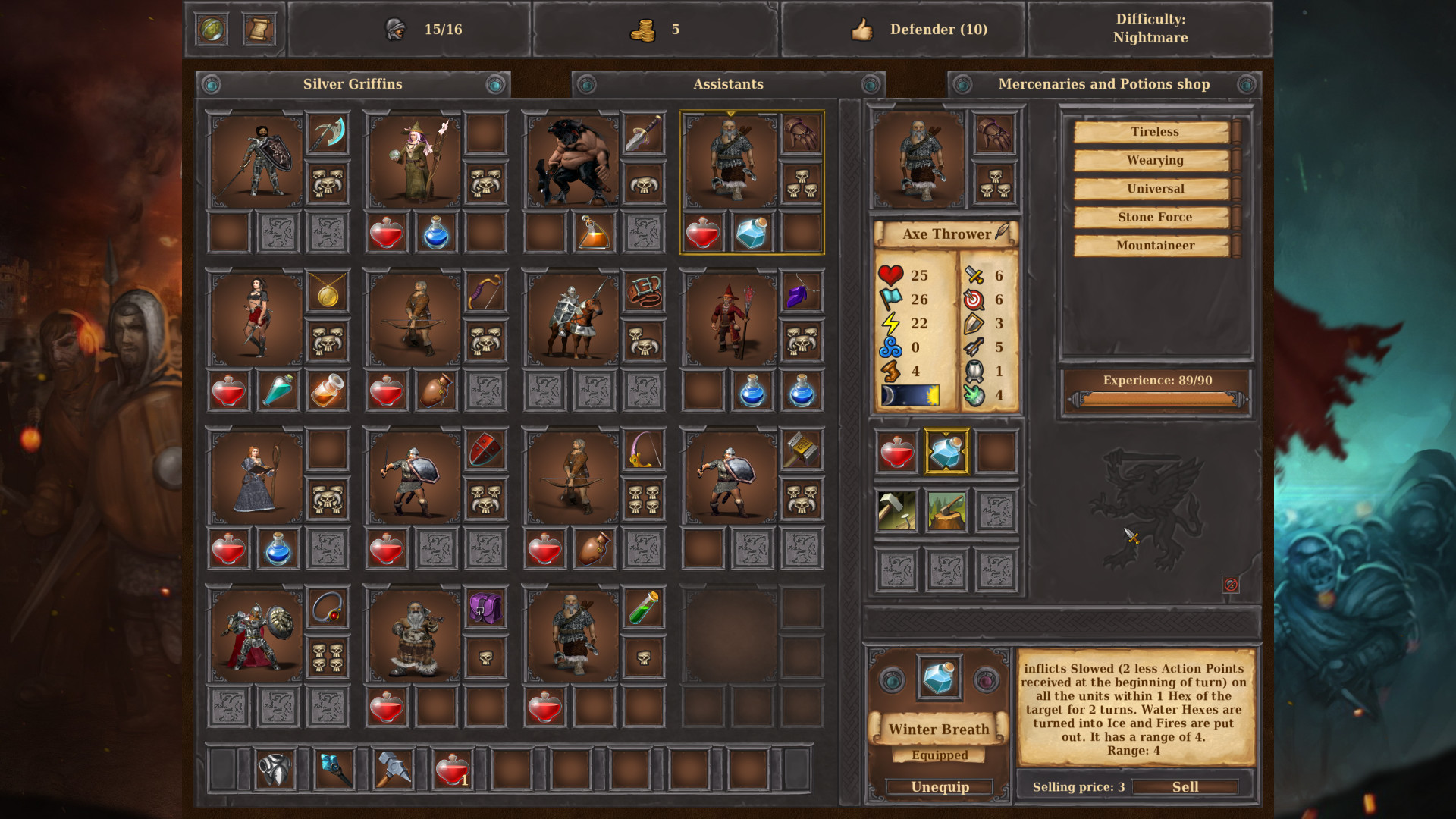
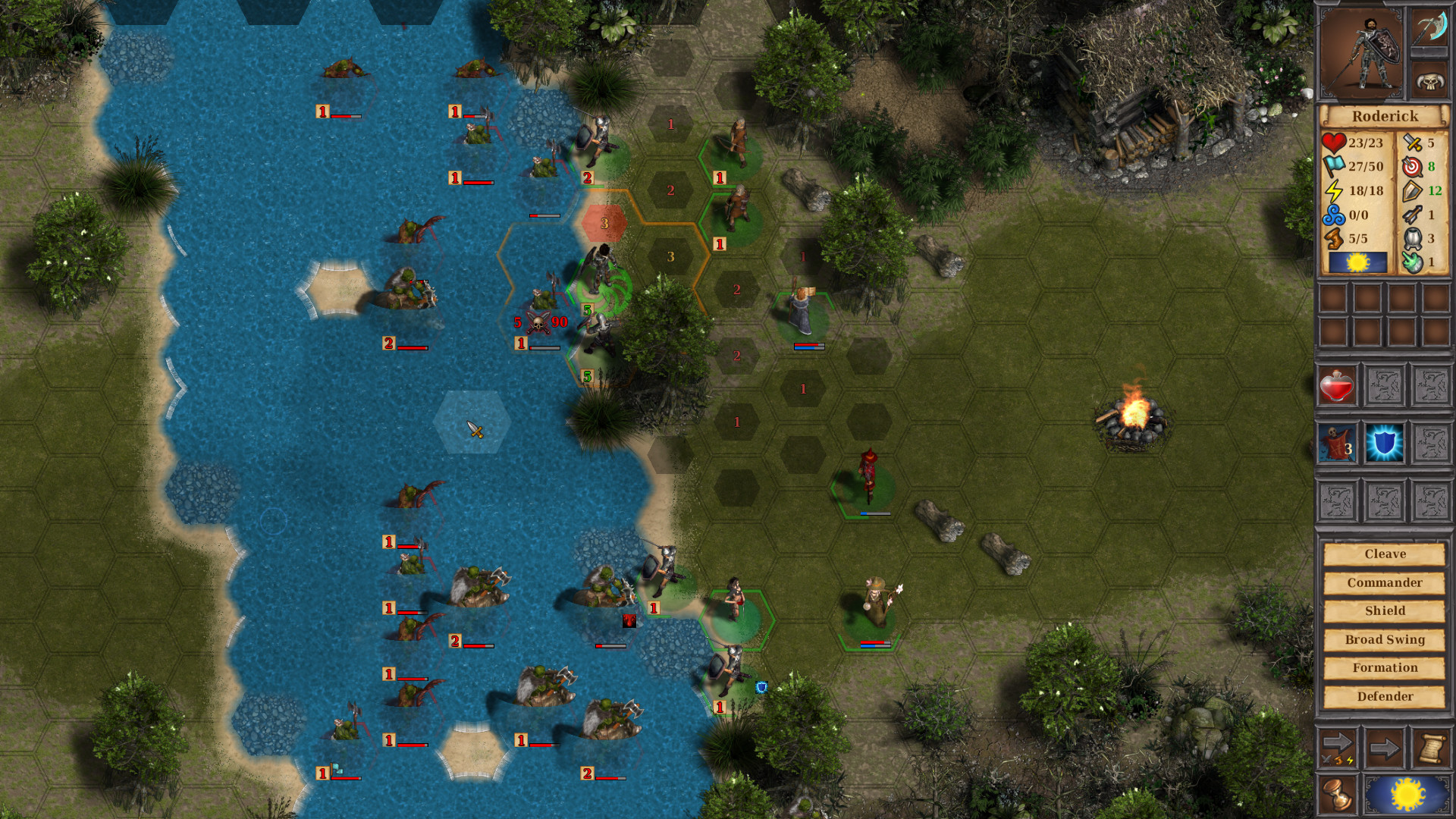
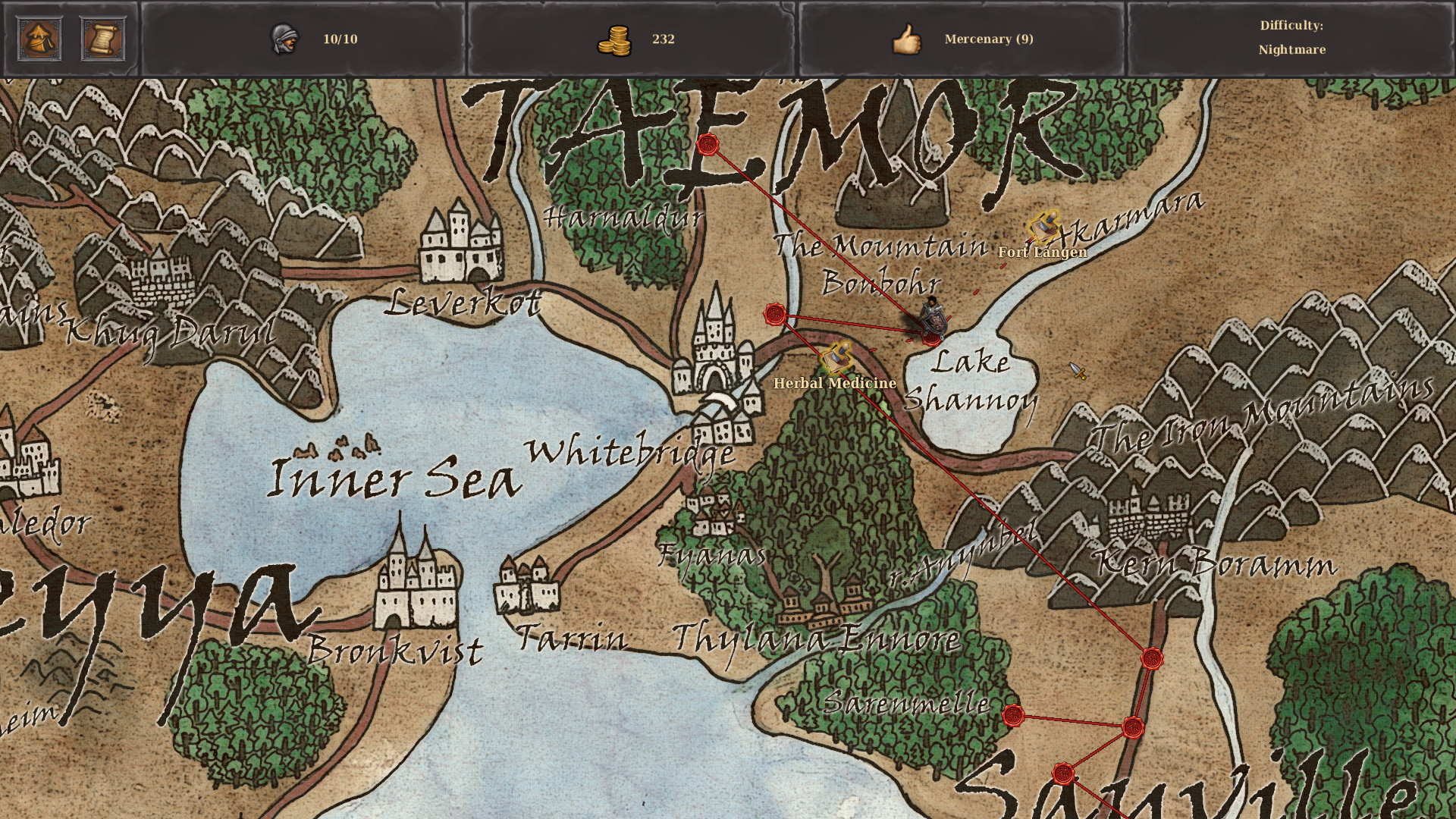
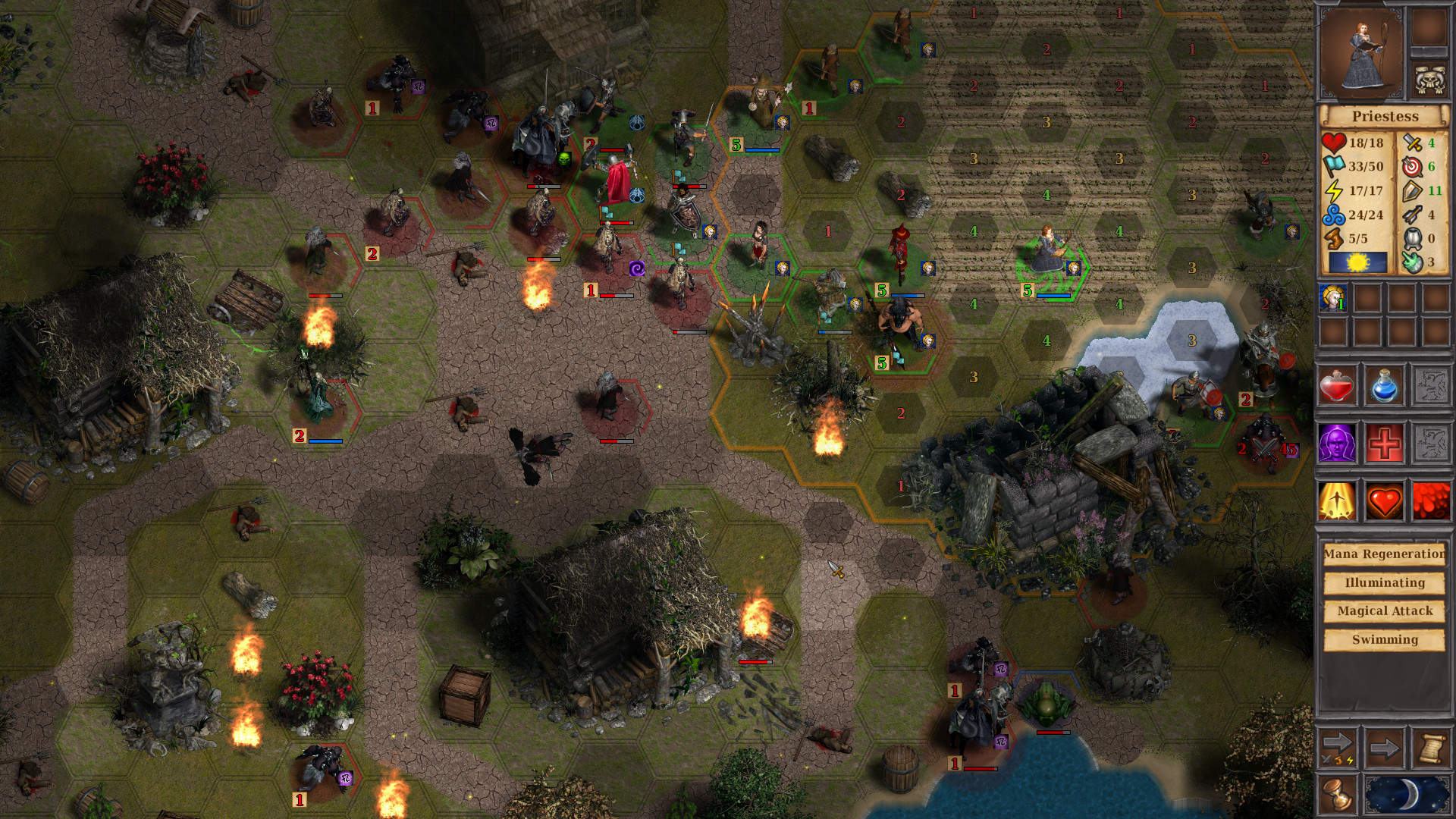
Get an in-depth look at Warbanners through various videos and screenshots.
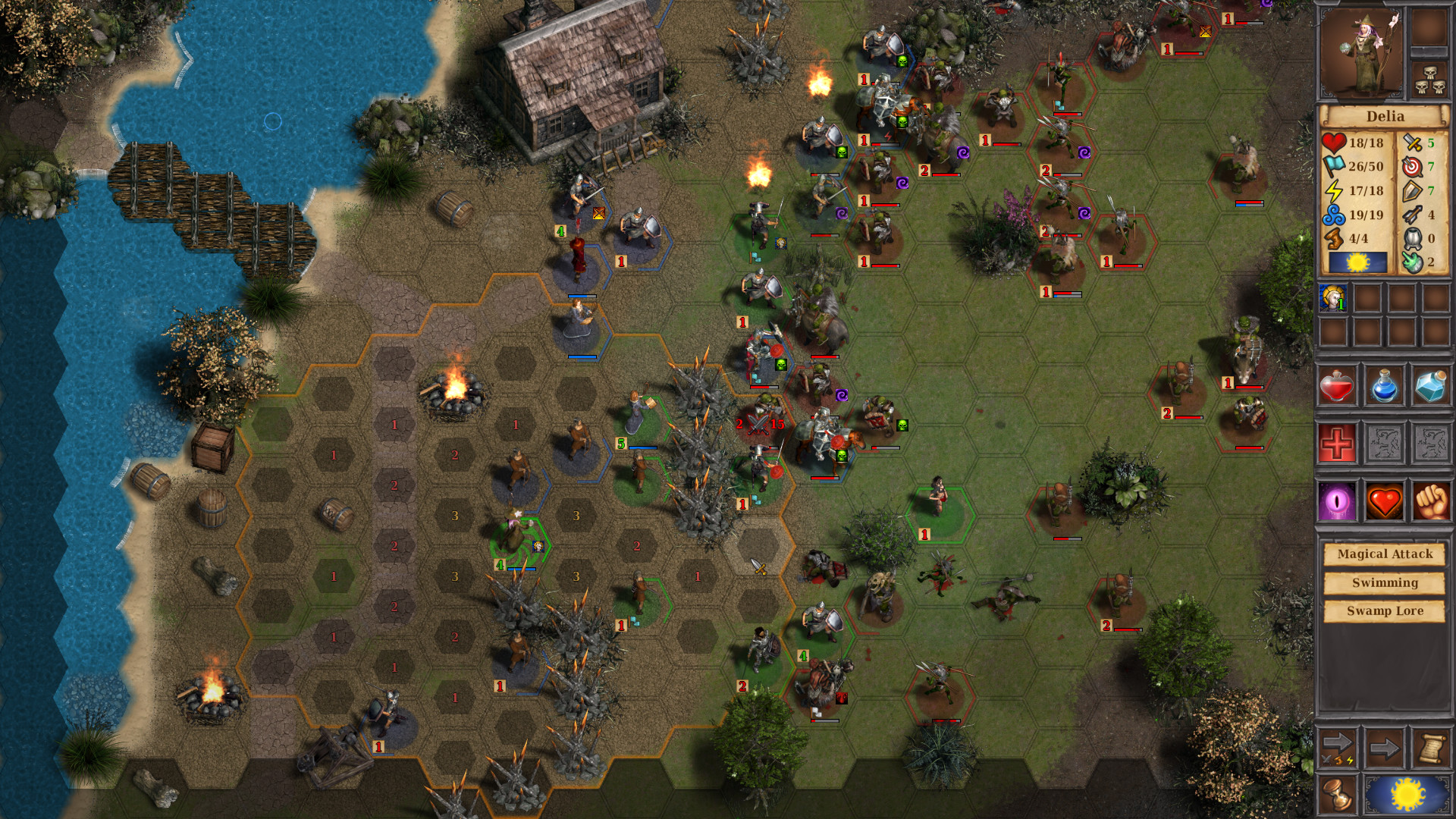
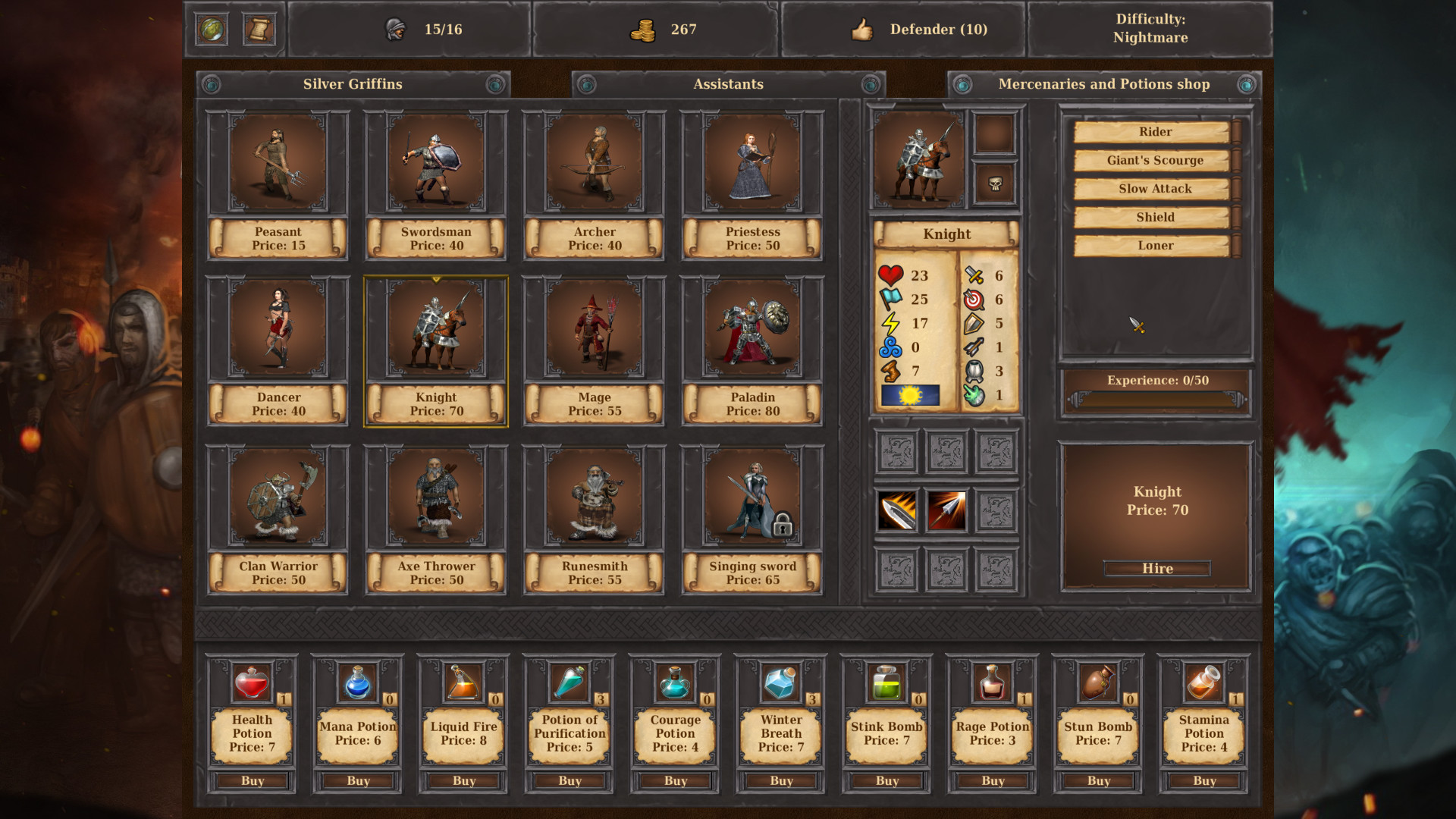
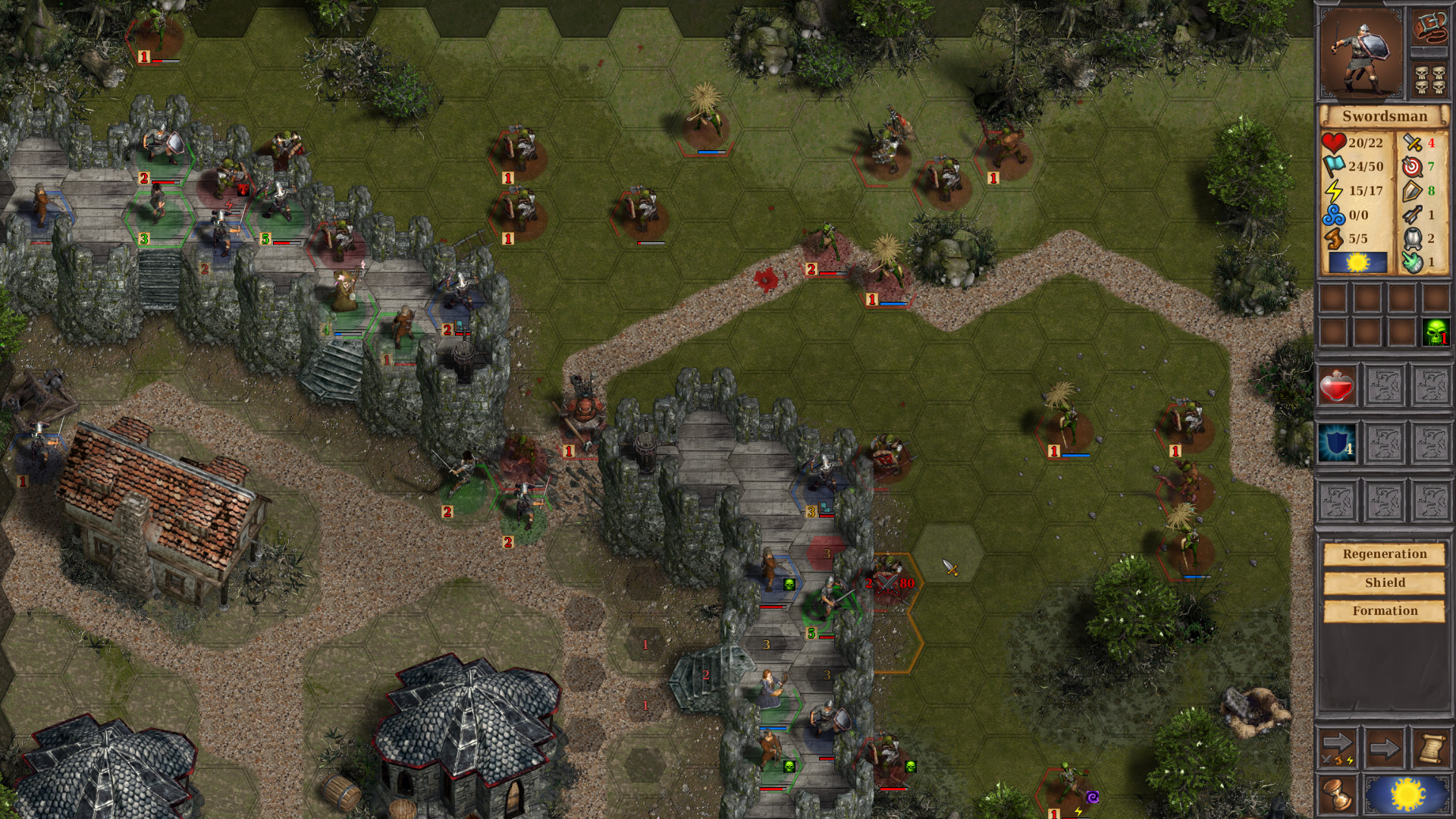
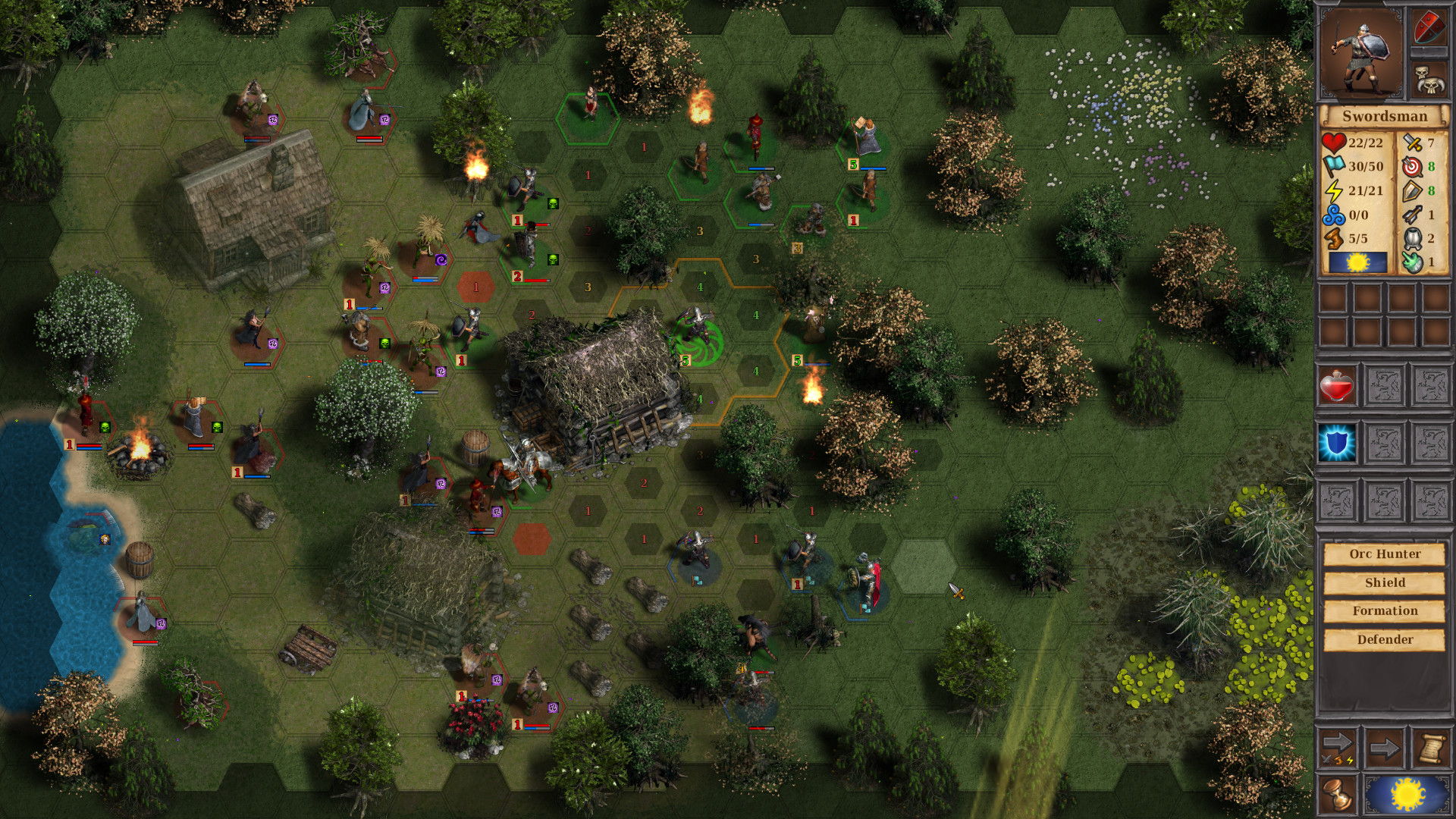
Load More
System requirements
These are the minimum specifications needed to play the game. For the best experience, we recommend that you verify them.
Windows
- OS *: Windows XP or newer
- Processor: 2GHz
- Memory: 512 MB RAM
- Graphics: 512 Mb
- Storage: 250 MB available space
Linux
- OS: All distributions
- Processor: 2GHz
- Graphics: 512 Mb
- Storage: 250 MB available space
Steam Price & Best Deals
User reviews & Ratings
Explore reviews from Steam users sharing their experiences and what they love about the game.
I have known about this game for quite some years now, and was stopped from trying it due to the dated graphics and general clunckyness. How wrong I was! Yes, it is rough around the edges both in terms of visuals, and in terms of UI/UX, but it has this unmistakable feel of classic turn-based tactics and strategies such as Eador and Battle for Wesnoth. I'm definitely gonna 100% this game. 6,75/10, recommend. Looking forward for more games from this team.
Kind of impossible to recommend for $20 when Wesnoth is free, but there is a kind of janky tabletop skirmish game charm here. All of the rules are pretty simple but there's enough of them that the game simulates lots of little things. Lighting can matter. Movement type can matter. Consumables are important. Every creature on the board feels like it could be represented with a pewter model and has some juicy keywords in its statblock. Honestly, I'm in a weird position where if you handed me this as a book, I'd be arguing that it was $20 easy. But as a video game, it feels like it might be more reasonably priced at $5. I think I'd recommend Warbanners to folks who'd play a solo tabletop skirmish game. It is 100% in that wheelhouse. For folks looking for a Fire Emblem or a deeply polished srpg, this absolutely isn't that. Go in expecting a bit of eastern europe, a bit of character sheets and basements, and you'll have a decent time.
Warbanners is a tactical fantasy RPG that focuses heavily on difficult turn-based combat, mercenary management, and careful long-term planning. It clearly draws inspiration from older strategy games that prioritized challenging battles and meaningful resource management over cinematic storytelling or modern accessibility. Instead of overwhelming players with flashy presentation, the game concentrates almost entirely on building a mercenary company, surviving brutal encounters, and gradually developing a squad capable of handling increasingly dangerous missions. While the game suffers from rough visuals, harsh balancing, and some outdated design choices, it still manages to provide a surprisingly deep and rewarding tactical experience for players who enjoy unforgiving strategy games. The story follows the Silver Griffins, a mercenary company led by Roderick, as they become involved in a larger conflict filled with political tension, undead threats, betrayals, and war between kingdoms. The narrative itself is fairly traditional fantasy material involving mercenaries caught in dangerous events far larger than themselves, but it works well enough as a framework for the tactical gameplay. The darker tone fits the brutal combat design, and while the writing may not be especially groundbreaking, the world still feels dangerous and unstable throughout the campaign. Much of the storytelling is delivered through dialogue and mission briefings rather than elaborate cutscenes, which gives the game an old-school strategy RPG atmosphere. The core gameplay revolves around turn-based tactical battles fought across grid-based maps where positioning, terrain, and squad composition are absolutely critical. Every fight feels dangerous because enemies can punish even small mistakes very quickly. Unlike more forgiving tactical RPGs where players can overpower opponents through grinding, Warbanners constantly forces careful planning and disciplined positioning. Frontline units must protect vulnerable ranged fighters, healers need to stay alive under pressure, and special abilities often determine whether a battle turns into a victory or complete disaster. The combat system rewards patience and tactical thinking much more than aggressive experimentation. One of the strongest parts of the game is the mercenary management system. Players recruit characters from different races and classes, each offering unique abilities and combat roles. Humans, dwarves, elves, mages, archers, and heavily armored warriors all contribute differently during battles, and building a balanced squad becomes extremely important later in the campaign. Some units specialize in defensive formations and protecting allies, while others focus on mobility, ranged damage, or support abilities. Discovering strong synergies between different classes becomes one of the most satisfying aspects of the experience because successful teams often rely heavily on cooperation between units. Character progression also feels rewarding throughout the campaign. Units gain experience, unlock stronger abilities, and improve their overall combat performance over time. Equipment upgrades provide additional customization and can dramatically affect how characters function on the battlefield. Some gear grants entirely new tactical options instead of simply improving statistics, encouraging players to experiment with different builds and squad compositions. Over time, players naturally become attached to veteran soldiers who survive difficult encounters and gradually evolve into the backbone of the mercenary company. The game’s difficulty is one of its defining features. Battles often feel tense from beginning to end because resources are limited and enemies can quickly overwhelm poorly positioned squads. Morale systems, terrain advantages, consumable management, and careful movement all play major roles during combat. Victories rarely feel accidental because success usually requires thoughtful preparation and smart decision-making several turns ahead. For players who enjoy highly tactical combat where every move matters, Warbanners can become extremely satisfying. Mission variety also helps maintain engagement. While combat remains the primary focus throughout the campaign, different objectives and battlefield conditions prevent encounters from becoming completely repetitive. Some missions revolve around defending key positions, escorting vulnerable allies, surviving against overwhelming odds, or defeating powerful enemy commanders under difficult circumstances. Environmental hazards and changing enemy formations constantly force players to adapt their strategies instead of relying on the exact same tactics every battle. However, the game is far from polished. The visuals are one of its weakest areas, with outdated character models, stiff animations, and environments that occasionally become difficult to read during larger fights. Certain battlefields lack visual clarity, making it harder than necessary to track units and terrain advantages. While the art style has some charm, the overall presentation feels noticeably low-budget compared to stronger tactical RPGs in the genre. Balancing can also become frustrating at times. The game’s challenge occasionally shifts from rewarding difficulty into outright punishment, especially during later missions where enemy numbers and positioning can feel overwhelming. Losing important units carries severe long-term consequences, and recovering from major mistakes can become extremely difficult. Some encounters feel designed more around punishing the player than creating fair tactical scenarios, which may discourage less patient players. The campaign structure is also fairly linear. While squad-building choices provide some variation between playthroughs, the overall progression path remains mostly fixed. Players hoping for a more open-ended mercenary sandbox experience similar to games like Battle Brothers may find the structure somewhat restrictive. Certain progression systems also lack depth over time, particularly once stronger equipment and preferred strategies begin dominating the gameplay loop. Despite these flaws, Warbanners succeeds because the tactical combat itself remains genuinely engaging. Beneath the rough presentation lies a strategy game clearly built by developers who understand how to create meaningful turn-based encounters. Every battle demands concentration, resource management, and thoughtful positioning in ways that many modern tactical RPGs simplify or avoid entirely. For fans of difficult fantasy strategy games and old-school tactical RPGs, Warbanners offers a rewarding experience filled with tense combat and satisfying squad management. It can feel harsh, visually outdated, and occasionally unfair, but players willing to embrace its rough edges may discover a surprisingly deep tactical RPG hidden beneath its low-budget presentation. Rating: 7/10
Similar games
View all

Legends of Kingdom Rush
RPG turn-based combat game with deep tactics and bad jokes! Do you have what it takes to save the kingdom?

Age of Fear: The Undead King
Play as either Sir Edward, a noble Knight defending the Human Kingdom, or Krill, a wicked Necromancer with an unearthly lust for power! The Age of Fear series is a deep and complex turn-based strategy (full of humour!) that fuses a tabletop wargame with RPG elements.

Jagged Alliance 3
The country of Grand Chien is thrown into chaos when the elected president goes missing and the paramilitary force known as “the Legion” seizes control. Hire mercs, meet interesting characters, and fight in tactically deep turn-based combat in this true successor to a beloved franchise.
Fell Seal: Arbiter's Mark
Fell Seal: Arbiter's Mark is a turn-based tactical RPG with a focus on storytelling and strategic battles. Unfold a mature story as you progress through hand-crafted scenarios, controlling your own group of Arbiters, with each character customizable from a wide selection of classes and abilities!

Anomaly Collapse
Command a squad of adorably fierce warriors in Anomaly Collapse, a turn-based Roguelite strategy game that offers a fresh twist to an old formula! Face off against otherworldly beings and uncover the dark secrets of supernatural calamities. Immerse yourself in a story where every move counts!

Fuga: Melodies of Steel 2
The sequel to the captivating tale of Fuga: Melodies of Steel has arrived! This turn-based RPG is back with a ramped up battle system for more strategy, as well as a brand new event system that gives you more thrilling choices to affect your experience!

Fuga: Melodies of Steel
Fuga: Melodies of Steel is an RPG where you place children, each with their own unique characteristics and skills, at different gun turrets in a tank to fight against the enemy.
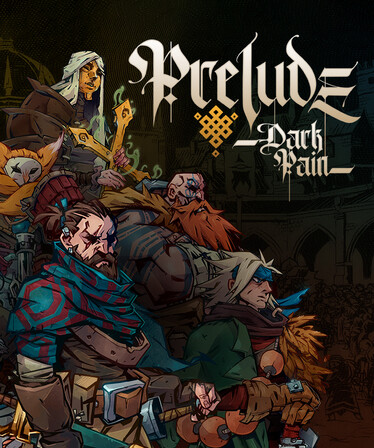
Prelude Dark Pain
Prelude Dark Pain is a Tactical RPG set in a dark fantasy world. Assume the role of a local blacksmith named Soren, lead an uprising against the Order of the Ashen Crusade and save a world ravaged by war.
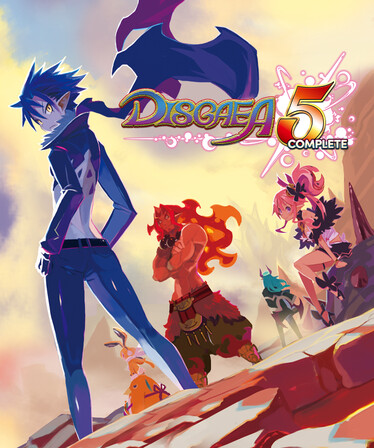
Disgaea 5 Complete
The nefarious Overlord Void Dark seeks to enslave countless Netherworlds...and only the young demon Killia can stop him! Assemble your tenacious army of rebels and unleash vengeance in this hell-raising adventure! The stakes are high, the damage cap is higher, and the destruction is limitless!
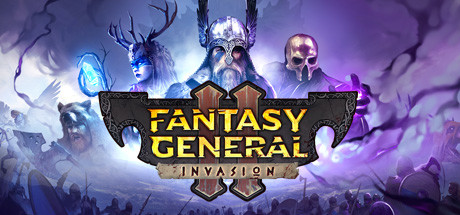
Fantasy General II
The fantasy wargaming classic is back! Lead powerful heroes and mighty armies into battle in this critically acclaimed turn-based strategy milestone. Level up and train your units and guide them through a gripping story campaign to decide the fate of a world on the brink of destruction.
Frequently Asked Questions
Warbanners is currently priced at 19.99€ on Steam.
No, Warbanners is currently not on sale. You can purchase it for 19.99€ on Steam.
Yes, Warbanners received 397 positive votes out of a total of 567 achieving a rating of 6.71.
😐
Warbanners was developed and published by Crasleen Games.
Yes, Warbanners is playable and fully supported on Windows.
No, Warbanners is not playable on MacOS.
Yes, Warbanners is playable and fully supported on Linux.
No, Warbanners is not playable on Steam Deck.
No, Warbanners is not playable on Steam Machine.
No, Warbanners does not support VR.
Warbanners is a single-player game.
Yes, there is a DLC available for Warbanners. Explore additional content available for Warbanners on Steam.
No, Warbanners does not support mods via Steam Workshop.
No, Warbanners does not support Steam Remote Play.
Yes, Warbanners is enabled for Steam Family Sharing. This means you can share the game with authorized users from your Steam Library, allowing them to play it on their own accounts. For more details on how the feature works, you can read the original Steam Family Sharing announcement or visit the Steam Family Sharing user guide and FAQ page.
You can find solutions or submit a support ticket by visiting the Steam Support page for Warbanners.
Data sources
The information presented on this page is sourced from reliable APIs to ensure accuracy and relevance. We utilize the Steam API to gather data on game details, including titles, descriptions, prices, and user reviews. This allows us to provide you with the most up-to-date information directly from the Steam platform.
Additionally, we incorporate data from the SteamSpy API, which offers insights into game sales and player statistics. This helps us present a comprehensive view of each game's popularity and performance within the gaming community.
Last Updates| Steam data | 08 October 2026 17:03 UTC |
|---|---|
| SteamSpy data | 23 October 2026 14:37 UTC |
| Steam price | 27 October 2026 03:59 UTC |
| Steam reviews | 20 October 2026 17:56 UTC |
If you'd like to dive deeper into the details about Warbanners, we invite you to check out a few dedicated websites that offer extensive information and insights. These platforms provide valuable data, analysis, and user-generated reports to enhance your understanding of the game and its performance.
- SteamDB - A comprehensive database of everything on Steam about Warbanners
- SteamCharts - Analysis of Warbanners concurrent players on Steam
- ProtonDB - Crowdsourced reports on Linux and Steam Deck Warbanners compatibility
Game modes
Features
Online players
0
Developer
Crasleen Games
Publisher
Crasleen Games
Release
18 Oct 2017
Platforms