
Cowboy Life Simulator
“Cowboy Life Simulator” is an immersive and relaxing ranching sim where you step into the boots of a failed businessman starting fresh on the frontier. Buy your first goat, meet the locals, explore vibrant lands, and build your dream ranch in a world full of stories and adventure!
Sync your Steam wishlist to find the lowest game prices instantly. No login required, just paste your Steam profile URL!
⚡ Try Wishlist Radar!
Sync your Steam wishlist to find the lowest game prices instantly. No login required!
⚡ Try Wishlist Radar!
Close

Wild Indigo Ranch on Steam
Quick menu
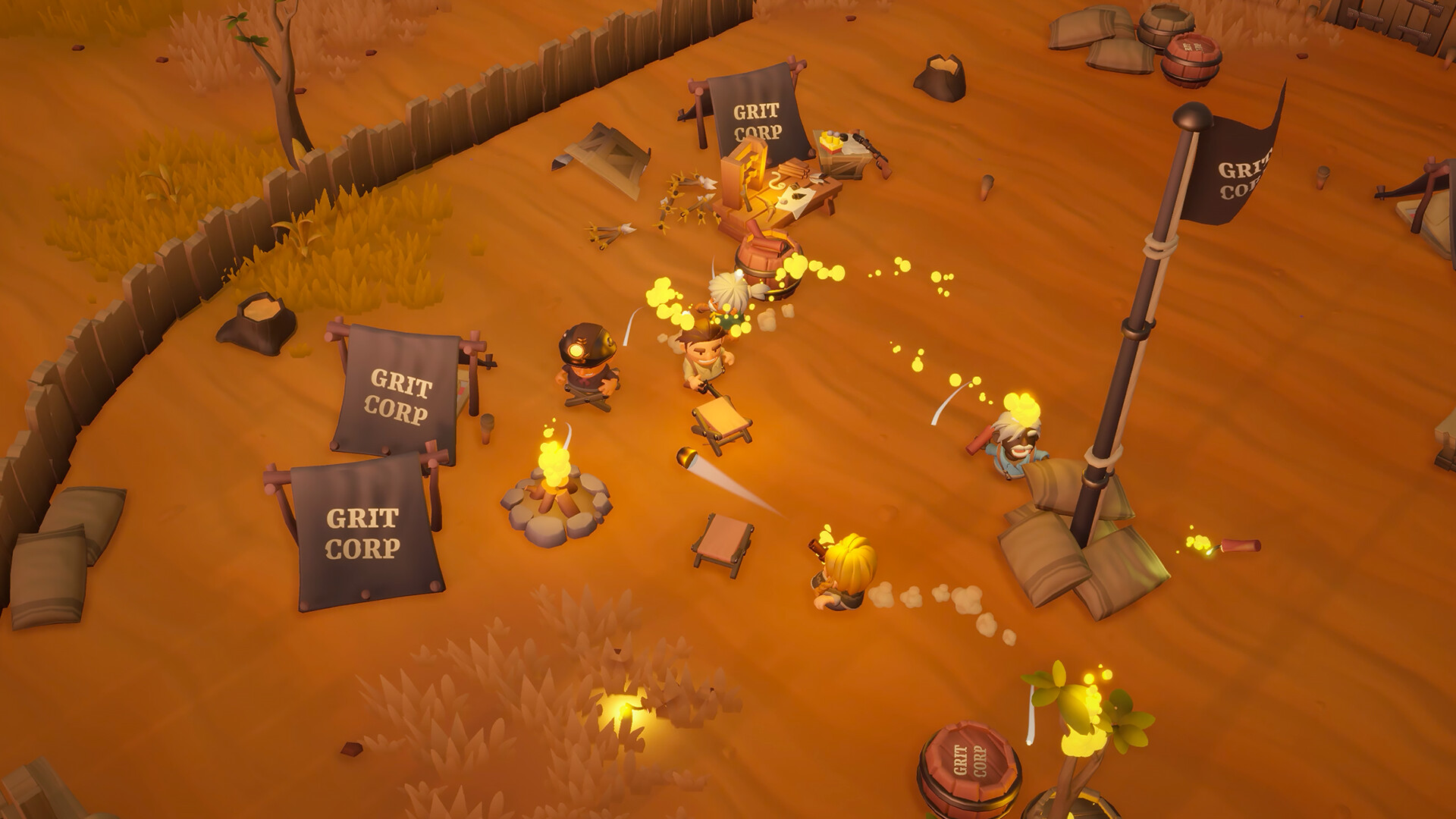
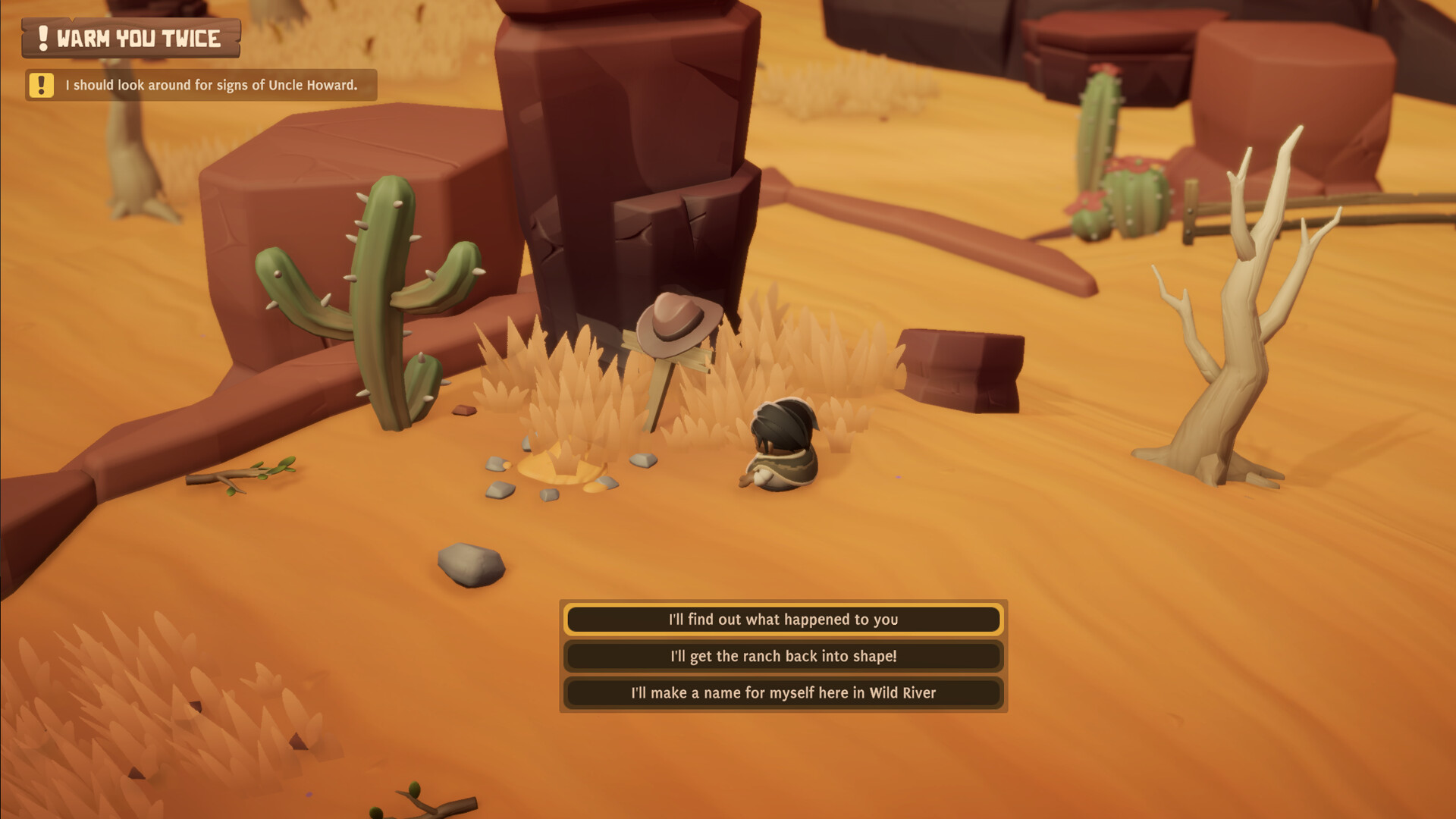
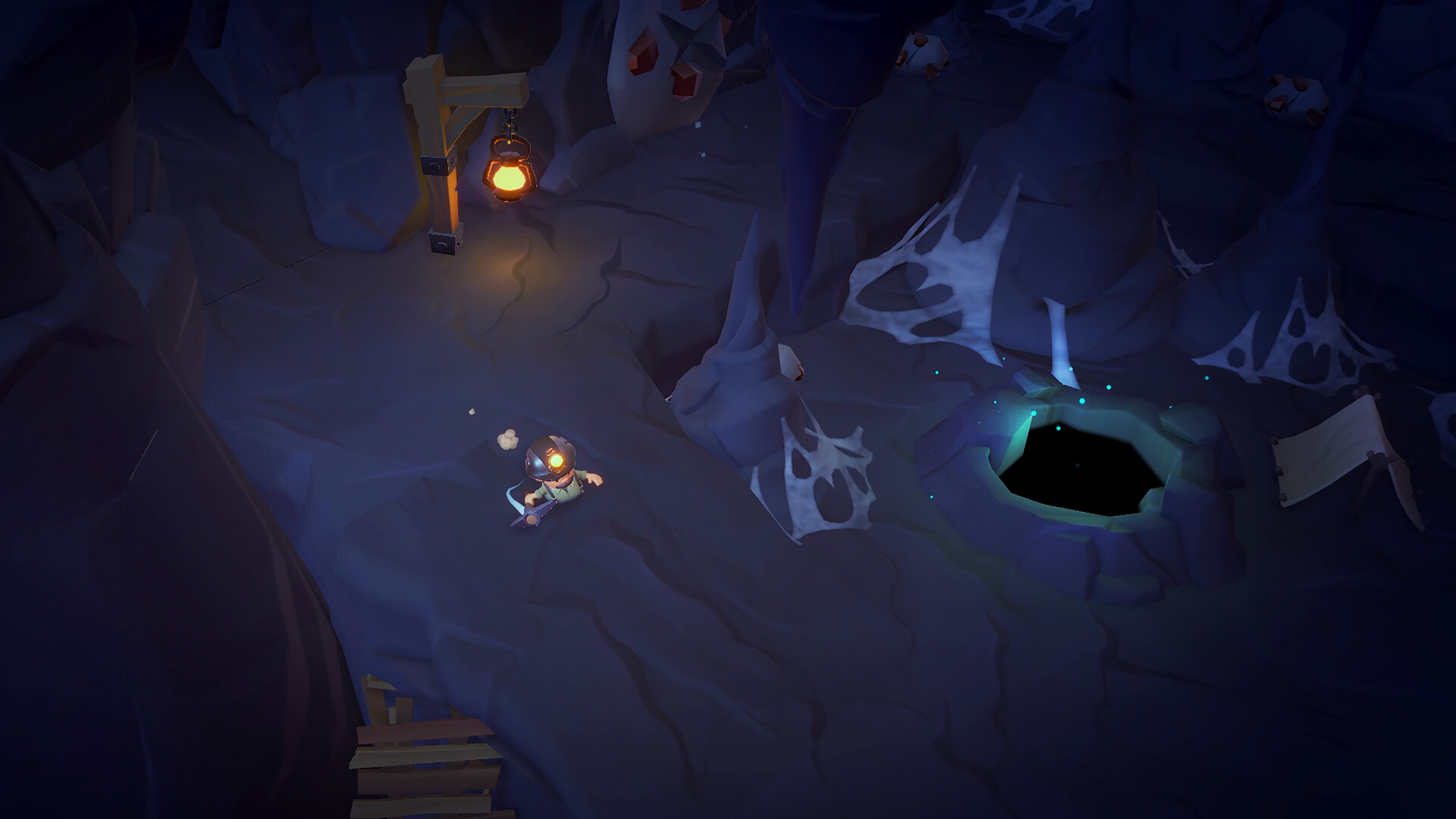
Wild Indigo Ranch is a cozy cowboy-life RPG for 1-4 players. Start a new life on the prairie, explore the frontier, build the finest ranch in the West, and ride into the sunset.
Wild Indigo Ranch is a western, building and life sim game
developed and published by Funday Games.
Released on September 18th 2024 is available on Windows, Steam Deck and Steam Machine
in 5 languages: English, French, German, Spanish - Spain and Simplified Chinese.
It has received 424 reviews of which 288 were positive and 136 were negative resulting in a rating of 6.5 out of 10. 😐
The game is currently priced at 19.50€ on Steam.
The Steam community has classified Wild Indigo Ranch into these genres:
Western
Building
Life Sim
Crafting
Exploration
Sandbox
Open World
Cute
RPG
Farming Sim
Relaxing
Story Rich
Adventure
Wholesome
Cozy
Mining
Online Co-Op
Horses
Co-op
Atmospheric
Here is the detailed breakdown of supported languages for Wild Indigo Ranch:
| UI | Subtitle | Audio | |
|---|---|---|---|
| English | |||
| German | |||
| French | |||
| Spanish - Spain | |||
| Simplified Chinese |
Media & Screenshots
Get an in-depth look at Wild Indigo Ranch through various videos and screenshots.
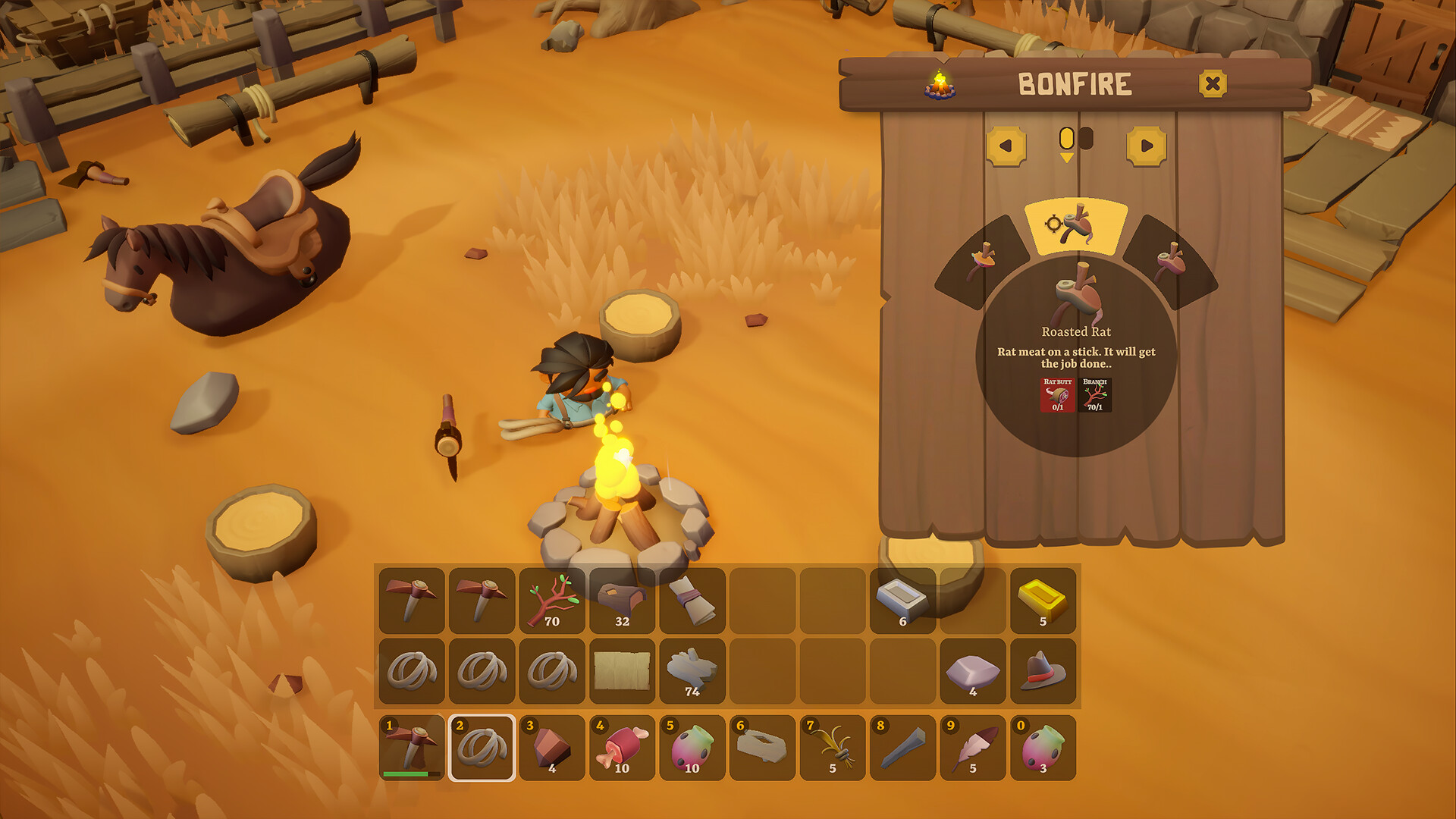

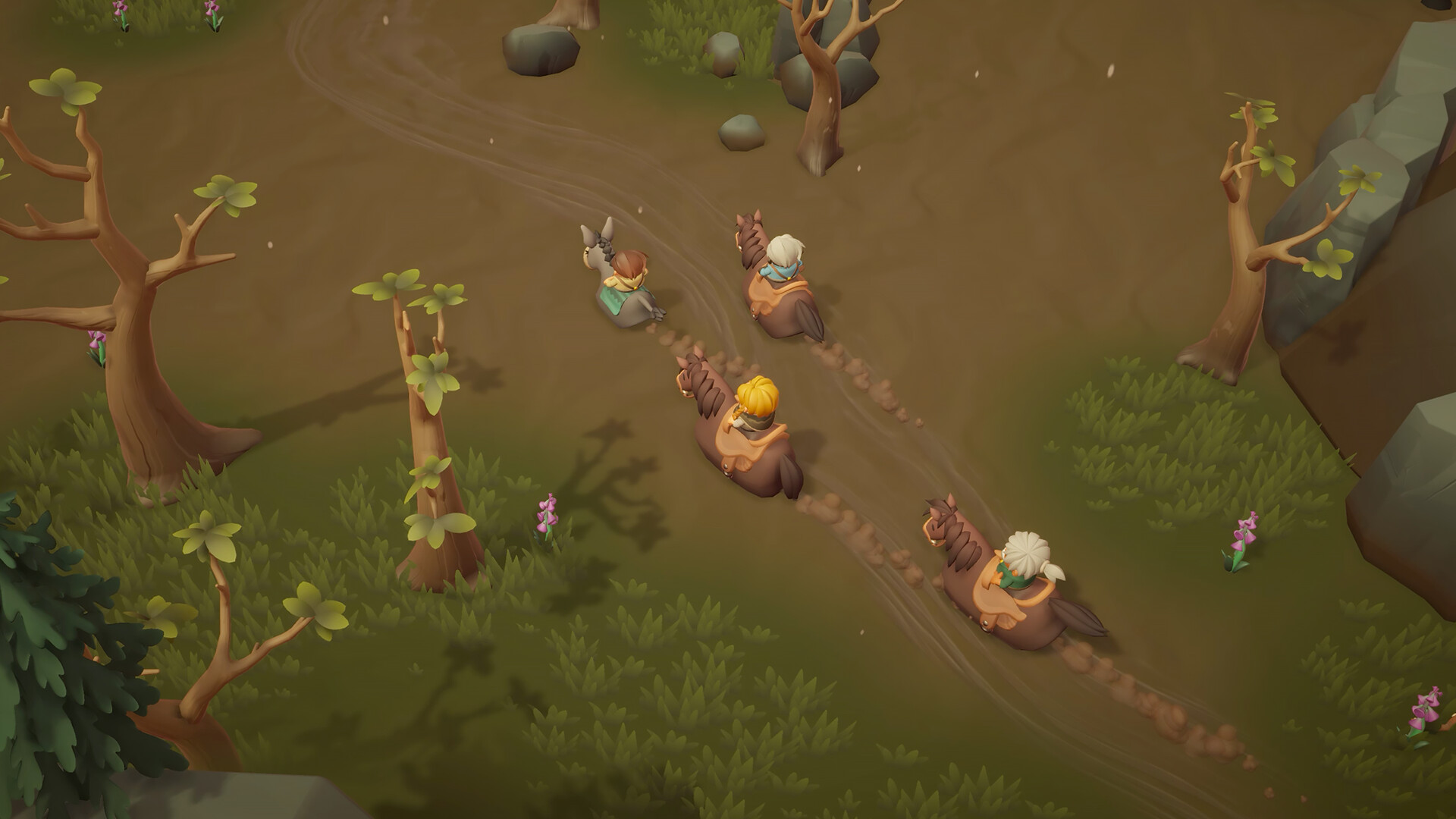


Load More


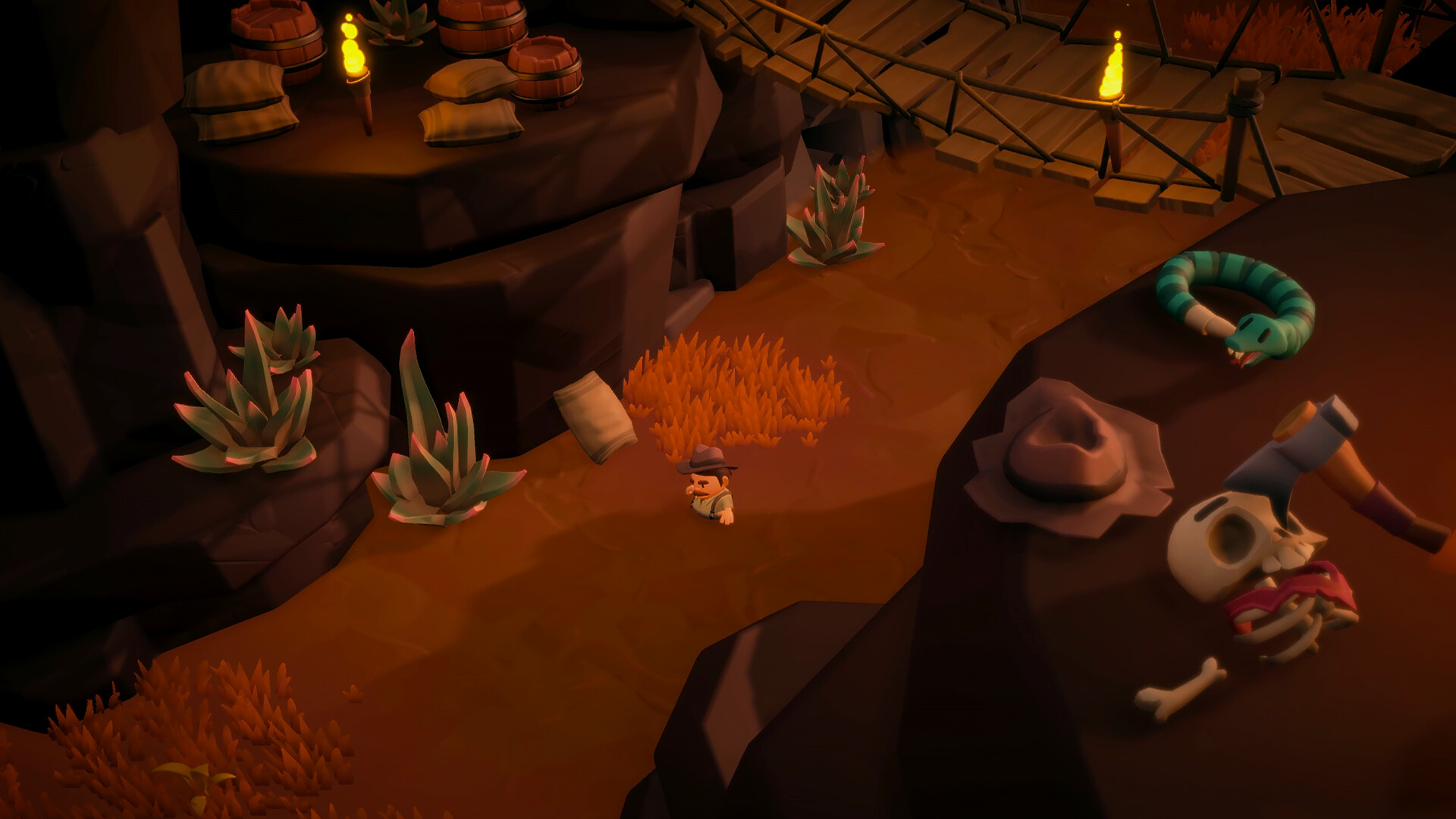
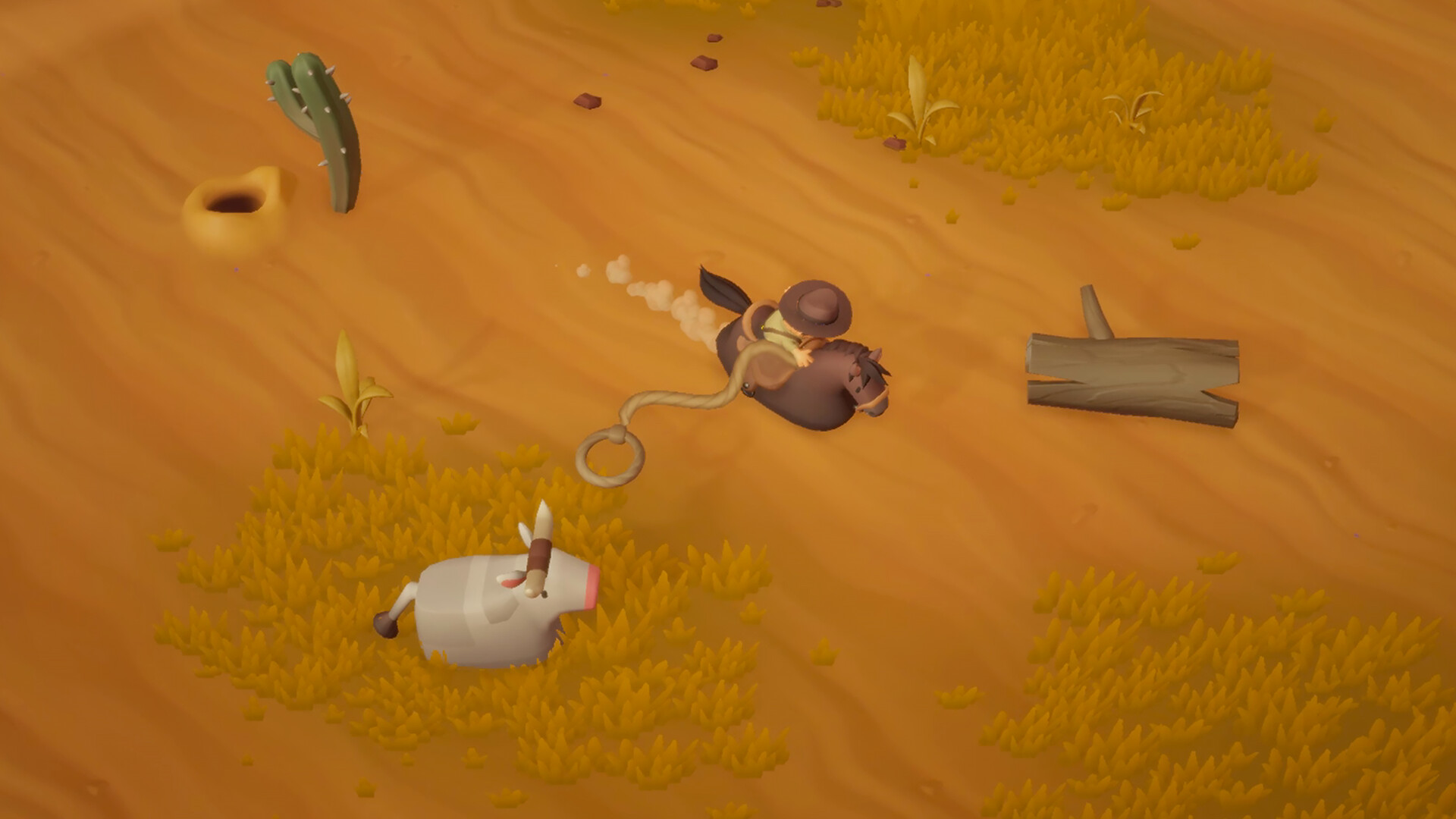


System requirements
These are the minimum specifications needed to play the game. For the best experience, we recommend that you verify them.
Windows
- OS: Win 10
- Processor: i5/Ryzen 5 - 2ghz
- Memory: 8 GB RAM
- Graphics: GTX 660
- DirectX: Version 11
- Storage: 1 GB available space
- Sound Card: Any
Steam Price & Best Deals
User reviews & Ratings
Explore reviews from Steam users sharing their experiences and what they love about the game.
It is really a shame how many people have put down this game... i think the creators made it unique with great ideas and a overall great game lots of quest and survival game and its great you get to craft and bump up friendship levels by completeing quests.... people stop being so crytical go play another game!!! this is a cozy game with survival i highly recommend
A true survival game that places you in an old, wild west setting. Learn to craft things to benefit yourself and the people you meet. Dying sets you back to your last spawn point with only the items in the bottom row of your backpack, so you don't loose everything, but the stuff you DO "loose" are placed in a backpack at the spot of your death that you can retrieve everything from. I am playing on PC, and did not use a controller, but it may be more fun that way. I will try it out and update at a later time.
Similar games
View all

Starsand Island
Tired of the city grind? Escape to Starsand Island and embrace the simple joys of country life! Live alongside capybaras, cats, and dogs, reel in a big catch, and explore the enchanting Moonlit Forest. Leave the hustle behind and experience the charm of this seaside paradise.
Garden Paws
You have inherited your grandparents farm as they set off to travel the world. Work with Frank at the local construction shop to finish off the final touches on your new home. Aid Frank and Mayor Wilson in building up the town so it may reach it's full potential.
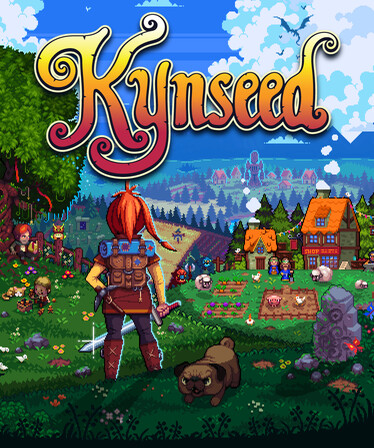
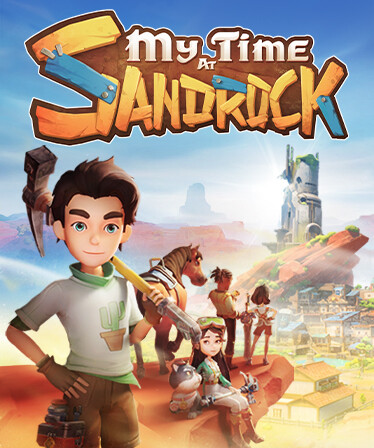
My Time at Sandrock
Travel to the desert community of Sandrock and take on the role of a fledgling Builder. Use your trusty toolset to gather resources, construct machines, and turn your run-down workshop into a well-oiled production facility to save the town from the jaws of economic ruin!
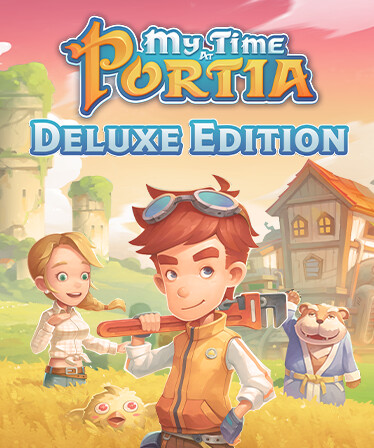
My Time at Portia
Start a new life in the enchanting town of Portia! Restore your Pa's neglected workshop to its former glory by fulfilling commissions, growing crops, raising animals, and befriending the quirky inhabitants of this charming post-apocalyptic land!

Farlands
Congratulations, you’ve bought your own planet! An agrarian rock at the edge of the galaxy that, for some reason, was practically being given away for free. So the time has come to leave your hectic, stressful life in an overcrowded metropolis for a more rural and rewarding life.

Aka
Find inner peace in a small, open-world game. On these carefully handcrafted islands, you can take a nap on a giant monster, feed baby dragons, take care of the fauna and flora... ...but demons from your past might come back to remind you what you want to forget.

Above Snakes
Piece by piece, create your own world in this relaxing Wild West-inspired worldbuilder. Craft, farm, hunt, build your base, and explore.

Song Of The Prairie
Song of The Prairie is a 3D relaxing farm game. A hero who defeat the demon begins a new rural life. Experiencing the fun of exploration to the town. Harvesting giant fruits and crops. Taking care fantastic animals. Dating with someone you like. Just enjoy the farming life only belongs to you!

Little Rocket Lab
Transform your childhood home as you build brilliant factories and forge lifelong friendships, then reach for the skies and finally finish your family's dream - your mother's precious rocket ship. Roll up your sleeves, it turns out that saving this town really IS rocket science!

Yonder: The Cloud Catcher Chronicles
Unwind and enjoy the slow life in Yonder: The Cloud Catcher Chronicles, a relaxing open-world adventure game. Yonder is set in the world of Gemea. A natural island paradise with eight distinct environments ranging from tropical beaches to snow-capped summits.
Frequently Asked Questions
Wild Indigo Ranch is currently priced at 19.50€ on Steam.
No, Wild Indigo Ranch is currently not on sale. You can purchase it for 19.50€ on Steam.
Yes, Wild Indigo Ranch received 288 positive votes out of a total of 424 achieving a rating of 6.50.
😐
Wild Indigo Ranch was developed and published by Funday Games.
Yes, Wild Indigo Ranch is playable and fully supported on Windows.
No, Wild Indigo Ranch is not playable on MacOS.
No, Wild Indigo Ranch is not playable on Linux.
Yes, Wild Indigo Ranch is playable and fully supported on Steam Deck.
Yes, Wild Indigo Ranch is playable and fully supported on Steam Machine.
No, Wild Indigo Ranch does not support VR.
Wild Indigo Ranch offers both single-player and multi-player modes.
Wild Indigo Ranch includes Co-op mode where you can team up with friends.
Yes, there is a DLC available for Wild Indigo Ranch. Explore additional content available for Wild Indigo Ranch on Steam.
No, Wild Indigo Ranch does not support mods via Steam Workshop.
No, Wild Indigo Ranch does not support Steam Remote Play.
Yes, Wild Indigo Ranch is enabled for Steam Family Sharing. This means you can share the game with authorized users from your Steam Library, allowing them to play it on their own accounts. For more details on how the feature works, you can read the original Steam Family Sharing announcement or visit the Steam Family Sharing user guide and FAQ page.
You can find solutions or submit a support ticket by visiting the Steam Support page for Wild Indigo Ranch.
Data sources
The information presented on this page is sourced from reliable APIs to ensure accuracy and relevance. We utilize the Steam API to gather data on game details, including titles, descriptions, prices, and user reviews. This allows us to provide you with the most up-to-date information directly from the Steam platform.
Additionally, we incorporate data from the SteamSpy API, which offers insights into game sales and player statistics. This helps us present a comprehensive view of each game's popularity and performance within the gaming community.
Last Updates| Steam data | 19 October 2026 17:01 UTC |
|---|---|
| SteamSpy data | 20 October 2026 18:35 UTC |
| Steam price | 26 October 2026 19:29 UTC |
| Steam reviews | 18 October 2026 22:06 UTC |
If you'd like to dive deeper into the details about Wild Indigo Ranch, we invite you to check out a few dedicated websites that offer extensive information and insights. These platforms provide valuable data, analysis, and user-generated reports to enhance your understanding of the game and its performance.
- SteamDB - A comprehensive database of everything on Steam about Wild Indigo Ranch
- SteamCharts - Analysis of Wild Indigo Ranch concurrent players on Steam
- ProtonDB - Crowdsourced reports on Linux and Steam Deck Wild Indigo Ranch compatibility

Game modes
Multiplayer
Features
Online players
0
Developer
Funday Games
Publisher
Funday Games
Release
18 Sep 2024
Platforms