

Summa Expeditionis
Summa Expeditionis is a colony sim and base building game set in ancient Roman Empire. Follow the career of a Roman soldier from Legionnaire to Centurion. Build and manage your camp, recruit more soldiers and face the barbarians for the glory of Rome.
Sync your Steam wishlist to find the lowest game prices instantly. No login required, just paste your Steam profile URL!
⚡ Try Wishlist Radar!
Sync your Steam wishlist to find the lowest game prices instantly. No login required!
⚡ Try Wishlist Radar!
Close

Astrobuilder on Steam
Quick menu
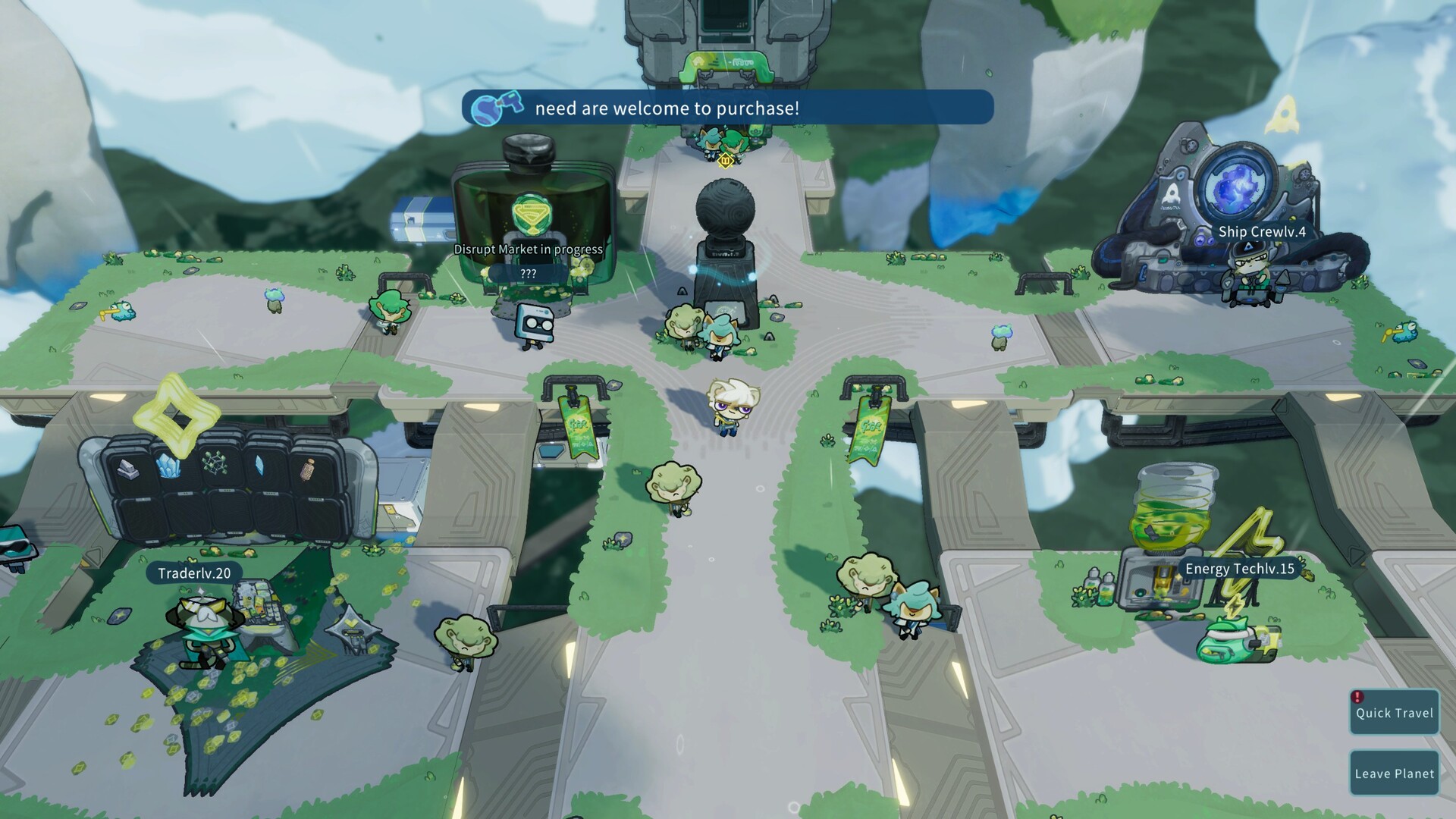
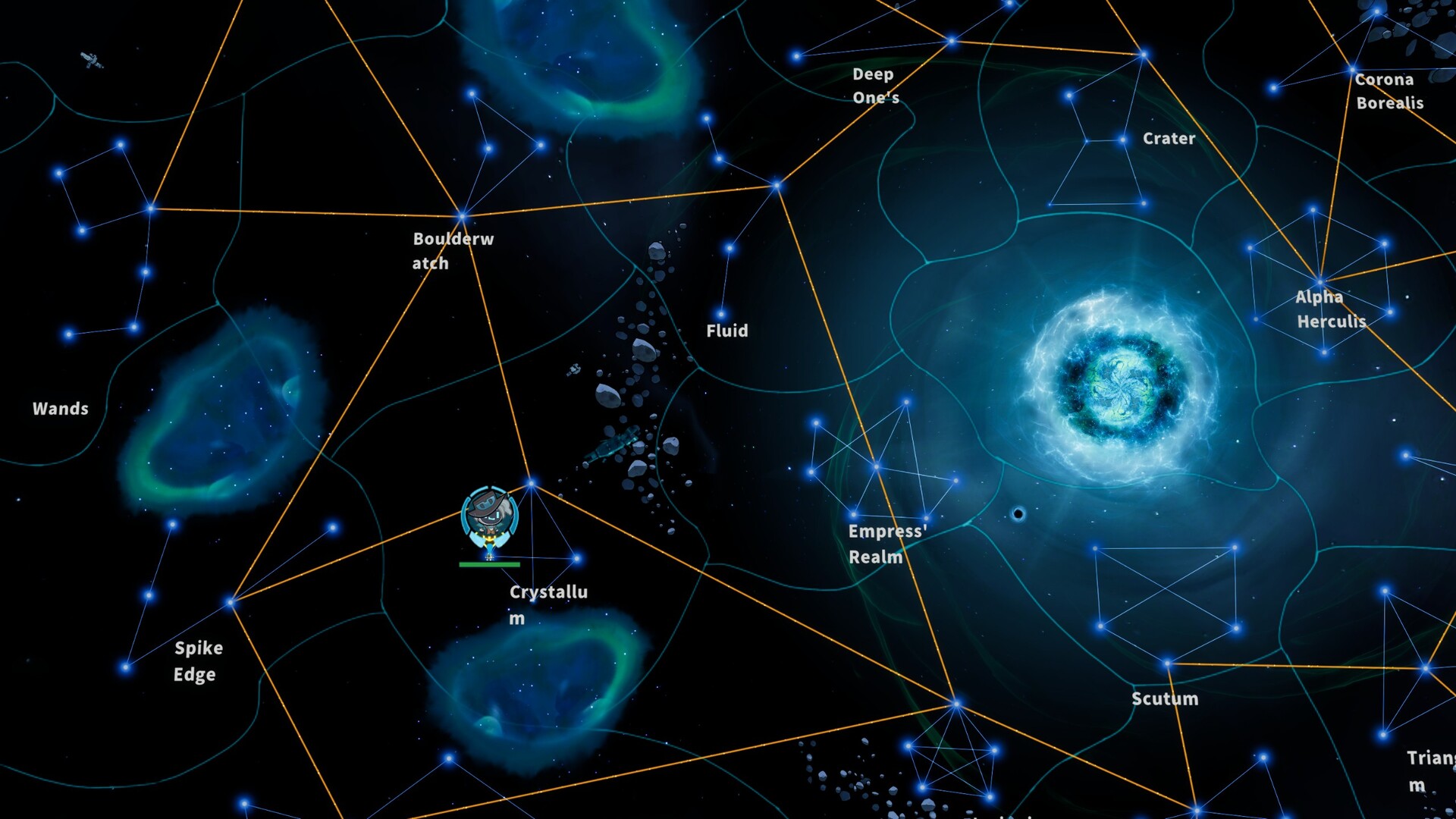
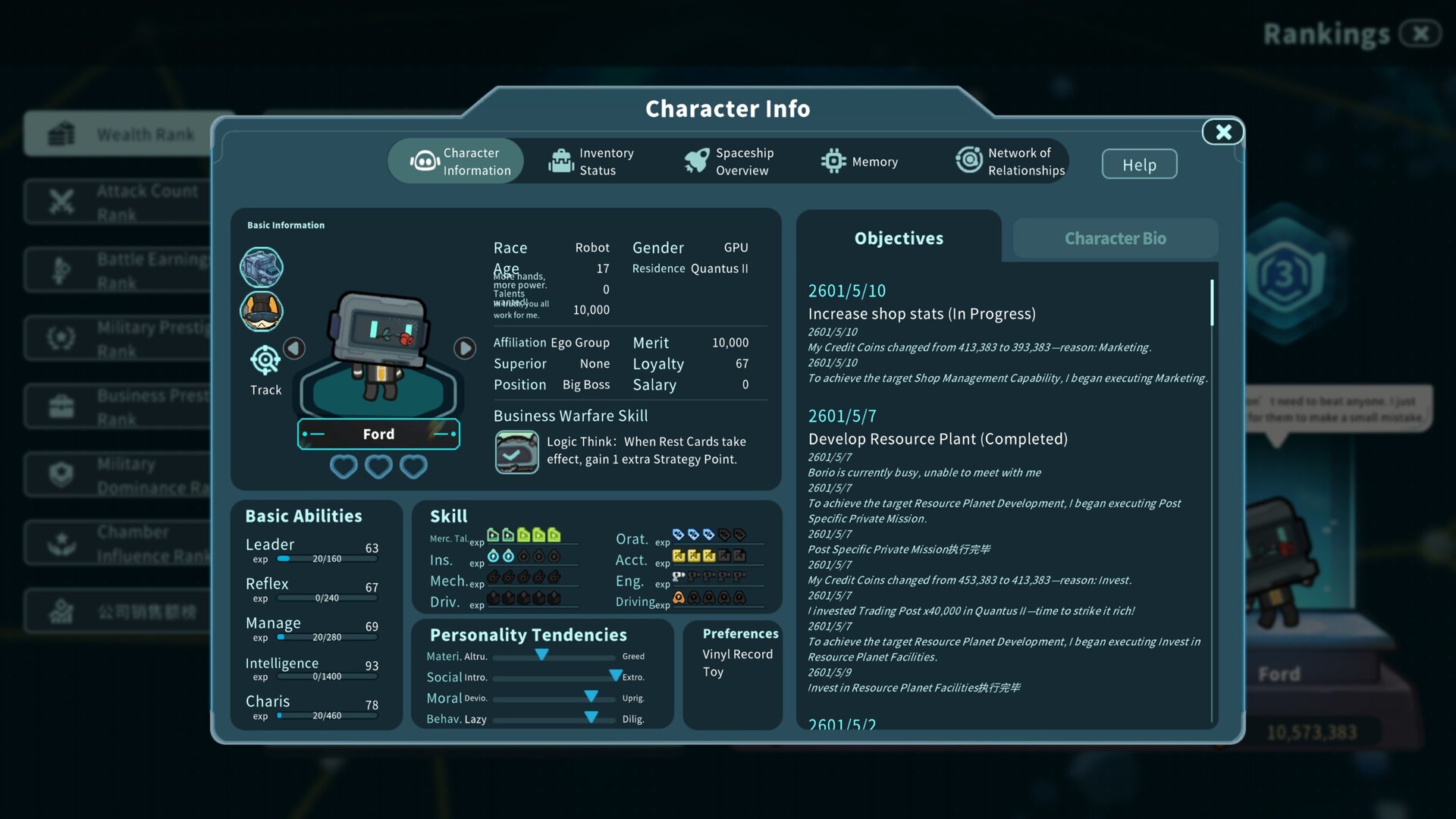
An AI-driven space management RPG in a living galaxy. Explore 150+ planets and interact with 600+ NPCs whose lives and relationships evolve over time. Trade, run shops, build a Commerce Guild, join Military Factions, govern planets, and command fleets in war. Your every choice reshape the galaxy.
Astrobuilder is a management, building and space game
developed and published by wastudio.
Released on August 13th 2026 is available on Windows, Steam Deck and Steam Machine
in 2 languages: Simplified Chinese and English.
It has received 352 reviews of which 310 were positive and 42 were negative resulting in a rating of 8.2 out of 10. 😎
The game is currently priced at 15.49€ on Steam, but you can find it for 8.50€ on Eneba.
The Steam community has classified Astrobuilder into these genres:
Management
Building
Space
Exploration
Strategy RPG
Colony Sim
Open World
Political Sim
Sandbox
Simulation
Economy
Base Building
2.5D
Top-Down
Roguelite
Cute
RPG
Procedural Generation
Nonlinear
Cartoony
Here is the detailed breakdown of supported languages for Astrobuilder:
| UI | Subtitle | Audio | |
|---|---|---|---|
| English | |||
| Simplified Chinese |
Media & Screenshots
Get an in-depth look at Astrobuilder through various videos and screenshots.


Load More


System requirements
These are the minimum specifications needed to play the game. For the best experience, we recommend that you verify them.
Windows
- OS: Windows 10
- Processor: i5-7400K
- Memory: 8 GB RAM
- Graphics: NVIDIA GTX 960
- Network: Broadband Internet connection
- Storage: 10 GB available space
Steam Price & Best Deals
User reviews & Ratings
Explore reviews from Steam users sharing their experiences and what they love about the game.
Despite this game having AI,I actually enjoyed playing this. I been trying to find games where its a living universe where the NPCs aren't just reacting to what I do or say,but that they will also be doing their own thing without my imput. One thing I do want is for the devs to add new races to the game (like 10 or 50) then the standard ones and give way more ways to customize characters and create our own universe. Hopefully the game continues to get updates because I will support this. This is how AI is suppose to be use then the traditional way.
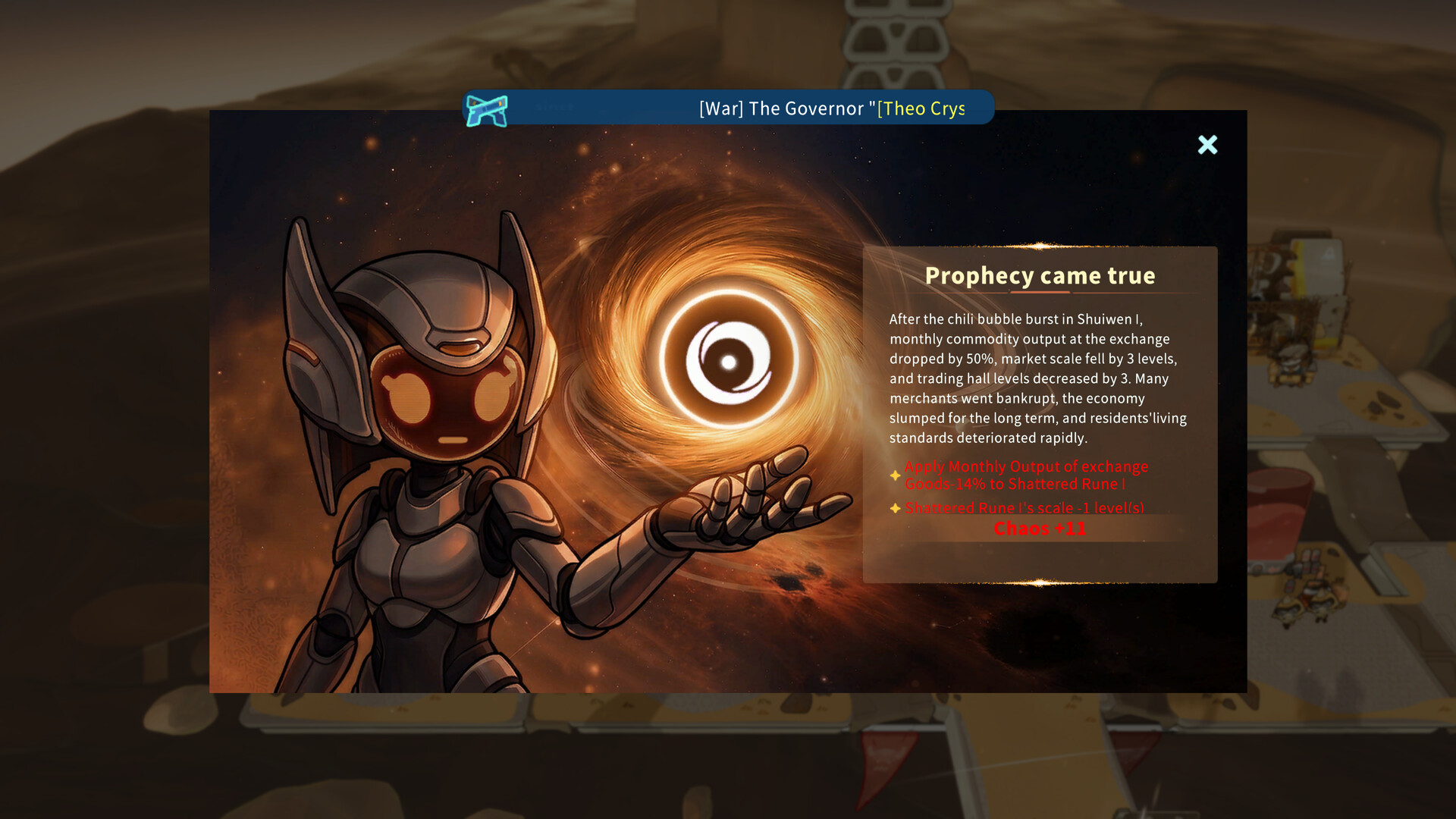
Astrobuilder is an ambitious space simulation RPG developed and published by wastudio that attempts to create a living galaxy driven by artificial intelligence, dynamic economies, political relationships, and player-driven decision making. Rather than focusing on traditional space combat or story-driven progression, the game centers on trade, management, colonization, and economic influence. It places players inside a constantly evolving universe where hundreds of AI-controlled characters pursue their own goals, markets fluctuate naturally, and entire star systems can change due to the actions of factions, traders, and unexpected events. The result is a sandbox experience that prioritizes freedom, strategy, and emergent storytelling over scripted adventures. The game's premise begins with the player as a relatively ordinary individual trying to build a future within a vast interstellar civilization. From these modest beginnings, players can gradually transform themselves into wealthy merchants, influential industrialists, powerful faction leaders, or successful colony administrators. The sense of progression is one of the game's strongest qualities because advancement feels directly tied to player decisions rather than predetermined story milestones. Every profitable trade route, successful investment, and strategic partnership contributes to a growing sense of influence within the galaxy. Economics serve as the foundation of nearly every system in Astrobuilder. The game places significant emphasis on supply, demand, production chains, and market fluctuations. Prices constantly change depending on local conditions, resource availability, political stability, and countless other factors. This dynamic economy creates an environment where opportunities and risks emerge naturally. A profitable commodity one day may become nearly worthless the next, forcing players to remain adaptable and attentive. This unpredictability keeps trading engaging because success depends on understanding the broader state of the galaxy rather than memorizing static routes. One of the most intriguing aspects of the game is its use of AI-driven simulation. Hundreds of non-player characters actively participate in the universe, making decisions that influence trade, politics, and social structures. These characters are not simply background decorations. They operate businesses, form alliances, react to changing conditions, and pursue their own objectives. This creates the impression of a world that continues to function even when the player is not directly involved. The galaxy feels active and alive because events are constantly unfolding beyond the player's immediate control. The faction system adds another layer of depth. Various organizations compete for power, resources, and influence throughout the galaxy. Players can choose to cooperate with these groups, oppose them, or manipulate situations for personal gain. Political developments often have direct economic consequences, creating meaningful connections between diplomacy and commerce. Wars, trade disputes, and alliances can dramatically alter market conditions and reshape opportunities across multiple star systems. Colony development introduces a different style of gameplay focused on long-term planning and resource management. Players can establish settlements in frontier regions and oversee their growth. Building infrastructure, managing supplies, supporting populations, and expanding production capabilities become important responsibilities. These systems complement the trading mechanics well because successful colonies can become valuable economic assets that contribute to a larger network of commercial operations. The game also incorporates an unusual prophecy system that allows players to receive information about potential future events. Economic crises, political conflicts, natural disasters, and other major developments may be revealed before they occur. This creates fascinating strategic possibilities because players can prepare for upcoming opportunities or attempt to alter outcomes entirely. The mechanic adds a unique sense of long-term planning and helps distinguish Astrobuilder from more conventional economic simulators. Exploration plays a meaningful role despite the heavy focus on management systems. The galaxy contains over a hundred planets, each with its own resources, economic conditions, and opportunities. Traveling between these locations creates a sense of scale while encouraging players to constantly search for new markets and business prospects. The variety of locations helps prevent the simulation from feeling confined and reinforces the fantasy of operating within a vast interstellar civilization. Visually, Astrobuilder adopts a colorful and functional presentation that prioritizes clarity over realism. While it lacks the visual spectacle of major-budget space games, the art style effectively supports its management-focused design. Menus, planetary interfaces, and economic information are generally easy to navigate, allowing players to focus on decision-making rather than struggling with unnecessarily complex systems. The presentation succeeds because it serves the gameplay rather than distracting from it. One of the game's greatest achievements is its ability to generate unique stories through gameplay systems. Players often find themselves creating their own narratives as they react to shifting markets, unexpected crises, and evolving political situations. A successful trade empire may emerge from taking advantage of a resource shortage, while a poor investment decision can trigger financial disaster. These unscripted moments create memorable experiences that feel personal because they arise directly from player choices and world simulation. As an Early Access title, however, Astrobuilder still shows signs of ongoing development. Certain systems occasionally lack refinement, and balancing issues can emerge as players engage with the more complex mechanics. The ambitious AI simulation sometimes produces uneven results, and some features may require further polish before reaching their full potential. Players entering the game should expect continued changes and improvements as development progresses. Another challenge is accessibility. The game's numerous interconnected systems create a steep learning curve for newcomers. Understanding markets, faction relationships, colony management, and AI behavior requires patience and a willingness to experiment. Those who enjoy deep simulation games will likely appreciate this complexity, but casual players may initially find the amount of information overwhelming. Despite these limitations, Astrobuilder stands out because of its remarkable ambition. Few independent games attempt to simulate a galaxy on this scale while incorporating dynamic economics, AI-driven societies, faction politics, and colony management into a single experience. Even in its current form, the game demonstrates a strong vision and offers a level of systemic depth that many larger projects struggle to achieve. For players who enjoy economic simulations, management-heavy RPGs, and open-ended sandbox experiences, Astrobuilder offers an impressive amount of freedom and strategic depth. Its living economy, evolving political landscape, and emergent storytelling systems create a universe where every decision matters and no two playthroughs are likely to unfold in exactly the same way. While it remains a work in progress, the foundations are strong enough to make it one of the more fascinating independent space simulation projects currently available. Rating: 8/10
Similar games
View all
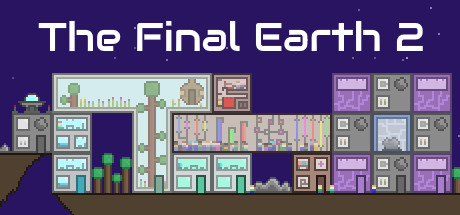
The Final Earth 2
The Final Earth 2 is a vertical sci-fi city builder. Earth is unlivable, so you decide to create a space colony. Gather resources, then build and research your way to a better future! Grow your city from an exploration ship to a huge metropolis, full of advanced technology. What will you build?
Dyson Sphere Program
Build the most efficient intergalactic factory in space simulation strategy game Dyson Sphere Program! Harness the power of stars, collect resources, plan and design production lines and develop your interstellar factory from a small space workshop to a galaxy-wide industrial empire.
Avorion
A procedural co-op space sandbox where players can build their own space ships out of dynamically scalable blocks. Fight epic space battles, explore, mine, trade, wage wars and build your own empire to save your galaxy from being torn apart by an unknown enemy.

MEMORIAPOLIS
Memoriapolis is a historical city builder where your city grows organically across 5 ages, from Antiquity to the Industrial Revolution. Manage resources, interact with factions, and shape your dynasty toward building a final Wonder with easy, normal, or hard difficulty levels.

Settlement Survival
In this city-building game, you will lead a group of survivors in their search for a new home. Manipulate the landscape, manage limited supplies, plant crops, hunt wildlife, gather resources, and develop trade routes to build a bustling and unique town.

APICO
APICO is a laid-back beekeeping sim game about breeding, collecting, & conserving bees! Set in a series of lush environments, APICO uniquely combines resource gathering, biology, and beekeeping minigames, taking ideas from a mix of real-life and fantasy apiculture & floriculture.
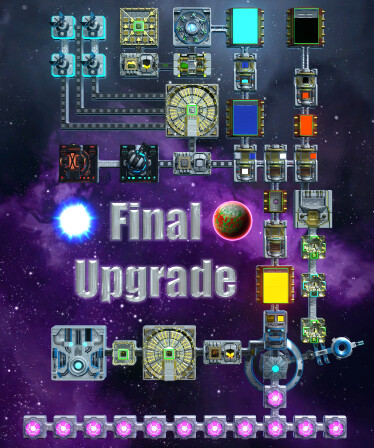
Final Upgrade
Help humanity to spread throughout the cosmos by exploring new worlds, building space factories and setting up trade routes. Research advanced technologies to increase efficiency and unlock new paths of development. Fight off other artificial intelligences in your goal to reach the Final Upgrade!
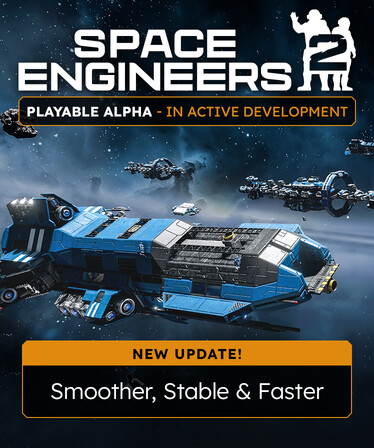
Space Engineers 2
Space Engineers 2 is a playable Early Access Alpha sandbox focused on engineering, exploration, and colonization in a fully destructible universe. Design and build ships, stations, and planetary bases while uncovering the story of Miro and Ivan Sokol. Help shape the future of the Almagest system.

Another Brick in The Mall
Design, build and manage a giant shopping center. Open shops, supermarkets, restaurants, movie theaters, bowling alleys and more. Hire and manage the best staff for the job and milk your customers for all they're worth!
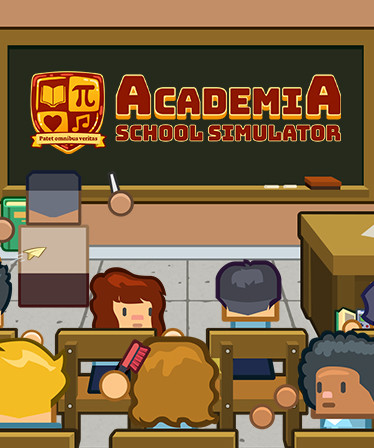
Academia : School Simulator
Design, build, and manage a high school with terrific teachers and fantastic facilities or simply let your students poop in the bushes? Academia : School Simulator is a management/tycoon game where you get to decide!

The Crust
Build and automate a lunar colony that Earth depends on. Mine regolith, run conveyor-and-drone factories above and below the surface, manage colonists, trade with rival Earth factions — and play a story campaign with multiple endings.
Frequently Asked Questions
Astrobuilder is currently priced at 15.49€ on Steam.
No, Astrobuilder is currently not on sale. You can purchase it for 15.49€ on Steam.
Yes, Astrobuilder received 310 positive votes out of a total of 352 achieving a rating of 8.16.
😎
Astrobuilder was developed and published by wastudio.
Yes, Astrobuilder is playable and fully supported on Windows.
No, Astrobuilder is not playable on MacOS.
No, Astrobuilder is not playable on Linux.
Yes, Astrobuilder is playable on Steam Deck, though it might require a few minor tweaks. Make sure to check the Steam store page and community feedback on ProtonDB for exact compatibility details.
Yes, Astrobuilder is playable on Steam Machine, though it might require a few minor tweaks. Make sure to check the Steam store page and community feedback on ProtonDB for exact compatibility details.
No, Astrobuilder does not support VR.
Astrobuilder is a single-player game.
No, Astrobuilder does not currently offer any DLC.
Yes, Astrobuilder is fully integrated with Steam Workshop. Visit Steam Workshop.
No, Astrobuilder does not support Steam Remote Play.
Yes, Astrobuilder is enabled for Steam Family Sharing. This means you can share the game with authorized users from your Steam Library, allowing them to play it on their own accounts. For more details on how the feature works, you can read the original Steam Family Sharing announcement or visit the Steam Family Sharing user guide and FAQ page.
You can find solutions or submit a support ticket by visiting the Steam Support page for Astrobuilder.
Data sources
The information presented on this page is sourced from reliable APIs to ensure accuracy and relevance. We utilize the Steam API to gather data on game details, including titles, descriptions, prices, and user reviews. This allows us to provide you with the most up-to-date information directly from the Steam platform.
Additionally, we incorporate data from the SteamSpy API, which offers insights into game sales and player statistics. This helps us present a comprehensive view of each game's popularity and performance within the gaming community.
Last Updates| Steam data | 12 October 2026 05:04 UTC |
|---|---|
| SteamSpy data | 20 October 2026 15:09 UTC |
| Steam price | 26 October 2026 04:23 UTC |
| Steam reviews | 21 October 2026 15:56 UTC |
If you'd like to dive deeper into the details about Astrobuilder, we invite you to check out a few dedicated websites that offer extensive information and insights. These platforms provide valuable data, analysis, and user-generated reports to enhance your understanding of the game and its performance.
- SteamDB - A comprehensive database of everything on Steam about Astrobuilder
- SteamCharts - Analysis of Astrobuilder concurrent players on Steam
- ProtonDB - Crowdsourced reports on Linux and Steam Deck Astrobuilder compatibility

Game modes
Features
Online players
1
Developer
wastudio
Publisher
wastudio
Release
13 Aug 2026
Platforms
Clicking and buying through these links helps us earn a commission to maintain our services.