
Talvisota - Winter War
Talvisota for Rising Storm 2 brings players from the steaming jungles of Vietnam to the frozen forests of Finland, during the Soviet-Finnish Winter War of the late 1930s.
Sync your Steam wishlist to find the lowest game prices instantly. No login required, just paste your Steam profile URL!
⚡ Try Wishlist Radar!
Sync your Steam wishlist to find the lowest game prices instantly. No login required!
⚡ Try Wishlist Radar!
Close

BattleRush 2 on Steam
Quick menu
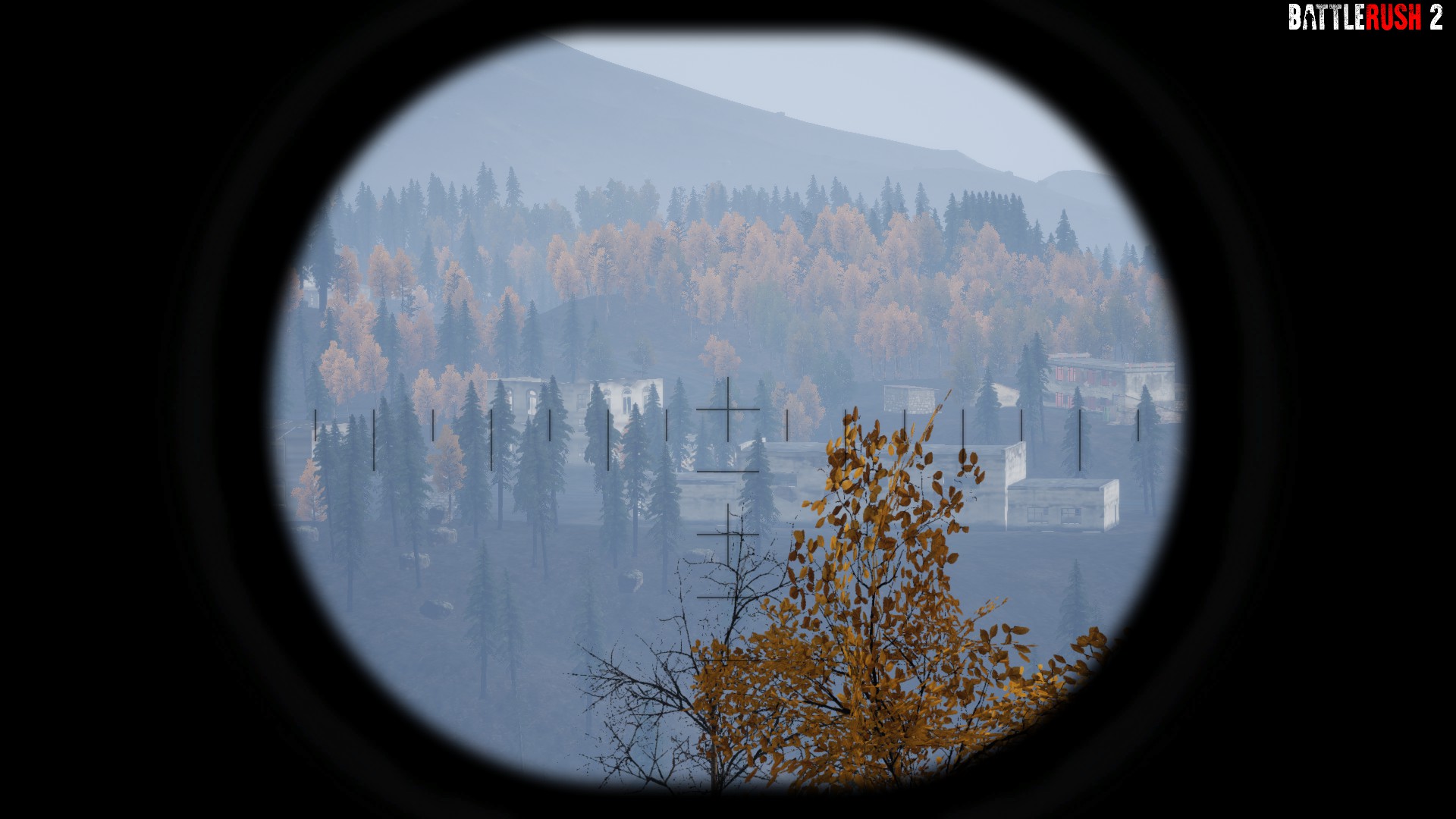
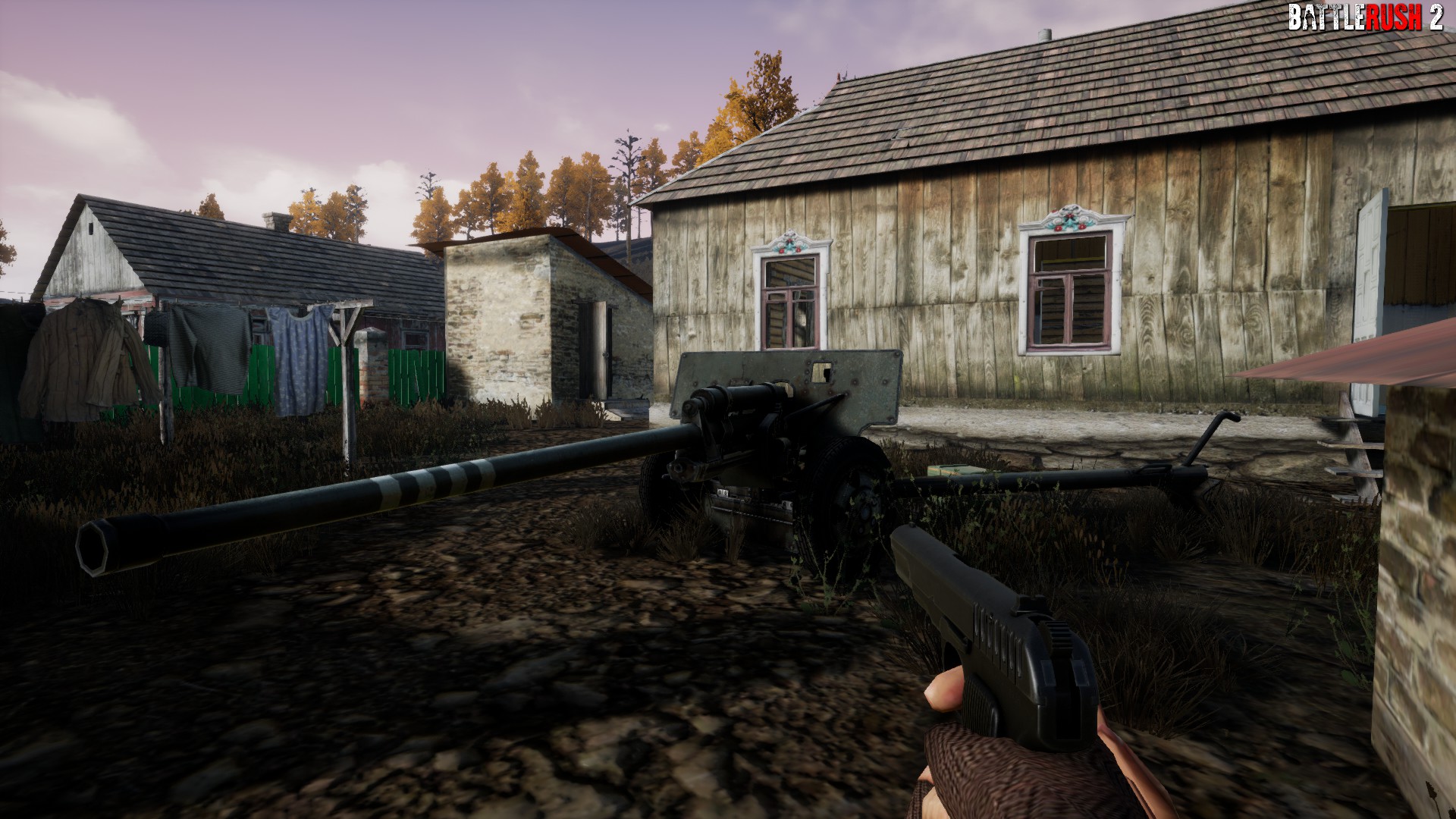
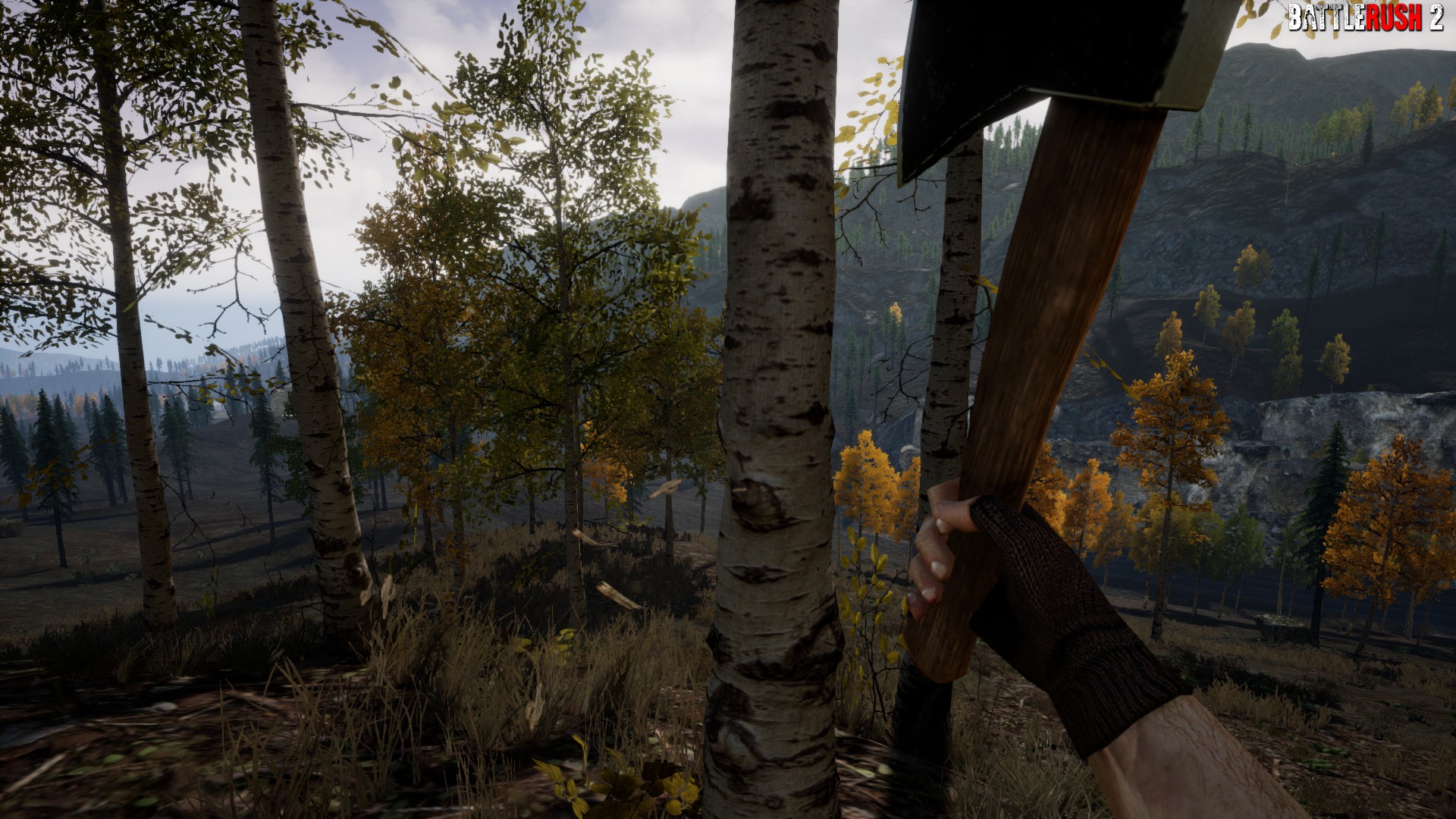
BattleRush 2 is a multiplayer large open-world shooter in the entourage of the Second World War with craft and total destructibility of the environment.
BattleRush 2 is a massively multiplayer, action and world war ii game
developed and published by TB Games.
Released on October 18th 2018 is available only on Windows.
It has received 632 reviews of which 420 were positive and 212 were negative resulting in a rating of 6.4 out of 10. 😐
The game is currently priced at 12.49€ on Steam.
The Steam community has classified BattleRush 2 into these genres:
Media & Screenshots
Get an in-depth look at BattleRush 2 through various videos and screenshots.


Load More



System requirements
These are the minimum specifications needed to play the game. For the best experience, we recommend that you verify them.
Windows
- OS *: Windows 7/8/10 32-bit
- Processor: Intel or AMD processor, 2.5 GHz or faster
- Memory: 4096 MB RAM
- Graphics: NVIDIA GeForce 470 GTX or AMD Radeon 6870 HD series card or higher
- DirectX: Version 10
- Network: Broadband Internet connection
- Storage: 5000 MB available space
Steam Price & Best Deals
User reviews & Ratings
Explore reviews from Steam users sharing their experiences and what they love about the game.
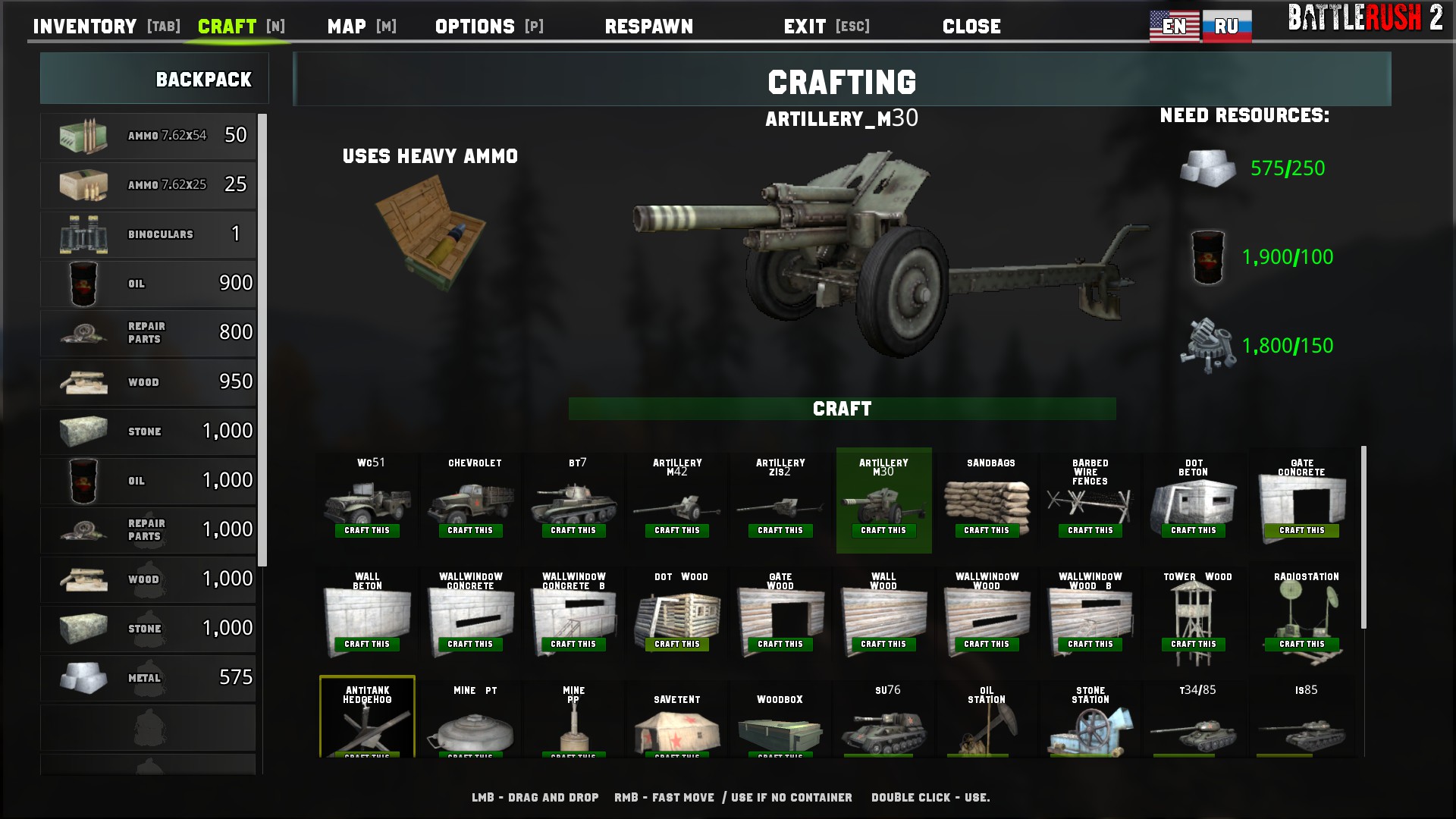
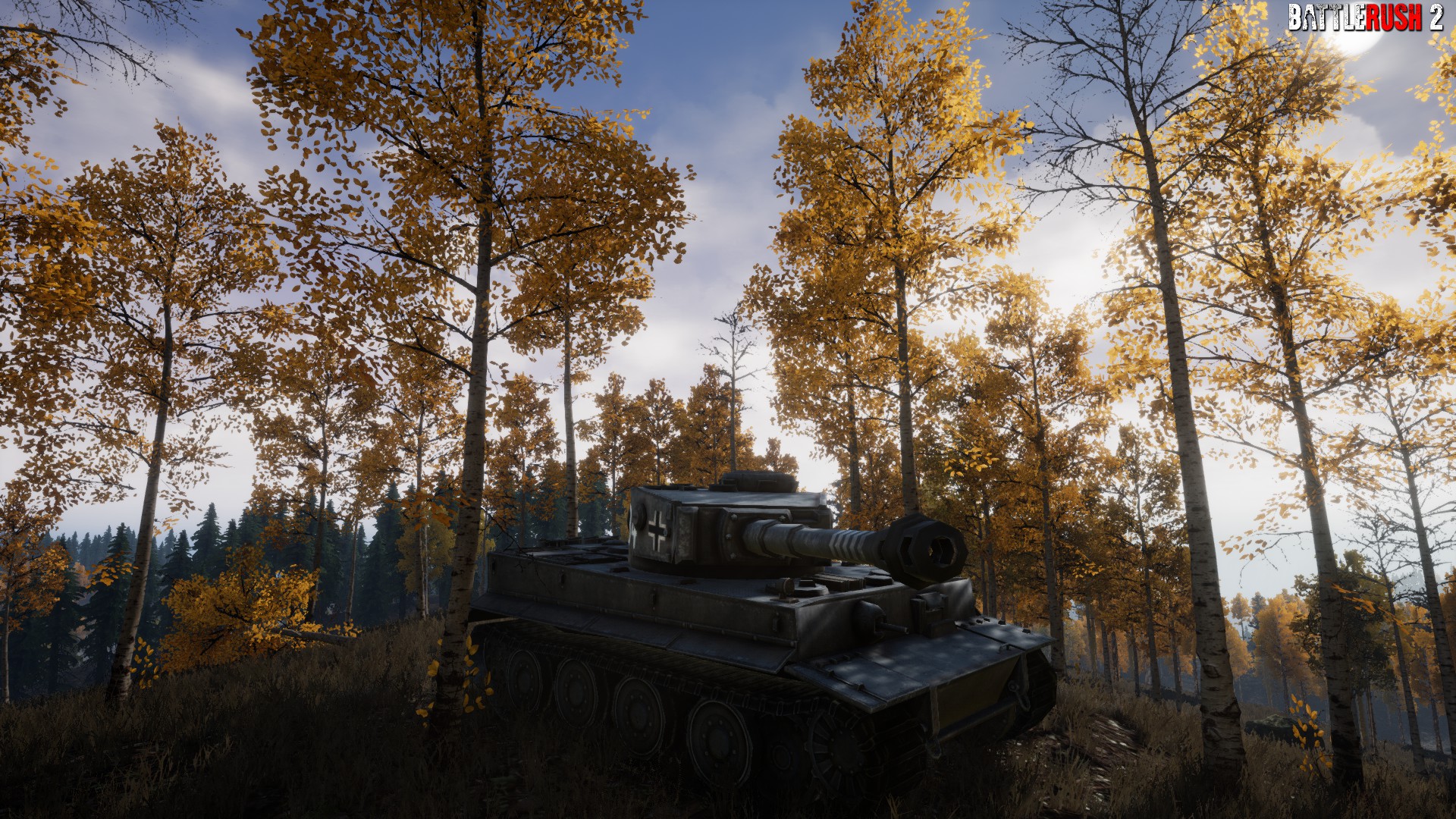
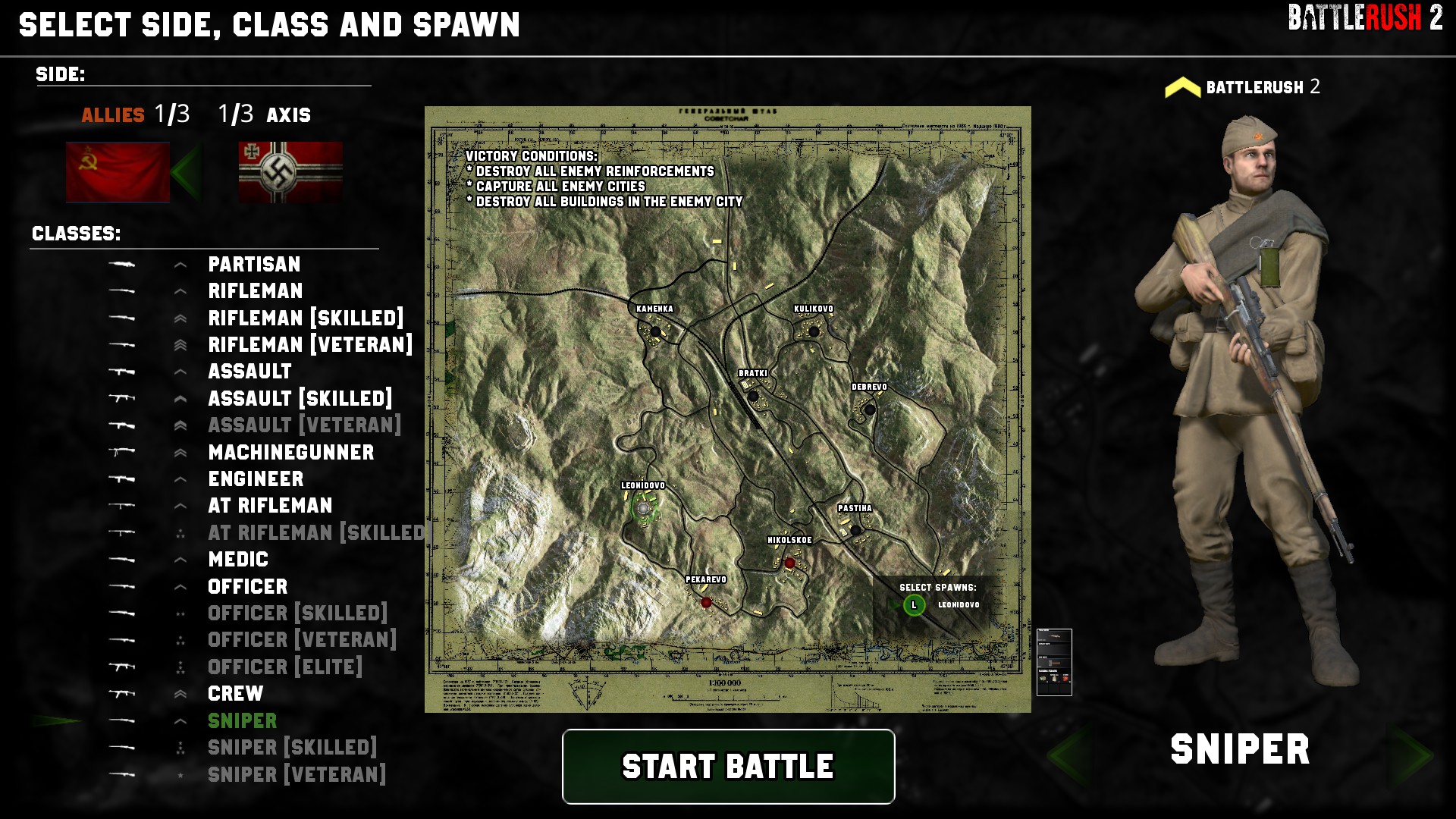
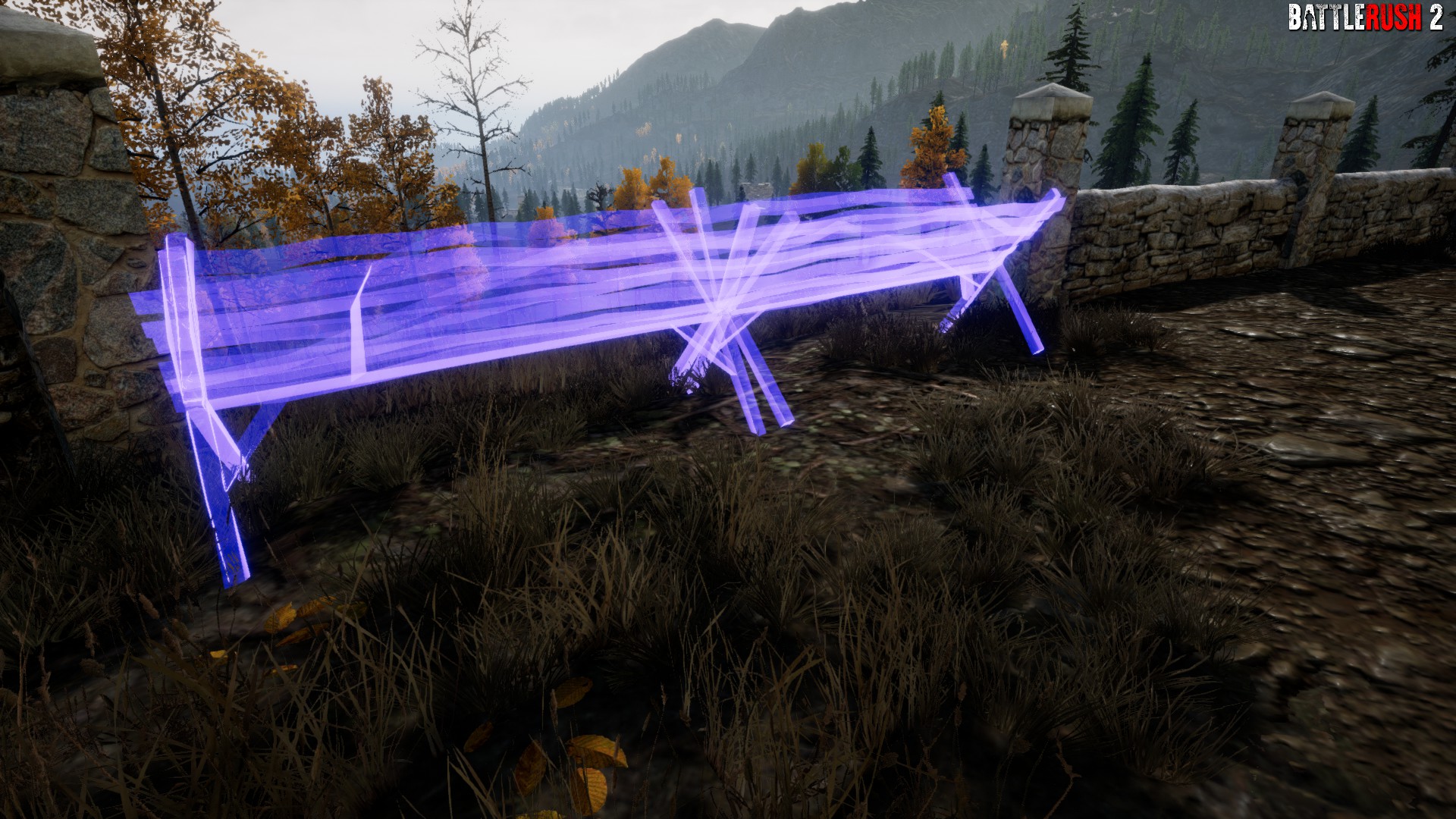
BattleRush 2 takes the familiar setting of World War II and approaches it from the perspective of an open-ended military sandbox rather than a tightly controlled shooter. Developed and published by TB Games, the game combines infantry combat, vehicles, survival mechanics, resource gathering, crafting, construction, and environmental destruction across a large battlefield inspired by Eastern Europe. Instead of pushing players through scripted missions, it provides a collection of interconnected systems and allows battles to develop naturally from what players decide to build, destroy, collect, and defend. Players can fight for either Soviet or German forces, but simply choosing a weapon and charging toward the enemy represents only one part of the experience. Exploration and resource management play surprisingly substantial roles. Food, water, ammunition, fuel, construction materials, and other supplies can be gathered throughout the environment. This creates a logistical side to warfare where preparing for combat can matter almost as much as the fighting itself. Transporting materials, maintaining access to supplies, and ensuring vehicles have enough fuel and ammunition can become important responsibilities during extended sessions. Environmental destruction is arguably the game's strongest and most recognizable mechanic. Houses, defensive structures, trees, fences, towers, rocks, and numerous environmental objects can be damaged or destroyed. Consequently, the battlefield does not always remain in the condition in which players first encounter it. A building that provides excellent cover may eventually be demolished, while obstacles separating two forces can disappear under sustained attacks. This makes destruction more than a visual effect because it can alter movement routes and eliminate defensive positions. Construction works particularly well alongside this destruction system. Resources collected around the map can be turned into defensive structures, allowing players to establish bunkers, towers, fortified positions, and stationary weapons. A strategically useful location can gradually become a defensive stronghold, but nothing necessarily remains permanent once tanks and heavy weapons arrive. There is an enjoyable contrast between spending time gathering materials and establishing defenses, only to see those carefully prepared positions placed under intense attack later. Vehicles substantially broaden the experience. More than 15 vehicle types are available, and they can serve both combat and logistical purposes. Tanks provide considerably greater destructive potential than infantry weapons, while other vehicles can help players travel across the large environment or transport materials such as wood and stone. Vehicles also require resources such as fuel and ammunition, preventing them from functioning as unlimited battlefield advantages. Heavy weapons feature ballistic anti-tank shells, with gun calibers ranging from roughly 45 mm to 150 mm, giving armored encounters additional weight. These mechanics produce the game's most entertaining situations when they interact. A player might spend one period gathering supplies before transporting materials back to allies, helping establish defensive structures, producing a vehicle, and eventually participating in a large engagement. Friends can divide these responsibilities, allowing some players to focus on resources and construction while others concentrate on frontline combat. This freedom gives BattleRush 2 a distinctive personality compared with shooters where every participant essentially performs the same role. The tradeoff is refinement. BattleRush 2 feels more ambitious in its collection of systems than polished in any single area. Its gunplay, visual presentation, animations, interface, and overall production quality are noticeably less sophisticated than those of larger military shooters. Players expecting a cinematic World War II campaign or exceptionally precise competitive shooting may therefore find it lacking. There is no elaborate narrative carrying the experience forward either. Its entertainment value comes primarily from experimentation and unpredictable sandbox encounters. Single-player functionality is available, but the multiplayer component better demonstrates what the underlying systems are designed to accomplish. Human players gathering supplies, constructing defenses, driving vehicles, and attacking opposing positions create situations that cannot easily be reproduced through a conventional scripted campaign. There are also 16 Steam achievements and Steam Trading Cards for players interested in additional progression and collection features. Steam Deck compatibility is currently best considered unverified rather than officially supported. There is no established Steam Deck Verified or Playable rating to rely on, so handheld users should expect that compatibility may require manual adjustments and that controls, interface readability, performance, or multiplayer-related functionality could present issues. It should not be purchased specifically for Steam Deck use under the assumption of guaranteed compatibility. BattleRush 2 ultimately works best for players attracted to experimental military sandboxes. Its combination of survival, construction, logistics, vehicles, infantry combat, and extensive destruction is far more interesting than treating it purely as another World War II FPS. It has noticeable rough edges, but there is satisfaction in watching a battlefield evolve because of player actions rather than scripted events. Gathering resources for a defensive position, bringing vehicles into battle, demolishing enemy cover, and watching previously intact surroundings turn into a battered combat zone capture what the game does particularly well. As a complete package, it is an ambitious but imperfect military sandbox whose strongest quality is freedom. The individual components are not exceptionally refined, yet their interaction gives the experience an identity of its own. Players willing to overlook dated presentation and mechanical roughness can discover an unusually flexible battlefield where logistics and construction can be nearly as important as pulling the trigger. Rating: 7/10
Similar games
View all

Combat Arms: the Classic
Combat Arms: the Classic is a multiplayer game, free-to-play modern first-person shooter. The game is a relaunch of Combat Arms in its glory days delivering gamers a nostalgic high-quality FPS with an extensive arsenal of weapons.

Operation Thunderstorm
The year is 1942. The British government decides to launch one of the most risky operations of World War II. The targets are the most important figures of the Third Reich. After several months of research, MI6 chose three people: the chances of eliminating them are slim to nothing.

Cruel Arena
Cruel Arena is a classic arena survival zombie game. Face endless hordes and survive as much as you can, Through The Doodles and The Frames!! Will you do the best record among your friends?

Wolfenstein II: The New Colossus
America, 1961. The assassination of Nazi General Deathshead was a short-lived victory. The Nazis maintain their stranglehold on the world. You are BJ Blazkowicz, aka “Terror-Billy,” member of the Resistance, scourge of the Nazi empire, and humanity’s last hope for liberty.
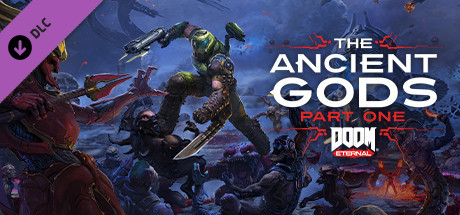
DOOM Eternal: The Ancient Gods - Part One
The Ancient Gods – Part One is the first campaign expansion for the critically acclaimed DOOM Eternal.

Painkiller Overdose
The critically-acclaimed and award-winning FPS franchise is back! Packed with tons of fast-paced, adrenaline-fueled single player and multiplayer action, Painkiller Overdose brings with it 6 innovative new demonic weapons, mind-bending physics, lightning-player maps, over 40 demented and sickly-twisted monsters from Hell and gigantic end...

Wolfenstein: The Old Blood
Wolfenstein®: The Old Blood™ is a standalone prequel to the critically acclaimed first-person action-adventure shooter, Wolfenstein®: The New Order. This adventure spans eight chapters and features the hallmarks of MachineGames – thrilling action, immersive story, and intense FPS combat.

RAID: World War II
RAID: World War II is an action-packed four player cooperative shooter set during a time when the Nazi war machine was still winning, and hope was in short supply.

Easy Red 2
Experience massive battles with infantry, tanks, artillery, and aircraft on large destructible open-world maps. Equip yourself, coordinate with your squad, and fight through World War II in singleplayer, co-op, or multiplayer!

Bulletstorm: Full Clip Edition
Step into the boots of Grayson Hunt after a crash landing on an old resort planet forces him to make a hard choice: survival or revenge. Execute masterful kills with Bulletstorm: Full Clip Edition’s unique combat system that rewards you for performing the most creative and deadly kills imaginable.

Serious Sam Fusion 2017 (beta)
Serious Sam Fusion is a central hub for several existing Serious Sam games developed by Croteam. Cool new features, engine upgrades, patches and updates will be released to existing owners for FREE!
Frequently Asked Questions
BattleRush 2 is currently priced at 12.49€ on Steam.
No, BattleRush 2 is currently not on sale. You can purchase it for 12.49€ on Steam.
Yes, BattleRush 2 received 420 positive votes out of a total of 632 achieving a rating of 6.41.
😐
BattleRush 2 was developed and published by TB Games.
Yes, BattleRush 2 is playable and fully supported on Windows.
No, BattleRush 2 is not playable on MacOS.
No, BattleRush 2 is not playable on Linux.
This information about BattleRush 2 is not available yet.
This information about BattleRush 2 is not available yet.
No, BattleRush 2 does not support VR.
BattleRush 2 offers both single-player and multi-player modes.
BattleRush 2 offers both Co-op and PvP modes.
No, BattleRush 2 does not currently offer any DLC.
No, BattleRush 2 does not support mods via Steam Workshop.
No, BattleRush 2 does not support Steam Remote Play.
Yes, BattleRush 2 is enabled for Steam Family Sharing. This means you can share the game with authorized users from your Steam Library, allowing them to play it on their own accounts. For more details on how the feature works, you can read the original Steam Family Sharing announcement or visit the Steam Family Sharing user guide and FAQ page.
You can find solutions or submit a support ticket by visiting the Steam Support page for BattleRush 2.
Data sources
The information presented on this page is sourced from reliable APIs to ensure accuracy and relevance. We utilize the Steam API to gather data on game details, including titles, descriptions, prices, and user reviews. This allows us to provide you with the most up-to-date information directly from the Steam platform.
Additionally, we incorporate data from the SteamSpy API, which offers insights into game sales and player statistics. This helps us present a comprehensive view of each game's popularity and performance within the gaming community.
Last Updates| Steam data | 26 September 2026 02:14 UTC |
|---|---|
| SteamSpy data | 13 October 2026 07:40 UTC |
| Steam price | 27 October 2026 03:23 UTC |
| Steam reviews | 18 October 2026 18:06 UTC |
If you'd like to dive deeper into the details about BattleRush 2, we invite you to check out a few dedicated websites that offer extensive information and insights. These platforms provide valuable data, analysis, and user-generated reports to enhance your understanding of the game and its performance.
- SteamDB - A comprehensive database of everything on Steam about BattleRush 2
- SteamCharts - Analysis of BattleRush 2 concurrent players on Steam
- ProtonDB - Crowdsourced reports on Linux and Steam Deck BattleRush 2 compatibility

Game modes
Features
Online players
0
Developer
TB Games
Publisher
TB Games
Release
18 Oct 2018
Platforms