


THRESHOLD
In a lonely station atop a mountain, a train rumbles its precious cargo to places unknown. Now is your shift. Keep the pace. Uncover a mystery. Fight for your last breath. The air is thin up here.
Sync your Steam wishlist to find the lowest game prices instantly. No login required, just paste your Steam profile URL!
⚡ Try Wishlist Radar!
Sync your Steam wishlist to find the lowest game prices instantly. No login required!
⚡ Try Wishlist Radar!
Close

Birds Watching on Steam
Quick menu
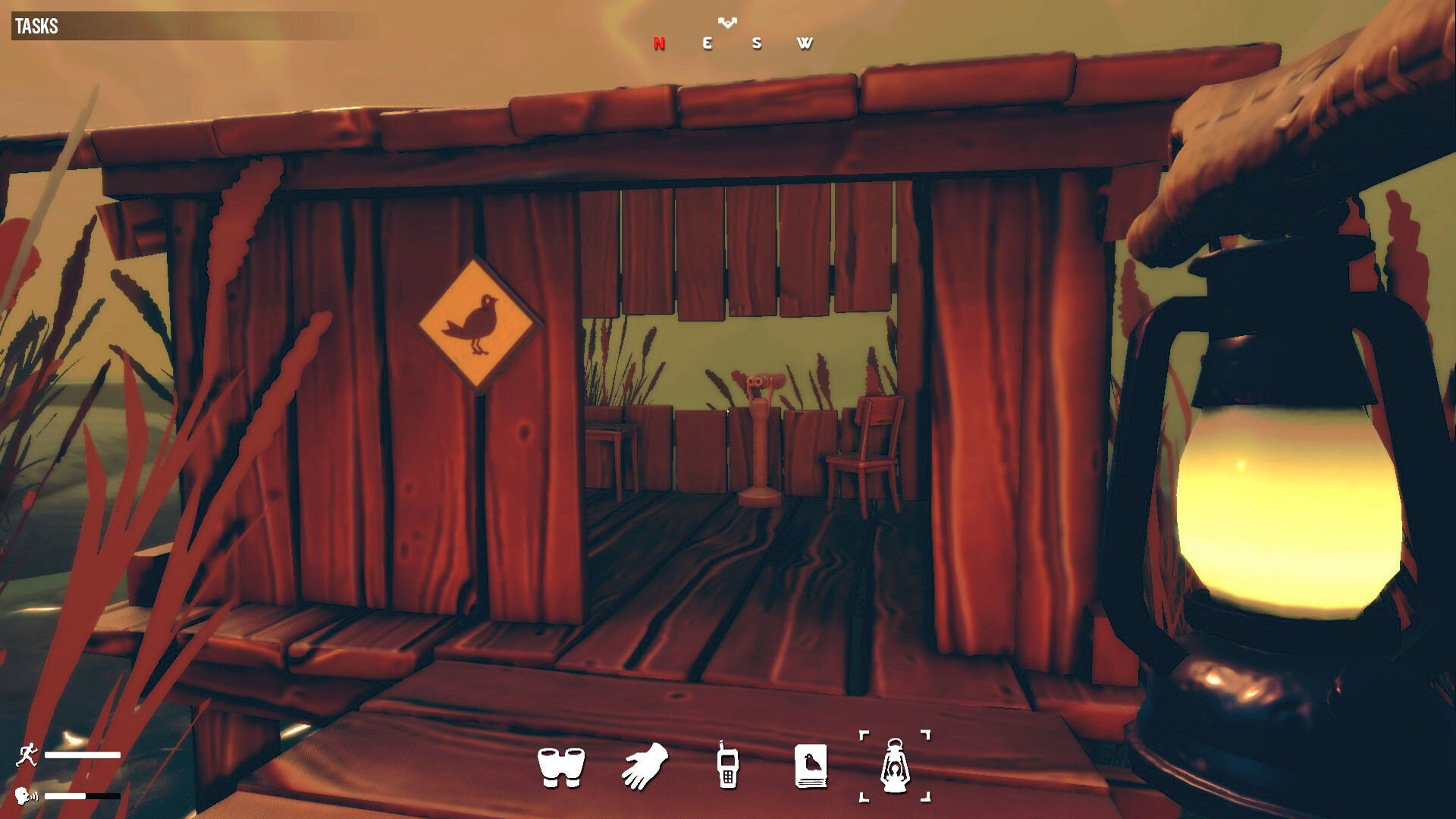
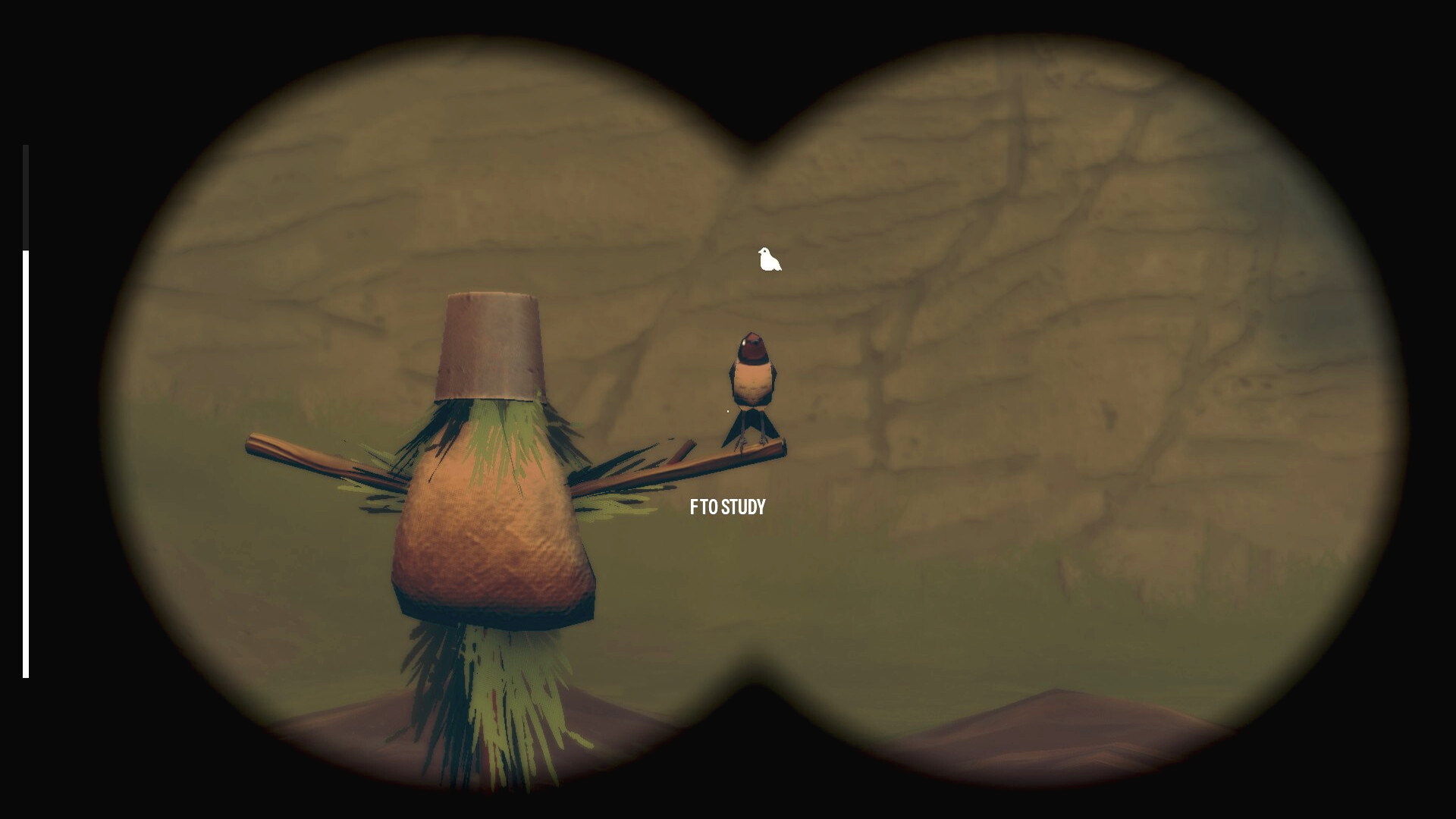
Singleplayer psychological horror game about bird watching. Explore the mountains, find and observe all the birds. Seek their help. Be honest. Be ruthless. They are watching.
Birds Watching is a psychological horror, birds and exploration game
developed and published by Studio Ortica.
Released on March 06th 2026 is available on Windows, Steam Deck and Steam Machine
in 2 languages: English and Italian.
It has received 347 reviews of which 302 were positive and 45 were negative resulting in a rating of 8.1 out of 10. 😎
The game is currently priced at 4.99€ on Steam, but you can find it for 2.71€ on Eneba.
The Steam community has classified Birds Watching into these genres:
Psychological Horror
Birds
Exploration
Horror
Post-apocalyptic
Choices Matter
Dialogue Heavy
Philosophical
Dark Humor
Atmospheric
Open World
Dark
Multiple Endings
Lore-Rich
Walking Simulator
Story Rich
Mystery
Singleplayer
Stylized
Adventure
Here is the detailed breakdown of supported languages for Birds Watching:
| UI | Subtitle | Audio | |
|---|---|---|---|
| English | |||
| Italian |
Media & Screenshots
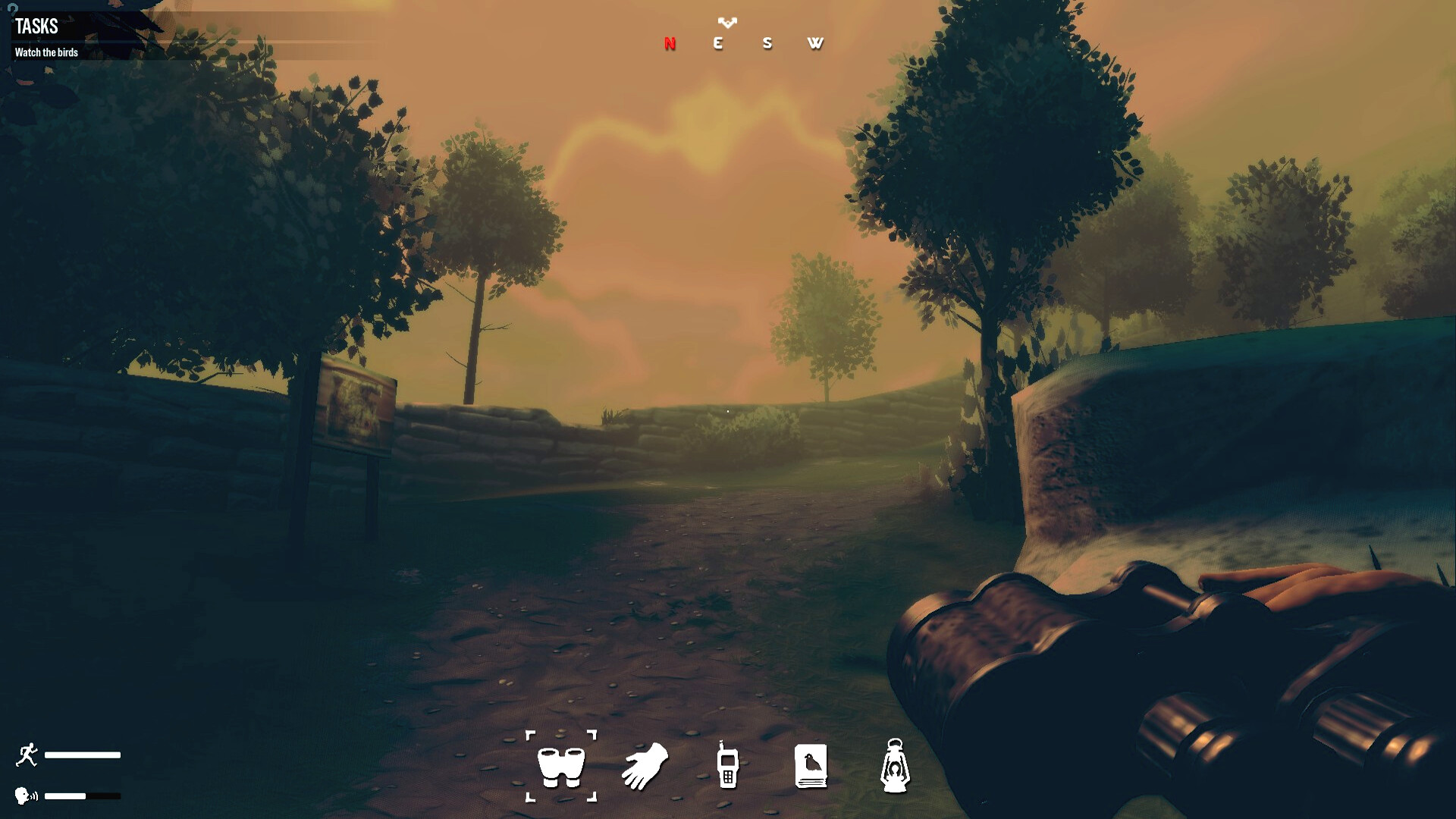
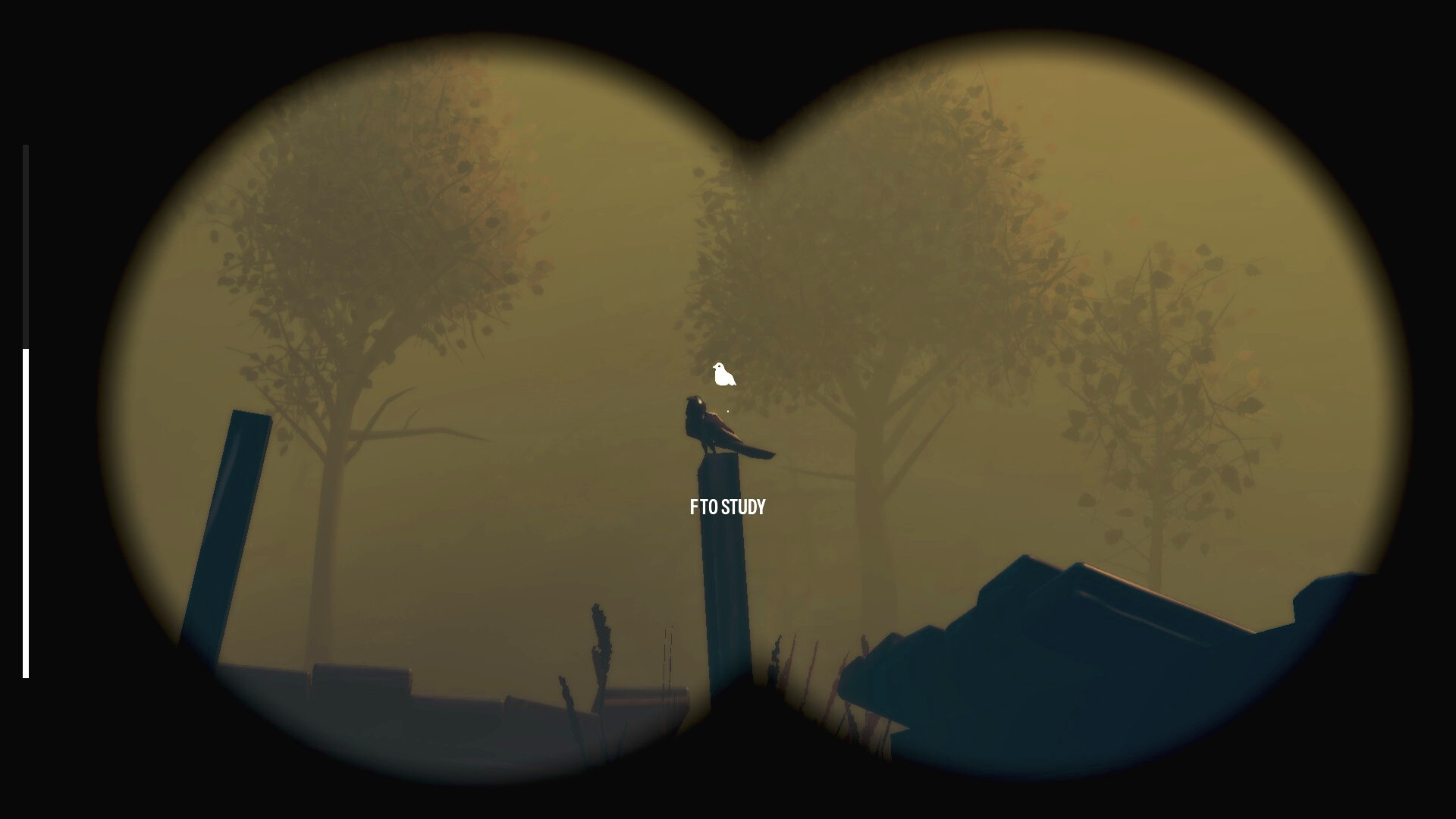
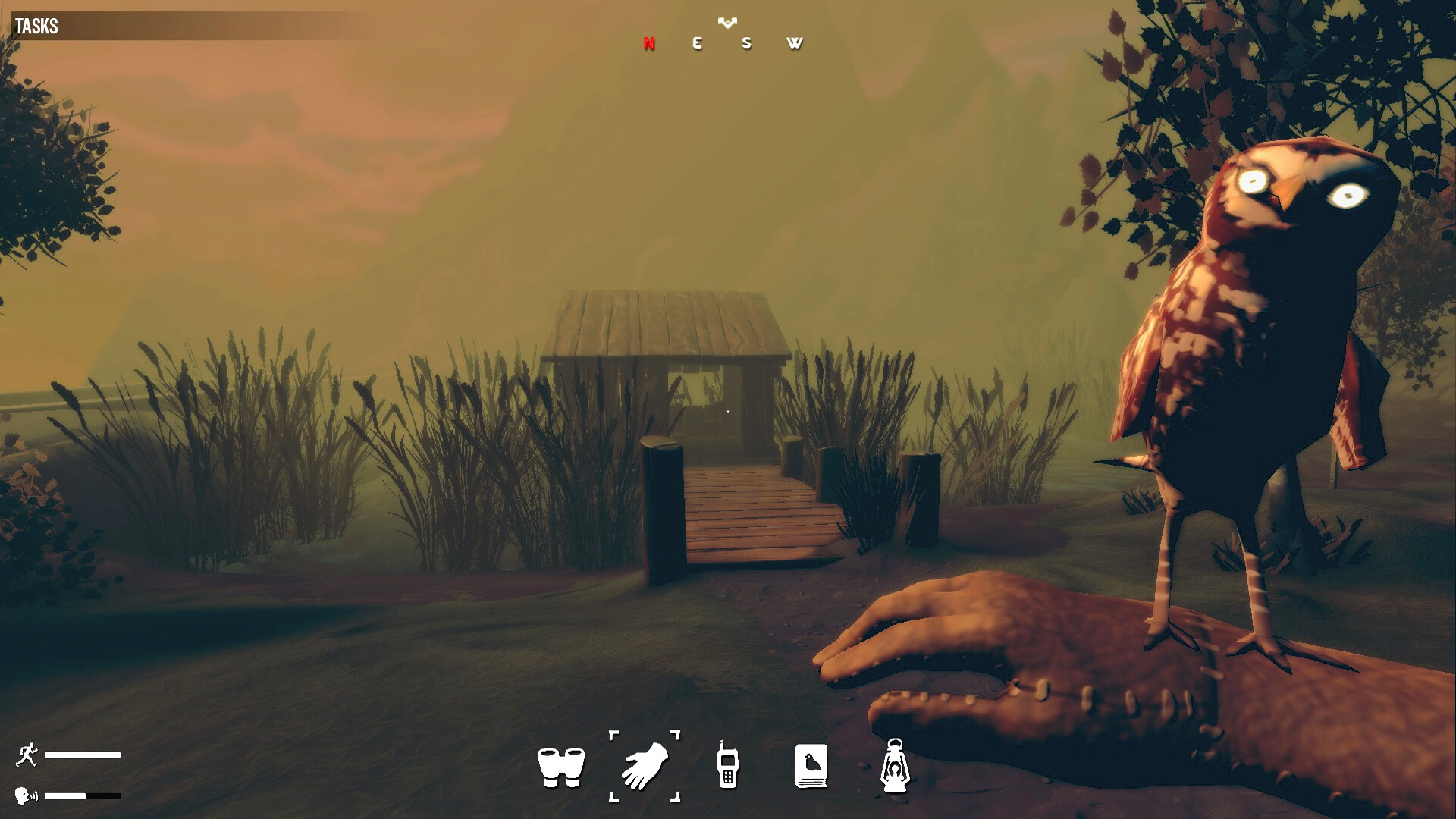
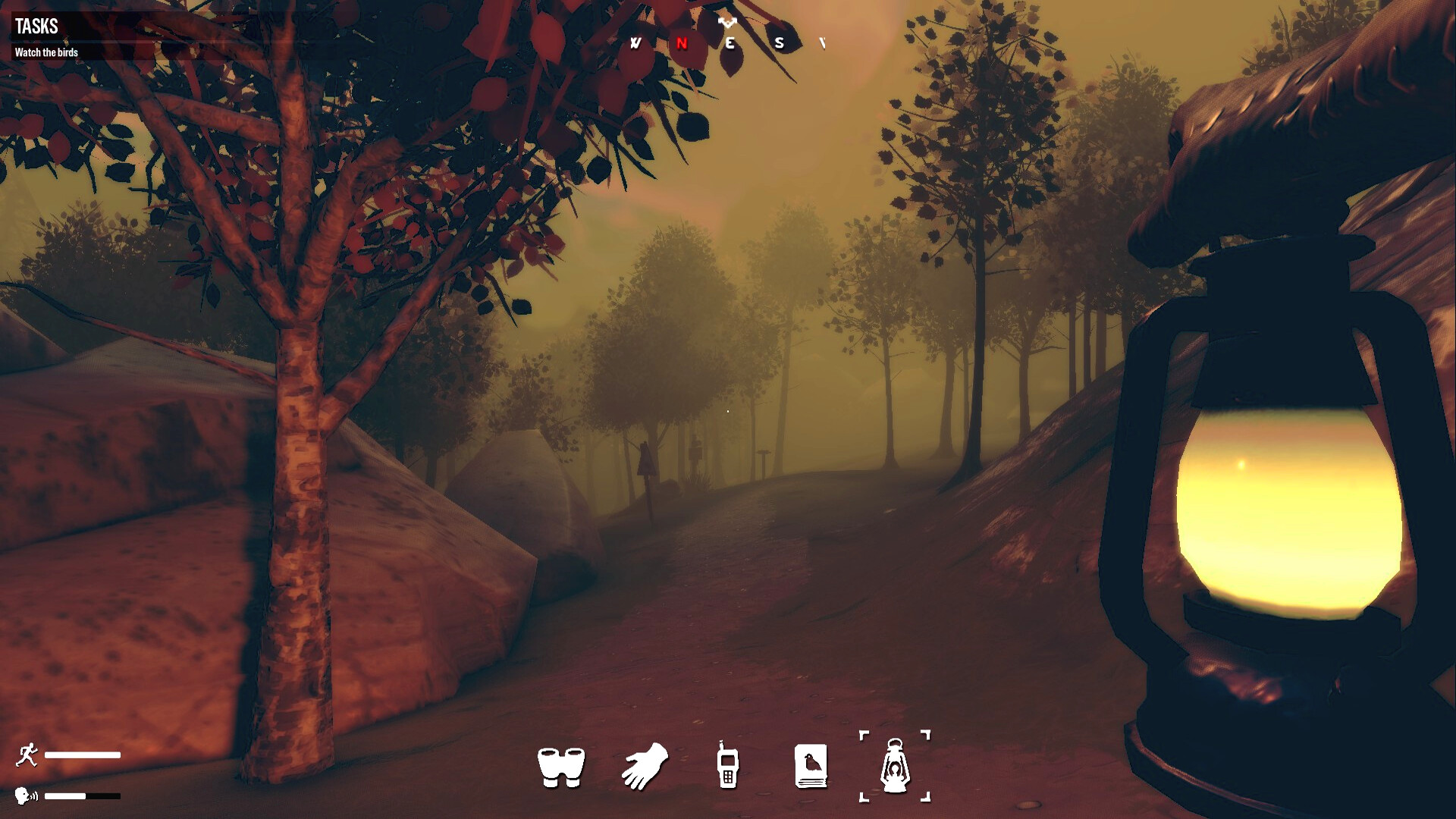
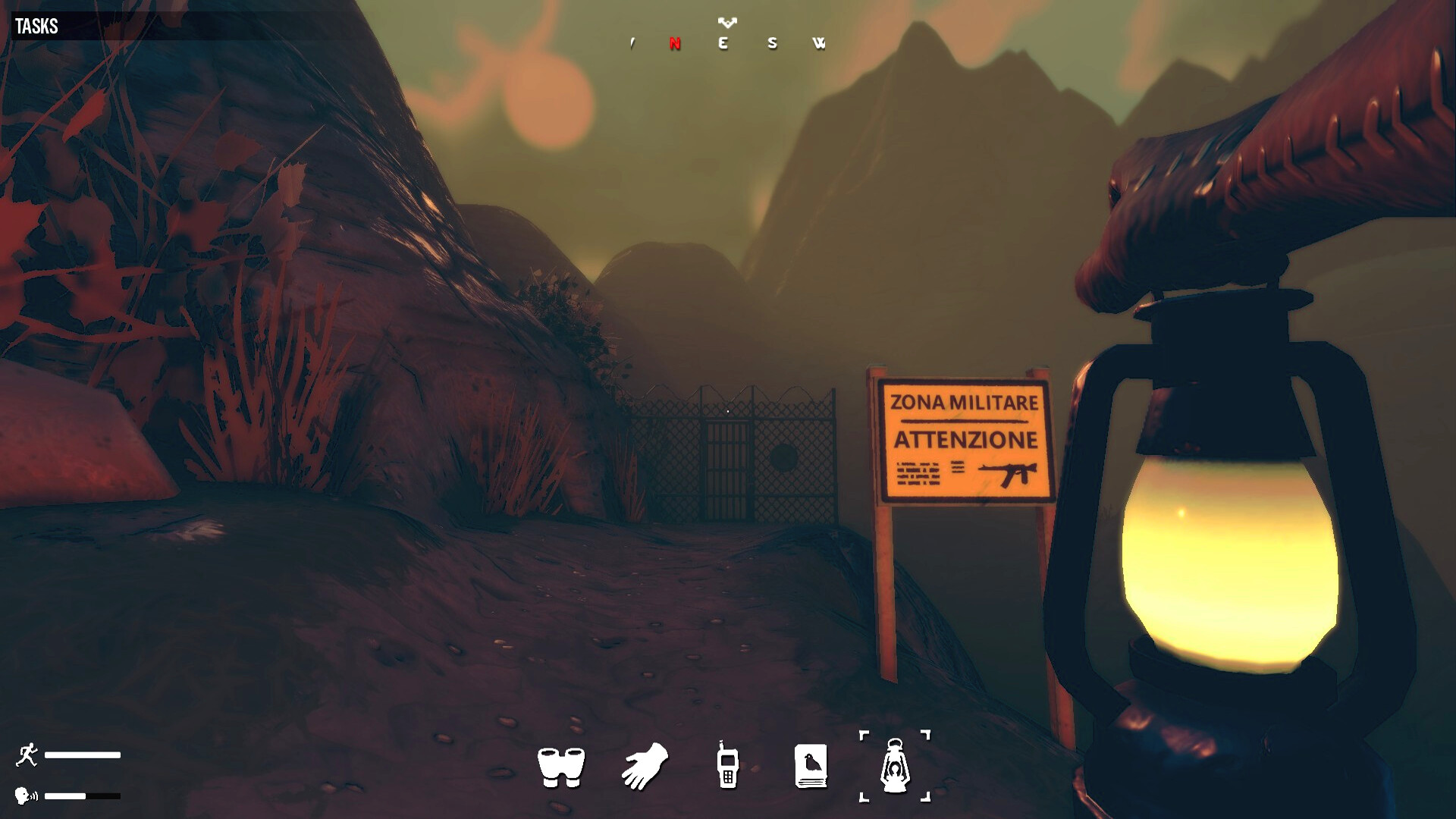
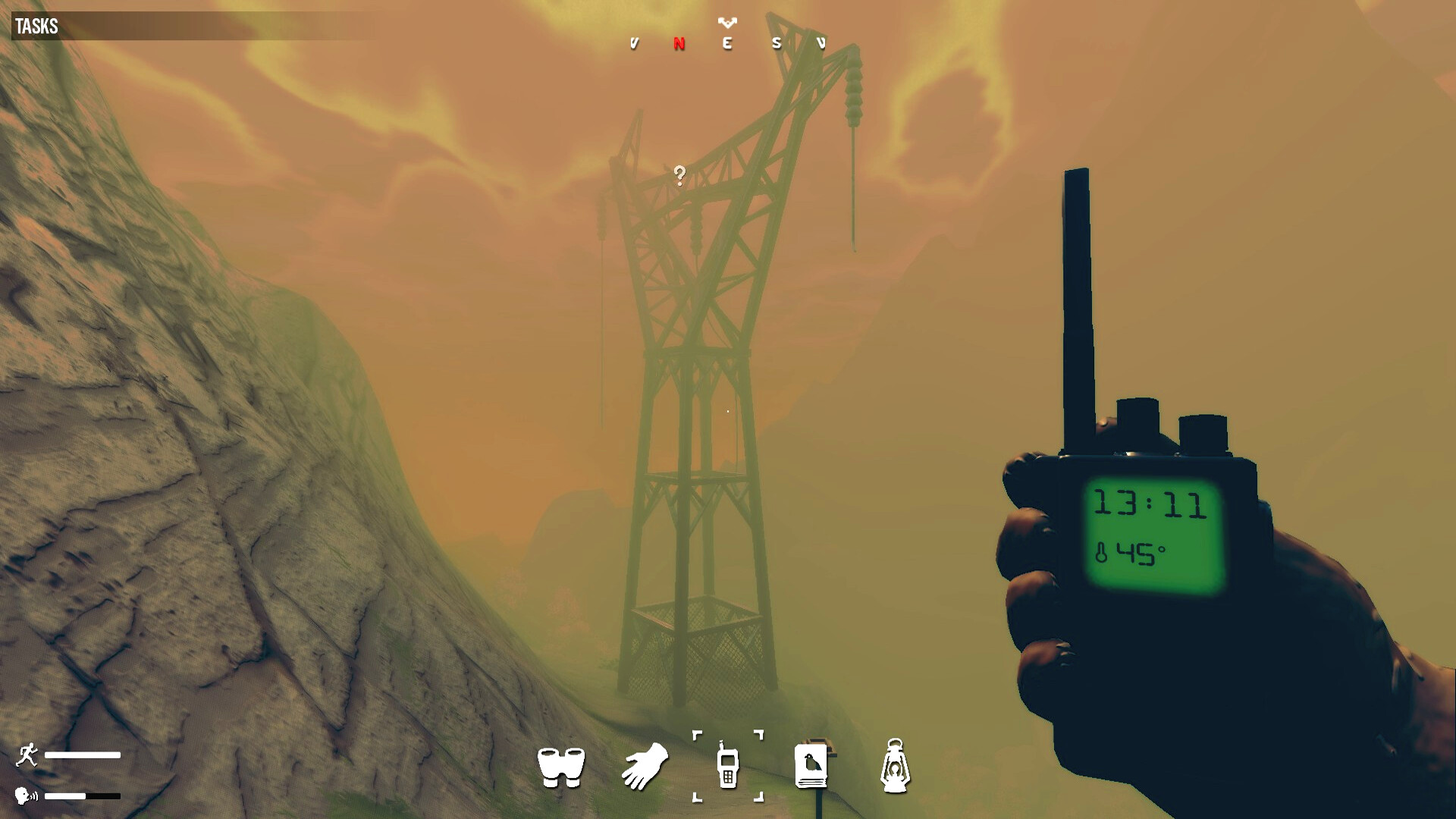
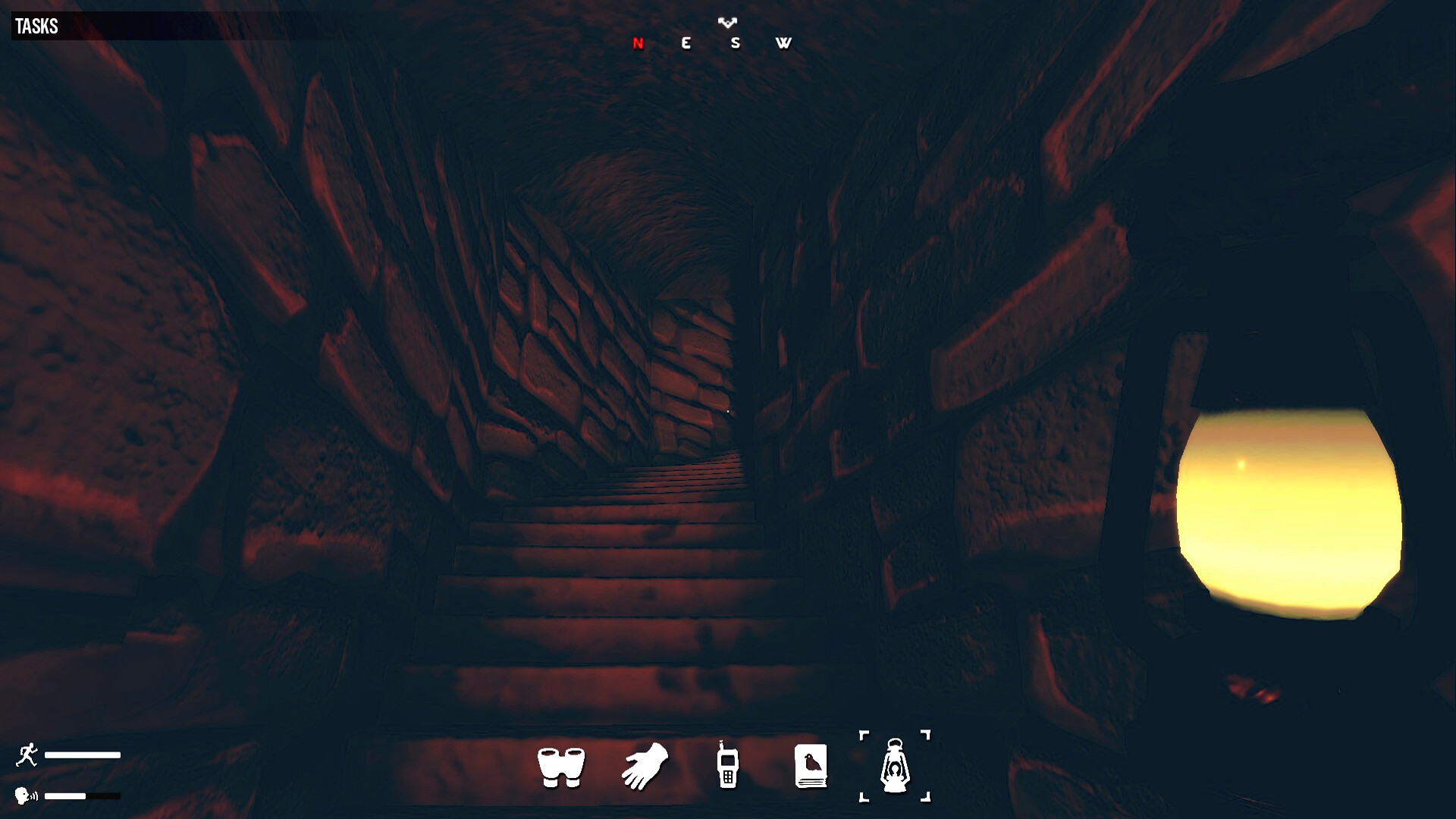
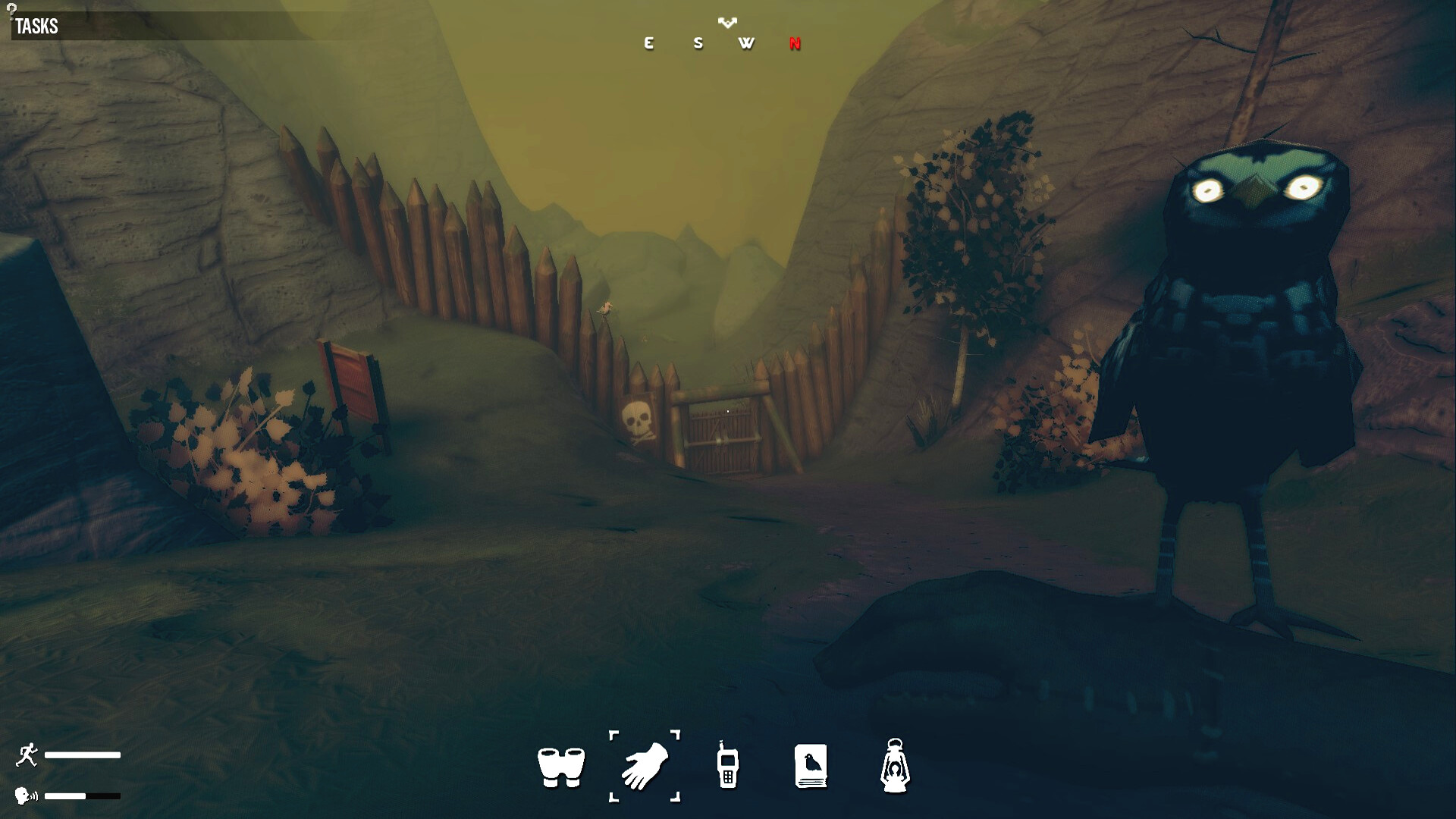
Get an in-depth look at Birds Watching through various videos and screenshots.
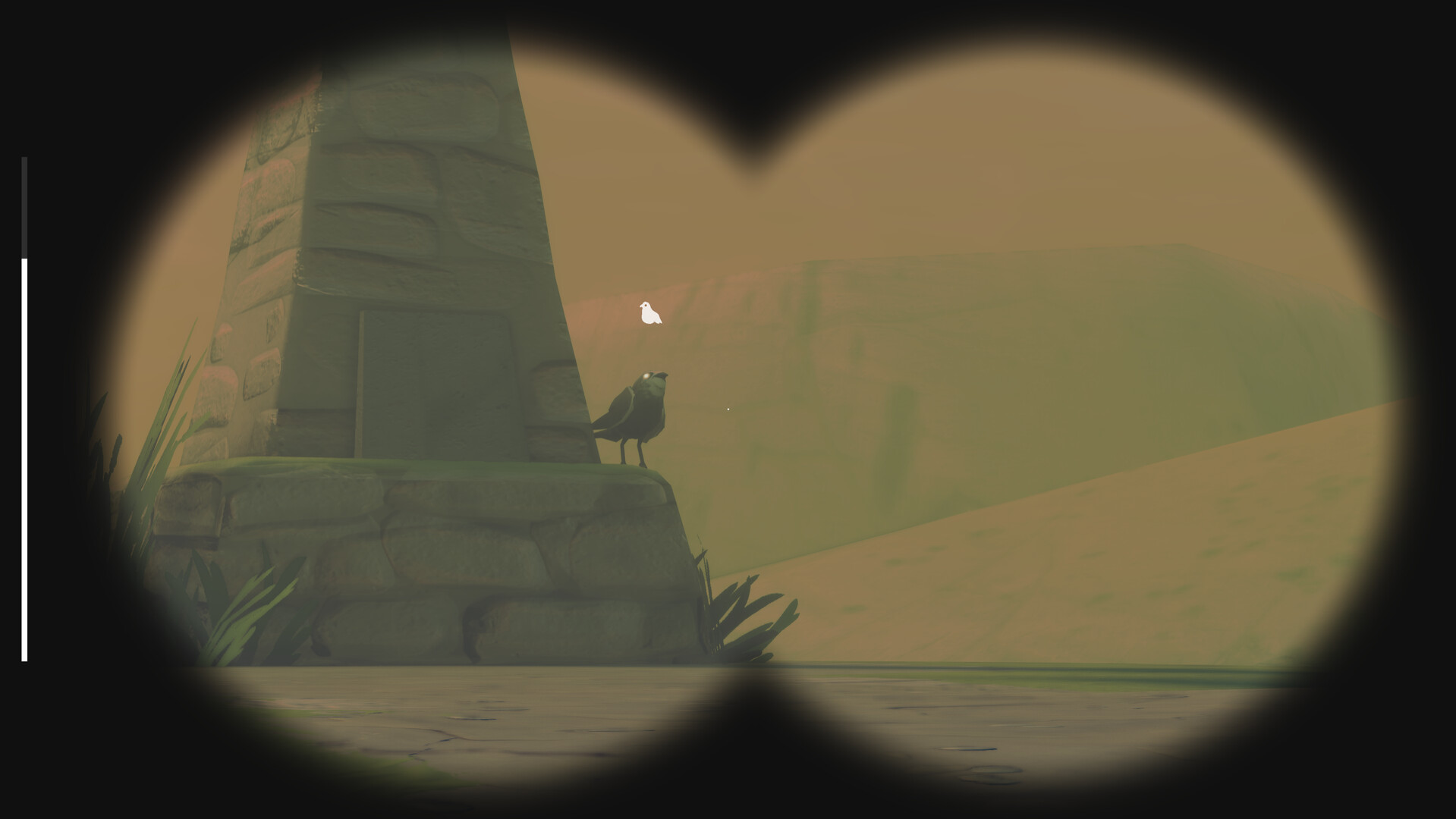
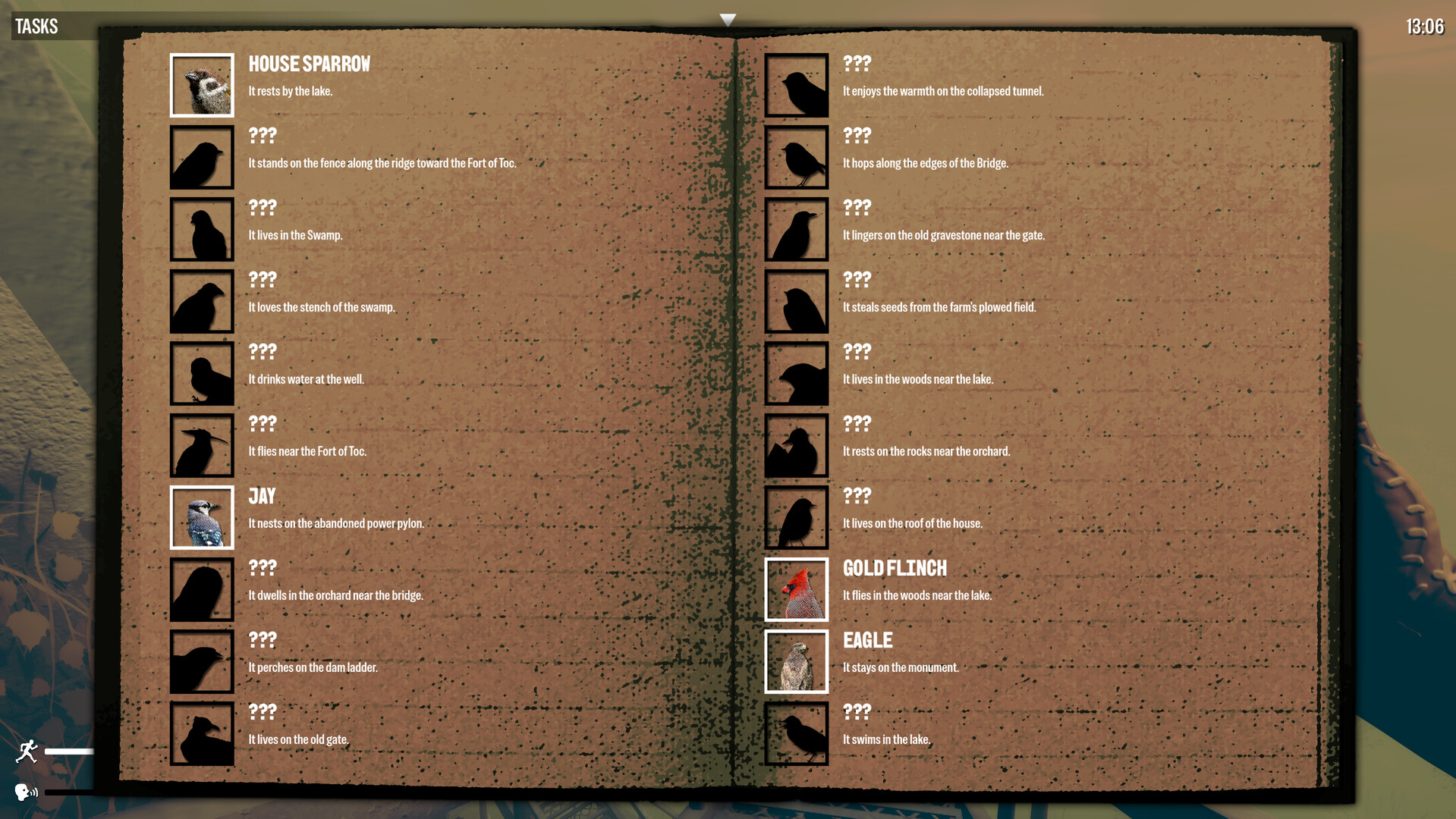
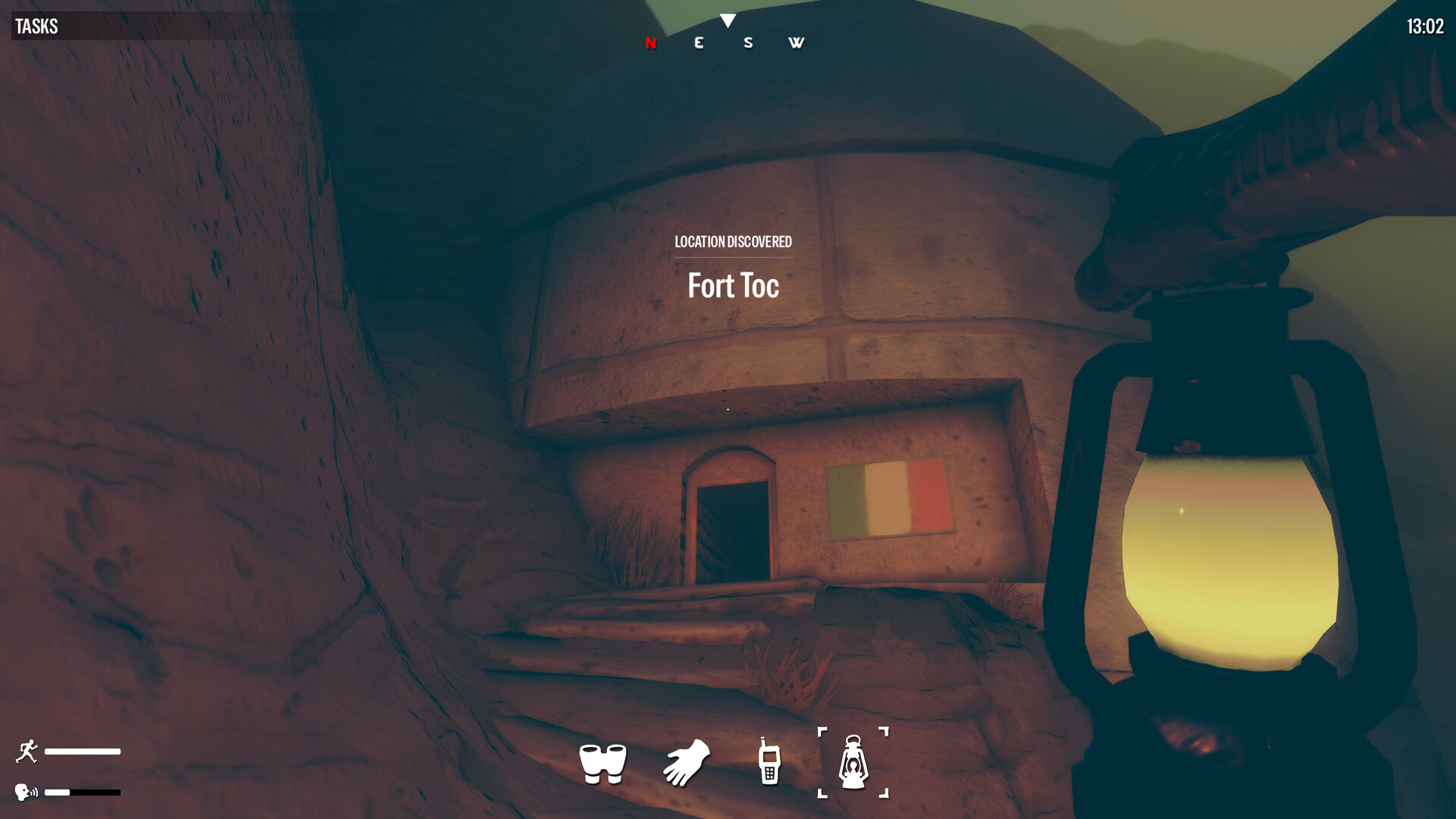
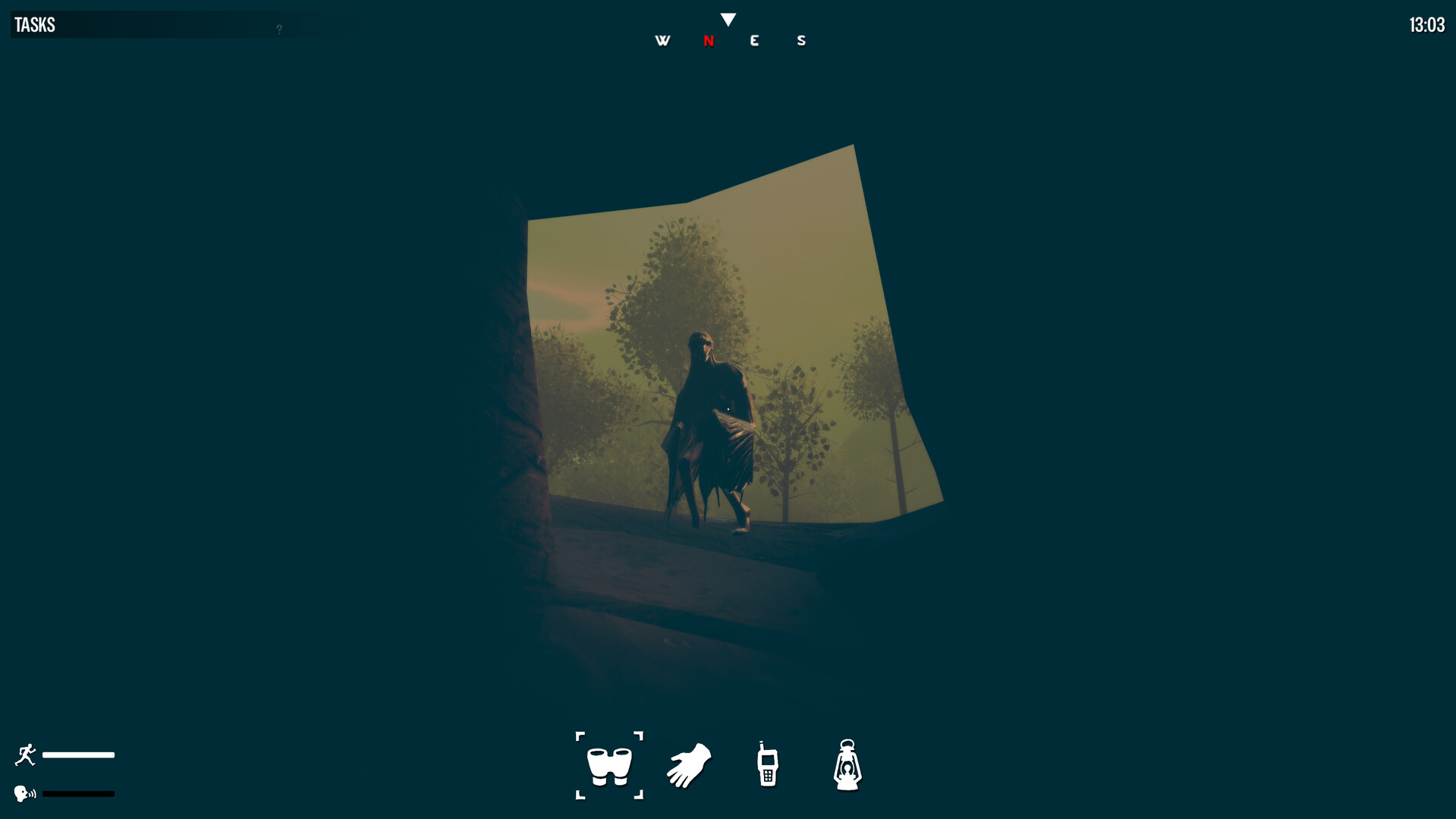
Load More
System requirements
These are the minimum specifications needed to play the game. For the best experience, we recommend that you verify them.
Windows
- OS: Windows 10
- Processor: Intel i5-4590, AMD FX 8350 equivalent or better
- Memory: 8 GB RAM
- Graphics: Nvidia GeForce GTX 1050/970, AMD Radeon R9 290 equivalent or better
- DirectX: Version 11
- Storage: 1 GB available space
Steam Price & Best Deals
User reviews & Ratings
Explore reviews from Steam users sharing their experiences and what they love about the game.
One of the weirdest games I've streamed. And that's saying something. I loved the amount of choices somehow squished into a relatively short game, though I wasn't a fan of the volume of dialogue. Quite chatty. I spent the first half of the game mostly reading out loud. It's 100% worth playing for its intriguing story, humour, ambience and unusual mechanics, but streamers beware - it's not without its flaws, some of which I feel aren't great for your audience. 1) I got stuck just by walking into the corner of a small set of stairs on the way to the Fort. All I had to do was run into it, and I was stuck. Had to quit the game and reload. 2) The game's visual style is intentionally murky (it's plot relevant) , though as in-game time ticks on, it only gets darker, and murkier. It reaches a point where you can't see a thing without your lantern, and given you can only hold a single item at a time, it becomes a bit of a chore navigating the world. It's also not very visually pleasant for an audience to look at, imo. 3) There's a minor glitch with the dialogue boxes. You'll always get an extra, empty one at the end of every conversation, which sometimes will go away by itself after about 1 second, but sometimes won't. This makes it easy to choose incorrect dialogue options, accidentally skip following dialogue, or repeat dialogue. Don't let that put you off, though. It IS a really good game, and worth playing, but rough around the edges.
I'm not saying I'm proud of the things I've done on my path to becoming a bird but I did not give up. Covered myself in feathers Ate worms Cut off my nose and attached a beak Banged another bird (I didn't even have to this was just for the love of the game) Was it worth it? I would like to think so. CAWWWWWWWWWWWWWWW!!! Playthrough below - https://www.youtube.com/watch?v=bwZshGpLQQA
Birds Watching is a psychological horror experience that succeeds by turning silence, loneliness, and observation into its greatest weapons. Developed and published by Studio Ortica, the game places players in a desolate world devastated by endless fires where humanity has already collapsed, leaving behind only isolation and uncertainty. Instead of focusing on traditional horror mechanics like combat or constant jump scares, the game builds fear through atmosphere and slow-burning tension. The idea of simply wandering through a mountain reserve while cataloging birds initially sounds peaceful, almost relaxing, but Birds Watching gradually transforms that calm routine into something deeply disturbing. It creates an uncomfortable feeling that never fully disappears, making even the quietest moments feel threatening. The game’s core concept revolves around birdwatching and environmental exploration. Armed with binoculars and limited supplies, the player explores abandoned wilderness areas while documenting birds and uncovering fragments of a larger mystery hidden throughout the environment. At first, the process feels meditative. Searching through forests, cliffsides, and ruined structures while listening to distant bird calls creates an atmosphere closer to a nature simulator than a horror game. However, that peaceful tone slowly begins to fracture. Strange events become more common, subtle environmental changes appear, and the wildlife itself starts feeling unnervingly aware of the player’s presence. The game cleverly shifts the relationship between observer and observed, creating the growing paranoia that the birds may be watching back. One of the game’s greatest strengths is its atmosphere. Birds Watching understands how to create tension without overwhelming the player with constant scares. Much of the horror comes from anticipation and uncertainty rather than direct threats. The mountain setting feels isolated in a believable way, filled with fog-covered paths, abandoned cabins, and stretches of wilderness where nothing seems alive except the birds overhead. The sound design is especially effective because it constantly keeps the player uneasy. Wind blowing through trees, distant rustling, faint bird calls, and sudden unnatural silences all contribute to the oppressive mood. Even when absolutely nothing dangerous is happening, the game makes players feel vulnerable simply through environmental audio and pacing. The visual design also deserves praise for how effectively it supports the game’s themes. Birds Watching uses a rough but atmospheric art style that prioritizes mood over realism. Dense forests, dark skies, and dimly lit interiors create a sense of decay and abandonment that perfectly fits the post-apocalyptic setting. Lighting plays a major role throughout the experience, particularly during nighttime exploration where visibility becomes limited and every shadow feels suspicious. The restrained use of disturbing imagery works in the game’s favor because the horror elements are introduced slowly and sparingly. Rather than constantly showing monsters or shocking visuals, the game relies on suggestion and imagination to create fear. Narratively, Birds Watching takes a deliberately ambiguous approach. The story unfolds through environmental clues, scattered notes, hidden discoveries, and fragmented details rather than direct exposition. The game avoids explaining everything clearly, allowing players to interpret many of its mysteries for themselves. Themes of loneliness, survival, guilt, and psychological deterioration emerge naturally through exploration. The protagonist’s isolation becomes one of the most haunting parts of the experience because the world feels entirely abandoned except for the birds and whatever strange force seems connected to them. This uncertainty keeps the player engaged throughout the short runtime, constantly encouraging deeper exploration in search of answers that may never fully arrive. The birdwatching mechanics themselves are surprisingly effective at supporting the horror. Instead of feeling disconnected from the game’s darker themes, the act of observing wildlife becomes central to the tension. Players are encouraged to move slowly, pay attention to subtle details, and remain focused on the environment at all times. This slower pacing allows the game to manipulate player expectations extremely well. By conditioning players to carefully observe every movement and sound, even the smallest environmental changes become unsettling. The simple act of raising binoculars eventually starts feeling dangerous because of how the game builds paranoia around observation and surveillance. Another strength is the game’s pacing. Birds Watching is a relatively short experience, but that brevity works in its favor because the tension remains consistent throughout. The game never overstays its welcome or stretches its mechanics beyond what they can support. Every new area introduces fresh discoveries or unsettling moments, keeping the atmosphere engaging from beginning to end. Multiple endings and hidden secrets also add replay value for players interested in uncovering more about the world and its mysteries. That said, the game will not appeal to everyone. Players expecting fast-paced horror gameplay or complex mechanics may find the experience too slow and minimalistic. Much of the gameplay revolves around exploration, observation, and atmosphere rather than direct interaction or combat. The intentionally vague storytelling may also frustrate players who prefer clear narratives with straightforward explanations. In some moments, the game’s ambiguity feels more confusing than mysterious, especially when trying to piece together its deeper lore. Technical roughness and occasional awkward movement controls can also slightly break immersion during exploration. Despite these issues, Birds Watching stands out because of how effectively it commits to its concept. It transforms something normally peaceful into a source of dread through careful pacing, environmental storytelling, and psychological tension. Few horror games manage to create fear with such restraint, relying on silence and atmosphere rather than constant spectacle. The game understands that uncertainty can be more disturbing than explicit horror, and it uses that understanding to create an experience that lingers in the player’s mind long after it ends. Birds Watching is not a traditional horror game, nor does it try to be. It is a slow, surreal, and deeply atmospheric experience built around isolation and paranoia. For players willing to embrace its deliberate pacing and cryptic storytelling, it offers a memorable journey filled with quiet dread and unsettling mystery. Studio Ortica has created a unique psychological horror experience that proves even the simple act of watching birds can become terrifying under the right circumstances. Rating: 9/10
Weird but also extremely jank game that's definitly not about bird watching... I'll not go into any details of the plot since it's so short but it does feel somewhat like The Hungry Fly and The Repairing Mantis in the general vibes. It's extremely buggy, It pretty much freeze and break all the time, forcing a restart. Like if you tab out of the game, sometimes when a dialogue ends, sometimes when the game feels like it... The game also sometimes reset your progress at random and so on. Why am I not giving it a thumbs down? Well the weirdness of it is enough to warrant a playthrough or two, it's also still fairly new, hopefully the team will iron out the bugs.
Similar games
View all



MOLDRISE
UP! UP! UP! It's the only thought you can still grasp. You have an infection that started in your foot, now it's in your head. Meet strange neighbours, make bad trades, learn about them. Everytime you fail, the building stays the same. What changes is what you know.

Fears to Fathom - Norwood Hitchhike
Holly Gardner, a 19 year old on an interstate drive experiences unusual happenings that leads to an unplanned stay at a motel, little did she know what was transpiring down in Norwood Valley.

Those Who Remain
As the lights go out, the embers of darkness are stoked in the sleepy town of Dormont. Confront uncomfortable horrors, keep your sanity in check and survive the night in this story-driven first-person psychological-thriller.

Shipwrecked 64
A recovered copy of a lost game from the late 1990s about a Beaver named Bucky and his friends trying to escape from an island they crashed upon.

Backrooms: Lost Tape
You work in the cinema as an usher and accidentally fell into the Backrooms, now being trapped, needing to unravel the mysteries of the yellow rooms in order to get out of this place, but be careful, there are entities that will be in your way.
The Lightkeeper
Alone on a remote island, you're tasked with keeping a lighthouse. But the horrific events that claimed the lives of previous keepers still whisper through the air. Each day, the line between reality and delusion fades and something in the dark is waiting for the last keeper

Psalm 5:9-13
"Psalm 5:9-13" is a first-person psychological horror game with VHS effect. Be careful and attentive, there is something hiding in these rooms, something is watching from the darkness.

Anemoiapolis: Chapter 1
The most relaxing horror game you'll ever play. Anemoiapolis exists in the uncanny valley of American architecture -- endless carpeted floors and lonely malls. Escape for your life, and enjoy the scenery.

Fears to Fathom - Carson House
Noah Baker, an 18 year old highschooler experiences unsettling occurrences while house-sitting for a media personality, little did he know what was about to unfold that night.
Frequently Asked Questions
Birds Watching is currently priced at 4.99€ on Steam.
No, Birds Watching is currently not on sale. You can purchase it for 4.99€ on Steam.
Yes, Birds Watching received 302 positive votes out of a total of 347 achieving a rating of 8.07.
😎
Birds Watching was developed and published by Studio Ortica.
Yes, Birds Watching is playable and fully supported on Windows.
No, Birds Watching is not playable on MacOS.
No, Birds Watching is not playable on Linux.
Yes, Birds Watching is playable on Steam Deck, though it might require a few minor tweaks. Make sure to check the Steam store page and community feedback on ProtonDB for exact compatibility details.
Yes, Birds Watching is playable on Steam Machine, though it might require a few minor tweaks. Make sure to check the Steam store page and community feedback on ProtonDB for exact compatibility details.
No, Birds Watching does not support VR.
Birds Watching is a single-player game.
No, Birds Watching does not currently offer any DLC.
No, Birds Watching does not support mods via Steam Workshop.
No, Birds Watching does not support Steam Remote Play.
Yes, Birds Watching is enabled for Steam Family Sharing. This means you can share the game with authorized users from your Steam Library, allowing them to play it on their own accounts. For more details on how the feature works, you can read the original Steam Family Sharing announcement or visit the Steam Family Sharing user guide and FAQ page.
You can find solutions or submit a support ticket by visiting the Steam Support page for Birds Watching.
Data sources
The information presented on this page is sourced from reliable APIs to ensure accuracy and relevance. We utilize the Steam API to gather data on game details, including titles, descriptions, prices, and user reviews. This allows us to provide you with the most up-to-date information directly from the Steam platform.
Additionally, we incorporate data from the SteamSpy API, which offers insights into game sales and player statistics. This helps us present a comprehensive view of each game's popularity and performance within the gaming community.
Last Updates| Steam data | 01 November 2026 10:18 UTC |
|---|---|
| SteamSpy data | 19 November 2026 02:15 UTC |
| Steam price | 19 November 2026 04:33 UTC |
| Steam reviews | 19 October 2026 21:50 UTC |
If you'd like to dive deeper into the details about Birds Watching, we invite you to check out a few dedicated websites that offer extensive information and insights. These platforms provide valuable data, analysis, and user-generated reports to enhance your understanding of the game and its performance.
- SteamDB - A comprehensive database of everything on Steam about Birds Watching
- SteamCharts - Analysis of Birds Watching concurrent players on Steam
- ProtonDB - Crowdsourced reports on Linux and Steam Deck Birds Watching compatibility

Game modes
Features
Online players
1
Developer
Studio Ortica
Publisher
Studio Ortica
Release
06 Mar 2026
Platforms
Clicking and buying through these links helps us earn a commission to maintain our services.