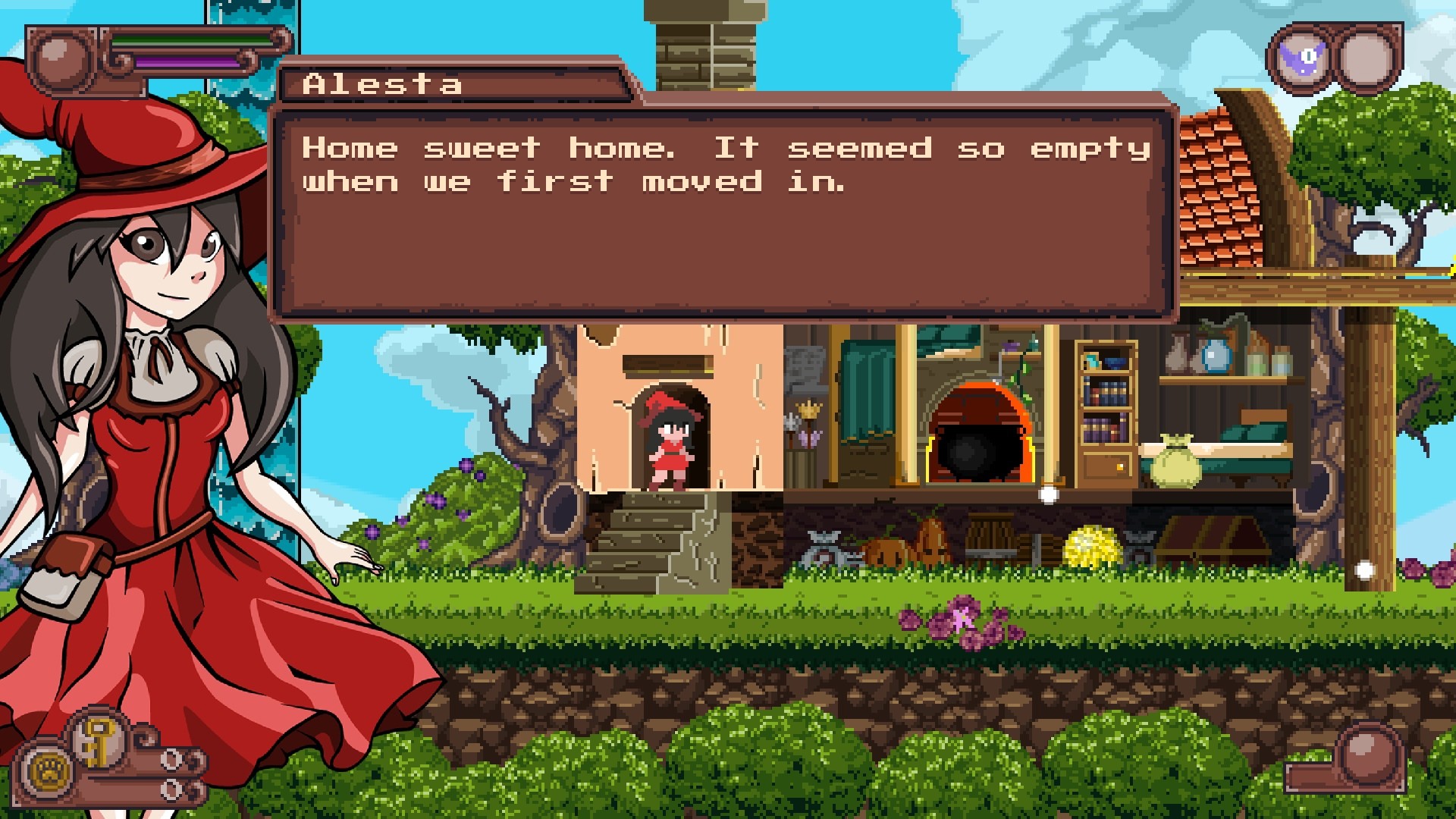
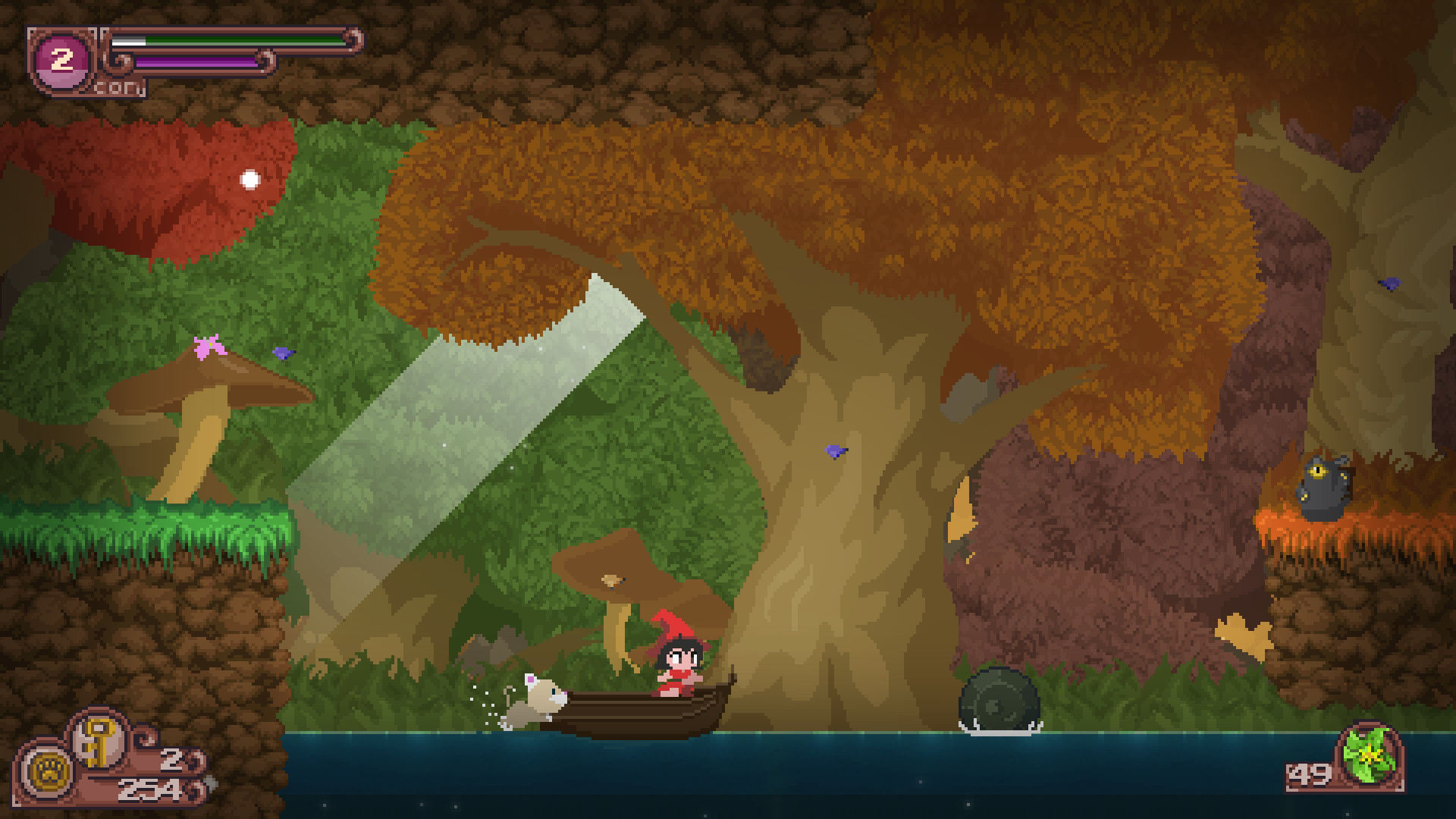
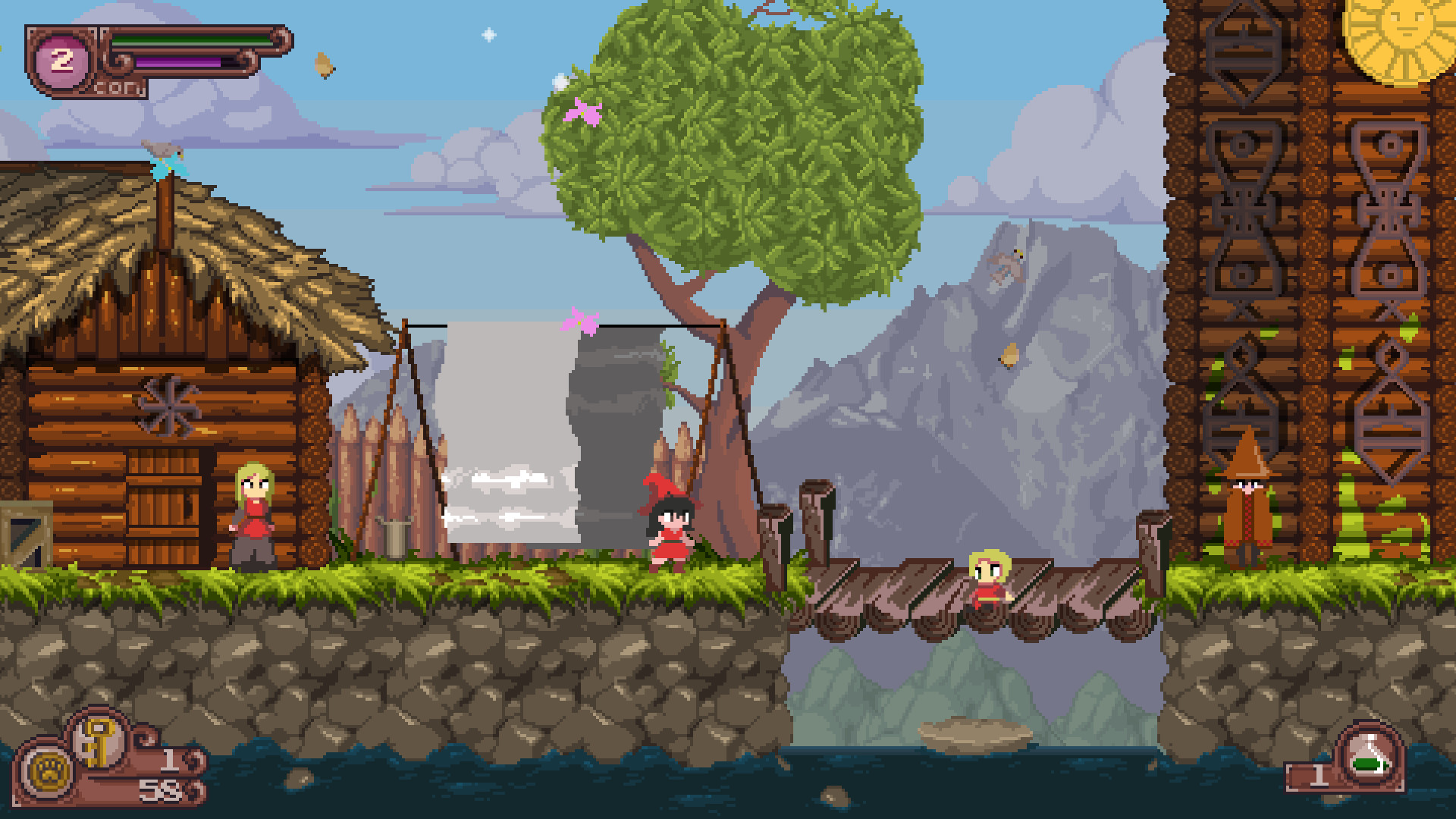
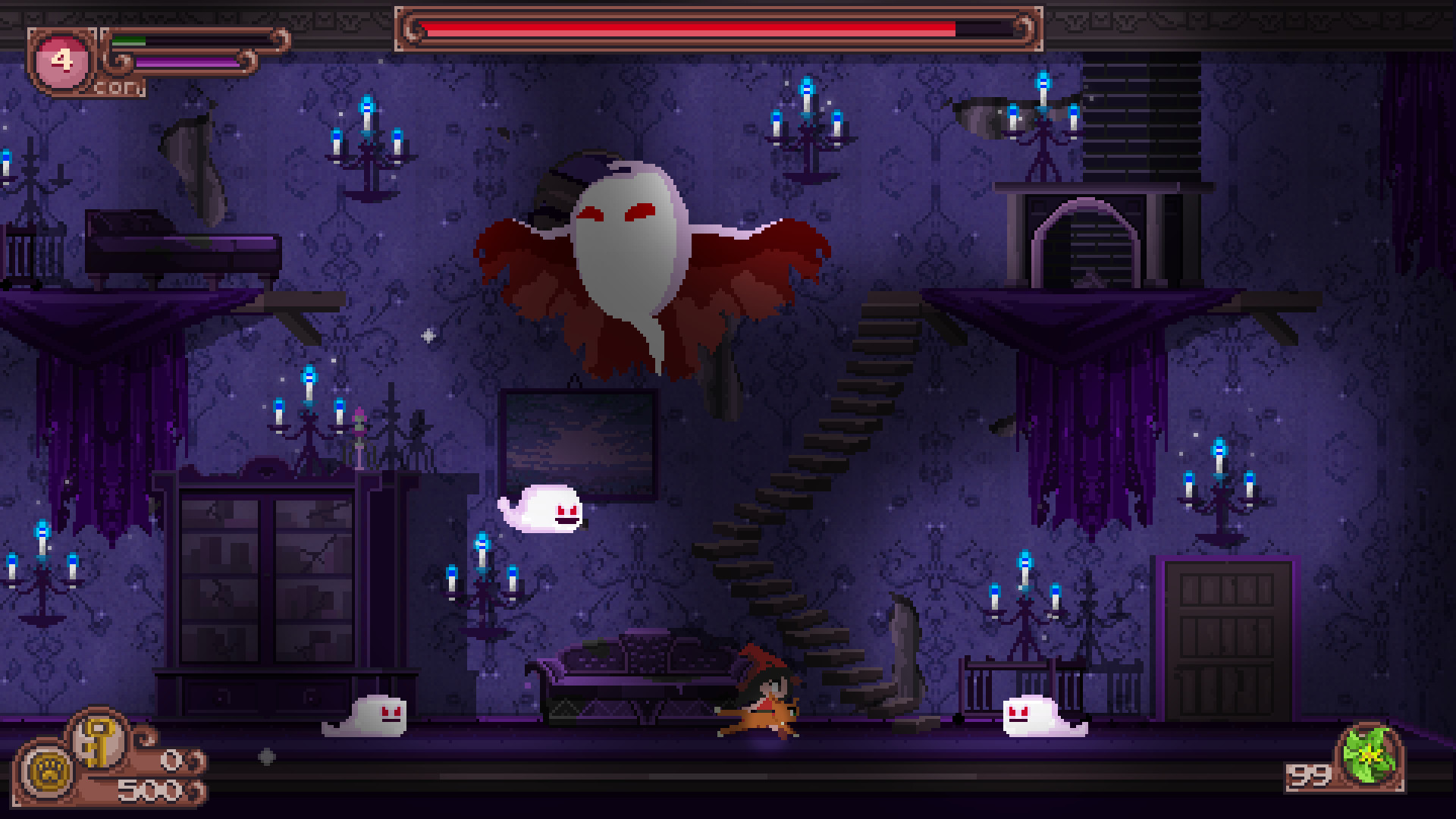
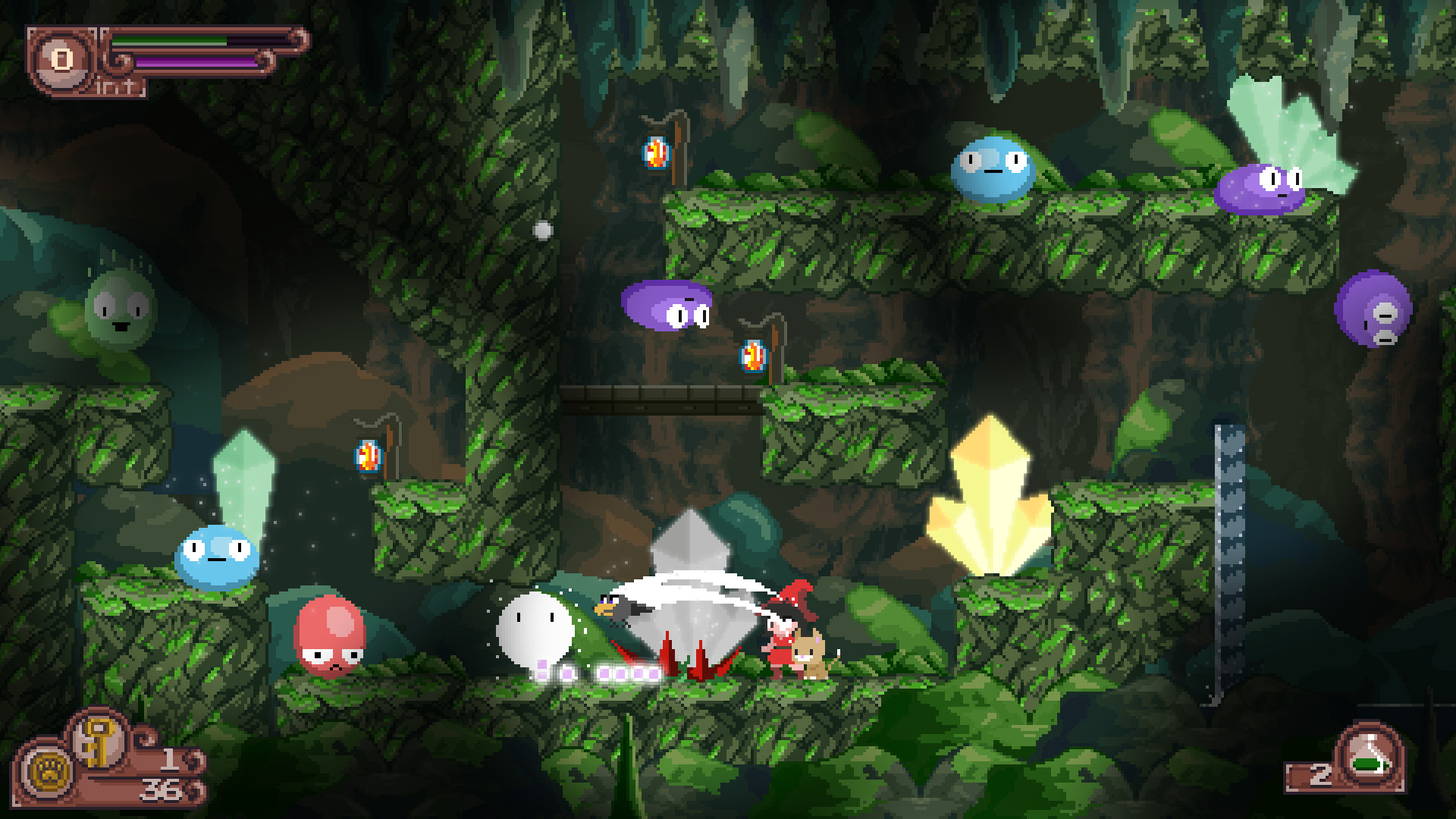
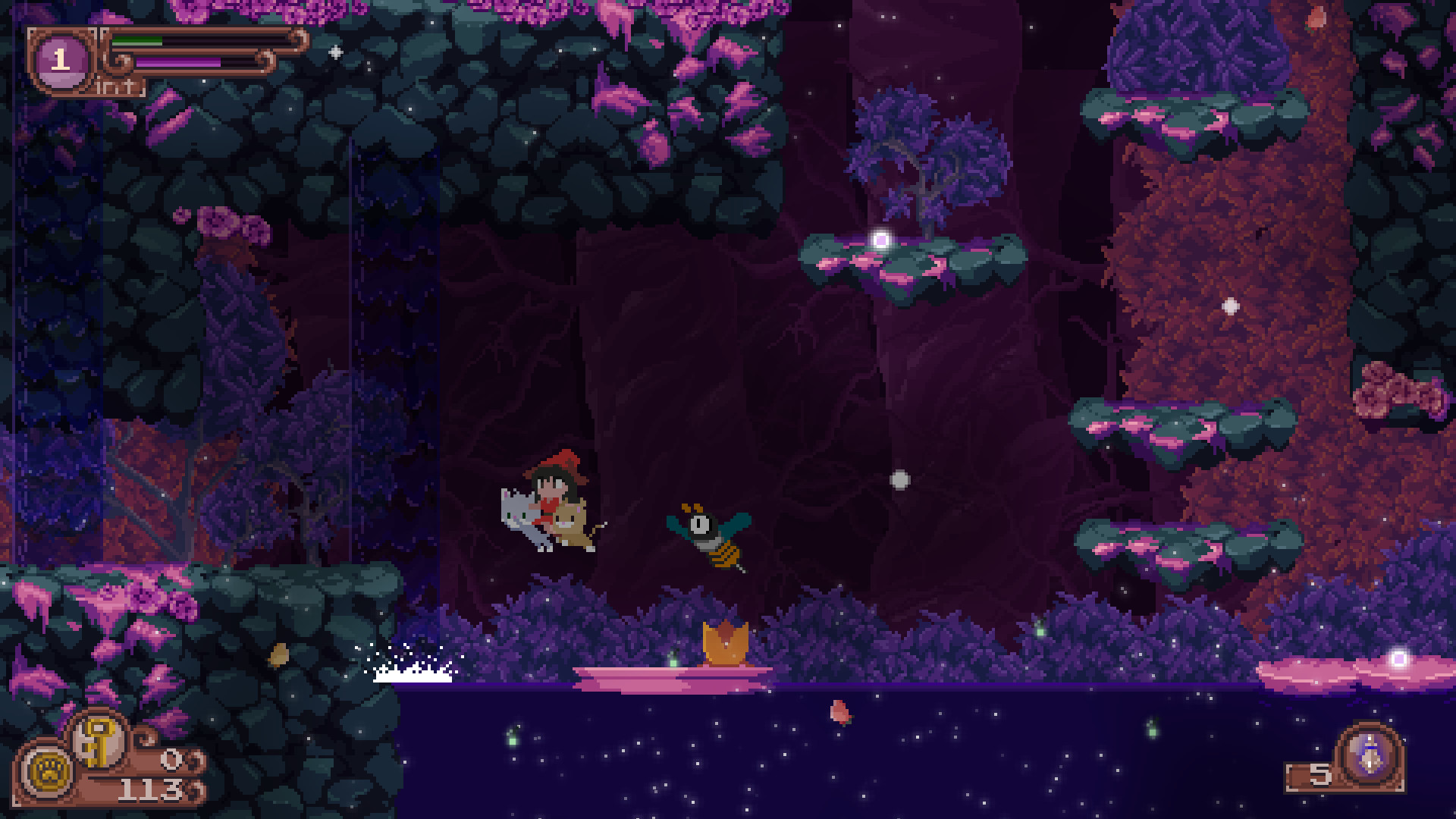
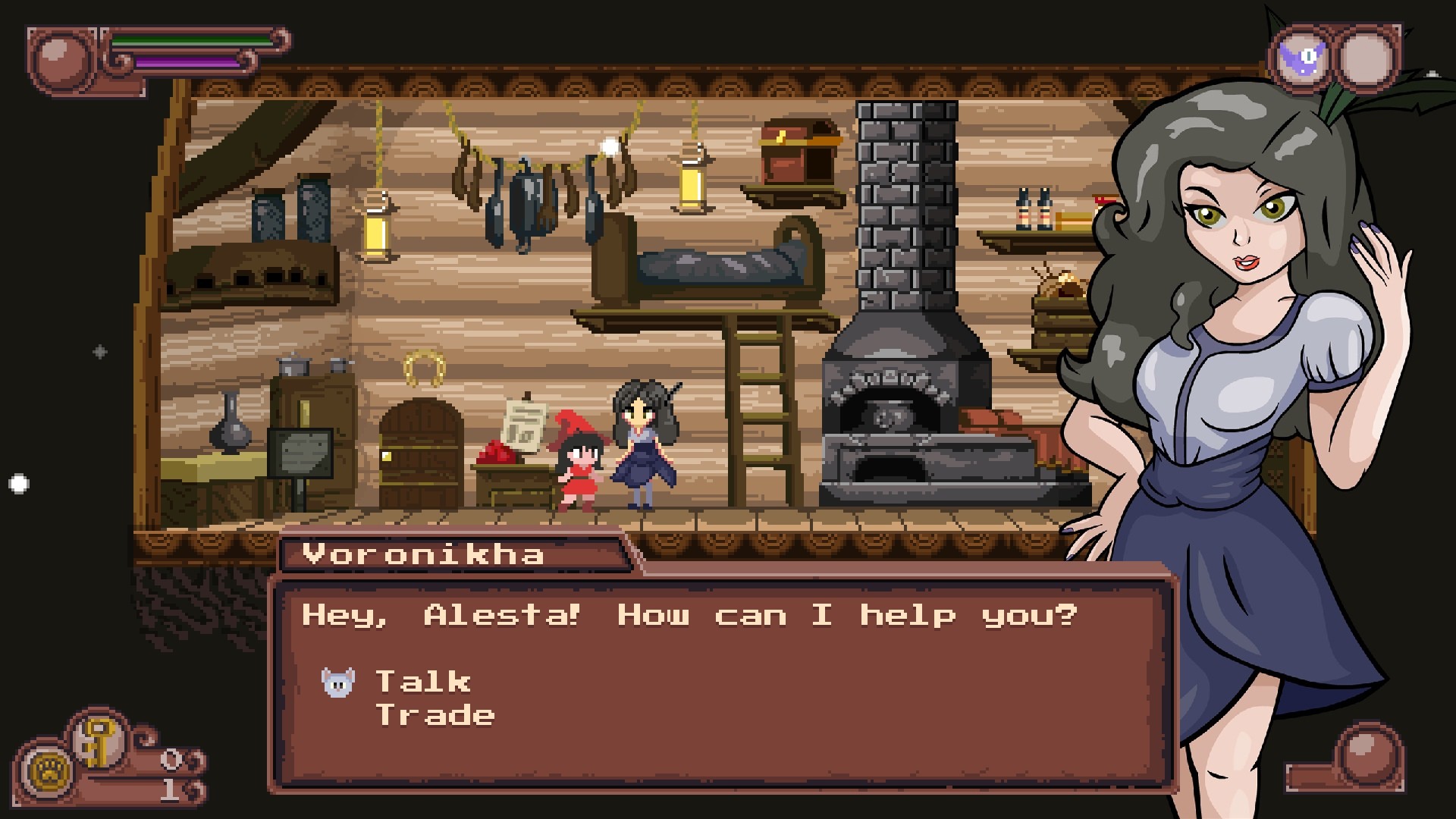
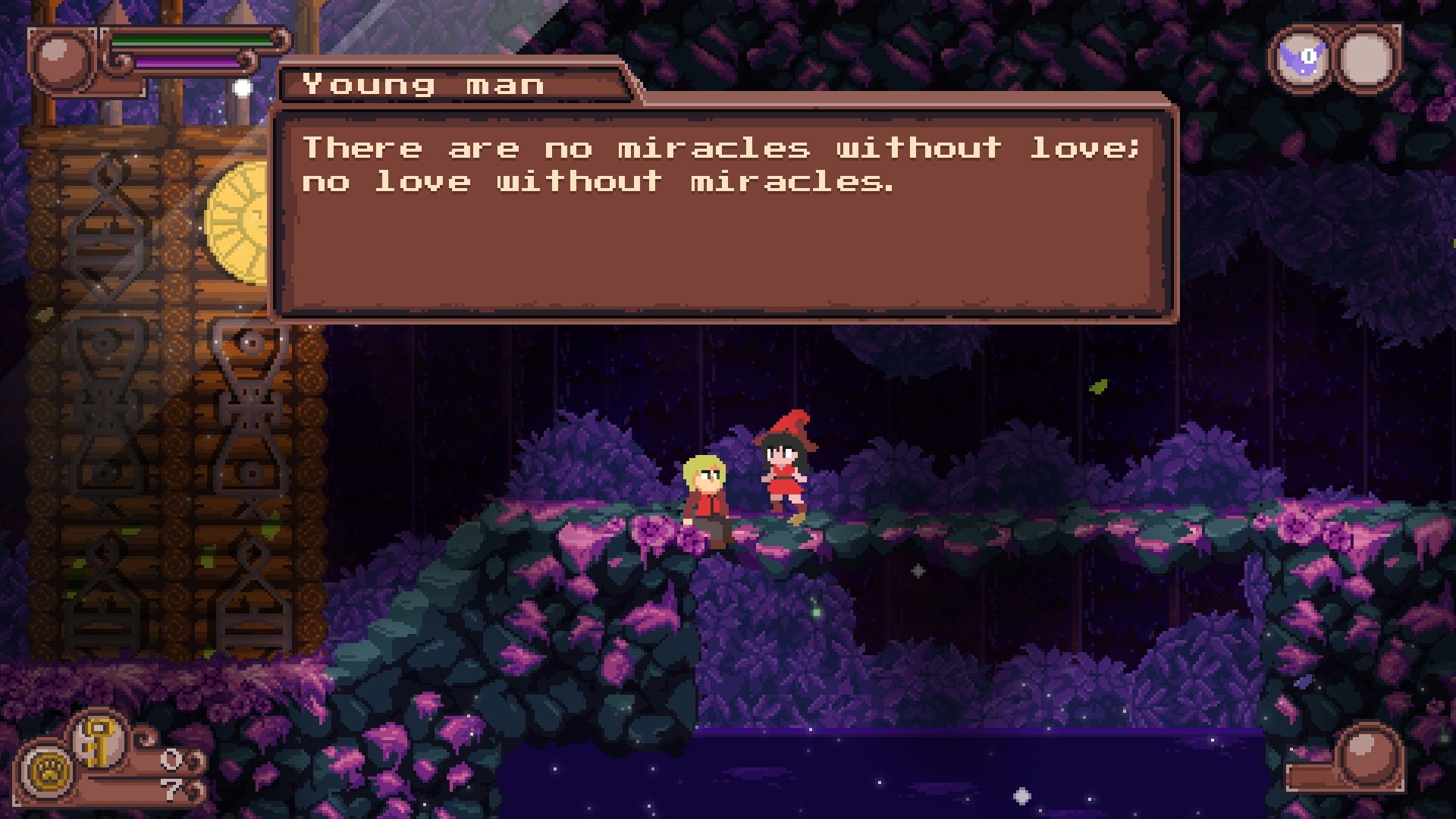
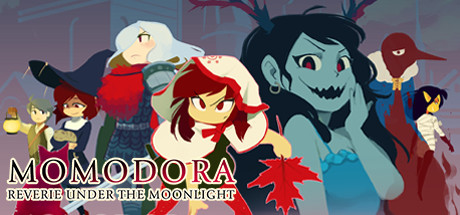
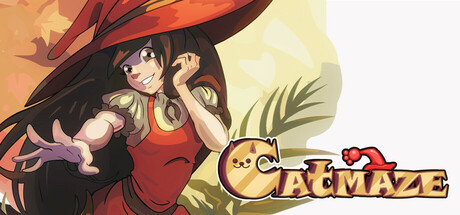
Catmaze, developed and published by Redblack Spade, is a beautifully handcrafted Metroidvania that weaves Slavic mythology into a touching tale of love, loss, and determination. At first glance, it appears to be a traditional side-scrolling adventure filled with monsters and dungeons, but underneath its charming pixel art lies a world brimming with folklore and emotional resonance. You play as Alesta, a young sorceress who embarks on a journey to rescue her mother’s soul from the underworld. Her path takes her through eerie forests, misty swamps, and shadowed villages, all populated by creatures and spirits from ancient Slavic legends. The narrative, while simple in structure, is elevated by its mythological foundation, giving Catmaze a sense of identity that sets it apart from its contemporaries. The gameplay embraces the fundamentals of the Metroidvania genre—exploration, progression, and backtracking—while introducing its own unique elements through Alesta’s magical abilities and companions. Combat revolves around the use of familiars, magical beings that Alesta can summon to fight on her behalf. Each familiar has its own attack style, ranging from ranged projectiles to melee strikes, and players can equip both a melee and a ranged familiar simultaneously, creating opportunities for strategic combinations. As you progress, new familiars, spells, and trinkets become available, adding variety and depth to the otherwise straightforward combat. The world itself is designed as an interconnected labyrinth, with locked doors, hidden passages, and shortcuts that gradually open as you acquire new abilities. It’s a satisfying loop of discovery and empowerment, one that rewards curiosity and careful observation. Exploration is at the heart of Catmaze’s appeal. The world is expansive yet cohesive, composed of distinct biomes that flow naturally into one another—forests dripping with dew, candle-lit crypts, and quaint villages that hint at a bygone era. Each area feels alive, and while the map isn’t overly complicated, it is large enough to give a sense of adventure and discovery. Save points and teleportation shrines are spaced thoughtfully, ensuring that backtracking never feels too tedious. The game strikes a commendable balance between challenge and accessibility, offering tricky platforming sections and tough boss encounters without crossing into frustration. The bosses themselves, though sometimes simple in design, carry personality and flair. Many of them draw directly from Slavic myth, turning folklore creatures like kikimoras, leshys, and rusalkas into memorable foes that enrich the game’s cultural atmosphere. Visually, Catmaze is a testament to how expressive pixel art can be when handled with care. Every environment feels lovingly crafted, from the flickering torches in underground tunnels to the soft glow of the moon over quiet villages. The art direction captures both whimsy and melancholy, making Alesta’s journey feel magical but tinged with sadness. The characters are designed with warmth and charm, even when their stories turn dark. The color palette shifts gracefully with each region, keeping the visuals fresh as you move through the world. The soundtrack, though understated, complements the visuals perfectly with its blend of gentle melodies and haunting tones. Each track reinforces the game’s emotional core, adding atmosphere without overpowering the gameplay. It’s a game that thrives on its sense of place—every area, sound, and sprite works together to immerse you in its Slavic-inspired fantasy world. Catmaze’s story may not rely on elaborate cutscenes or complex dialogue, but it carries emotional weight through tone and implication. Alesta’s motivation—to save her mother—grounds the narrative in something deeply human, even as the world around her overflows with spirits, gods, and monsters. Along her journey, she encounters a variety of characters, each offering small glimpses into the world’s lore or their own tragic backstories. These side interactions help flesh out the setting and lend an air of mystery to the journey. The writing has moments of poetic melancholy, though the localization occasionally struggles with awkward phrasing or uneven grammar. Despite these minor stumbles, the intent behind the words is clear, and the narrative resonates emotionally, especially as the story builds toward its conclusion and multiple possible endings. Mechanically, the game plays smoothly, though it is not without its rough edges. The controls are responsive for the most part, but a few platforming sections can feel imprecise due to small collision issues or uneven hit detection. Some players may also find that combat, while functional, leans toward simplicity—most encounters are resolved through straightforward pattern recognition rather than deep tactical engagement. The pacing of upgrades is consistent, but there are moments when progression can feel slightly opaque, particularly when the map doesn’t clearly indicate where to go next. Still, these shortcomings are softened by the game’s pacing and exploration structure, which encourages players to enjoy the journey rather than rush through it. Every area feels handcrafted, and even when you lose your way, there’s often something new to discover nearby. One of Catmaze’s standout qualities is how it successfully evokes atmosphere with minimal means. Its world feels ancient and mysterious, not through dense exposition but through visual storytelling. The ruins, statues, and cryptic NPC dialogue all hint at a culture long faded, allowing the player’s imagination to fill in the gaps. The combination of folklore, art, and music creates an experience that feels distinctly Eastern European, a rarity in modern indie games. The game’s aesthetic and tone recall classics like Cave Story and Momodora, but its Slavic flavor gives it a unique identity. It’s a quiet, introspective adventure that doesn’t rely on bombast or spectacle, preferring to draw players in with mood and emotion. For all its modest scope, Catmaze offers remarkable value. A single playthrough typically lasts around eight to ten hours, depending on how much you explore, and completionists can easily spend a few more searching for hidden items and side quests. The difficulty curve is fair, making it accessible to both newcomers and seasoned fans of the Metroidvania genre. Its charm lies in its sincerity—it doesn’t try to reinvent the wheel but refines its chosen formula with personality and heart. The fact that it’s largely the work of a solo developer makes its craftsmanship all the more impressive. Ultimately, Catmaze is a captivating and heartfelt Metroidvania that succeeds not through innovation but through atmosphere, soul, and cultural identity. It delivers a world worth exploring, characters worth meeting, and a story that lingers beyond its closing moments. Its flaws—occasional clunky translation, simple combat, and minor navigation hiccups—are far outweighed by its artistry and emotional depth. Redblack Spade has created a small but memorable gem, one that celebrates folklore, resilience, and the power of love in the face of loss. For anyone who cherishes atmospheric, story-driven adventures, Catmaze stands as a hidden treasure in the indie landscape—a haunting and beautiful journey through myth and memory. Rating: 8/10
Expand the review