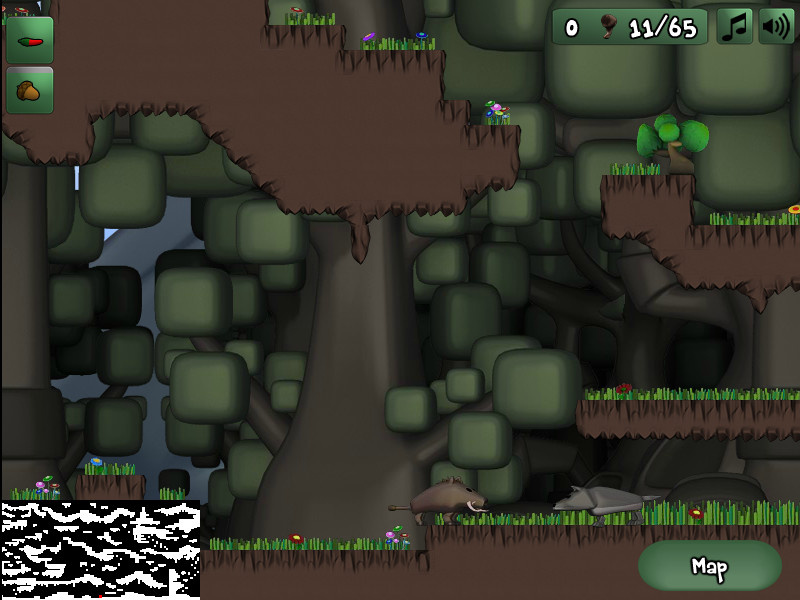
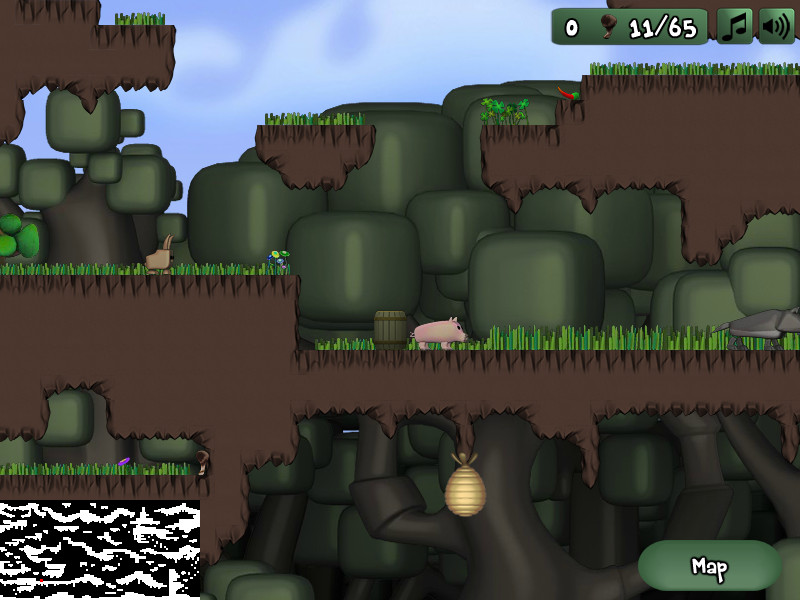
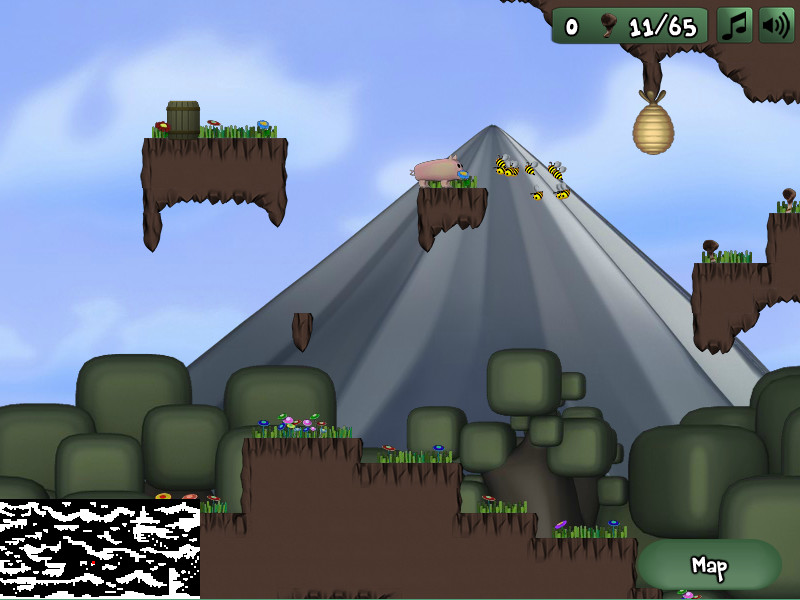
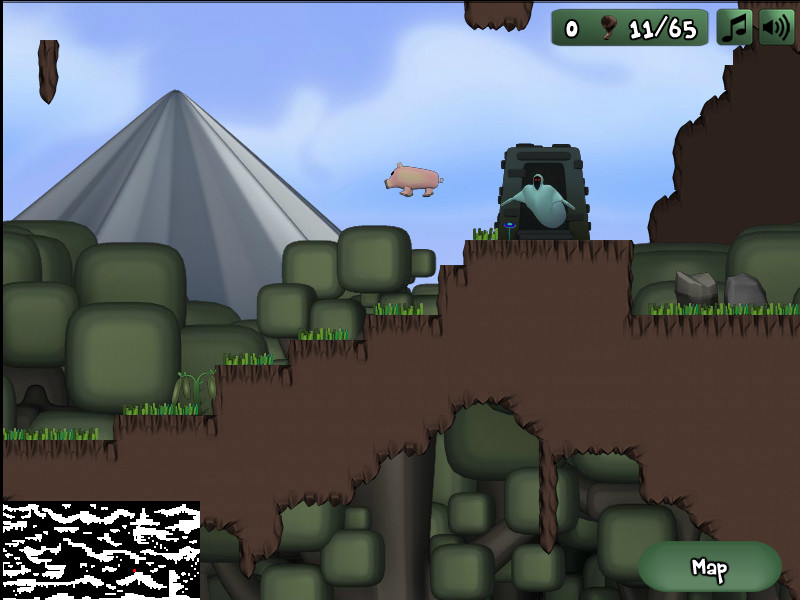
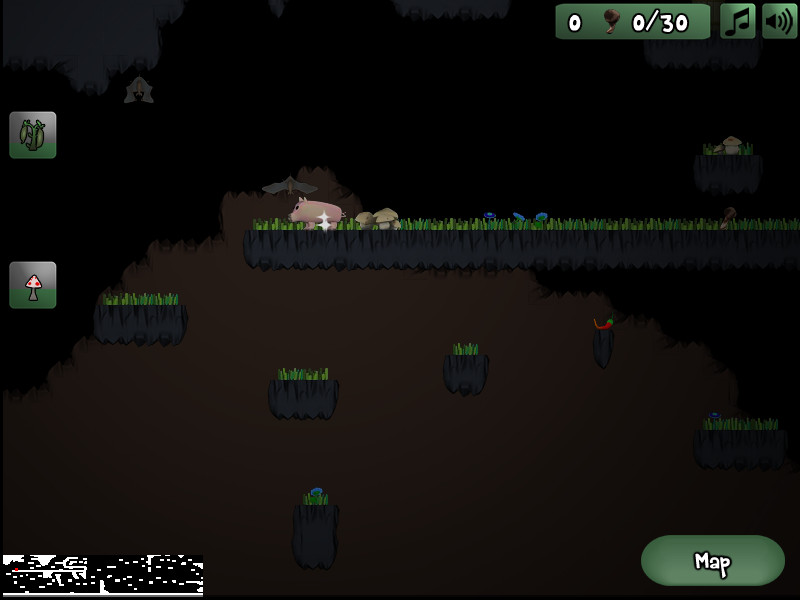
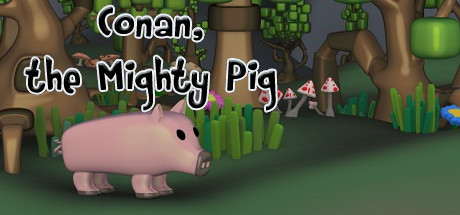
Conan the Mighty Pig is a small but surprisingly delightful indie platformer that combines classic exploration-driven gameplay with a lighthearted sense of humor and simplicity. Developed and published by Mihai Morosanu, it tells the story of an unlikely hero—a pig named Conan—who embarks on a journey to recover his lost truffles scattered across a series of interconnected environments. What seems at first like a playful concept quickly reveals itself as a surprisingly polished and charming experience, especially for a game of such humble origins. It’s not an expansive adventure or a punishing test of skill, but rather a compact, well-crafted slice of classic 2D exploration that focuses on accessibility, atmosphere, and steady progression. At its core, Conan the Mighty Pig is a side-scrolling platformer with mild puzzle and exploration elements. You guide Conan through forests, caves, and mountainous regions in search of truffles while avoiding obstacles and enemies that stand in your way. The game’s world isn’t just a collection of levels to be beaten in sequence but a network of interconnected areas that encourage revisiting and curiosity. As you explore, you’ll come across special plants that grant temporary powers—abilities that open up new sections of the map or make traversal easier. This mechanic gives the game a subtle “metroidvania” flavor, rewarding players for paying attention to their surroundings and experimenting with what they’ve learned. The design keeps things simple and intuitive, ensuring that exploration feels inviting rather than overwhelming, and each new discovery feels earned. The gameplay loop is intentionally straightforward but satisfying. Movement is responsive and precise, allowing Conan to jump, dodge, and maneuver through hazards with ease. The level design makes excellent use of verticality and hidden paths, rewarding players who take the time to look beyond the obvious. While combat is minimal, the challenge comes from timing jumps, avoiding environmental dangers, and navigating terrain that gradually becomes more complex. Collecting truffles serves as the game’s primary objective, but it’s the journey itself—the exploration and discovery—that provides most of the enjoyment. There’s a gentle rhythm to the pacing that makes the experience feel relaxing rather than stressful. The difficulty curve is forgiving, which may disappoint those seeking an intense platforming challenge but makes the game approachable for a wider audience, including younger or casual players. Visually, the game embraces a colorful and slightly rustic aesthetic that fits perfectly with its rural adventure theme. The environments are hand-crafted with care, featuring lush forests, dimly lit caves, and sweeping mountain passes that create a sense of place despite the game’s minimalist style. Each region has its own atmosphere, enhanced by simple but effective use of lighting and color. The visuals strike a balance between charm and functionality—clear enough to navigate easily, yet textured enough to feel alive. The soundtrack complements this with ambient melodies and soft background tunes that help immerse players in Conan’s journey. It’s a peaceful, almost meditative experience at times, enhanced by the subtle audio cues of nature and exploration rather than bombastic sound effects or constant tension. One of Conan the Mighty Pig’s strongest qualities is how it embraces its limitations and turns them into strengths. There’s no pretense of grandeur here—no sprawling narrative or elaborate cutscenes—just a focused, cohesive adventure that knows exactly what it wants to be. The controls are simple, the interface clean, and the mechanics easy to grasp within minutes. Yet despite its simplicity, there’s a genuine sense of care in how everything is put together. The interconnected map structure encourages exploration and replaying, and the plant-based ability system adds a layer of variety that keeps the experience fresh throughout its short runtime. Even though the story is almost nonexistent beyond the setup, the world feels cohesive and inviting enough to carry the experience on atmosphere and curiosity alone. That said, the game’s simplicity also comes with its drawbacks. Conan the Mighty Pig is short—most players can finish it in a single sitting—and while its world is charming, the lack of deeper progression systems or significant difficulty spikes may leave more experienced players wanting more. Once you’ve unlocked the key powers and explored the major areas, there’s little left to discover beyond completionist runs. The lack of narrative depth or character development also limits emotional engagement; Conan is a cute protagonist, but his motivations and world remain lightly sketched. Still, given the game’s price point and scope, these limitations feel appropriate rather than disappointing. It’s clear that the developer’s focus was on creating a small, self-contained experience rather than a sprawling platforming epic, and in that regard, it succeeds admirably. Where Conan the Mighty Pig truly shines is in its sense of charm and personality. There’s something endearing about a game that doesn’t try to be more than it is—a relaxing, cheerful, and slightly whimsical platformer that invites players to explore for the sheer joy of it. It evokes the feel of classic 16-bit adventures without mimicking them directly, relying instead on its own unique flavor of exploration and humor. The pacing is calm, the difficulty fair, and the tone consistently upbeat. For players looking for a break from the intensity of larger games, it offers the perfect balance of simplicity and satisfaction. The positive reception from players on Steam reflects this; many have praised it as a hidden gem—short, sweet, and surprisingly enjoyable despite its humble presentation. In the end, Conan the Mighty Pig stands as a reminder of what makes indie games special: creativity, heart, and a clear sense of purpose. It may not boast complex mechanics or a sweeping story, but it delivers an experience that feels genuine and thoughtfully crafted. Its colorful visuals, easy-to-learn controls, and accessible design make it suitable for anyone looking for a short, relaxing adventure. It’s the kind of game that invites you to slow down, explore at your own pace, and enjoy the simple pleasures of discovery. Mihai Morosanu’s little porcine hero may not wield a sword or save the world, but in his own quiet way, Conan leaves a lasting impression—proof that sometimes, the most modest adventures can be the most memorable. Rating: 9/10
Expand the review