
Dungreed
Dungreed is a 2D side-scrolling action game with 2D Rogue-LITE elements. You become an adventurer exploring a continuously evolving dungeon to prevent the town from being destroyed. Eliminate enemies, use a variety of weapons and magic, eat food, and defeat evil in the dungeon!
Sync your Steam wishlist to find the lowest game prices instantly. No login required, just paste your Steam profile URL!
⚡ Try Wishlist Radar!
Sync your Steam wishlist to find the lowest game prices instantly. No login required!
⚡ Try Wishlist Radar!
Close

Diary of Lucie on Steam
Quick menu
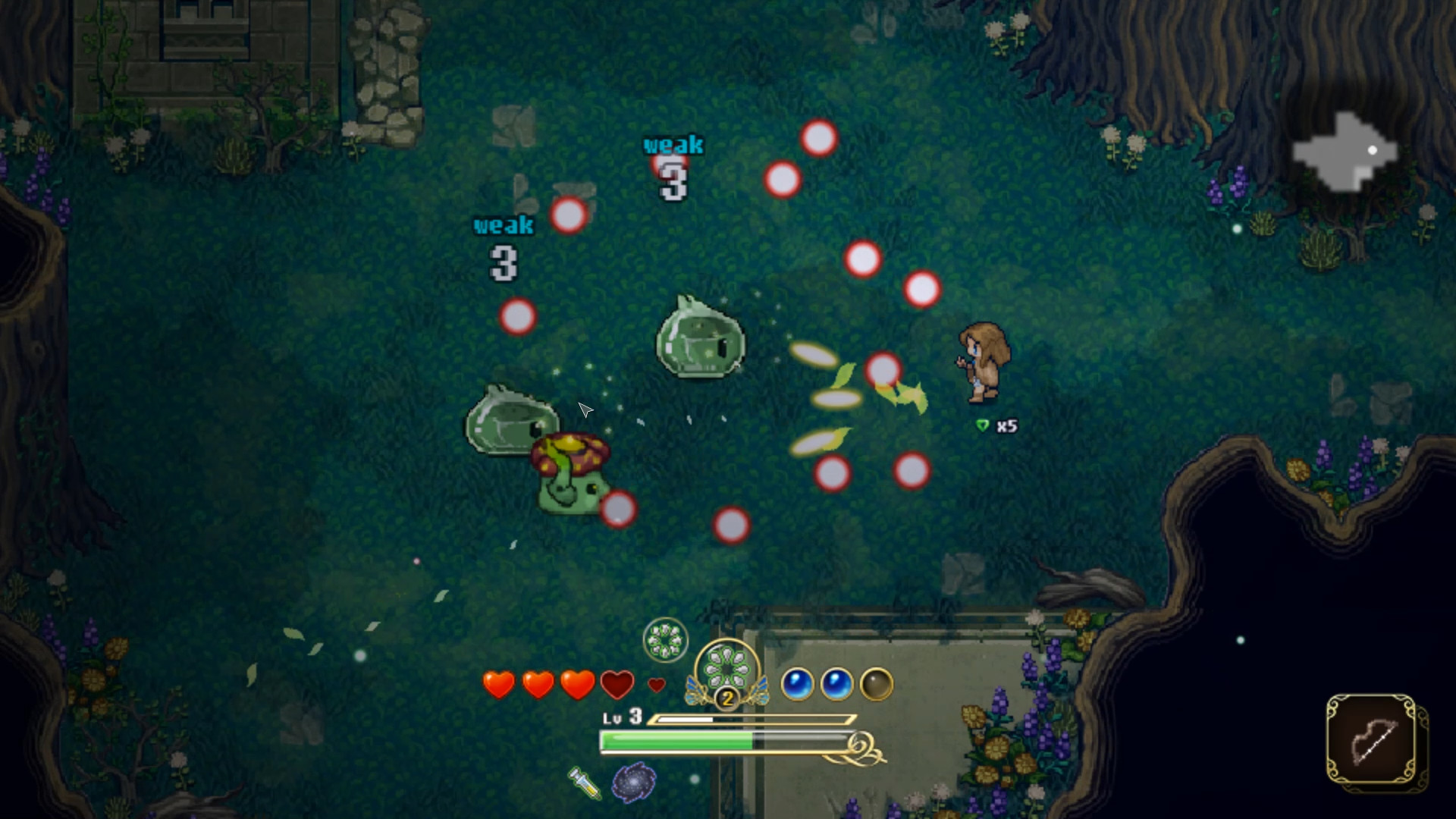
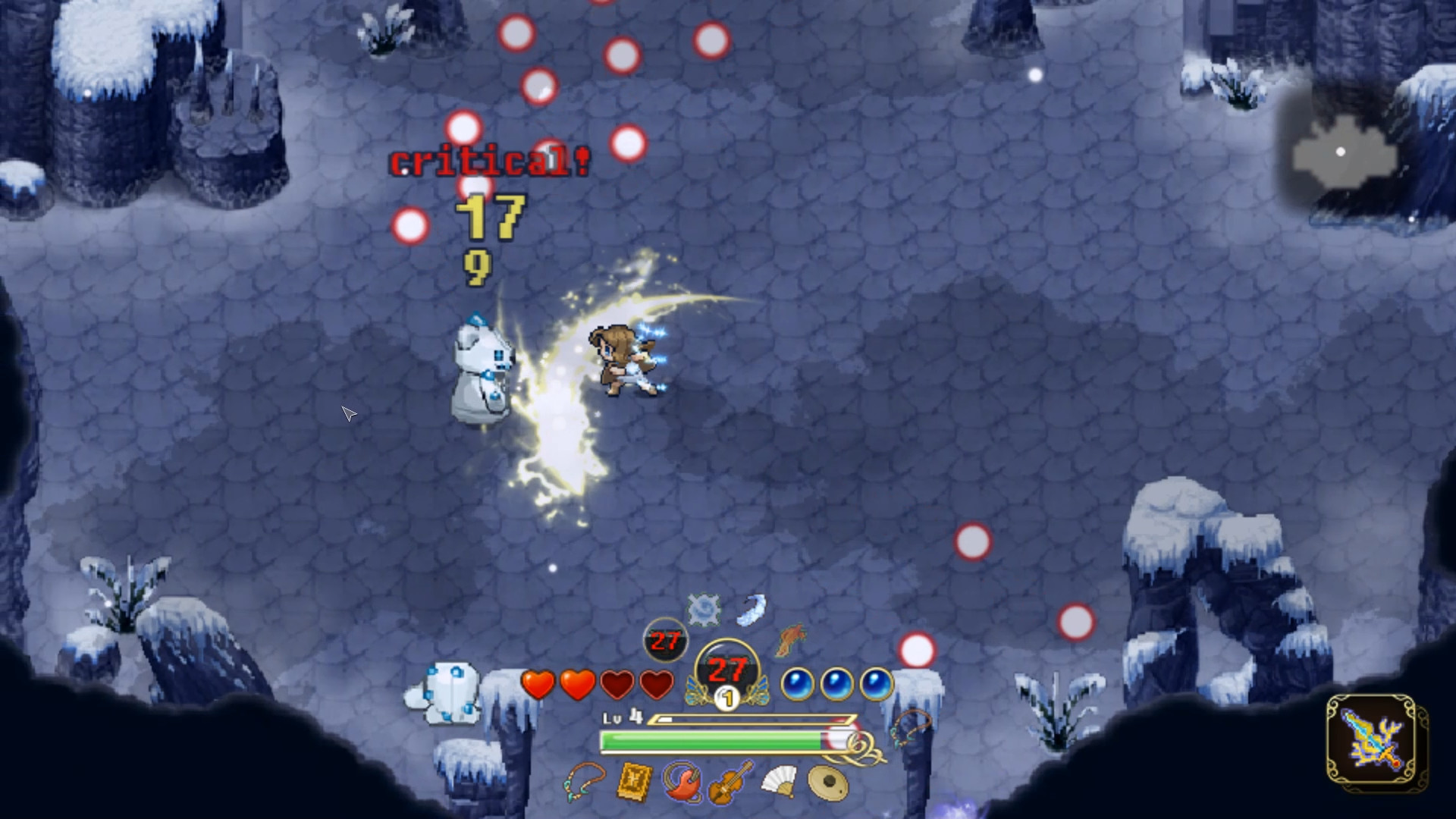
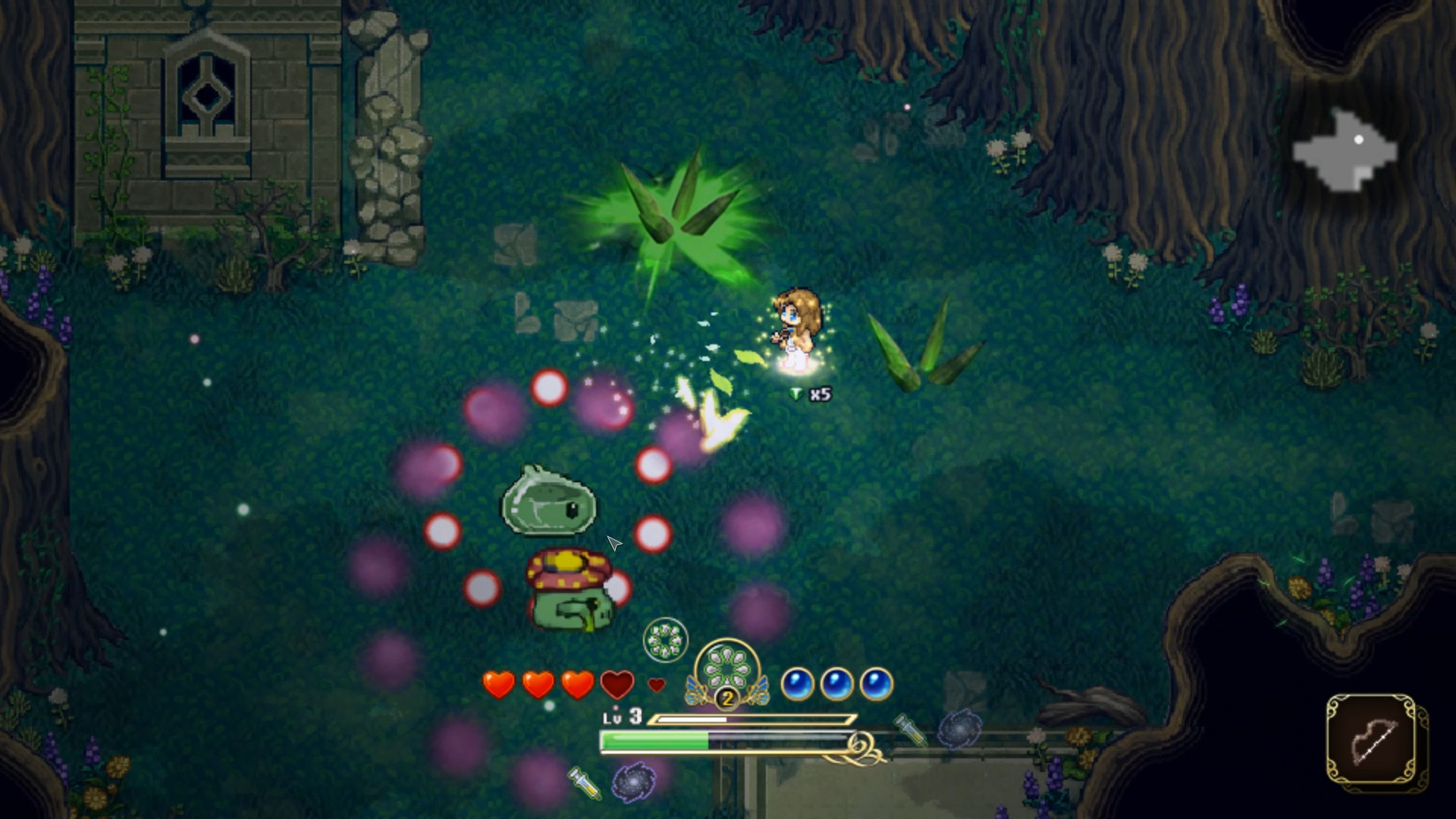
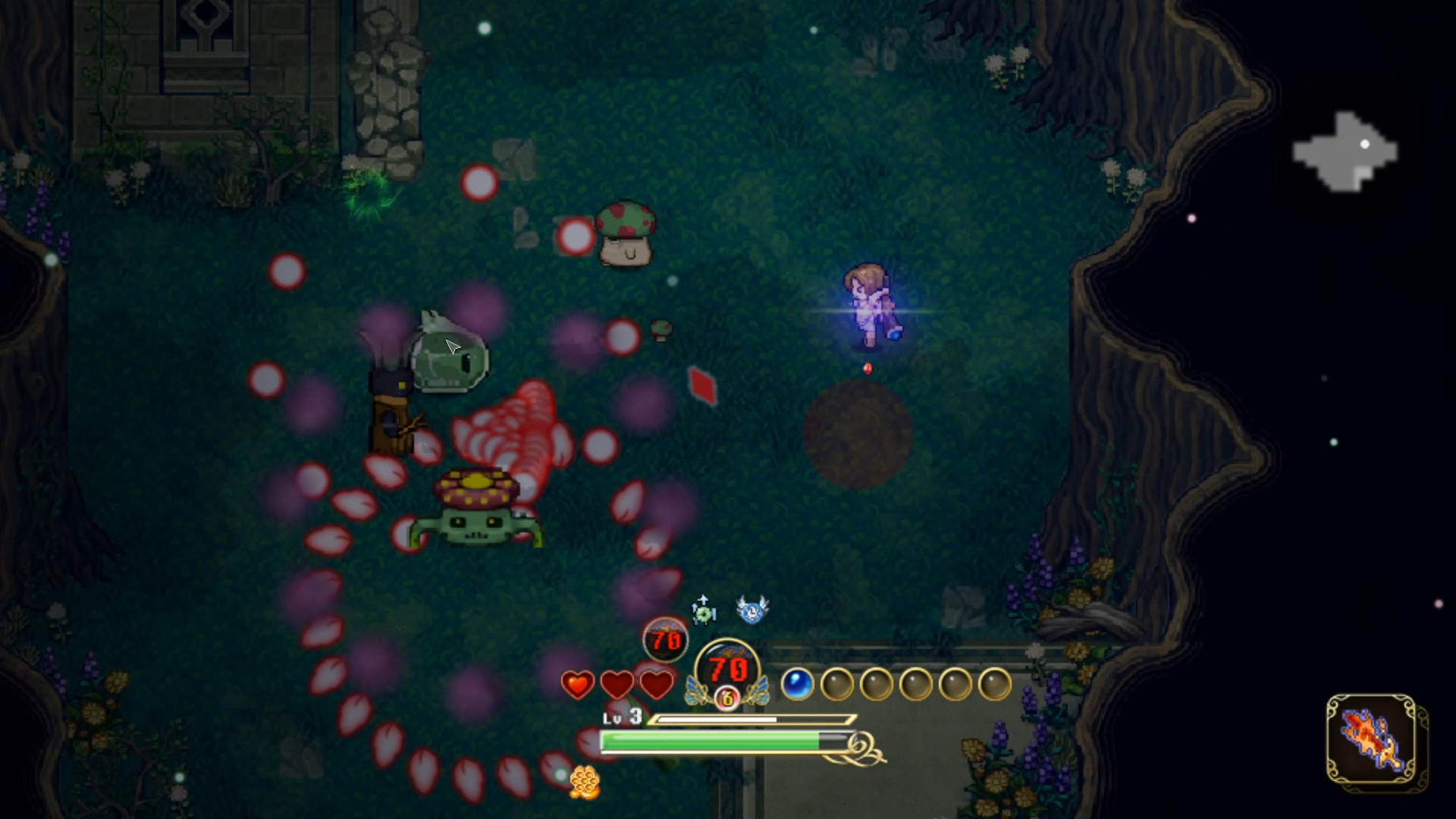
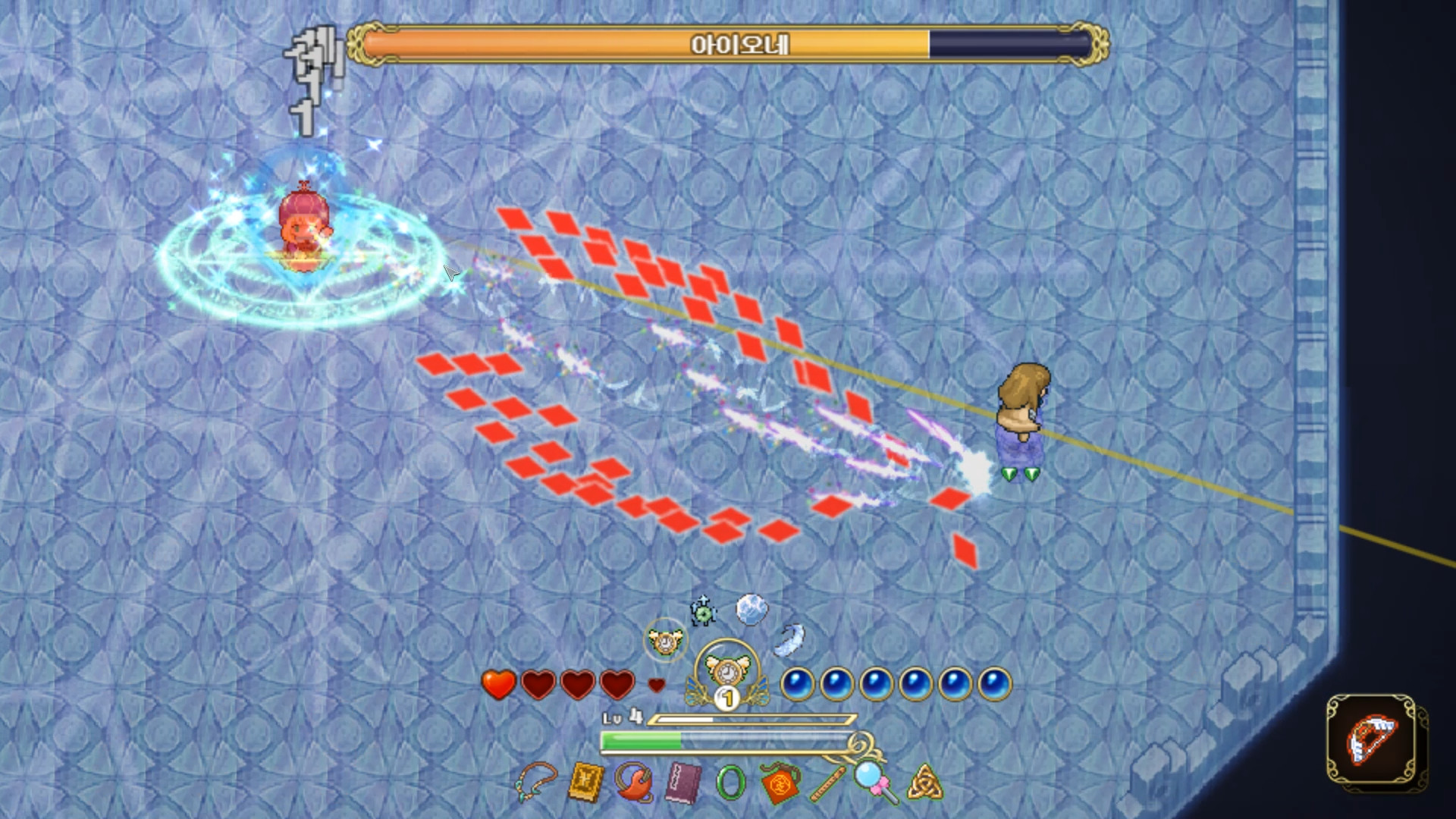
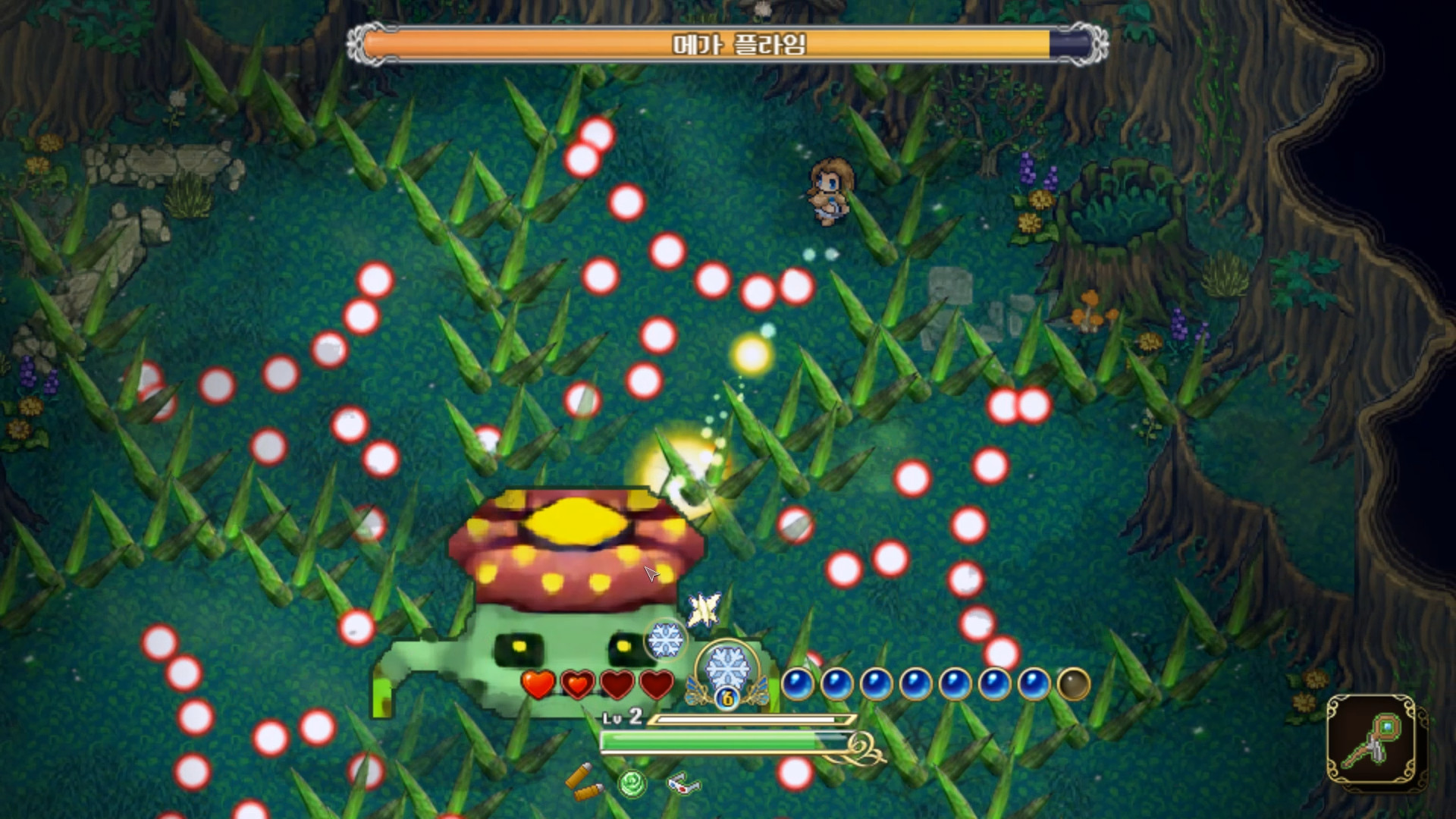
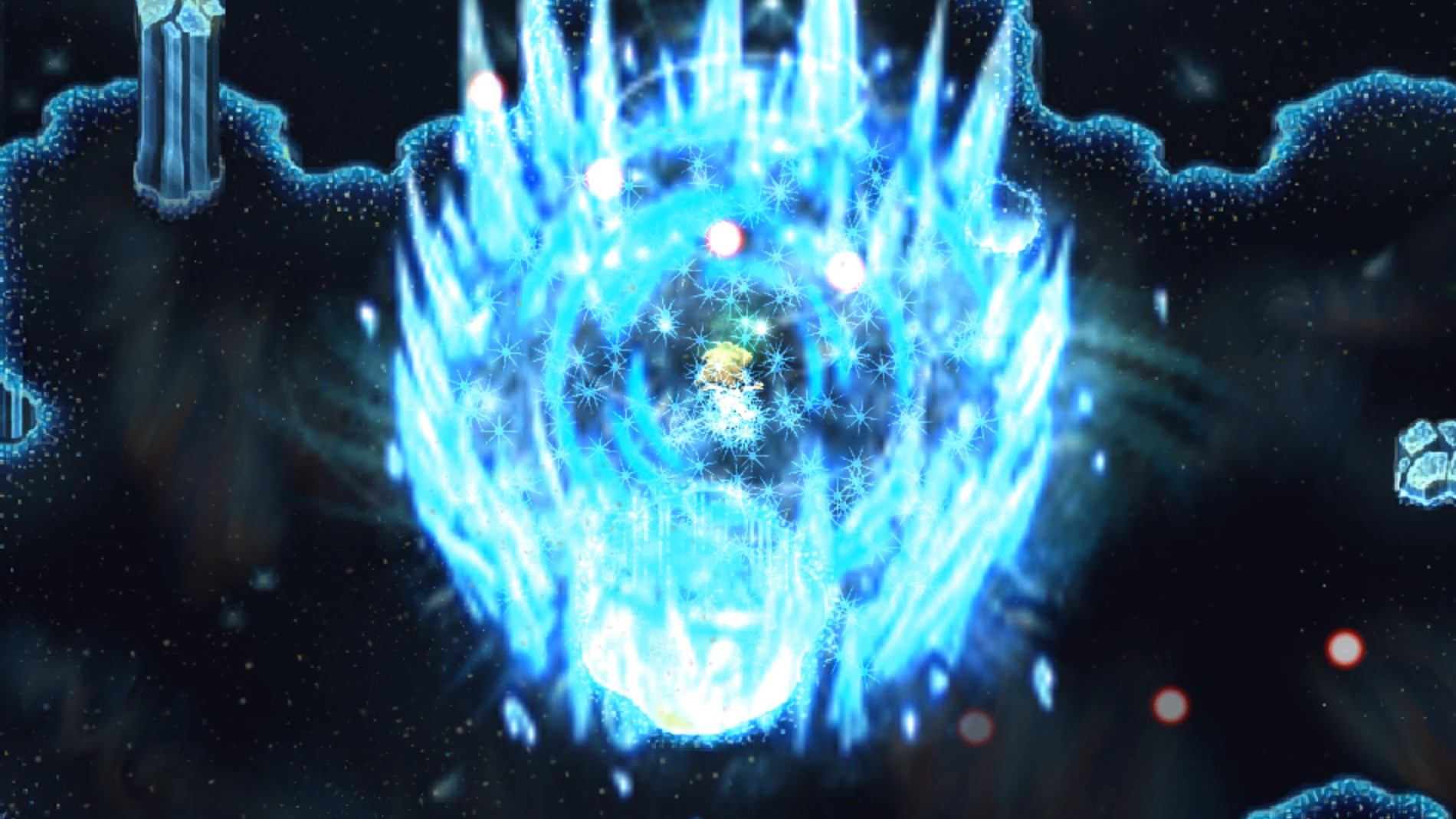
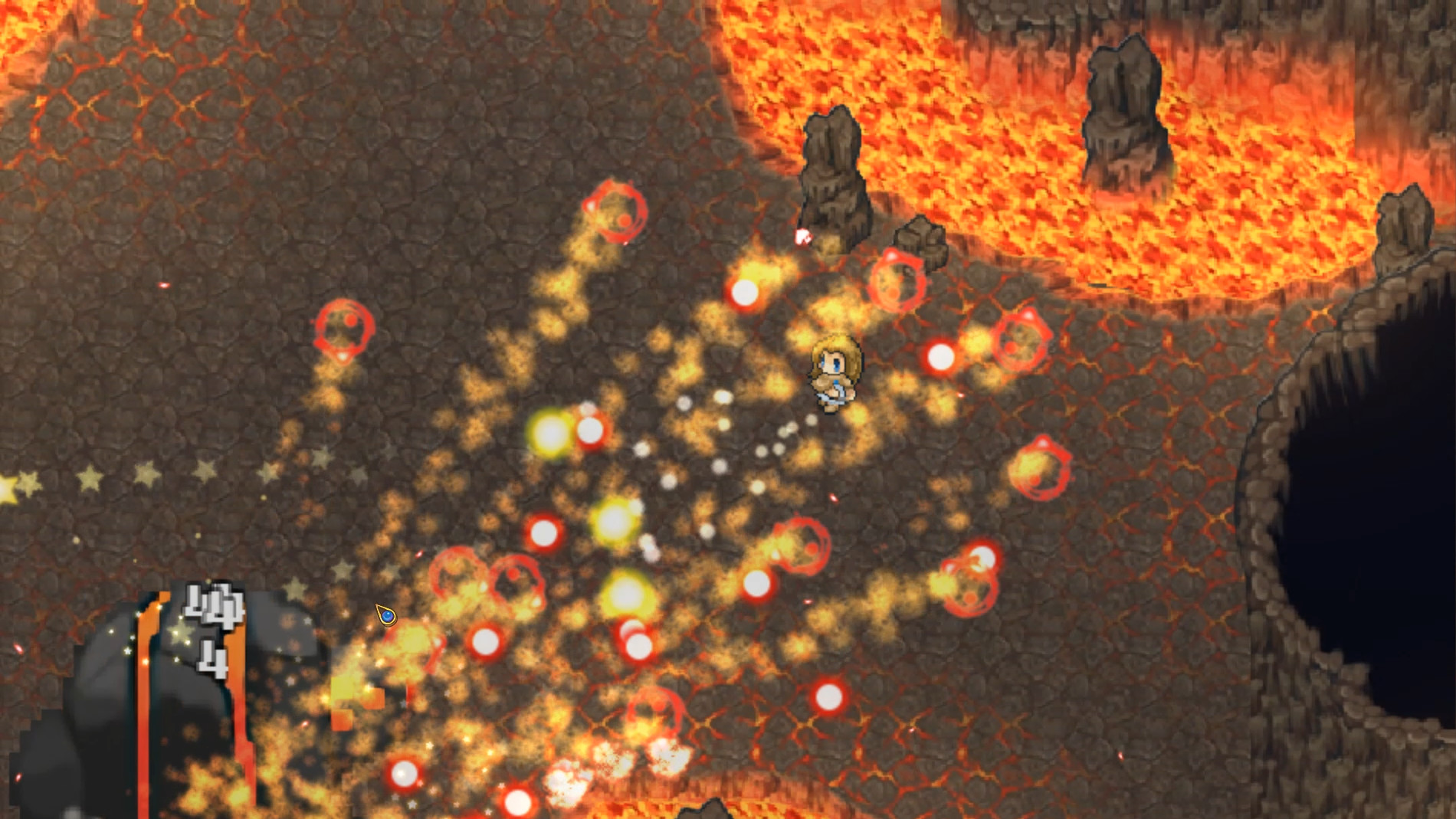
Diary of Lucie is action-roguelite game made with RPG Maker. In addition to simply avoiding the enemy's barrage, strategically use the enemy's bullet to make the battle situation advantageous!
Diary of Lucie is a action roguelike, action and mystery game
developed and published by Parange Project.
Released on February 24th 2023 is available only on Windows.
It has received 437 reviews of which 385 were positive and 52 were negative resulting in a rating of 8.2 out of 10. 😎
The game is currently priced at 12.79€ on Steam.
The Steam community has classified Diary of Lucie into these genres:
Media & Screenshots
Get an in-depth look at Diary of Lucie through various videos and screenshots.

Load More


System requirements
These are the minimum specifications needed to play the game. For the best experience, we recommend that you verify them.
Windows
- OS *: Windows 7+
- Processor: Intel core i3 series +
- Memory: 1 GB RAM
- Graphics: nVidia GTS 450 or better
- Storage: 1 GB available space
Steam Price & Best Deals
User reviews & Ratings
Explore reviews from Steam users sharing their experiences and what they love about the game.
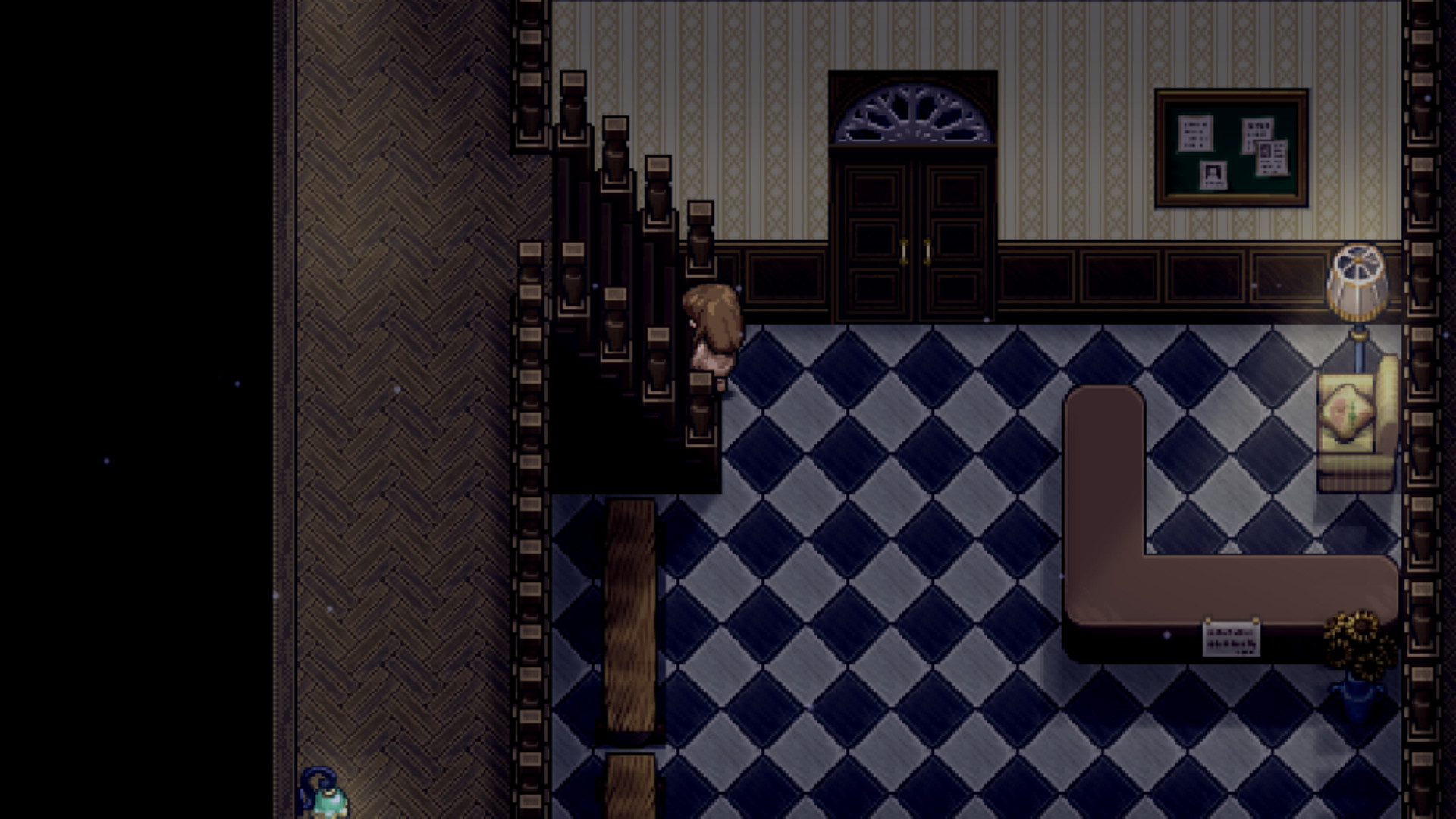
Diary of Lucie is a challenging action roguelite that blends bullet-hell combat, randomized character building, weapon experimentation, and persistent progression into a surprisingly substantial adventure. Developed and published by Parange Project, it immediately stands apart from more conventional RPG Maker productions by focusing on fast real-time action rather than traditional turn-based encounters. Its pixel-art appearance may initially suggest a relatively simple experience, but beneath that presentation is a demanding combat system built around repetition, experimentation, and gradually mastering its mechanics. The primary Roguelike mode places Lucie into dangerous runs where enemies, weapons, skills, and other useful resources create changing circumstances each time. Rather than allowing players to rely on a single predetermined strategy, the game expects them to adapt to whatever opportunities appear. A promising run can develop very differently depending on the equipment and abilities obtained, making improvisation an important part of success. Randomness can occasionally produce frustrating situations, especially when useful combinations refuse to appear, but it also keeps repeated attempts from feeling completely identical. Combat is easily one of the game's most distinctive qualities. Enemies can fill the battlefield with dangerous projectiles, forcing constant movement and careful positioning, yet avoiding bullets is only part of the challenge. The game encourages players to understand and manipulate hostile projectile patterns instead of simply treating every incoming attack as something to flee from. This creates a more tactical rhythm in which observation becomes almost as important as reflexes. Learning enemy behavior, identifying openings, choosing when to attack, and maintaining a safe position all become essential as encounters grow more demanding. Weapon selection adds considerable variety. Different equipment types encourage different approaches, with swords naturally supporting aggressive close-range fighting while bows provide opportunities to maintain distance. Magical options introduce further possibilities, and individual weapon abilities make equipment more meaningful than a simple collection of statistical upgrades. Enchantments can further modify a weapon's usefulness, encouraging players to examine how equipment interacts with the rest of their current build rather than automatically choosing whatever appears strongest on paper. Skills provide another important layer of customization. Because available abilities vary between attempts, players are encouraged to discover combinations that complement their equipment and preferred tactics. A collection of individually modest upgrades can become extremely effective when their effects work together. This system makes experimentation rewarding and gives experienced players opportunities to create increasingly efficient builds. There is enough control over progression to prevent the experience from becoming entirely dependent on luck, although randomness remains an intentionally significant part of the roguelite formula. Difficulty is a defining feature, and newcomers should expect to fail regularly. Early attempts can be particularly punishing because both Lucie's development and the player's knowledge are limited. Repeated runs gradually change that situation. Players learn enemy patterns and encounter structures while progression systems provide additional strength and options. This combination of mechanical improvement and player knowledge creates a satisfying sense of advancement. Eventually, situations that originally seemed overwhelming become manageable because the player has learned how the game's systems fit together. The visual presentation uses colorful pixel artwork with an emphasis on readable action and character animation. Lucie's animations help give her personality, while the top-down perspective is well suited to projectile-heavy battles. It does not possess the visual extravagance of larger-budget action roguelites, but the presentation is cohesive and functional. More importantly, the graphics generally communicate the information required during hectic encounters, which is crucial when positioning and split-second reactions can determine whether a run continues. Storytelling provides additional motivation beyond simply surviving another attempt. Details surrounding Lucie, her history, and the circumstances behind her journey gradually become clearer through continued progress. The narrative is therefore closely tied to persistence, rewarding players who push deeper into the game. This method of storytelling complements the roguelite structure, although anyone primarily interested in immediate narrative development may find that important information arrives more slowly than expected. Steam Deck compatibility deserves some qualification. Diary of Lucie does not have a prominent official Steam Deck Verified designation to guarantee a completely validated handheld experience. Nevertheless, its relatively modest technical demands, controller-friendly action design, and straightforward presentation make it the kind of game that can be practical to play on Steam Deck through SteamOS and Proton. Players should therefore regard it as potentially playable rather than officially guaranteed as Verified, with individual configurations or Proton updates possibly affecting the experience. The compact screen also suits the pixel presentation reasonably well, although dense projectile sequences may naturally require extra concentration on a handheld display. Its biggest weakness is also inseparable from its intended design. Repetition, randomized rewards, and frequent deaths can become exhausting for players who prefer consistent forward progress. Some runs will simply develop better than others, and losing an especially effective combination can be disappointing. The presentation is also comparatively modest, and the game's RPG Maker foundation occasionally becomes noticeable. These limitations are easier to accept once the combat and progression systems begin revealing their depth. Diary of Lucie ultimately succeeds as a focused action roguelite that rewards patience, adaptability, and mechanical improvement. The mixture of projectile-heavy combat, multiple weapon approaches, randomized skills, enchantments, permanent development, and gradually uncovered story content gives repeated runs meaningful purpose. It is particularly suitable for players who enjoy overcoming difficult encounters through both character progression and personal mastery. Its demanding nature prevents it from being universally approachable, but players willing to endure its early punishment will discover a surprisingly engaging and thoughtfully constructed roguelite. Rating: 8/10
Similar games
View all

Sparklite
Sparklite is an action-adventure set in a whimsical & ever-changing land. Battle foes using an arsenal of gadgets, guns, & gear. Gear up for adventure in the dangerous corners of the procedurally generated world, take down titans of the mining industry, & harness the power of Sparklite!

Dungeon Souls
Dungeon Souls is an action-adventure roguelike dungeon crawler which draws heavy inspiration from Nuclear Throne, Risk of Rain, and Overture. Explore vast procedurally generated dungeons, collect loot, and slay hordes of challenging enemies!

Deathstate: Abyssal Edition
Deathstate is a roguelike bullet hell adventure set in a bizarre world of dimensional exploration. Play as a number of unique characters trying to discover the fate of Professor Elinberg who opened a portal to the void. Are you ready to venture deep into the abyss?

Catacomb Kids
Catacomb Kids is a brutal platformer roguelike that pits you against the deadly Catacombs aided only by magic, steel, and your quick reflexes. Traverse procedurally generated dungeons and hack, slash, burn, and blast your way through hordes of things that want to kill you.

A Wizard's Lizard
Conquer the forces of Death in A Wizard’s Lizard, an action RPG for Windows, Mac, and Linux. Explore ever-changing dungeons, filled with powerful weapons and items. Battle back the hordes of evil. Rescue villagers to improve your town and increase your power for your next trek into the dungeon.

Dreamscaper
By night, delve deep into your subconscious and discover powerful artifacts to conquer your nightmares. By day, explore the city of Redhaven and build relationships to unlock the power of your dreams. DREAM. DIE. WAKE. REPEAT.

WASTED
Get wasted or get wasted trying in WASTED, a roguelike post-apocalyptic pub crawler. Fight tooth and nail, bullets and baseball bats in search of Booze, gain strange mutational Hangovers, and explore the Coolers in search of powerful weapons, armor, and a nice stiff drink to top it all off.

Flinthook
Live the life of space captain Flinthook! Armed with your mighty hookshot, your uncanny slow-motion powers and your trusty blasma pistol, plunder and fight your way through an infinite variety of randomly-assembled spaceships for treasure, loot and fame!

Asura: Vengeance Edition
Asura is an Action Rogue-like set in a fantasy world inspired by the richness of Indian mythology. It features a unique procedural skill tree which changes on every play-through.

bit Dungeon II
bitDungeon II is fast action-adventure game with a giant overworld to explore. You are a spirit in an undead world of demons. Your "loved one's " grave has been desecrated. Fight through these corrupted lands, and bring peace to her soul.
Frequently Asked Questions
Diary of Lucie is currently priced at 12.79€ on Steam.
No, Diary of Lucie is currently not on sale. You can purchase it for 12.79€ on Steam.
Yes, Diary of Lucie received 385 positive votes out of a total of 437 achieving a rating of 8.20.
😎
Diary of Lucie was developed and published by Parange Project.
Yes, Diary of Lucie is playable and fully supported on Windows.
No, Diary of Lucie is not playable on MacOS.
No, Diary of Lucie is not playable on Linux.
This information about Diary of Lucie is not available yet.
This information about Diary of Lucie is not available yet.
No, Diary of Lucie does not support VR.
Diary of Lucie is a single-player game.
Yes, there are 2 DLCs available for Diary of Lucie. Explore additional content available for Diary of Lucie on Steam.
No, Diary of Lucie does not support mods via Steam Workshop.
No, Diary of Lucie does not support Steam Remote Play.
Yes, Diary of Lucie is enabled for Steam Family Sharing. This means you can share the game with authorized users from your Steam Library, allowing them to play it on their own accounts. For more details on how the feature works, you can read the original Steam Family Sharing announcement or visit the Steam Family Sharing user guide and FAQ page.
You can find solutions or submit a support ticket by visiting the Steam Support page for Diary of Lucie.
Data sources
The information presented on this page is sourced from reliable APIs to ensure accuracy and relevance. We utilize the Steam API to gather data on game details, including titles, descriptions, prices, and user reviews. This allows us to provide you with the most up-to-date information directly from the Steam platform.
Additionally, we incorporate data from the SteamSpy API, which offers insights into game sales and player statistics. This helps us present a comprehensive view of each game's popularity and performance within the gaming community.
Last Updates| Steam data | 16 September 2026 22:20 UTC |
|---|---|
| SteamSpy data | 20 October 2026 11:41 UTC |
| Steam price | 27 October 2026 14:52 UTC |
| Steam reviews | 20 October 2026 06:11 UTC |
If you'd like to dive deeper into the details about Diary of Lucie, we invite you to check out a few dedicated websites that offer extensive information and insights. These platforms provide valuable data, analysis, and user-generated reports to enhance your understanding of the game and its performance.
- SteamDB - A comprehensive database of everything on Steam about Diary of Lucie
- SteamCharts - Analysis of Diary of Lucie concurrent players on Steam
- ProtonDB - Crowdsourced reports on Linux and Steam Deck Diary of Lucie compatibility

Game modes
Features
Online players
0
Developer
Parange Project
Publisher
Parange Project
Release
24 Feb 2023
Platforms