

Drakensang
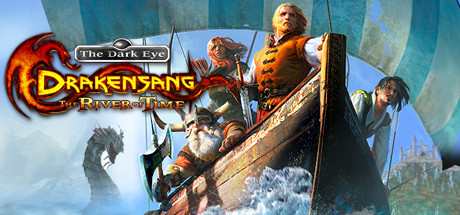
Drakensang is a third-person party-based RPG based on the pen & paper role-play rules of The Dark Eye. Drakensang is the first PC game for over 10 years to be based on Germany's most successful and popular role-play system. Drakensang builds on the pen & paper rules as applied in version 4.0.
Sync your Steam wishlist to find the lowest game prices instantly. No login required, just paste your Steam profile URL!
⚡ Try Wishlist Radar!
Sync your Steam wishlist to find the lowest game prices instantly. No login required!
⚡ Try Wishlist Radar!
Close

Drakensang: The River of Time on Steam
Quick menu
The prequel to Radon Labs' award-winning RPG, Drakensang: The River of Time introduces a brand new story within the Drakensang universe. The new story brings many innovations and new game elements for experienced as well for first time players, who will jump right into the fascinating medieval fantasy RPG scenario of Drakensang: The...
Drakensang: The River of Time is a rpg, fantasy and adventure game
developed by DTP
and published by Cosmi/ValuSoft.
Released on February 16th 2011 is available only on Windows.
It has received 384 reviews of which 308 were positive and 76 were negative resulting in a rating of 7.5 out of 10. 😊
The game is currently priced at 18.99€ on Steam, but you can find it for 15.13€ on G2A.
The Steam community has classified Drakensang: The River of Time into these genres:
Media & Screenshots
Get an in-depth look at Drakensang: The River of Time through various videos and screenshots.

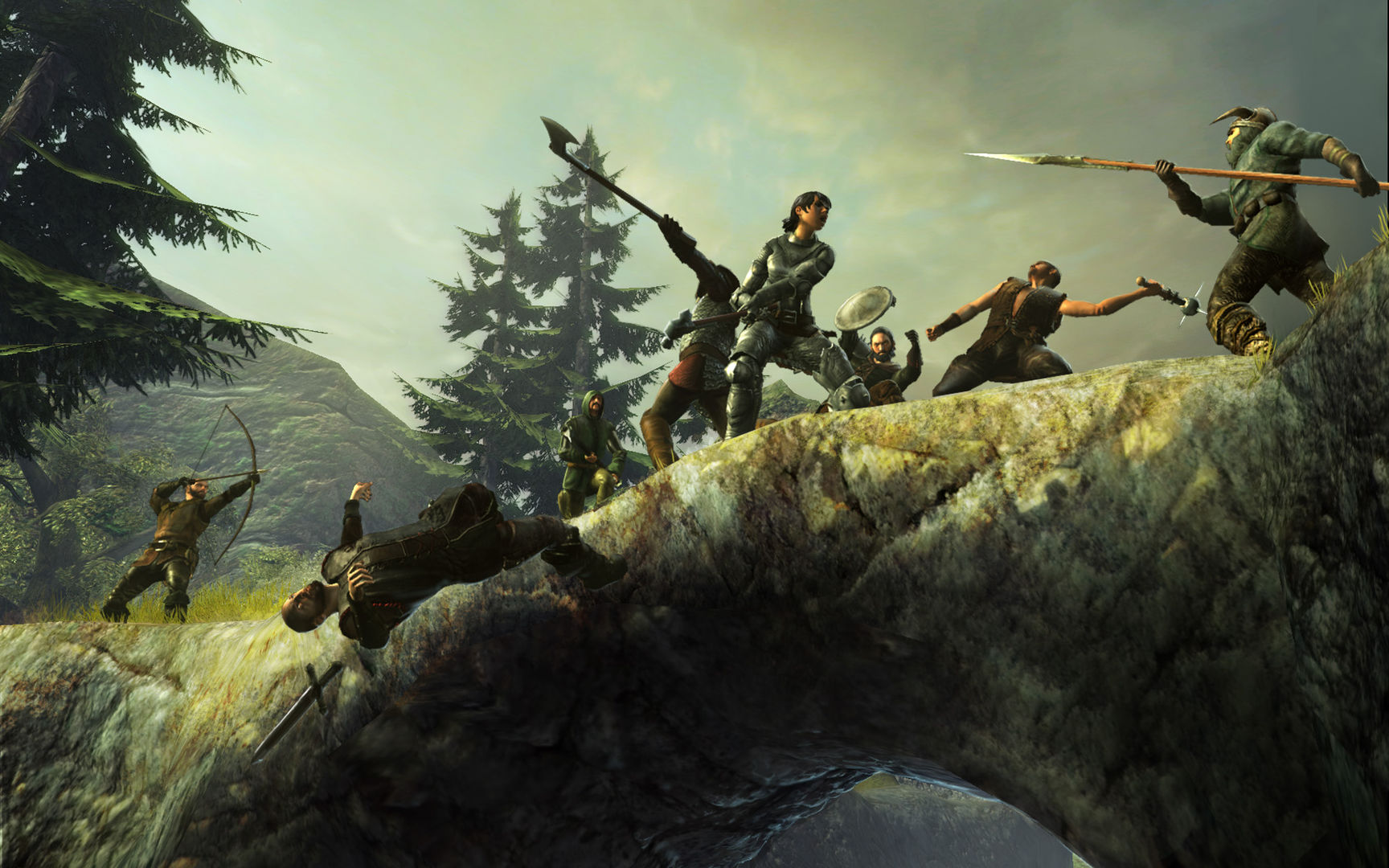

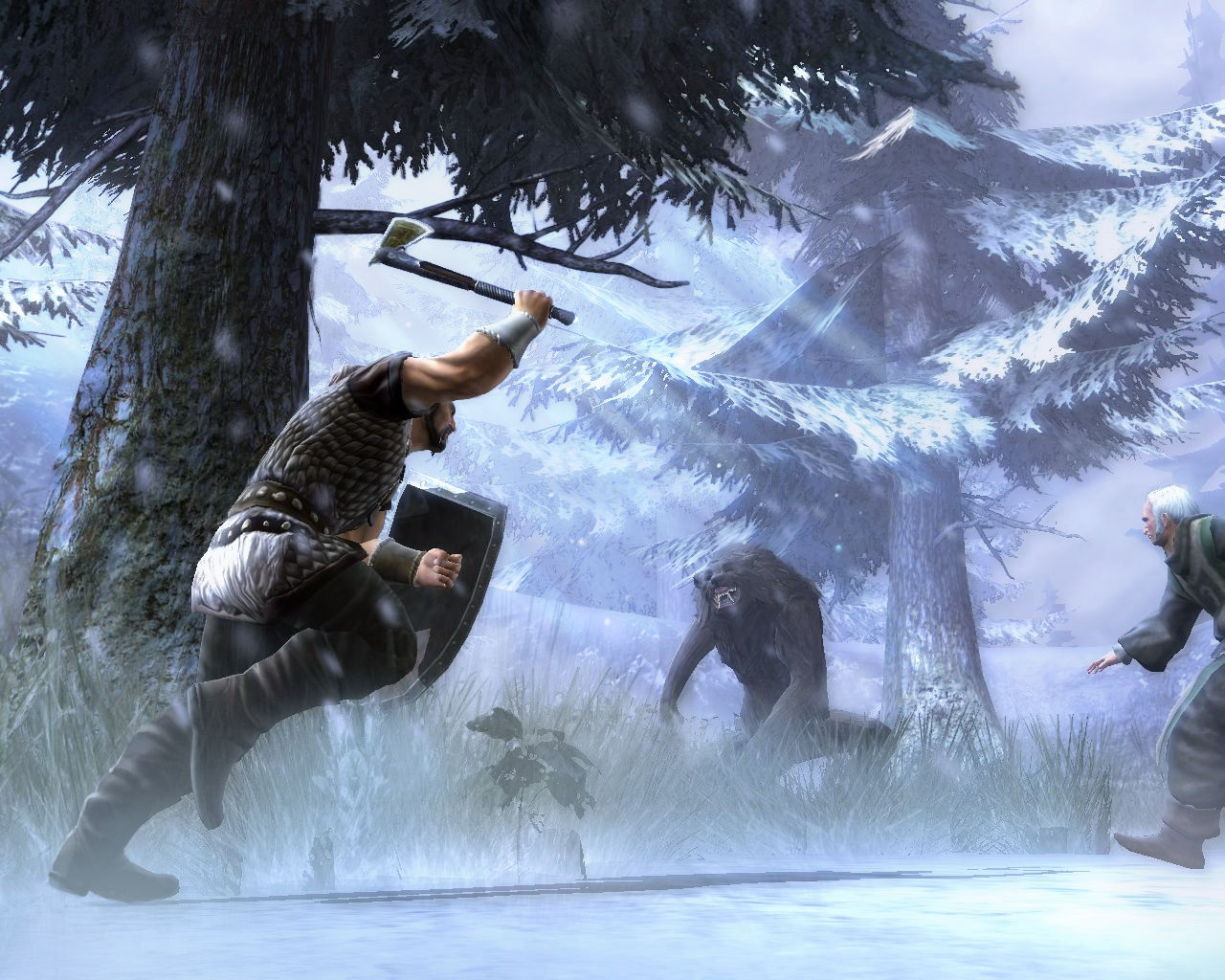
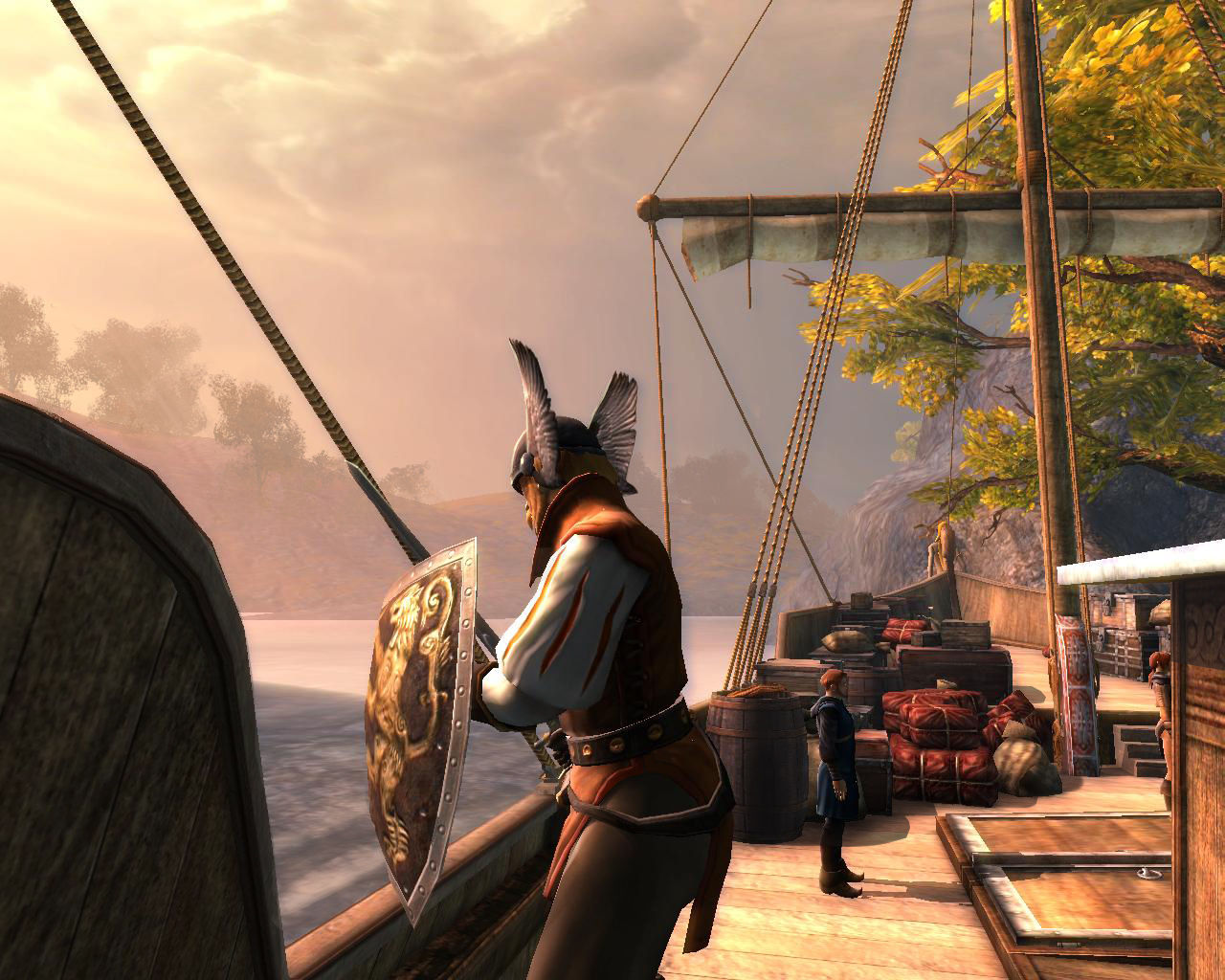
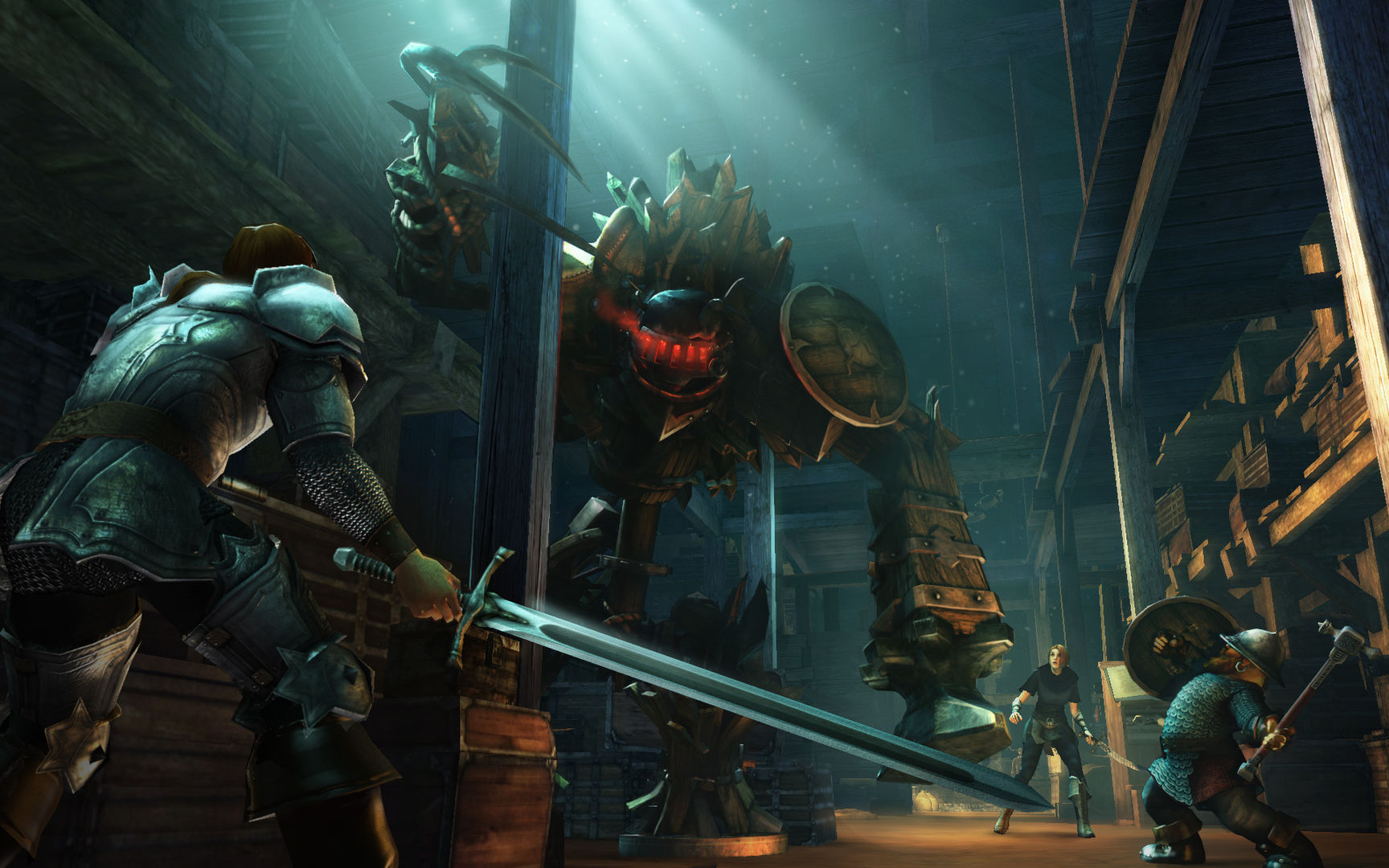
System requirements
These are the minimum specifications needed to play the game. For the best experience, we recommend that you verify them.
Windows
- OS *: XP / Vista / 7
- Processor: 2.8 GHz or faster
- Memory: 1 GB RAM ( 2 GB RAM for Windows Vista / 7)
- Graphics: 256 MB DirectX 9.0 compatible
- DirectX®: 9.0
- Hard Drive: 5.5 GB
- Sound: DirectX 9.0 compatible sound card
Steam Price & Best Deals
User reviews & Ratings
Explore reviews from Steam users sharing their experiences and what they love about the game.
Drakensang: The River of Time is the kind of fantasy RPG that rewards patience, curiosity, and a willingness to learn its systems. Rather than chasing fast combat or constant spectacle, it builds its appeal around party management, character development, exploration, dialogue, and tactical encounters. It takes place in Aventuria, the fantasy setting of The Dark Eye tabletop RPG, and serves as a prequel to the earlier Drakensang adventure. The Steam release lists DTP as the developer and Cosmi/ValuSoft as the publisher, while the original game was created by Radon Labs. The journey begins around the Middenrealm and leads from Ferdok along the Great River toward Nadoret. This river becomes one of the defining elements of the adventure, with myths, settlements, dangers, and mysteries gradually becoming connected to the larger plot. Traveling aboard a ship also gives the campaign a pleasant sense of progression. Instead of feeling like an arbitrary sequence of disconnected maps, the adventure resembles an expedition in which the party continually discovers new locations and learns more about the events unfolding around them. Storytelling is deliberately paced and benefits from the game's willingness to let circumstances change the player's understanding of earlier events. Character choice and behavior can create different opportunities and quest sequences, adding a welcome role-playing element to exploration. It is not a game built around enormous cinematic set pieces. Much of its personality comes from conversations, smaller adventures, local conflicts, discoveries, and the gradual development of the player's companions. Combat uses a party-based real-time system with the ability to pause and issue commands. This makes preparation and tactical awareness more important than quick reflexes. Controlling several characters means considering positioning, equipment, abilities, spells, healing, defensive actions, and which enemy should be targeted first. Difficult battles are often much easier when approached intelligently rather than through brute force. Players who enjoy classic computer RPGs should find this considerably more satisfying than a simple action-oriented combat system. Character progression provides another layer of depth. The Dark Eye rules support numerous statistics, talents, combat abilities, spells, and equipment choices, allowing party members to develop specialized roles. Two particularly interesting archetypes are the Geode, associated with the unusual druidic traditions of Aventurian dwarves, and the Gjalskerlander, a durable barbarian-style warrior. These options contribute additional variety and encourage experimentation with different party compositions. Questing is arguably one of the game's strongest qualities. There is a broad mixture of objectives, enemies, conversations, exploration, and situations in which character abilities or previous decisions can matter. The world therefore feels designed around role-playing rather than existing solely as scenery between battles. Finding equipment and defeating monsters remain important, but they are only parts of a larger progression system. Difficulty customization also makes the experience more approachable. Players who primarily want to experience the setting and story can choose a manageable difficulty, while the advanced expert mode provides additional challenge for people who want to engage seriously with the mechanics. This flexibility is valuable because the underlying RPG systems can initially seem complicated. There are many statistics and abilities to understand, and the interface reflects an older generation of PC role-playing design. Age is consequently one of the game's most noticeable weaknesses. Character animations can appear stiff, some interface elements feel cumbersome, and navigation lacks many conveniences that modern RPG players take for granted. The visual presentation is no longer technically impressive either. Even so, the environments possess considerable charm. Medieval towns, wilderness areas, riverside scenery, ships, caves, and other locations create a grounded fantasy atmosphere that fits Aventuria extremely well. The slower pacing will also divide players. Someone expecting an immediately accessible action RPG may struggle with lengthy conversations, detailed statistics, party micromanagement, and tactical battles. Progress sometimes requires considerably more attention than simply following objective markers. For players who enjoy old-school RPGs, however, these characteristics are precisely what make the experience appealing. Learning how the rules interact creates a satisfying feeling of mastery. Replay value comes from experimenting with different character types, abilities, equipment, difficulty settings, and choices. Since the player's selected character and behavior can influence certain opportunities, another playthrough can reveal content or approaches that were missed previously. The Phileasson's Secret expansion also provides additional material for players interested in spending more time within the setting. Steam Deck compatibility is currently listed as Unknown rather than Verified or Playable. The game was designed for Windows PCs long before the Steam Deck existed, so handheld players should not assume a fully optimized experience. Its mouse-oriented interface, older technology, and lack of an official Deck compatibility rating mean that additional configuration or customized controls may be necessary. Drakensang: The River of Time remains a compelling example of traditional European computer role-playing design. Its dated presentation and occasionally cumbersome interface prevent it from feeling completely comfortable by modern standards, but its strengths are substantial: a richly established fantasy setting, tactical party combat, detailed progression, varied quests, meaningful character options, adjustable difficulty, and a genuine sense of adventure along the Great River. Players who enjoy methodical RPGs and do not mind learning a complicated ruleset can find an impressively substantial adventure here. It is an absorbing, strategically satisfying fantasy RPG whose mechanical depth and atmospheric world continue to outweigh its aging graphics and interface. It requires patience, but players who appreciate classic party-based CRPGs will find plenty of rewarding adventuring beneath its old-fashioned exterior. Rating: 8/10
Note: Since the DLC (Phileasson's Secret) and the main game have 2 separate launchers, you need to play through the DLC's one if you want it to appear in your playthrough. Took me about ~40 hours to beat the game on hardest difficulty + DLC, which does not appear here. River of TIme has some clear improvements over the original. Most notably, it is fully voice acted, has fast travel, multiple difficulties and includes a couple new classes. The story itself is a prequel to the original game, revolving around Ardo. So if you played the original game you will see that there's many references to it. Aside from that, it is mostly the same in terms of gameplay and other aspects (for example, the majority of abilities is pretty much the exact same). I'd say that If you enjoyed the original Drakensang and want more of the same, this is a solid experience. Personally however, while I enjoyed River of TIme, I still prefer the original one as the scope felt bigger and I enjoyed having a bigger cast of companions.
Similar games
View all
Faery - Legends of Avalon
Faery: Legends of Avalon is a big role playing game packed with a very distinctive ambience and graphic style. Create your character, embark in a great adventure and discover the fantastic world of Avalon!
Dragon Age: Origins - Ultimate Edition
Explore a stunning world, make complex moral choices, and engage in bone-crushing combat against massive and terrifying creatures. The Ultimate Edition includes Dragon Age: Origins, Dragon Age: Origins - Awakening and all nine content packs.
Pathfinder: Kingmaker Enhanced Plus Edition
Pathfinder: Kingmaker - Enhanced Plus Edition is the first isometric party-based cRPG set in the Pathfinder fantasy universe. Enjoy a classic RPG experience inspired by games like Baldur's Gate, Fallout 1 and 2 and Arcanum. Explore and conquer the Stolen Lands and make them your kingdom!

Aarklash: Legacy
In Aarklash: Legacy take command of a mercenary squad in search of truth and guide it through countless battles.Welcome to Aarklash, a land of chaos where incessant battles between the forces of Light, Destiny and Darkness have lasted since the beginning of time.
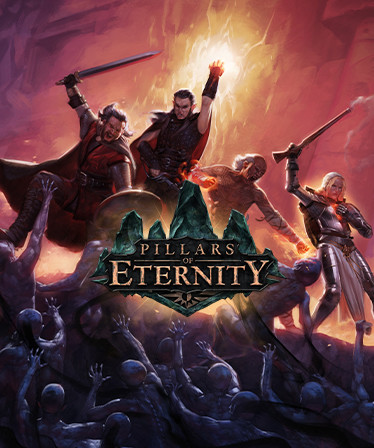
Pillars of Eternity
Prepare to be enchanted by a world where the choices you make and the paths you choose shape your destiny. Obsidian Entertainment, the developer of Fallout: New Vegas™ and South Park: The Stick of Truth™, together with Paradox Interactive is proud to present Pillars of Eternity.
Baldur's Gate: Enhanced Edition
The classic returns! Baldur’s Gate: Enhanced Edition restores the full original adventure and Tales of the Sword Coast, now polished with quality‑of‑life upgrades for a smoother timeless Dungeons & Dragons journey.
Icewind Dale: Enhanced Edition
The frozen classic returns. Icewind Dale: Enhanced Edition preserves the spirit of the original adventure while refining it for modern players, letting you build a party of Dungeons & Dragons heroes and brave the harsh, haunting beauty of the Spine of the World.

Dragon Age II: Ultimate Edition
You are Hawke, a refugee seeking to escape the darkspawn-plagued land of Ferelden and become Champion of Kirkwall. Rise to power and fight epic battles while making decisions that determine the course of civilization.

FINAL FANTASY XII THE ZODIAC AGE
FINAL FANTASY XII THE ZODIAC AGE - This revered classic returns, now fully remastered for the first time for PC, featuring all new and enhanced gameplay.

Dungeon Siege II
It’s been a generation since you vanquished the evil that plagued the Land of Ehb, and now…a new menace has awakened. In Dungeon Siege II, the sequel to the best-selling RPG from Gas Powered Games, you will be called on to again wield sword and spell to save the world from a growing abomination many years in the making.

The Elder Scrolls V: Skyrim Special Edition
Winner of more than 200 Game of the Year Awards, The Elder Scrolls V: Skyrim Special Edition brings the epic fantasy to life in stunning detail. The Special Edition includes the critically acclaimed game and add-ons with all-new features.
Frequently Asked Questions
Drakensang: The River of Time is currently priced at 18.99€ on Steam.
No, Drakensang: The River of Time is currently not on sale. You can purchase it for 18.99€ on Steam.
Yes, Drakensang: The River of Time received 308 positive votes out of a total of 384 achieving a rating of 7.52.
😊
Drakensang: The River of Time was developed by DTP and published by Cosmi/ValuSoft.
Yes, Drakensang: The River of Time is playable and fully supported on Windows.
No, Drakensang: The River of Time is not playable on MacOS.
No, Drakensang: The River of Time is not playable on Linux.
This information about Drakensang: The River of Time is not available yet.
This information about Drakensang: The River of Time is not available yet.
No, Drakensang: The River of Time does not support VR.
Drakensang: The River of Time is a single-player game.
Yes, there is a DLC available for Drakensang: The River of Time. Explore additional content available for Drakensang: The River of Time on Steam.
No, Drakensang: The River of Time does not support mods via Steam Workshop.
No, Drakensang: The River of Time does not support Steam Remote Play.
Yes, Drakensang: The River of Time is enabled for Steam Family Sharing. This means you can share the game with authorized users from your Steam Library, allowing them to play it on their own accounts. For more details on how the feature works, you can read the original Steam Family Sharing announcement or visit the Steam Family Sharing user guide and FAQ page.
You can find solutions or submit a support ticket by visiting the Steam Support page for Drakensang: The River of Time.
Data sources
The information presented on this page is sourced from reliable APIs to ensure accuracy and relevance. We utilize the Steam API to gather data on game details, including titles, descriptions, prices, and user reviews. This allows us to provide you with the most up-to-date information directly from the Steam platform.
Additionally, we incorporate data from the SteamSpy API, which offers insights into game sales and player statistics. This helps us present a comprehensive view of each game's popularity and performance within the gaming community.
Last Updates| Steam data | 19 September 2026 02:05 UTC |
|---|---|
| SteamSpy data | 14 October 2026 03:32 UTC |
| Steam price | 26 October 2026 20:04 UTC |
| Steam reviews | 21 October 2026 21:55 UTC |
If you'd like to dive deeper into the details about Drakensang: The River of Time, we invite you to check out a few dedicated websites that offer extensive information and insights. These platforms provide valuable data, analysis, and user-generated reports to enhance your understanding of the game and its performance.
- SteamDB - A comprehensive database of everything on Steam about Drakensang: The River of Time
- SteamCharts - Analysis of Drakensang: The River of Time concurrent players on Steam
- ProtonDB - Crowdsourced reports on Linux and Steam Deck Drakensang: The River of Time compatibility
Game modes
Features
Online players
1
Developer
DTP
Publisher
Cosmi/ValuSoft
Release
16 Feb 2011
Platforms
Clicking and buying through these links helps us earn a commission to maintain our services.