

Pillars of Eternity II: Deadfire
Patch 5.0 - Turn-based mode and The Ultimate challenge out now! Pursue a rogue god over land and sea in the sequel to the multi-award-winning RPG Pillars of Eternity. Captain your ship on a dangerous voyage of discovery across the vast unexplored archipelago region of the Deadfire.
Sync your Steam wishlist to find the lowest game prices instantly. No login required, just paste your Steam profile URL!
⚡ Try Wishlist Radar!
Sync your Steam wishlist to find the lowest game prices instantly. No login required!
⚡ Try Wishlist Radar!
Close

Pathfinder: Kingmaker — Enhanced Plus Edition on Steam
Quick menu
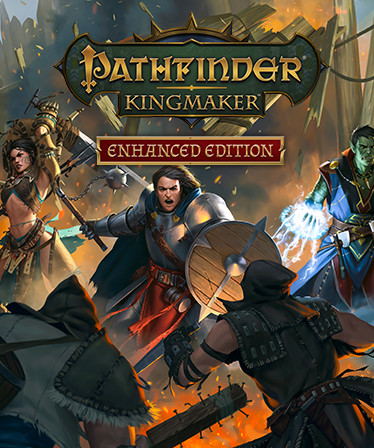
Pathfinder: Kingmaker - Enhanced Plus Edition is the first isometric party-based cRPG set in the Pathfinder fantasy universe. Enjoy a classic RPG experience inspired by games like Baldur's Gate, Fallout 1 and 2 and Arcanum. Explore and conquer the Stolen Lands and make them your kingdom!
Pathfinder: Kingmaker — Enhanced Plus Edition is a rpg, party-based rpg and fantasy game
developed by Owlcat Games
and published by Knights Peak.
Released on September 25th 2018 is available on Windows, MacOS, Linux, Steam Deck and Steam Machine
in 6 languages: English, French, German, Russian and Simplified Chinese.
It has received 28,226 reviews of which 21,734 were positive and 6,492 were negative resulting in a rating of 7.6 out of 10. 😊
The game is currently priced at 19.99€ on Steam, but you can find it for 4.40€ on K4G.
The Steam community has classified Pathfinder: Kingmaker — Enhanced Plus Edition into these genres:
RPG
Party-Based RPG
Fantasy
CRPG
Isometric
Character Customization
Choices Matter
Strategy RPG
Story Rich
Singleplayer
Real-Time with Pause
Adventure
Strategy
Turn-Based
Medieval
Open World
Turn-Based Strategy
Female Protagonist
Here is the detailed breakdown of supported languages for Pathfinder: Kingmaker — Enhanced Plus Edition:
| UI | Subtitle | Audio | |
|---|---|---|---|
| English | |||
| German | |||
| French | |||
| Simplified Chinese | |||
| Russian | |||
| Japanese |
Media & Screenshots
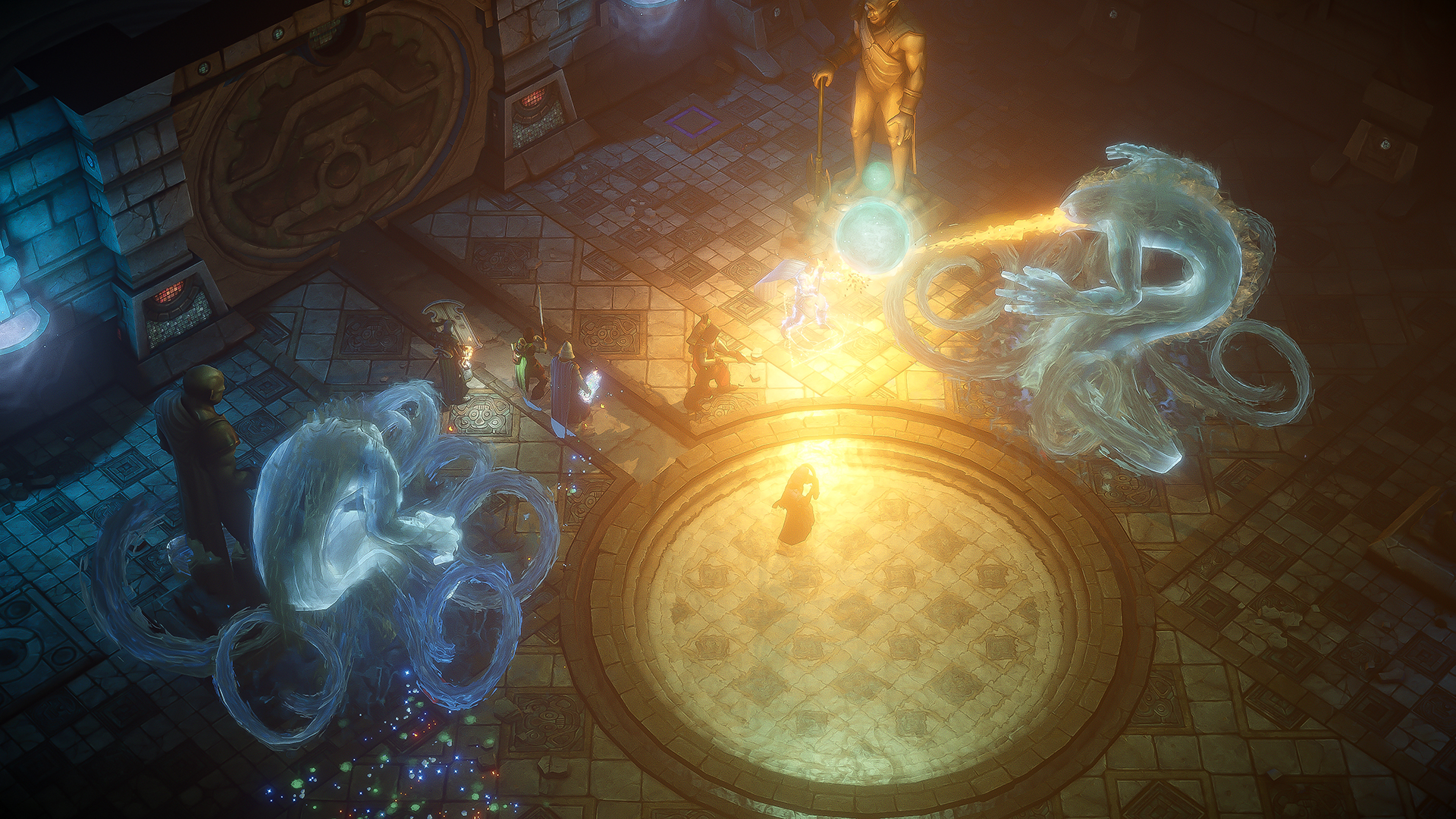
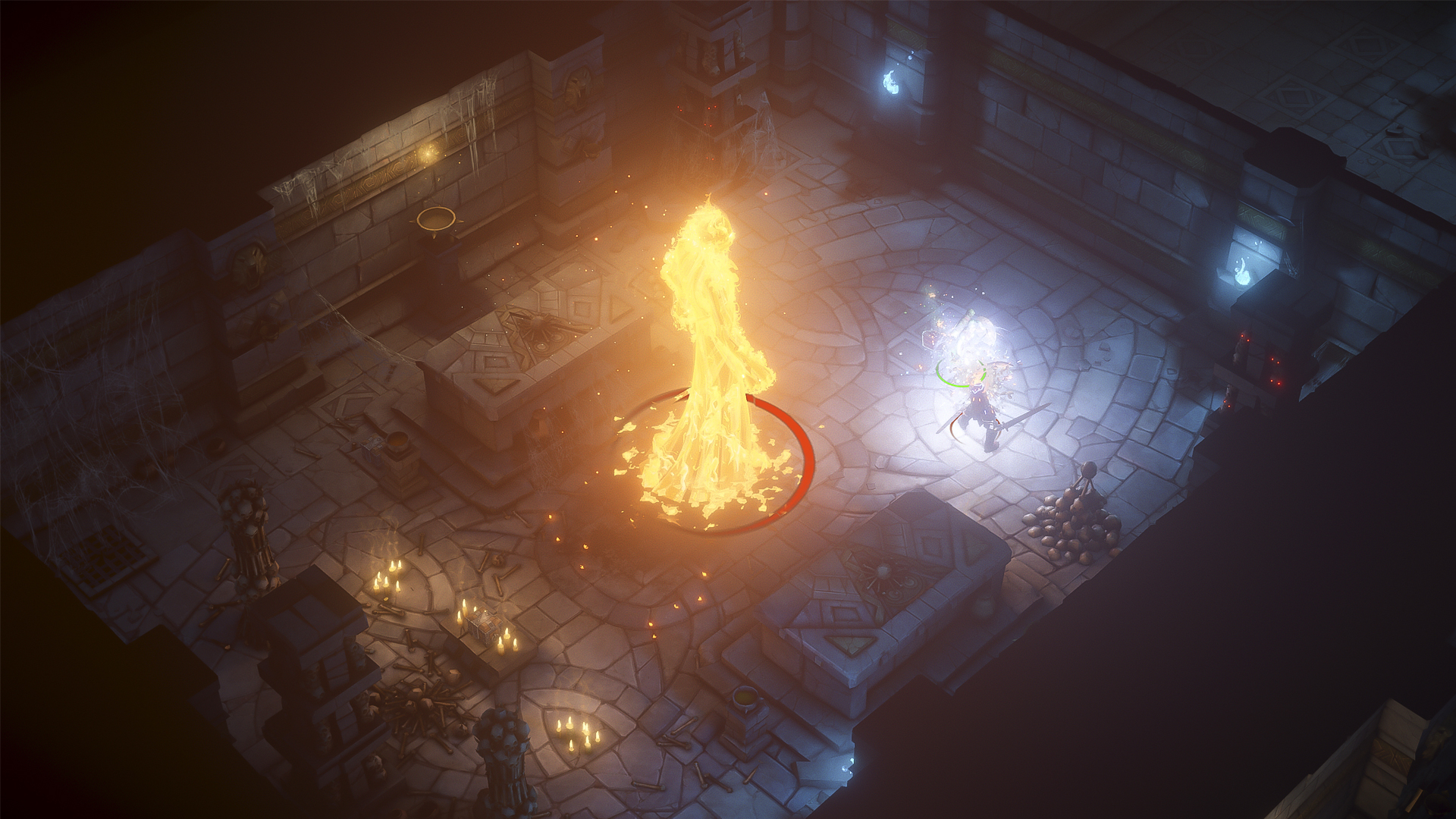
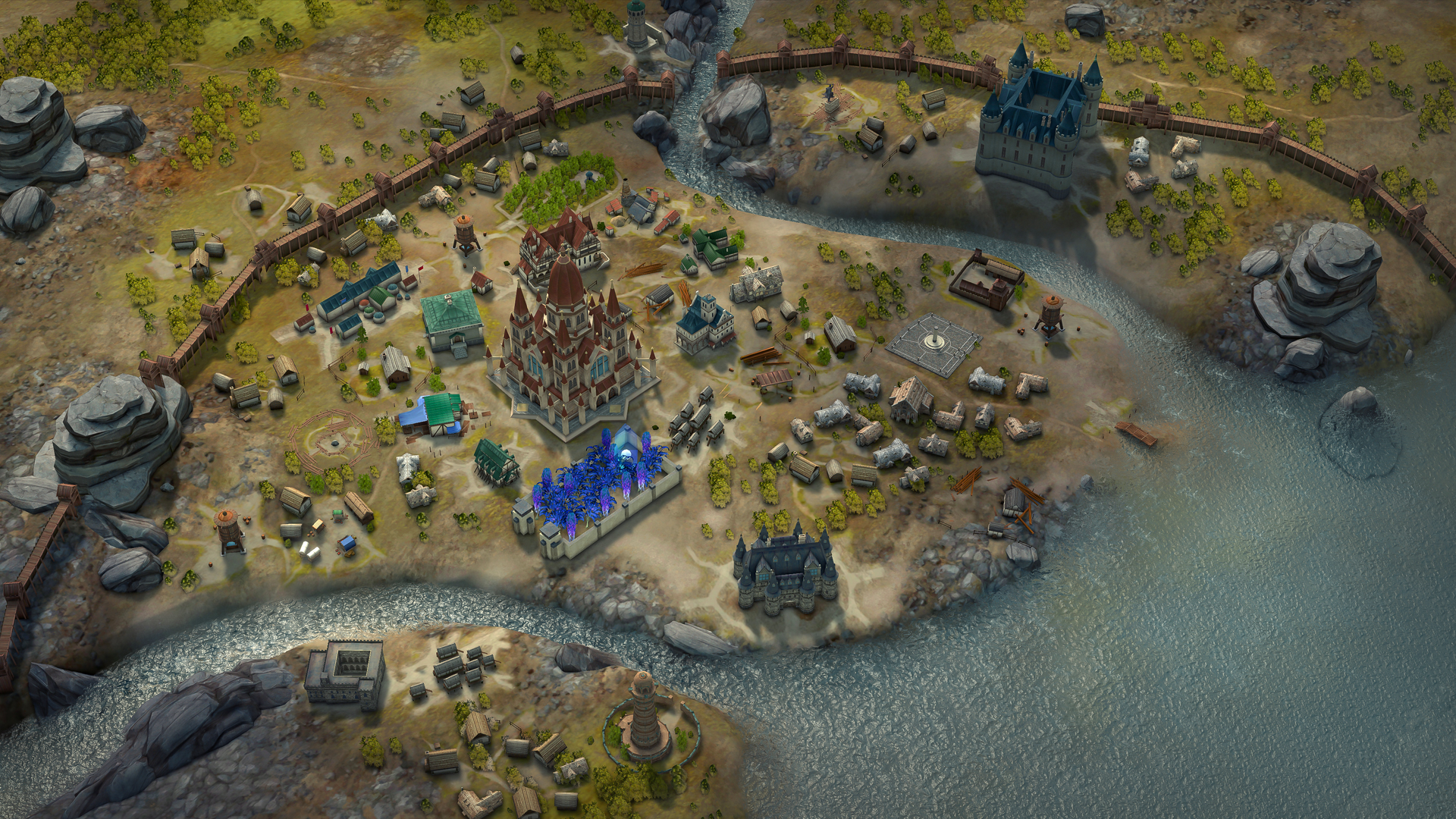
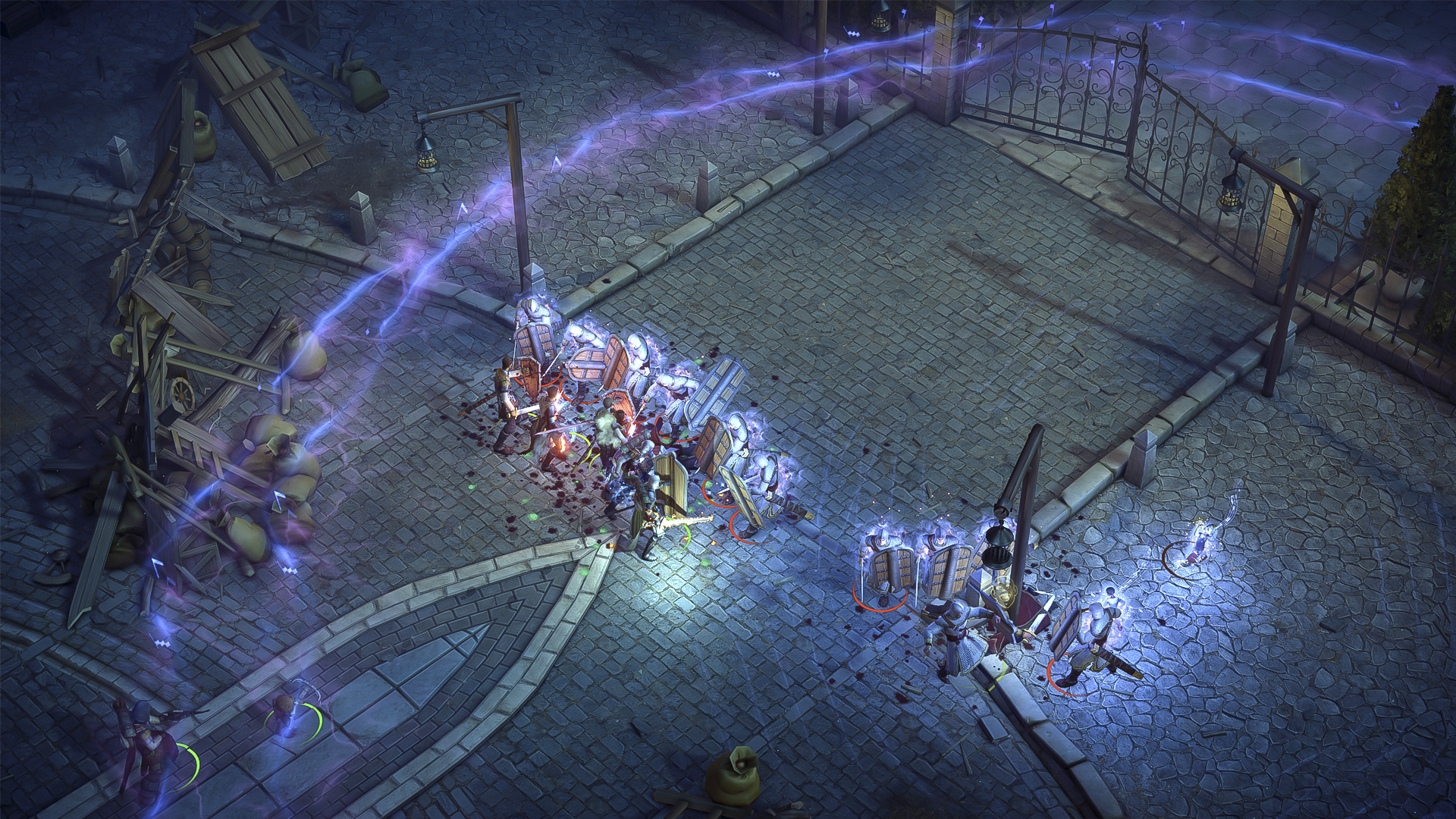
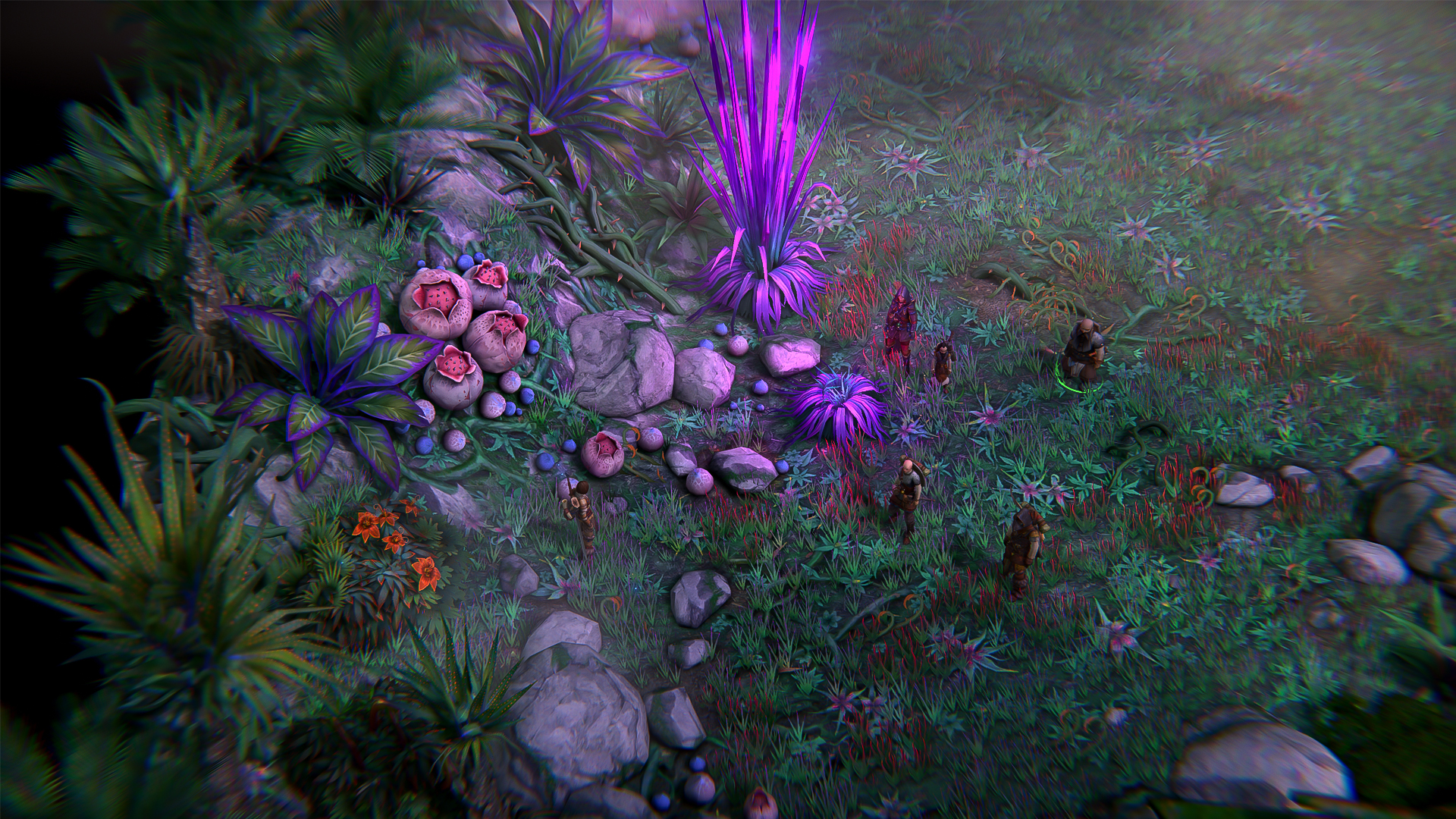
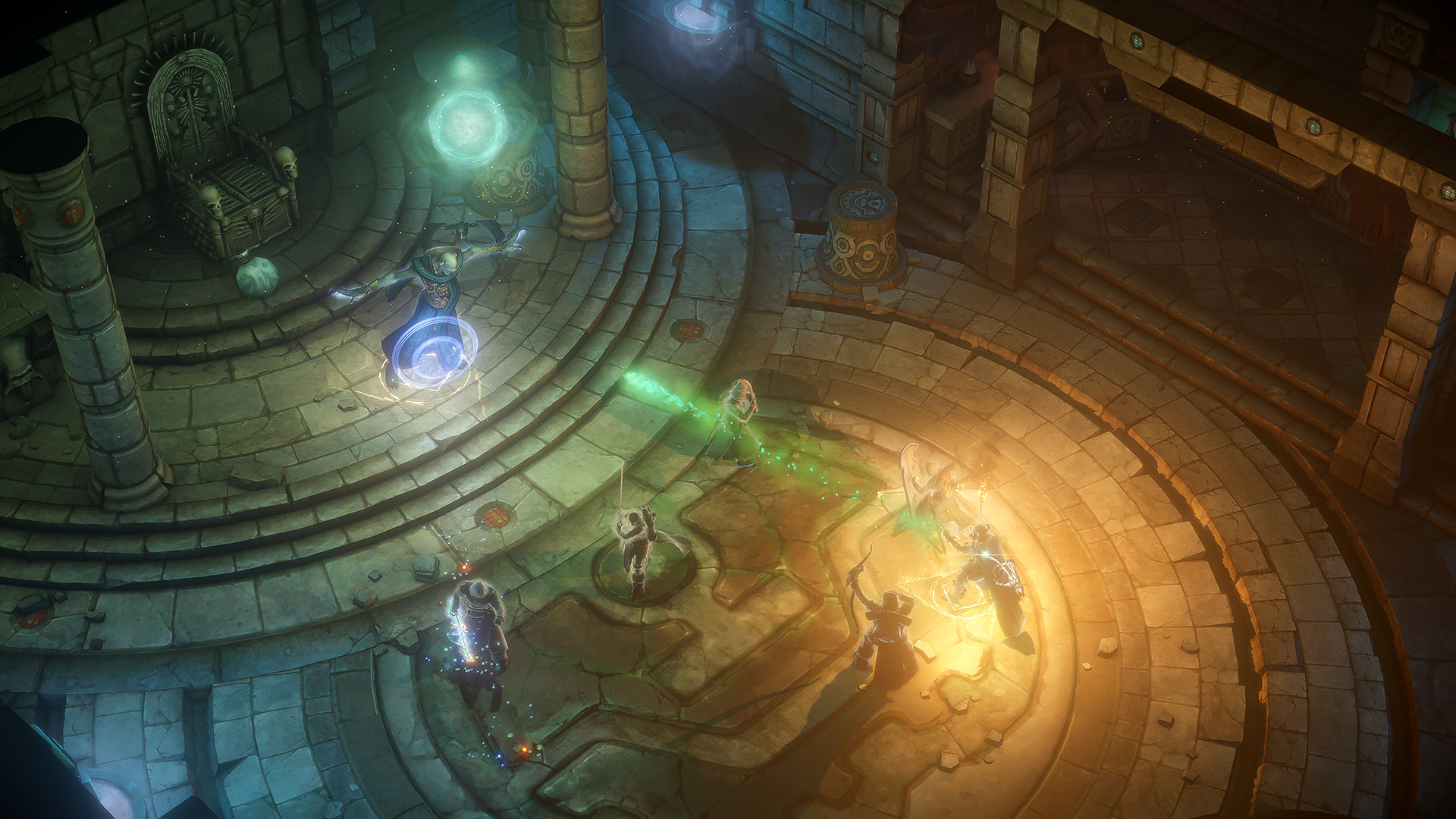
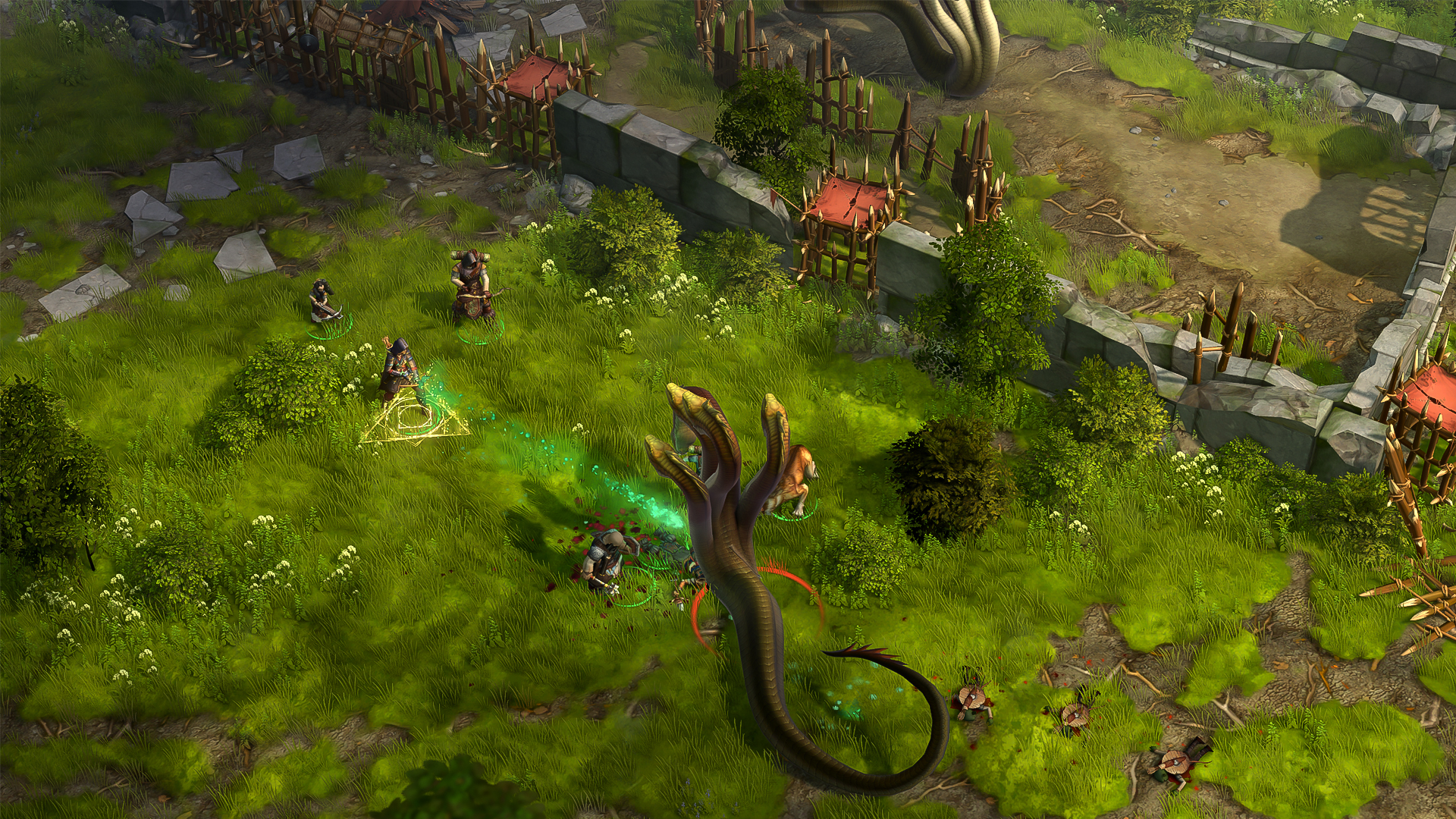
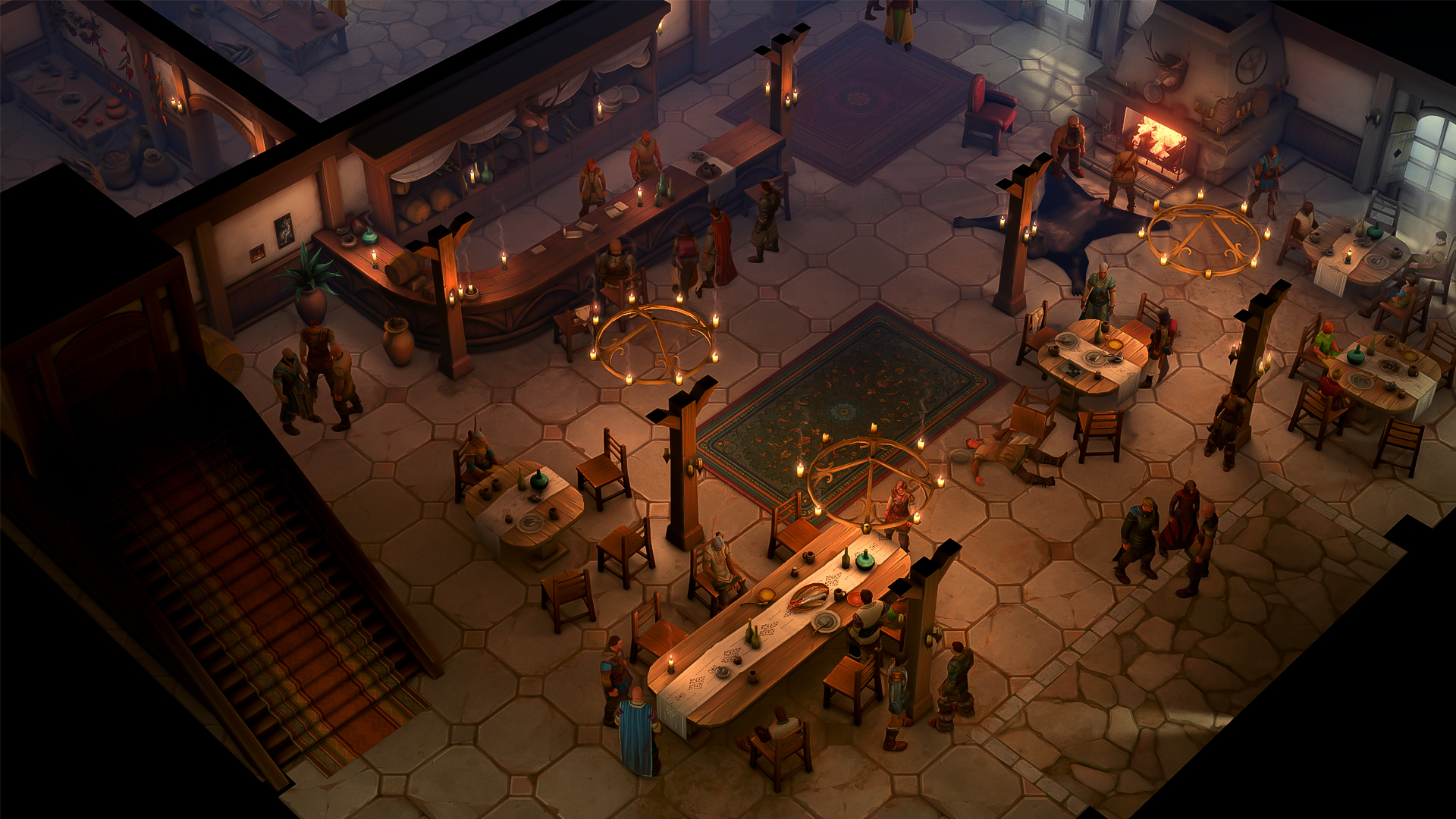
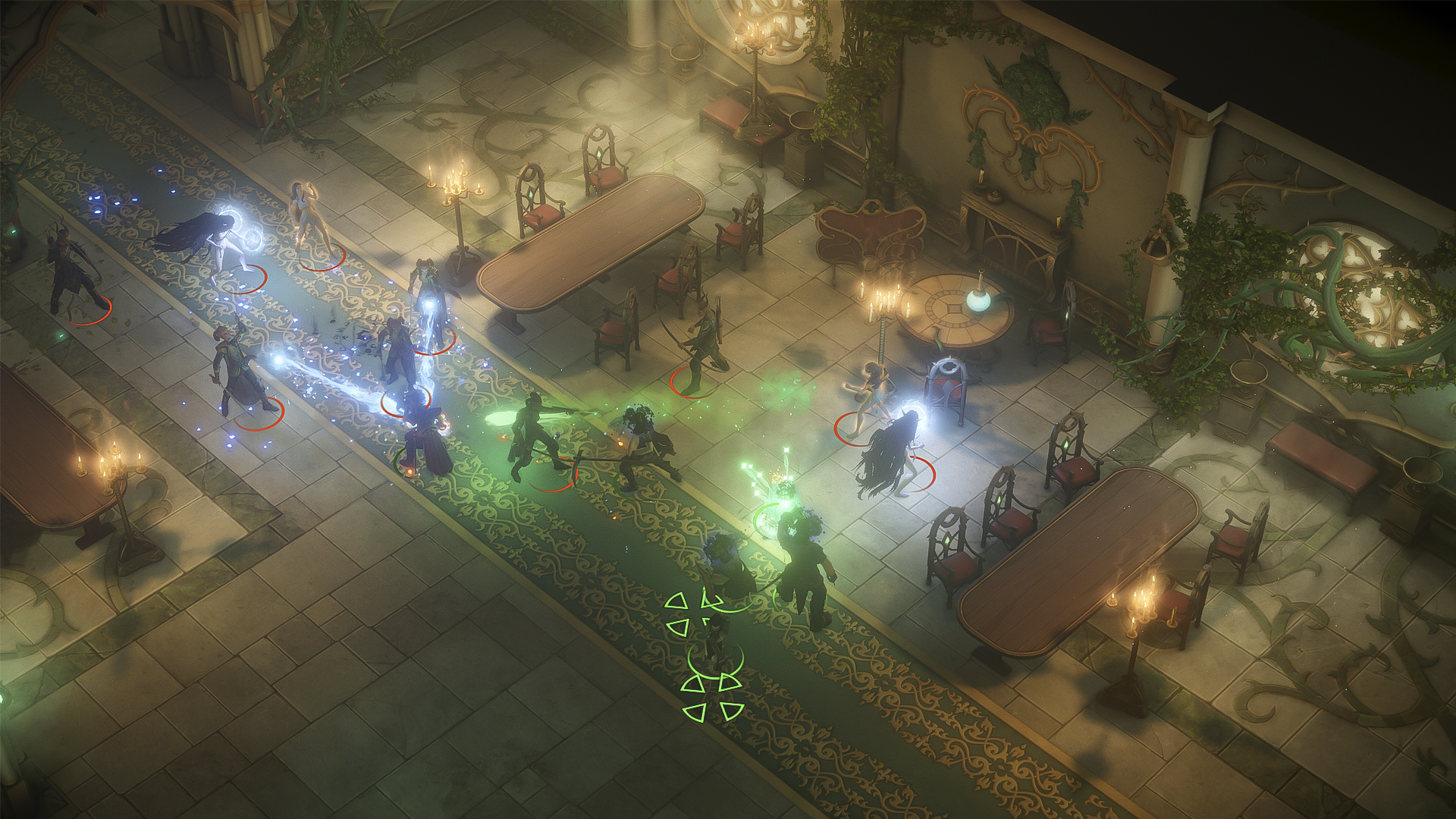
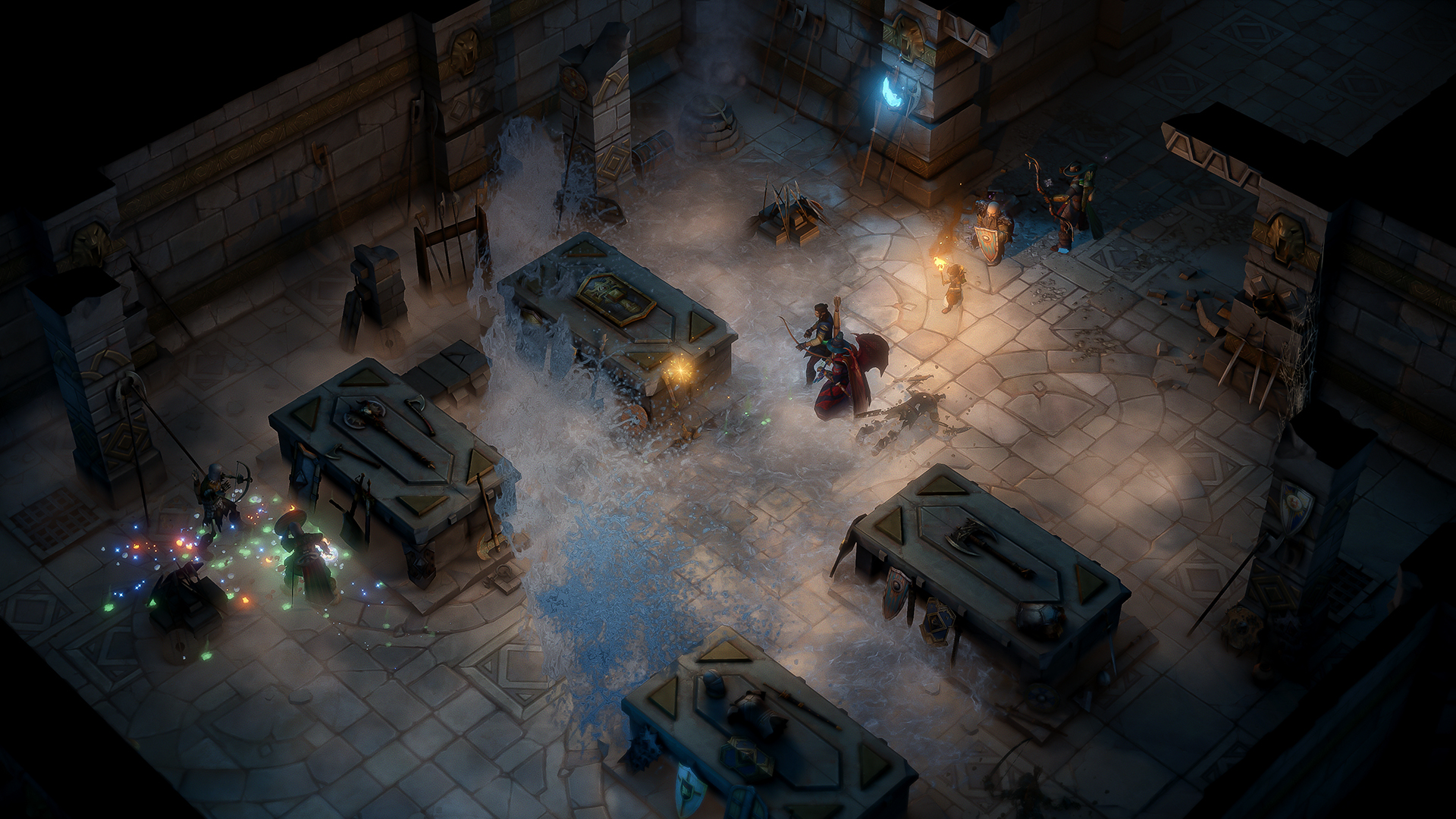
Get an in-depth look at Pathfinder: Kingmaker — Enhanced Plus Edition through various videos and screenshots.


Load More



System requirements
These are the minimum specifications needed to play the game. For the best experience, we recommend that you verify them.
Windows
- Requires a 64-bit processor and operating system
- OS *: Windows 7 64-bit or newer
- Processor: Intel Celeron 1037U @ 1.80GHz
- Memory: 4 GB RAM
- Graphics: Intel HD Graphics 3000
- Storage: 30 GB available space
- Sound Card: DirectX Compatible Sound Card
MacOS
- OS: OS X El Capitan
- Processor: Intel Core i7-3610QE @ 2.30GHz
- Memory: 4 GB RAM
- Graphics: Intel HD Graphics 4000
- Storage: 30 GB available space
Linux
- OS: Ubuntu 14.04 LTS 64-bit or newer
- Processor: Intel Celeron 1037U @ 1.80GHz
- Memory: 4 GB RAM
- Graphics: Intel HD Graphics 3000
- Storage: 30 GB available space
Steam Price & Best Deals
User reviews & Ratings
Explore reviews from Steam users sharing their experiences and what they love about the game.
This is a game that was made to target a very specific audience, cast adrift in a genre that has mostly devolved into Mass Effect clones that lack mechanical depth, and it absolutely succeeds at the cost of its broader appeal. If you are thinking about getting this game and just getting into the genre, it is probably because you played Baldur's Gate 3. That game is fantastic in its own right - certainly not a mass effect clone, don't get me wrong - but it is not like this game. They do not scratch the same itch which haunts the kind of people this game was explicitly made for, and if you are wanting another Baldur's Gate 3 to play, you will be disappointed. It does not even try to be a cinematic experience like a Mass Effect, that feels like an action movie at times, because it was made by a small team who knew they had better things to do, and that was to create something with a lot of mechanical depth that you can play for hundreds of hours and still be discovering new things about. If you are reading reviews to try to get a feeling for this game, you will probably come across complaints about the difficulty, which are simultaneously fair and misguided. In this game, there is no outplaying a fight, as most people want the ability to have in a game. Instead, every encounter is about preparation and is then a raw stat check; either you have the numbers to win or you do not and there is not a lot of wiggle room for you to work with after that calculus. The skill expression in the game is understanding the systems and knowing what you have to do to get your characters the higher numbers (primarily to armor class and attack bonus) you need to win, something that you are not going to suddenly develop in the middle of a tough fight. Great example: it is really easy to miss that the second cleric the game gives you has an infinite-use ability to buff a member of the party with extra attack and defense, inherent to his subclass, that remains extremely useful for the entire game, but comes at the cost of him being less tanky than the first cleric. The game does not explain this to you. You have to notice it. The ability is buried in the abilities tab above the action bar and you could absolutely miss it if you do not look for it. Another: your only wizard is handed to you with a level in rogue that you cannot get rid of even by respeccing her, which feels frustratingly pointless and like a handicap until you realize that you can sneak attack enemies for extra damage with touch spells (which check against touch ac, which is a much lower stat on most enemies) such as the basic cantrips if the target is engaged by two other party members, turning her into an exceptionally consistent damage dealer if you put her down the Arcane Trickster class that is in the game explicitly to support her. Tough enemies with such a high armor class that they are untouchable to your primary damage dealers can be cracked with a sneak attack wizard. That is why the game gives you one, but without telling you how useful she is. There are so many niche things like that to discover, little quirks of the system that suddenly make so many things seem more useful, that you can combine together if you are willing to look for them. IF YOU TAKE NOTHING ELSE FROM THIS (capitalized to catch the eye of anyone scrolling through) UNDERSTAND THAT, for all intents and purposes, this is a puzzle game, and if you look up the answer to a puzzle game, it is going to be a lot less rewarding of an experience. If you find yourself worried because that feels daunting, you should, for the love of God, just turn down the difficulty until it is at an appropriate level for your knowledge. Don't look up a guide. So much of the fun of this game is evolving your own understanding and improving your characters on your own because you start to figure things out for yourself, naturally, as you are playing and passively exploring. Don't read what every single class and subclass does in the character creation screen. You don't need to. Pick whatever sounds fun, then look for ways to improve it and make it stronger through whatever creative method you come up with. Be willing to touch the difficulty settings if they are getting in the way of you having fun, because, eventually, as you get better, you are going to be bumping them up, not down, to see how far your party can get. Respec characters often, if only to try something new with them; to see what you can come up with. And you don't even have to dip like the guides will tell you. Jubilost can be a bomb-throwing damage dealer or a transmuting tank all within the alchemist class. Linzi can excel at crowd control or dealing damage all within bard. Swap your party around every once in a while. You will find that the ones you initially wrote off are a lot more useful and interesting than you initially believed, and it is fun to try to find a way to make them work within a composition. The game is plenty long enough for you to try new things within a campaign for the sake of trying them with no consequence because you can always swap back or respec again. That is a lot of the fun of this game. Tooling your builds. Coming up with ideas for new ones. That is the unique experience it was meant to provide that is almost impossible to find in any other game to this degree of depth, where it is so important to success or failure. Think about it like this: if you have played Dark Souls, and you have thought about starting up a new play through, it is very common to plan what kind of build you are going to have before you start. Only after that do you begin a new game, then you go about trying to get your planned build online and to make it as strong as possible, aware that it is going to take time to get everything perfect like you want. It is the same in this game, except instead of only having one character, you have an entire party to work with in a much more complex system over a campaign that could end up taking a hundred hours. It is very hard to find an experience like that anywhere else. Story-wise, I like it. I don't know who you are or how difficult you are to please. You don't know who I am and have no basis for my taste if I said something as useless as, "it was good/bad." If you asked me about something I ate, and all I told you was that it tasted bad, what would you actually know about the food, other than that I, a stranger, do not like it? Is it spicy? Bland? What if I like spicy food and you don't? What if a story I consider hectic and convoluted is thought-provoking to you? Do you see what I mean? I will say this game's writing is very cute at times, and very serious at others without ever becoming oppressively dark. In a side quest, you end up in a group riddle competition and one of the competitors is a kobold with no friends, who had to bring frogs as his companions in order to compete, who just really wants to be a dragon. I squealed like a child with delight when, at the end of the competition, he gets whisked away to be made one by the demigod who put on the contest because they liked him too. Not too long later, you have to decide whether to let a pregnant woman bear her monster child blessed by an evil demon god, while she is begging you to let it happen, which is a moral conundrum that could really interest you if you let yourself be immersed like I did. My advice? Don't rush the game. Relax. It is a marathon that is simply too long to be beaten in only a handful of sessions, and if you try you are going to exhaust yourself. Then you will almost certainly hate the writing and probably the gameplay, because every story moment that could be interesting and enjoyable in its own right is instead a waste of time. The game can be a much more casual experience than its seemingly-hardcore exterior would make you believe, if you only let yourself relax while playing it.
Multiple playthroughs. I have ruled this kingdom more times than I can emotionally justify. I came here expecting “fantasy RPG.” I left as: a political leader a therapist for emotionally unstable companions a crisis manager and occasionally… a menace to society depending on my alignment 10/10 experience. 📖 Story: oh we’re doing THIS today??? You like: assassination attempts mystery political drama making decisions and immediately questioning your life choices GOOD. You’re in the right place. This game starts off manageable and then gradually goes “hey you’ve got this 😊” and before you know it it’s “this is your problem now. all of it.” And somehow it works. 👑 Kingdom Management: “just one more decision” at 3am I thought this would be a side feature. It was not. It became my entire personality. You’re: managing advisors dealing with events making choices that actually matter watching your kingdom reflect your alignment like “oh… this says a lot about me actually” Also politics. So much politics. Everyone has opinions. No one shuts up. You are tired but also thriving. 🧑🤝🧑 Companions: I would die for some of them (others… debatable) These are not cardboard cutouts. They have: trauma opinions personalities the AUDACITY And yes, you can romance them 👀 Which means you will: make questionable decisions justify those decisions and do it again next playthrough ⚔️ Combat: choose your chaos (strategically) This game supports both turn-based AND RTwP, which is honestly a huge win. After a couple playthroughs, I ended up doing a hybrid approach: Turn-based for boss fights (because I want control, strategy, and my brain functioning) RTwP for mob fights (because fighting 10–20 enemies in turn-based every time would have turned this into a 1000-hour commitment 😭) Honestly? This felt like the intended way to stay sane. ALSO—the difficulty settings are basically a buffet: You can: vibe on Story mode feel accomplished on Challenging suffer a little on Hard or enter Unfair mode where the game looks you in the eye and says “you wanted this.” I personally chose peace and story immersion 🫠 and I usually tweak them until I have what I personally feel is a good balance between good combat encounters but focused on story. 😬 Bugs (aka “WHY is this happening to me specifically”) Most bugs are minor now. BUT. Tristian’s romance is STILL bugged as of my March 2026 playthrough. Like: all romance counters stuck at 0 despite flirting despite having him in my party despite hitting all the right dialogue ✨ absolutely not ✨ I fixed it using the Bag of Tricks mod from Nexus Mods, which lets you manually adjust the romance flags. If you’re planning to romance him, I highly recommend looking up the fix here: https://steamcommunity.com/app/640820/discussions/0/2960544187653555511/ Was I annoyed? yes Did I keep playing anyway? also yes Did I replay the game multiple times? of course 🫠 🎲 Overall Vibe Before Baldur’s Gate 3, this was the closest I’ve gotten to: “I am not playing a game, I am living in a D&D campaign and making decisions that will emotionally haunt me later.” 💬 Final Verdict If you: love story-heavy RPGs want choices that actually matter enjoy managing chaos (kingdom, companions, your own decisions) and don’t mind losing hours of your life you will absolutely get sucked into this game. If you want fast, simple combat and zero stress? This is not that game. This game will give you responsibility. 👍 10/10 would Recommend
Pros: [*] World and Atmosphere: Pathfinder offers a deep universe that is, easy to get into. It can be both dark and lighthearted. Narrative doesn’t drown you in a million confusing terms from the very start. [*] Vibrant Companions: The characters are memorable. Personally I would love even more dialogue and development for them as the story progresses, but even as they are, they above most modern CRPG characters. [*] Roleplay Depth: This is where the game truly shines. It applies to both the dialogue—where your alignment actually impacts your choices—and the monstrously deep character progression. You can build literally anyone, from a classic paladin to a mad alchemist, and the game lets you feel that. [*] Visuals: Despite its apparent simplicity, the game looks very neat. A special shoutout to the particle effects—spells and special abilities look punchy. Cons: [*] The Difficulty Curve is a Rollercoaster: The "Normal" setting is a trap. One moment you’re clearing enemies by the dozen, and the next, you hit a wall against an opponent you have zero chance of beating. You’re lucky if it’s an optional and you can just bypass by reloading a save. [*] Risk of a Softlock: If you don't keep at least 10 different save slots and aren't afraid to tweak the difficulty (unless you're a dedicated min-maxer), you can easily run your playthrough into a dead end with no way out. [*] Pacing and Bloat: By the middle of the game, the constant "world-scale crises" hitting your barony one after another start to get tedious. Sometimes it feels like only masochists live in your lands: catastrophes happen more often than breakfast. It’s a mystery why the population hasn't fled yet. You just have to endure this "filler" part or find your own fun in it. [*] Technical Hiccups: Optimization can be disappointing. In massive battles with many enemies, the FPS can tank significantly, even on a good rig, though the rest of the game runs smoothly. Advice for Newcomers: Don’t try to be a hero, and ignore the "hardcore" crowd telling you how to play the game "correctly." If it feels too tedious—don't hesitate to dive into the settings and tweak the difficulty on the fly. It’s not cheating ; it’s the only way to fix what Owlcat devs made. Verdict: Even though the list of cons looks long, this is still a great RPG for those who ready to embrace its imperfections. It rewards your patience with deep mechanics and immersion into your character's story. Is it worth playing? It’s definitely worth a try, especially on sale. Just keep one hand on the quicksave button and the other on the difficulty sliders.
i will be honest as i most possibly can. English is not my first language so grammer mistakes are bound to be here. Warning: This game is not for everyone and if you are seeing this post here are a few notes why: 1. Time- 1 run from start to finish can take about 200+ hours this includes trial and erros as well as that you will most likly do when trying to get specific ending. my advise SAVE often AND on diffrent slots! some story moments, areas, as well as dungeons and quests drag the game way more then they should. 2. Theme- this is a roleplaying game yet it leans heavliy on characters who both villians and companions seek redemption or a second shot at life. for the most part it is wirtten beautifully but it's not everyone's cup of tea since it can limit roleplay. to get the most out of this incredible story built your character as a good/chaotic alignment in mind. alignment is important for story choices mostly. 3. System- if you played D&D and know it rules then you will understand this game and how the battle system works rather well however this is a much more complex system for better or worse so fair warning it is a complicated with many ways to screw up character builds and even quests game be warned! this is not the end of the world though since you can always RESPEC a character in the game be speaking to someone avilable right from the very start of the game. 4. Diffuclty- this game can be frustrating!!! new players please understand i cannot recomend this enough even if you know D&D or pathfinder before playing this pick the NORMAL diffculty cause this game can be rough 5. Quests- my tip for first timers is this: always rush the main quest line and always aim to complete those ASAP ignoring any side quests. don't worry you will have time for side quests and side areas in this game the thing is they are always way more diffcult to handle so gaining levels and items before doing them is recomended. THE GAME FORCE YOU TO DO QUESTS IN A CERTAIN WAY DUE TO TIME LIMITS. (you can still do them all but you can't always do them in any order you want!) 6. Modes- this game is basically 2 in one. the first is the main RPG story which consists of fighting and from time to time exploring the world of the stolen lands and the creatures in it (story is really well written for an RPG in my opnion it is better than BG3). the 2nd mode is the kingdom managment and it is not that fun since it slows things down and can ruin the vibe. you can play without it if you so chose but the game encourges you to play it as well and it can consume a lot of time without you realizing it 7. Companions- you play with a party of 6. your companions are mostly intersting and fun. they also play major part in the main story as such you should always keep them even if you won't use them since some of them aren't build optimally (the game even though it is hard can still be done with these companions in your team). minor spoiler! your companions in terms of classes are: -magus, -barbarian, -bard, -alchamist, -wizard/arcane trickster, -clerics (there are 2 kinds and they play diffrently), -inquister, -ranger, -rouge, -fighter and if you have DLC kintick 8. Character Creation- you should have a character that can fight on his own. so don't pick a full support class. there are so many options in this game but if you want an easy time i suggest you stick to the default class of those that the companions don't have like: sorcerer,paladin, druid, fighter. all of these are great for first time and are all strong. there are many guides on the internet to how to build one the options are limitless. 9. Hiden stuff- many things aren't explained well here! some rules such as shooting into melee are not well explained(you need to take a certain feat for it otherwise it will almost always miss in range), it also doesnt explain well the difrence between weapons such as crossbow and bows or give you the full list of weapons that can be used which makes it difficult to track! importent! certain feats like outflank with combat reflex and sieze the moment for melee characters are a MOST! 10. HIdden roles- one skill in particuler that your party should have at least 2 or more that can know well is PRECEPTION this is the most important skill in this game!!!! locked chests aren't that important but it cant hurt to focus on trickery as well. make sure to increase your skills with things like Tristian 'touch of good' and Lindz's songs for a better time so you don't relod and save scum (i personally didnt do it but i know many like to unlock every single chest) 11. Voice acting- only some parts are voiced and some of the important parts of the story can be missed or forgotten due to not being voice acted.
Similar games
View all
Pillars of Eternity
Prepare to be enchanted by a world where the choices you make and the paths you choose shape your destiny. Obsidian Entertainment, the developer of Fallout: New Vegas™ and South Park: The Stick of Truth™, together with Paradox Interactive is proud to present Pillars of Eternity.
Baldur's Gate: Enhanced Edition
The classic returns! Baldur’s Gate: Enhanced Edition restores the full original adventure and Tales of the Sword Coast, now polished with quality‑of‑life upgrades for a smoother timeless Dungeons & Dragons journey.
Drakensang
Drakensang is a third-person party-based RPG based on the pen & paper role-play rules of The Dark Eye. Drakensang is the first PC game for over 10 years to be based on Germany's most successful and popular role-play system. Drakensang builds on the pen & paper rules as applied in version 4.0.
Black Geyser: Couriers of Darkness
Black Geyser is an isometric, party-based fantasy RPG inspired by genre classics. Recruit characters with unique personalities and explore a land ravaged by civil war and a mysterious curse of greed. Your choices, good or evil, will decide the fate of the Kingdom of Isilmerald.
Dragon Age: Origins - Ultimate Edition
Explore a stunning world, make complex moral choices, and engage in bone-crushing combat against massive and terrifying creatures. The Ultimate Edition includes Dragon Age: Origins, Dragon Age: Origins - Awakening and all nine content packs.
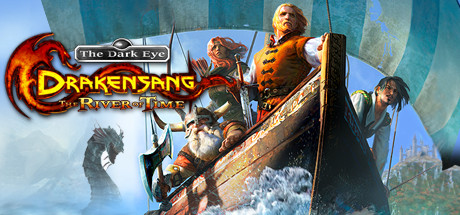
Drakensang: The River of Time
The prequel to Radon Labs' award-winning RPG, Drakensang: The River of Time introduces a brand new story within the Drakensang universe. The new story brings many innovations and new game elements for experienced as well for first time players, who will jump right into the fascinating medieval fantasy RPG scenario of Drakensang: The...
Icewind Dale: Enhanced Edition
The frozen classic returns. Icewind Dale: Enhanced Edition preserves the spirit of the original adventure while refining it for modern players, letting you build a party of Dungeons & Dragons heroes and brave the harsh, haunting beauty of the Spine of the World.
Baldur's Gate II: Enhanced Edition
Return to a timeless RPG masterpiece. Baldur’s Gate II: Enhanced Edition brings the classic 2000 adventure back to life with thoughtful modern refinements, letting you gather your party and dive once more into a rich, choice‑driven fantasy epic.
Neverwinter Nights: Enhanced Edition
Return to the Forgotten Realms in this bestselling Dungeons & Dragons roleplaying game. Combines all the content of Neverwinter Nights Diamond Edition with all-new enhanced features. Includes 100+ hours of award-winning adventures and the tools to create your own!
Pathfinder: Wrath of the Righteous - Enhanced Edition
Embark on a journey to a realm overrun by demons in a new epic RPG from the creators of the critically acclaimed Pathfinder: Kingmaker. Explore the nature of good and evil, learn the true cost of power, and rise as a Mythic Hero capable of deeds beyond mortal expectations.
Frequently Asked Questions
Pathfinder: Kingmaker — Enhanced Plus Edition is currently priced at 19.99€ on Steam.
No, Pathfinder: Kingmaker — Enhanced Plus Edition is currently not on sale. You can purchase it for 19.99€ on Steam.
Yes, Pathfinder: Kingmaker — Enhanced Plus Edition received 21,734 positive votes out of a total of 28,226 achieving a rating of 7.58.
😊
Pathfinder: Kingmaker — Enhanced Plus Edition was developed by Owlcat Games and published by Knights Peak.
Yes, Pathfinder: Kingmaker — Enhanced Plus Edition is playable and fully supported on Windows.
Yes, Pathfinder: Kingmaker — Enhanced Plus Edition is playable and fully supported on MacOS.
Yes, Pathfinder: Kingmaker — Enhanced Plus Edition is playable and fully supported on Linux.
Yes, Pathfinder: Kingmaker — Enhanced Plus Edition is playable on Steam Deck, though it might require a few minor tweaks. Make sure to check the Steam store page and community feedback on ProtonDB for exact compatibility details.
Yes, Pathfinder: Kingmaker — Enhanced Plus Edition is playable on Steam Machine, though it might require a few minor tweaks. Make sure to check the Steam store page and community feedback on ProtonDB for exact compatibility details.
No, Pathfinder: Kingmaker — Enhanced Plus Edition does not support VR.
Pathfinder: Kingmaker — Enhanced Plus Edition is a single-player game.
Yes, there are 6 DLCs available for Pathfinder: Kingmaker — Enhanced Plus Edition. Explore additional content available for Pathfinder: Kingmaker — Enhanced Plus Edition on Steam.
No, Pathfinder: Kingmaker — Enhanced Plus Edition does not support mods via Steam Workshop.
Yes, Pathfinder: Kingmaker — Enhanced Plus Edition supports Remote Play on Tablet. Discover more about Steam Remote Play.
Yes, Pathfinder: Kingmaker — Enhanced Plus Edition is enabled for Steam Family Sharing. This means you can share the game with authorized users from your Steam Library, allowing them to play it on their own accounts. For more details on how the feature works, you can read the original Steam Family Sharing announcement or visit the Steam Family Sharing user guide and FAQ page.
You can find solutions or submit a support ticket by visiting the Steam Support page for Pathfinder: Kingmaker — Enhanced Plus Edition.
Data sources
The information presented on this page is sourced from reliable APIs to ensure accuracy and relevance. We utilize the Steam API to gather data on game details, including titles, descriptions, prices, and user reviews. This allows us to provide you with the most up-to-date information directly from the Steam platform.
Additionally, we incorporate data from the SteamSpy API, which offers insights into game sales and player statistics. This helps us present a comprehensive view of each game's popularity and performance within the gaming community.
Last Updates| Steam data | 16 October 2026 17:08 UTC |
|---|---|
| SteamSpy data | 25 October 2026 11:15 UTC |
| Steam price | 27 October 2026 15:00 UTC |
| Steam reviews | 20 October 2026 17:45 UTC |
If you'd like to dive deeper into the details about Pathfinder: Kingmaker — Enhanced Plus Edition, we invite you to check out a few dedicated websites that offer extensive information and insights. These platforms provide valuable data, analysis, and user-generated reports to enhance your understanding of the game and its performance.
- SteamDB - A comprehensive database of everything on Steam about Pathfinder: Kingmaker — Enhanced Plus Edition
- SteamCharts - Analysis of Pathfinder: Kingmaker — Enhanced Plus Edition concurrent players on Steam
- ProtonDB - Crowdsourced reports on Linux and Steam Deck Pathfinder: Kingmaker — Enhanced Plus Edition compatibility

Game modes
Features
Online players
518
Developer
Owlcat Games
Publisher
Knights Peak
Release
25 Sep 2018
Platforms
Remote Play
Clicking and buying through these links helps us earn a commission to maintain our services.