

EMERGENCY 4 Deluxe
Coordinate firefighters, police, medical personnel and specialists in the classic EMERGENCY 4 Deluxe! Now with the previously untranslated bonus missions in English.
Sync your Steam wishlist to find the lowest game prices instantly. No login required, just paste your Steam profile URL!
⚡ Try Wishlist Radar!
Sync your Steam wishlist to find the lowest game prices instantly. No login required!
⚡ Try Wishlist Radar!
Close

Emergency 2014 on Steam
Quick menu
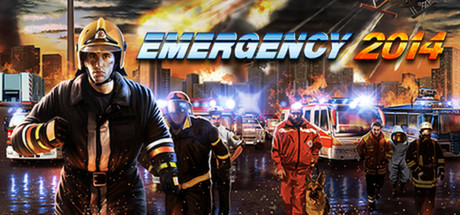
You have command of paramedics, fire brigades, police and disaster relief. Send your teams out on tense real-time missions to deal with disasters in Europe's major centres.
Emergency 2014 is a simulation, strategy and rts game
developed and published by Sixteen Tons Entertainment.
Released on November 15th 2013 is available only on Windows.
It has received 356 reviews of which 231 were positive and 125 were negative resulting in a rating of 6.2 out of 10. 😐
The game is currently priced at 9.99€ on Steam.
The Steam community has classified Emergency 2014 into these genres:
Media & Screenshots
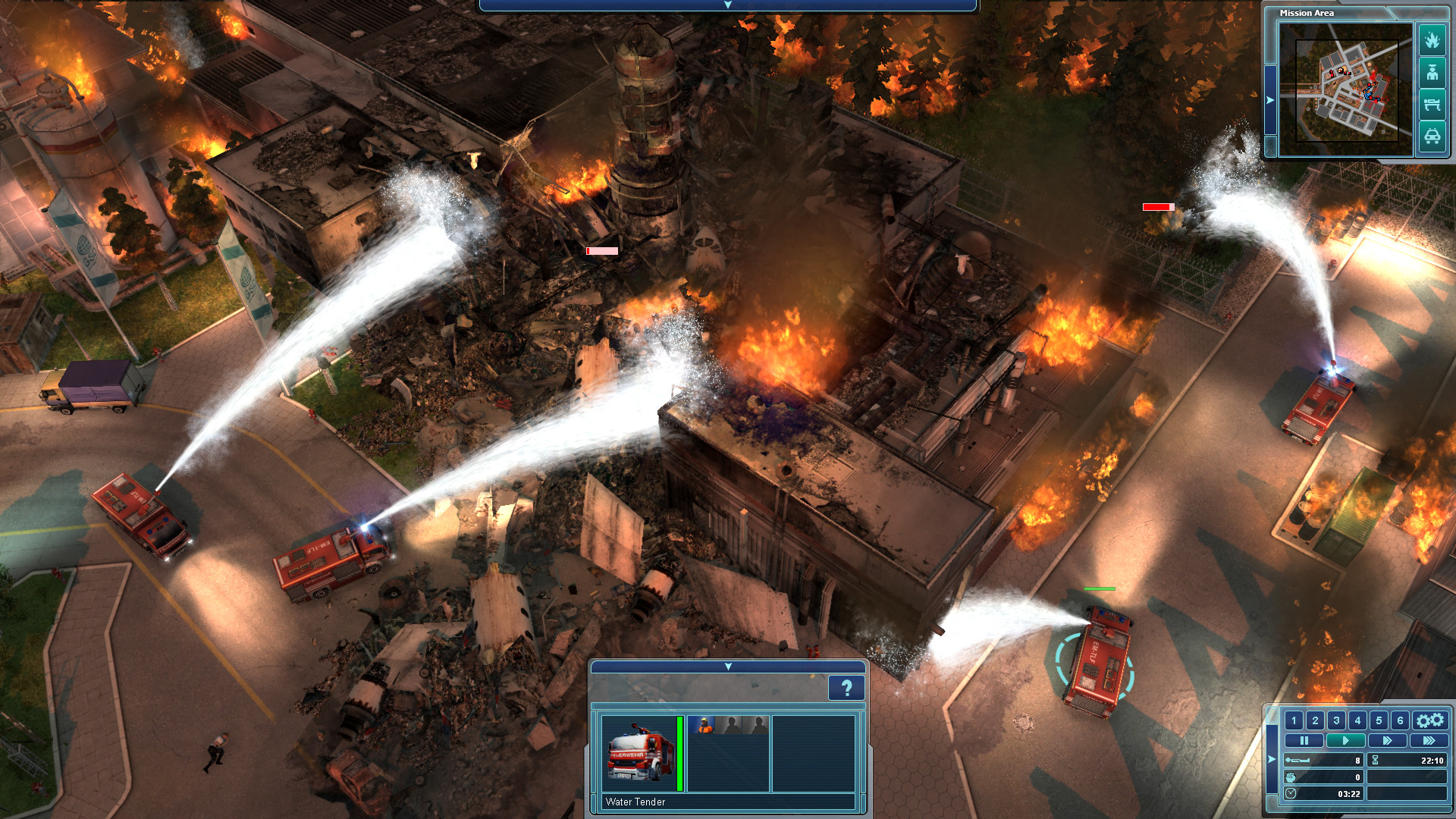
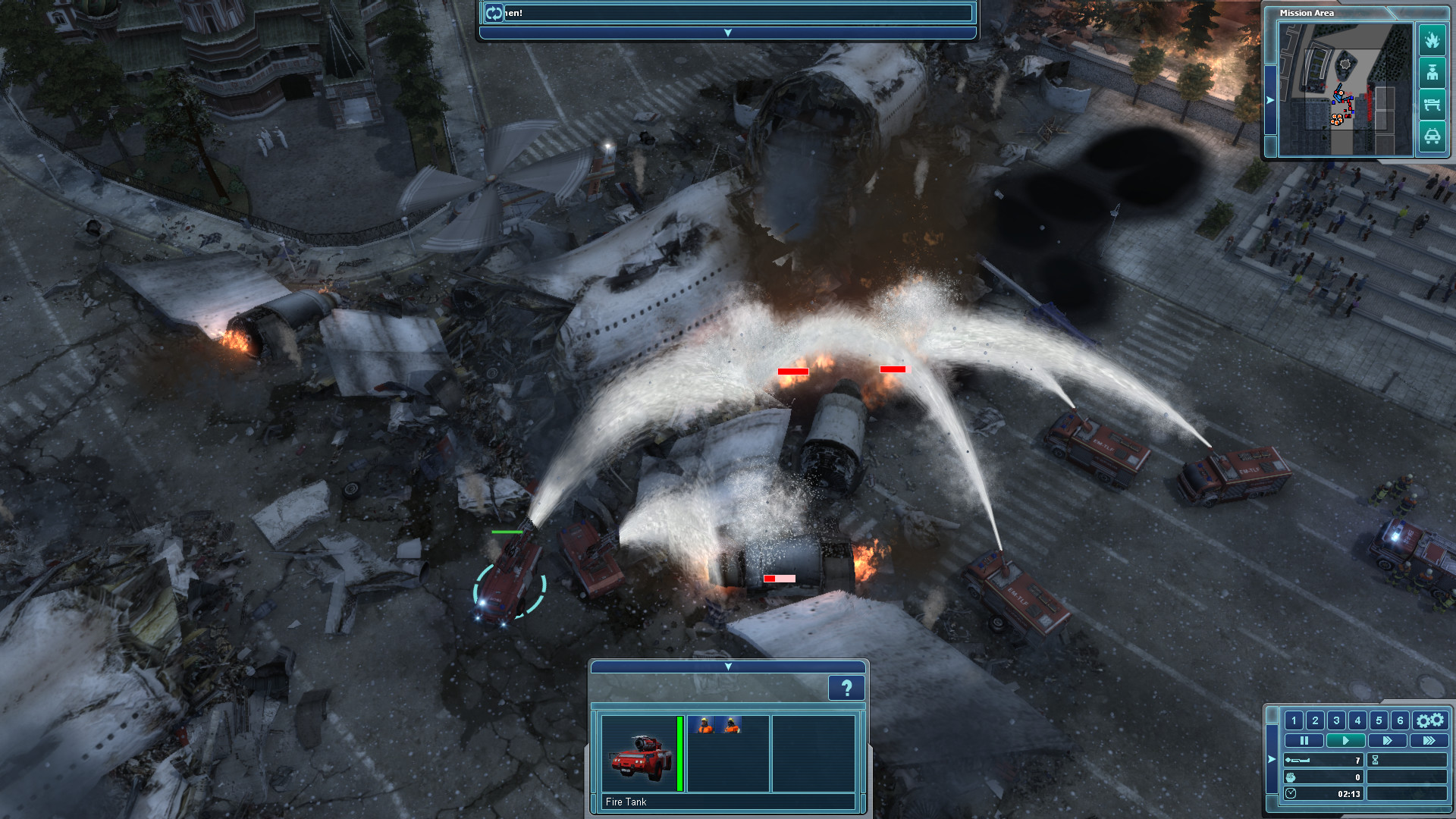
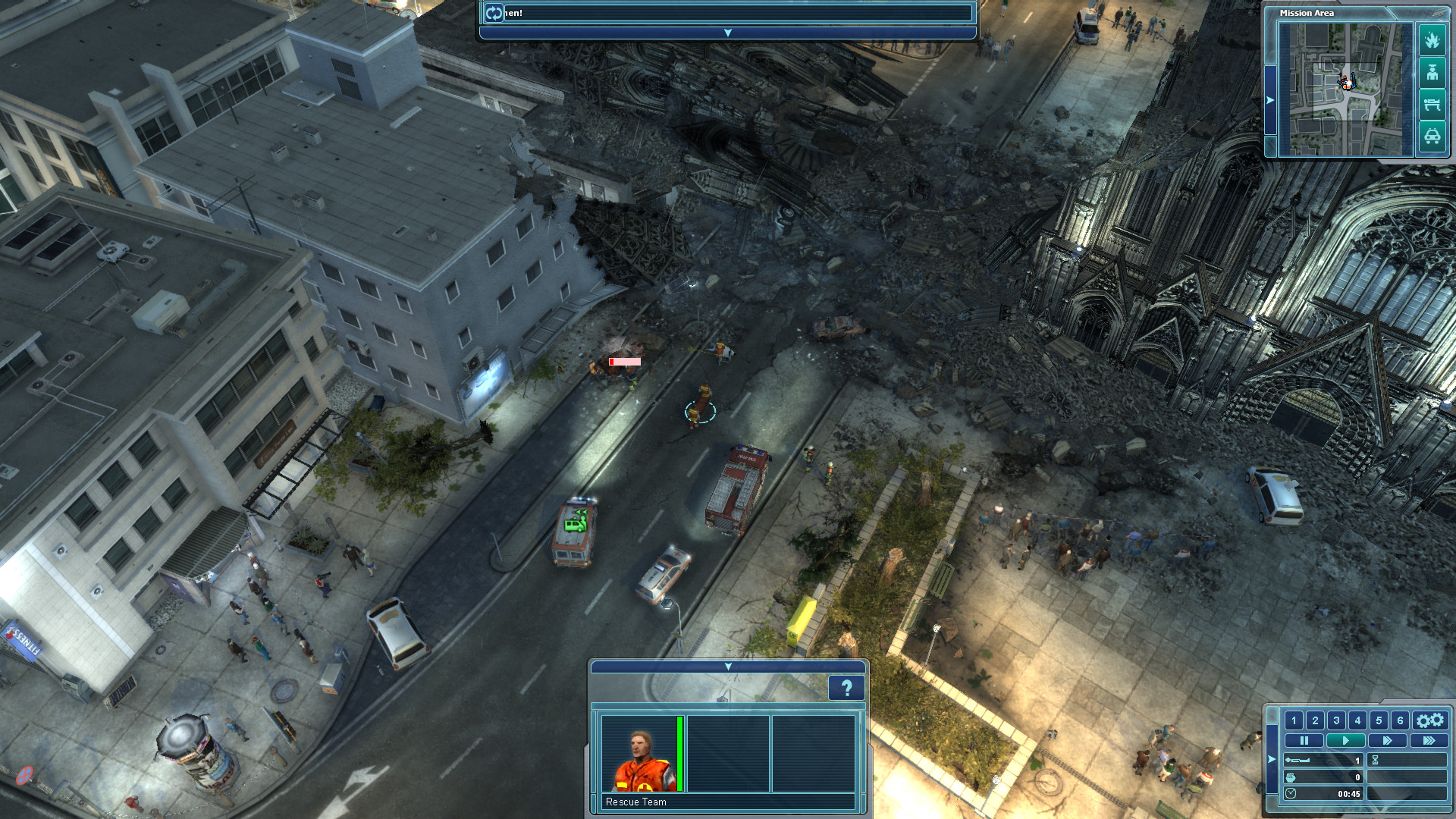
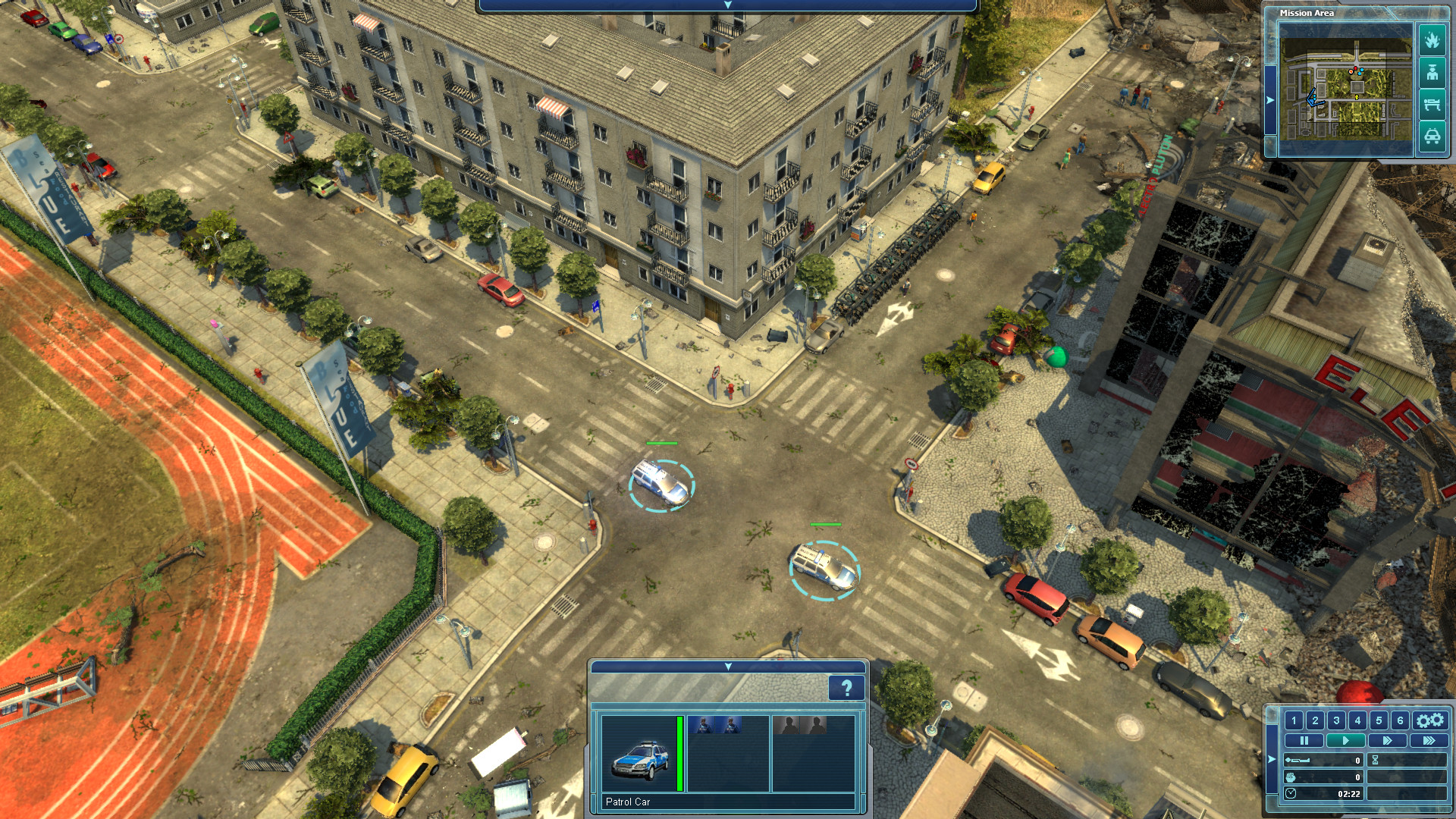
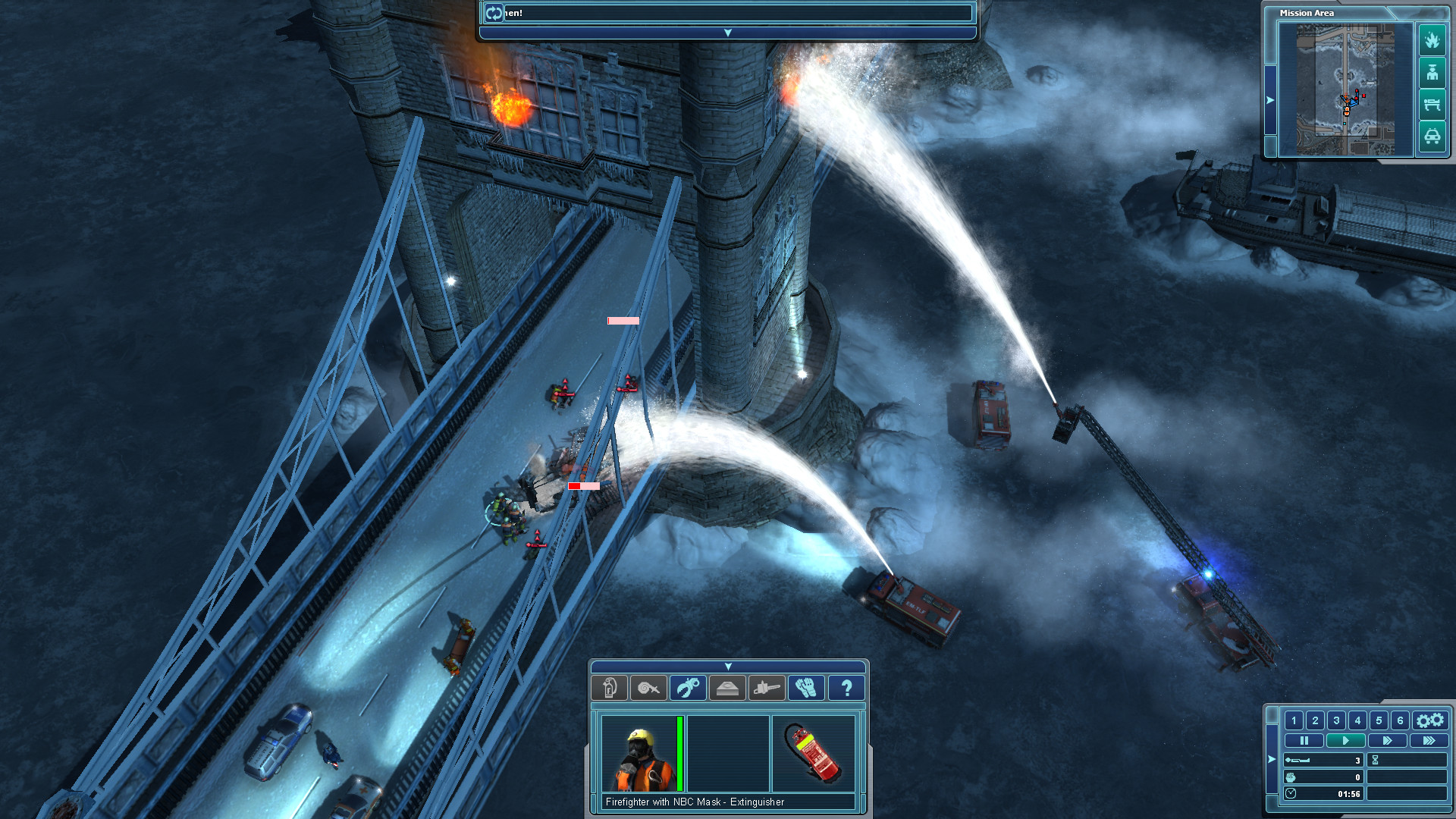
Get an in-depth look at Emergency 2014 through various videos and screenshots.

System requirements
These are the minimum specifications needed to play the game. For the best experience, we recommend that you verify them.
Windows
- OS *: Windows XP/Windows Vista/Windows 7/8
- Processor: 2.5GHz Processor
- Memory: 2 GB RAM
- Graphics: DirectX9 compatible PCI Express graphics card (Nvidia 7600, ATI X1800 equivalent or higher) with 512MB VRAM (not guaranteed to run on mobile graphics cards)
- DirectX: Version 9.0c
- Network: Broadband Internet connection
Steam Price & Best Deals
User reviews & Ratings
Explore reviews from Steam users sharing their experiences and what they love about the game.
Emergency 2014 takes the familiar structure of a real-time strategy game and gives it a refreshing purpose: instead of building armies and destroying opponents, the objective is to save lives and bring chaotic situations under control. Developed and published by Sixteen Tons Entertainment, this 2013 simulation puts the player in command of firefighters, paramedics, police officers, technical specialists, and disaster-response units. Its concept remains distinctive because success depends less on aggression and more on identifying emergencies, assigning the correct personnel, and coordinating several rescue operations simultaneously. The gameplay revolves around arriving at complicated disaster scenes and figuring out the proper sequence of actions. Fires need firefighters and suitable equipment, injured civilians require medical treatment before transportation, criminals may demand police intervention, and specialized hazards often need technical units. A simple emergency can quickly turn into a management puzzle when several incidents happen together. The challenge comes from deciding which problem requires immediate attention while ensuring that another part of the scene does not spiral out of control. Its strongest moments occur when numerous units are working at the same time. Sending ambulances, positioning firefighters, treating casualties, managing police activity, and dealing with environmental hazards creates a satisfying rhythm once the controls become familiar. There is genuine pleasure in watching a complicated disaster gradually become organized because every department has been assigned effectively. Poor decisions can have consequences, however, and overlooking an injured person or allowing a fire to spread can quickly make a manageable situation considerably harder. Content is one of the game's major strengths. Emergency 2014 incorporates material from Emergency 2013 and Emergency 2012 Deluxe while introducing four additional single-player missions built around a meteorite storyline. There are more than 20 missions overall, accompanied by sandbox maps and unpredictable events. For someone approaching this generation of the series for the first time, this makes the package substantial. Returning players who already experienced the preceding releases will naturally encounter much more familiar material. The meteorite campaign provides some of the most memorable scenarios. One mission travels back to 1890 after a meteorite destroys a farmstead and creates a major fire. The historical setting changes the atmosphere considerably because modern emergency technology is replaced with period equipment, including a horse-drawn fire pumper. It is an entertaining demonstration of how the basic formula can function even when the available tools are dramatically different. Later scenarios return to modern disaster response as the meteorite threat becomes increasingly destructive. These missions favor spectacle, with large impacts and recognizable European locations becoming the settings for increasingly elaborate emergencies. They are deliberately more dramatic than ordinary rescue calls, but this works in the game's favor. Emergency 2014 is at its most entertaining when a situation initially appears overwhelming and the player slowly restores order by dividing responsibilities among different services. The sandbox component gives the experience additional longevity. Scripted missions are enjoyable because they provide carefully constructed challenges, while sandbox play allows the emergency-management systems to breathe more freely. Unpredictable events encourage players to understand their units rather than memorize a specific mission sequence. It also becomes a useful environment for becoming comfortable with vehicles and personnel before tackling more demanding situations. Unfortunately, controlling those resources is not always as smooth as the concept deserves. The interface reflects the game's age, and managing a crowded emergency scene can occasionally become awkward. Selecting the desired unit, positioning personnel, and issuing several commands rapidly can require more effort than expected. Pathfinding and unit behavior can also produce frustrating moments. Since efficient coordination is the entire foundation of the experience, even minor control problems become particularly noticeable during time-sensitive situations. Visually, Emergency 2014 is functional rather than impressive by modern standards. Vehicles, environments, emergency effects, and characters communicate the necessary information, but the presentation clearly belongs to an earlier generation of PC strategy games. Animation and environmental detail are relatively modest. Fortunately, visual spectacle is secondary to the strategic overview, so the dated graphics do not destroy the experience. Players primarily interested in simulation and management are likely to tolerate the aging presentation more easily than those expecting cinematic disaster sequences. The learning curve can be another obstacle. Understanding which specialist performs a particular action takes some experimentation, and mistakes sometimes produce disproportionately frustrating outcomes. Once these systems become familiar, however, the complexity becomes one of the game's strengths. Completing a demanding mission efficiently provides a rewarding sense that the operation succeeded because of careful planning rather than simple reflexes. Multiplayer functionality expands the concept with competitive and cooperative options, although the single-player missions and sandbox content remain the most dependable attractions for an older release. The design itself makes sense for cooperative play because responsibilities can naturally be divided among different commanders. Even without relying on multiplayer, there is enough campaign and sandbox material to provide a worthwhile emergency-management experience. Steam Deck compatibility is officially rated Unsupported. The game is fundamentally a Windows PC release, and its interface was designed around traditional desktop controls. Steam Deck owners therefore should not purchase it expecting a verified handheld experience. Proton experimentation may produce different results depending on configuration, but Valve's official compatibility classification remains Unsupported. Emergency 2014 ultimately succeeds because there are relatively few strategy games built around this particular fantasy of being an incident commander. Its combination of rescue management, specialist units, large disasters, historical equipment, sandbox emergencies, and more than 20 missions provides plenty to explore. The aging interface, occasionally awkward unit management, and dated presentation keep it from being an outstanding simulation today, yet its underlying concept continues to have considerable appeal. It is a substantial and unusual rescue-management simulation that rewards patience, organization, and multitasking. Its technical age is increasingly obvious, but coordinating multiple emergency services through fires, accidents, medical crises, and enormous disasters can still deliver a satisfying strategic experience. Rating: 7/10
BEFORE YOU PLAY THIS GAME: Windows 11 broke the game so you have to run it through DxWnd and some form of fullscreen software. Emergency 2012-2014 is overhated. There is a lack of modding capabilities, but the game itself is fun! This version includes 2012, 2013, and 2014 as well as 2012's deluxe missions. Emergency 2013 and 2014 are more like DLCs to 2012 but each of them have a theme. Emergency 2012 is just a bunch of missions with no theme, but it's deluxe missions have a storyline of building a solar energy line from the Sahara to Europe. 2013 is about deep drilling to prevent a volcanic eruption, 2014 is about protecting a nuclear weapon that will destroy a meteor that will destroy earth. This subseries will always hold a special place in my heart as this was my first ever computer game I played, and I remember when me and my dad would try to beat some of the missions from the 2014 lineup. This is a good emergency game to start with since the missions aren't too chaotic (if you play them in perfect order from 2012+deluxe-2013-2014) and the mods aren't a thing in this game. It's also much more simple than the games before it too.
Similar games
View all

Majesty 2
In the world of Majesty, you are the ruler of the kingdom Ardania. At your service are your loyal and somewhat obnoxious subordinates, who have their own minds about how things should be done. In fact, Majesty is the only game where your heroes decide on their own what should be done and when, leaving you to try to control them through...

Laptop Tycoon
Welcome to Laptop Tycoon!Compete with the tech giants! You will have the opportunity to show your skills in business management. Start your own laptop company! Choose and hire the best people for your company, buy and upgrade your own office and start building your dream laptop.
Codename: Panzers, Phase One
Codename: Panzers is an incredible real-time strategy thrill ride. Nerves of steel are required when you're a tank driver. One direct hit and you're done for, but you must throw yourself into the battle, because without your support, many will die. You are the tank commander - make the hard decisions that win wars!
Fire Commander
See what it means to face the fire. Command a firefighting unit in an exciting tactical RTS. Save lives, manage your water supplies and care for your team in 30+ missions. Be a real hero!
Children of a Dead Earth
The most scientifically accurate space warfare simulator ever made. Now with Steam Workshop!
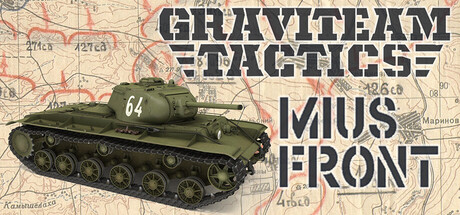
Graviteam Tactics: Mius-Front
Graviteam Tactics: Mius-Front - tactical battalion level combat simulation. Action takes place in the summer of 1943 at Mius river and Saur-Mogila tumulus area of over 140 sq. km. Four large-scale operations for the Red Army and Wehrmacht.

8-Bit Invaders!
8-Bit Invaders! is a fast-paced, retro Real-Time Strategy game for the PC. Control the military might of the Galactic Marine Corps or Invade with the devastating power of the Cranioids! Mine, Build, and Fight your way to victory! Conquering the Multiverse was never so easy.

EMERGENCY 20
Coordinate your team of first responders in the anniversary edition of EMERGENCY! Featuring 10 remastered classic EMERGENCY missions and three full campaigns, EMERGENCY 20 is the complete package for both experienced and new rescue commanders!

8-Bit Hordes
From the team that brought you 8-Bit Armies comes a new fantasy RTS as fast-paced and friendly as the original! 8-BIT HORDES is a colorful strategy-arcade game that is easy to learn for players of all skill levels. Collect resources, build up and defend your base, amass your army of orcs or humans and ultimately crush your opponents!

Creeper World: Anniversary Edition
Imagine an enemy that is everywhere and moves like a giant, organic mass across the map. Imagine your base and your people surrounded by a blanket of crushing destruction from all directions. Your only hope, well what hope? Then you take the high ground and pound this enemy into oblivion.
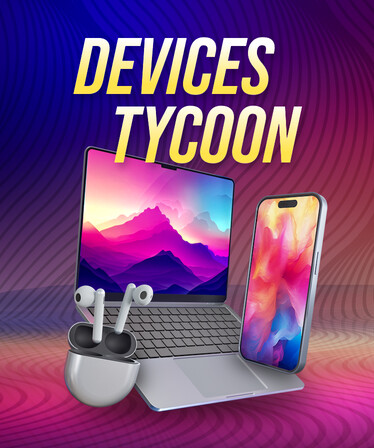
Devices Tycoon
Devices Tycoon is a unique business simulator that will make you feel like the owner of a company that creates your own devices! In the game you can create your own smartphones, tablets, laptops, smart watches, headphones, operating systems and even your own processors!
Frequently Asked Questions
Emergency 2014 is currently priced at 9.99€ on Steam.
No, Emergency 2014 is currently not on sale. You can purchase it for 9.99€ on Steam.
Yes, Emergency 2014 received 231 positive votes out of a total of 356 achieving a rating of 6.24.
😐
Emergency 2014 was developed and published by Sixteen Tons Entertainment.
Yes, Emergency 2014 is playable and fully supported on Windows.
No, Emergency 2014 is not playable on MacOS.
No, Emergency 2014 is not playable on Linux.
This information about Emergency 2014 is not available yet.
This information about Emergency 2014 is not available yet.
No, Emergency 2014 does not support VR.
Emergency 2014 offers both single-player and multi-player modes.
Emergency 2014 offers both Co-op and PvP modes.
No, Emergency 2014 does not currently offer any DLC.
No, Emergency 2014 does not support mods via Steam Workshop.
No, Emergency 2014 does not support Steam Remote Play.
Yes, Emergency 2014 is enabled for Steam Family Sharing. This means you can share the game with authorized users from your Steam Library, allowing them to play it on their own accounts. For more details on how the feature works, you can read the original Steam Family Sharing announcement or visit the Steam Family Sharing user guide and FAQ page.
You can find solutions or submit a support ticket by visiting the Steam Support page for Emergency 2014.
Data sources
The information presented on this page is sourced from reliable APIs to ensure accuracy and relevance. We utilize the Steam API to gather data on game details, including titles, descriptions, prices, and user reviews. This allows us to provide you with the most up-to-date information directly from the Steam platform.
Additionally, we incorporate data from the SteamSpy API, which offers insights into game sales and player statistics. This helps us present a comprehensive view of each game's popularity and performance within the gaming community.
Last Updates| Steam data | 19 September 2026 02:08 UTC |
|---|---|
| SteamSpy data | 26 October 2026 18:40 UTC |
| Steam price | 27 October 2026 04:01 UTC |
| Steam reviews | 21 October 2026 06:11 UTC |
If you'd like to dive deeper into the details about Emergency 2014, we invite you to check out a few dedicated websites that offer extensive information and insights. These platforms provide valuable data, analysis, and user-generated reports to enhance your understanding of the game and its performance.
- SteamDB - A comprehensive database of everything on Steam about Emergency 2014
- SteamCharts - Analysis of Emergency 2014 concurrent players on Steam
- ProtonDB - Crowdsourced reports on Linux and Steam Deck Emergency 2014 compatibility

Game modes
Multiplayer
Features
Online players
0
Developer
Sixteen Tons Entertainment
Publisher
Sixteen Tons Entertainment
Release
15 Nov 2013
Platforms
Clicking and buying through these links helps us earn a commission to maintain our services.