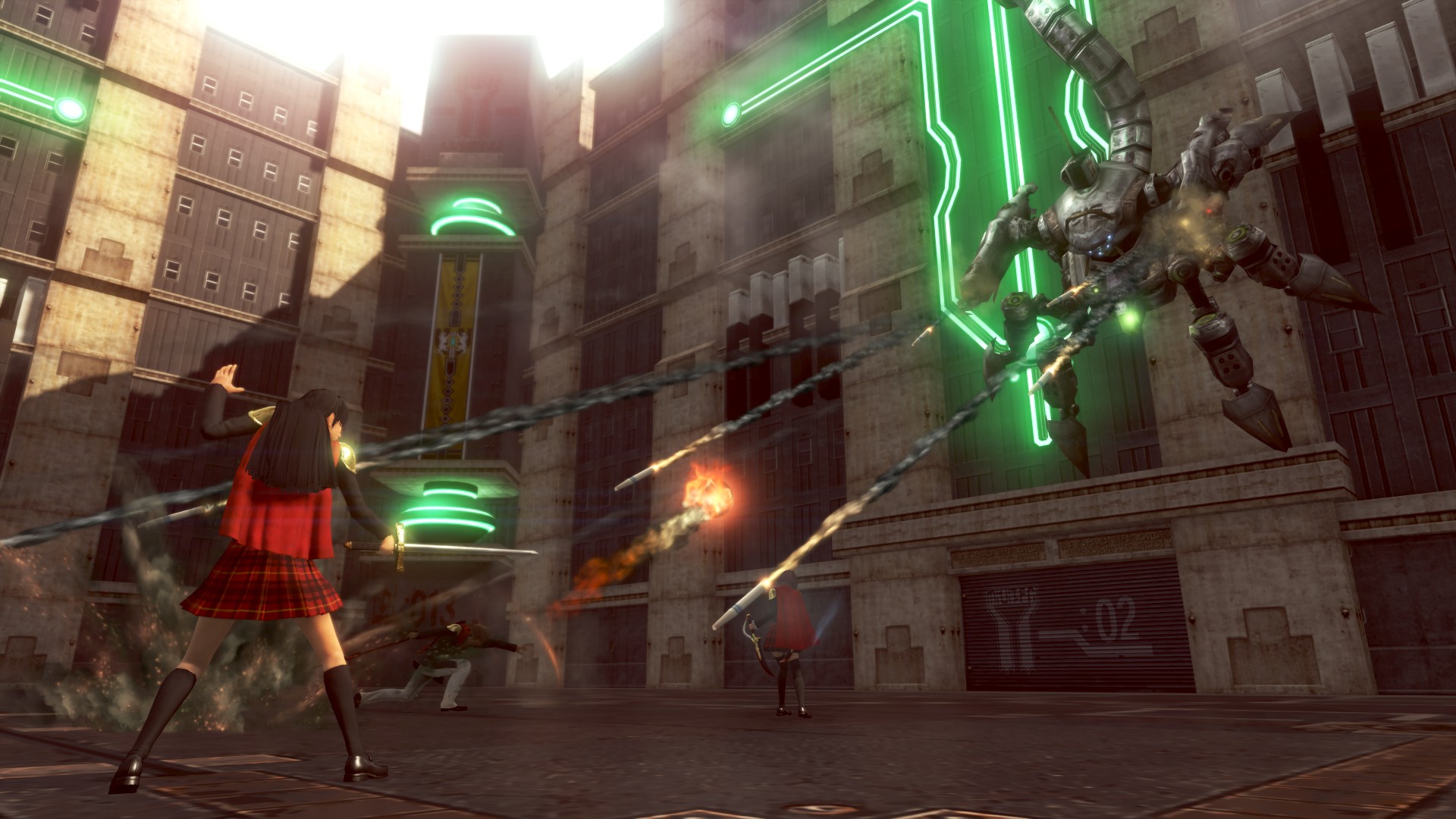
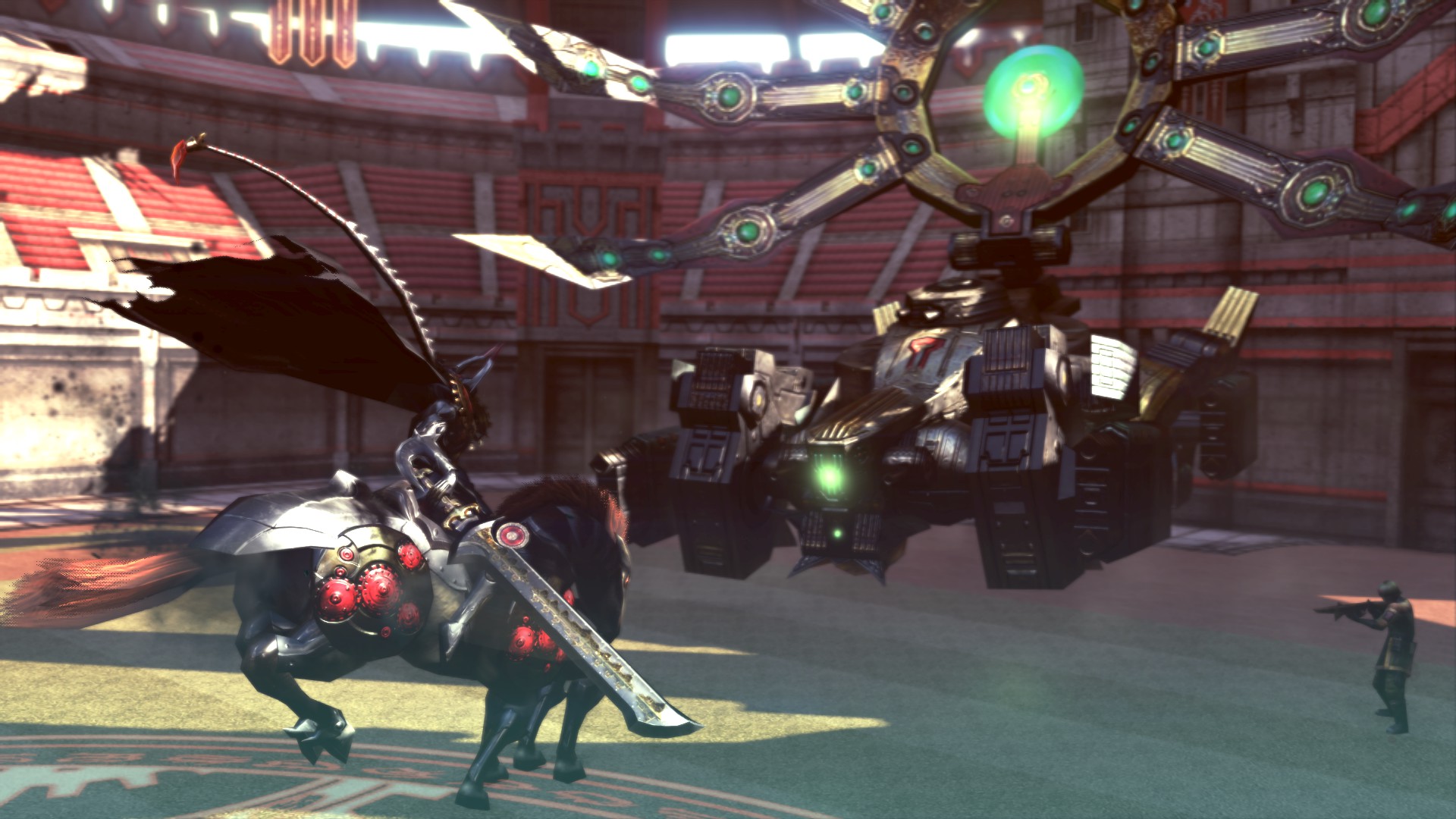
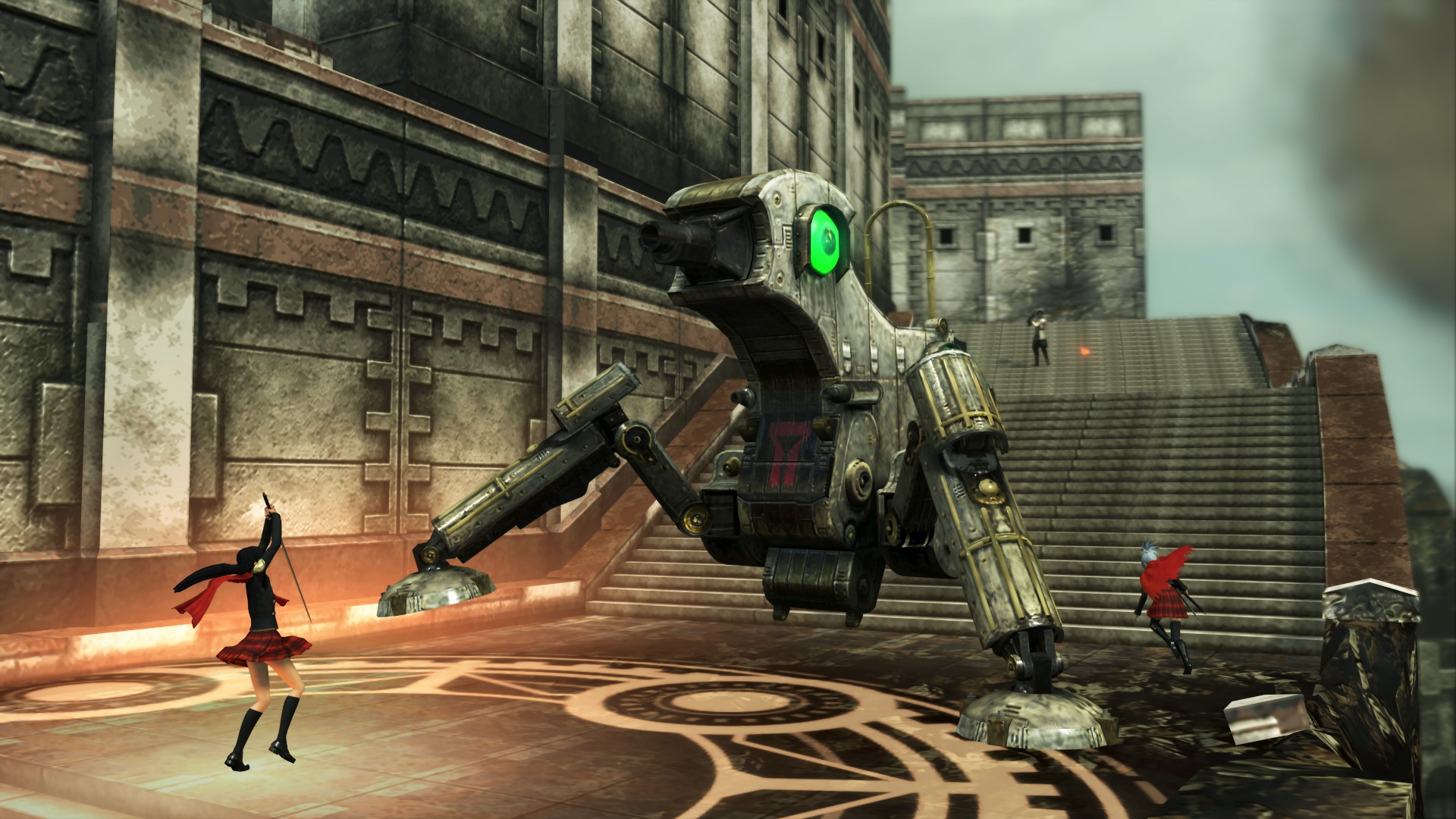
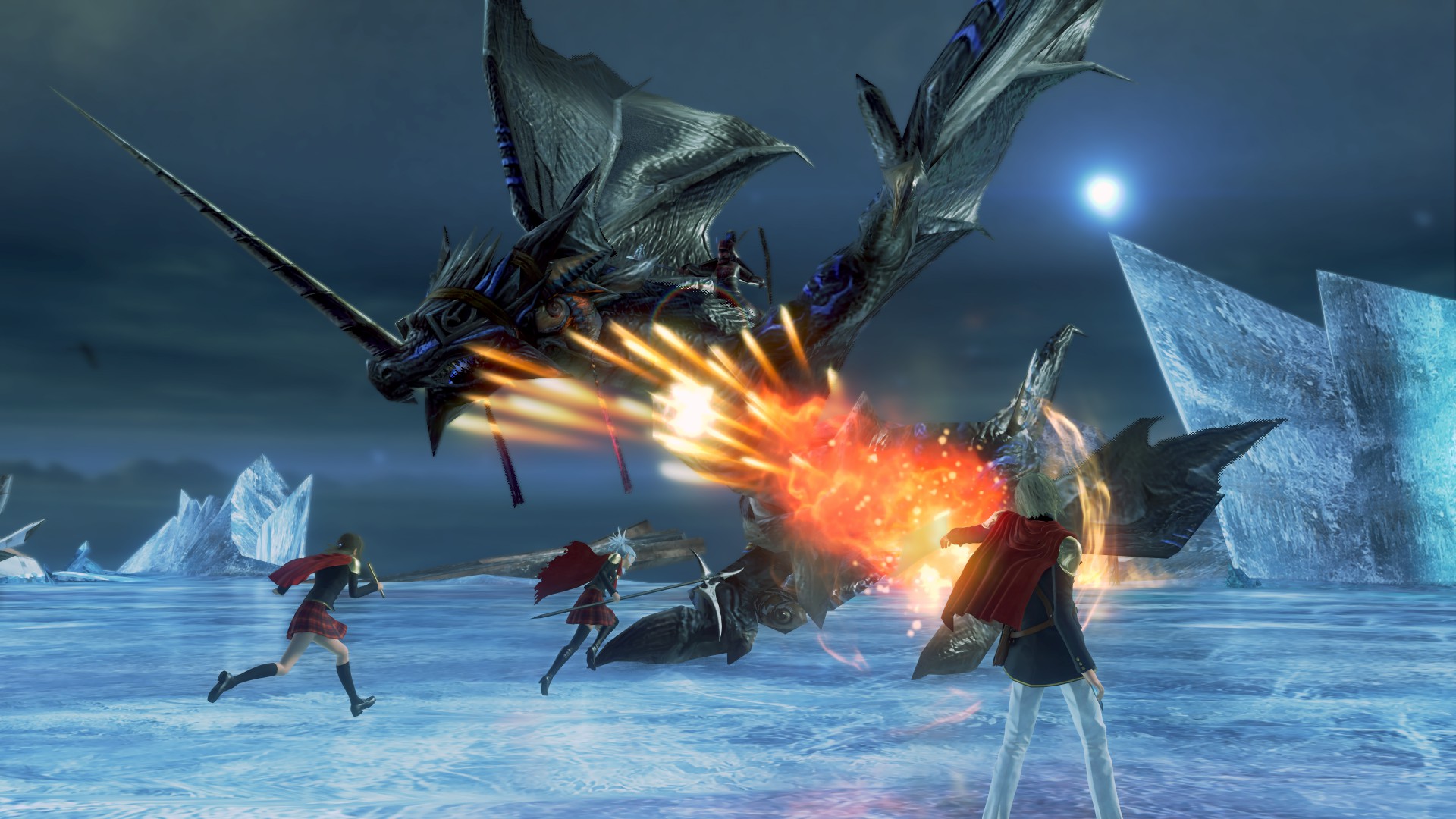
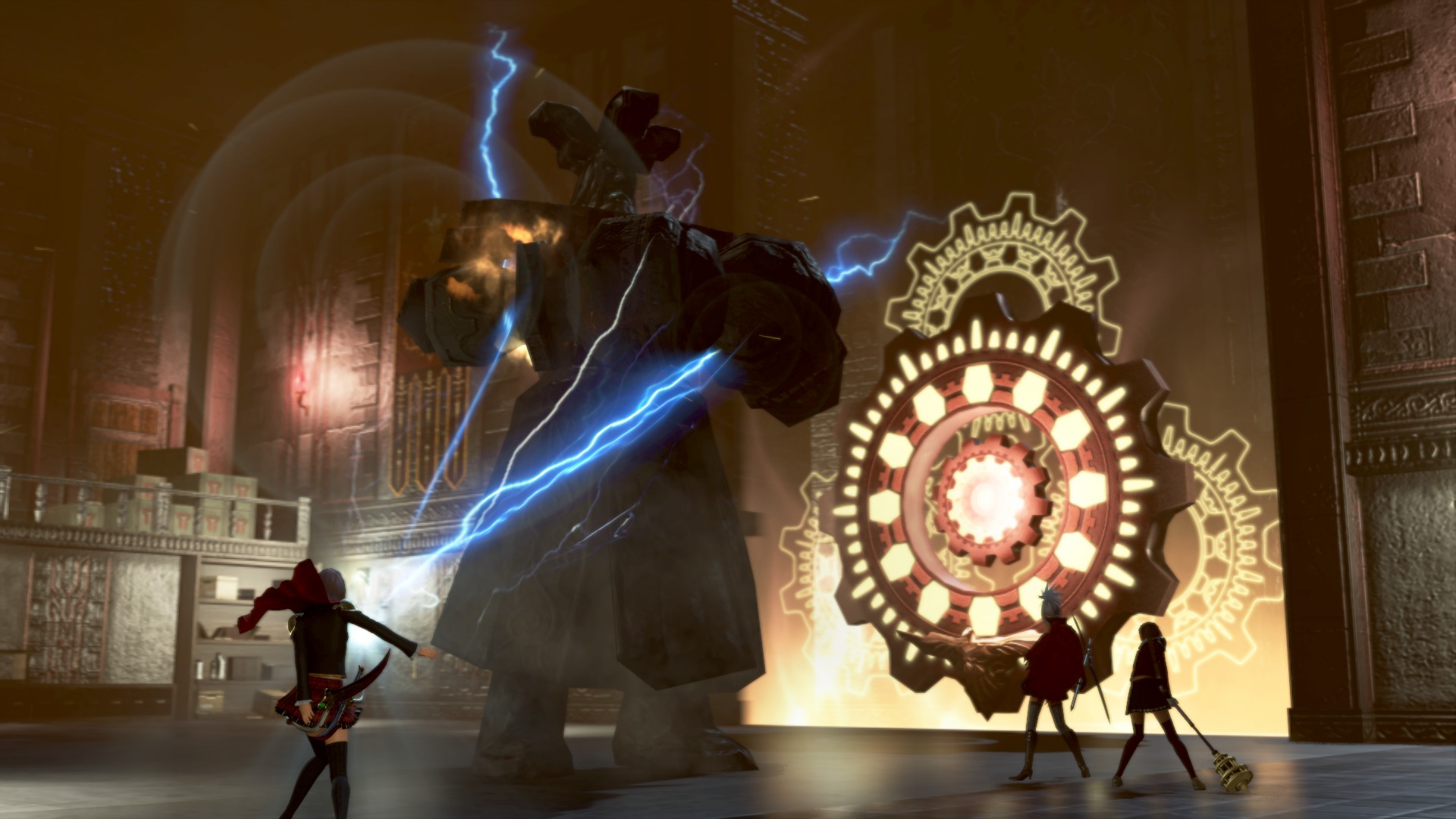
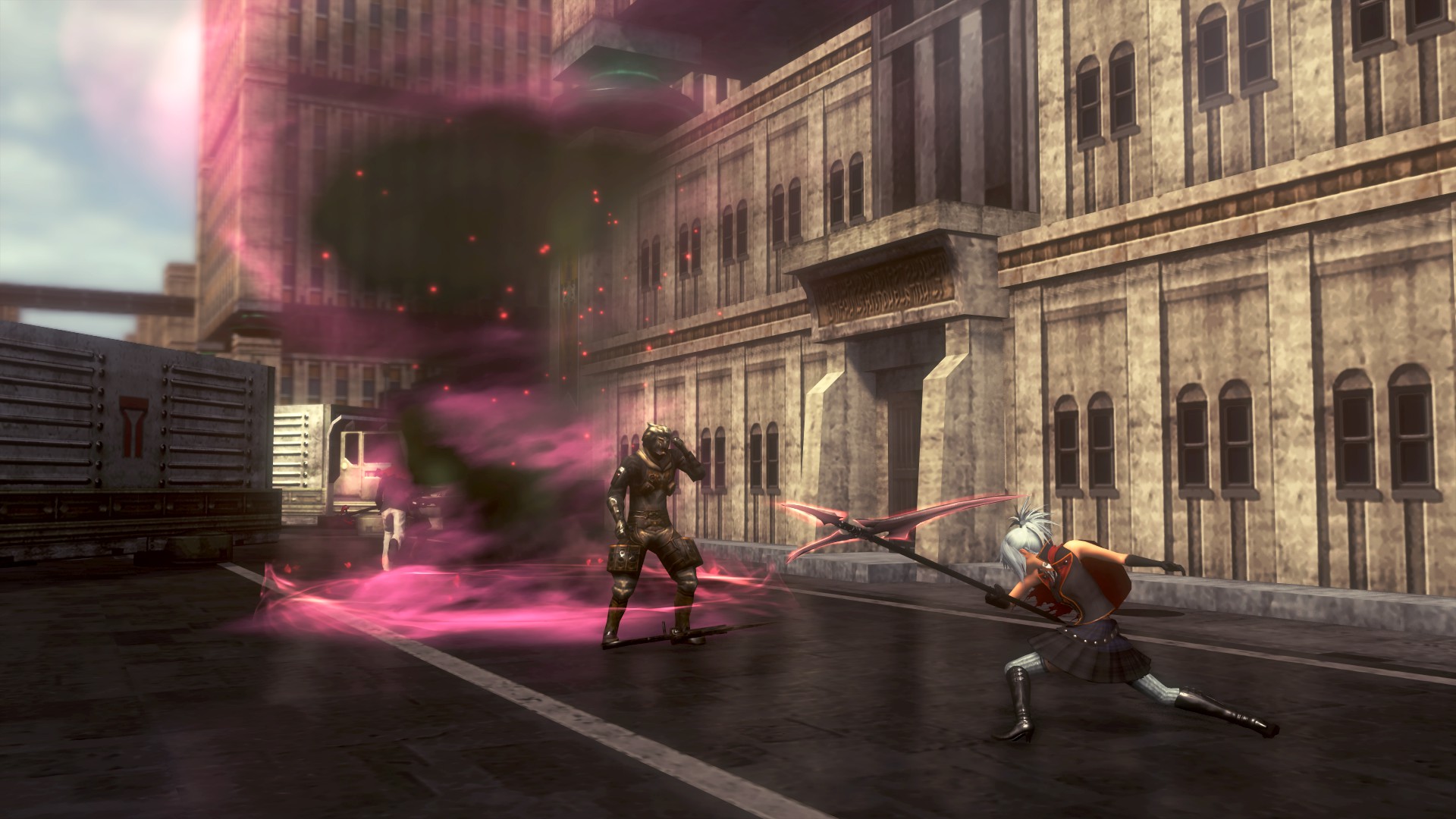
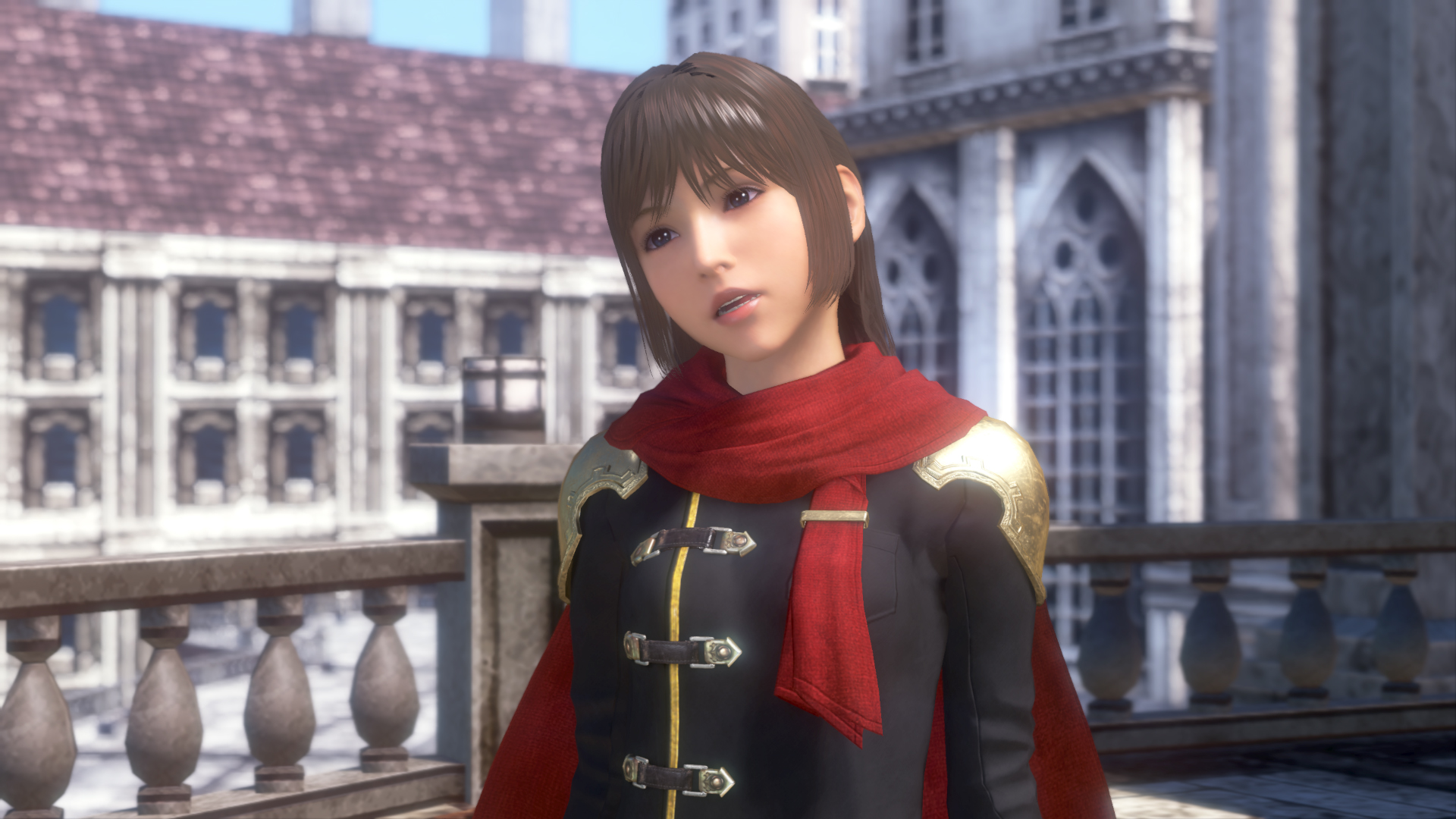
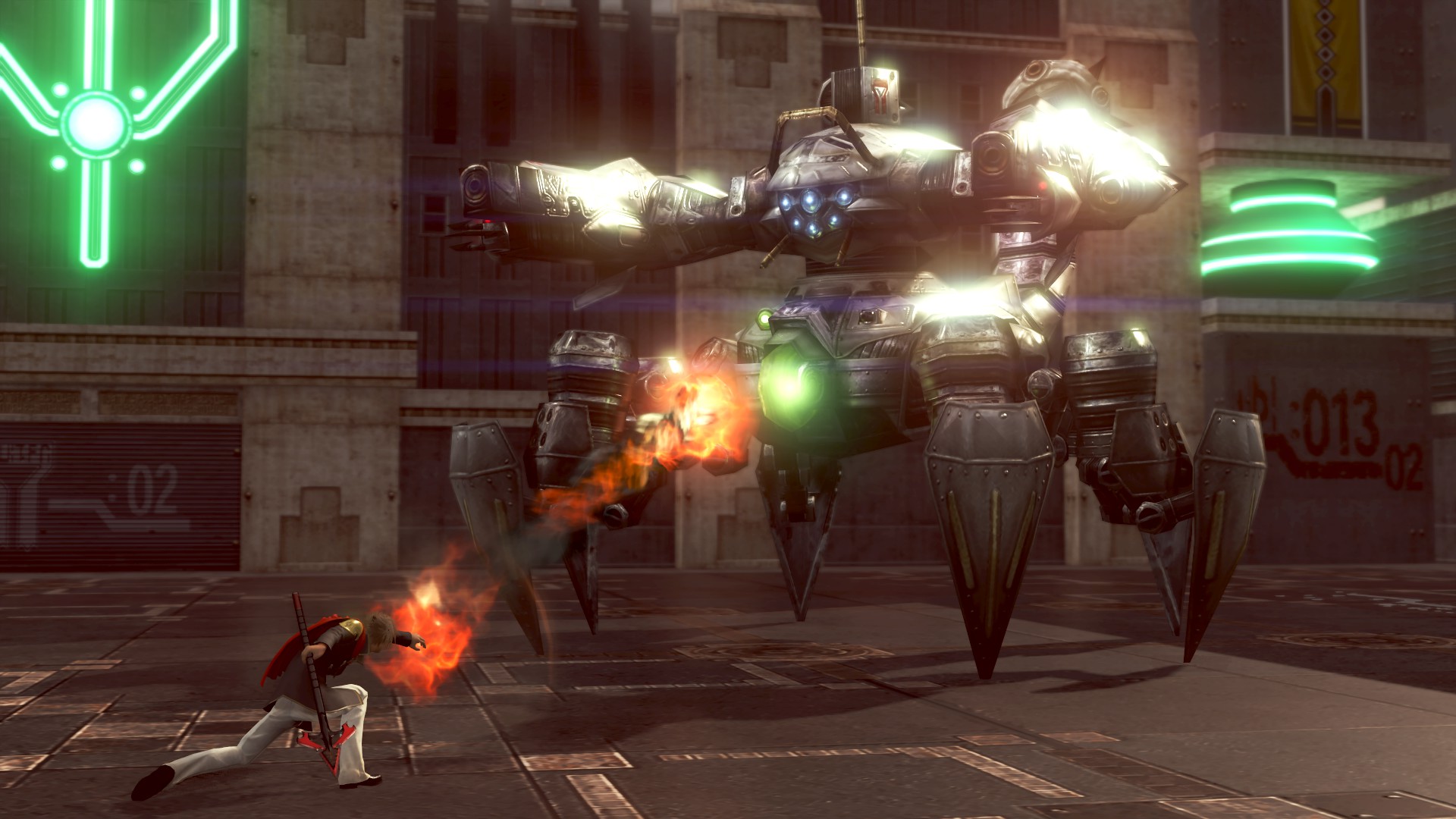
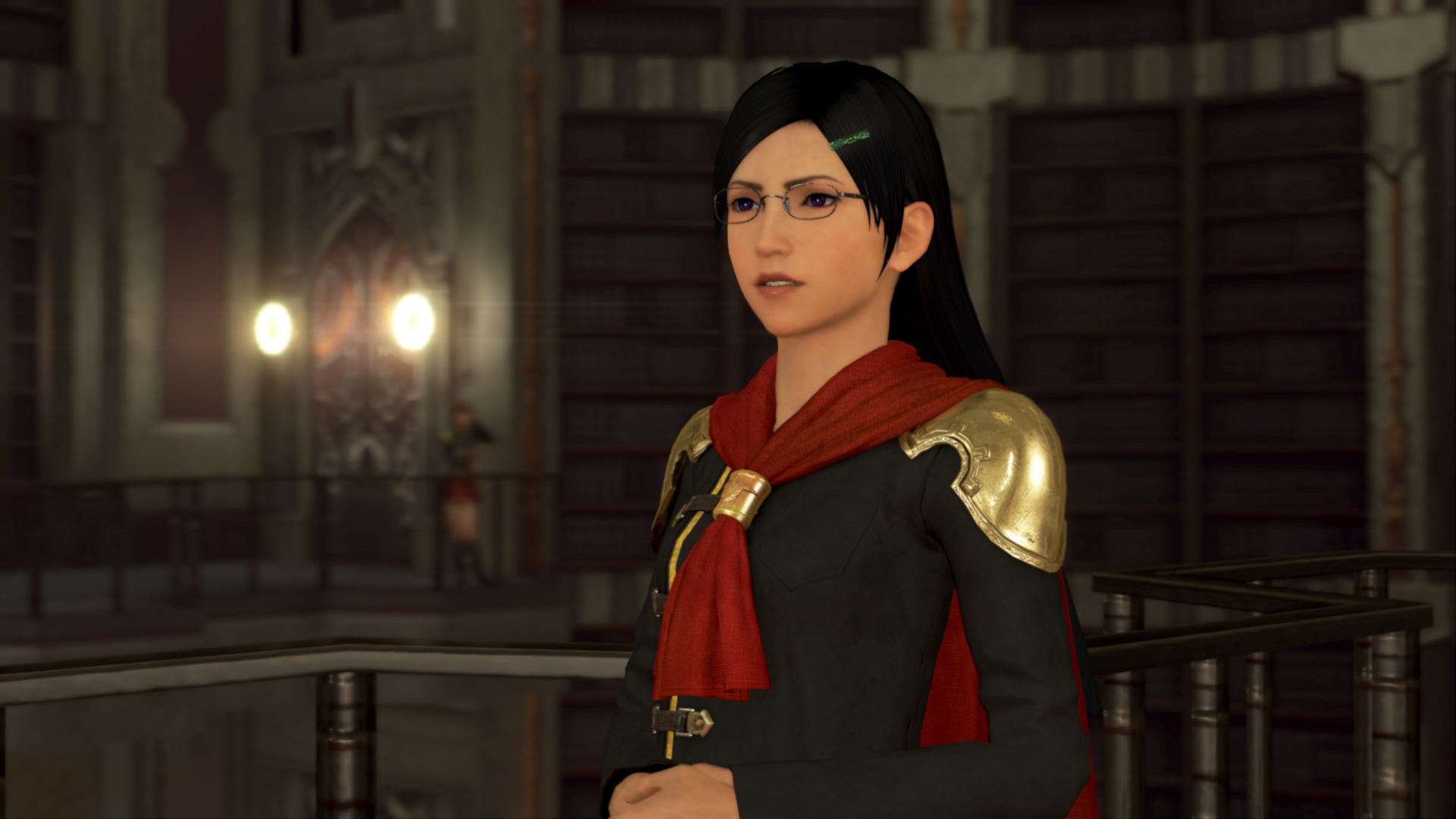
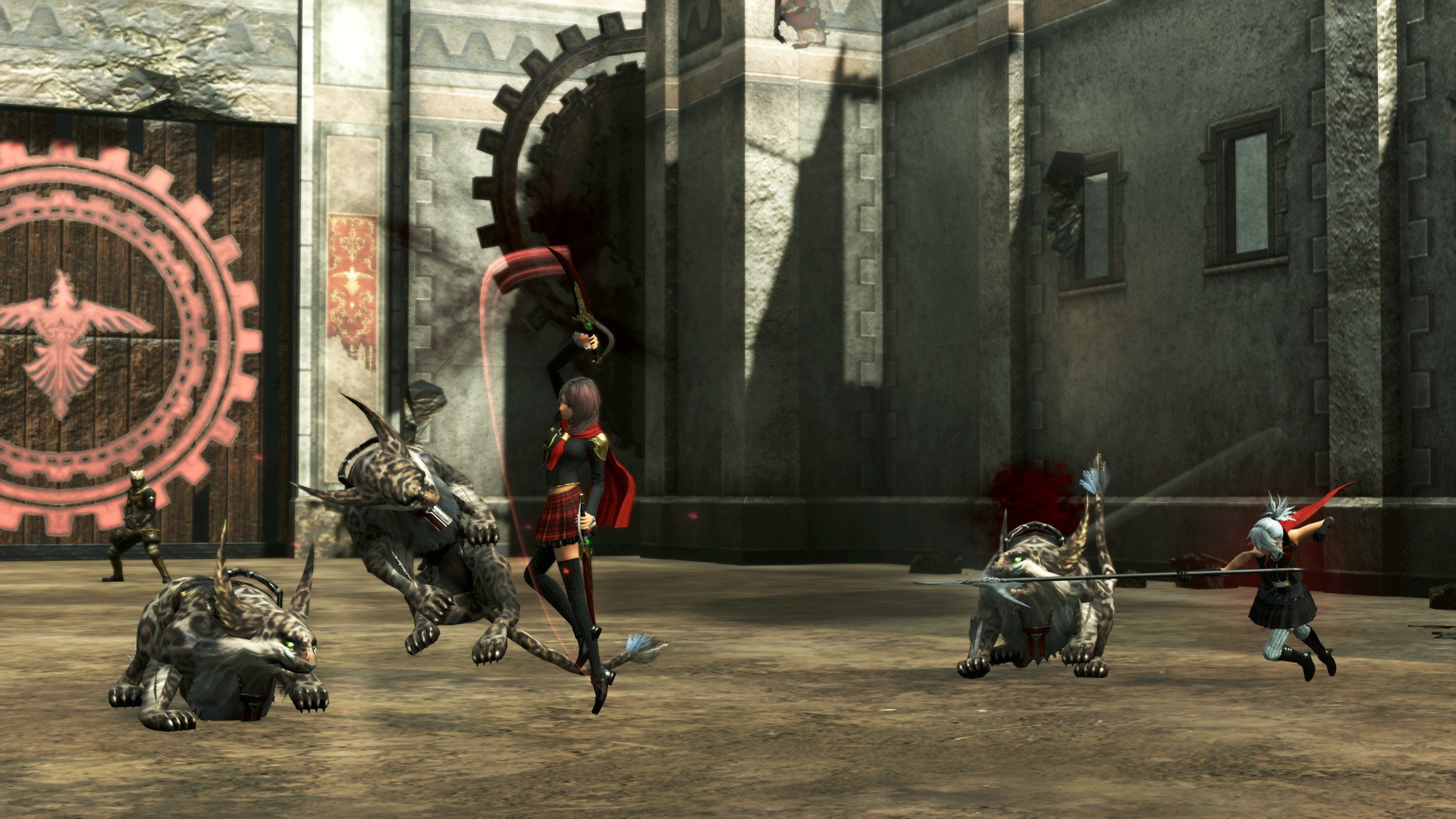
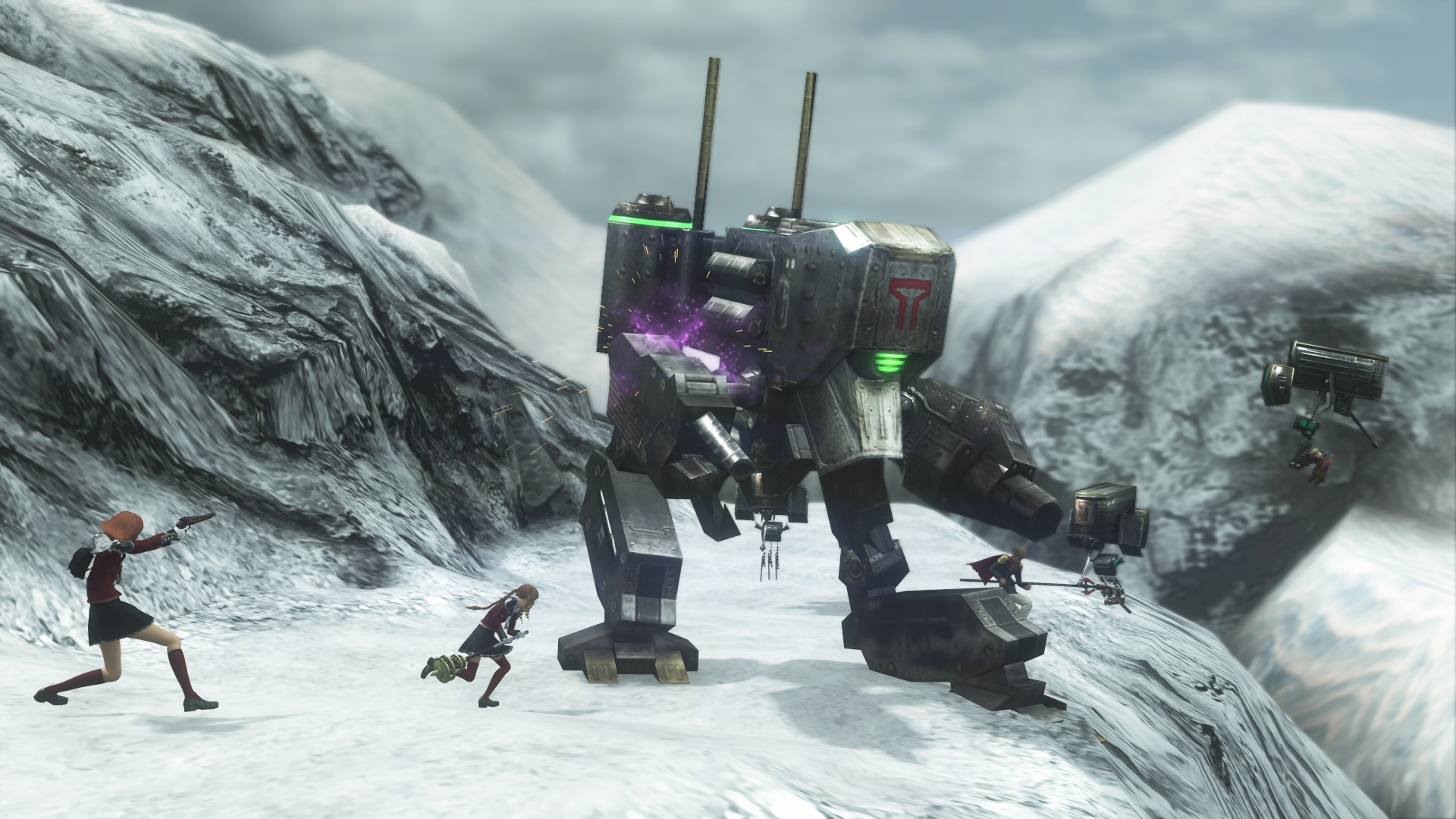
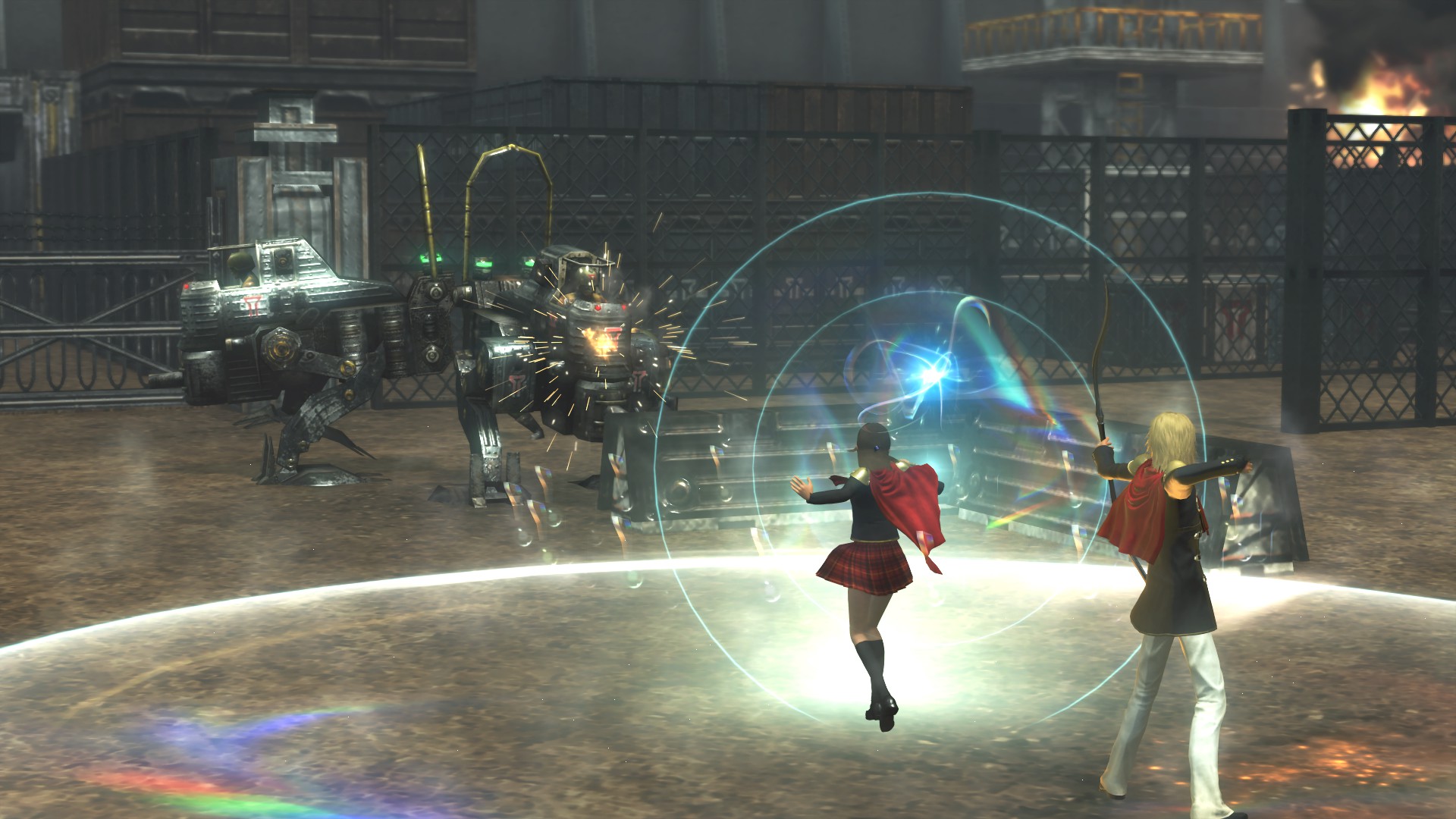
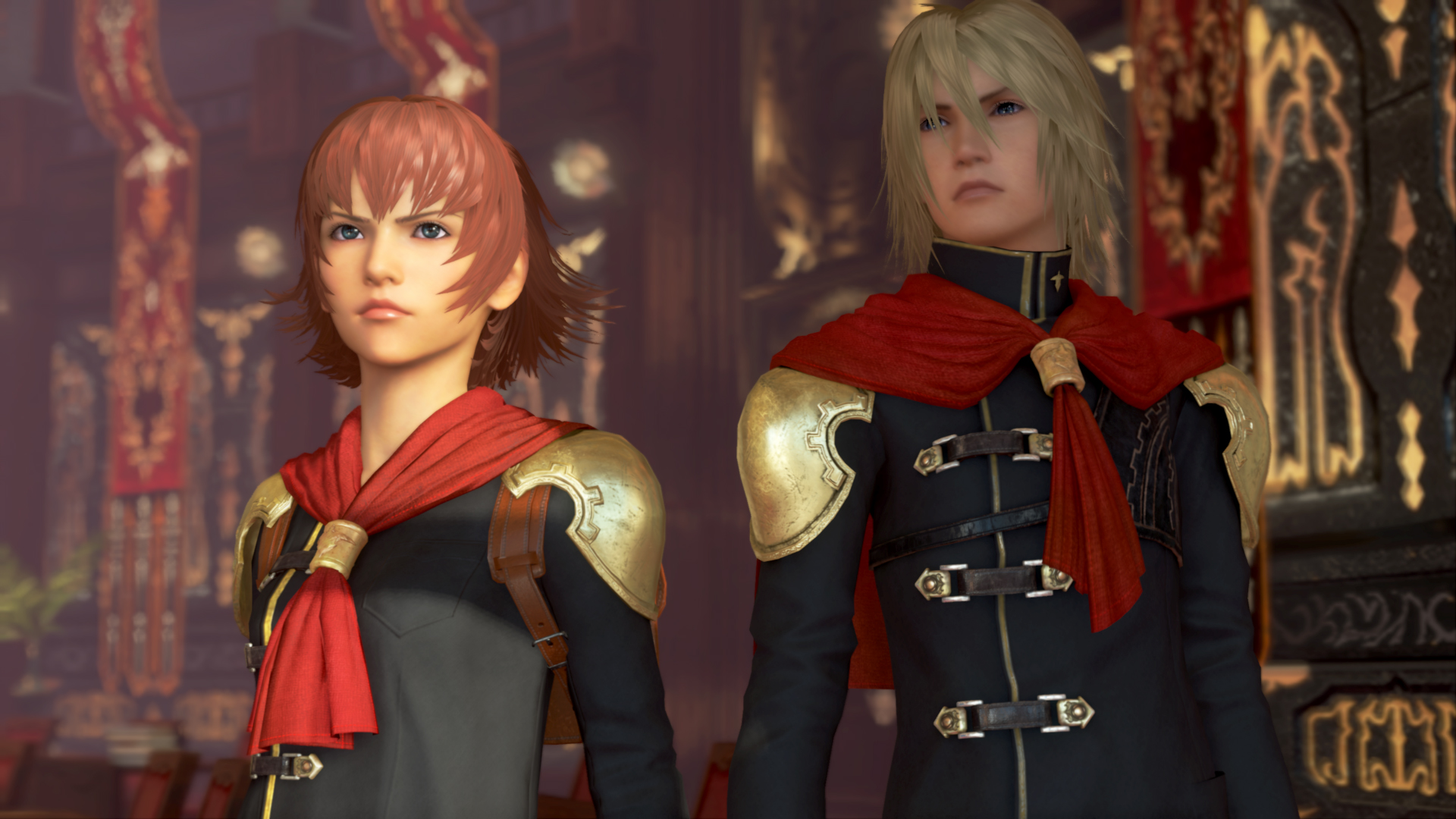
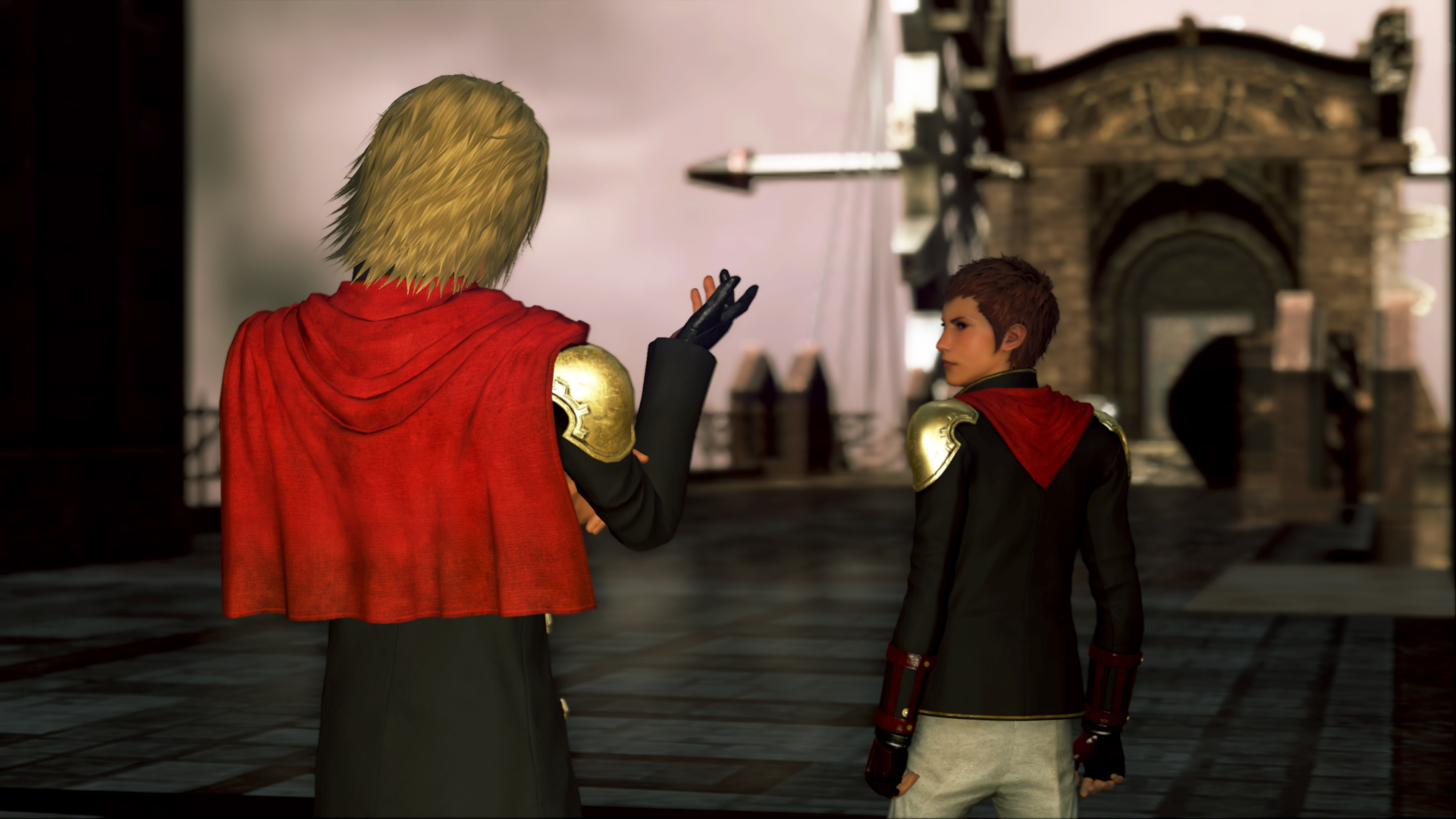
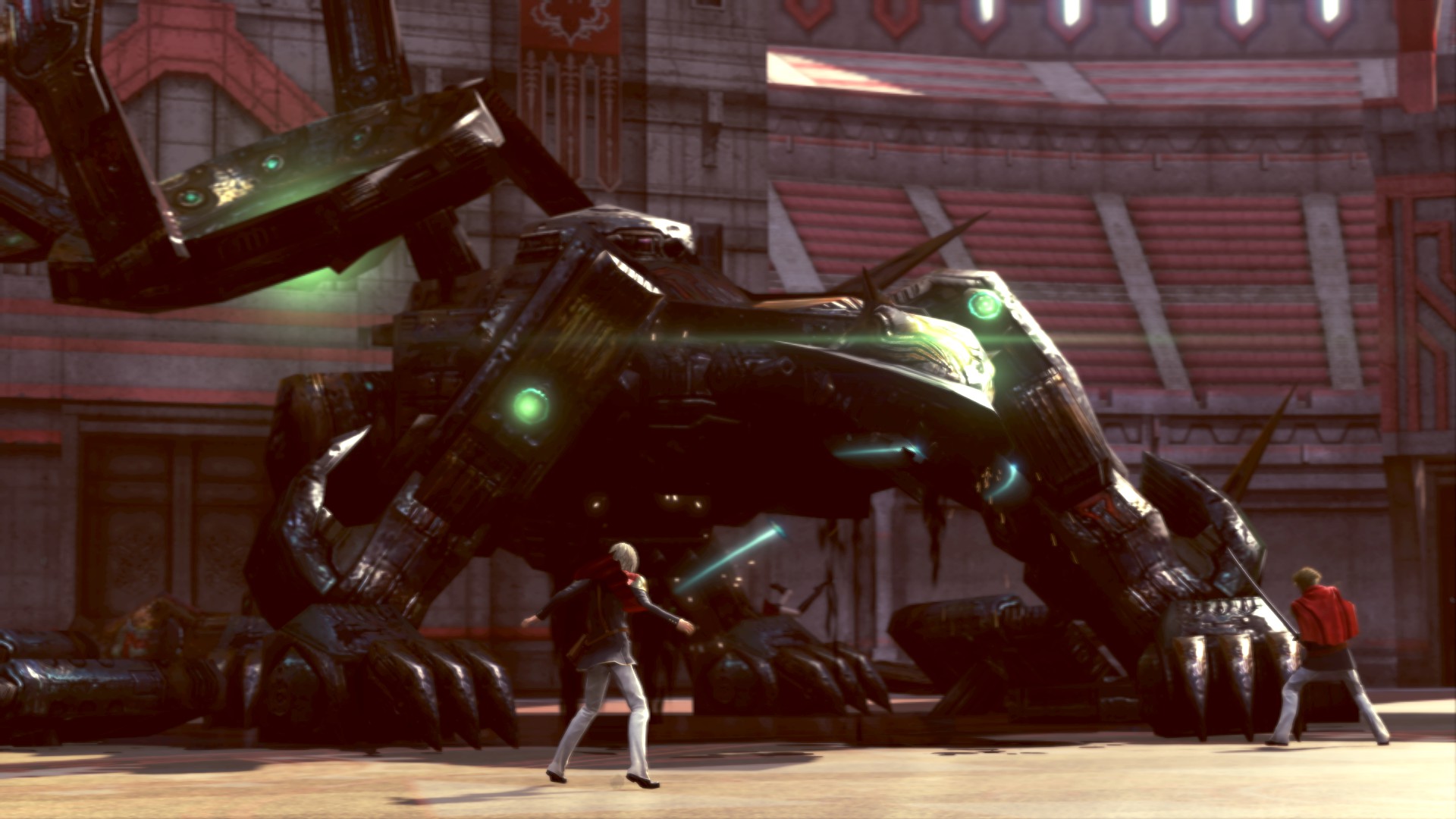
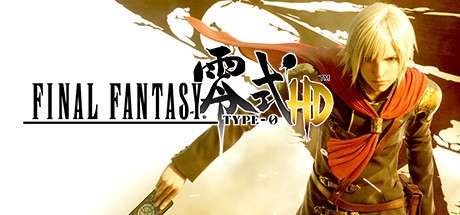
Final Fantasy Type-0 feels like a game a decade ahead of its time and released on the wrong console to realize its potential. It has a surprisingly compelling story but suffers a bit from its sluggish combat mechanics and balancing. Story and Setting FF T-0 is part of the Fabula Nova Crystallis series, which merely denotes that it takes place in fundamentally the same setting as Final Fantasy XIII: four crystals that can bestow powers upon both a nation at large and singular people, making them l’Cie . T-0 takes place in Orience, in which four warring factions, each with their own crystal, are in an uneasy peace until the nation of the Militesi Empire breaks this equilibrium by detonating an Ultima Bomb, eradicating one of the four nations and soon-after invading Rubrums, which the fourteen playable characters hail from. Rubrum’s gift of their crystal is magic—growing weaker with age and thereby leaning into the main cast being a class of cadets drawn to the frontlines. T-0 is a remarkably grim war story and spends a great amount of time showcasing the effects of the global war. Typically, I dislike such stories, as war narratives tend to stride a very thin line of simply showcasing atrocities as if to push your head down and say, “Look, isn’t war terrible?”—Of course it is, but that isn’t a very interesting premise. T-0 manages to convey its themes more interestingly, both due to competent writing and impeccable presentation, considering the limitations of its original PSP platform and the broader Final Fantasy setting. One example of one of the most impactful scenes in any Final Fantasy is the summoning of an Eidolon via a great sacrifice, which then proceeds to decimate a battlefield, and the game cutting from grainy military footage of the summon to white-on-black text of the war casualties. This doesn’t mean the game is without fault in its writing. One of the things Square Enix had set out to do was to make each of the fourteen characters be as representative as a main character, and this does result in some thin character development between certain members of the cast. https://steamcommunity.com/sharedfiles/filedetails/?id=3690911393 Overall, however, T-0 is a very well-written story that begins as a war drama and manages to gracefully tie such a grounded beginning into the typical high-fantasy cosmology of Final Fantasy and, more specifically, the aforementioned FNC subseries. Gameplay T-0 is an action RPG. And this is where most of its limitations start to show. Being originally released on the PSP, it is difficult to describe the game as anything but inherently a bit janky. The camera is jolty, movesets stilted, and you never quite feel entirely in control of your character, which is made a bit worse by the Breaksight system. Effectively, this system constitutes T-0’s parry, in which every enemy has certain moments in which they become susceptible to counterattacks. This may be just before or after an attack most frequently and is more easily exploited with ranged characters due to the aforementioned issues with movement, which are just limitations of its original platform that haven’t been ironed out. A big complaint in many other reviews is that the player party is somewhat useless, and that is perfectly true. Apart from occasional healing, the two AI-controlled companions you can take with you on any mission are virtually useless, and this is an issue that is somewhat compounded by a very high base difficulty in which even on the lowest difficulty settings, it only takes a few hits from an enemy to kill you—hence the fourteen playable characters to cycle through. Overall though, it was really only the beginning that felt extraordinarily bad, and once you get into the groove of the game, that difficulty curve starts to plateau towards the midgame. Mission design is surprisingly good, and T-0 even features one of my favorite endgame dungeons right next to FF VIII’s Ultimecia’s Castle due to foregoing any sort of weird gimmicks in favor of small challenges that hook back into the game’s combat system while also feeling thematically appropriate and paying great homage to Final Fantasy II. Between main story missions, players have a Persona-esque deadline during which they can freely explore the worldmap, train, or do sidestories; which all felt meaningful either by providing strong rewards (most of your power in this game comes through accessories and weapons), or by even unlocking further content, such as pseudo-RTS missions that liberate towns from the Empire’s occupation earlier than usual. This is something I cannot praise T-0 enough for, as while I did find the RTS minigame to be decently presented, you also are not forced to engage with it and may continue to solely enjoy T-0 for its main action combat. https://steamcommunity.com/sharedfiles/filedetails/?id=3689312890 Noteworthy is also that T-0 is strongly focused around multiple playthroughs, meaning that a significant amount of content is either completely locked behind NG+ or is clearly not meant to be experienced within your first playthrough. While T-0’s main story is not very long, I find it a bit questionable whether the game has enough depth to really warrant multiple playthroughs. And while I, personally, enjoyed my time with the game a lot, I am also not very keen to replay it to experience its hardest content if it means going through the game again from the top. Graphics and Sound Naturally, T-0 is graphically somewhat limited. While the game does a lot of pretty smart tricks to up its visual fidelity, and I would consider it perfectly fine, its cutscenes are noticeably low resolution and look washed out even on smaller modern screens. This is an absolute shame, as, like I mentioned earlier, I find the actual directing of the cutscenes to be among the best in the entire series. https://steamcommunity.com/sharedfiles/filedetails/?id=3690911322 Music is fantastic, as should be expected from any Final Fantasy title, and this does account for both the greater score and the ambient music, as well as the voice acting, with the latter only being a little lacking for the more stereotypical Class Zero members, such as Nine. Standout tracks include Birth of Darkness , which is reminiscent of FF III’s Cloud of Darkness theme; The Strategy of Recapture , as an example of a fantastic combat track; and, of course, probably T-0’s most iconic track, [I]Pure Fire . Technical Issues and Performance Surprisingly enough, I have encountered absolutely no issues during my approximately twenty-hour playthrough. This includes the game never crashing, lagging, or encountering any other miscellaneous bugs or glitches. Final Thoughts Final Fantasy Type-0 is truly a cursed game; being part of a notoriously unpopular subseries, released on a console that couldn’t make full use of the fundamentally great gameplay mechanics it features, and likewise not being able to completely realize its strong visuals—T-0 is a game that I wish came out a decade later and on a different console. This doesn’t mean, however, that T-0 isn’t worth experiencing, but this game provides a very different and inherently a little janky experience from typical Final Fantasy. Its story has a more grim tone than usual; it can be a bit convoluted, and the gameplay asks a bit of lenience from the player to be able to enjoy it, but if you can get past it, T-0 offers one of the most memorable experiences within the entire franchise.