
FlatOut 2
Experience the drive of your life as you throw yourself around on and off the track causing fences to shatter, tyre walls explode, water tanks and barrels fly across the track into other cars.
Sync your Steam wishlist to track the lowest game prices instantly. No login required, just paste your Steam profile URL!
⚡ Try Wishlist Radar!
Sync your Steam wishlist to track the lowest game prices instantly. No login required!
⚡ Try Wishlist Radar!
Close

FlatOut: Ultimate Carnage Collector's Edition on Steam - User reviews, Price & Information
Quick menu
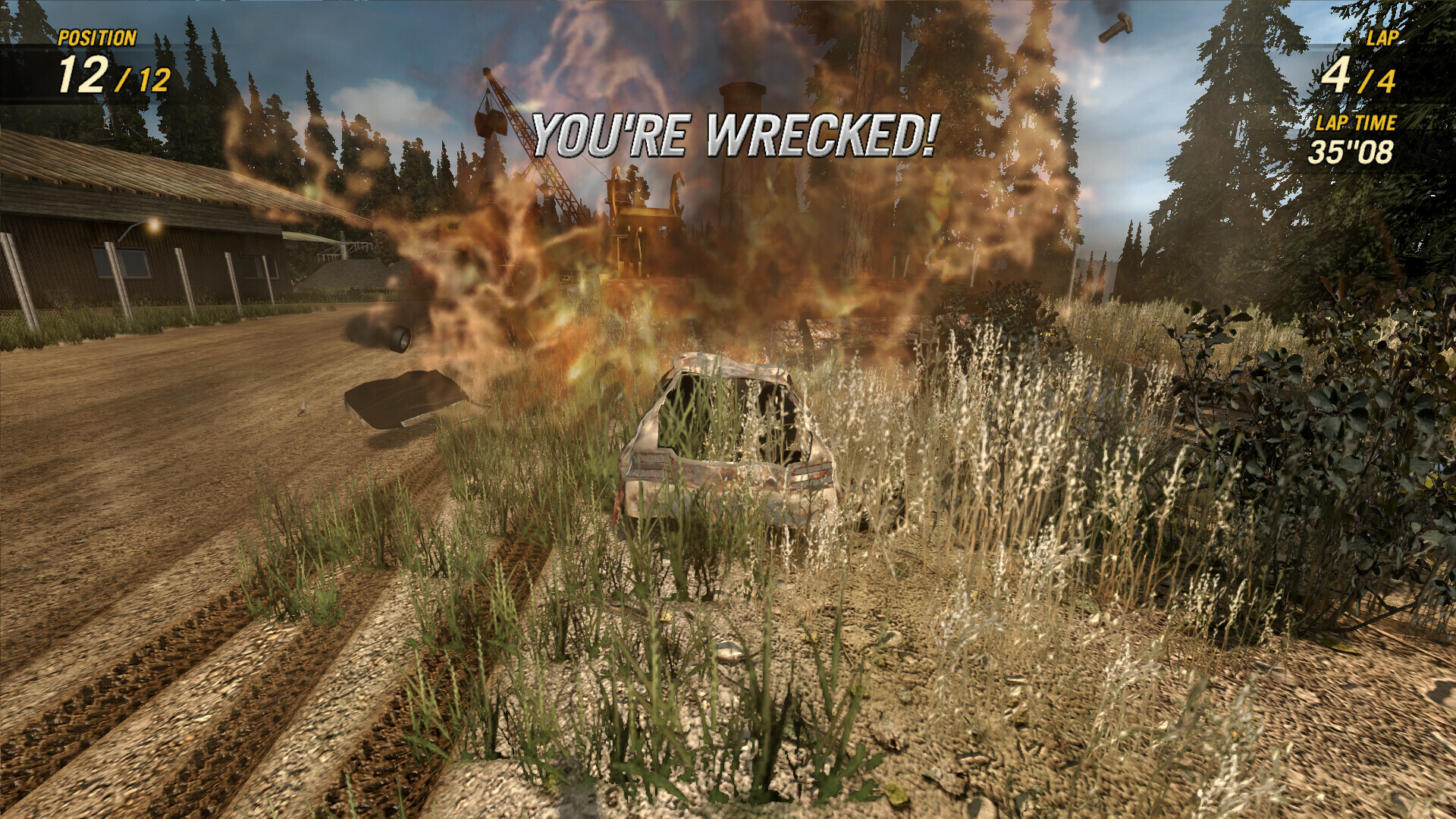
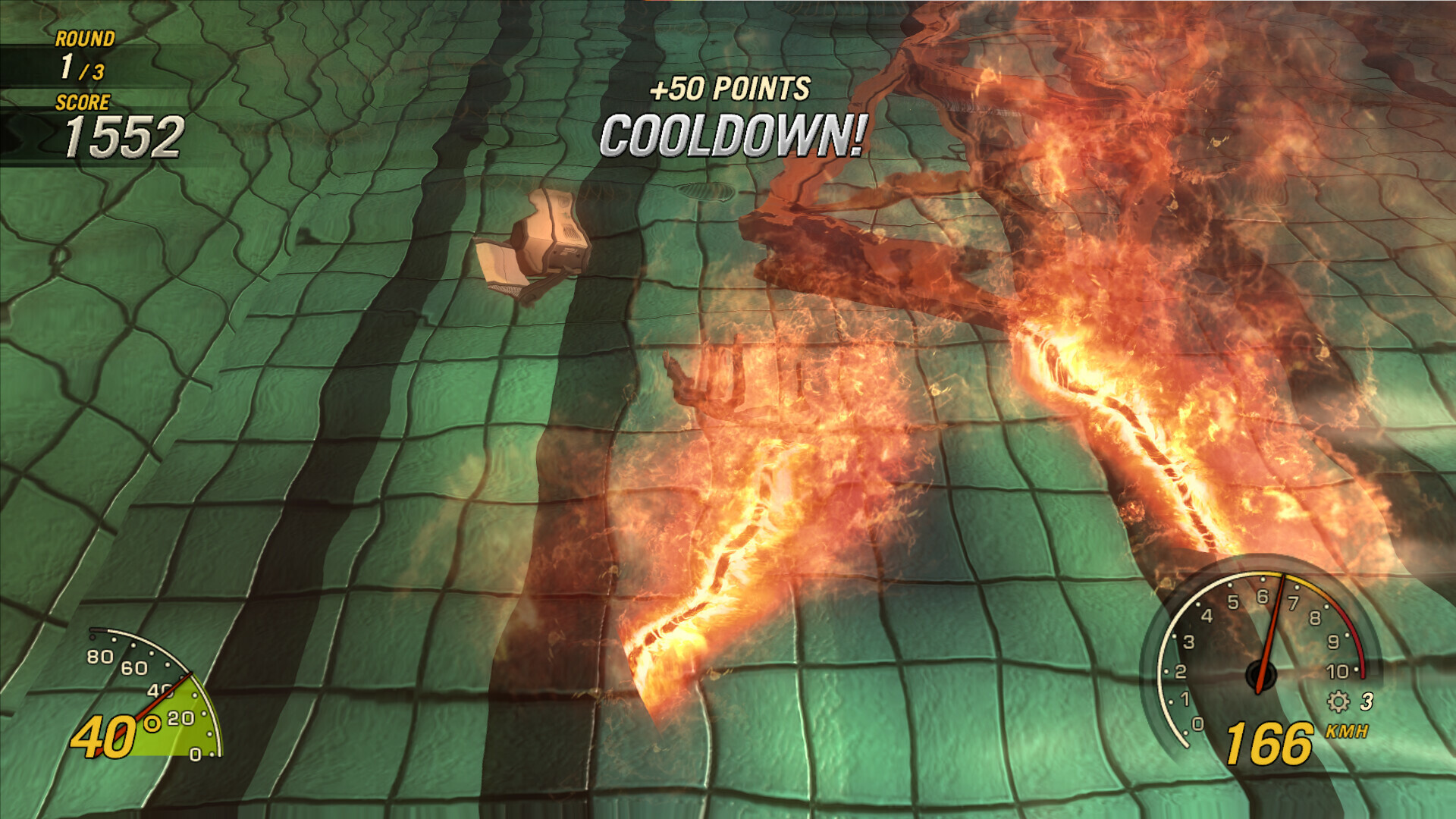
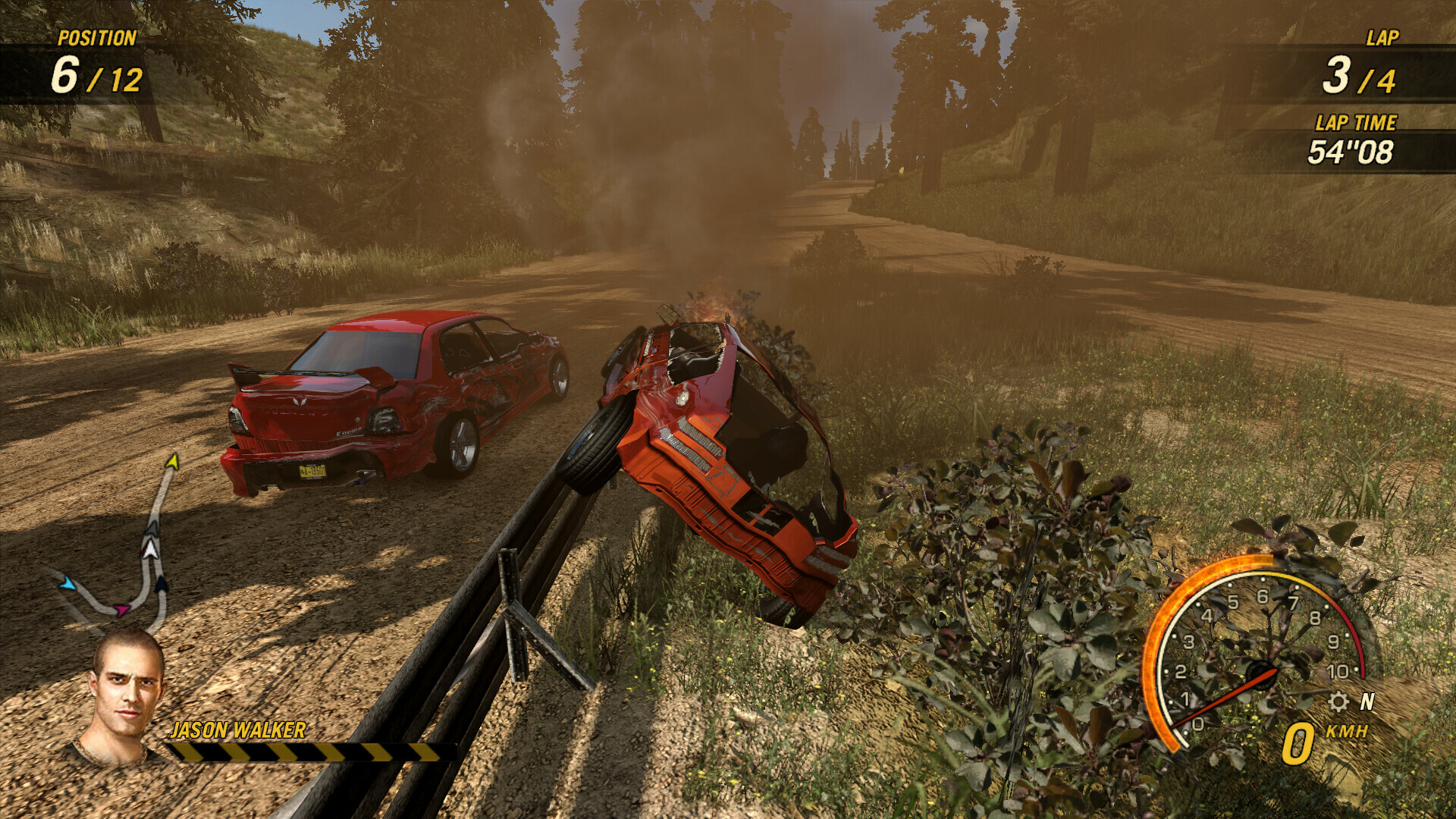
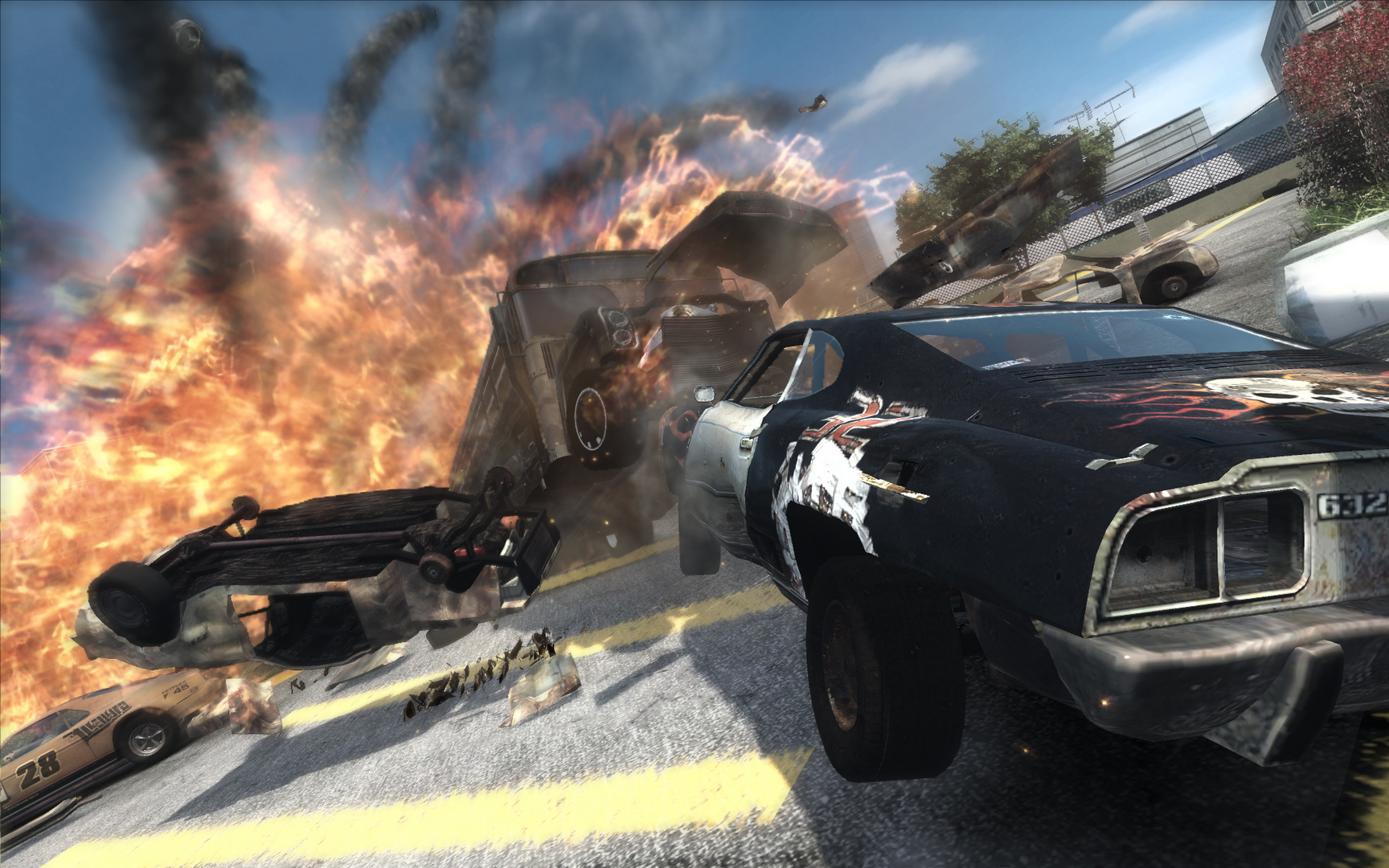
Ready for the aggressive, adrenaline-filled ride that leaves you breathless? FlatOut: Ultimate Carnage Collector's Edition is all about destructive action. With carnage modes like the Deathmatch derby, Carnage Race and Head-on races are pure wreck-filled, adrenaline-pumping rides of maximum mayhem.
FlatOut: Ultimate Carnage Collector's Edition is a combat racing, racing and destruction game
developed by Bugbear Entertainment, ZOOM Platform Media and Jordan Freeman Group
and published by Strategy First.
Released on August 26th 2008 is available only on Windows
in 11 languages: English, French, German, Italian, Spanish - Spain, Czech, Hungarian, Polish, Russian, Simplified Chinese and Traditional Chinese.
It has received 6,663 reviews of which 5,978 were positive and 685 were negative resulting in a rating of 8.7 out of 10. 😎
The game is currently priced at 3.90€ on Steam with a 80% discount.
The Steam community has classified FlatOut: Ultimate Carnage Collector's Edition into these genres:
Media & Screenshots
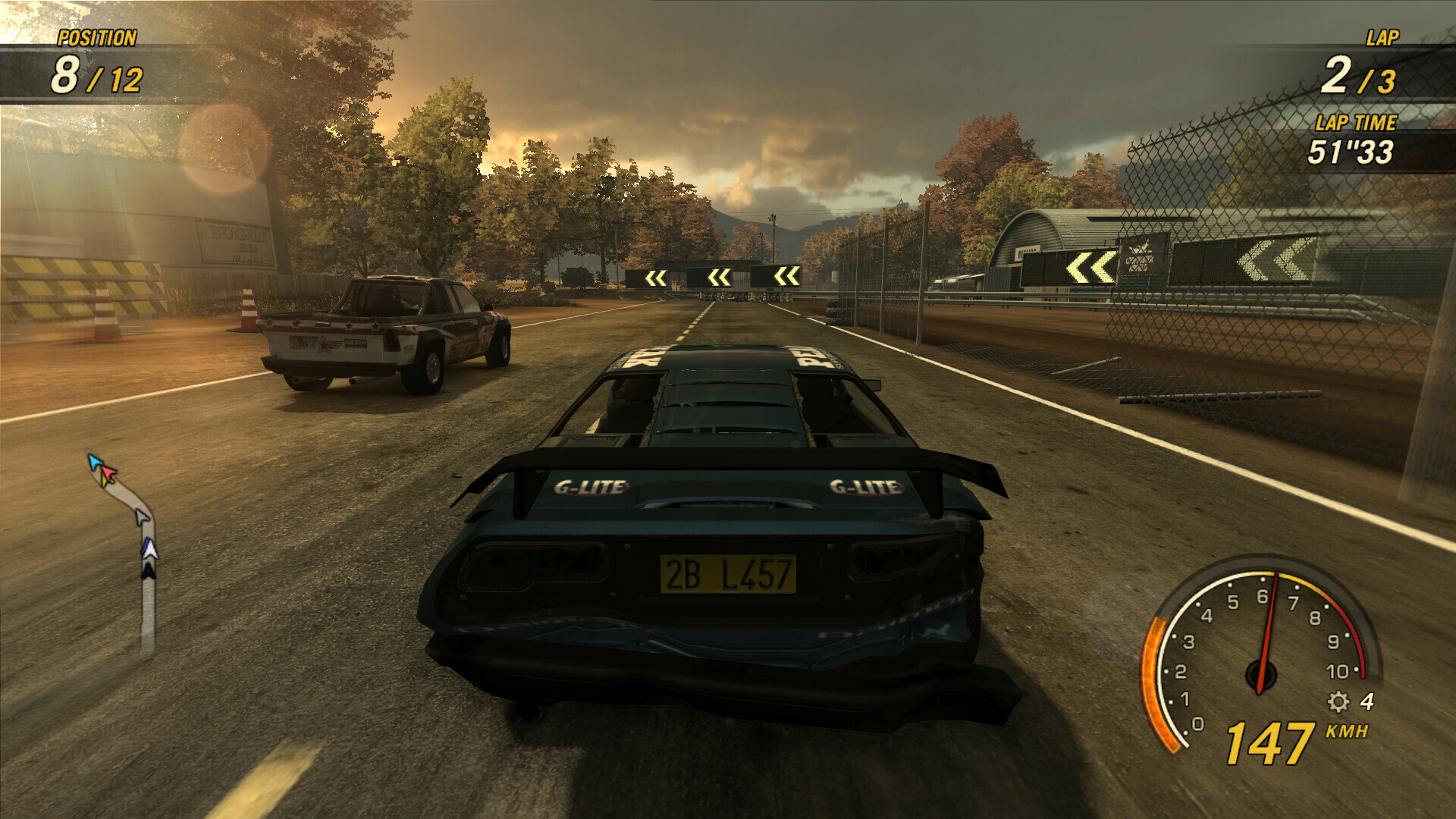
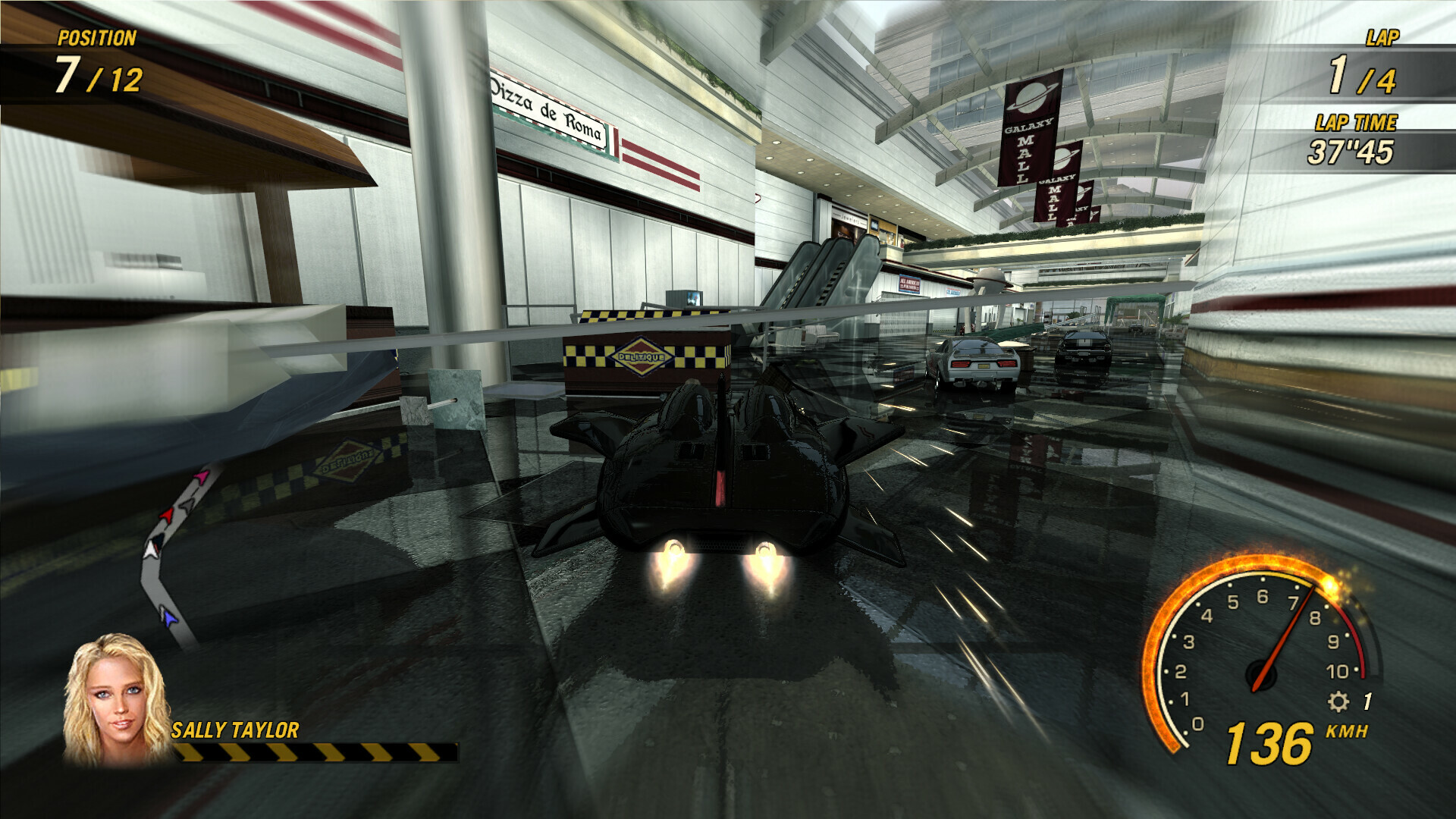
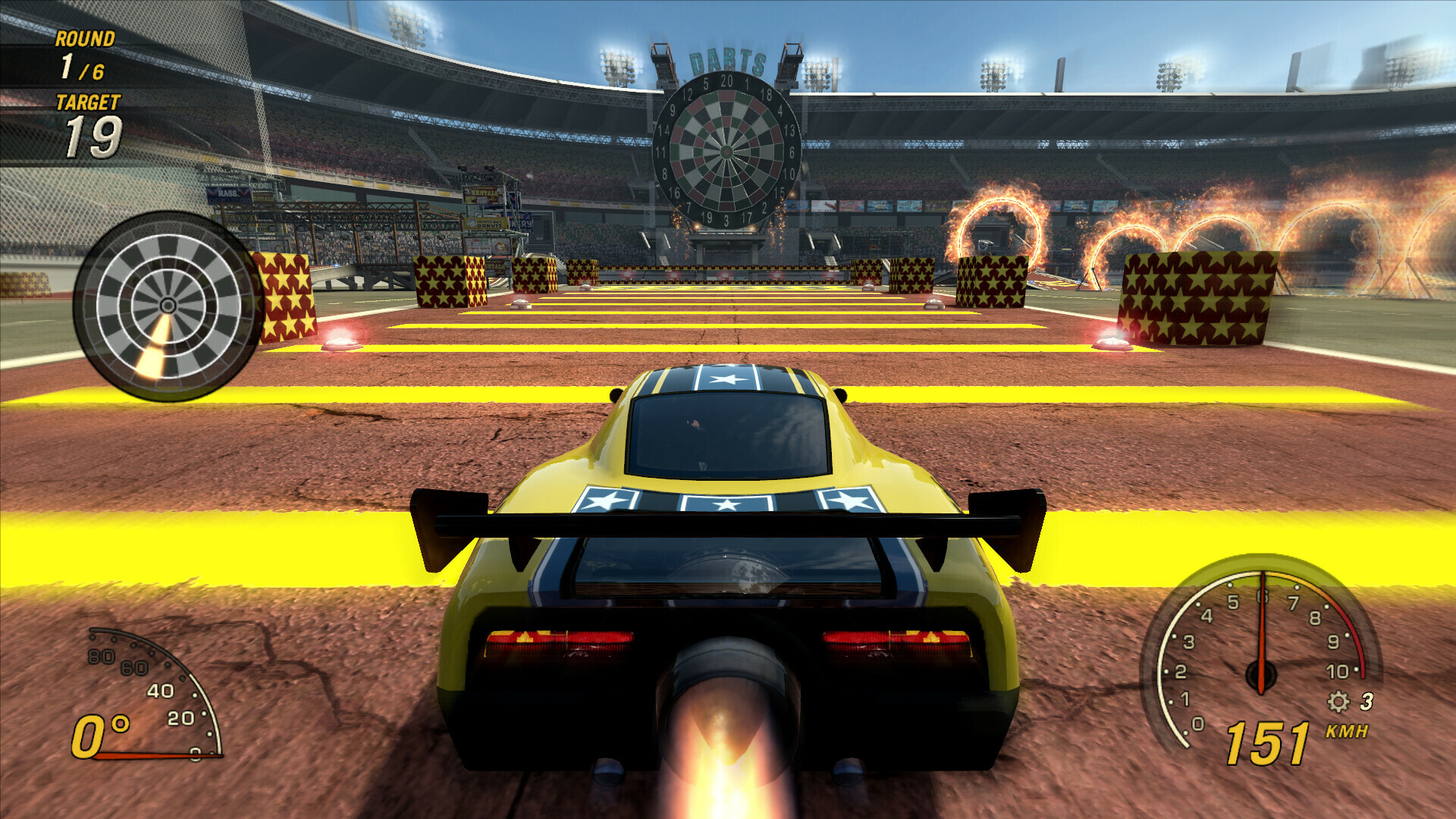
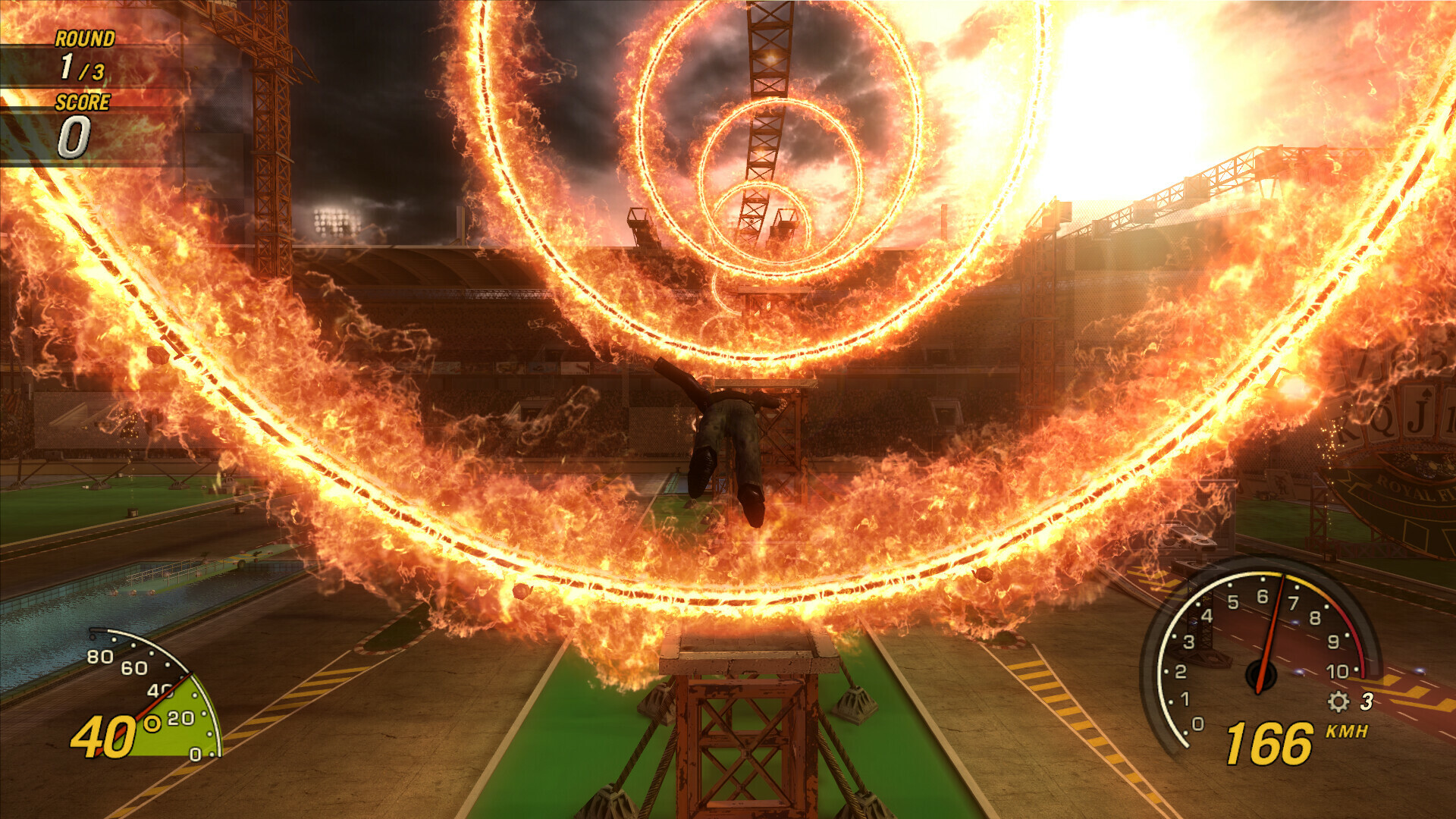
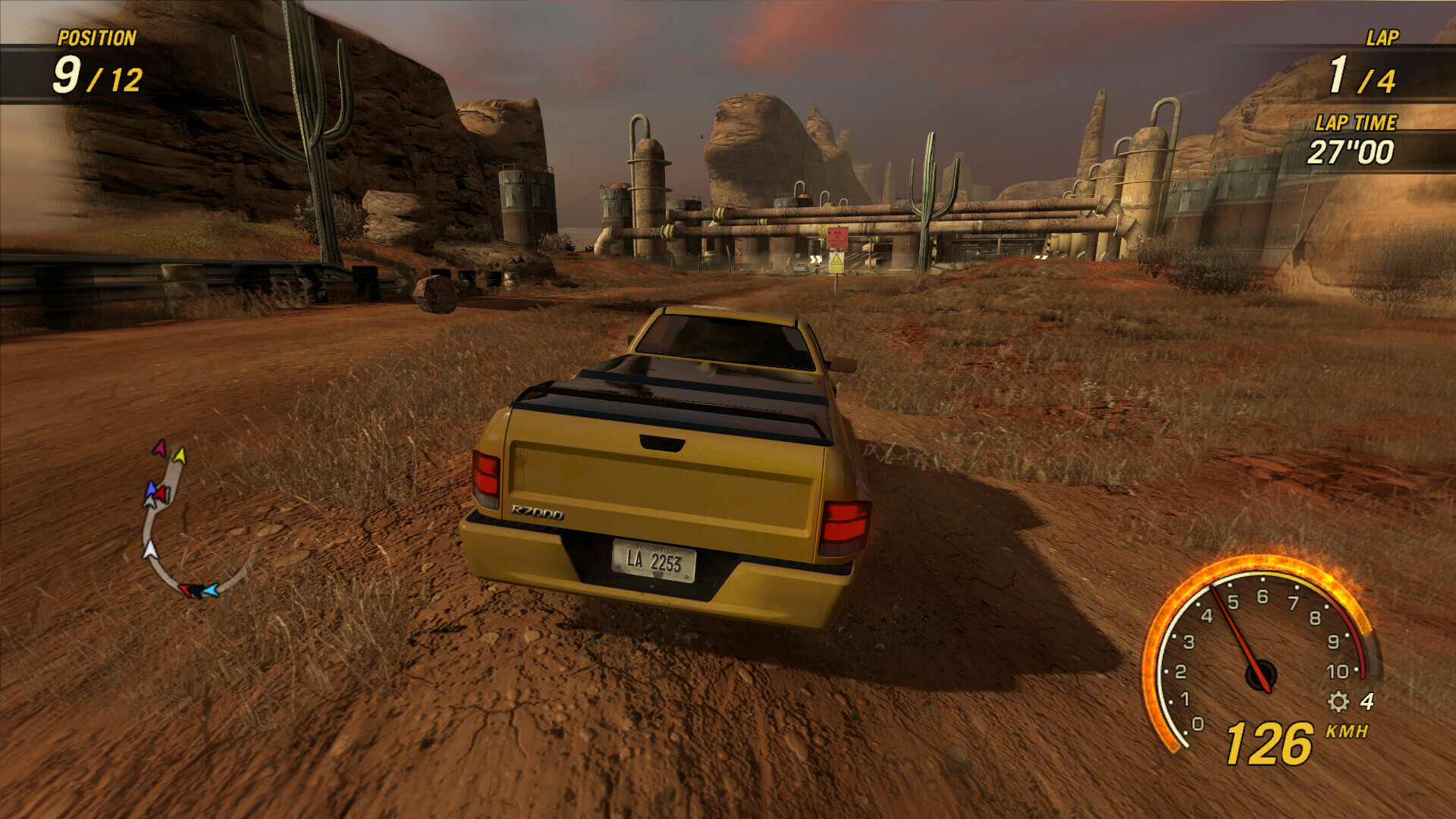
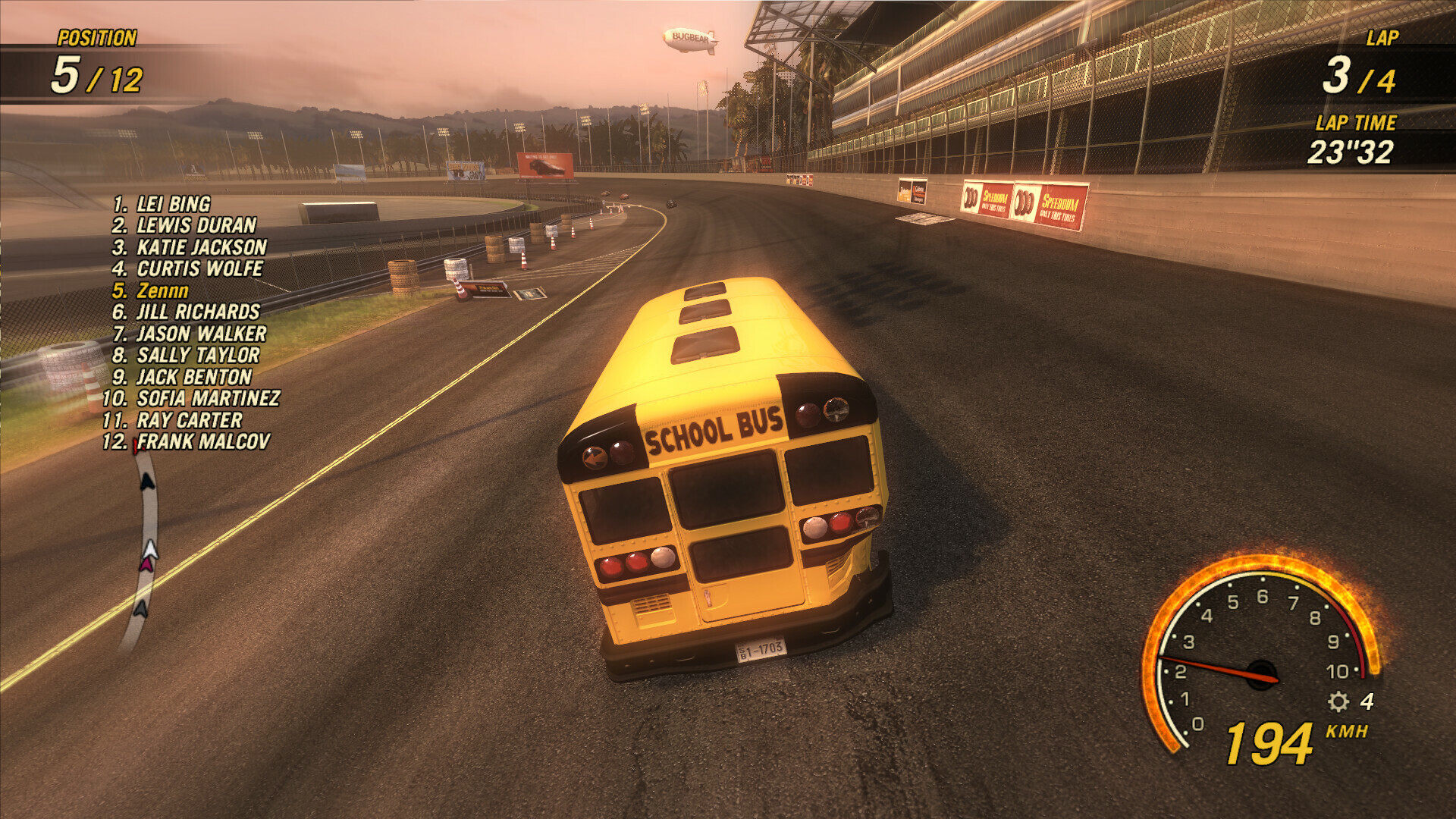
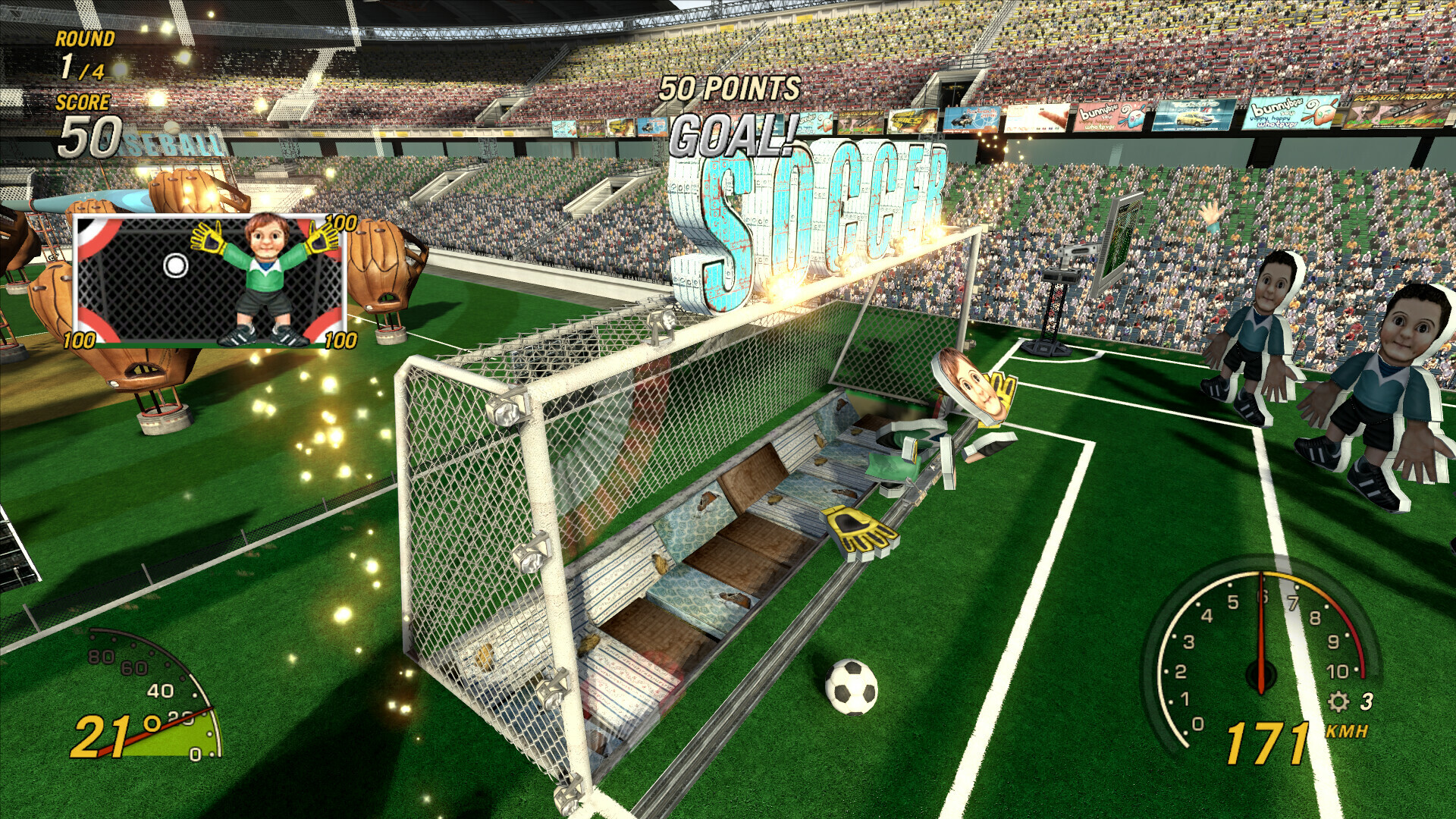
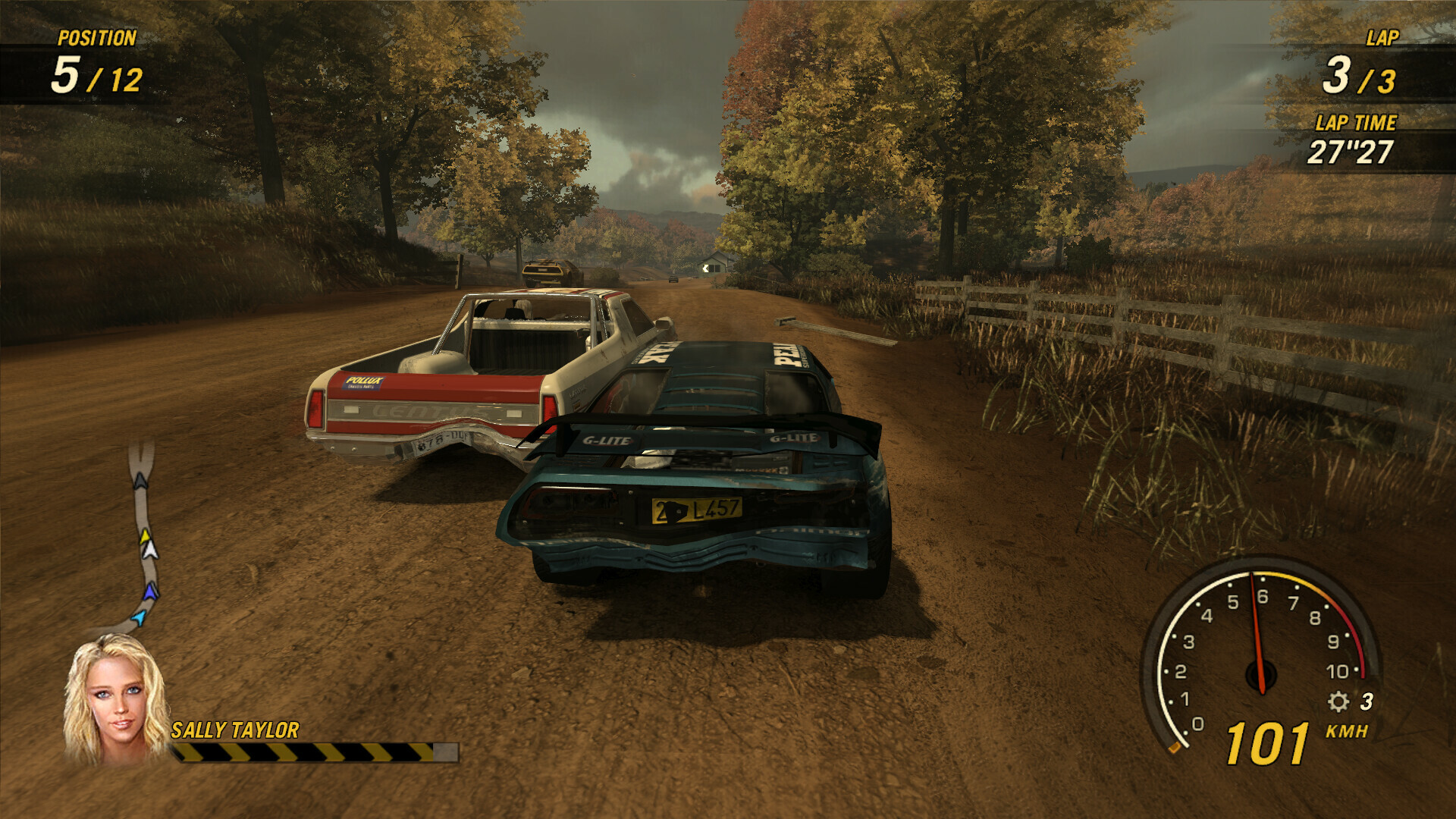
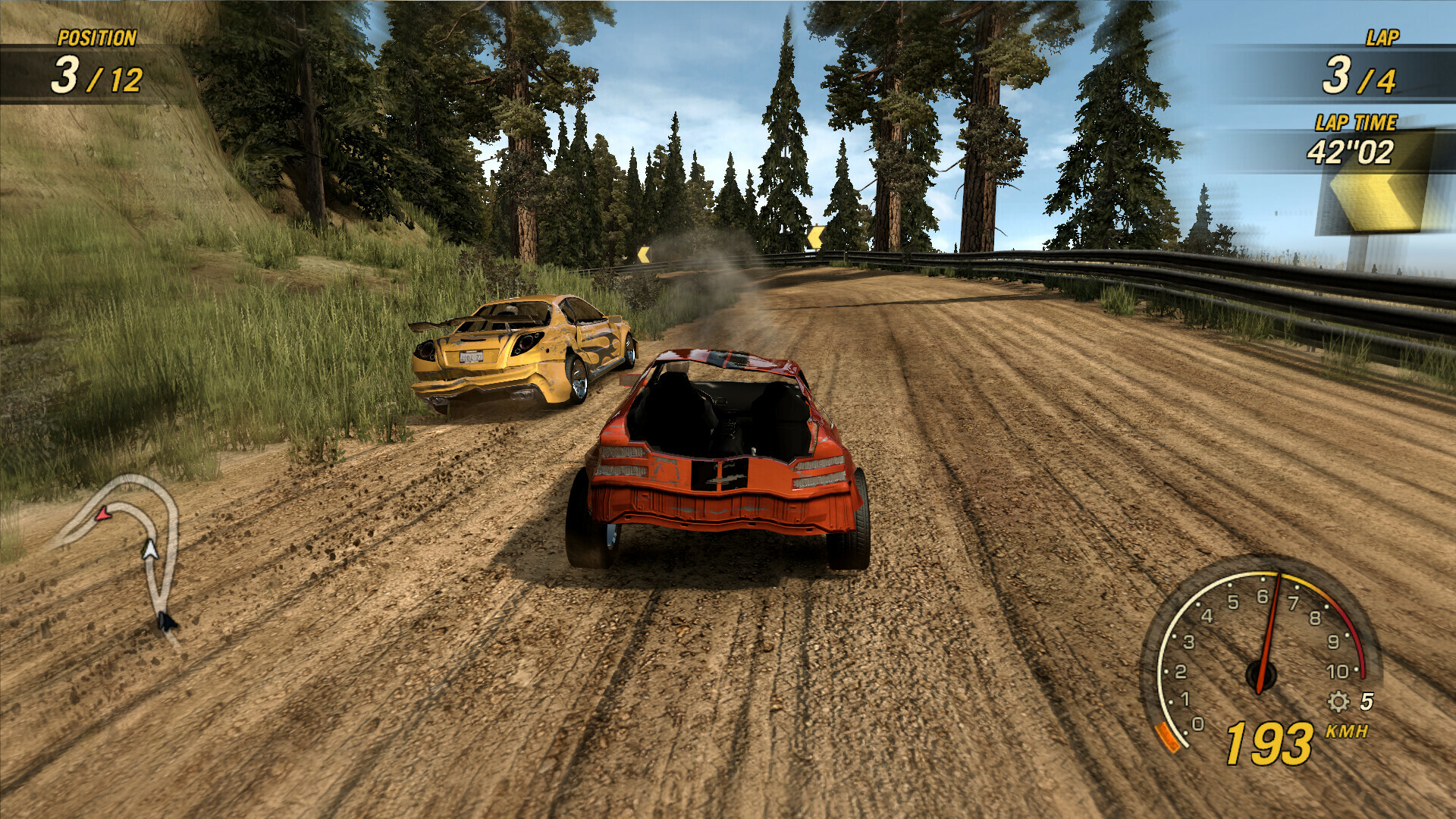
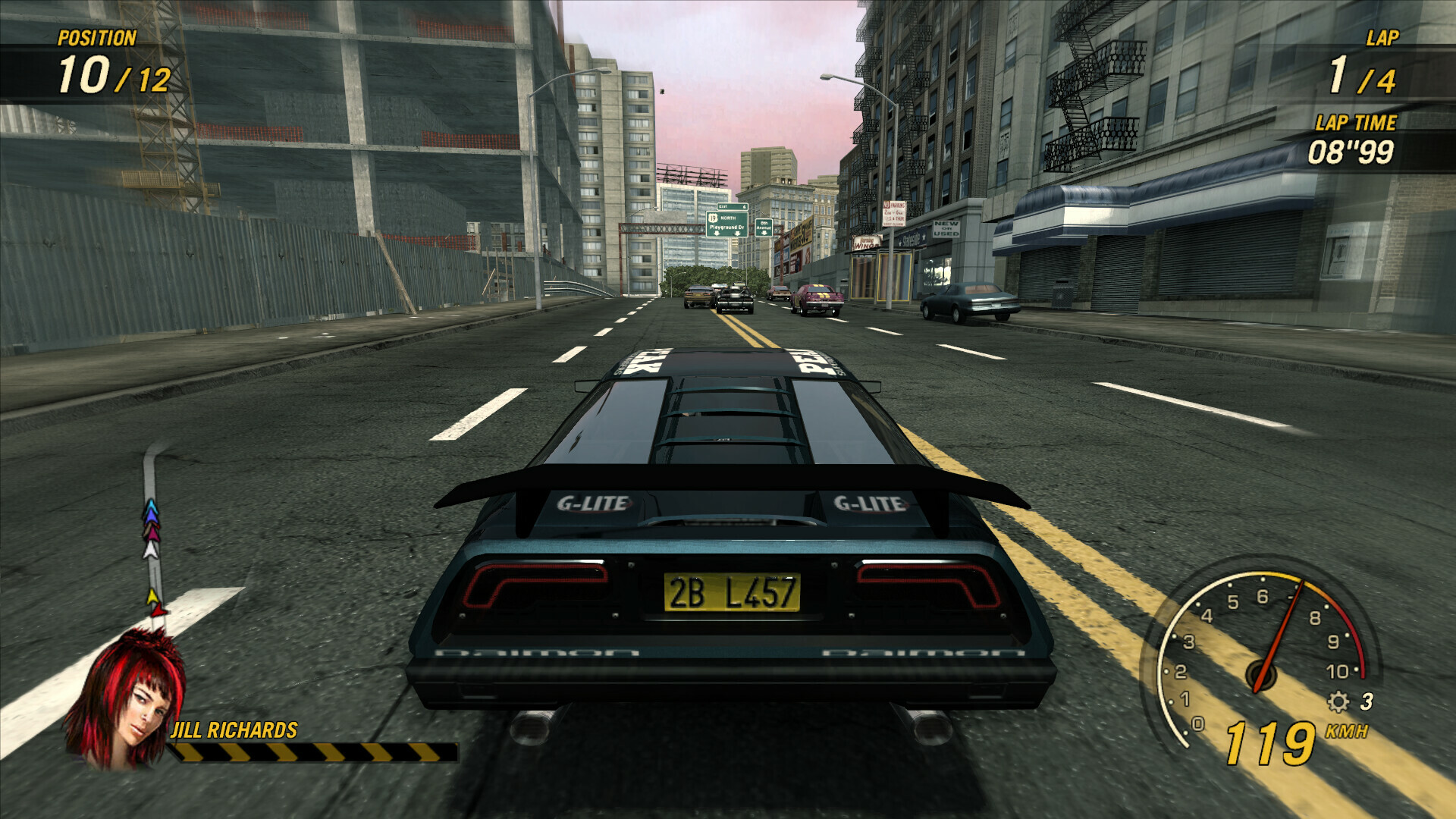
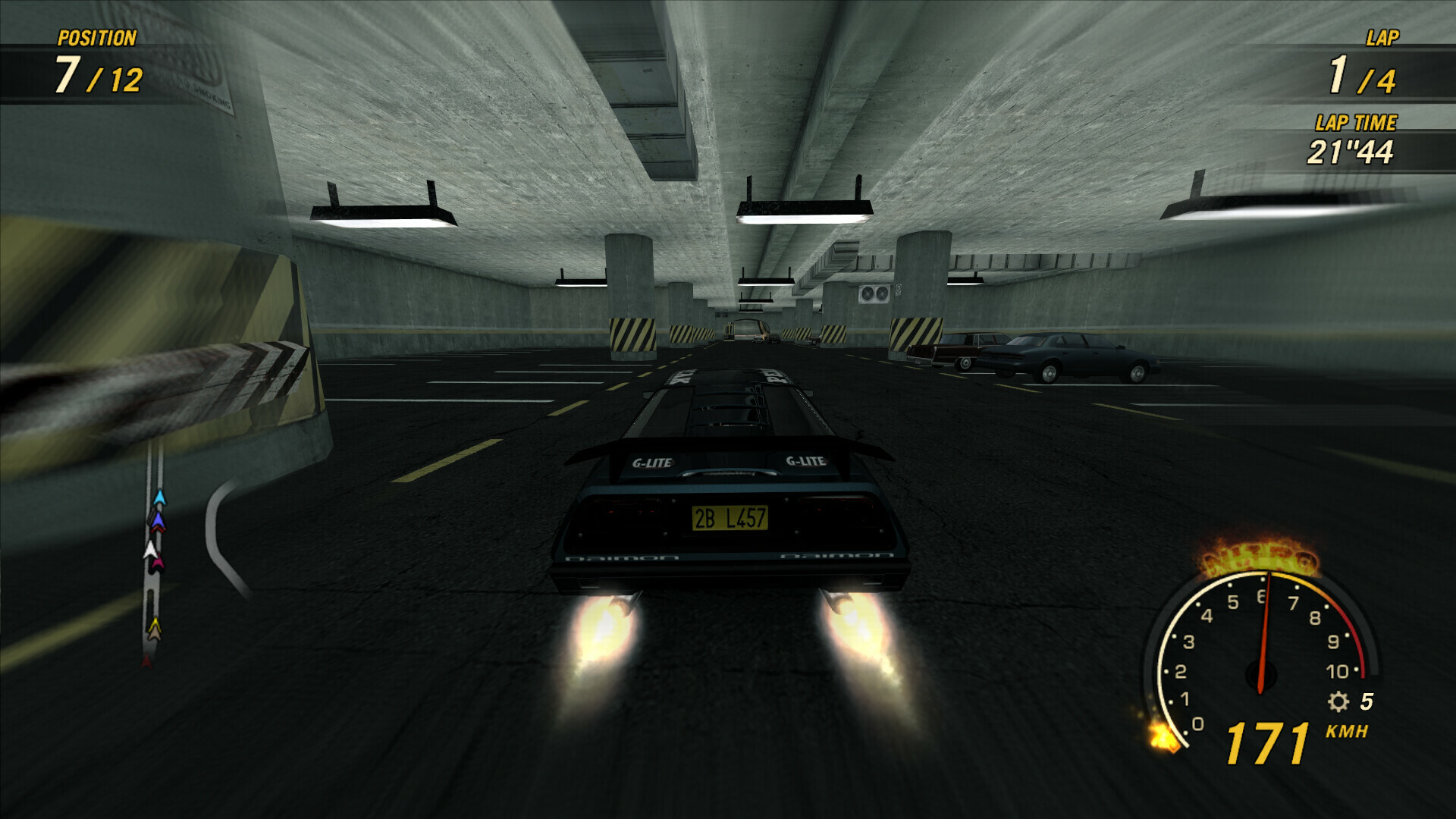
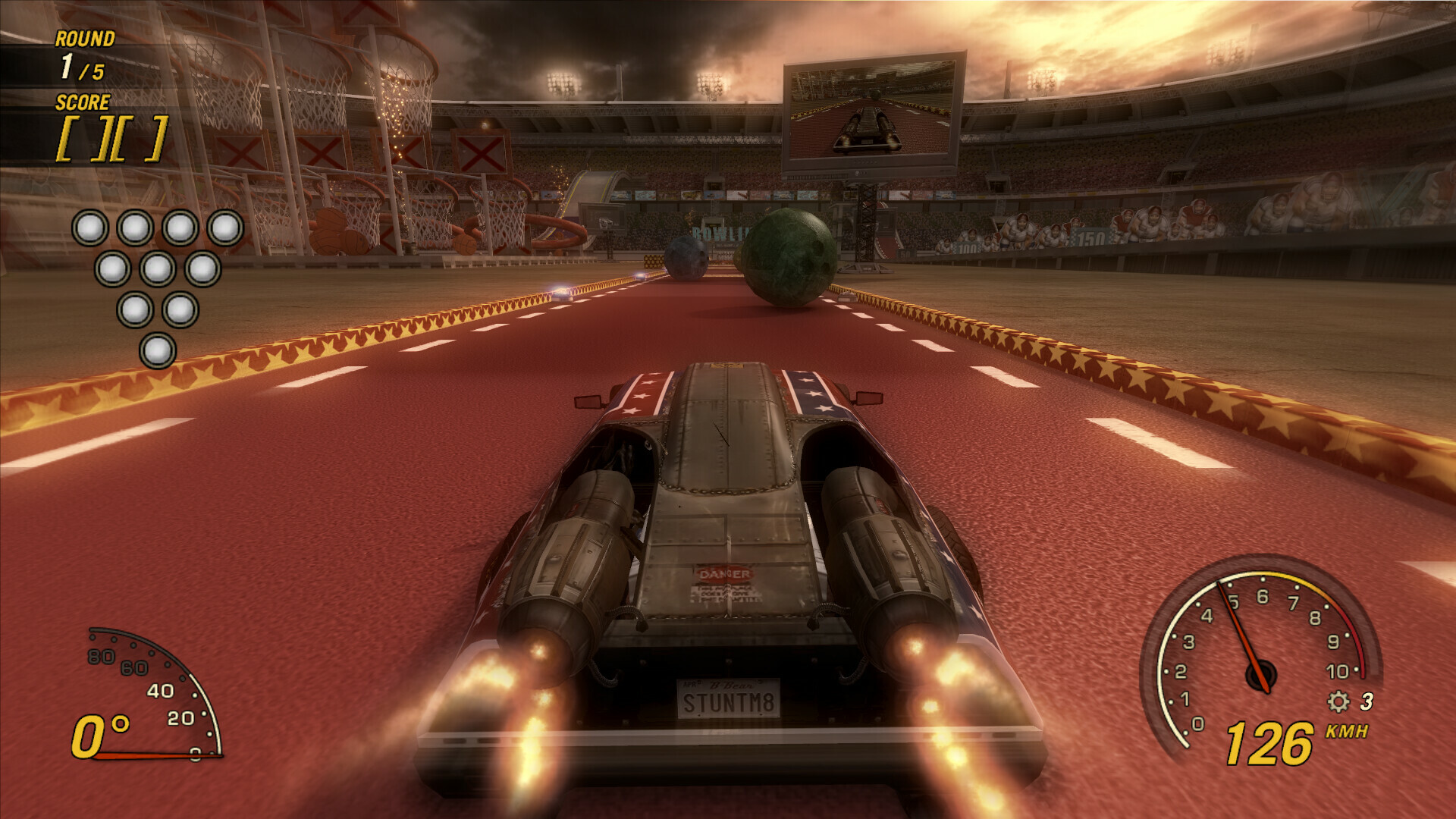
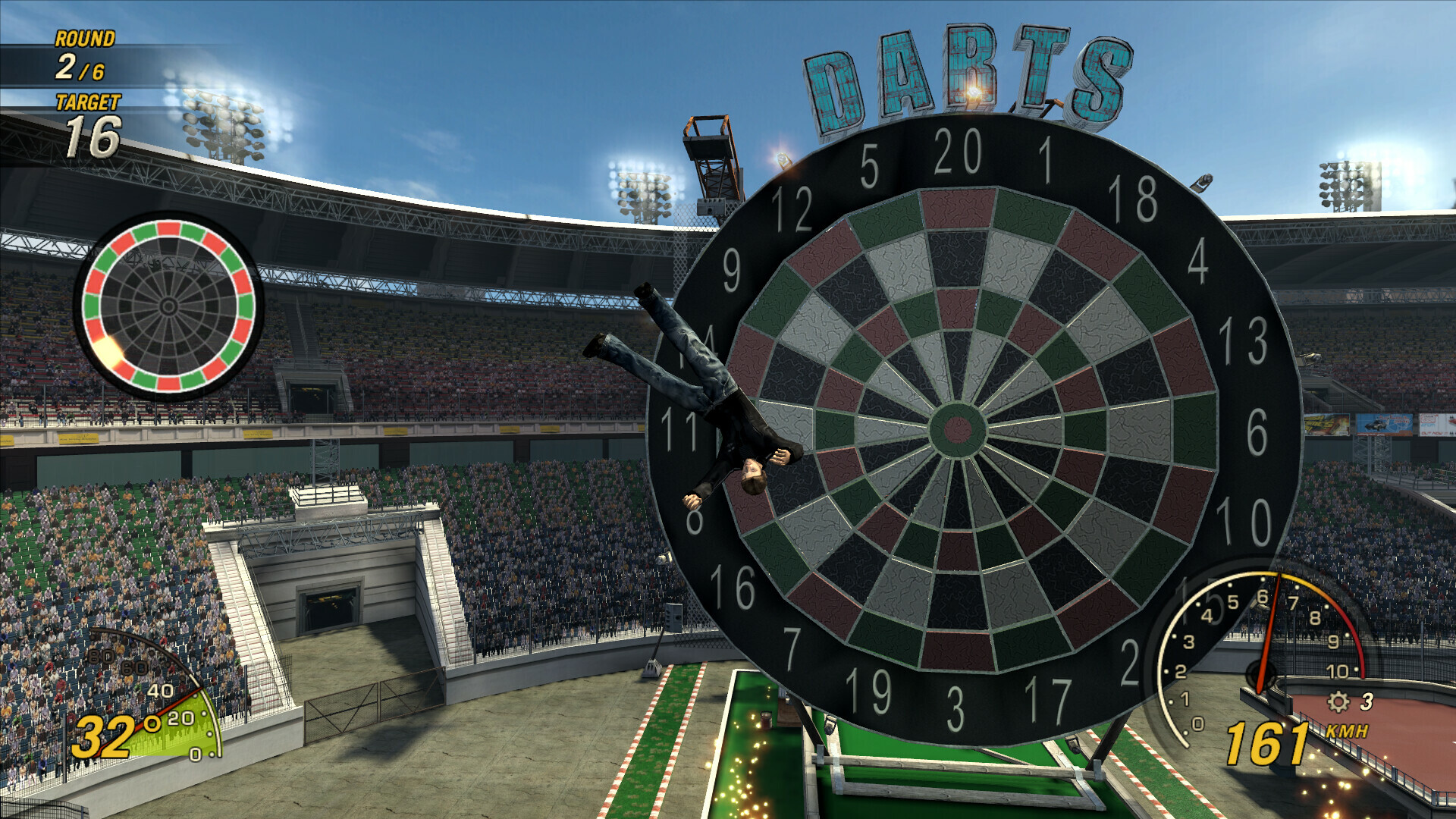
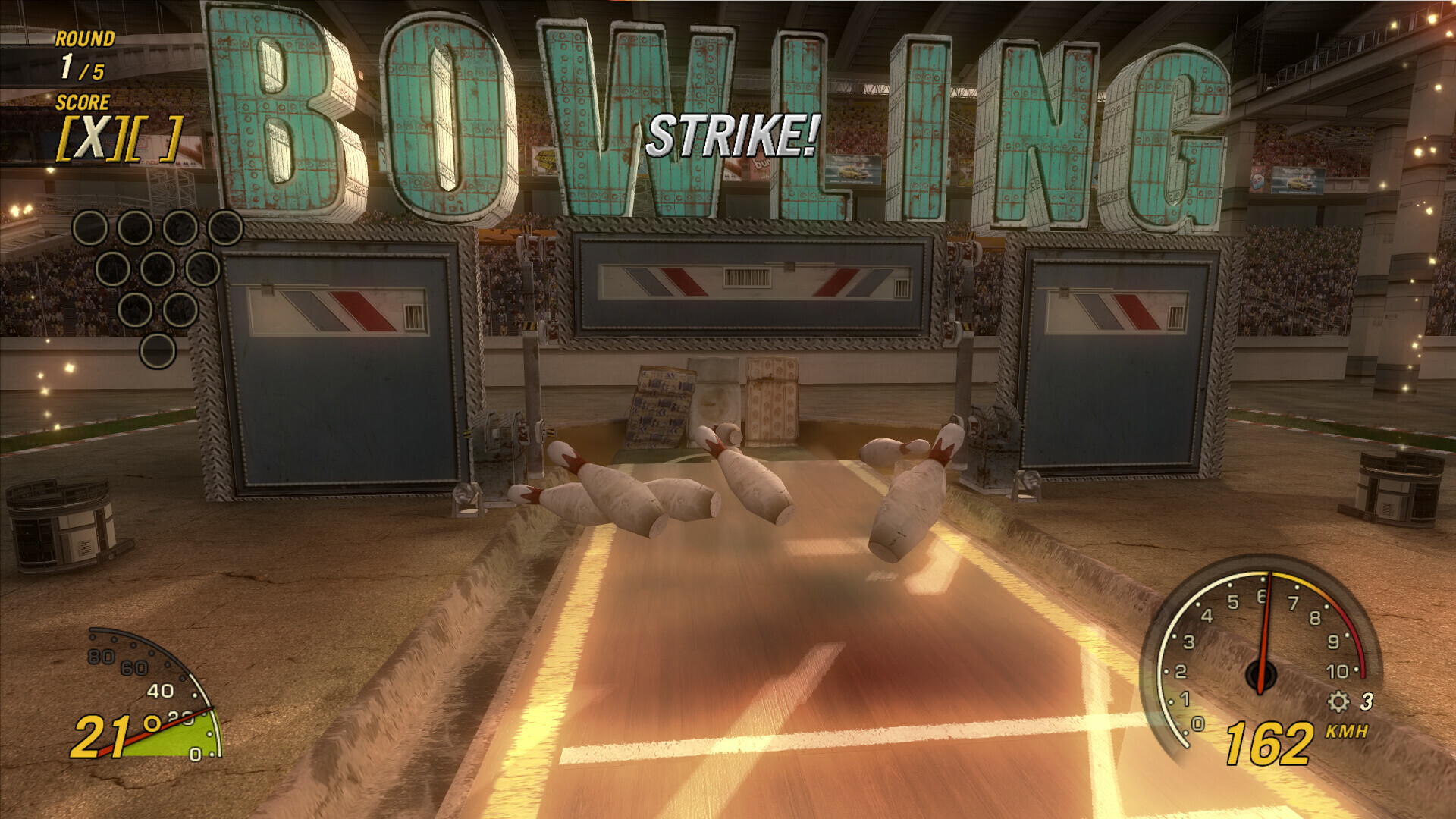
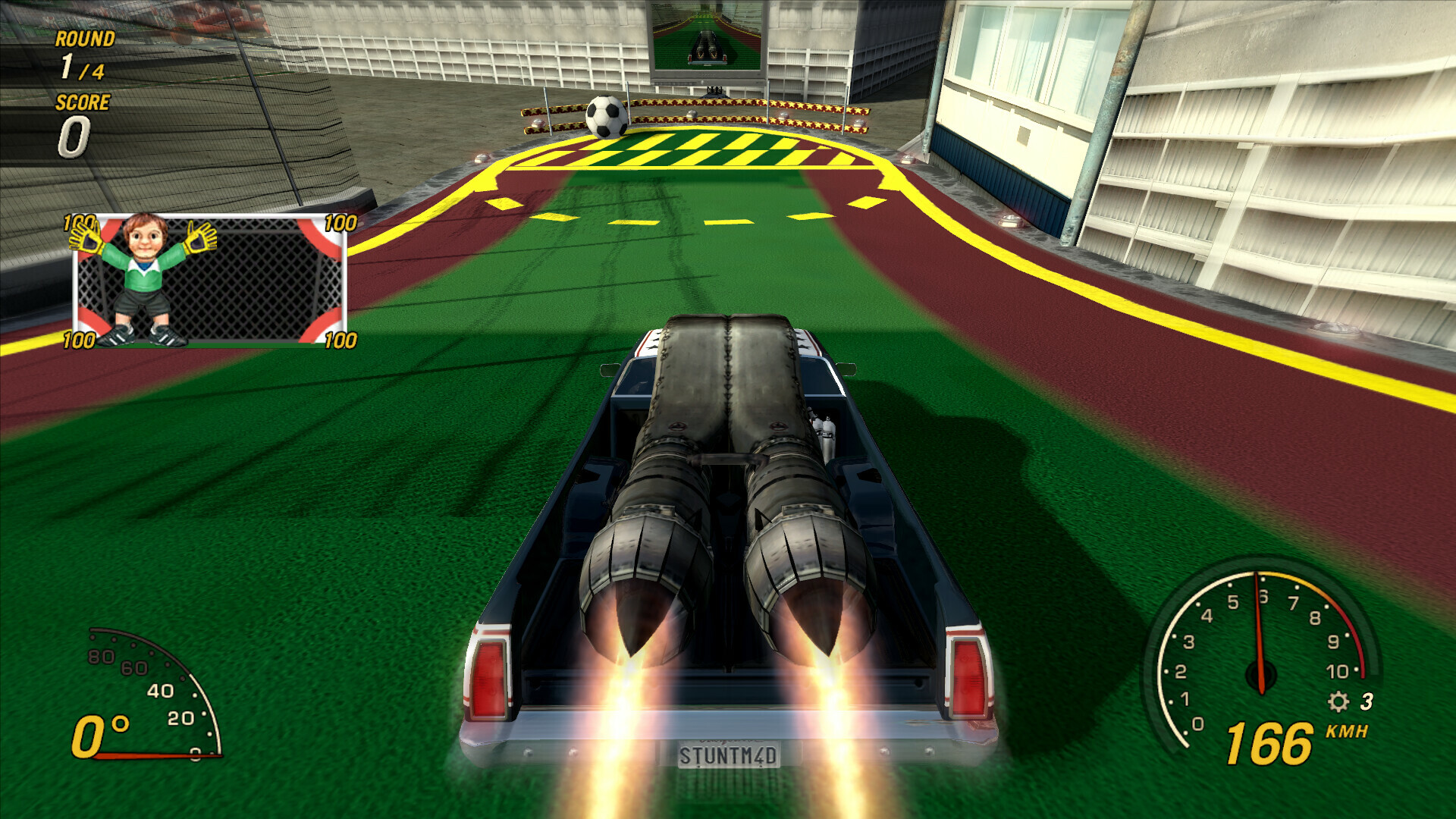
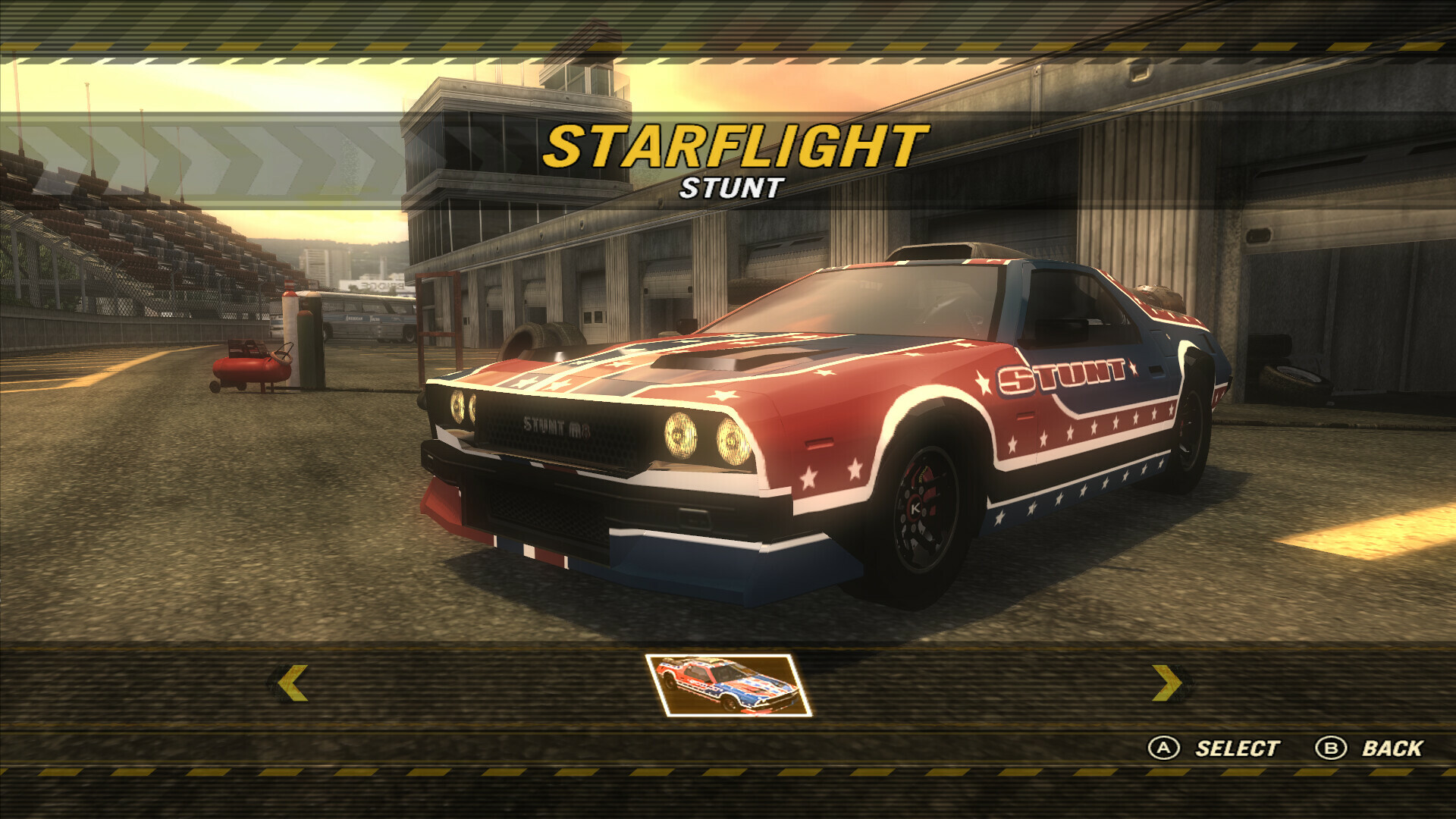
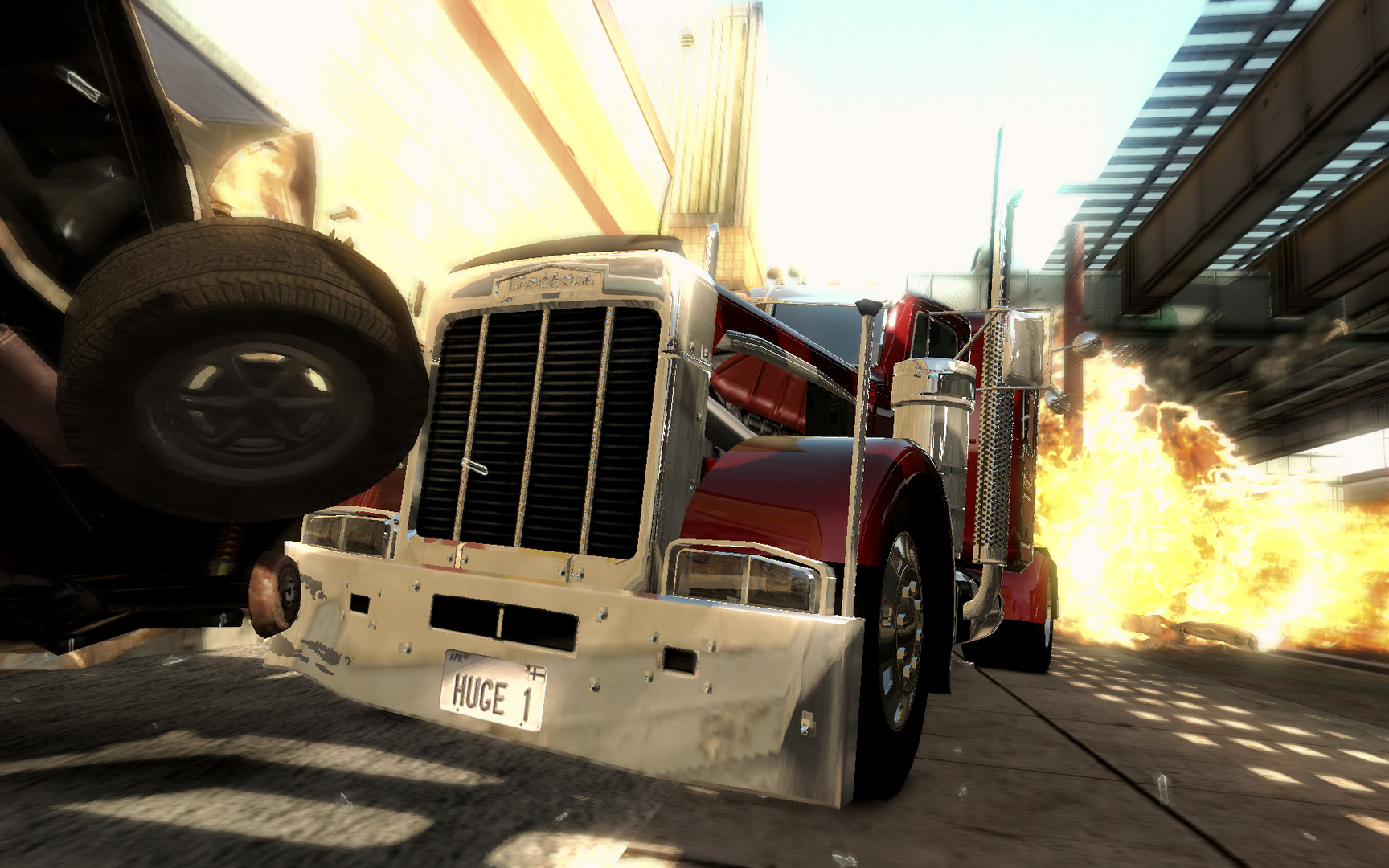
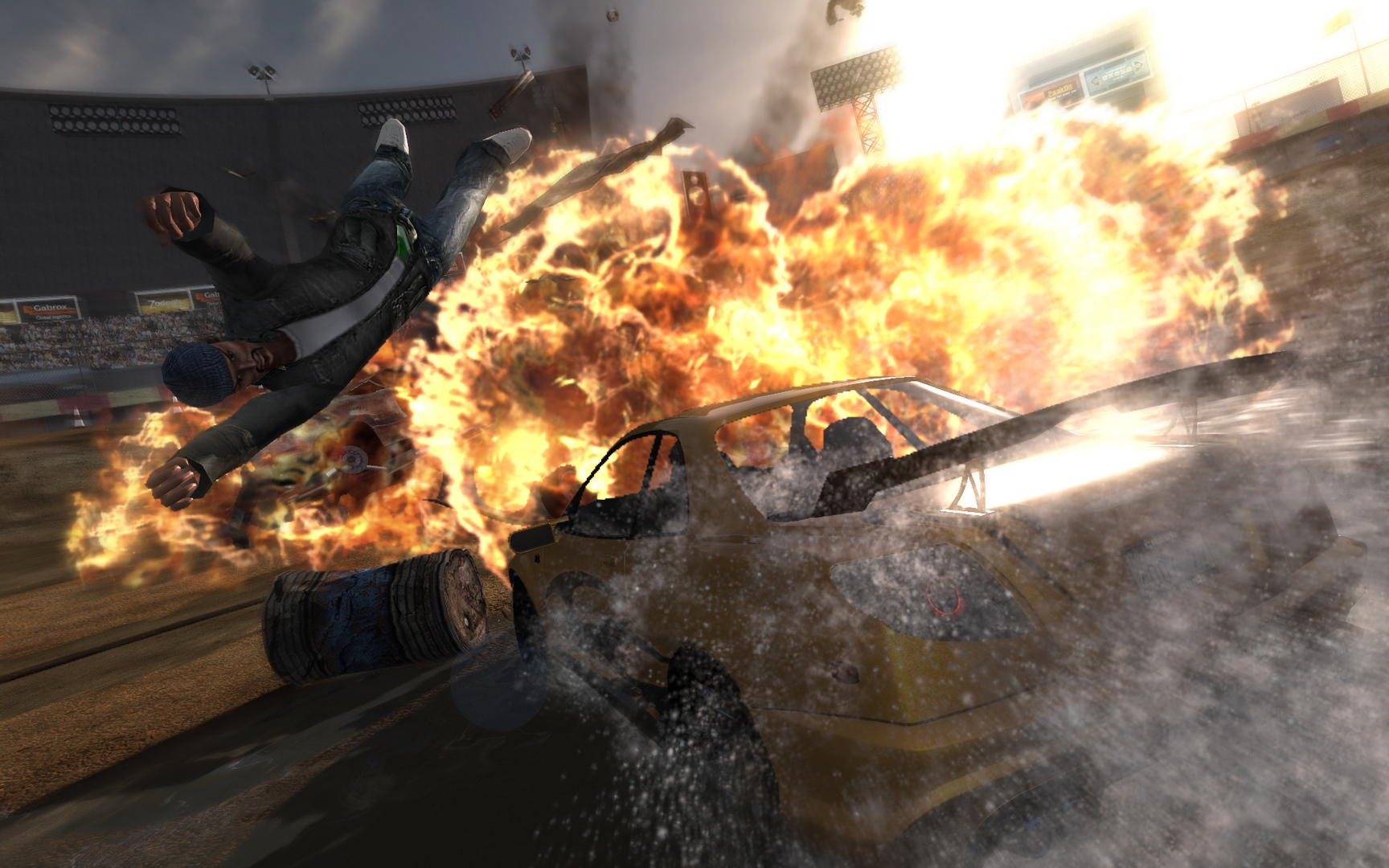
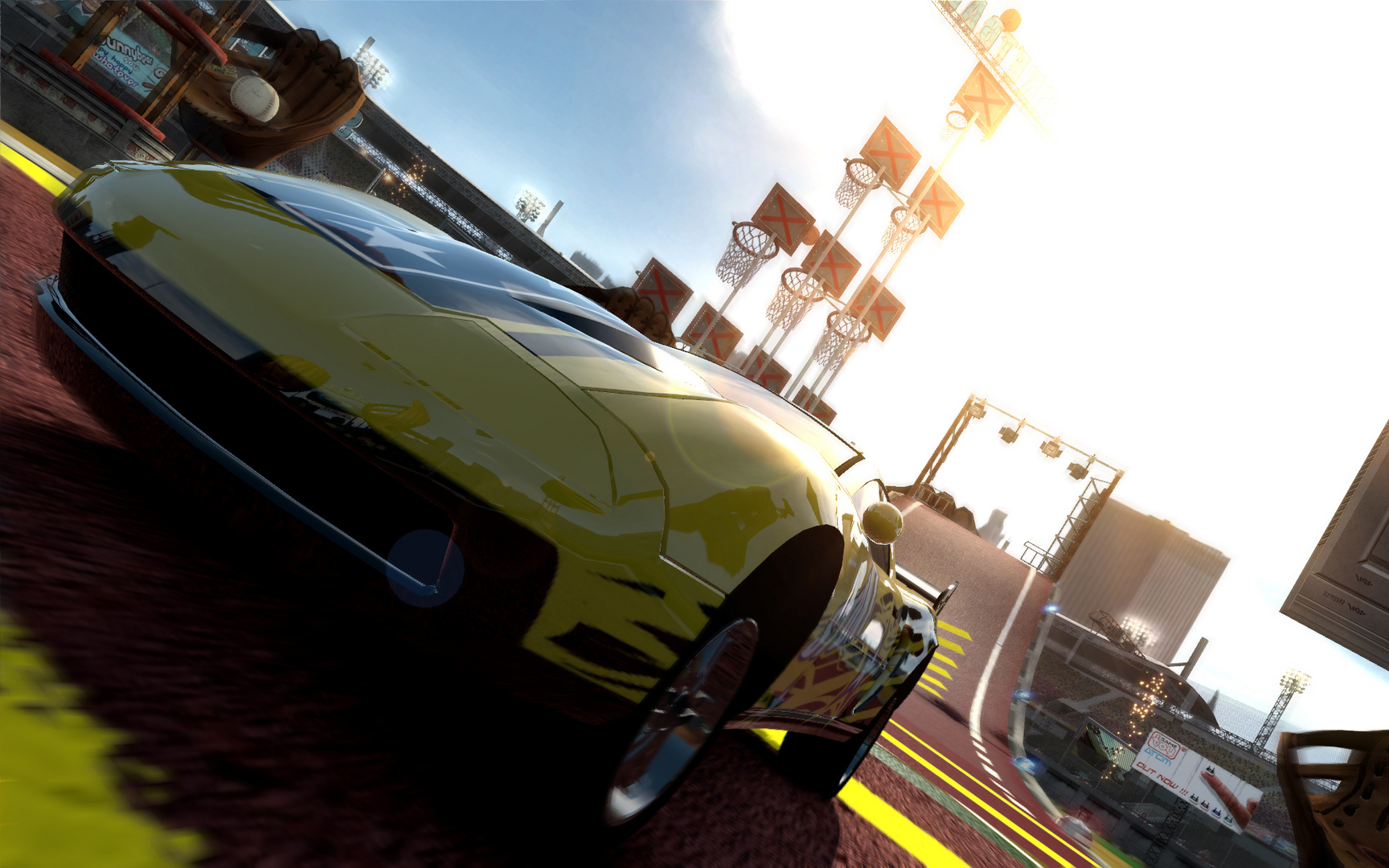
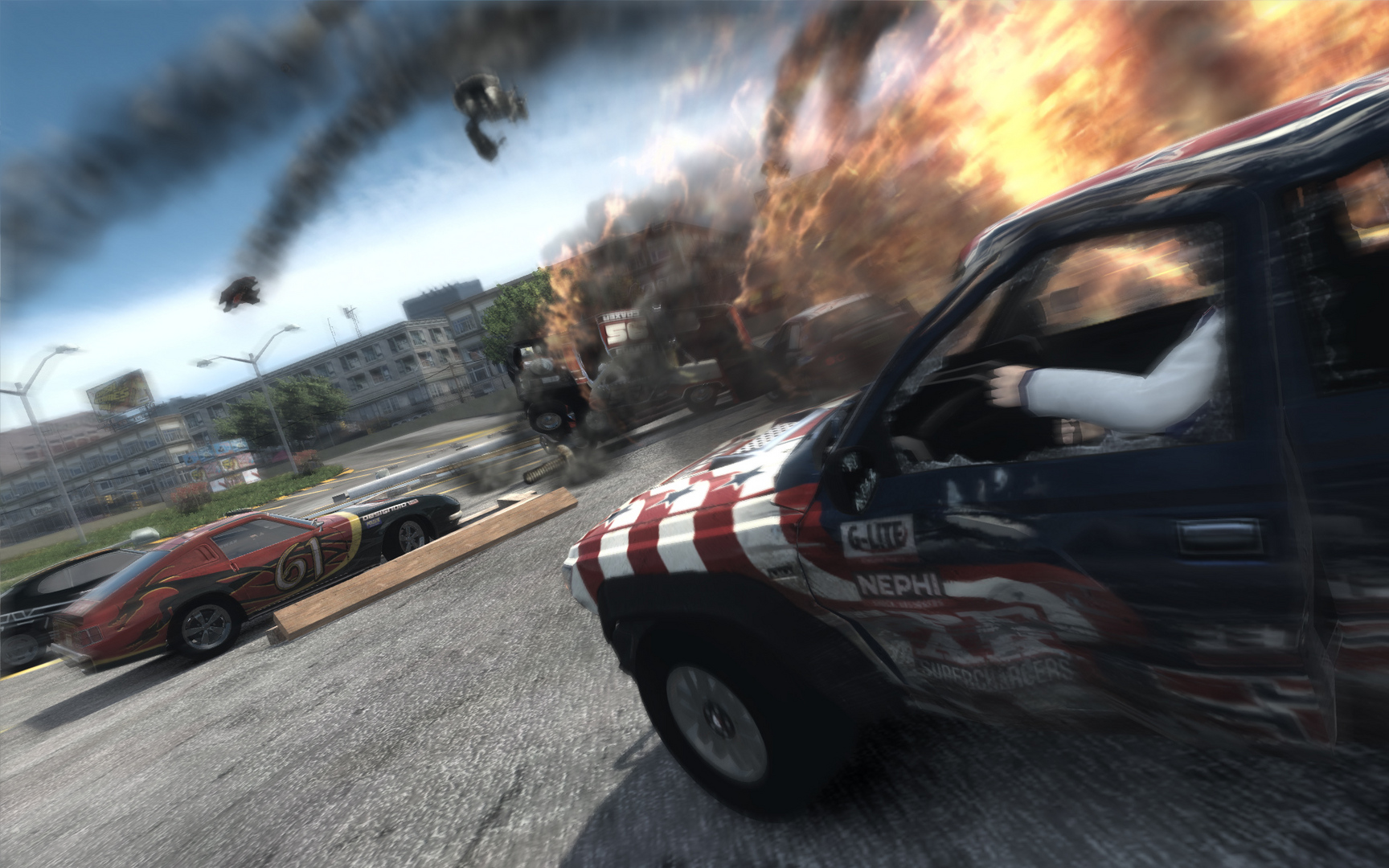
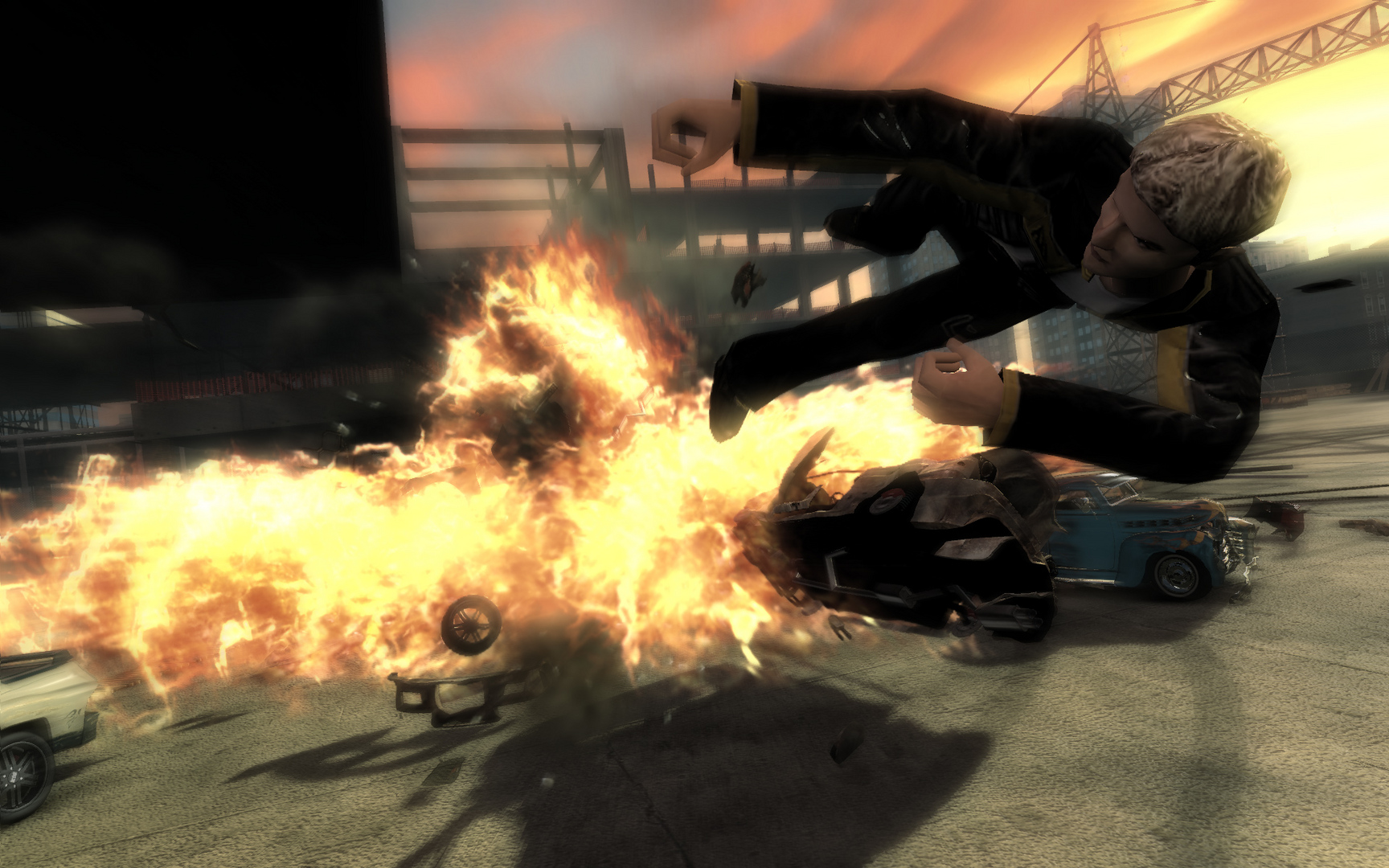
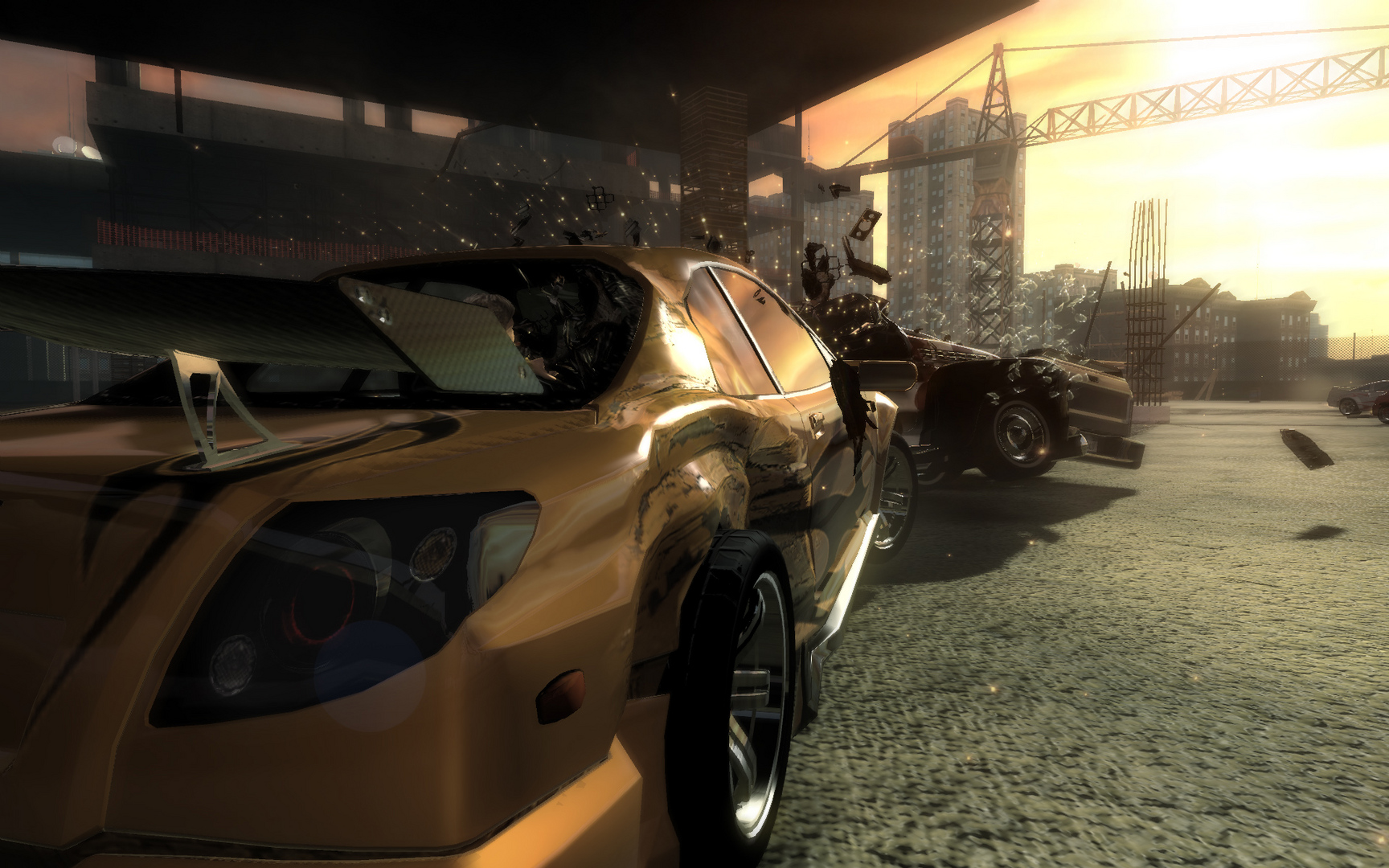
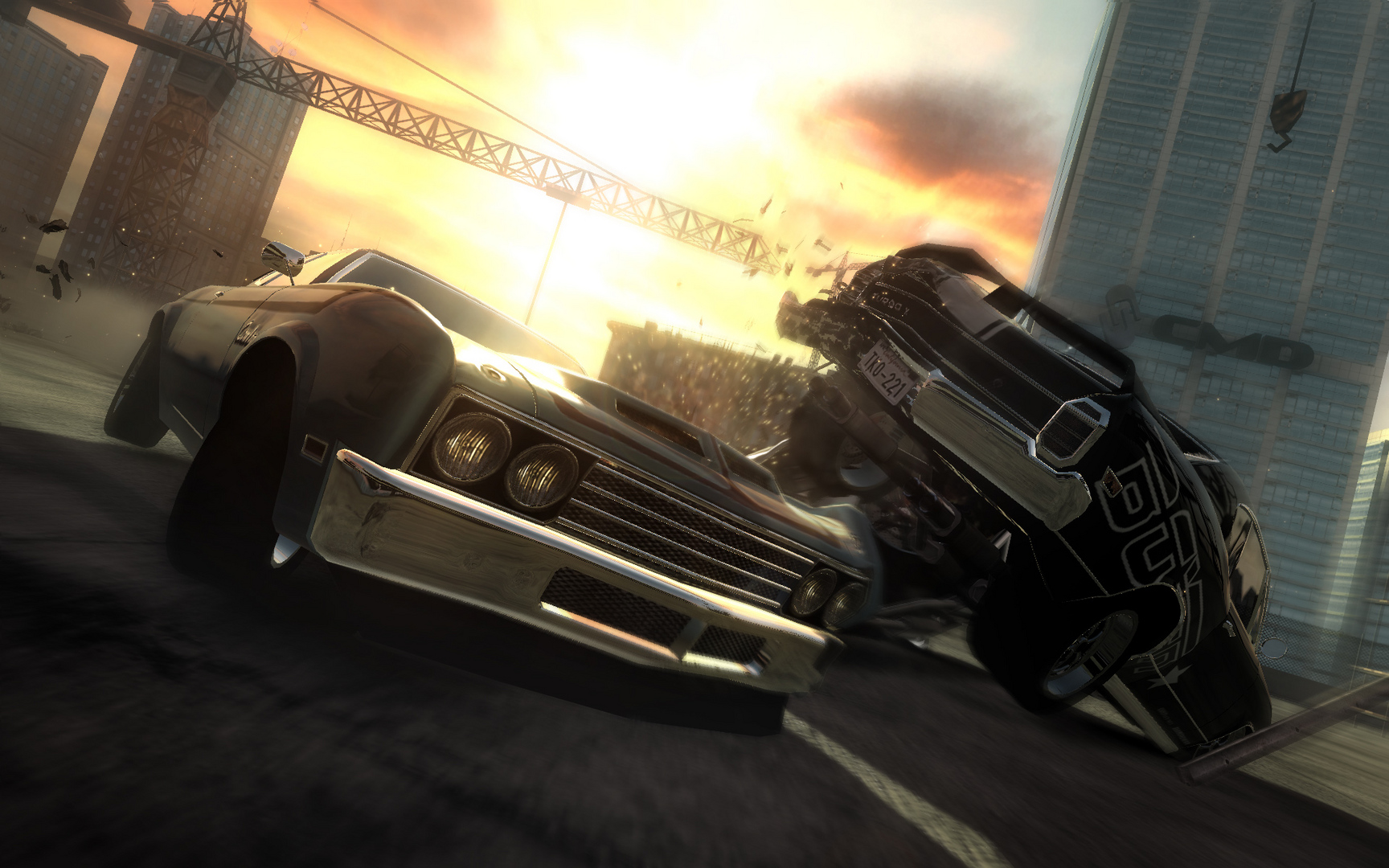
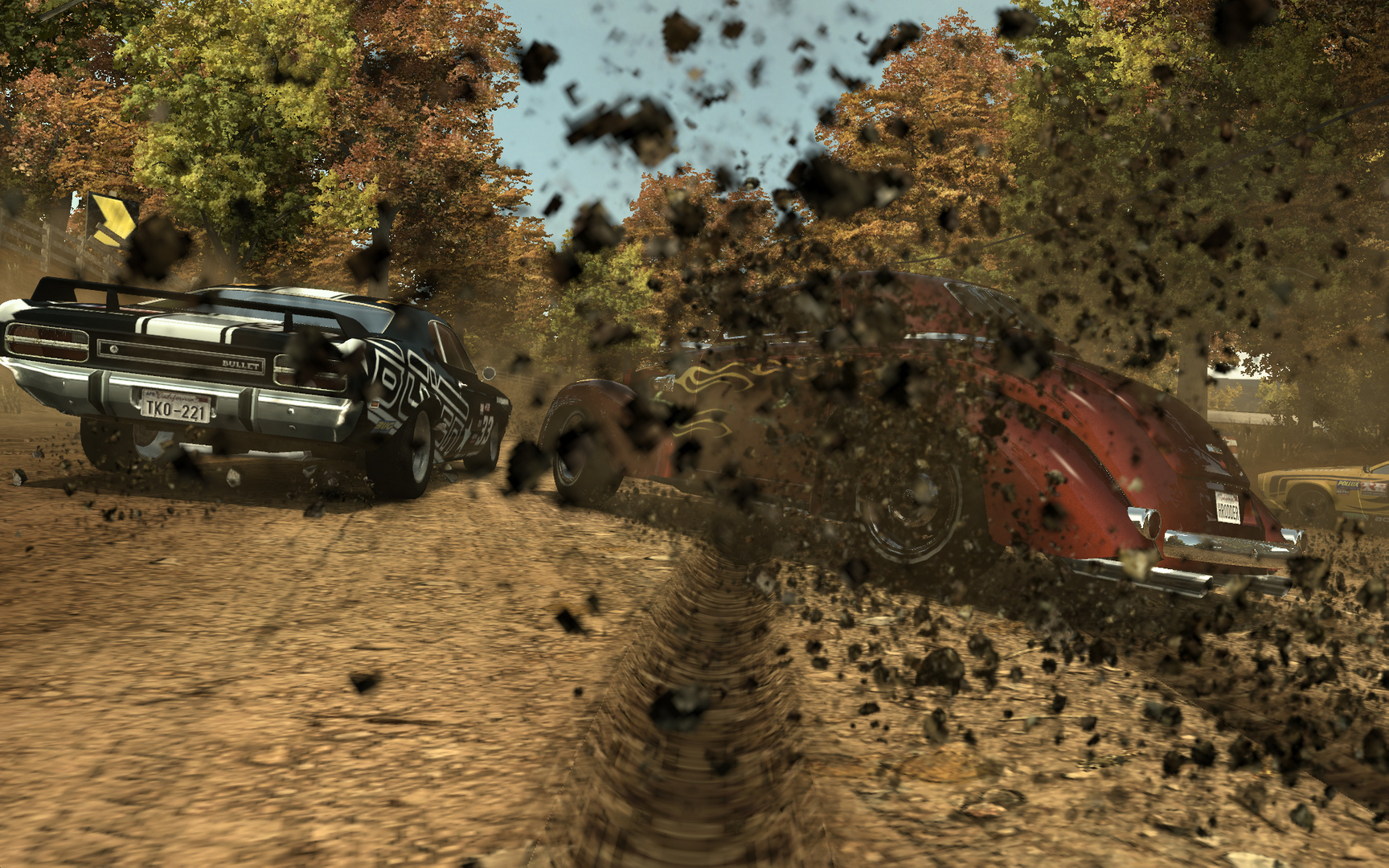
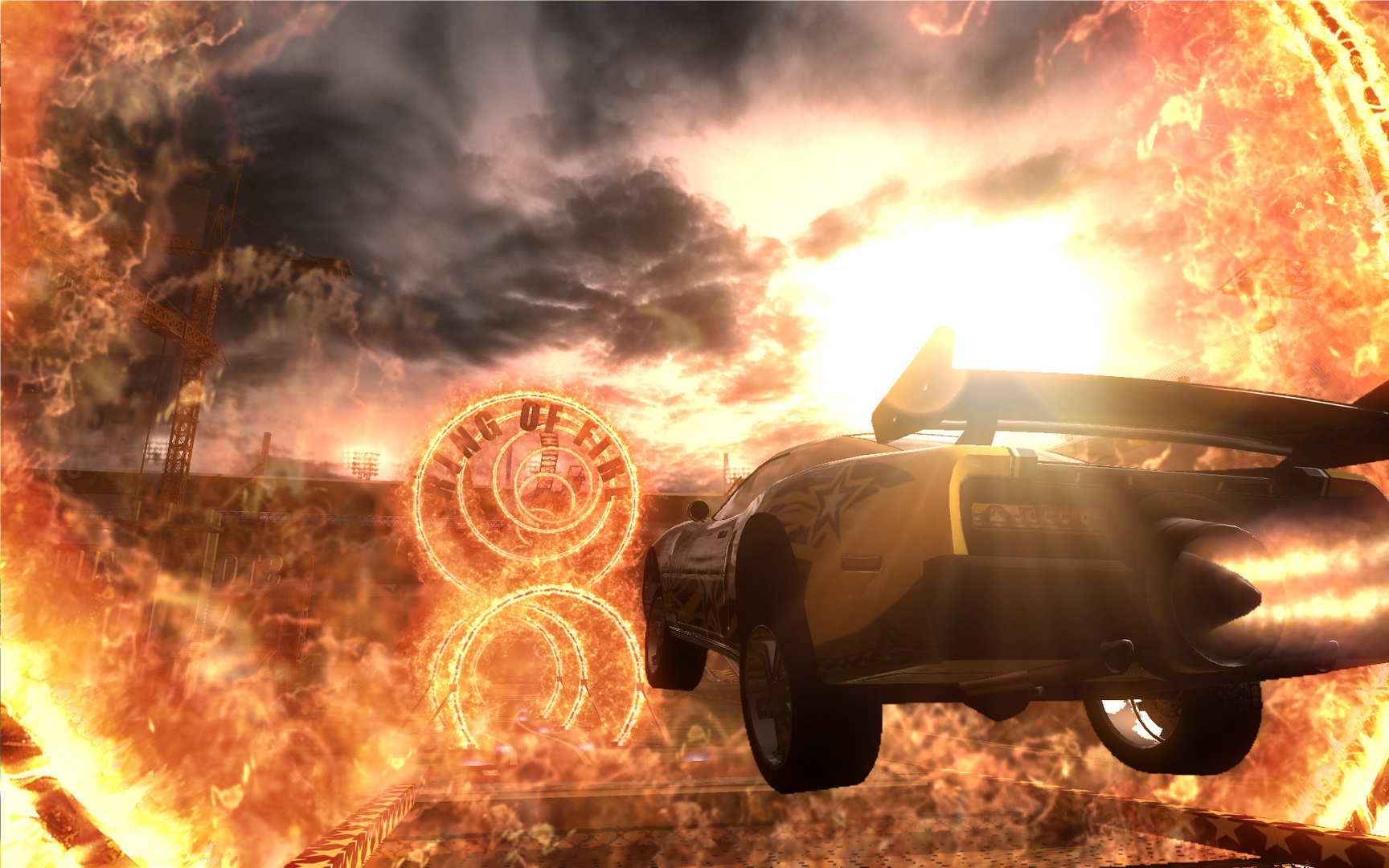
Get an in-depth look at FlatOut: Ultimate Carnage Collector's Edition through various videos and screenshots.
Load More
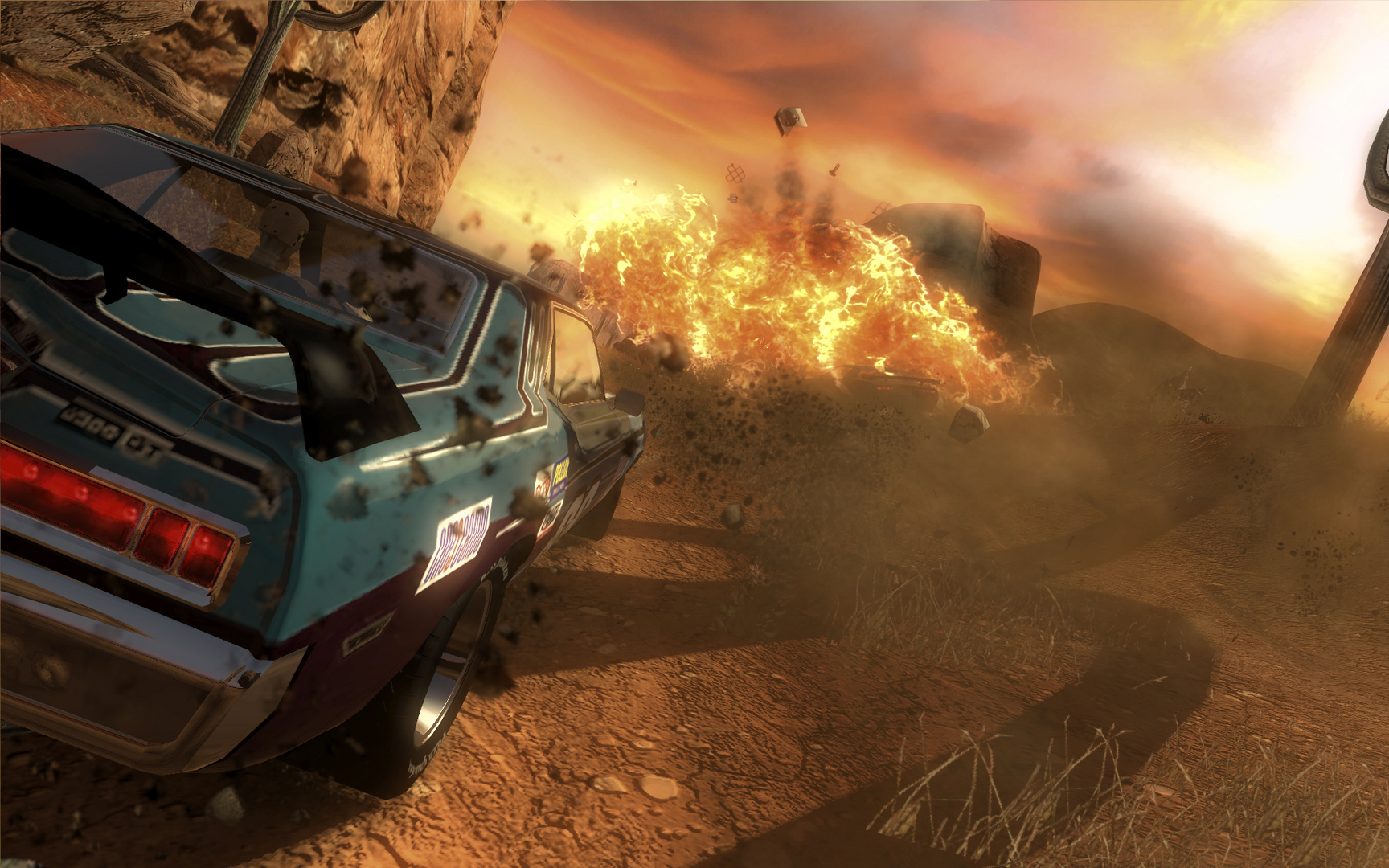
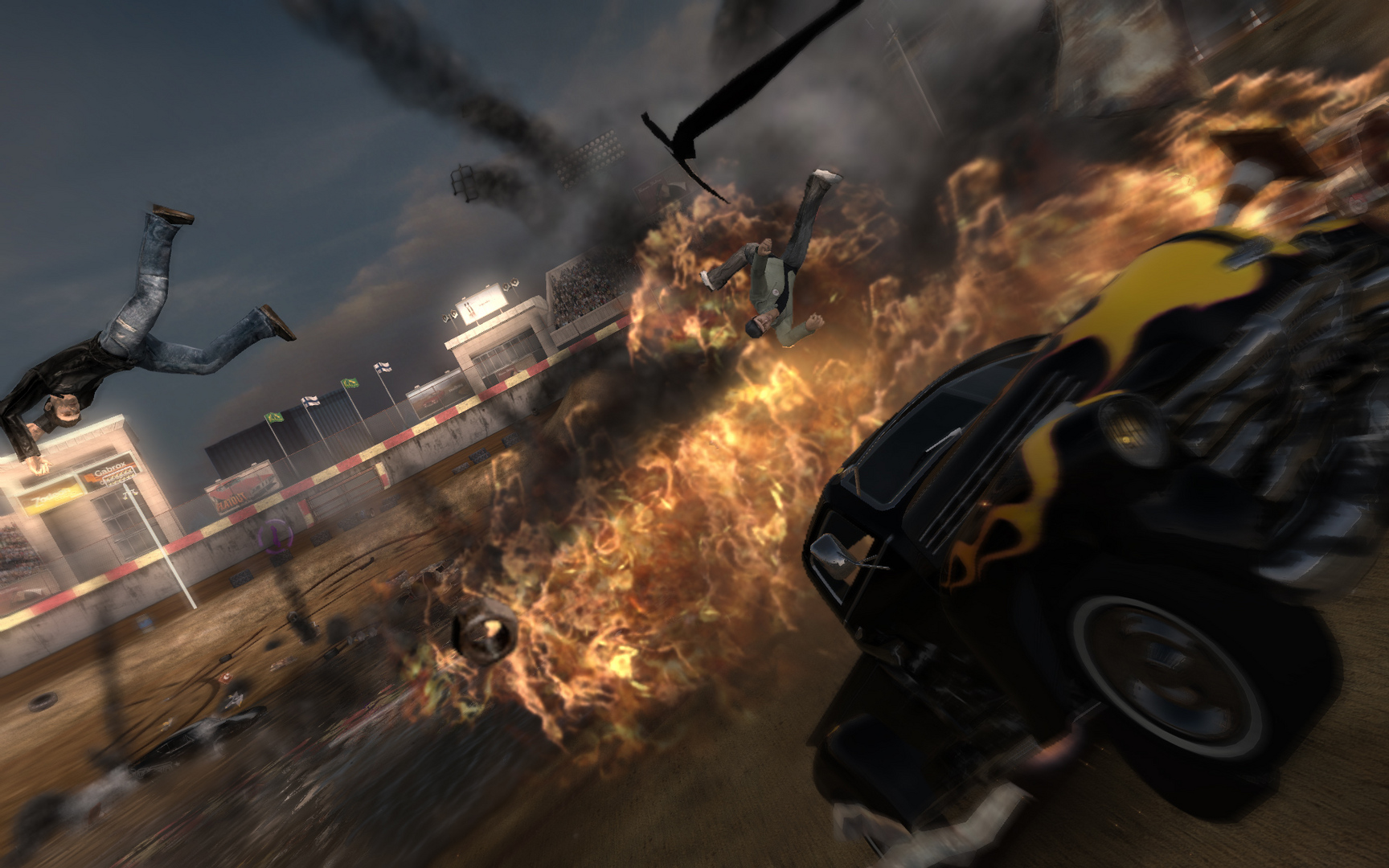
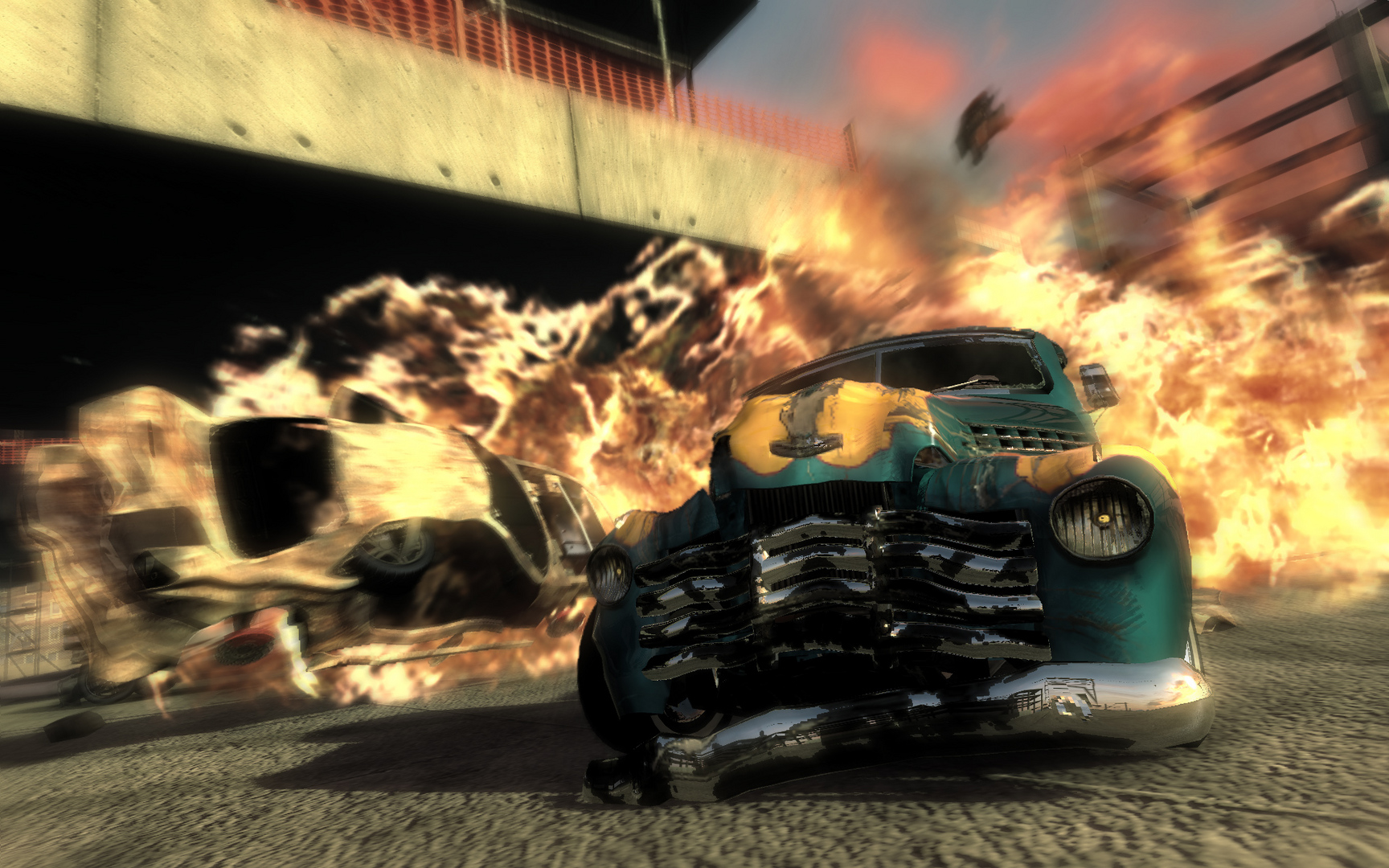
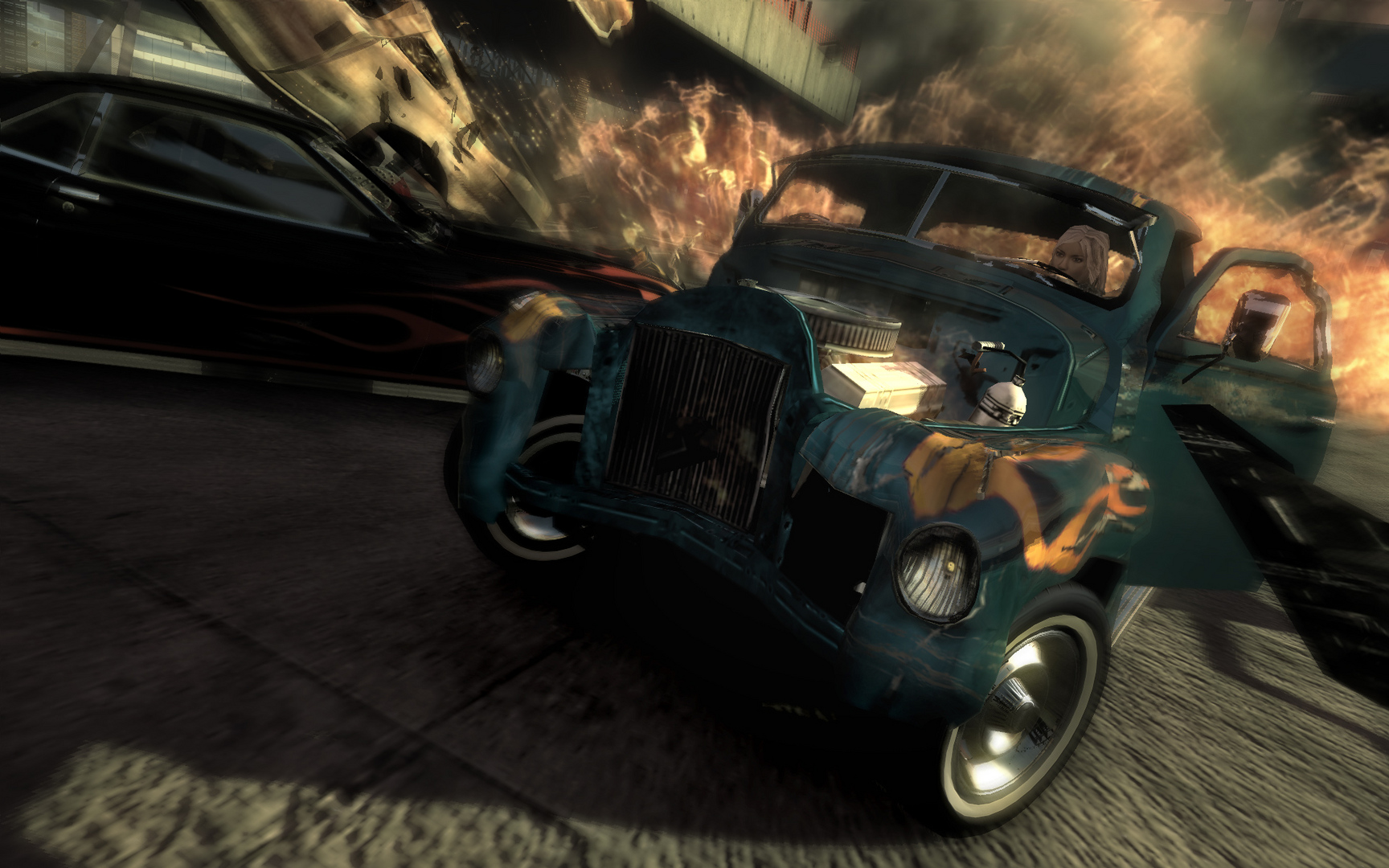
System requirements
These are the minimum specifications needed to play the game. For the best experience, we recommend that you verify them.
Windows
- Supported OS: Windows 10 / 11
- Processor: 2.2GHz
- Memory: 2GB or higher
- Graphics: DirectX 9.0c
Steam Price & Best Deals
User reviews & Ratings
Explore reviews from Steam users sharing their experiences and what they love about the game.
Overall: 8/10 Story: Just like the first two games, there's no narrative at all. The campaign provides no background, cutscenes, dialogue, or personal motivations explaining why you're racing, and like in Flatout 2, the career mode here is sorted into three car classes/tiers to race through: Derby, Race, and Street. Speaking of similarities to Flatout 2, this game features the same roster of characters as before, but it also adds four new drivers. Other than that, it's pretty par for the course for a Flatout game. There's no story or narrative progression to speak of, so the career mode simply has you work your way through the three classes/tiers and upgrade your cars along the way. Ultimately, the narrative is just as barebones as you'd expect from a Flatout game, so the focus is entirely on the racing rather than providing any kind of story or character development. Gameplay: Before playing this game, I had seen a lot of people refer to it as "FlatOut 2.5" and didn't really know what that meant until I played through the series in order, but now I 100% agree with that nickname. U.C. is literally just FlatOut 2 but for 7th gen consoles, and that's not a bad thing by any means. First off, those previously mentioned four extra racers bring the total number to 12 during any given race, which, as a result, intensifies the chaos and gives you more opportunities to build nitro by demoing your competition. In regards to the handling, the core of it is essentially the same, with relatively forgiving arcade physics, responsive steering, and cars that are simpler to catch and recover than in FlatOut 1. However, I personally feel like this game is much easier than FlatOut 2 for several reasons. For starters, the cars in general feel slightly heavier/more planted, particularly when you're throwing them around at high speed. This game doesn't provide a fundamentally different handling system, so it's much more reasonable to think of the physics, and honestly the gameplay overall, as an evolution/tweaking of FlatOut 2's foundation rather than an attempt to truly innovate. Furthermore, the debris physics don't feel nearly as punishing when it comes to throwing you off track or flipping your car, like the developers wanted to fully commit to the continuous high-speed chaos, and I really think it improves the gameplay. There were times in FlatOut 2 and ESPECIALLY in FlatOut 1 where races were almost ruined by me hitting debris to get nitro but I actually ended up getting detoured by the contact, so having the game be more forgiving in this regard makes the races feel much more fun without taking away from the destruction. Lastly, the AI rubberbanding feels like it has been toned way down, and it's way easier to pull away when you're in first. All that said, U.C. does add a new mode called "Carnage Mode" where you race around tracks with the other drivers, but the objective is to cause as much damage as possible rather than finish in first place. You earn points by smashing into other cars, causing crashes, and generally inflicting as much destruction as possible, which makes for a fun alternative to the traditional racing without being completely over-the-top like most of the other minigames. At the end of the day, it all comes down to personal preference, but I think this is the most polished and fun FlatOut game, even though I'm still not really a fan of the "Launch your driver out of a car" bonus modes the series is famous for. World: The world/track design is literally identical to Flatout 2. This game reuses the exact same 1:1 track layouts and environments from FlatOut 2, though they feature upgraded graphics, increased dynamic object density, and improved lighting. I'm not shrugging it off, but if you've ever played FlatOut 2, then you already know what to expect. There isn't really anything new here in terms of the actual track layouts, shortcuts, environmental design, or overall structure, so playing through these races again will feel extremely familiar. The biggest difference is how much more dense and polished everything looks. The upgraded visuals make the environments feel more detailed, the increased amount of dynamic objects makes the tracks feel more active and cluttered, and the improved lighting helps everything look significantly better than it did previously. It doesn't change the underlying design at all, but it does make the same tracks feel more refined and visually impressive, especially when you're tearing through the environments and watching all of the additional objects react to the chaos around you in real time. To be honest, there's just not much I can say about the world/track design that I haven't already said about FlatOut 2, because this is essentially the exact same content. Visuals: Speaking of the visuals though, this is of course the most significant upgrade. Compared to Flatout 2, the visuals are night and day, and it really goes to show how much could change between a single console generation back in the day compared to now. Other than obviously the textures themselves, the most noticeable improvement is the lighting, as there's much more advanced dynamic lighting/shadows that give the environments and cars considerably more depth. The car models are also more detailed and can suffer from more elaborate damage deformation, scratches, dents, and parts being torn off during crashes. The destruction has been improved as well, but besides the amount of items physically on the track, the debris, smoke, sparks, and other effects being rendered on-screen are much more detailed in this game, so crashes look significantly more intense and unhinged. Lastly, the water also has more advanced reflections, and there's generally a lot more surface water around the tracks, while the environments themselves benefit from increased object detail, denser foliage, and better overall rendering. All that said though, I don't necessarily think Ultimate Carnage looks better in every single way aesthetically. FlatOut 2 has a much brighter and more colorful mid-2000s arcade-racing presentation despite its subtle haze/bloom filter, but Ultimate Carnage has a darker and somewhat more realistic-looking appearance because of its improved lighting and shadowing. On top of that, this game released during the peak of the "piss filter" era and thus leans into that aesthetic way more than either of the previous titles, although I'll admit it's not egregiously implemented. It's just simply not my favorite art direction for a racing game, but even so, when comparing the two strictly from a technical standpoint, Ultimate Carnage is clearly the more advanced-looking game. Plus, like FlatOut 1 and 2, U.C. has been very well maintained over the years, and not only runs great at high framerates, but also has native ultrawide support. Music/Sound Design: The music and sound design are great. While I personally prefer FlatOut 2's OST overall, the soundtrack here is still very good and contributes to the experience in a positive way, with a solid selection of rock tracks that fit the fast-paced racing and chaotic atmosphere. The sound design is the real talking point though, as there's way more depth, variety, and layering, but much less compression across the board. The engines have more character/presence, crashes sound significantly crunchier/heavier, and there's a lot more going on in the background with tires, debris, environmental sounds, and all of the other little audio details that make the races feel more alive. Both of the first two games suffer from very dated, flat audio that doesn't inherently sound horrible, but it hasn't really aged that well either when compared to modern standards, or even when compared to the audio here in U.C. This game simply sounds noticeably fuller and more dynamic as a result, so it's another area where the technological jump is immediately noticeable.
FlatOut: Ultimate Carnage – The King of Arcade Chaos Score: 10/10 They say nostalgia blinds you, but in the case of FlatOut: Ultimate Carnage, it only clarifies just how good we had it. Aged Like Fine Wine Released as the definitive version of FlatOut 2 (originally from 2006), this game hasn't just survived the test of time—it has embarrassed modern racing games. The graphics still look crisp, the debris physics are still jaw-dropping, and the sense of speed is unmatched. It feels just as chaotic and rewarding as it did when I was a kid. The "Wreckfest" Problem I tried Wreckfest, hoping for a spiritual successor, but it honestly fell short. It felt too "simulated," too slow, and frankly... boring. Ultimate Carnage understands what a demolition derby racer should be: fast, aggressive, and ridiculously fun. It doesn't take itself too seriously; it just wants you to boost through a barn and launch your driver through the windshield. Endless Replayability I'm currently only 4 hours back into it on this playthrough, but I can already tell that number is going to skyrocket. On paper, it might seem like it has "little content" compared to modern live-service games, but every single race feels different. The AI is aggressive and unpredictable, the tracks are filled with destructible shortcuts, and the ragdoll minigames are still the best party mode ever invented. Verdict If you want a racing game that prioritizes fun over realism, this is it. It is the peak of the genre. Status: Still the undisputed champion of destruction racing. 🚗💥🏆
Worse than FlatOut 2. Not. For some reason all these years I see the infinite glaze over FlatOut 2: "it's a perfect arcade game," "my childhood," "best racing game," etc., but I've never seen anyone praising Ultimate Carnage. Sometimes such people mention the first FlatOut, but even those miss out on UC. It's like Ultimate Carnage does not even exist. So, is the game bad then? Not by a long shot. It came out exactly 1 year after FlatOut 2, and this game provides a lot of new stuff, making the game much more fun than its predecessor in terms of content. New cars, new opponents, new Carnage Mode, a new soundtrack, new graphics, and Easter eggs (such as the garage from the first FlatOut in the background of Derby's Car Shop)—it's just... astonishing. Developers literally pulled out a FlatOut 2 remaster in such a short amount of time. Almost in every aspect, Ultimate Carnage is better than FlatOut 2. There are some debatable changes, though, which, I guess, made the community turn away from this game. Those changes being graphics, physics, and the soundtrack. 1. Graphics Graphics became darker and more realistic. The cartoonish and sunny vibe of FlatOut 2 is gone; UC has this greyish filter with more darker colors. To each his own, I guess. I personally can't decide which art style I like better. 2. Physics Yes indeed, physics became more realistic too. The game feels less arcade-y, cars have more weight, and overall the physics feel way harder to control. Interestingly enough, stunts are much easier than in FlatOut 2. 3. Soundtrack My opinion would be a definite hot take, but I don't think that FlatOut 2's soundtrack stood the test of time. It has some nice tracks, but every single other one is very niche-genred. I really doubt that most of you would add even 25% of the game's soundtrack to your playlists. We have Yellowcard, who sing about broken relationships, hearts, and unresolved feelings, which gets boring once you grow out of the "MY HEART I LOVED HER" phase; we have Rob Zombie, who sure made a bang back in the day, but nowadays his music feels like something from a bygone era; we have Nickelback, Papa Roach, Rise Against, and others who suffer from the same problem; and we have someone like Alkaline Trio, whose tracks make you feel depressed if anything. Do I want to say that Ultimate Carnage's soundtrack is better? Well, no. Most of the soundtrack feels like the devs were running so low on budget that they had to go back to the FlatOut days: ask some no-name bands to perform some stereotypical rock tracks for a petroleum-driven game. Only now those tracks feel more punkish, and they all spin around the theme of "people being animals," "we'll never give up and we'll rise again," and such. The soundtrack of UC is actually smaller, and it gets way too repetitive after, like, 4 races. I must also admit that UC's soundtrack is way less catchy to the ear, and that also serves as a reason for why it gets repetitive so fast. My advice is to get a mod that will mix the soundtracks of both games. The experience would feel complete. 4. Miscellaneous New changes also created some... problems, so to speak. For example, UC provides us with a new car in Derby class called Grinder. But its stats are so overpowered that most of the other Derby cars feel useless, meaning that this change created some issues in the game's balancing. Also, most of the cars got rebalanced too, resulting in broken tuning parts of some specific cars, which was fixed literally a couple of days ago. Speaking of which... ...I must also appreciate the efforts of very talented people from the ZOOM Platform. The publisher decided to provide some support to the older games of the franchise (especially considering how FlatOut flopped after the release of UC), adding trading cards, achievements, implementing Steam Workshop, providing fixes for the bugs that existed for 15 years, removing GFWL (resulting in the loss of a GFWL key in the process... bummer), and even implementing some new features. But the most praisable fact there is the fact that, according to the content creator MilesFox92, ZOOM Platform members weren't even provided with the source code of the game. Meaning that they literally have to reverse-engineer the entire game to implement something new. If that doesn't deserve some mad props, I don't know what does then. All in all, the game still holds up very well today. I advice you to try out Ultimate Carnage, instead of playing Flatout 2 like 15th time in a row, with which you'll also show support for the ZOOM Platform. They totally deserve that.
Quite noticeable graphical improvement over the original Flatout 2. More vehicles on track make for a fun and chaotic change. The new maps add very welcome variety, as the original could get quite repetitive with its selection of tracks. The soundtrack is different, but that’s easily fixable using the workshop, there are even Flatout 1 + 2 + UC packs with all of the music from those games. With the latest updates, it’s quite an enjoyable time to replay this gem
This is the best game in the FlatOut series. It brings improved graphics, additional characters, tougher racing, a more active community workshop, and Steam achievements. All welcome upgrades. I'd been meaning to get around to playing this one, and I was itching for some racing, so I finally bought it. I didn't realize it was more or less an enhanced version of FlatOut 2—and honestly, that's fine by me. It's just the better version of that game. I don't have high expectations for any FlatOut title after this one based on reviews alone, so I can say with confidence: this is the best one. The campaign (FlatOut) mode has been revamped and feels more interesting right away. I'm enjoying it so far, and the interface is a lot cleaner. That said, I'm still not a fan of derby mode. In fact, I like it even less here. It's more about dealing damage than staying alive, which is frustrating when AI opponents seem to single you out and chase you around the map sometimes. The derby maps are nice, but I would probably play the first FlatOut for the ideal derby experience. I'm about three derby cups in, and most of the cars are still locked. I wish all cars were available for purchase from the start, so you could buy them once you'd earned enough credits. My starter car is falling behind the pack, and while I'd like to upgrade to a different car, the one I want is locked. That progression system feels a bit restrictive. After seeing there were new characters, I looked them up on the wiki to learn more. This led to me also reading about the original characters. Turns out their driving styles actually reflect their personalities and backstories. No wonder Ray Carter and Frank Malcov are such terrible drivers. One's carefree, the other's recovering from an injury. Knowing that made me appreciate the thought that went into these characters a lot more than I did previously. The character art is great too. FlatOut has always been my favorite racing series since I was kid, and if you're looking to try it, this is the one to get.
Similar games
View all

Crashday Redline Edition
Crashday, the explosive cult classic multiplayer racer, is back! Retooled and remastered, Crashday: Redline Edition brings back the fun and memories of the original with this lovingly crafted tribute edition, featuring all-new and expanded features, including Steam Workshop support. Today is Crashday!

Burnout Paradise Remastered
Burnout Paradise Remastered provides the ultimate driving playground for you and your friends to play online. This remaster includes all add-ons from the Year of Paradise, including the Big Surf Island update, meticulously recreated and ready to wreck in 4K.
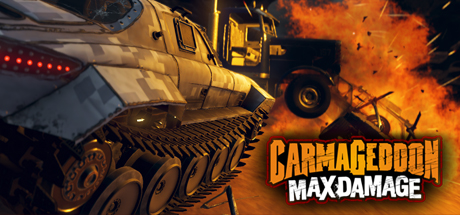
Carmageddon: Max Damage
CARMAGEDDON: MAX DAMAGE is HERE! And it's the antidote to Racing Games.
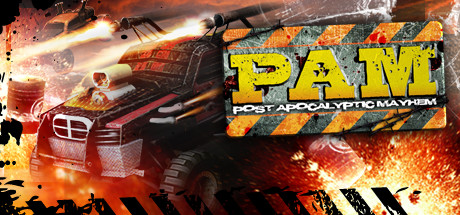
Post Apocalyptic Mayhem
Battle up to five friends online in this over-the-top vehicular mayhem racer!
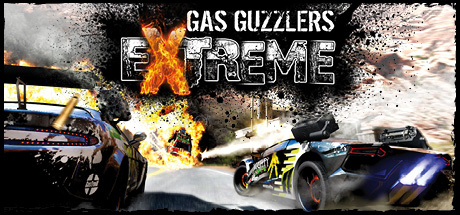
Gas Guzzlers Extreme
Gas Guzzlers Extreme is a fast, furious, armed-to-the-teeth, trigger-happy shooter, shifted into top gear! Take a white knuckle ride in this crazily addictive combat racing game.

Wreckfest 2
Ready for mayhem? Wreckfest is back, offering the best in full-contact racing with unrivaled destruction! Witness head-to-head battles as you tear apart rival vehicles bit by bit. Powered by the enhanced physics engine, developed by the creators of Wreckfest & FlatOut!
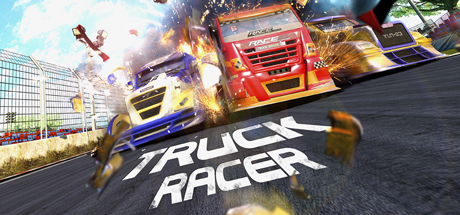
Truck Racer
Take control of five tons of metal and power, and floor it until you reach the finish line!Drive fully destructible trucks in Championship, Time Attack, Elimination and Quick Race. Get rid of opponents trying to block your way and make a reputation for yourself!
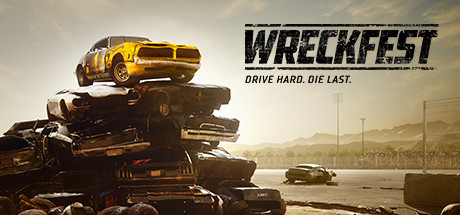
Wreckfest
Wreckfest is a demolition derby themed racing game with soft-body damage modeling, sophisticated driving dynamics and in-depth vehicle upgrading, featuring both demolition derbies and more traditional track races. It’s all about fun, breakneck racing and over-the-top crashes.
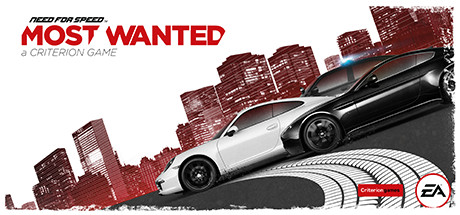
Need for Speed Most Wanted
The open-world action in Need for Speed Most Wanted gives you the freedom to drive your way. Hit jumps and shortcuts, switch cars, lie low or head for terrain that plays to your vehicle’s unique strengths. Fight your way past cops and rivals using skill, high-end car tech and tons of nitrous.
Frequently Asked Questions
FlatOut: Ultimate Carnage Collector's Edition is currently priced at 3.90€ on Steam.
Yes, FlatOut: Ultimate Carnage Collector's Edition is currently available at a 80% discount. You can purchase it for 3.90€ on Steam.
Yes, FlatOut: Ultimate Carnage Collector's Edition received 5,978 positive votes out of a total of 6,663 achieving a rating of 8.69.
😎
FlatOut: Ultimate Carnage Collector's Edition was developed by Bugbear Entertainment, ZOOM Platform Media and Jordan Freeman Group and published by Strategy First.
Yes, FlatOut: Ultimate Carnage Collector's Edition is playable and fully supported on Windows.
No, FlatOut: Ultimate Carnage Collector's Edition is not playable on MacOS.
No, FlatOut: Ultimate Carnage Collector's Edition is not playable on Linux.
This information about FlatOut: Ultimate Carnage Collector's Edition is not available yet.
This information about FlatOut: Ultimate Carnage Collector's Edition is not available yet.
No, FlatOut: Ultimate Carnage Collector's Edition does not support VR.
FlatOut: Ultimate Carnage Collector's Edition is a single-player game.
No, FlatOut: Ultimate Carnage Collector's Edition does not currently offer any DLC.
Yes, FlatOut: Ultimate Carnage Collector's Edition is fully integrated with Steam Workshop. Visit Steam Workshop.
No, FlatOut: Ultimate Carnage Collector's Edition does not support Steam Remote Play.
Yes, FlatOut: Ultimate Carnage Collector's Edition is enabled for Steam Family Sharing. This means you can share the game with authorized users from your Steam Library, allowing them to play it on their own accounts. For more details on how the feature works, you can read the original Steam Family Sharing announcement or visit the Steam Family Sharing user guide and FAQ page.
You can find solutions or submit a support ticket by visiting the Steam Support page for FlatOut: Ultimate Carnage Collector's Edition.
Data sources
The information presented on this page is sourced from reliable APIs to ensure accuracy and relevance. We utilize the Steam API to gather data on game details, including titles, descriptions, prices, and user reviews. This allows us to provide you with the most up-to-date information directly from the Steam platform.
Additionally, we incorporate data from the SteamSpy API, which offers insights into game sales and player statistics. This helps us present a comprehensive view of each game's popularity and performance within the gaming community.
Last Updates| Steam data | 25 August 2026 09:12 UTC |
|---|---|
| SteamSpy data | 07 September 2026 02:39 UTC |
| Steam price | 13 September 2026 10:47 UTC |
| Steam reviews | 12 September 2026 10:01 UTC |
If you'd like to dive deeper into the details about FlatOut: Ultimate Carnage Collector's Edition, we invite you to check out a few dedicated websites that offer extensive information and insights. These platforms provide valuable data, analysis, and user-generated reports to enhance your understanding of the game and its performance.
- SteamDB - A comprehensive database of everything on Steam about FlatOut: Ultimate Carnage Collector's Edition
- SteamCharts - Analysis of FlatOut: Ultimate Carnage Collector's Edition concurrent players on Steam
- ProtonDB - Crowdsourced reports on Linux and Steam Deck FlatOut: Ultimate Carnage Collector's Edition compatibility
Game modes
Features
Online players
53
Developer
Bugbear Entertainment,
ZOOM Platform Media,
Jordan Freeman Group
Publisher
Strategy First
Release
26 Aug 2008
Platforms