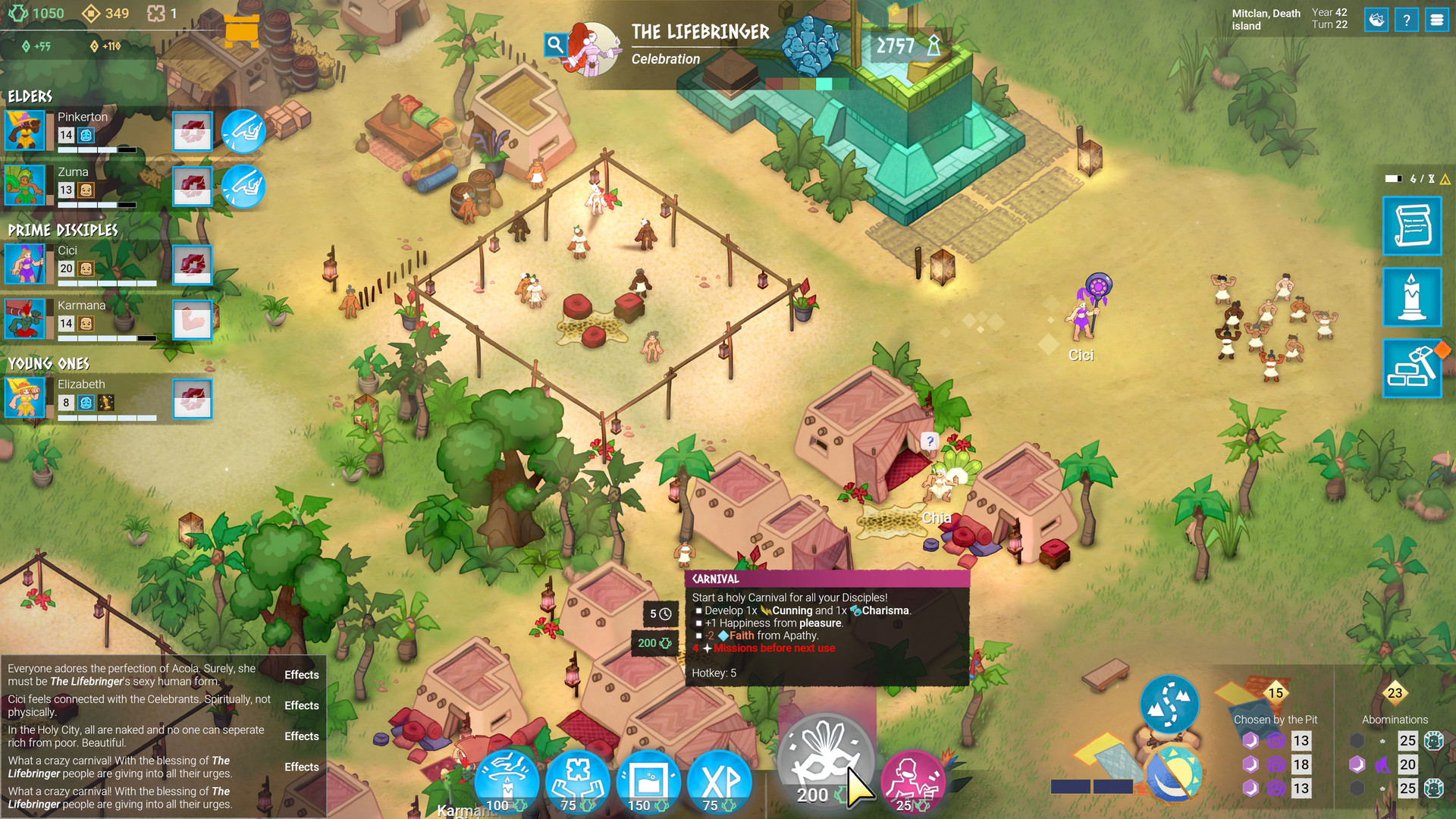
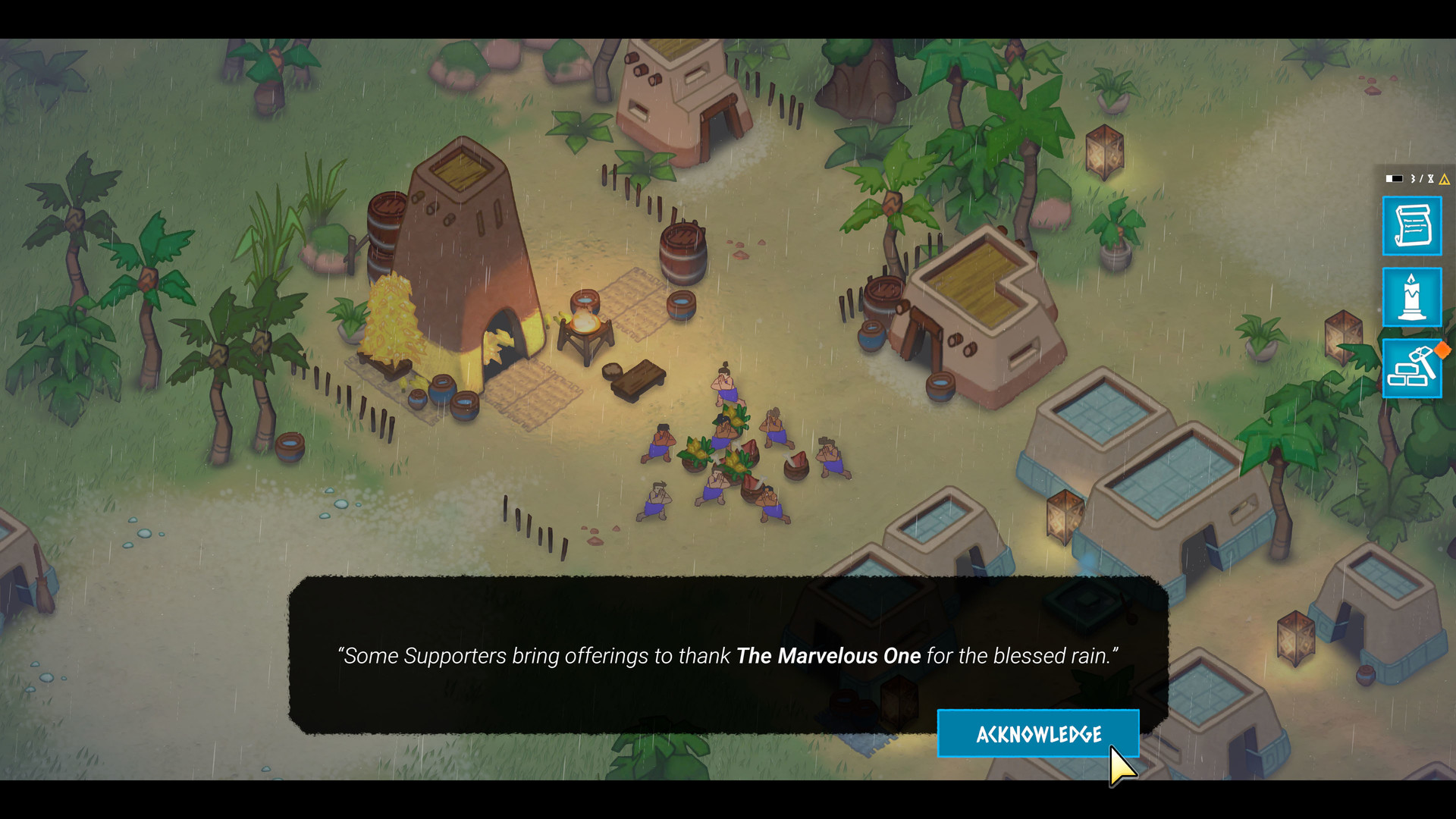
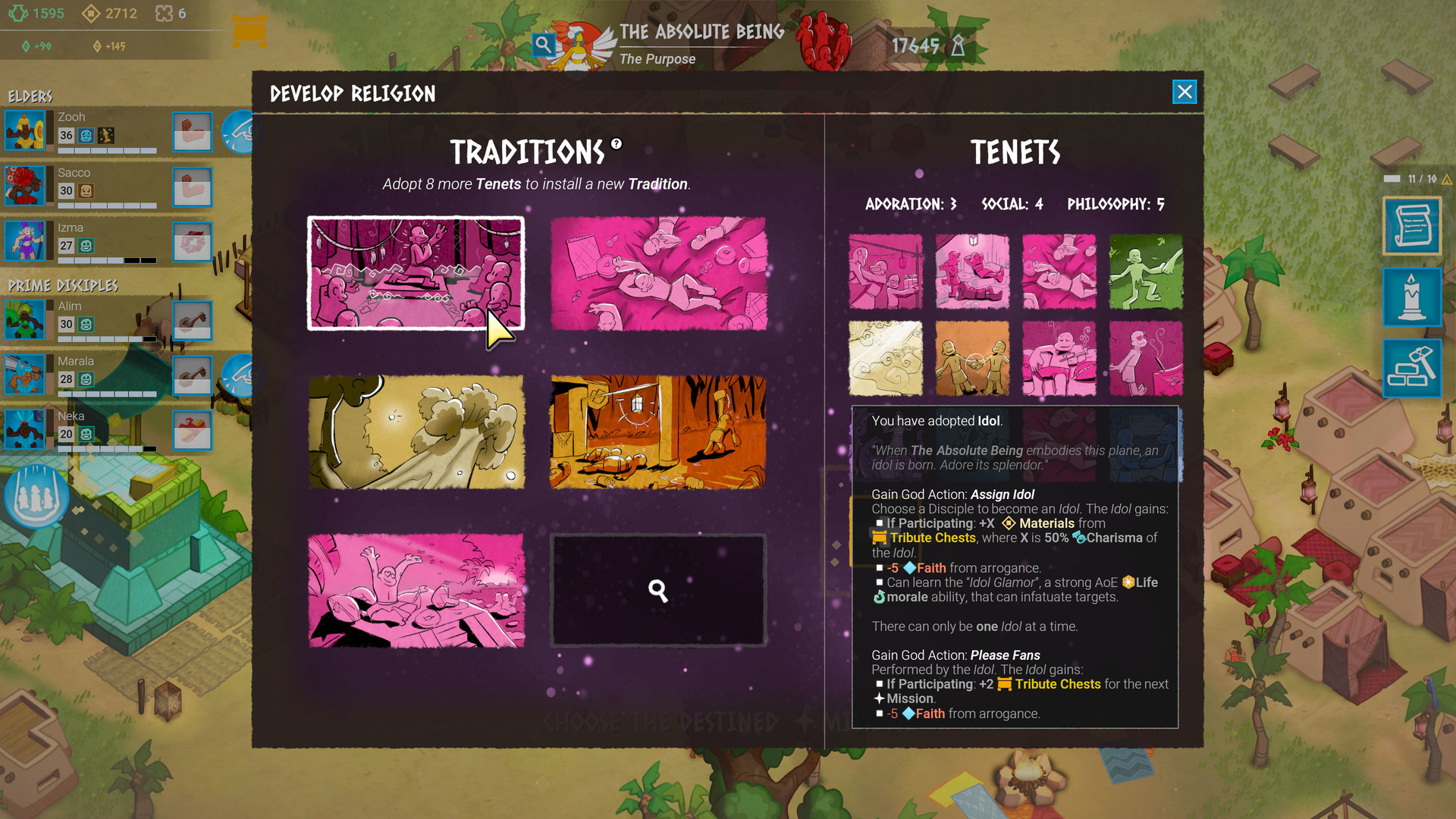
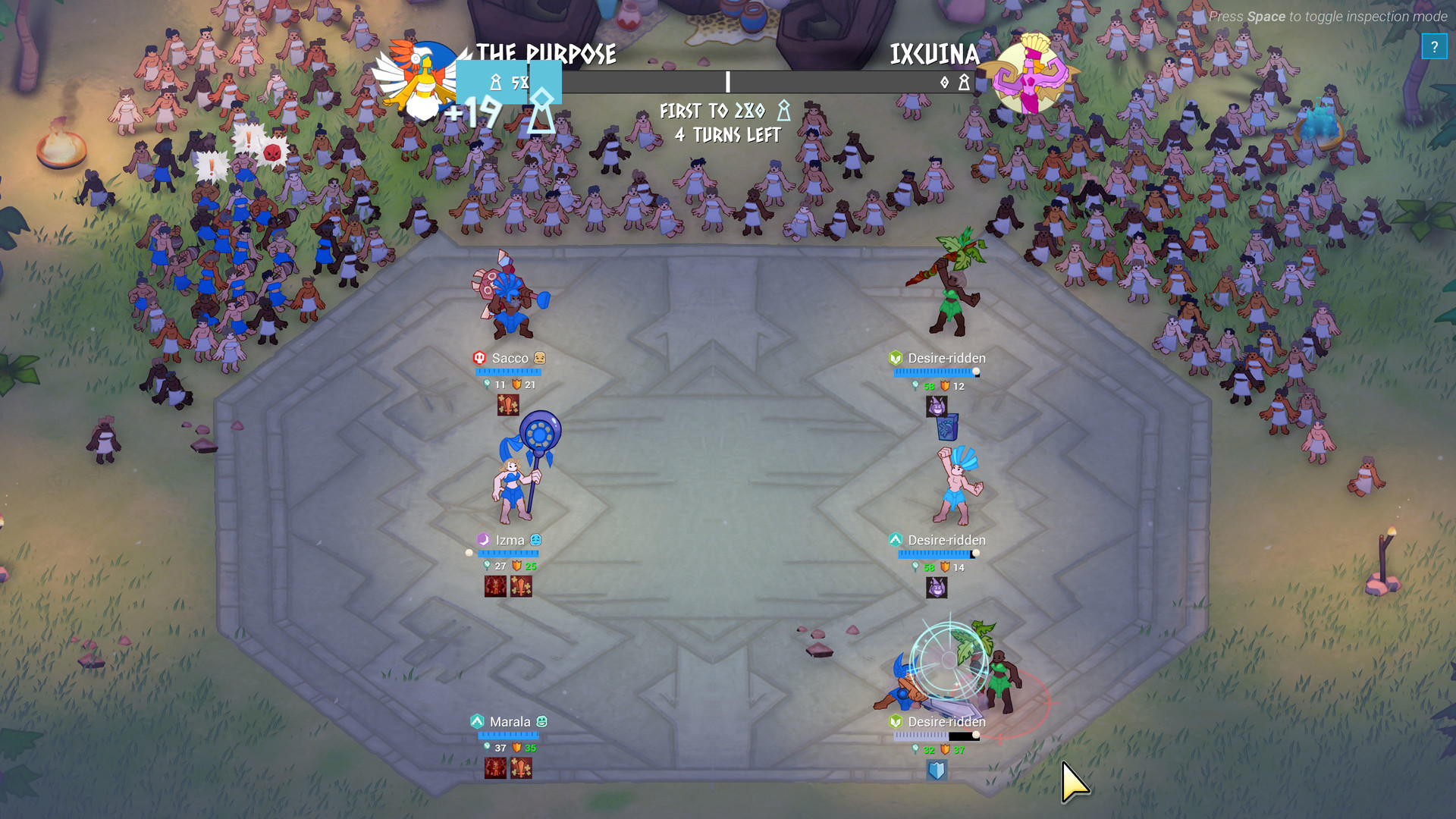
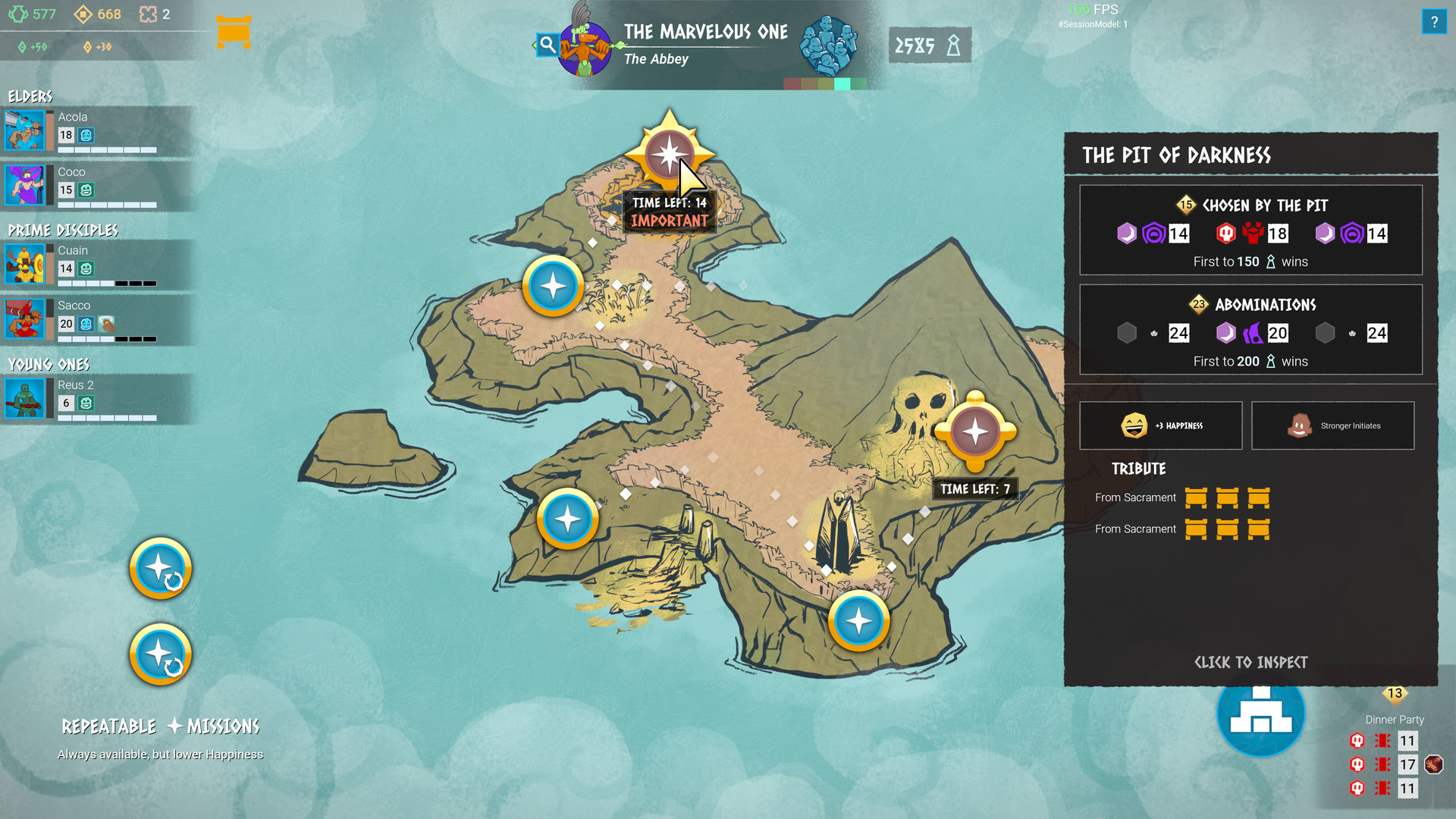
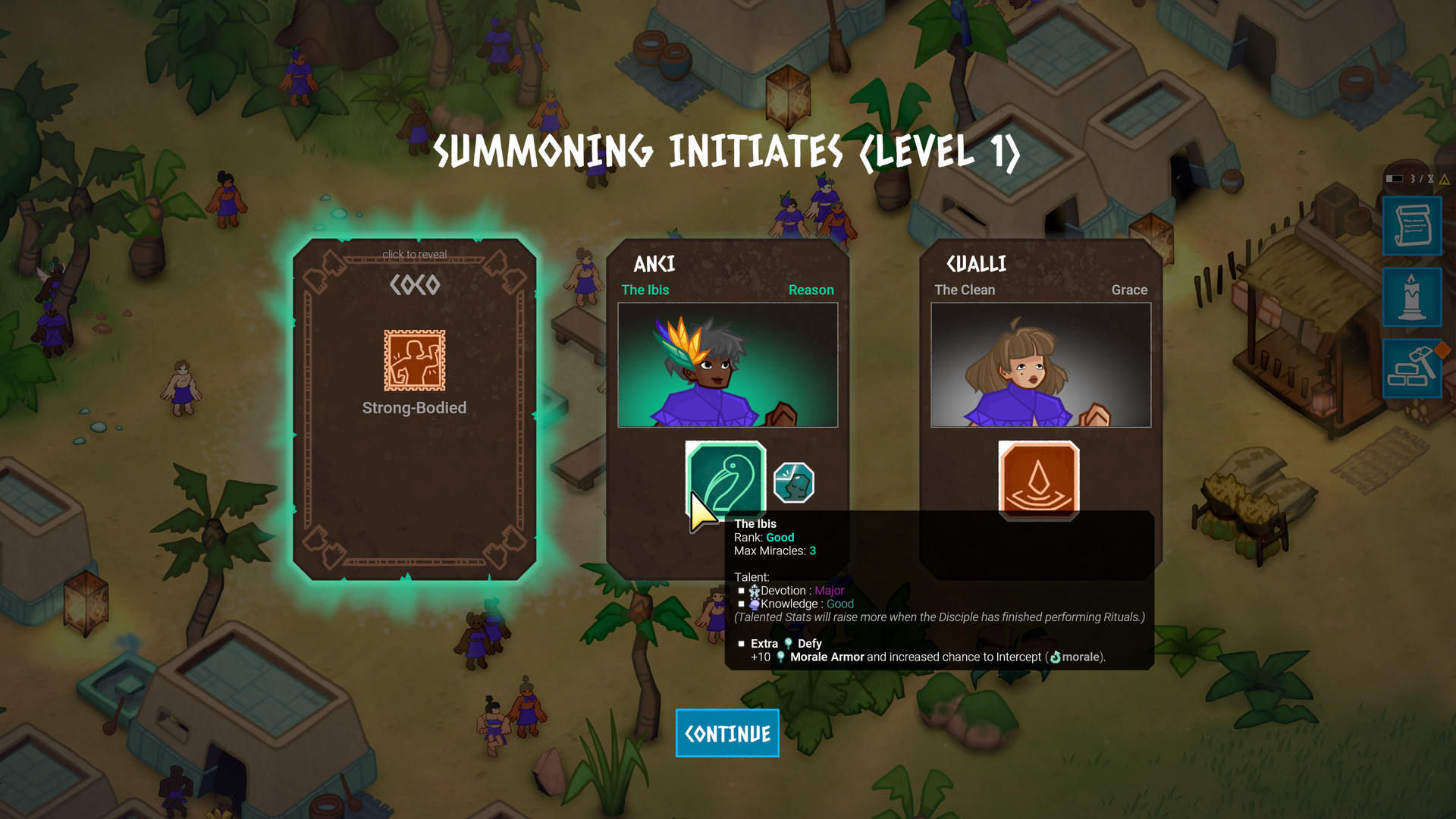
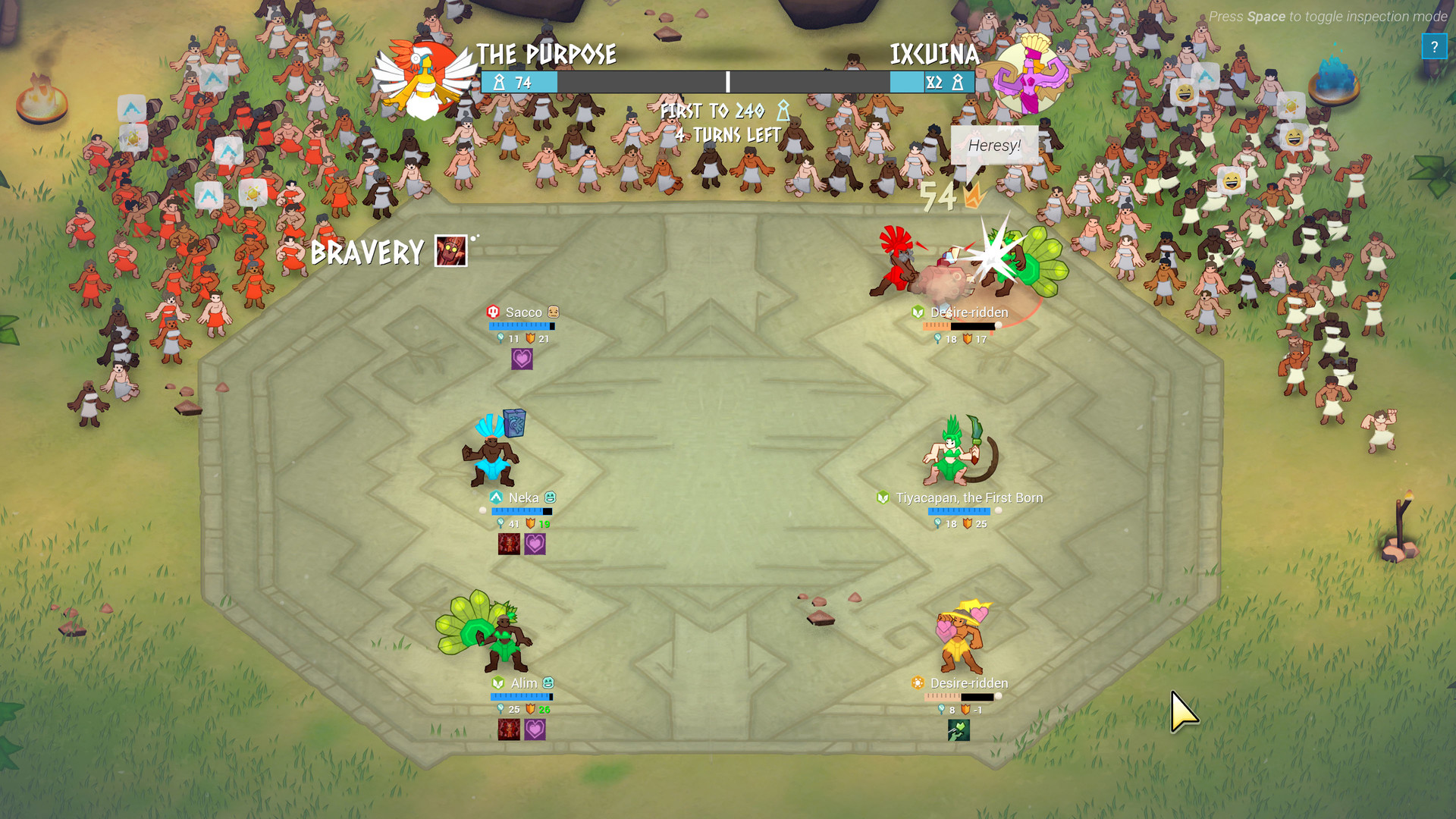
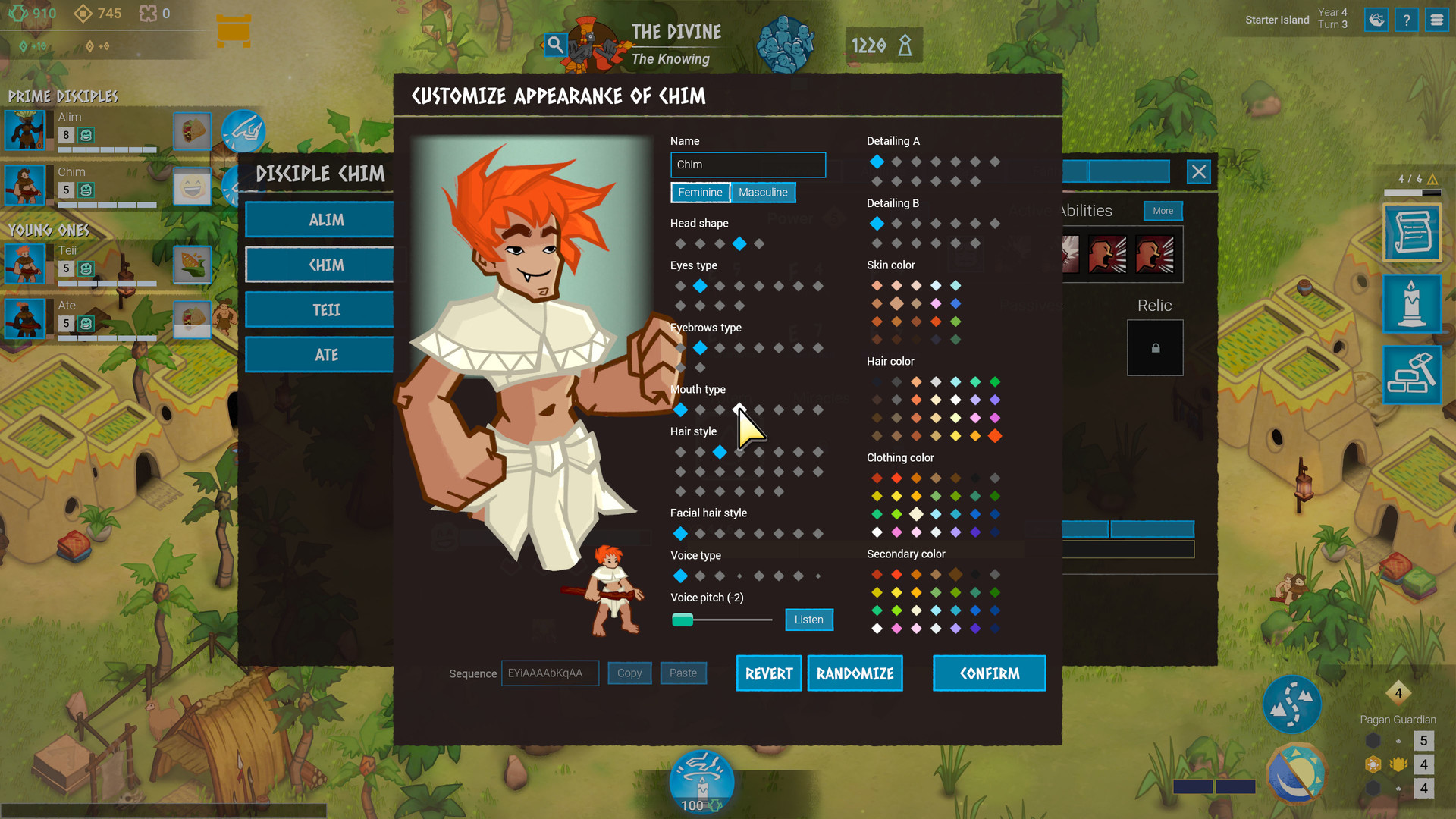
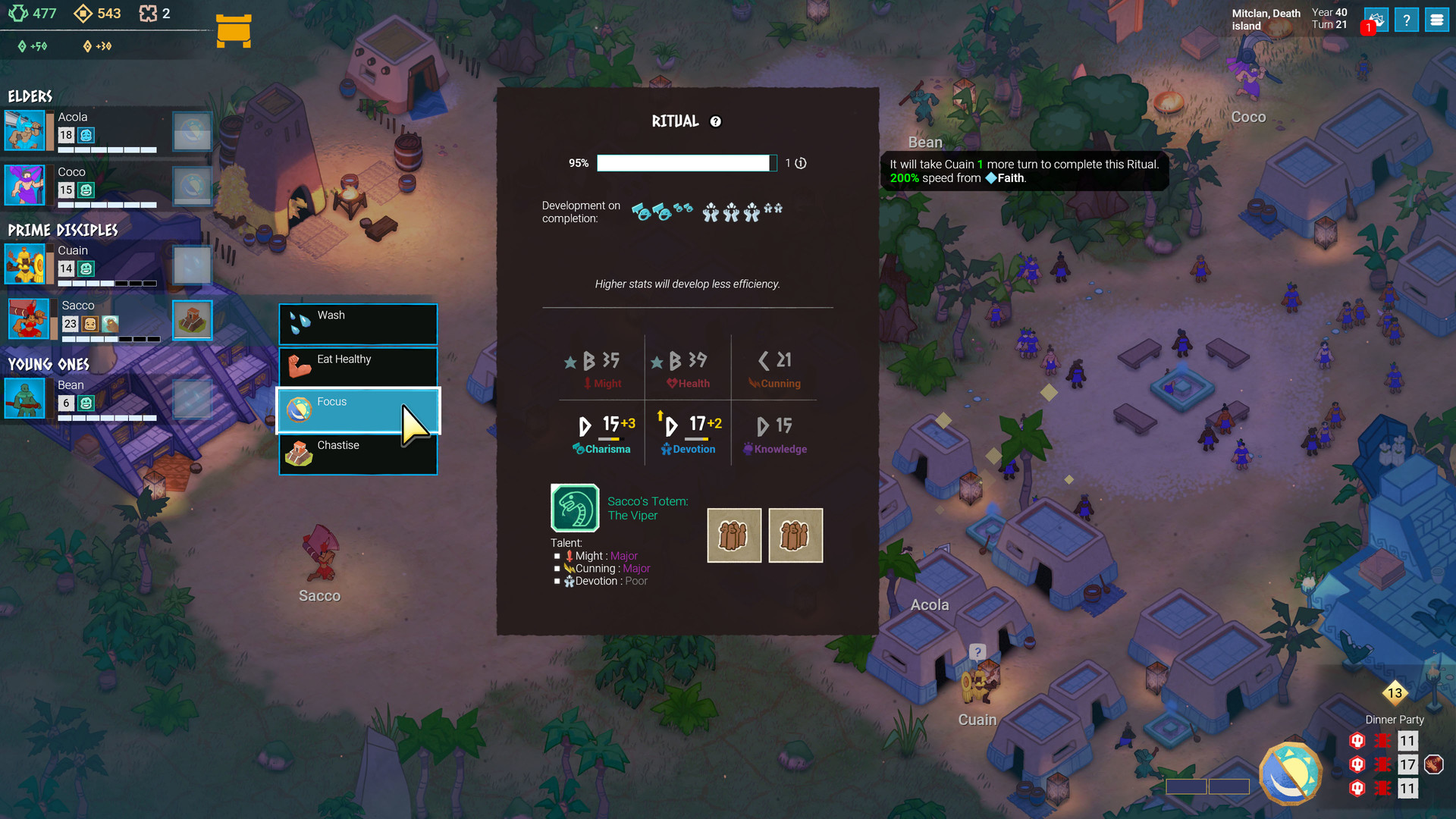
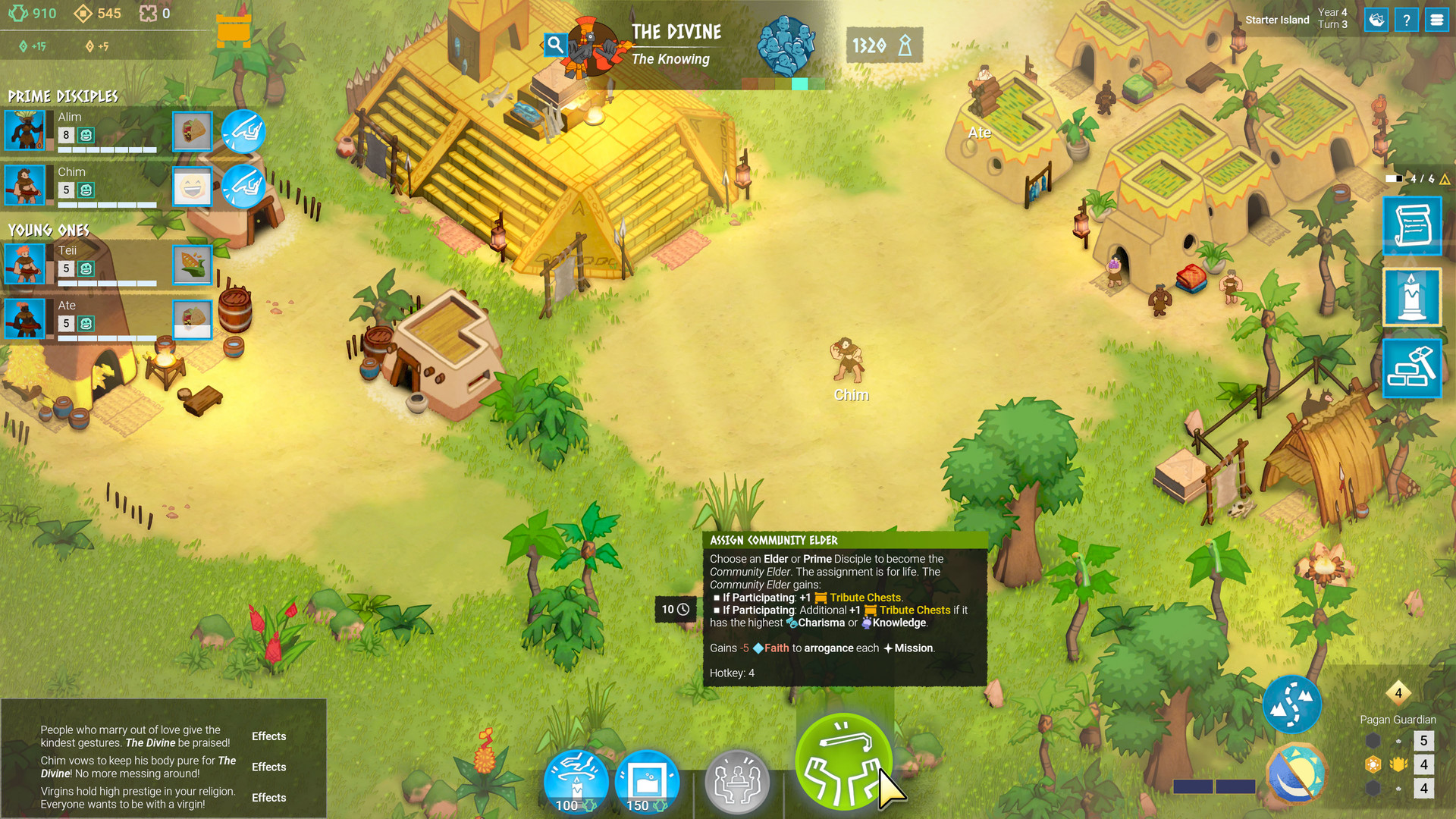
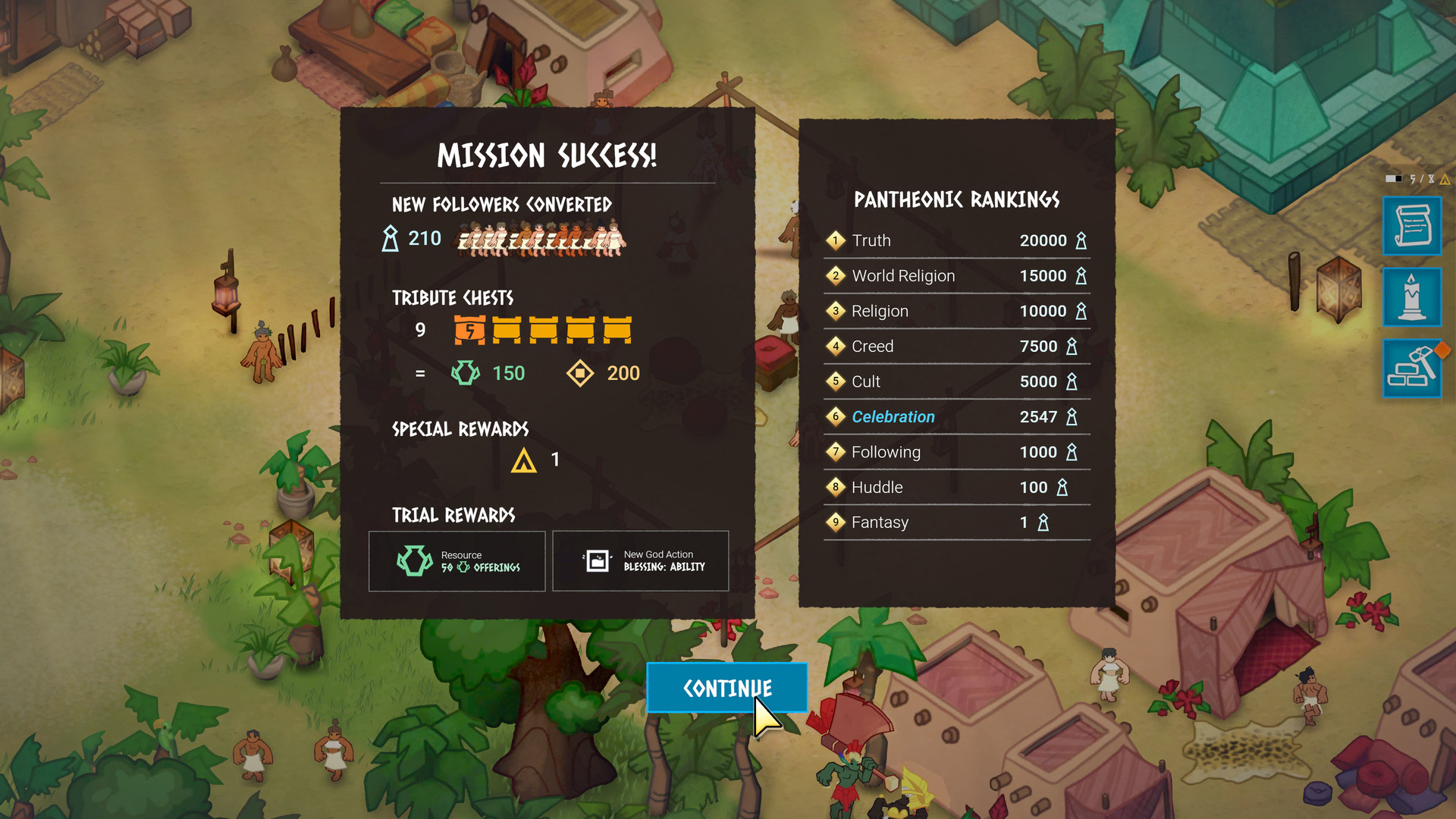
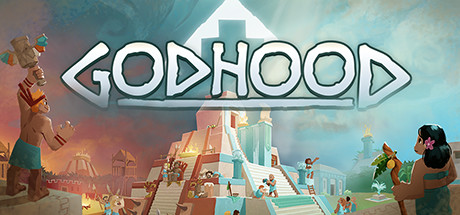
Godhood, developed and published by Abbey Games, approaches the god-game genre with a perspective that feels unexpectedly human. Instead of casting the player as an all-powerful architect of worlds, the game begins with humility—your divinity is young, unproven, and worshipped by only a small handful of hopeful disciples. The world does not revolve around you yet. You must earn devotion, shape belief, and guide followers with influence rather than direct command. This premise establishes a tone that is less about domination and more about cultural growth, spiritual identity, and the delicate relationship between faith and community. Abbey Games has always gravitated toward systems driven by personality and emergent storytelling, and here they extend that philosophy to something abstract, emotional, and deeply social: the evolution of religion. The heart of the game lies in its disciples, who function as both characters and strategic resources. Each has their own temperament, preferences, strengths, and limitations, and learning how to nurture them becomes the core gameplay loop. You’re not just increasing numbers—you are shaping people. Training sessions, blessings, ritual practices, and role assignments determine how they mature, what virtues they embody, and how they contribute to the larger faith. Over time, they gain experience, solidify identities, form bonds, falter, age, and eventually leave the world behind, forcing players to think generationally rather than transactionally. This slow, organic progression mirrors real cultural formation and emphasizes stewardship over control. Even minor choices—who leads prayers, who tends the farm, who participates in sacred battles—create ripple effects that redefine the faith’s future. Instead of traditional combat, Godhood frames conflict as “Sacraments,” dramatic spiritual confrontations against rival religions. These battles unfold automatically, and success depends entirely on preparation rather than in-the-moment execution. Before entering a Sacrament, players select participants, abilities, emotional stances, and symbolic strategies, hoping their disciples’ teachings will withstand opposing ideologies. The system reinforces the game’s guiding principle—gods influence, they do not micromanage. Watching a Sacrament play out feels like witnessing the culmination of dozens of quiet decisions made across generations. The battles themselves can be humorous, dramatic, or surprisingly touching depending on the doctrines chosen. Some religions fight with righteous fury, some convert through joy or seduction, and others rely on satire, shame, or holy wisdom. It is a playful, metaphorical depiction of belief systems clashing in ways that reflect cultural rather than physical warfare. City-building and resource management support these philosophical layers without overwhelming them. You expand sacred grounds, construct shrines, gardens, study halls, and ceremonial spaces, each reinforcing the cultural values of your faith. The settlement becomes a visual diary of your godhood—ascetic religions may be sparse and contemplative, while hedonistic or artistic doctrines burst with color, performance, and sensory indulgence. Abbey Games’ painterly art style ties everything together, creating a vibrant, almost mythic visual language. Characters move with exaggerated expression, environments feel intentionally handcrafted, and the UI carries a gentle warmth that encourages exploration rather than efficiency. The soundtrack—rhythmic drums, soft chants, uplifting melodies—Deepens the sense of spiritual growth and reinforces that the world is alive, listening, and changing with you. Like many experimental strategy games, Godhood shines brightest in its early and middle phases, when discovery, adaptation, and belief-shaping feel immediate and personal. As disciples grow strong and doctrines solidify, repetition can gradually creep in. Sacraments may feel predictable, and resource management begins to follow familiar rhythms. While the game offers a wide range of religious philosophies—warrior cults, nature worshippers, ecstatic celebration faiths, monastic scholars—the mechanical differences between them can sometimes feel cosmetic rather than transformative. This isn’t a flaw of concept, but a structural limitation of a system built on indirect influence rather than dynamic intervention. The pacing may feel slow or meditative to players seeking high-stress strategy or constant micro-adjustment, and some may want more narrative consequences when shaping belief. Yet Godhood’s lasting impact comes not from mechanical complexity, but thematic clarity. Abbey Games treats religion with curiosity, respect, and empathy—not as an object to parody, judge, or exploit. It recognizes that belief systems are built from stories, community needs, emotional longing, social competition, and cultural adaptation. It acknowledges the beauty and messiness of faith without assigning moral absolutes. In doing so, the game becomes less about winning and more about witnessing—the joy of watching a philosophy grow from a whispered prayer into a guiding worldview. Even in its quietest moments, Godhood invites reflection: What values would you want followers to carry into the world? What responsibilities come with influence? What happens when belief becomes identity? For players who enjoy thoughtful management sims, character-driven progression, and games that prioritize thematic expression over mechanical dominance, Godhood offers a generous and contemplative experience. It may not be the loudest or most complex strategy title, but it is among the most sincere, imaginative, and conceptually cohesive. It asks players not just to rule—but to inspire, nurture, and reflect. Godhood succeeds because it understands that power is not defined by force, but by the stories people choose to believe—and the legacies they leave behind. Rating: 7/10
Expand the review