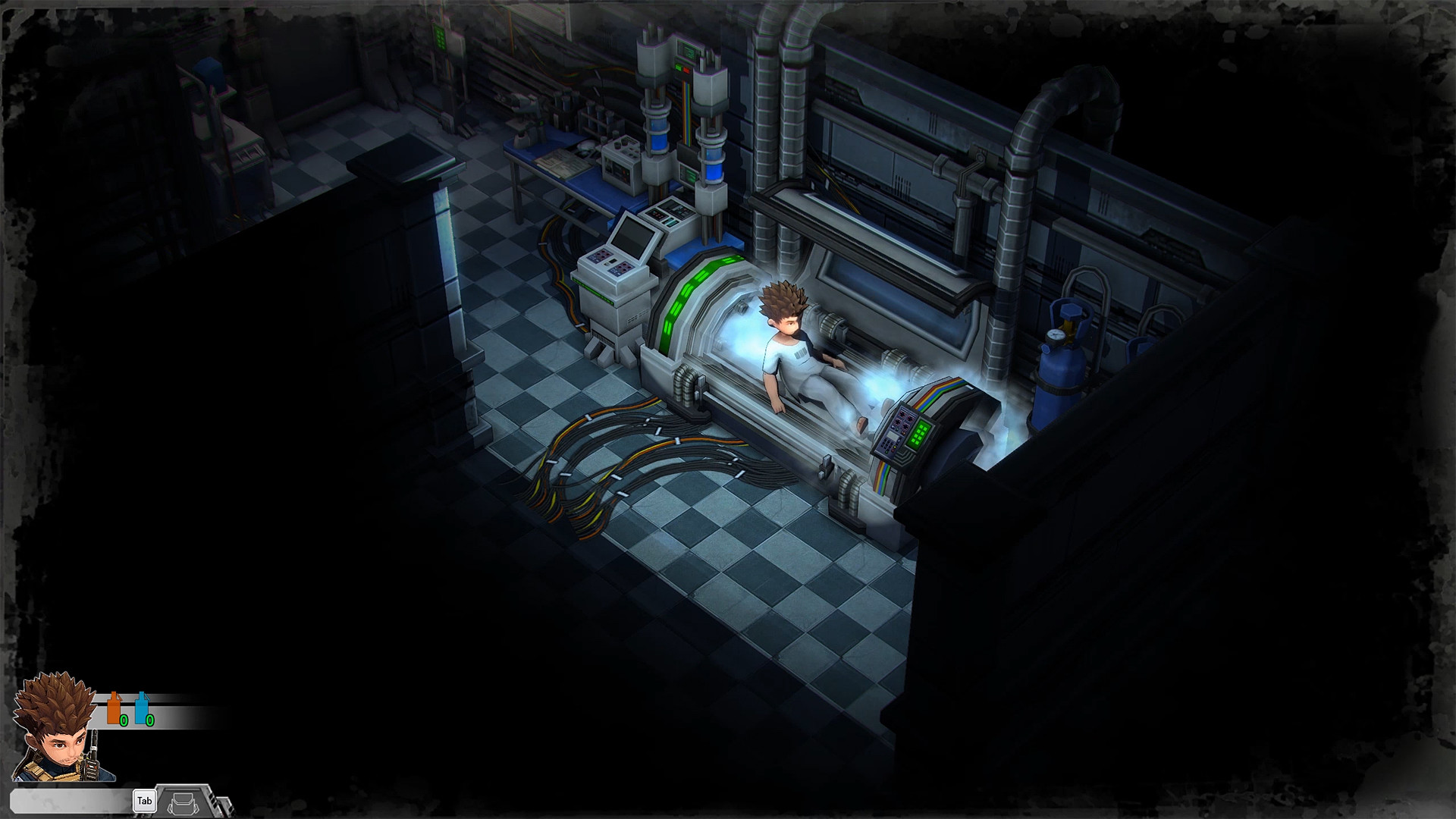
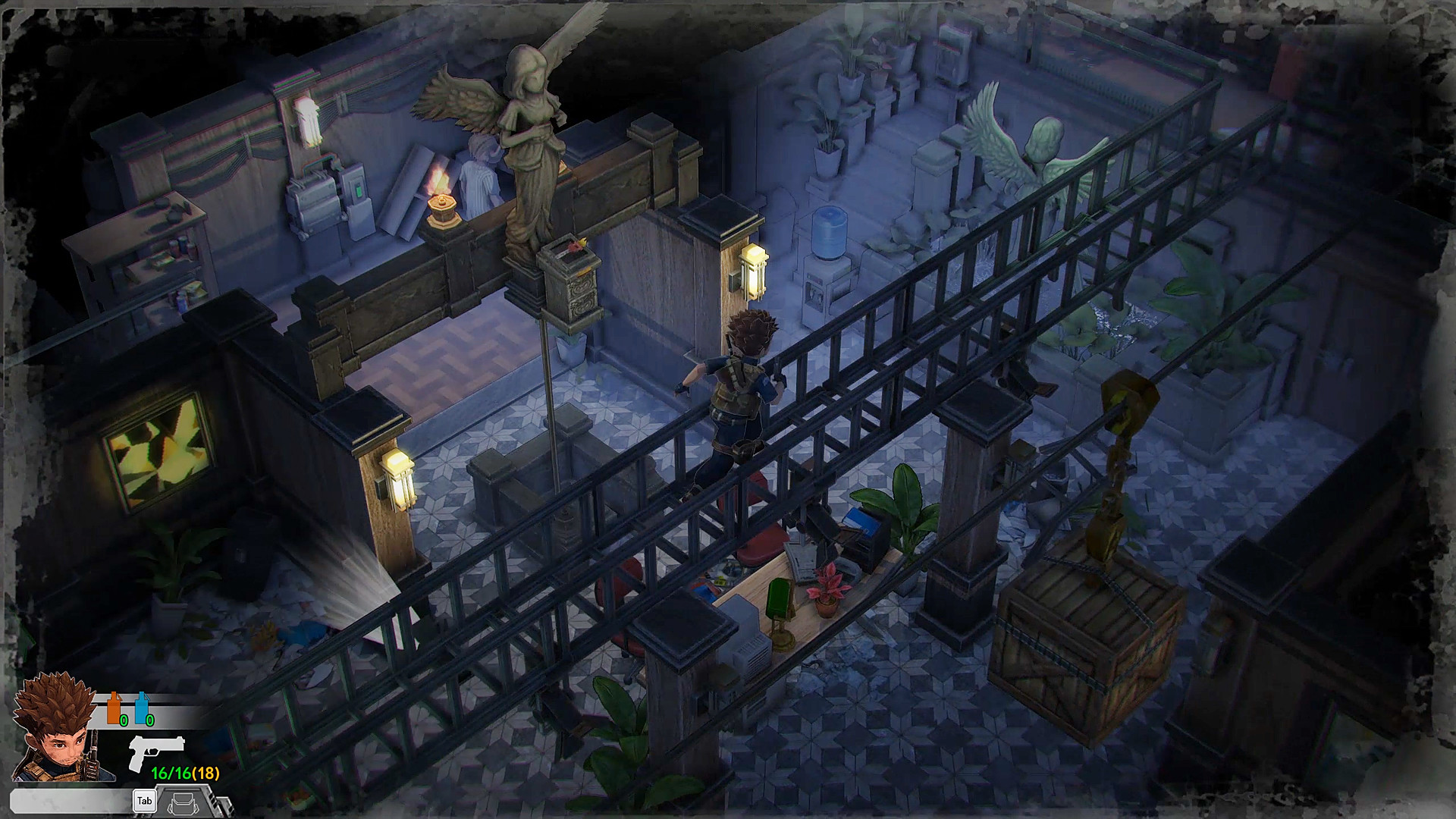
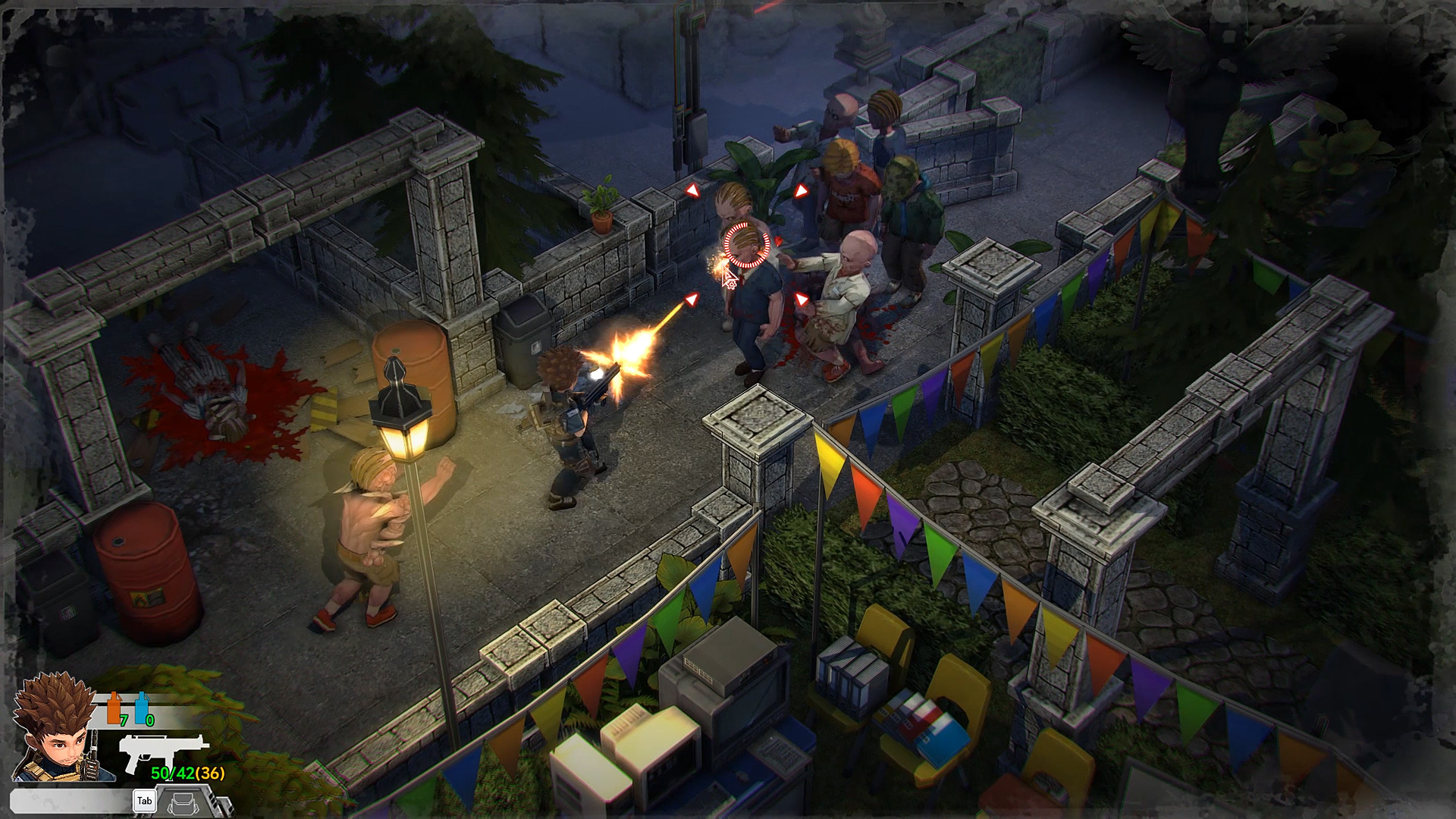
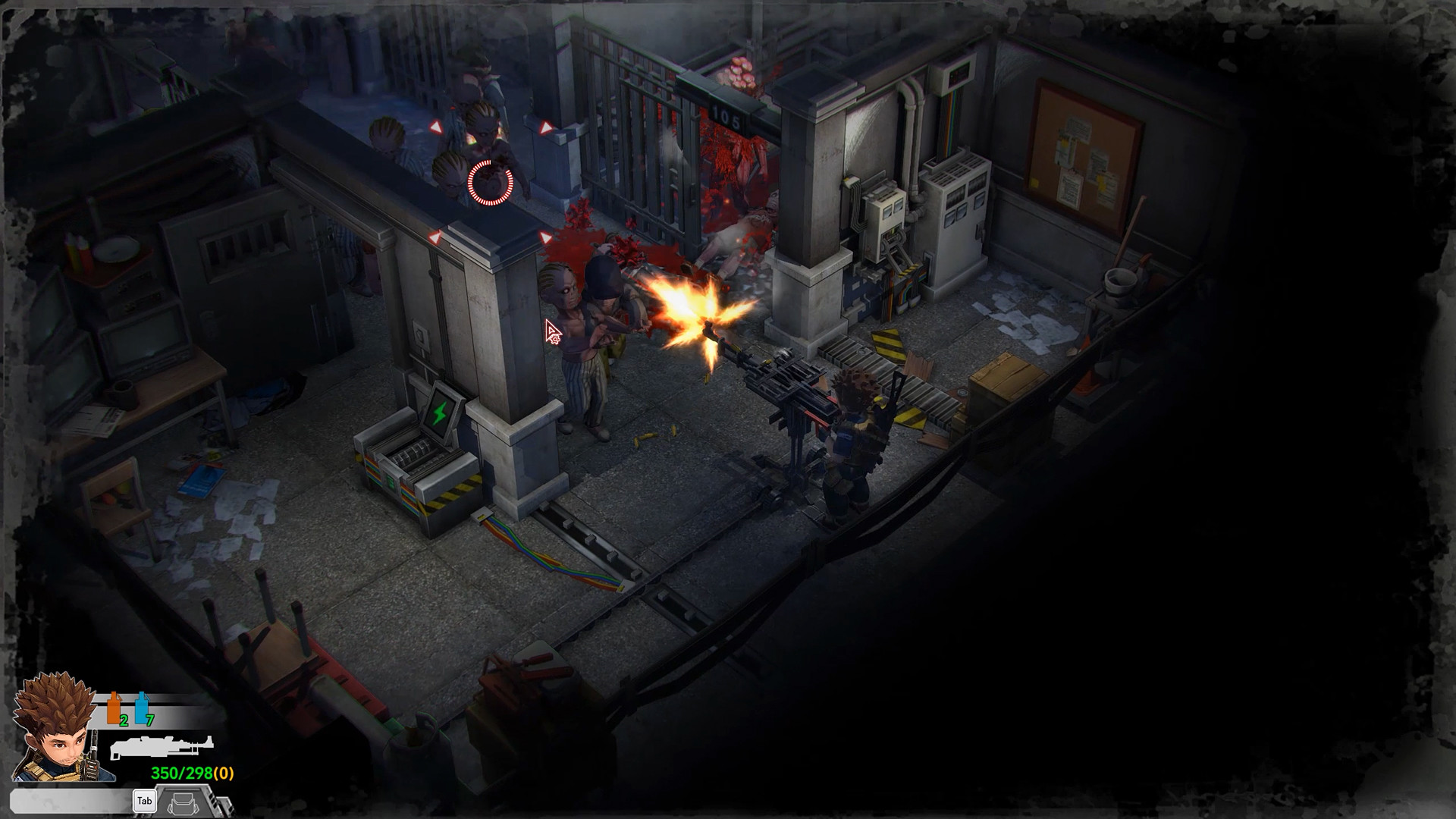
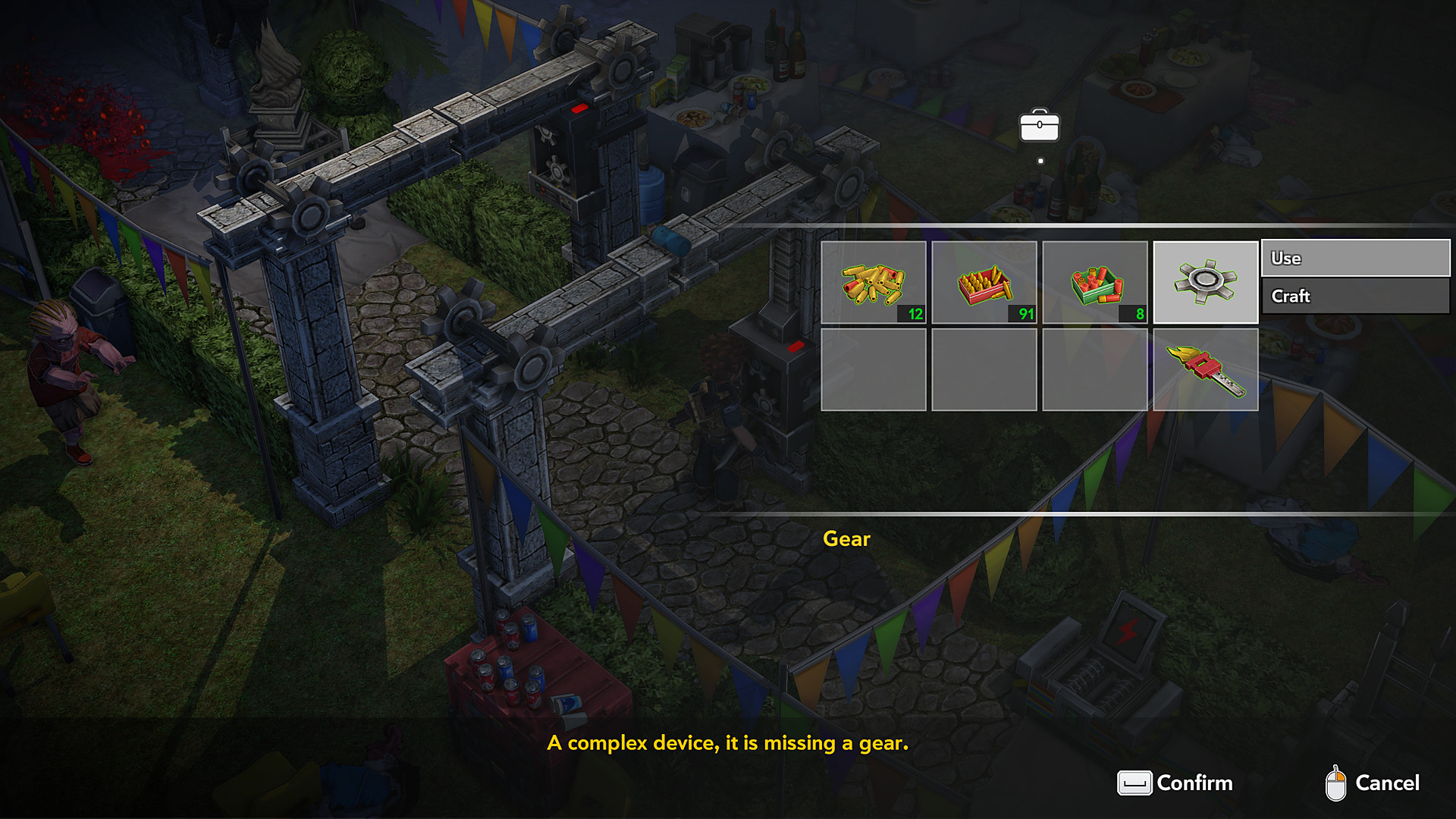
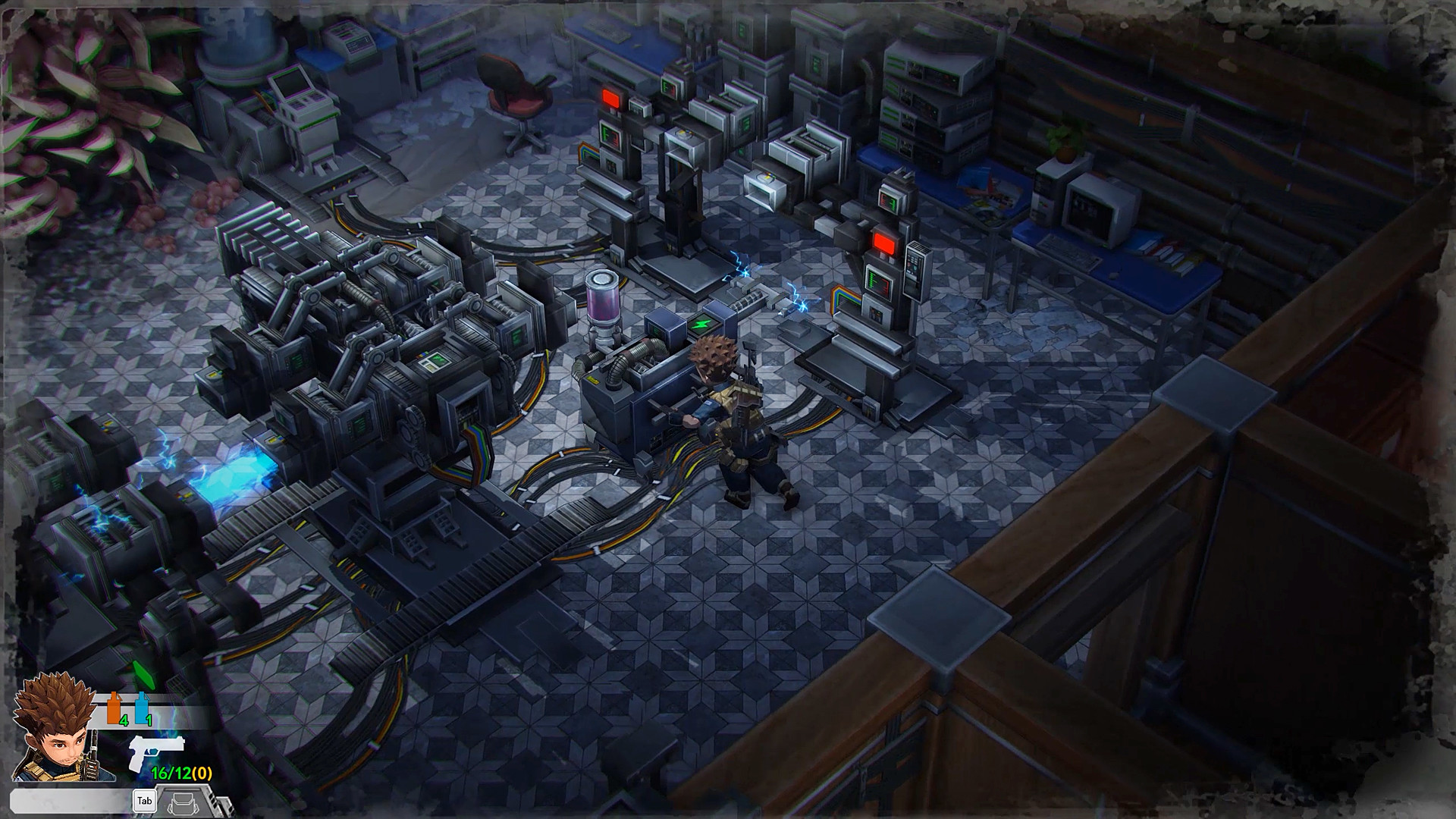
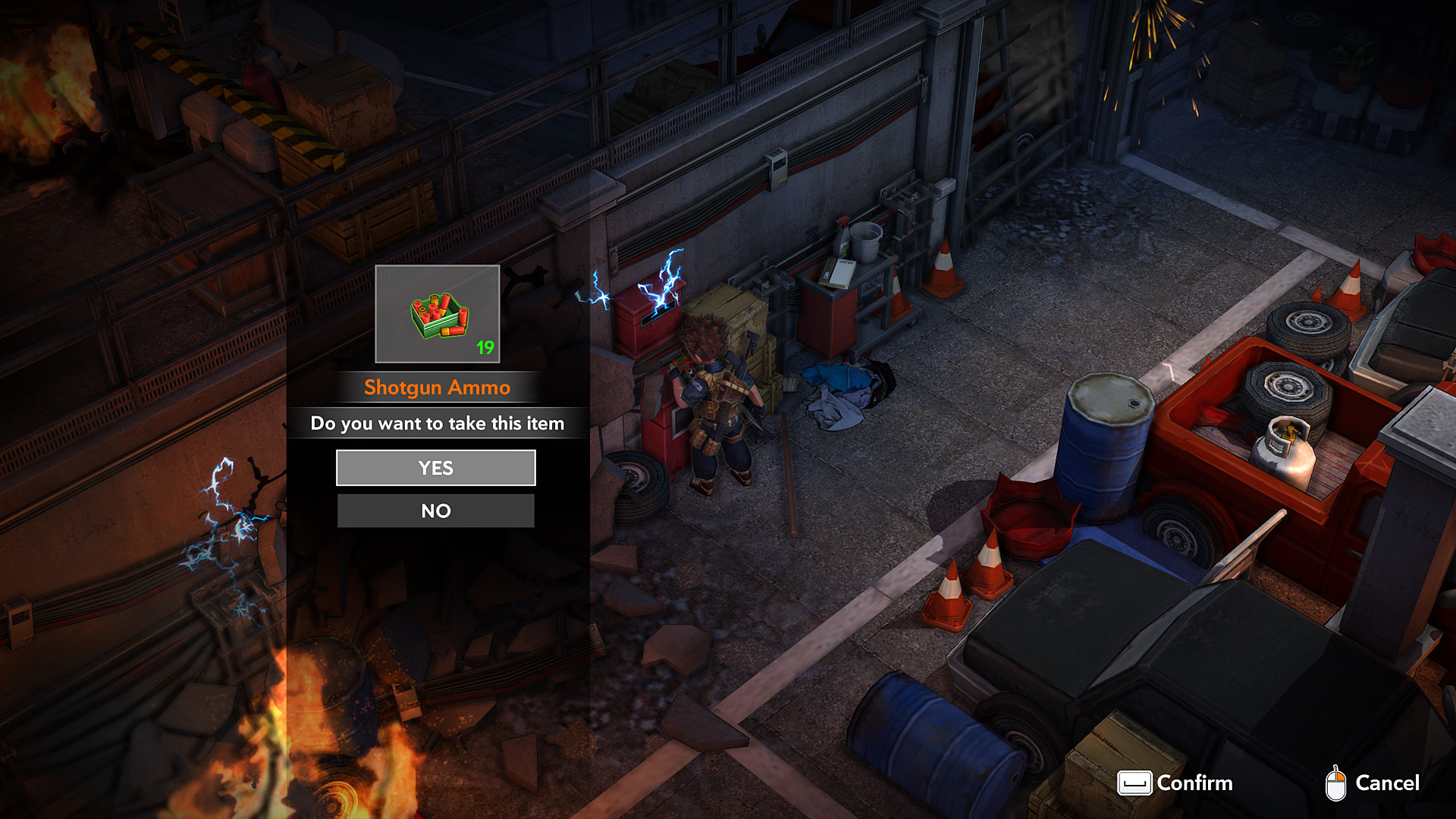
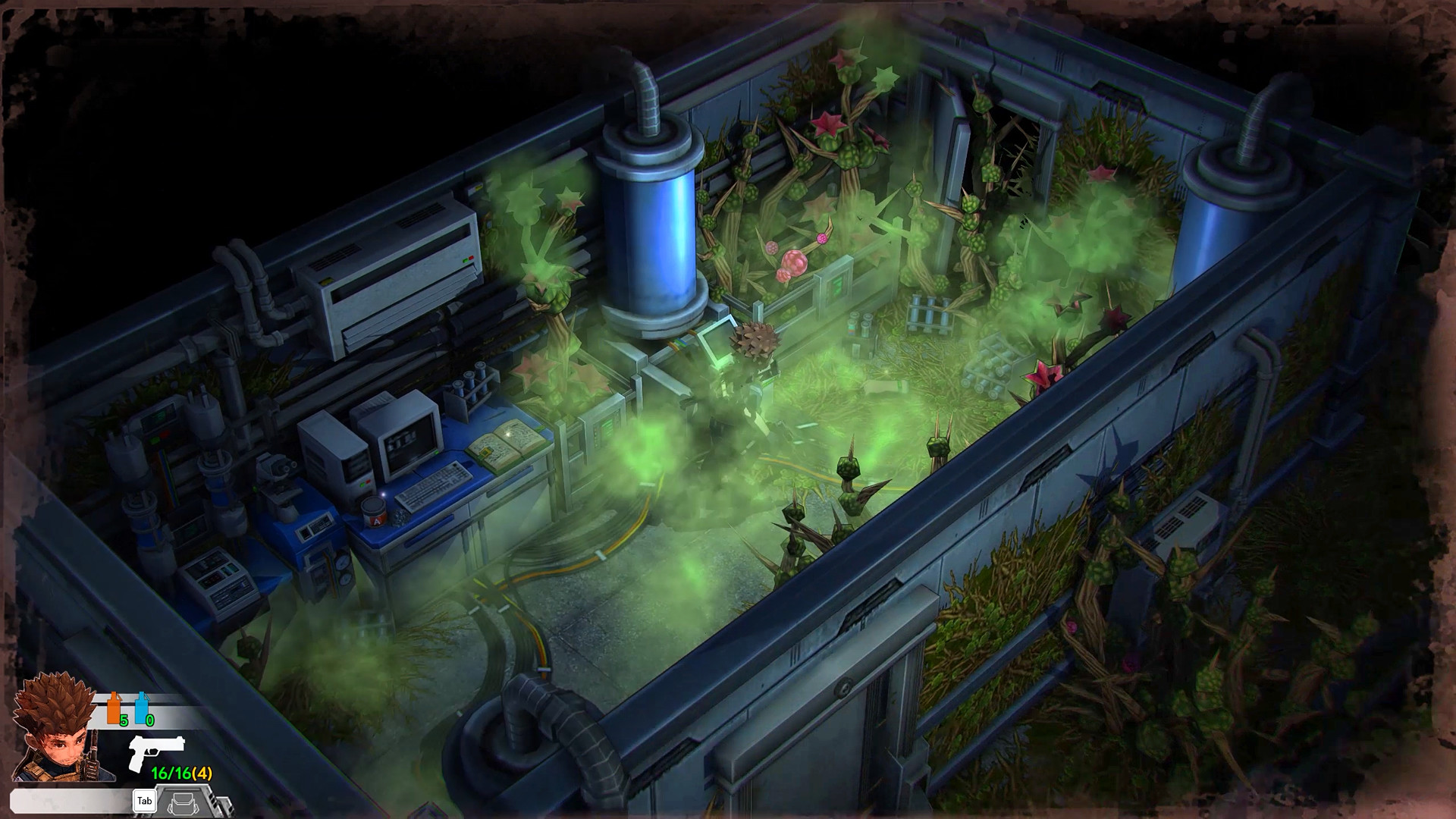
Heaven Dust 2, developed by One Gruel Studio and published by indienova, is an indie survival horror game that wears its inspirations on its sleeve yet finds a way to establish a distinct identity through clever design and a heartfelt appreciation for the classics. It begins with a familiar premise: you awaken as Steve, a man trapped in a research facility overrun by zombies after a viral outbreak, and your only goal is to escape. What seems at first to be a small-scale homage to Resident Evil quickly evolves into a surprisingly robust survival experience filled with puzzles, backtracking, and a rewarding sense of exploration. The isometric perspective gives the game a unique visual charm, balancing tension with accessibility, and making every darkened corridor and locked door feel like a mystery waiting to unfold. From the moment the player gains control, Heaven Dust 2 channels the spirit of early horror titles while applying modern sensibilities that make it approachable for both veterans and newcomers. Its greatest strength lies in how well it balances tension and empowerment. You’re rarely defenseless—guns, melee weapons, and grenades are available—but ammo and health items are scarce enough to keep you constantly calculating risk. Inventory management becomes an engaging exercise in itself, as deciding which items to carry or combine can mean the difference between survival and death. The crafting system allows for the creation of ammunition and healing items, and weapons can be upgraded to suit different playstyles. Every decision has weight, whether you’re choosing to fight or flee, or spending your last bullets on an enemy that might drop nothing useful. Puzzle-solving remains at the core of Heaven Dust 2’s experience, giving it the deliberate pacing that defines the genre. The game is filled with cleverly designed environmental puzzles that range from decoding keypads and moving boxes to interpreting cryptic clues scattered through notes and terminals. These challenges provide welcome breaks from combat and make exploration more meaningful, often rewarding careful observation and patience. The level design encourages methodical backtracking in the style of classic survival horror—locked doors, ventilation shafts, and blocked passages constantly tease future routes as you slowly piece together the layout of the facility. It’s satisfying to see how the game subtly loops areas back on themselves, turning what once felt like isolated rooms into interconnected spaces that reveal the larger scope of the world. The atmosphere is another area where Heaven Dust 2 truly shines. Despite its relatively cute, chibi-inspired character models, the tone remains unsettling and tense. The contrast between its cartoony visuals and the gruesome subject matter creates an eerie juxtaposition that feels both nostalgic and fresh. Lighting plays a crucial role in maintaining suspense, with flickering bulbs, creeping shadows, and the soft hum of machinery filling the otherwise silent halls. The sound design amplifies this sense of isolation—echoing footsteps, distant groans, and the sharp click of reloading a weapon all reinforce the player’s vulnerability. The game’s music is used sparingly, allowing the ambient noise to carry much of the weight, but when it swells during boss fights or high-tension moments, it punctuates the dread perfectly. Narratively, Heaven Dust 2 is simple but effective. The story expands on the world introduced in the first game, delving deeper into the unethical experiments behind the outbreak. It’s told primarily through environmental storytelling—computer logs, memos, and scattered research notes—that slowly unveil the grim motives of the scientists and corporations involved. While the main plot doesn’t aim for emotional complexity, it fits neatly within the genre’s traditions, echoing the mix of science fiction and biological horror that defined its inspirations. Steve’s personal arc, though not deeply developed, provides enough motivation to propel the player forward, and the inclusion of multiple endings based on choices and performance adds replay value for those who want to explore every possibility. From a technical standpoint, Heaven Dust 2 is an impressive leap over its predecessor. The controls are tighter, combat feels more fluid, and the variety of enemies keeps encounters unpredictable. Each enemy type requires a slightly different approach—some are slow but durable, others fast and aggressive, and a few use ranged attacks that force you to adapt. The boss battles, in particular, are highlights, demanding strategy and precision rather than brute force. There’s a tangible satisfaction in overcoming each major encounter, especially as the game equips you with just enough tools to prevail without ever making you feel overpowered. It strikes that delicate balance between challenge and fairness that defines well-crafted survival horror. Still, the game isn’t without flaws. The isometric camera, while charming, occasionally hinders visibility during tight encounters or in cluttered rooms, and some players may find it awkward when lining up precise shots. Certain puzzles can be cryptic to the point of frustration, particularly when relying on vague clues or mistranslated text, which can disrupt the otherwise smooth pacing. The story, though serviceable, doesn’t quite rise to the emotional or thematic heights of its inspirations. Yet these shortcomings feel minor compared to how consistently enjoyable the core experience is. Heaven Dust 2 understands its scale—it doesn’t overreach, instead refining its mechanics and tone within the scope of an indie project. What makes Heaven Dust 2 so compelling is its sincerity. It’s not trying to be ironic or overly modernized; it’s a love letter to the era of fixed-camera horror, where limited resources and tight spaces created the most memorable tension. It captures that essence while removing some of the genre’s outdated frustrations. With its crisp visuals, tight design, and respect for player intelligence, it demonstrates how small teams can still craft engaging, atmospheric games that rival their big-budget counterparts in spirit. For fans of old-school survival horror—those who remember the satisfaction of unlocking a door after hours of searching for the right key—Heaven Dust 2 feels like a comforting return to form. Ultimately, Heaven Dust 2 succeeds because it knows exactly what it wants to be: a focused, nostalgic, and lovingly crafted survival horror adventure. It doesn’t reinvent the genre, but it revitalizes it with warmth and precision. Every element, from the resource management to the puzzle design, feels deliberate and cohesive. The result is a game that is compact yet complete, modest in presentation but rich in atmosphere. Whether you’re new to the series or simply craving the classic tension of exploring dimly lit corridors filled with the groans of the undead, Heaven Dust 2 delivers an experience that’s as satisfying as it is unsettling—a small but remarkable gem in the modern horror landscape. Rating: 8/10
Expand the review