

SaGa Emerald Beyond
FORGE YOUR OWN TALE The latest standalone entry in the SaGa franchise, SaGa Emerald Beyond, brings together the very best elements of the beloved series to offer each player their own unique gameplay experience.
Sync your Steam wishlist to find the lowest game prices instantly. No login required, just paste your Steam profile URL!
⚡ Try Wishlist Radar!
Sync your Steam wishlist to find the lowest game prices instantly. No login required!
⚡ Try Wishlist Radar!
Close

Heroines of Swords & Spells on Steam
Quick menu
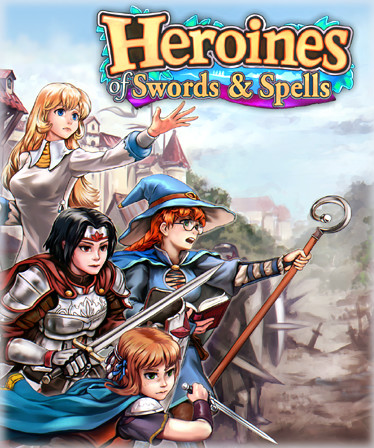
Join a team of wayward heroines in Heroines of Swords & Spells, an epic and humorous turn-based combat JRPG with over 150,000 lines of dialogue, 20 hours of gameplay, and challenging battles. Navigate tough dungeons and uncover the rich lore of the world.
Heroines of Swords & Spells is a exploration, turn-based tactics and turn-based game
developed and published by Kirillkrm.
Released on March 17th 2020 is available on Windows, Steam Deck and Steam Machine
in 3 languages: English, Russian and Simplified Chinese.
It has received 681 reviews of which 633 were positive and 48 were negative resulting in a rating of 8.7 out of 10. 😎
The game is free to play on Steam.
The Steam community has classified Heroines of Swords & Spells into these genres:
Exploration
Turn-Based Tactics
Turn-Based
Party-Based RPG
JRPG
Female Protagonist
Action RPG
Action-Adventure
2D
RPG
Funny
Parody
Story Rich
Turn-Based Combat
Choices Matter
Anime
Fantasy
Loot
Magic
Pixel Graphics
Here is the detailed breakdown of supported languages for Heroines of Swords & Spells:
| UI | Subtitle | Audio | |
|---|---|---|---|
| English | |||
| Simplified Chinese | |||
| Russian |
Media & Screenshots
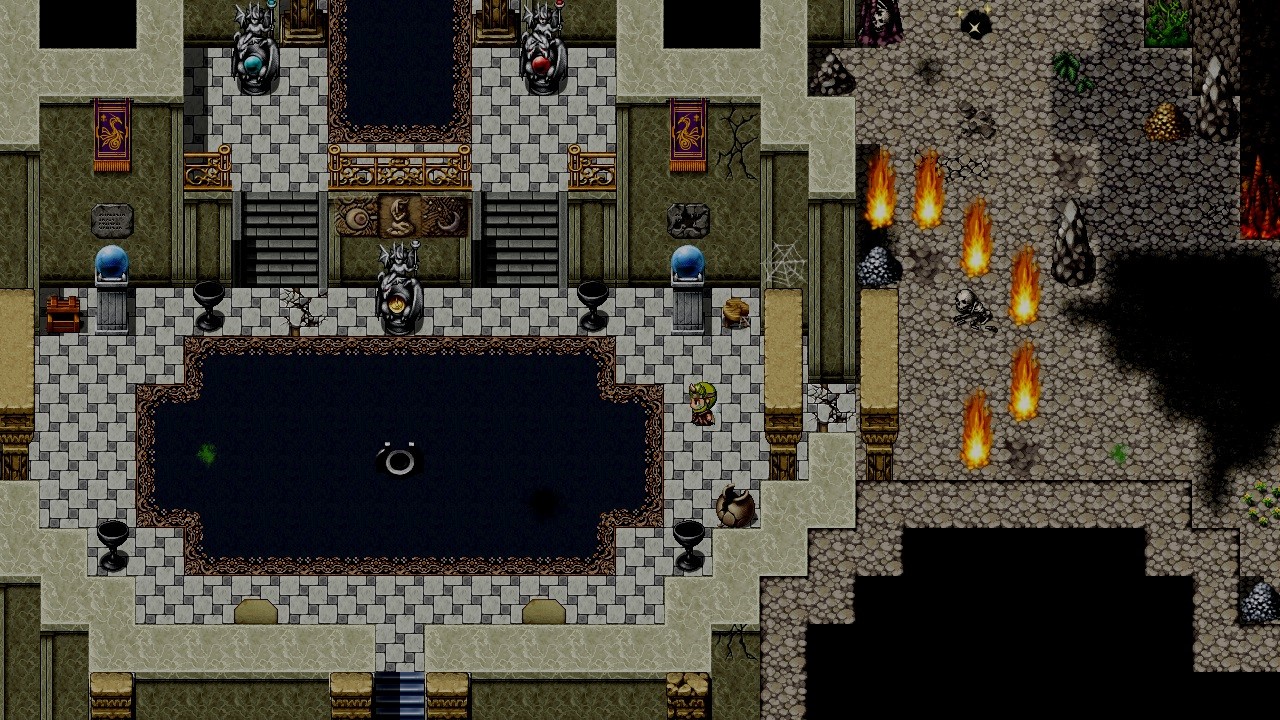
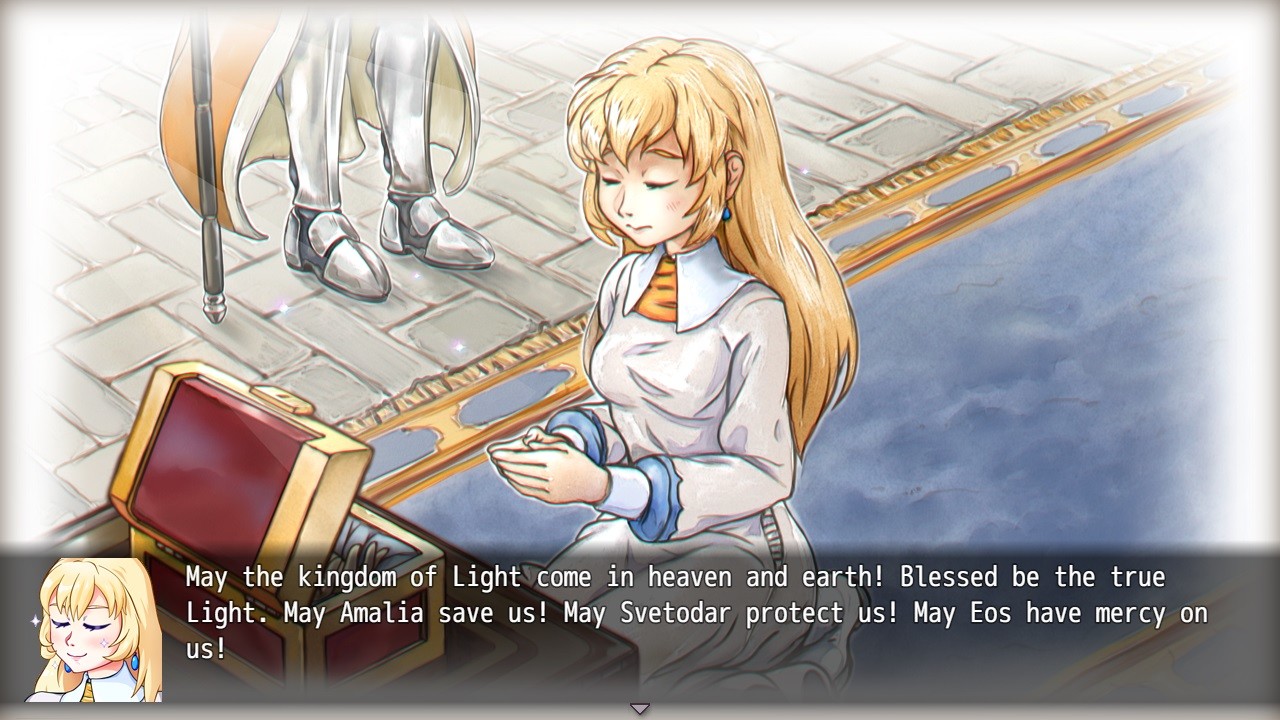
Get an in-depth look at Heroines of Swords & Spells through various videos and screenshots.


Load More





System requirements
These are the minimum specifications needed to play the game. For the best experience, we recommend that you verify them.
Windows
- OS *: Microsoft® Windows® 7/8/8.1/10 (32bit/64bit)
- Processor: Intel Core2 Duo or better
- Memory: 2 GB RAM
- Graphics: DirectX 9/OpenGL 4.1 capable GPU
- Storage: 750 MB available space
Steam Price & Best Deals
User reviews & Ratings
Explore reviews from Steam users sharing their experiences and what they love about the game.
Heroines of Swords & Spells is a charmingly unconventional fantasy RPG that builds its identity around flawed adventurers, extensive character interaction, demanding turn-based battles, and a clear affection for old-school role-playing games. Instead of presenting another group of flawless chosen heroes, the story follows four distinctly imperfect heroines attempting to prove themselves while surviving a world filled with dangerous enemies, traps, dungeons, and strange situations. The developer and publisher is Kirillkrm, and the game's strongest qualities come from how confidently it embraces humor, companionship, exploration, and character-driven storytelling rather than trying to imitate the scale or presentation of modern blockbuster RPGs. The party itself provides much of the personality. Players command a naive thief, a hyperactive mage, a cowardly warrior, and a beautiful but comparatively weak priest. These descriptions might initially sound like simple comedic archetypes, but their contrasting personalities create a naturally dysfunctional group whose weaknesses are part of the appeal. Their conversations and reactions give the adventure considerably more character than its modest visual presentation might suggest. The plot mixes humor with suspense, while the constant banter helps reinforce the feeling that these characters are companions struggling through an adventure together rather than interchangeable combat units. Dialogue is especially important, with an enormous amount of written material devoted to conversations, NPC interactions, jokes, world-building, and character development. This gives the experience an almost interactive-novel quality at certain points. Players who enjoy reading and discovering small pieces of information about a fantasy setting will get much more from the adventure than those who habitually skip conversations. NPCs are meaningful sources of flavor and lore, while exploring settlements and other locations frequently rewards curiosity. The writing also enjoys playing with familiar fantasy and JRPG conventions, including references and tributes aimed at players familiar with older games. Exploration complements the narrative focus well. The world contains secrets, dungeons, hidden details, and numerous opportunities to wander away from the most obvious path. Non-linear quest design makes progression feel less rigid than a straightforward sequence of objectives, encouraging players to investigate their surroundings and interact with characters. Easter eggs further reward attentive exploration. The pixel-art presentation suits this traditional design philosophy, providing a nostalgic appearance that feels appropriate for an adventure deliberately inspired by classic RPGs. It is not visually extravagant, but its simplicity allows the writing, exploration, and mechanics to remain at the center of the experience. Combat uses a turn-based system that demands more thought than the humorous tone might lead players to expect. Battles can become challenging, and success depends on understanding the abilities and limitations of the party. One of the better design decisions is eliminating random encounters, removing a source of frustration commonly associated with older RPGs. The game also avoids making equipment farming the central method of becoming stronger. As a result, progression feels less dependent on repeatedly fighting disposable enemies for incremental upgrades and more focused on strategy, party management, and understanding encounters. Dungeon design reinforces that philosophy. Dangerous locations contain ambushes, traps, numerous enemies, and other threats that can punish careless play. The resulting difficulty provides genuine tension, particularly because the heroines themselves are intentionally portrayed as less than ideal adventurers. Their shortcomings make victories feel more appropriate to the narrative because the player is effectively learning how to make an awkward party function effectively. This connection between characterization and gameplay is one of the game's more interesting strengths. The considerable amount of dialogue can nevertheless become a weakness for the wrong audience. Anyone looking primarily for rapid combat and minimal interruption may find the reading-heavy structure slow. Likewise, the intentionally traditional graphics and interface lack the polish or animation expected from larger contemporary productions. The humor is also central enough that players who do not connect with the personalities or comedic writing may struggle to remain invested. Its difficulty occasionally clashes with its lighthearted atmosphere as well, since some players attracted by the amusing characters may not expect dungeons and battles to demand substantial attention. The game includes mature elements involving alcohol consumption, mildly strong language without profanity, and partial nudity, but these aspects do not define the overall experience. Its identity remains rooted in fantasy adventuring, quirky characters, exploration, strategic encounters, secrets, and extensive storytelling. Steam achievements add optional goals for players interested in thoroughly exploring the content, while the single-player structure allows the story and party relationships to remain the primary focus. Steam Deck compatibility is worth considering for handheld players. Steam's compatibility information has classified the game as Playable rather than fully Verified. Its relatively straightforward turn-based design and modest presentation are naturally suited to portable sessions, although Playable status means users should expect potential minor compatibility inconveniences rather than assuming completely seamless handheld operation. Controller-related interface considerations can occasionally remind players that the game was not designed exclusively around the Deck. Still, the slower pace, exploration, dialogue, and turn-based battles make the fundamental gameplay concept a good match for portable play. Ultimately, this is an RPG that succeeds more through personality and thoughtful traditional design than technical ambition. Its peculiar heroines are memorable, its dialogue-heavy approach gives the world considerable texture, and removing random encounters and excessive equipment grinding addresses two common frustrations associated with retro RPG design. Challenging battles and trap-filled dungeons prevent the adventure from becoming merely an interactive comedy, while non-linear quests and secrets give exploration genuine purpose. Players who appreciate humorous fantasy, extensive reading, unusual protagonists, tactical turn-based combat, and classic RPG sensibilities should find a surprisingly substantial adventure here. Those seeking fast action or cinematic production values will have less reason to stay, but within its intended niche, it offers an entertaining and distinctive journey. Rating: 8/10
This is a genuinely good RPG with Turn-Based Combat that stands well enough on its own, it's a good solid game, excellent world-building, well balanced characters and enemies and boss battles and then on top of that you throw in adult content - It's an almost total win! My one quibble? The Sound. I experienced issues with the looping battle music where it didn't quite loop. Not sure if that's just me or if it's an error others are encountering but other than that which sorta irritated me on a number of fights, solid game. Well worth your time. Well worth your money.
Similar games
View all

Age of Fear: The Free World
Age of Fear: The Free World is an introduction to a decade-old turn-based strategy series that fuses a tabletop wargame with RPG elements. Choose your faction (Undead Legion, Human Kingdom or Greenskins Horde), build a unique army and embark on exploring the realm!
Atelier Resleriana: The Red Alchemist & the White Guardian
The story of two protagonists as they rebuild their hometown and seek the hidden truth. Engage in timeline-based command battles and enjoy the easy-to-learn yet deeply engaging synthesis. Plus, take on shop management, explore random dungeons, and more!
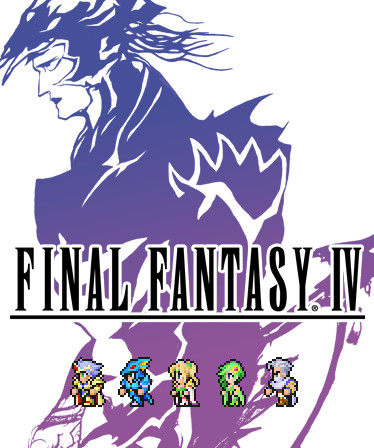
FINAL FANTASY IV
The original FINAL FANTASY IV comes to life with completely new graphics and audio! A remodeled 2D take on the fourth game in the world-renowned FINAL FANTASY series! Enjoy the timeless story told through charming retro graphics.

FINAL FANTASY II
The original FINAL FANTASY II comes to life with completely new graphics and audio! A remodeled 2D take on the second game in the world-renowned FINAL FANTASY series! Enjoy the timeless story told through charming retro graphics.
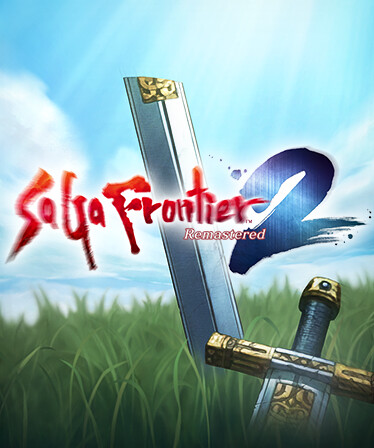
SaGa Frontier 2 Remastered
Experience two tales woven in a world of watercolor graphics.
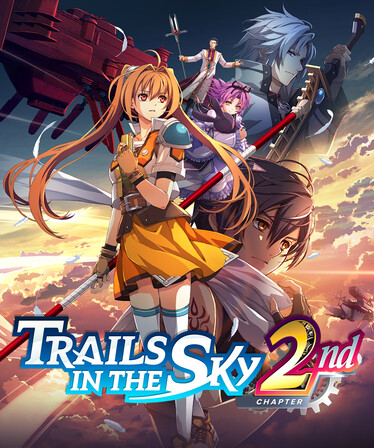
Trails in the Sky 2nd Chapter
Turn the page on the explosive 2nd chapter of Nihon Falcom’s legendary Trails saga! Estelle Bright sets out on a new journey across Liberl to uncover the truth behind Joshua’s disappearance and defeat the sinister Ouroboros organization.
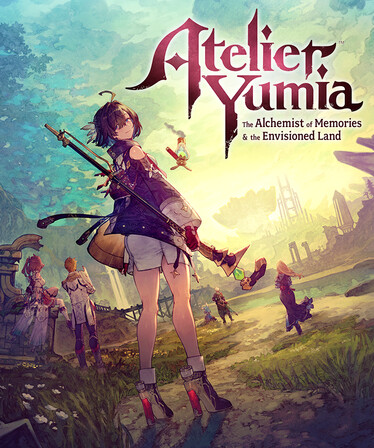
Atelier Yumia: The Alchemist of Memories & the Envisioned Land
"Atelier Yumia" is a story about “memory”. Explore the field to gather materials and synthesis items. The items you create can be key to advancing the story and can also be used in battles and exploration. Additionally, you can create your own base with “Building" in the field.
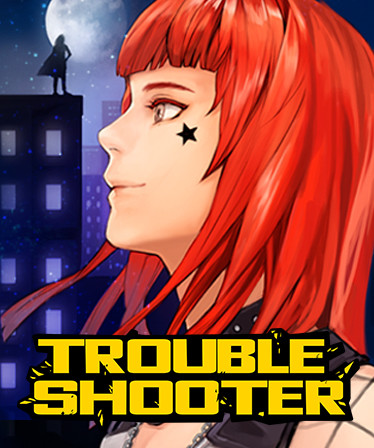
TROUBLESHOOTER: Abandoned Children
TROUBLESHOOTER: Abandoned Children is the first season of a turn-based strategy SRPG that takes place in the world of Troubleshooter.
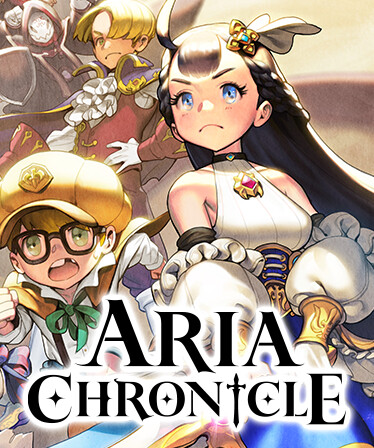
ARIA CHRONICLE
Randomized dungeons, strategic battles, diverse growth factors, unique characters... ARIA CHRONICLE offers an unparalleled gaming experience. Let’s set out to help the Princess of Tamageria!
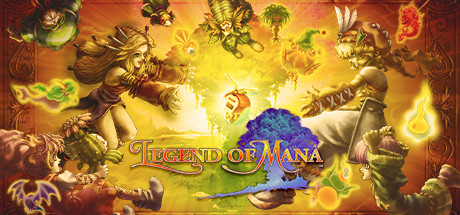
Legend of Mana
The HD Remaster of Legend of Mana is coming to Steam. Meet a colorful cast of characters, use the unique "Land Make" System to build the World Map, and square off against fearsome monsters in the vibrant world of Fa’Diel.
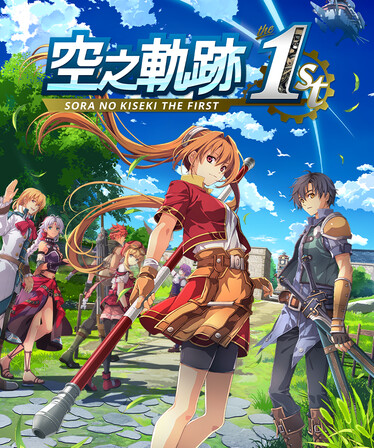
Sora no Kiseki the 1st
Celebrating the 20th anniversary of the Kiseki series, a story-driven RPG that began in 2004, the landmark first installment, The Legend of Heroes: Sora no Kiseki FC (First Chapter), is receiving a full remake!
Frequently Asked Questions
Yes, Heroines of Swords & Spells is free to play on Steam.
Heroines of Swords & Spells is not on sale because is already free to play on Steam.
Yes, Heroines of Swords & Spells received 633 positive votes out of a total of 681 achieving a rating of 8.69.
😎
Heroines of Swords & Spells was developed and published by Kirillkrm.
Yes, Heroines of Swords & Spells is playable and fully supported on Windows.
No, Heroines of Swords & Spells is not playable on MacOS.
No, Heroines of Swords & Spells is not playable on Linux.
Yes, Heroines of Swords & Spells is playable on Steam Deck, though it might require a few minor tweaks. Make sure to check the Steam store page and community feedback on ProtonDB for exact compatibility details.
Yes, Heroines of Swords & Spells is playable on Steam Machine, though it might require a few minor tweaks. Make sure to check the Steam store page and community feedback on ProtonDB for exact compatibility details.
No, Heroines of Swords & Spells does not support VR.
Heroines of Swords & Spells is a single-player game.
Yes, there is a DLC available for Heroines of Swords & Spells. Explore additional content available for Heroines of Swords & Spells on Steam.
No, Heroines of Swords & Spells does not support mods via Steam Workshop.
No, Heroines of Swords & Spells does not support Steam Remote Play.
Yes, Heroines of Swords & Spells is enabled for Steam Family Sharing. This means you can share the game with authorized users from your Steam Library, allowing them to play it on their own accounts. For more details on how the feature works, you can read the original Steam Family Sharing announcement or visit the Steam Family Sharing user guide and FAQ page.
You can find solutions or submit a support ticket by visiting the Steam Support page for Heroines of Swords & Spells.
Data sources
The information presented on this page is sourced from reliable APIs to ensure accuracy and relevance. We utilize the Steam API to gather data on game details, including titles, descriptions, prices, and user reviews. This allows us to provide you with the most up-to-date information directly from the Steam platform.
Additionally, we incorporate data from the SteamSpy API, which offers insights into game sales and player statistics. This helps us present a comprehensive view of each game's popularity and performance within the gaming community.
Last Updates| Steam data | 02 October 2026 21:45 UTC |
|---|---|
| SteamSpy data | 23 October 2026 12:40 UTC |
| Steam price | 02 October 2026 21:45 UTC |
| Steam reviews | 19 October 2026 06:08 UTC |
If you'd like to dive deeper into the details about Heroines of Swords & Spells, we invite you to check out a few dedicated websites that offer extensive information and insights. These platforms provide valuable data, analysis, and user-generated reports to enhance your understanding of the game and its performance.
- SteamDB - A comprehensive database of everything on Steam about Heroines of Swords & Spells
- SteamCharts - Analysis of Heroines of Swords & Spells concurrent players on Steam
- ProtonDB - Crowdsourced reports on Linux and Steam Deck Heroines of Swords & Spells compatibility
Game modes
Features
Online players
2
Developer
Kirillkrm
Publisher
Kirillkrm
Release
17 Mar 2020
Platforms
Clicking and buying through these links helps us earn a commission to maintain our services.