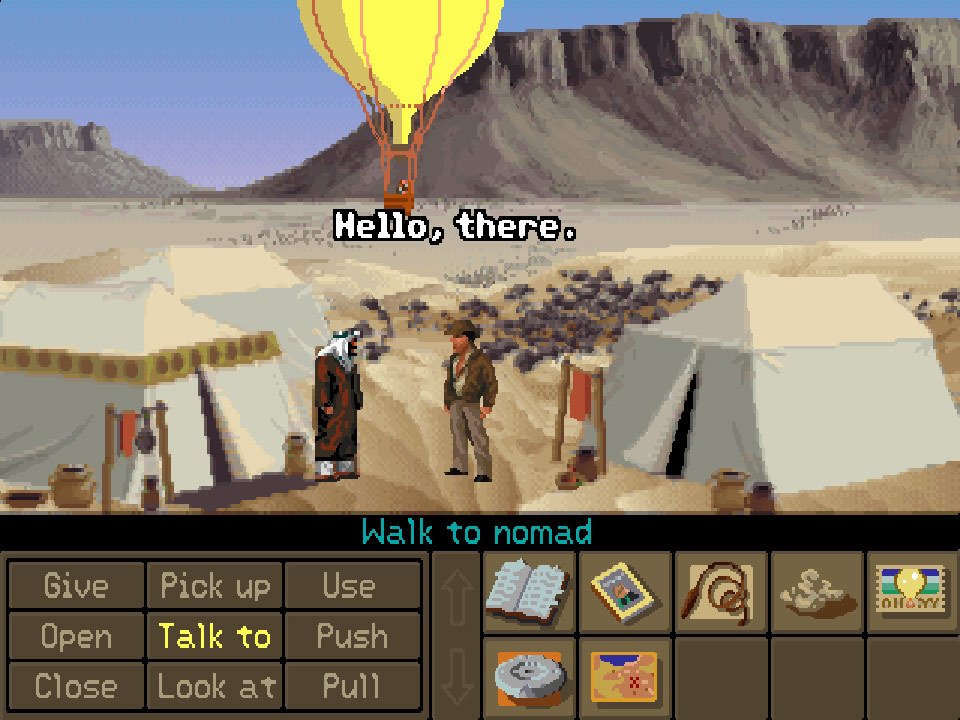
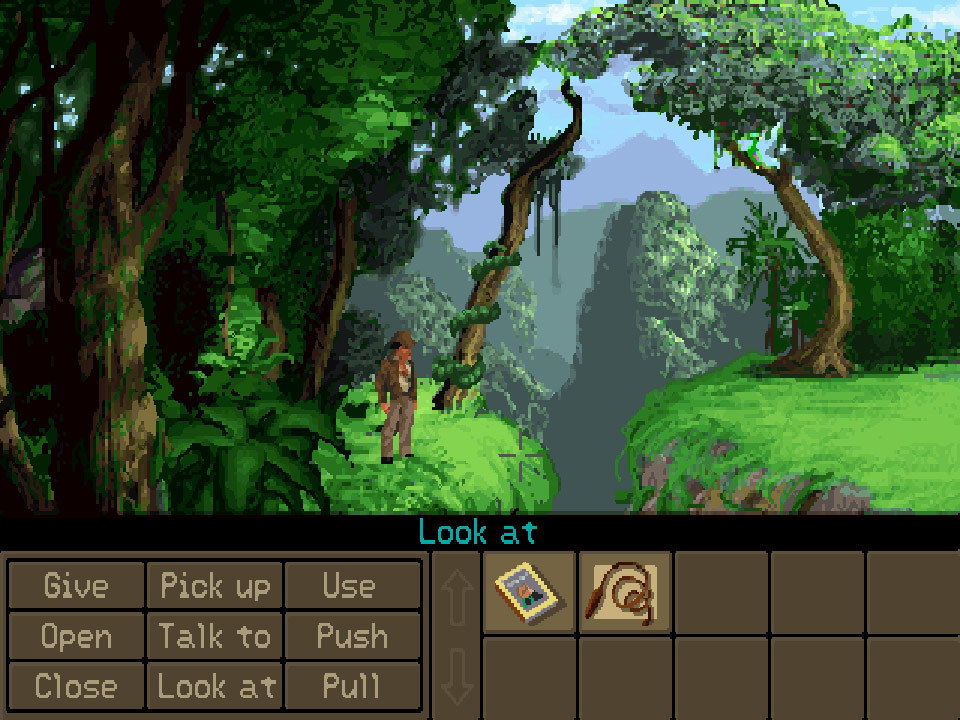
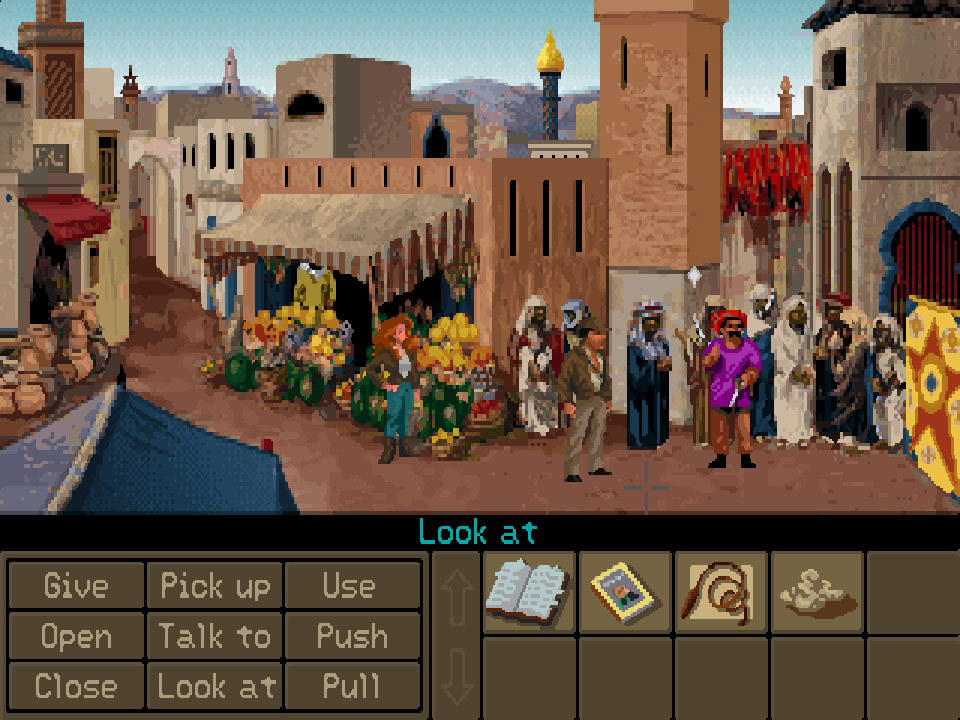
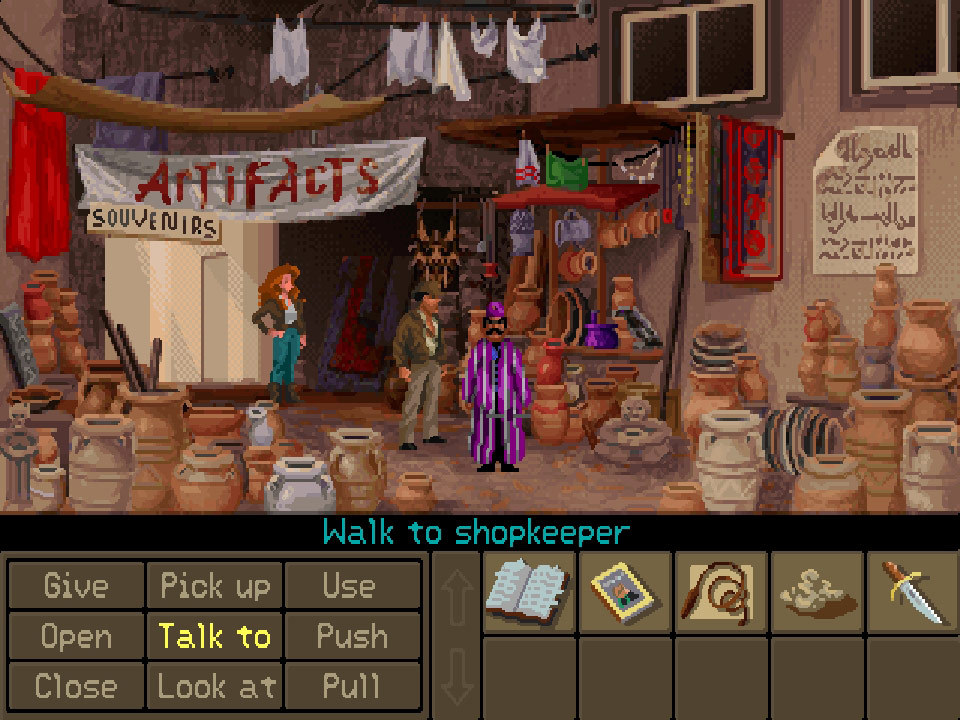
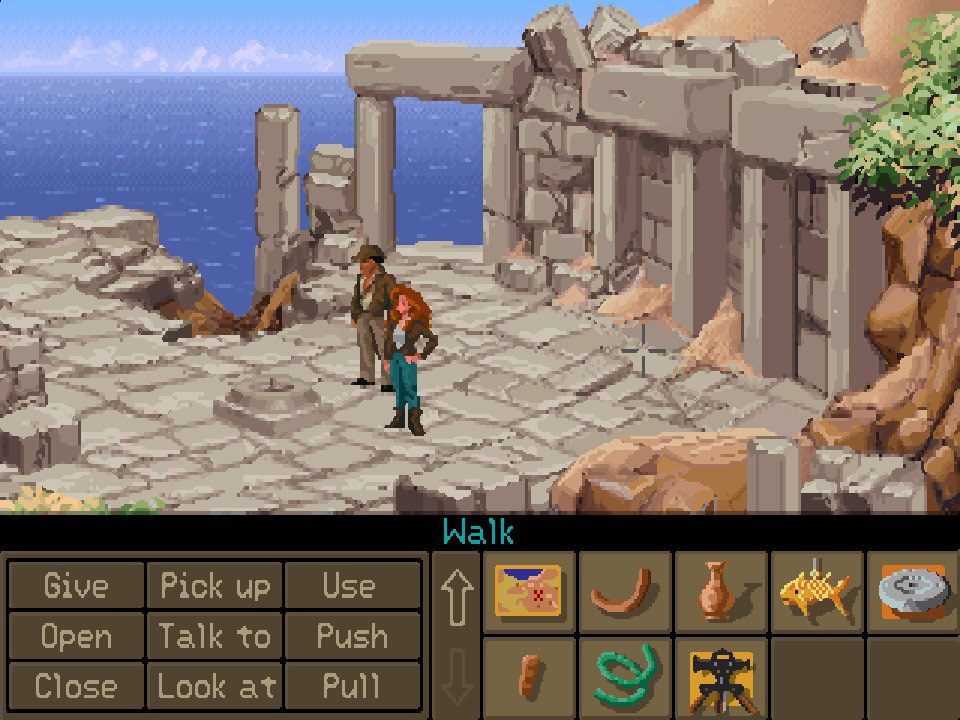
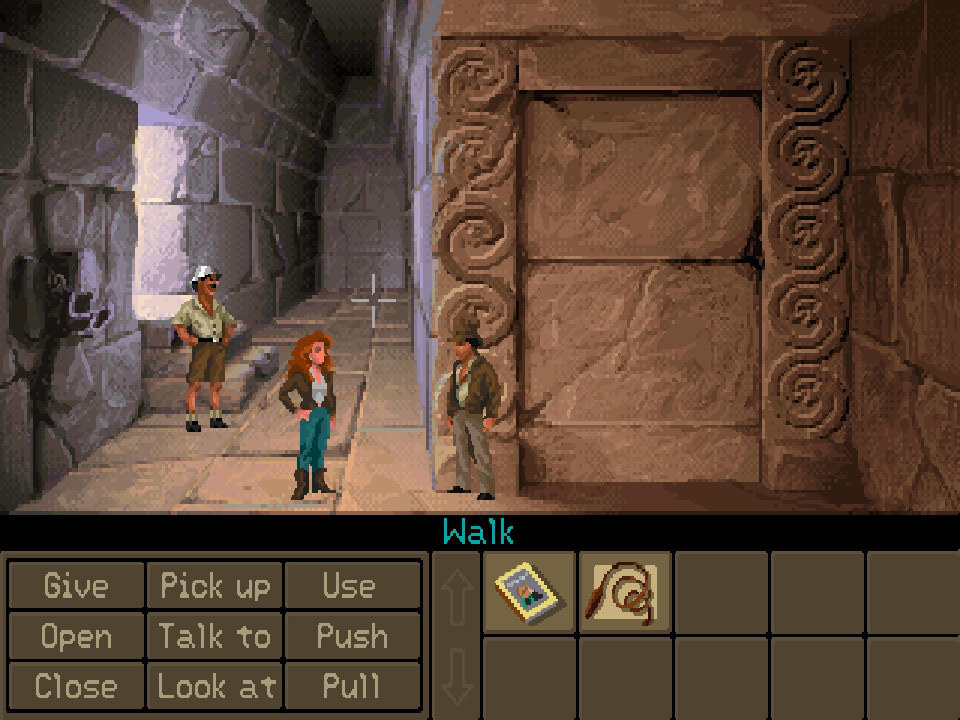
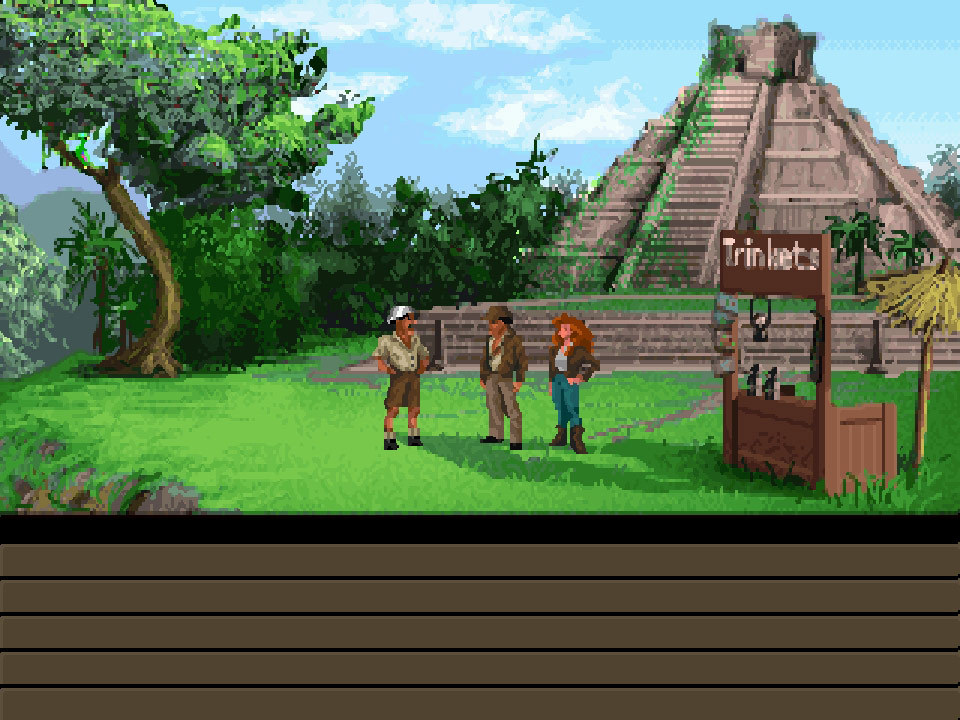
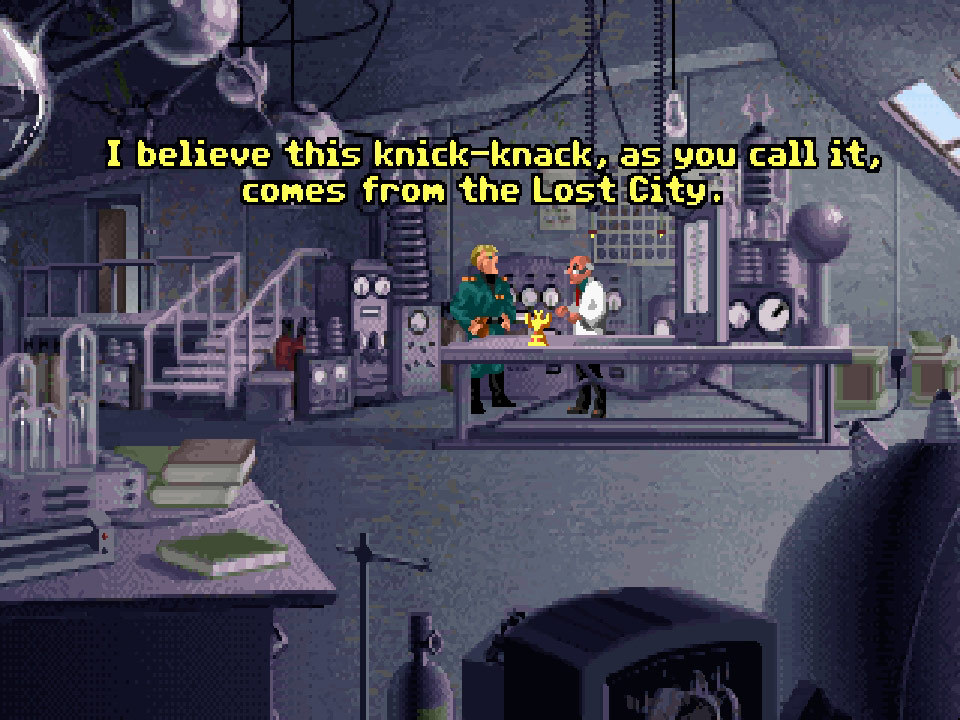
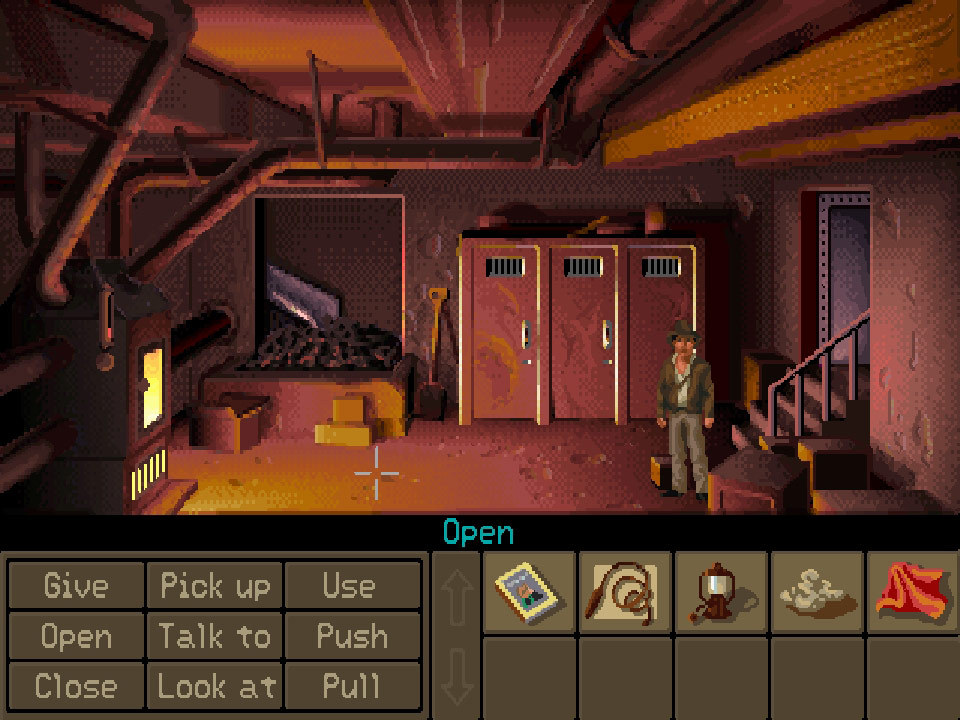
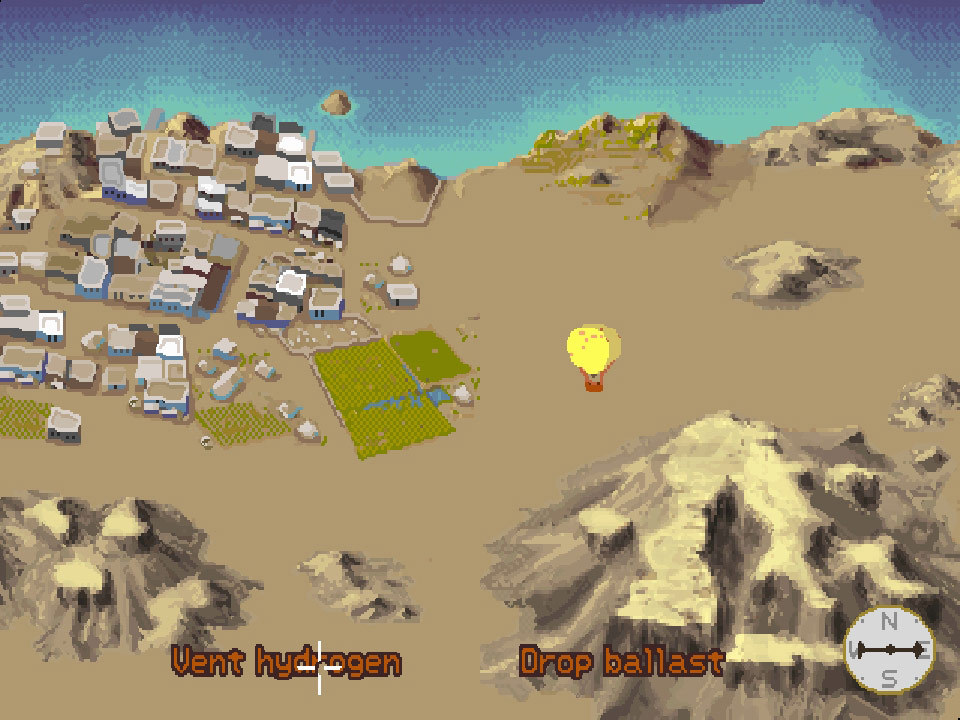
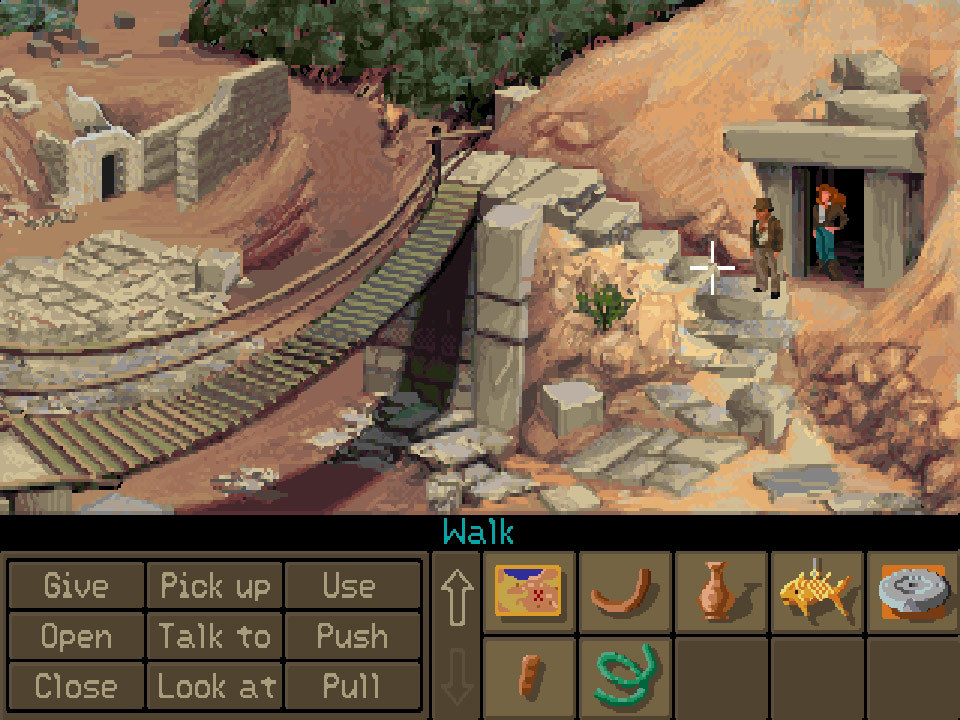
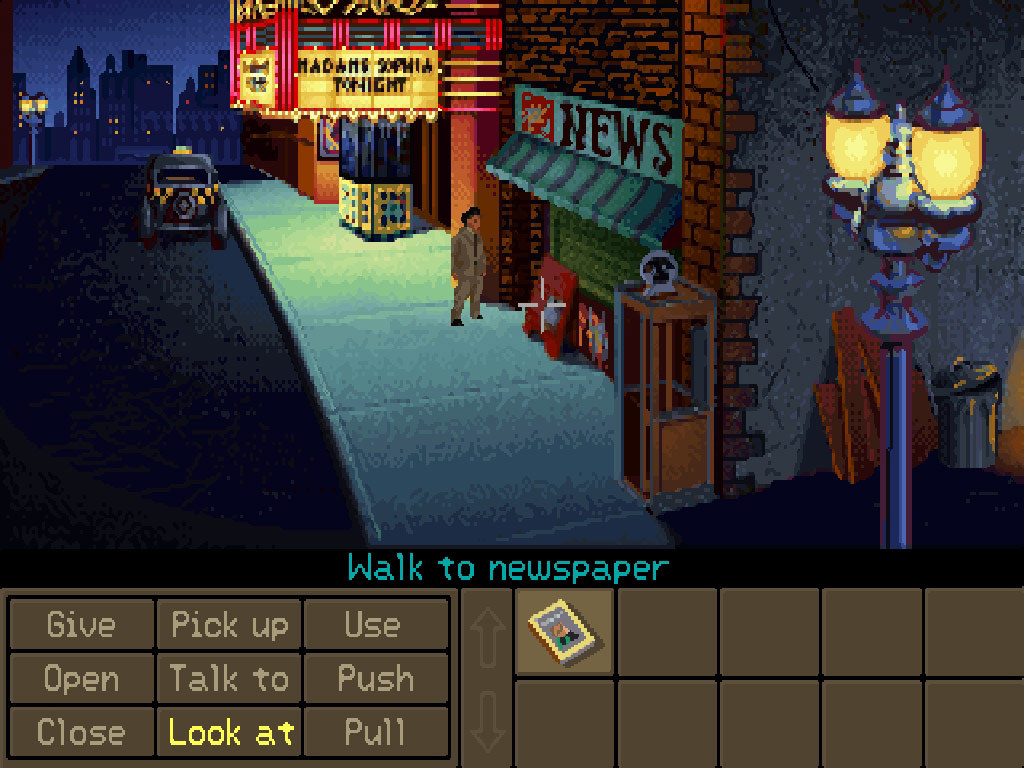
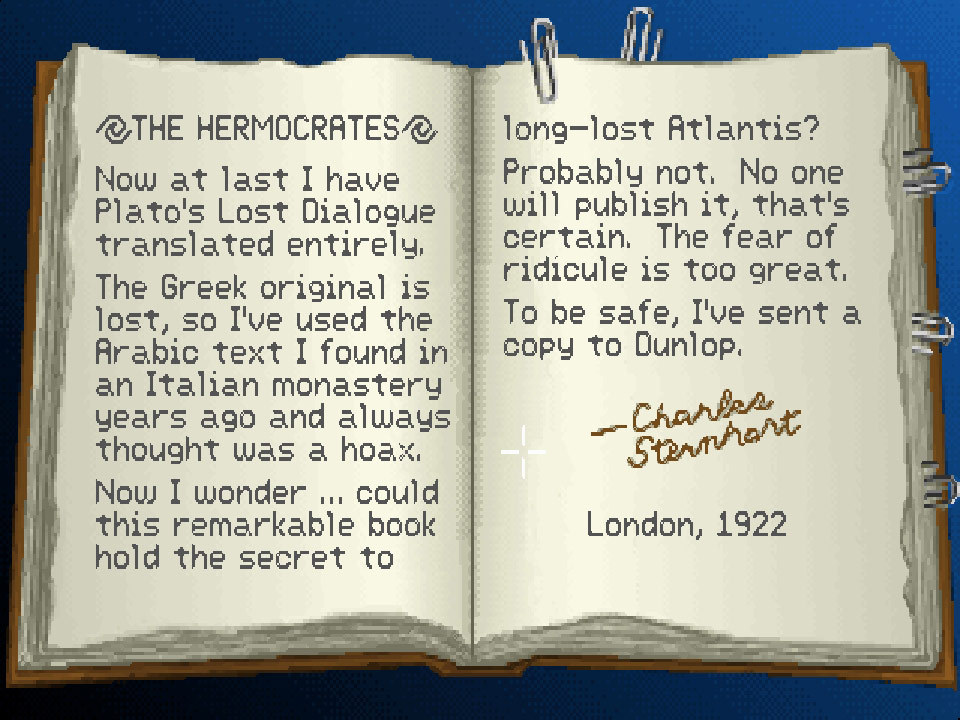
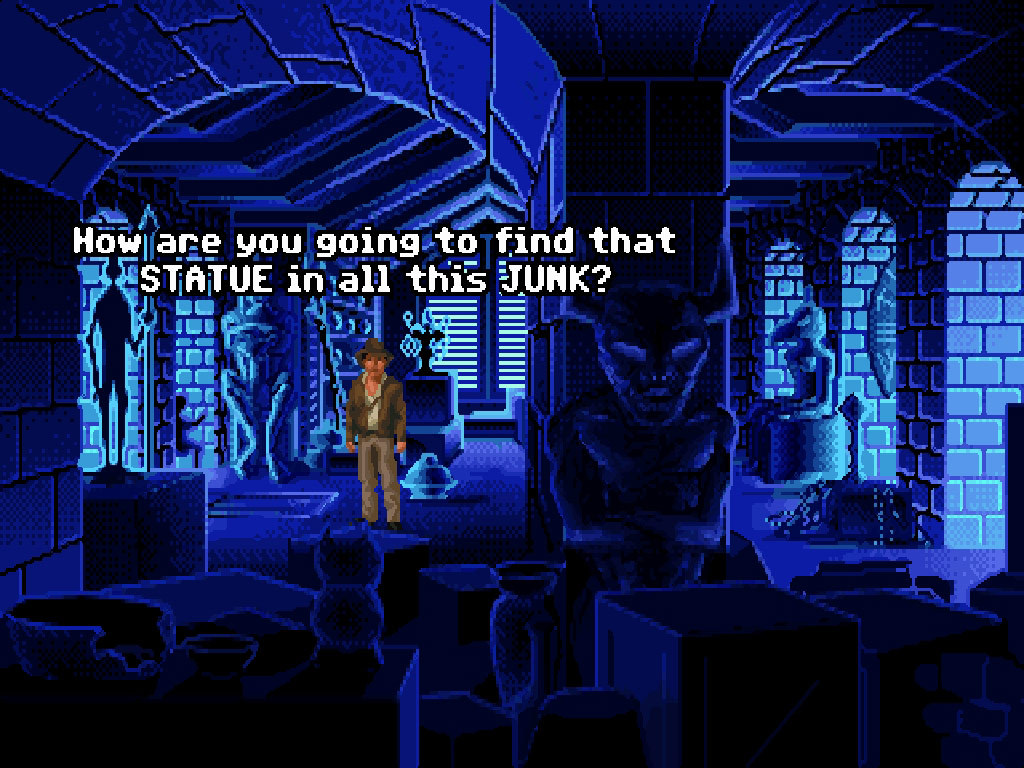
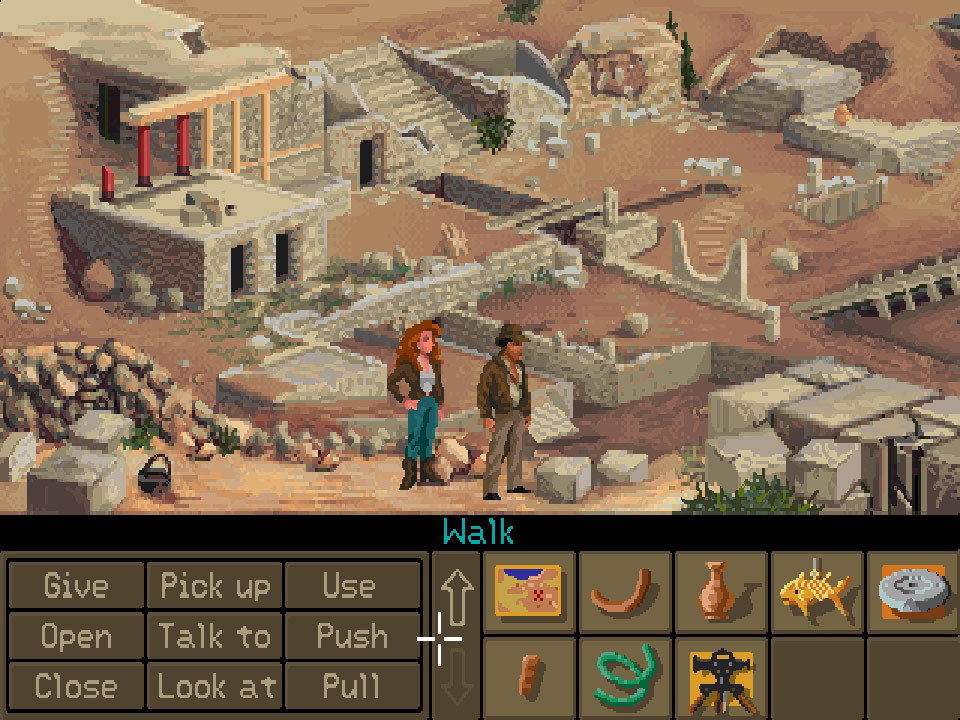
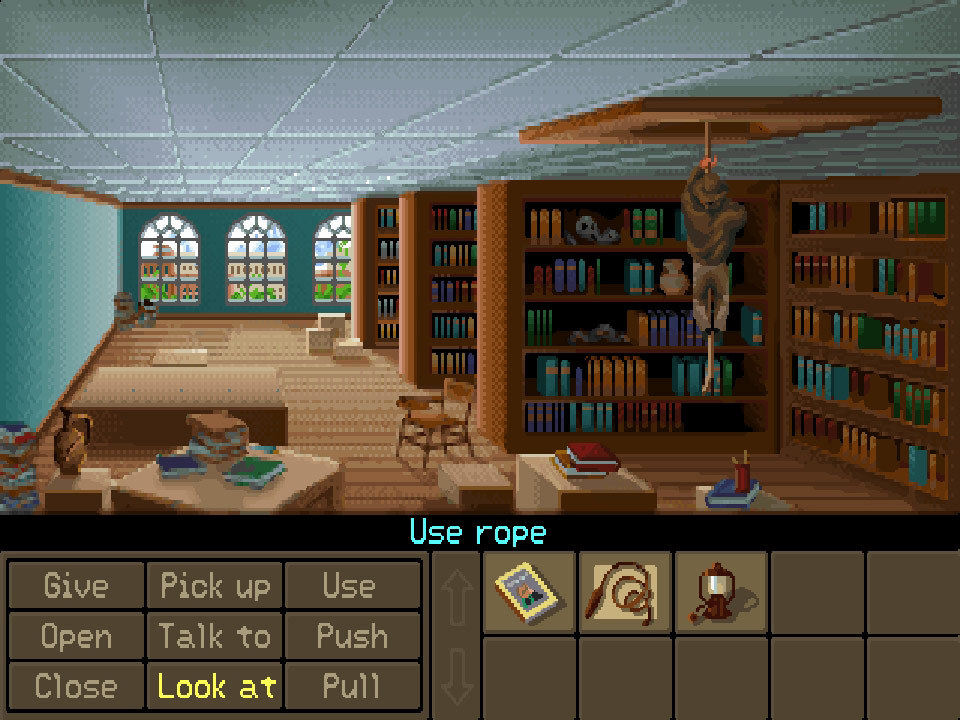
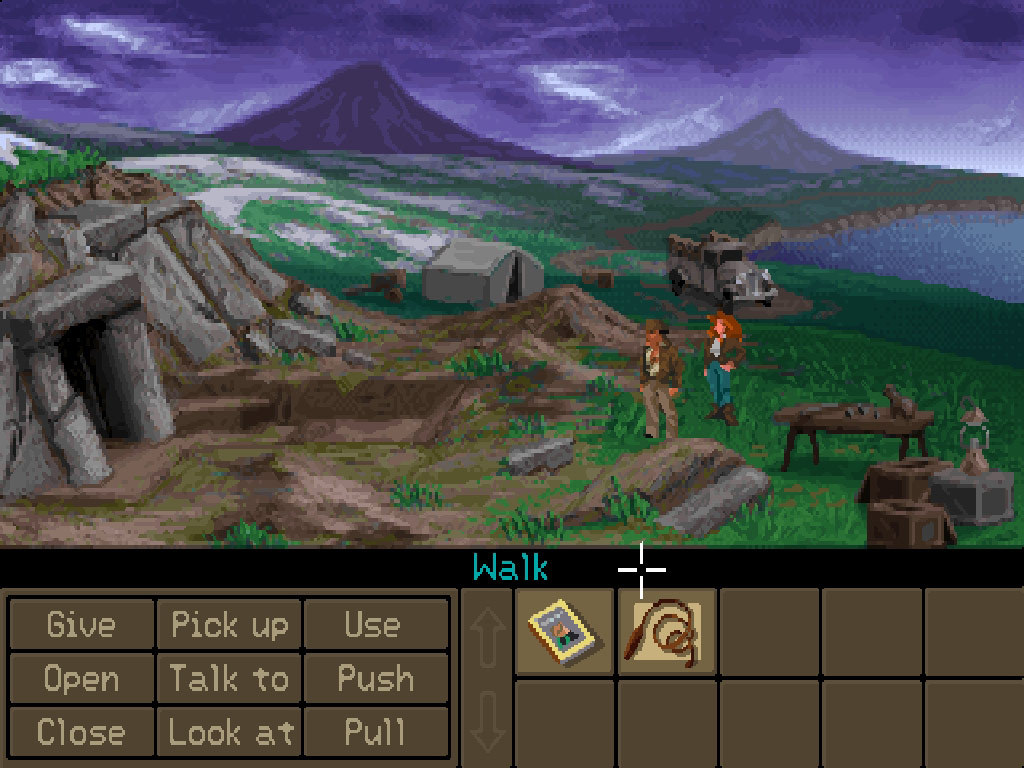
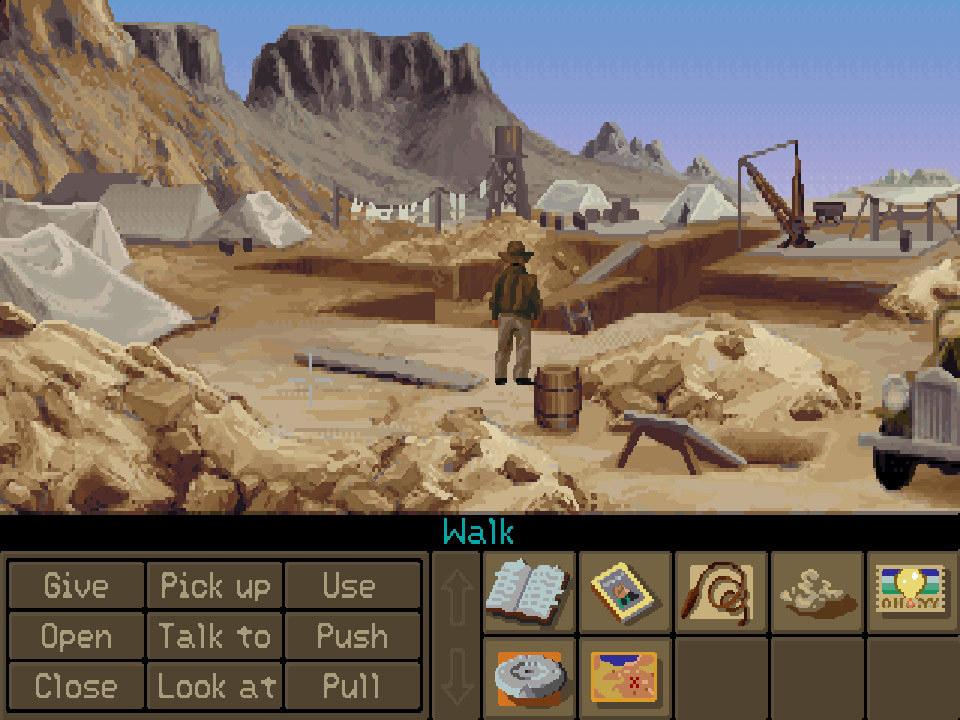
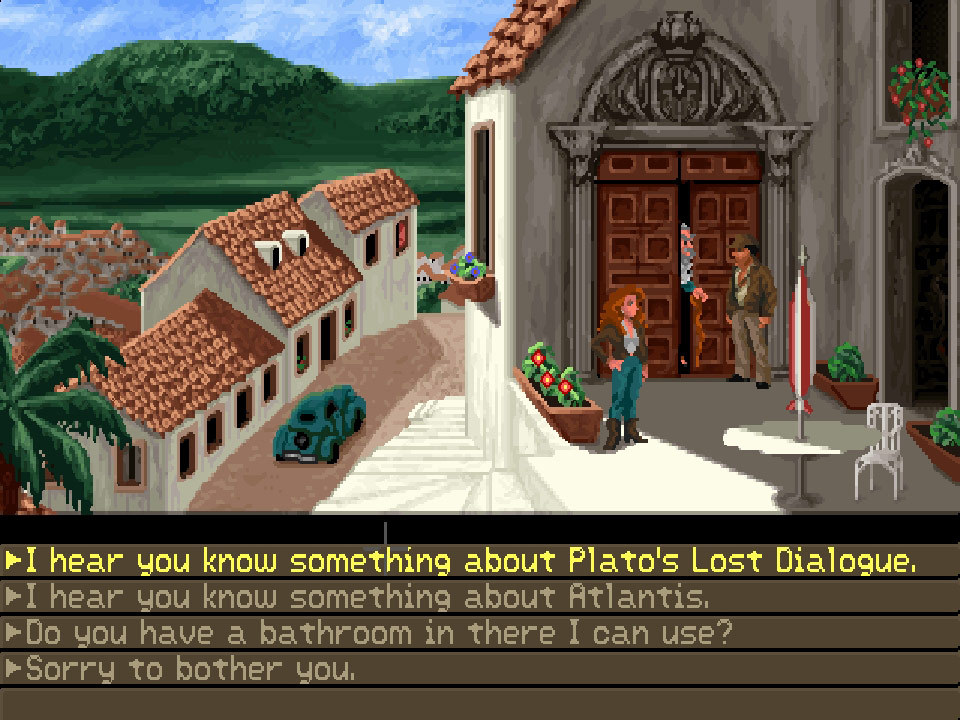
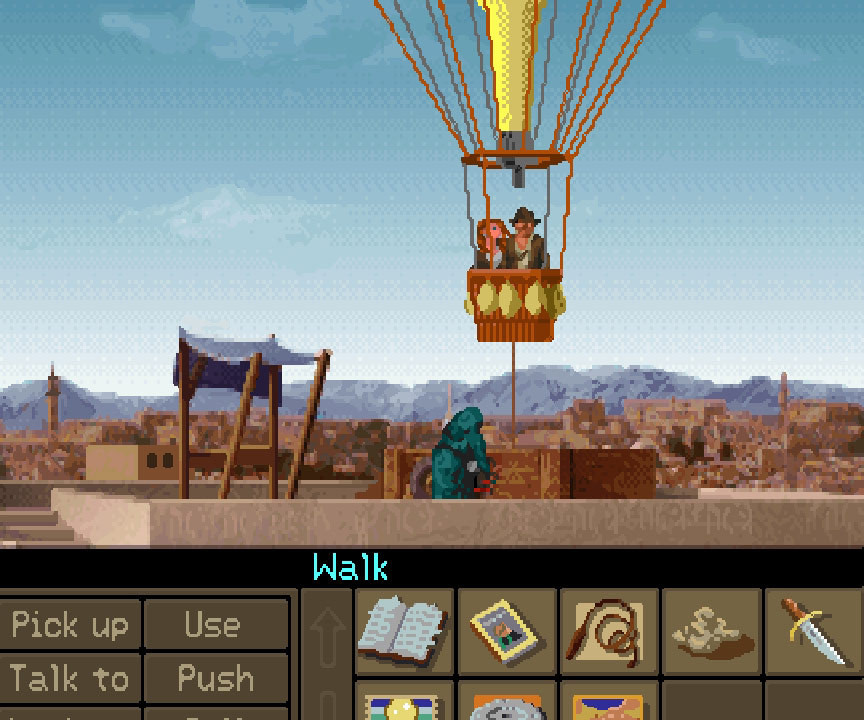
Indiana Jones and the Fate of Atlantis, developed and published by LucasArts, stands as one of the defining achievements of the point-and-click adventure era. Released in 1992, it remains a shining example of storytelling, puzzle design, and atmosphere in interactive entertainment. The game captures the thrill and intellect of Indiana Jones more effectively than any of his film adaptations ever could in a video game format. Set in 1939, on the eve of World War II, the story follows Dr. Jones as he becomes entangled in a race against time to uncover the secrets of Atlantis, an ancient civilization whose lost technology could shift the balance of power in the coming global conflict. Nazis are once again his chief adversaries, and with the help of psychic companion Sophia Hapgood, Indy must travel across the world to locate the mythical city and prevent its rediscovery from falling into the wrong hands. What makes The Fate of Atlantis so memorable is how effortlessly it captures the tone and rhythm of a classic Indiana Jones film while providing a story that stands entirely on its own. Rather than retelling a familiar cinematic plot, the game spins an original tale grounded in myth and archaeology, full of exotic locales, supernatural mysteries, and pulp adventure flair. The dialogue is sharp and true to the character’s wit, balancing humor with tension. Indy’s dynamic with Sophia gives the narrative both charm and personality, as their conversations mix professional rivalry, unspoken affection, and constant banter. The plot moves through varied settings—from the icy expanses of Iceland to the bustling streets of Monte Carlo, the ruins of Crete, and finally the legendary undersea kingdom itself. Each location feels meticulously designed, with puzzles and dialogue that reflect the environment’s culture and history, making the adventure feel genuinely global in scope. The game’s structure is one of its most remarkable achievements. About a third of the way through, players are given a choice that dramatically alters how the rest of the game unfolds: they can proceed down the Path of Wits, the Path of Fists, or the Path of Teamwork. Each route changes not just the types of puzzles and challenges encountered but also the tone of the experience. The Path of Wits emphasizes cerebral problem-solving and complex machinery puzzles; the Path of Fists introduces more action-oriented sequences where timing and reflexes matter; and the Path of Teamwork pairs Indy with Sophia throughout, focusing on dialogue-based puzzles and cooperative problem solving. This branching design gives the game significant replay value, as each path feels like a distinct adventure rather than a simple variation on the same story. It’s a design choice that was decades ahead of its time and remains one of the most innovative aspects of any LucasArts adventure. Fate of Atlantis was built on the SCUMM engine, which had already powered several LucasArts classics like Monkey Island and Maniac Mansion. Its interface is intuitive and efficient, relying on a simple point-and-click system of verbs and inventory management that allows for seamless interaction with the environment. Every object, character, and location invites curiosity, and the sense of discovery is constant. The puzzles, for the most part, are logical and rewarding, often integrating historical and mythological context in clever ways. Whether assembling Atlantean mechanisms, deciphering ancient symbols, or outsmarting Nazi agents, the solutions always feel grounded within the world’s rules. Some puzzles do stray into the obscure, requiring careful observation or trial and error, but the design rarely feels unfair. Unlike many of its contemporaries, the game avoids dead ends or unwinnable states, maintaining a flow that encourages experimentation without punishing the player too harshly. Visually, the game still exudes personality. The pixel art, though dated by modern standards, is beautifully detailed, and each environment feels alive with small animations and atmospheric touches. The visual palette changes dramatically as you move through the world, giving every location a distinct tone—from the warm golden hues of the desert to the eerie, mechanical glow of Atlantis. The “talkie” CD-ROM edition, released shortly after the original, introduced full voice acting, bringing an added layer of immersion and emotion to the experience. The voice actor portraying Indy does a fine job of channeling Harrison Ford’s blend of dry humor and academic arrogance without sounding like an imitation. The music, inspired by John Williams’ iconic compositions, enhances every moment with sweeping orchestral cues that elevate the drama and tension. Together, the visuals, sound, and writing create a cinematic atmosphere that perfectly captures the spirit of adventure. Despite its age, the game’s pacing and design remain remarkably effective. There are moments of mystery, humor, danger, and quiet reflection, all woven together in a way that few adventure games manage to achieve. The dialogue is witty and often hilarious, the characters memorable, and the sense of discovery palpable. Even so, modern players may find a few rough edges—occasional pixel hunting, slightly awkward combat sections in the Fists route, and certain puzzles that rely on old-school logic rather than clear clues. But these quirks are minor blemishes on what is otherwise a masterclass in interactive storytelling. For an adventure game over three decades old, it remains surprisingly playable and engrossing, especially in its updated Steam version, which runs smoothly on modern systems while retaining the original’s charm. Indiana Jones and the Fate of Atlantis endures because it succeeds on multiple levels: as a piece of game design, as a narrative experience, and as a faithful extension of a beloved film franchise. It captures the excitement of unearthing ancient mysteries while delivering a story that feels genuinely worthy of its titular hero. Its combination of clever puzzles, rich atmosphere, and strong characters make it one of the crown jewels of LucasArts’ catalog. Few adventure games before or since have managed to blend cinematic storytelling and player agency with such precision and heart. For newcomers, it remains a fascinating glimpse into a golden age of adventure games; for longtime fans, it stands as a timeless classic that continues to define what interactive storytelling can achieve when crafted with intelligence, humor, and soul. Rating: 9/10
Expand the review