
S.T.A.L.K.E.R.: Shadow of Chernobyl
S.T.A.L.K.E.R.: Shadow of Chernobyl tells a story about survival in the Zone – a very dangerous place, where you fear not only the radiation, anomalies and deadly creatures, but other S.T.A.L.K.E.R.s, who have their own goals and wishes.
Sync your Steam wishlist to find the lowest game prices instantly. No login required, just paste your Steam profile URL!
⚡ Try Wishlist Radar!
Sync your Steam wishlist to find the lowest game prices instantly. No login required!
⚡ Try Wishlist Radar!
Close

Iron Blight on Steam
Quick menu
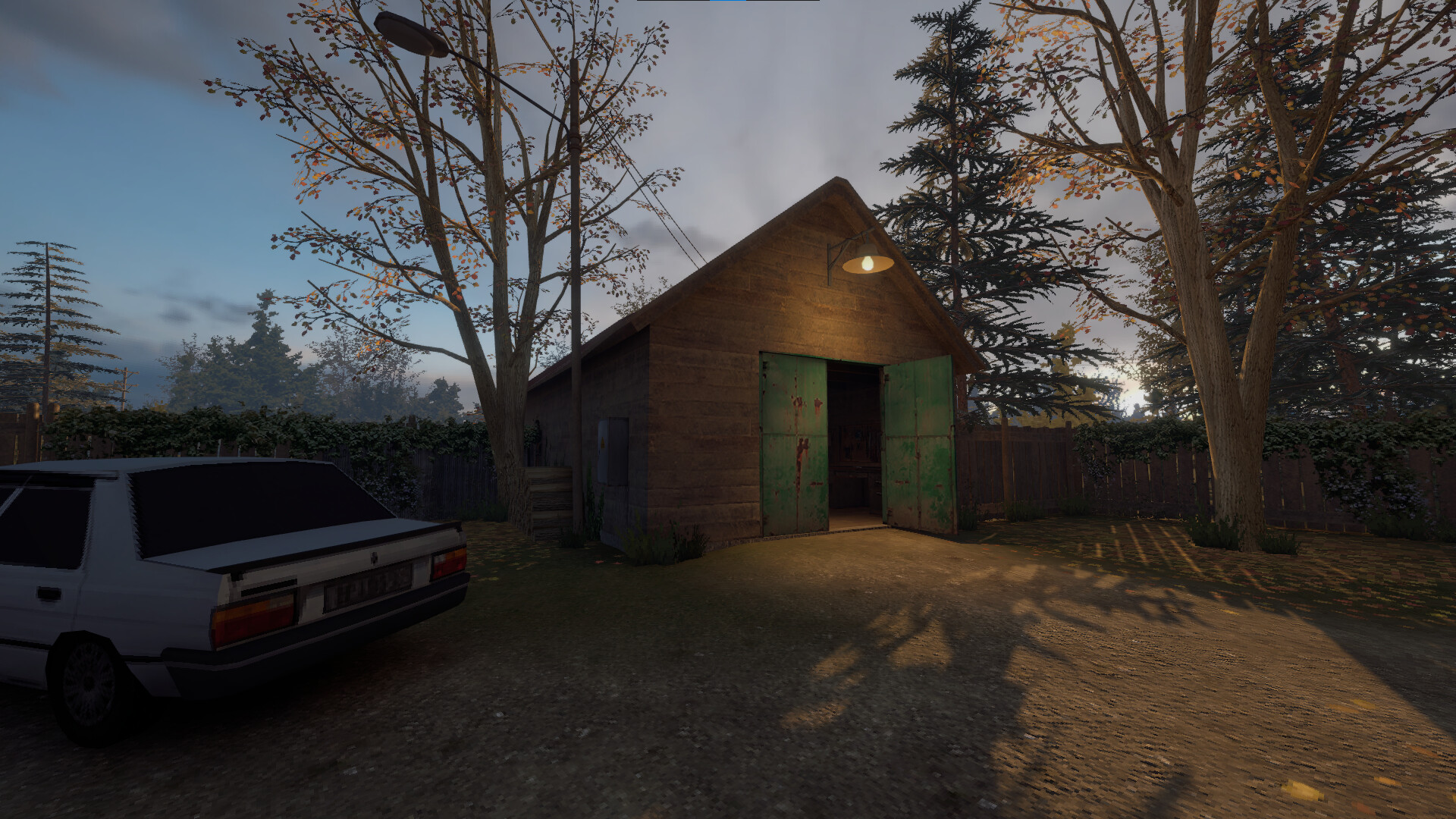
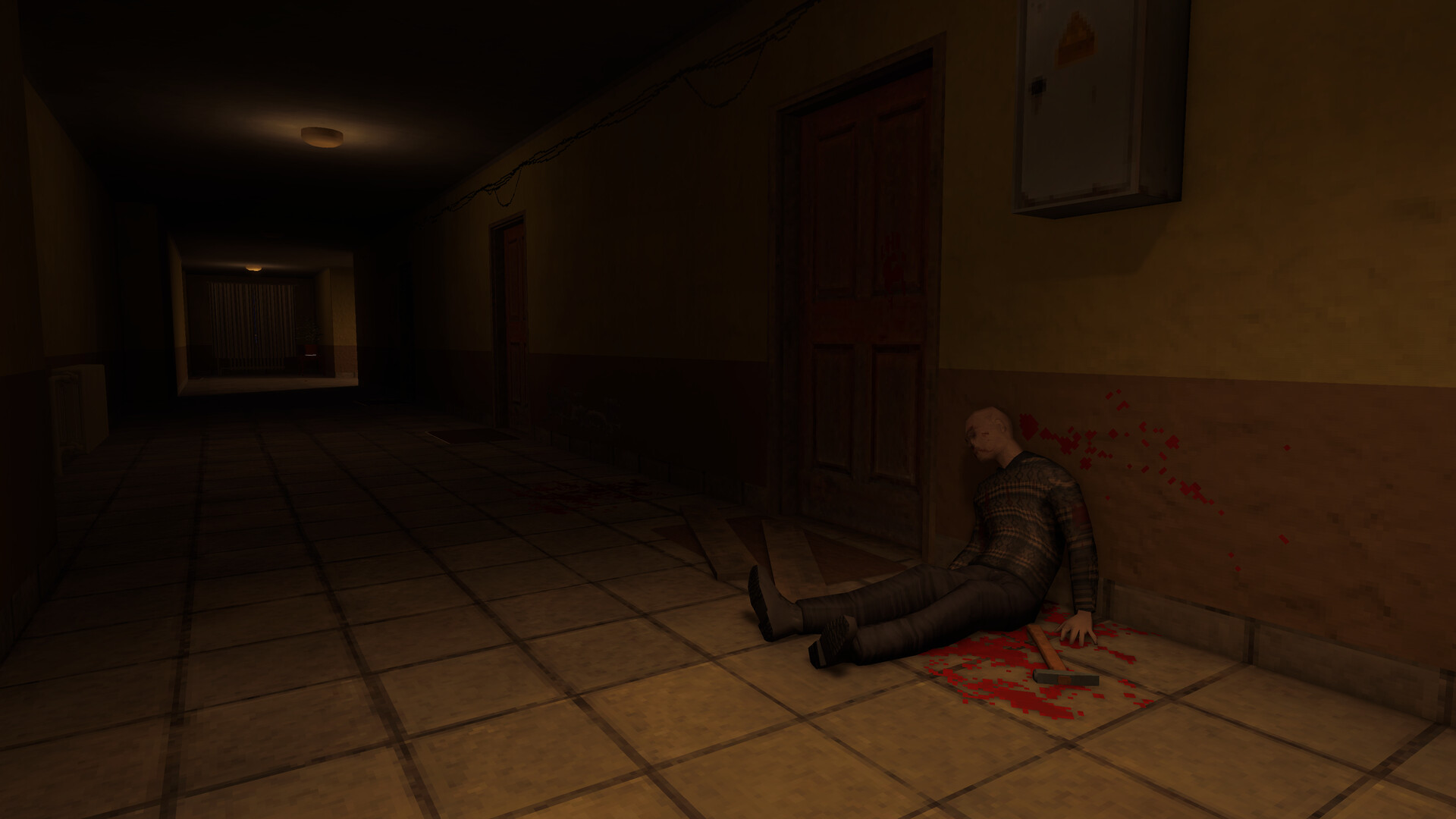
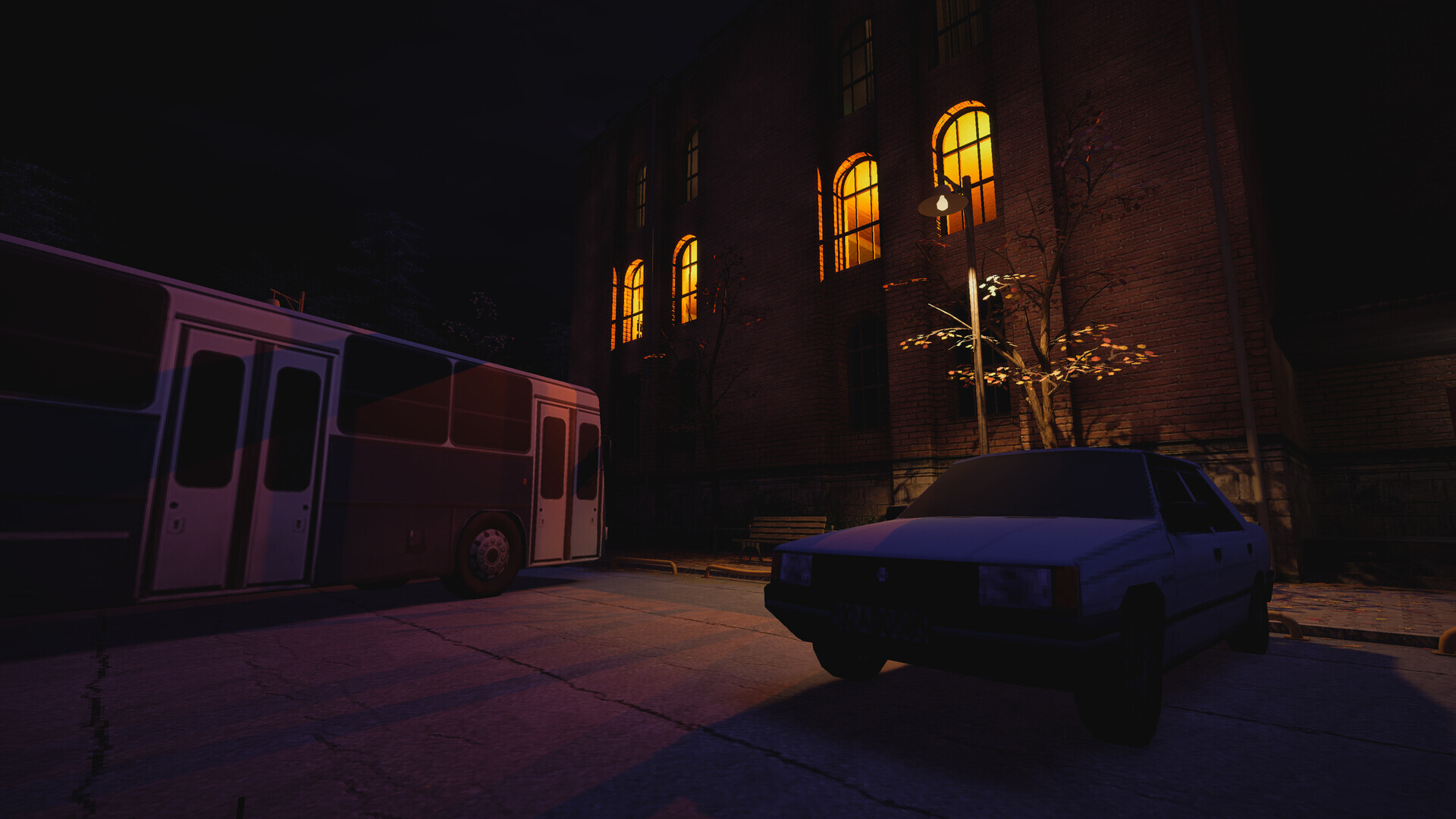
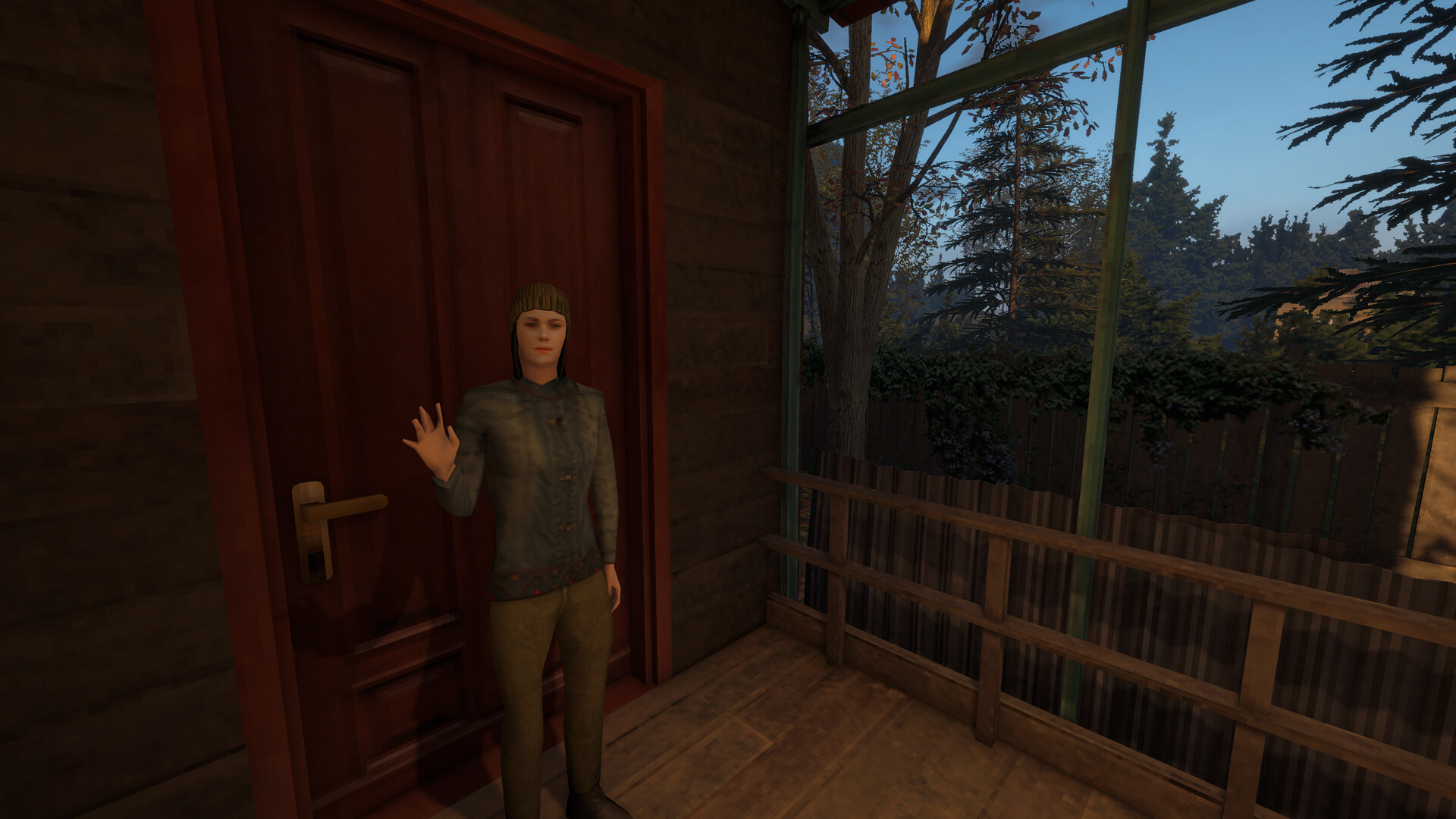
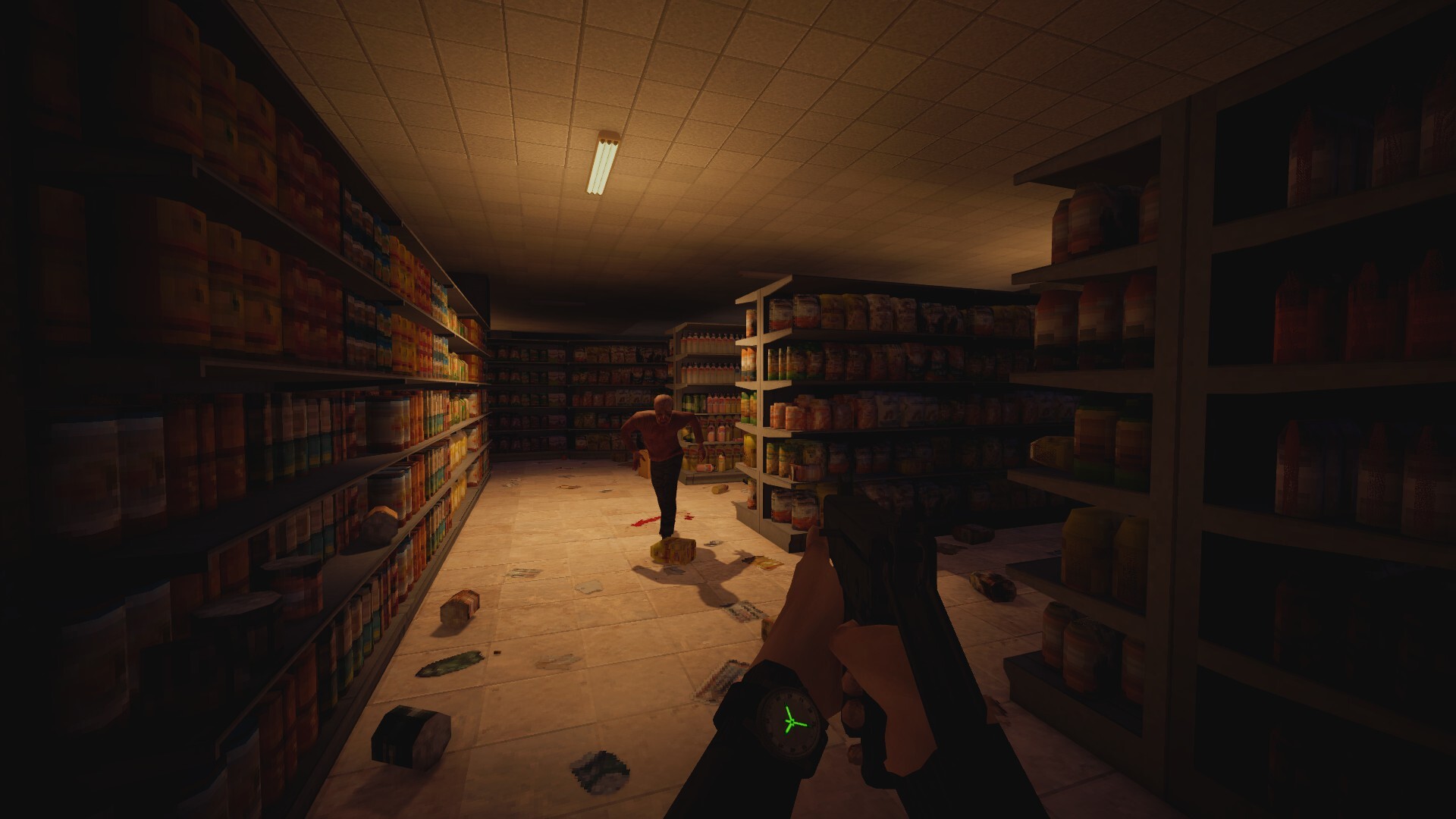
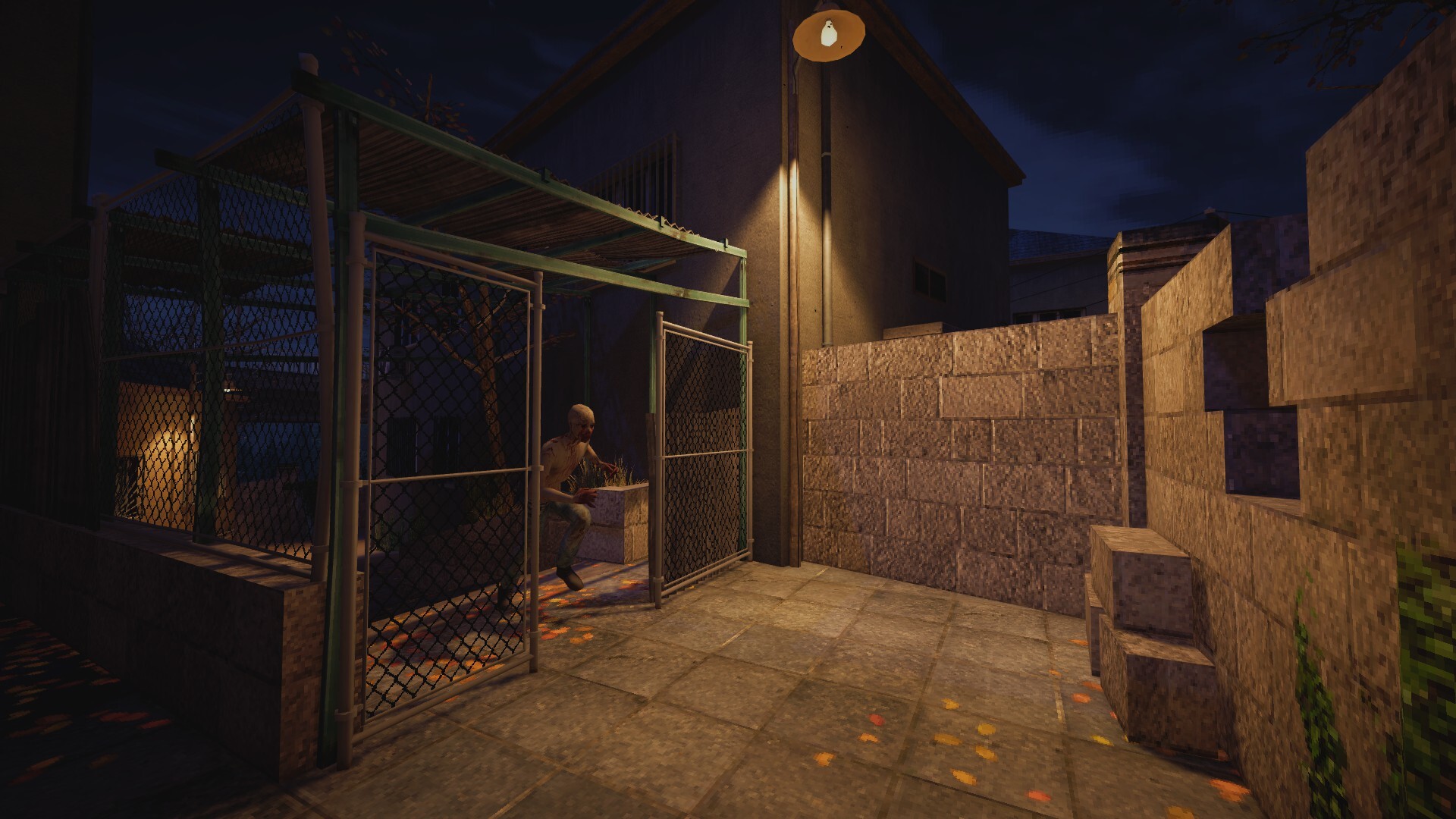
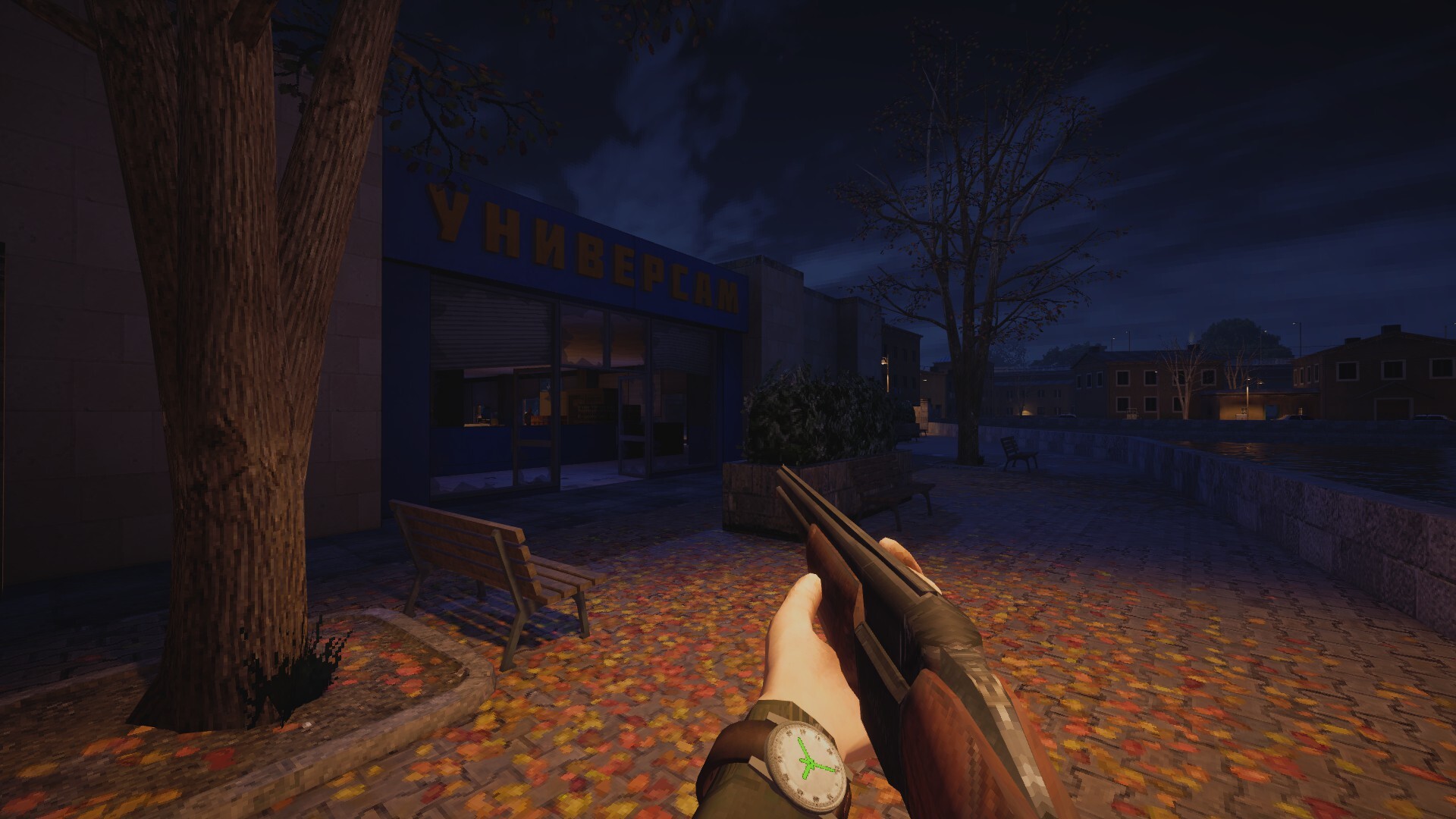
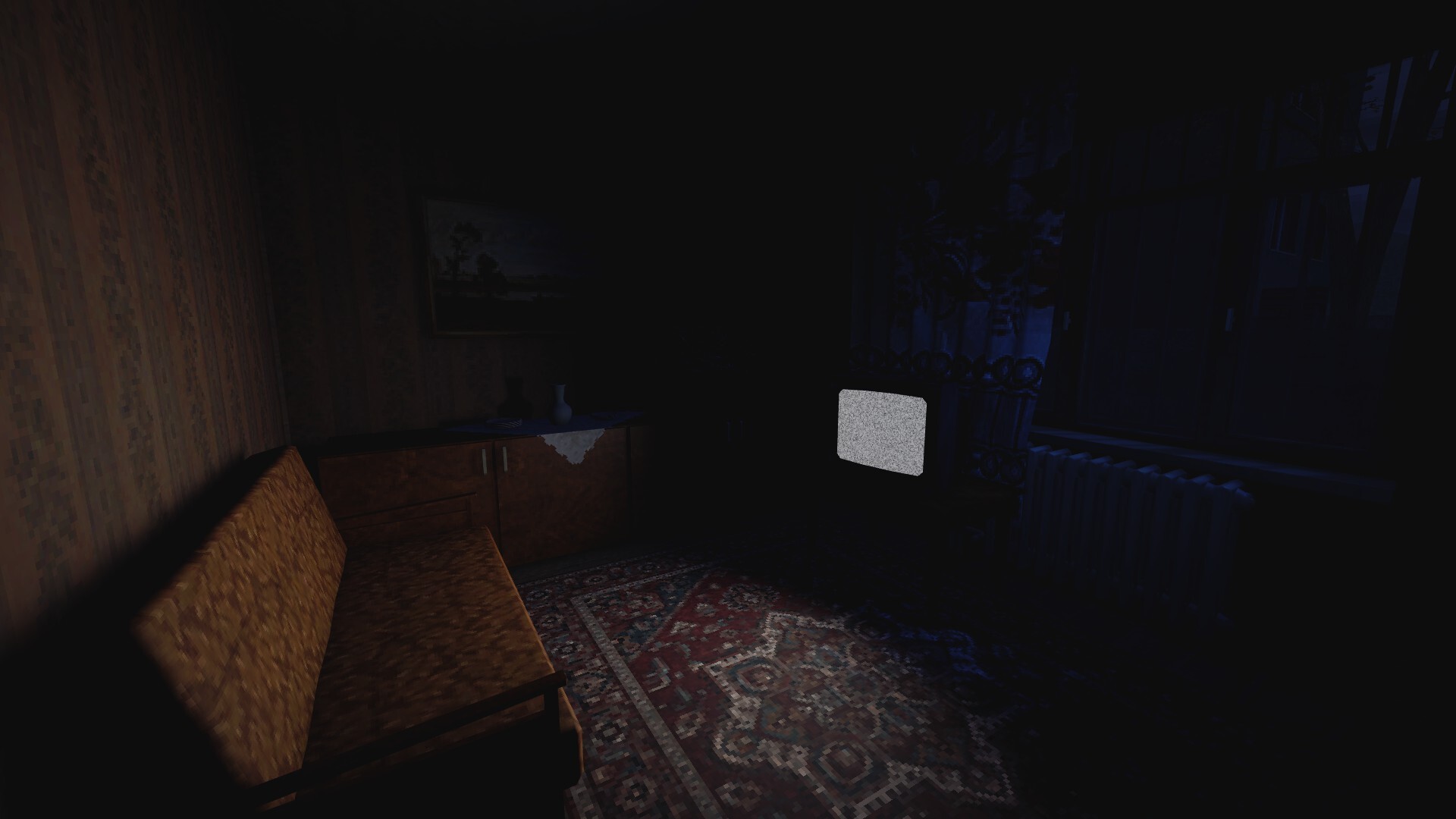
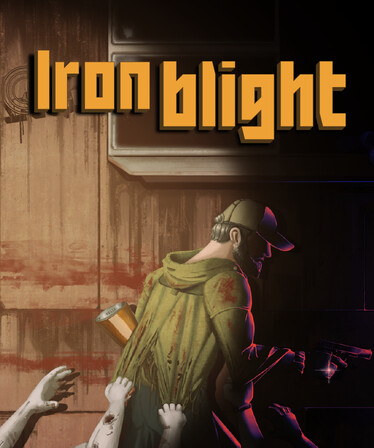
Iron Blight is a survival horror game set in a cold, rainy Eastern Bloc town. You are trapped in a room as abominations claw at your door, with nowhere to run. You must survive the feverish night, uncover the horrors lurking in the shadows, and above all, find your wife, Valeria.
Iron Blight is a survival horror, post-apocalyptic and 1990's game
developed by Ronesans Interactive
and published by Rock Paper Publisher.
Released on August 24th 2026 is available on Windows, Steam Deck and Steam Machine
in 12 languages: English, French, German, Spanish - Spain, Simplified Chinese, Portuguese - Brazil, Japanese, Korean, Polish, Russian, Turkish and Hungarian.
It has received 794 reviews of which 738 were positive and 56 were negative resulting in a rating of 8.7 out of 10. 😎
The game is currently priced at 13.49€ on Steam.
The Steam community has classified Iron Blight into these genres:
Survival Horror
Post-apocalyptic
1990's
Inventory Management
FPS
Atmospheric
Horror
Action
Shooter
Dark
Psychological Horror
Stylized
Zombies
Retro
Gore
Indie
Resource Management
First-Person
Singleplayer
Gun Customization
Here is the detailed breakdown of supported languages for Iron Blight:
| UI | Subtitle | Audio | |
|---|---|---|---|
| English | |||
| German | |||
| French | |||
| Korean | |||
| Spanish - Spain | |||
| Simplified Chinese | |||
| Russian | |||
| Japanese | |||
| Polish | |||
| Hungarian | |||
| Turkish | |||
| Portuguese - Brazil |
Media & Screenshots
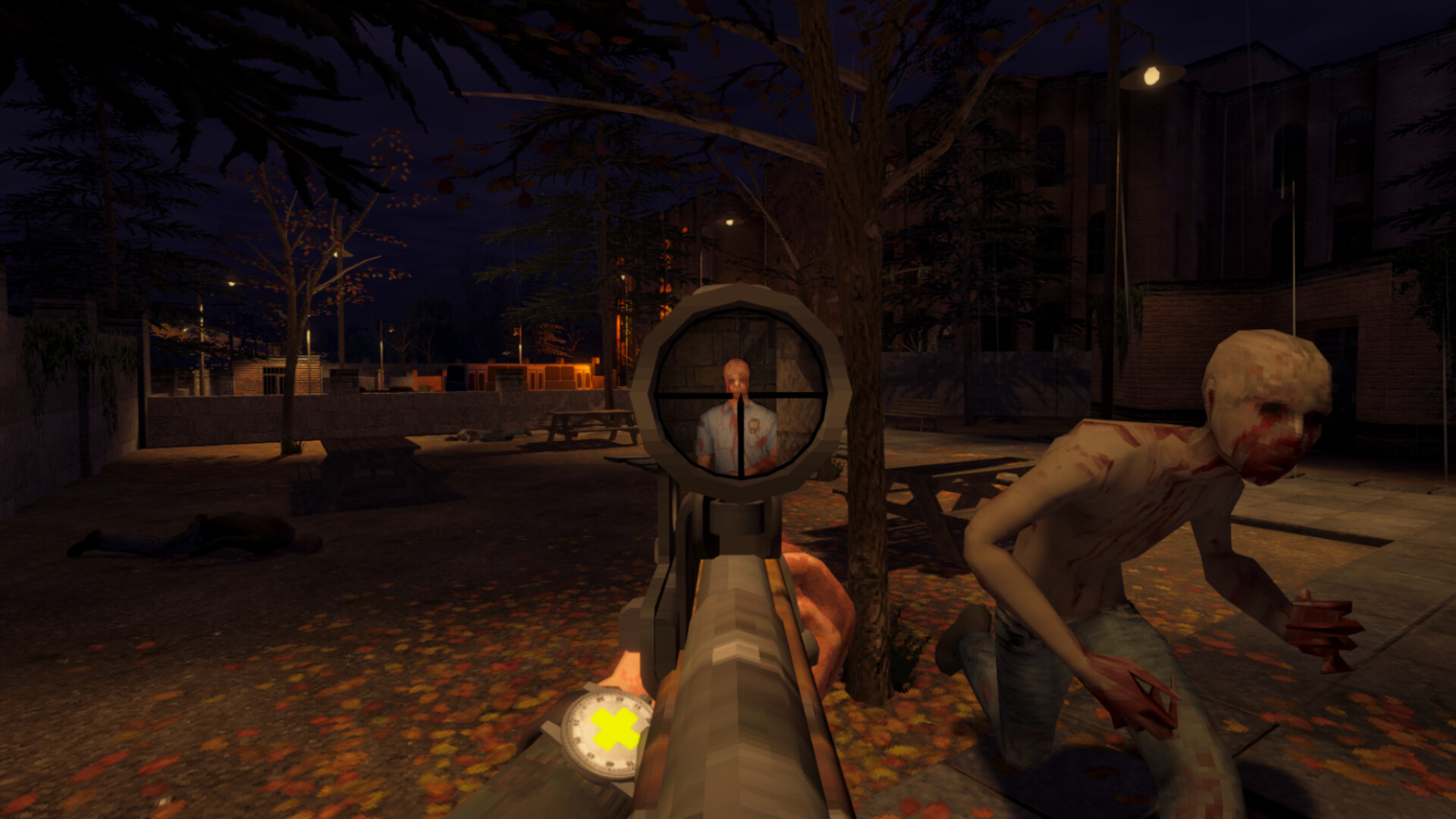
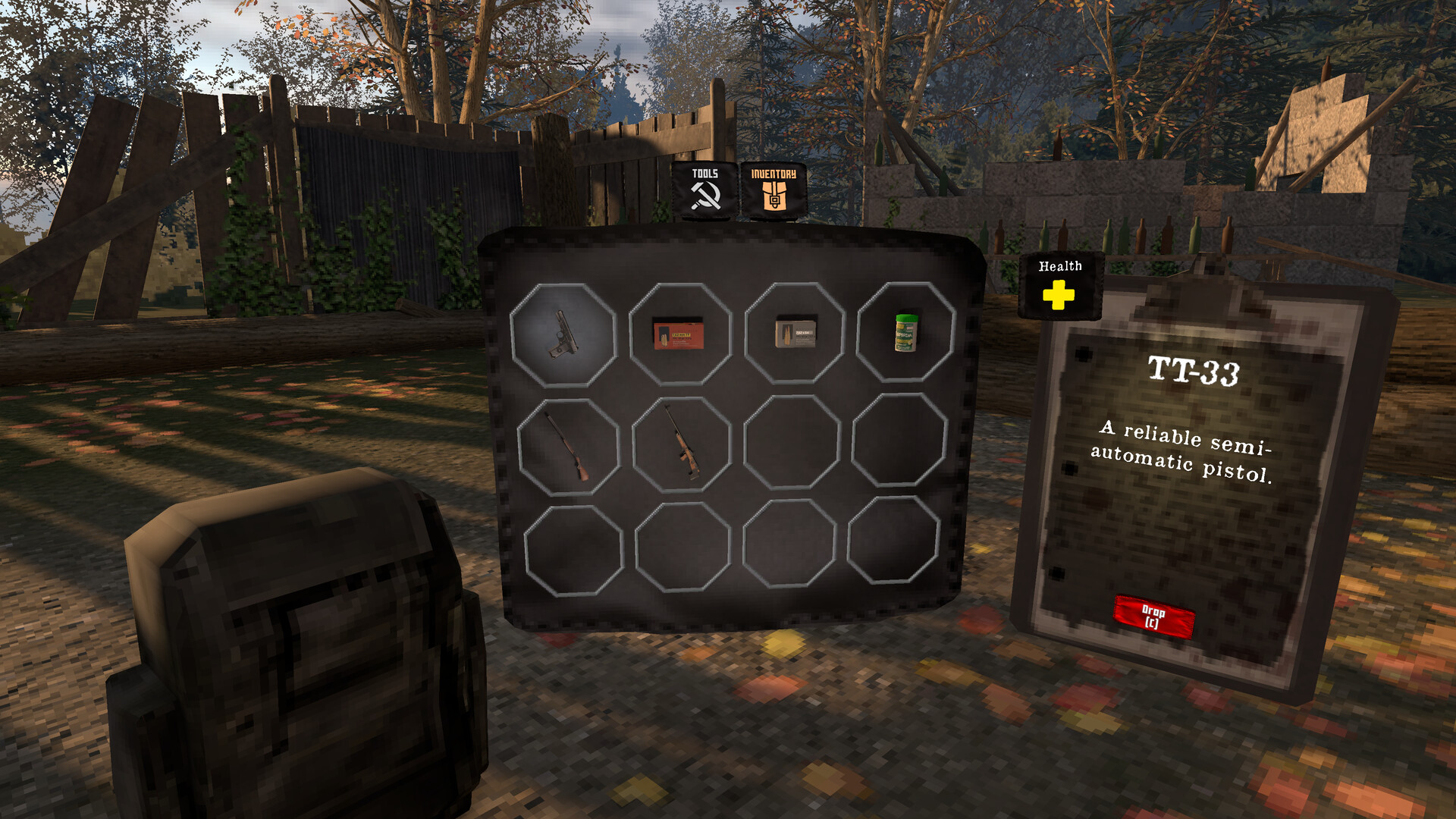
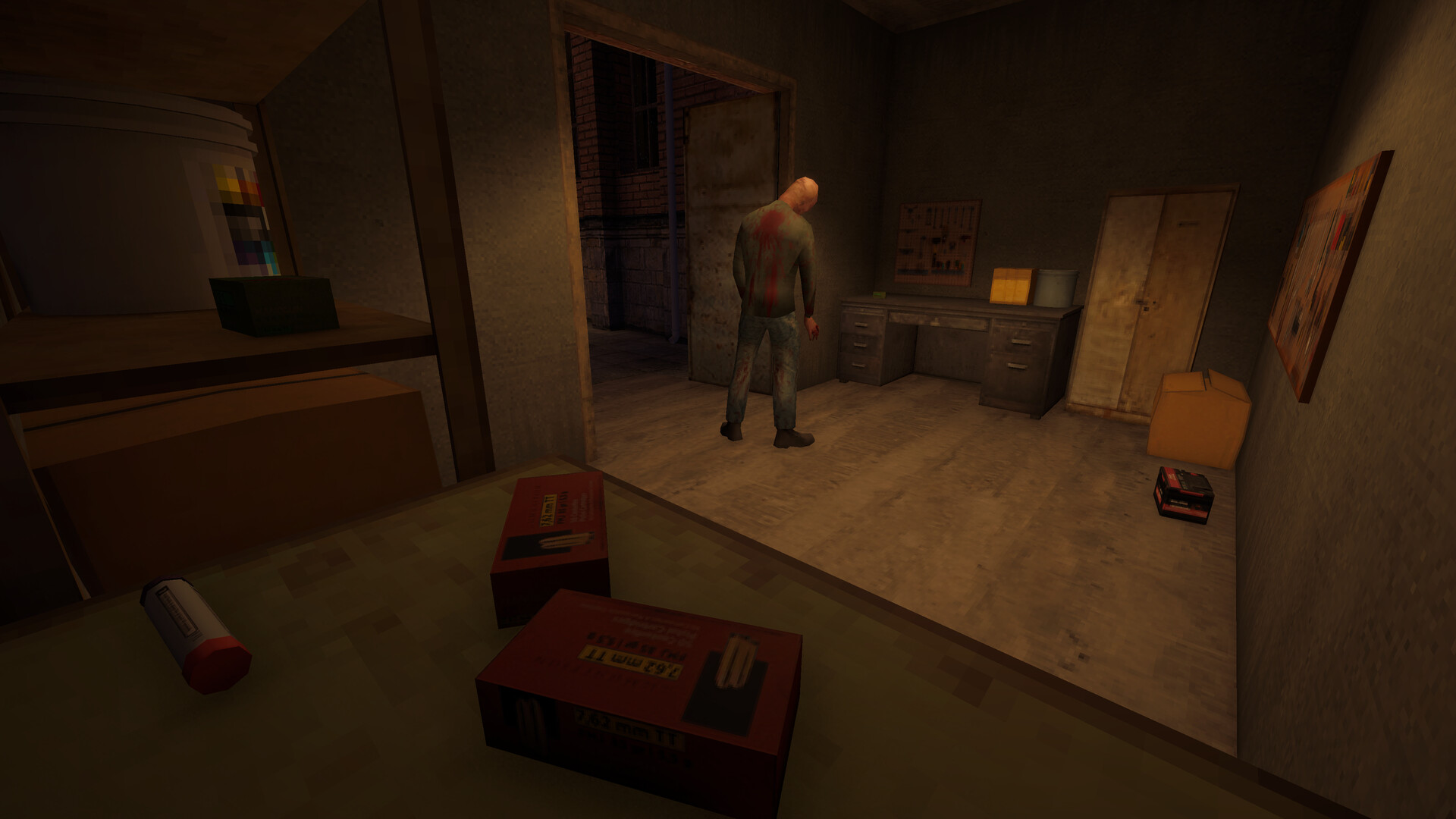
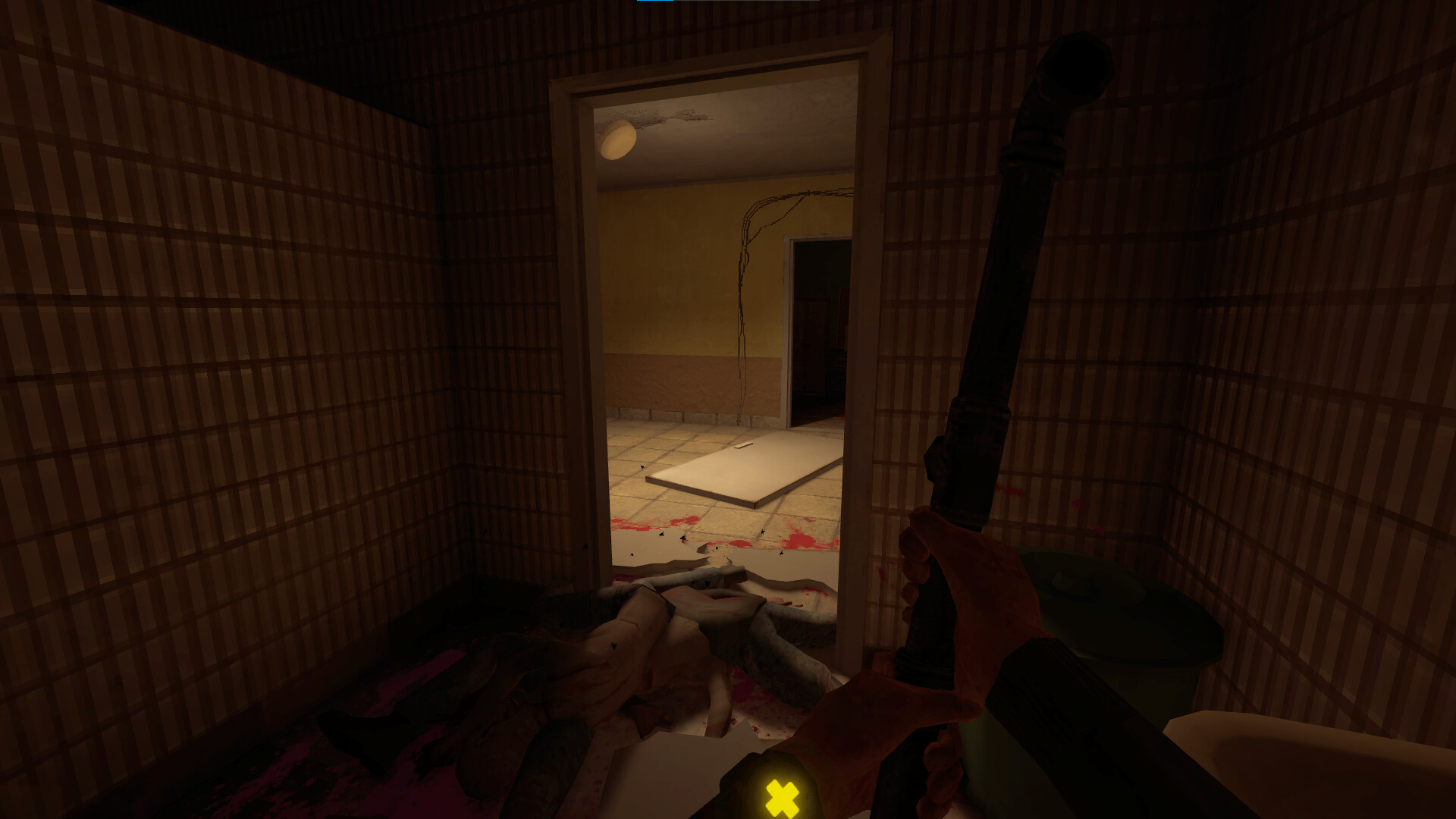
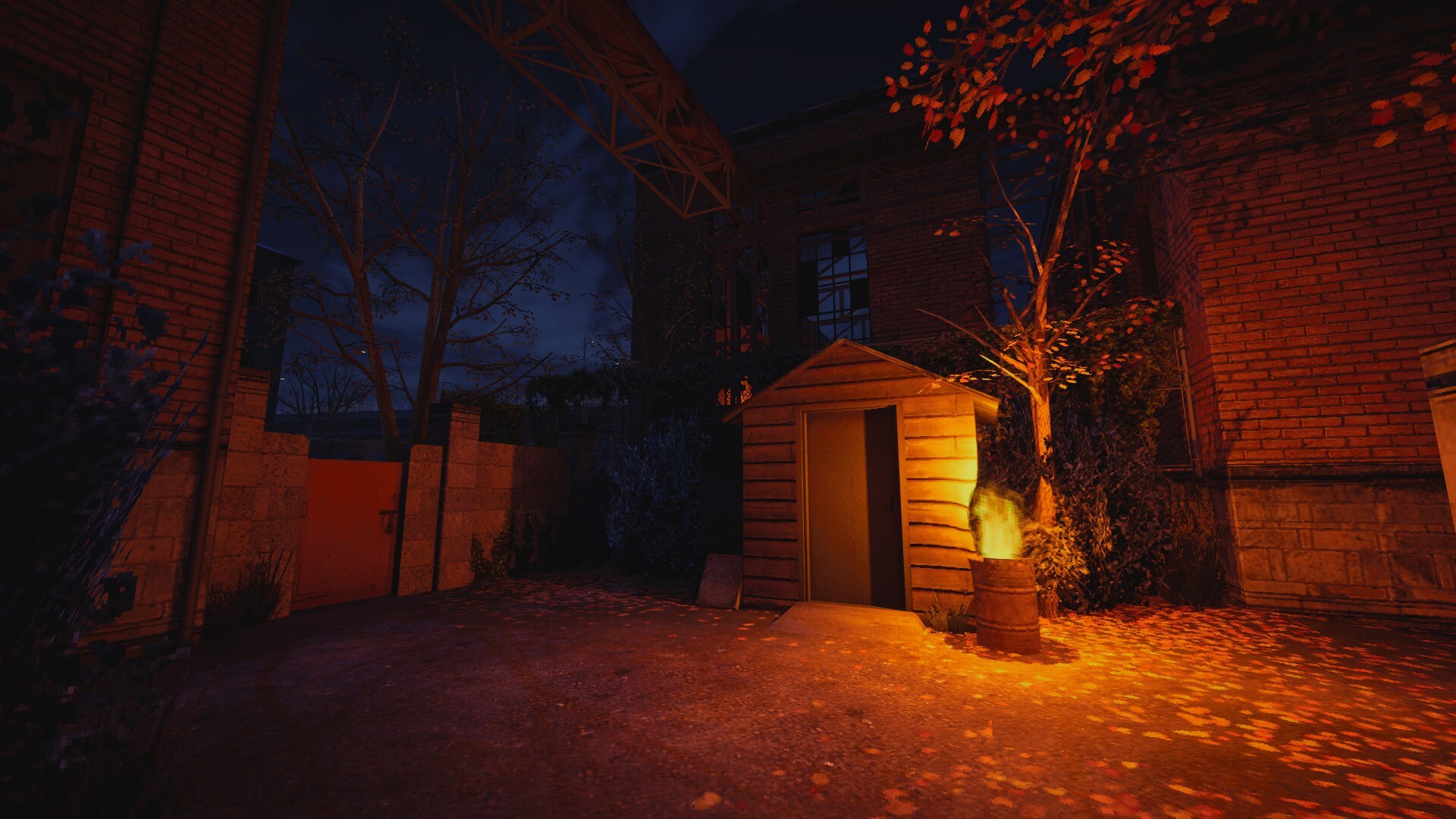
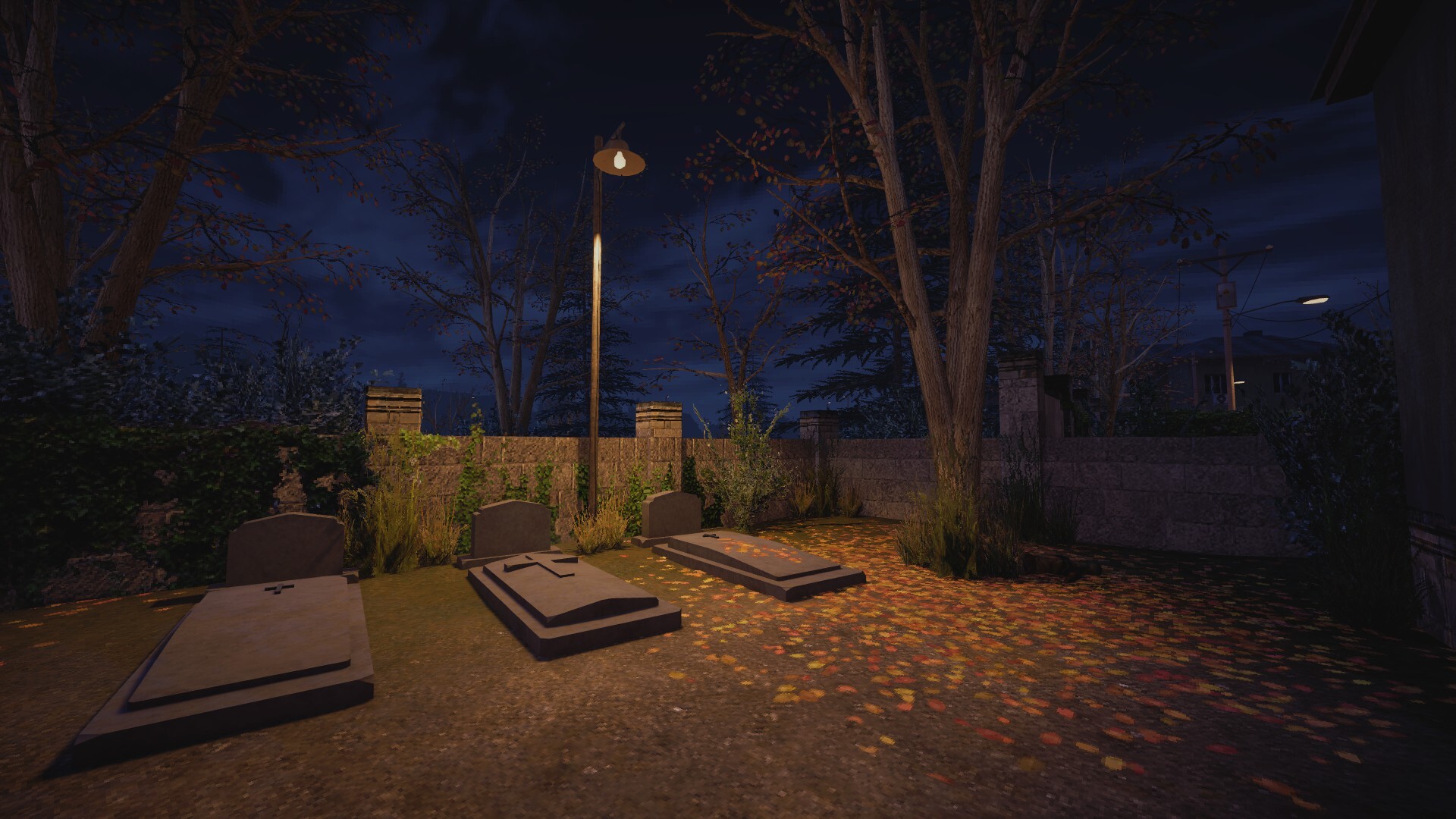
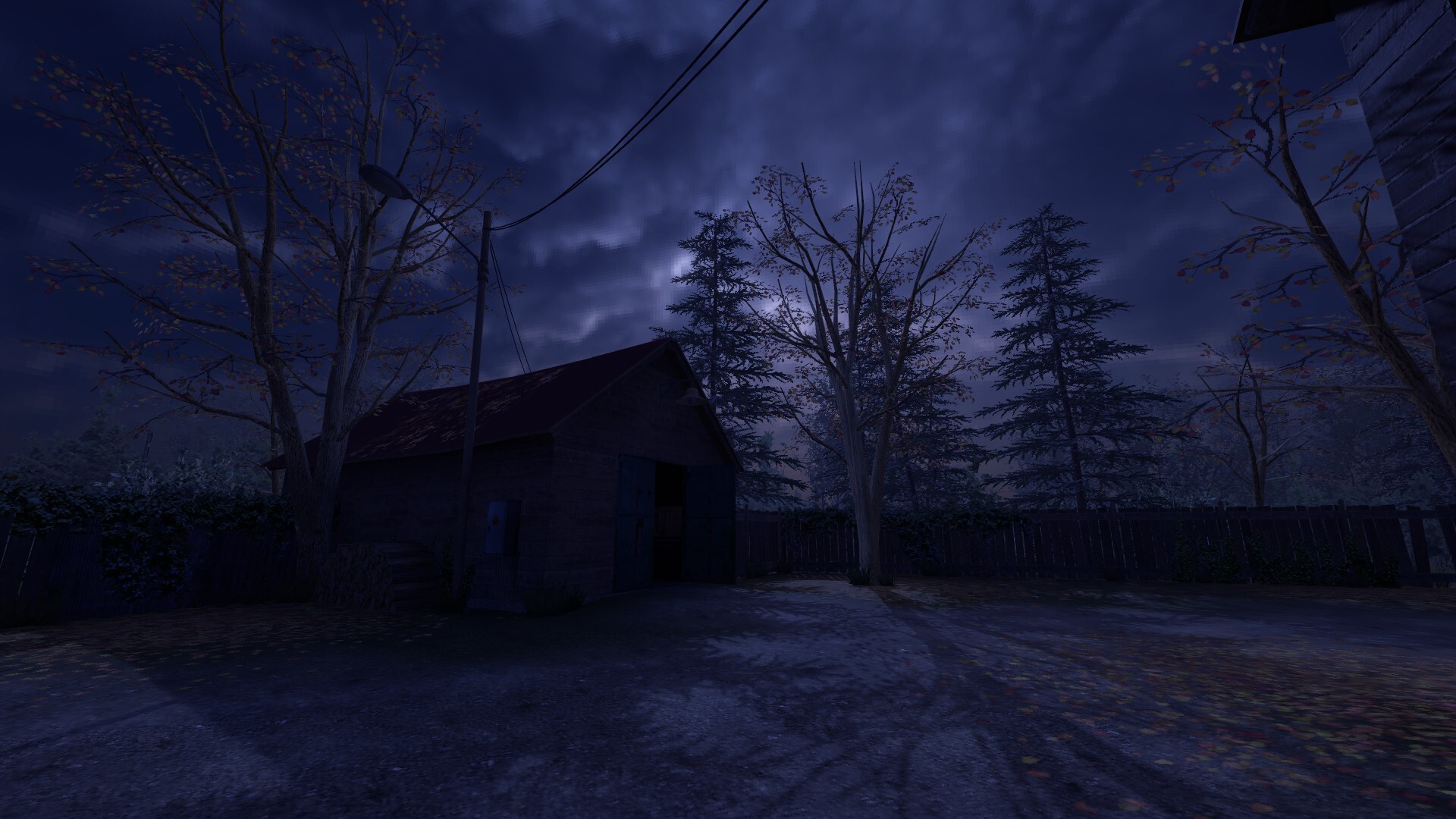
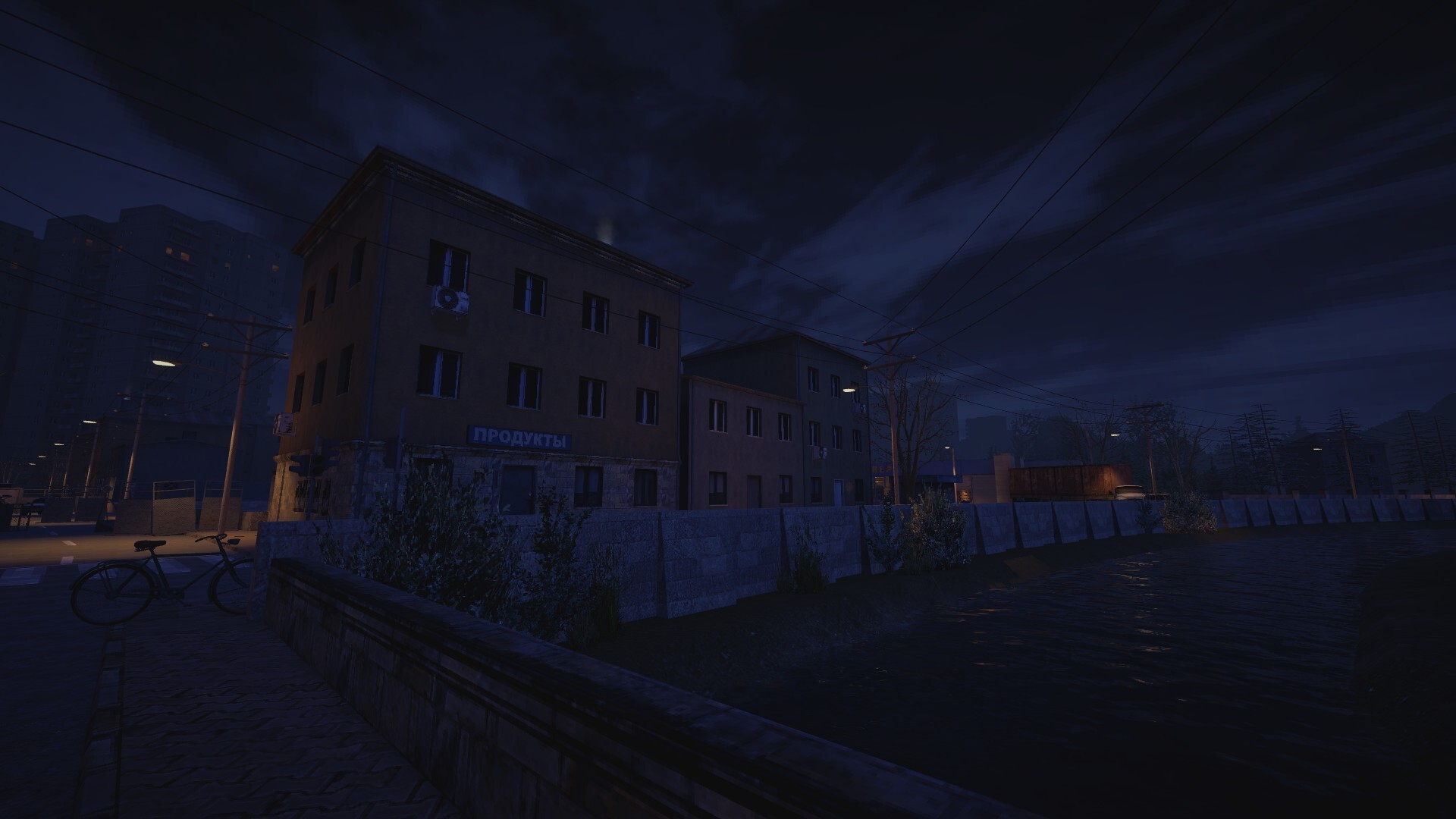
Get an in-depth look at Iron Blight through various videos and screenshots.

Load More

System requirements
These are the minimum specifications needed to play the game. For the best experience, we recommend that you verify them.
Windows
- OS *: Windows 7/8/10/11
- Processor: Intel Core i5-3470 or Equivalent
- Memory: 8 GB RAM
- Graphics: NVIDIA GTX 750 Ti 2 GB or Equivalent
- Storage: 1 GB available space
Steam Price & Best Deals
User reviews & Ratings
Explore reviews from Steam users sharing their experiences and what they love about the game.
I've been waiting for another solid indie horror in this vein for too long. For me, the last decent ones were Nightmare of Decay and Night at the Gates of Hell. Lost in Vivo and The Lacerator I put in a league of their own. I tried plenty of demos recently and came to the conclusion that most games of the current "PSX" (i.e. lo-fi) trend are poorly made and have no direction, taking their trashy roots too literally. Despite the trend, good indie horrors are more rare than meets the eye. Cry of Fear 2 ain't happening, not during this wave. I didn't hope for it, although, Iron Blight has broken the upsetting combo of mediocrity using an offbeat approach. Let me explain why I think these 7 hours were worthwhile. Presentation The story is minimalist. The prologue shows our main guy having a loving wife. Everyone knows you're not allowed to have a loving wife after an apocalypse kicks in. That it does. She might still be alive, though, so the goal is to find her by fighting your way through hordes of zombies infesting a post-apocalyptic Muhosransk. I call it that derogatory term as a joke, a provincial town in Russia can't be that tidy no matter the season. Oily sludge or black snow, there gotta be some substance covering the streets. And air conditioners? Yeah, right. It's an idealistic model reminiscent of something like Saint Petersburg, with its scenic promenades and low-rise architecture. I've been there once when I was 17... Such a cultured place! A couple of locals smashed a guitar over my head and broke my nose after mistaking me for a gopnik. They weren't wrong, we all looked like one where I'm from. Ah, the memories. Speaking of appearances, Iron Blight is extremely neat. Maybe too much so, the gore could be messier. I'd settle for a darker, thicker blood. But it's not like this game tries to be disturbing by these means, opting for a cartoony comicbook look. At that, it's like well-laid parquet or a wall painted by perfectionists. Not a single spot missed, no place to stick in an inconsistency across a refined artistry of this rock-solid arrangement. As far as low-poly stylisations go, this one is executed diligently. The same prostrates to sound design. Shooting is fine, damage feedback could use some additional oomph, but it's a nitpick. Background soundscapes steal the show. Screams and moans echo in the halls, working in tandem with the weather, and ghostly whispers coming from behind a locked door keep you guessing. It rains. Through the rain, you can hear a storm drain pouring. Look for the sound source - it's exactly there, not just background noise. That attention to detail is admirable. Exploration Eventually Iron Blight's world opens up, which I didn't expect to see. I thought the action would always take place in cramped spaces, maybe a set of alleys, but then you're given a town to explore. It's an abridged miniature, however, even that abstraction is extra compared to the usual scope of garage horrors. In spite of an ambition way grand for the budget, the feature was competently implemented. Nothing broke on my watch, nothing felt half-assed, the brutal simplicity of the scenery worked in Iron Blight's favour. And hey, you can ride a bicycle to travel faster! It has peculiar physics, too. They didn't have to do this, yet they did. This is a trend with this game. Environments get better and better as you go, I particularly appreciated the haunted gigapanelka. Getting creepier by the minute, that's where the game surpassed its cheesy premise for a moment, stepping into the big boy psychological horror territory with bits of environmental storytelling and apocalyptic vistas. Exploration goes strong and has a good flow, not least thanks to being separated into big seamless segments free of loadings between interiors and exteriors. It really helps with immersion. You mostly look for tools to open doors to get to other tools, etc. It's a natural part of your typical Rezzy agenda, on par with light puzzles and resource scarcity. The latter is expressed in temporary droughts rather than a constant struggle. To drip-feed a player right is a balancing act. Playing on Hardcore, every other smack I took half of my health, teaching me to value my loot... kinda. I like bigger difficulties in horror games, they give your finds more meaning, making exploration hit harder. That said, here scarcity was done fine for the most part, until the game gave up closer to the end. Pity. Anyway, you look for food, ammo, backpack upgrades, even gun mods are present. Laser sight, longer barrel, all that good stuff. Most of the mods are hidden away from the main path, so being thorough is encouraged. To boot, Iron Blight consistently dispenses imaginative little features and artistic strokes that improve on everything. Take fine detail like having to physically pull out your map or have space to put down your bag and rummage in it, all in real time. Seeing your body is always a nice touch pertaining to tangibility, seeing how our man's arms start trembling when things get heated without the game ruining the moment by trying to explain it away is even nicer. He just gets scared sometimes, is all. A horror game can always use some of that flavour and an odd ripe trope, sometimes barely noticeable things create suspense that keeps you on your toes. Like when you see a zombie's shadow behind a corner or them banging on the door and eventually breaking it down when you shut it in their face to catch a breather. Your flashlight blinks for a second - just enough to distract you. Subtle and effective. Combat Combat got the same treatment, being enhanced by fun features and a big arsenal, which includes a pistol and a magnum, 2 shotguns (one you gotta pump manually and it's the best thing ever), 3 machine guns, a rifle, several disposable melee weapons. When all else fails, you've got a janky kick to rely on. For enemies you have nasty spitting zombies, leaping gopnik zombies, tall zombies, hulking blind zombies. I also met a couple of fat megazombies who were supposed to be my stalkers at one point, but sneaking here is inconsistent, so I killed both. And I appreciated being allowed to. As for encounter design, Iron Blight is a one trick pony. Aside from rare interesting sequences, it mostly relies on unleashing overwhelming hordes on your ass. You'd think those would leave you no choice but to wrap up and run. Nope, often you actually have to fight those, it seems as if the game knows it's too generous and this is its way to enforce ammo sinks. Thankfully, you can run through enemies. It's a necessary concession, constantly getting cornered would be very annoying otherwise. While I thought the hordes were WAY overused and soon lost their appeal as a suspense device, I still didn't mind since combat mechanics shined during massive encounters. As a difficulty option, you realistically drop a magazine with remaining ammo while reloading, which you can then pick back up from the ground (if you could find it). I recommend turning it on, it makes you sweat. A gun can also jam in the middle of a scuffle, and these moments of panic are simply priceless. Bullet casings realistically roll downhill, heads go splat, and weapon drawing animations are a song. This is how you elevate an otherwise average combat system. When all the features come together, it becomes more than the sum of its parts. That can be said about Iron Blight as a whole. I didn't see the appeal before it started to bloom after the first chapter, then it grabbed me firmly. There's nothing innovative or particularly impressive technically, none of the things it does is a revelation on its own. Regardless, resourceful people from Ronesans Interactive managed to combine mundane bits and bobs lying around their garage into a tank engine of a game. I hope to see more from these guys. My curator [url=https://store.steampowered.com/curator/35305390/]Big Bad Mutuh
Very short game. Only two chapters and a prologue. I finished it in six hours, and I'm the type of player who tend to explore the surrounding first before going to the supposed objective. The gunplay and the sound design is really good, and the minimal use of the UI is also well done. I love the horror element too, especially with the bleak atmosphere. Listening to the zombie's footsteps is key here, though they still jumped my ass multiple times. This game is basically linear Tarkov mixed with Resident Evil stuffs. Overall, Iron Blight is a very short game, though considering the price it kinda makes sense. I wish there's more replayability though like a new game+ or something. It's the type of game where you finish it once and that's it. 7/10 for me.
There are too many EXCELLENT systems working in this game to be as short as it is. The gunplay, sound design, map, backpack and inventory, ODDLY SUPREME BICYCLE HANDLING, puzzle design, exploration. Everything works AMAZINGLY WELL. Then after mere MINUTES of PURE JOY the developer says "Better too little than too much!" Like a Parisian restaurant, the one bite on the plate is PERFECTION. But it only makes you HUNGRIER. *ding ding ding* Excuse ME chef, I am still FAMISHED and the only thing I want on the menu is MORE of THIS.
Similar games
View all

Metro 2033 Redux
In 2013 the world was devastated by an apocalyptic event, annihilating almost all mankind and turning the Earth's surface into a poisonous wasteland. A handful of survivors took refuge in the depths of the Moscow underground, and human civilization entered a new Dark Age. The year is 2033.

Operation: Outbreak
Your squad's vehicle exploded during a patrol, and you're the only survivor. The enemy is unusual this time. A virus has turned the city into a warzone of the undead. Get to the exfil in time or die trying. A free-to-play short and intense FPS zombie survival horror game.

Nightmare of Decay
A first-person action horror game set in a nightmarish manor infested with zombies, psychotic cultists, and a horde of other horrors. Utilize an assortment of different weapons in a brutal fight for survival as you try to escape from the Nightmare of Decay.

EBOLA VILLAGE
EBOLA VILLAGE - this is a classic survival horror game from the 90s with a focus on atmosphere and player immersion. Solve puzzles, follow the story carefully and use various weapons in a brutal fight for survival. Danger lurks at every turn.

Project Crypt
Project Crypt: The horror adventure about escaping a city overrun by monsters.

Metro: Last Light Redux
It is the year 2034. Beneath the ruins of post-apocalyptic Moscow, in the tunnels of the Metro, the remnants of mankind are besieged by deadly threats from outside – and within. Mutants stalk the catacombs beneath the desolate surface, and hunt amidst the poisoned skies above.

Into the Dead: Our Darkest Days
Texas, 1980. Walton City has fallen to a zombie outbreak. Lead a band of desperate survivors from refuge to refuge by scavenging, crafting, and fighting in a relentless struggle for survival. Plan wisely, stick together, and — above all — keep moving if you want to make it out alive.

Echoes of the Living
Echoes of the Living is a dark Classic Survival Horror inspired by the greatest hits from the 90's focused on reimagining visual horror, your goal is to make it out alive while uncovering the truth about the incident.


S.T.A.L.K.E.R.: Call of Pripyat
S.T.A.L.K.E.R.: Call of Pripyat is the direct sequel of the S.T.A.L.K.E.R.: Shadow of Chernobyl. As a Major Alexander Degtyarev you should investigate the crash of the governmental helicopters around the Zone and find out, what happened there.

S.T.A.L.K.E.R.: Clear Sky
S.T.A.L.K.E.R.: Clear Sky – standalone prequel for the acclaimed S.T.A.L.K.E.R.: Shadow of Chernobyl, which tells you story about the Clear Sky group, that want to research the Zone and understand it better.
Frequently Asked Questions
Iron Blight is currently priced at 13.49€ on Steam.
No, Iron Blight is currently not on sale. You can purchase it for 13.49€ on Steam.
Yes, Iron Blight received 738 positive votes out of a total of 794 achieving a rating of 8.72.
😎
Iron Blight was developed by Ronesans Interactive and published by Rock Paper Publisher.
Yes, Iron Blight is playable and fully supported on Windows.
No, Iron Blight is not playable on MacOS.
No, Iron Blight is not playable on Linux.
Yes, Iron Blight is playable on Steam Deck, though it might require a few minor tweaks. Make sure to check the Steam store page and community feedback on ProtonDB for exact compatibility details.
Yes, Iron Blight is playable on Steam Machine, though it might require a few minor tweaks. Make sure to check the Steam store page and community feedback on ProtonDB for exact compatibility details.
No, Iron Blight does not support VR.
Iron Blight is a single-player game.
No, Iron Blight does not currently offer any DLC.
No, Iron Blight does not support mods via Steam Workshop.
No, Iron Blight does not support Steam Remote Play.
Yes, Iron Blight is enabled for Steam Family Sharing. This means you can share the game with authorized users from your Steam Library, allowing them to play it on their own accounts. For more details on how the feature works, you can read the original Steam Family Sharing announcement or visit the Steam Family Sharing user guide and FAQ page.
You can find solutions or submit a support ticket by visiting the Steam Support page for Iron Blight.
Data sources
The information presented on this page is sourced from reliable APIs to ensure accuracy and relevance. We utilize the Steam API to gather data on game details, including titles, descriptions, prices, and user reviews. This allows us to provide you with the most up-to-date information directly from the Steam platform.
Additionally, we incorporate data from the SteamSpy API, which offers insights into game sales and player statistics. This helps us present a comprehensive view of each game's popularity and performance within the gaming community.
Last Updates| Steam data | 19 October 2026 11:54 UTC |
|---|---|
| SteamSpy data | 19 October 2026 09:34 UTC |
| Steam price | 19 October 2026 19:35 UTC |
| Steam reviews | 17 October 2026 22:09 UTC |
If you'd like to dive deeper into the details about Iron Blight, we invite you to check out a few dedicated websites that offer extensive information and insights. These platforms provide valuable data, analysis, and user-generated reports to enhance your understanding of the game and its performance.
- SteamDB - A comprehensive database of everything on Steam about Iron Blight
- SteamCharts - Analysis of Iron Blight concurrent players on Steam
- ProtonDB - Crowdsourced reports on Linux and Steam Deck Iron Blight compatibility
Game modes
Features
Online players
25
Developer
Ronesans Interactive
Publisher
Rock Paper Publisher
Release
24 Aug 2026
Platforms