
Langrisser I & II on Steam - User reviews, Price & Information
The battle between light and chaos comes to a head in this remake of legendary Strategy RPGs Langrisser I and Langrisser II.
Langrisser I & II is a rpg, strategy and turn-based tactics game
developed by Chara-ani Corporation
and published by NIS America and Inc..
Released on March 10th 2020 is available only on Windows
in 4 languages: English, Japanese, Korean and Traditional Chinese.
It has received 872 reviews of which 640 were positive and 232 were negative resulting in a rating of 7.0 out of 10. 😊
The game is currently priced at 49.99€ on Steam, but you can find it for 9.92€ on Gamivo.
The Steam community has classified Langrisser I & II into these genres:
Media & Screenshots
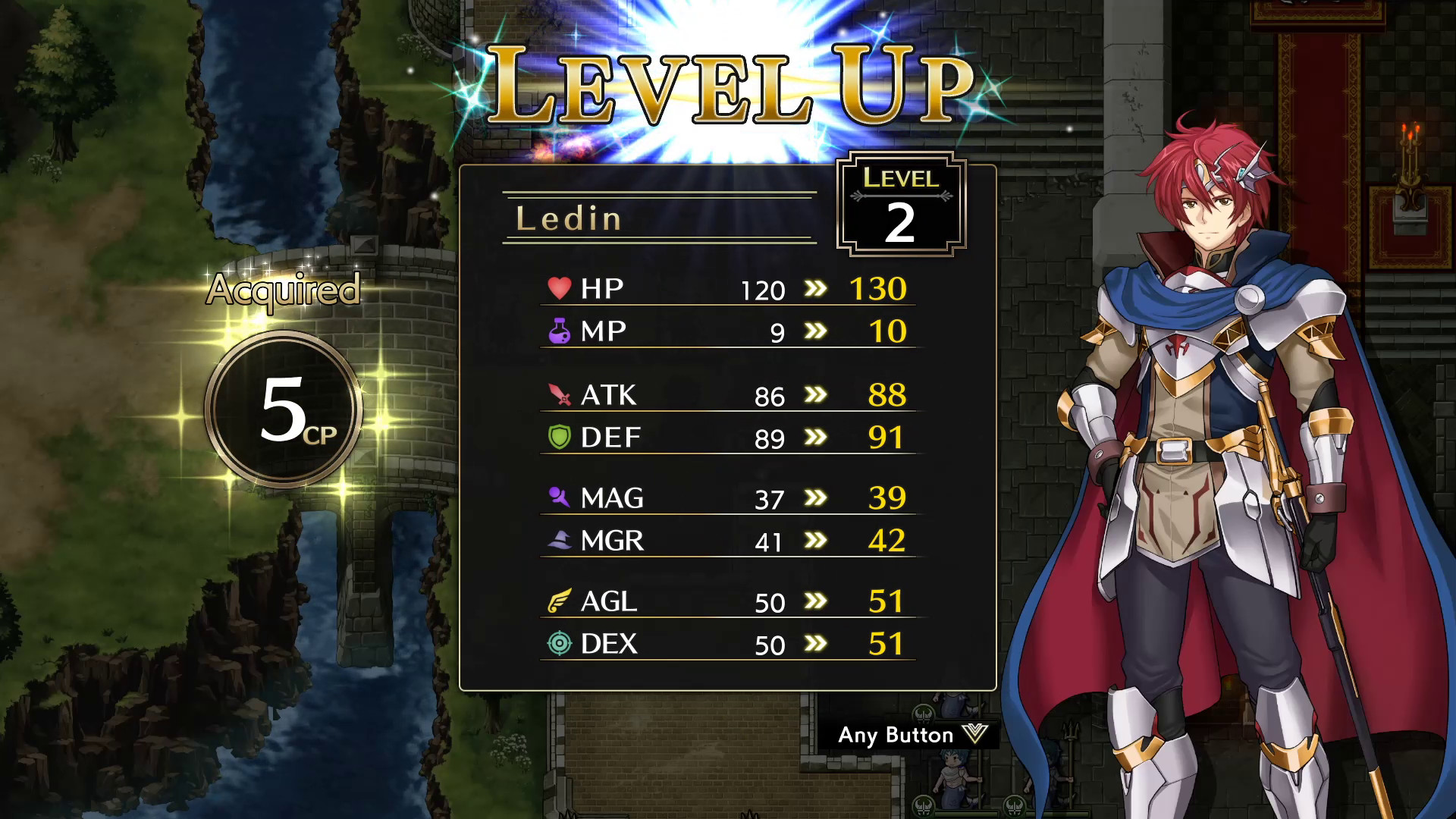
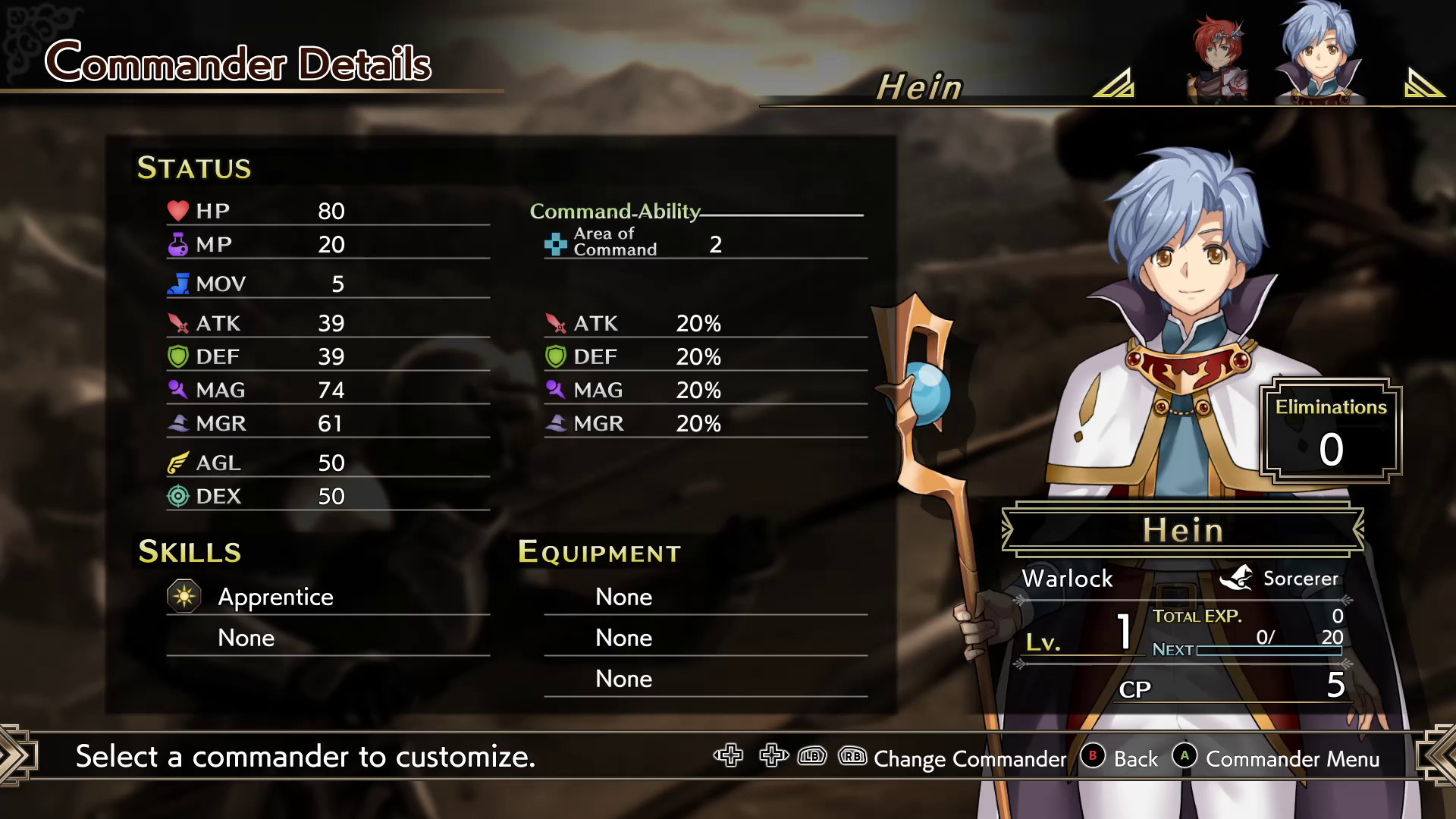
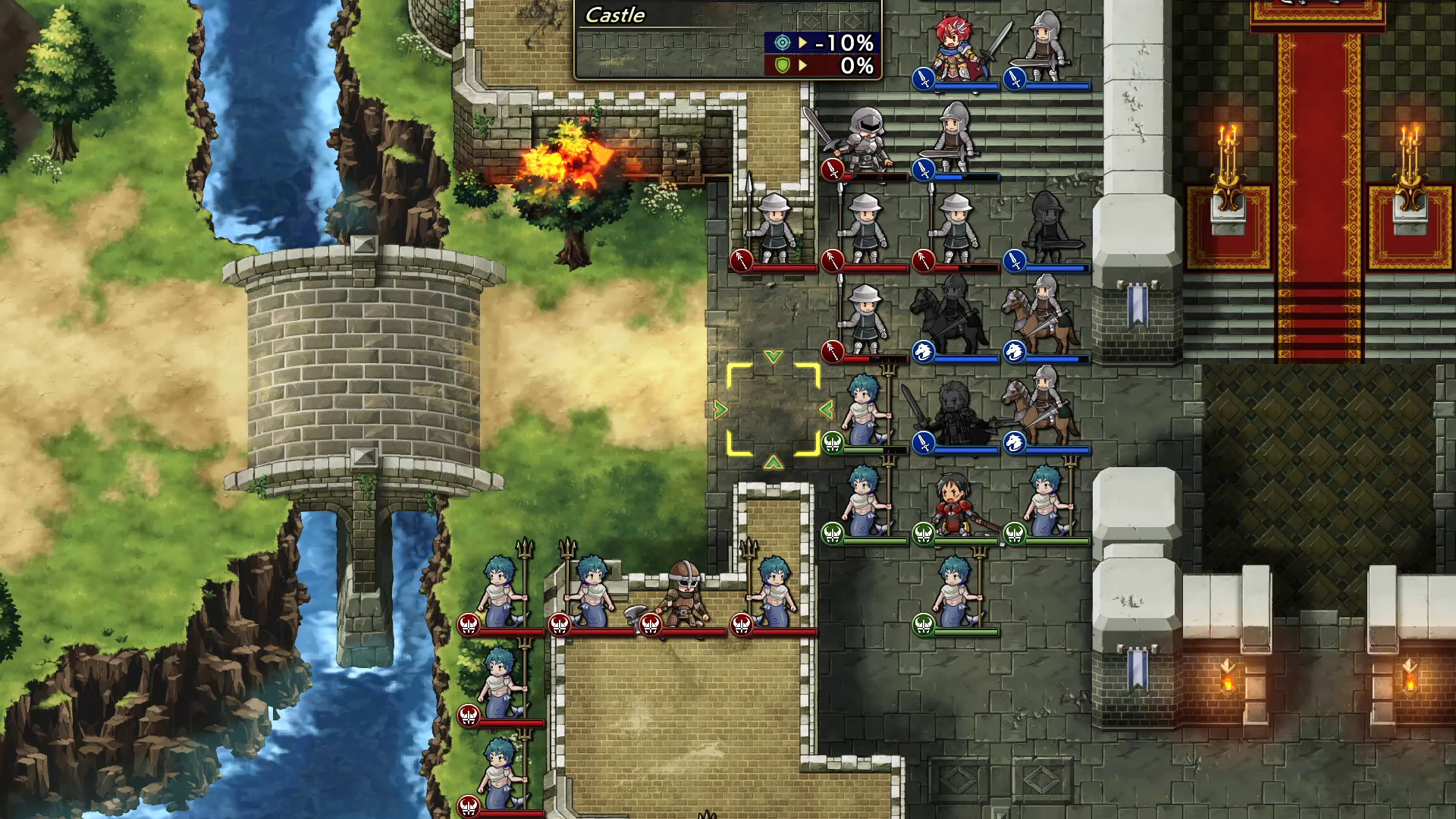
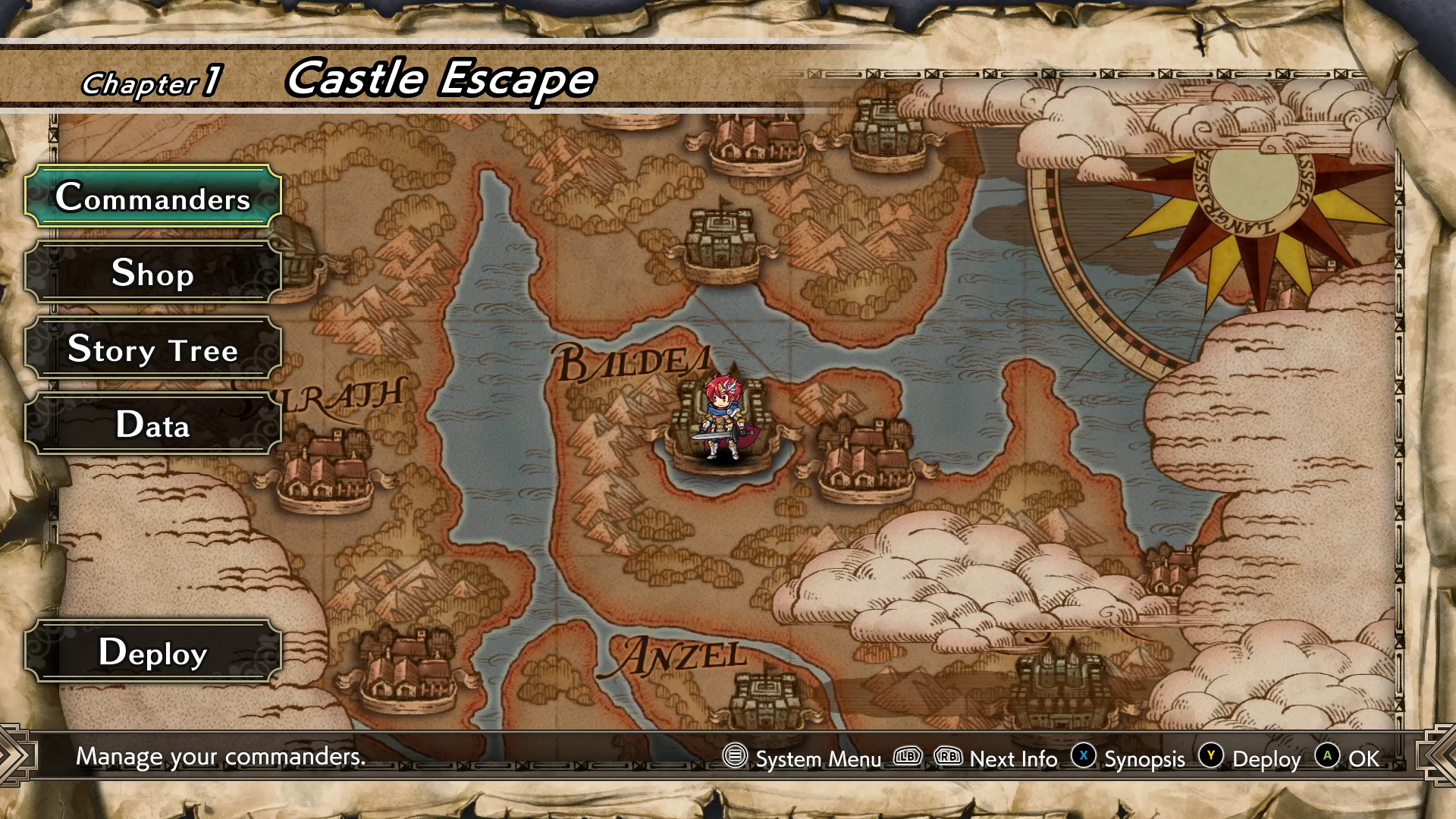
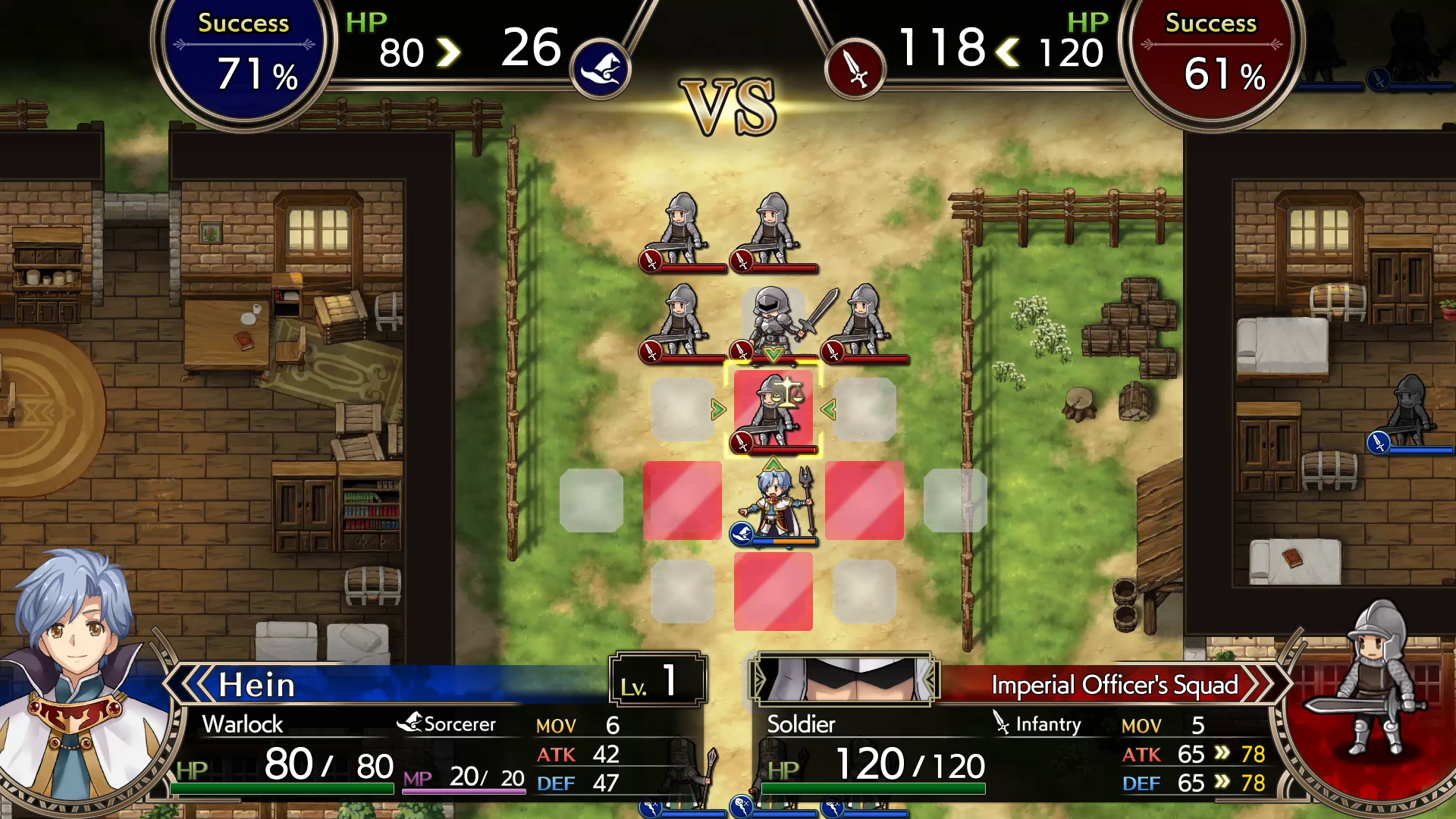
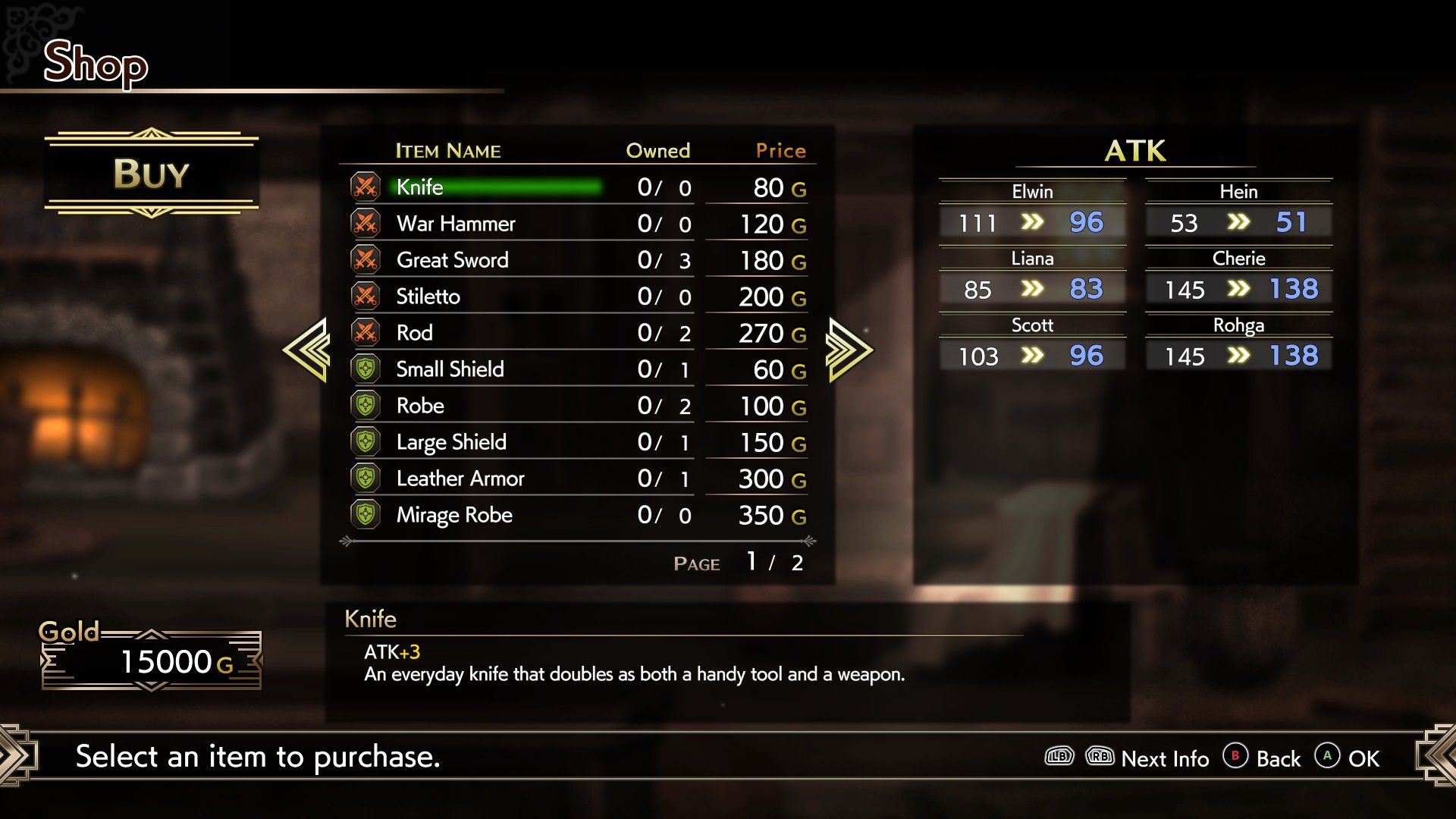
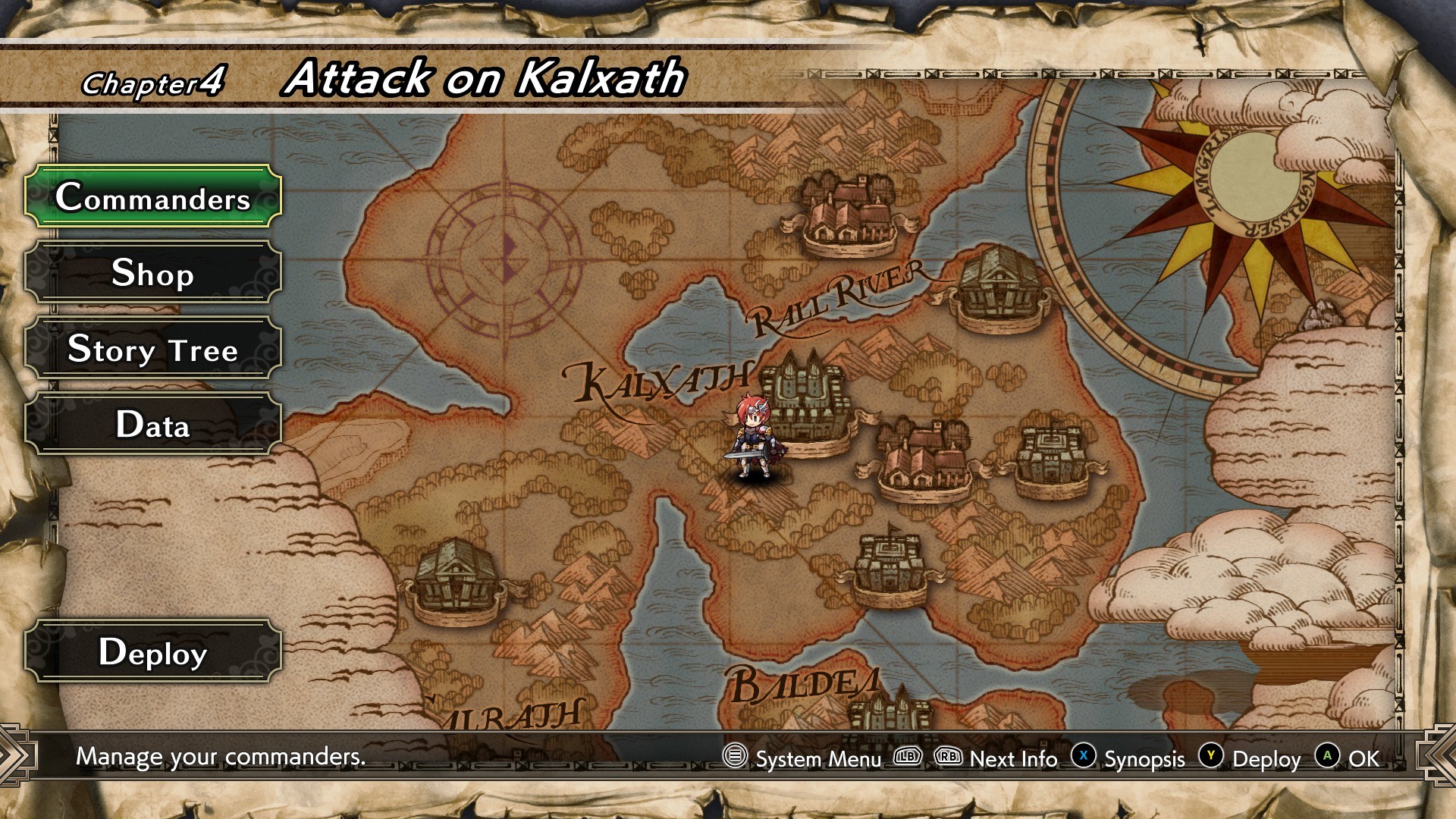
Get an in-depth look at Langrisser I & II through various videos and screenshots.







System requirements
These are the minimum specifications needed to play the game. For the best experience, we recommend that you verify them.
- Requires a 64-bit processor and operating system
- OS: Win7 x64 or newer
- Processor: Dual core AMD or Intel Processor @ 2.80 GHz or higher
- Memory: 4 GB RAM
- Graphics: Nvidia GTS 450, AMD Radeon R7 250 or newer OR Integrated graphics with 8-16 GB System Memory
- DirectX: Version 11
- Storage: 5 GB available space
- Additional Notes: Tested integrated graphics: Intel® HD Graphics 4600, Radeon HD 8670D (Both needed 16 GB of RAM)
User reviews & Ratings
Explore reviews from Steam users sharing their experiences and what they love about the game.
Similar games
View all











Frequently Asked Questions
Data sources
The information presented on this page is sourced from reliable APIs to ensure accuracy and relevance. We utilize the Steam API to gather data on game details, including titles, descriptions, prices, and user reviews. This allows us to provide you with the most up-to-date information directly from the Steam platform.
Additionally, we incorporate data from the SteamSpy API, which offers insights into game sales and player statistics. This helps us present a comprehensive view of each game's popularity and performance within the gaming community.
Last Updates| Steam data | 09 March 2026 02:32 |
|---|---|
| SteamSpy data | 10 March 2026 13:43 |
| Steam price | 15 March 2026 12:27 |
| Steam reviews | 15 March 2026 10:02 |
If you'd like to dive deeper into the details about Langrisser I & II, we invite you to check out a few dedicated websites that offer extensive information and insights. These platforms provide valuable data, analysis, and user-generated reports to enhance your understanding of the game and its performance.
- SteamDB - A comprehensive database of everything on Steam about Langrisser I & II
- SteamCharts - Analysis of Langrisser I & II concurrent players on Steam
- ProtonDB - Crowdsourced reports on Linux and Steam Deck Langrisser I & II compatibility

 49.99€
Visit Store
49.99€
Visit Store
 🔥 Deal
-81%
49.99€
9.92€
Buy Now
🔥 Deal
-81%
49.99€
9.92€
Buy Now
 -77%
49.99€
11.87€
Visit Store
-77%
49.99€
11.87€
Visit Store
 -74%
49.99€
13.29€
Visit Store
-74%
49.99€
13.29€
Visit Store
 -72%
49.99€
14.20€
Visit Store
-72%
49.99€
14.20€
Visit Store