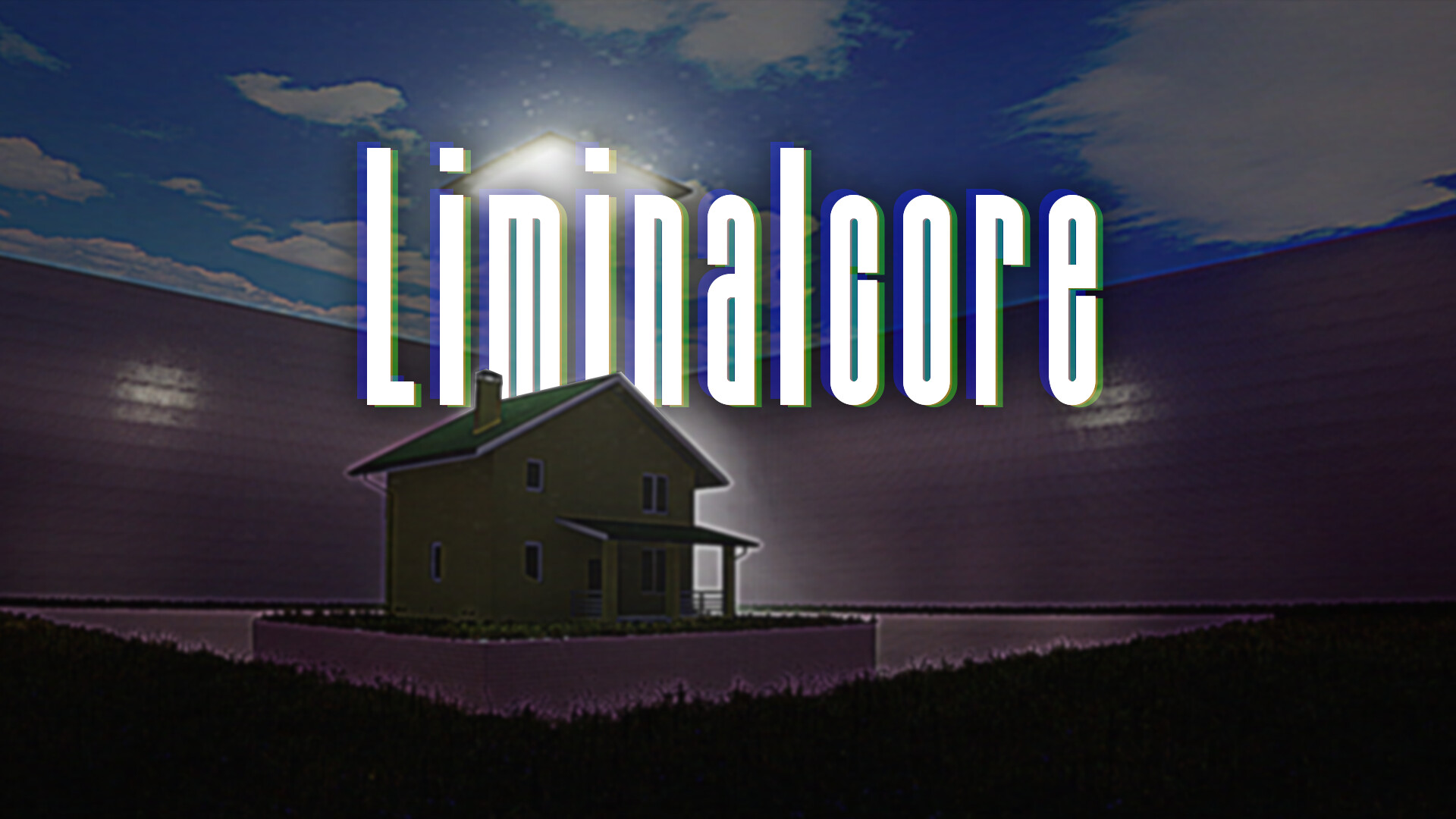
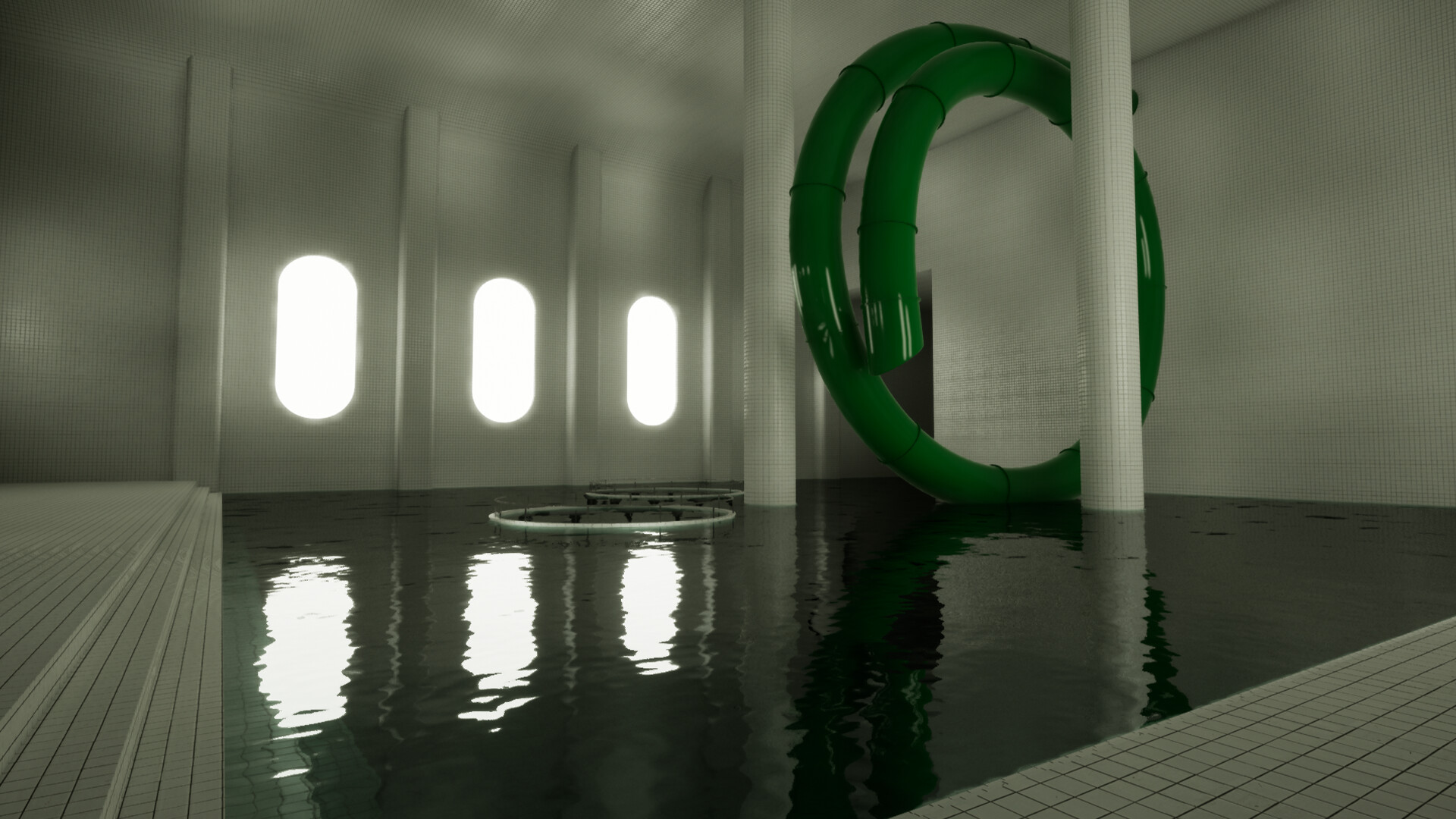
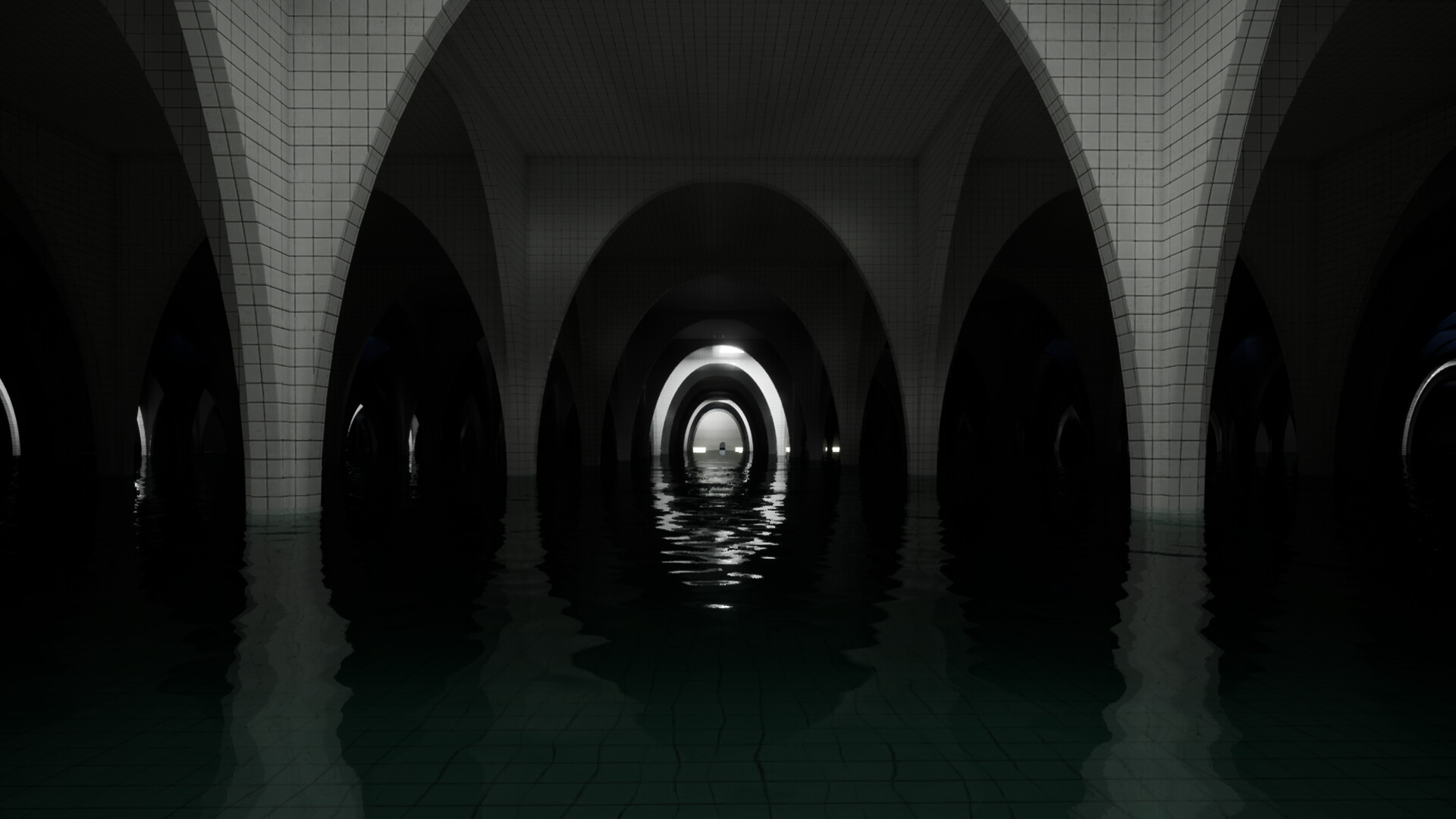
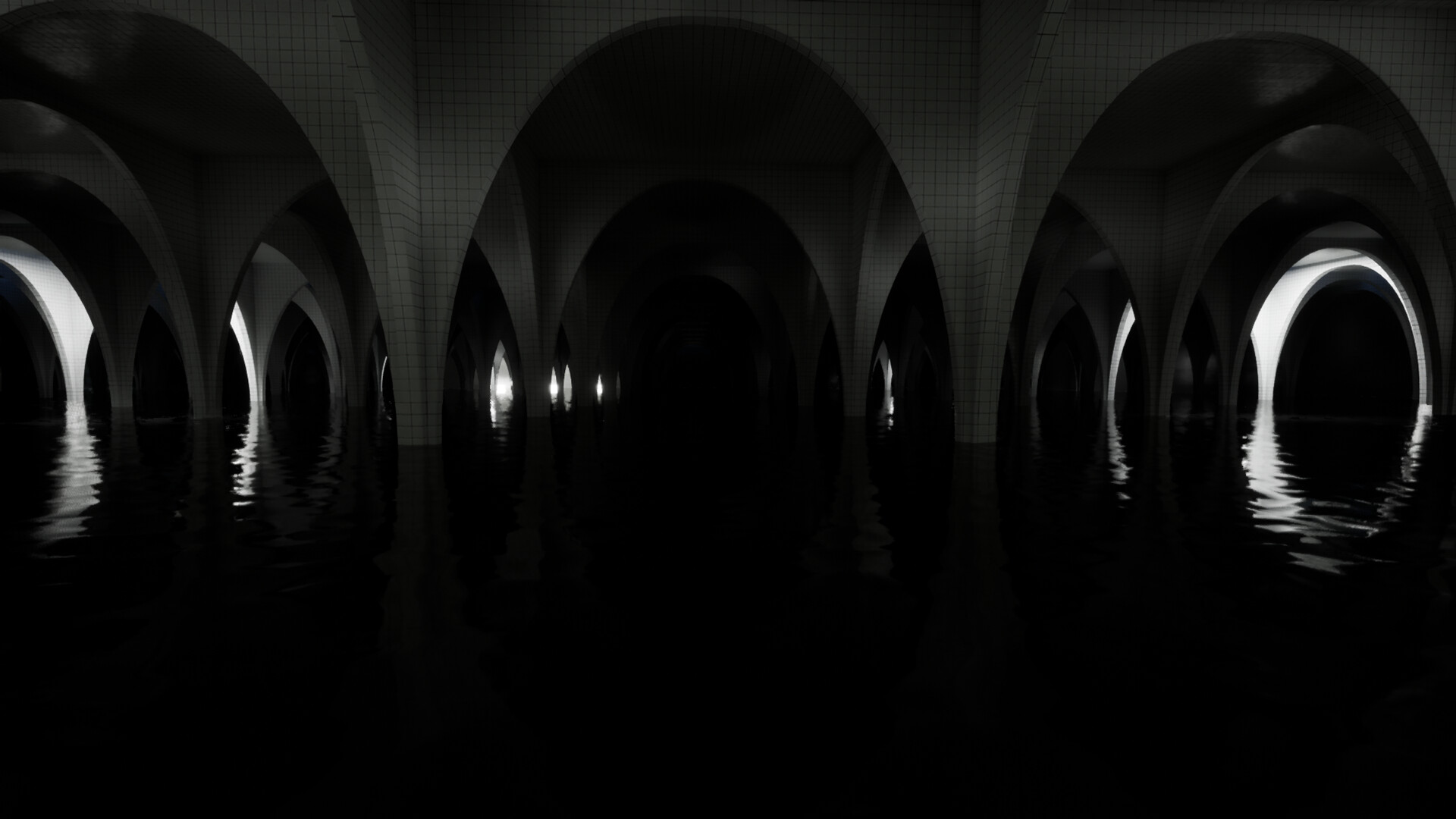
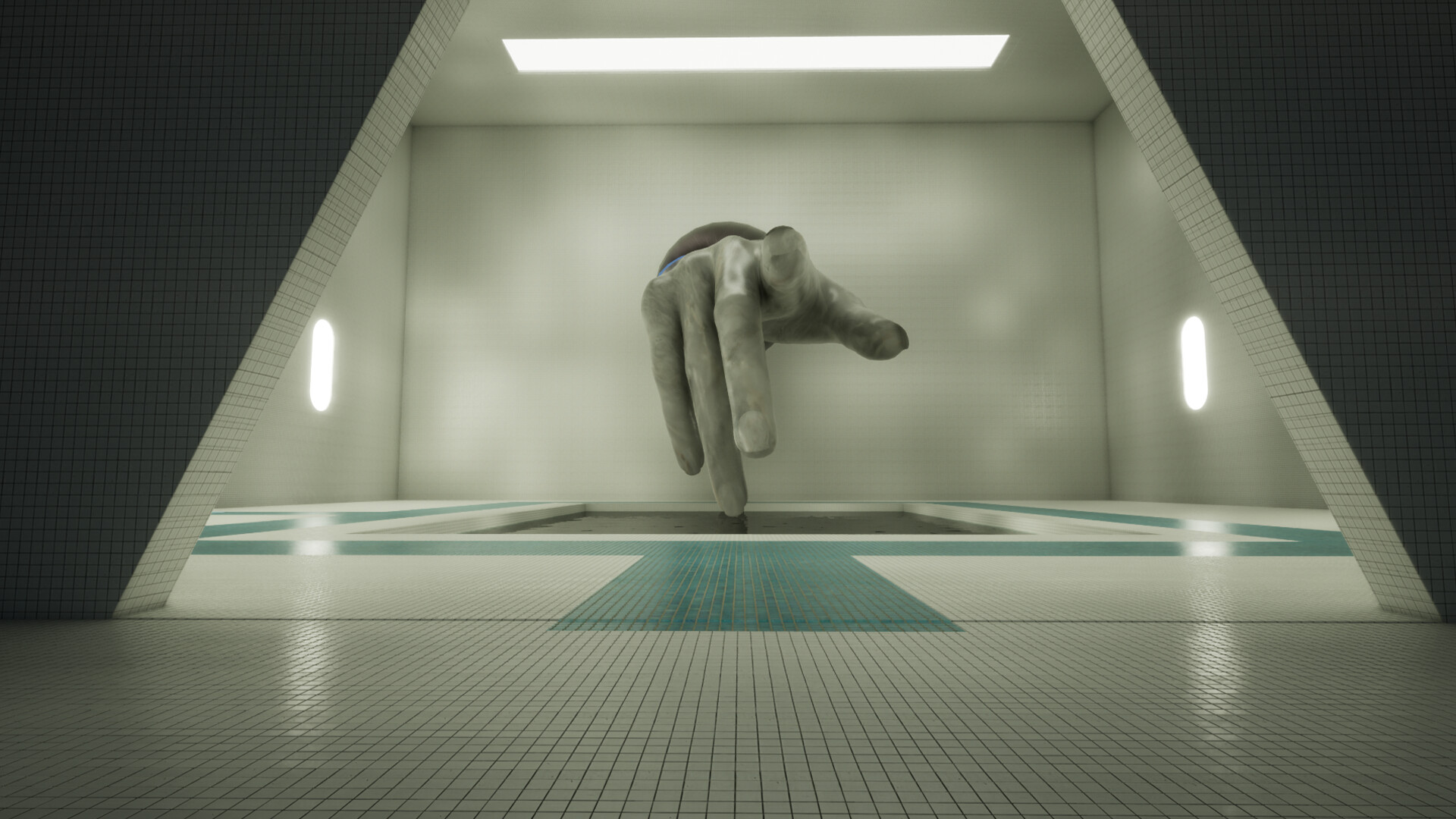
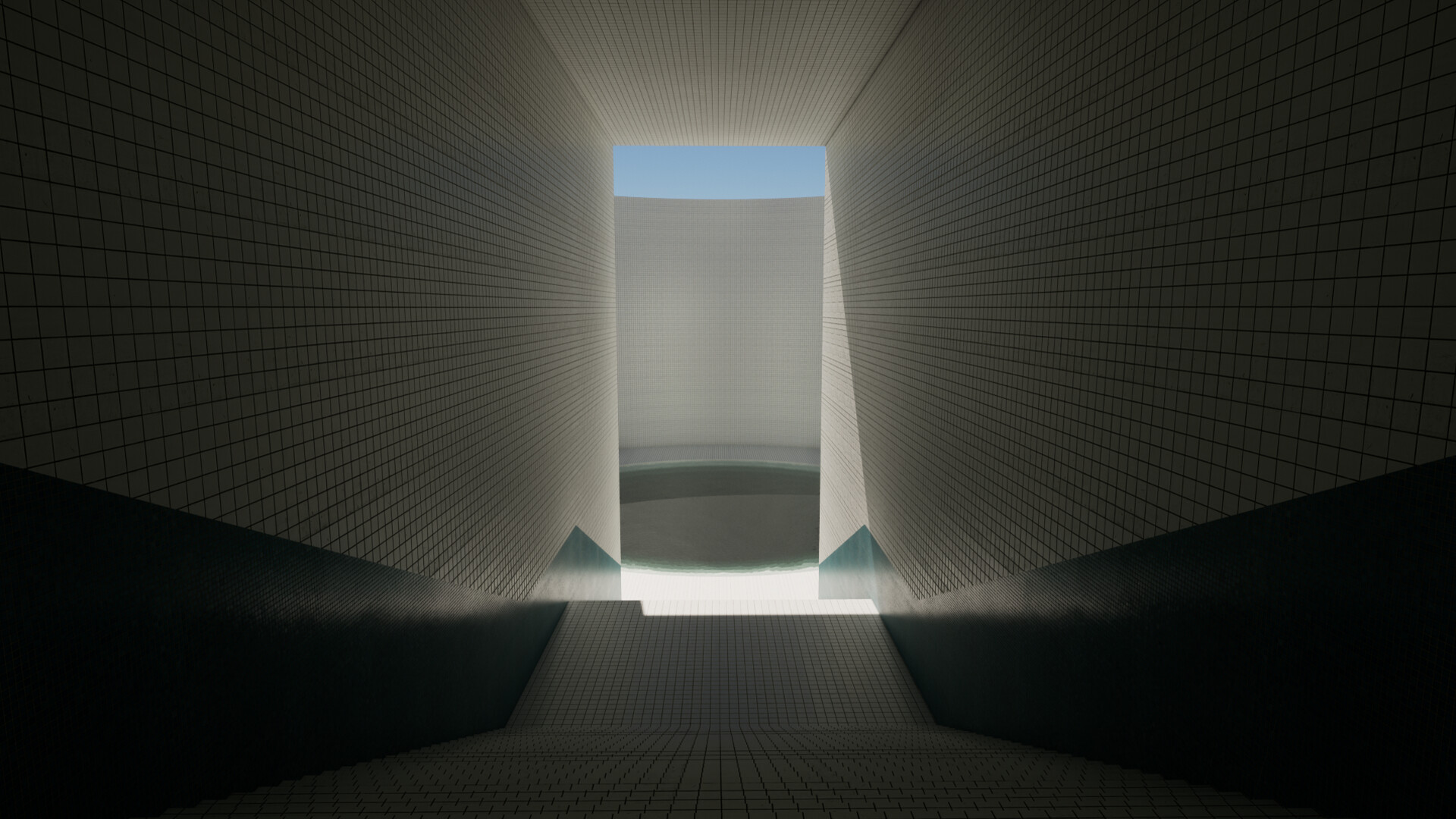
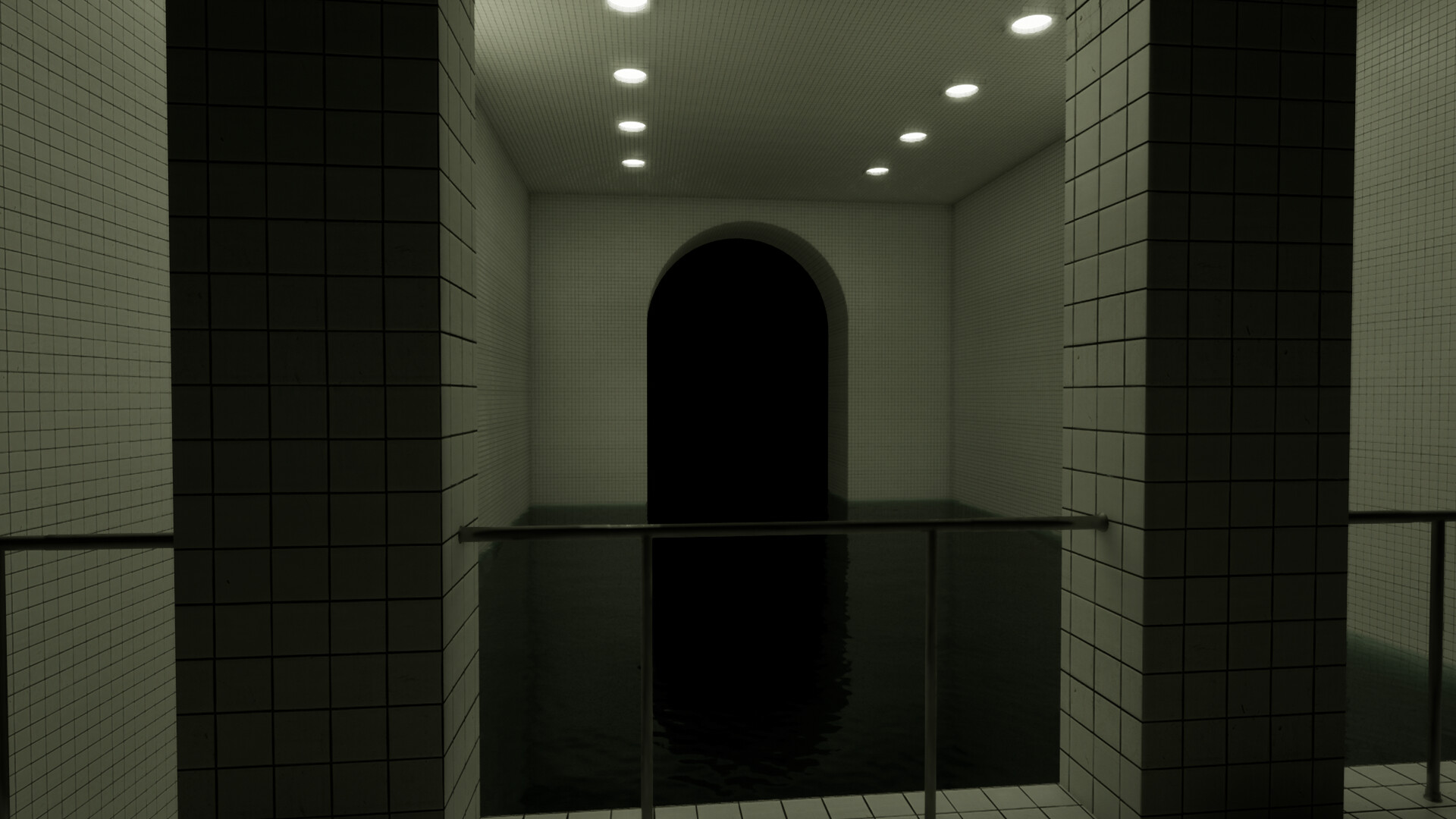
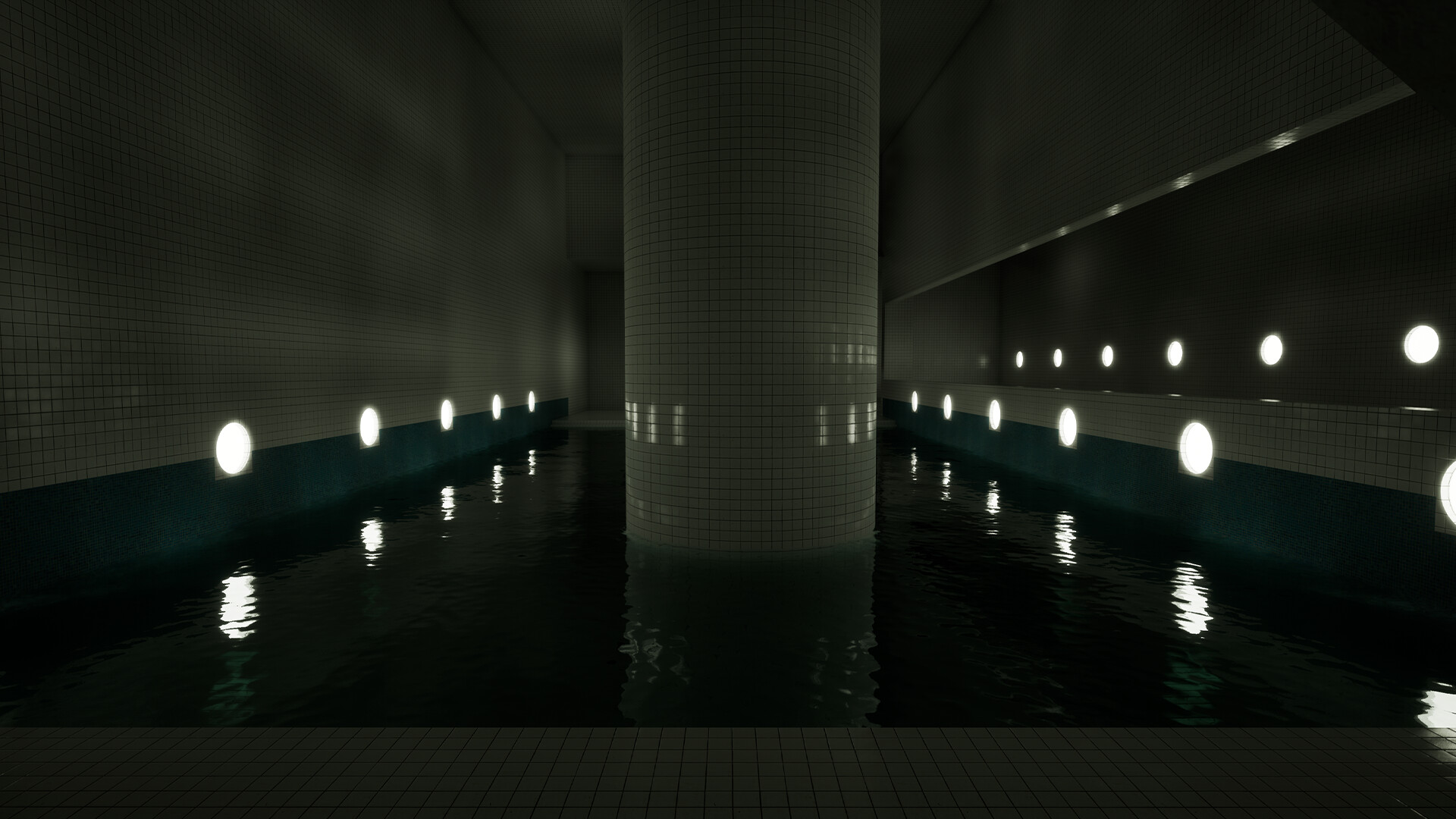
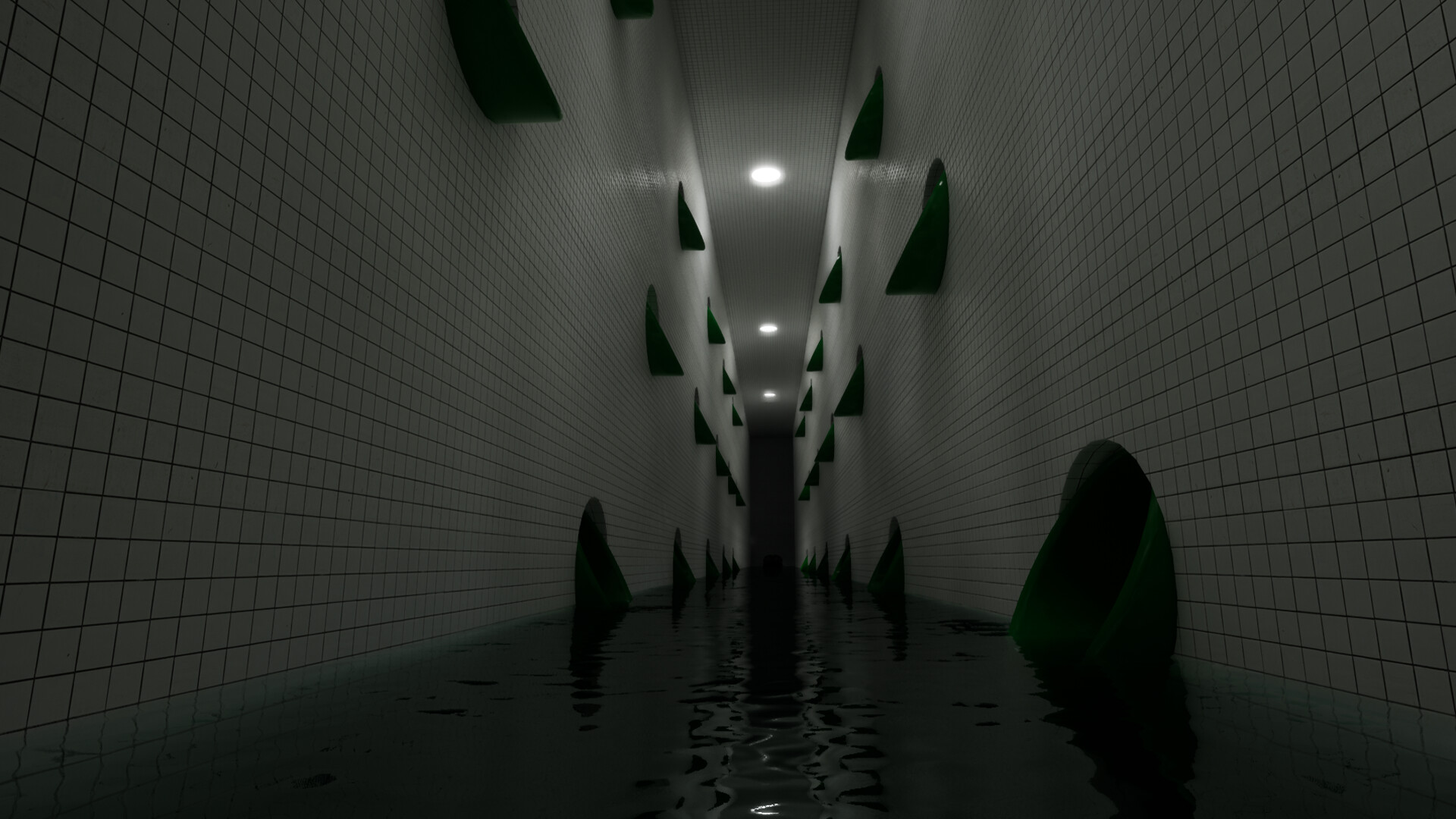
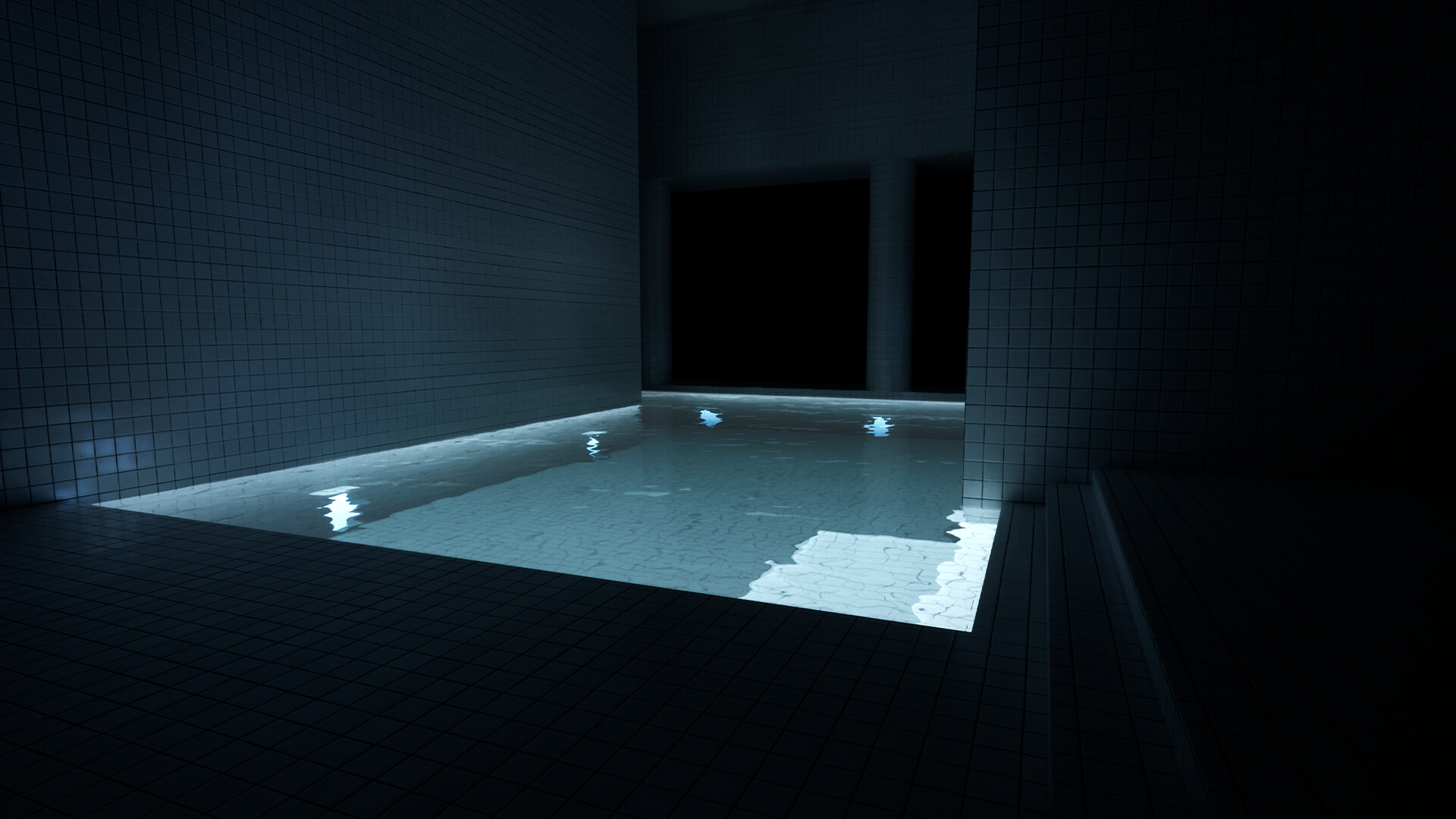
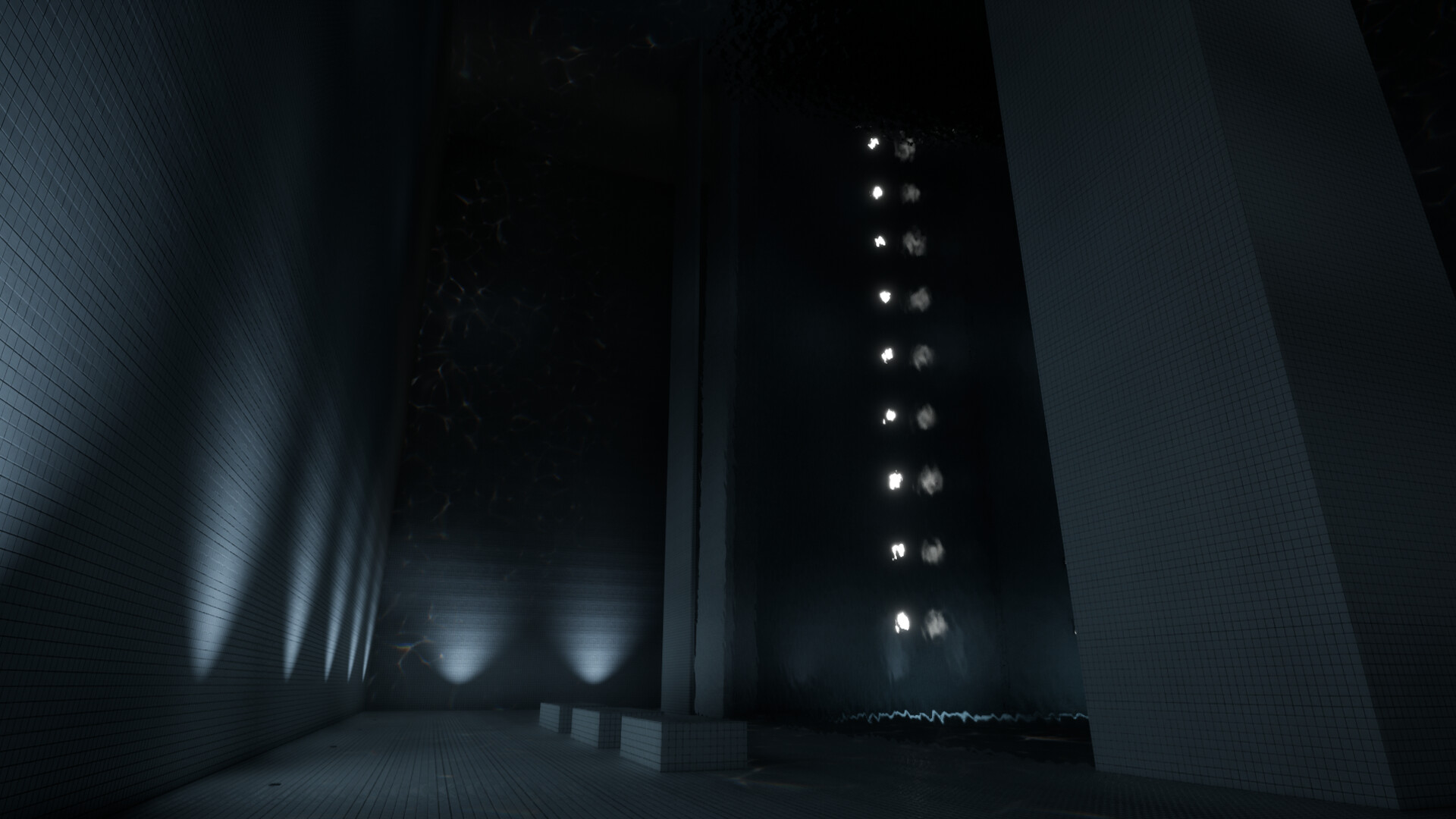
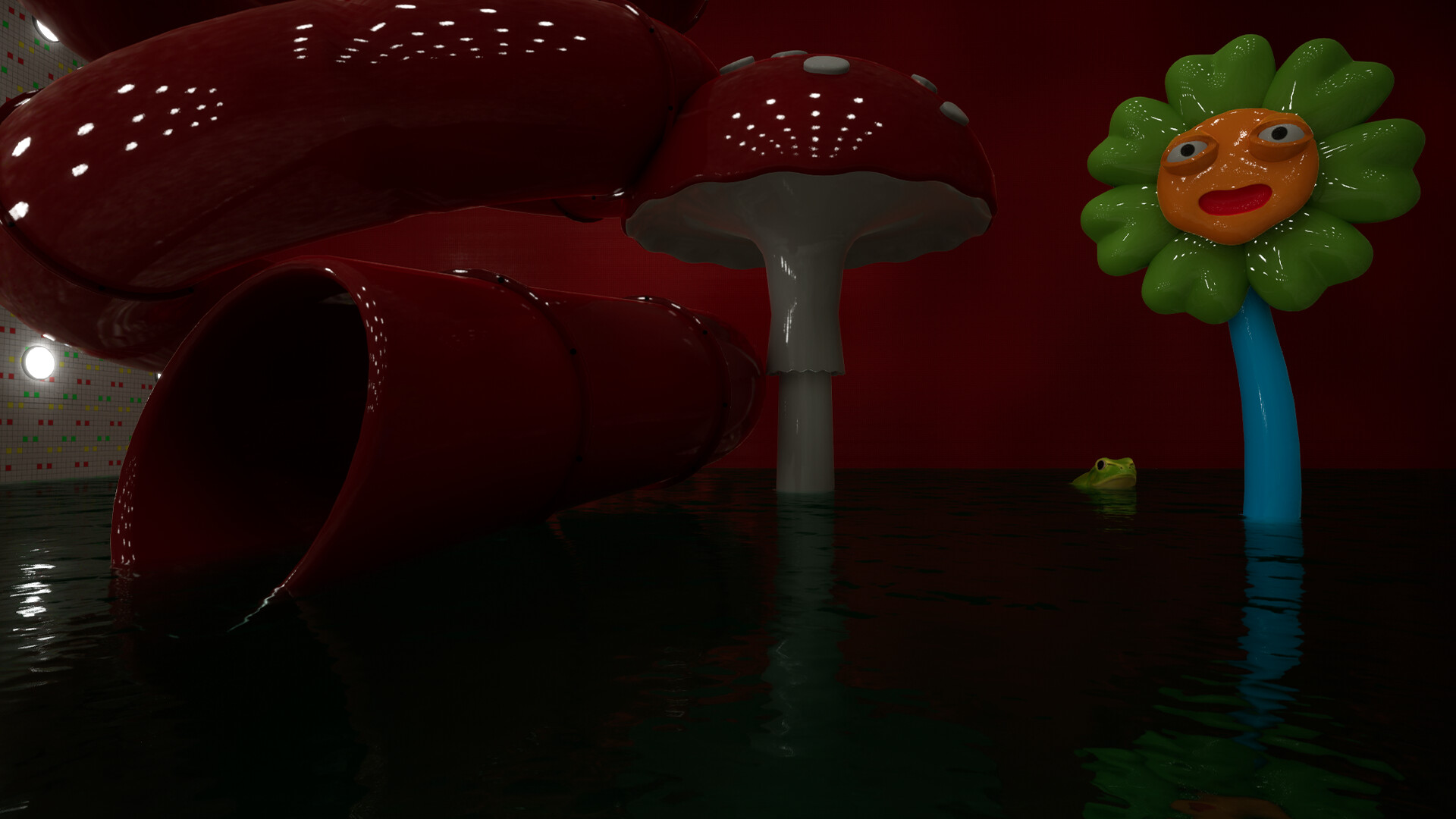
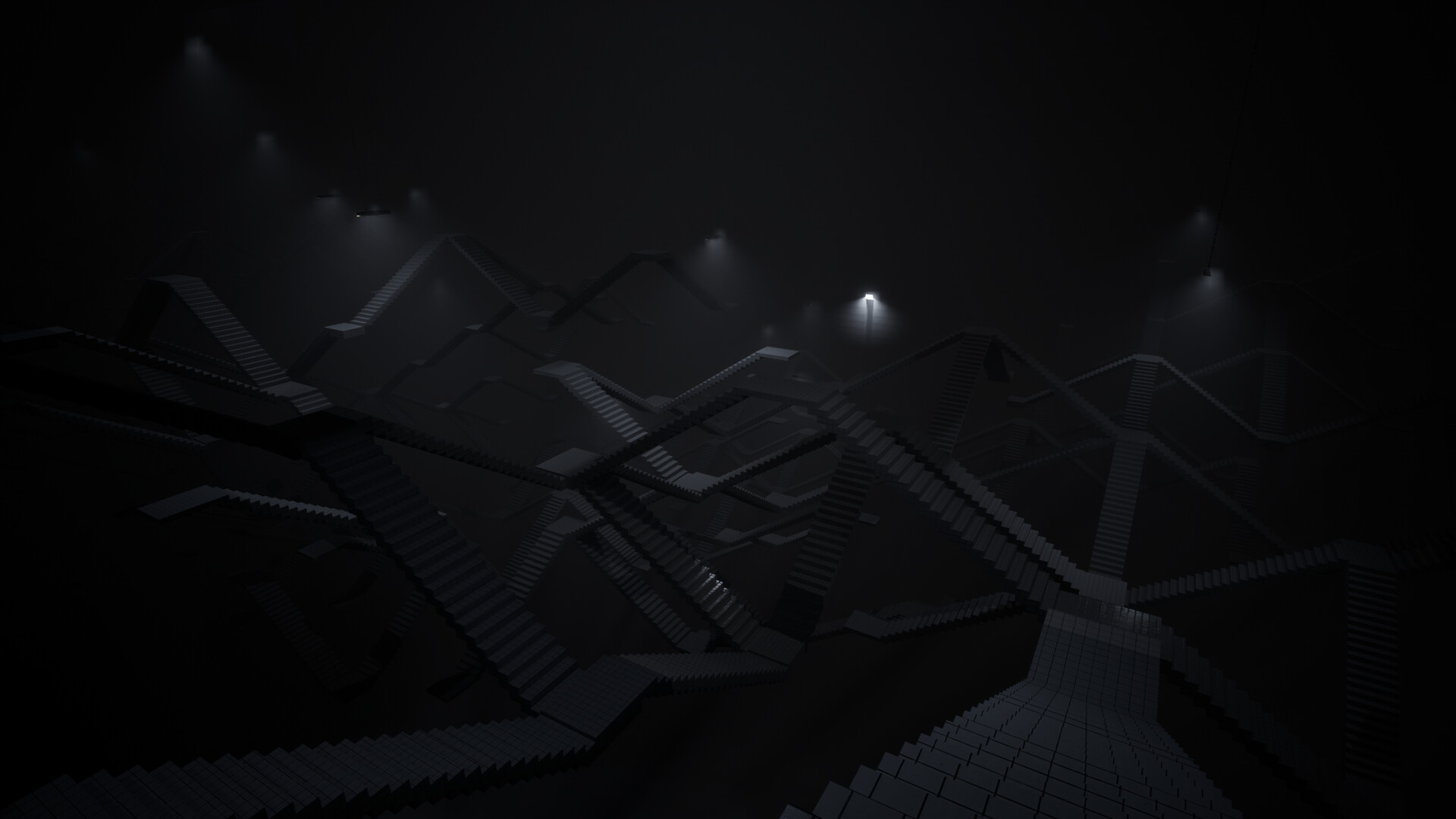
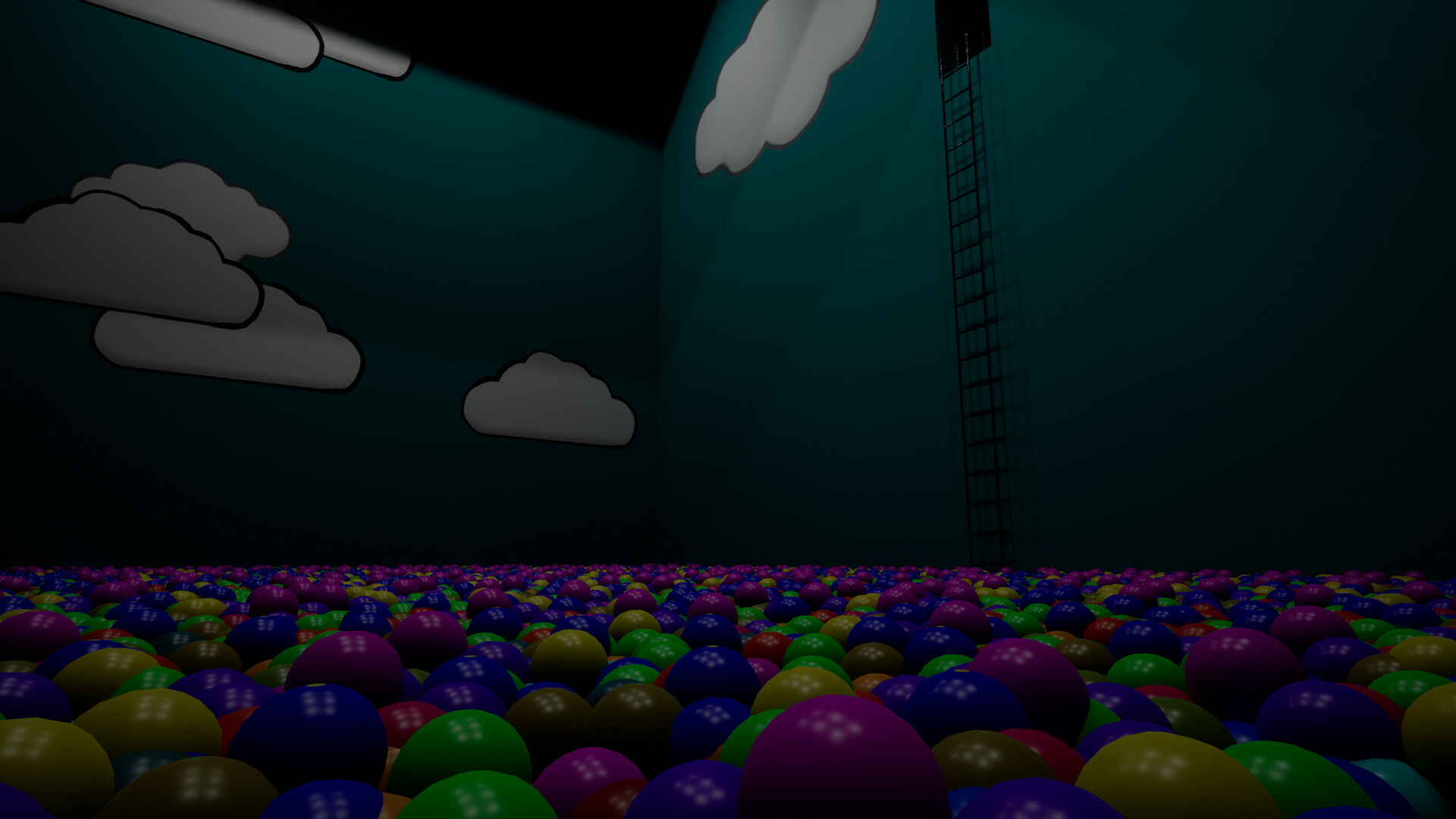
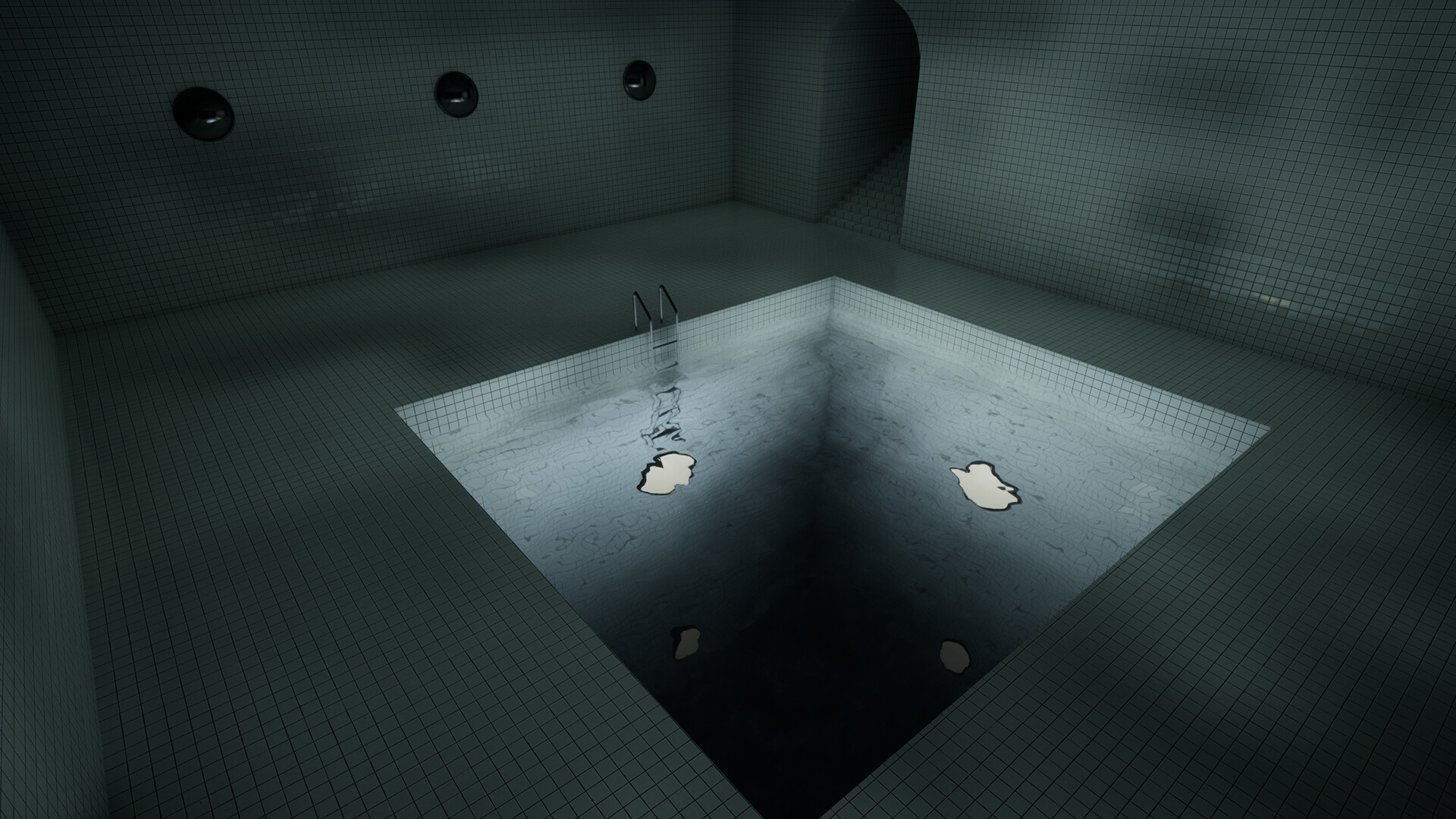
LiminalCore is an immersive and deeply unsettling exploration of liminal horror—a psychological experience that trades traditional monsters and scripted scares for atmosphere, disorientation, and dread. Developed and published by Shadow Owl Studios and Ashen Studios, it places the player in the middle of surreal environments inspired by urban decay, backroom mythos, and dreamlike architectural impossibility. It is not a horror game in the conventional sense; rather, it is a slow descent into the uncanny, where the act of wandering becomes a form of unease. From its opening sequence, which sees you awakening in a flooded pool complex, to its silent, sprawling hallways of flickering fluorescent lights and faded carpets, LiminalCore succeeds in making emptiness terrifying. The game’s foundation lies in exploration. There are no weapons, no health meters, and no overt threats—only the haunting echo of your footsteps and the feeling that something unseen might be watching. Each area you traverse has its own unique logic, blending abandoned public architecture with impossible geometry: waterlogged basements, looping corridors, office rooms with infinite cubicles, and stairways that seem to climb back upon themselves. The design captures the haunting familiarity of liminal spaces—those forgotten in-between places that exist just outside of memory. It’s a testament to how simple environmental storytelling can evoke fear more effectively than jump scares or gore. Every new area feels like it could exist somewhere in real life, yet the longer you explore, the more the illusion of normalcy begins to fracture. Visually, LiminalCore is stunning in its eerie precision. The developers employ meticulous lighting, reflections, and ambient color palettes to create spaces that feel both hyperrealistic and unreal at the same time. The glossy tiles of the poolrooms reflect faint movements, while distant neon signs flicker through thick fog, inviting you forward only to vanish upon approach. The game’s attention to texture—the worn linoleum floors, peeling wallpaper, and static-glitched monitors—enhances the sense of authenticity that fuels its horror. The audio design completes the illusion: muffled water drips, humming lights, the distant drone of ventilation systems, and the constant echo of your own presence create an oppressive, almost meditative tension. The absence of music for long stretches makes even silence feel deafening. When subtle audio cues do appear—a faint voice, a metallic creak—they hit like sudden shocks, not because they are loud, but because they pierce through the emptiness. The storytelling in LiminalCore is fragmentary and interpretive, inviting players to piece together their own meaning from environmental clues and sparse visual motifs. There are no dialogue sequences or written logs; instead, hints of narrative are embedded in the environment itself—abandoned belongings, broken signs, cryptic symbols, and surreal imagery that suggest a descent into memory or the subconscious. It feels as if the spaces are reflections of forgotten moments or collective human anxiety, taking inspiration from the internet’s fascination with “liminal photography” and dreamlike nostalgia. Whether the player is meant to be lost in an alternate dimension, exploring a decaying dream, or trapped within their own deteriorating mind is left deliberately ambiguous. The lack of concrete answers reinforces the tone of isolation and confusion, allowing the player’s imagination to fill in the gaps with personal fears. The pacing is deliberate and slow, designed to let tension build organically rather than relying on scripted events. The first half of the game rewards patience, with each new area offering a distinct aesthetic and atmosphere. However, as the game progresses, repetition begins to set in—hallways start to blur together, and the sense of novelty gives way to monotony. While this could be seen as a flaw in traditional design terms, it also reflects the game’s theme: the monotony itself becomes part of the unease, an endless loop where escape feels increasingly out of reach. The developers have included optional VHS filters and lighting adjustments that further distort the visuals, adding layers of nostalgia and distortion to the experience. The end result is less of a linear journey and more of a sensory descent, one that leaves interpretation open even after the credits roll. Technically, LiminalCore performs admirably given its visual ambition, though it is not without issues. The high level of graphical fidelity can strain performance on lower-end systems, particularly in areas with heavy reflection and water rendering. Some players have also noted minor clipping or texture pop-in, though these are rare and do little to detract from the experience. What matters most here is the immersion—and when played with headphones and minimal distractions, the game excels at pulling you into its reality. Its short length—averaging around two to three hours—feels appropriate for the type of story it wants to tell, though some may wish for additional content or more distinct areas to explore. LiminalCore’s greatest achievement is its ability to provoke emotion through space rather than action. It captures that haunting feeling of wandering an empty mall after closing, of being somewhere that should be populated but isn’t, of hearing your own breathing too loudly in a place where you shouldn’t be alone. For players who appreciate atmospheric exploration and psychological horror that thrives on subtlety, it offers a deeply affecting experience. But it is not for everyone. Those seeking narrative clarity, puzzle-solving, or fast-paced gameplay will likely find it sparse and directionless. Its value lies not in what it shows, but in what it suggests—in the gaps between familiarity and alienation. Ultimately, LiminalCore is a haunting exercise in environmental storytelling, a meditation on emptiness and unease that lingers long after it ends. It understands that horror is often found not in what lurks in the shadows, but in the spaces that feel almost real—the ones that whisper of lives and places forgotten. It’s a game best experienced in solitude, late at night, when the world around you is still and the glow of your screen feels like the only light left. In that silence, surrounded by endless hallways and dripping echoes, LiminalCore captures the essence of liminal dread—the fear not of monsters, but of being lost in a place that should never have existed. Rating: 8/10
Expand the review