McPixel on Steam - User reviews, Price & Information

Quick menu

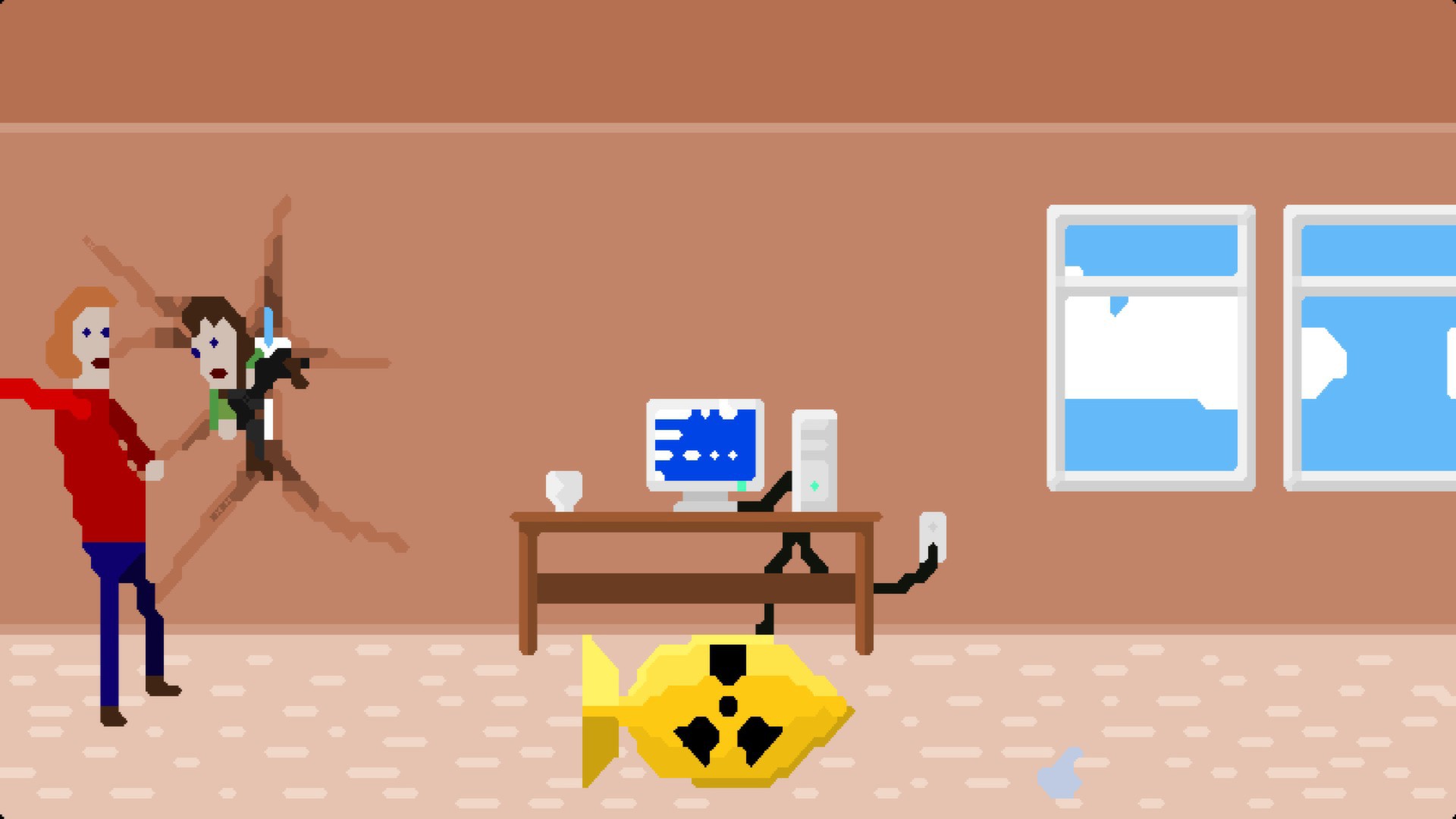
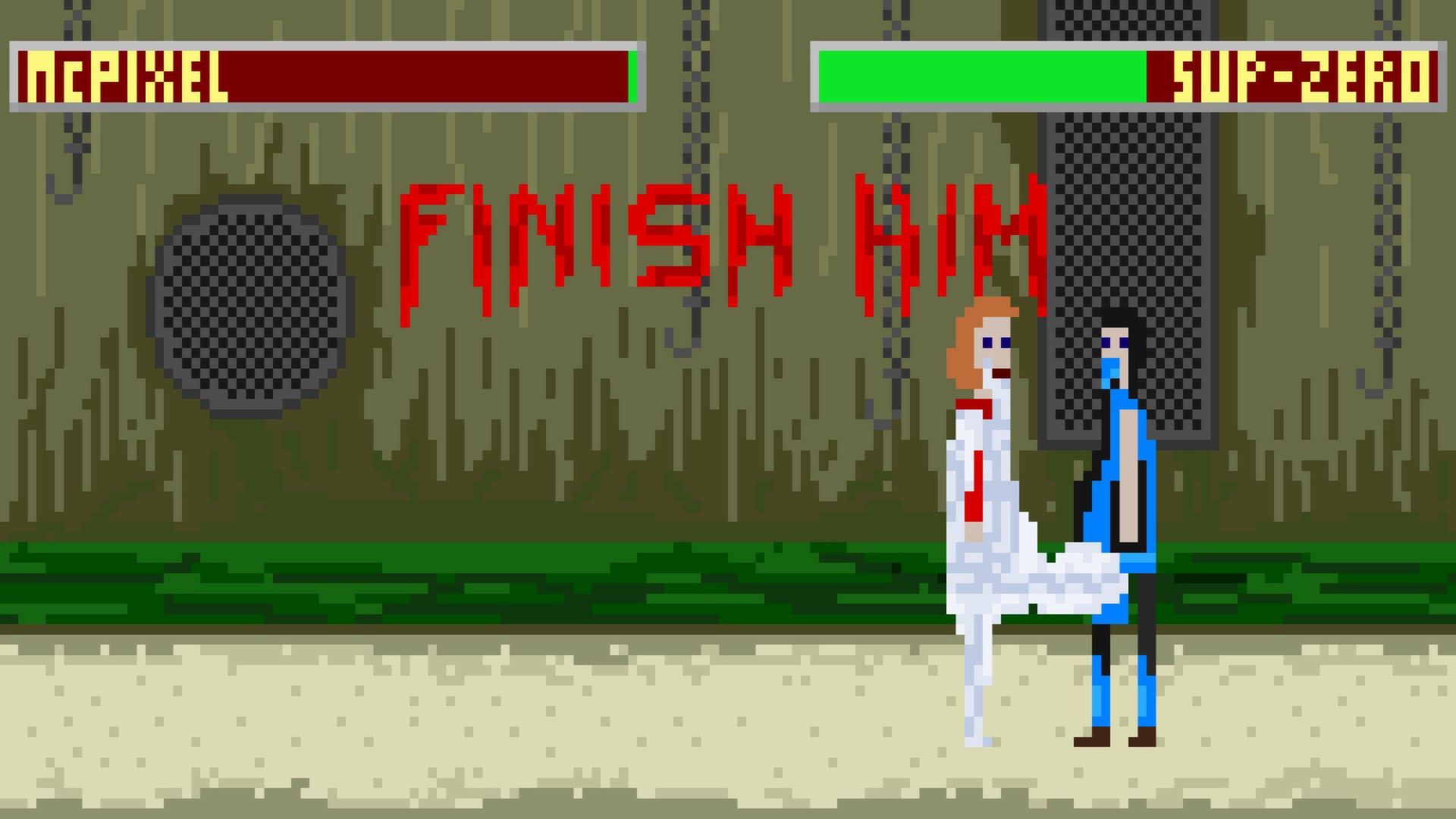
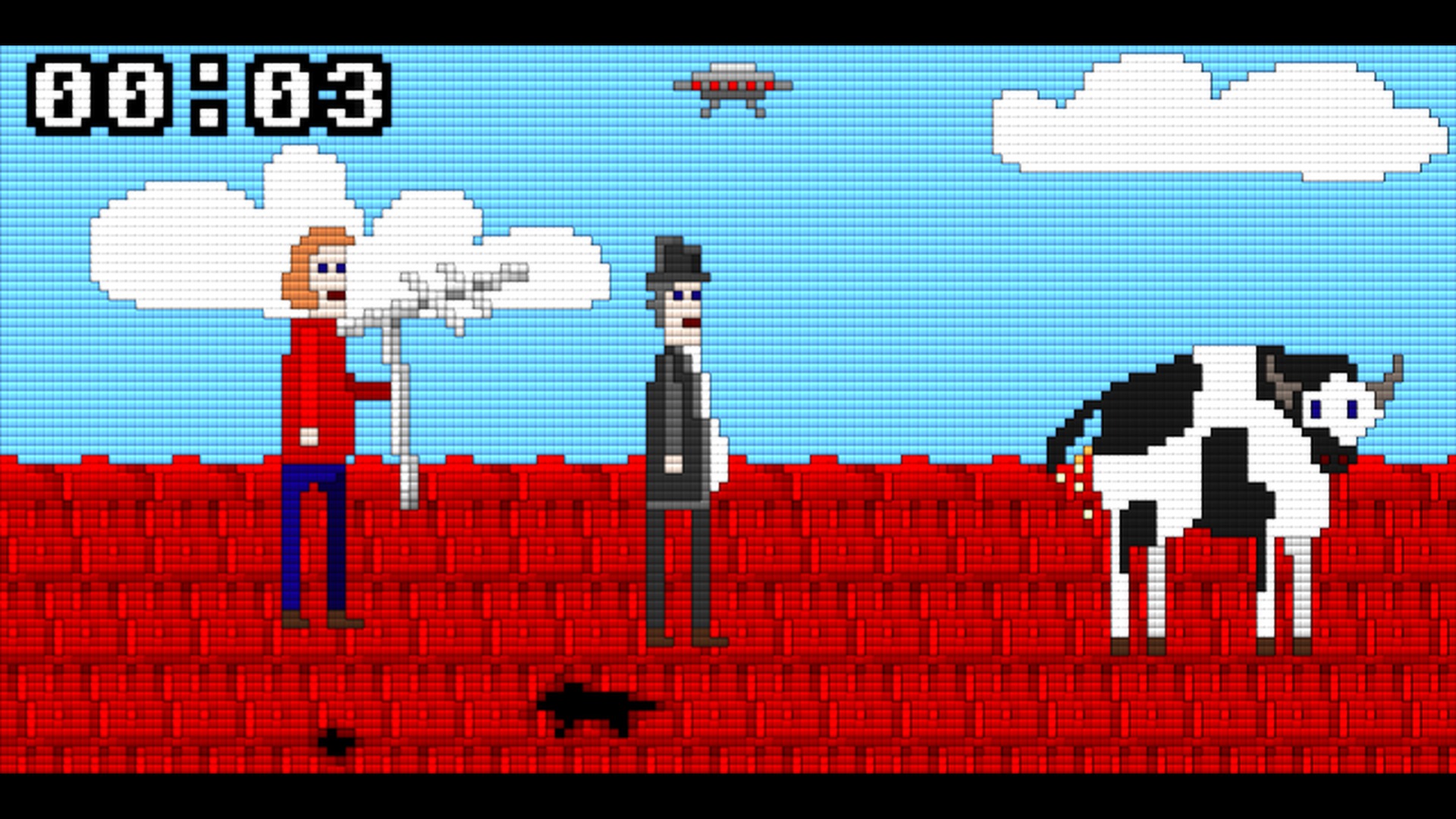
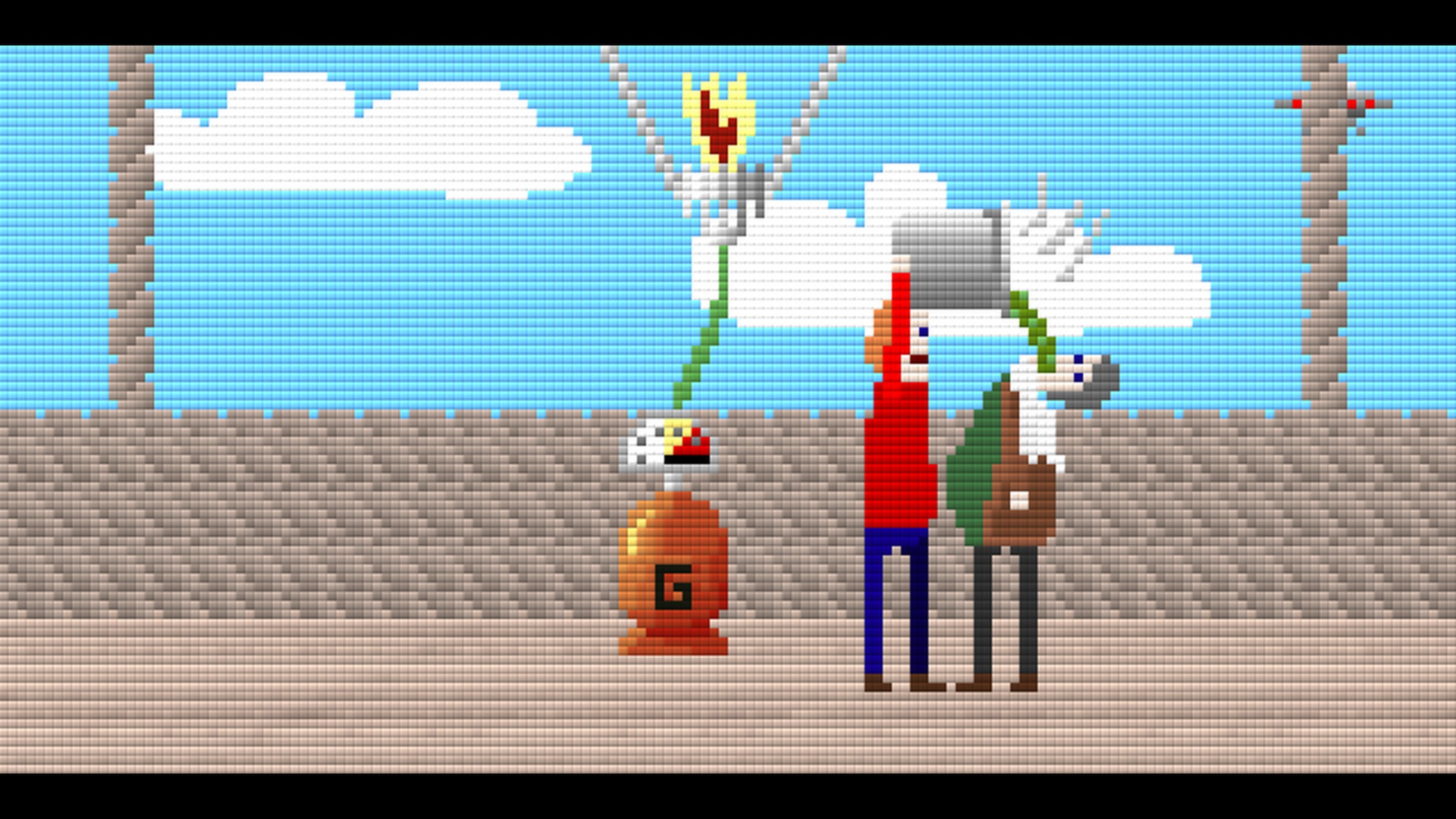
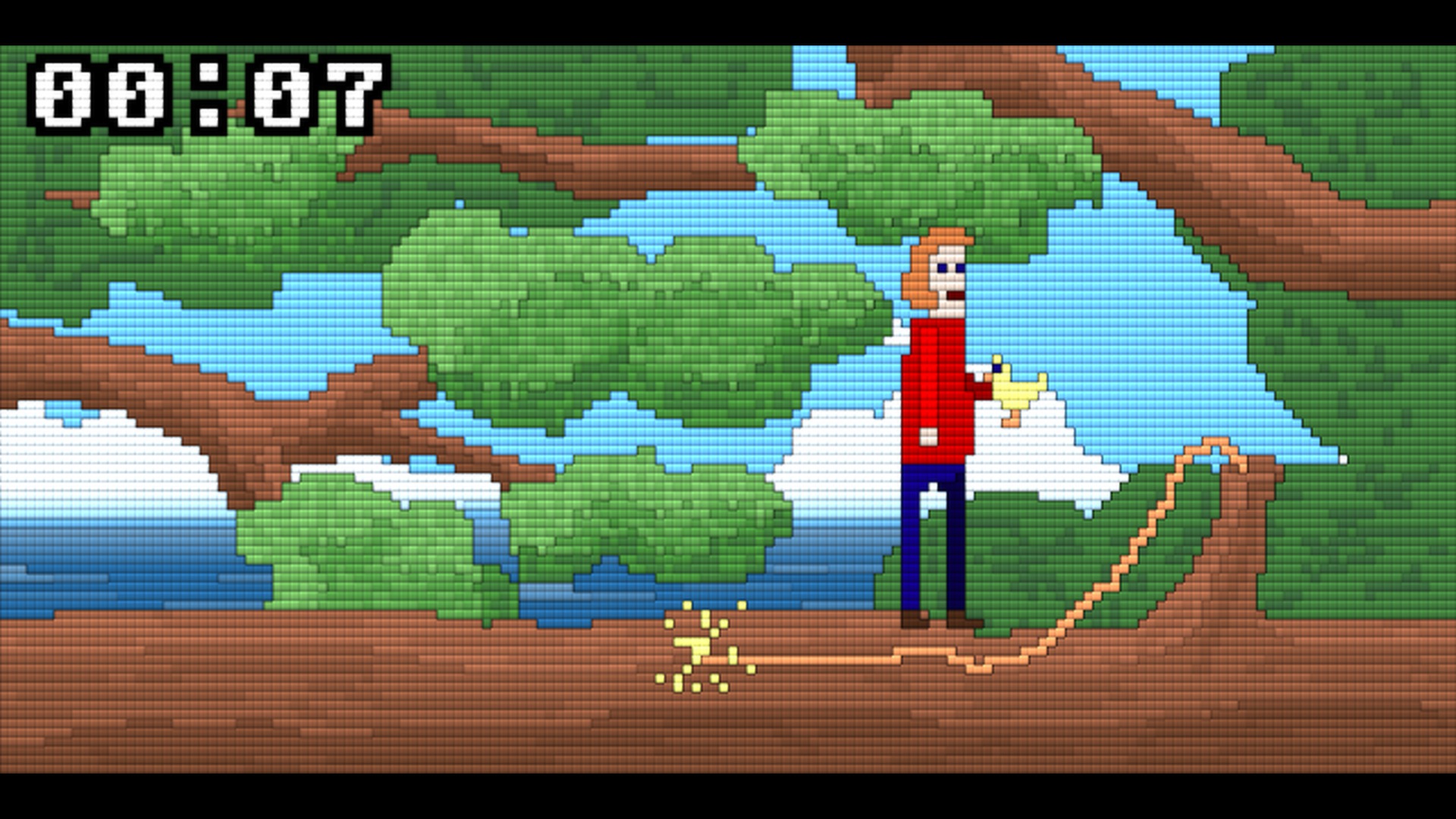
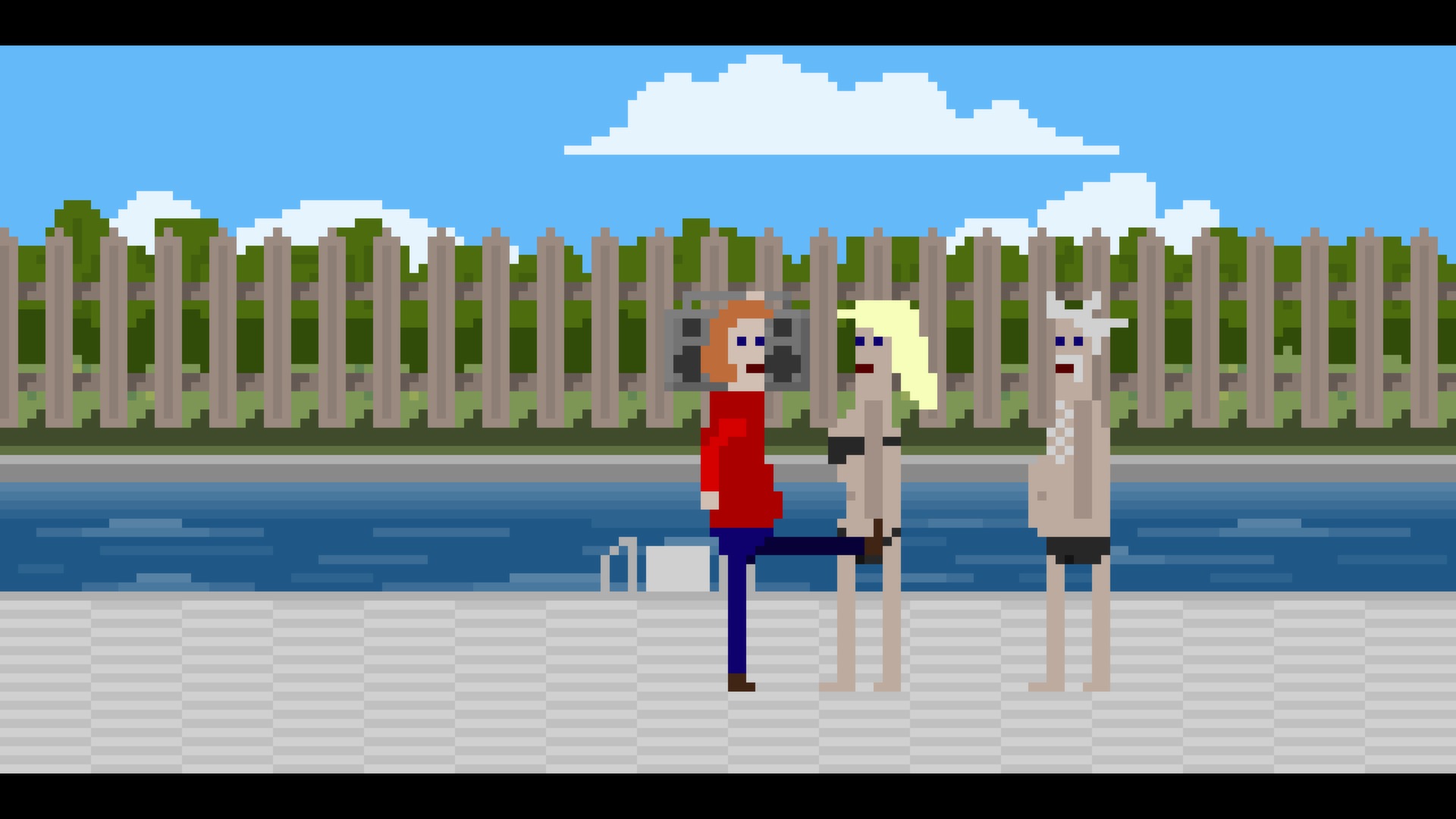
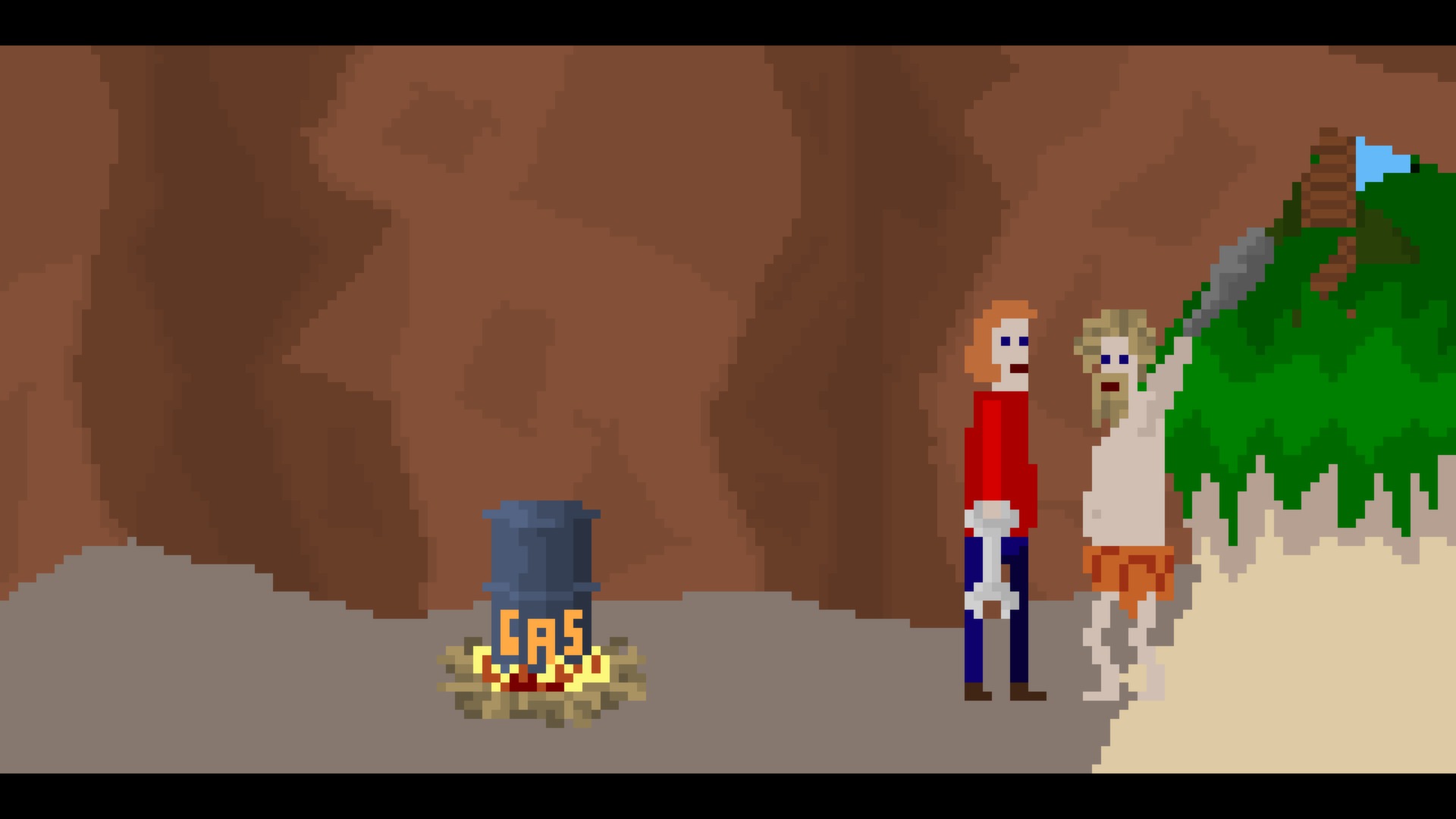
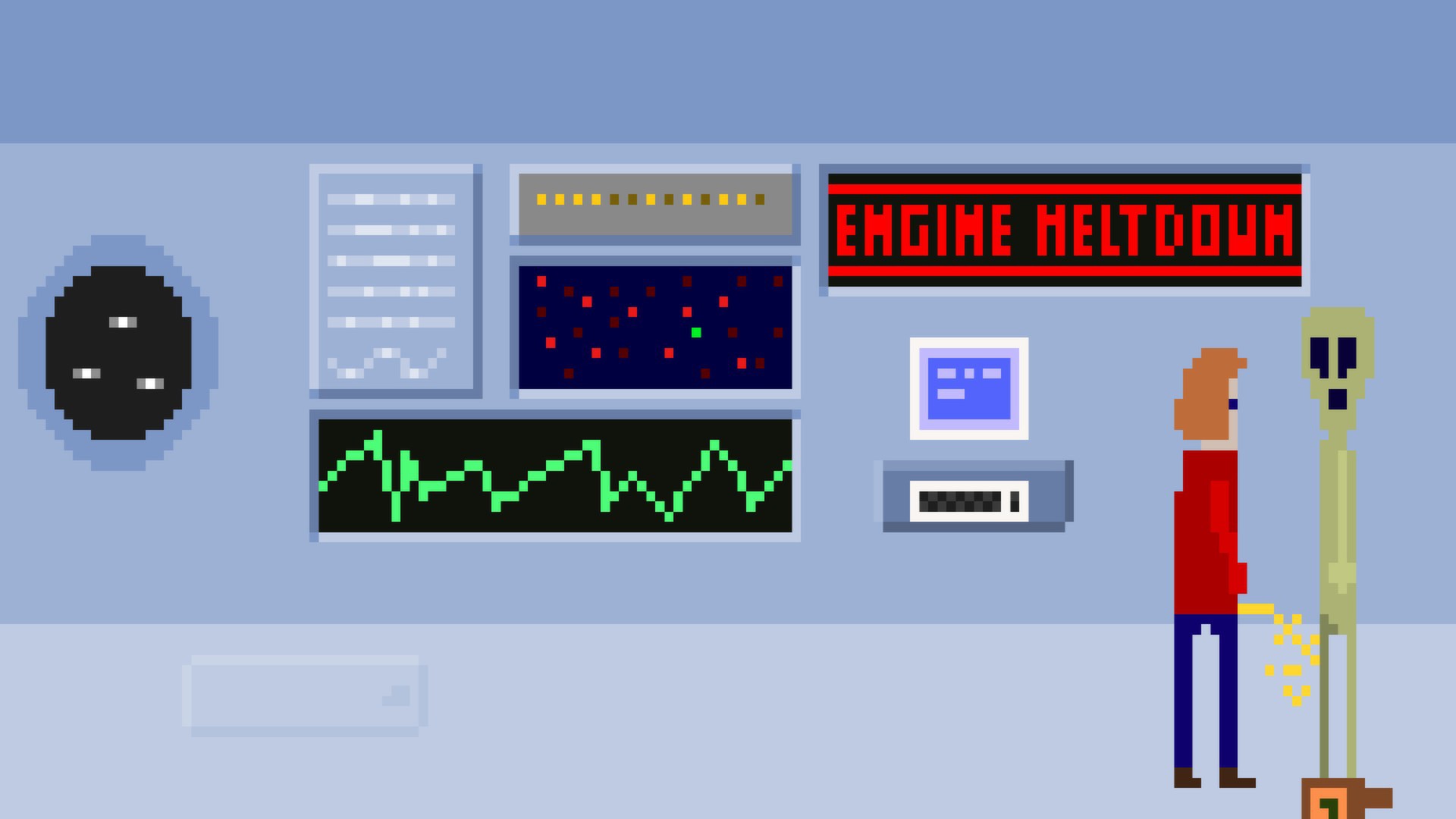
McPixel is a save-the-day guy that you guide through 100 short challenges to prevent stuff from blowing up. You have only 20 seconds to save the day! Think quick!

McPixel is a comedy, point & click and indie game developed and published by Sos Sosowski.
Released on September 25th 2012 is available in English on Windows and MacOS.

It has received 3,916 reviews of which 3,295 were positive and 621 were negative resulting in a rating of 8.1 out of 10. 😎

The game is currently priced at 3.99€ on Steam, but you can find it for less on Eneba.


The Steam community has classified McPixel into these genres:

Media & Screenshots

Get an in-depth look at McPixel through various videos and screenshots.
System requirements

These are the minimum specifications needed to play the game. For the best experience, we recommend that you verify them.

Windows
  • OS *:Windows XP
  • Processor:Intel Pentium 4 or AMD Athlon 64
  • Memory:512 MB RAM
  • Graphics:Pixel-art capable graphics card
  • DirectX®:9.0b
  • Hard Drive:70 MB HD space
  • Sound:Stereo sound card
MacOS
  • OS:OS X 10.6 Snow Leopard
  • Processor:Core 2 Duo
  • Memory:512 MB RAM
  • Graphics:Pixel-art capable graphics card
  • Hard Drive:70 MB HD space
  • Sound:Stereo sound card

User reviews & Ratings

Explore reviews from Steam users sharing their experiences and what they love about the game.

Jan. 2026
McPixel is a deliberately chaotic and irreverent point-and-click adventure that turns the traditional logic of puzzle games on its head in favor of absurd comedy, rapid experimentation, and gleeful nonsense. Developed and published by Sos Sosowski, the game embraces the idea that failure can be just as entertaining as success, transforming every mistake into a punchline rather than a punishment. From the very first moments, it becomes clear that McPixel is less interested in teaching players how to solve puzzles “correctly” and more interested in surprising them at every possible turn. Instead of presenting a continuous narrative, McPixel is structured as a collection of short, self-contained scenarios, each centered on preventing some form of imminent disaster—usually a bomb explosion—within a strict time limit. These scenarios are intentionally brief, often lasting only a few seconds, and are packed with clickable objects that react in unpredictable ways. The game encourages players to click on everything they can see, not because the solution will be obvious, but because the results are frequently hilarious, grotesque, or completely illogical. Saving the day might involve kicking an object, eating it, destroying it, or triggering a bizarre chain reaction that somehow neutralizes the threat. The defining feature of McPixel’s design is its embrace of trial and error as the core mechanic. There is no tutorial explaining how the game’s logic works, because its logic is intentionally inconsistent. What works in one scenario may fail spectacularly in another, and even repeating the same action can sometimes produce different outcomes. This design philosophy creates a frenetic rhythm where players are constantly testing ideas under pressure, often failing repeatedly before stumbling upon the correct—or at least effective—solution. Crucially, these failures are framed as part of the entertainment, with exaggerated animations and sudden, explosive endings that reinforce the game’s slapstick tone. Visually, McPixel adopts a crude, retro pixel art style that feels intentionally low-fidelity. Characters are blocky and exaggerated, environments are simple, and animations are deliberately stiff or abrupt. Rather than feeling cheap, this aesthetic enhances the humor by evoking the look of early computer games while subverting their seriousness. The visual simplicity ensures that reactions and gags land instantly, without visual clutter or excessive detail distracting from the joke. Sound effects and music follow the same philosophy, relying on exaggerated cues and playful timing rather than polish, reinforcing the sense that the entire experience is one long comedic sketch. The humor itself is unapologetically absurd and often juvenile, drawing heavily from slapstick, parody, and surrealism. McPixel frequently mocks video game conventions, pop culture, and action movie tropes, presenting a pixelated hero who is anything but competent. The protagonist’s actions are rarely heroic in a traditional sense; instead, he blunders, flails, and occasionally succeeds by accident. This self-aware silliness gives the game a strong identity, though it also means that enjoyment hinges heavily on whether the player connects with its comedic style. While the game’s fast pace and constant surprises keep it engaging in short bursts, its design can feel repetitive over longer sessions. Because progression often requires discovering every possible outcome in a scenario, players may find themselves clicking through the same sequence multiple times just to uncover a missing solution. For some, this repetition becomes part of the fun, as each variation offers a new gag or animation. For others, the lack of meaningful progression or deeper structure can make the experience feel shallow once the novelty wears off. Despite these limitations, McPixel’s originality and confidence in its absurd design set it apart from more conventional puzzle and adventure games. It does not attempt to tell a grand story or offer a refined challenge curve, instead prioritizing spontaneity and surprise. Its bite-sized structure makes it especially well suited for short play sessions or shared viewing, where unexpected outcomes can be enjoyed as much by spectators as by the player. Ultimately, McPixel is a game that thrives on breaking expectations. It asks players to abandon logical thinking, embrace chaos, and find joy in failure as much as success. While its humor and mechanics may not appeal to everyone, particularly those seeking thoughtful puzzles or narrative depth, it stands as a memorable example of indie experimentation. For players who enjoy rapid-fire comedy, unpredictable interactions, and a complete disregard for conventional game logic, McPixel remains a uniquely entertaining and unapologetically strange experience on Steam. Rating: 8/10
Expand the review
Dec. 2025
Pretty good for a dollar oh nine. I mostly bought it because I don't have access to my iphone anymore. This seems to be a much better version of that. Anyway, it's like a bunch of 20 second point and click puzzles with multiple solutions/gags. Very cool, not really family friendly, but not overly vulgar. Mostly toilet humor I guess.
Expand the review
June 2025
McPixel has its moments, but most of the time it feels like aimless clicking that wears thin fast. The humor occasionally lands, but more often falls flat. Replaying the same levels over and over doesn’t help either. In the end, it’s a middling game with a few bright spots.
Expand the review
May 2025
At first it's confusing. Once you figure it out, it occasionally makes you laugh out loud. Then it gets addictive. You have to see what comes next. But you have to play it in short bursts or you go insane.
Expand the review
March 2025
A relic of frantic, absurd digital interaction. McPixel offers fleeting, stressful amusement by weaponizing trial-and-error against a relentless clock. Its charm lies in its deliberate rejection of logic, a brief dopamine hit before the inevitable explosion or the equally inevitable platform-enforced obsolescence. Amusing, disposable, and a stark reminder that your digital purchases have a shelf life dictated by forces beyond your control. Acquire if you enjoy controlled chaos and planned decay.
Expand the review

Similar games

View all
Thimbleweed Park™ In Thimbleweed Park, a dead body is the least of your problems. Switch between five playable characters to uncover the surreal secrets of this strange town in a modern mystery adventure game from the creators of Monkey Island and Maniac Mansion. The deeper you go, the weirder it gets.

Similarity 87%
Price 19.99€
Rating 9.0
Release 30 Mar 2017
There Is No Game: Wrong Dimension There is no game. So don't go messing things up by clicking everywhere. You don’t want to be kicked out of your video game world, do you? Of course not!

Similarity 85%
Price -59% 5.38€
Rating 9.6
Release 06 Aug 2020
Delores: A Thimbleweed Park Mini-Adventure Delores is back home and working as a photographer for the Nickel News. Thimbleweed Park hasn’t changed at all in the year she’s been away… or has it? Sample Ron Gilbert’s new adventure game engine in this free prototype that uses “found art” from the award-winning Thimbleweed Park.

Similarity 84%
Price Free to play
Rating 8.2
Release 09 May 2020
McPixel 3 McPixel 3 is a mind-blowing save-the-day adventure that sees the titular wanna-be hero avert one disaster after another at every turn using unconventional yet entertaining methods of mayhem.

Similarity 84%
Price -96% 0.47€
Rating 8.9
Release 14 Nov 2022
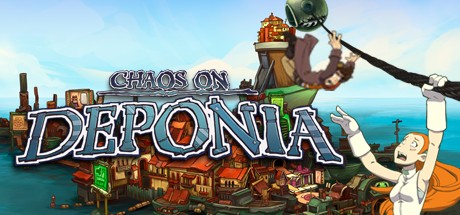
Chaos on Deponia With this long-expected sequel to the critically highly acclaimed and lavishly praised Deponia, the player enters round two. Chaos on Deponia turns out to be even wackier than its predecessor and instantly puts the player under its spell.

Similarity 79%
Price -97% 0.79€
Rating 8.7
Release 06 Nov 2012
Deponia Doomsday Can you change Deponia's fate? Do you have what it takes to change Rufus' past, present and future without accidently destroying the whole planet? Fight time itself in this action-packed, platypus-tastic and insanely hilarious story.

Similarity 79%
Price -96% 0.86€
Rating 8.3
Release 01 Mar 2016
Journey of a Roach Nuclear war, post apocalypse, barren and lifeless wastelands.Lifeless? Not so much!Mutated insects have made their home in a bomb shelter and they're set on exploring the world.Let this point&click adventure welcome you to a hilariously bizarre end time world and join the roaches Jim and Bud on their journey to the surface.

Similarity 79%
Price -94% 0.42€
Rating 8.5
Release 04 Nov 2013
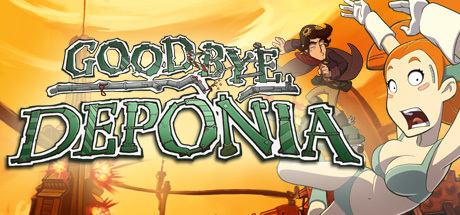
Goodbye Deponia More chaos, more destruction, more Rufus. Not one, not two, but three Rufuses cause all kinds of crazy mayhem in the long-awaited adventure comedy Goodbye Deponia!

Similarity 79%
Price -98% 0.48€
Rating 8.5
Release 17 Oct 2013
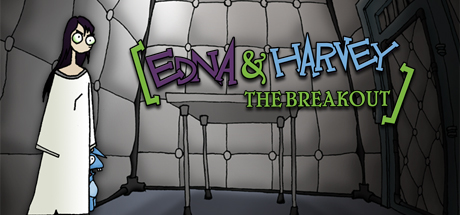
Edna & Harvey: The Breakout The award-winning debut adventure game from the creators of Deponia and The Whispered World now on Steam. Accompany young Edna and her talking stuffed bunny Harvey on a whacky attempt to escape from her padded cell. Experience a bizarre journey all across the insane asylum and far beyond its brick walls.

Similarity 79%
Price -99% 1.75€
Rating 8.2
Release 25 Oct 2013
Deponia In Deponia, the world has degenerated into a vast garbage dump, in which the crotchety Rufus ekes out his sorry existence.

Similarity 79%
Price -96% 0.43€
Rating 8.5
Release 06 Aug 2012
Kelvin and the Infamous Machine Kelvin and the Infamous Machine is a hilarious point-and-click adventure in which you stumble irresponsibly through history to help legendary geniuses complete their masterworks!

Similarity 77%
Price -92% 0.86€
Rating 8.5
Release 21 Jul 2016
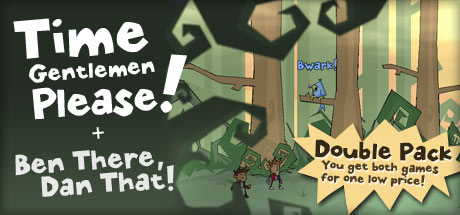
Time Gentlemen, Please! and Ben There, Dan That! Special Edition Double Pack Ben There, Dan That! and Time Gentlemen, Please! are a couple of rip-roaring point-and-click adventure games . With tongue firmly in cheek, sit back, relax, and put your mind to work solving puzzles, and reading some very funny dialogue. It's like a book, only good!

Similarity 77%
Price 3.99€
Rating 7.6
Release 25 Aug 2009

Frequently Asked Questions

McPixel is currently priced at 3.99€ on Steam.

McPixel is currently not on sale. You can purchase it for 3.99€ on Steam.

McPixel received 3,295 positive votes out of a total of 3,916 achieving a rating of 8.13.
😎

McPixel was developed and published by Sos Sosowski.

McPixel is playable and fully supported on Windows.

McPixel is playable and fully supported on MacOS.

McPixel is not playable on Linux.

McPixel is a single-player game.

McPixel does not currently offer any DLC.

McPixel does not support mods via Steam Workshop.

McPixel does not support Steam Remote Play.

McPixel is enabled for Steam Family Sharing. This means you can share the game with authorized users from your Steam Library, allowing them to play it on their own accounts. For more details on how the feature works, you can read the original Steam Family Sharing announcement or visit the Steam Family Sharing user guide and FAQ page.

You can find solutions or submit a support ticket by visiting the Steam Support page for McPixel.

Data sources

The information presented on this page is sourced from reliable APIs to ensure accuracy and relevance. We utilize the Steam API to gather data on game details, including titles, descriptions, prices, and user reviews. This allows us to provide you with the most up-to-date information directly from the Steam platform.

Additionally, we incorporate data from the SteamSpy API, which offers insights into game sales and player statistics. This helps us present a comprehensive view of each game's popularity and performance within the gaming community.

Last Updates
Steam data 18 January 2026 16:26
SteamSpy data 26 January 2026 09:53
Steam price 28 January 2026 20:45
Steam reviews 27 January 2026 16:06

If you'd like to dive deeper into the details about McPixel, we invite you to check out a few dedicated websites that offer extensive information and insights. These platforms provide valuable data, analysis, and user-generated reports to enhance your understanding of the game and its performance.

  • SteamDB - A comprehensive database of everything on Steam about McPixel
  • SteamCharts - Analysis of McPixel concurrent players on Steam
  • ProtonDB - Crowdsourced reports on Linux and Steam Deck McPixel compatibility
McPixel
Rating
8.1
3,295
621
Game modes
Features
Online players
2
Developer
Sos Sosowski
Publisher
Sos Sosowski
Release 25 Sep 2012
Platforms
Clicking and buying through these links helps us earn a commission to maintain our services.