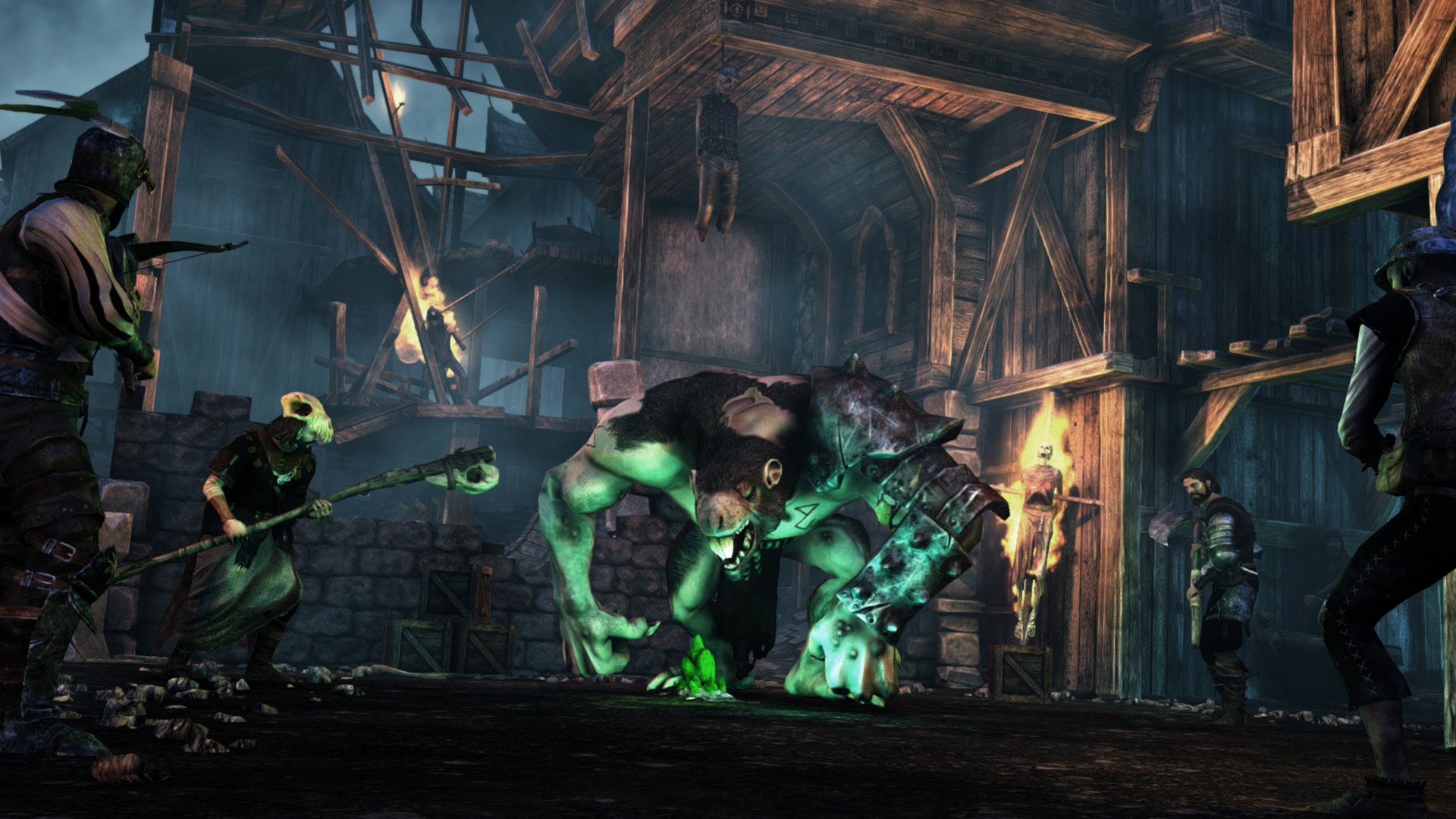
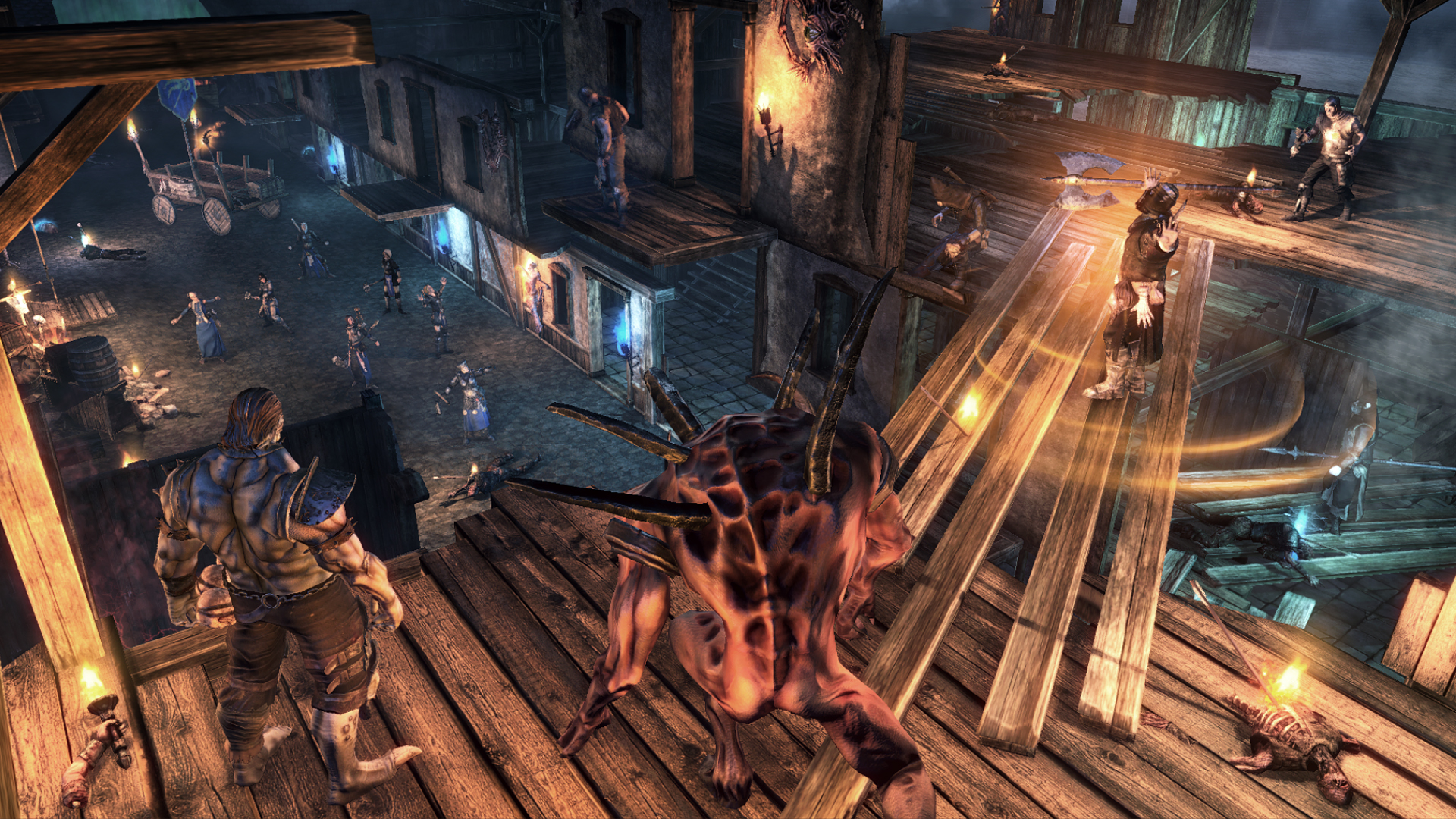
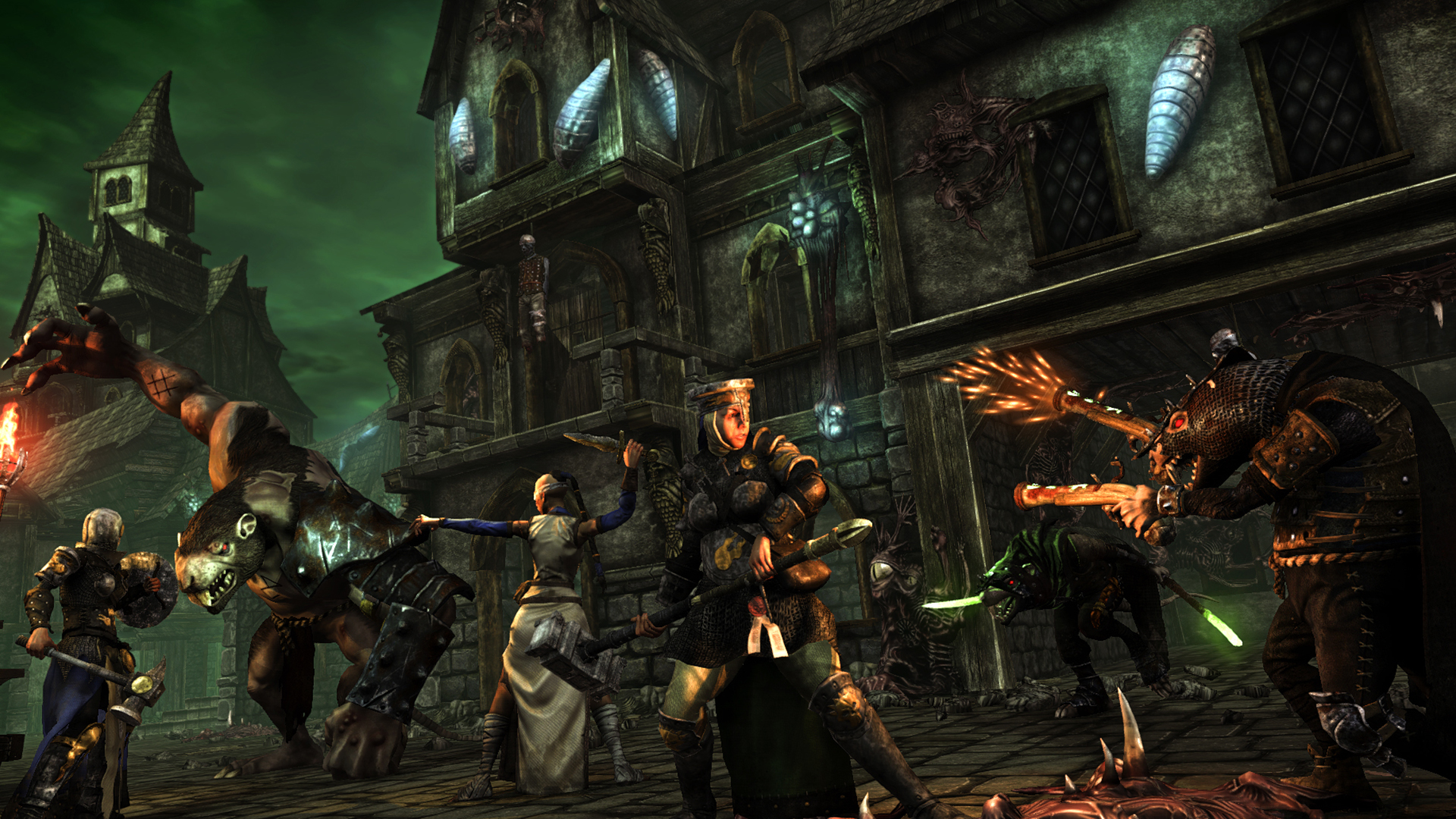
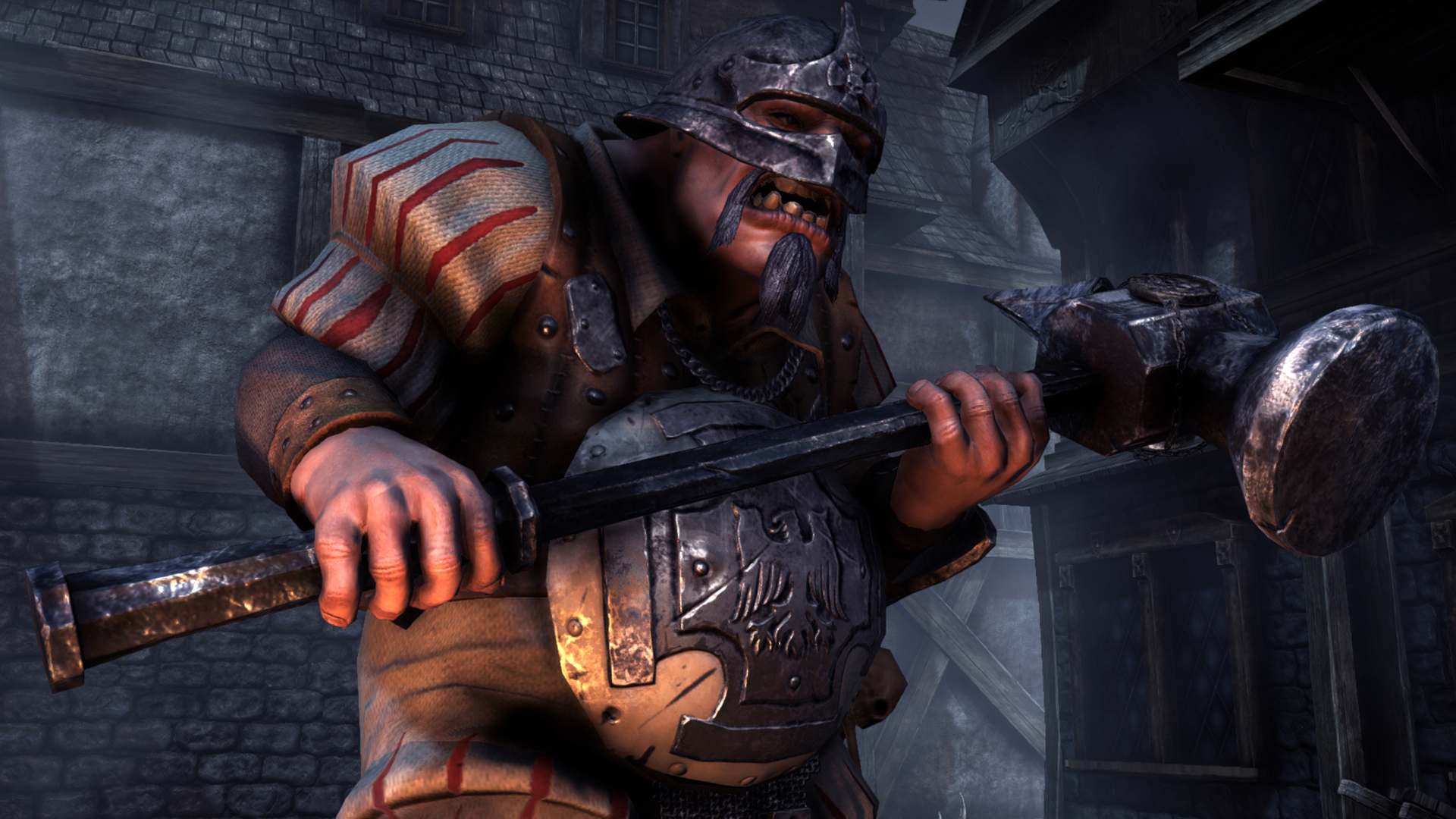
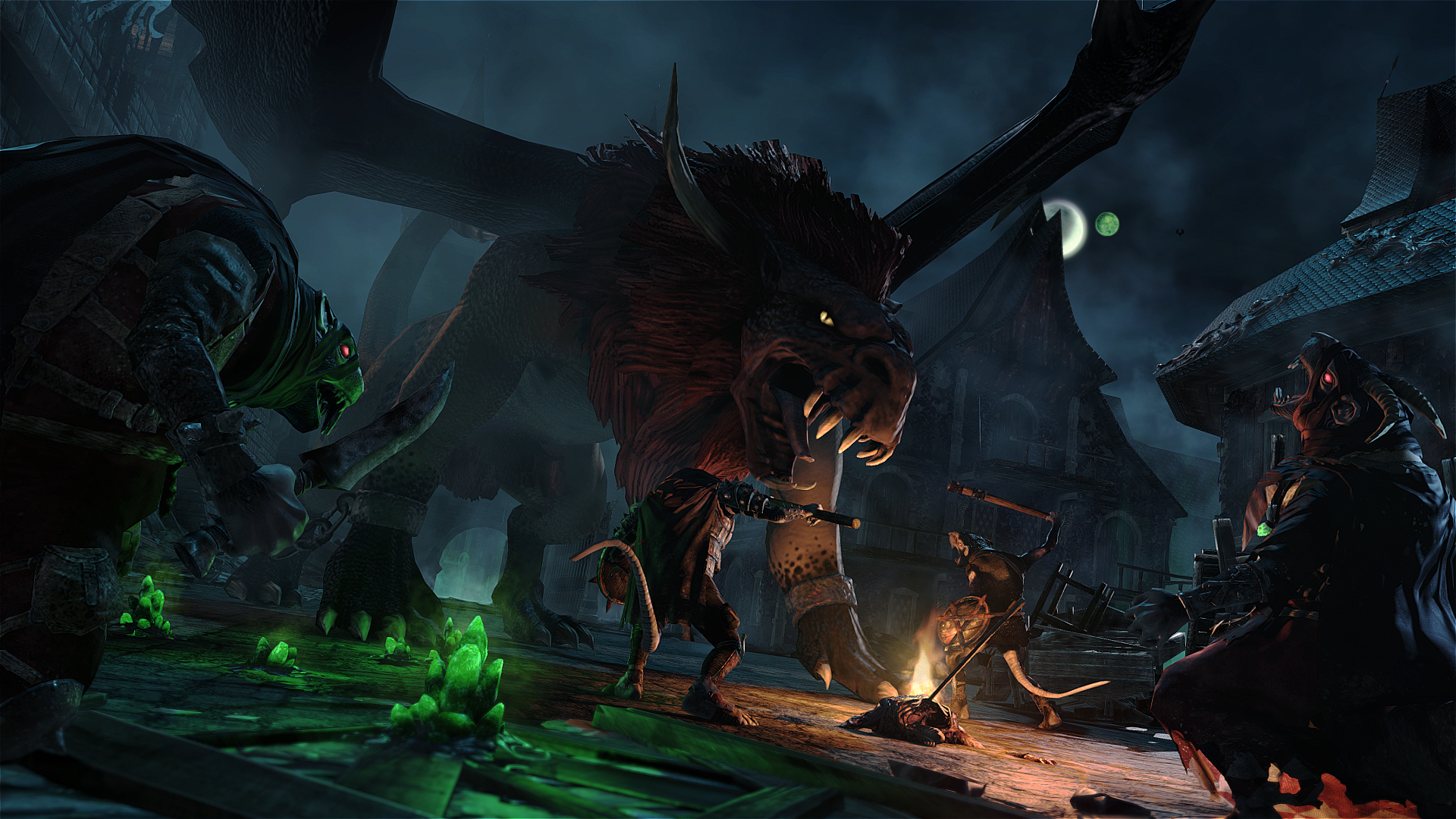
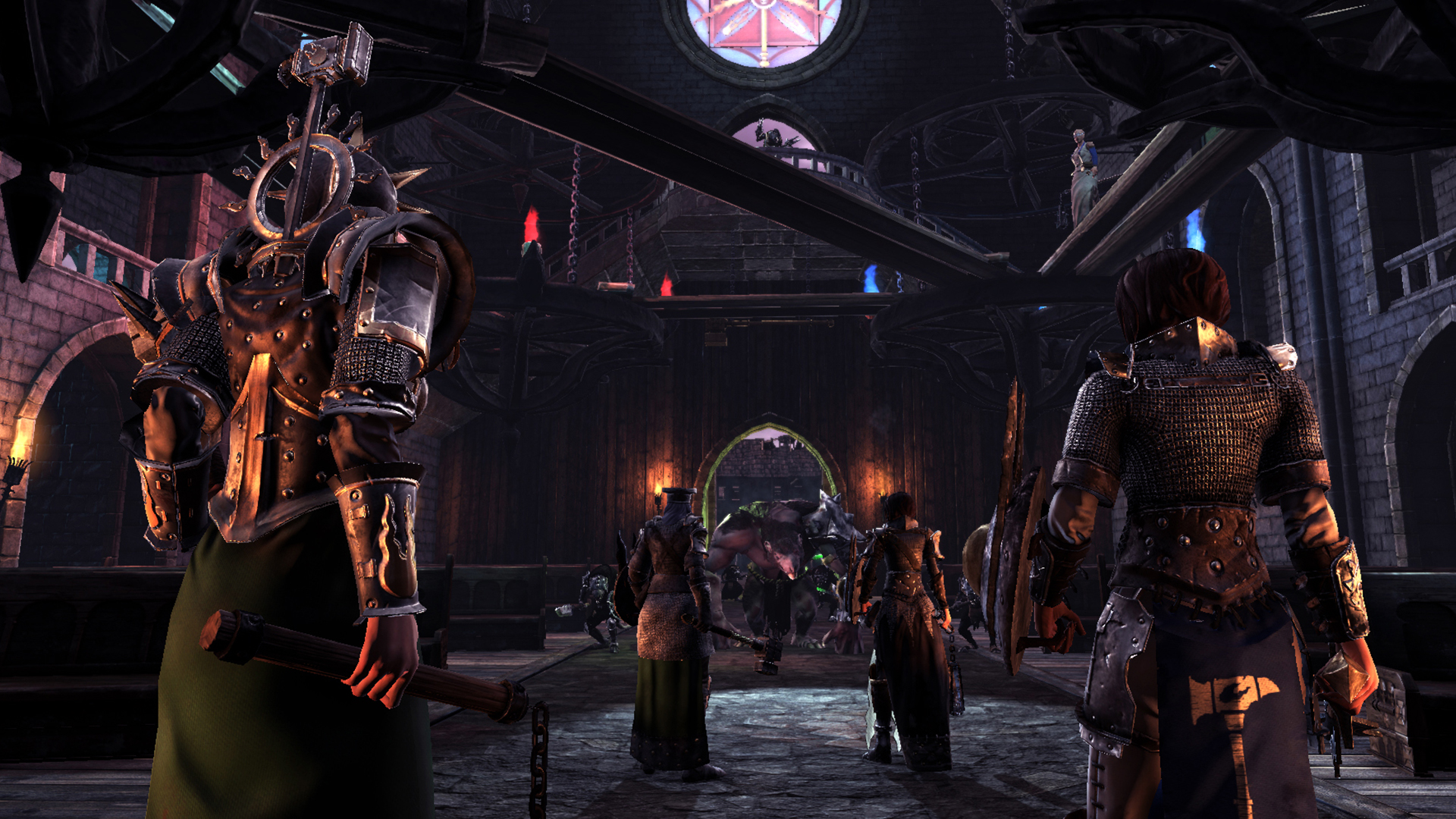
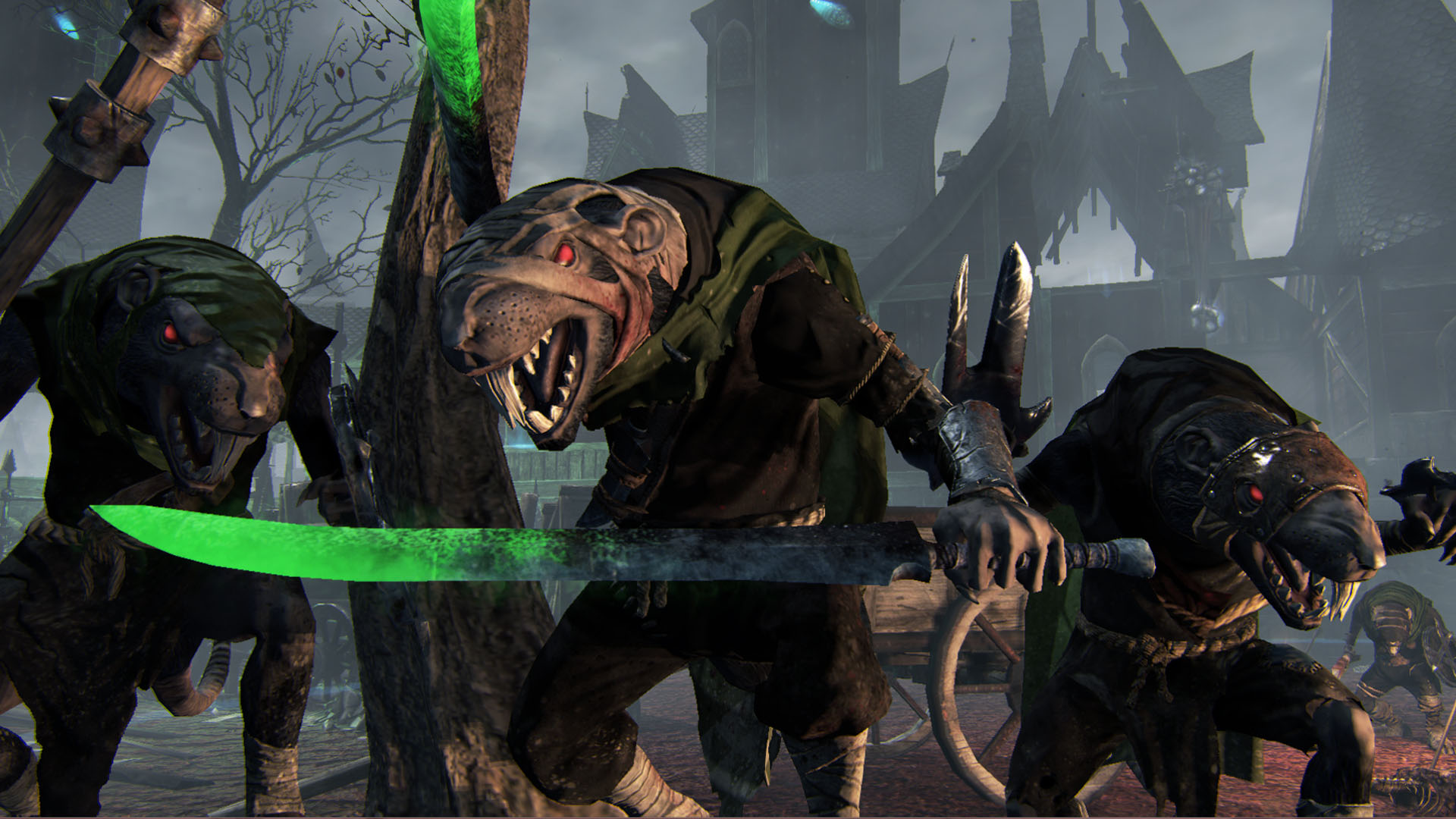
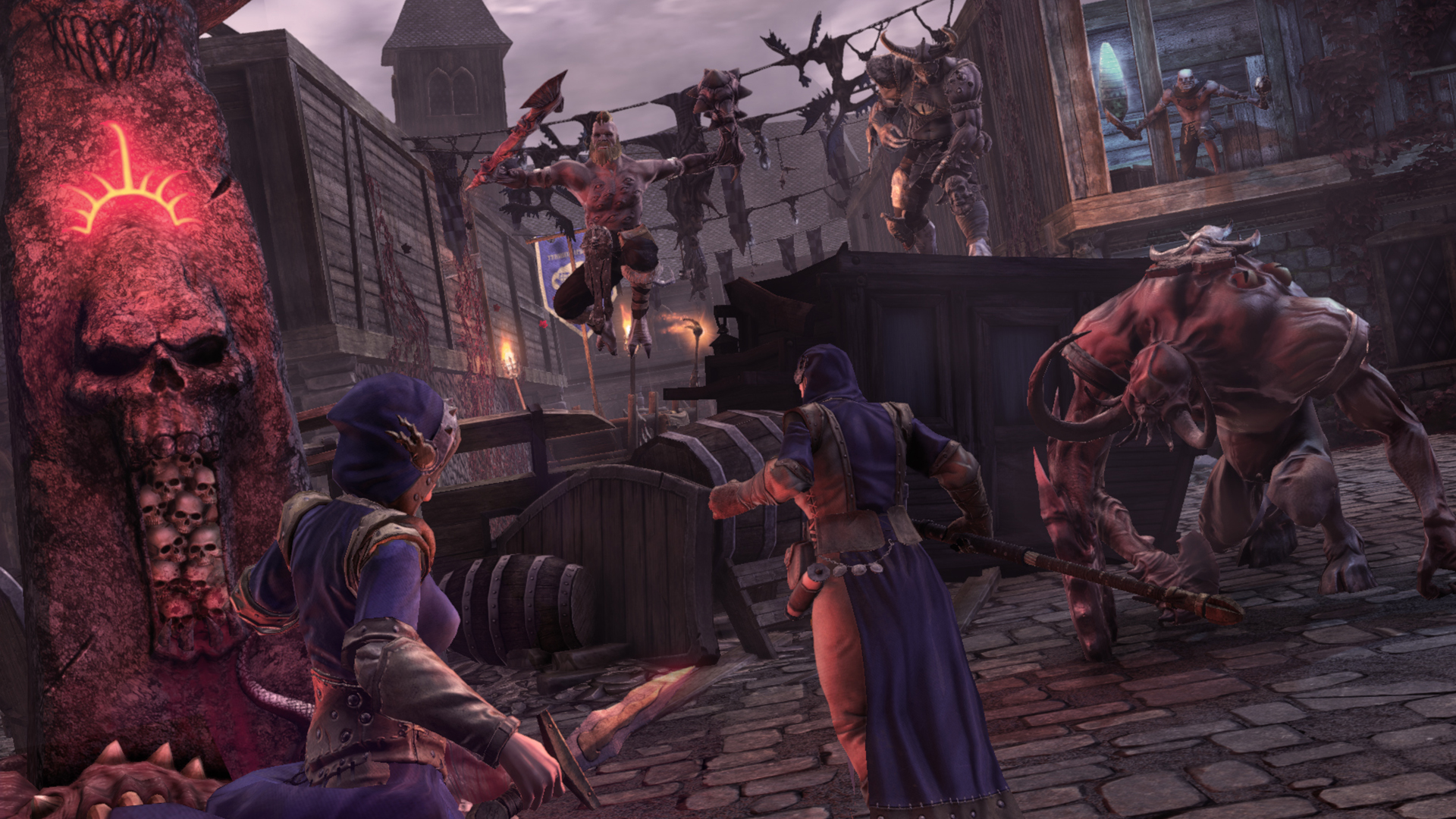
Introduction Mordheim is a bit of a conundrum on first glance, in that it mixes elements of 3rd person RPG and tactical strategy genres and is not a 1:1 digital translation of the board game formerly produced by Games-Workshop. (Although support for that board game still exists for free at Broheim and other places. Yes, you should at least give it a look.) After initially getting frustrated with the video game, I came back to it after several years, and I'm glad that I did. Let's explore some of Mordheim: City of the Damned together. Setting The game is set in the titular Stirland province city of Mordheim, a huge cosmopolitan city flush with wealth, power and decadence. As of the Warhammer universe's year 1999 the city was hit by a twin-tailed comet and turned into a Renaissance version of the Chernobyl exclusion zone. One of the by-products of the catastrophe is the presence of Wyrdstone, an other-worldly mineral ore that contains Chaos essence that can change the very fabric of reality: resurrection of the dead, transmutation of lead into gold, etc. As the player, you take leadership of a warband to claim as much of this wyrdstone for your patron: an Empire noble, the Chaos Shadowlord, the name and dignity of Sigmar, the Skaven (rat-men) horde, the Vampire Counts of Sylvania, or the fiery Witch Hunters. Gameplay The game is split into two halves: management and skirmish. The management side of things focuses on the strategic goals of your patron and yourself: acquire Wyrdstone to ship to your patron for gold and perks (or other local encampments for gold and alternative perks) and keep your warband going. Each shipment to your patron is given a time requirement in days, and should not be ignored as there are penalties for missed deadlines. There is a shop where you can better equip your warband, though its stock is inconsistent at first and can even be plundered by bandits depending on the week! There is also a place to manage your warband's characters and group characteristics. As they complete objectives and slay foes, each of your characters gain experience and increases in their base stats, skills, and magic (if applicable.) Keep in mind that skills and magic take both time and money to acquire, while base stats increase simply by playing the game. Also as you complete broader objectives, you can purchase perks for your warband overall, such as lower cost for healing or upkeep, a random chance to receive various item types per day, additional days to complete shipments, etc. In terms of skirmish mode, you have two options: Campaign missions or...well...skirmish online with other players, at least in theory. (There aren't many people doing this in 2025.) In either case, taking on one of these mission types takes up one in-game day, and you can only engage in 1 mission type per day. Skirmish mode does offer you the benefit of either a practice battle or a "play for keeps" mode in which if your warriors are knocked out they run the risk of death or dismemberment, and any items stolen from their bodies is gone . M:CotD has a unique spin on the tactical turn-based RPG formula: third-person area movement. Rather than a traditional square based movement system like you'd find in a game such as X-Com or Final Fantasy Tactics, each of your characters has a radius that they can move within before using up a Strategic Point, which is used both for movement and certain skill types to provide bonuses or debuffs. Certain stances like Dodge, Parry, etc. can be used to end your turn and give a defensive bonus but use Strategic Points too. This invites you to maintain a balance of caution and aggression, as perma-death is always enforced, and there is no easy mode or save-scumming. This is a roguelike campaign through-and-through. The second half of character actions takes up Attack Points, which can be consumed through ambush stances, spells, or various types of melee attacks. These are important to think through on how you manage them. For example, say you have a character that is engaged in combat. You've leveled him up enough for him to have 5 Attack points and some special attacks. Do you do one Standard Attack and follow it up with a Strong Attack for more damage and use up all 5 Attack points, or do you do 2 standard attacks and leave 1 attack point for a counter-attack? There are a number of areas that the video game differs from the board game, most notably the addition of new hero types, an increase in limits on some types of heroes, and the actual dice mechanics. In terms of the actual gameplay, the system is based off of D100 checks and tables instead of D6, making it more akin to Warhammer Fantasy Roleplay 2nd Edition. I personally prefer this, but Grognards of Mordheim may not like this change. The Good - The setting is very atmospheric, from the oozing flesh growing up the sides of buildings, the decay, the dust and glowing larvae, you can tell the developers poured a lot of love into making Mordheim feel unsettling and dangerous. This, combined with the eerie soundtrack lay the groundwork for this unique setting. - While difficult on purpose, it almost always feels fair. I can normally point to one or two key decisions that led to defeat or a character being lost. - Your warriors can suffer fates more annoying than death, and this makes for interesting decisions. Do you fire the warrior who has been with you since the beginning because he has a severed arm, or do you try to pivot and have him fulfill more of a support role now? You may be able to replace them, but it will cost you either coin or time. - There are plenty of skills and unique aspects of each warband type to keep things interesting. - You have the ability to give each of your warriors a back-story. I suggest you do this, as it will draw you in further and give extra meaning to unit sacrifices and close calls. - Having an in-game tactical map and the ability to put waypoints is very helpful. - Mordheim allows you to have some pretty spectacular battle stories. - The bulk of the achievements are unlockable in single player and dedication. - The opening comments of the narrator when you boot up the game are very flavorful and a nice touch! The Bad - Enemy pathfinding and logic is poor. I have seen enemy units on multiple occasions run into a corner then end their turn in Ambush stance after going exactly nowhere. Alternatively, I've seen enemy units refuse to jump down from one level of a building to get into a fight or block off an avenue of attack. Also, the AI rarely seems to try and achieve secondary objectives, which means you can predict with a large degree of accuracy what their approach will be. - Poor skills explanation. Skills are explained in the character screen when you're looking to train, or when the effects have been applied to one of your warriors. However, you can temporarily have a unit for story missions but initially have no clue on how to use their skills effectively if they're not listed. - Map repetition. Repetition. Repetition. - Non-story missions have no varying primary objectives. It's always "Kill all foes or force them to flee." The Ugly - Let's not mince words: this game is not winning any beauty awards. - While you may not have purchased the DLC initially, the DLC warbands will be there to fight against you. Rude! - Certain story missions can absolutely break your build. Re-spec or re-think them. All told, I think the atmosphere, struggle for survival, balance of greed and warrior survival, and the stories that come out of your desperate battles make the game well worth it on sale . If you want this for multiplayer, I highly suggest you convince a friend to get a copy as well. Good hunting!
Expand the review