ToHeart
The late-’90s landmark visual novel from AQUAPLUS is back and fully remastered with 3D scenes and animations, full HD resolution, the choice between the original cast or all-new voiceovers, and international translations for the first time ever!
Sync your Steam wishlist to track the lowest game prices instantly. No login required, just paste your Steam profile URL!
⚡ Try Wishlist Radar!
Sync your Steam wishlist to track the lowest game prices instantly. No login required!
⚡ Try Wishlist Radar!
Close

ONE. on Steam - User reviews, Price & Information
Quick menu
The pioneering nakige that made a generation cry... Legendary '90s visual novel ONE. is back and better than ever with updated art, animations, and features!
ONE. is a 1990's, anime and visual novel game
developed by novamicus
and published by Shiravune.
Released on December 21st 2023 is available only on Windows
in 4 languages: English, Japanese, Simplified Chinese and Traditional Chinese.
It has received 333 reviews of which 267 were positive and 66 were negative resulting in a rating of 7.5 out of 10. 😊
The game is currently priced at 7.80€ on Steam with a 60% discount.
The Steam community has classified ONE. into these genres:
Media & Screenshots
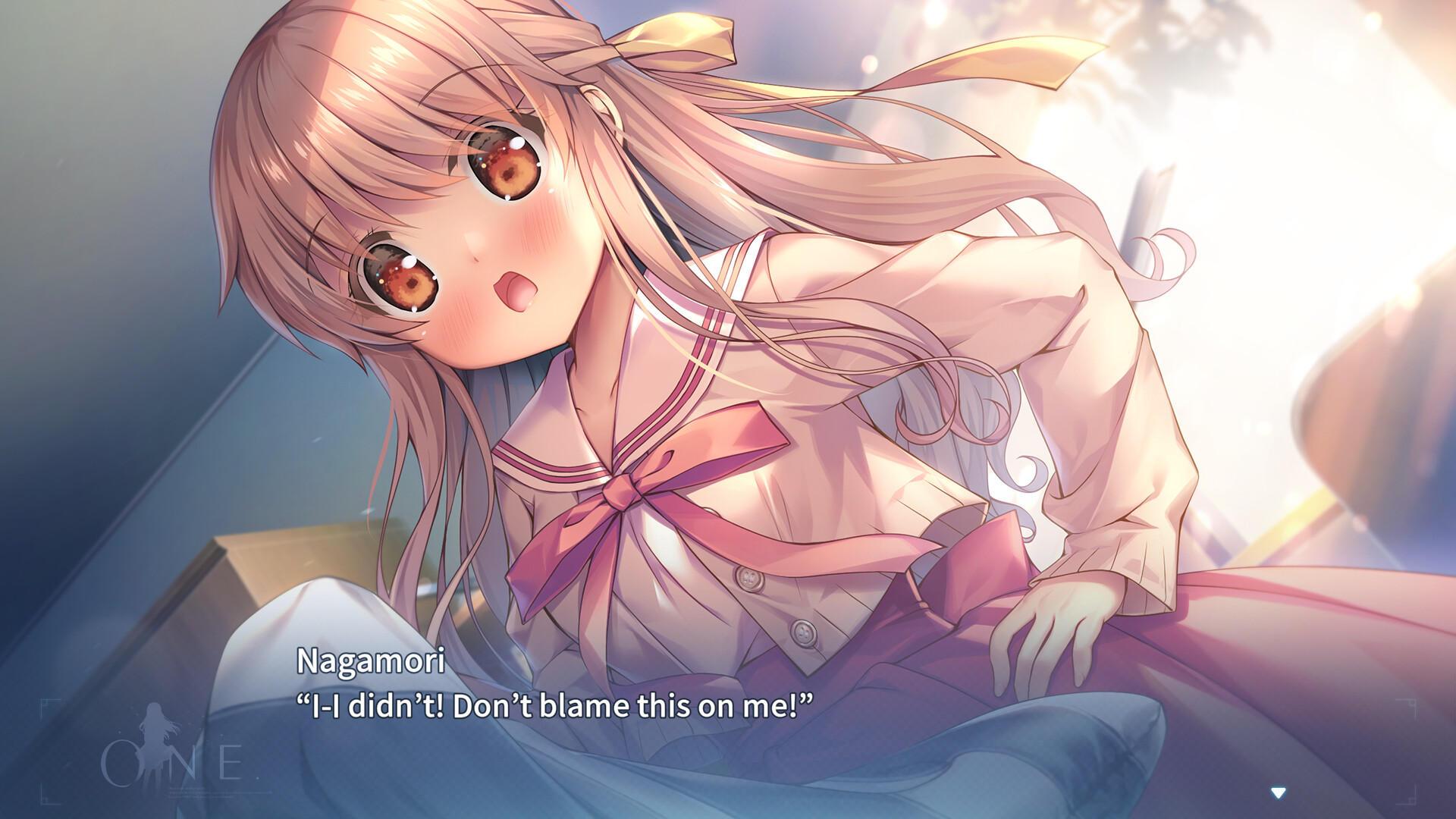
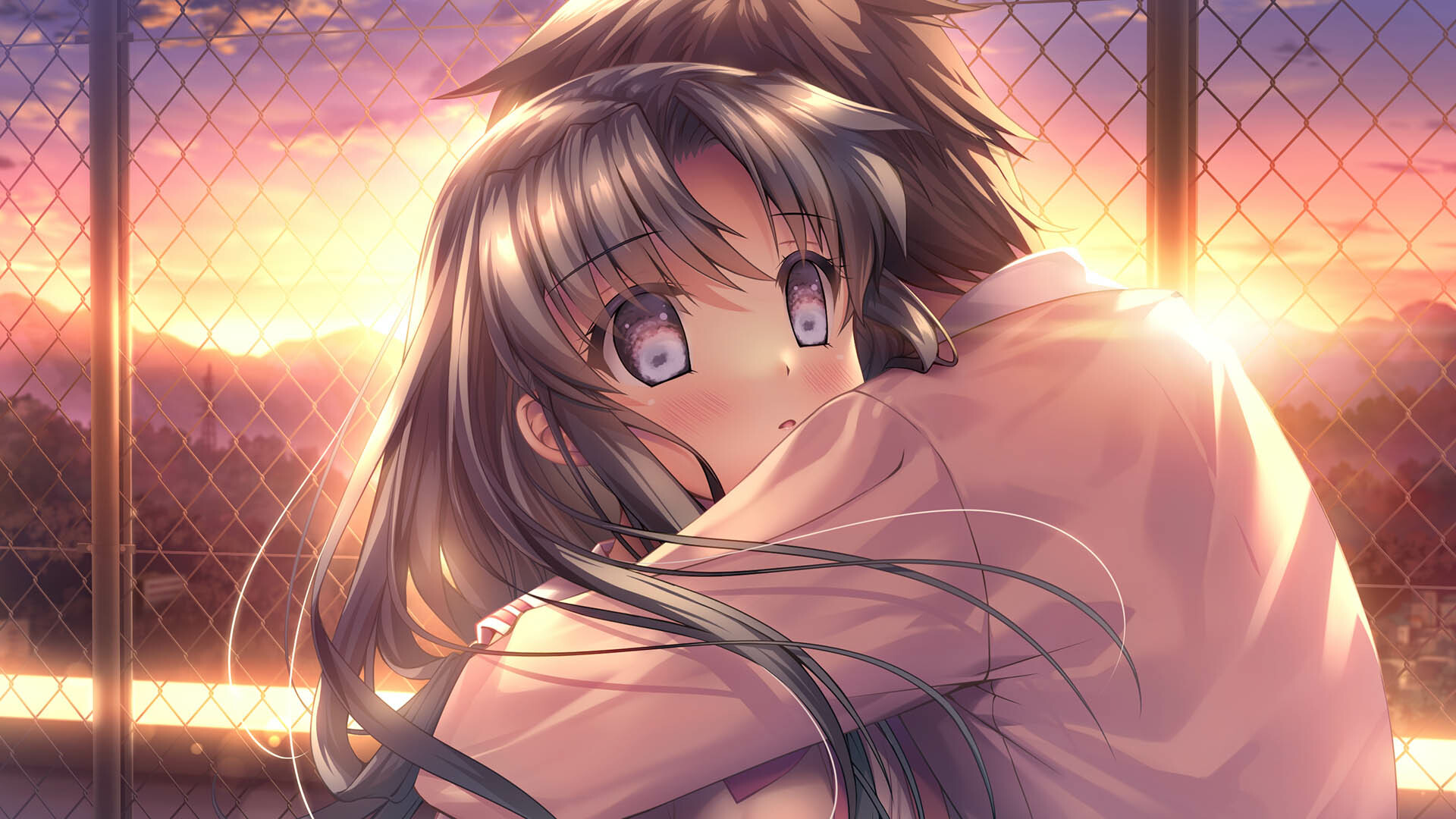
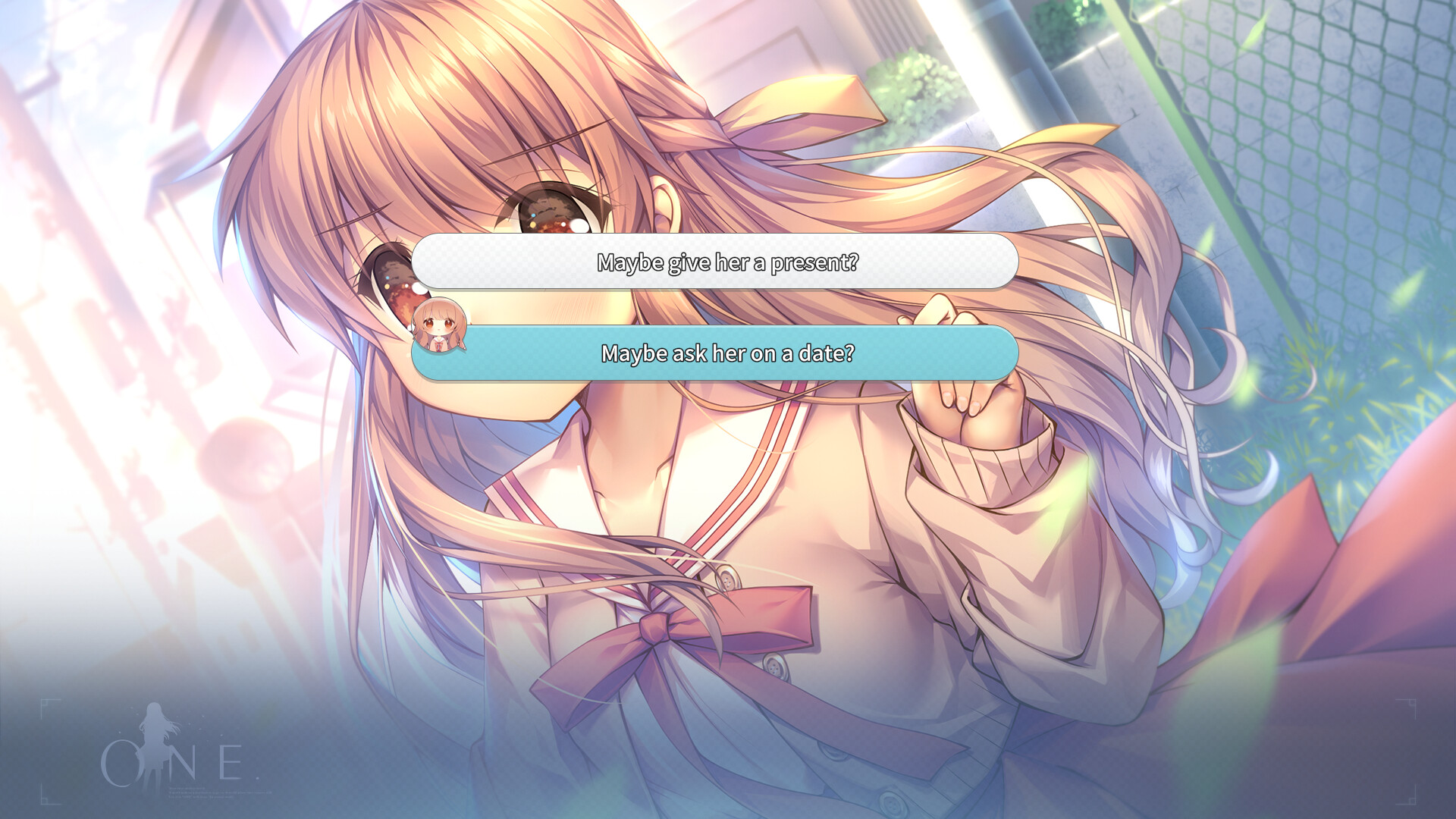
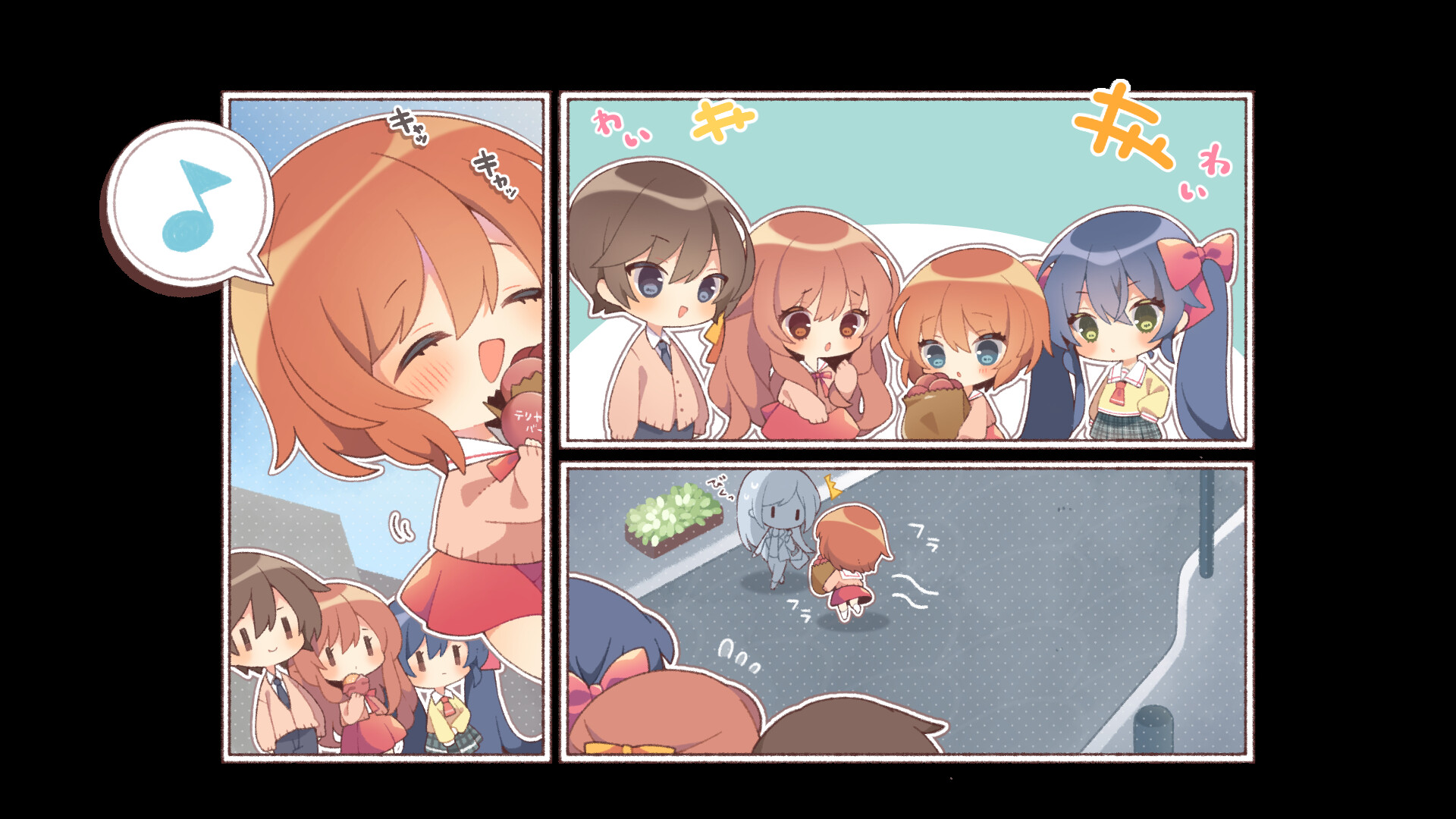
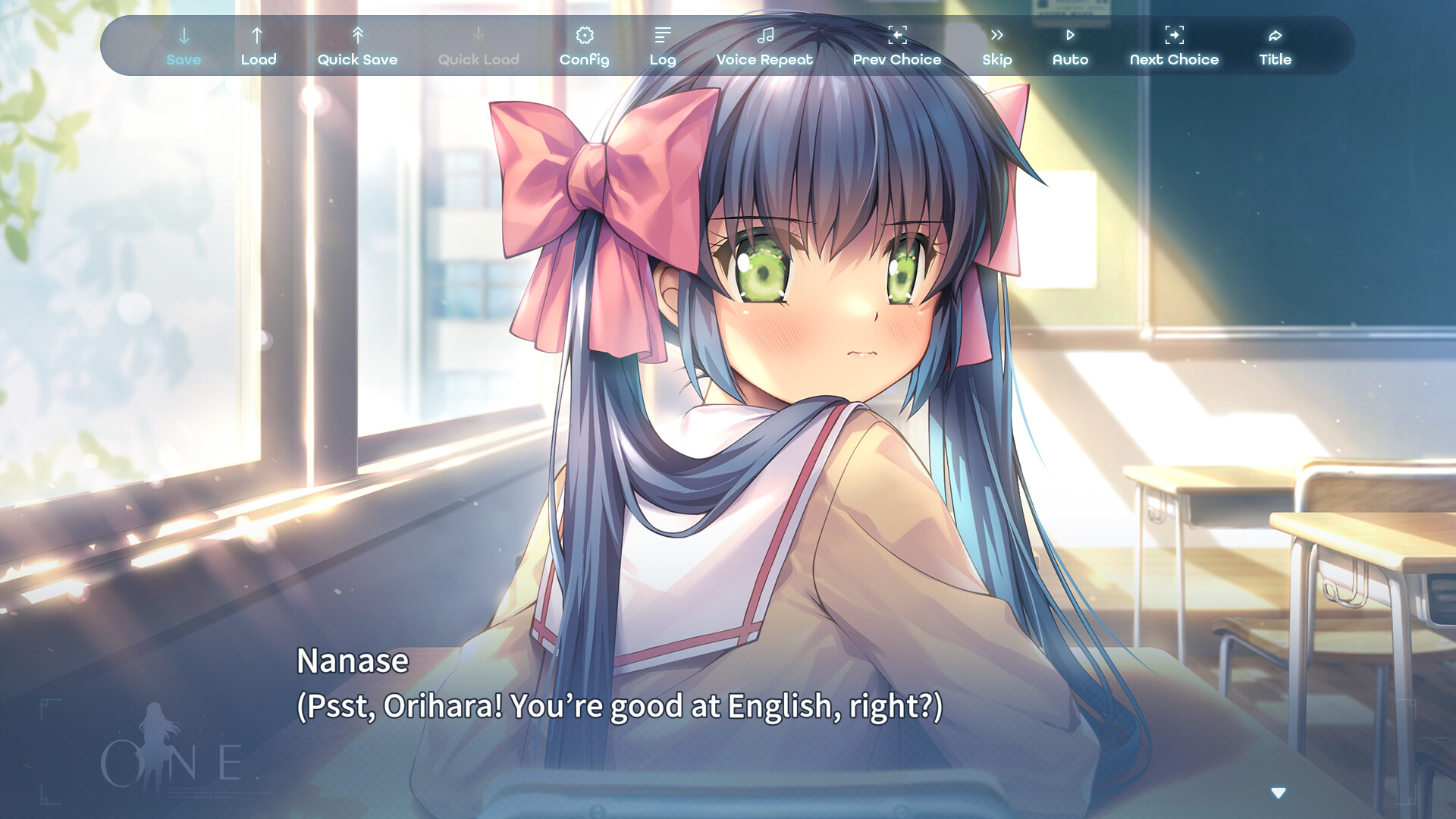
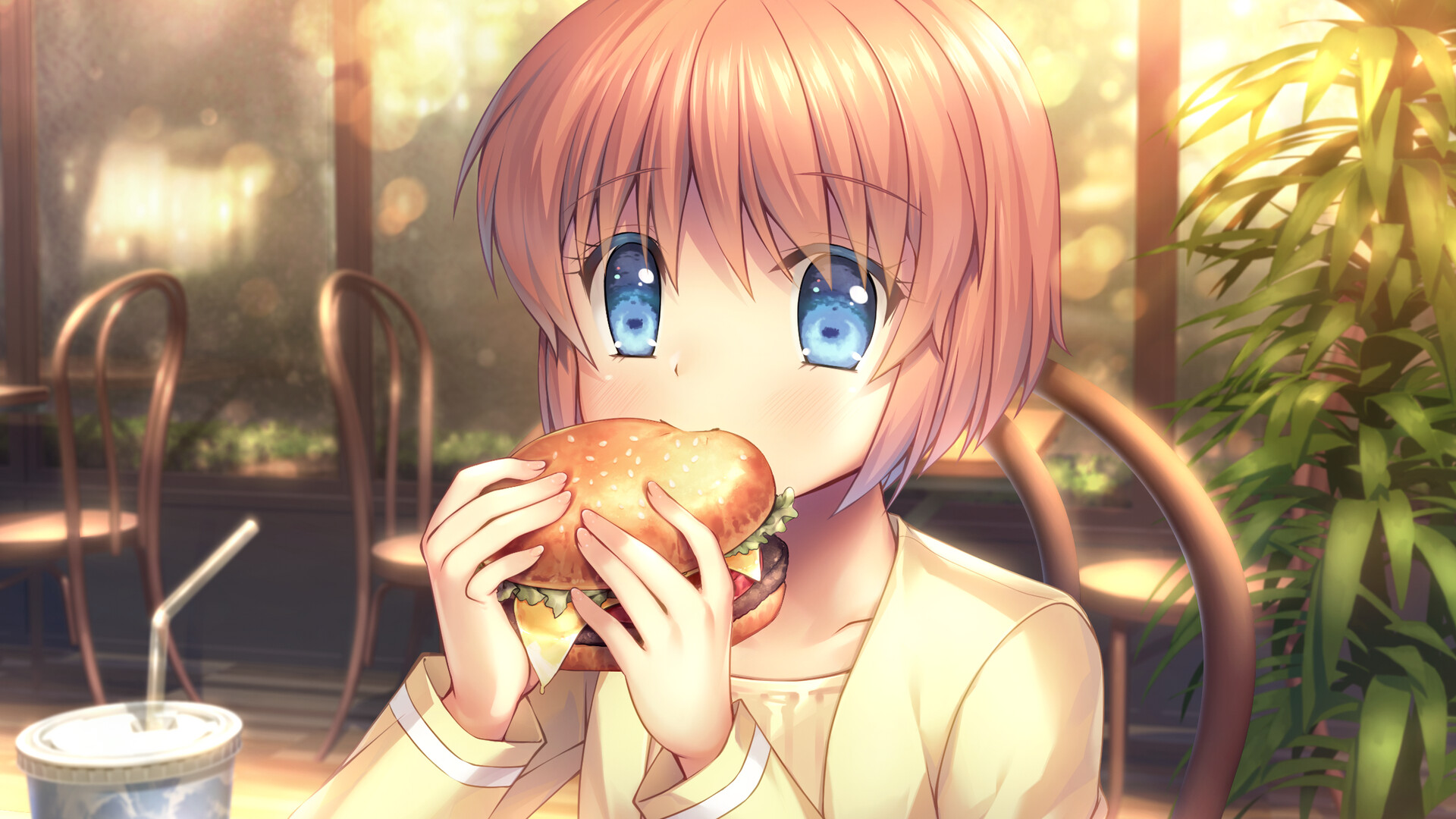
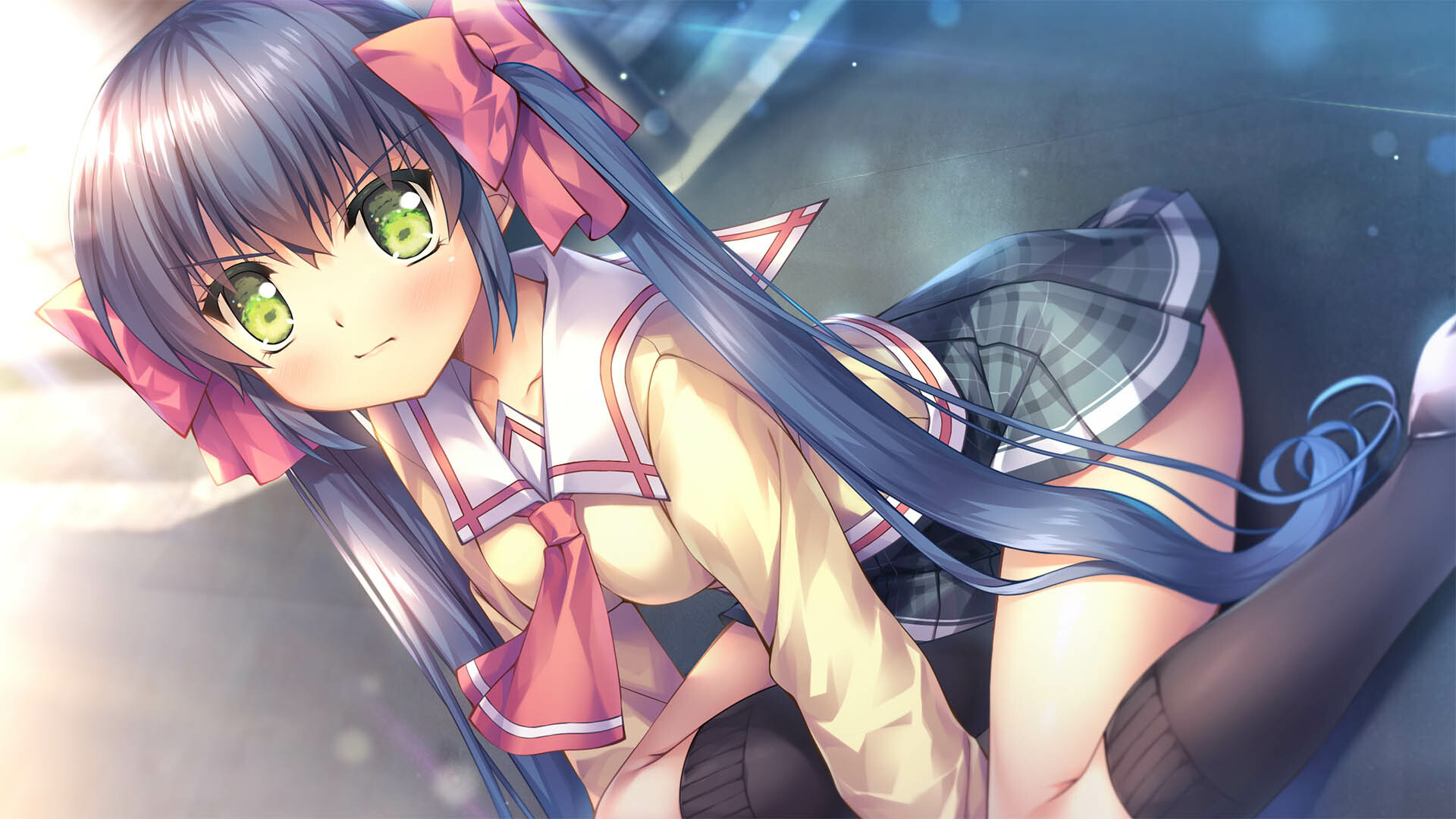
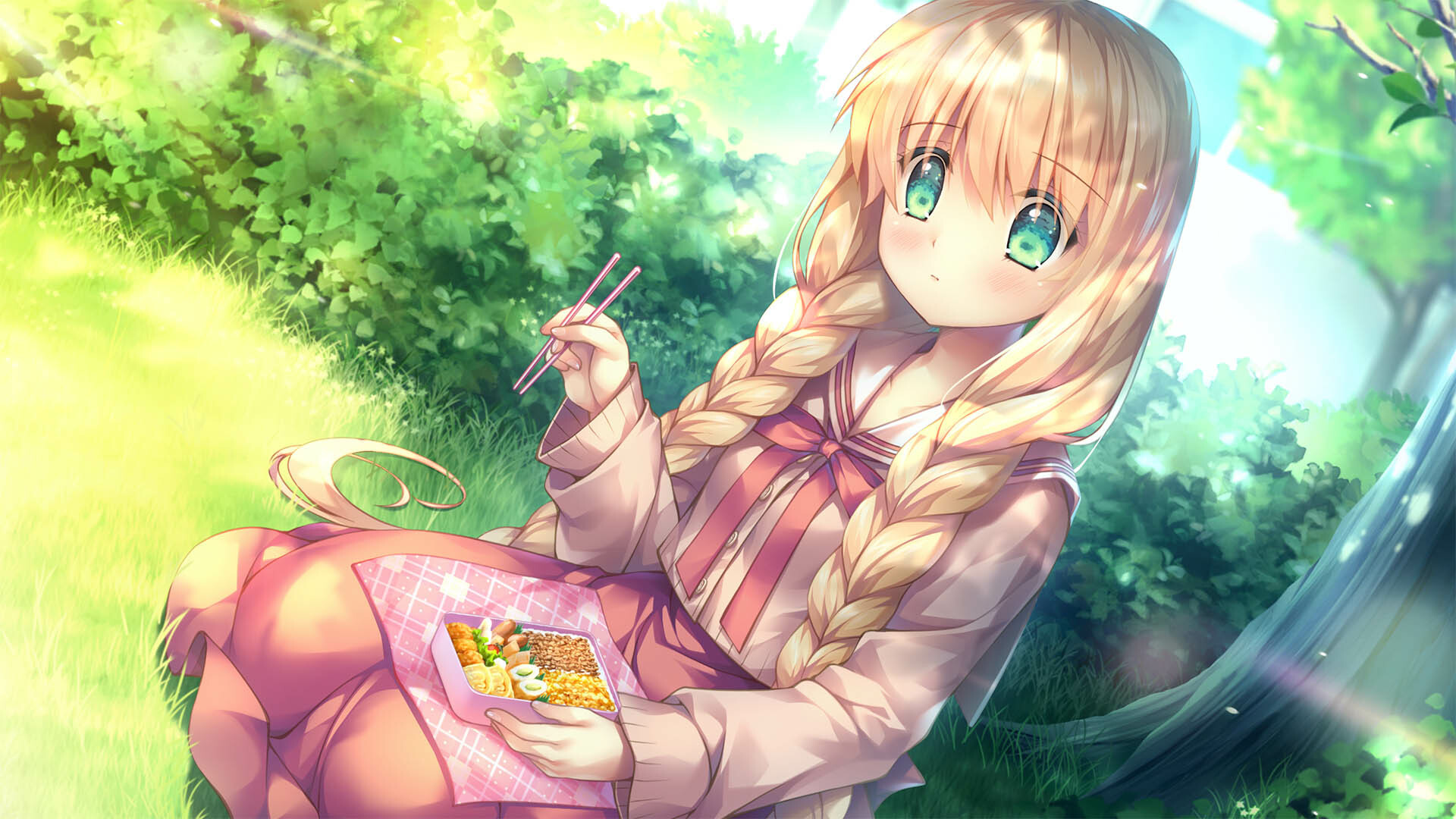
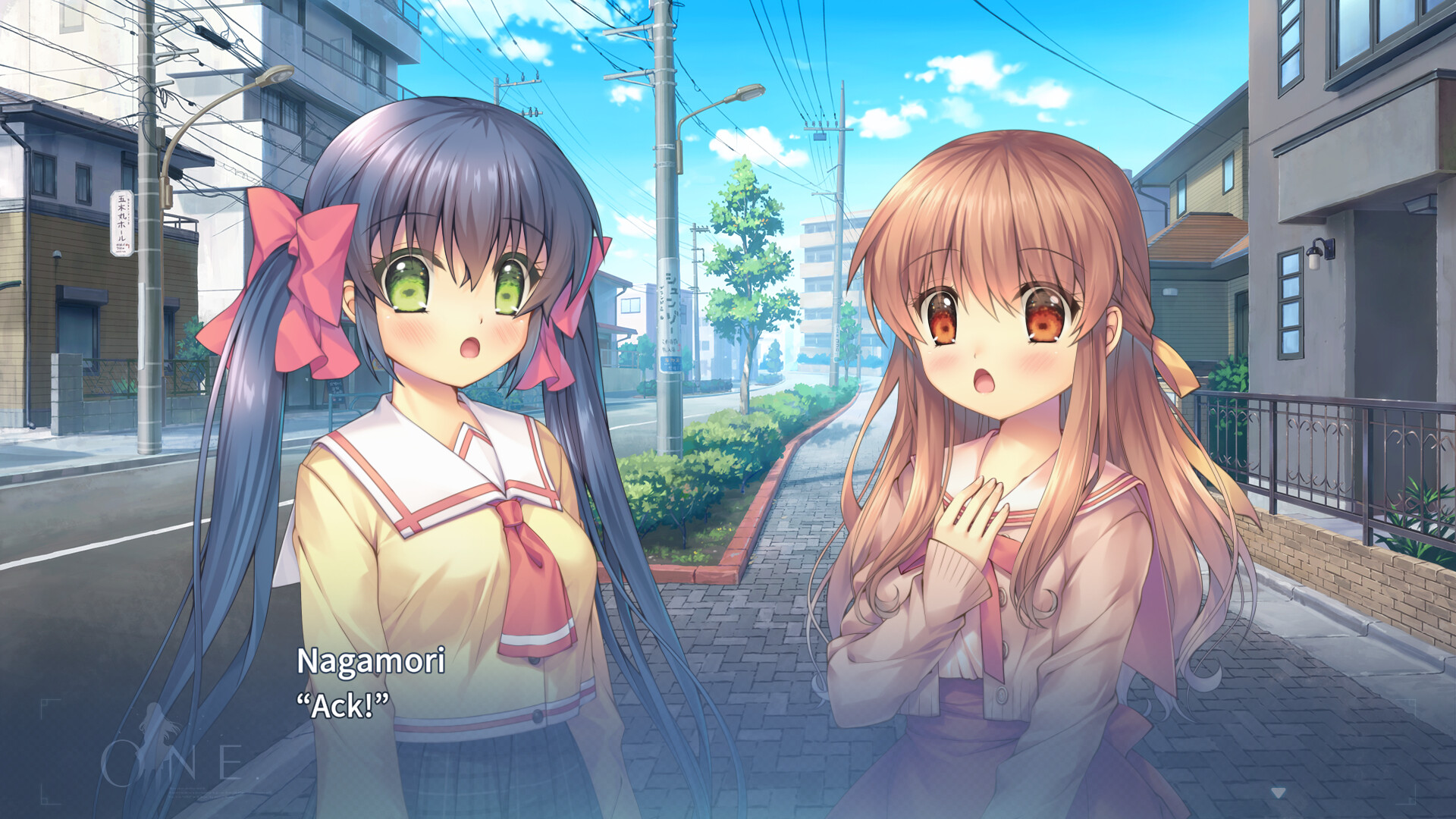
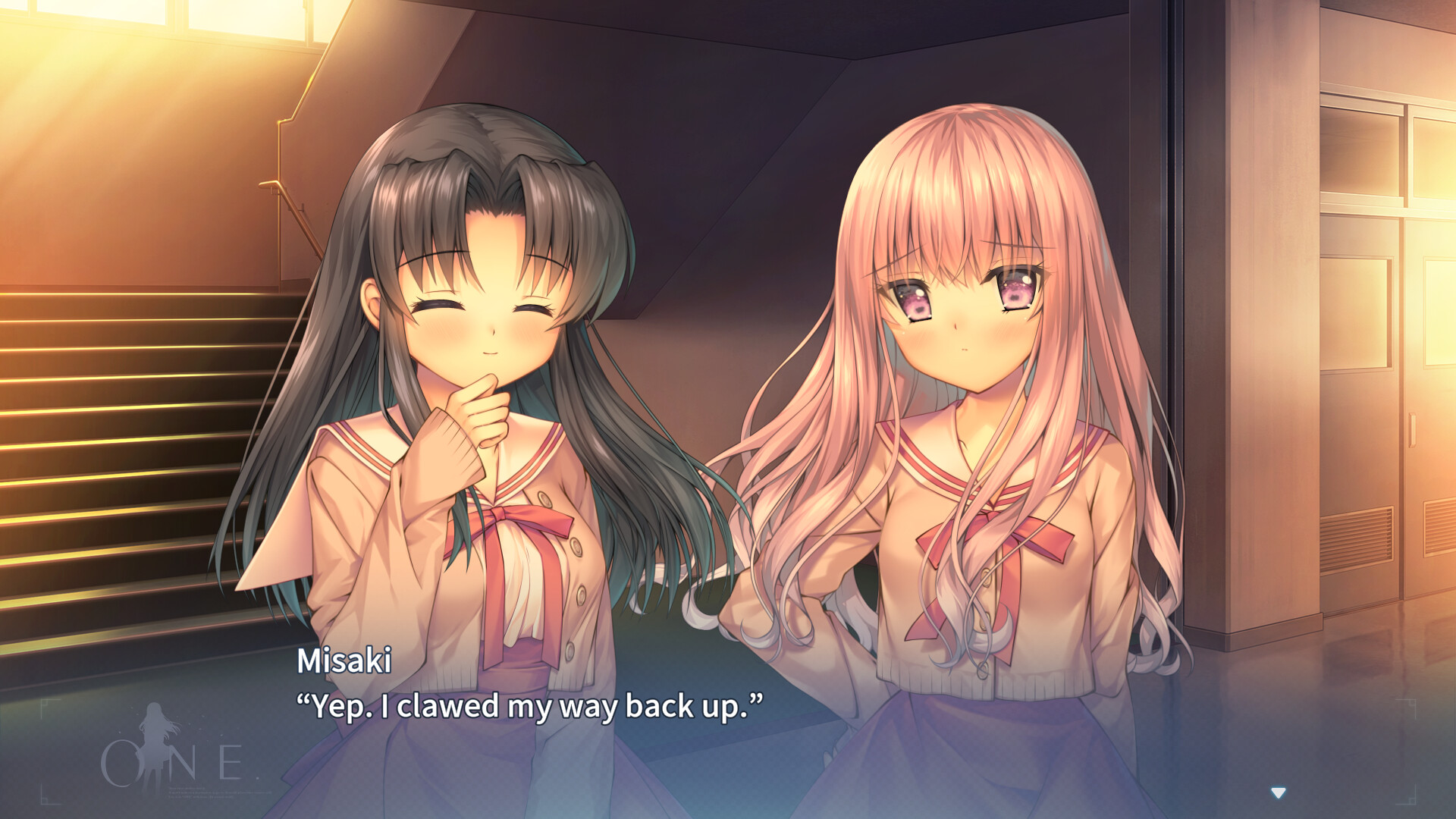
Get an in-depth look at ONE. through various videos and screenshots.
Load More
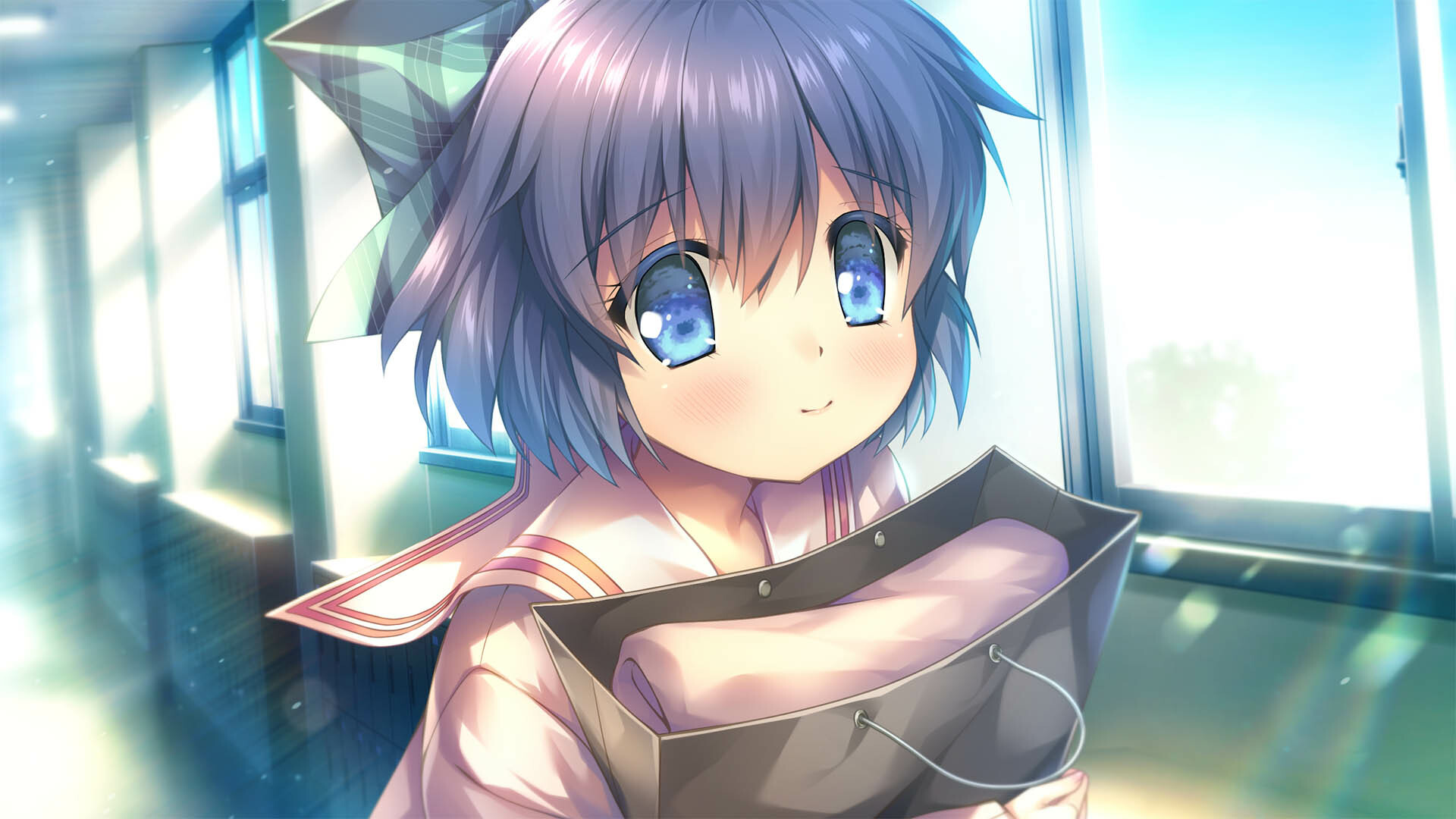
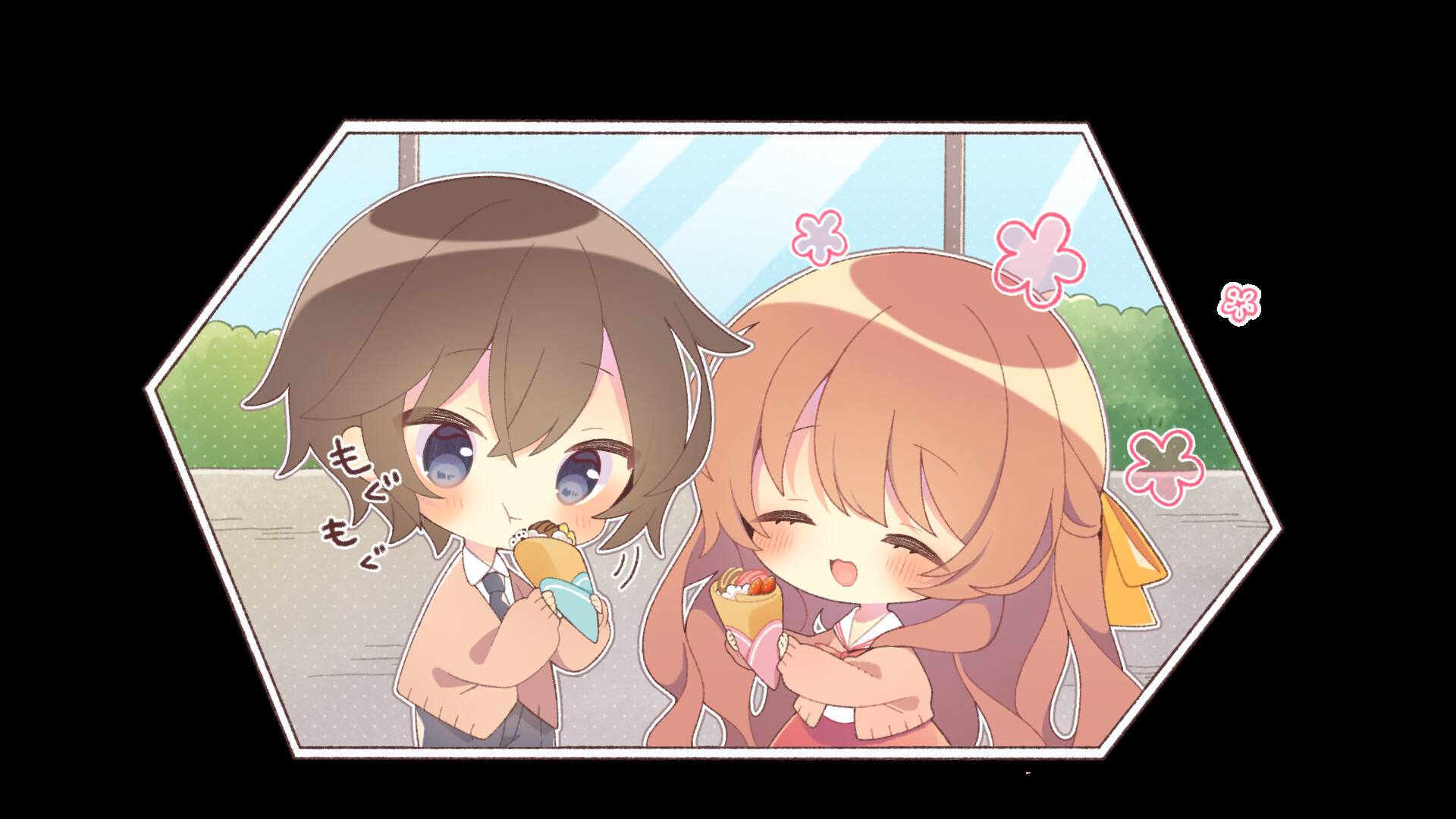
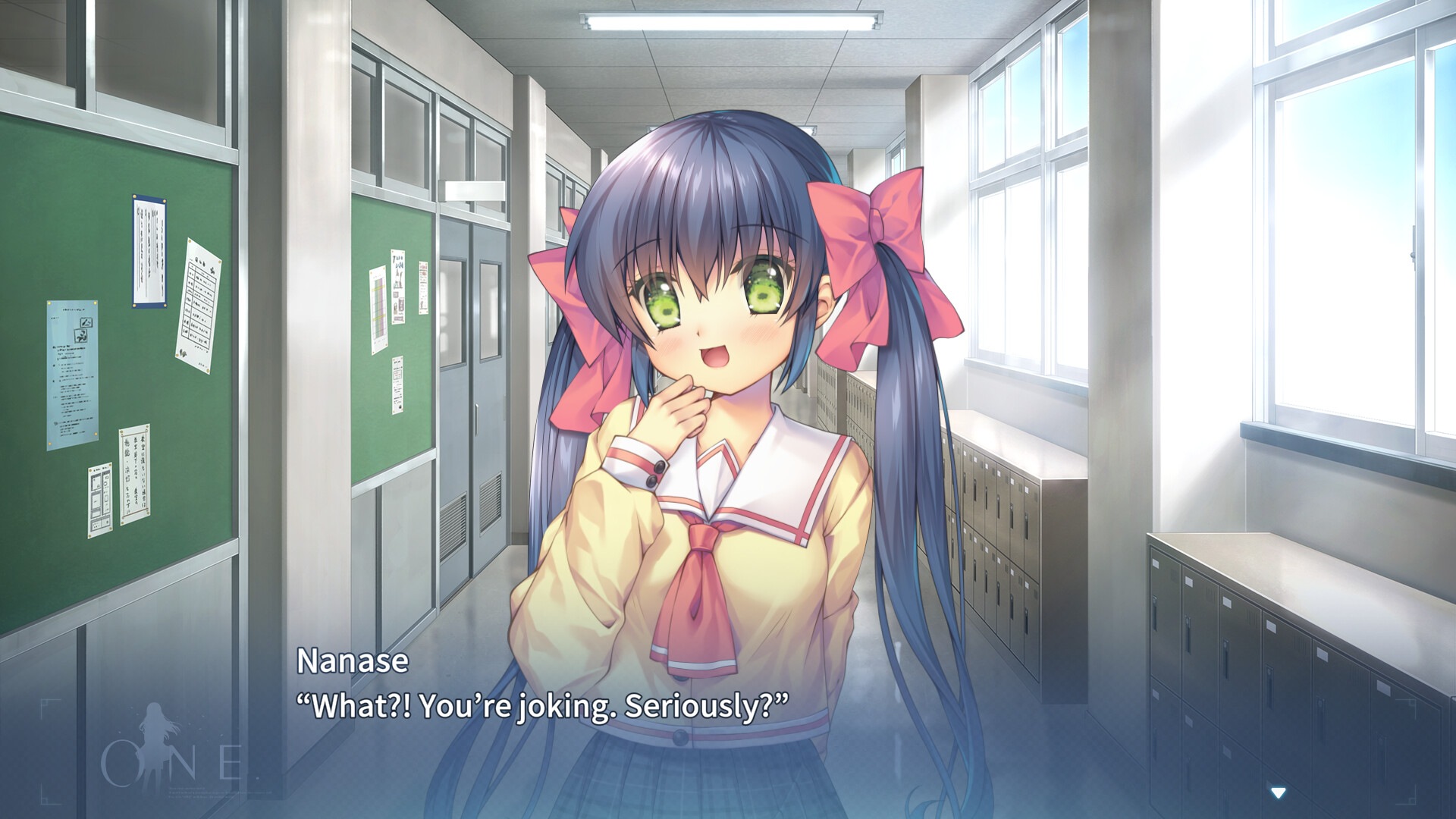
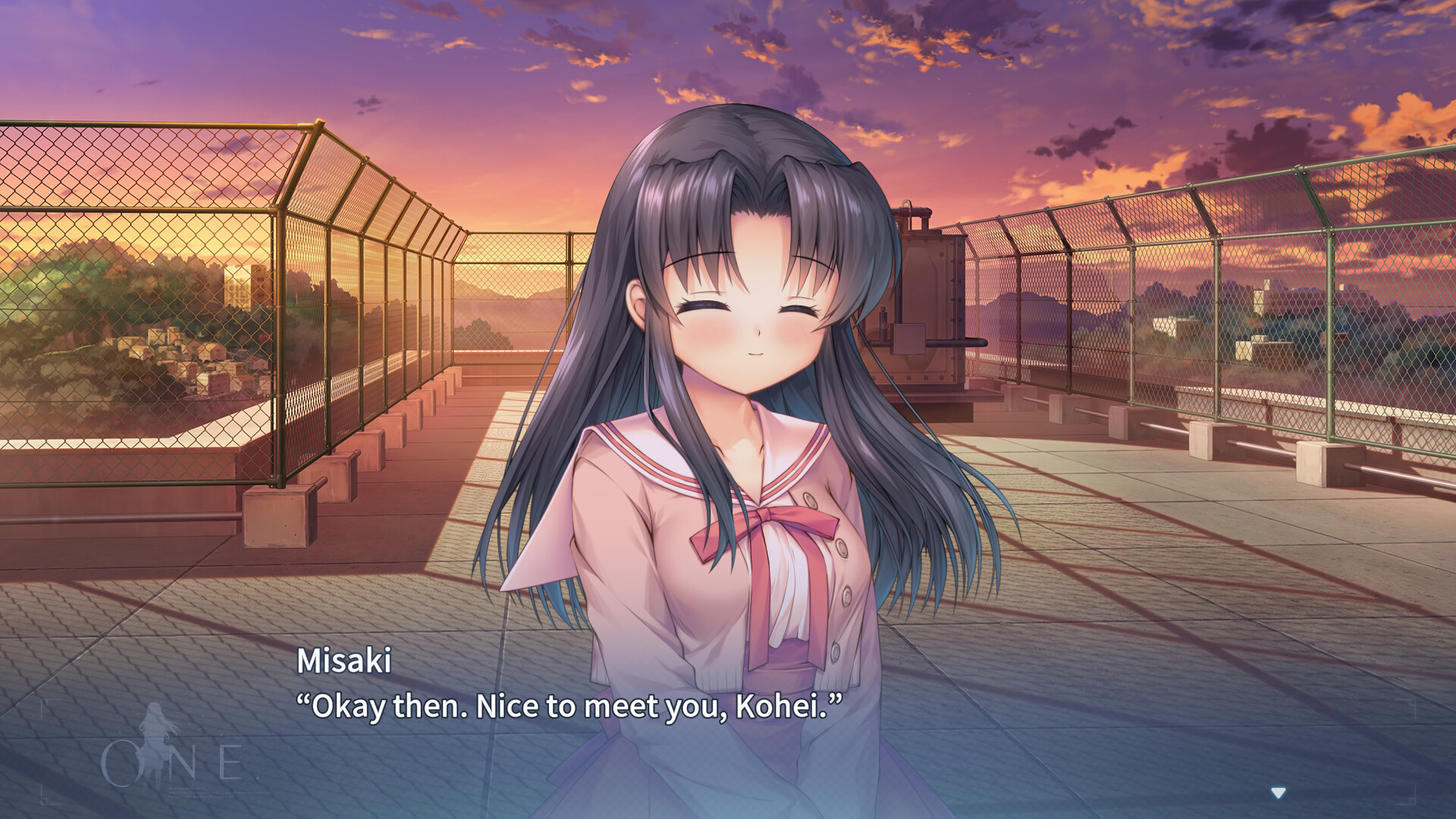
System requirements
These are the minimum specifications needed to play the game. For the best experience, we recommend that you verify them.
Windows
- OS: Windows 10 / 11
- Processor: Intel Core2Duo 2.4GHz
- Memory: 4 GB RAM
- DirectX: Version 11
- Sound Card: DirectSound support
- Additional Notes: Recommended Resolution: 1920x1080px
Steam Price & Best Deals
User reviews & Ratings
Explore reviews from Steam users sharing their experiences and what they love about the game.
I've been trying to say something meaningful about this game ever since I completed it last month, but I don't think I can convey a proper sentiment, so I'll just share some sporadic thoughts. On one hand, people are generally right: despite being flawlessly executed as a remaster, ONE's script has barely withstood the test of time when compared to modern visual novels or even later KEY releases, and it has some choices it made that nowadays everyone that reads them are like: "Why would you even do that?". But on the other hand... I feel that people are overreacting and expecting something more rigid and laid out. But this isn't that kind of story. You won't get an explanation about the twist because it's not meant to be explained, and the payoff of your choices is being able to continue the character routes themselves. And Kohei's characterization isn't even that blank, all things considered...? He does feel like a separate character when it comes to Hisaya vs Maeda's writings, but within these writers' routes he's definitely the same character, and his reaction and collapse over the twist happening is more or less as negative; sometimes he runs away, sometimes he fakes it until it's over, and sometimes he clings over the heroine. Even the Nagamori route's infamous section can be attributed as a short fuse of the MC over something that was already teased in the common route (the chalk scene for example), it can only happen because he knew her beforehand. Though you could also simply say it's a remnant from MOON. and it would be equally as valid tbh. I enjoyed the renewed art, I enjoyed the opening, its lyrics and MV, it felt just like the original game, as did the ending. The OST was faithfully remastered from the original release, it did its job. I enjoyed the characters, their little banter, their humor, and the ideas each girl brought to the table. I enjoyed the common route (the first time at least), I enjoyed the scenes for each girl in the common route, and I enjoyed the character routes as well. Some of the bad endings can be very interesting on their own and you're clearly meant to stumble and fail and get them at least once, as this is a game that had no character hints and sometimes the critical choice is not as intuitive as you think. I enjoyed each interlude, originally I believed them to be a little in the denpa department, then I realized they're plain melancholic or peaceful. I enjoyed the proto-nakige mechanics at the end of each route, though I didn't actually cry in any route honestly. That's not to say I found this VN perfect, but the bad things I found ultimately don't impact my opinion that this was a little charming piece on its own. My fav girl was probably Akane, followed by Nagamori.
ONE. is a remake of a classic visual novel originally released in the late 1990s, developed by novamicus and published by Shiravune. Considered one of the early pioneers of emotional storytelling within the visual novel genre, the game returns with updated visuals, enhanced audio, and modern presentation improvements while preserving the emotional tone and narrative structure that made the original memorable. Rather than attempting to radically alter the source material, the remake focuses on refining the experience for contemporary audiences while maintaining the nostalgic atmosphere and heartfelt storytelling that defined the original release. The story follows Kouhei Orihara, a high school student living an ordinary daily life that slowly begins to shift into something far stranger and more emotionally complicated. At first, the game feels like a traditional school-life romance visual novel filled with comedic interactions, casual conversations, and developing relationships between Kouhei and several girls around him. However, beneath the relaxed atmosphere lies a deeper sense of melancholy that gradually emerges as the narrative unfolds. Themes of memory, separation, loneliness, and fading connections slowly take center stage, transforming what initially appears to be a simple romance story into a far more emotional and reflective experience. One of the game’s strongest qualities is its ability to create emotional attachment through quiet moments rather than dramatic spectacle. The everyday interactions between characters feel natural and sincere, helping players become invested in the relationships before the story begins exploring heavier emotional themes. The pacing intentionally takes its time building familiarity with the cast, which makes later developments significantly more impactful. Even seemingly small scenes often carry emotional weight because the game carefully establishes a sense of warmth and comfort around its characters and setting. The remake’s visual presentation modernizes the experience without losing the identity of the original. Character designs are cleaner and more expressive, animations are smoother, and the backgrounds feature significantly more detail while still retaining the soft, nostalgic feeling associated with older visual novels. The art direction successfully balances retro charm with contemporary production values, allowing longtime fans to revisit the world in a refreshed form while also making the game visually appealing to newcomers unfamiliar with classic visual novels. Music plays a major role throughout the experience and helps strengthen the emotional atmosphere in nearly every scene. Gentle piano tracks, emotional melodies, and calming background themes constantly reinforce the bittersweet tone of the story. The soundtrack creates a lingering feeling of nostalgia that becomes increasingly powerful as the narrative progresses. Combined with voice acting and improved sound quality, the audio presentation adds emotional depth to important scenes and helps the story maintain a strong sense of intimacy throughout its many character-focused moments. The cast is another major highlight. Each heroine receives her own route and emotional storyline, allowing the game to explore different themes and perspectives through multiple narrative paths. Rather than functioning only as romance options, the characters feel deeply connected to the emotional core of the story itself. Their personal struggles, insecurities, and relationships with Kouhei help shape the larger mystery surrounding the world and its unusual events. Some routes are more emotionally satisfying than others, but the overall consistency of the writing remains strong across the entire experience. At the same time, ONE. still reflects many storytelling conventions from the era in which it was originally created. Certain character archetypes and comedic moments may feel dated to players accustomed to more modern visual novels. The pacing can occasionally become slow during the early portions of the game, especially for players expecting immediate plot progression or constant dramatic developments. Since the experience is heavily focused on reading dialogue and making occasional narrative choices, players looking for gameplay-heavy mechanics may also find the structure limited compared to modern hybrid visual novels. Despite these older design elements, the emotional sincerity behind the story remains remarkably effective. The game does not rely on excessive twists or forced drama to create impact. Instead, it gradually develops emotional tension through atmosphere, character attachment, and subtle storytelling. As the mysteries surrounding the characters and their world slowly become clearer, the emotional payoff becomes increasingly rewarding. The story’s themes of fleeting moments and fragile human connections continue to resonate strongly even decades after the original release. What makes ONE. particularly significant is how influential it became within the visual novel genre. Many later story-driven visual novels built upon the emotional storytelling structure introduced here, making the game an important part of visual novel history. Experiencing the remake offers not only an engaging emotional narrative, but also insight into the foundation of many modern romance and drama visual novels that followed in its footsteps. ONE. ultimately succeeds as both a respectful restoration of a classic and an emotionally engaging experience for modern audiences. Its combination of nostalgic atmosphere, heartfelt writing, memorable characters, and emotional storytelling creates a visual novel that remains impactful even years after its original debut. While its slower pacing and older storytelling style may not appeal to every player, those willing to immerse themselves in its emotional journey will discover a thoughtful and beautifully presented story that continues to leave a lasting impression. Rating: 8/10
Misaki is an amazing character. I genuinely love and admire her as much as I would a real person. If you do anything in this game, play her route. It is a masterpiece. Akane's route is not that far behind, I highly recommend playing through that as well. The Mio and Nanase routes aren't bad either. Avoid Nagamori's like the plague though. She is the poster girl, but her route is BY FAR the worst. Half the routes were written by a baby Jun Maeda (of Key fame) who didn't know how to write good, emotionally effective stories yet. No surprise that all of his routes (Nanase, Nagamori, Shiina) are noticably worse than the ones written by Naoki Hisaya. But the beauty of a visual novel is that you can simply not play the bad routes. Problem solved! Anyway, I really recommend this game. It did a great job of creating a lovable, endearing, and fun cast of characters who are all (mostly) well-characterized and full of personality. That's the mark of a good story in my eye: the ability to create believable characters whom you truly care about. - Misaki's route: 10/10 - Akane's route: 9/10 - Mio's route: 7/10 - Nanase's route: 6/10 - Shiina's route: 5/10 - Nagamori's route: 4/10
Similar games
View all

Night Shift Nurses
A washed-up mad doctor is hired back by a devious former test subject and asked to twist her hospital into a corrupt donation mill. Will he seize this second chance to practice his own vision of "science," or will his many failings drag him down once again in this pseudo-medical visual novel?
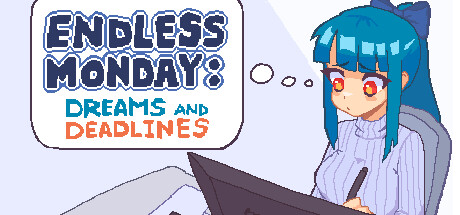
Endless Monday: Dreams and Deadlines
"Endless Monday: Dreams and Deadlines" - In this short story from the Endless Monday, Penny, a mild-mannered corporate grunt, spends a weekend at the office in an effort to finish her project on time while overcoming distractions from coworkers, space aliens, imaginary friends, and herself.

Waning Flowers of a World Eternal - The Rainbow Appears After Flowering Rain
Is one life worth the price of another? A bittersweet visual novel about life and death, trust and bonds, and promises made. Brought to you by popular Japanese bishojo game developer SWEET&TEA. Winner of the Moe Game Awards 2016's "New Brand Award"!
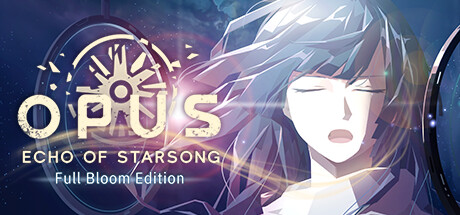
OPUS: Echo of Starsong - Full Bloom Edition
Echo of Starsong is a visual novel style adventure game. Eda, a girl who can hear mysterious sound waves known as starsong, crosses paths with a young man in search of their source. Together, they venture out to the heart of space to unravel an ancient myth.

WHITE ALBUM: Memories like Falling Snow
The classic visual novel from AQUAPLUS that launched one of Japan's most beloved franchises, WHITE ALBUM is a story of love in many forms. Will a couple cling together, or drift apart on the cold wind? The album of their relationship will be as white as snow, and as poignant.

Sepia Tears
A visual novel about a memory that a boy named Mark tries very hard to forget, and a girl named Myra who unearths it.
Ame no Marginal -Rain Marginal-
The latest visual novel by Tomo Kataoka, the author of Narcissu 1st & 2nd, has arrived! An empty world with endless rain and only one person. Here there is no hunger, sickness or even death. Just what story does this world's one occupant have?
Frequently Asked Questions
ONE. is currently priced at 7.80€ on Steam.
Yes, ONE. is currently available at a 60% discount. You can purchase it for 7.80€ on Steam.
Yes, ONE. received 267 positive votes out of a total of 333 achieving a rating of 7.49.
😊
ONE. was developed by novamicus and published by Shiravune.
Yes, ONE. is playable and fully supported on Windows.
No, ONE. is not playable on MacOS.
No, ONE. is not playable on Linux.
This information about ONE. is not available yet.
This information about ONE. is not available yet.
No, ONE. does not support VR.
ONE. is a single-player game.
No, ONE. does not currently offer any DLC.
No, ONE. does not support mods via Steam Workshop.
No, ONE. does not support Steam Remote Play.
Yes, ONE. is enabled for Steam Family Sharing. This means you can share the game with authorized users from your Steam Library, allowing them to play it on their own accounts. For more details on how the feature works, you can read the original Steam Family Sharing announcement or visit the Steam Family Sharing user guide and FAQ page.
You can find solutions or submit a support ticket by visiting the Steam Support page for ONE..
Data sources
The information presented on this page is sourced from reliable APIs to ensure accuracy and relevance. We utilize the Steam API to gather data on game details, including titles, descriptions, prices, and user reviews. This allows us to provide you with the most up-to-date information directly from the Steam platform.
Additionally, we incorporate data from the SteamSpy API, which offers insights into game sales and player statistics. This helps us present a comprehensive view of each game's popularity and performance within the gaming community.
Last Updates| Steam data | 30 August 2026 21:06 UTC |
|---|---|
| SteamSpy data | 11 September 2026 15:05 UTC |
| Steam price | 12 September 2026 10:16 UTC |
| Steam reviews | 09 September 2026 06:04 UTC |
If you'd like to dive deeper into the details about ONE., we invite you to check out a few dedicated websites that offer extensive information and insights. These platforms provide valuable data, analysis, and user-generated reports to enhance your understanding of the game and its performance.
- SteamDB - A comprehensive database of everything on Steam about ONE.
- SteamCharts - Analysis of ONE. concurrent players on Steam
- ProtonDB - Crowdsourced reports on Linux and Steam Deck ONE. compatibility

 🔥 Deal
-60%
19.50€
7.80€
Buy Now
🔥 Deal
-60%
19.50€
7.80€
Buy Now
 -39%
19.50€
11.99€
Visit Store
-39%
19.50€
11.99€
Visit Store
 -39%
19.50€
11.99€
Visit Store
-39%
19.50€
11.99€
Visit Store
 -20%
19.50€
15.65€
Visit Store
-20%
19.50€
15.65€
Visit Store
Game modes
Features
Online players
0
Developer
novamicus
Publisher
Shiravune
Release
21 Dec 2023
Platforms
Clicking and buying through these links helps us earn a commission to maintain our services.