

Force of Nature
Force of Nature is a Sandbox game that combines Action, Adventure, RPG, Strategy and Management genres
Sync your Steam wishlist to find the lowest game prices instantly. No login required, just paste your Steam profile URL!
⚡ Try Wishlist Radar!
Sync your Steam wishlist to find the lowest game prices instantly. No login required!
⚡ Try Wishlist Radar!
Close

Rem Survival on Steam
Quick menu
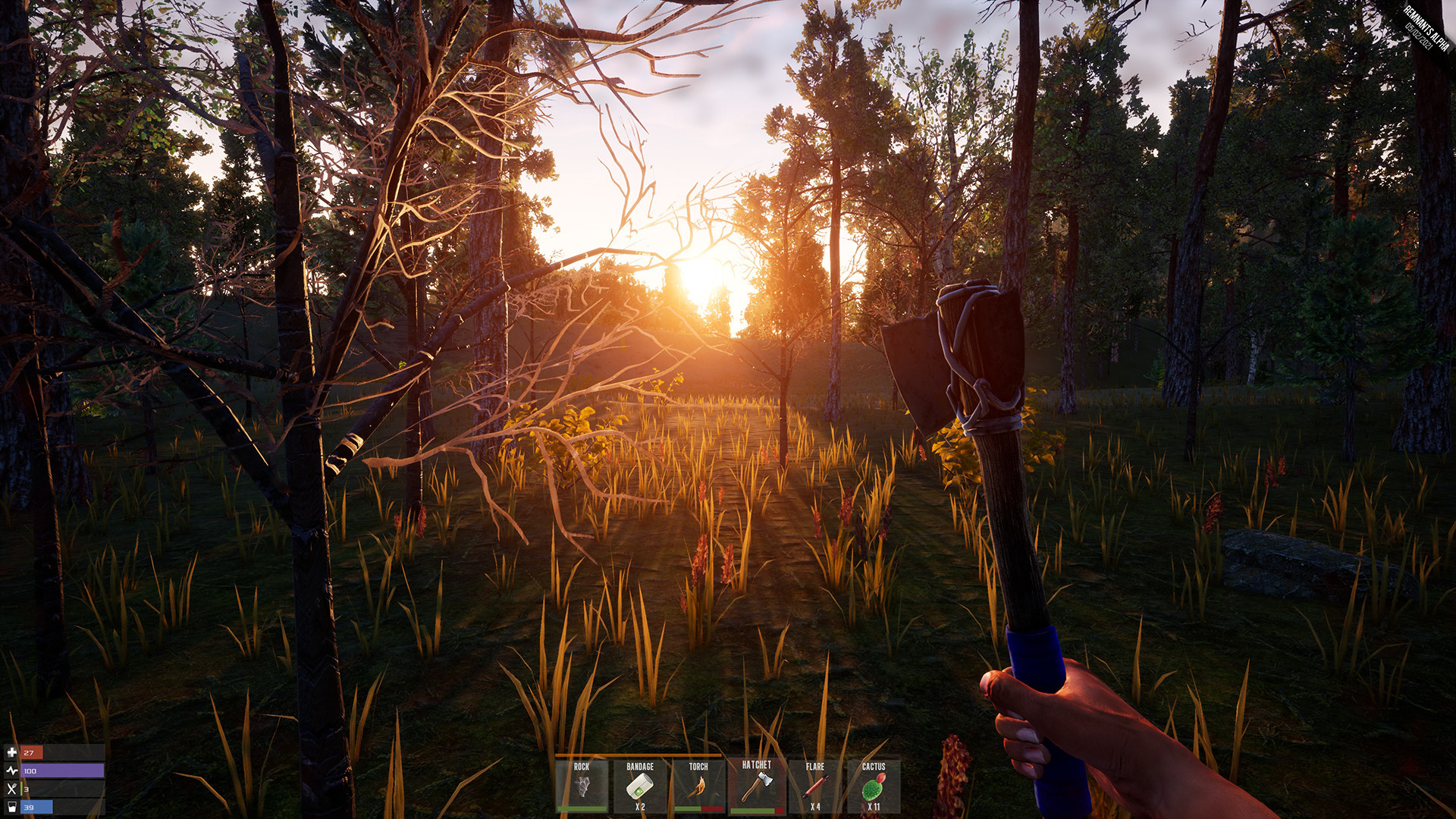
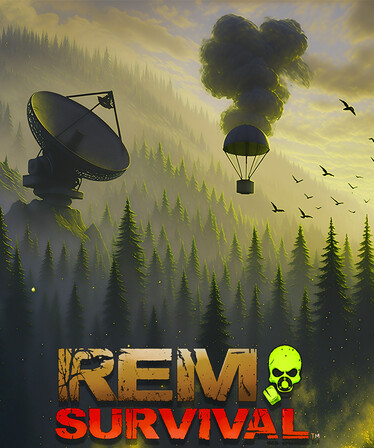
Scavenge abandoned ruins, craft gear from scrap and salvaged materials, and fight the environment itself as hunger, exposure, and exhaustion push you to your limits. There are no second chances—only adaptation or death.
Rem Survival is a open world survival craft, survival and crafting game
developed and published by Immortal Hand Studios.
Released on March 05th 2021 is available on Windows, Linux, Steam Deck and Steam Machine
in 10 languages: English, Danish, Russian, Spanish - Spain, Turkish, Ukrainian, French, Portuguese - Brazil, Simplified Chinese and German.
It has received 720 reviews of which 540 were positive and 180 were negative resulting in a rating of 7.2 out of 10. 😊
The game is currently priced at 15.79€ on Steam, but you can find it for 11.99€ on Eneba.
The Steam community has classified Rem Survival into these genres:
Open World Survival Craft
Survival
Crafting
Open World
Base-Building
Building
Early Access
Simulation
Indie
First-Person
Adventure
Action
Massively Multiplayer
RPG
Violent
Multiplayer
FPS
Co-op
Strategy
Here is the detailed breakdown of supported languages for Rem Survival:
| UI | Subtitle | Audio | |
|---|---|---|---|
| English | |||
| German | |||
| French | |||
| Spanish - Spain | |||
| Simplified Chinese | |||
| Russian | |||
| Danish | |||
| Turkish | |||
| Portuguese - Brazil | |||
| Ukrainian |
Media & Screenshots
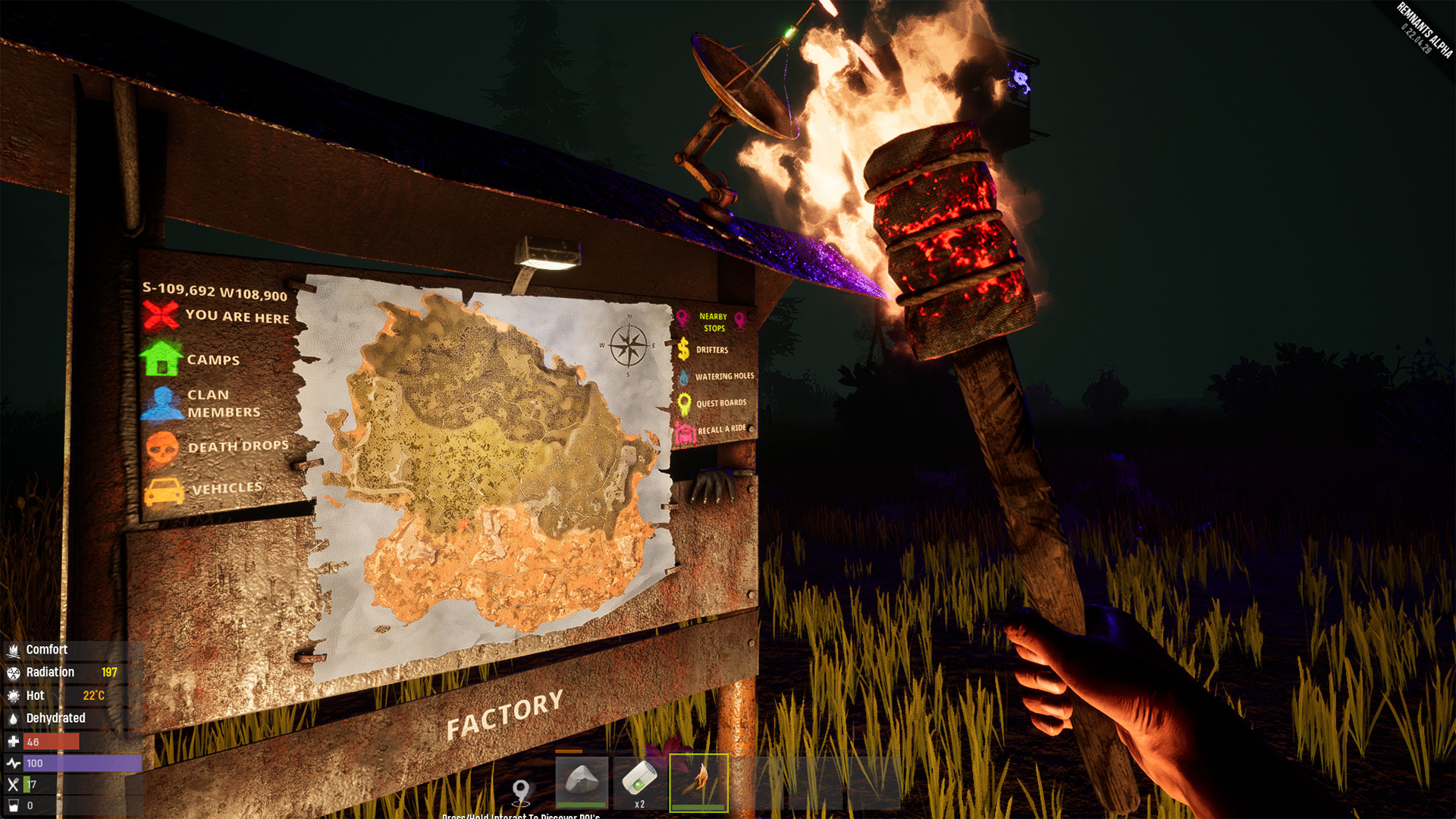
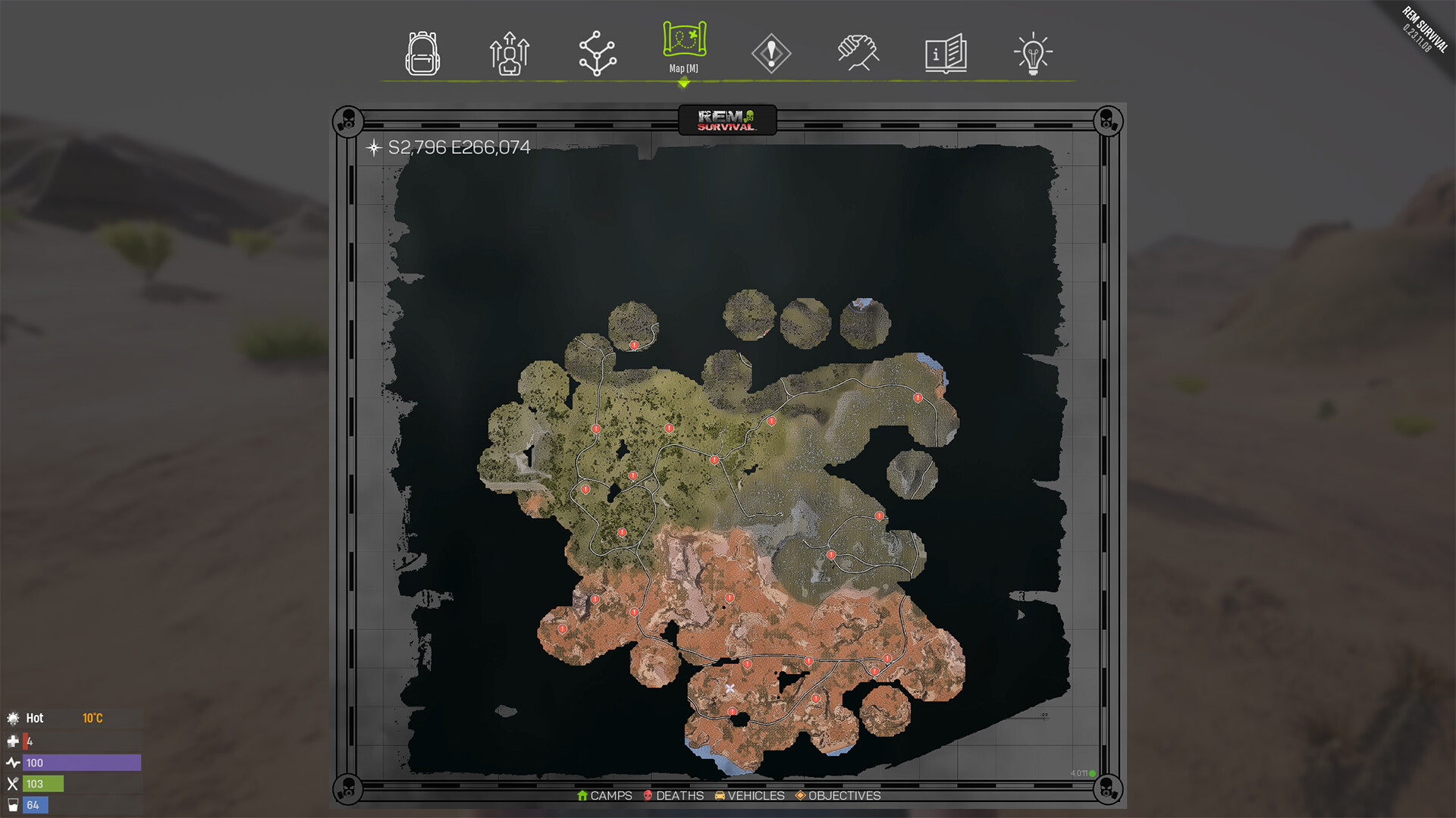
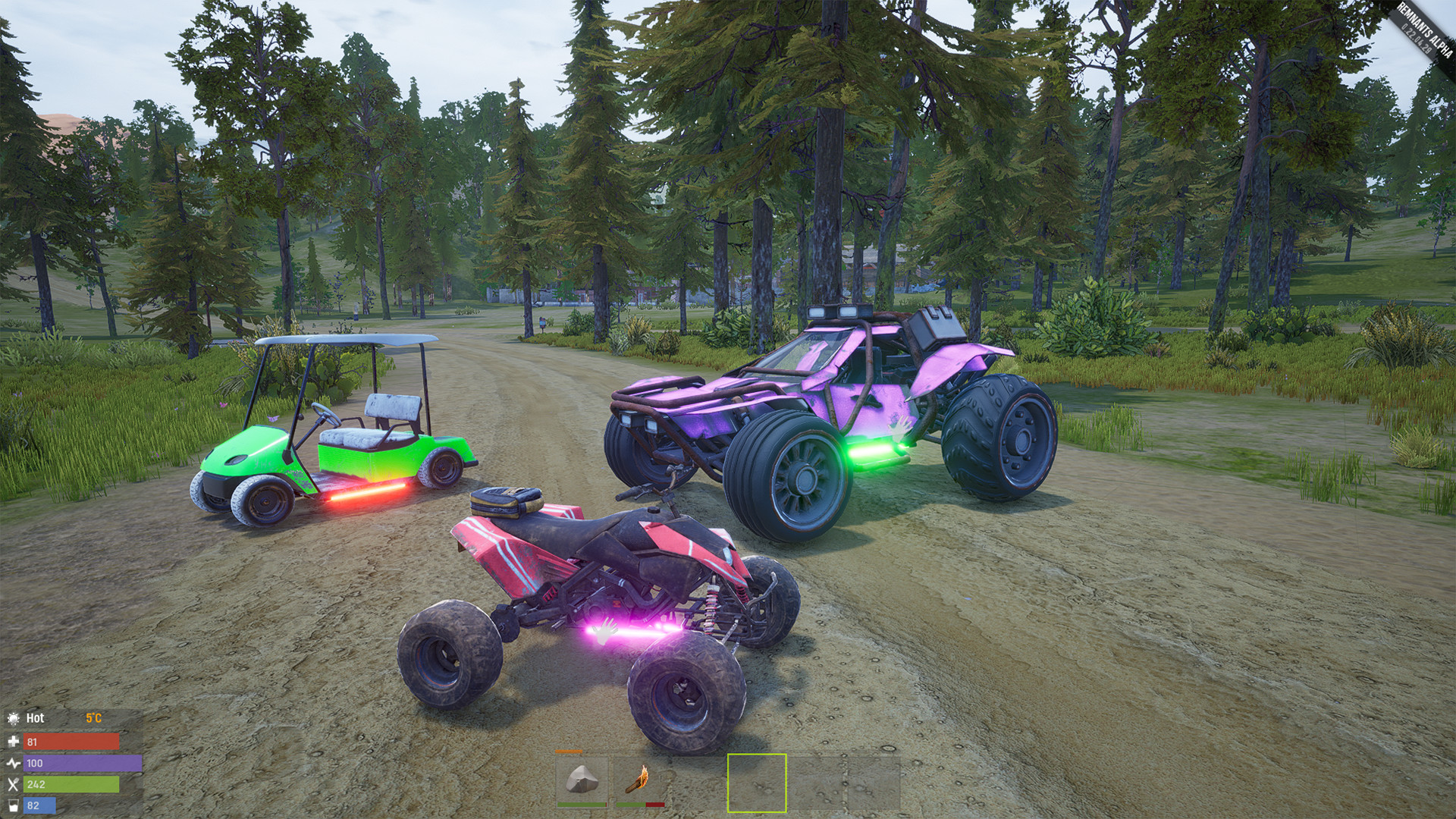
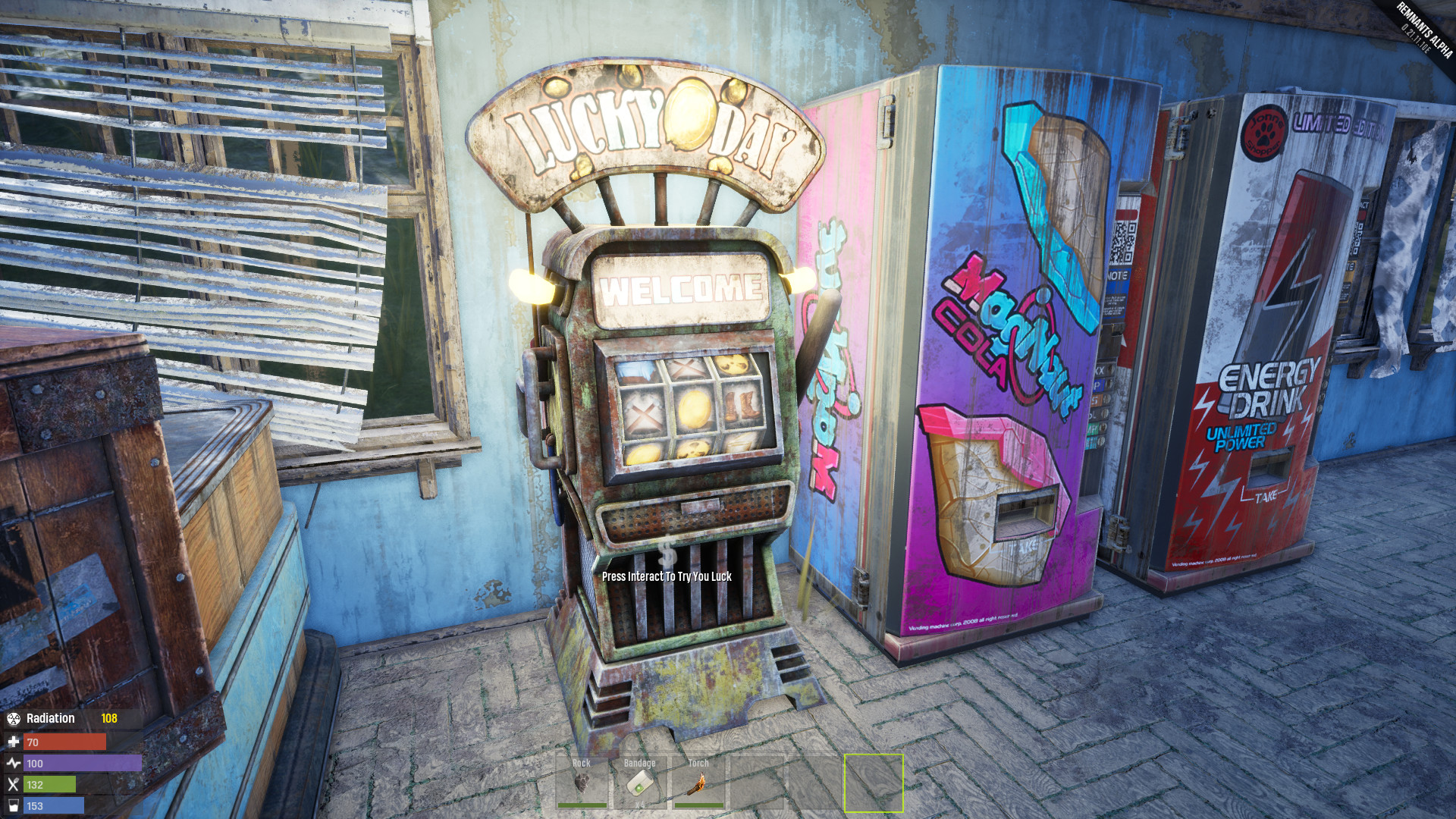
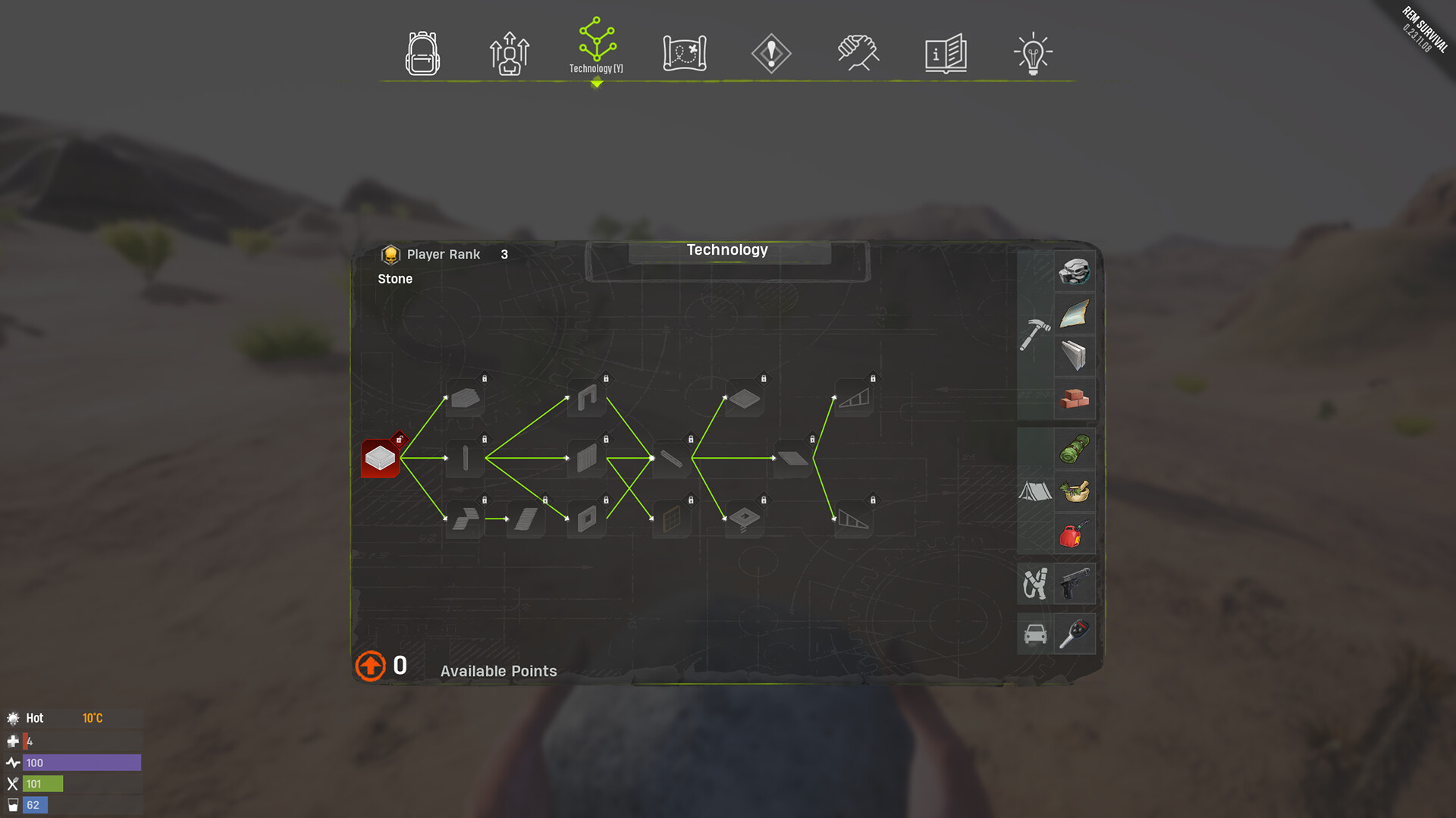
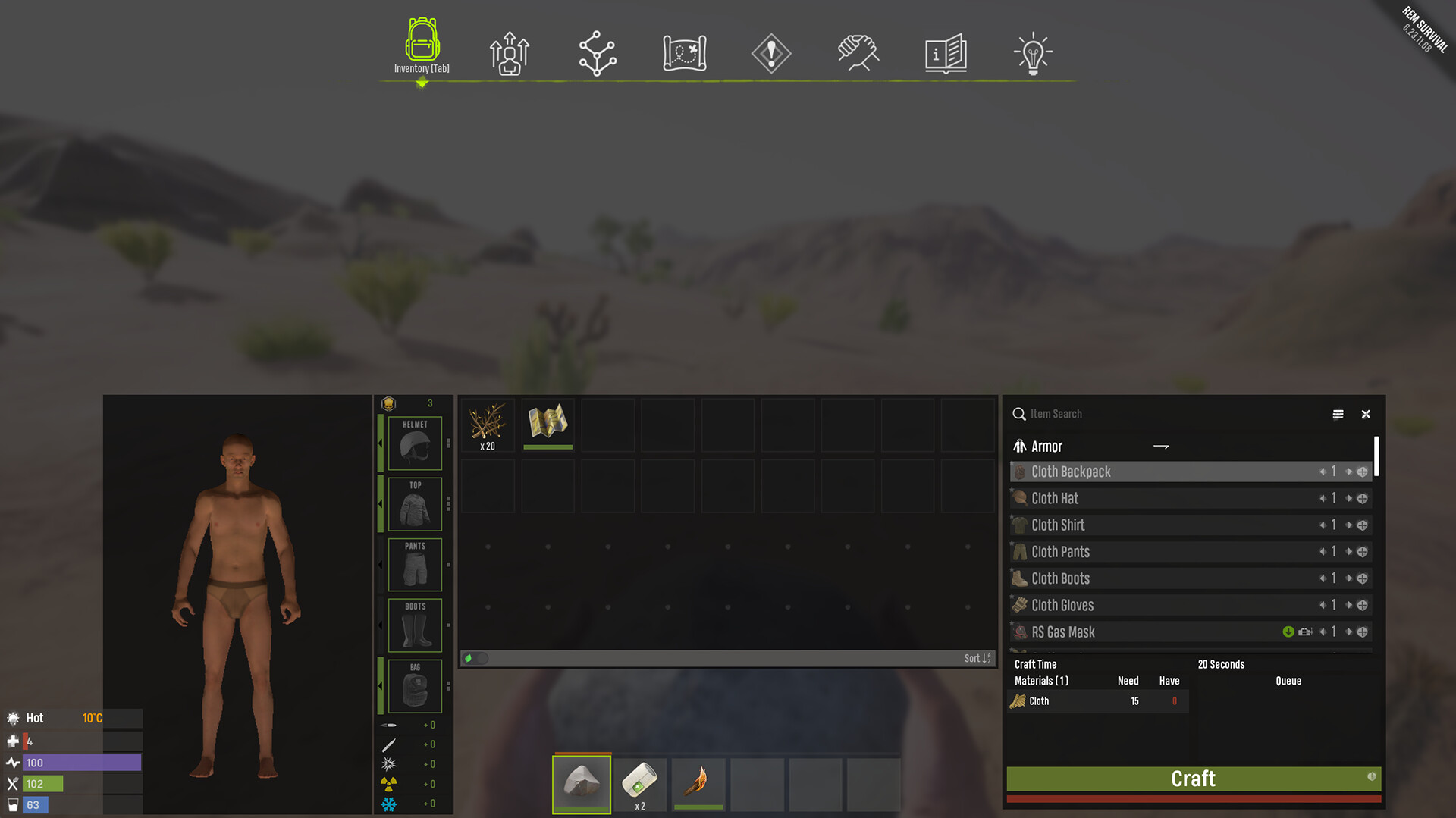
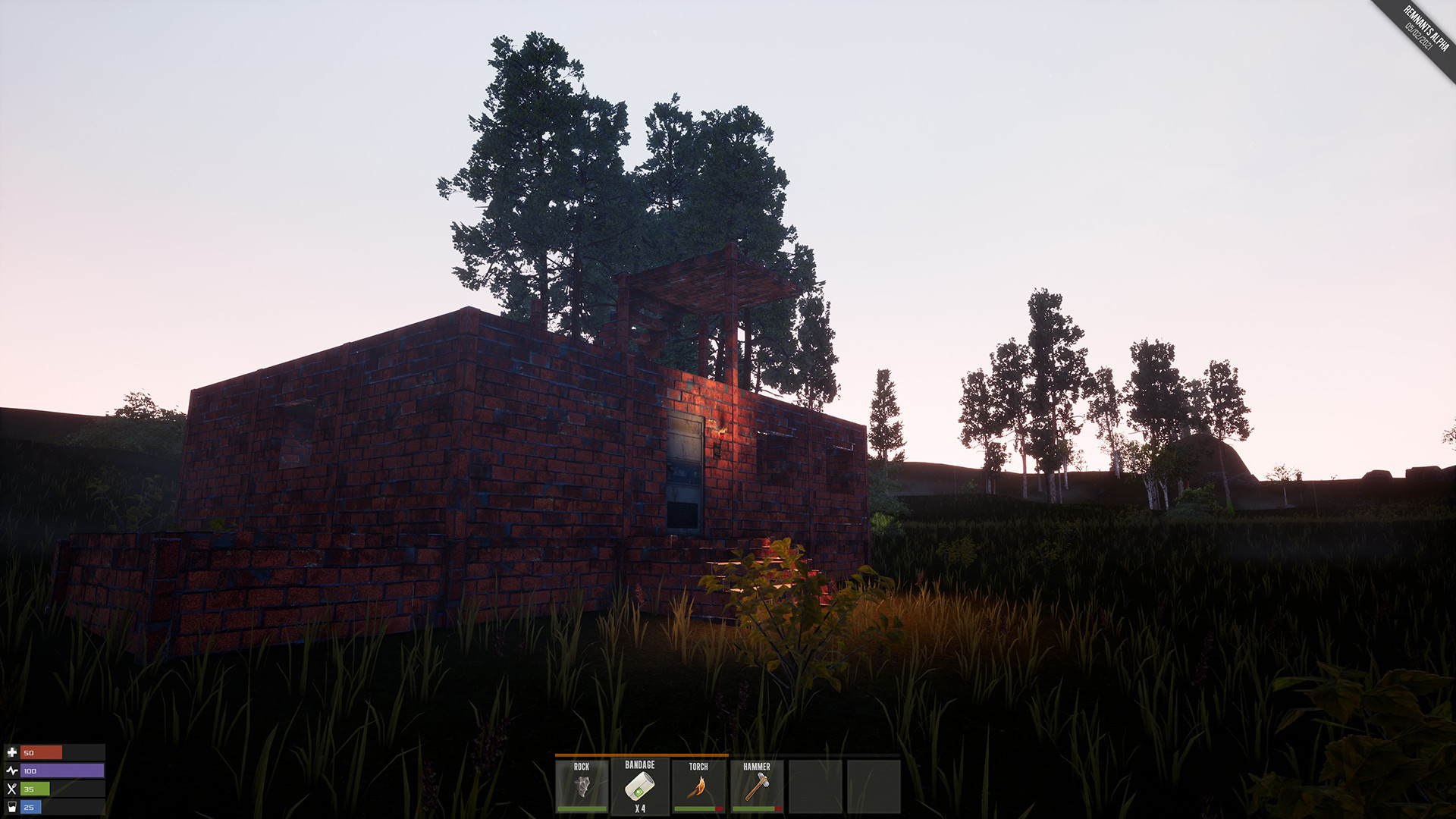
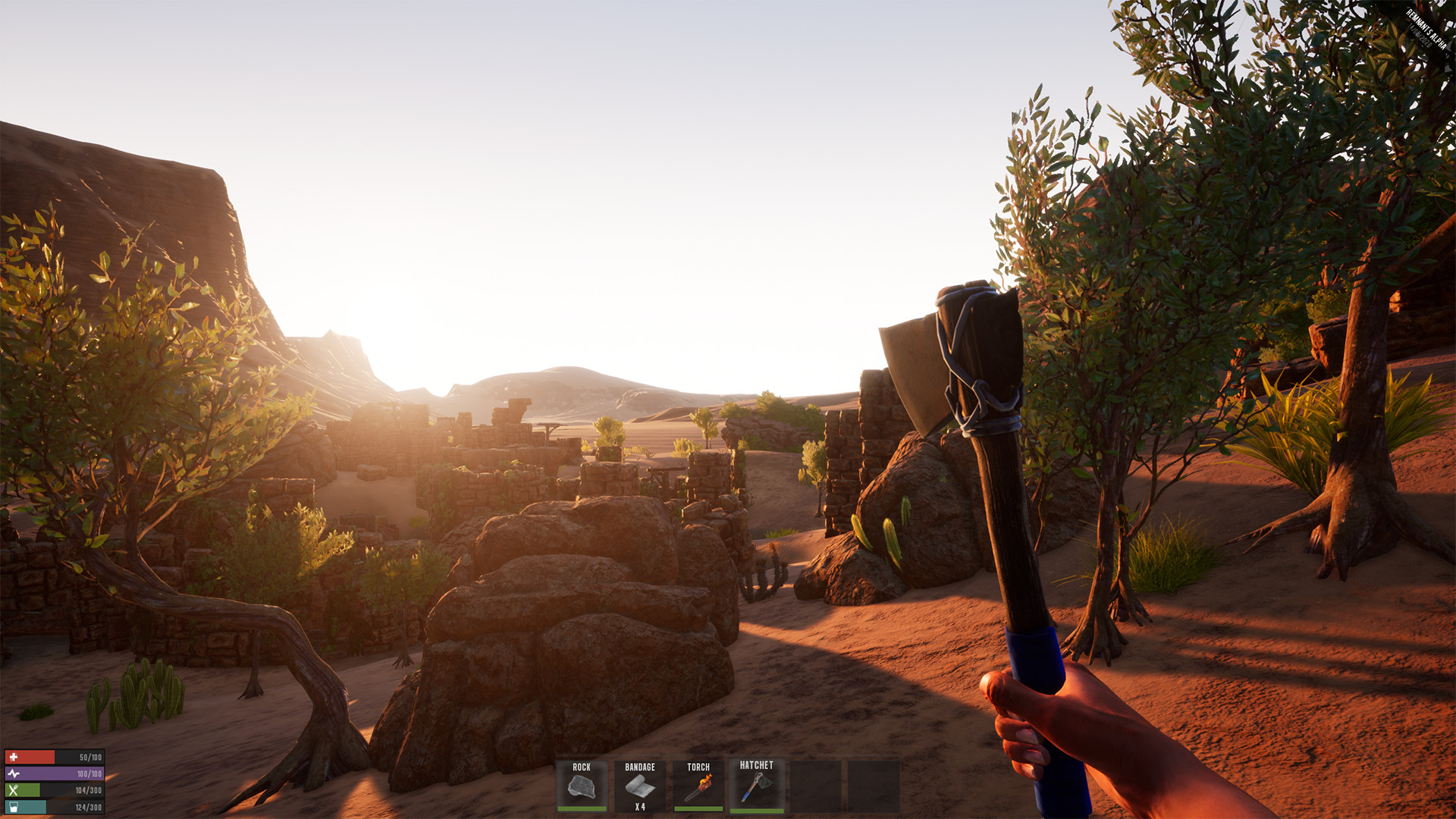
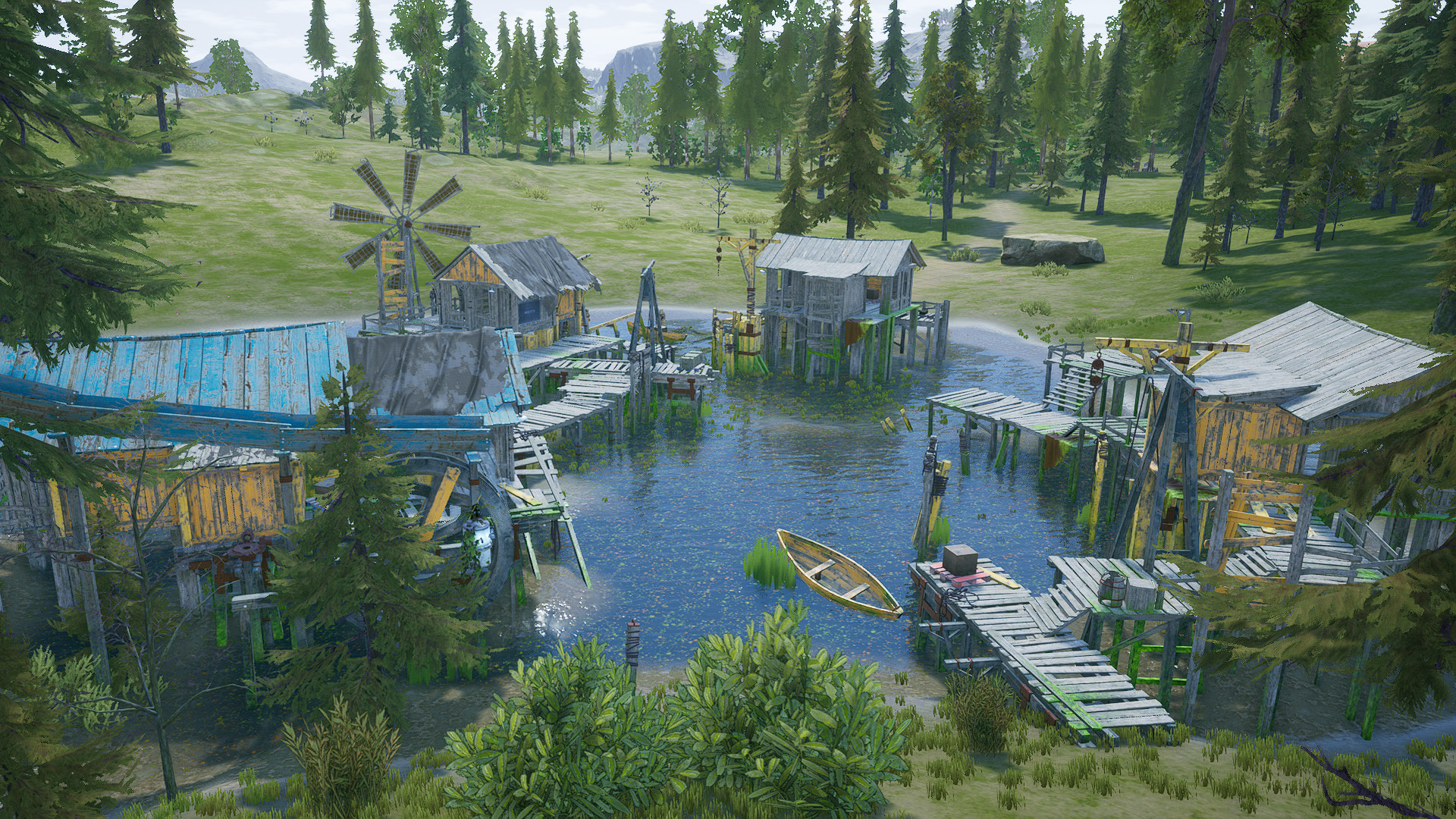
Get an in-depth look at Rem Survival through various videos and screenshots.
Load More
System requirements
These are the minimum specifications needed to play the game. For the best experience, we recommend that you verify them.
Windows
- Requires a 64-bit processor and operating system
- OS: Windows® 10
- Processor: Intel Core i3-9100 / AMD Ryzen 3 2300X or equivalent
- Memory: 8 GB RAM
- Graphics: NVIDIA® GeForce® GTX 1050 Ti / AMD Radeon™ RX 560 (4GB VRAM) or equivalent
- DirectX: Version 11
- Network: Broadband Internet connection
- Storage: 65 GB available space
- Additional Notes: Windows Paging File Size 4GB
Linux
- OS: SteamOS 3.5.19
- Processor: 2.8 Ghz Quad Core CPU
- Memory: 8 MB RAM
- Graphics: 1 GB Dedicated Memory
- Network: Broadband Internet connection
- Storage: 40 GB available space
Steam Price & Best Deals
User reviews & Ratings
Explore reviews from Steam users sharing their experiences and what they love about the game.
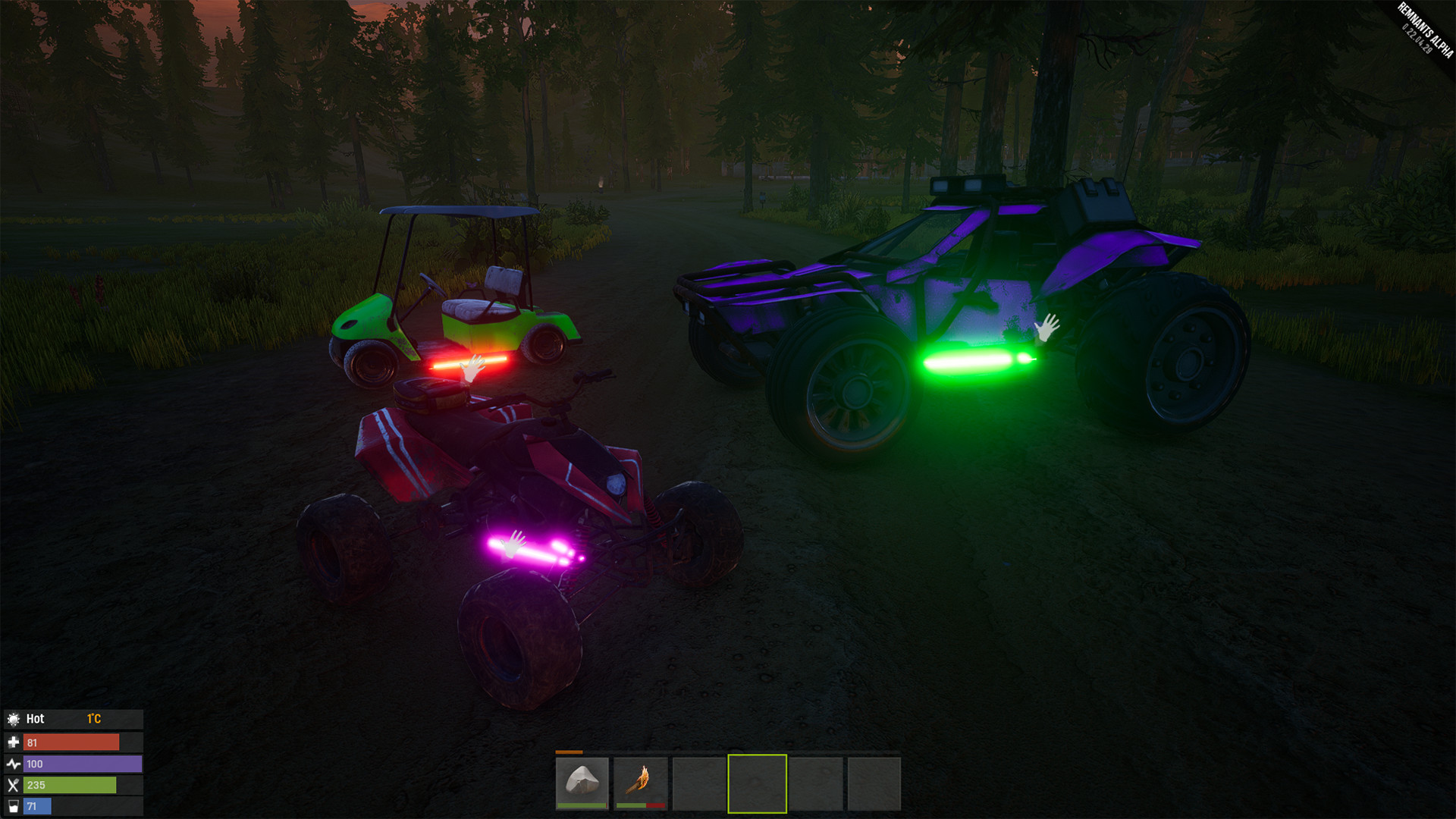
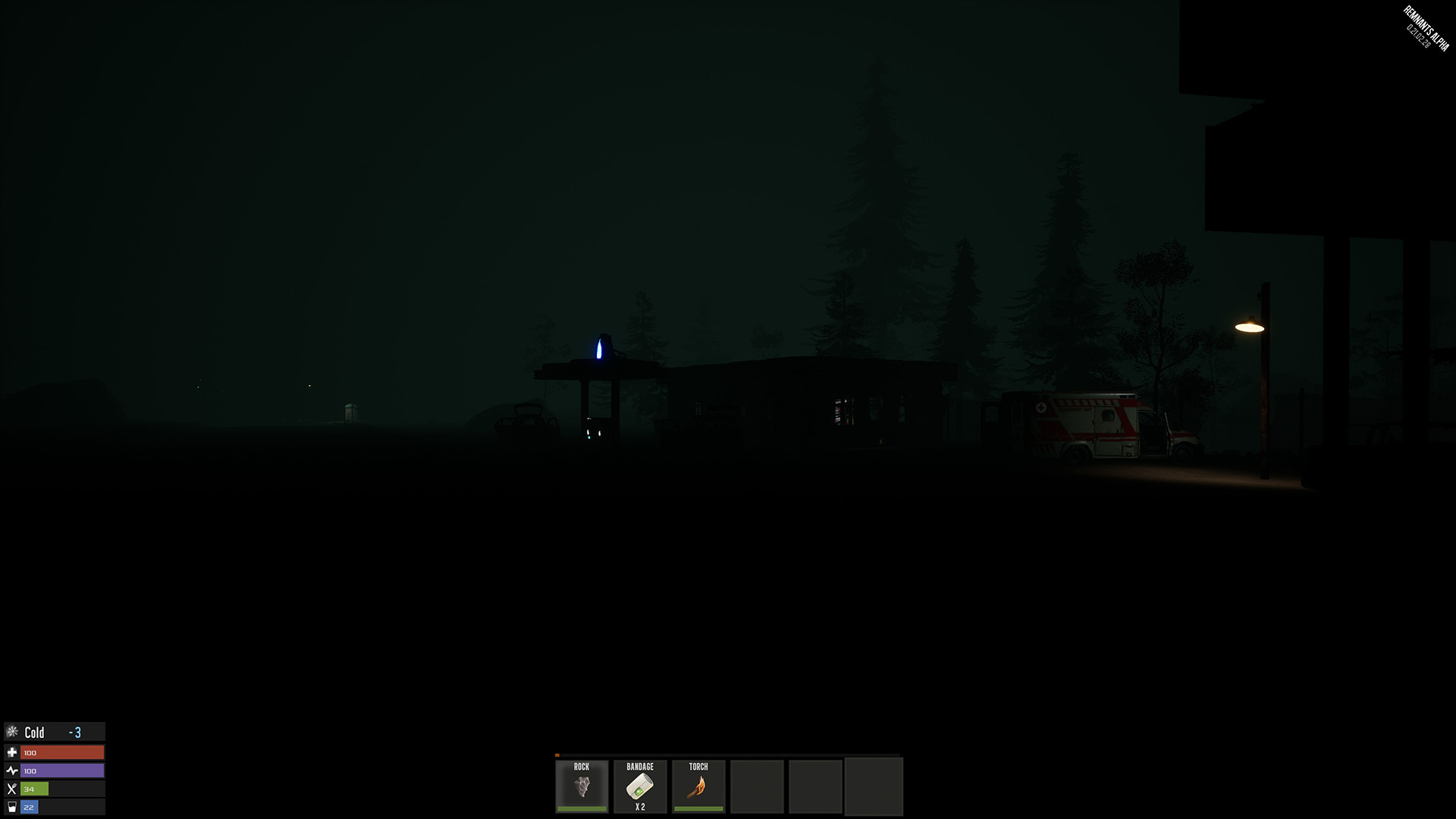
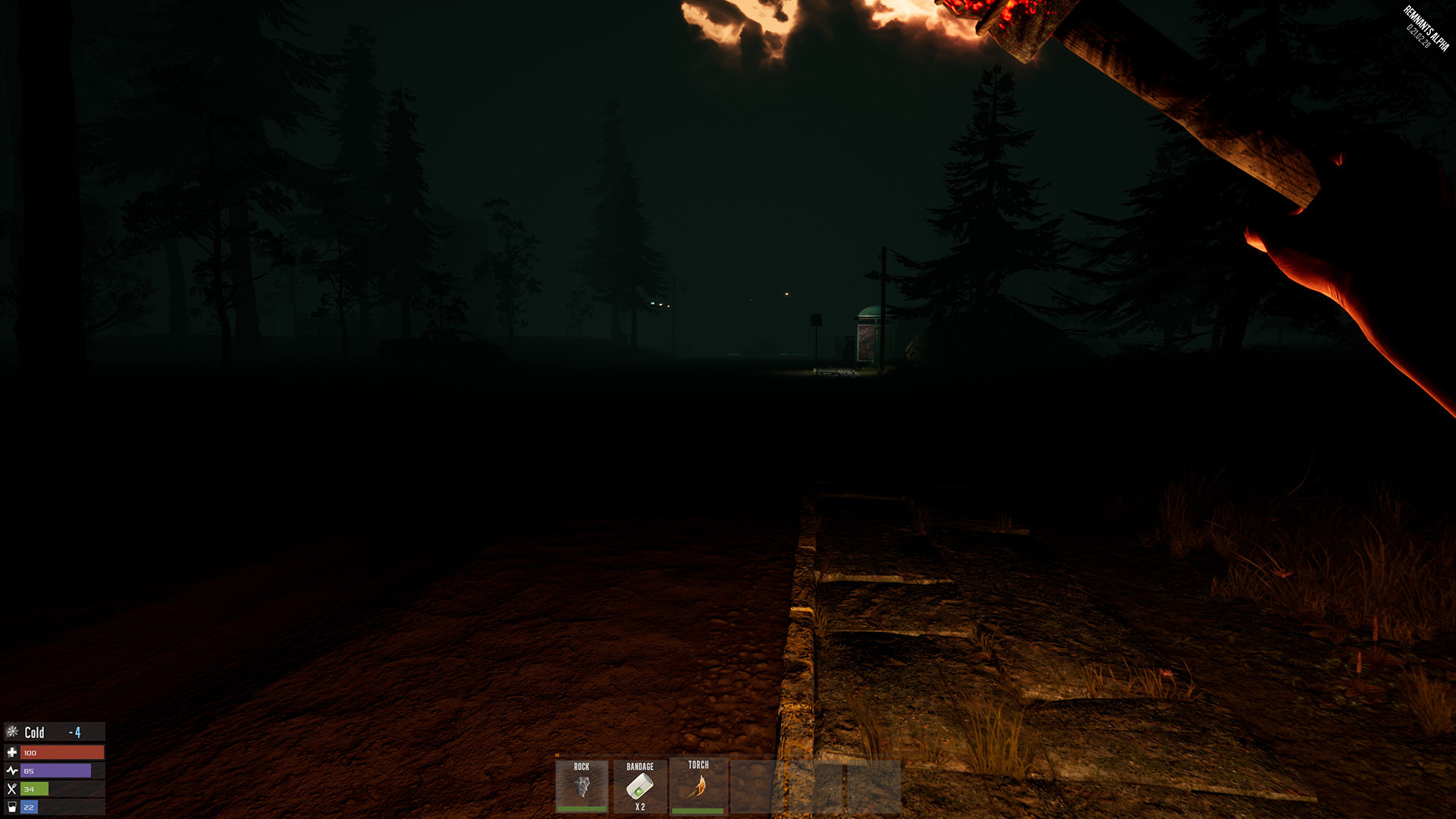
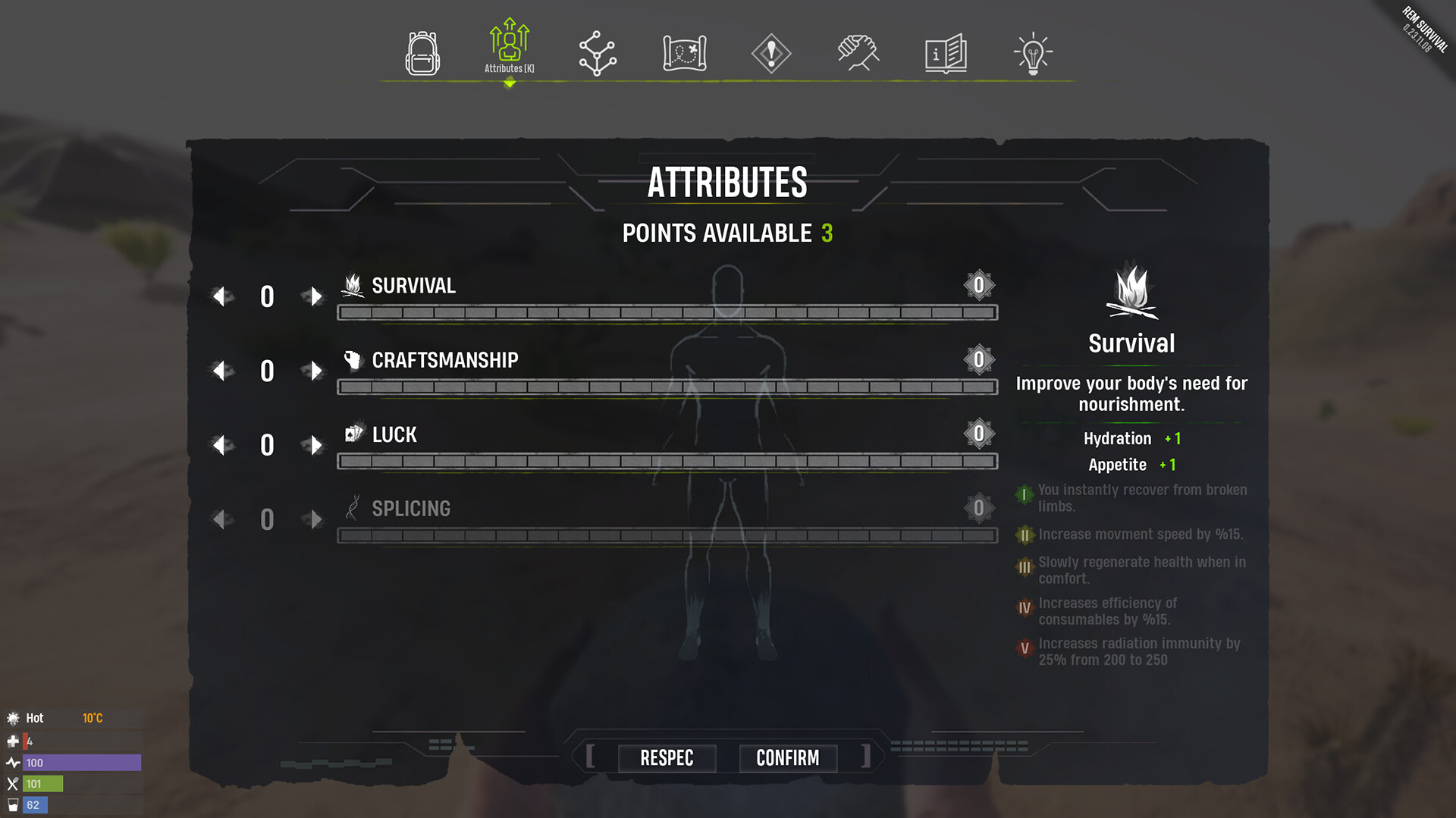
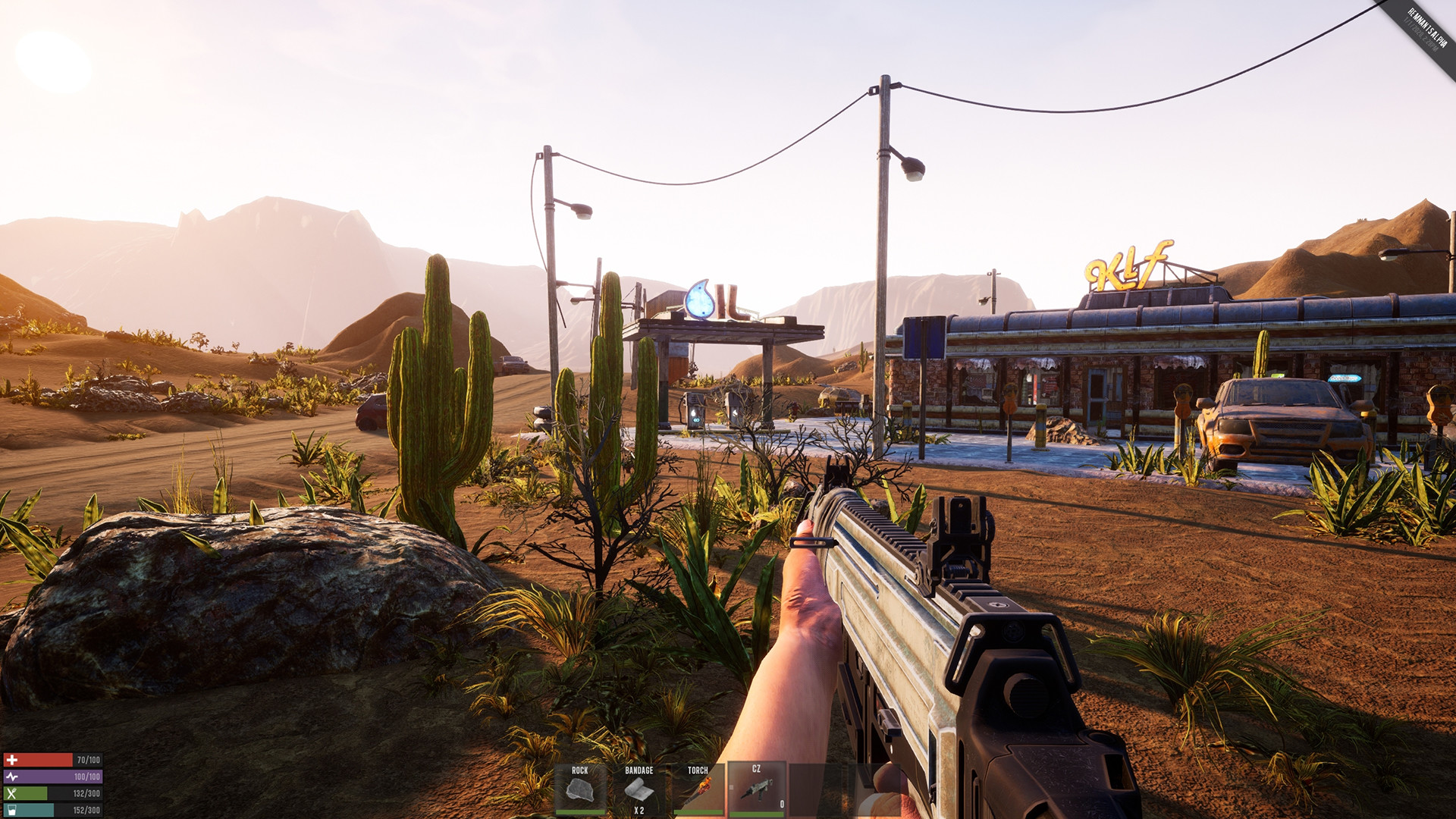
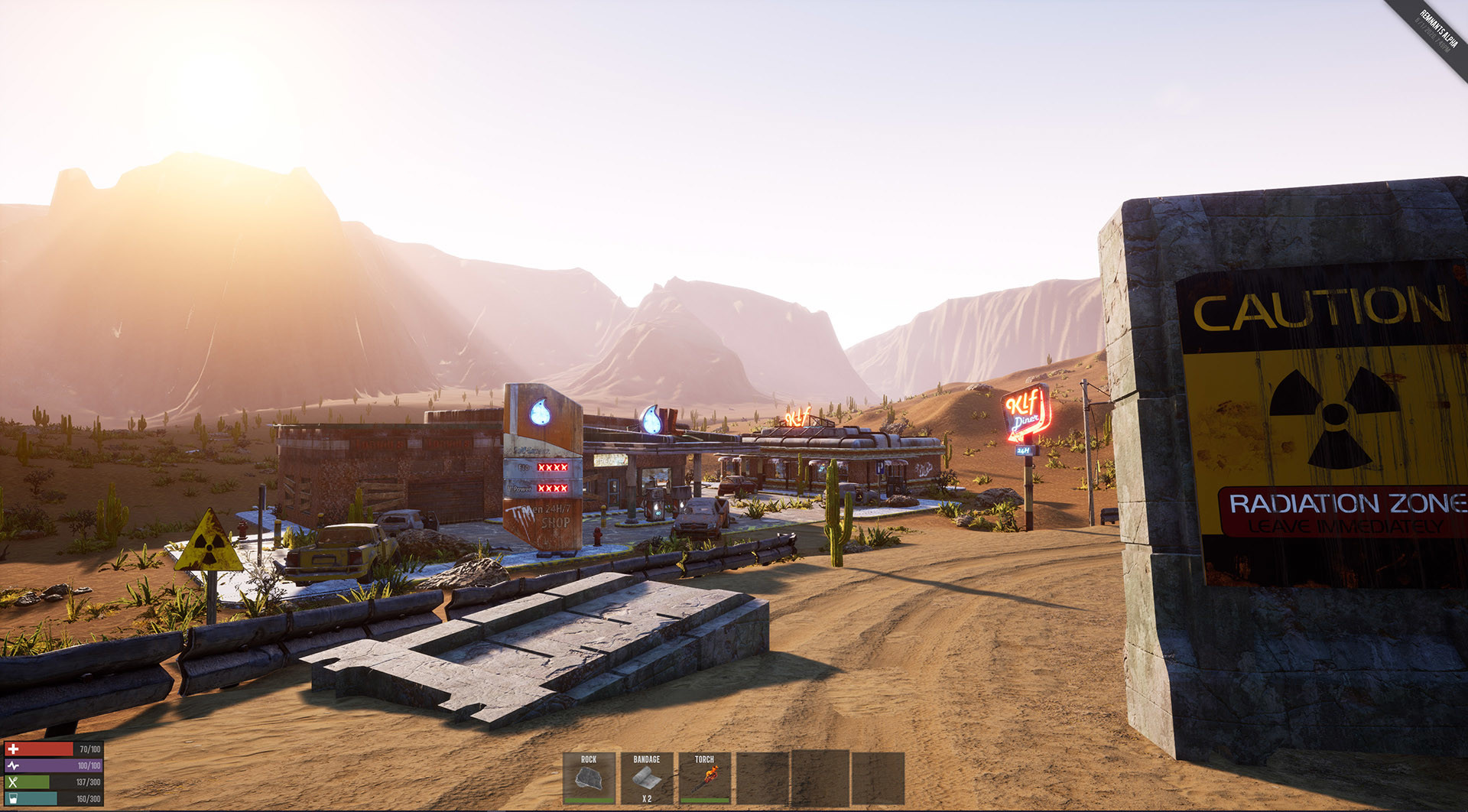
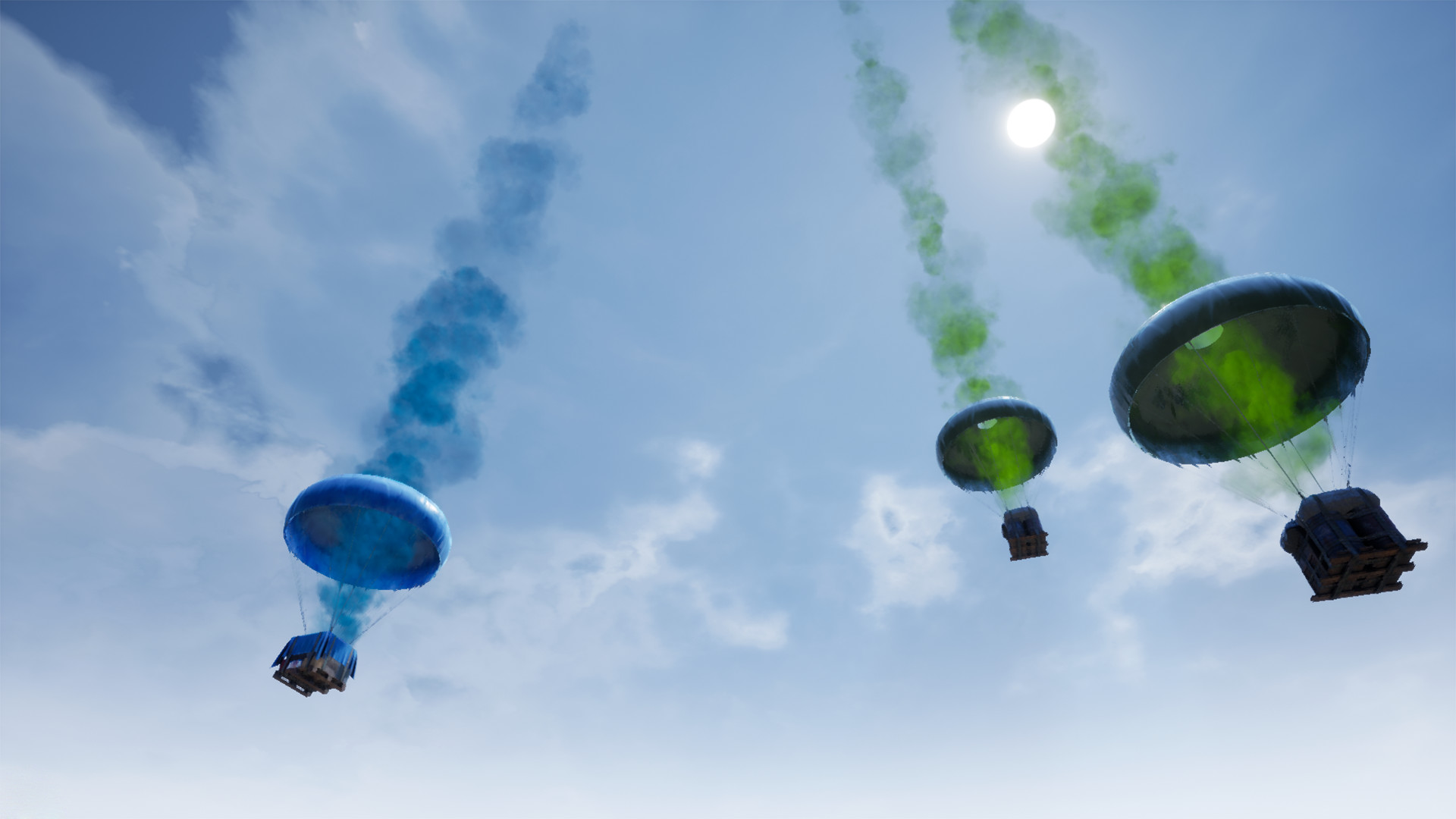
Rem Survival is a demanding open-world survival experience built around the idea that staying alive should require constant planning rather than simply defeating enemies. Developed and published by Immortal Hand Studios, it drops players into a hostile post-apocalyptic setting where food, water, shelter, equipment, and environmental protection are fundamental concerns. The game favors a methodical pace, with progression emerging from learning how its various survival systems interact. Instead of immediately turning the player into a powerful wasteland warrior, it emphasizes vulnerability and gradually rewards those willing to gather resources, establish a secure home, and prepare carefully before venturing into dangerous territory. Basic survival management forms the foundation of the experience. Hunger, thirst, health, stamina, and temperature need regular attention, while changing weather and the day-and-night cycle can make otherwise routine journeys considerably more dangerous. Clothing and equipment therefore serve practical purposes beyond appearance, particularly when dealing with environmental conditions. These mechanics encourage players to think ahead before leaving their shelter. Carrying sufficient supplies, wearing appropriate protection, and deciding how far to explore become meaningful considerations because a successful scavenging trip can quickly become a desperate attempt to return home alive. Crafting gives collected materials long-term importance. Resources recovered from abandoned areas can be transformed into tools, equipment, weapons, armor, building components, and other useful items. Workbenches expand what can be manufactured, while blueprints, schematics, research, smelting, and refining provide additional progression paths. Discovering forgotten technology is especially useful because exploration is not merely about finding another pile of basic supplies. Dangerous locations may contain knowledge or materials capable of improving the player's overall capabilities, giving increasingly hazardous expeditions a stronger sense of purpose. Base construction is one of the more substantial parts of Rem Survival. Players can begin with relatively modest protection and gradually develop a more capable settlement using improved construction materials and equipment. Electricity adds another level of development through power connections and generation systems. Farming also supports greater independence, with garden beds, composting, and greenhouse options helping establish renewable sources of food. Cooking complements these mechanics through different preparation methods, turning a base into something more meaningful than a storage location. A well-developed settlement represents accumulated survival progress and can significantly reduce dependence on constant scavenging for basic necessities. The world outside that shelter provides the game's primary source of danger. Hostile wildlife, mutated humans, stronger elite enemies, radiation, abandoned buildings, bunkers, and other hazardous areas create a range of threats. Radiation zones in particular encourage specialized preparation instead of allowing players to enter every location with the same equipment. Loot distribution contains randomized elements, helping maintain some uncertainty when revisiting the environment. Airdrops offer another source of valuable supplies and can become especially tense in multiplayer because other survivors may have exactly the same objective. Combat is integrated into the broader survival structure rather than being the sole attraction. Firearms and equipment can be improved, including the use of weapon attachments, while character attributes and skills develop over time. The availability of single-player, cooperative, PvE, and PvP approaches gives players some flexibility in deciding what kind of survival experience they want. Cooperative groups can form clans, share access to resources and bases, and divide responsibilities, whereas PvP introduces the additional danger of unpredictable human opponents. Solo players can instead concentrate on exploration, building, resource management, and surviving against environmental and AI-controlled threats. Vehicles expand exploration and provide another worthwhile progression objective. Rather than simply receiving transportation immediately, players can work toward assembling usable vehicles from scavenged components. This fits naturally with the game's overall philosophy of earning convenience through survival and crafting. Quests, character progression, research, farming, construction, vehicles, airdrops, exploration, and randomized loot collectively provide objectives beyond merely surviving another day. The strongest moments come when these systems overlap, such as preparing supplies at a self-sufficient base before driving toward a dangerous location in search of rare technology. The atmosphere benefits from its ruined environments and unpredictable conditions. Fog, storms, rain, darkness, abandoned structures, dangerous underground locations, radiation, and hostile creatures reinforce the impression of an unforgiving world. There can be long periods where gathering and traveling dominate the experience, so players expecting nonstop action may find the pacing slow. For survival enthusiasts, however, that downtime is part of the appeal because it makes preparation and resource security meaningful rather than treating them as secondary mechanics. Its Early Access nature remains an important consideration. The number of interconnected mechanics is ambitious, but that ambition can also produce rough edges, including uneven balancing, technical problems, performance inconsistencies, and systems that may not feel completely refined. The harsh survival structure can also punish mistakes severely, which will appeal more to players who enjoy learning through failure than those seeking a forgiving sandbox. Rem Survival has an impressive mechanical foundation, but patience with its unfinished qualities is advisable. Steam Deck compatibility is officially categorized as Playable rather than fully Verified. Performance with the default graphics configuration is considered suitable, and the game can run successfully on SteamOS. However, handheld players should expect compromises. Some functionality is not fully accessible through the default controller configuration, touchscreen interaction or a community controller layout may occasionally be useful, and text entry can require manually opening the virtual keyboard. Some interface text may also appear small, while certain prompts can display keyboard, mouse, or non-Steam Deck controller icons. It is therefore functional on the Deck, but the experience is less seamless than a fully optimized handheld release. Taken as a whole, Rem Survival offers a substantial survival sandbox for players attracted to crafting, construction, exploration, resource management, environmental hazards, farming, research, vehicles, cooperative play, and PvP. Its greatest advantage is how many of these mechanics contribute toward the same satisfying progression from vulnerable scavenger to increasingly self-sufficient survivor. The unfinished presentation and demanding nature prevent it from being universally recommendable, but its depth gives dedicated survival fans plenty to experiment with. Rating: 7/10
I LOVE LOVE LOVE THIS GAME! It took me 2 years to upgrade my computer enough (which is pathetically low) to play it again, and it was the very first thing I hopped on! Cool atmosphere music, wonderful graphics range, and it keeps me guessing, which is hard to do. Game and skins are well priced for the quality you get. ANNNND the community is not nearly as toxic as Rust! May the game creator get a crud ton of money for all of their hard work! I hope this game never ends!
Similar games
View all

Xsyon - Prelude
Xsyon is a player driven apocalyptic fantasy sandbox MMORPG, set in a living and evolving environment. Players create the world they want to live in as they form tribes, construct towns, shape landscapes, create quests, hunt, farm, gather, build societies and develop a New World.
Subsistence
Subsistence is a sandbox, first person, solo or co-op, PvE open-world survival game. Struggle through changing seasons to build a base, develop technology and gear-up in the hostile environment. Defend yourself from wildlife, the elements and AI hunters (who also build bases in the world).



The Forest
As the lone survivor of a passenger jet crash, you find yourself in a mysterious forest battling to stay alive against a society of cannibalistic mutants. Build, explore, survive in this terrifying first person survival horror simulator.
ARK: Survival Evolved
Stranded on the shores of a mysterious island, you must learn to survive. Use your cunning to kill or tame the primeval creatures roaming the land, and encounter other players to survive, dominate... and escape!

Escape The Pacific
Raw, real survival in the Pacific. Build a modular floating base. Master realistic sailing mechanics. Face challenging Pacific-like weather & seasons. Hunt, craft, build & navigate using Sun Dial, Sextant & Triangulation. Explore an endless island cluster-based world. Simulate real life scenarios!

KeepUp Survival
KeepUp Survival is an open-world base-building and exploration game set in a natural, abandoned world. Build, gather, survive, and shape your own story on a mysterious island.

Solace Crafting
Embark on an adventure set in a fantasy survival RPG. Visit a borderless, open world where you manage resources to construct your base and new types of equipment to support your conquest.

Nightingale
Nightingale is an open world survival crafting game, where you’ll adventure across the mysterious and dangerous Fae Realms. As a daring Realmwalker, you’ll defeat monstrous enemies, survive hostile environments, and build elaborate estates in a visually stunning Gaslamp Fantasy world.
Frequently Asked Questions
Rem Survival is currently priced at 15.79€ on Steam.
No, Rem Survival is currently not on sale. You can purchase it for 15.79€ on Steam.
Yes, Rem Survival received 540 positive votes out of a total of 720 achieving a rating of 7.16.
😊
Rem Survival was developed and published by Immortal Hand Studios.
Yes, Rem Survival is playable and fully supported on Windows.
No, Rem Survival is not playable on MacOS.
Yes, Rem Survival is playable and fully supported on Linux.
Yes, Rem Survival is playable on Steam Deck, though it might require a few minor tweaks. Make sure to check the Steam store page and community feedback on ProtonDB for exact compatibility details.
Yes, Rem Survival is playable on Steam Machine, though it might require a few minor tweaks. Make sure to check the Steam store page and community feedback on ProtonDB for exact compatibility details.
No, Rem Survival does not support VR.
Rem Survival offers both single-player and multi-player modes.
Rem Survival offers both Co-op and PvP modes.
Yes, there is a DLC available for Rem Survival. Explore additional content available for Rem Survival on Steam.
Yes, Rem Survival is fully integrated with Steam Workshop. Visit Steam Workshop.
No, Rem Survival does not support Steam Remote Play.
Yes, Rem Survival is enabled for Steam Family Sharing. This means you can share the game with authorized users from your Steam Library, allowing them to play it on their own accounts. For more details on how the feature works, you can read the original Steam Family Sharing announcement or visit the Steam Family Sharing user guide and FAQ page.
You can find solutions or submit a support ticket by visiting the Steam Support page for Rem Survival.
Data sources
The information presented on this page is sourced from reliable APIs to ensure accuracy and relevance. We utilize the Steam API to gather data on game details, including titles, descriptions, prices, and user reviews. This allows us to provide you with the most up-to-date information directly from the Steam platform.
Additionally, we incorporate data from the SteamSpy API, which offers insights into game sales and player statistics. This helps us present a comprehensive view of each game's popularity and performance within the gaming community.
Last Updates| Steam data | 26 September 2026 09:19 UTC |
|---|---|
| SteamSpy data | 25 October 2026 04:10 UTC |
| Steam price | 26 October 2026 19:59 UTC |
| Steam reviews | 21 October 2026 09:59 UTC |
If you'd like to dive deeper into the details about Rem Survival, we invite you to check out a few dedicated websites that offer extensive information and insights. These platforms provide valuable data, analysis, and user-generated reports to enhance your understanding of the game and its performance.
- SteamDB - A comprehensive database of everything on Steam about Rem Survival
- SteamCharts - Analysis of Rem Survival concurrent players on Steam
- ProtonDB - Crowdsourced reports on Linux and Steam Deck Rem Survival compatibility
Game modes
Multiplayer
Features
Online players
0
Developer
Immortal Hand Studios
Publisher
Immortal Hand Studios
Release
05 Mar 2021
Platforms
Clicking and buying through these links helps us earn a commission to maintain our services.