
Yoiyami Dancers: Twilight Danmaku Dancers
Dodge bullets to the rhythm and take down everything that moves! A rhythmical danmaku action game.
Sync your Steam wishlist to find the lowest game prices instantly. No login required, just paste your Steam profile URL!
⚡ Try Wishlist Radar!
Sync your Steam wishlist to find the lowest game prices instantly. No login required!
⚡ Try Wishlist Radar!
Close

Rhythm Witch: Beat Death on Steam
Quick menu
Rhythm Witch: Beat Death is a game that melds rhythm and survival. Attack to the rhythm of the music while dodging monsters who move and attack to the beat. On your journey to eternal beauty, defeat dancing freaks, ghouls, dragon, and more!
Rhythm Witch: Beat Death is a rhythm, bullet hell and action roguelike game
developed by Dusklight CO. and LTD.
and published by Dusklight CO., LTD. and 2P Games.
Released on May 08th 2025 is available on Windows, MacOS, Steam Deck and Steam Machine.
It has received 416 reviews of which 394 were positive and 22 were negative resulting in a rating of 8.7 out of 10. 😎
The game is currently priced at 5.89€ on Steam.
The Steam community has classified Rhythm Witch: Beat Death into these genres:
Media & Screenshots
Get an in-depth look at Rhythm Witch: Beat Death through various videos and screenshots.


Load More


System requirements
These are the minimum specifications needed to play the game. For the best experience, we recommend that you verify them.
Windows
- Requires a 64-bit processor and operating system
- OS: Windows 10 64-bit
- Processor: 6th gen i5/Ryzen 3 1200 or better
- Memory: 8 GB RAM
- Graphics: Intel® HD Graphics 630, or GTX 750ti or better
- DirectX: Version 11
- Storage: 2 GB available space
MacOS
- OS: macOS
- Processor: Apple M1 , or Intel Core M
- Memory: 2 GB RAM
Steam Price & Best Deals
User reviews & Ratings
Explore reviews from Steam users sharing their experiences and what they love about the game.
I enjoyed the demo awhile ago and recently bought the full game. I like the gathering of buffs and building up the character. It's also a neat hybrid of bullet heaven and rhythm game, two genres I enjoy a lot. The character art is definitely the selling point for me. The art style is so charming! And the pixel art is cute too. Though it's not all perfect. I feel like the art for the attacks/weapons, buffs, and items don't match the rest of the game. They feel a bit over polished and some feel very "generic mobile game". I also wish there was more music or even just music that had more depth. I've played a lot of rhythm games, so having to hear the same tracks isn't the worst thing but also I wish there was more variety. I hope they add more music in the future! There also isn't really that nice combo build-up that rhytm games typically have. No bonus to having a full combo since the taps are pretty repetitive. There's the combo build up for higher attack, but that meter only goes up to 2.0 from 1.0. I feel like I'm at 2.0 already for most of the time. I have yet to unlock the other characters, but I'm excited to see what they'll be like. How their gameplay will differ from our first witch girl. Despite the points I made, I'd still recommend this game if someone is looking for something a lil different, with cute characters, and at a good price.
Rhythm Witch: Beat Death takes two genres that have already become extremely popular in the indie scene and combines them into something that feels lively, stylish, and surprisingly refreshing. Developed by Dusklight CO., LTD. and published by Dusklight CO., LTD. together with 2P Games, the title blends rhythm-based gameplay with survivor-style roguelike action, creating an experience where movement, attacks, and survival all revolve around musical timing. Instead of simply adding background music to a standard action game, Rhythm Witch fully integrates rhythm into its combat system, making every battle feel like part of an ongoing performance. The result is a game that feels energetic from the very beginning and remains entertaining even during longer sessions. Players take control of Sibel, a self-centered but charming witch who enters the dangerous Deathless Tower in pursuit of eternal beauty and immortality. The premise is intentionally ridiculous in a fun way, embracing a playful fantasy tone filled with strange monsters, magical chaos, and exaggerated humor. The story is not especially deep or emotional, but it does not need to be. The game’s charm comes from its personality and presentation rather than complex storytelling. Sibel’s confident attitude and the game’s colorful world help create an atmosphere that feels lighthearted even when the screen becomes flooded with enemies and projectiles. The gameplay loop is immediately familiar to fans of bullet heaven and survivor-style games. Players move through large arenas while battling endless waves of enemies, collecting upgrades, leveling abilities, and trying to survive increasingly chaotic encounters. What makes Rhythm Witch different is the rhythm system attached to nearly every action. Attacking on beat strengthens combos and improves efficiency, while poor timing weakens overall performance. Enemies themselves often move in sync with the soundtrack, turning combat into a fast-paced dance where positioning and rhythm awareness become equally important. Once players adapt to the timing system, the game develops a satisfying flow that feels smooth and rewarding. One of the best mechanics is the game’s Frenzy system, which activates after maintaining successful combos and proper rhythm timing. During these moments, the gameplay becomes wonderfully chaotic as attack speed increases, effects intensify, and the soundtrack accelerates alongside the action. These sections perfectly capture what makes the game enjoyable because everything begins to feel synchronized. The music, movement, projectiles, and enemy patterns all blend together into a fast and visually explosive rhythm battle. Few indie games manage to create this kind of momentum so effectively, especially within the crowded roguelike market. Naturally, the soundtrack plays a huge role in the overall experience. The game relies heavily on upbeat electronic tracks and energetic melodies that help maintain pacing during combat. The music is catchy without becoming distracting, and most tracks are designed carefully around the rhythm-based mechanics. Since timing attacks correctly is essential to maximizing damage and survival, the soundtrack becomes more than simple background noise. It actively guides the player through combat encounters. While the music selection may not be revolutionary compared to dedicated rhythm games, it complements the gameplay extremely well and keeps the action engaging throughout repeated runs. Visually, Rhythm Witch: Beat Death has a colorful and charming art direction that fits its playful tone. Character designs are expressive, spell effects are flashy, and enemy animations help make the battlefield feel alive even during crowded fights. The screen can become chaotic later in a run, but the visual clarity remains surprisingly strong most of the time. Important attacks and hazards are still readable despite the amount of effects happening simultaneously. The environments themselves are somewhat simple, yet the vibrant presentation and energetic animations prevent the game from feeling visually dull. Accessibility is another area where the game performs well. Players who normally struggle with rhythm games can still enjoy the experience because the mechanics are introduced gradually and become intuitive over time. The rhythm system rewards precision without completely punishing newcomers. More experienced players, however, can push the mechanics further by mastering combos and optimizing timing for stronger runs. This creates a nice balance where casual players can still have fun while skilled players are rewarded for improving their rhythm awareness and reaction speed. The game does have a few weaknesses that become more noticeable after extended playtime. Although the combat loop is highly addictive, the overall variety can eventually feel somewhat limited. Certain upgrades and builds begin repeating too often, and some runs start blending together after many hours of gameplay. Additional enemy diversity, more dramatic character differences, or deeper progression systems could have helped maintain freshness over the long term. Some players may also find the difficulty balance inconsistent, especially during early runs where learning both survival mechanics and rhythm timing simultaneously can feel overwhelming. Despite these issues, Rhythm Witch: Beat Death succeeds because it understands the importance of pacing and player satisfaction. Every mechanic is built around maintaining momentum and making players feel stylish while surviving impossible situations. It avoids unnecessary complexity and instead focuses on refining its core gameplay loop until it becomes consistently enjoyable. The combination of rhythm mechanics and survivor-style action feels creative enough to stand apart from many other indie roguelikes currently available on Steam. Rhythm Witch: Beat Death may not completely reinvent the genres it borrows from, but it combines them with enough charm, polish, and personality to create something memorable. Its energetic combat, catchy soundtrack, colorful visuals, and satisfying rhythm-based gameplay make it an easy recommendation for fans of action roguelikes and music-driven games alike. Beneath its simple premise is an addictive experience that captures the excitement of surviving overwhelming odds while staying perfectly in sync with the beat. Rating: 9/10
Similar games
View all

Neptunia Shooter
Armed to the teeth, players begin as Neptune in an unworldly 8-bit space dimension ravaged by creatures who burst endless waves of bullets. Shoot, dodge, and defeat the boss in six unique bullet-hell worlds.
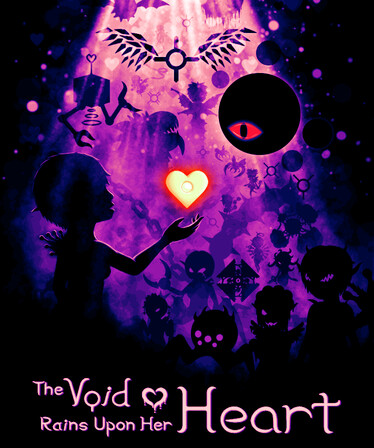
The Void Rains Upon Her Heart
Help her heart battle tough bosses in this Boss Rush, Bullet-hell with rogue-like elements. Fight through several randomly chosen boss battles leading up to a final battle. Each defeated monster will give her random gifts that power up her heart. Don't let her heart break!

Gunlocked
A twin stick shooter without the twin stick, Gunlocked is a sci-fi action roguelike about careful positioning and upgrade selection. Manage unique targeting systems across multiple weapons and upgrades, as you battle legions of alien ships, and then do it all over again!

Super Ledgehop: Double Laser
Cutie anime girl realizes her cool big bro is missing?? Cheese it up with Chizuru and SHOOT TO THE BEAT OF THE SONG in this top down bullet hell shooter! Absorb enemy bullets using your waveshines to utilize their bullets as your own! Show those cheeseheads that you're better!

AK-xolotl: Together
The cutest, deadliest top-down roguelike shooter featuring AK-wielding Axolotls. Blast your way through the animal kingdom with an arsenal of kick-ass guns, mighty power-ups and even raise an army of trigger-happy baby axolotls. 🔫🔫 Double the firepower! Local co-op update now live!

Maiden and Spell
Maiden & Spell is a magical girl battle game, set in a cutesy fantasy world. Select from one of eight young ladies to battle 1 on 1 with a friend, or fight your way through a series of bosses and learn the secrets of The Kingdom of Stars.

Mirage Feathers
「Maybe one day, I won't have to fight when I fly.」
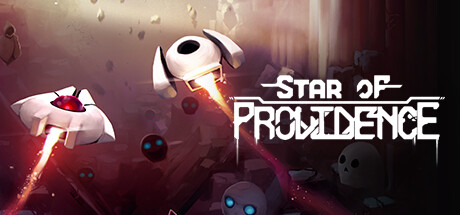
Star of Providence
Star of Providence is a top down action shooter with procedurally generated elements. Explore a large, abandoned facility in search of incredible power, fighting dangerous foes and gaining new weapons and upgrades as you progress.

Rabbit and Steel
RABBIT & STEEL is a co-op action roguelike that recreates the essence of high-level MMO raiding in a randomized, simplified, bunny-sized package. Choose your class, gather your rabbit-eared companions and battle your way to the Moonlit Pinnacle!

Little Witch Survivors
"Little Witch Survivors" is a magic pigeon barrage shooting game. You will play as a little witch, summoning and commanding eight unique magic guardians to fight side by side! Each guardian has dual skills, and you can switch strategies freely in the equipment slots - weave your own magic miracle!
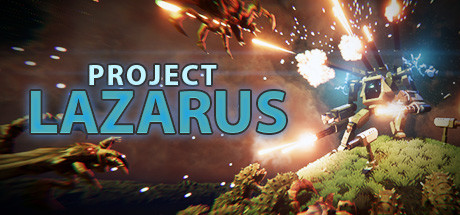
Project Lazarus
You are the first party mech pilot of alien planet colonizers! Project Lazarus is a survival game with rogue-lite elements. Deploy and upgrade your mech to the metal!
Frequently Asked Questions
Rhythm Witch: Beat Death is currently priced at 5.89€ on Steam.
No, Rhythm Witch: Beat Death is currently not on sale. You can purchase it for 5.89€ on Steam.
Yes, Rhythm Witch: Beat Death received 394 positive votes out of a total of 416 achieving a rating of 8.74.
😎
Rhythm Witch: Beat Death was developed by Dusklight CO. and LTD. and published by Dusklight CO., LTD. and 2P Games.
Yes, Rhythm Witch: Beat Death is playable and fully supported on Windows.
Yes, Rhythm Witch: Beat Death is playable and fully supported on MacOS.
No, Rhythm Witch: Beat Death is not playable on Linux.
Yes, Rhythm Witch: Beat Death is playable on Steam Deck, though it might require a few minor tweaks. Make sure to check the Steam store page and community feedback on ProtonDB for exact compatibility details.
Yes, Rhythm Witch: Beat Death is playable and fully supported on Steam Machine.
No, Rhythm Witch: Beat Death does not support VR.
Rhythm Witch: Beat Death is a single-player game.
No, Rhythm Witch: Beat Death does not currently offer any DLC.
No, Rhythm Witch: Beat Death does not support mods via Steam Workshop.
No, Rhythm Witch: Beat Death does not support Steam Remote Play.
Yes, Rhythm Witch: Beat Death is enabled for Steam Family Sharing. This means you can share the game with authorized users from your Steam Library, allowing them to play it on their own accounts. For more details on how the feature works, you can read the original Steam Family Sharing announcement or visit the Steam Family Sharing user guide and FAQ page.
You can find solutions or submit a support ticket by visiting the Steam Support page for Rhythm Witch: Beat Death.
Data sources
The information presented on this page is sourced from reliable APIs to ensure accuracy and relevance. We utilize the Steam API to gather data on game details, including titles, descriptions, prices, and user reviews. This allows us to provide you with the most up-to-date information directly from the Steam platform.
Additionally, we incorporate data from the SteamSpy API, which offers insights into game sales and player statistics. This helps us present a comprehensive view of each game's popularity and performance within the gaming community.
Last Updates| Steam data | 27 September 2026 14:13 UTC |
|---|---|
| SteamSpy data | 19 October 2026 17:54 UTC |
| Steam price | 26 October 2026 20:13 UTC |
| Steam reviews | 18 October 2026 05:54 UTC |
If you'd like to dive deeper into the details about Rhythm Witch: Beat Death, we invite you to check out a few dedicated websites that offer extensive information and insights. These platforms provide valuable data, analysis, and user-generated reports to enhance your understanding of the game and its performance.
- SteamDB - A comprehensive database of everything on Steam about Rhythm Witch: Beat Death
- SteamCharts - Analysis of Rhythm Witch: Beat Death concurrent players on Steam
- ProtonDB - Crowdsourced reports on Linux and Steam Deck Rhythm Witch: Beat Death compatibility

Game modes
Features
Online players
1
Developer
Dusklight CO., LTD.
Publisher
Dusklight CO., LTD.,
2P Games
Release
08 May 2025
Platforms